In the United States, over 75% of homeowners are adding plants to their homes. They look for unique and useful ways to show off their plants. Cinder blocks make it easy and cheap to create a stylish plant display.
Building a plant shelf with cinder blocks is a great idea. It looks good and is useful. It’s perfect for anyone who loves gardening and wants to make their home special.
This project is simple and won’t cost a lot. It lets you make a special place for your plants. It makes your indoor or outdoor space look better.
Key Takeaways
- Create a unique and functional plant display using cinder blocks.
- This project is easy on the budget and can be completed with minimal tools.
- Perfect for both indoor and outdoor spaces, adding a personal touch to your home decor.
- Enhance your home’s aesthetic with a stylish and modern plant shelf.
- Ideal for gardening enthusiasts who want to showcase their plants in a creative way.
Table of Contents
What is a Cinder Block Plant Shelf?
A cinder block plant shelf is a great way to show off your plants. It’s made from cinder blocks, which are strong and easy to use in DIY projects.
Cinder blocks are popular for plant shelves because they’re tough and look good. They work well indoors and outdoors, adding beauty to any space.
Benefits of Using Cinder Blocks for Plant Shelves
There are many good reasons to use cinder blocks for plant shelves. They’re durable and can handle different weather conditions. Plus, they’re cost-effective and easy to find at hardware stores or online.
Another great thing is how flexible they are. You can arrange cinder blocks in many ways to fit your space and style. This lets you be creative with your plant shelf designs.
Design Versatility of Cinder Block Shelves
Cinder block shelves are very versatile in design. Design experts say they’re a blank canvas for creativity. You can make unique plant displays that show off your style, whether it’s modern or rustic.
You can also add different materials like wooden planks or glass panels. This lets you mix and match to create a sophisticated look. Cinder block plant shelves are a versatile choice for plant lovers.
Advantages of DIY Plant Shelves
DIY plant shelves are a great way to show off your plants without spending a lot. They are perfect for both indoor and outdoor spaces. Making your own shelf can bring many benefits to your home.
Cost-Effective Solution for Plant Displays
One big plus of DIY plant shelves is how affordable they are. You can save money by making your own shelf instead of buying one. For example, using cinder blocks and wooden planks can make a strong and nice-looking shelf for less than what you’d pay for a store-bought one.
- Use cheap materials like cinder blocks and old wood.
- Steer clear of the high prices of brand-name items.
- Make your shelf fit your needs and budget exactly.
Customizable to Fit Any Space
DIY plant shelves are also super flexible. They can fit any size of space, from small balconies to big backyards. This means you can show off your plants in the best way possible and make your area look even better.
- Measure your space to pick the right shelf size.
- Pick materials that match your decor.
- Plan the layout for your plants.
By considering these things, you can make a beautiful and useful outdoor plant shelf DIY. It will make your home even more valuable.
Materials Needed for Your Project
To begin your DIY cinder block plant shelf project, you’ll need to gather the necessary materials. The right materials will make your shelf sturdy, functional, and attractive.
Selecting the Right Cinder Blocks
Cinder blocks are the base of your plant shelf. Look for blocks that fit your design needs. Standard blocks are 8 inches by 8 inches by 16 inches. But, you can find smaller or larger blocks too.
For a rustic look, choose blocks with a rougher texture.
Types of Cinder Blocks:
- Standard cinder blocks
- Decorative cinder blocks
- Split-face cinder blocks for a textured look
Additional Supplies and Tools
You’ll need more than just cinder blocks for your project. You’ll need lumber for the shelf, construction adhesive, and possibly rebar for extra stability. Don’t forget basic tools like a trowel, level, and safety gloves.
| Material | Quantity | Purpose |
|---|---|---|
| Cinder Blocks | Variable | Base structure of the shelf |
| Lumber | Dependent on shelf size | Shelf surface |
| Construction Adhesive | 1-2 tubes | Securing cinder blocks |
| Rebar | Optional | Added stability |
For more detailed instructions and inspiration, visit Love and Renovations. They have a comprehensive guide on building DIY cinder block plant shelves.
Choosing the Perfect Location
Finding the right spot for your cinder block plant shelf is key to its success. You should think about sunlight and water drainage, whether it’s indoors or outdoors.
When choosing between inside or outside, think about your plants’ sunlight needs. Most plants need lots of sunlight to grow well. So, a spot with plenty of natural light is best. For indoor shelves, a sunny window is great. For outdoor ones, make sure it’s not too shaded.
Sunlight Considerations: Plants need different amounts of sunlight. If your plants love sunlight, put the shelf outside. But, if they prefer shade, an indoor spot or a shaded outdoor area is better.
Water Drainage: Water can collect in cinder blocks, harming plants. To avoid this, add gravel or perlite at the bottom of the planters. For outdoor shelves, a slight tilt helps water run off.
“The right location for your cinder block plant shelf can significantly impact the health and appearance of your plants.”
To sum up, when picking a spot for your cinder block plant shelf:
- Think about your plants’ sunlight needs.
- Make sure water can drain well to prevent damage.
- Choose between indoor and outdoor based on your plants and what you like.
By picking the right spot for your cinder block plant shelf, you can make a beautiful display. It will add to your indoor or outdoor space.
Step-by-Step Guide to Building Your Shelf
Creating a cinder block plant shelf is simple. We’ll show you how to do it. It involves two main steps: getting ready and putting the blocks together.
Preparing Your Work Area
Start by getting your work area ready. Make sure it’s clean and free of anything that could get in the way. If you’re inside, lay down a drop cloth to catch dust and spills. Outside, pick a flat spot for stability.
Key steps to prepare your work area include:
- Clearing the space of any obstructions
- Protecting your floor or surface
- Gathering all necessary tools and materials
Assembling Your Cinder Block Shelf
Putting the cinder blocks together is easy. Start by arranging them in a shape you like. A simple rectangular base works well. Use a level to make sure they’re even and adjust as needed.
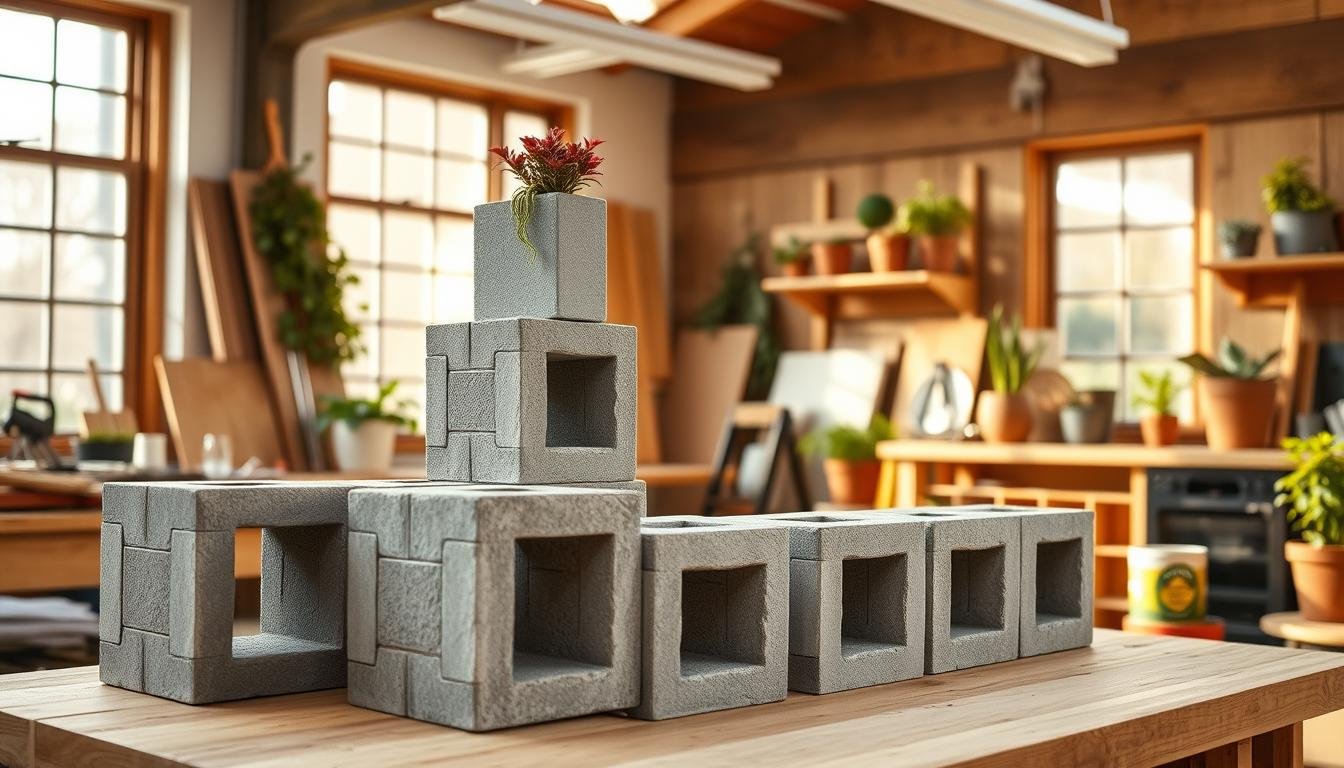
| Layer | Cinder Blocks per Layer | Total Height |
|---|---|---|
| 1 | 4 | 4 inches |
| 2 | 4 | 8 inches |
| 3 | 4 | 12 inches |
By following these steps, you’ll have a strong and stylish cinder block plant shelf. It’s great for showing off your plants.
Painting and Finishing Touches
After building your cinder block plant shelf, it’s time to add the final touches. Painting and finishing make it look great and protect it from the weather.
Weatherproofing Outdoor Shelves
Outdoor shelves need to be weatherproofed to last longer. Use high-quality exterior paint made for concrete. First, apply a primer to help the paint stick better and last longer.
After painting, add a waterproof sealant to keep the cinder blocks dry. This is key in wet or humid areas.
Creative Painting Ideas for Style
Painting your cinder block shelf lets you add a personal touch. It can match your outdoor or indoor decor. Here are some ideas:
- Use bright colors to brighten up your garden or patio.
- Match the paint to your home’s look for a unified feel.
- Try a distressed finish for a vintage look.
- Paint patterns or designs for a unique flair.
For inspiration, designer Kelly Wearstler says,
“The right color can transform a space, making it feel entirely new.”
Choosing the right paint color is key to your shelf’s look.
| Paint Type | Finish | Durability |
|---|---|---|
| Acrylic Latex | Matte | High |
| Elastomeric | Satin | Very High |
| Epoxy | Glossy | Extremely High |
By picking the right paint and finish, your shelf will be both beautiful and durable.
Ensuring Stability and Safety
Stability and safety are key when making a DIY cinder block plant shelf. It’s important to make sure your shelf is stable, even when it’s full of plants.
To keep your shelf stable, focus on two main things: securing the cinder blocks and spreading the weight evenly.
Securing the Cinder Blocks
Securing the cinder blocks is the first step to a stable shelf. Here are some tips to help you:
- Use a level to make sure the base is even and level.
- Stack the cinder blocks in a staggered pattern for better stability.
- Think about using adhesive or anchors, which are good for outdoor shelves.
Table: Methods for Securing Cinder Blocks
| Method | Description | Effectiveness |
|---|---|---|
| Staggered Stacking | Stacking blocks in a staggered pattern. | High |
| Adhesive | Using adhesive to bond blocks together. | Very High |
| Anchoring | Anchoring blocks to the floor or wall. | Very High |
“A stable foundation is key to a successful DIY project. Ensuring your cinder block shelf is level and securely anchored will prevent accidents and ensure longevity.”
Weight Distribution Tips
It’s important to spread the weight evenly on your shelf for stability. Here are some tips:
- Put heavier plants at the bottom and lighter ones at the top.
- Don’t overload one side of the shelf.
- Think about the weight of plants when they’re watered, as it can increase a lot.
By following these tips, you can make sure your cinder block plant shelf is stable and safe. It will look great and be less likely to cause accidents.
Plant Selection and Arrangement
To make your cinder block plant shelf look great, pick plants that match its industrial look. The right plants can make your shelf look balanced and beautiful.
Popular Plants for Cinder Block Shelves
Choose plants that do well in your shelf’s spot. For indoor shelves, pick plants like Snake Plants and ZZ Plants for low light. For outdoor shelves, Succulents and Herbs are good because they handle different weather.
- Snake Plants: Perfect for low-light indoor conditions.
- Succulents: Ideal for outdoor shelves with good sunlight.
- Herbs: Great for outdoor use and can be harvested for culinary purposes.
Tips for Arranging Plants for Aesthetic Appeal
Setting up your plants on the cinder block shelf can be fun. Here are some tips to make it look good:
- Mix and match different plant sizes and textures to add depth and visual interest.
- Group plants with similar lighting and watering needs together.
- Consider the color palette of the plants and the surrounding decor to ensure harmony.
| Plant Type | Ideal Location | Maintenance Level |
|---|---|---|
| Snake Plants | Indoor | Low |
| Succulents | Outdoor | Low to Medium |
| Herbs | Outdoor | Medium |
Incorporating Planters and Accessories
Once your cinder block plant shelf is set up, you can make it even better with planters and accessories. These items not only look good but also help with plant care.
Adding Decorative Touches
The right planters can really make your cinder block shelf look great. Look for planters that match the color and style of your blocks. You can pick planters that are the same color or choose ones that contrast for a cool look.
- Terracotta planters for a rustic, earthy look
- Ceramic planters in various colors for a modern touch
- Wooden planters for a natural, warm feel
Functional Accessories for Plant Care
Adding useful accessories can also help with plant care. Think about using self-watering planters or moisture meters to make sure your plants get enough water.
Other useful items include:
- Plant fertilizers for healthy growth
- Plant labels for easy identification
- Supports for climbing plants
By choosing the right planters and accessories, you can make a creative cinder block plant shelf that looks great and works well.
Maintenance for Long-Lasting Shelves
To keep your cinder block plant shelf lasting long, you need to take care of it regularly. Cleaning and maintenance keep it looking great and working well. It becomes a strong and useful part of your home or garden.
Cleaning and Upkeep Tips
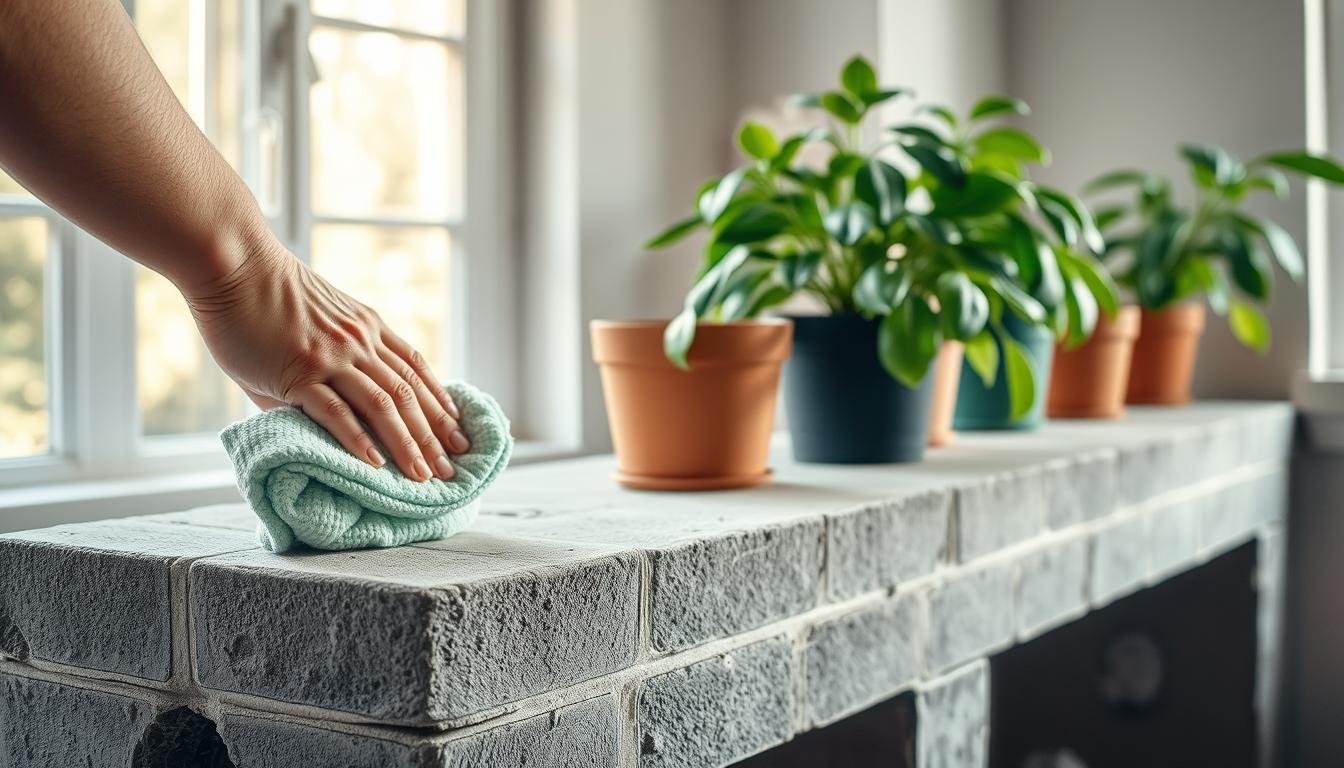
Keeping your cinder block plant shelf clean is key. Here are some easy tips:
- Dust regularly with a soft-bristled brush or a damp cloth to get rid of dirt and debris.
- Inspect for damage often, looking for cracks or wear on the cinder blocks and other materials.
- Clean planters and accessories often to stop dirt and harmful germs from building up.
Seasonal Care for Outdoor Use
Outdoor cinder block plant shelves need special care for different seasons. Here are some seasonal tips:
- Winter preparation: Keep plants safe from frost by covering them or moving them inside. Make sure the cinder blocks can handle snow and ice.
- Spring refresh: Clean off winter debris and check the shelf for damage. Refresh your plants and soil as needed.
- Summer maintenance: Make sure plants get enough water and sunlight. Look for signs of wear from the heat on the cinder blocks.
- Autumn preparation: Get your plants ready for winter by pruning them. Protect the soil from freezing.
By following these maintenance tips, your cinder block plant shelf will last for many years. Whether it’s inside or outside, regular care helps your plants grow well. It keeps your shelf looking beautiful and useful.
Troubleshooting Common Issues
Fixing problems is key to keeping your cinder block plant shelf stable and your plants healthy. Even with careful planning, issues can pop up that need quick fixes.
Addressing Stability Problems
Keeping your cinder block plant shelf stable is vital. If it tilts or cracks, you must act fast. Make sure the foundation is level and solid. Weather like heavy rain or strong winds can also affect it.
- Verify that the cinder blocks are properly aligned and stacked.
- Ensure the surface is level and adjust as necessary.
- Consider anchoring the shelf to the wall for added stability, if you live in an area prone to earthquakes.
Managing Plant Health Concerns
Plant health is also crucial for your cinder block plant shelf. Problems like overwatering, underwatering, or pests can harm your plants. Keep an eye on your plants and adjust their care as needed.
To help your plants thrive, follow these tips:
- Pick plants that match the light your shelf gets.
- Water them regularly, based on what each plant needs.
- Watch for pests and diseases, and treat them quickly if you find any.
By fixing stability issues and caring for your plants, you can have a lush and lovely cinder block plant shelf. It will make your indoor or outdoor space even better.
Inspiring Cinder Block Shelf Ideas
DIY home decor has become very popular, and cinder block plant shelves are a favorite. They are easy to make and don’t cost much. This makes them perfect for adding plants to any room.
Unique Designs from DIY Enthusiasts
DIY fans love making cinder block plant shelves. They create unique designs that look great and add an industrial vibe. You can find everything from simple to complex designs.
Some people mix cinder blocks with reclaimed wood or metal. This adds different textures and makes the shelves more interesting. Others build tall shelves to save space, ideal for small homes.
Examples of Shelves for Small Spaces
For those in small apartments or homes, cinder block shelves are a space-saving solution. They use vertical space to create green areas without taking up too much floor space.
There are many designs, like narrow shelves that hug the wall or compact corner shelves. These not only hold plants but also make the room look better.
The Eco-Friendly Benefits of Using Cinder Blocks
Using cinder blocks for plant shelves has many eco-friendly perks. It’s good for sustainability and boosts indoor air quality. You’re making a unique spot for plants and helping the planet at the same time.
Sustainability of Recycled Materials
Cinder blocks are often made from recycled stuff. This makes them a green choice for your project. They’re also tough and last a long time, so you don’t need to replace them often.
Key benefits of using cinder blocks include:
- Made from recycled materials
- Durable and long-lasting
- Reduces waste and conserves natural resources
Enhancing Indoor Air Quality with Plants
Adding plants to your cinder block shelf also improves air quality. Plants clean the air by removing pollutants. This can make your home healthier and better for your health.
Some popular plants for improving indoor air quality include:
- Snake plants
- Spider plants
- Peace lilies
By mixing cinder blocks with plants, you’re making your home healthier. You’re also supporting green practices.
Cost Breakdown of DIY Project
Planning a DIY cinder block plant shelf is fun and budget-friendly. It’s important to know the cost breakdown.
Budgeting for Materials
The cost of materials is key in your DIY project. You’ll need cinder blocks, wooden planks or boards, and decorative items if you want.
Cinder Blocks: These are the main parts. Their cost changes with size and how many you buy.
Wooden Planks or Boards: These are for the shelves. The price depends on the wood type and size.
| Material | Estimated Cost per Unit | Quantity Needed | Total Estimated Cost |
|---|---|---|---|
| Cinder Blocks | $2-$5 | 4-6 | $8-$30 |
| Wooden Planks (for shelves) | $10-$30 | 2-3 | $20-$90 |
| Decorative Items (optional) | $5-$10 | Variable | $5-$50 |
| Total Estimated Cost | $33-$170 |
Potential Savings Compared to Store-Bought Shelves
DIY cinder block plant shelves offer big savings. Store-bought shelves cost $50 to over $200, based on size and material.
DIYing can save you 30% to 60% compared to buying a shelf. This depends on your material choices and design.
DIYing not only saves money but also lets you customize your shelf. You can make it fit your space and style perfectly.
Conclusion: Start Your DIY Cinder Block Plant Shelf Journey Today!
Starting a DIY cinder block plant shelf project is fun and creative. It lets you make a space for your plants and add a special touch to your home. This easy DIY project is a great way to personalize your space.
Unleashing Your Creativity
As you work on your cinder block shelf, you’ll find joy in making it your own. The DIY community is full of ideas and support. It helps you overcome any challenges and keeps you inspired.
Finding Inspiration in the DIY Community
Being part of the DIY community is inspiring and supportive. You can share your project and learn from others. This way, you’ll keep exploring your creativity and tackling new DIY projects. Your cinder block plant shelf will be a beautiful, functional part of your home.
FAQ
What are the benefits of using cinder blocks for a plant shelf?
Cinder blocks are tough, versatile, and great for plant displays. They’re also cheap and easy to customize for any space.
How do I choose the right cinder blocks for my plant shelf?
Think about the size and weight of your plants and the look you want. Choose from different sizes and shapes to make a unique shelf.
Can I use a cinder block plant shelf indoors and outdoors?
Yes, you can use it inside or outside. But, if it’s for outside, weatherproof the blocks to keep them safe from the weather.
How do I ensure the stability and safety of my cinder block plant shelf?
To keep it stable and safe, secure the blocks together and to the floor. Spread the plant weight evenly on the shelf.
What are some popular plants to display on a cinder block plant shelf?
Popular plants include succulents, herbs, and flowers. Pick plants that match your lifestyle and the shelf’s sunlight.
How do I maintain my cinder block plant shelf?
Keep the blocks clean and check the shelf for damage. Also, make sure your plants are healthy and getting enough light.
Can I paint or finish my cinder block plant shelf?
Yes, you can paint or finish it to make it look better and protect it. Use a weatherproof sealant or paint.
How much does it cost to build a cinder block plant shelf?
The cost depends on the materials and shelf size. Expect to spend to 0, based on your design.
Are cinder block plant shelves eco-friendly?
Yes, they are eco-friendly. Cinder blocks are recycled, and plants clean the air, improving indoor quality.
Can I customize my cinder block plant shelf to fit my space?
Yes, DIY cinder block shelves can be tailored to fit your space. Choose the size, shape, and design that suits you.