Table of Contents
Why Monstera is such a popular houseplant
A Monstera sells for one reason above all: it gives you a lot of visual payoff without demanding orchid-level precision. The big split leaves look expensive, tropical, and dramatic even when the care routine is pretty simple. Current retailer and care pages keep pushing the same appeal points—bold foliage, beginner-friendliness, indoor impact, and the ability to thrive in medium to bright indirect light—which tells you exactly why the plant keeps ranking, selling, and showing up in “best indoor plants” collections. (Costa Farms)
That popularity also creates a problem: buyers often purchase the look, not the plant. They see mature fenestrated leaves online, then buy a tiny juvenile plant and wonder why it doesn’t resemble the photos. Patch notes that younger Monsteras often do not have holes yet, while mature specimens show the signature fenestrations buyers expect. That gap between expectation and reality is where most bad Monstera purchases begin. (Patch Plants)
The upside is that Monstera is usually a smart buy if you understand what you are actually paying for. You are not just buying a species name. You are buying a growth stage, a leaf form, a future size, a light requirement, a support need, and a level of risk. Get those right, and the plant feels easy. Get them wrong, and you end up paying collector prices for a plant that hates your apartment.
Which Monstera type is right for you
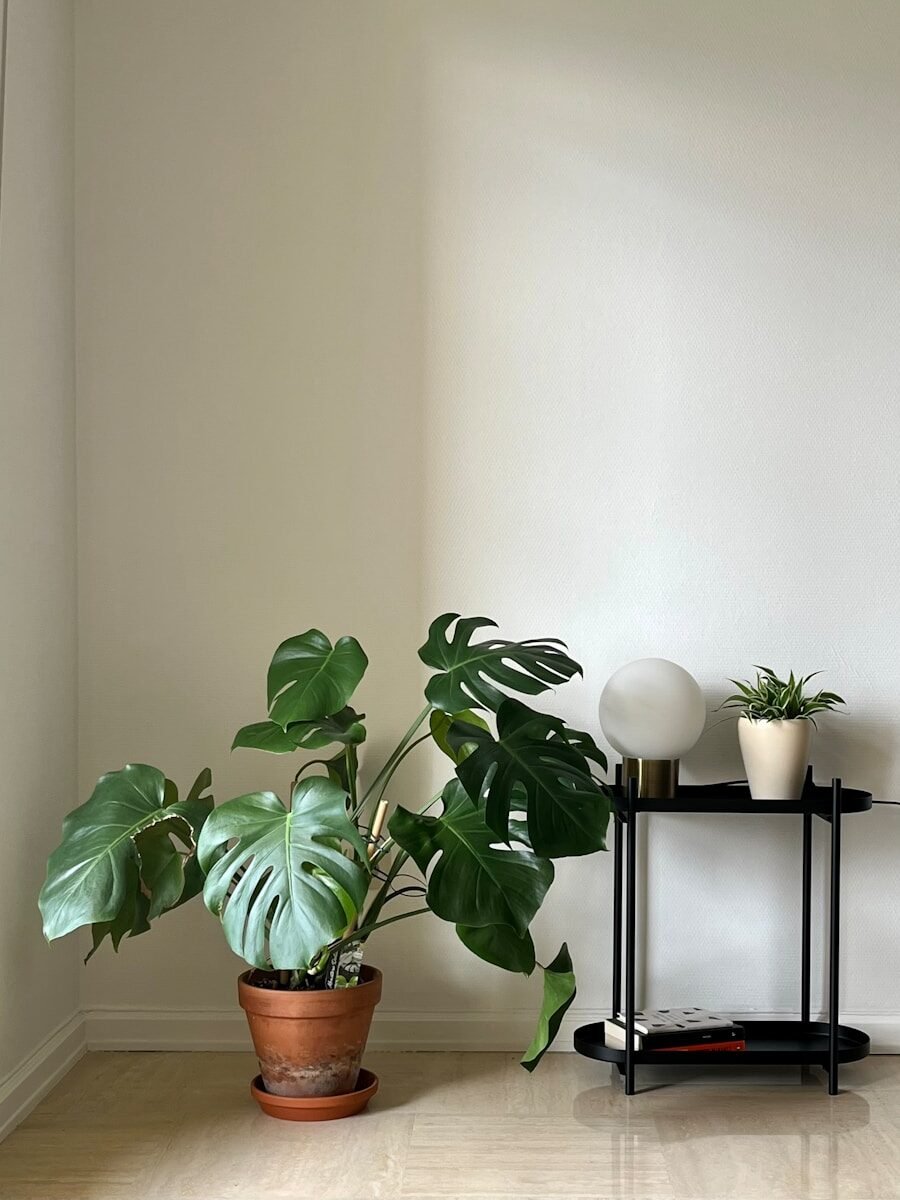
The best Monstera is not the rarest one. It is the one that fits your light, budget, patience, and willingness to manage growth. Search results around “buying a Monstera” consistently split into three buyer tracks: classic green Monstera for most people, smaller or trailing types for tighter spaces, and variegated collector plants for buyers who care more about rarity and aesthetics than simplicity. (Costa Farms)
If you are buying your first Monstera, start by asking a brutally practical question: do you want a reliable plant or a project? A reliable plant is forgiving, cheaper, and easier to replace. A project might be stunning, but it usually costs more, grows slower, and punishes weak light faster. That trade-off matters more than the Instagram photo.
Monstera deliciosa: the classic first choice
Monstera deliciosa is the safest recommendation for most buyers because it is widely available, easier to source in multiple sizes, and more tolerant of less-than-perfect indoor conditions than many trendier alternatives. Costa Farms notes it can tolerate lower light, though it grows faster and looks more dramatic in a brighter spot. RHS guidance lines up with that, recommending warmth, humidity, and bright but indirect light for best results. (Costa Farms)
This is the plant most people picture when they hear “Monstera.” If you want broad leaves, eventual fenestrations, and a plant that can become a statement piece, this is the one. It can also climb aggressively when happy, with Costa Farms describing it as capable of reaching 10 feet or more with support. That makes it excellent value if you want impact, but a poor fit if you want something compact forever. (Costa Farms)
For buyers, Monstera deliciosa hits the sweet spot between price and payoff. It is common enough that you can inspect it in person at nurseries, big retailers, and online shops, yet still impressive enough to anchor a room. If you only remember one rule from this article, remember this: when in doubt, buy a healthy green deliciosa before you buy a fragile expensive novelty.
Monstera adansonii and other trailing types
Monstera adansonii is a better fit when you want a more compact, trailing, or climbing plant with obvious holes at a smaller leaf size. Gardeners’ World describes it as thriving in bright, indirect light and humidity, while NC State notes it is toxic if ingested and can also irritate skin. (BBC Gardeners World Magazine)
The buying advantage here is shape. An adansonii usually gives you the “Swiss cheese” look earlier, and it works well in hanging pots or smaller climbing setups. The downside is that it can look sparse or leggy in weak light faster than a deliciosa. If your room is dim and you are already bad at watering, this is not your easiest win. (BBC Gardeners World Magazine)
This is the right buy for someone who wants texture, movement, and visible fenestration without waiting for a giant floor plant to mature. It is not the right buy for someone chasing the iconic huge split-leaf silhouette. That distinction matters because many shoppers confuse “Monstera” as one visual outcome. It is not.
Variegated Monsteras: Thai Constellation, albo, and collector picks
Variegated Monsteras sit in a different buying category. They are not just pricier versions of the same plant. They are slower, fussier, and usually less forgiving because variegated tissue has less chlorophyll. Costa Farms explicitly notes slower growth in Thai Constellation, and current care pages also emphasize the need for strong bright indirect light to keep variegated plants looking good without scorching them. (Costa Farms)
They can be worth it, but only for the right buyer. Thai Constellation tends to be more stable in patterning than many albos, which is one reason it has become more commercially available. Current retailer listings show it now appearing in mainstream channels, while trend coverage suggests rarer forms such as Burle Marx Flame are continuing to pull collector attention in 2026. (Costa Farms)
You also need scam awareness. The Spruce’s variegated Monstera guidance warns that “seeds” for Thai Constellation or albo are a red flag, and that cuttings need at least one node to grow. It also warns against buying fully white sections with no meaningful chlorophyll because they are unlikely to thrive. Those are not small details. They are the difference between buying a plant and buying an expensive disappointment. (The Spruce)
Where to buy a Monstera plant
You have three realistic buying channels: local nursery or garden center, specialty houseplant seller, and online retailer. Gardeners’ World says Monsteras are widely available in garden centres, but recommends specialist houseplant retailers or online sellers when you want better selection. That tracks with current search results, where mainstream stores tend to stock common green forms, while specialty shops carry more size options and collector varieties. (BBC Gardeners World Magazine)
A local nursery gives you one big advantage: inspection. You can check leaves, soil, stem shape, roots, pests, and whether the plant is leaning, scarred, or poorly potted before handing over money. That matters because plant quality varies wildly even within the same batch. A Monstera is not a sealed product. It is a living inventory item that can decline on the bench while still being sold at full price.
Online buying wins on range, especially for variegated or harder-to-find stock. It also increases risk because you are betting on seller honesty, packaging quality, and transit conditions. Reviews on current listings show exactly that pattern: buyers praise foliage and service when plants arrive well packed, and complain when packaging or shipping stress ruins the experience. (Ugaoo)
The smartest rule is simple. Buy common green Monsteras locally when possible. Buy rare or specific cultivars online only from sellers who show the exact plant, node structure, current photos, and clear shipping policies. For expensive variegated plants, vague photos should end the conversation.
How much you should expect to pay
Monstera pricing is all over the place because you are paying for more than species. Size, maturity, fenestration, variegation, root establishment, and retailer reputation all move the number. Current Indian retail snapshots show the spread clearly: basic Monstera deliciosa saplings can list around ₹199, more established green plants can range roughly from ₹845 to ₹4,496, and premium Thai Constellation stock can push to ₹9,999 or higher. (The Affordable Organic Store)
Here is the useful way to think about price:
| Plant Type / Stage | Typical Buying Logic | Current Price Snapshot |
|---|---|---|
| Small green Monstera deliciosa sapling | Cheapest entry, slower visual payoff | around ₹199 on some listings (The Affordable Organic Store) |
| Established green Monstera deliciosa | Better value for most buyers | roughly ₹845–₹4,496 depending on size (Nursery Nisarga) |
| Large mature green Monstera | You pay for size and fenestration now | higher end of standard range or more depending on seller (Nursery Nisarga) |
| Thai Constellation / premium variegated stock | Collector pricing, slower growth, more risk | around ₹9,999 on one current XL listing (Ugaoo) |
Cheap is not always value. A ₹199 sapling may be fine if you enjoy growing plants up over time. It is a bad deal if what you really want is a big split-leaf statement plant in the next few months. On the other hand, a larger established green Monstera often beats a tiny bargain plant because you skip the awkward juvenile stage and get visible fenestrations sooner. (Patch Plants)
For collector plants, price should rise only when proof rises. A higher ticket needs clearer variegation quality, healthier growth, stronger root establishment, and better seller transparency. Paying extra for a trendy name without those basics is how buyers get burned.
What a healthy Monstera plant looks like
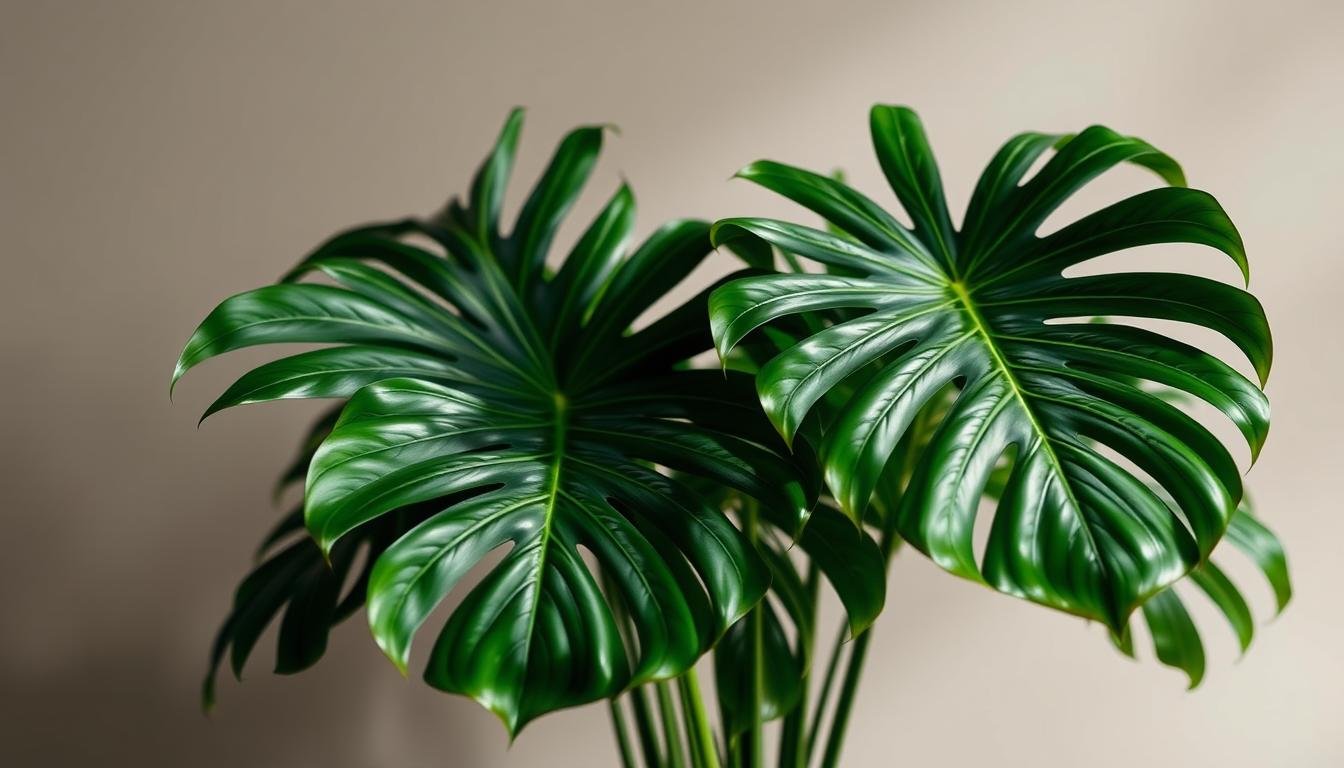
A healthy Monstera should look alive, not merely upright. You want a plant with good leaf color, clean stems, stable structure, and soil that feels managed rather than neglected. Current buying guides and retailer care pages repeatedly emphasize pest checks, healthy leaves, and strong form as the basics to inspect before buying. (Plant Embassy)
The fastest way to assess a Monstera is to stop looking at the prettiest leaf and start looking for consistency. One dramatic leaf can hide a weak plant. A strong buy has multiple leaves with decent color, no obvious active pest issue, no collapsing petioles, and no swampy or sour-smelling soil. If the plant looks glossy only because it was recently cleaned or sprayed, that is cosmetic. You are buying the system, not the shine.
Leaf checks that matter before you buy
Start with the leaves because they reveal both current health and the seller’s maintenance habits. You want foliage that is mostly even in color, without spreading yellowing, large mushy patches, active spotting, or crispy edges on every leaf. Some cosmetic tears happen in retail environments, especially on larger leaves, but widespread damage means stress, rough handling, poor watering, or pests. (BBC Gardeners World Magazine)
Turn leaves over. Pest signs often show up beneath the foliage first. Check for sticky residue, cottony clusters, tiny moving specks, silvery scarring, black dots, and webbing. Buying guides specifically call out checking leaves, stems, soil, and pot surfaces for pests, not just the top of the plant. That advice is boring, but it saves money. A “deal” with mealybugs or thrips is usually no deal at all. (Plant Embassy)
Also check whether the newest growth looks promising. A plant pushing healthy new growth is telling you it is actively functioning. Reddit buying discussions echo this practical point too: an emerging leaf or healthy node can tell you more than one mature leaf about where the plant is heading. That is informal advice, not a primary source, but it aligns with how experienced buyers read plant momentum. (Reddit)
Stem, root, and soil checks
The stem structure matters more than many first-time buyers realize. Plant Embassy’s buying guide points out that stem shape affects how easy a Monstera will be to train up a pole later. A straight, manageable main stem is usually more useful than a plant that already has an awkward bend or chaotic multi-direction growth. (Plant Embassy)
Check the potting mix next. It should not smell sour, stay waterlogged, or look like compacted mud. Costa Farms warns against letting Monsteras sit in standing water, and that matters at the store too. A plant sitting in a soaked cachepot may already be heading toward root issues even if the leaves still look decent. (help.costafarms.com)
If the seller allows it, slide the root ball out slightly or inspect the drainage holes. Healthy roots are generally firm and lighter in color, while rotting roots tend to be mushy and foul-smelling. You are not looking for perfection. You are looking for signs the plant has a future. A tight, rootbound plant can recover with repotting. A rotting root system is a worse bet, especially for beginners.
The best size to buy
For most people, the best Monstera to buy is neither the cheapest baby plant nor the most mature expensive specimen. It is a medium-size, established plant with multiple healthy leaves and a clear growth point. That sweet spot usually gives you better value, faster visual reward, and less shock than a tiny starter or huge mature plant. (Plant Embassy)
Small Monsteras are cheaper, lighter, and easier to acclimate. They also require more patience and usually will not give you the iconic split-leaf look immediately. Patch explicitly notes that younger plants often lack holes, while mature plants already show the look many buyers want. So if your main goal is aesthetic payoff, buying tiny and hoping is often a mismatch. (Patch Plants)
Large mature Monsteras are dramatic from day one, but they ask more from your home. They need more room, more support, and better light to maintain the form that made you buy them. They can also be harder to transport and more stressful to move. If your space is stable and bright, a mature plant can be worth it. If you move often, live in a cramped flat, or are still learning plant care, medium beats massive.
Questions to ask the seller
Good sellers should be able to answer basic care and provenance questions without sounding defensive. Ask how long they have had the plant, whether it was recently repotted, what light it has been grown in, how often it is watered, and whether it has had pest treatment recently. Those questions tell you whether the plant is stable and whether you are about to change every condition at once.
For variegated Monsteras, ask sharper questions. Is it rooted or just callused? Does the cutting have a viable node? Is the variegation stable or trending greener? Are the photos of the exact plant? The current rare-plant guidance around variegated Monsteras makes these questions non-negotiable, especially because node-free cuttings and misleading seed claims remain known traps. (The Spruce)
You should also ask whether the plant is already attached to a support. Gardeners’ World notes that if you are buying a Monstera to climb, you will need a support such as a moss or coir pole. Starting support early tends to make the plant easier to manage and more upright over time. Recent expert commentary also points out that early support matters more than waiting until the plant is already flopping around. (BBC Gardeners World Magazine)
A seller who cannot answer any of that may still have a fine plant. But the uncertainty should lower what you are willing to pay. Price without information is risk. Risk should not command premium pricing.
How to match the plant to your home
The right Monstera is the one your home can actually support. Search behavior shows that buyers are not just asking “how do I care for it?” They are asking whether their light is enough, whether the plant is safe with pets, whether they need support, and whether the plant will outgrow the room. Those questions matter because purchase success starts before checkout. (The Sill)
A plant that looks cheap but does not fit your conditions becomes expensive fast. You lose time, confidence, and probably the plant. A plant that costs a bit more but matches your light and habits usually turns out cheaper in the long run because it survives and keeps looking good.
Light and placement
The safest light rule for Monsteras is bright, indirect light. RHS says they prefer bright but indirect light, while The Sill describes Monstera deliciosa as thriving in bright indirect to medium light. Costa Farms adds an important nuance: some Monsteras tolerate lower light, but they grow faster and become more dramatic in brighter spots. (RHS)
That means low light is a tolerance, not a goal. A Monstera may survive in a dim corner, but survival and performance are different things. In weak light, growth slows, internodes stretch, leaves stay smaller, and fenestrations can be delayed or reduced. For variegated types, light matters even more because pale areas already have less chlorophyll. (Costa Farms)
Placement should also account for future size. Monstera deliciosa is not a shelf trinket once established. It becomes a floor plant that wants lateral room and often vertical support. If your only available space is beside a blasting radiator or in direct harsh afternoon sun, the problem is not the Monstera. The problem is the match.
Pets, kids, temperature, and humidity
Monsteras are not pet-safe. The ASPCA lists Monstera deliciosa as toxic to dogs and cats due to insoluble calcium oxalates, with signs such as oral irritation, drooling, vomiting, and difficulty swallowing. NC State also notes toxicity to humans if eaten in quantity and possible skin irritation from sap. (ASPCA)
That does not automatically rule the plant out. It does mean you should buy with placement in mind. High shelves are not enough for a climbing or trailing plant if a cat can reach the leaves. If you have habitual plant-chewing pets or very young children, skipping Monstera may be the smarter choice. A beautiful plant is not worth an avoidable emergency.
Temperature and humidity matter, but not in a scary way. RHS recommends keeping Monsteras warm, roughly 18–25°C, and notes they appreciate humid air. They can adapt to ordinary indoor conditions, but stronger humidity generally supports better leaf quality, especially for tropical growth and variegated forms. (RHS)
What to do right after you buy
The first mistake people make after buying a Monstera is trying to “help” it too aggressively. They repot immediately, fertilize immediately, move it three times in a week, and then wonder why the plant sulks. A newly purchased plant is already processing new light, new airflow, new temperature, and often shipping or transport stress. Your first job is stability, not intervention.
Set it in a spot with appropriate light, inspect it thoroughly, and isolate it from other plants for a short period if you are worried about pests. Water only if the plant actually needs it. The Sill’s general guidance of allowing soil to dry between waterings and Costa Farms’ warning not to let the plant sit in standing water are the right guardrails here. (The Sill)
Repot only when there is a real reason, such as severely poor soil, obvious rot, or a rootbound condition that makes watering impossible. Otherwise, let the plant acclimate first. If it is a climbing type, plan support early. Recent expert guidance suggests introducing support while the plant is still young is easier than correcting a floppy plant later. (Woman & Home)
Also adjust your expectations. One yellowing leaf after a move is not the end of the world. What matters is trend, not a single symptom. Watch for continued decline, not one dramatic moment.
Common buying mistakes
The biggest Monstera buying mistake is buying the photo instead of the plant in front of you. People fall for stock images of huge fenestrated leaves, then buy a baby plant in poor soil with no growth point and expect instant jungle energy. That is not optimism. That is a mismatch.
The second mistake is underestimating size and support. Green Monstera deliciosa can become large climbing plants, and both retailer guides and expert commentary keep stressing support options such as moss or coir poles. If you have no floor space and do not want a stake, buy accordingly. (Costa Farms)
The third mistake is treating rarity as quality. A variegated Monstera can be stunning, but it is not automatically a better buy than a healthy green one. Slower growth, higher light demand, higher price, and scam risk all come with the territory. The current guidance around rare Monsteras is clear: no node, no deal; fake seeds, walk away; too much white, more risk. (The Spruce)
The fourth mistake is ignoring toxicity and household reality. If your cat eats plants, your Monstera purchase is not a style choice anymore. It is a safety decision. ASPCA and university extension sources are too clear on this point to shrug off. (ASPCA)
The fifth mistake is chasing the lowest price. Cheap plants are great when they are healthy and fit your goals. Cheap plants are bad when the low price hides pests, rot, poor packaging, or a growth stage you do not actually want. The best Monstera purchase usually feels balanced: healthy plant, fair size, realistic care fit, and a price that makes sense for the evidence in front of you.
Conclusion
Buying a Monstera plant is easy. Buying the right Monstera plant takes a little judgment. The plant that wins is usually not the rarest, tallest, or most hyped one. It is the one with healthy roots, clean leaves, manageable structure, and a realistic fit for your light, budget, and household.
For most buyers, that means a healthy Monstera deliciosa from a local nursery or trusted specialist seller. It gives you the best combination of availability, resilience, and long-term payoff. If you want a trailing look, lean toward adansonii. If you want variegation, pay only when the seller proves the plant deserves the premium.
The smartest way to buy a Monstera is simple: inspect hard, buy for your conditions, and let a good green plant beat a risky flashy one. That one decision solves half the problems people usually blame on “bad luck.”
FAQs
What should I look for when buying a Monstera plant?
Look for clean leaves, no visible pests, firm stems, healthy new growth, and potting mix that is moist but not swampy. If possible, inspect the roots or drainage holes too. A healthy system matters more than one oversized show leaf. (Plant Embassy)
Which Monstera is best for beginners?
For most people, Monstera deliciosa is the best beginner choice. It is widely available, more forgiving than many collector forms, and tolerates average indoor conditions better than most variegated options, while still rewarding brighter indirect light with stronger growth. (Costa Farms)
Should I buy a small or mature Monstera?
Buy small if you want the cheapest entry point and enjoy growing the plant over time. Buy medium to mature if you want visual impact sooner. Most buyers get the best value from an established mid-size plant because it balances price, easier acclimation, and faster payoff. (Patch Plants)
Are Monstera plants toxic to cats and dogs?
Yes. The ASPCA lists Monstera deliciosa as toxic to cats and dogs because of insoluble calcium oxalates, which can cause mouth irritation, drooling, vomiting, and trouble swallowing. Keep it out of reach, or choose another plant if your pets chew foliage. (ASPCA)
Is a variegated Monstera worth buying?
It can be, but only if you want the look enough to accept the trade-offs. Variegated Monsteras are usually slower growing, more expensive, and more dependent on strong bright indirect light. They make sense for collectors, not for buyers who just want the easiest good-looking houseplant. (Costa Farms)