Table of Contents
What It Means When a Monstera Isn’t Splitting
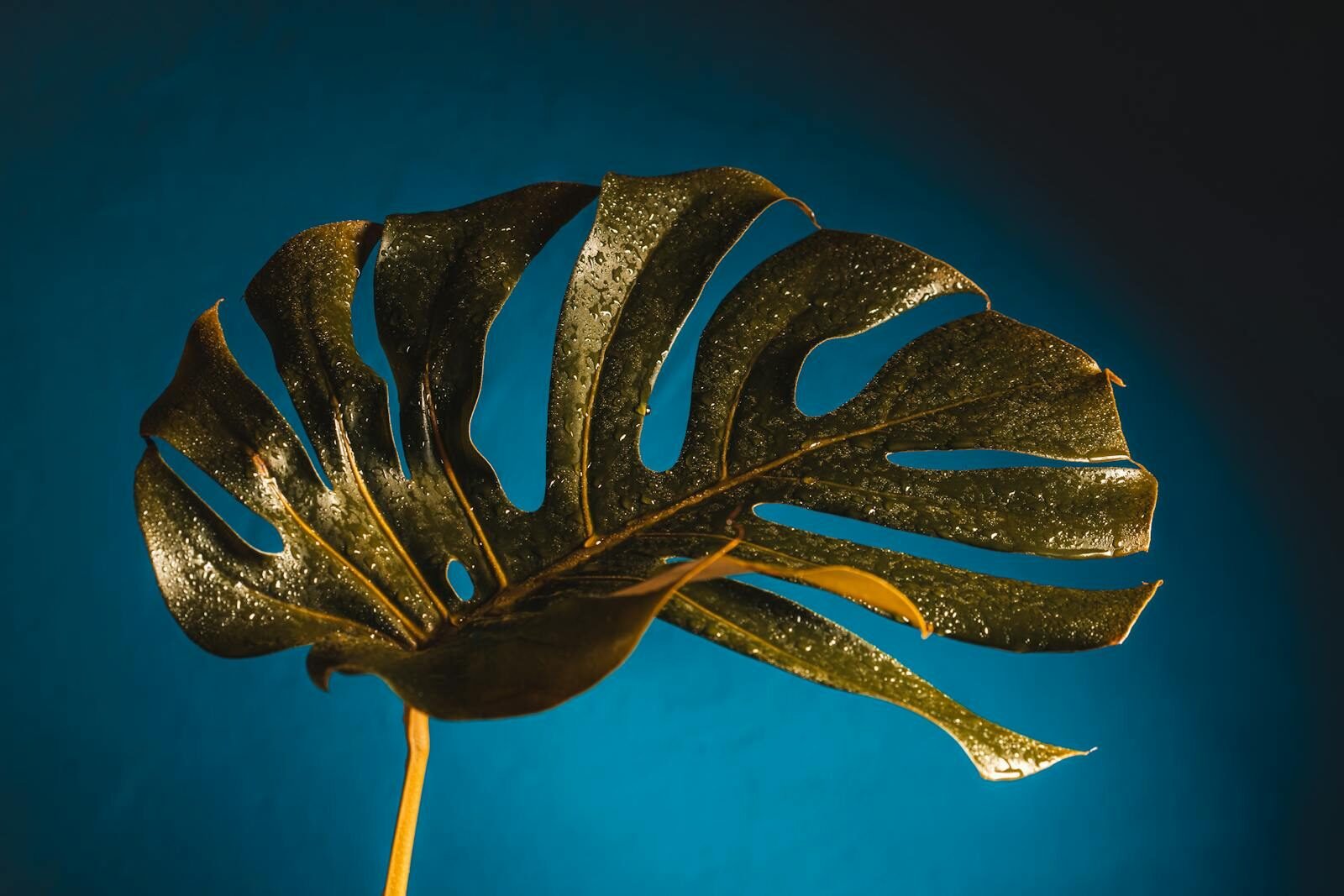
If your Monstera is putting out healthy green leaves but none of them have the classic holes or edge splits, the plant usually is not “broken.” It is usually telling you one of four things: it is too young, the light is too weak, it has no structure to climb, or overall growth is being slowed down. That is the real story behind most cases of Monstera not splitting leaves. The plant needs enough energy, enough maturity, and enough upward momentum to move from juvenile foliage to mature foliage. (The Spruce)
That matters because the fix depends on the cause. A tiny nursery plant with three-inch leaves does not need “more fertilizer hacks.” It needs time. A mature vine six feet long with lots of small, solid leaves usually does not need patience. It needs a better setup. Search results ranking right now consistently lean toward this practical troubleshooting intent, with top content focused on light, age, support, and care conditions, not abstract botany. (The Spruce)
There is another point that gets missed a lot: fenestration happens on future leaves, not by magically changing an old one. House Plant Journal puts it plainly: each leaf has a “predestined pattern,” and the next leaf gets more complex only if the overall plant is thriving. That one insight saves people months of confusion, because they stop staring at old leaves and start improving the conditions that shape the next one. (House Plant Journal)
The 4 Biggest Reasons Monstera Leaves Stay Solid
The current SERP is full of partial answers. One page says light. Another says age. Another says water. The better answer is that fenestration is a growth outcome, so anything that limits strong, mature growth can delay it. Still, four causes show up again and again across expert and university-backed guidance. (The Spruce)
The plant is still juvenile
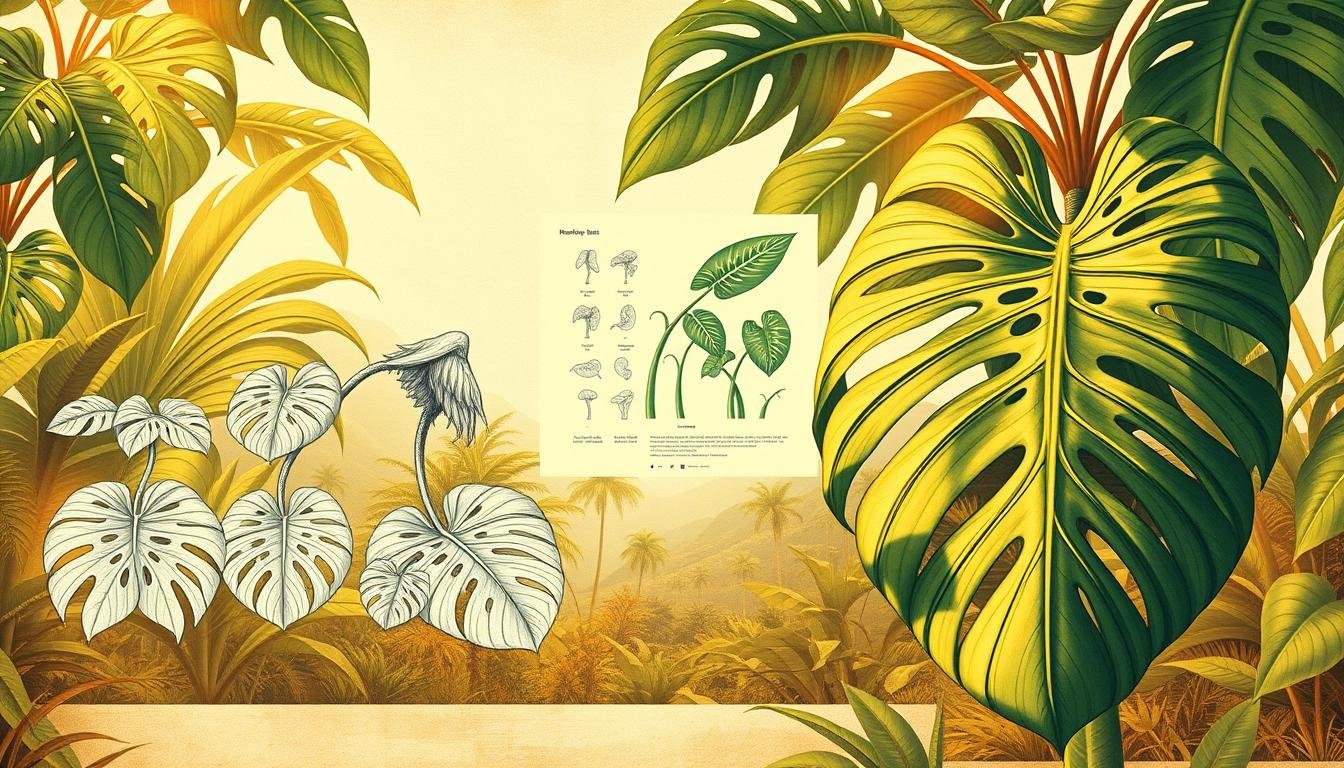
This is the most common reason, especially with small retail plants. Young Monstera deliciosa naturally produce smaller, solid, heart-shaped leaves before they transition into mature foliage. The Spruce notes that healthy plants typically start showing the characteristic cuts only after the plant reaches substantial size, and Better Homes & Gardens says leaves usually begin splitting when the plant is about 2 to 3 years old under good conditions. Gardening Know How gives a similar range and adds that leaves often need to reach roughly 10 to 13 inches before showing classic slits. (The Spruce)
That means a young plant can be perfectly healthy and still look disappointing if your only success metric is “Does it have holes yet?” Think of juvenile leaves like training wheels. The plant is still building root mass, stem strength, leaf size, and climbing behavior. Pushing it harder will not skip the developmental stage. In many homes, the right move is not to “force” fenestration. It is to remove delays and let the plant mature faster. (The Spruce)
The light is too weak
If the plant is old enough but still pushing out small, solid leaves, weak light is the first suspect. Multiple current care sources agree that bright, indirect light is the standard condition for fenestration, and low light leads to smaller leaves and fewer or no splits. Better Homes & Gardens recommends roughly 5 to 8 hours of bright, indirect light daily for Monstera growth, while The Spruce says low-light-grown plants will conserve energy by producing smaller leaves without fenestrations. (Better Homes & Gardens)
This is where people get tripped up by the phrase “low light plant.” Monstera can survive in moderate indoor light, but survival is not the same thing as mature, dramatic foliage. A plant ten feet away from a window may stay alive for years and still never produce the leaves you expected. House Plant Journal’s rule of thumb is one of the most useful here: bright indirect light means the plant can “see the sky and not necessarily the sun.” That is much brighter than the average dim corner. (House Plant Journal)
The plant has no support to climb
This is the most underrated factor. In nature, Monstera deliciosa is a climbing hemiepiphyte. Indoors, when it sprawls horizontally or slumps without support, it often stays in a more juvenile-looking state. Penn State Extension states that when Monstera is trained upright on support, the leaves become larger and develop the typical mature fenestrations. UConn says much the same thing and notes that once vines successfully attach to a moss pole, leaf size typically increases drastically. (Penn State Extension)
That explains why two monsteras in equally bright rooms can look completely different. The one climbing a pole can throw larger, more mature leaves. The unsupported one can stay floppy, smaller, and less fenestrated. Support does not “cause” fenestration on its own, but it helps the plant behave more like the climbing species it is. That shift matters. A moss pole is not decoration. It is a structural cue that can improve leaf size, aerial root engagement, and overall maturity pattern. (Penn State Extension)
Growth is being slowed by care stress
Fenestration does not happen when growth is weak, stalled, or stressed. That stress can come from inconsistent watering, poor drainage, root problems, cold temperatures, underfeeding during active growth, or a potting setup that keeps the plant either bone dry or soggy. UConn recommends allowing the top 2 to 3 inches of soil to dry between waterings and warns that Monstera is prone to root diseases when conditions stay too wet. Better Homes & Gardens also emphasizes a well-draining mix and letting the soil dry somewhat between waterings. (Home and Garden Education Center)
There is also a simple distinction that matters: true fenestration is planned growth; tearing is damage. Gardening Know How points out that fragile leaves can tear from poor care, but those random tears are not the same thing as proper splits. That is useful because some owners think ragged leaves mean the plant is finally maturing. Often, it just means the plant is struggling. If your Monstera is producing limp, thin, discolored, or misshapen leaves, the issue is not “how to get more holes.” The issue is how to restore strong growth first. (Gardening Know How)
Fenestration Basics You Need to Understand
A lot of frustration disappears once you understand what fenestration is and what it is not. It is not a cosmetic trick that appears on demand after one sunny week. It is a mature leaf trait produced when the plant has enough energy, enough developmental progress, and the right environment to build larger, more complex leaves. Current ranking content gets this partly right, but usually compresses it into one sentence. That is not enough. (The Spruce)
There is also a reason people obsess over splits in the first place: they are the visual signal that your plant is no longer just surviving. It is advancing. Bigger leaves, more cuts, more interior holes, and stronger growth usually show that your Monstera is getting closer to the conditions it evolved for. That does not mean every healthy plant looks identical, but it does mean fenestration is feedback. The leaves tell you whether the setup is supporting maturity. (The Spruce)
What fenestration actually is
Fenestration is the natural development of holes, perforations, and edge splits in mature leaves. In Monstera, these openings are not random damage. They are a normal part of leaf morphology in mature growth. Research and expert discussion have proposed several adaptive reasons for fenestration, including light distribution, water movement, and other rainforest-related advantages. A study highlighted by the University of South Florida’s repository directly tested three common hypotheses and found support for a water-capture advantage, while a 2013 paper indexed on PubMed argued that fenestration may help plants deal with the changing light patterns of rainforest understories. (Digital Commons)
For indoor growers, the key point is simpler than the evolutionary debate. Fenestration is a mature growth pattern, not a sticker you unlock with one care trick. You can create conditions that make mature leaves more likely, but you cannot paint on adulthood. That is why quick-fix advice disappoints people. It skips the biological part. Your Monstera has to be capable of producing a more complex leaf before it will do it. (The Spruce)
Do existing leaves split later
Usually, no. Existing Monstera leaves do not normally gain brand-new splits as they age. House Plant Journal states this directly: a leaf does not develop more cuts or holes as it ages; instead, the next leaf may come out more complex if the plant is happy. That is one of the most useful facts in this whole topic because it changes how you judge progress. (House Plant Journal)
So if you moved your plant into brighter light yesterday, do not expect the current unsplit leaf to transform next week. Watch the next leaf. Then the one after that. Improvement usually appears as a sequence: stronger petioles, larger leaf size, more consistent spacing, then deeper cuts or more holes. Fenestration is the lagging indicator of better care. It shows up after the plant has already been growing better for a while. (House Plant Journal)
When Monstera leaves usually start splitting
There is no single universal calendar date, but credible care sources converge on a useful range. Better Homes & Gardens says leaves usually split when the plant is around 2 to 3 years old. Gardening Know How gives the same age ballpark and notes that leaf size matters too, with slits commonly showing once leaves reach roughly 10 to 13 inches. The Spruce frames it by plant maturity and overall size, noting that healthy monsteras typically begin showing deeper cuts once the plant is substantially larger. (Better Homes & Gardens)
Indoors, the honest answer is this: it happens when the plant is mature enough and growing strongly enough. In a bright room with support, good roots, and active growth, that can happen relatively quickly. In a dim room with no support and slow growth, it can take much longer. The timeline is not the main variable. Growth quality is. Two plants bought on the same day can look like they belong to different species a year later because one was climbing in bright indirect light and the other was surviving in a shadowy corner. (Penn State Extension)
How to Diagnose the Problem in 5 Minutes
You do not need a lab test. You need to look at the plant like a detective instead of a worried parent. Three fast checks will usually tell you what is blocking fenestration: the growth pattern, the light environment, and the root-support setup. The goal is not to diagnose every possible issue in plant physiology. The goal is to spot the biggest bottleneck and fix that first. (The Spruce)
Check leaf size, spacing, and growth pattern
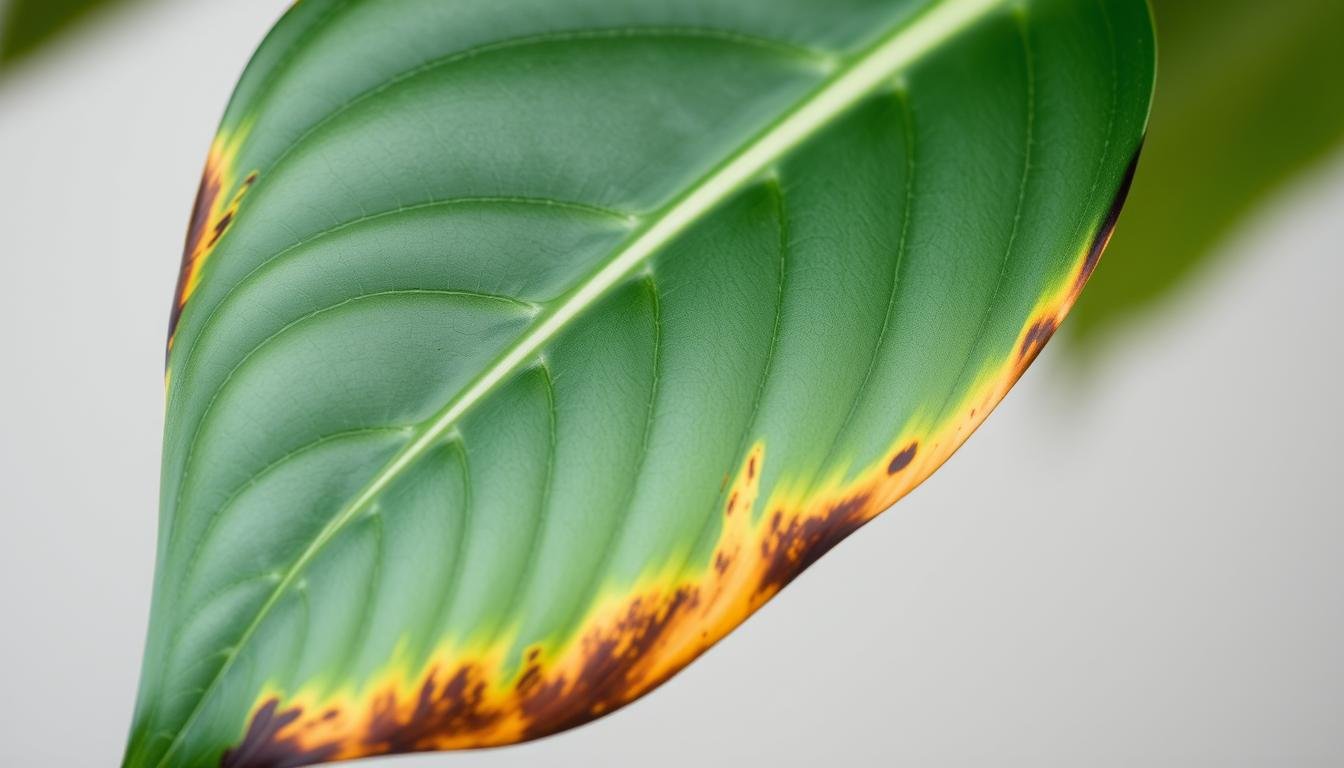
Start with the leaves themselves. Are new leaves getting larger over time, or smaller? Are the spaces between leaves on the vine getting longer and leggier? Are petioles reaching hard toward one direction? Small, increasingly distant leaves usually point to insufficient light. Tiny but otherwise healthy leaves on a very young plant usually point to immaturity. A plant that is not enlarging leaf size over time is not on a strong path to fenestration yet. (The Spruce)
Also pay attention to the pattern of recent growth, not the plant’s overall age alone. A two-year-old plant that has barely grown is not effectively “older” in the way that matters for fenestration. Maturity indoors is tightly linked to sustained vigorous growth. That is why one neglected plant can stay juvenile-looking for years, while another in a better setup starts producing impressive leaves much sooner. Size, vigor, and progression tell you more than calendar age by itself. (Better Homes & Gardens)
Check light quality and plant placement
Now look at where the plant actually lives. “Near a window” is not enough detail. Is it right in front of bright filtered light, or is it across the room? Does it get bright light for much of the day, or just a brief glow? Better Homes & Gardens recommends 5 to 8 hours of bright, indirect light, and multiple sources agree that inadequate light is one of the main reasons Monstera leaves stay solid. (Better Homes & Gardens)
A simple reality check helps here: if the spot feels visually calm, cozy, and dim to you, it is probably not bright enough for fast fenestration. Monsteras tolerate less-than-ideal light better than many houseplants, which is why they have a reputation for being easy. But “easy” often gets misheard as “will mature dramatically anywhere.” That is false. If your Monstera is alive but static, placement is probably part of the problem. (The Spruce)
Check roots, watering, and support
Finally, inspect the pot and structure. Is the soil dense and heavy, or airy and fast-draining? Does water sit in the saucer? Are roots circling badly or emerging from drainage holes? Is there any support for the vine to climb? UConn and Better Homes & Gardens both emphasize a well-draining mix, and UConn specifically notes that moss poles mimic natural climbing surfaces. Penn State Extension adds that upright support is linked with larger, fenestrated leaves. (Home and Garden Education Center)
This matters because growth bottlenecks stack. A plant in weak light, dense soil, and no support will rarely produce the leaf shape you want. On the other hand, a plant in good light with airy soil and a pole can accelerate quickly once active growing season starts. Do not overcomplicate the diagnosis. Ask one blunt question: What is most obviously preventing strong upward growth? Then fix that before anything else. (Home and Garden Education Center)
How to Get Monstera Leaves to Split Consistently
You cannot guarantee that the next leaf will be dramatic, but you can make it much more likely. The strategy is straightforward: increase usable light, give the plant something to climb, and remove the stressors slowing growth. That is the sequence that shows up across current expert and care sources, and it lines up with how Monstera naturally matures. (The Spruce)
If you want a short answer, here it is:
- Put the plant in brighter indirect light or add a grow light.
- Train it upright on a moss pole or trellis.
- Keep it in a well-draining mix and water consistently.
- Feed lightly during active growth and avoid cold stress.
- Judge success by the next 2 to 4 leaves, not the current one. (Better Homes & Gardens)
Set up better light
If your Monstera is not splitting, improving light is the highest-leverage move in most homes. Better Homes & Gardens recommends 5 to 8 hours of bright, indirect light, and suggests using a grow light in winter or in low-light conditions. The Spruce says low-light monsteras will often produce smaller leaves without fenestrations, and Gardening Know How recommends moving a dimly placed plant to a brighter window or supplementing with artificial light. (Better Homes & Gardens)
The practical version is simple. Move the plant closer to a bright window, but avoid harsh direct midday sun on leaves that are not acclimated. If your home is naturally dim, add a quality grow light and keep it consistent. Better light does more than encourage holes. It increases the plant’s energy budget. That larger budget supports stronger roots, larger leaves, sturdier stems, and the maturity threshold fenestration depends on. (Better Homes & Gardens)
One caution: do not swing from cave-dark to scorched. UConn notes that Monstera leaves can burn if light levels change too aggressively, and the plant should be acclimated carefully. Better light is good. Sudden leaf damage is not. The target is bright, usable, steady light, not punishment. (Home and Garden Education Center)
Add a moss pole or trellis
If you only change one structural thing, make it this. Penn State Extension states that when Monstera is trained upright on support, the leaves become larger and develop mature fenestrations. UConn says moss poles mimic the porous surfaces Monstera climb in the wild and that successful attachment often leads to a dramatic increase in leaf size. Better Homes & Gardens also recommends incorporating a moss pole or wooden post when potting and repotting. (Penn State Extension)
Why does this work so well? Because climbing changes the plant’s posture and growth behavior. Unsupported monsteras often sprawl, twist, and produce less impressive foliage. A supported Monstera can orient upward, anchor aerial roots, and allocate growth more like it would on a tree trunk in nature. It is not magic. It is alignment. You are making the indoor environment less weird for the plant. (Penn State Extension)
Use a real support, not a decorative stick that cannot hold the plant. Secure the vine gently. Position aerial roots toward the pole where possible. Then give it time. Support does not rewrite the current leaf, but it can change the growth trajectory of the next several. This is one of those interventions that looks minor and ends up producing a very visible difference over a season. (Home and Garden Education Center)
Fix the growth bottlenecks that block fenestration
Light and support do most of the heavy lifting, but they will not overcome a chronically stressed plant. If your Monstera is sitting in dense soil, overwatered, bone dry for long stretches, chilled by drafts, or badly root bound, it may never build the momentum needed for mature leaves. UConn recommends letting the top 2 to 3 inches of soil dry between waterings, while Better Homes & Gardens advises soaking thoroughly, allowing drainage, and avoiding constant wetness. Both emphasize a well-draining setup. (Home and Garden Education Center)
Feeding matters too, but only in proportion. Better Homes & Gardens recommends a balanced fertilizer during the active growing season for fast-growing monsteras, and UConn notes Monstera can tolerate regular fertilization in active growth periods while being sensitive to high soil salts. In other words, feed a growing plant sensibly. Do not try to fertilizer-bomb a weak plant into adulthood. That is like revving a car with no fuel line. (Better Homes & Gardens)
Humidity plays a supporting role. Better Homes & Gardens says normal household humidity is usually acceptable, but drier homes may benefit from a humidifier or added moisture support. Humidity alone usually does not create fenestration, but very dry air can contribute to stress, slower growth, and less attractive new foliage. Think of humidity as a growth smoother, not the main engine. (Better Homes & Gardens)
One more overlooked factor is species confusion. Not every plant sold under a Monstera-ish common name behaves the same way. The Spruce notes that mini monstera is actually Rhaphidophora tetrasperma, not a true Monstera, and its growth pattern differs. The same publication also notes that some Monstera species naturally differ in their fenestration style, and Better Homes & Gardens distinguishes Monstera from lookalikes like split-leaf philodendron. So if your expectations came from photos of giant Monstera deliciosa leaves, make sure that is the plant you actually own. (The Spruce)
Conclusion
If your Monstera is not splitting leaves, the answer is usually not mysterious. It is usually one of three big things: the plant is too young, the light is too weak, or the vine has no support to climb. The fourth category is everything that slows strong growth, including root stress, poor watering habits, heavy soil, cold conditions, and a setup that keeps the plant alive without letting it mature. The good news is that these are fixable problems. (The Spruce)
The most important mindset shift is this: stop asking whether the current leaf will split. Ask whether the plant is set up to produce a better next leaf. That is how progress happens. Improve the light. Give it a real support. Keep the root zone healthy. Feed and water consistently during active growth. Then watch the next few leaves for larger size, stronger structure, and gradually more complex fenestration. That is the pattern you want. (House Plant Journal)
Healthy, unsplit leaves are not failure. They are information. Read them correctly, fix the bottleneck, and your Monstera has a very good chance of doing what it is built to do. Just not on your timeline. On a strong-growth timeline. And that is the one that actually matters. (The Spruce)
FAQs
Why is my Monstera healthy but still not splitting?
Because health and maturity are related, but they are not identical. A Monstera can have green leaves, no visible pests, and decent roots while still lacking the light intensity, vertical support, or developmental stage needed for fenestration. This is especially common with juvenile nursery plants and with plants kept in medium indoor light that is good enough for survival but not strong enough for dramatic mature foliage. Current care guidance consistently points to age, bright indirect light, and climbing support as the biggest drivers. (The Spruce)
Can I force my Monstera to split faster?
You cannot force fenestration the way you force a bloom with a chemical trigger. What you can do is remove the constraints that keep the plant juvenile-looking. The fastest legitimate path is to improve usable light, train the plant up a moss pole or trellis, keep the roots healthy in a draining mix, and support active growth with sensible watering and fertilizer. That speeds up maturity. It does not override it. Any advice promising instant splits is overselling the process. (Better Homes & Gardens)
Will a grow light help Monstera leaves split?
Yes, it can help a lot, especially in homes with weak natural light or during darker months. Better Homes & Gardens specifically recommends using a grow light in winter or in low-light conditions, and The Spruce notes that monsteras in low light often produce smaller leaves without fenestrations. The key is consistency. A good grow light can raise the plant’s energy intake enough to improve future leaf size and maturity, which is what fenestration depends on. (Better Homes & Gardens)
Do all Monstera plants get split leaves?
No. Even within the genus, species differ in how they fenestrate, and some produce more perforations than margin splits. On top of that, some plants sold with Monstera-like names are not true Monsteras at all. The Spruce notes that Rhaphidophora tetrasperma, often sold as mini monstera, is not a true Monstera. So the right question is not just “Do Monsteras split?” but “What exact plant do I have, and what does mature foliage look like for that species?” (The Spruce)
How long after improving care will I see split leaves?
Usually, you judge the result over the next few leaves, not the next few days. Existing leaves do not normally gain new holes later, according to House Plant Journal, so the visible payoff comes on new growth. If you improve light, add support, and fix root-zone stress during active growth season, you may see larger leaves first, then deeper cuts or additional holes on later leaves. The exact timing depends on how fast the plant is growing, but the honest benchmark is progression over new growth cycles, not overnight transformation. (House Plant Journal)