Table of Contents
What Makes Rubber Plants Different
A rubber plant looks easy. That is part of the trap. It is forgiving enough to survive mediocre care, but it only becomes a stunning indoor plant when the basics are handled with intent. This is Ficus elastica, a broadleaf evergreen in the mulberry family. In the wild, it can become massive. Indoors, it is usually kept between roughly 2 and 10 feet, depending on space, pruning, support, and how long you let it grow. NC State notes that the species is prized for its large, glossy leaves and that common indoor cultivars include Robusta, Burgundy, Tineke, Belize, and Ruby-type variegates. RHS also places it firmly in the indoor houseplant category and lists its native range from the eastern Himalaya to northern Malaysia. (Plant Toolbox)
The bigger reason people love rubber plants is not just survival. It is the look. Few houseplants create the same mix of structure, shine, and presence. A healthy rubber plant reads like interior design with roots. That helps explain why ficus plants are having a strong moment again. The National Garden Bureau named 2026 the “Year of the Ficus,” and North Dakota State University’s extension coverage specifically called out the rubber plant’s current resurgence. That trend matters for SEO, but it matters more for readers because it means more people are buying this plant, placing it in real homes, and running into the same care questions you are likely asking right now. (National Garden Bureau)
There is one more thing that separates rubber plants from fussier ficus cousins: they reward consistency fast. Give them enough light, stop drowning the roots, keep them out of cold drafts, and clean the leaves. Do that, and they usually stop acting dramatic. Ignore those fundamentals, and the symptoms show up quickly through yellowing leaves, leaf drop, weak growth, or dull foliage. NC State, RHS, and multiple current care guides all point to the same pattern: the plant is not hard, but it is honest. It tells you what is wrong through the leaves. (Plant Toolbox)
Rubber Plant Care at a Glance
Here is the short version that answers the search intent fast: rubber plants grow best in bright, indirect light, watered only after the top layer of soil dries, in a loose well-draining potting mix, with stable warmth and decent humidity. RHS recommends bright filtered or indirect light, moderate watering during active growth, sparing water in winter, monthly feeding during growth, annual topdressing, and repotting every 2 to 3 years. NC State echoes the same core care, adding protection from harsh afternoon sun and warning that cold drafts and overwatering commonly trigger leaf loss. (RHS)
That summary sounds simple because it is. But execution matters. Most rubber plant failures come from three avoidable mistakes. First, people keep them too dark because the plant “tolerates low light.” Tolerates is not thrives. Second, people water on a fixed schedule instead of reading the soil. Third, they react to one yellow leaf by changing five things at once. Rubber plants like thoughtful care, not panic. The best approach is stable placement, measured watering, and small corrections based on what the plant is actually doing. (Plant Toolbox)
Light: The Growth Lever Most People Underestimate
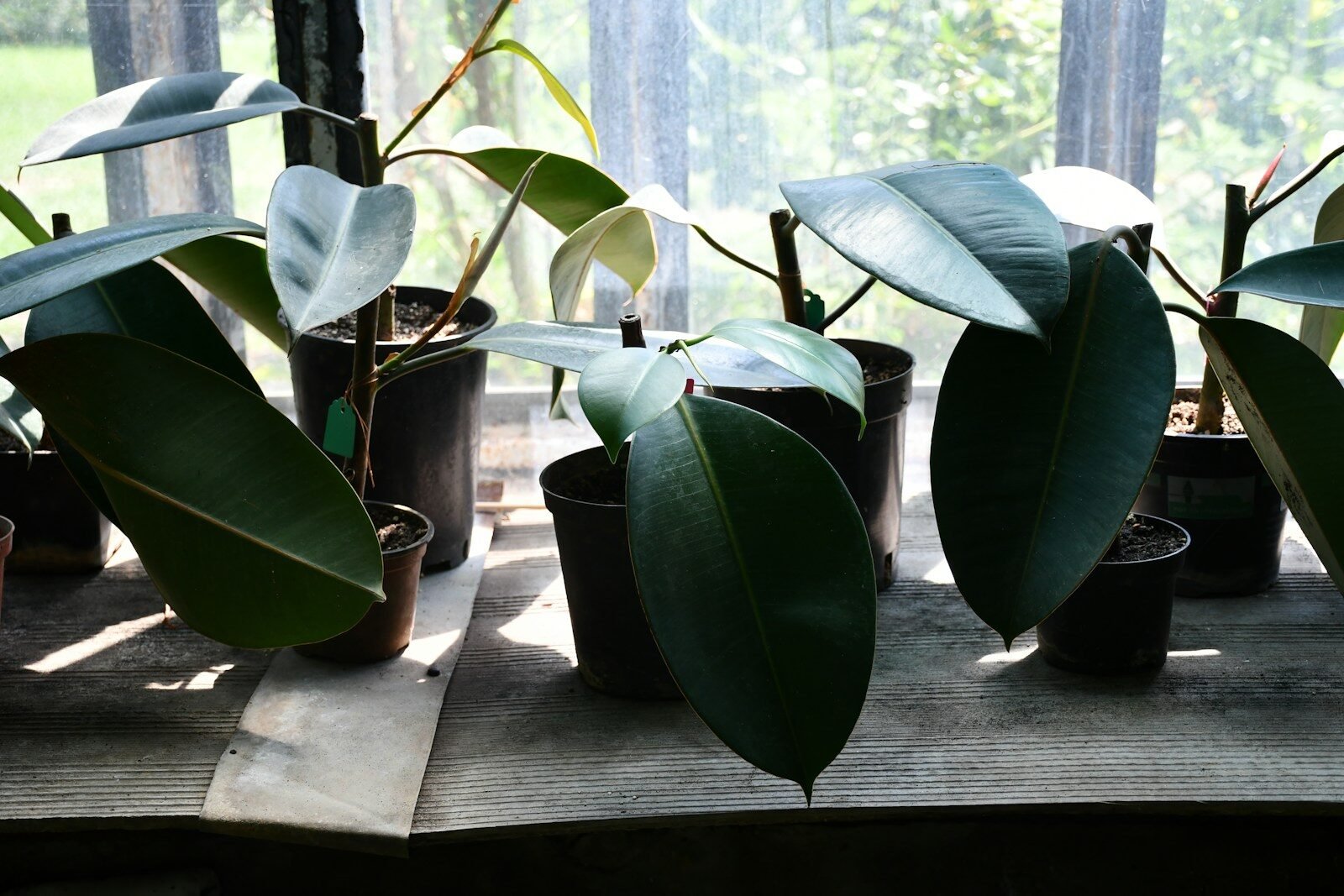
The best light for a rubber plant is bright, indirect light. That is the clear consensus across authoritative sources. RHS recommends bright but filtered or indirect light. NC State says bright indirect light or partial shade indoors, with protection from afternoon sun. The Spruce adds a practical placement rule: aim for six to eight hours of bright, indirect light, such as an east-facing window or a few feet back from a brighter south or west exposure. (RHS)
This is the care factor that changes everything. Good light does not just affect growth speed. It affects leaf size, stem strength, branching potential, watering frequency, and how resilient the plant is after stress. In stronger light, a rubber plant usually grows more upright, pushes larger leaves, and dries out predictably enough that watering is easier to manage. In weak light, it stretches, slows down, keeps soil wet for longer, and becomes more vulnerable to overwatering mistakes. That is why low light and overwatering often travel together. The room looks dim, the plant uses less water, and the roots end up sitting in moisture too long. (Plant Toolbox)
Can a rubber plant take direct sun? Some, yes. All direct sun, no. Soft morning sun is usually fine, especially from an east-facing window. Harsh afternoon sun can scorch leaves, especially after a sudden move from lower light. NDSU’s 2026 advice is practical here: direct light in an east window can work in northern settings, while stronger south or west light may need a sheer curtain or slightly more distance from the glass if you see sunscald. That is the kind of nuance most people need. Not “never direct sun,” and not “full sun is perfect.” Acclimation and intensity matter. (NDSU Agriculture)
How to Tell When the Light Is Wrong
Rubber plants do not send polite warnings. They send visible ones. When light is too low, the plant often becomes leggy, stops pushing new growth, loses lower leaves, and produces foliage that looks less glossy and more tired. The Spruce specifically notes that insufficient light can cause legginess and lower leaf loss. NDSU also recommends keeping plants in bright light and away from vents so they are not fighting two stressors at once. (The Spruce)
When light is too intense, the leaves tell a different story. You may see burned patches, faded areas, or a dull surface where the leaf was damaged. Direct sun issues often show up fast after moving the plant closer to a bright window. That is why sudden changes are risky. A rubber plant adapts better when you shift it in stages. Move it closer over a week or two, watch the newest leaves, and adjust before the plant pays for your impatience. (NDSU Agriculture)
Variegated forms like Tineke and Belize usually need even better light than all-green cultivars. The pale sections on the leaves contain less chlorophyll, so the plant has less margin for poor placement. That does not mean blasting them with hot sun. It means giving them brighter filtered light so the color stays strong without scorch. When a variegated rubber plant begins reverting to stronger green growth, higher light is one of the first things to assess. RHS’s ornamental fig guidance also notes that vigorous green shoots on variegated plants should be removed so they do not take over. (Plant Toolbox)
Watering Without Causing Root Rot
Here is the clean answer most readers are searching for: water a rubber plant when the top inch or two of soil has dried, not on a fixed calendar. NC State says to water regularly but avoid overwatering, and to reduce watering during dormancy from fall into late winter. NDSU says to water thoroughly until water runs out of the bottom, then empty the saucer and let the top inch or two dry before watering again. The Spruce frames it similarly: keep the plant evenly moist but not soggy, and use the soil—not the date on your phone—to decide when to water. (Plant Toolbox)
That last part matters because most people water houseplants like clockwork, then wonder why roots rot. Your rubber plant does not care that it has been seven days. It cares how fast the soil dried, how much light it got, how warm the room was, and whether it is actively growing. In bright summer conditions, a plant may need water far more often than it does in winter. In a darker room, the same plant can stay wet for too long even if you are “only” watering weekly. Good watering is a response, not a ritual. (RHS)
The best method is boring and effective. Stick a finger into the soil. Lift the pot and learn its dry versus wet weight. Water deeply until excess drains out. Empty the saucer. Then walk away. Tiny top-ups are weaker than thorough watering because they often leave part of the root ball dry and encourage shallow root habits. Deep watering followed by partial drying is closer to what the plant actually needs. (NDSU Agriculture)
Signs of Overwatering vs Underwatering
Overwatering usually shows up first as yellowing leaves, especially if the soil stays wet, the pot feels heavy, or the lower leaves begin dropping. NC State says overwatering can cause leaf loss. RHS says yellowing or dark spotting can also be a sign of overwatering, while noting that some older lower leaves naturally yellow with age. The Spruce’s current troubleshooting guides also identify overwatering as one of the most common reasons for both yellow leaves and leaf drop. (Plant Toolbox)
Underwatering tends to look drier and sharper. Leaves may droop, edges can crisp, and the plant may lose older leaves after the soil has been allowed to stay bone-dry for too long. RHS notes that dry, shriveled leaves can be linked to insufficient humidity and dry compost. The yellowing caused by underwatering usually comes with dry soil and a lightweight pot, not soggy mix. That distinction matters because the fix is opposite. One problem needs less water, the other needs a deeper and more consistent soak. (RHS)
The hardest cases are mixed mistakes. A plant in low light can be overwatered and still look thirsty because damaged roots cannot take up water well. That is when people add more water and make things worse. If the soil is wet and the plant is drooping, assume root stress before assuming thirst. Step back, let the mix dry appropriately, check drainage, and avoid adding more fertilizer or moving the plant around while it is already stressed. (RHS)
Soil and Pot Selection That Set the Plant Up to Win
The best soil for a rubber plant is a well-draining indoor potting mix that still holds some moisture. NC State recommends a soil-based potting mix indoors. RHS recommends houseplant compost, and for some cultivars specifies peat-free, loam-based compost with good structure. Pennington’s guidance lines up with that approach, describing the goal as a mix that balances moisture retention with drainage and aeration. This is not a cactus that wants bone-dry grit, and it is not a swamp plant that wants heavy, soggy media. You want airflow around the roots. (Plant Toolbox)
In practical terms, a good mix is often an all-purpose indoor potting soil improved with something that adds air space, such as bark, perlite, or coarse amendment. The exact formula matters less than the result. After watering, excess moisture should drain out. A day later, the mix should feel lightly moist rather than compacted and soupy. If your potting soil stays dense for too long, your watering skill has to become perfect. Better to fix the soil than rely on perfect behavior forever. (RHS)
The pot matters too. Use a container with a drainage hole. That should not be controversial, but people still buy decorative pots that trap water and then try to compensate by “being careful.” That is a losing game. Rubber plants are especially unforgiving when roots sit in stagnant moisture. A nursery pot placed inside a decorative cachepot works well because you get the look without sacrificing drainage. If you use a saucer, empty it after watering. NDSU specifically calls that out to prevent root rot. (NDSU Agriculture)
Temperature and Humidity: Stability Beats Perfection
Rubber plants are tropical, but indoors they do not need greenhouse conditions. They need stable warmth and protection from cold drafts. NC State says they prefer temperatures above 55°F and do not do well with drafts or cold conditions. The Spruce gives a more specific comfort range of about 65°F to 85°F with moderate humidity around 40% to 50%, while warning that temperatures below 50°F even briefly can trigger yellowing and leaf drop. (Plant Toolbox)
That is why room placement matters more than many care guides admit. A spot that looks bright may still be a bad location if it sits beside an exterior door, heating vent, or drafty winter window. Ficus plants dislike abrupt environmental swings. NDSU’s 2026 ficus advice emphasizes consistency and keeping plants away from vents. The lesson is simple: a good room in the wrong microclimate becomes a bad room. (Greenhouse Grower)
Humidity is useful, but people often overcomplicate it. Rubber plants can tolerate average indoor humidity better than some tropicals, yet they still appreciate conditions that are not desert-dry. If your air is very dry, you may see slower growth, crisping, or increased pest pressure. The Spruce suggests a humidifier or grouping plants to create a more humid pocket. RHS notes that many tropical houseplants appreciate higher humidity and that dry, shriveled foliage can be connected to low humidity. Misting can help a little in the short term, but it is not a cure-all. A humidifier, better placement, or simply avoiding hot dry vents is usually more meaningful. (RHS)
Feeding and Fertilizer: How to Support Growth Without Forcing It
Rubber plants are not heavy-feeding monsters, but they do respond well to fertilizer when actively growing. RHS recommends applying a high-nitrogen fertilizer every month during growth and watering sparingly in winter. The Spruce recommends a balanced liquid houseplant fertilizer diluted to half strength every two weeks during the growing season, cutting back as days shorten and growth slows. The exact schedule can vary, but the principle is the same: feed during active growth, ease off when the plant is resting. (RHS)
Nitrogen matters because this is a foliage plant. You are trying to build leaves and stems, not flowers. That said, overfertilizing is one of the easiest ways to stress roots, especially if the plant is in low light or recently repotted into fresh mix that already contains nutrients. More fertilizer does not compensate for weak light, bad drainage, or cold drafts. It just adds another problem. If your plant is stalled, fix the environment first and treat fertilizer as support, not rescue. (RHS)
A good rule for most homes is modest feeding in spring and summer once you see clear new growth. Skip or reduce feeding in fall and winter. If salts build up from fertilizer or hard water, flush the soil occasionally by watering thoroughly and letting excess run through. That helps prevent the slow accumulation that can cause brown edges, weak growth, or root irritation over time. (RHS)
Pruning for Height, Shape, and Branching
Pruning is where a rubber plant stops being just maintained and starts being shaped. NC State notes that pruning the main branches encourages a bushier habit, while leaving the plant alone encourages a taller, narrower tree form. NDSU’s ficus advice is even more direct: rubber trees indoors tend to grow vertically without branching, so pruning above a node in spring or summer helps encourage branching. That one move changes the plant from a single-stem spear into something fuller and more architectural. (Plant Toolbox)
This matters because many people wait too long. They want a bushier plant, but they are afraid to cut. Then the plant shoots upward, drops lower leaves, and becomes a tall stick with good intentions. A strategic cut can redirect growth, improve balance, and make the plant fit the room better. If your ceiling height is limited, pruning is not optional forever. It is the difference between a plant you control and a plant that eventually becomes awkward. (Plant Toolbox)
Pruning also gives you a second benefit: propagation material. A healthy top cutting can often be rooted, which means one careful cut can improve the parent plant and create a new one. That is a strong trade. The only real catch is handling the sap with care. RHS warns that sticky white fig sap may irritate skin or aggravate allergies, so gloves are smart when pruning or taking cuttings. (RHS)
How to Prune Safely
Start with clean pruners and a plan. Do not cut randomly. Look for the node where you want branching to occur and cut just above it. Expect latex-like sap to bleed from the wound. Have paper towels ready, keep the plant away from fabrics, and wear gloves if you are sensitive. Large cuts are best made on a healthy plant during active growth so it has the energy to recover and push new shoots. (RHS)
There is also a design decision here. Do you want a tree form or a fuller shrub form? For a more tree-like silhouette, keep one leader and remove weaker growth selectively. For a denser, bushier specimen, prune to encourage side shoots and rotate the pot occasionally so growth stays balanced. NC State specifically notes that the plant can become heavy and may need training or support indoors, so the structural shape you choose has practical consequences. (Plant Toolbox)
When to Cut and Where to Cut
The best time to prune is usually spring or summer, when the plant is actively growing and better able to recover. The Spruce recommends pruning at the start of the growing season in spring. NDSU also recommends pruning above a node in spring or summer to encourage branching. That timing lines up with how ficus behave: cut when the plant has momentum, not when it is already slowed by winter light. (The Spruce)
As for where to cut, do it just above a node. That is where new growth is most likely to emerge. A higher cut preserves more height. A lower cut sacrifices height for a fuller reset. There is no universal perfect location. The right cut is the one that matches the final shape you actually want in your space. (NDSU Agriculture)
Repotting and Root Management
Rubber plants do not need constant repotting. In fact, they often prefer some stability. NC State notes that they prefer to remain in one location. RHS advises topdressing annually and repotting every 2 to 3 years. That is a strong baseline because it balances freshness in the root zone without disturbing the plant too often. (Plant Toolbox)
So when should you repot? Watch the plant, not the calendar alone. Good triggers include roots circling heavily, water rushing straight through the pot, soil that breaks down into a dense tired mass, or a top-heavy plant that no longer feels stable. A fast-growing rubber plant in strong light may outgrow its pot sooner than a slow-growing one in average room conditions. The goal is not a huge jump in pot size. It is enough fresh space for healthy roots and enough new mix to restore aeration. (RHS)
Choose the next pot size carefully. Going too large creates too much wet soil around a modest root ball, which raises the risk of overwatering. A pot only slightly larger than the current root mass is safer. After repotting, expect a short adjustment period. Keep the light strong but not punishing, hold off on aggressive fertilizing, and do not interpret one minor stress signal as a sign to repot again. Plants need time to settle. (Facebook)
Propagation Methods That Actually Work
There are two reliable ways to propagate a rubber plant: stem cuttings and air layering. RHS lists both semi-hardwood cuttings and air layering as valid propagation methods for Ficus elastica. For many home growers, cuttings are simpler. For larger stems or when you want a better success rate on a woody plant, air layering is often the stronger play. (RHS)
The main mistake people make here is trying to propagate a weak plant or using material that is too soft, too stressed, or too cold to root well. Propagation is not magic. It works best when the parent plant is actively growing, the cutting material is healthy, and the environment stays warm and stable. Spring and summer are better windows than dark winter conditions for a reason. (RHS)
Propagating From Stem Cuttings
For stem cuttings, take a healthy cutting with at least one node and ideally a leaf or two. RHS recommends semi-ripe cuttings in spring or summer and notes that a heated propagator can help rooting. In plain language, that means you want material that is mature enough to hold itself together but still active enough to root. Very soft growth is less reliable. Very old woody material can be slower. (RHS)
After cutting, expect sap. Let it stop bleeding, then place the cutting in an appropriate rooting medium. Keep it warm, bright, and out of harsh direct sun. High humidity can help reduce stress while roots form. Because this is still a ficus, patience matters. A cutting with a giant leaf may lose moisture faster than it can replace it, so some growers reduce leaf surface slightly to improve the odds. The goal is simple: keep the cutting hydrated enough to survive while roots catch up. (RHS)
Propagating by Air Layering
Air layering is the better method when your rubber plant is large, leggy, or too woody for easy cuttings. RHS specifically recommends it for some figs, including rubber plants, and notes that the process is straightforward but can take significant time. Their current guidance says rooting may take about a year, which is slower than many people expect. That is not a flaw. It is the trade-off for getting a stronger, more established new plant from a mature stem. (RHS)
The method works by wounding a section of stem, wrapping it in moist rooting material such as sphagnum moss, and enclosing it until roots form. Because the stem remains attached to the parent while rooting begins, the section stays supported during the process. That usually makes air layering more forgiving for bigger specimens. If you have a tall rubber plant with bare lower stems and a good crown at the top, air layering can turn one awkward plant into two better-looking ones. (RHS)
Common Problems and Fixes
Most rubber plant problems are not mysterious. They are stacked stress. The biggest recurring issues across current sources are overwatering, low light, cold drafts, sudden environmental changes, low humidity, and pests. RHS lists red spider mite, thrips, mealybugs, and scale insects among likely pests. NC State also flags mealybugs, scale, and spider mites, while noting that overwatering and temperature drops can cause leaf loss. Recent troubleshooting content adds the same familiar warnings around yellow leaves and dropped foliage. (RHS)
If your rubber plant is dropping leaves, work through the likely causes in order: wet soil, sudden temperature shifts, cold drafts, a recent move, low light, and pest activity. RHS’s ornamental fig guide says sudden leaf drop is usually tied to overwatering, but may also be caused by low winter temperatures, low light, too much fertilizer, or cold draughts. NDSU adds a blunt ficus truth: these plants dislike change, so moving them can trigger stress responses. That is why “my plant was fine until I moved it” is not a random coincidence. It is classic ficus behavior. (RHS)
If the leaves are yellow, start with water. Overwatering is the most common cause, but not the only one. Underwatering, excessive direct sun, pests, temperature shock, and normal aging of lower leaves can all contribute. The useful question is not “Why is there one yellow leaf?” It is “What pattern do I see?” One older bottom leaf aging out is different from multiple yellow leaves climbing upward through the plant. Pattern beats panic every time. (Plant Toolbox)
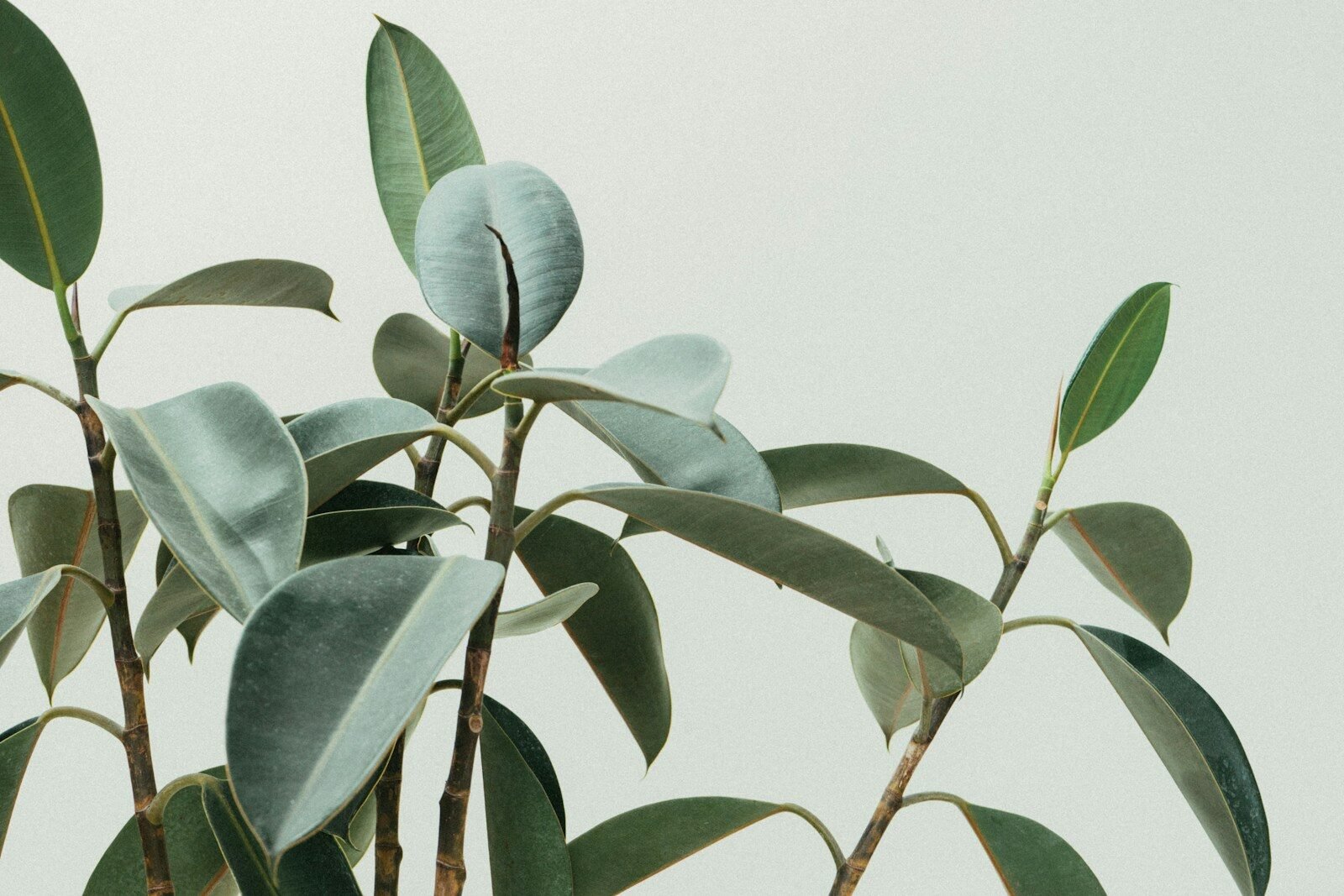
If the plant looks dull or dusty, clean the leaves. That sounds cosmetic, but it is also functional. NC State recommends wiping leaves with a damp cloth, and the National Garden Bureau’s 2026 ficus guidance highlights leaf cleaning as one of its basic ficus rules. A dusty large-leaf plant loses some of the visual payoff that makes it worth growing in the first place. Cleaning leaves is low effort, low risk, and immediately improves both appearance and performance. (Plant Toolbox)
Pest-wise, the big threats are sap-suckers. Spider mites, thrips, mealybugs, and scale can all weaken the plant, distort growth, and leave foliage looking tired or damaged. Warm, dry indoor conditions often make those problems worse. Check the undersides of leaves, new growth, and stem joints. If you see pests, isolate the plant, clean what you can, and treat consistently rather than once. The issue with many indoor infestations is not the first treatment. It is that people stop before the life cycle is broken. (RHS)
One final caution: fig sap can irritate skin. If you are pruning, propagating, or cleaning up broken leaves, gloves are sensible. RHS explicitly warns that the sticky white sap may irritate skin or aggravate allergies. That is not a reason to avoid the plant. It is just a reason to handle it like an adult, not like a harmless decorative object. (RHS)
Best Rubber Plant Varieties for Indoors
The best rubber plant variety for your home depends less on “best overall” and more on how much light you can provide and what look you want. NC State lists several widely grown cultivars, including Robusta, Burgundy, Tineke, Belize, Ruby-type selections, and Melany. These are not cosmetic footnotes. They affect growth habit, leaf color, and how forgiving the plant feels in average home conditions. (Plant Toolbox)
If you want the easiest route, start with a mostly green cultivar such as Robusta or Burgundy. Green plants generally have more chlorophyll and a little more tolerance for average indoor light. They still grow best in bright indirect light, but they usually give you more room for error than highly variegated types. Burgundy adds darker foliage and dramatic contrast, which is useful if you want a more moody, architectural effect without taking on the extra care demands of strong variegation. (Plant Toolbox)
If you care most about decorative impact, Tineke and Belize are standout choices. Tineke gives you creamy or pale variegation. Belize adds more pink and red tones. They look fantastic, but there is a catch: variegated rubber plants usually need brighter conditions to hold their color and grow well. That does not make them hard. It makes them less forgiving of dim placement. Buy the plant that matches your room, not just your saved photos. (Plant Toolbox)
Conclusion
Rubber plant care is simple once you stop treating the plant like a mystery. Give it strong indirect light, let the top layer of soil dry before watering again, keep the roots in a loose well-draining mix, protect it from drafts, and prune with purpose. Those few moves solve most of what people struggle with. The rest is observation. The leaves tell you whether the light is good, the watering is off, or the environment is unstable. (Plant Toolbox)
The reason rubber plants stay popular is not just that they survive. It is that they repay good care fast. A healthy specimen looks expensive, grown-up, and intentional. That makes it one of the best indoor plants for someone who wants visible payoff without chasing perfection. With ficus in the spotlight again in 2026, this is a good time to get the basics right and grow one well instead of cycling through preventable problems. (National Garden Bureau)
FAQs
How often should I water a rubber plant?
Water when the top inch or two of soil feels dry, not on a rigid weekly schedule. In brighter, warmer conditions the plant will usually need water more often. In winter or lower light, it will need less. Deep watering followed by partial drying is safer than frequent light sips. (Plant Toolbox)
Does a rubber plant need direct sunlight?
It needs bright light, but harsh direct afternoon sun can scorch the leaves. Soft morning sun is usually fine, and bright indirect light is the safest default for strong growth indoors. East windows are often ideal, while south or west windows may need distance or a sheer curtain. (Plant Toolbox)
Why is my rubber plant dropping leaves?
The usual causes are overwatering, low light, cold drafts, sudden environmental changes, or pests. Start by checking soil moisture and room conditions before changing anything else. One lower leaf aging out is normal. A pattern of repeated leaf loss means the plant is under stress. (Plant Toolbox)
How do I make my rubber plant bushier?
Prune just above a node during spring or summer. That encourages side growth and branching instead of one long vertical stem. Strong light also matters because a plant in dim conditions is more likely to stretch upward than fill out. (Plant Toolbox)
When should I repot a rubber plant?
Repot when the plant is clearly outgrowing the pot, the soil has broken down, or watering behavior becomes harder to manage. RHS guidance suggests repotting about every 2 to 3 years, with annual topdressing in between. Move up only slightly in pot size to avoid keeping the root zone too wet. (RHS)