Table of Contents
Aloe Vera Care Basics
Aloe vera is one of the easiest houseplants to keep alive, but it is also one of the easiest to damage with good intentions. People kill it with kindness: too much water, too little light, a decorative pot with no drainage, or a rush to harvest gel from a stressed plant. The core rule is simple. Treat aloe like a water-storing succulent, not like a leafy tropical plant. Give it strong light, fast drainage, and longer dry spells than most houseplants, and it usually responds with thick, upright leaves and steady growth. University extension and RHS guidance consistently point to the same foundation: bright light, well-draining soil, and watering only after the potting mix has dried. (SDSU Extension)
There is one more useful correction to make early. Aloe vera is often marketed as an air-purifying miracle plant, but real-world evidence for houseplants meaningfully cleaning indoor air is weak. The American Lung Association notes that current evidence does not support plants as an effective indoor air-cleaning solution in homes and offices. That does not make aloe less worth growing. It just means its real value is simpler: it is drought-tolerant, attractive, easy to propagate, and genuinely useful if you want a low-maintenance succulent at home. (lung.org)
Best Light for Aloe Vera
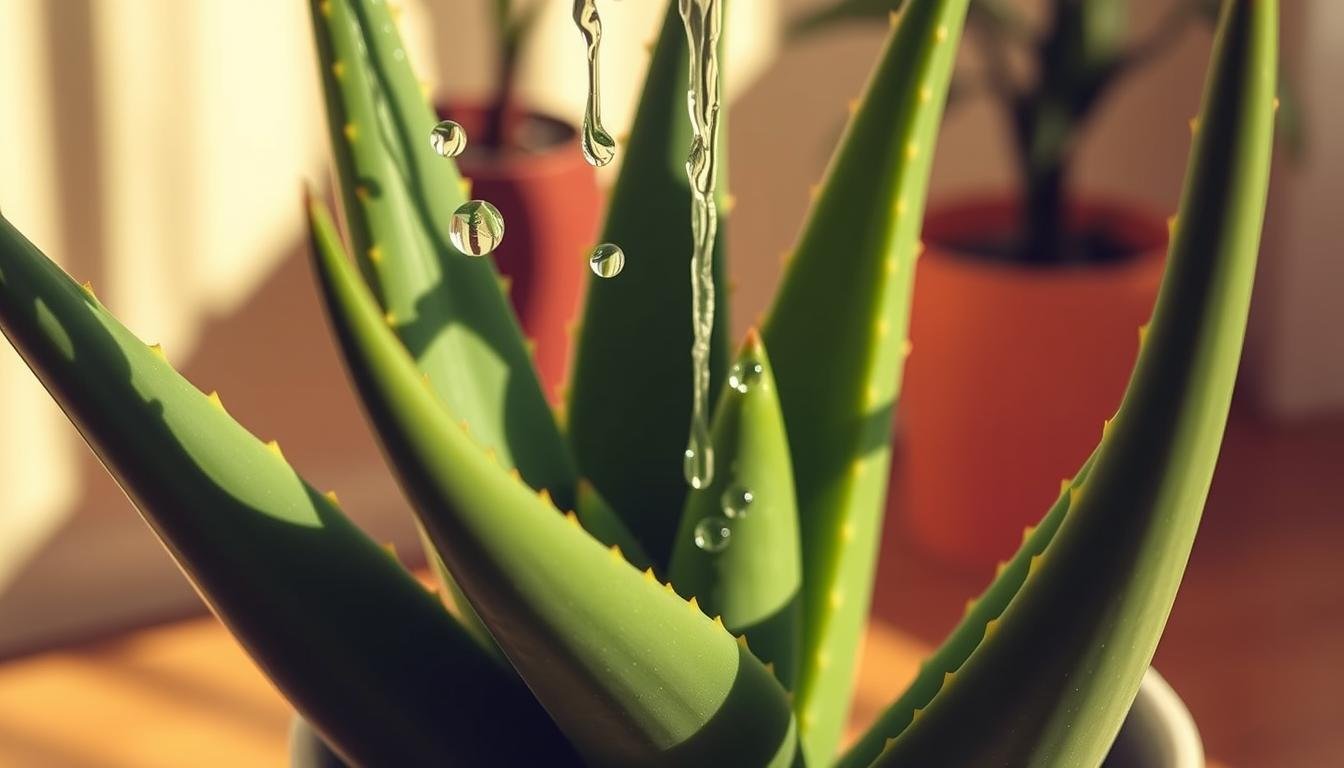
If your aloe looks stretched, pale, or tilted hard toward a window, light is the first thing to fix. Aloe vera wants strong light. Indoors, the most reliable setup is a bright south- or west-facing window, though an unobstructed east-facing window can work well too. RHS guidance recommends full light with good ventilation, and several extension sources specifically mention sunny windowsills or south/west exposure as ideal indoor placement. (UA Cooperative Extension)
The part that trips people up is the phrase “direct sun.” Indoors, aloe usually benefits from a lot of sun. Outdoors, especially in intense summer heat, abrupt exposure to strong midday sun can scorch leaves. That is why advice can sound contradictory. A plant that has lived in softer indoor light should be acclimated gradually before full outdoor sun. If you move it straight from a dim corner to blazing afternoon heat, brown or reddish stress marks are not surprising. Think of it like skin after winter: capable of handling sun, but not instantly. (Almanac)
Watering Aloe Vera the Right Way
The most common aloe problem is not neglect. It is overwatering. Aloe stores water in its leaves, so it does not want constantly moist soil. Good care means watering thoroughly, then waiting until the mix has dried before watering again. South Dakota State University Extension recommends regular, thorough watering with full drying between waterings, while the University of Florida advises watering only when the top inch of soil is dry and never letting the plant sit in water. (SDSU Extension)
That matters more than any fixed calendar. Some homes are bright and warm, others are cool and dim. A terracotta pot dries faster than glazed ceramic. A small plant in gritty mix may need water much sooner than a large plant in dense soil. So instead of asking, “Is it Wednesday?” ask three better questions: Is the mix dry deep into the pot? Do the leaves still feel firm? Is the plant actively growing or slowing down? Those answers are more reliable than copying someone else’s schedule. (SDSU Extension)
A good watering session should soak the root ball and then drain fully. Do not give aloe tiny sips that only wet the surface. That encourages shallow roots and leaves dry pockets lower in the pot. Water until excess runs out, empty any saucer, and leave the plant alone until the mix dries again. If the leaves get slightly thinner or less taut before watering, that is often normal. Aloe is far more forgiving of slight dryness than soggy roots. (UA Cooperative Extension)
Soil, Pot, and Drainage
The fastest way to improve a struggling aloe is often not a fertilizer or a spray. It is a better potting setup. Aloe vera needs a fast-draining mix, usually a cactus or succulent blend, or a good potting mix amended with extra grit, sand, or perlite. University of Arizona guidance recommends a commercial mix with extra perlite, granite grit, or coarse sand, while RHS recommends cactus compost or quality compost improved with sand or grit for drainage. (UA Cooperative Extension)
The pot matters almost as much as the soil. A pot with a real drainage hole is non-negotiable. Terracotta is especially useful because it is porous and helps the mix dry faster between waterings. That makes it easier to avoid the swampy conditions that trigger rot. A slightly snug pot is fine; a huge pot full of wet soil is not. Bigger pots hold more moisture than a compact root system can use, which keeps the mix wet for too long. (BBC Gardeners World Magazine)
Decorative cachepots cause trouble when they hide standing water. If you keep aloe in a nursery pot inside a prettier outer pot, take the inner pot out when watering and let it drain fully before putting it back. It sounds minor, but many “mystery” aloe declines come down to roots sitting in trapped water where the owner never sees it. This is why drainage is not a side detail in aloe care. It is the central design choice that makes the rest of the care routine work. (Gardening Solutions)
Temperature, Humidity, and Placement
Aloe vera prefers warm, dry conditions. RHS guidance places the comfortable range around 13°C to 27°C and warns against cold drafts and frost, while other current care sources commonly frame aloe as happiest in ordinary warm indoor conditions with low to moderate humidity. (RHS)
That means placement matters beyond sunlight. Avoid pushing the plant against freezing glass in winter or leaving it in the blast zone of heating vents, air conditioners, or drafty doors. Those repeated swings stress the leaves and can show up as browning, wrinkling, or stalled growth. High humidity is also unhelpful. South Dakota State University Extension notes that cool temperatures and high humidity contribute to rust and fungal problems, which is one reason aloe tends to do better in airy, drier rooms than in damp corners. (SDSU Extension)
A practical test is simple: if a spot feels bright, warm, and dry enough that a succulent would naturally fit there, aloe will probably like it. If it feels dim, chilly, and moist, it probably will not. Bathrooms with weak light are often marketed as plant-friendly, but they are rarely a good home for aloe unless the room is unusually bright and well ventilated. (RHS)
Fertilizer: Less Is Better
Aloe vera is not a hungry plant. In fact, overfeeding can do more harm than skipping fertilizer entirely. RHS suggests fertilizing sparingly, using diluted liquid feed only occasionally, while University of Arizona guidance recommends a light application in spring. That lines up with how aloe grows in nature: lean, mineral, low-fertility conditions rather than rich, heavily fed potting soil. (RHS)
If your aloe is in fresh, well-draining mix and gets enough light, it may not need much fertilizer at all. A light feeding once in spring, or once in spring and again in late summer, is usually plenty for a healthy indoor plant. Skip fertilizer when the plant is stressed, recently repotted, rotting, or sitting in low winter light. Feeding a struggling aloe will not solve the real problem. It usually just adds one more variable. (RHS)
The simplest approach is best: use a diluted houseplant or cactus fertilizer, err on the weak side, and feed only when the plant is actively growing. If you are unsure, do less. Aloe forgives restraint better than excess. (RHS)
Repotting Aloe Vera Without Stressing It
Aloe does not need frequent repotting, but it does appreciate fresh mix and a little more room when it starts to outgrow its container. Common signs include roots crowding the pot, pups packing the surface, slowed growth, top-heaviness, or mix that has broken down and stays wet too long. Several current sources suggest repotting every two to three years or when the plant clearly outgrows its container. (BBC Gardeners World Magazine)
The best time is usually spring or early in the growing season, when the plant can recover more quickly. Choose a pot only slightly larger than the existing root ball, not dramatically bigger. Refresh the mix, check the roots, and trim anything obviously dead or mushy. Then settle the plant at the same depth it had before. Burying the stem too deeply can encourage rot at the base. (Better Homes & Gardens)
After repotting, avoid the urge to fuss. Give it bright light, let the plant settle, and be careful not to drench a freshly disturbed root system if the mix is already slightly moist. The goal is stability, not speed. Aloe typically rebounds well when the new pot drains properly and the light is strong. (Better Homes & Gardens)
Propagating Aloe Vera from Pups
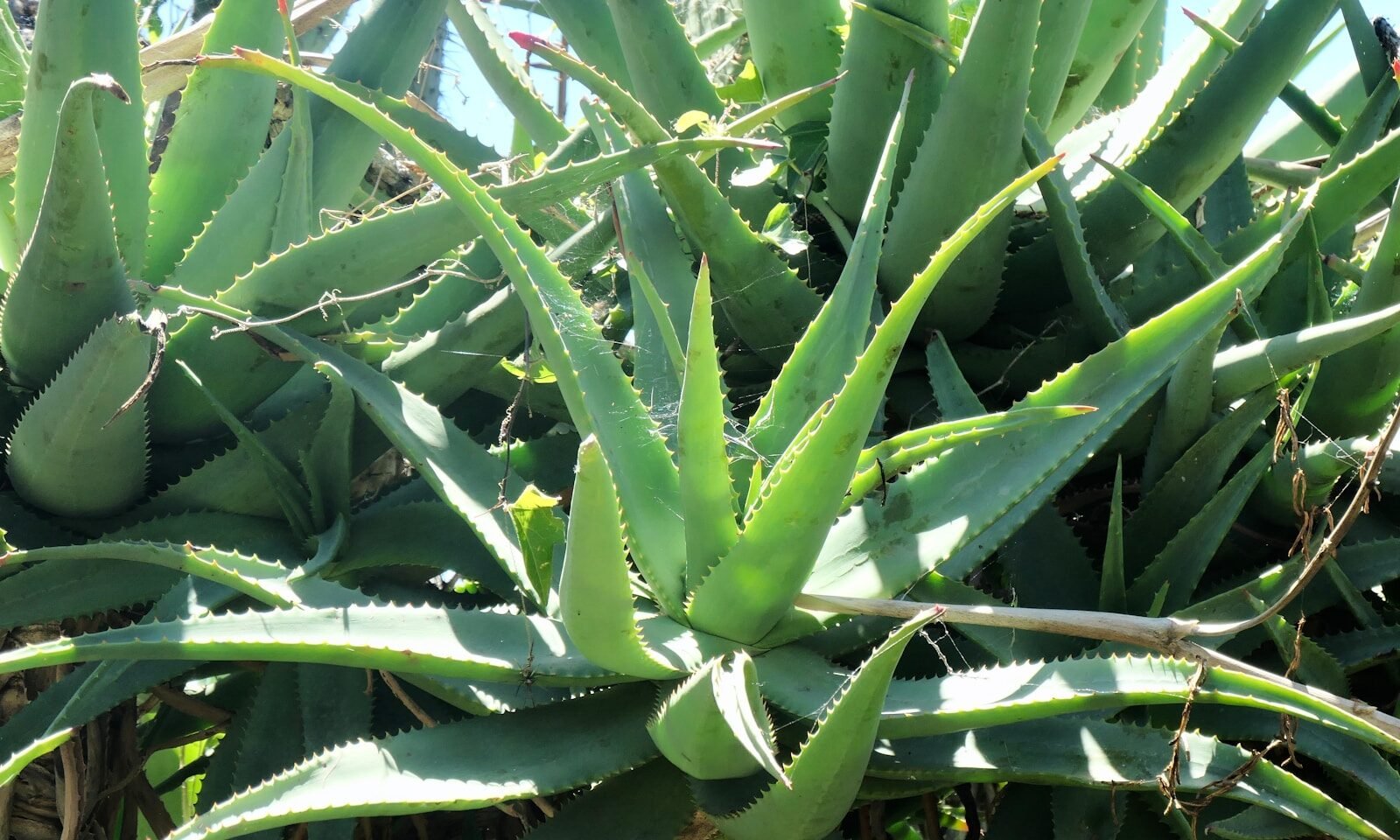
The easiest way to make more aloe is not by leaf cuttings. It is by separating pups, the small offsets that grow from the base of a mature plant. This matters because many houseplant articles blur propagation methods, but aloe is most reliably propagated from offsets with their own developing roots. Current care sources consistently recommend pups as the practical route. (Architectural Digest)
Wait until a pup is large enough to handle and ideally has some roots of its own. Gently unpot the parent, tease apart the root mass, and separate the pup with as much root attached as possible. Pot it into a small container with fast-draining succulent mix and go easy on watering until it settles in. The logic is simple: a small offset with limited roots cannot process a lot of moisture, so the same overwatering risk applies even more strongly here. (Architectural Digest)
Propagation becomes much easier when the parent plant is healthy to begin with. A crowded, light-starved, or waterlogged aloe is technically still capable of producing pups, but those pups are weaker, harder to separate cleanly, and slower to establish. So if you want successful propagation, good routine care comes first. (joyusgarden.com)
Common Problems: Overwatering and Rot
If aloe leaves turn yellow, soft, translucent, or mushy, the problem is usually water, drainage, or both. This is the classic failure pattern. University extension and horticultural sources repeatedly identify overwatering and waterlogged soil as the leading cause of aloe decline, with root rot often fatal if it goes too far. (SDSU Extension)
The first move is to stop watering and inspect the setup honestly. Is there a drainage hole? Is the mix dense and slow to dry? Is the plant sitting in a saucer of runoff? Are the roots black, brown, or foul-smelling? If yes, you are not looking at a thirst problem. You are looking at a suffocation problem. Roots need air as much as moisture, and aloe roots in soggy soil lose that balance quickly. (Gardening Solutions)
Recovery depends on how early you catch it. Mild cases may improve after the plant dries and the watering routine is corrected. Advanced cases often require unpotting, cutting away mushy roots, refreshing the mix, and repotting into a container with proper drainage. If the crown is collapsing and the core is rotten, the plant may not be salvageable. That is why prevention matters so much more than treatment with aloe. (SDSU Extension)
Common Problems: Browning, Red Stress, and Weak Growth
Brown aloe leaves do not always mean rot. They can also point to sun stress, cold damage, low-light weakness, old leaves aging out, or simply a plant reacting to sudden change. Some browning shows up as dry tips or bronzed color after strong sun exposure, while low-light stress often looks different: stretched leaves, loose form, bending toward the window, and a generally thinner, weaker plant. (Plantin)
Reddish or bronze tones are not automatically a disaster. In some cases they are a stress response to brighter light, especially after a move outdoors or into a sunnier spot. That is different from the dark, wet-looking browning of overwatering. The texture tells the truth. Dry and firm points you one way. Soft and collapsing points you another. Reading both color and texture keeps you from making the wrong correction. (Plantin)
Weak, floppy, or tall growth usually means the aloe is starved for light. People often respond by watering or feeding more, which makes the problem worse. A stretched aloe will not become compact again overnight, but stronger light can improve new growth. Rotate the plant so it does not lean, increase light gradually, and avoid heavy fertilizer that pushes soft growth the plant cannot support. (UA Cooperative Extension)
Harvesting Aloe Gel Safely
One reason people buy aloe is the gel inside the leaves. That can be useful, but safe harvesting matters. The gel and the yellowish latex just beneath the leaf skin are not the same thing. The National Center for Complementary and Integrative Health notes that topical aloe gel is generally well tolerated, while oral aloe latex can cause cramps and diarrhea and has been linked to more serious risks with internal use. (NCCIH)
If you harvest from your own plant, take a mature outer leaf, let the cut end drain, and separate the clear inner gel from the yellow latex layer. For skin use, a patch test is a smart move because some people react with burning, itching, or rash. This is a place where enthusiasm should stay grounded. Aloe can be soothing for many people, but it is not risk-free and it is not a substitute for medical care when something is severe or infected. (NCCIH)
Household safety matters too. The ASPCA lists Aloe vera and true aloe as toxic to cats and dogs, with symptoms including vomiting, lethargy, diarrhea, and urine color changes depending on the form ingested. So if you have curious pets or small children, keep the plant out of reach and do not assume “natural” means harmless. That point gets skipped too often in casual care guides, but it matters in real homes. (ASPCA)
Outdoor Aloe Vera Care
Outdoors, aloe can be excellent in the right climate and frustrating in the wrong one. It handles heat and drought well, but it does not handle frost well. Current care sources commonly place outdoor aloe in frost-free or warm conditions, and advise bringing potted plants inside when nights drop too low. The easiest rule is this: if your winters freeze, outdoor aloe should usually live in a container you can move. (Almanac)
Light outdoors should be strong, but not abrupt. An aloe that has been indoors should be introduced gradually to brighter conditions over several days or weeks. Morning sun and a break from the harshest afternoon exposure often works well during hot weather. In mild climates, established outdoor plants can handle more sun, but even then, drainage still matters. A bed that stays wet after rain is a bad site for aloe no matter how warm it is. (Almanac)
Outdoor watering should stay conservative. Rain counts. Humid weather counts. Cool spells count. The same principle applies inside and out: soak, drain, then let the soil dry. People often assume outdoor plants always need more water, but an aloe in the ground or in a large pot after a rainy week may need none at all. That is why aloe care is really about observation, not routine. (UA Cooperative Extension)
Conclusion
Good aloe vera care comes down to a few non-negotiables: strong light, quick drainage, restrained watering, and enough patience to let the plant dry between drinks. Most problems trace back to ignoring one of those basics. When you get them right, aloe stops being a fussy mystery and starts acting like what it is: a resilient succulent built for lean conditions, not constant attention. (SDSU Extension)
The most useful shift is mental. Stop treating aloe like a schedule-driven plant and start treating it like a plant that gives clear signals. Soft and yellow means too wet. Thin and stretched means too dark. Bronzed after a sudden move means too much sun too fast. Once you learn that language, aloe care gets much easier, and your plant has a much better shot at staying healthy for years. (SDSU Extension)
FAQs
How often should I water aloe vera?
Water only after the potting mix has dried rather than on a rigid schedule. In brighter, warmer months that may be every couple of weeks for many indoor plants; in winter it is often much less frequent. Extension and horticultural sources agree on the principle: soak thoroughly, drain fully, and never let the plant sit in water. (SDSU Extension)
Why is my aloe vera turning brown?
Browning can mean different things. Dry brown tips or bronzing often point to sun stress, cold stress, or age. Soft brown tissue points much more strongly to overwatering or rot. The texture matters as much as the color, so check whether the affected area is firm and dry or soft and wet before you decide how to respond. (Plantin)
Can aloe vera grow in direct sun?
Yes, but context matters. Indoors, aloe usually benefits from strong direct light near a sunny window. Outdoors, especially after a move from indoor conditions, strong midday sun can scorch leaves if the plant is not acclimated gradually. Bright light is the goal; sudden exposure is the risk. (UA Cooperative Extension)
When should I repot aloe vera?
Repot when the plant becomes rootbound, top-heavy, crowded with pups, or stuck in potting mix that drains poorly. Spring or the active growing season is usually the best time. Choose a pot only slightly larger than the current root system and use a gritty, fast-draining mix. (Better Homes & Gardens)
Is aloe vera safe for pets?
No. The ASPCA lists Aloe vera as toxic to cats and dogs. Ingestion can cause symptoms such as vomiting, lethargy, diarrhea, and other gastrointestinal or systemic effects depending on the form involved. Keep the plant out of reach and contact a veterinarian promptly if a pet chews it. (ASPCA)=