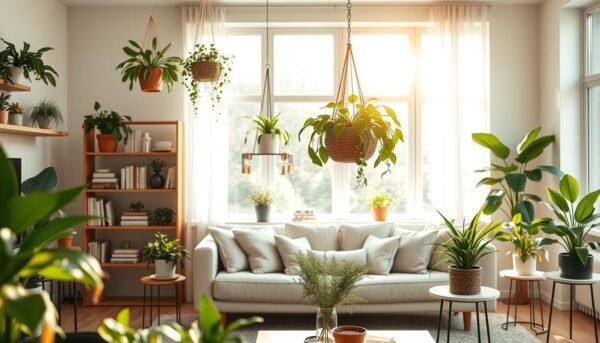


Indoor gardening is simply the practice of growing plants inside your home, apartment, office, or any enclosed space where you control at least part of the environment. That can mean classic houseplants, an indoor herb garden on a kitchen windowsill, a shelf of tropical foliage under LED lights, or a small hydroponic setup for greens. The core idea is the same: you are replacing outdoor conditions with a manageable indoor system. That sounds easy until you realize most plant problems indoors come from one mismatch—people choose plants for looks, then expect them to adapt to a space that does not meet their light, moisture, or temperature needs. (University of Minnesota Extension)
A lot of indoor gardening advice gets this backward. It starts with “buy these beautiful plants” instead of “measure what your room can actually support.” Good indoor gardening is less about collecting plants and more about building a repeatable system: suitable light, pots with drainage, soil that does not stay soggy, a watering rhythm based on the plant and the season, and a quick response when pests show up. Once those pieces are in place, indoor gardening stops feeling random and starts feeling predictable in the best way. (University of Minnesota Extension)
Why More People Are Growing Indoors
The popularity of indoor gardening is not just anecdotal. Garden Research says 84% of U.S. households gardened in 2024, representing 122.3 million households and $52.3 billion in lawn and garden spending. At the industry level, Mordor Intelligence estimates the indoor plants market will grow from $13.12 billion in 2025 to $13.61 billion in 2026, with further growth projected through 2031. Those numbers do not prove every living room is turning into a jungle, but they do show indoor growing has moved well beyond niche hobby status. (GardenResearch.com)
The appeal is obvious once you strip away the trend language. Indoor plants can make a room feel less flat, give you a low-friction routine that breaks up screen time, and let you grow herbs or foliage in places without outdoor garden space. Penn State Extension also points to psychological and lifestyle benefits, not just decorative ones. That matters because the strongest reason to start indoor gardening is not that plants are magical. It is that they can make a space feel more lived-in and give you a practical, satisfying habit when the setup matches real conditions. (Penn State Extension)
There is one benefit worth handling carefully: air purification. NASA’s older studies helped fuel the idea that houseplants clean indoor air, and those studies did show pollutant removal in controlled conditions. But more recent analysis found that what works in sealed chambers does not translate cleanly to a normal home; one review concluded you would need a very large number of plants to match meaningful real-world air-cleaning performance. The practical takeaway is simple: keep plants because they improve your environment and mood, not because you expect a pothos to replace ventilation or a proper air purifier. (NASA Technical Reports Server)
Start With Your Space, Not the Plant
The best indoor gardeners start by auditing the room, not by impulse-buying plants. Look at your windows, how many hours of usable light the room gets, whether the air feels dry, whether there are heating vents or AC drafts nearby, and how often you realistically want to water. A bright kitchen, a dim office, and a south-facing living room are three different ecosystems. Treating them as the same is how people end up killing expensive plants and assuming they “just aren’t good with plants.” (University of Minnesota Extension)
This is also where most beginner frustration starts. People hear that a plant “tolerates low light” and place it in a dark corner, even though “low light” in plant terms often still means more usable light than that corner actually gets. Or they buy a cactus for a room that never gets direct sun. Indoor gardening gets easier fast when you stop asking, “What plant do I want?” and start asking, “What can this spot support without constant intervention?” (Penn State Extension)
How to Read Light Realistically
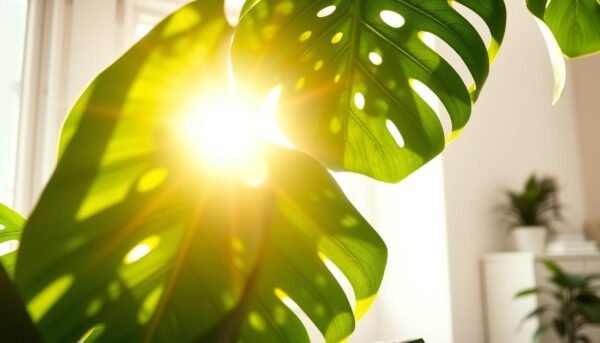
Light is the engine of indoor gardening. University of Minnesota Extension is blunt about it: light is one of the most important factors for indoor plant growth because plants need it for photosynthesis. Penn State Extension adds a useful reality check for low-light houseplants: even those still need meaningful exposure, and many sun-loving plants require at least several hours of direct or bright indirect light each day. That is why a room can feel “bright” to you and still be inadequate for a plant sitting six feet from the window. (University of Minnesota Extension)
A practical rule works better than abstract labels. Bright indirect light usually means a spot close to a bright window, with light filtered or softened rather than harsh midday sun landing directly on the leaves for hours. East-facing windows are often excellent because they provide gentler morning light; University of Georgia notes eastern exposure can offer especially favorable conditions for many indoor plants. If your home does not provide that naturally, a basic LED grow light can bridge the gap without making your setup overly technical. (CAES Field Report)
Temperature and Airflow Matter More Than You Think
Most indoor plants sold for homes are tropical or subtropical species adapted to fairly stable conditions. What they dislike is not average room temperature so much as volatility: hot blasts from radiators, cold drafts from doors, AC vents drying out leaves, or windows that swing between comfortable afternoons and chilly nights. Gardeners’ World warns that most houseplants will not be happy next to a radiator, open fire, or air-conditioning unit, and Penn State gives similar caution for palms and other indoor foliage plants. (BBC Gardeners World Magazine)
Airflow matters too, but not in the dramatic way people imagine. You do not need to “air out” plants like laundry. You just need to avoid stagnant, crowded conditions that keep leaves damp and encourage pests or disease. Penn State’s disease guidance specifically points to avoiding overcrowding and providing ample air circulation. Indoors, the small stuff is usually what protects plants: spacing pots a bit, rotating them occasionally, and not turning one shelf into a humid traffic jam. (Penn State Extension)
Best Plants for Beginners
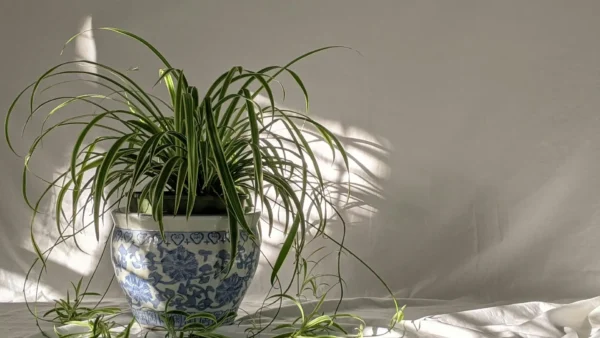
The best beginner plants are not the prettiest ones on social media. They are the plants that match your available light and forgive missed waterings or normal indoor humidity. If your goal is early success, you want plants that grow steadily, show obvious stress signals before collapse, and do not require a custom humidity chamber or precision schedule. This is why pothos, snake plant, ZZ plant, spider plant, and some philodendrons keep showing up in reliable beginner recommendations. (Penn State Extension)
That does not mean all beginner plants are interchangeable. Some tolerate neglect but hate overwatering. Others adapt to medium light but stall in a dim room. The point is not to memorize a list. It is to understand the tradeoff each plant makes: drought tolerance, lower light tolerance, faster growth, sensitivity to direct sun, or pet toxicity. Pick the trait that fits your home and your habits. (The Spruce)
Low-Light Tolerant Picks
If your indoor gardening setup is limited to moderate or lower natural light, start with plants known to tolerate that reality instead of fighting it. ZZ plant, snake plant, cast iron plant, Chinese evergreen, and many pothos varieties are better bets than succulents or cacti in that situation. Penn State’s low-light guidance and broad houseplant selection material both reinforce the idea that plant choice should follow actual light conditions, not wishful thinking. (Penn State Extension)
These plants are useful because they buy you margin for error. A ZZ plant, for example, stores water in thick rhizomes and handles missed watering better than many tropical plants, but it still prefers well-draining soil and can suffer when kept wet for too long. That is the right beginner model: plants that forgive you, not plants that defy biology. Even “hard to kill” plants fail when their roots stay waterlogged in a pot with no drainage. (The Spruce)
Bright-Light Picks
If you have a sunny sill or strong supplemental lighting, your options expand. Herbs such as basil and chives, as well as succulents, cacti, rubber plants, and larger foliage like monstera, usually perform better when the light is genuinely strong. Penn State notes that sun-loving cacti and succulents need several hours of direct or bright indirect light every day. This is where indoor gardening can feel more dynamic because brighter conditions usually support faster growth, stronger color, and better recovery after pruning or repotting. (Penn State Extension)
Bright light also means you need to pay closer attention to watering and placement. Stronger light can dry containers faster, especially in small pots or warm rooms. At the same time, direct sun through glass can scorch foliage that prefers bright indirect light rather than all-day intensity. “Bright” is not one setting; it is a range, and the exact spot still matters. (BBC Gardeners World Magazine)
Containers, Potting Mix, and Drainage
A healthy indoor garden starts below the surface. Most houseplant failures are not dramatic mysteries; they are root problems caused by poor drainage, compacted soil, or pots that stay wet too long. University of Minnesota Extension repeatedly stresses that pots need to drain well and that plants should not sit in water. That sounds basic, but it is the single most underrated rule in indoor gardening because people focus on leaves while roots quietly suffocate. (University of Minnesota Extension)
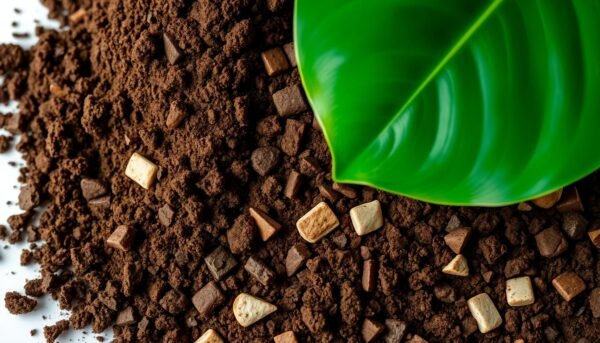
The right potting mix depends on the plant, but the principle is consistent: indoor containers need a mix that balances moisture retention with air pockets around the roots. Many standard indoor mixes use materials such as peat or coir, bark, and perlite to improve drainage and aeration. The Spruce’s tested recommendations also emphasize that soil choice should reflect plant type rather than a one-bag-fits-all assumption. Aroids, succulents, herbs, and flowering plants do better when the mix roughly matches how quickly their roots want to dry. (The Spruce)
Container choice matters more than aesthetics suggest. Decorative cachepots are fine, but the plant should usually sit in an inner nursery pot or another container with drainage holes so excess water can escape. Bigger pots are not automatically better either. Penn State’s disease guidance warns against overpotting, because excess soil around a small root system can stay wet too long and invite disease pressure. Choose a pot that fits the root mass, not your ambition for how large the plant might become. (Penn State Extension)
Watering Without Killing Roots
The fastest way to ruin indoor plants is to water on autopilot. There is no universal schedule that works for all homes, all seasons, and all plant types. A plant in strong light during active growth might need water far more often than the same plant in winter, in a cooler room, or in a larger pot. That is why reliable indoor gardening advice keeps circling back to one principle: check before you water. (University of Minnesota Extension)
A simple method works for most plants. Stick a finger into the top layer of soil, lift the pot to feel its weight, and look for signs of active growth versus dormancy. Water thoroughly, let the excess drain, and do not let the pot sit in standing water. University of Minnesota’s guidance on houseplants and poinsettias reinforces this exact logic—water when the medium is appropriately dry, then allow full drainage. The goal is not frequent wetness. It is a wet-dry cycle the roots can actually tolerate. (University of Minnesota Extension)
Overwatering is not about the amount of water in one session as much as the frequency and the lack of oxygen around roots. Underwatering is usually easier to fix because the plant can often rebound once rehydrated. Roots that have rotted from chronic sogginess are harder to recover. If you remember one line from this section, make it this: the problem is rarely “too much love”; it is too many waterings for the conditions. (University of Minnesota Extension)
Feeding and Repotting
Indoor plants are not heavy feeders in the way many beginners assume. In potting mix, nutrients do run down over time, but that does not mean more fertilizer equals faster success. Gardeners’ World recommends feeding houseplants during active growth, with specific adjustments for flowering plants, rather than pouring fertilizer into inactive or stressed plants year-round. This matches common-sense plant behavior: feed when the plant is actually growing, not when it is sitting still in winter or recovering from root stress. (BBC Gardeners World Magazine)
Repotting should also be need-based, not calendar-based. Plants usually need a larger container when roots circle tightly, water runs through too quickly because roots dominate the pot, or growth slows despite otherwise decent care. Moving a plant into a slightly larger pot with fresh mix can help, but doubling pot size too aggressively creates soggy unused soil. Smart indoor gardening is incremental. You are managing root environment, not trying to win a race. (Penn State Extension)
There is also a timing issue people miss. Repotting during active growth often gives plants the best chance to re-establish quickly, while repotting a struggling plant in low light and cool temperatures can create a longer recovery period. The same goes for feeding. A weak plant with bad roots does not need stronger fertilizer; it needs the underlying problem fixed first. (BBC Gardeners World Magazine)
Humidity, Cleaning, and Day-to-Day Care
A surprising amount of indoor gardening is just maintenance discipline. Wipe dust from leaves, rotate pots so growth stays balanced, remove dead material promptly, and keep an eye on how fast conditions shift when seasons change. Penn State notes that many houseplants benefit from humidity levels higher than a heated winter home normally provides. That does not mean every plant needs tropical greenhouse conditions, but dry indoor air can absolutely show up as brown tips, stalled growth, or extra stress on humidity-loving species. (Penn State Extension)
Humidity advice online is often sloppy. Misting can make people feel productive, but it usually raises humidity only briefly. A humidifier, grouping compatible plants, or choosing species that tolerate average household humidity tends to be more effective than sporadic spraying. Penn State’s houseplant equipment guidance also suggests many buyers overcomplicate gear while missing the fundamentals. The basics still win: stable conditions, clean foliage, appropriate watering, and enough light. (Penn State Extension)
Cleaning leaves is not cosmetic fluff either. Dust can reduce the plant’s ability to capture light efficiently, and dirty foliage makes pest detection harder. What you do not want is coating leaves with oils or improvised hacks that block pores or attract grime. The sensible version is plain: gently clean the leaves, improve airflow, and let the plant function normally. (Financial Times)
Common Indoor Gardening Problems
Most indoor plant problems trace back to a short list: wrong light, bad watering habits, poor drainage, pest introduction, and unstable indoor conditions. The reason experienced growers seem calm is not that their plants never struggle. It is that they know which variable usually fails first and they check that before doing anything dramatic. You can do the same. Look at light, moisture, roots, and pests before blaming fertilizer, moon phases, or the plant’s personality. (University of Minnesota Extension)
This is where good indoor gardening becomes strategic. Do not treat symptoms in isolation. Yellow leaves, for example, are not one diagnosis. They can signal overwatering, underwatering, insufficient light, pests, natural aging, or disease. The plant is giving you a clue, not a verdict. (The Spruce)
Yellow Leaves, Droop, and Root Rot
Yellowing leaves are one of the most common and most misread indoor plant symptoms. Overwatering is a frequent cause because saturated soil reduces oxygen at the root zone and triggers root decline, but low light can produce similar-looking stress by reducing the plant’s ability to use the water it receives. The result is a trap: the plant looks sad, the owner waters more, and the problem worsens. That pattern shows up repeatedly in indoor gardening advice because it happens constantly. (University of Minnesota Extension)
Drooping is equally tricky. A thirsty plant can droop, but so can a plant with damaged roots sitting in wet soil. That is why touching the soil and checking drainage matter more than reacting emotionally to the leaves. If the mix smells sour, stays wet for days, or the pot has no drainage, root stress should be high on your list. Plants recover from temporary drought more often than they recover from prolonged root rot. (University of Minnesota Extension)
Pests, Fungus Gnats, and Disease Pressure
Indoor pests spread faster than many beginners expect because there are fewer natural checks indoors. University of Minnesota identifies common houseplant pests including spider mites, mealybugs, scale, fungus gnats, and whiteflies, and explicitly recommends early detection and quarantining new plants. That quarantine habit is one of the highest-value moves in indoor gardening because new purchases are a common way pests enter an otherwise healthy collection. (University of Minnesota Extension)
Fungus gnats deserve special attention because they are common, annoying, and usually a symptom of overly moist soil. Minnesota Extension notes that fungus gnats live in moist soil and that avoiding overwatering is central to control; yellow sticky traps can help catch adults. Penn State adds the broader disease-prevention framework: avoid overcrowding, keep leaves dry when appropriate, and maintain airflow. The fix is rarely one magic spray. It is usually a combination of drying the setup out, trapping adults, and correcting the care habit that created the problem. (University of Minnesota Extension)
Indoor Herbs and Edibles
Indoor gardening gets especially rewarding when it becomes useful, not just decorative. Basil, parsley, chives, mint, and some leafy greens can do well indoors when light is strong enough and the containers drain properly. This is where many people discover the difference between growing foliage and growing food: herbs usually want more light and more consistent growth conditions than shade-tolerant decorative plants. A dim windowsill might keep a pothos alive, but it will not keep basil productive for long. (The Spruce)
The good news is that herbs respond well when the setup is honest. Give them the brightest window you have or a proper LED grow light, use a light potting mix, harvest regularly, and avoid leaving roots soggy. Indoor edible gardening also works well at small scale because you do not need a full kitchen farm to make it worthwhile. A few thriving herb pots that you actually use are better than a complicated system you abandon after three weeks. (University of Minnesota Extension)
Hydroponics can also fit here, especially for greens and herbs, but it is optional, not mandatory. University of Minnesota’s small-scale hydroponics guidance shows how compact and practical these systems can be, including modest LED light requirements for small setups. For many beginners, though, standard containers are easier to understand at first because you can see the relationship between soil moisture, light, and plant response more intuitively. (University of Minnesota Extension)
Indoor Gardening Tools Worth Buying
Most indoor gardeners do not need a gear obsession. They need a few tools that reduce guesswork and make maintenance easier. A basic LED grow light is high on that list if your home lacks strong natural light. University of Minnesota’s lighting guidance and hydroponics resources both reinforce how useful supplemental lighting can be, and even relatively small LED setups can make a measurable difference for herbs, seedlings, and light-hungry houseplants. (University of Minnesota Extension)
A watering can with a narrow spout, clean pruning shears, yellow sticky traps, a hygrometer if your air is very dry, and plain nursery pots with drainage all deliver more value than novelty gadgets. A moisture meter can help some beginners, but it should support observation, not replace it. Penn State’s guidance on what houseplant gear you really need is useful precisely because it pushes back against overbuying. Indoor gardening works best when the system is simple enough that you keep using it. (Penn State Extension)
That simplicity matters because tools do not fix mismatches. A powerful grow light will not save a plant sitting in waterlogged soil. Fancy fertilizer will not solve a dim room. A humidifier will not erase spider mites if you ignore the infestation. Buy the tools that support the fundamentals, then let the fundamentals do the heavy lifting. (University of Minnesota Extension)
Conclusion
Indoor gardening looks complicated when you treat it as a collection hobby. It gets much easier when you treat it as a system. Match the plant to the light you actually have, use containers that drain, water based on soil and season instead of habit, and catch pests early before they spread. Those few decisions matter more than trends, hacks, or expensive gear. (University of Minnesota Extension)
That is also why indoor gardening keeps sticking with people. It scales well. You can start with one pothos and a basil pot, learn how your home behaves, and build from there. Done right, it is not about chasing perfection. It is about creating a space where plants can actually live well indoors—and where you enjoy taking care of them because the setup makes sense. (Penn State Extension)
FAQs
What is the easiest way to start indoor gardening?
Start with one or two plants that match your light conditions, not the plants you like most visually. Use pots with drainage, a reliable potting mix, and learn one watering method before expanding. Beginner success usually comes from restraint, not variety. (Penn State Extension)
Do I need grow lights for indoor gardening?
Not always. If you have a bright window with enough consistent light, many houseplants can do well without supplemental lighting. You should consider LED grow lights when you are growing herbs, seedlings, succulents, or plants in rooms that look bright to you but do not provide enough usable light for growth. (University of Minnesota Extension)
How often should I water indoor plants?
There is no universal schedule that works across all homes and plants. Check soil moisture, pot weight, plant type, temperature, and season before watering. The most common indoor gardening mistake is watering on a routine instead of watering based on conditions. (University of Minnesota Extension)
Do indoor plants really clean the air?
They can remove some pollutants in controlled research settings, but real homes are different from sealed lab chambers. More recent analysis suggests ordinary numbers of potted plants are not a meaningful substitute for ventilation or an air purifier. Keep plants for beauty, enjoyment, and atmosphere; use ventilation and filtration for air-quality control. (NASA Technical Reports Server)
Which herbs grow best indoors?
Herbs that usually adapt well indoors include basil, chives, parsley, and mint, provided they get strong light and well-draining soil. The mistake is assuming “edible” means “easy in low light.” Indoor herbs generally need brighter conditions than many decorative foliage plants. (The Spruce)