Why cleaning Monstera leaves matters more than most people think
If your Monstera leaves look dusty, dull, or oddly flat, the fix usually is not complicated. They do not need a miracle spray. They do not need kitchen hacks. They need a basic cleaning routine done gently and done consistently. That is the core answer.
There is a real plant-health reason behind this, not just an aesthetic one. The Royal Horticultural Society says wiping the leaves regularly helps keep them clear of dust so they can absorb daylight more efficiently, which supports plant health and growth. Extension guidance for Monstera deliciosa says the same thing in simpler terms: wipe dust from the leaves periodically. (RHS)
That matters because Monstera leaves are basically solar panels. Their broad surface area is one of the reasons the plant looks dramatic indoors, but it is also why they collect dust faster than many smaller-leaf houseplants. A dirty leaf cannot use light as well as a clean one, and once dust, pet hair, grease, or mineral residue builds up, the plant starts doing less with the same light. The result is subtle at first: less gloss, less visual punch, and slower-looking growth.
There is another payoff people miss. Cleaning the leaves forces you to inspect them. That is often when you catch the early signs of spider mites, mealybugs, or scale, all of which are common indoor pests mentioned in Monstera care guidance from university and horticultural sources. A two-minute wipe-down can save you from a much bigger cleanup later. (Wisconsin Horticulture)
Table of Contents
What you need before you start
Most people overcomplicate this. For routine cleaning, you need less than you think. A soft microfiber cloth, clean lukewarm water, and a little patience will handle the majority of dusty Monstera leaves. Smooth, shiny houseplant leaves like Monstera are widely recommended for simple wipe-down cleaning with a damp, non-scratchy cloth or sponge, with the leaf supported while you clean so it does not snap or crease. (The Spruce)
You also want the right setup. Clean in a bright room, but not with harsh sun blasting wet leaves. If your Monstera is large, stabilize the pot first so you are not wrestling a top-heavy plant while one hand is holding a leaf and the other is wiping. If the plant climbs a moss pole or stake, make sure it is secure before you start moving the foliage around.
What you do not need is a collection of “shine” products, oils, food-based hacks, or acidic DIY mixes. Those get recommended all over the internet because they create an immediate glossy effect. That is not the same as being good for the plant. A healthy Monstera already has its own natural sheen. Your job is to remove what is blocking it, not coat the leaf with something extra.
The best cloths, water, and setup
Use a soft microfiber cloth or another lint-free cloth that will not scratch the leaf or leave fuzz behind. A rough rag can create tiny abrasions. Paper towels can work in a pinch, but on larger or softer leaves they can drag more than glide, especially if the surface already has residue on it. The goal is low friction and good control.
For water, plain lukewarm water is usually enough. If you live somewhere with hard tap water and your leaves already show white spotting after splashes dry, use distilled, filtered, or rainwater for wiping. That does not make you precious. It just helps avoid replacing dust with mineral marks. Hard water is a common reason leaves still look blotchy after “cleaning.”
Set the cloth so it is damp, not dripping. You want enough moisture to lift dust, not so much that water pools in leaf joints, sits in creases, or runs into the potting mix every few seconds. That is especially important with big Monsteras because one sloppy session can leave you with soaked soil and a mess around the base.
What to avoid putting on Monstera leaves
A lot of popular “leaf shine” advice is bad plant care wearing a pretty outfit. Oily shine sprays can clog the stomata, the tiny pores plants use for gas exchange, and they can attract more dust over time. The Sill’s plant-care guidance warns against oily sprays for exactly that reason. If your goal is healthier leaves, sticky residue is the opposite of progress. (The Sill)
That is why you should avoid:
- Mayonnaise
- Milk
- Banana peels
- Coconut oil or olive oil
- Heavy commercial leaf-shine sprays
- Vinegar or lemon juice used casually on foliage
- Undiluted soap
- Any abrasive cleaner
These hacks usually do one of three things. They leave a residue, they create a short-lived cosmetic shine while making future dust buildup worse, or they irritate leaf tissue. A Monstera is not a coffee table. Shiny does not automatically mean healthy.
The safest way to clean Monstera leaves
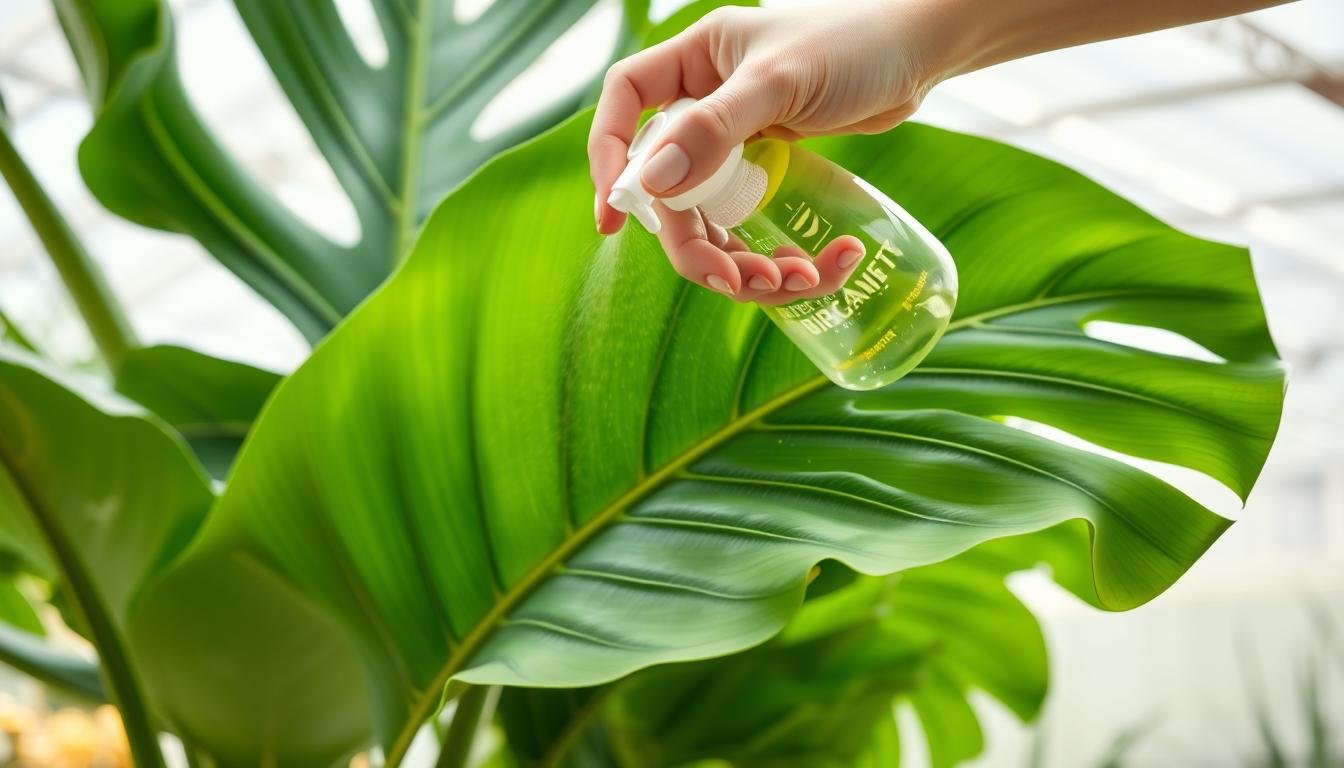
The safest method is also the simplest: wipe each leaf gently with a damp microfiber cloth and support the leaf with your free hand. That is the practical consensus across care guidance for Monsteras and other smooth-leaf houseplants. It removes dust, avoids unnecessary residue, and gives you enough control to clean without tearing delicate tissue. (RHS)
For most homes, that is the whole answer. You do not need a spray recipe. You do not need a polishing step. You do not need to “feed” the leaves. The leaf surface is not asking for conditioner. It is asking for less grime.
A lot of people search for how to make Monstera leaves shiny, but that question hides the real one: how do you get the plant back to looking like itself? Clean leaves reflect light better because you removed the barrier sitting on top of them. That natural shine looks better than the artificial, greasy shine that fades into dull buildup a week later.
If the leaf is heavily dusty, wipe once to loosen the dirt, then go over it again with a clean section of the cloth. Do not rub in hard circles like you are buffing a car. Gentle passes are enough. More force does not equal more care.
Step-by-step: how to clean Monstera leaves without damage
Start by looking at the plant before you touch anything. Check whether you are dealing with plain dust, water spots, sticky residue, or obvious pests. That matters because dust calls for cleaning, but pests call for treatment. Combining the two without knowing which problem you have is how people end up smearing insect issues across the plant.
Next, dampen a microfiber cloth with clean water and wring it out well. Place one hand under or behind the leaf for support, then wipe from the base outward, following the general direction of the veins and natural shape. Clean both the top and underside, because pests often hide below the leaf where people forget to look. The RHS specifically notes that regular wiping can remove insects as well as dust. (RHS)
As the cloth gets dirty, rinse it or switch to a clean section. Otherwise you are just redistributing grime. On a bigger plant, work from top to bottom so you do not knock dust from upper leaves onto the ones you already cleaned. Once you are done, let the foliage dry naturally in bright, indirect light and normal airflow.
The process sounds basic because it is basic. The value is in doing it carefully. Monsteras have tough-looking leaves, but splits, fenestrations, and partly unfurled growth are easier to damage than people assume. A clean leaf that stays intact beats a shiny leaf with a new tear down the side.
How to clean small and medium Monstera plants
Small and medium Monsteras are easy because you can bring the whole plant somewhere convenient. A sink, shower, or counter near good light works well. For light dust, wiping is enough. For heavier buildup, you can rinse the leaves gently with lukewarm water first, then wipe them down to remove what the rinse loosened.
If you use the shower method, keep the water pressure soft. Think gentle rainfall, not power wash. The goal is to dislodge dust without whipping the leaves around or saturating the potting mix. You can angle the plant slightly and shield the soil if needed, especially if it was recently watered and does not need another soak.
After rinsing, do not leave standing water trapped where the petiole meets the stem or in tight folds of new growth. A quick pass with a dry section of the cloth helps. This matters most in lower-airflow rooms where moisture lingers longer than you think.
How to clean large or mature Monsteras
Large Monsteras are where people get lazy or reckless. They are awkward, top-heavy, and full of leaves that overlap each other. That is exactly why a routine matters. If you let six months of dust build up because the plant is inconvenient, every future cleaning session becomes more annoying than it needed to be.
For a mature plant, use a small bucket of clean water and a few cloths instead of one. Clean the highest, most exposed leaves first because they usually collect the most dust. Support each leaf near the petiole and wipe slowly around fenestrations so you are not yanking on the thinner sections. Large split leaves look sturdy, but the cut edges can catch on cloth and tear if you rush.
This is also the stage where you should rotate your vantage point, not the whole plant if it is hard to move. Kneel, step to the side, and look under leaves from different angles. Mature Monsteras create a lot of shaded surface area. That means hidden grime and a perfect hiding place for pests if you only ever clean what you can see head-on.
How often you should clean Monstera leaves
A good default is about once a month, or sooner when the leaves visibly look dusty. That lines up with extension-style guidance to wipe when you notice dust and with practical houseplant advice that smooth leaves benefit from periodic wipe-downs rather than constant fussing. (Penn State Extension)
That said, “once a month” is not a law. It changes based on your home. If you live near a busy road, use fans often, keep windows open, have shedding pets, burn candles, or run forced-air heating, your Monstera may need cleaning more often. If it sits in a calmer room with good humidity and less airborne debris, you may stretch the interval.
The better rule is visual and practical: clean when the leaves lose their natural gloss or feel dusty to the touch. Waiting for the plant to look gray is too late. Wiping lightly and regularly is easier than dealing with a thick film of grime, mineral spray, and sticky residue all at once.
There is also no prize for overdoing it. Constantly handling leaves, spraying random products, and wiping every few days can create more stress than benefit. This is maintenance, not micromanagement.
Leaf cleaning and pest checks should happen together
One of the smartest things about cleaning Monstera leaves is that it doubles as a low-effort health inspection. The University of Wisconsin-Madison notes that indoor Monsteras can be infested by aphids, mealybugs, scale insects, or spider mites, and the RHS points out that regular wiping can help remove insects as well as dust. (Wisconsin Horticulture)
That means every cleaning session should include a quick pest scan. Look at the underside of leaves, along the midrib, where the leaf joins the stem, and around new growth. If something looks webby, cottony, sticky, or oddly crusted, stop assuming it is a cleaning issue. It may be a treatment issue.
This matters because people often misread plant problems. They see dullness, reach for a shine spray, and end up glossing over early pests. Or they see spots, assume disease, and panic, when it is really just hard-water residue. Cleaning helps you spot the difference faster, but only if you are looking.
Signs your leaves are just dusty
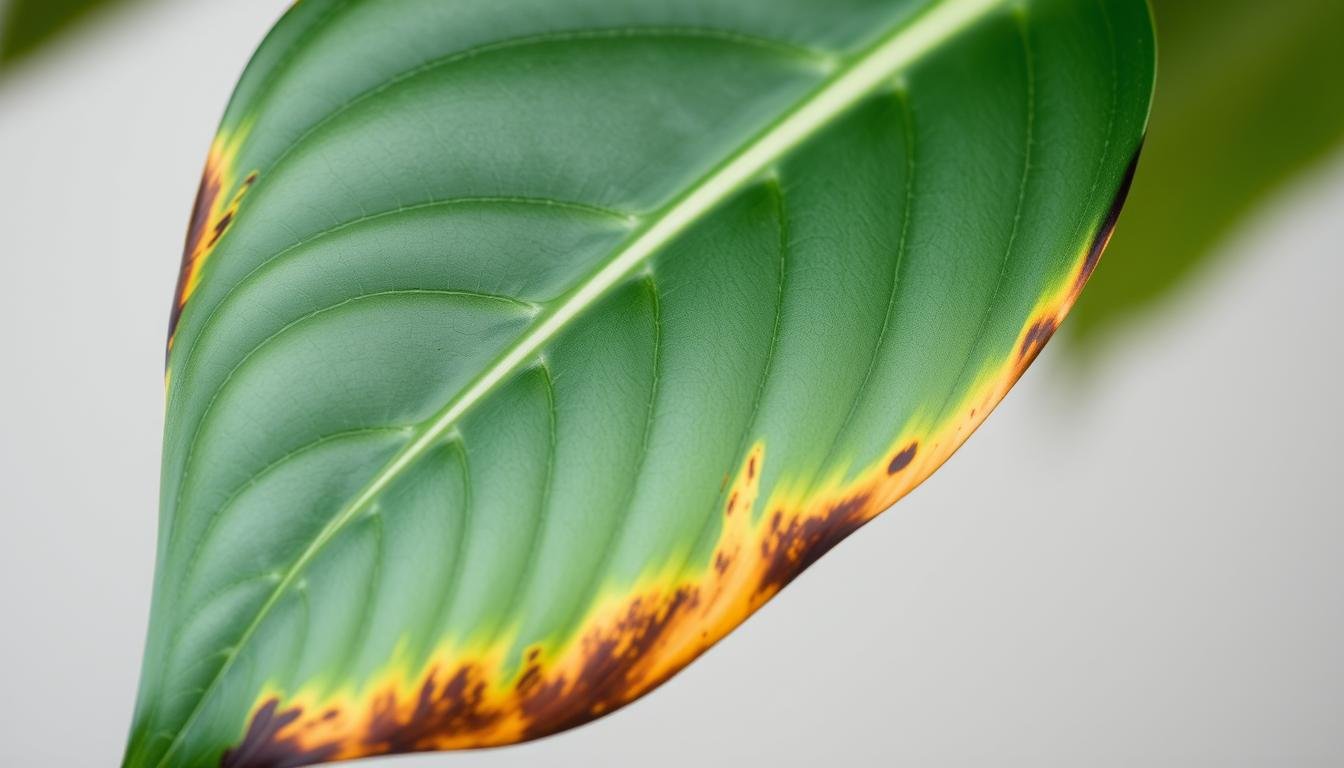
Dust usually looks exactly like you expect: a gray cast, a muted surface, and a leaf that looks flatter than normal even though the tissue still feels firm. The color beneath is healthy green, but it is hidden under a film. When you run a damp cloth over it, the cloth comes away dirty and the leaf looks immediately better.
Another clue is location. Top leaves, outer leaves, and leaves near vents, windows, or traffic paths tend to collect dust fastest. If those are the dirtiest parts while newer tucked-in leaves look cleaner, you are probably dealing with ordinary buildup, not disease or a watering problem.
Dust also tends to be even. It does not usually create sharply defined lesions, yellow halos, cottony clusters, or sticky honeydew. Once you know what normal dust looks like, you stop chasing problems that are not there.
Signs the problem is not dust
If the leaf still looks off after a gentle wipe, dig deeper. Yellowing, curling, drooping, pest webbing, sticky residue, raised bumps, or textured scarring point to a different issue. Recent plant-care guidance on yellowing Monsteras highlights moisture imbalance, drainage problems, pests, low light, and nutrient issues as more likely causes than dirty leaves alone. (Better Homes & Gardens)
White spots can also be misleading. If they wipe off easily, they may be dust or dried mineral residue. If they are fixed in place, fuzzy, or clustered near veins and leaf joints, you may be looking at pests. That distinction matters because a microfiber cloth solves one problem and merely smears the other.
The same goes for dullness. A dusty leaf can look dull. A stressed leaf can also look dull because the plant is dealing with inconsistent watering, poor light, or nutrient strain. Cleaning helps reveal the truth, but it is not a universal cure.
How to remove hard water spots, residue, and grime
Hard water spots are common on Monsteras because the leaves are broad and dramatic enough to show every mark. If water with dissolved minerals dries on the surface, it can leave pale circles or a cloudy film. A regular dust wipe may not fully remove it, which is why people think the leaf is permanently damaged when it is often just residue.
The safest approach is simple. First, wipe with a damp cloth using distilled or filtered water instead of hard tap water. Then go over the leaf again with a clean section of cloth. If the residue is stubborn, hold the damp cloth against the spot briefly to soften it, then wipe gently. The key word is gently. Scrubbing harder is a good way to scratch the natural finish of the leaf.
If the marks still do not move, pause before escalating. Not every pale patch is mineral residue. Some are scars from old stress, physical damage, sun issues, or prior pest activity. Treating every mark like dirt is how people end up damaging the leaf surface in the name of “cleaning.”
For sticky grime, the same rule applies: remove first, polish never. If the stickiness came from pests, address the infestation. If it came from old shine product buildup, repeated plain-water wipe-downs are usually the safest reset. It may take more than one session, but that is better than layering more product on top.
Should you use neem oil, soap, milk, mayo, banana peels, or leaf shine?
Here is the blunt answer: for routine cleaning, plain water on a soft cloth wins. Most of the alternatives people reach for are solving the wrong problem or creating a new one.
Neem oil is not a routine cleaner. It is a pest-management product people sometimes use on houseplants. That distinction matters. If your Monstera has a pest issue, neem may have a role depending on the pest, your setup, and how carefully it is diluted and applied. But using neem as a general polishing product is not a smart default. It leaves residue, can amplify burn risk if misused, and is not necessary just because a leaf looks dusty.
Soap is also not your first move for ordinary dust. Insecticidal soap has a purpose in pest control, but wiping leaves with dish soap mixes or random DIY formulas “just to clean them” is usually needless. Soap residue can linger if not rinsed well, and stronger or poorly diluted mixtures can irritate foliage.
Milk, mayo, oils, and banana peels are classic internet plant myths because they create a temporary cosmetic effect. That effect comes with a trade-off: residue. The Sill specifically warns that oily sprays can clog stomata and attract more dust. That logic applies broadly to greasy leaf-coating hacks. They may make a plant look glossy today and grimy next week. (The Sill)
Commercial leaf shine sits in the same danger zone. Some people use it with no immediate disaster, but that does not make it the best option for a Monstera you actually want to keep healthy long-term. If your aim is to support normal light absorption and avoid buildup, a coated leaf is not better than a clean leaf.
Here is the practical comparison:
| Option | Good for routine cleaning? | Best use | Main downside |
|---|---|---|---|
| Damp microfiber cloth + water | Yes | Dust, light grime, regular care | Minimal |
| Distilled water wipe | Yes | Hard-water areas, residue-prone homes | Slightly less convenient |
| Neem oil | Not ideal | Targeted pest management | Residue, misuse risk |
| Insecticidal soap | Not ideal | Specific pest treatment | Can irritate if misused |
| Milk / mayo / oils | No | None worth recommending | Residue, odor, more dust |
| Commercial leaf shine | Usually no | Cosmetic effect only | Coating, buildup, clogged pores concern |
This is the bigger point: cleaning is not the same as treatment, and treatment is not the same as polishing. Once you separate those three jobs, Monstera care gets much easier.
How to clean split, delicate, damaged, or unfurling leaves
Not every leaf should be handled the same way. Mature Monstera leaves with deep splits and fenestrations need a slower wipe because the thinner sections can catch on fabric edges. Damaged leaves need a lighter touch because the tissue is already compromised. Unfurling leaves are in a category of their own: they are vulnerable, tender, and not something you want to fuss over unless there is a specific reason.
If a new leaf is still opening, leave it mostly alone. Do not force it open. Do not wipe it like a mature leaf. Do not spray it heavily because you saw someone online say humidity will “help it unfurl.” High ambient humidity can support the plant overall, but that is different from manhandling a delicate emerging leaf. If residue or dust is minimal, let the leaf finish its process before you clean it.
With torn or cracked leaves, support the intact tissue and wipe around the damaged area. You are maintaining appearance and cleanliness, not trying to restore the torn section. The plant will not knit it back together because you polished it well. Accept the damage, keep the rest of the leaf healthy, and focus on preventing repeats.
Fenestrated leaves deserve special attention around the edges of holes and splits. Move the cloth with the structure of the leaf, not across it blindly. This is one of those tiny technique choices that saves a lot of accidental ripping.
What to do after cleaning so leaves stay healthy longer
Once your Monstera is clean, the next goal is not “make it shinier.” The goal is to keep it from getting grimy or stressed again too quickly. The biggest factors are light, airflow, watering habits, and environmental dust.
Monsteras generally do best in bright, indirect light and warm indoor conditions, with humidity that is not bone dry. Extension and horticultural guidance consistently ties good Monstera performance to bright indirect light and appropriate moisture management. Clean leaves help with light capture, but they cannot compensate for a plant sitting in bad conditions. (Plant Toolbox)
That means post-cleaning care is really ordinary care done well. Keep the plant where it gets usable light. Water based on soil dryness rather than a rigid calendar. Maintain decent airflow so moisture does not linger on leaves forever, but do not blast the plant with dusty vents that coat the foliage all over again.
Also keep the safety side in mind if you have pets or curious kids. Monstera deliciosa is toxic to cats and dogs if chewed, due to insoluble calcium oxalates, and NC State also notes the plant can irritate people if handled carelessly or ingested. That matters when you are cleaning because you may be moving leaves into reach or getting sap on your hands if a leaf is damaged. (ASPCA)
Common mistakes that make Monstera leaves dull again
The first mistake is chasing shine instead of chasing cleanliness. Those are not the same thing. If you use oily products to force a gloss, you often end up with a leaf that attracts dust faster and needs more aggressive cleaning later. That is a bad cycle, and it usually starts with impatience. (The Sill)
The second mistake is cleaning without diagnosing. Dust is easy. Pests, hard water residue, nutrient issues, and watering stress are not the same problem wearing different costumes. If the leaves keep looking dull or off after a proper wipe-down, the issue may be environmental or biological, not cosmetic. Guidance on yellowing and stressed Monsteras repeatedly points back to moisture, light, drainage, and pests as major causes of poor foliage quality. (Better Homes & Gardens)
The third mistake is rough handling. Monsteras look bold, but big leaves tear, crease, and scar more easily than people expect when they are wiped carelessly. A support hand under the leaf solves half the problem. Slowing down solves the other half.
The fourth mistake is waiting too long. A quick monthly clean is easy. A once-every-six-months rescue session on a giant, dusty plant is not. You do not need a perfect routine. You need a repeatable one.
Finally, there is the mistake of treating leaf cleaning like it exists in isolation. It does not. A clean Monstera in poor light still struggles. A clean Monstera in badly managed soil still shows stress. A clean Monstera with pests still has pests. Leaf care works best when it is folded into the whole care picture.
Conclusion
Clean Monstera leaves with a damp microfiber cloth, plain water, and a little care. That is the best method for most plants, most homes, and most situations. It removes the dust that blocks light, helps you spot pests earlier, and restores the natural gloss your Monstera already has. (RHS)
The shortcuts people reach for are usually the problem. Heavy leaf shine, oily mixes, milk, mayo, and random DIY coatings can make a plant look polished for a minute while setting it up for more buildup later. Clean beats coated. Healthy beats artificially glossy.
So keep the standard simple. Wipe the leaves when they look dusty. Use softer tools, not stronger products. Treat pests as pests, not as a “cleaning problem.” If you do that consistently, your Monstera will look better, function better, and ask for a lot less drama.
FAQs
What is the best thing to use to clean Monstera leaves?
The best option is a soft microfiber cloth dampened with plain lukewarm water. If your tap water leaves mineral marks, switch to distilled or filtered water. That gives you effective cleaning without residue or unnecessary product buildup. (The Spruce)
How often should I clean Monstera leaves?
A practical starting point is about once a month, or whenever the leaves visibly look dusty. Homes with pets, open windows, fans, candle smoke, or forced-air heat may need more frequent wipe-downs because airborne debris settles faster. (Penn State Extension)
Can I use leaf shine on my Monstera?
Usually, no. Routine leaf shine products are not necessary, and oily coatings can clog stomata and attract more dust. A clean leaf with its natural finish is healthier than a coated leaf that looks glossy for a few days. (The Sill)
Why do my Monstera leaves still look dull after I clean them?
If a proper wipe-down does not help, the issue may be hard water residue, pest activity, low light, watering stress, or nutrient imbalance rather than dust alone. Cleaning reveals the real condition of the leaf, but it cannot fix every underlying plant-health issue. (Better Homes & Gardens)
Is Monstera safe around pets while I’m cleaning it?
Be careful. Monstera deliciosa is toxic to cats and dogs if chewed, and the sap or plant tissue can irritate mouths and sometimes skin because of calcium oxalates. Keep pets away during cleaning, wash your hands after handling damaged leaves, and do not leave fallen plant pieces on the floor. (ASPCA)