Table of Contents
Pebble Tray Styling Ideas for Living Rooms
A pebble tray can do two jobs at once: it makes a living room look intentional, and it stops your table from becoming a dumping ground. That is the real appeal. In current decor coverage, trays keep showing up because they solve a common problem: open surfaces look messy fast, but they can also look sterile when you strip them bare. The sweet spot is a tray that gives objects a boundary, leaves room to breathe, and adds texture without trying too hard. That is why pebble trays, especially in stone, ceramic, resin, or pebble-textured finishes, feel so right for living rooms leaning natural, modern, or organic. (Homes and Gardens)
What Is a Pebble Tray in Living-Room Decor?
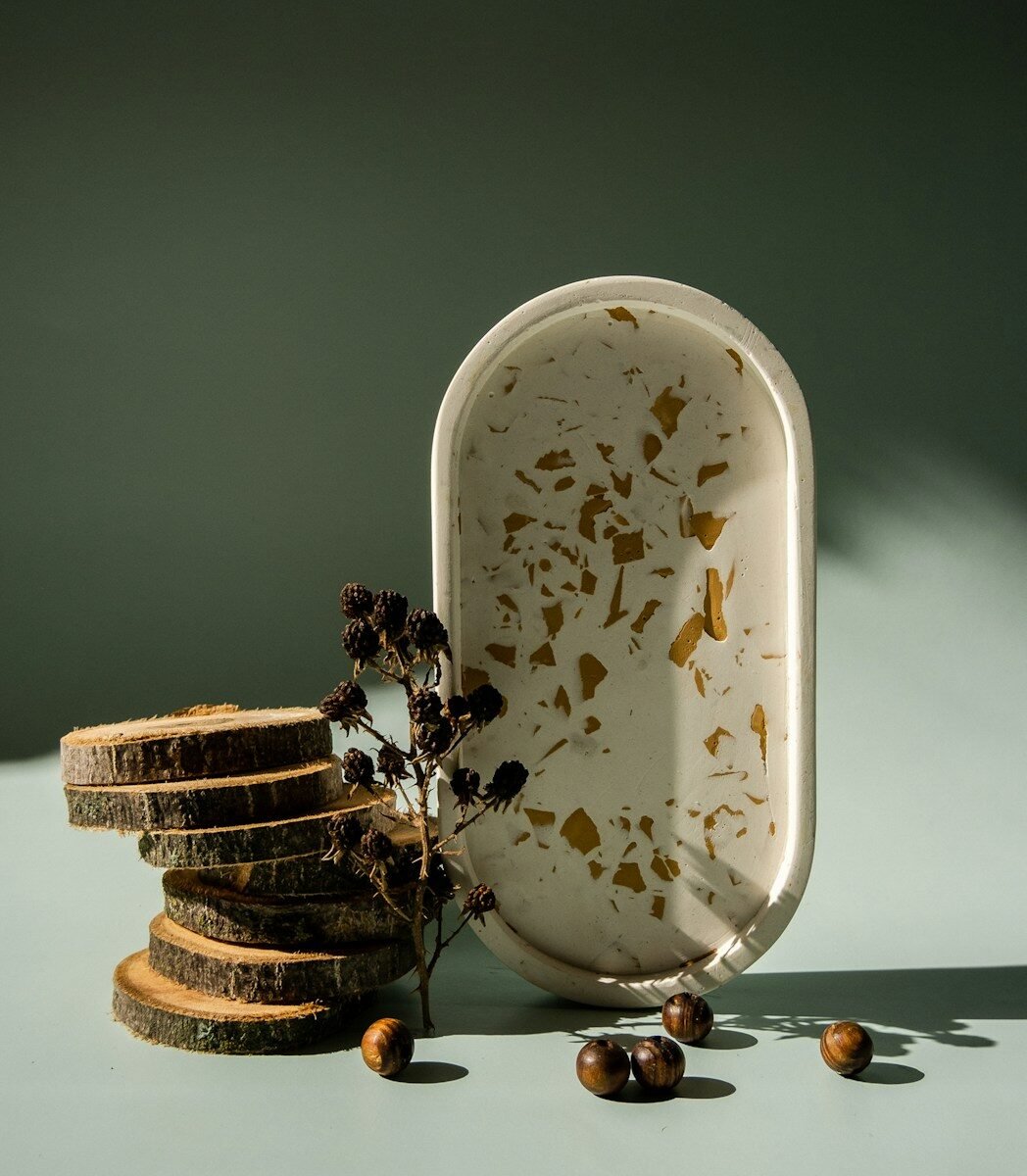
In decor terms, a pebble tray is usually a tray with one of three qualities: a pebble-like shape, a stone-inspired finish, or styling that incorporates smooth pebbles and similarly organic objects. It is less about one strict product category and more about a look. The common thread is softness and texture. Instead of sharp edges or glossy formality, a pebble tray brings in the visual language of rounded stones, muted color, and tactile materials that feel grounded rather than flashy. That makes it especially useful in living rooms where you want the table styling to feel calm, edited, and a little more elevated than a standard catchall tray. (Homes and Gardens)
Why Pebble Trays Work So Well in Living Rooms
Trays work because they create order without making a room feel stiff. Better Homes & Gardens points to trays as a way to keep living spaces organized and to corral small items like remotes, controllers, and decorative accents. Homes & Gardens goes a step further and frames the tray as “negative space control,” which is exactly right: the tray gives the eye a place to land and tells the room what belongs together. In a living room, that matters more than people think, because coffee tables and ottomans sit in the center of daily life. A pebble tray is useful here because its natural texture softens the usual trio of hard surfaces, screens, and straight furniture lines. (Better Homes & Gardens)
There is also a style reason this look feels current. Recent trend coverage points toward texture, natural materials, collectible personality, and more lived-in rooms rather than generic showroom perfection. Pinterest’s trend coverage has highlighted eclectic expression, while current living-room reporting from House Beautiful and Architectural Digest India points to warmth, wood, layered surfaces, and rooms that invite lingering. A pebble tray fits that mood because it is small-scale, tactile, and easy to personalize without taking over the room. (Real Simple)
How to Choose the Right Pebble Tray
Start with size before style. A tray that is too small looks apologetic, and one that is too big turns your coffee table into a stage set. Current styling advice consistently leans toward a tray that feels generous but still leaves usable surface area around it. Martha Stewart’s expert source stresses scale, negative space, and the need to keep room for everyday use, while Homes & Gardens says a tray should feel substantial enough to read as architectural rather than flimsy. In practice, that means your tray should anchor the arrangement, not disappear under it. (Martha Stewart)
Material matters just as much. If your table is wood, a wood tray in the exact same tone can flatten the whole setup; Martha Stewart’s design guidance explicitly favors mixed materials over repeated ones. That is where pebble trays do well. A stone-look tray on wood, a matte ceramic tray on glass, or a resin pebble tray on a dark lacquer table creates contrast without noise. Shape should follow the table more than trend: round trays feel natural on round tables, rectangular trays usually sit best on rectangular tables, and softer irregular forms work when the room already has enough structure elsewhere. (Martha Stewart)
A Simple Formula for Styling One Well
The easiest way to style a pebble tray is to think in layers, not objects. Start with one anchor, add one piece of height, bring in one element of softness, and finish with one practical item. That approach lines up with expert advice from Martha Stewart’s “high-medium-low” composition rule and Real Simple’s repeated focus on balancing beauty with function. It also keeps you out of the most common trap, which is collecting nice things and placing all of them on the tray at once. A tray looks polished when it has hierarchy, not when it is full. (Martha Stewart)
A strong anchor could be a small stack of books, a decorative bowl, or the tray itself if it has enough visual weight. Height usually comes from a bud vase, branch, or candle holder. Softness comes from something organic: greenery, a linen matchbox, a round pebble object, or the curved edge of a ceramic vessel. The practical item is what makes the arrangement feel real, not staged. Coasters, a remote box, or a catchall for glasses can all work. Designers quoted by Real Simple recommend odd numbers and containment, and several current tray guides land in the same zone: roughly three to five objects is usually enough. (Real Simple)
Minimal Neutral Pebble Tray Idea
For a calm, expensive-looking setup, go neutral but not flat. Use a pebble tray in off-white, sand, travertine, taupe resin, or matte stone-look ceramic, then style it with a short stack of books in pale covers, a low candle, and one small sculptural object. The reason this works is not color alone. It works because the tray introduces texture while the objects stay edited. Current design advice keeps circling the same core principles: vary height slightly, keep the palette restrained, and let some empty surface show. (Martha Stewart)
The trick here is to avoid making neutral mean lifeless. Add one detail with a tactile edge, such as a rough ceramic bowl, ribbed candle, or smooth river stones inside a shallow dish. That small contrast keeps the tray from blending into the table and disappearing. This style suits modern apartments, Japandi-leaning rooms, and living rooms with warm whites, beige upholstery, or soft gray walls. It also tends to age well, because the setup depends on proportion and material rather than whatever decor fad is peaking that month. (Martha Stewart)
Warm Organic Pebble Tray Idea
If your living room already leans earthy, this is the easiest version to pull off. Use a wood or rattan-based table and place a stone-look or pebble-textured tray on top with a small ceramic vase, clipped greenery, and one bowl filled with smooth pebbles, beads, or collected natural objects. Better Homes & Gardens has highlighted wicker trays and coastal-inspired styling with stones and natural accents, while current 2026 trend coverage keeps emphasizing timber, warmth, and natural finishes. A pebble tray belongs naturally in that world because it echoes the room rather than fighting it. (Better Homes & Gardens)
This version looks best when the color palette stays warm: clay, oat, olive, smoke, and soft brown. Skip shiny chrome here. You want surfaces that feel handled, not slick. A lot of people overcomplicate organic styling by adding too many rustic pieces. Keep it tighter than that. One branch, one bowl, one candle, maybe one book. The effect should feel collected and breathable, not like a themed nature display. (Homes and Gardens)
Modern Sculptural Pebble Tray Idea
A pebble tray can also work in a sharper, more architectural room. Choose a tray with a cleaner silhouette, maybe black stone, charcoal resin, smoked glass, or pale marble with rounded corners. Then style it with fewer objects than you think you need: a tall slim candle holder, a single sculptural piece, and a low bowl or box. Current advice from Homes & Gardens is especially useful here: trays work best when they introduce hierarchy and when part of the tray is left empty. In a modern room, that empty space is not missing decor. It is the decor. (Homes and Gardens)
This look fits with current living-room movement toward collectible details and personality-led styling, but it does not need maximalism to work. One striking object does more than five forgettable ones. If you have a black-and-cream room, a pebble tray with subtle stone texture can keep the setup from feeling too sharp or cold. If you have glass or metal furniture, the tray is even more valuable because it brings in weight and tactility. Just protect delicate glass surfaces if you use stone objects, as Real Simple notes for glass coffee tables. (House Beautiful)
Cozy Layered Pebble Tray Idea
If you want the living room to feel softer and more lived in, build the tray around comfort instead of display. Start with a pebble tray in a creamy or warm-gray finish, add a candle you actually light, a small stack of books you actually open, and a vase with clipped branches or seasonal stems. Real Simple’s designers repeatedly point toward this formula because it reads personal and inviting, not generic. Pottery Barn also leans into trays as movable vignettes that can be cleared quickly when you need the table for snacks, games, or guests. (Real Simple)
This is the best setup for fall and winter, but it does not have to go heavy. The goal is softness, not bulk. Linen, smoked glass, low ceramics, and matte candles do the work better than overstuffed decor. If you want one simple upgrade, use a vessel with real branches rather than dusty faux florals; Real Simple’s experts call out faux flowers as one of the faster ways to cheapen a coffee table. Even a few cut stems can make the tray feel more current and alive. (Real Simple)
Small-Space Pebble Tray Idea
In a small living room, a tray is not optional styling fluff. It is a control system. When every surface is visible and every item competes for attention, containment matters more. Martha Stewart’s guidance on scale makes this especially clear: what works in a big room can overwhelm a studio or compact apartment. A smaller pebble tray with just three pieces can make a small coffee table look more intentional than a larger tray crowded with decor. (Martha Stewart)
The best small-space formula is simple: one low bowl, one small candle, one narrow vase or branch. Keep heights restrained so sightlines stay open, and avoid anything bulky enough to block conversation or the TV. Choose softer colors that blend with the room rather than shouting for attention. The pebble effect helps here because rounded, natural forms feel less visually aggressive than angular accessories. If your room is really tight, style the tray so it can move easily from coffee table to console when needed. Handles can help, which is one reason Pottery Barn still pushes trays as practical, flexible decor. (Martha Stewart)
Family-Friendly Functional Pebble Tray Idea
Not every living room can carry a fragile, purely decorative setup. If you live with kids, pets, or people who actually use the room hard, build the tray around function first. Better Homes & Gardens explicitly recommends trays in living spaces for holding remotes and other small items, and Real Simple suggests hiding remotes in a decorative box rather than leaving them loose. That is one of the smartest ways to use a pebble tray: make it the stylish home for the boring objects that always end up on the table anyway. (Better Homes & Gardens)
A family-friendly version might include a lidded box for remotes, a coaster stack, and one safe decorative element such as a low ceramic bowl or battery candle. Use weighty materials so the tray does not slide around easily, but skip sharp edges or glass if the room gets rough use. The styling can still look good. In fact, it often looks better because it has a clear purpose. Rooms feel more polished when every visible object has a reason to be there. (Homes and Gardens)
How to Refresh It Seasonally
One of the biggest advantages of tray styling is that you do not need to restyle the whole room to make it feel fresh. Pottery Barn frames trays as easy seasonal displays, and that is exactly how to use them. In spring, swap in clipped branches or pale florals. In summer, go lighter with glass, shells, or pale stone. In autumn, bring in a darker candle, wood tones, and dried stems. In winter, use deeper neutrals, a textured vessel, or a metallic accent if the room needs a little lift. (Pottery Barn)
The key is to change one or two variables, not everything. Keep the tray itself constant if it works with the room, then rotate the softest layer: greenery, candle, small object, or book stack. That keeps the living room feeling current without turning the table into a seasonal craft project. It also aligns with the broader design direction right now, where personality matters but over-styling is falling out of favor. The tray should evolve with the room, not become a separate performance. (Homes and Gardens)
Common Mistakes to Avoid
The biggest mistake is overfilling the tray. Real Simple, Martha Stewart, and Homes & Gardens all hit the same point from different angles: too many items erase the benefit of the tray and make the setup feel cramped. The second mistake is using tall pieces that block views across the room. The third is failing to mix materials, which leaves everything looking flat. And the fourth is forgetting function. A coffee table still needs to hold a mug, a snack plate, or a remote, which means styling has to respect real life. (Martha Stewart)
Another common miss is matching too literally. A pebble tray does not need pebbles, driftwood, shells, beige books, and a sand-colored candle all at once. That reads themed, not designed. The better move is to choose one quiet reference point, maybe the tray’s organic shape or a small stone bowl, then let the rest of the objects support it. Also watch for generic coffee table books and dusty faux florals, both of which current expert advice flags as easy ways to make the setup feel dated. Good tray styling is mostly editing. Taste matters, but restraint matters more. (Real Simple)

Conclusion
The best pebble tray styling ideas for living rooms are not the busiest or the most expensive. They are the ones that make the room feel calmer, more functional, and more finished in one move. Choose a tray with enough presence, give it a clear job, and style it with a few objects that vary in height, texture, and purpose. That is the formula that holds up across trends, whether your living room leans minimal, organic, sculptural, cozy, or family-proof. When a tray works, you notice the room feels better before you notice why. (Homes and Gardens)
FAQs
What do you put on a pebble tray in a living room?
A well-styled pebble tray usually needs just a few categories of objects: something grounding, something vertical, something soft, and something useful. In practice, that could mean a short stack of books, a candle, a small vase with branches, and coasters or a remote box. Real Simple and Martha Stewart both support that blend of decor and function, while Homes & Gardens emphasizes texture and negative space. The tray should not become a storage bin. It should look edited, with each item helping either the room’s look or the room’s daily use. (Martha Stewart)
How many items should go on a pebble tray?
For most living rooms, three to five items is the safe range. That lines up with designer guidance around odd numbers and with current tray-styling advice that favors a restrained mix of objects rather than crowded arrangements. The exact number depends on tray size and the visual weight of each piece. One large bowl counts for more than one tiny trinket. The better rule is this: stop when the tray still has breathing room and the table still has function. (Real Simple)
What shape tray works best on a round coffee table?
A round tray usually feels most natural on a round coffee table because it repeats the table’s shape and keeps movement fluid. That said, the best answer depends on the table and the room. Architectural Digest’s coffee-table advice notes that round tables pair well with round trays, while broader decor guidance also shows that contrast can work when the proportions are right. If your round table is large and the room is structured, an oval or softly rectangular pebble tray can add tension in a good way. Just avoid anything that feels too sharp or too cramped. (Architectural Digest)
Should the tray match the coffee table exactly?
No. Exact matching is usually weaker than thoughtful contrast. Martha Stewart’s styling advice explicitly warns against repeating the same material too closely, because contrast creates depth. If your table is wood, a stone, ceramic, resin, or leather-look tray often works better than another similar wood tone. If your table is glass or metal, a pebble tray can add warmth and texture. The goal is coordination, not cloning. (Martha Stewart)
Can a pebble tray work in a small living room?
Yes, and small living rooms often benefit from trays even more than large ones. Compact spaces need visual control, and trays create that by grouping objects and reducing scatter. The only catch is scale. Keep the tray modest, the styling low, and the item count tight. A small pebble tray with three intentional pieces will usually make a compact living room feel calmer and more finished than several loose decorative items spread across the table. (Martha Stewart)