Table of Contents
What a Pebble Tray Actually Does
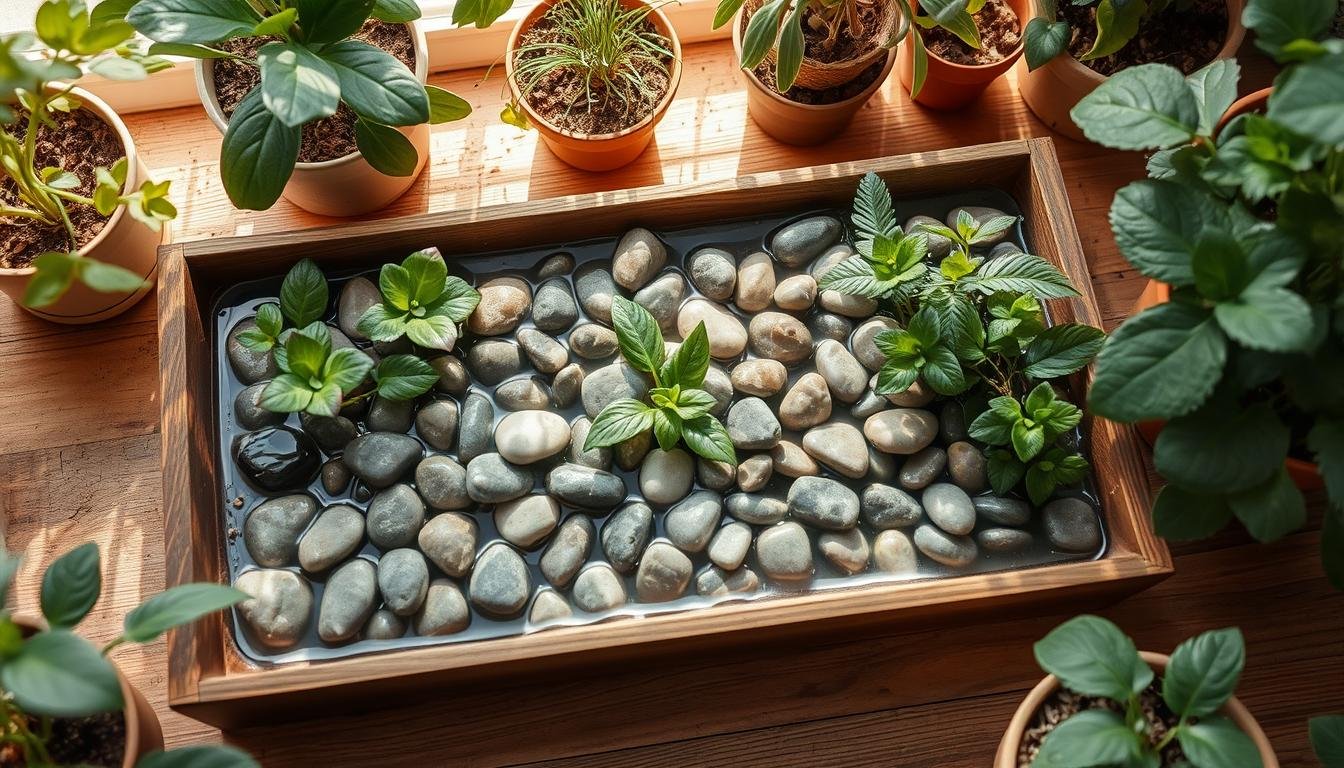
A pebble tray is a shallow container filled with pebbles and a small amount of water, with the plant pot resting on top of the stones rather than in the water. As that water evaporates, it raises humidity in the immediate area around the plant. That part is real. The part people often exaggerate is the scale. A tray is not going to transform a bone-dry room into a tropical greenhouse, but it can create a modest microclimate around a plant, especially if the plant is compact, low-growing, and placed close to the moisture source. (The Spruce)
That distinction matters because indoor air can get very dry, especially in winter. Extension sources note that many homes can drop well below the humidity level many houseplants prefer. Iowa State says many houseplants like roughly 40% to 50% relative humidity, while homes in winter may fall to 10% to 20%. North Carolina State adds that indoor humidity can dip below 20% in winter, while many houseplants do better around 40% to 50%. (Yard and Garden)
So the right question is not “Does a pebble tray solve humidity?” It is “Can it help enough for this plant, in this spot, with this amount of dry air?” For small apartments, shelves, and windowsills, that is where pebble trays earn their keep. They are cheap, silent, low-clutter, and easy to fit where a humidifier would be overkill.
When a Pebble Tray Makes Sense in a Small Home
A pebble tray makes the most sense when you need a small local bump in humidity, not a room-wide fix. Think of a plant on a windowsill above a radiator, a fern on a bookshelf near an AC vent, or a calathea on a narrow desk where you cannot spare floor space for another gadget. In those cases, the tray works because it targets the plant instead of the whole room. (Extension | University of New Hampshire)
It also makes sense when you want a no-cord solution. Humidifiers are more effective overall, but they take space, need power, and need more frequent deep cleaning. A pebble tray asks for almost nothing: a saucer, some stones, and a refill now and then. If you live in a small rental, share a room, or already have too many plugs occupied, that simplicity is a real advantage.
Where pebble trays make less sense is in large open rooms with strong airflow. Recent expert commentary summarized by Better Homes & Gardens says pebble trays are most useful for small, low-growing, humidity-loving plants, while large plants in airy spaces get minimal benefit because moisture disperses fast. That matches extension advice that a portable humidifier does more when the air is seriously dry. (Better Homes & Gardens)
Plants That Benefit Most From Pebble Trays
Best choices for humidity-loving compact plants
The best candidates are plants that like humidity and stay close enough to the tray to feel its effect. Fittonia, small ferns, compact calatheas, young philodendrons, some begonias, and certain orchids fit that profile well. Extension and recent plant-care sources also repeatedly mention ferns, orchids, and tropical houseplants as logical matches for extra local humidity. (treleaf)
These plants also tend to show dry-air stress in visible ways. You may see crispy edges, browned tips, curled leaves, or foliage that loses that lush, soft look. A pebble tray will not fix every problem that looks like humidity stress, but if your watering and light are already sensible, it is one of the easiest variables to improve without rearranging the whole room.
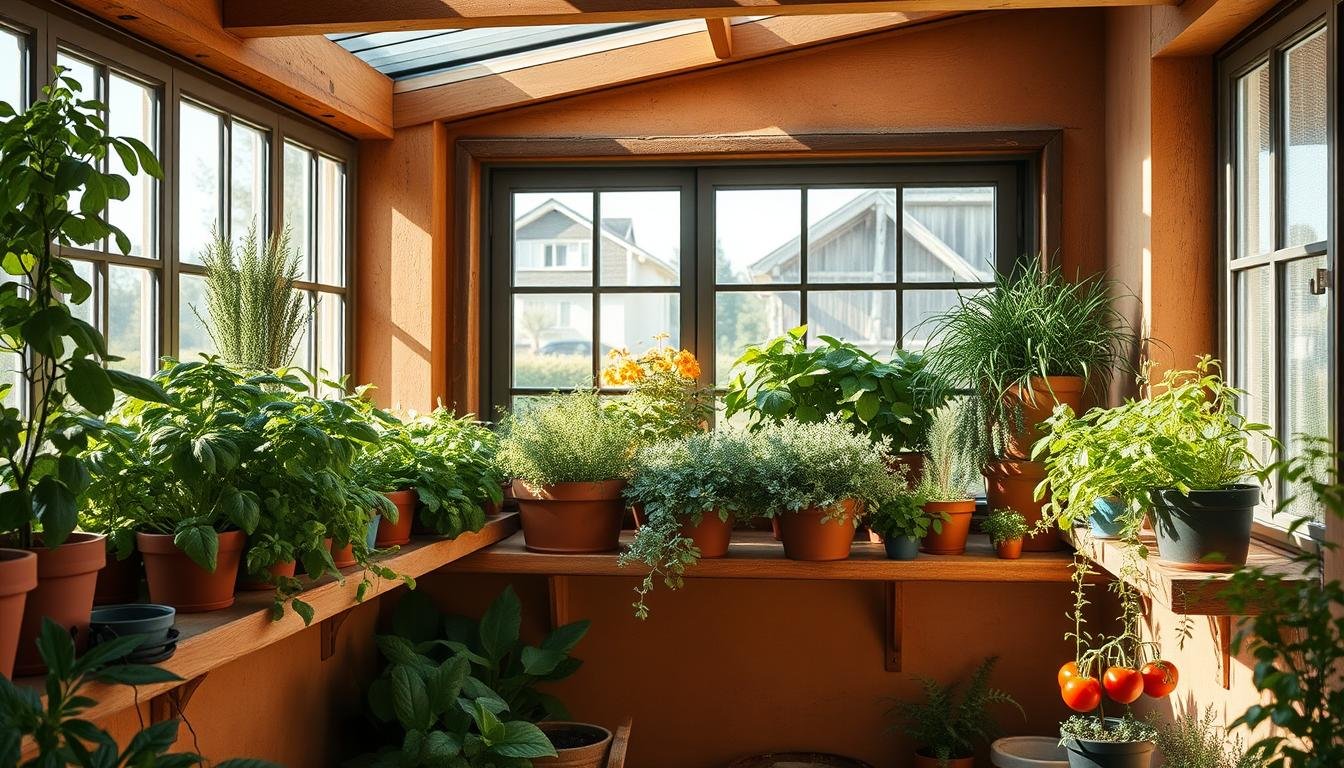
Small-space growers often make another smart move here: they group plants together. Extension guidance from Iowa State, Maryland, Illinois, UNH, and Purdue all mention plant grouping as a way to increase local humidity. A shelf-length pebble tray under two or three small tropicals can work better than one tiny tray under one plant because the plants themselves add moisture through transpiration. (Yard and Garden)
Plants that usually need more than a tray
Large leafy plants, plants kept in drafty rooms, or species that truly need high humidity often need more than a tray. If a big rex begonia, large fern, or sensitive tropical is sitting in heated winter air, a pebble tray may be too small a fix. UNH specifically advises that when there is no room for a pebble tray or the humidity need is substantial, a humidifier is the better option. (Extension | University of New Hampshire)
This is also where a lot of frustration starts. People build a cute tray, put a huge plant on it, and expect rainforest results. Then the leaf edges still crisp and they assume pebble trays are useless. The tray was not the problem. The expectation was.
The Basic Formula for a Pebble Tray That Works
Tray size, depth, and water level
The basic build is simple, but the details decide whether it helps or harms. Start with a wide, shallow tray that is at least somewhat larger than the plant pot. Recent how-to guidance from The Spruce recommends a tray several inches wider than the pot’s base. That wider footprint gives you more exposed water surface and better local evaporation. (The Spruce)
Fill the tray with enough pebbles to lift the pot above the waterline. Then add water so the level sits below the top of the stones, not over them. The pot should rest on the pebbles, and the drainage hole should stay out of standing water. Multiple extension sources make the same warning: do not let the plant sit directly in water, because that raises the risk of overwatering and root rot. (Yard and Garden)
That point is non-negotiable. If the base of the pot is touching water, you are no longer just using a humidity aid. You are creating a setup that can wick moisture into the soil and keep roots too wet. Wisconsin Horticulture explicitly warns against letting houseplants sit in drainage water because root rot fungi thrive in wet soils. (Wisconsin Horticulture)
Choosing pebbles, clay balls, or other fillers
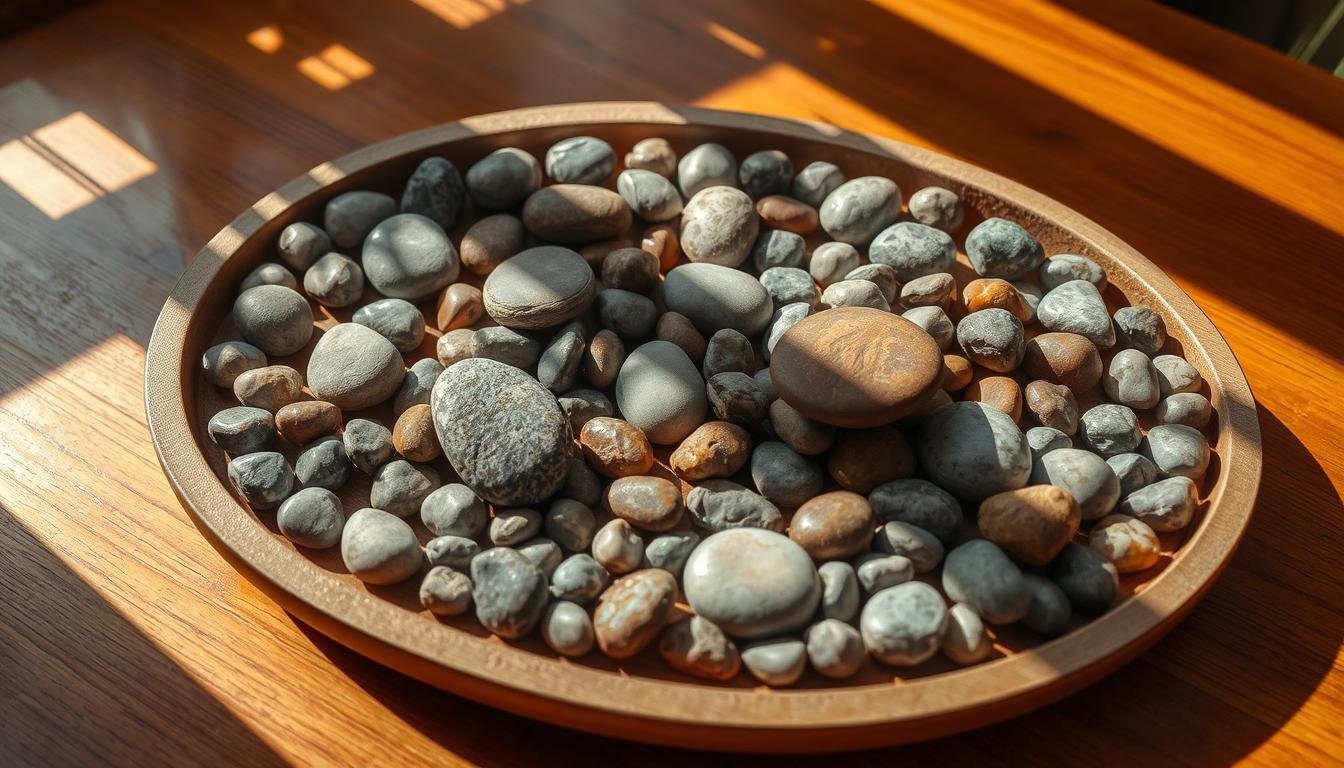
Regular washed pebbles are fine. So are pea gravel, aquarium stones, glass stones, or clay pebbles such as LECA-style media. A recent comparison in Homes & Gardens notes that clay pebbles are porous and can absorb water, releasing it more gradually. That does not make them automatically superior, but it can make them attractive if you want a lighter, cleaner-looking fill material. (Homes and Gardens)
What matters more than the material is cleanliness and stability. Smooth, inert stones are easier to rinse and less likely to shed residue into the tray. Avoid dirty garden rubble unless you clean it thoroughly first. In a small home, the tray is on display, so choose a filler you do not mind seeing every day.
DIY Pebble Tray Ideas for Small Spaces
Windowsill pebble tray
The windowsill tray is the most practical version for most people. Use a long, narrow plant saucer or a slim baking dish that fits the sill without blocking the window latch. Add a single layer of pebbles, then place one or two humidity-loving plants on top. This works especially well if your sill is bright but dry, which is common near winter heating. (Richmond County Center)
The visual trick is to match the tray to the sill rather than to the pot. A tray that runs parallel to the window looks intentional. A tiny round saucer under one plant often looks like an afterthought. If you keep several small tropicals on one sill, one long tray usually looks cleaner than three separate ones.
Desk or bedside mini tray
If you only have room for one plant, use a mini tray under a compact plant like fittonia or a small fern. A ceramic saucer, shallow tea tray, or coaster-style dish can work as long as it is waterproof and slightly wider than the pot. This setup is not about dramatic humidity gain. It is about preventing a fragile little plant from sitting in the driest possible conditions on a desk or nightstand.
For this style, scale matters. Oversized stones can make a tiny tray look chunky and unstable. Choose smaller pebbles, keep the fill neat, and keep the waterline low. The goal is a compact humidity assist that looks tidy, not a miniature rock garden that steals half the tabletop.
Shelf-length tray for grouped plants
This is the most effective small-space layout in the whole category. Instead of one tray per pot, use one long waterproof tray under several small plants that like similar conditions. Extension sources consistently note that grouping plants helps increase local humidity, so combining grouped plants with one shared pebble tray stacks the benefit. (Extension | University of New Hampshire)
It also solves the clutter problem. One long tray looks cleaner than four little saucers, catches stray water, and makes the shelf easier to wipe. For small apartments, this is the version that usually gives the best trade-off between function and appearance.
Decorative tray for living rooms
If the tray sits in a visible room, treat it like decor. Use a shallow ceramic platter, matte metal tray, or stone-look dish that matches your pots. White pebbles, mixed river stones, or dark lava rock can look polished when the rest of the setup is restrained. The tray should disappear into the styling rather than scream “plant hack.”
This is also a good place to use glass pebbles or clay balls if you prefer a more designed look. Just keep the water level discreet. A tray with visible murky water ruins the effect fast. The best decorative pebble trays look almost dry at first glance, with the moisture doing its job quietly in the background.
Bathroom counter tray
Bathrooms can already have higher humidity, which makes them good homes for certain plants if there is enough light. North Carolina State specifically notes that bathrooms tend to be more humid and can work well for houseplants when light and space are adequate. A small bathroom tray under a fern or orchid can be enough to smooth out dry periods between showers without taking up much room. (Richmond County Center)
This idea works best on a shelf or counter that gets indirect light. It is not a substitute for light, and it is not a magic fix for a windowless bathroom. But if your bathroom already suits a plant, a pebble tray can make a good environment slightly better.
How to Style a Pebble Tray Without Making It Look Homemade
Most ugly pebble trays fail for one reason: too many mismatched parts. The tray is plastic, the stones are random, the pot is oversized, and the whole thing looks accidental. If you want it to blend into a small space, simplify the palette. One tray, one stone type, one or two pot finishes. That is enough.
Use a tray shape that matches the furniture line. Round tray for a round side table, narrow rectangle for a sill, longer trough for a shelf. Leave a small border visible around the pot so the tray reads as a deliberate base rather than a hidden catch pan. When the tray is wider than the plant footprint, it usually looks better and works better.
There is also a practical styling rule: do not overfill with water just because you cannot see it otherwise. The tray should look calm, not swampy. Good small-space design and good plant care agree here. Quiet setups age better.
Pebble Tray vs Humidifier vs Misting
A humidifier is stronger. That is the blunt truth. Extension guidance from UNH and Purdue says humidifiers provide the most benefit for dry indoor air, while pebble trays and plant grouping can help around the plant. Recent expert commentary says pebble trays are useful for small, humidity-loving plants but have limited effect for larger plants or open rooms. (Extension | University of New Hampshire)
A pebble tray wins on simplicity, price, silence, and footprint. It uses no electricity, costs almost nothing, and fits where a humidifier cannot. That makes it ideal for a single shelf, a bedside plant, or a compact apartment corner. It is the lighter tool for the lighter job.
Misting sounds easy, but Purdue says it adds only temporary moisture and does not effectively change relative humidity. An extension answer about calathea care also notes that wet leaf surfaces can increase disease risk while doing even less for humidity than a tray. So if you are choosing between casual misting and a pebble tray, the tray is usually the better low-effort move. (Purdue University)
Mistakes That Ruin Pebble Trays
The biggest mistake is letting the pot sit in water. That turns a humidity tray into a root problem. Multiple extension sources say the pot must stay above the waterline, and some warn that pots may wick water from the tray into the potting mix, leading to overwatering and root rot. (Yard and Garden)
The second mistake is expecting too much from too small a tray. A coaster-sized tray under a large floor plant in a drafty room will not move the needle enough. Recent expert guidance is very clear that wider trays and smaller plants are where this method makes the most sense. (Better Homes & Gardens)
The third mistake is neglect. If the water evaporates and stays empty for days, the tray is just decorative gravel. If it gets slimy, crusty, or algae-coated, it starts to look bad and perform poorly. A tray is low maintenance, not no maintenance.
Maintenance, Cleaning, and Refill Routine
Refill frequency depends on airflow, season, and room dryness. In heated winter air or near AC, water disappears faster. Recent guides recommend checking the tray regularly at first so you can learn the evaporation rate in your home. That is the right approach. There is no universal schedule, but a quick glance every few days is realistic for most small setups. (Epic Gardening)
Cleaning matters more than many people expect. Mineral residue, algae, and grime build up in trays just like they do in saucers. Recent houseplant care guidance recommends scrubbing trays periodically to remove buildup and keep containers sanitary. If your tray sits in bright light and you use hard water, you may need to clean it more often. (Crop and Soil: Precision Agriculture)
A sensible routine is simple: empty the tray, rinse the stones, wipe the tray, and rebuild it when it starts looking crusty or green. In a small home, appearance is part of usability. If the tray looks dirty, you will resent it and stop using it.
Budget Options and Easy Materials You Can Reuse
You do not need a specialty plant product to make a good tray. Old ceramic baking dishes, thrifted platters, spare pot saucers, narrow serving trays, and waterproof catch trays all work. What you need is stability, waterproofing, and enough width to keep the pot above the water while leaving some exposed surface for evaporation.
For fill, cheap pea gravel is fine. So are leftover aquarium pebbles or clean stones you already own. If you want a cleaner designer look, clay pebbles and uniform river stones are easier on the eye. If you already have a plant saucer but want more exposed moisture surface, place a smaller pot on a larger tray instead of buying a deeper pot.
This is one of the rare plant upgrades where recycled materials often work as well as new ones. In fact, reused trays can be better because they let you fit awkward spaces precisely. A narrow windowsill often needs a tray shape no garden-center product was designed for.
When to Skip the Pebble Tray Entirely
Skip the tray when the plant needs a bigger humidity boost than local evaporation can realistically provide. If your hygrometer shows the room is extremely dry and the plant is still struggling, go straight to a humidifier or move the plant to a better microclimate. UNH, Purdue, and recent expert commentary all point in that direction when dryness is severe or the plant is large. (Extension | University of New Hampshire)
Skip it if the plant does not want extra humidity. Succulents and cacti do not need this setup, and in cramped homes it makes no sense to add maintenance for no gain. Also skip it if your only viable tray location is unstable, dark, or impossible to clean. A clever plant solution that creates more mess than benefit is not clever for long.
There is also a design reason to skip it. If the tray makes your small space look cluttered, a grouped plant shelf, a better room placement, or a compact greenhouse cabinet may serve you better. Recent coverage of IKEA’s compact ÅKERBÄR mini greenhouse shows how popular space-savvy humidity solutions have become for small plant collections. That will not suit everyone, but it is a useful reminder that pebble trays are one tool, not the tool. (Better Homes & Gardens)
Conclusion
The best DIY pebble tray ideas for small spaces are the ones that stay honest about what a pebble tray can do. It can raise humidity a bit around the plant. It can make a shelf, sill, or desk friendlier for small tropicals. It can do that quietly, cheaply, and without turning your room into a gear storage zone. (Extension | University of New Hampshire)
What it cannot do is replace a humidifier in every situation or rescue a plant from bad light, bad watering, or chronic dry air all by itself. Keep the pot above the water, choose a tray wider than the pot, use it for the right plants, and clean it often enough that it still looks good. Do that, and a pebble tray stops being a flimsy internet tip and becomes a practical little piece of plant care that actually earns its space.
FAQs
Do pebble trays really increase humidity?
Yes, but only locally and modestly. Extension sources say pebble trays can help increase humidity around the plant, while recent expert commentary says they work best for small, low-growing plants and have limited impact in larger, airy spaces. (Yard and Garden)
Can I use a pebble tray for succulents or cacti?
Usually, no. Succulents and cacti generally do not need extra ambient humidity, so a pebble tray adds maintenance without much upside. These trays make more sense for tropical, humidity-loving houseplants such as ferns, fittonia, orchids, and some calatheas. (Extension | University of New Hampshire)
How often should I clean a pebble tray?
Clean it when you see mineral buildup, algae, slime, or dirty water. In practice, that may mean every couple of weeks in bright light or hard-water conditions, and less often in lower-light areas. Houseplant guidance recommends cleaning pots and trays periodically because mineral and algae buildup are common. (Crop and Soil: Precision Agriculture)
What size tray should I use for one plant?
Use a tray that is wider than the pot, not one that matches it exactly. The Spruce recommends a tray several inches wider than the pot’s base, which gives you more evaporation surface and a more stable platform. (The Spruce)
Are clay pebbles better than regular stones?
Not always better, but often easier to style and lighter to handle. Recent guidance notes that clay pebbles are porous and can absorb and release water gradually. Regular stones still work well, cost less, and are perfectly fine if they are clean and stable. (Homes and Gardens)