Slow Growth on Philodendron Micans: Causes, Checks & Fixes
Quick answer
Slow growth on Philodendron Micans is usually low light, cold drafts, or a root zone that stays too wet or too dry-not a lack of fertilizer. First step: check how fast the pot dries, measure whether light is bright indirect or dim, inspect leaf undersides for pests, and confirm new leaves are opening at all before changing anything else.
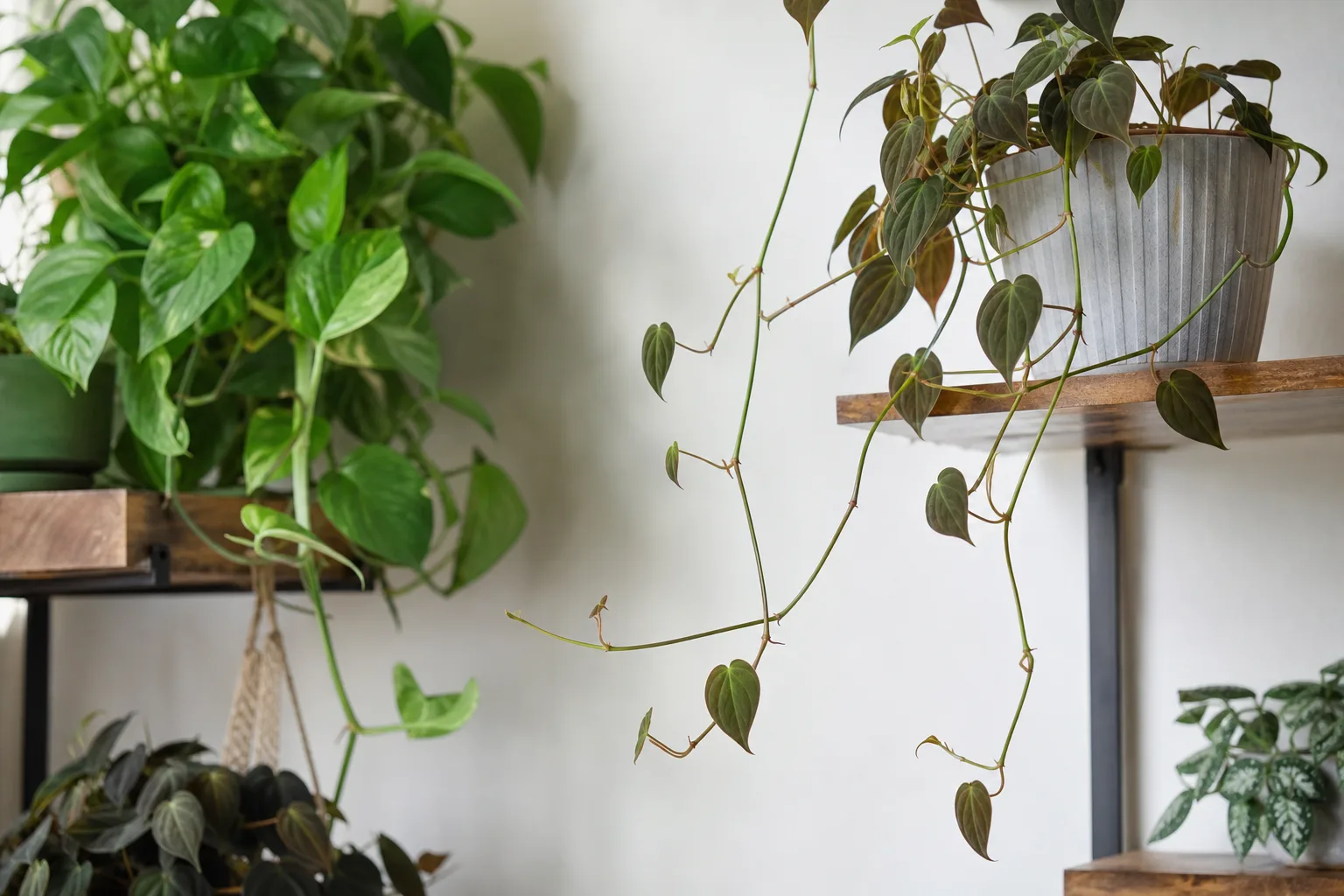
Slow Growth on Philodendron Micans: Causes, Checks & Fixes
This guide covers slow growth on Philodendron Micans. See also the general Slow Growth guide, watering, and light pages for this plant.
Slow Growth on Philodendron Micans: Causes, Checks & Fixes
Quick answer
Slow growth on Philodendron Micans is usually low light, cold drafts, or a root zone that stays too wet or too dry-not a lack of fertilizer. First step: check how fast the pot dries, measure whether light is bright indirect or dim, inspect leaf undersides for pests, and confirm new leaves are opening at all before changing anything else.
Philodendron Micans is marketed as a fast-growing trailing philodendron with iridescent velvet leaves when conditions suit it. Slow growth means the vine adds little length, new leaves stay small, or internodes stretch thin and leggy. That pattern almost always traces to light, root moisture, temperature, or hidden pests-not missing fertilizer alone.
Why Philodendron Micans gets slow growth
Insufficient light is the top indoor cause. Missouri Botanical Garden notes that if conditions are too dark, stems become spindly on Philodendron hederaceum-Micans shows this as long bare stems with small dull velvet leaves instead of compact trailing color.
Micans also needs moderate to high humidity for its best leaf size. Dry air does not always stop growth entirely, but velvet leaves unfurl smaller and slower when humidity sits well below 50%. UF/IFAS heartleaf philodendron guidance notes the species prefers high humidity though it tolerates typical households-Micans is the cultivar that shows the difference on leaf texture.
Watering mismatch stalls roots. Overwatering keeps soil saturated, reducing oxygen and slowing root function; underwatering desiccates fine roots so the plant cannot support new leaves. Micans wants the top 3–5 cm of mix to dry between waterings in summer-if the pot stays wet for two weeks in moderate light, growth pauses even without visible rot.
Temperature outside the comfort band slows metabolism. UF/IFAS warns that temperatures below 50°F are too cool for heartleaf philodendron; Micans in drafty winter windows or air-conditioning blasts below 18°C (65°F) stalls similarly.
Hidden pests drain energy. Spider mites and mealybugs on leaf undersides cause subtle stunting before obvious damage. Quarantine skips and missed underside checks let sap feeders slow Micans for months while you blame fertilizer.
What slow growth looks like on Philodendron Micans
Healthy Micans adds visible vine length and new velvet leaves regularly in spring and summer. Problem patterns include:
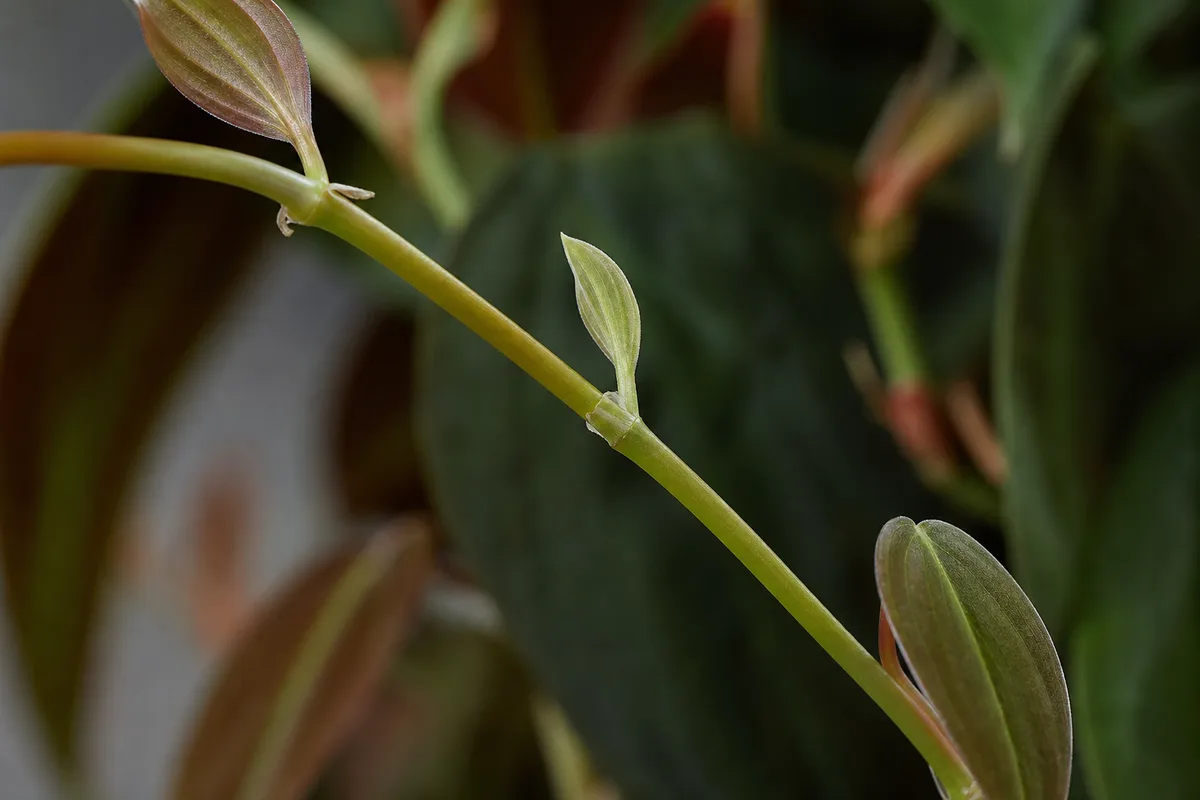
Slow Growth symptoms on Philodendron Micans - compare with healthy tissue on the same plant.
- Long internodes - Several inches of bare stem between small leaves; classic low-light legginess.
- Tiny new leaves - Unfurling foliage stays miniature with muted bronze-green color instead of rich iridescence.
- No tip growth for weeks - Vine tips pause while older leaves remain green-different from normal winter rest.
- Pale or flat velvet - New leaves lose sheen when light or humidity is insufficient.
- Stalled vine after repot - Normal short pause; concern if no new growth after six or more weeks in warm season.
Seasonal context matters. Missouri Botanical Garden advises reducing watering in fall to late winter on philodendron-slower growth in cold dim months is expected. Diagnose true slow growth against that baseline.
How to confirm the cause
Work through causes in order-do not fertilize first:
- Light audit - Can you read comfortably near the plant without a lamp? Micans wants medium to Philodendron Micans light guide; dim corners produce leggy slow vines.
- Pot dry-down test - Push your finger 3–5 cm deep. Note how many days until dry after a thorough watering.
- Root spot-check - If soil stays wet or smells sour, unpot and inspect root firmness before assuming light is the only issue.
- Underside pest scan - Inspect leaf backs and stem axils with a magnifying glass for mites, mealybugs, or aphids.
- Temperature and humidity - Note heaters, AC vents, and hygrometer readings below 40% or temps below 18°C (65°F).
Lookalike symptoms to rule out
Recent repot shock pauses growth for two to four weeks-normal if roots were healthy. Dormant winter slowdown with stable color and no yellowing is seasonal, not a care failure. root rot on Philodendron Micans shows yellowing, wilting, and sour soil-not just slow vines with firm leaves. Over-fertilization burns tips and curls leaves; slow growth alone rarely means excess feed.
First fix for Philodendron Micans
Correct the most likely limiter before stacking changes. For most indoor Micans, that is light:
- Move the plant closer to a bright east or shaded west window, or add a grow light if the nearest window is more than a few feet away in an effective reading-light zone.
- Keep it out of direct sun that scorches velvet leaves-UF/IFAS advises avoiding direct sunlight on heartleaf philodendron.
- Raise humidity toward 50–60% with a humidifier if new leaves stay small and edges crisp in dry rooms.
- Resume watering only when the top 3–5 cm is dry; empty saucers so roots breathe.
Make one correction, wait three to four weeks in growing season, then reassess. Do not repot, fertilize, and move windows all on the same day.
Step-by-step recovery
After improving light and Philodendron Micans watering guide:
- Track new tip growth - Mark a vine tip with tape and measure weekly extension.
- Inspect undersides monthly - Pests undo light fixes silently.
- Feed lightly if basics are stable - UF/IFAS suggests fertilizing every three to four months during active growth-not heavy weekly doses on a stalled plant.
- Repot only when root-bound - Crowded roots in spring can unlock growth; unnecessary Philodendron Micans repotting guide causes pause.
- Support trailing vines - A slim moss pole or trellis lets Micans size up leaves when light is adequate.
If soil never dries within ten days at moderate temperatures, repot into fresh well-draining mix with 20–25% perlite per standard Micans care-compact old mix slows root oxygen.
Recovery timeline
Light-limited Micans often shows larger new leaves within three to four weeks of a brighter placement. Watering corrections may take two to three watering cycles before vine tips resume. Pest-related stunting needs the pest cleared first-expect four to six weeks after treatment before growth normalizes.
Old small leaves on leggy stems do not enlarge retroactively. Pinch or prune long bare sections once new growth looks vigorous to encourage bushier trailing form.
What not to do
- Do not dump fertilizer on a stalled plant before fixing light and roots.
- Do not assume slow winter growth in a cool room needs repotting.
- Do not move Micans into direct sun to “force” speed-velvet leaves scorch.
- Do not ignore leaf undersides while chasing humidity gadgets.
- Do not change pot size, location, and watering schedule simultaneously after purchase.
- Do not skip quarantine on new plants-pests cause slow growth you will misdiagnose as light stress.
How to prevent slow growth next time
Place Micans where medium to bright indirect light lasts most of the day, maintain 50–60% humidity for best velvet size, and water when the top 3–5 cm dries-not on a blind calendar. Missouri Botanical Garden recommends bright indirect light and regular growing-season watering reduced in late winter-match that seasonal rhythm.
Quarantine new plants, inspect leaf undersides when watering, and rotate the pot weekly for even light on trailing stems. Clean velvet leaves with a damp cloth monthly so you notice pests and stalled tips early.
When to worry
Escalate beyond light fixes if:
- No new growth for six or more weeks in warm spring or summer after a light move
- Yellowing leaves increase while vine tips stay dormant
- Soil smells sour or roots feel mushy when you spot-check
- Webbing, cottony masses, or sticky honeydew appear on leaf undersides
- Leaves wilt despite moist soil-possible root dysfunction
Those patterns point to root rot or pests, not benign low light. Handle rot and infestations before fertilizer or repotting for size.
Conclusion
Slow growth on Philodendron Micans is a diagnostic puzzle, not a product deficiency. Confirm whether light is truly bright indirect, whether the pot dries at a healthy pace, and whether pests hide on velvet undersides. Fix one factor at a time, expect new leaves-not old ones-to show improvement, and accept normal winter pauses. Fast trailing Micans returns when humidity, light, roots, and clean leaf axils align.
When to use this page vs other Philodendron Micans guides
- Philodendron Micans watering guide - Use for routine moisture checks before assuming slow growth is the main issue.
- Philodendron Micans problems hub - Browse all 10 common issues on this species.
- Leggy Growth on Philodendron Micans - Different entry point when symptoms overlap with slow growth.
- Yellow Leaves on Philodendron Micans - Different entry point when symptoms overlap with slow growth.