Medium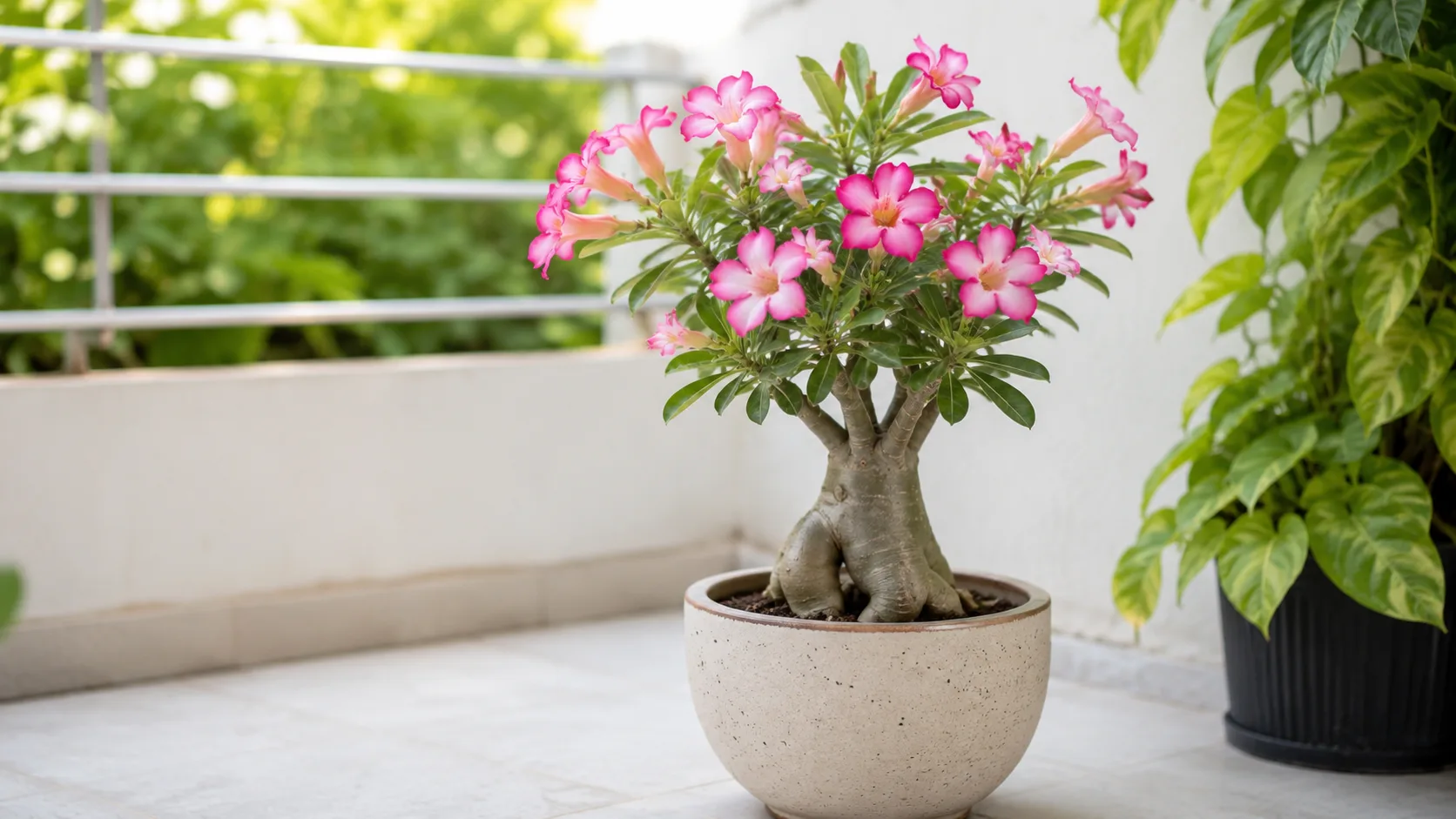
Adenium
Adenium care made practical: direct sun, fast-draining soil, careful watering, winter rest, flowering tips, and toxic Desert Rose safety notes.
Each plant page is built to answer the practical questions that come up after purchase: how much light the plant actually tolerates, how to water without guesswork, what soil keeps roots healthy, and which problems tend to show up first. Use the filters when you are still choosing between plants, especially if pet safety, light level, or difficulty matters. If you already own the plant, search directly so you can move from broad care advice into plant-specific problem pages faster. When a plant seems simple online but keeps struggling at home, the issue is often not the species alone. Pot size, drainage, room temperature, humidity swings, and how quickly the mix dries matter just as much as the name on the label.
Adenium care made practical: direct sun, fast-draining soil, careful watering, winter rest, flowering tips, and toxic Desert Rose safety notes.
African milk tree (Euphorbia trigona) care: columnar growth, bright sun, soak-and-dry watering, sap precautions, and stability tips.
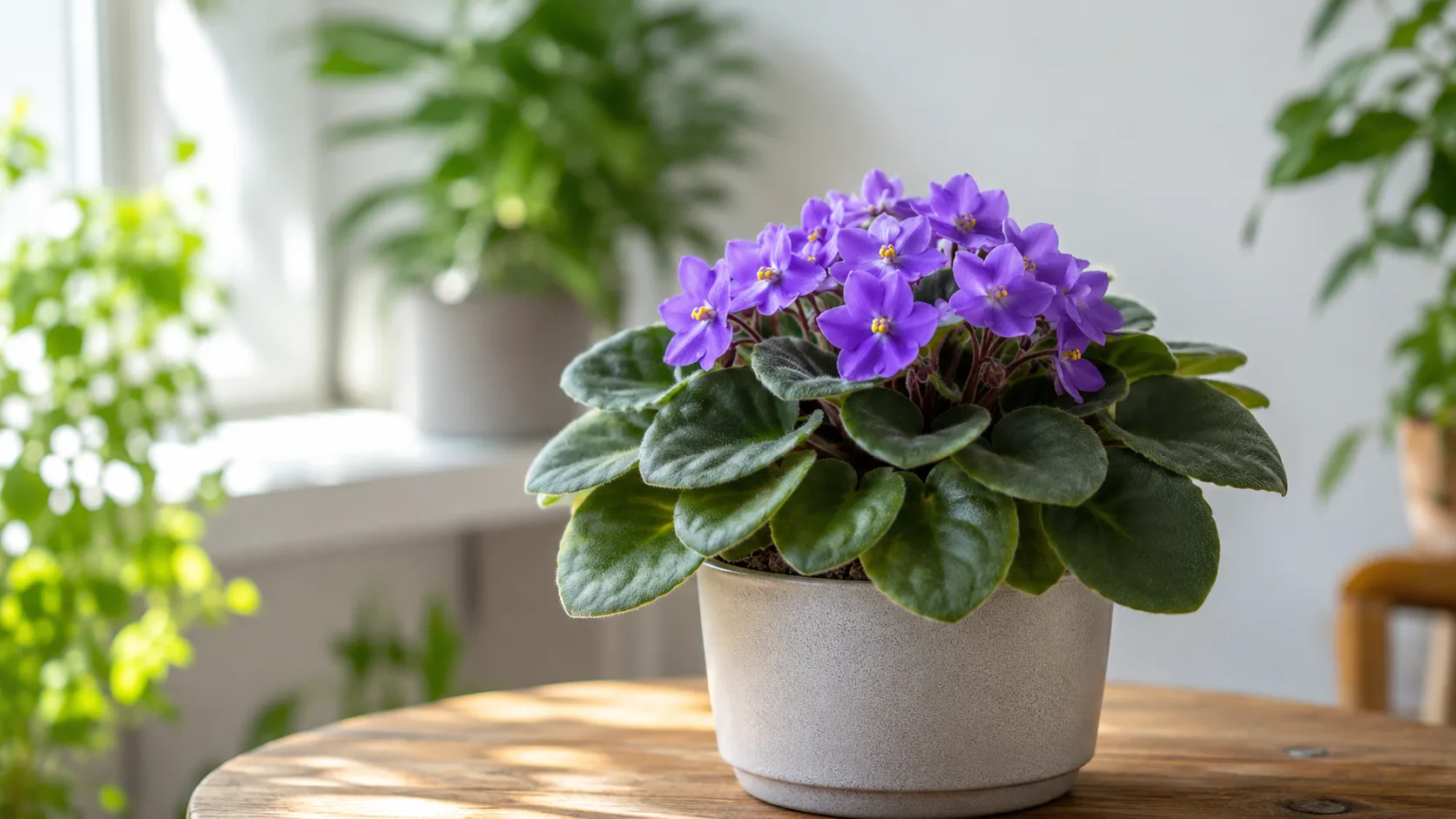
African Violets bloom continuously with bright indirect light and a high-phosphorus fertilizer. Always water from the bottom-cold water splashed on leaves causes permanent brown spots. Non-toxic to pets.
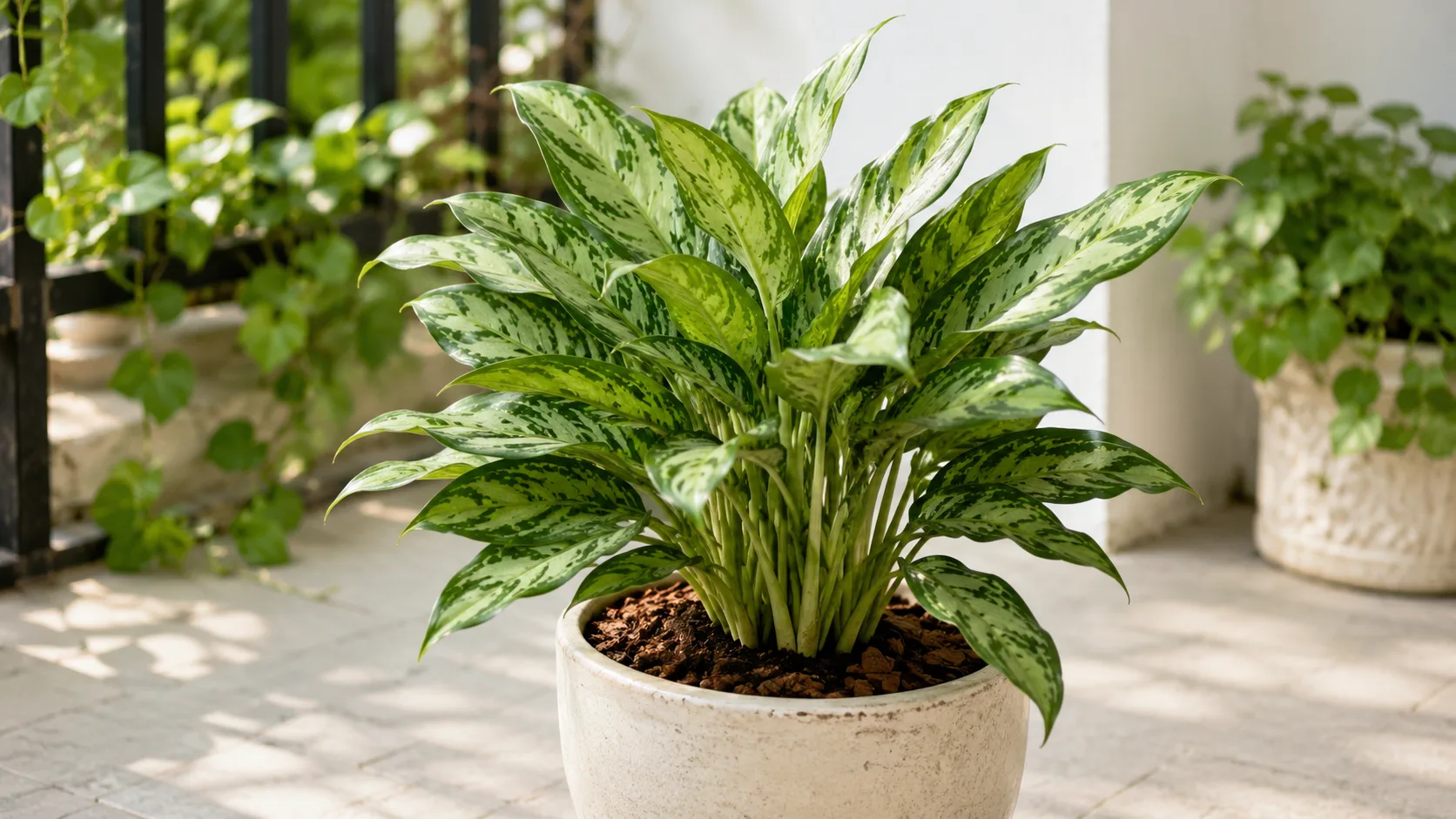
Aglaonema thrives in low to medium indirect light and only needs watering every 7–10 days when the top 2 inches of soil are dry. One of the most forgiving colourful houseplants for warm climates, though toxic to pets.
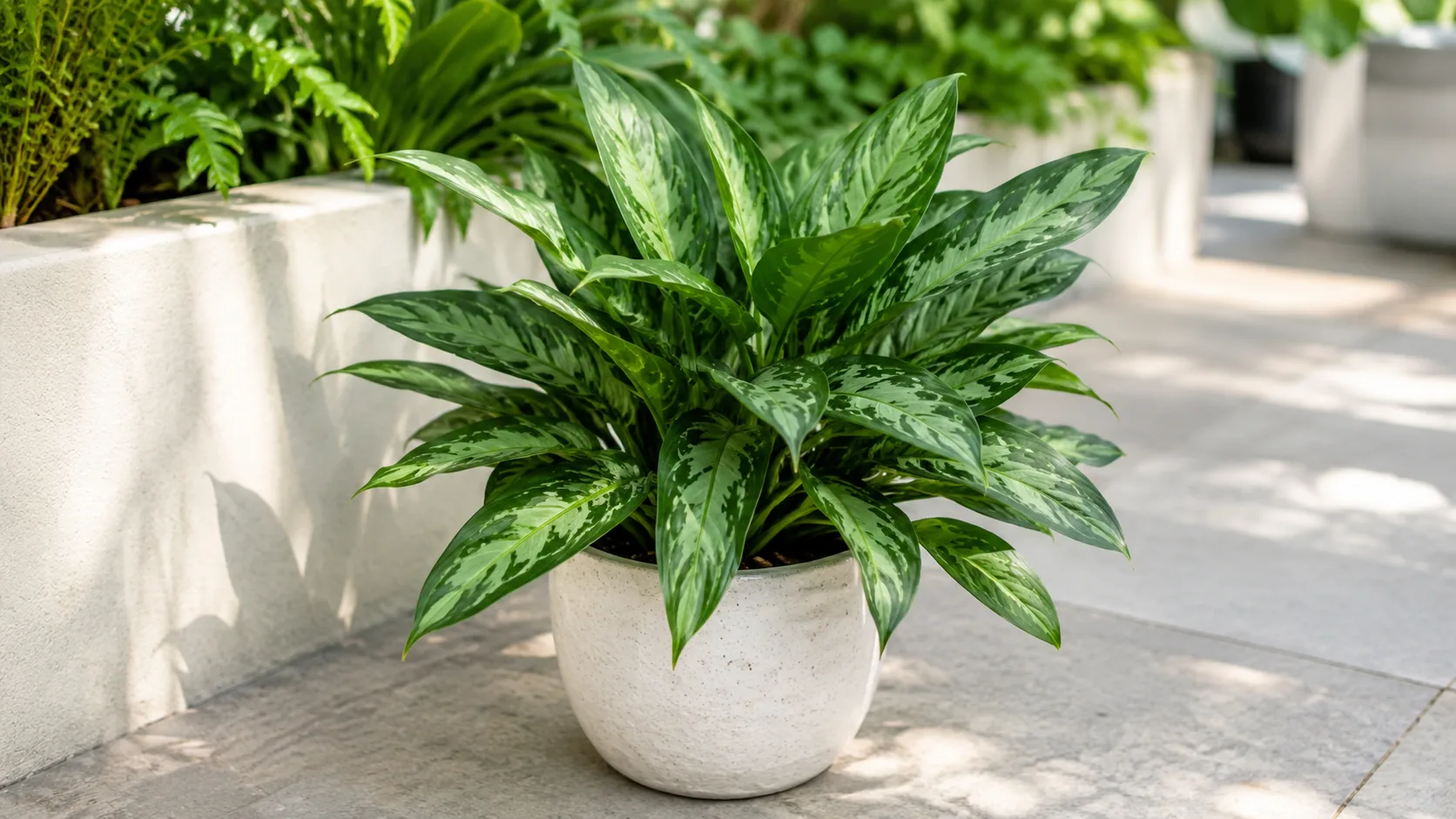
Aglaonema Cutlass care: low to medium indirect light, water when top half of mix dries, well-draining peat-perlite mix, division propagation. Compact ribbon leaves for offices. Toxic to pets.
Aglaonema Lady Valentine care: bright indirect light to hold pink color, water when top 2–3 cm dries, filtered water, well-draining mix, stem-cuttings propagation. Toxic to pets.
Aglaonema Maria is one of the toughest low-light tolerant houseplants. Its dark green and silver leaves thrive even in dim offices.
Aglaonema Pictum Tricolor care: camouflage silver-green leaves, low to medium indirect light, water when top half dries, well-draining mix, division propagation. Toxic to pets.
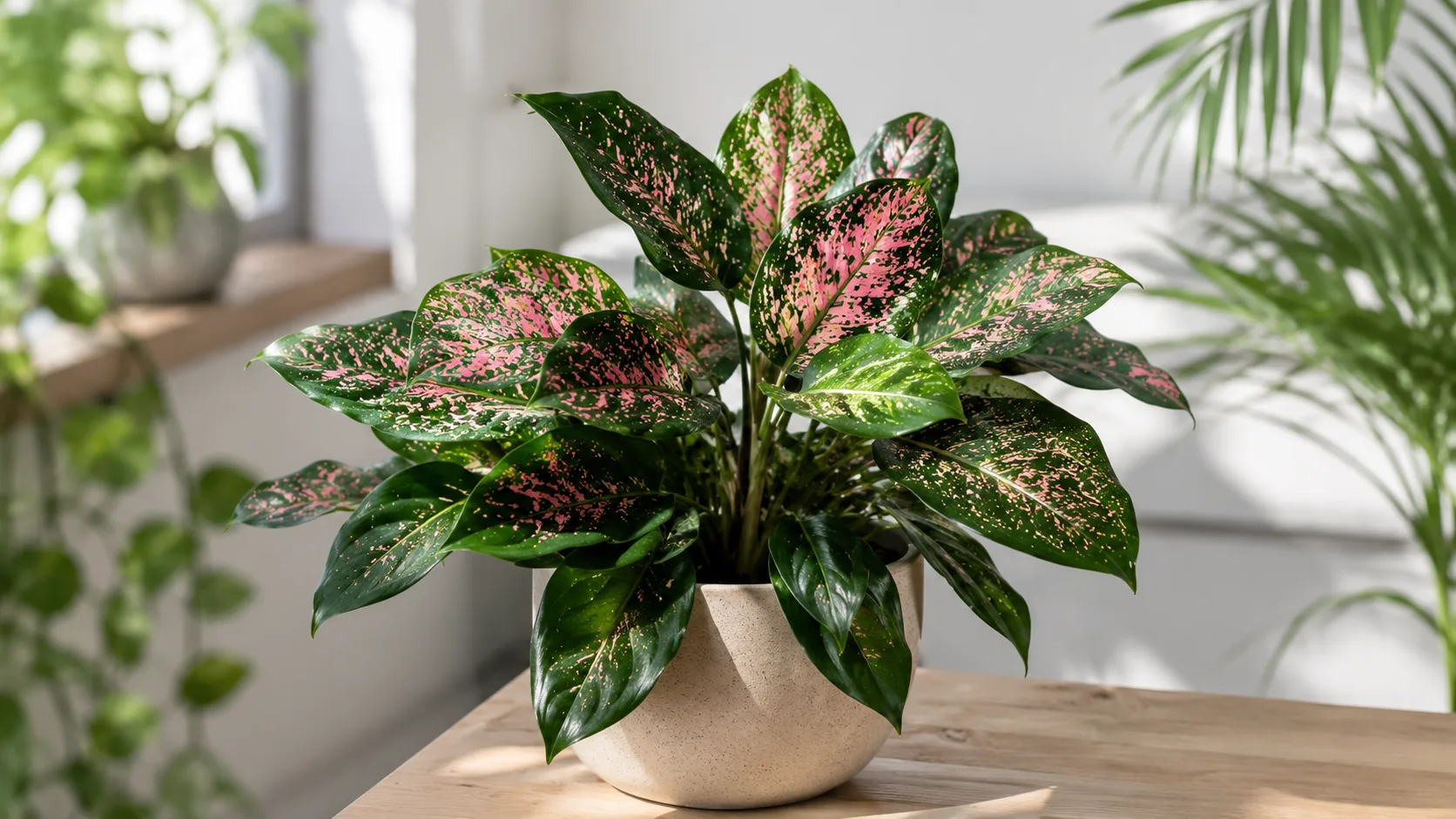
Aglaonema Pink Dalmatian is easy to grow with its cheerful pink-spotted foliage. Brighter indirect light intensifies the pink spots.
Aglaonema Red Siam care: bright indirect light to hold pink color, water when top 2–3 cm dries, filtered water, well-draining mix, stem-cuttings propagation. Toxic to pets.
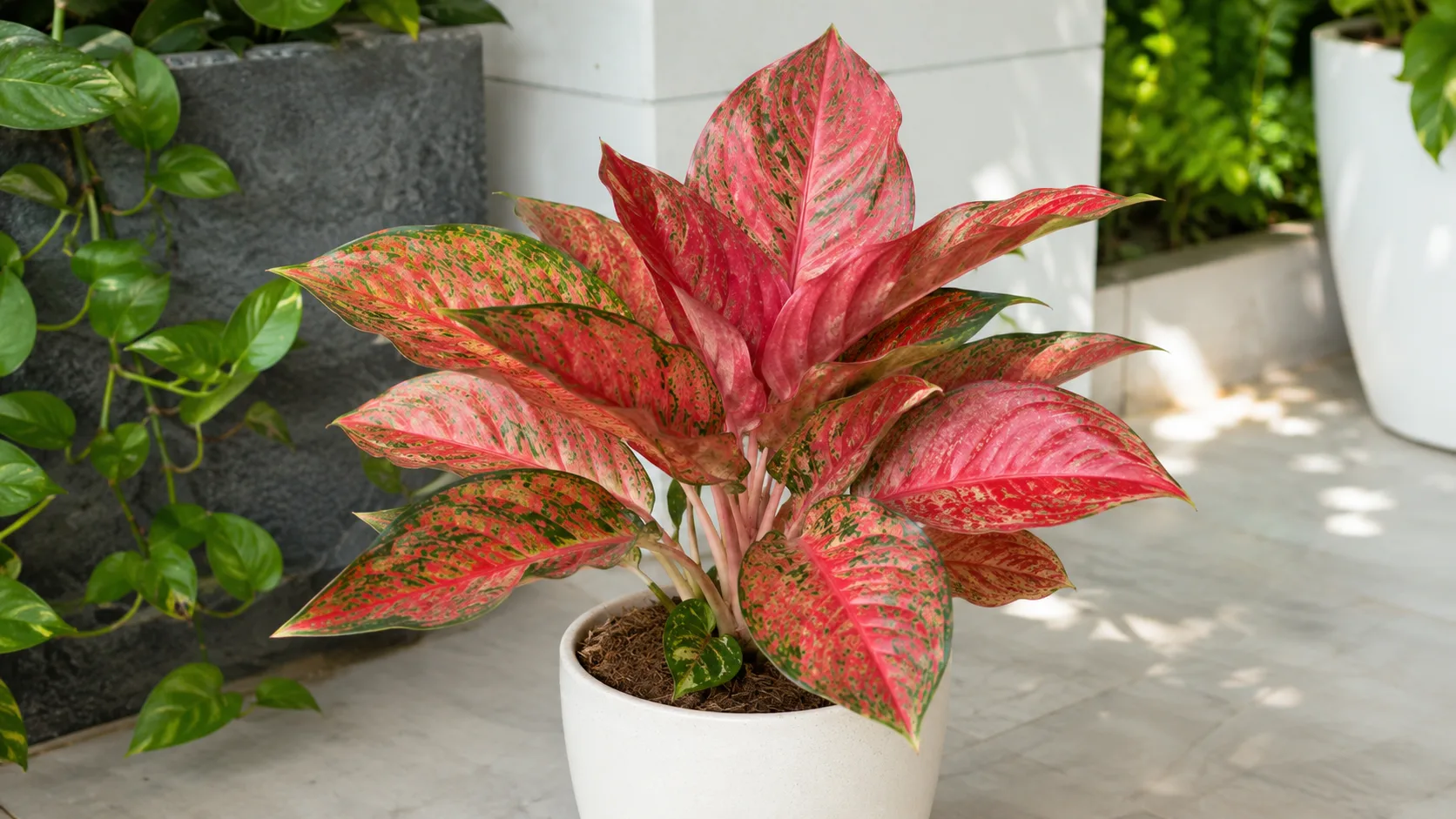
Aglaonema Red Valentine keeps its vibrant red colour in brighter indirect light. It's easy to care for and very forgiving of occasional neglect.
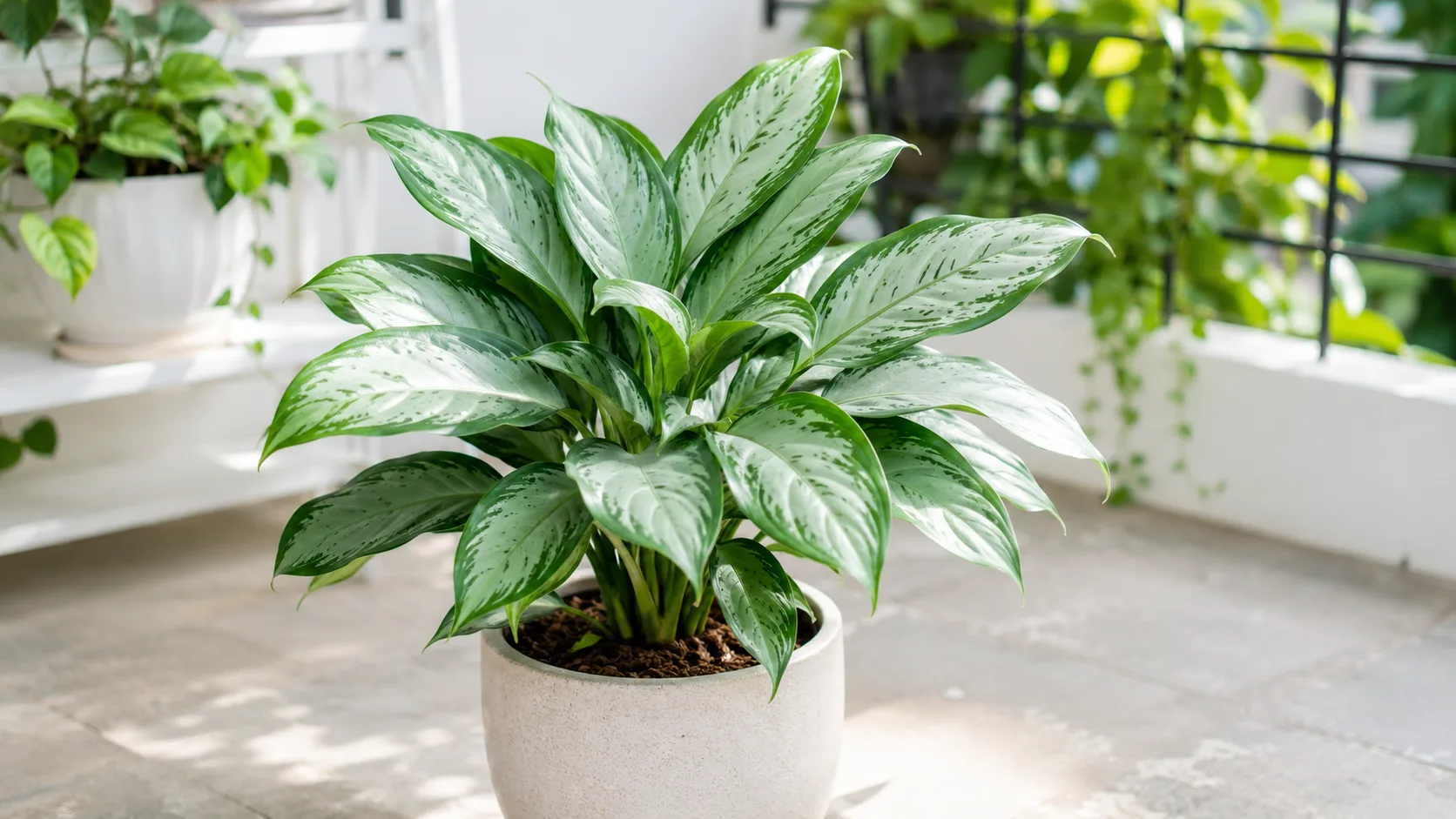
Aglaonema Silver Bay is one of the easiest indoor plants, tolerating low light and drought. Its silver-green leaves brighten any dim room.
Aglaonema Snow White care: bright indirect light to hold white color, water when top 2–3 cm dries, filtered water, well-draining mix, stem-cuttings propagation. Toxic to pets.
Aglaonema Super White care: bright indirect light to hold white color, water when top 2–3 cm dries, filtered water, well-draining mix, stem-cuttings propagation. Toxic to pets.
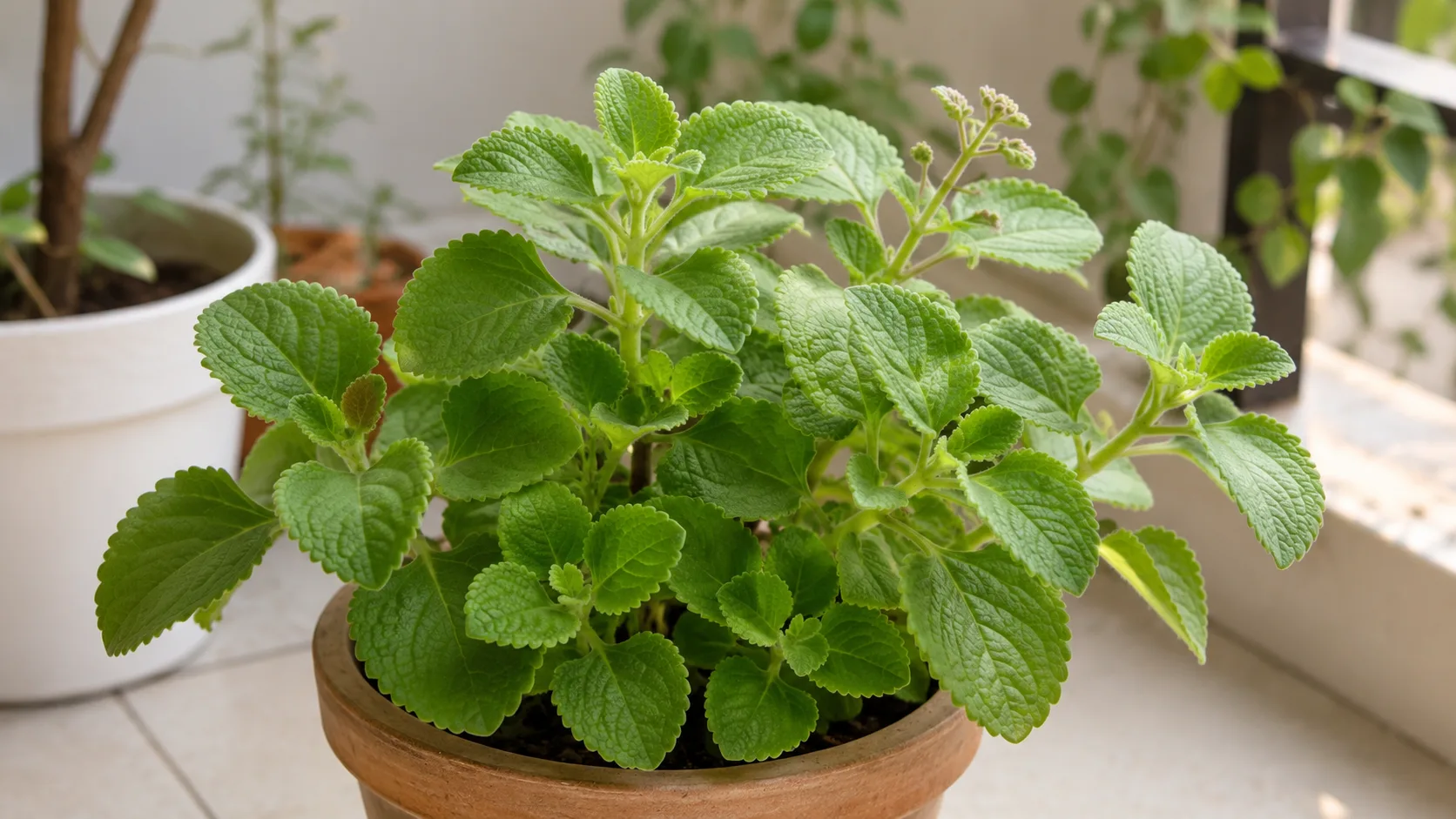
Ajwain plant (Indian borage) roots easily from cuttings, tolerates part sun, and thrives in warm humid conditions with moderate watering.
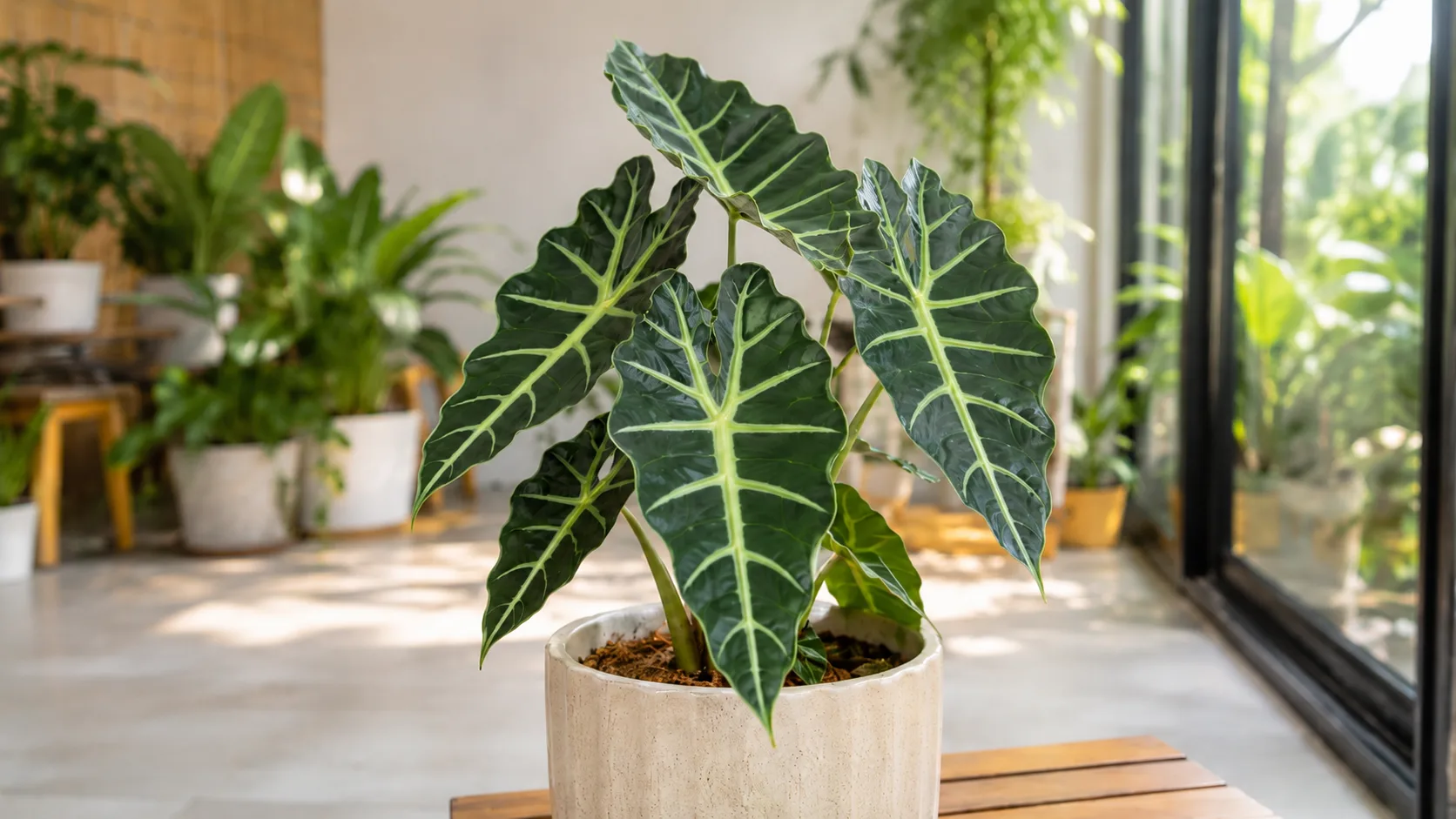
Alocasia Amazonica needs bright indirect light, 60–80% humidity, and fast-draining aroid mix. Reduce watering in winter as it may go dormant.
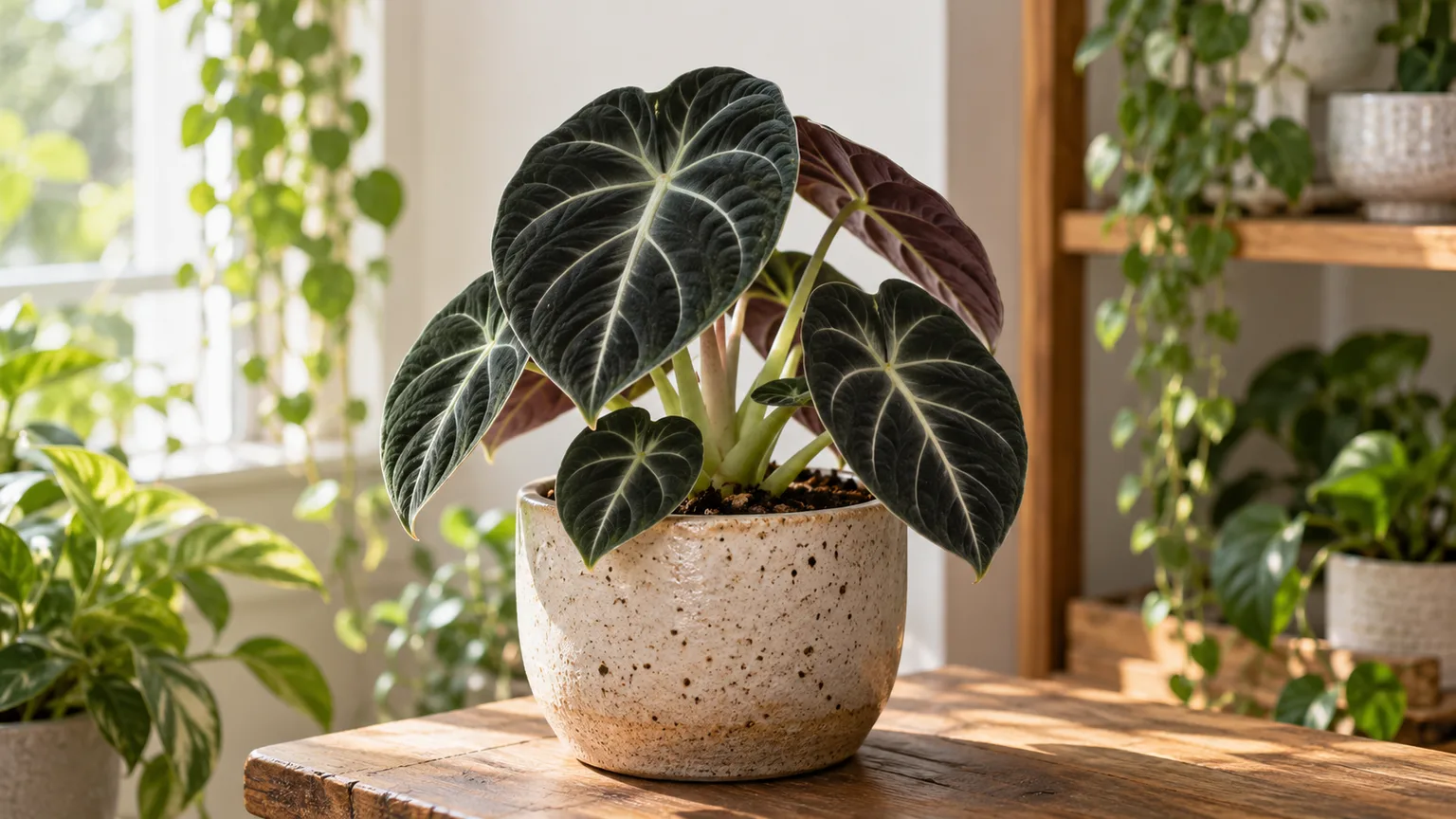
Complete guide to Alocasia Black Velvet (Alocasia reginula). Learn how to keep your jewel alocasia thriving — from corm-safe watering and velvet-leaf humidity tips to dormancy care, propagation by division, and fixing yellow leaves, crispy tips, and spider mites.
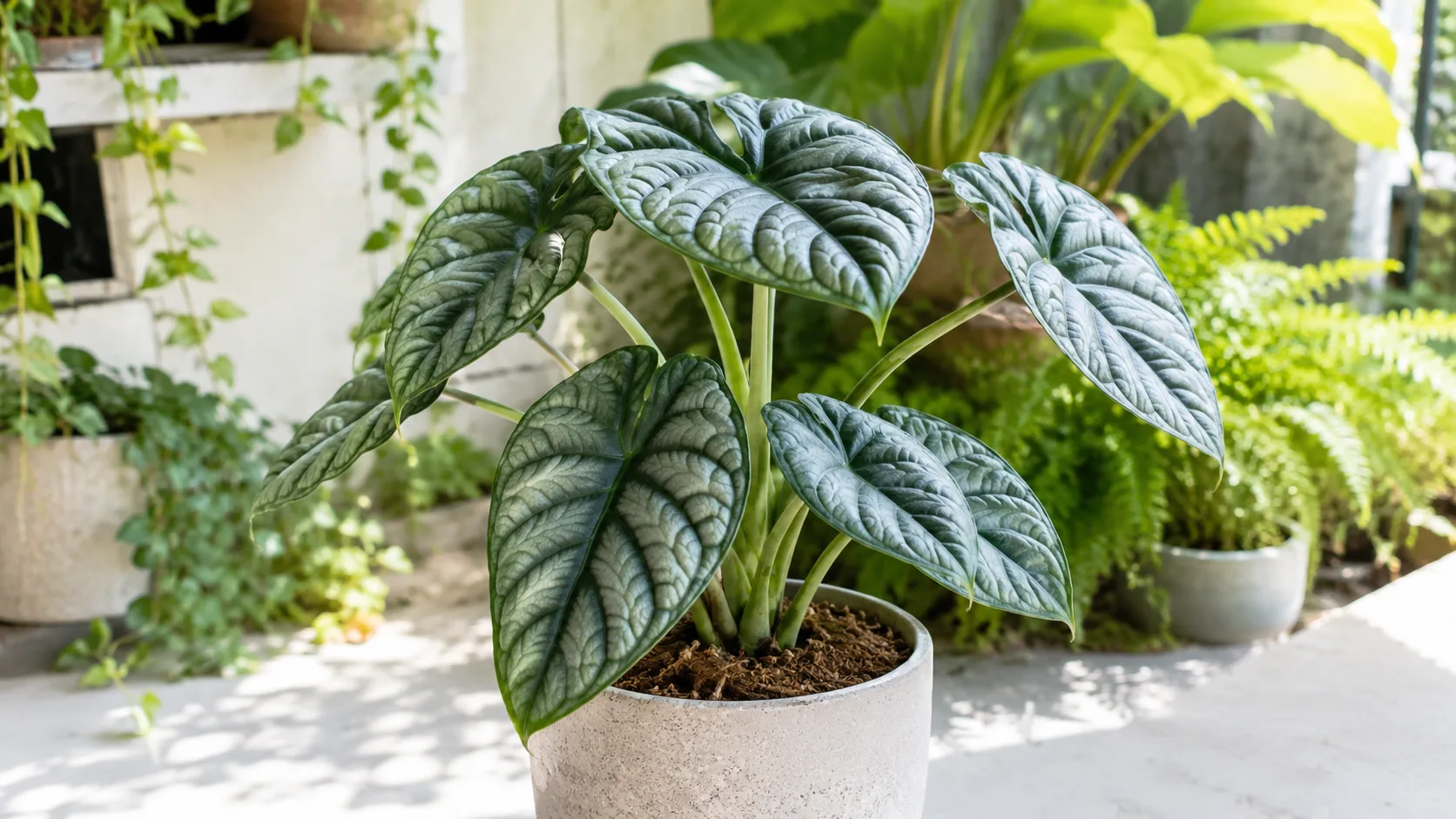
Alocasia Cuprea (Alocasia cuprea) care: bright indirect light, 65–80% humidity, chunky aroid mix, corm-safe watering, mirror-leaf tips, and dormancy.
Alocasia Dragon Scale needs bright indirect light, 70–80% humidity, and excellent drainage. It is prone to root rot-never let soil stay wet.
Alocasia Frydek (Alocasia micholitziana 'Frydek') care: velvet leaf tips, bright indirect light (200–400 PPFD), 60–80% humidity, chunky aroid mix, corm-safe watering, dormancy, and complete fertilization schedule.
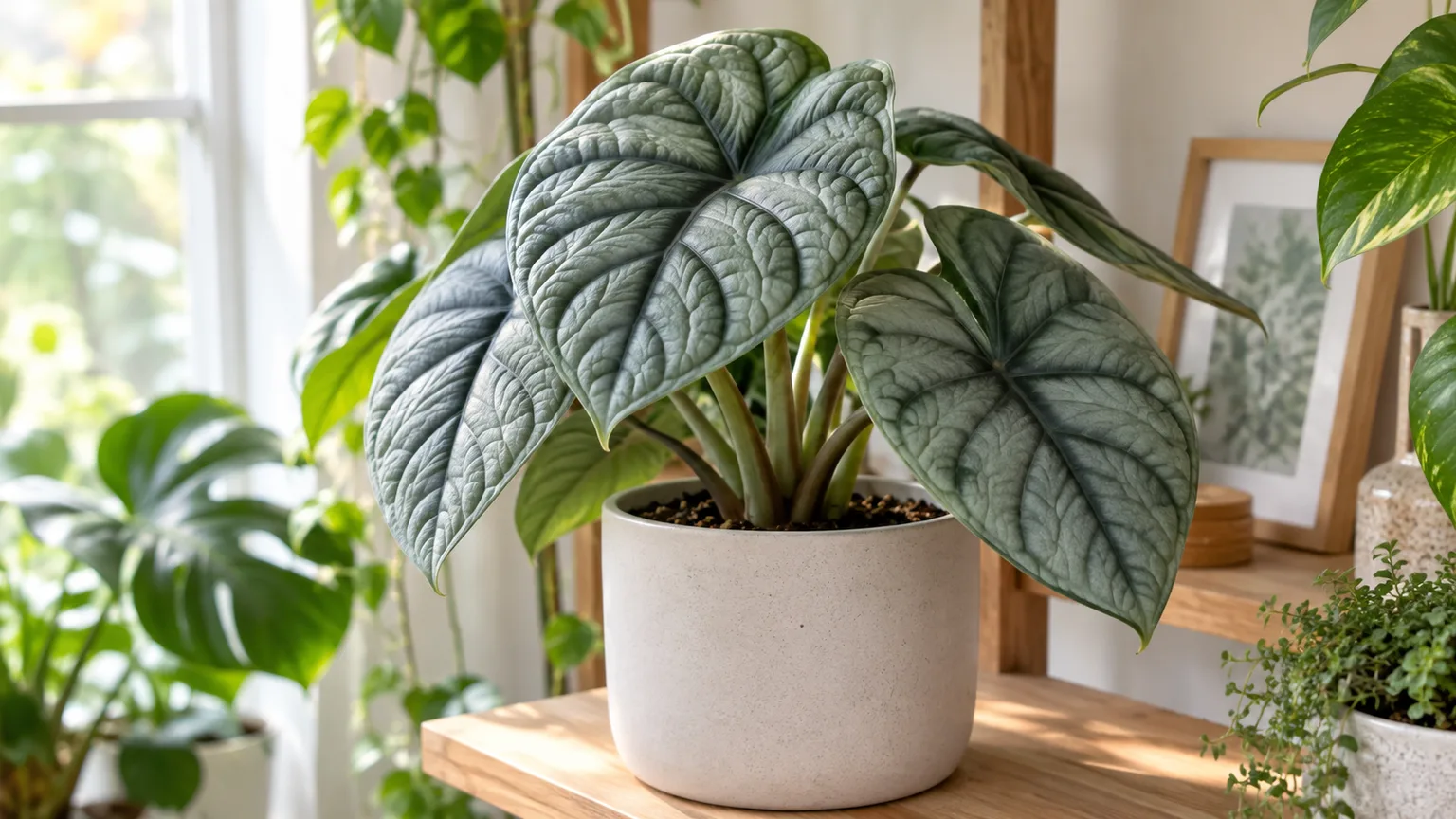
Alocasia Maharani (Grey Dragon) care: bright indirect light, 65–80% humidity, chunky aroid mix, corm-safe watering, bullate leaf tips, and dormancy.
Alocasia Melo (Alocasia melo) care: bright indirect light, 65–80% humidity, chunky aroid mix, corm-safe watering, bullate leaf tips, and dormancy.
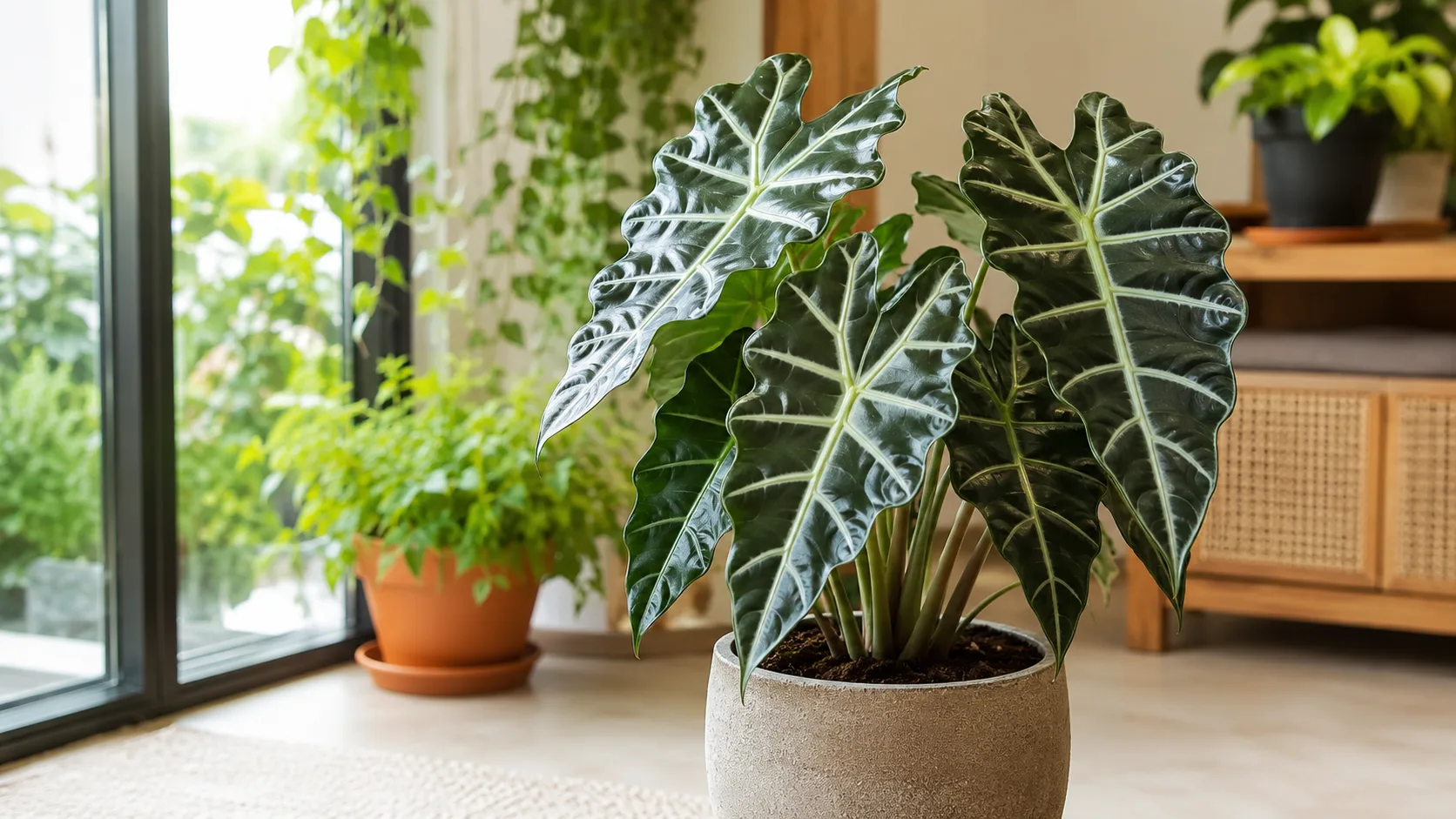
Alocasia Polly needs bright indirect light, high humidity (60–80%), and well-draining aroid mix. Water when the top inch dries and avoid cold drafts.
Alocasia Regal Shield (Alocasia odora × reginula 'Regal Shield') care: bright indirect light, 60–75% humidity, chunky aroid mix, corm-safe watering, hybrid vigor, and dormancy.
Alocasia Silver Dragon (Alocasia baginda 'Silver Dragon') care: bright indirect light, 60–80% humidity, chunky aroid mix, corm-safe watering, bullate leaf tips, and dormancy.
Alocasia Stingray (Alocasia macrorrhizos 'Stingray') care: bright indirect light, 60–75% humidity, chunky aroid mix, corm-safe watering, ray-tail leaf tips, and dormancy.
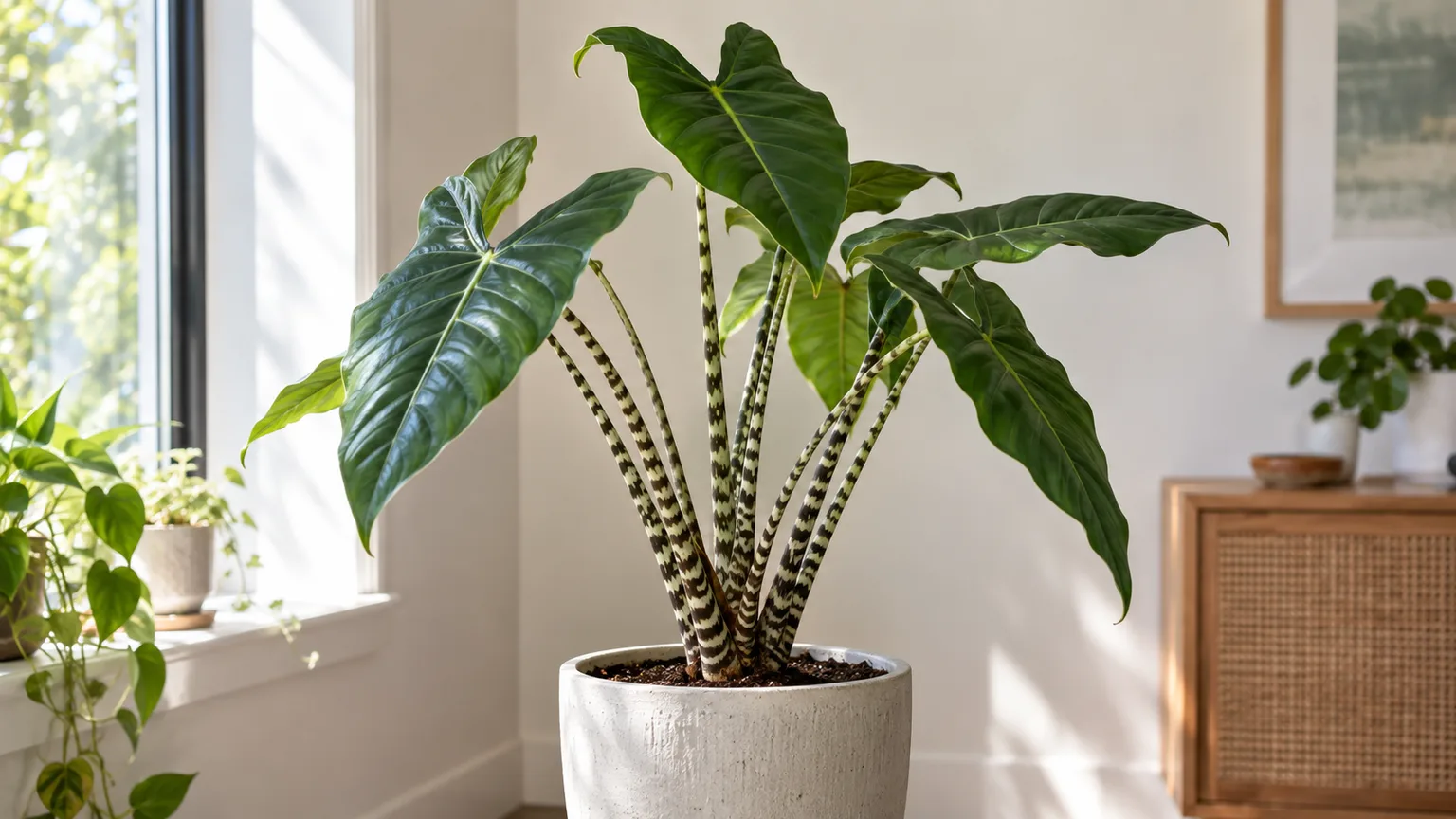
Alocasia Zebrina (Alocasia zebrina) care: bright indirect light, 60–75% humidity, chunky aroid mix, zebra-stem ID tips, corm-safe watering, and winter dormancy. Troubleshoot yellow leaves, root rot, spider mites, and cold shock.
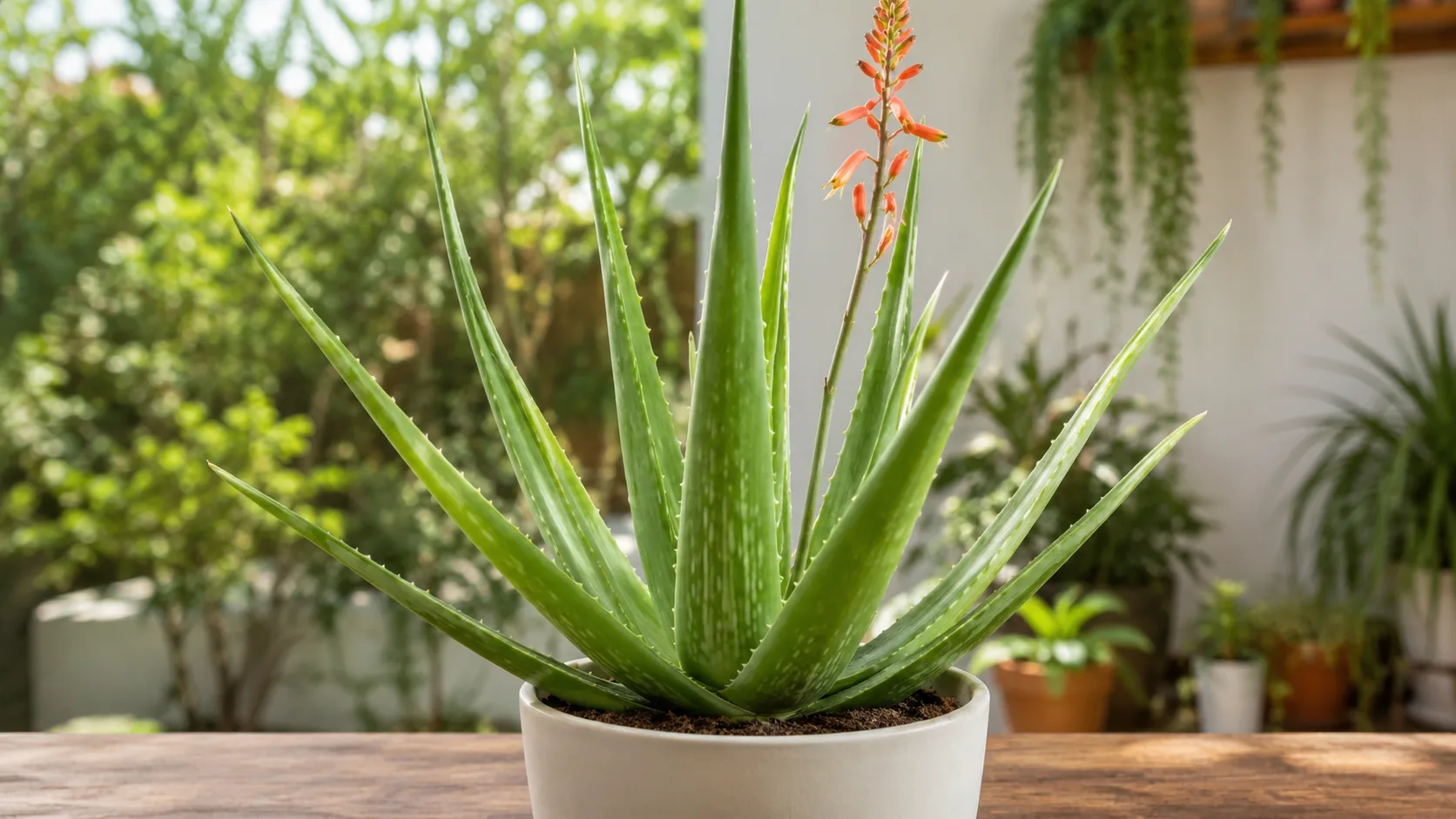
Aloe vera needs bright light and watering only every 2–4 weeks when soil is completely dry. It thrives on neglect, grows well on windowsills, but is toxic to cats and dogs.
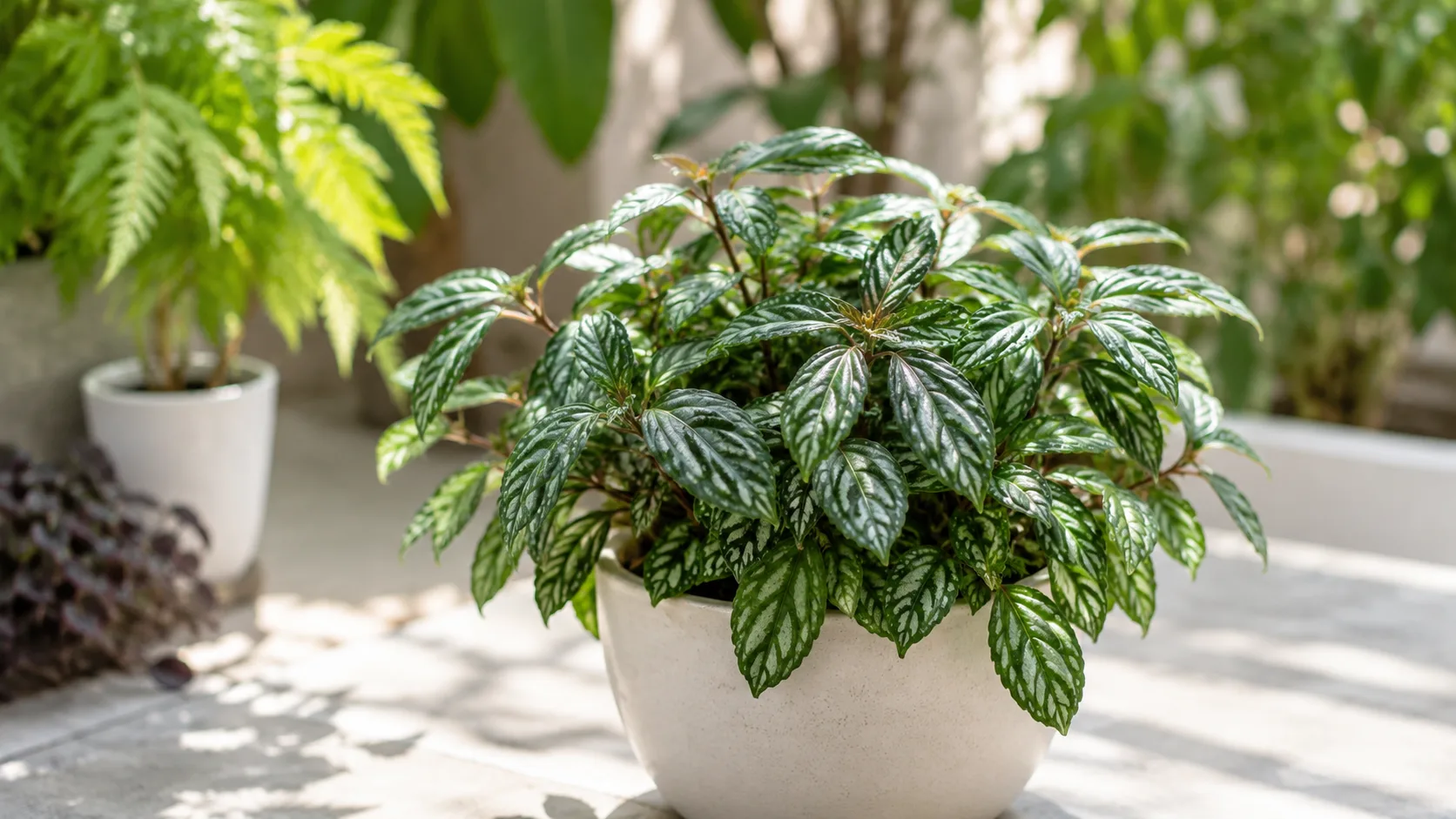
Aluminum Plant needs bright indirect light to maintain its distinctive silver markings and watering when the surface soil just dries. It becomes leggy with age-propagate cuttings regularly for bushy plants. Non-toxic to pets.
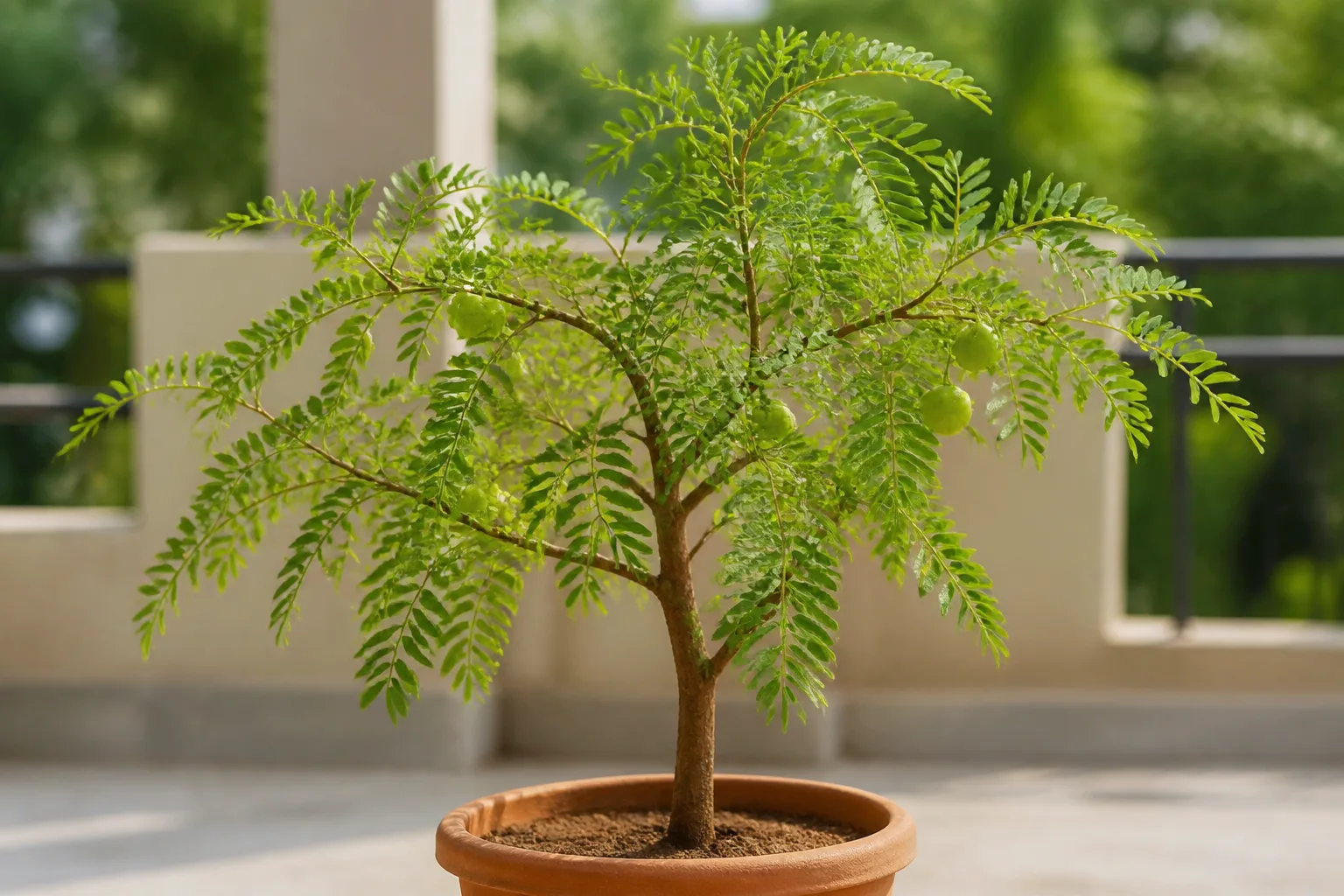
Amla (Phyllanthus emblica) needs full sun, well-draining loam, and deep watering when the top soil dries. Drought-tolerant once established; protect young trees from frost and waterlogging.
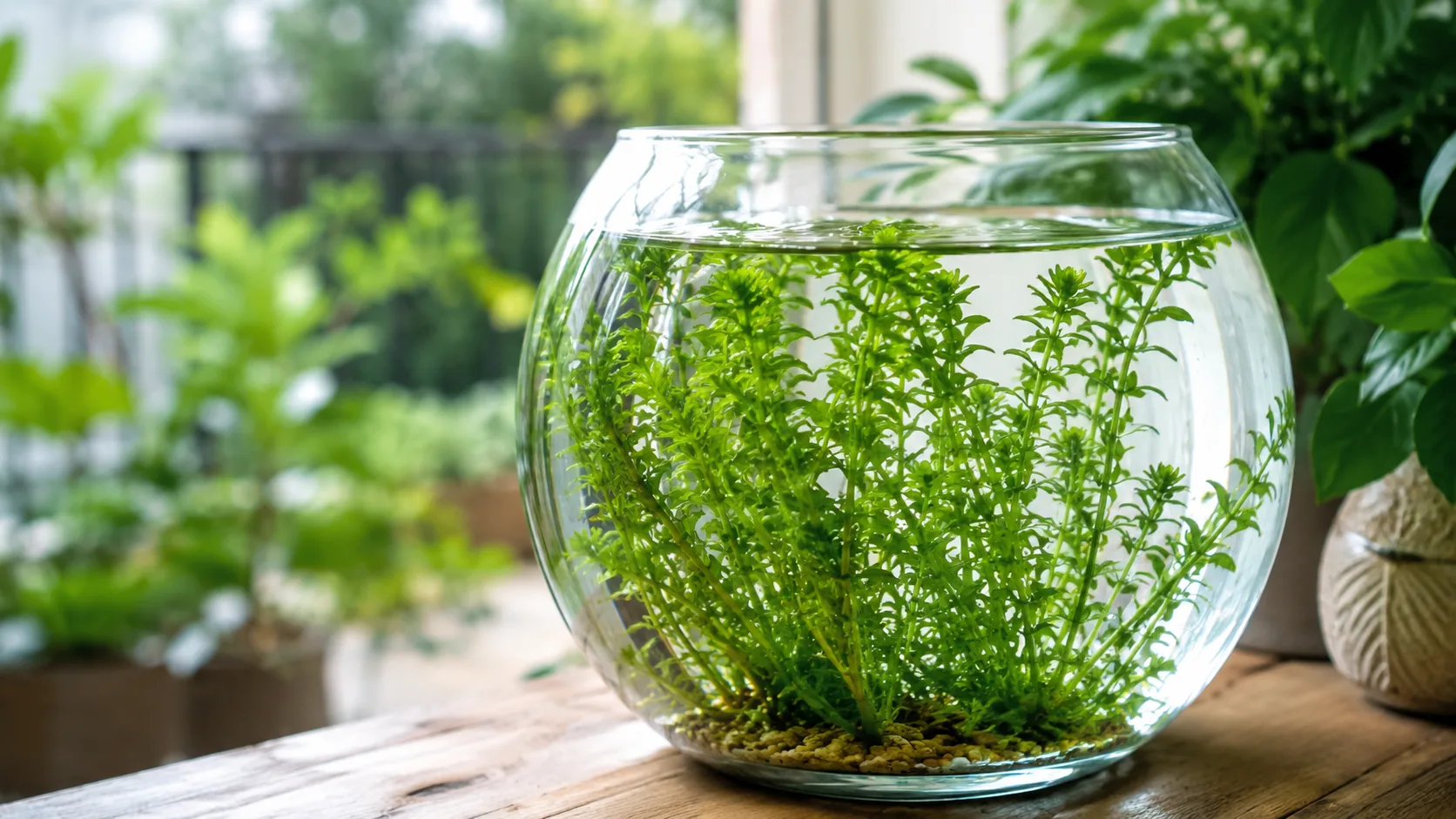
Anacharis / Elodea is a cautious turtle and tortoise plant candidate in current tortoise-focused references, but LeafyPixels does not treat that as blanket safety clearance. Use only clean material and keep it as part of varied feeding.
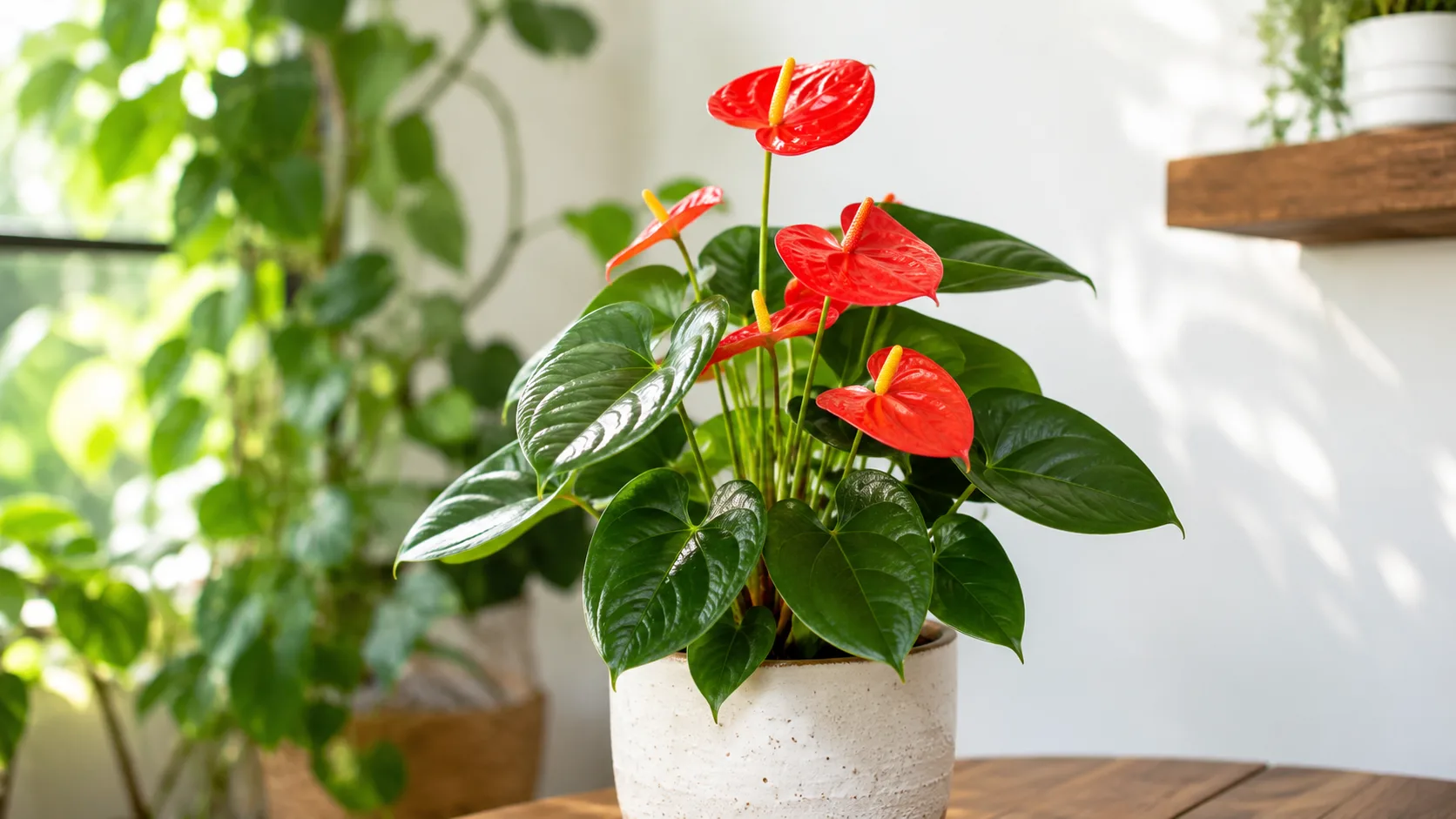
Anthurium needs bright indirect light, high humidity (60–80%), and watering when the top inch dries. With consistent warmth and a phosphorus-rich fertilizer, it can bloom almost year-round indoors.
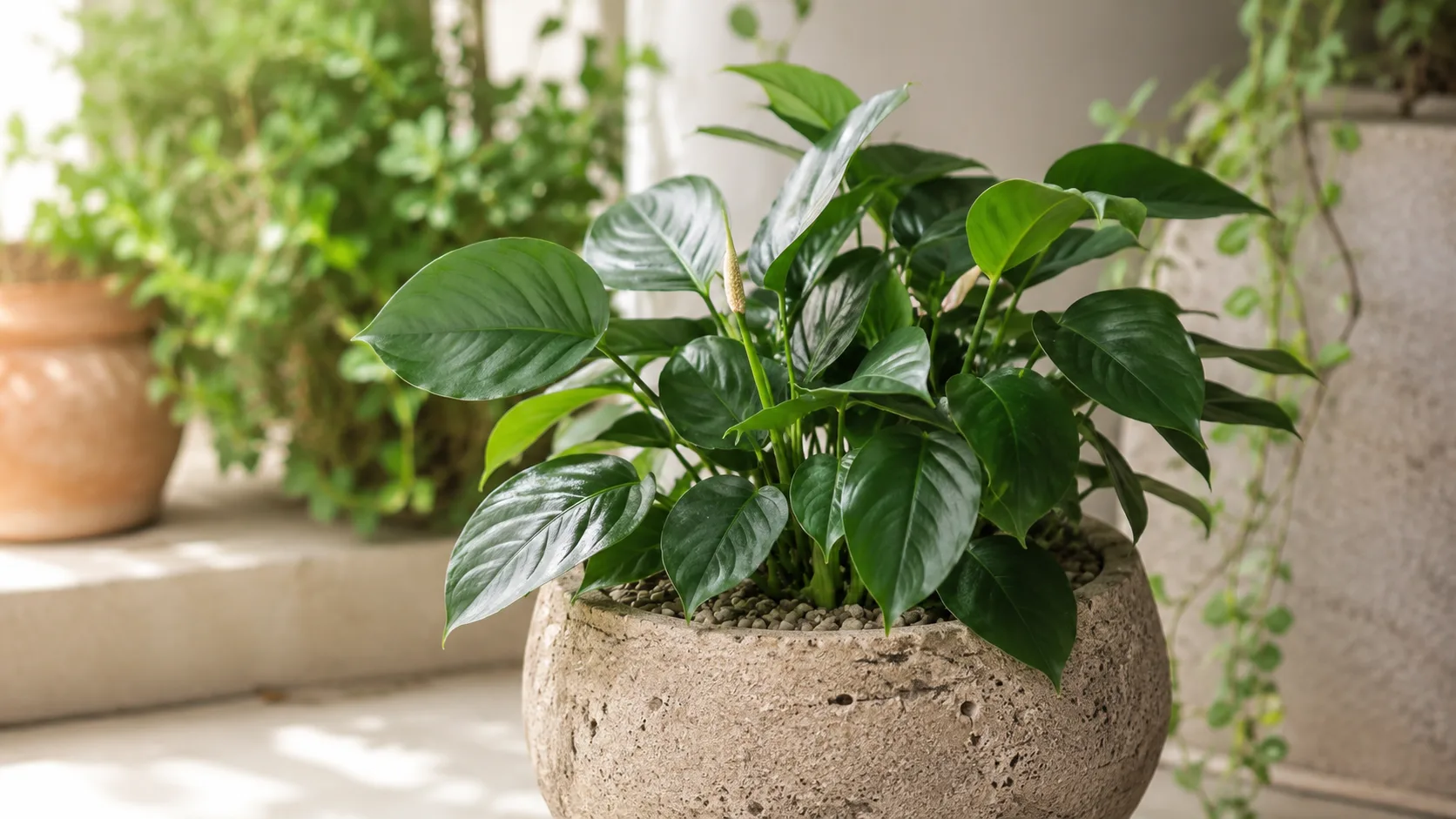
Anubias is commonly used in aquatic turtle setups, but LeafyPixels does not treat it as a universally verified turtle-safe food or enclosure plant across species. Use it as a cautious aquarium-plant candidate, not as a feeding clearance.
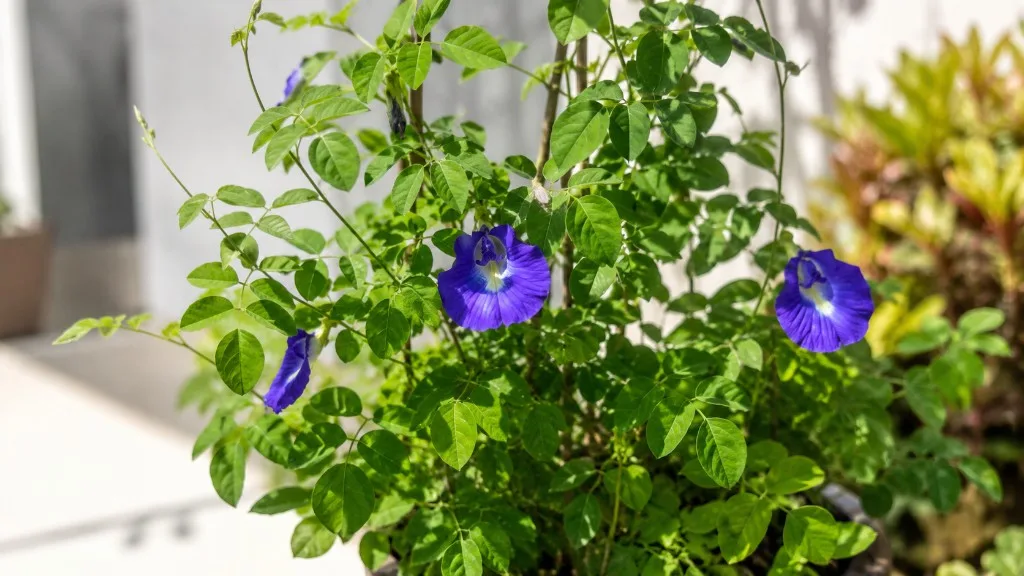
Aparajita is an easy tropical climber needing full sun, a trellis, and regular watering - sow seeds in March for beautiful indigo-blue flowers through India's summer and rainy season.
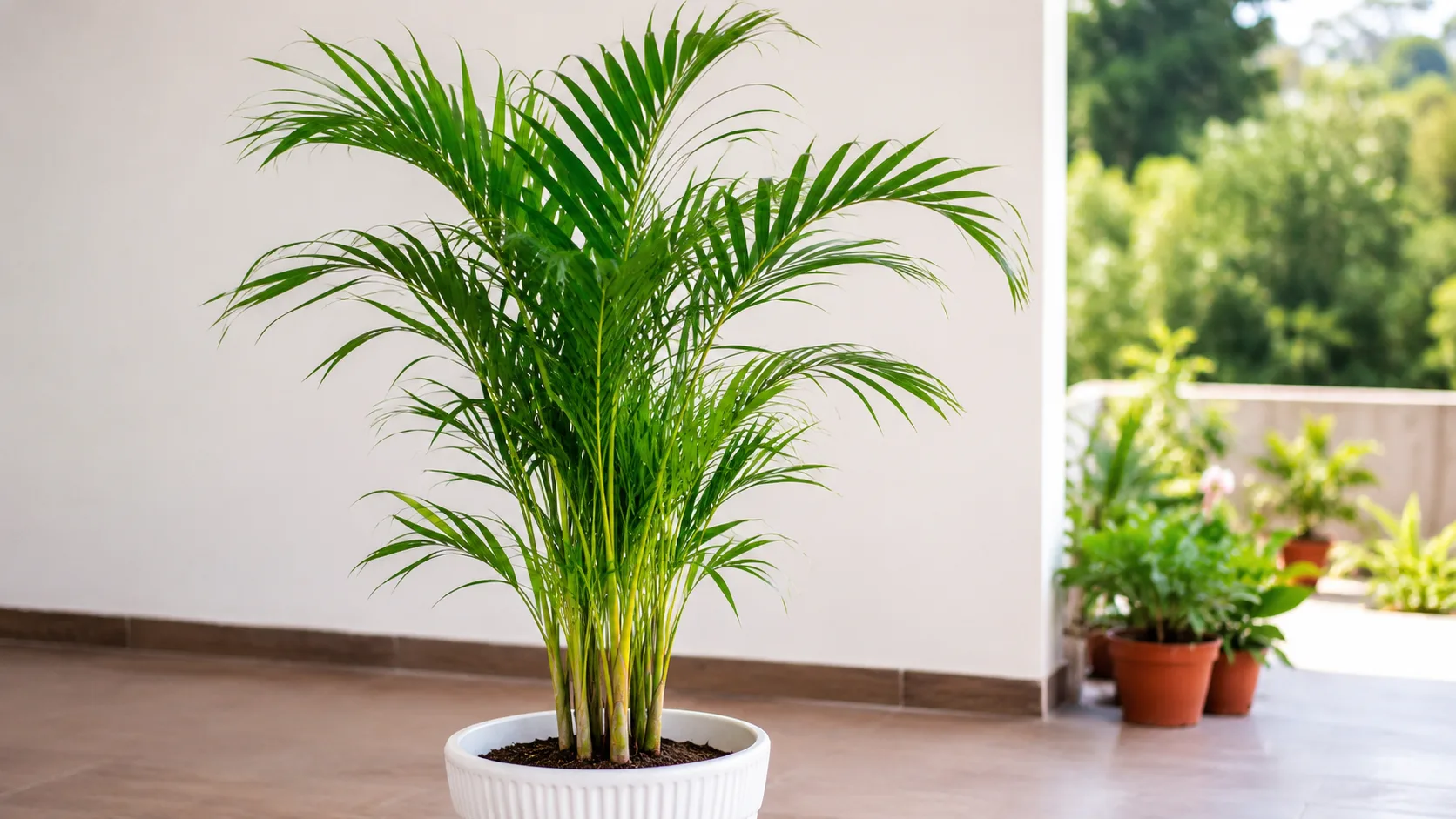
Areca palm indoor care - bright indirect light, even moisture, spider mite prevention, pet-safe growing.
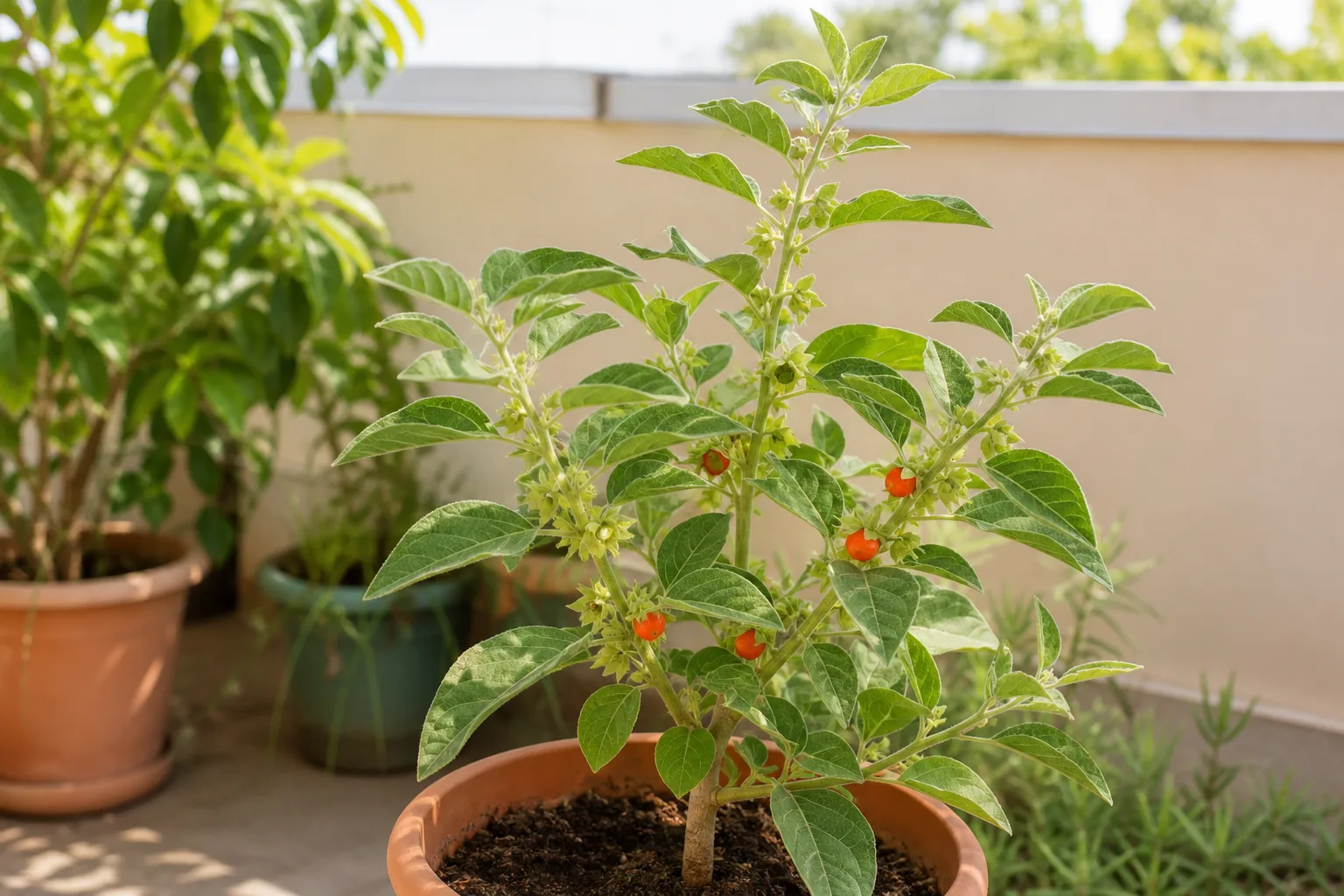
Ashwagandha needs full sun, sandy well-draining soil, and watering only when the top 3–4 cm dries out. A drought-tolerant Ayurvedic shrub grown for its roots; protect from frost and overwatering.
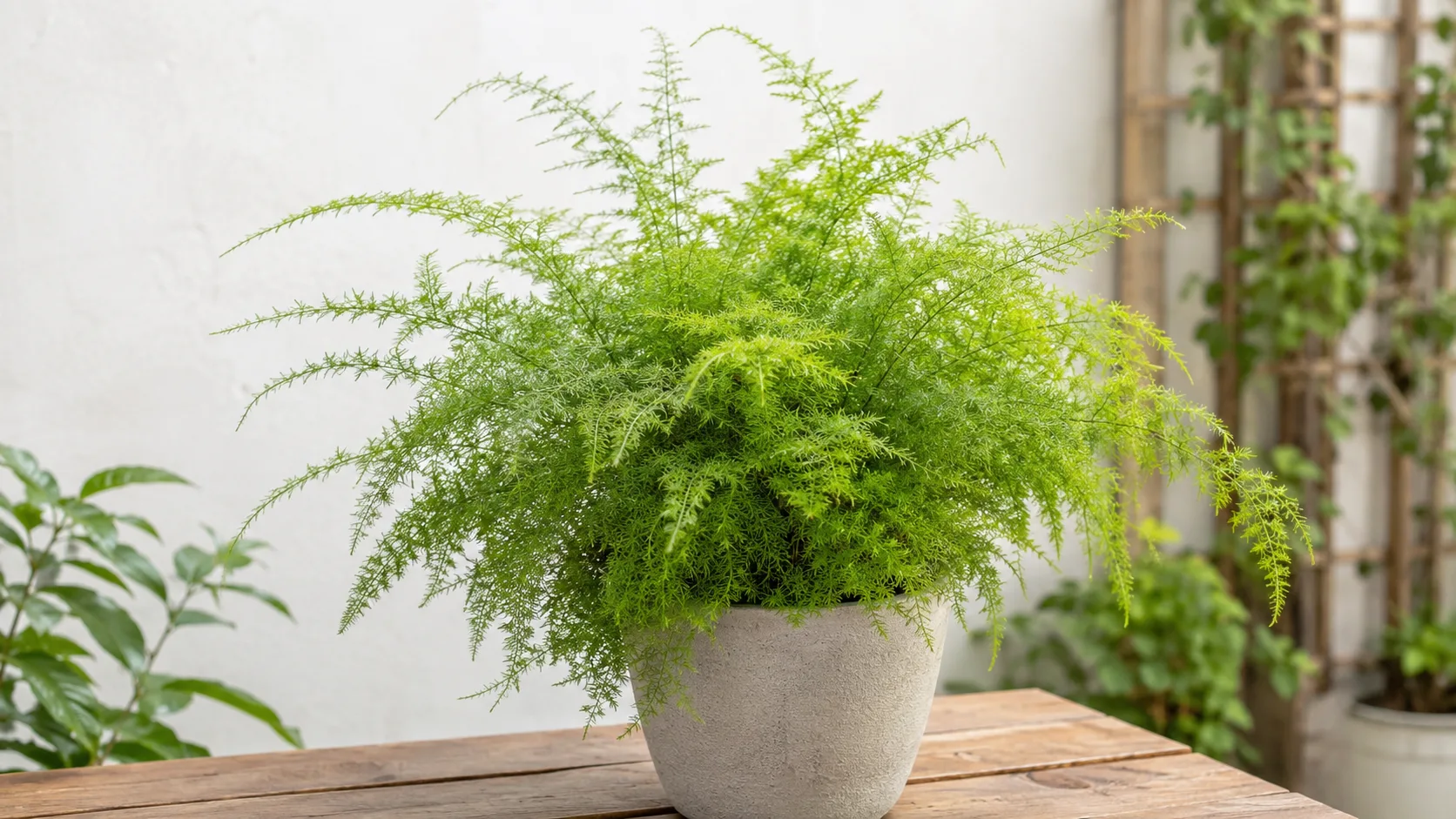
Asparagus Fern needs bright indirect light and evenly moist soil. Keep humidity moderate and never let roots dry out completely. Note: not a true fern, and toxic to cats and dogs.
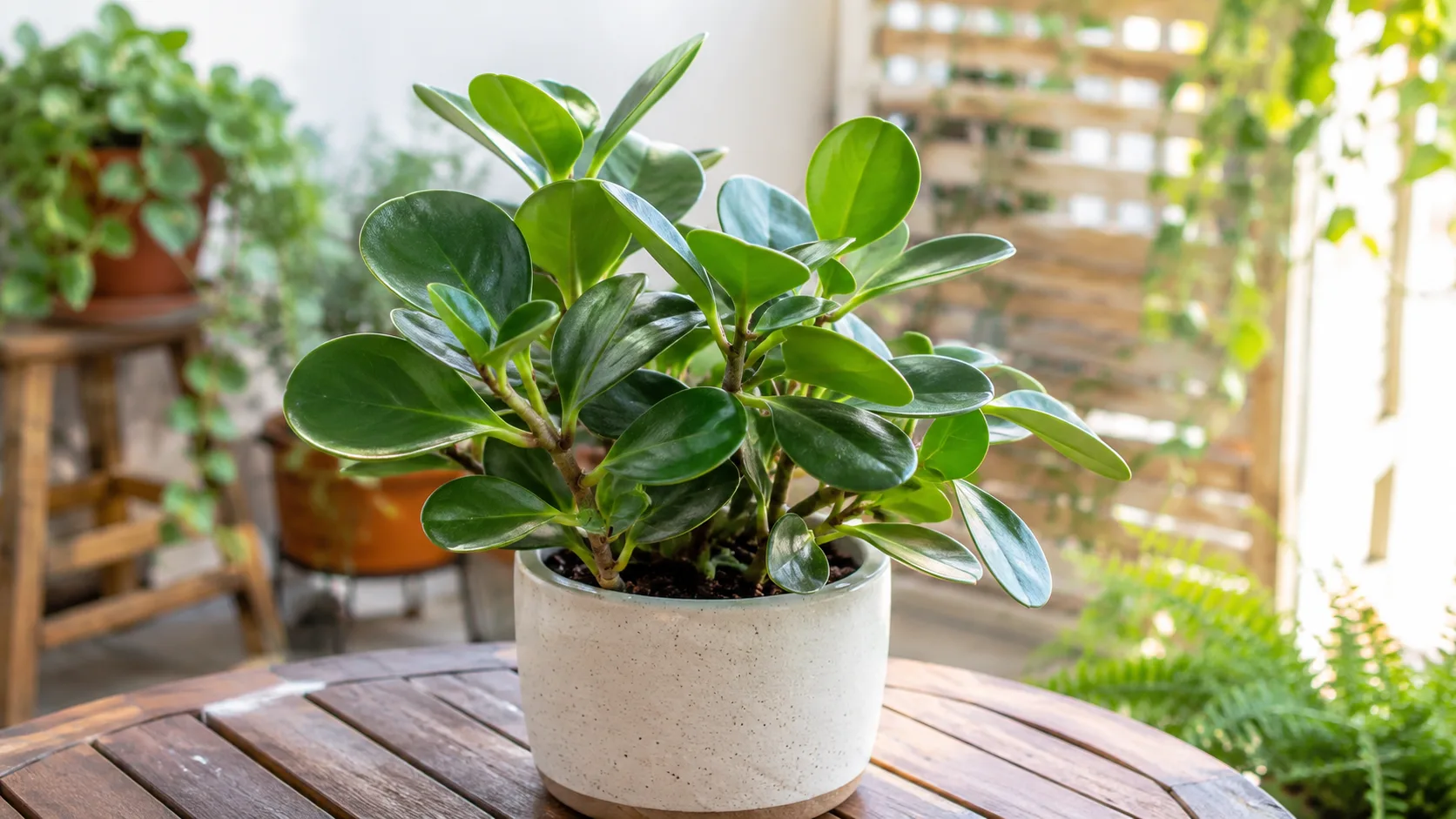
Baby Rubber Plant (Peperomia obtusifolia) needs medium indirect light and watering only when the top inch dries-its thick leaves store water and it dies quickly from overwatering. Pet-safe and great for beginners.

Grow Musa acuminata in full sun, warm temperatures, and rich, well-drained soil kept consistently moist. Learn banana watering, potting, feeding, repotting, and winter care.
Barrel cactus care for Ferocactus: full sun, dry winter rest, mineral soil, rare watering, repotting, seed propagation, and spine safety.
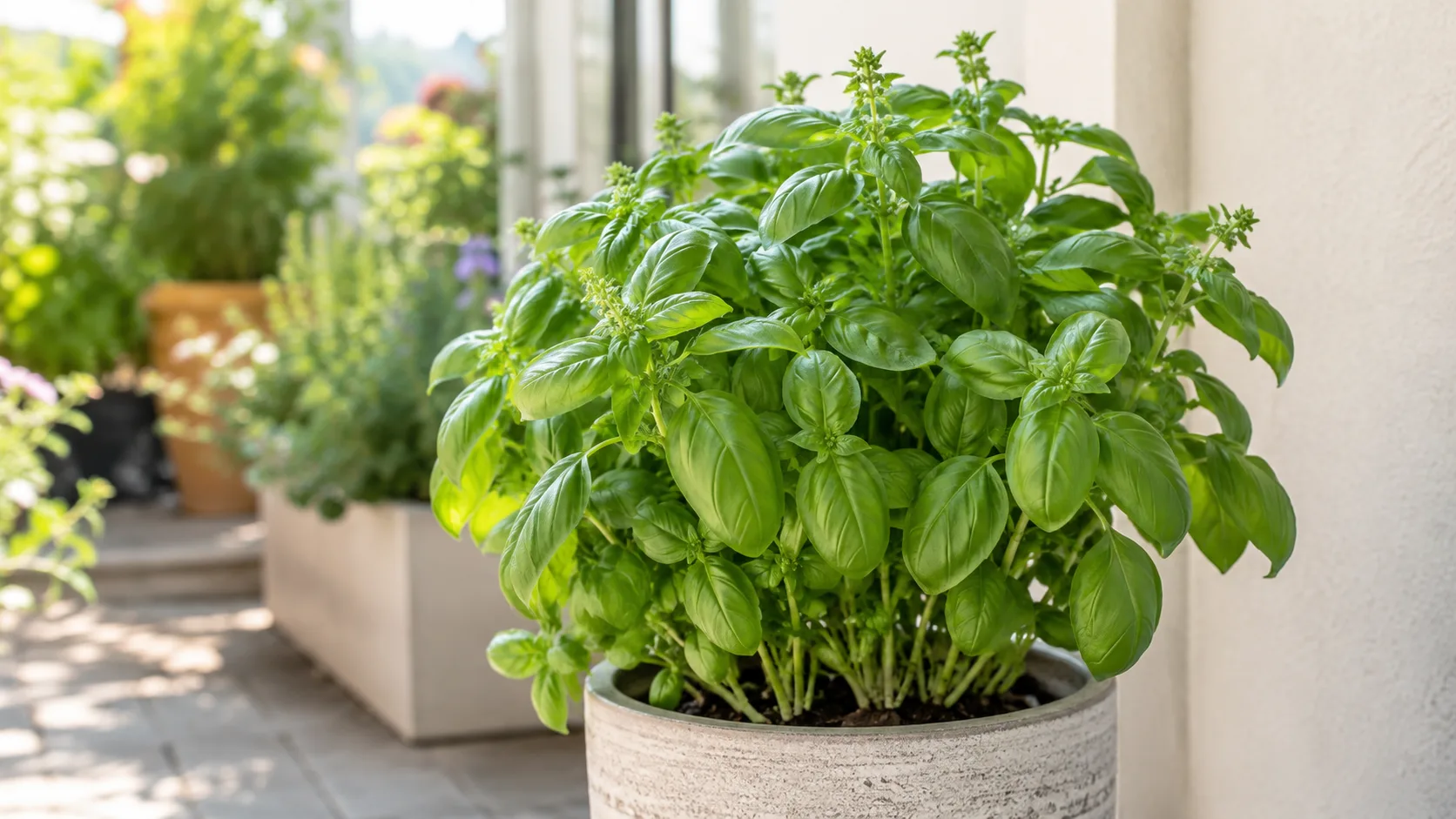
Basil needs at least 6 hours of direct sun daily, consistent watering every 1–2 days in summer, pinching off flower spikes to prevent bolting, and regular tip harvesting to encourage bushy growth.
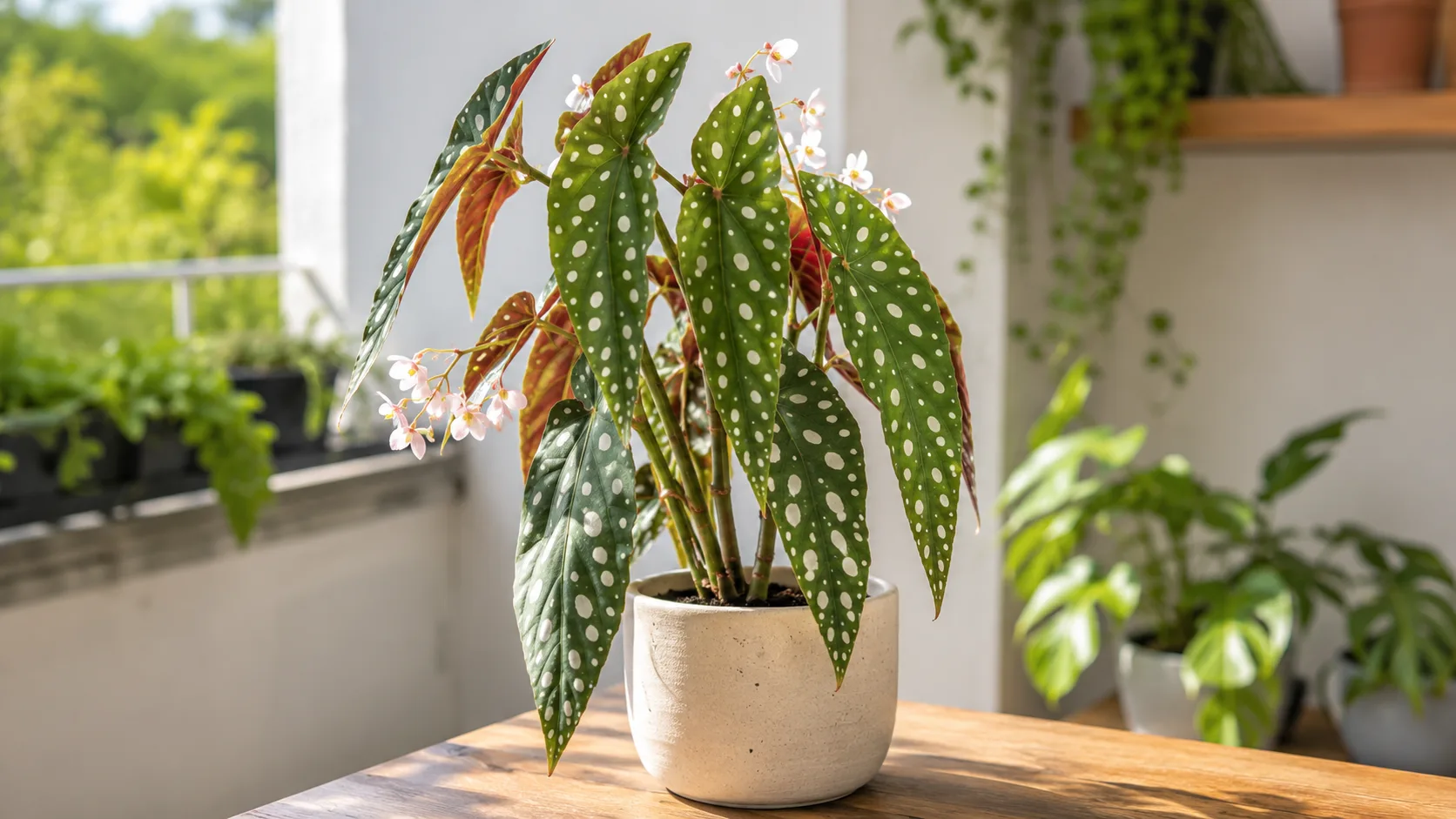
Begonia maculata needs bright indirect light, watering every 7–10 days (top 3 cm dry between waterings), 60–80% humidity, and monthly feeding during the growing season.
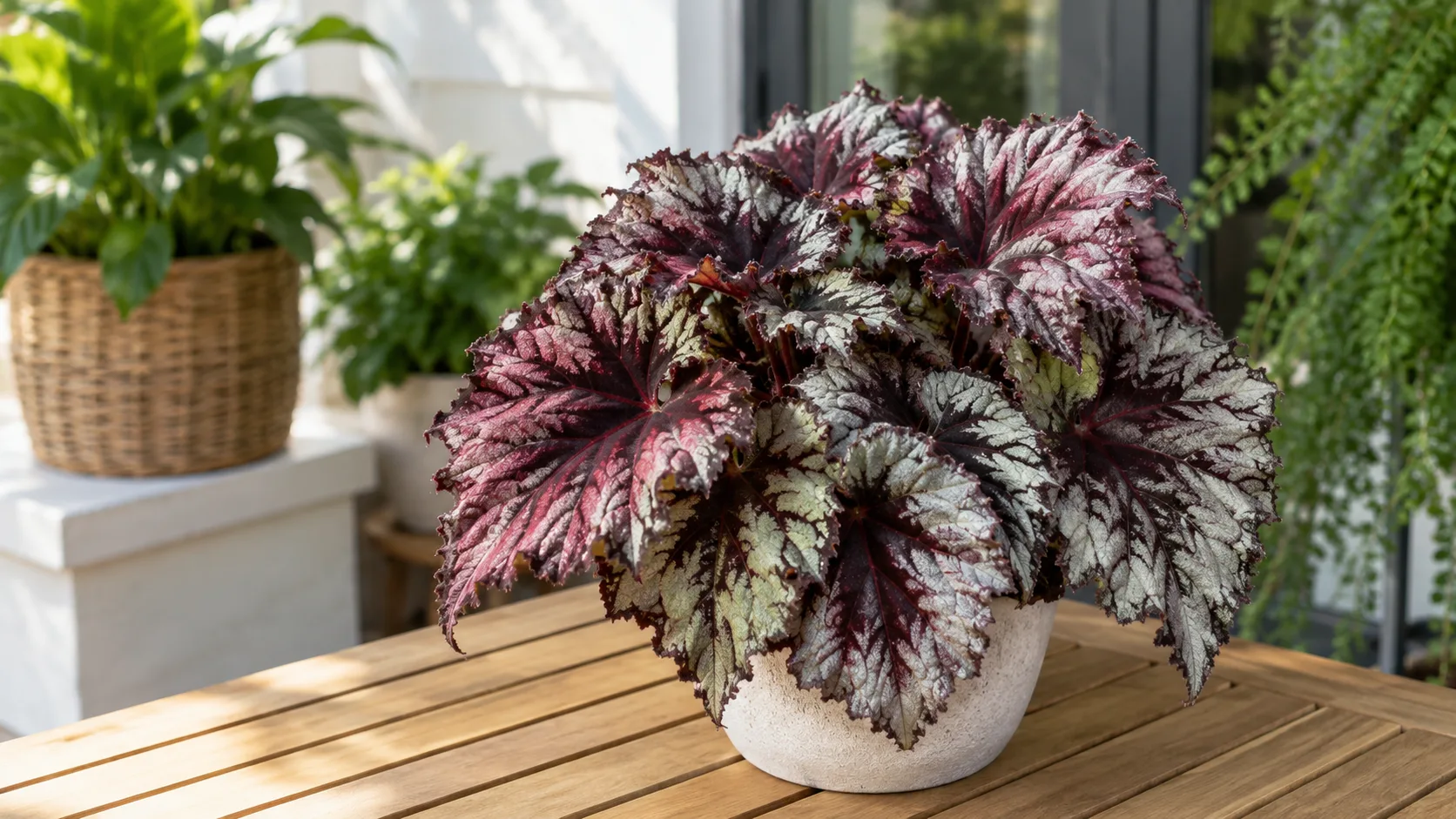
Rex begonia needs 50–70% humidity (humidifier essential), bright to medium indirect light, bottom watering every 7–10 days when top 3 cm is dry, and temperatures consistently above 15°C.
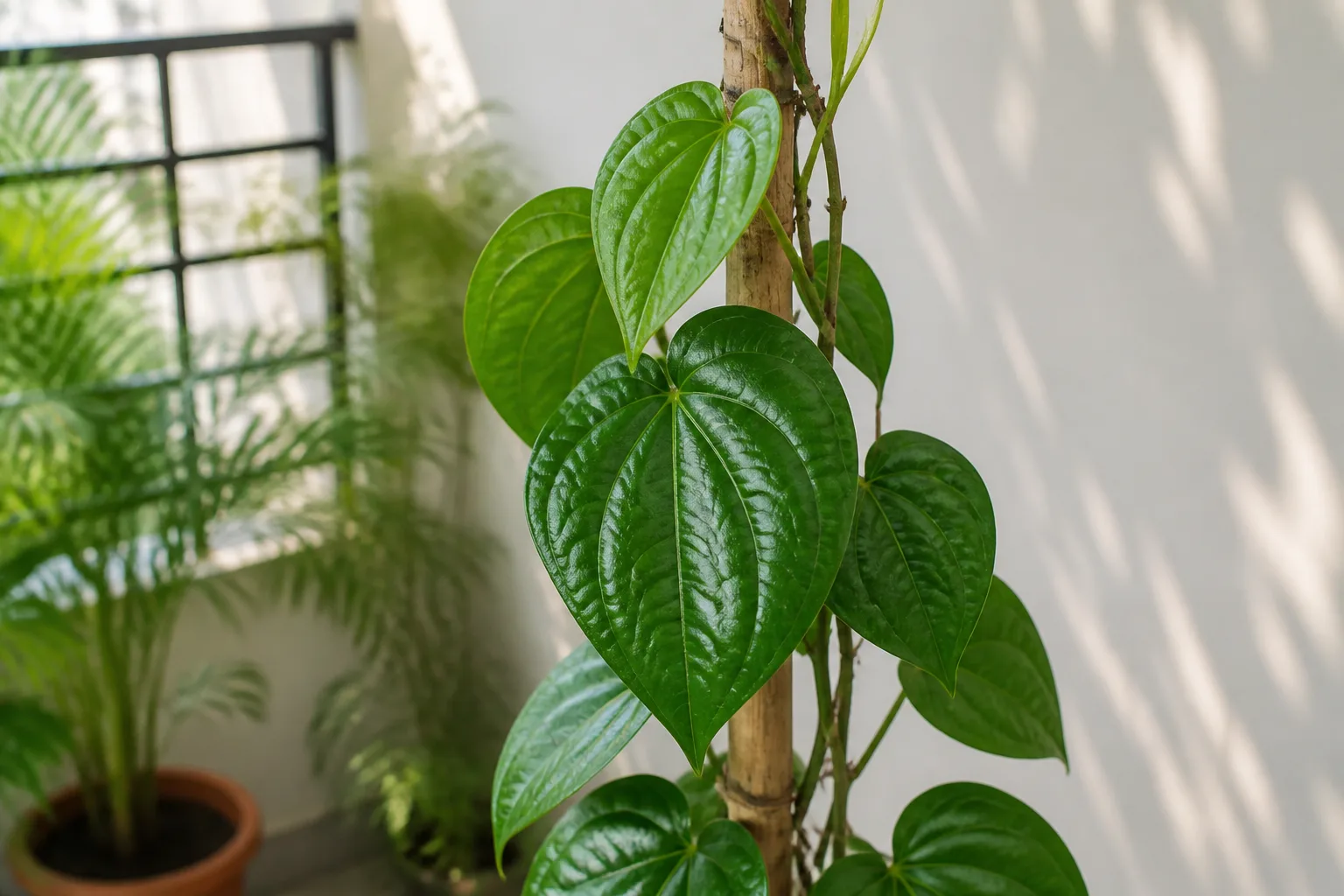
Betel Leaf (Piper betle) needs filtered light, high humidity, and evenly moist fertile soil on a support. Water when the top 2–5 cm dries; avoid waterlogging and harsh midday sun.
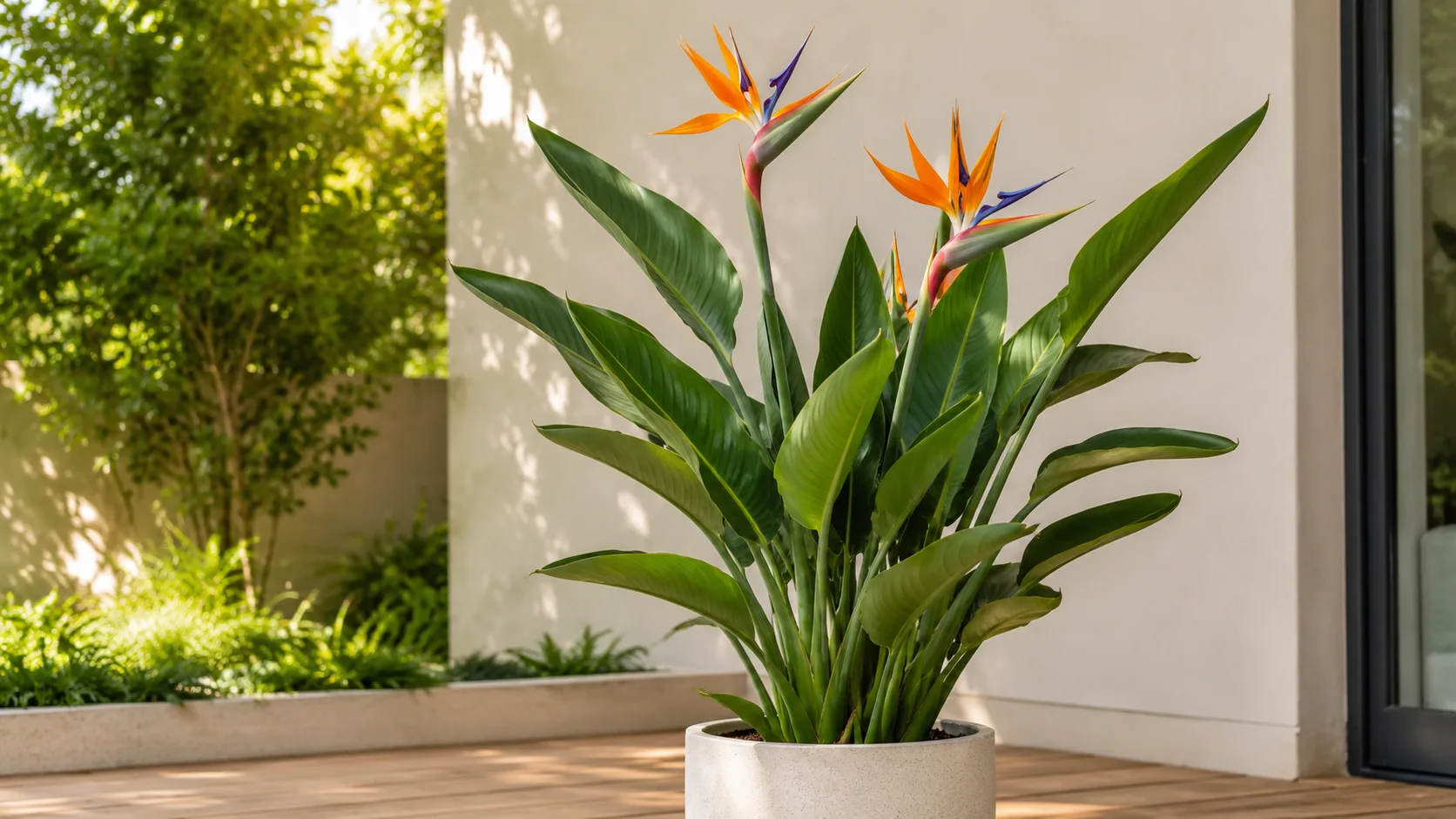
Bird of paradise needs the brightest available indoor light (including some direct sun), watering every 7–10 days when the top 5 cm is dry, well-draining fertile soil, and patience - it may take years to flower indoors.
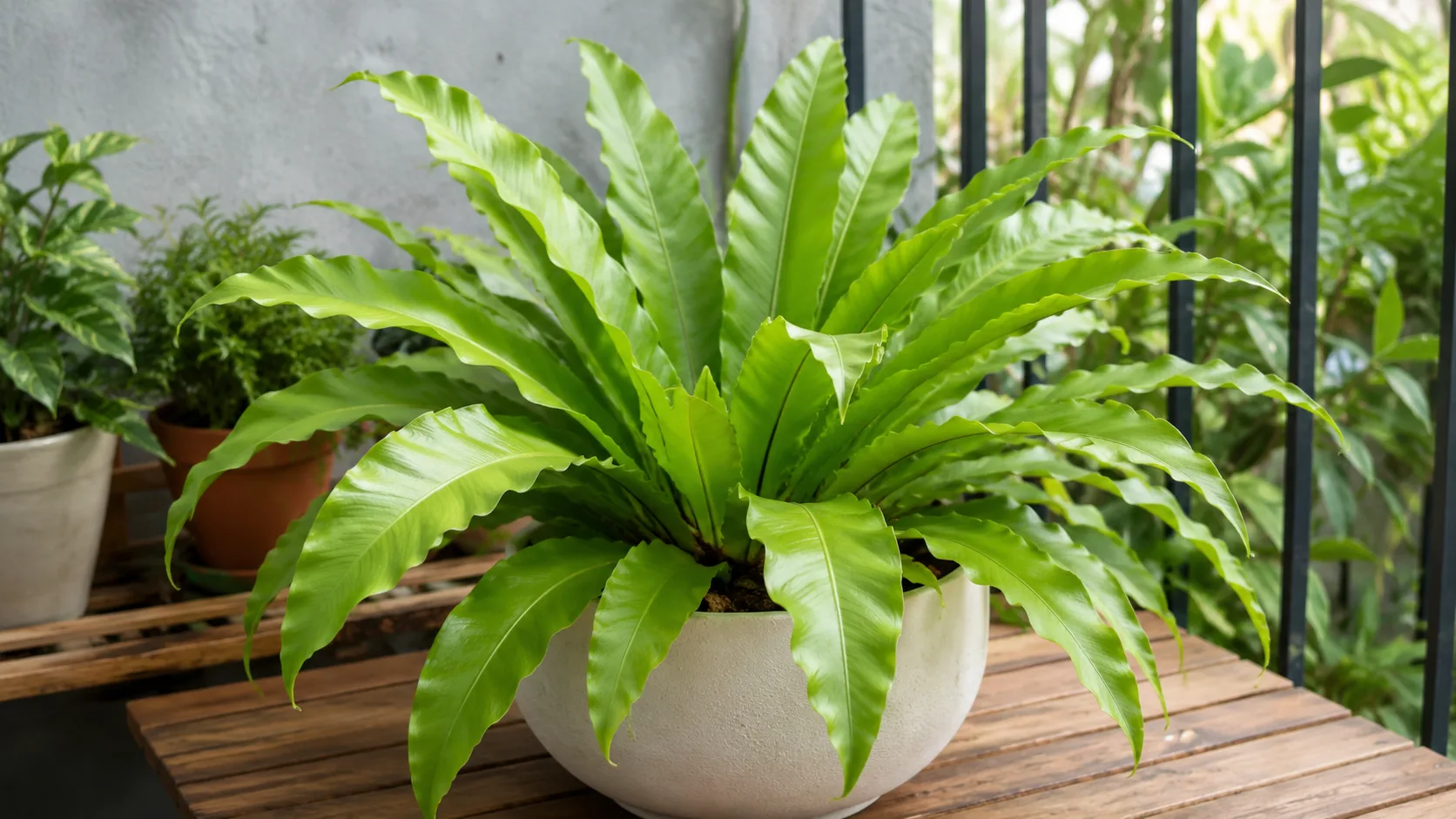
Grow bird's nest fern indoors with bright indirect light, consistent moisture, and 60%+ humidity. Easy to care for with no direct sun.
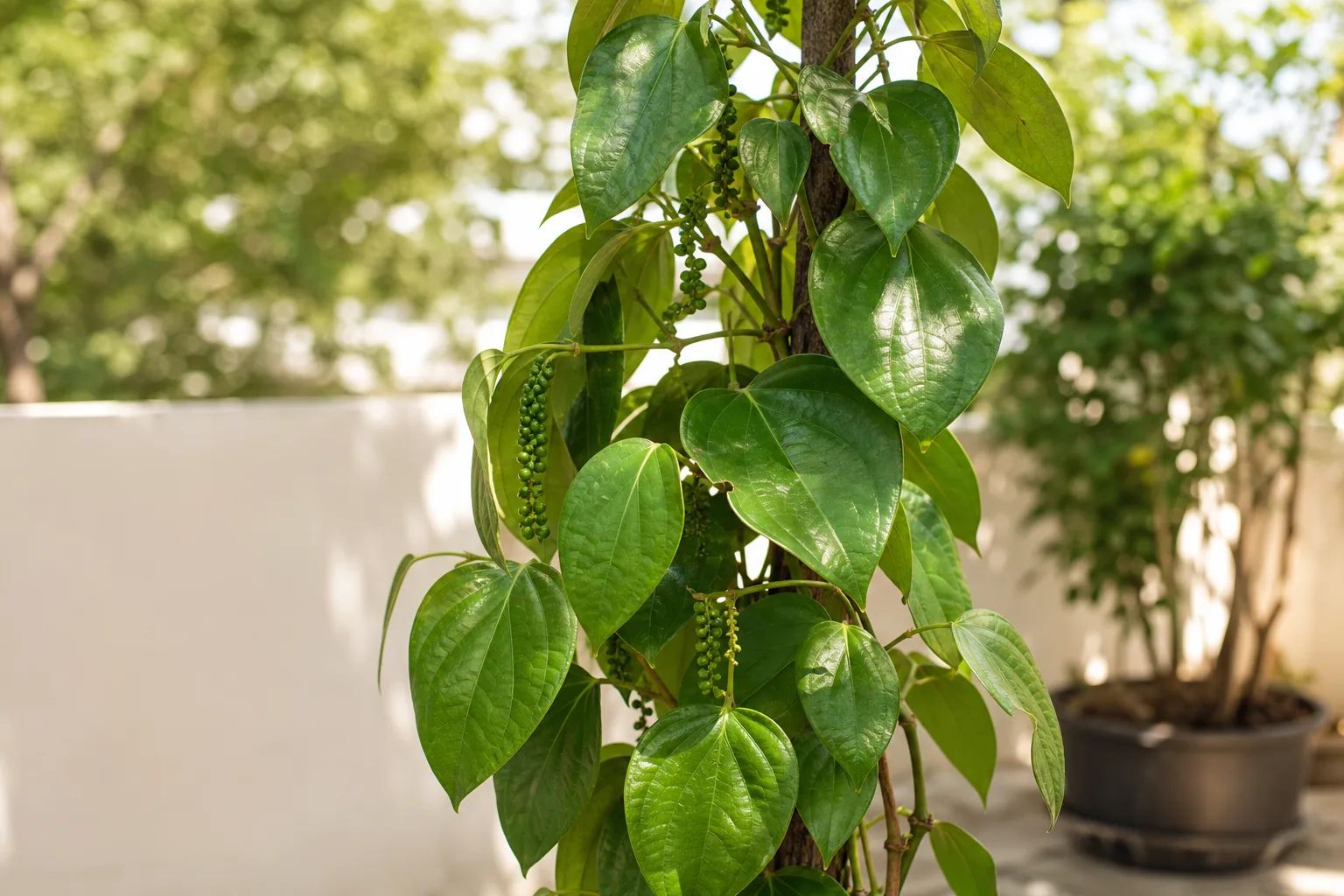
Black Pepper (Piper nigrum) needs filtered light, high humidity, and evenly moist fertile soil on a support. Water when the top 2–4 cm dries; avoid waterlogging and cold below 50°F.
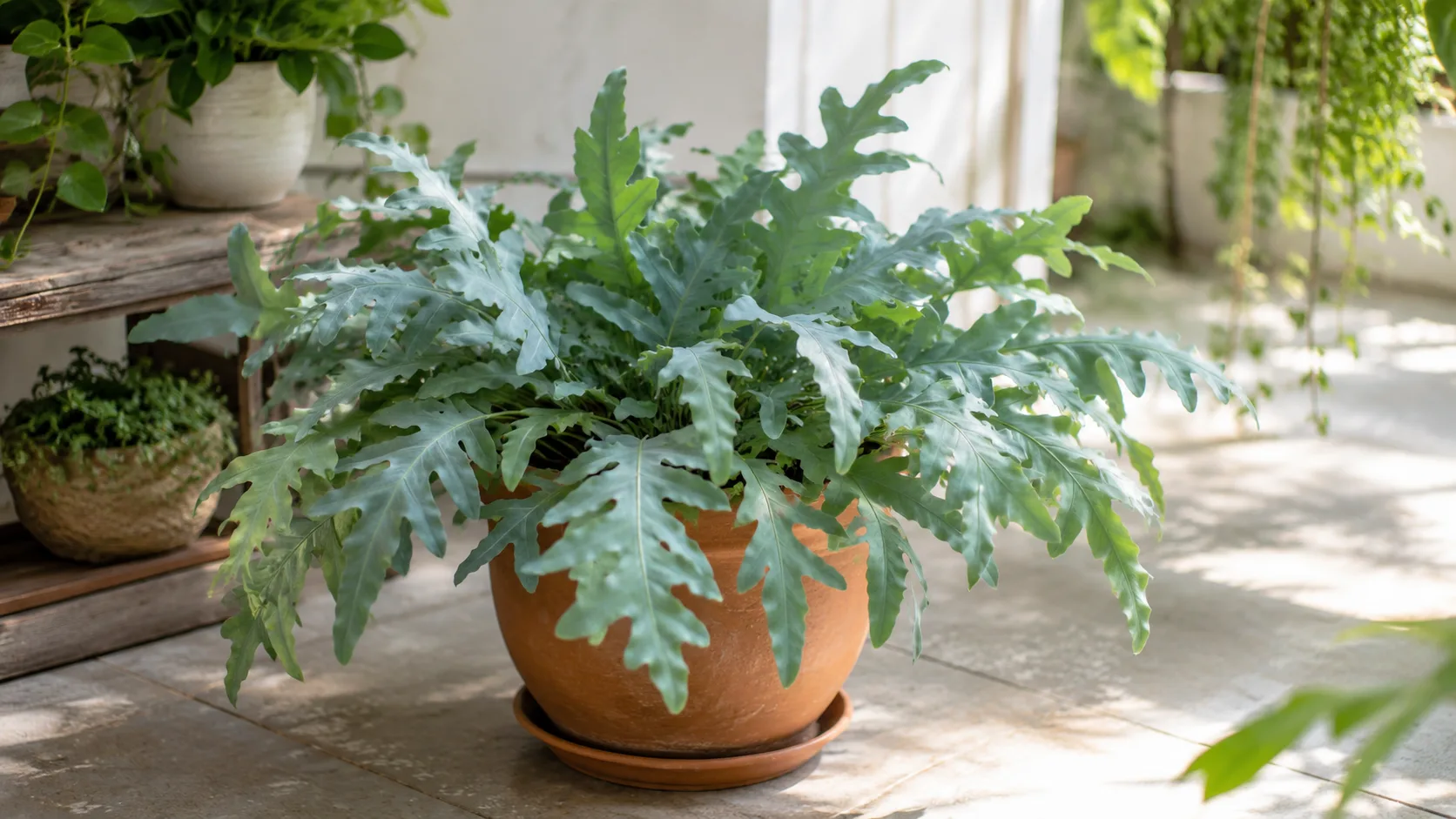
Blue star fern needs medium to bright indirect light (no direct sun), watering every 5–7 days when the top 3 cm is dry, 40–60%+ humidity (more forgiving than most ferns), and monthly half-strength fertiliser in the growing season.
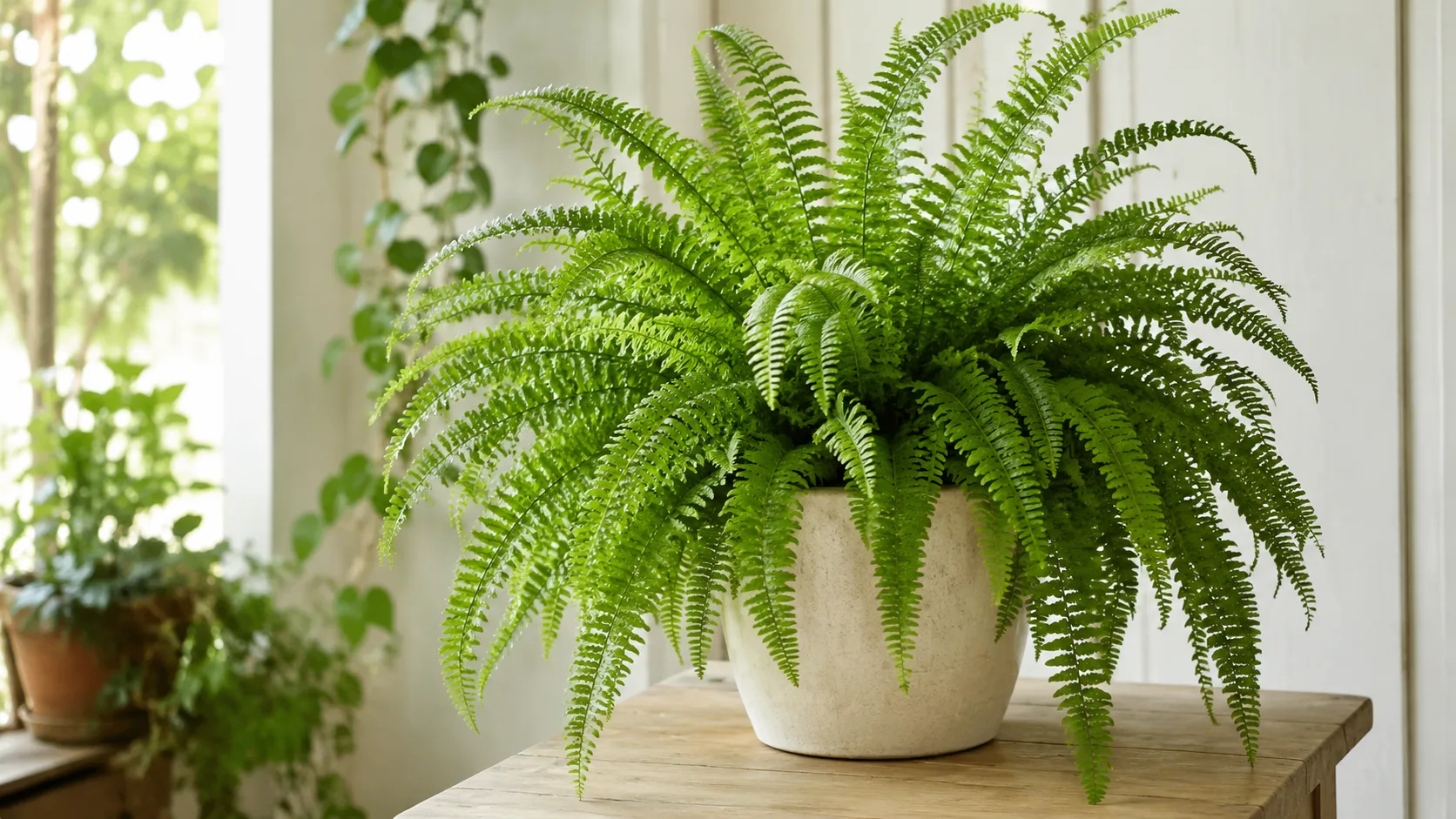
Keep Boston fern lush - high humidity, consistent moisture, indirect light, and brown frond fixes.
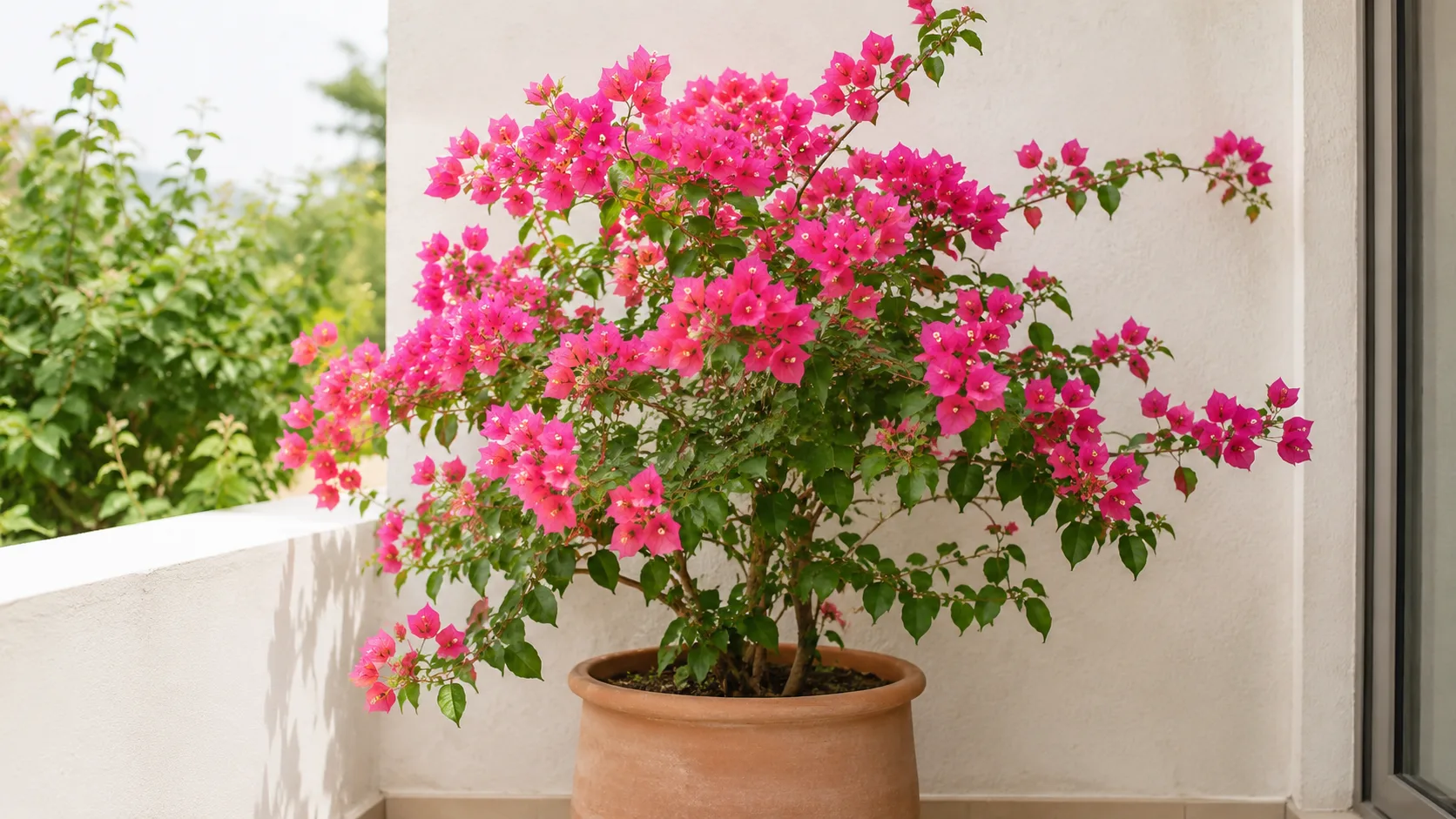
Bougainvillea needs full sun (6+ hours daily), drought stress between waterings (every 5–7 days in containers), hard pruning after each flower flush, and high-potassium fertiliser every 2–3 weeks during the growing season.
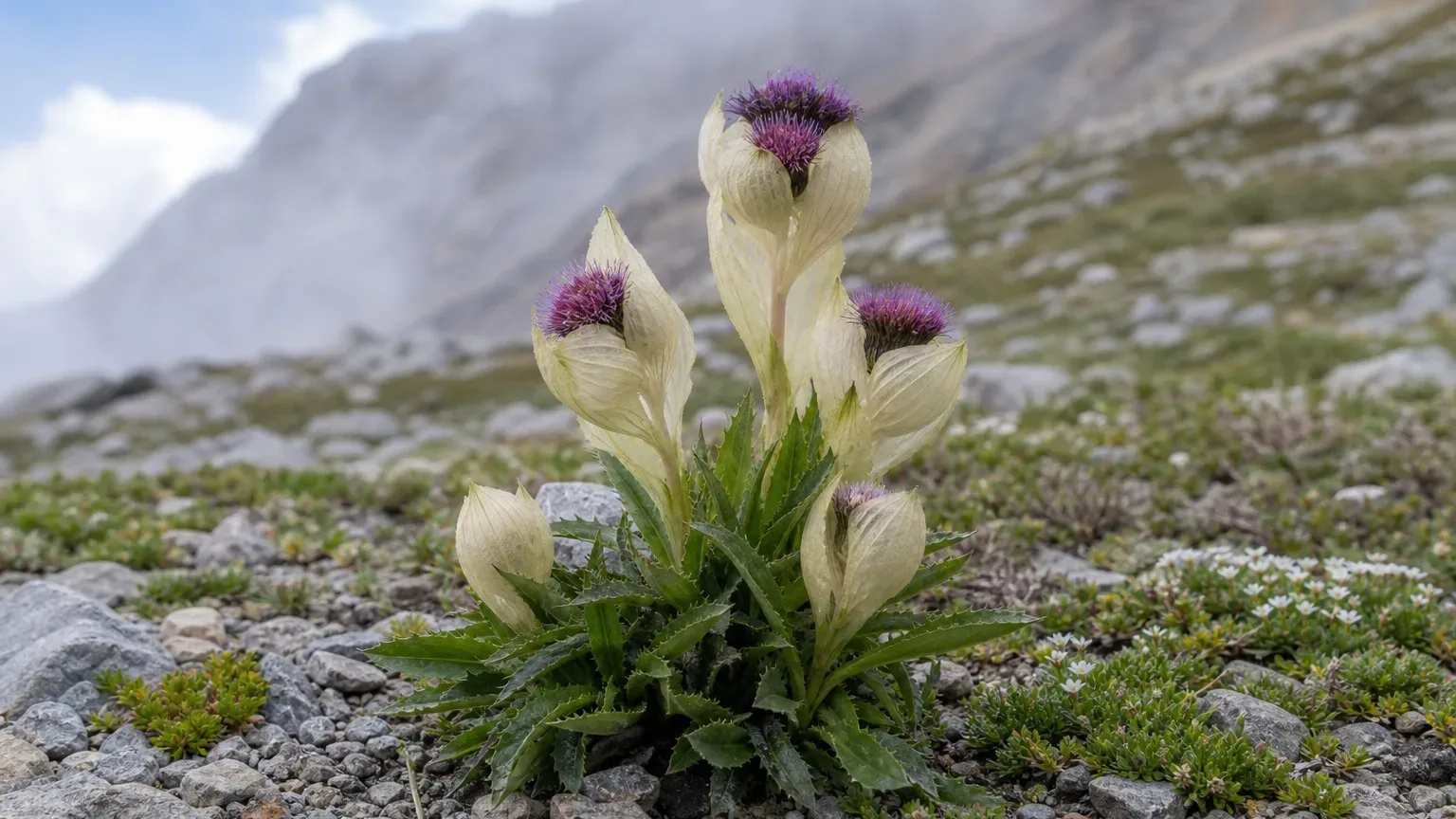
Learn true Brahma Kamal care: cool alpine conditions, bright light, moist well-drained soil, winter dormancy, and how to distinguish it from the orchid cactus.
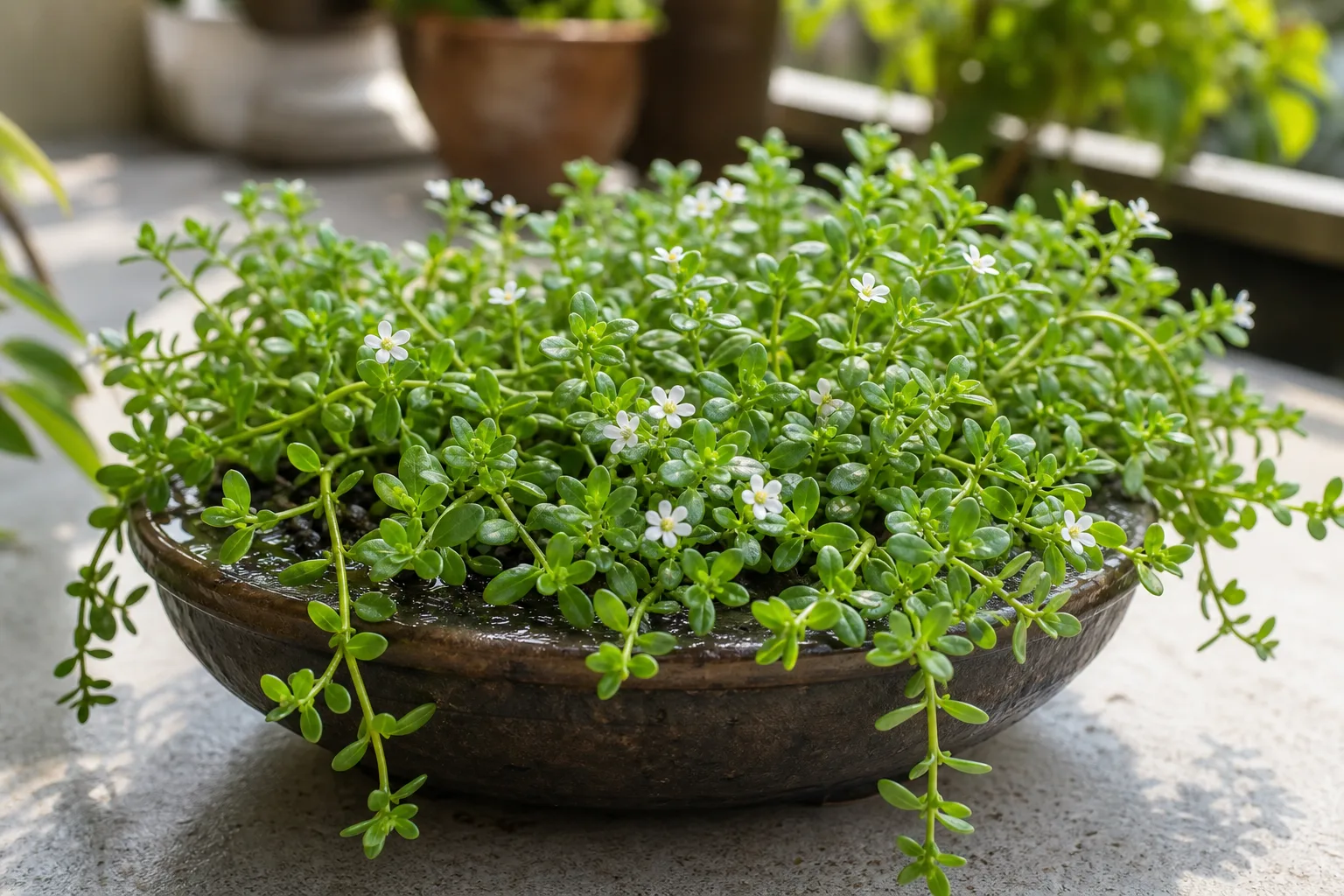
Brahmi needs full sun to partial shade and consistently moist to wet soil—never drought. Water daily in heat, use a moisture-retentive mix, and propagate by stem cuttings or division.
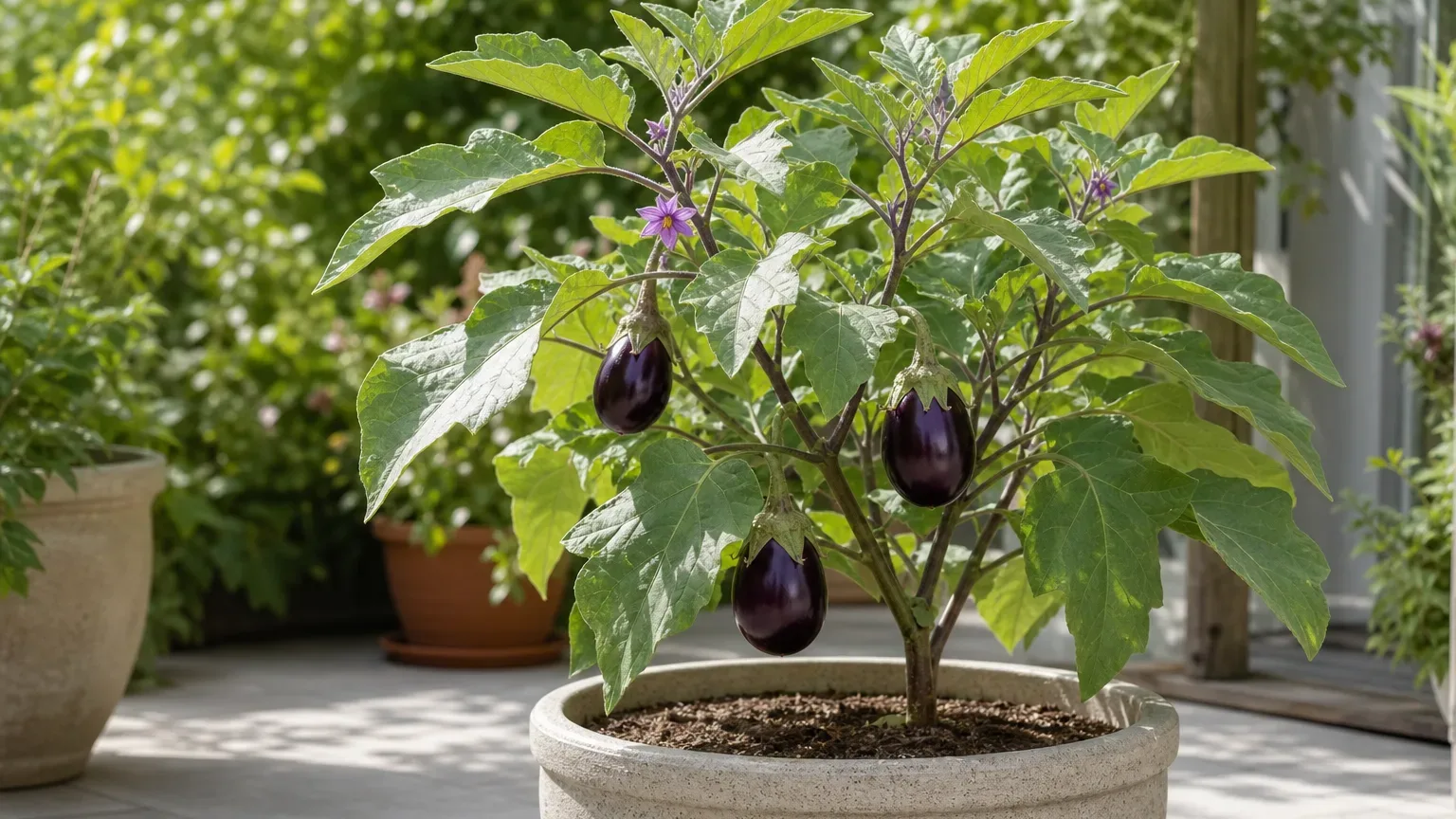
Grow brinjal in full sun, fertile well-drained soil, and steady moisture. Learn how cultivar size changes container, support, and harvest needs.
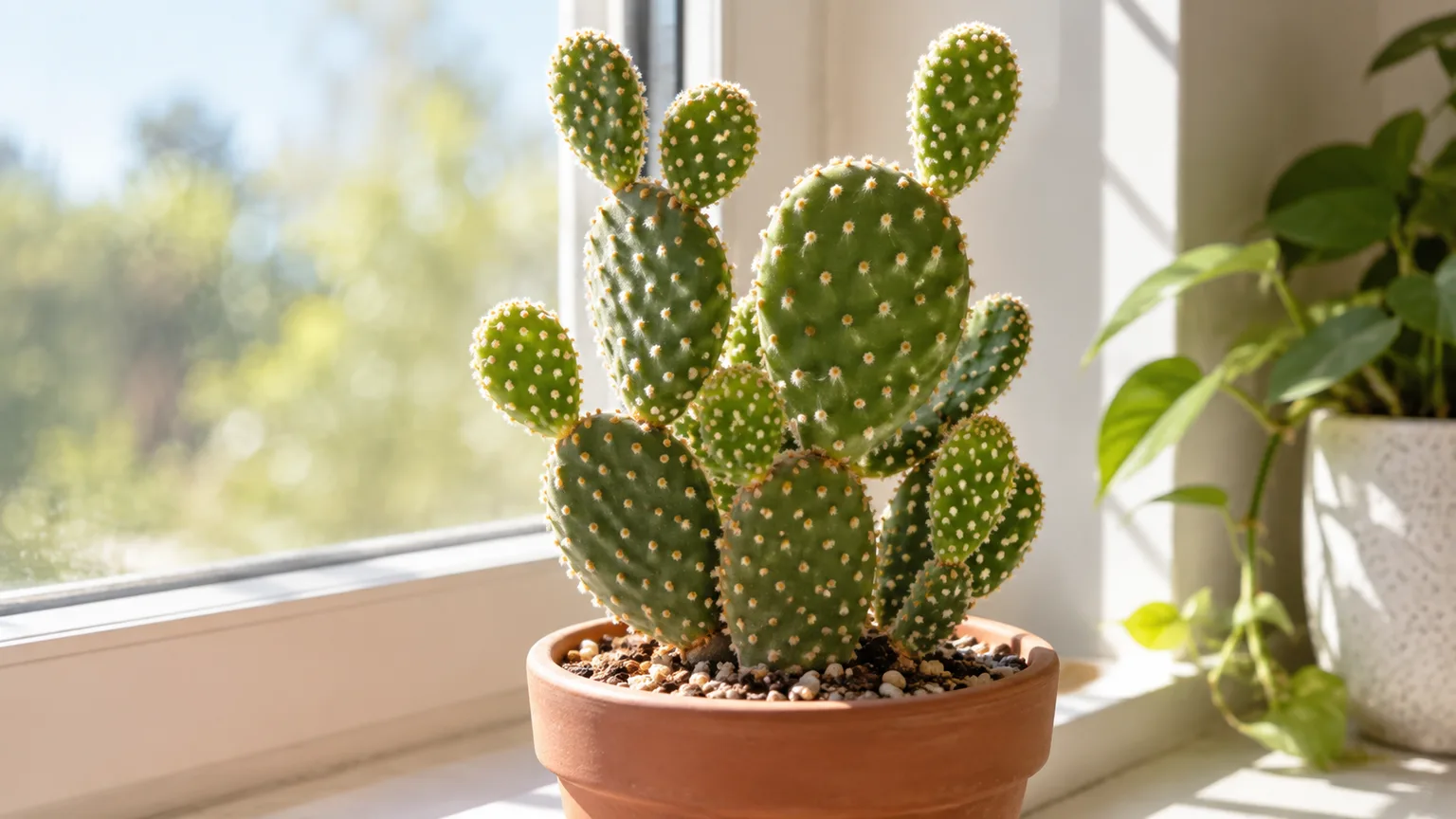
Bunny ear cactus care with direct light, sparse watering, mineral soil, glochid safety, repotting, and pad propagation tips.
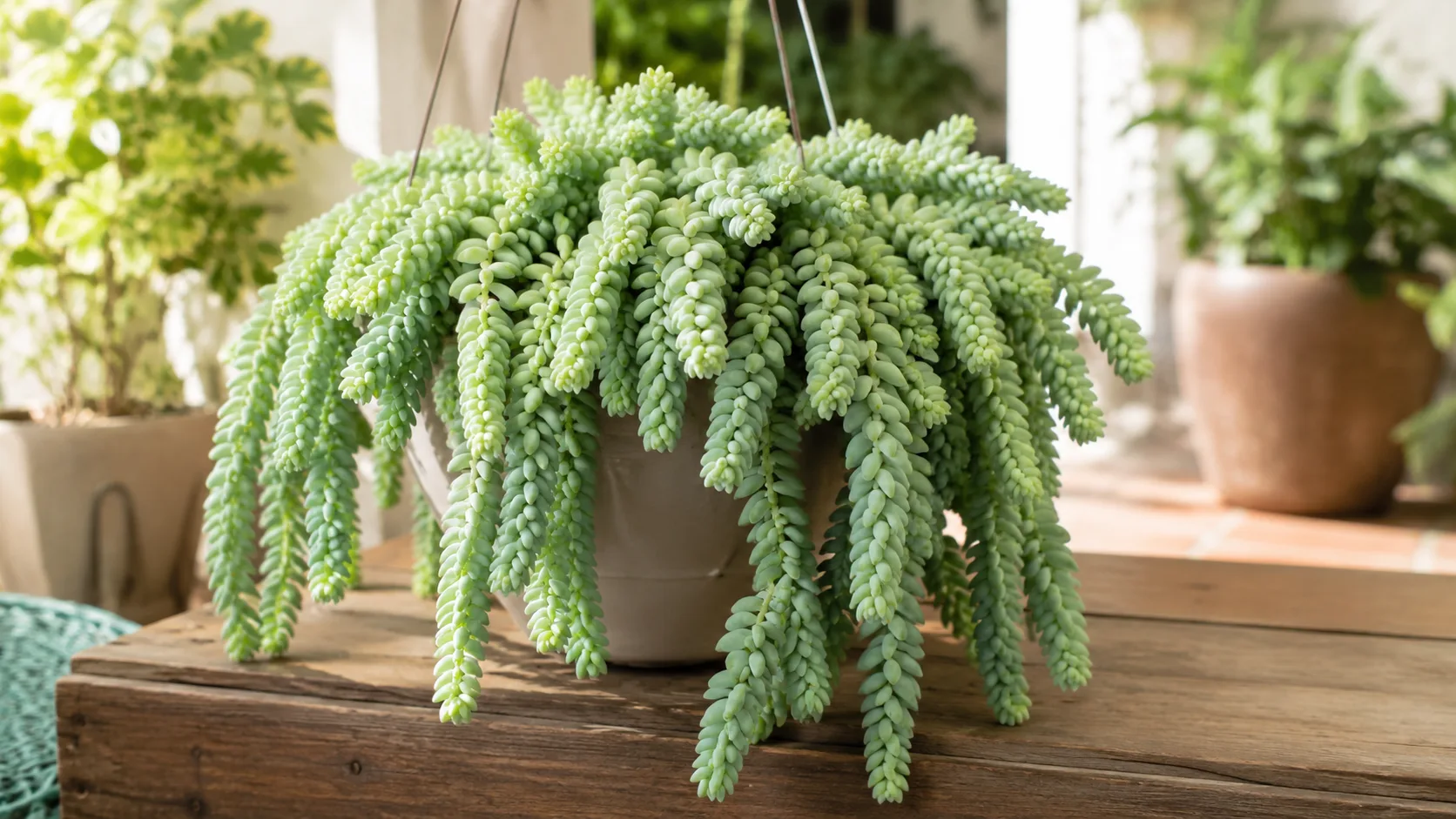
Burro's tail needs bright direct or indirect light, watering only when soil is completely dry (every 14 days summer, 21–28 days winter), sharp-draining succulent soil, and minimal handling to prevent leaf loss.
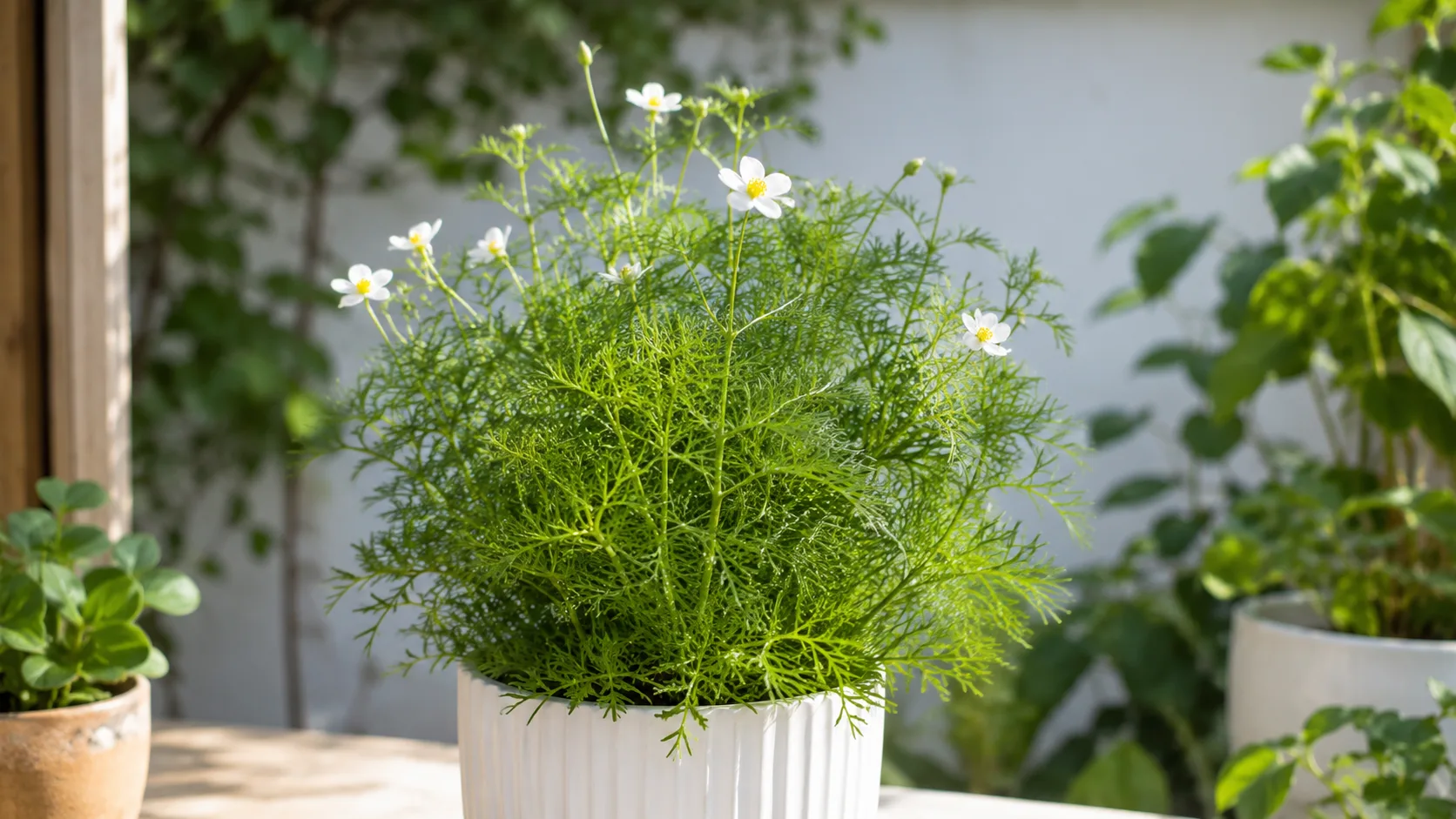
Cabomba is a cautious reptile-specific aquatic candidate in current tortoise-focused references, not a blanket safe-plant approval. Use clean, pesticide-free material and keep it as part of a varied diet.
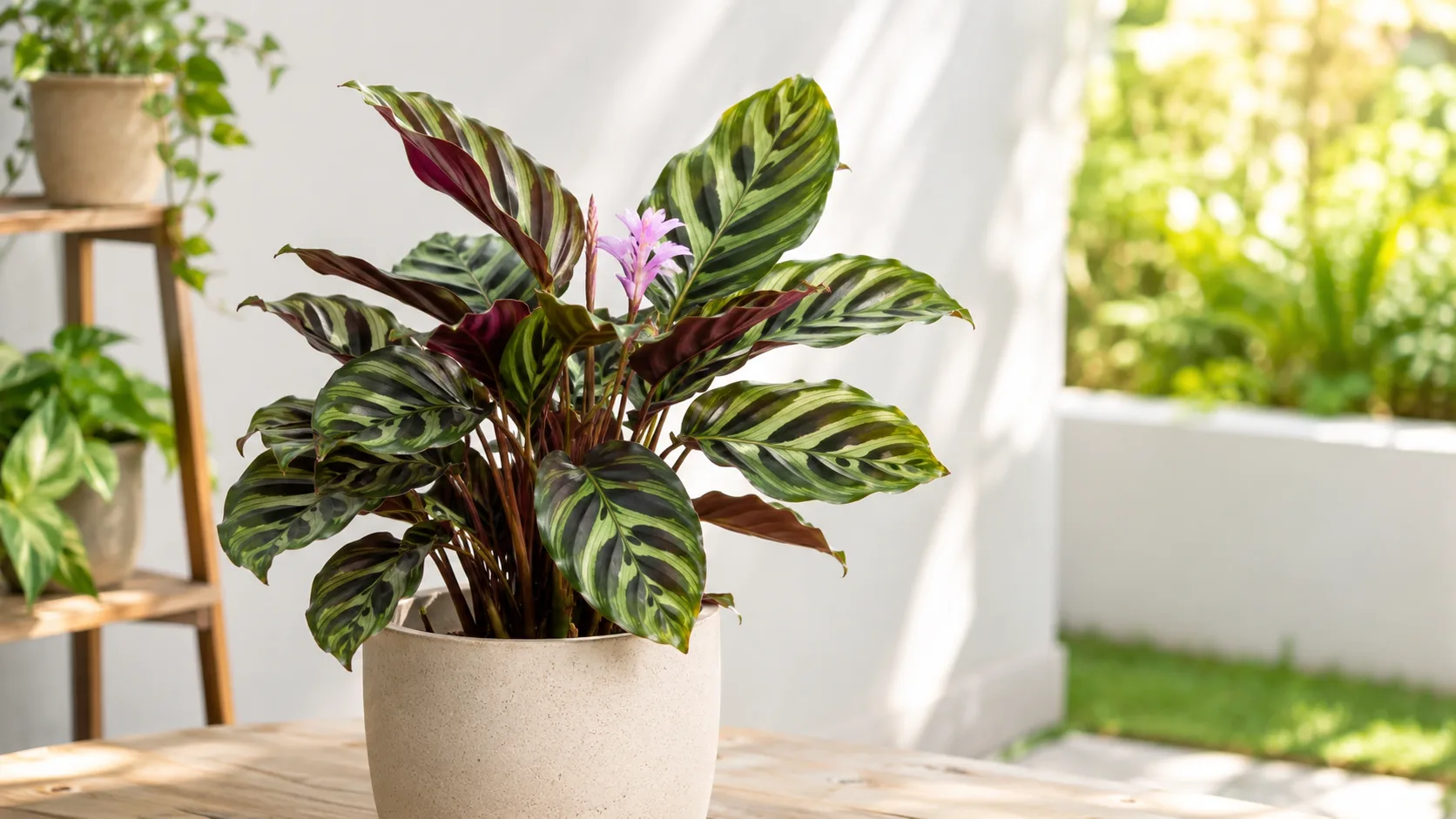
Calathea needs 60–80% humidity (humidifier essential), filtered water to prevent tip browning, medium indirect light (no direct sun), and consistently moist soil watered every 5–7 days.
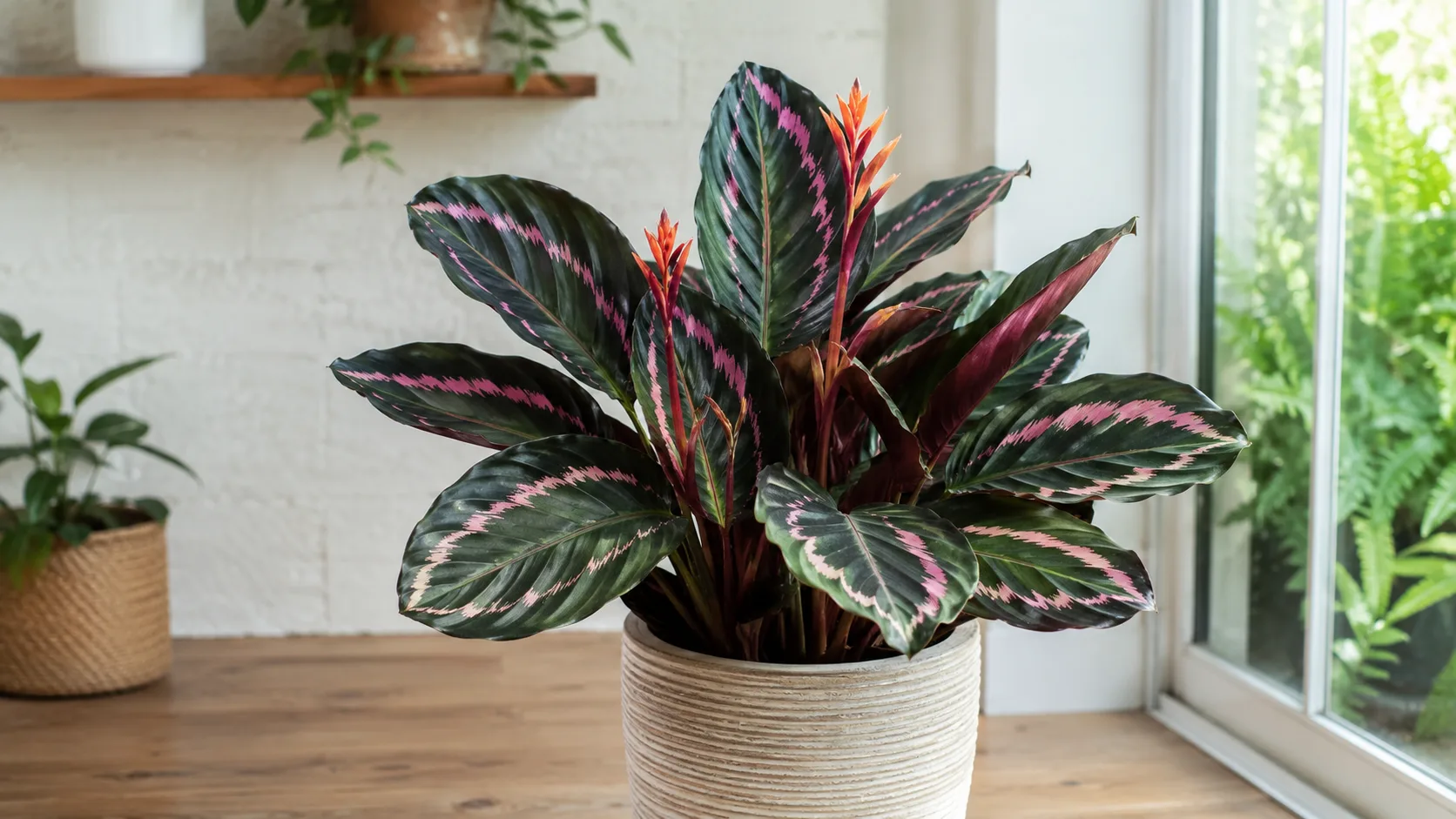
Calathea Dottie care: bright indirect light, 60%+ humidity, filtered or rainwater, evenly moist soil, and division at repotting. Pet safe.
Calathea Freddie care: medium to bright indirect light, high humidity, filtered water, evenly moist soil, and division at repotting. Pet safe.
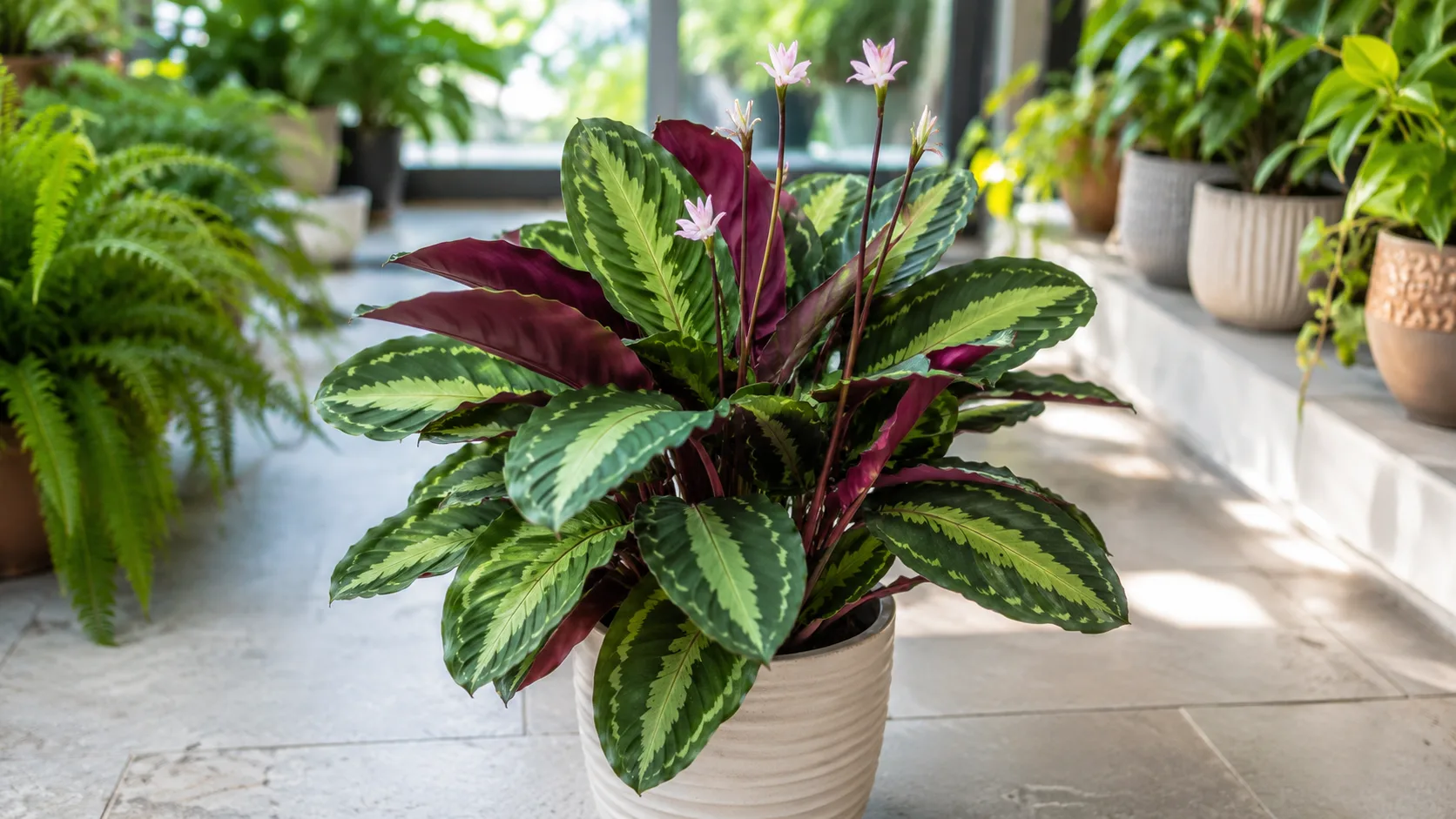
Calathea Medallion needs filtered water, 60–80% humidity (humidifier essential), medium indirect light (no direct sun), and watering every 5–7 days when the top 2 cm is beginning to dry.
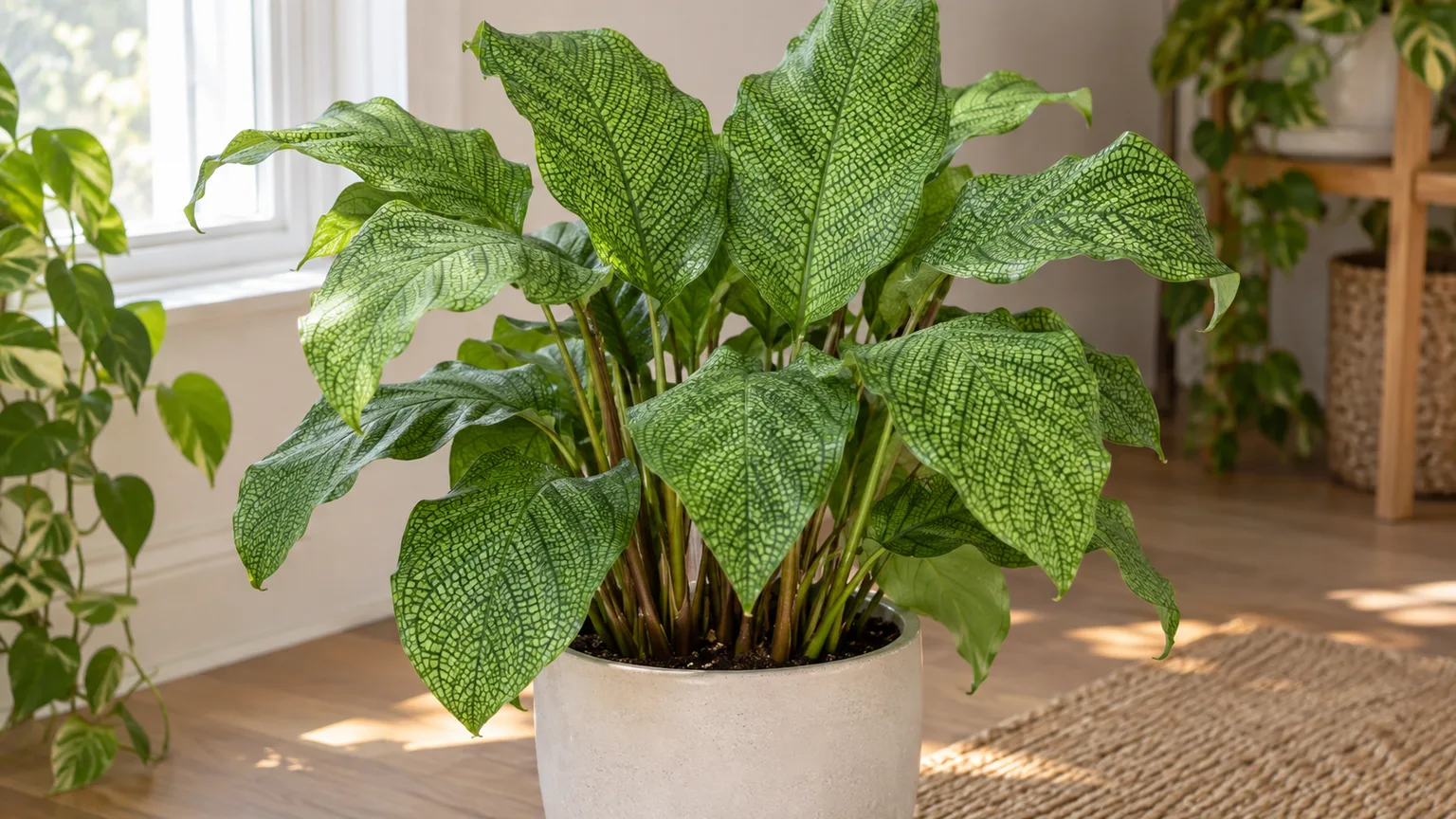
Network calathea care: partial shade, 60%+ humidity, filtered or rainwater, evenly moist well-draining soil, and division at repotting. Pet safe.
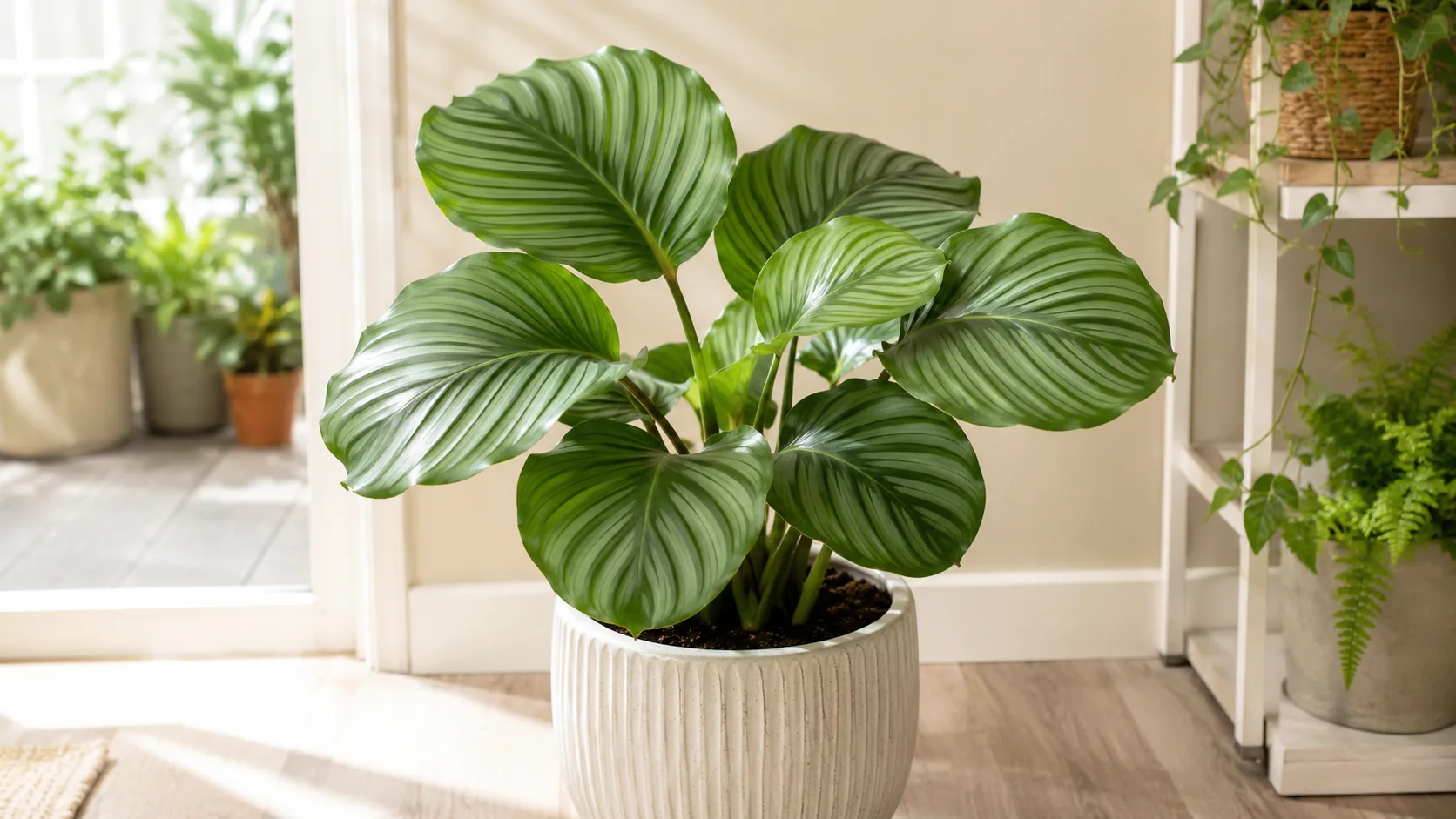
Calathea Orbifolia needs filtered water, 60–80% humidity (humidifier essential), medium indirect light (no direct sun), and watering every 5–7 days when the top 2 cm is beginning to dry.
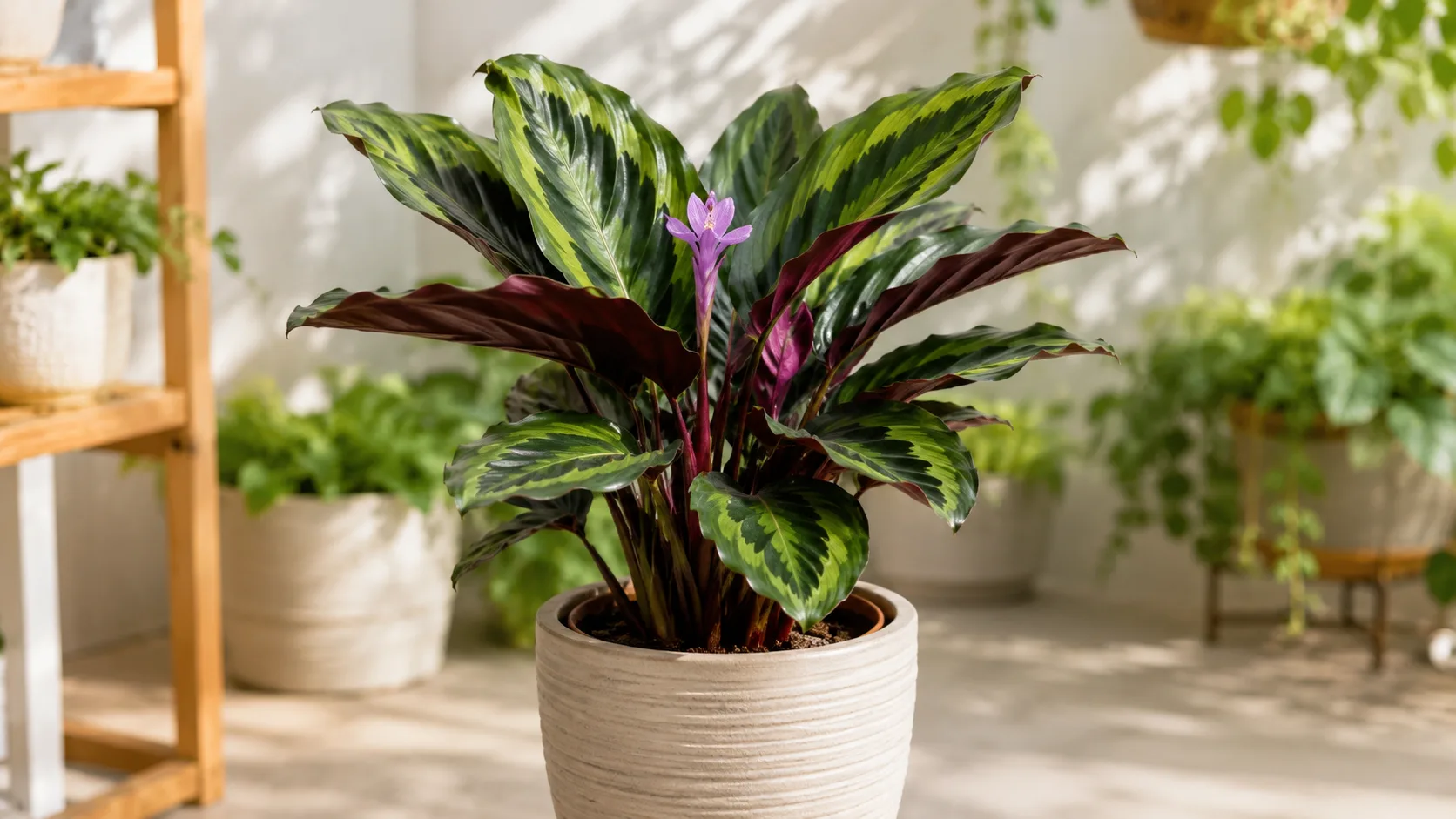
Calathea Peacock needs filtered water, 60–80% humidity (humidifier essential), medium indirect light (no direct sun), and watering every 5–7 days when the top 2 cm is beginning to dry.
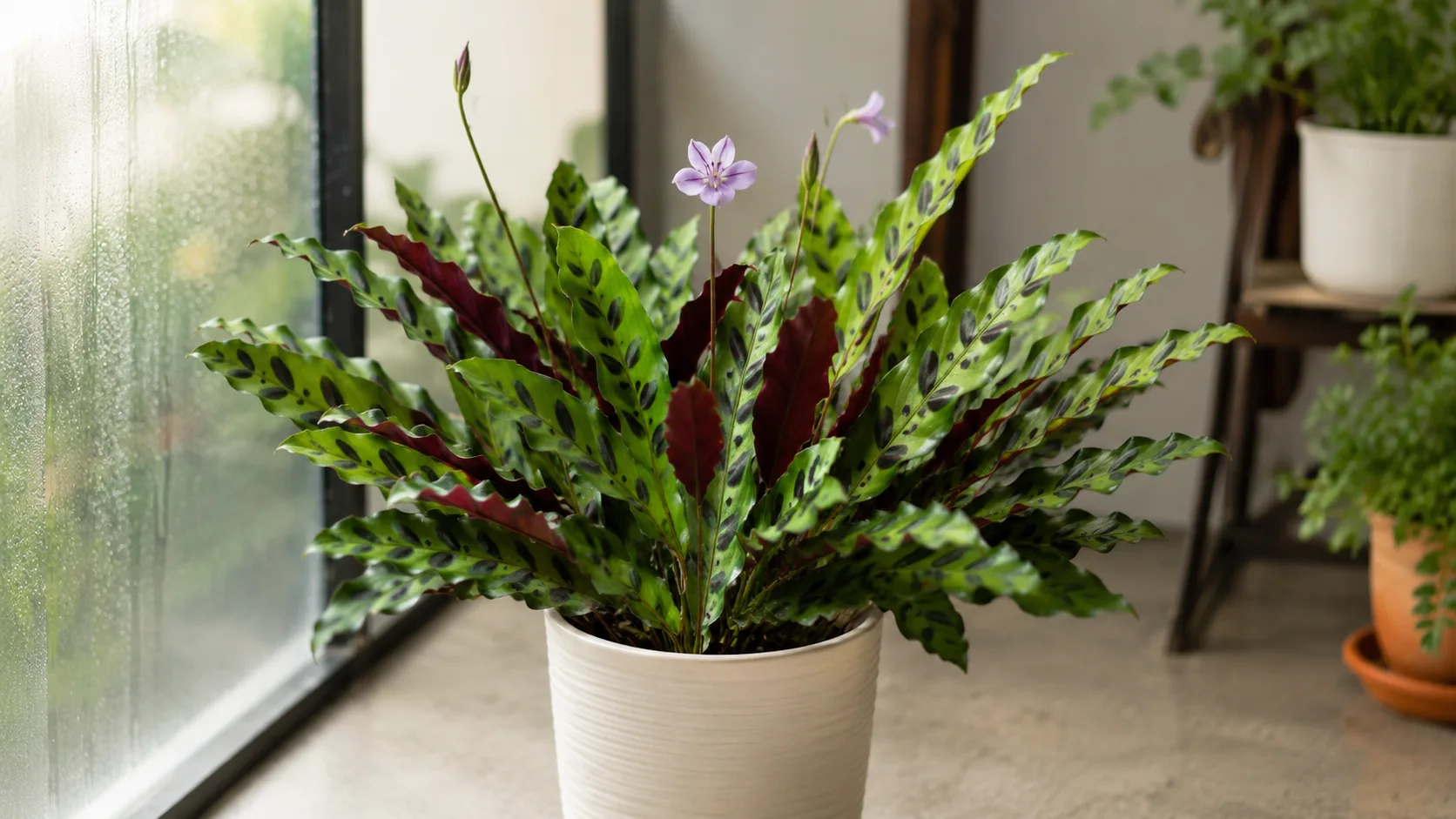
Calathea Rattlesnake needs filtered water, 60–80% humidity (humidifier essential), medium indirect light (no direct sun), and watering every 5–7 days when the top 2 cm is beginning to dry.
Calathea Roseopicta needs filtered water, 60–80% humidity (humidifier essential), medium indirect light (no direct sun), and watering every 5–7 days when the top 2 cm is beginning to dry.
Calathea Vittata pinstripe care: medium to bright indirect light, at least 60% humidity, filtered water, and consistently moist well-draining soil.
Jungle velvet calathea care: bright indirect light, 60–75% humidity, filtered water, evenly moist soil, and warm stable temperatures. Pet safe.
White Fusion calathea needs 60–80% humidity, filtered or rainwater (never hard tap), bright indirect light, and evenly moist soil. Pet safe.
Zebra calathea care: bright indirect light, at least 60% humidity, filtered water, evenly moist soil, and division at repotting. Non-toxic to pets.
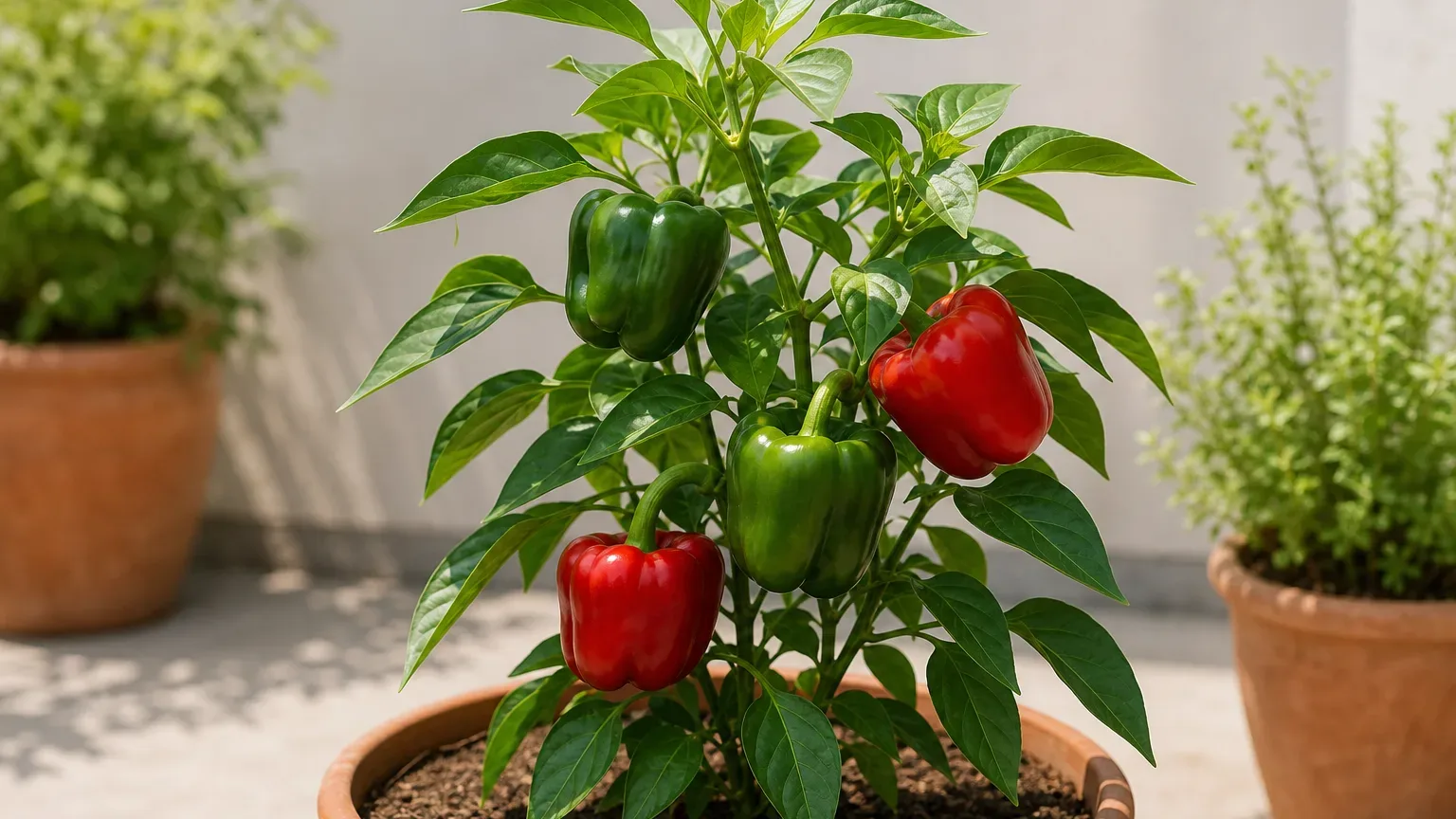
Grow sweet bell pepper or Shimla Mirch in full sun, warm well-drained soil, and steady moisture, with support for its heavy fruit.
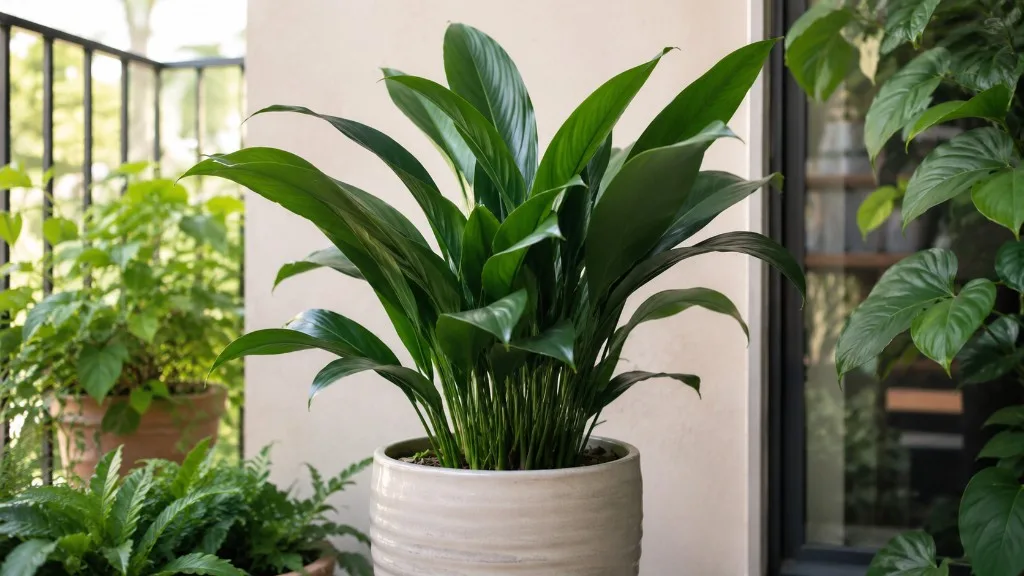
Cast iron plant tolerates deep shade, irregular watering (every 10–14 days), and low humidity. Avoid direct sun and overfeeding. One of the lowest-maintenance houseplants available.
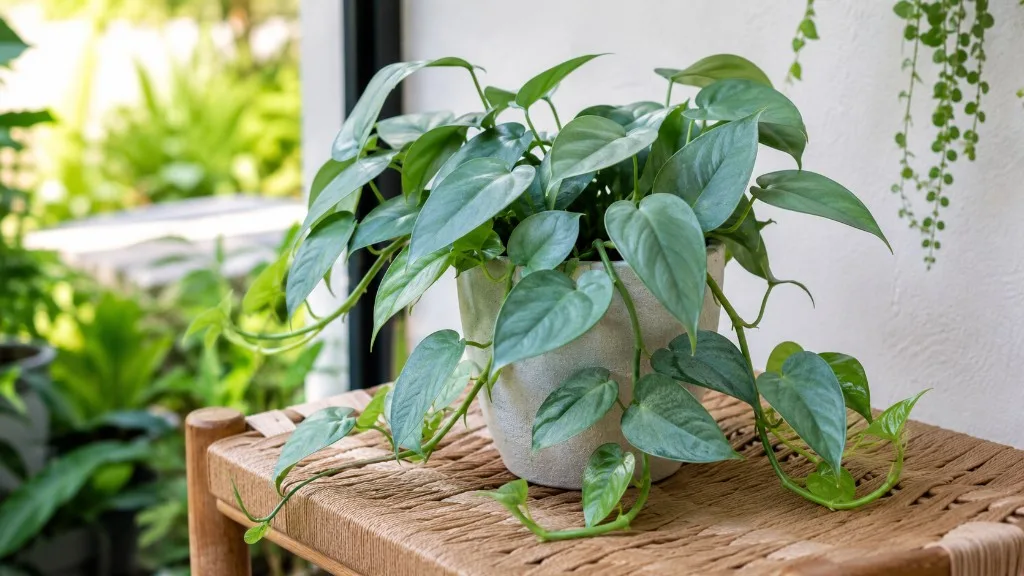
Cebu blue pothos needs bright to medium indirect light for vivid silver-blue colouration, watering every 7–10 days when the top 3–5 cm is dry, and a climbing structure to develop spectacular fenestrated adult leaves.
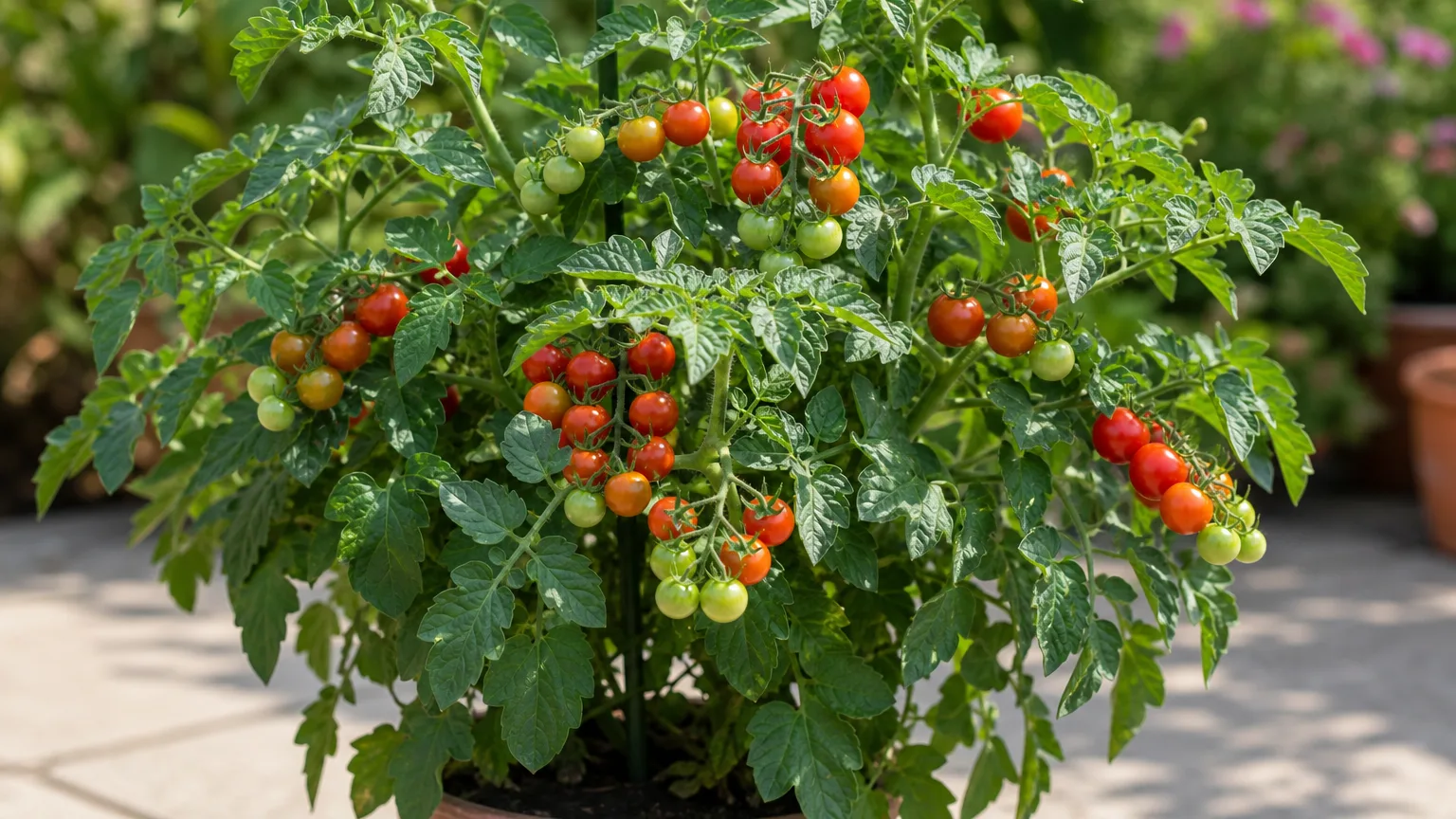
Grow cherry tomatoes in full sun with steady moisture, fertile well-drained soil, and support matched to determinate or indeterminate habits.
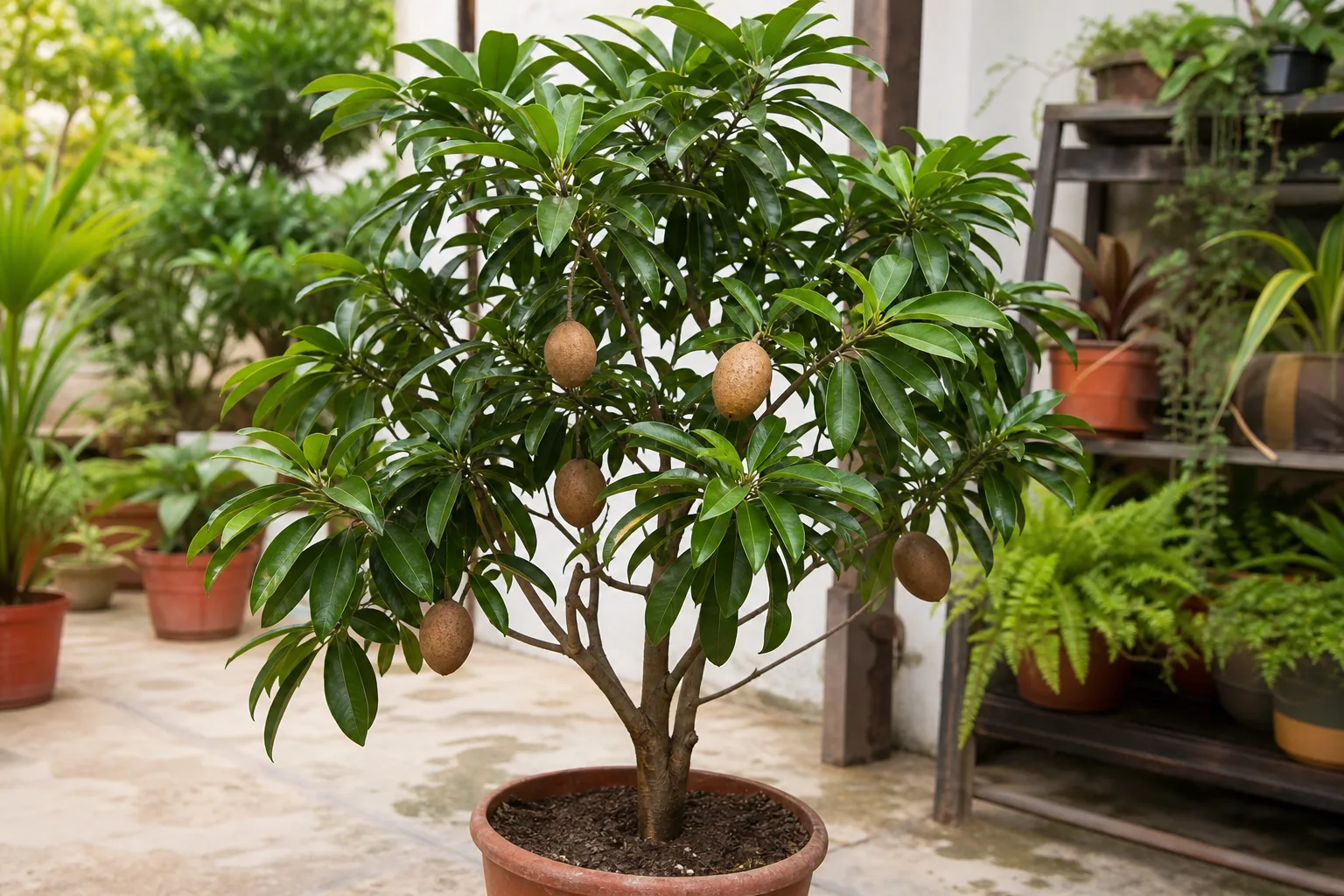
Grow Chikoo in full sun, warm conditions, and freely draining soil. Learn watering, potting, size control, and seed and latex precautions for Manilkara zapota.
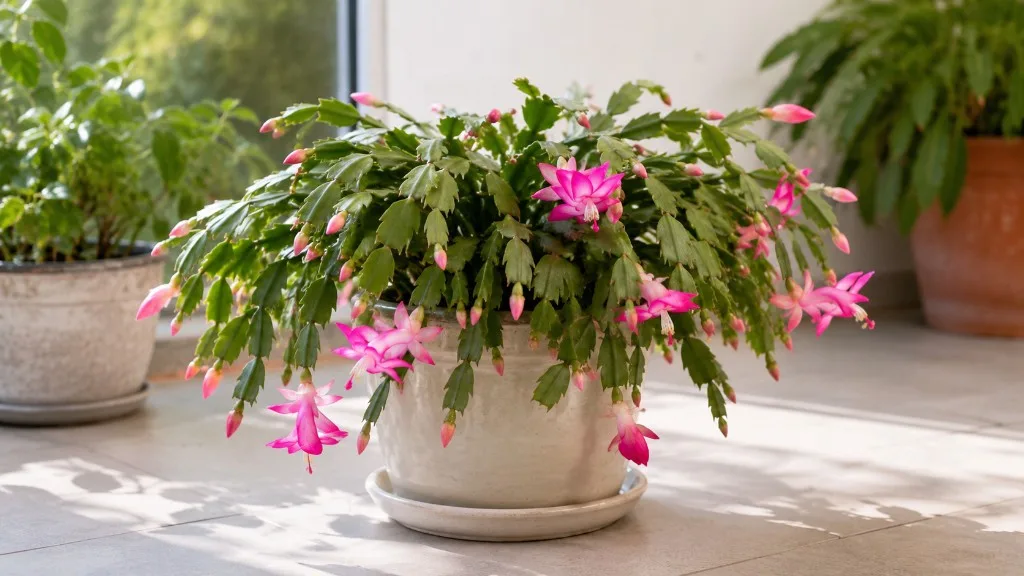
Christmas cactus needs bright indirect light (no direct sun), watering every 7–10 days when the top 2–3 cm is dry, and a 6-week cool dark period (10–13°C nights, 14+ dark hours) in autumn to trigger flowering.
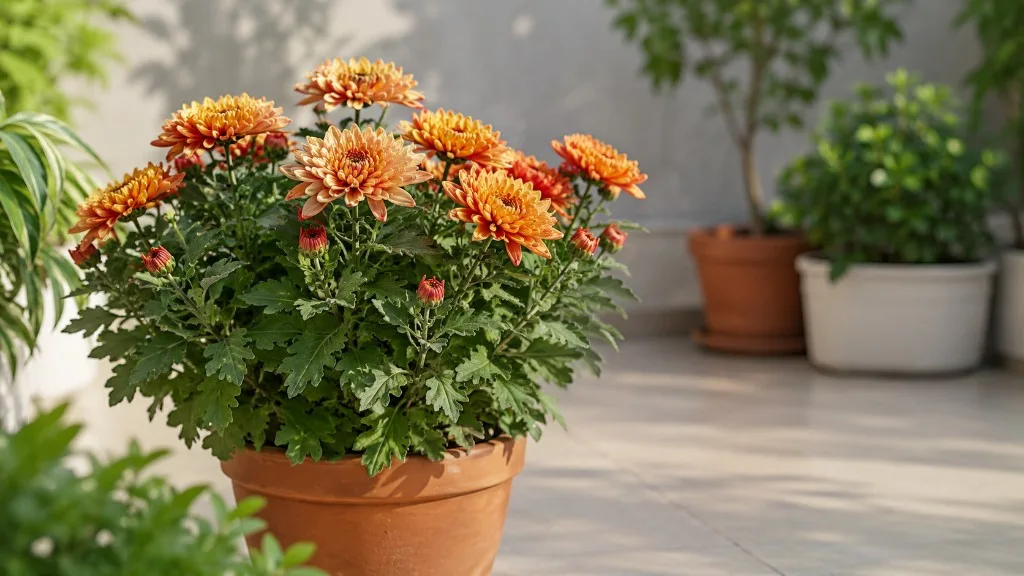
Chrysanthemum needs full sun (5+ hours daily), watering every 5–7 days when the top 2 cm is dry, tip pinching in spring and early summer for bushy growth, and high-potassium feeding once buds form.
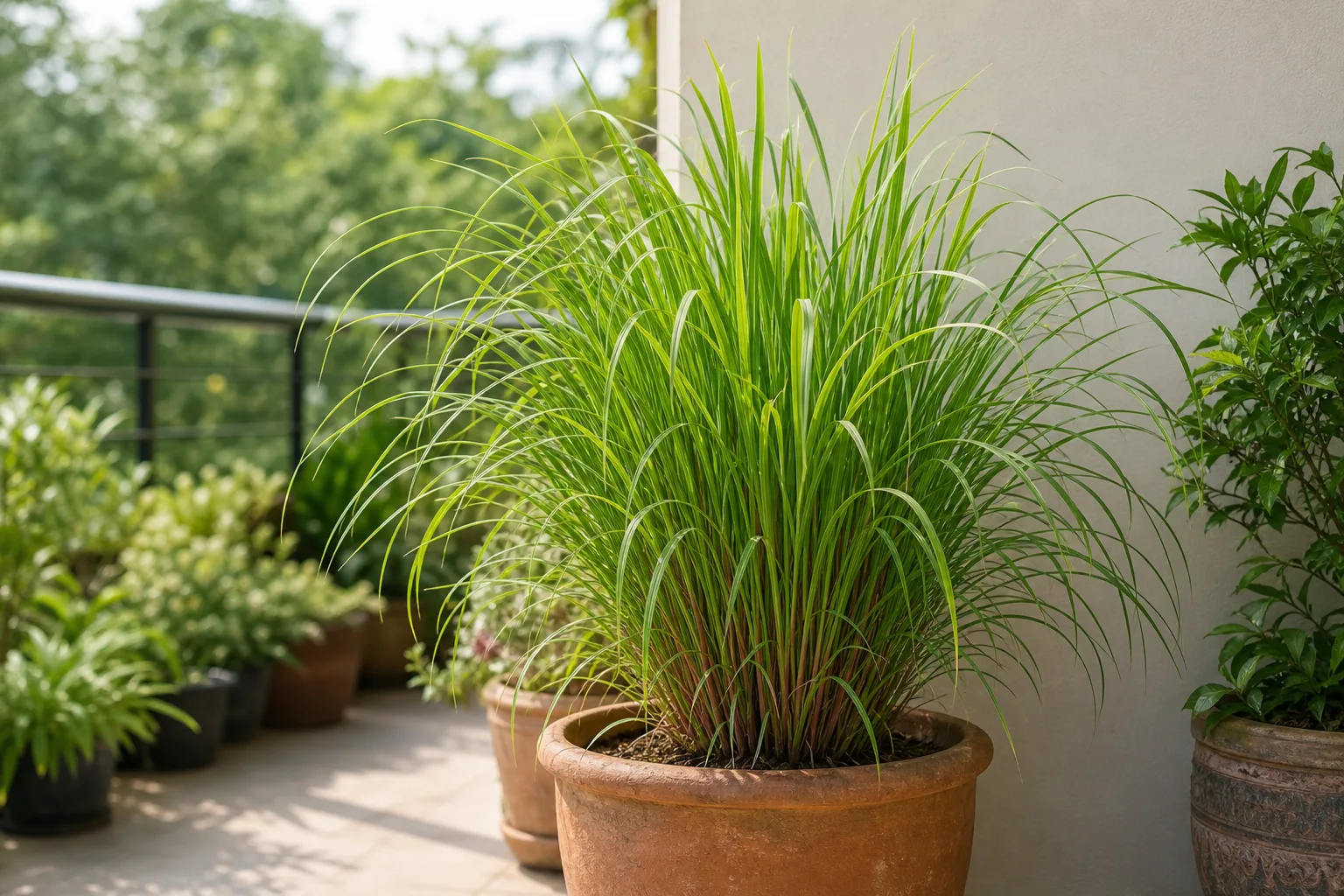
Citronella grass (Cymbopogon nardus) needs full sun, fast-draining sandy-loamy soil, and warm temperatures. Grow Ceylon citronella for fragrance and oil — not culinary lemongrass myths.
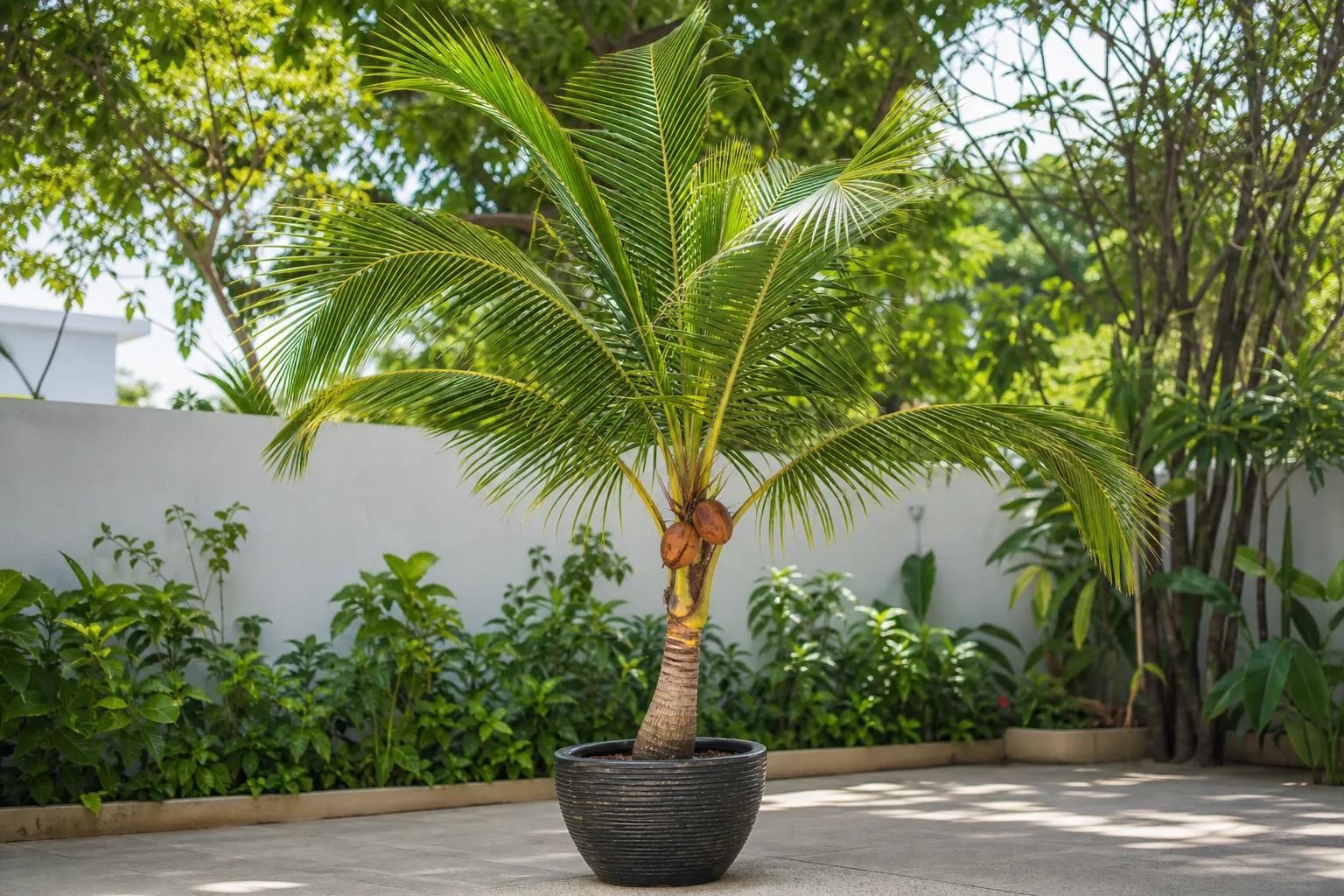
Grow Cocos nucifera in full sun, warm frost-free conditions, and moist well-drained soil. Learn coconut palm watering, potting, feeding, and indoor limits.
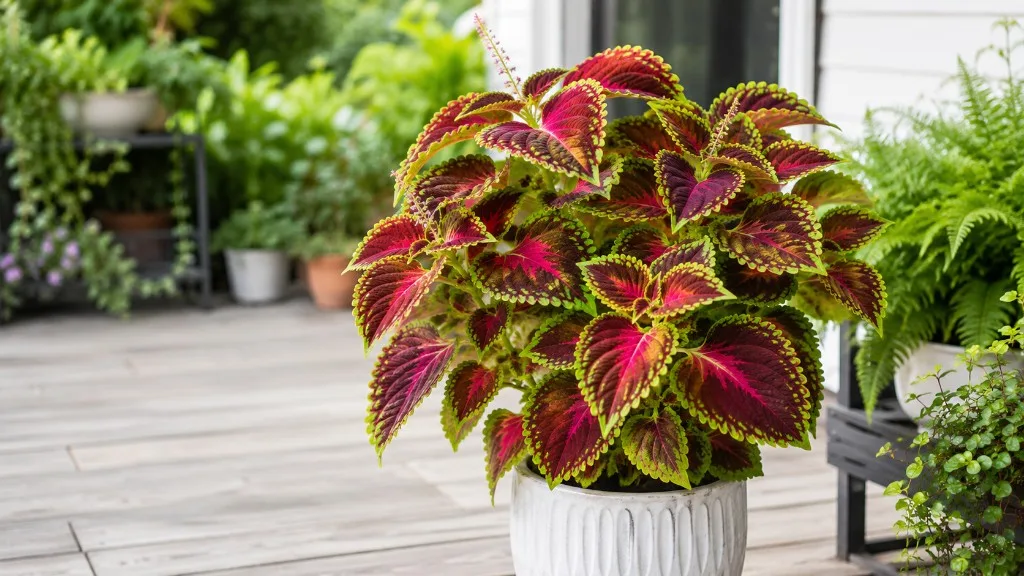
Coleus thrives in bright indirect light, consistently moist soil, and weekly pinching to stay compact and colourful. Remove flower spikes immediately to maintain vibrant leaf colour.
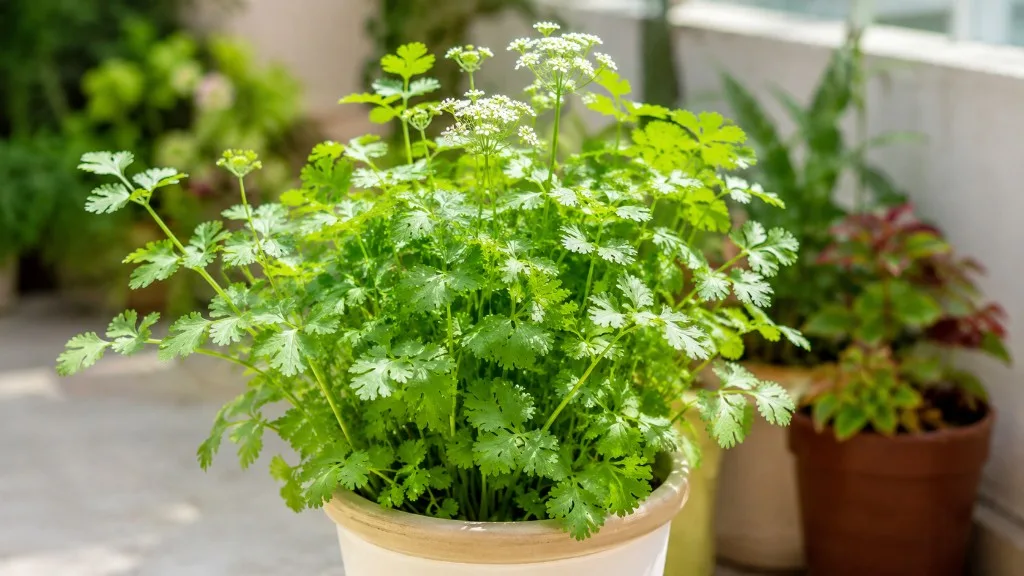
Sow coriander in cool conditions, directly in the final pot. Harvest from 3–4 weeks, sow again every three weeks for continuous supply. Heat triggers bolting - shade afternoon sun and sow in the coolest season available.
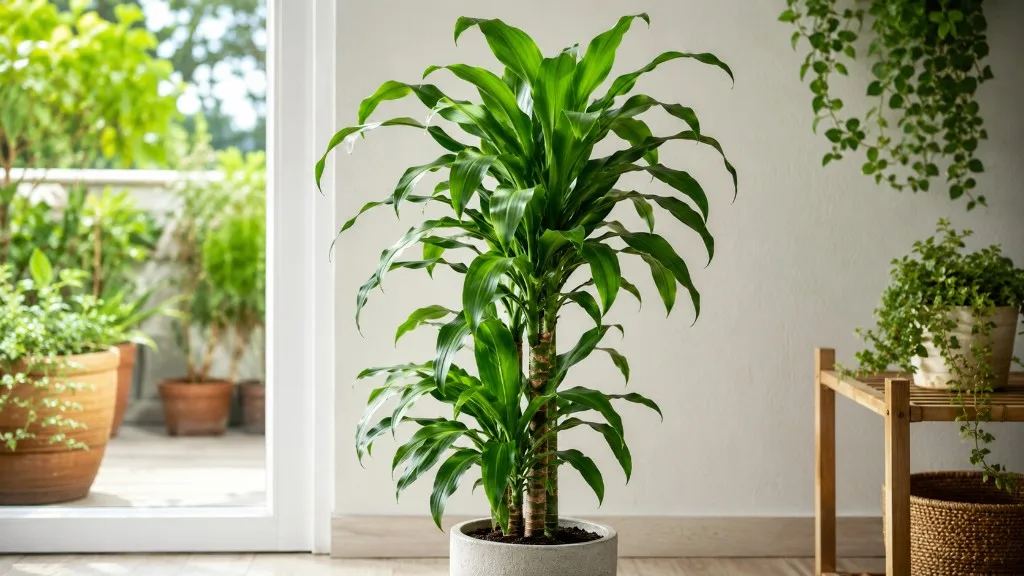
Corn plant tolerates low light and needs watering every 1–2 weeks when the top two inches dry out. Switch to filtered water to prevent fluoride-induced brown tips. Toxic to pets.
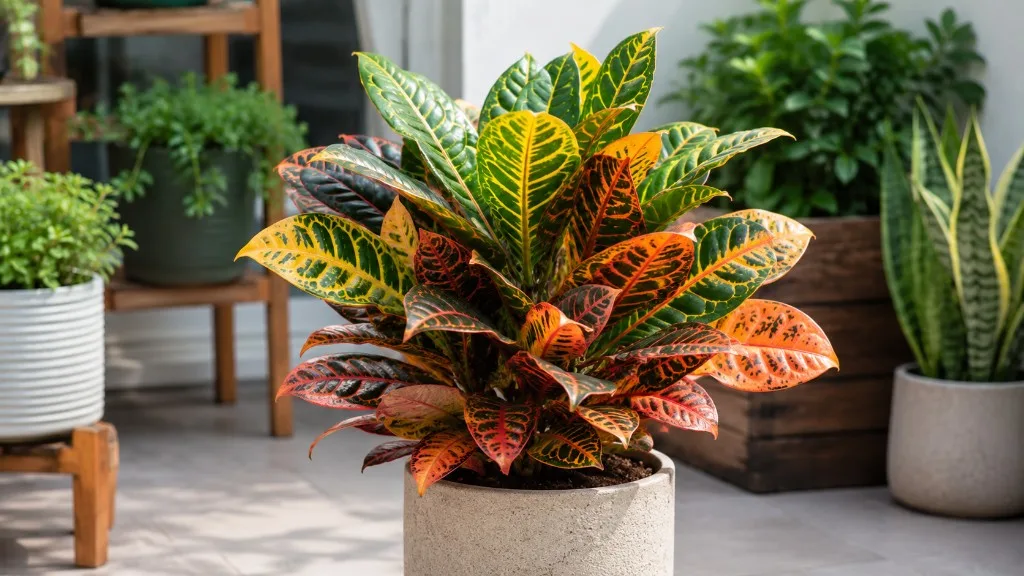
Croton needs the brightest light available to maintain vivid colour. Keep it in a stable position - any move triggers leaf drop. Water when the top inch dries. Toxic to cats and dogs.
Crown of thorns care: bright sun, careful watering, gritty soil, year-round bloom tips, sap safety, and pet toxicity.
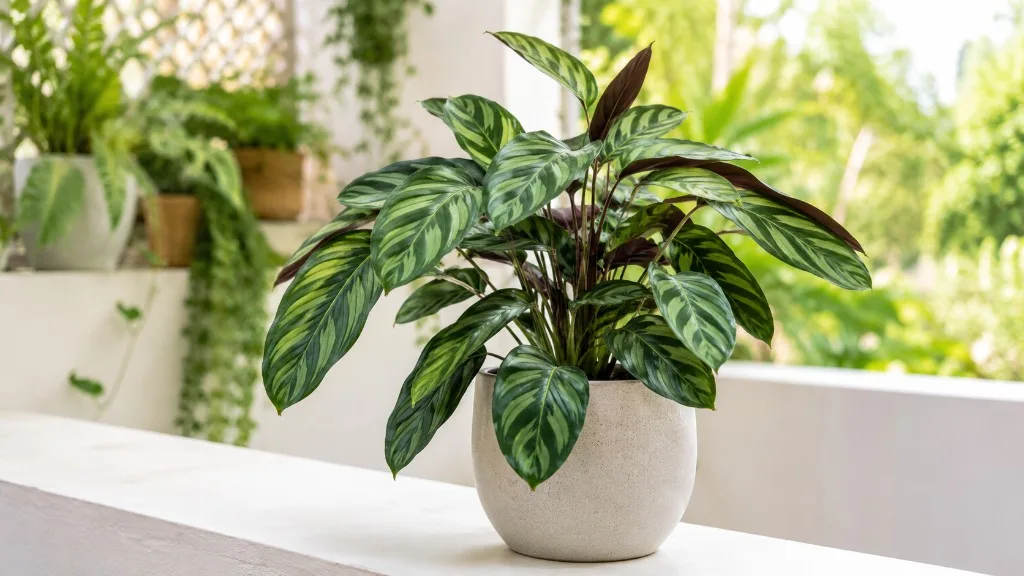
Ctenanthe needs consistent moisture, high humidity (60%+), and filtered water to maintain its fishbone leaf pattern. Curling edges indicate low humidity or underwatering.
Fishbone prayer plant care: bright indirect light, high humidity (at least 60%), filtered water, moist well-draining soil, division propagation. Pet safe.
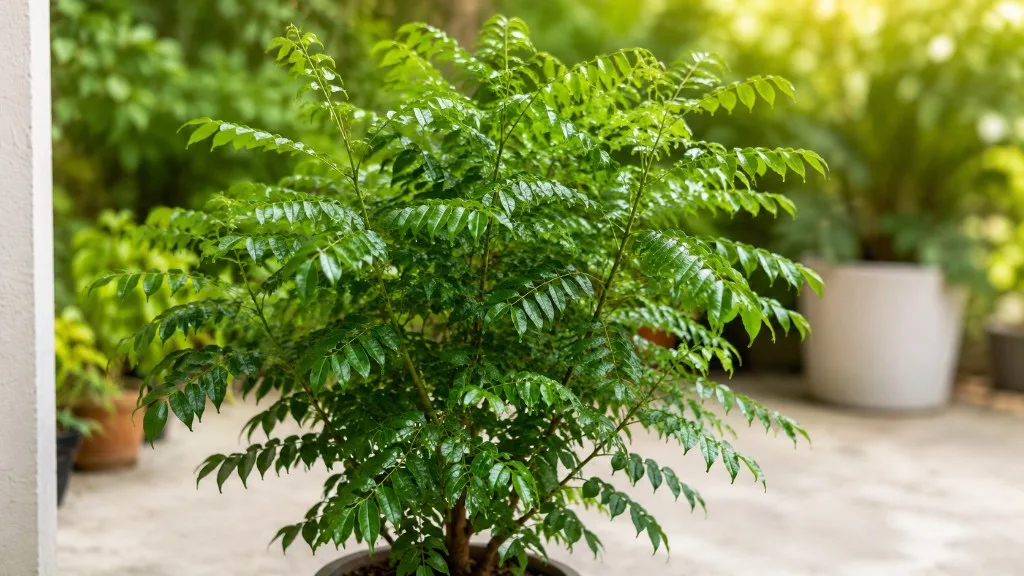
Curry leaf plant needs 6+ hours of direct sun, moderate moisture, monthly fertilizer, and iron supplementation when soil goes alkaline. Winter leaf drop is normal dormancy - the plant returns in spring.
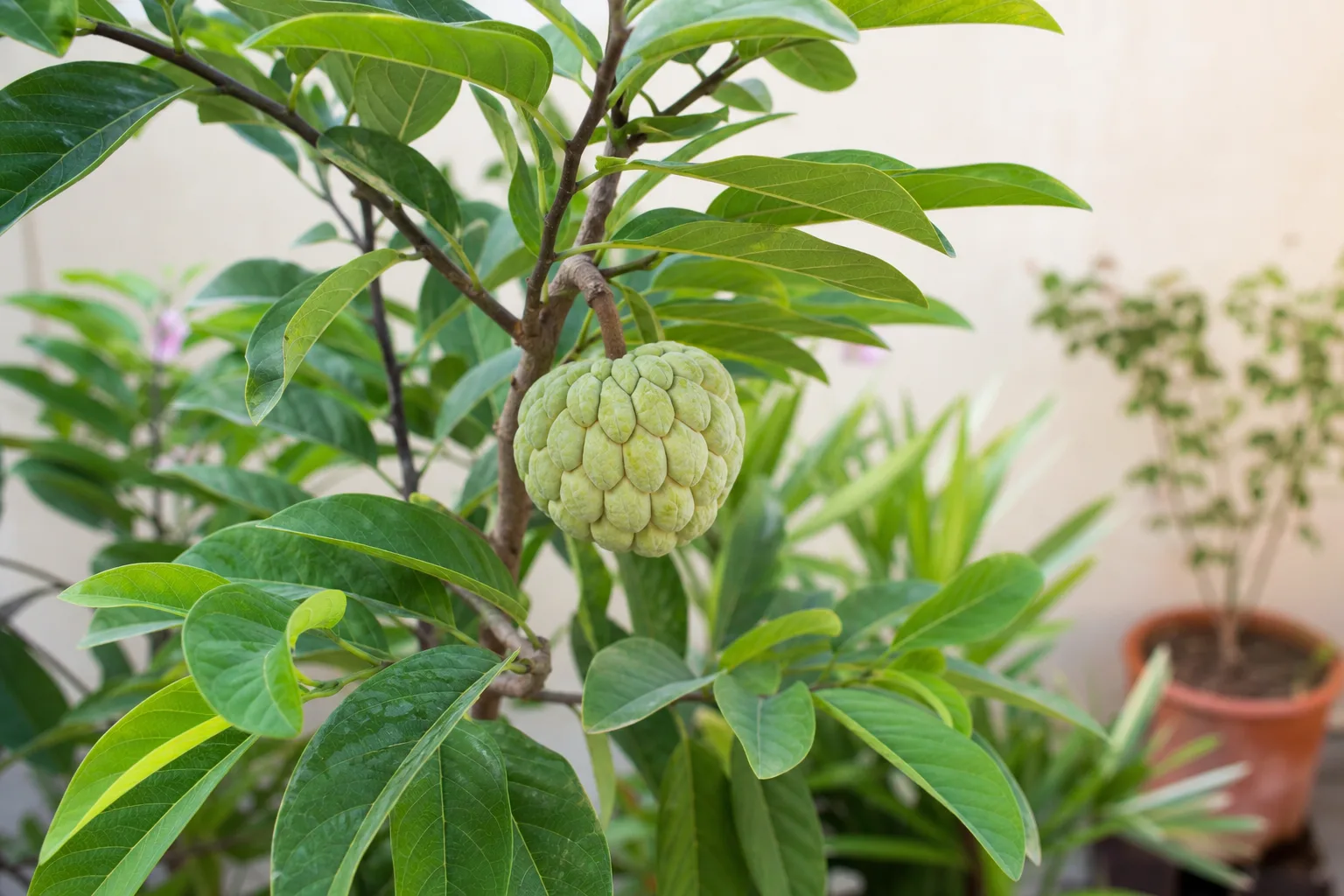
Grow Custard Apple in full sun and free-draining soil. Learn Sitaphal watering, container tips, and why seeds and leaves stay away from pets.
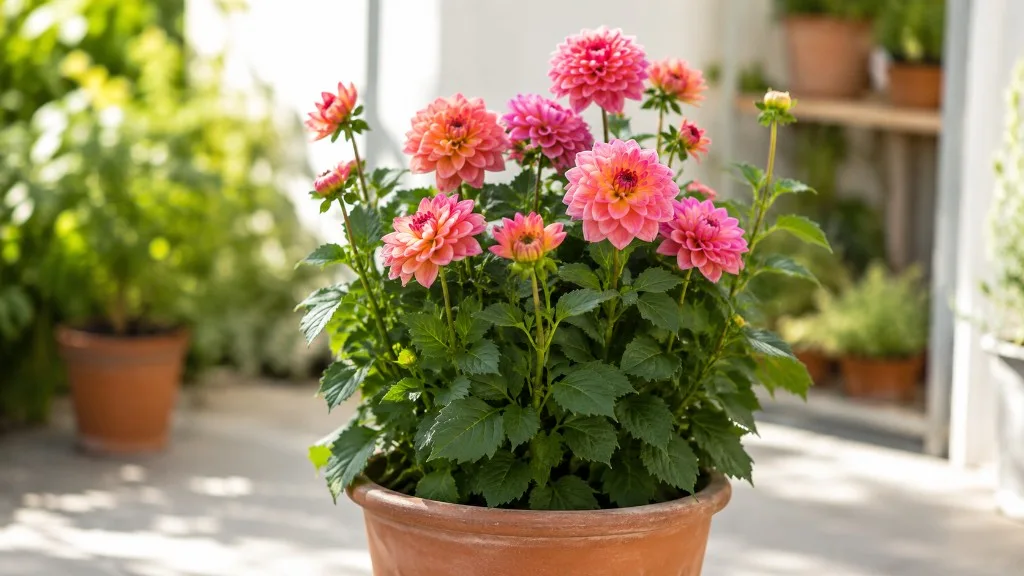
Plant dahlia tubers in warm soil with good drainage. Pinch at 30 cm for more flowers. Feed high potassium from bud stage. Full sun, deadhead regularly, stake tall varieties.
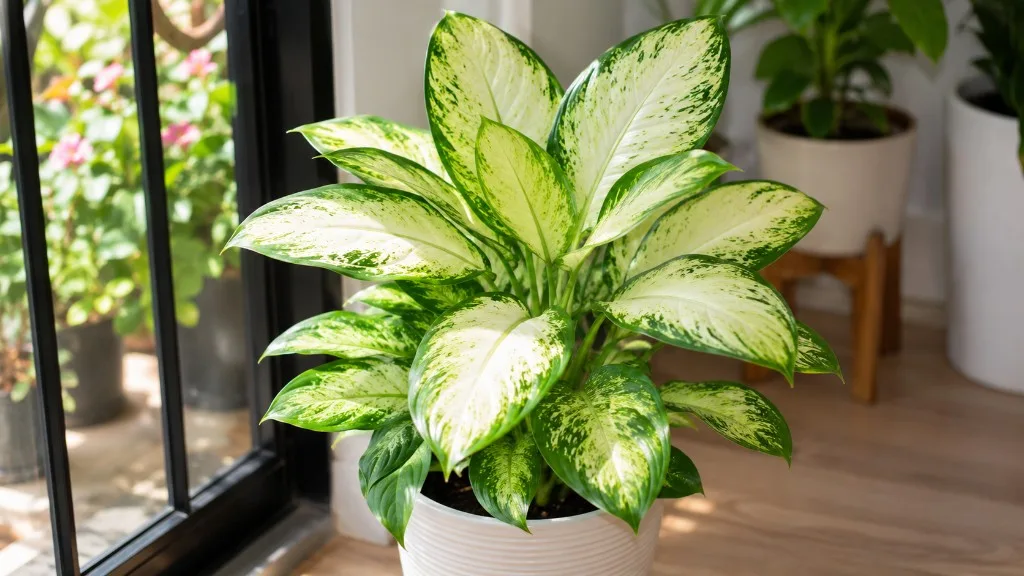
Dieffenbachia tolerates low light and needs watering only when the top inch of soil dries. Always wear gloves - all parts are toxic to cats, dogs, and humans. Handle with extreme caution around children and pets.
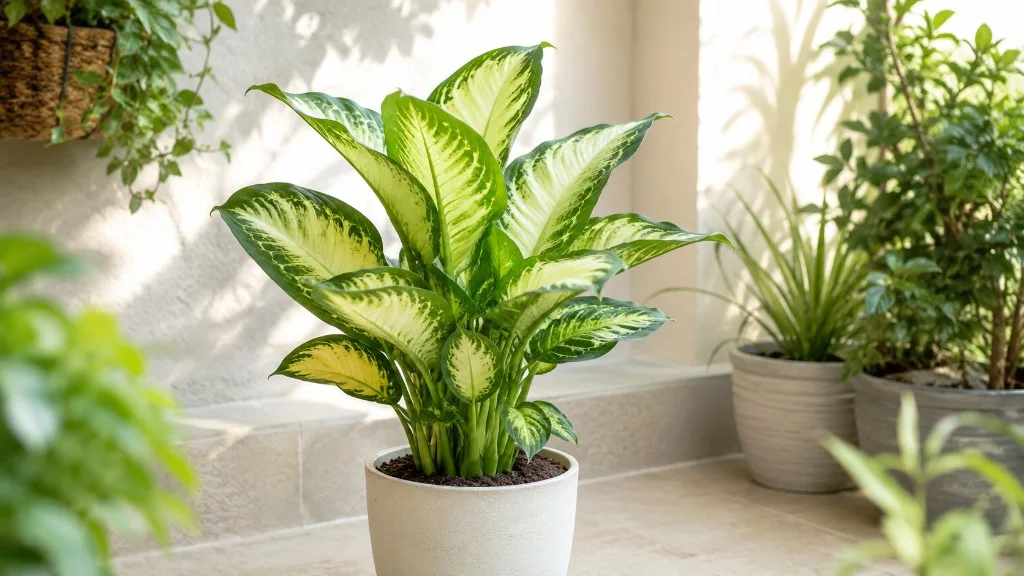
Dieffenbachia Camille needs medium indirect light to maintain cream variegation. Water when top 3–5 cm dries. All parts are highly toxic - handle only with gloves, keep away from children and pets.
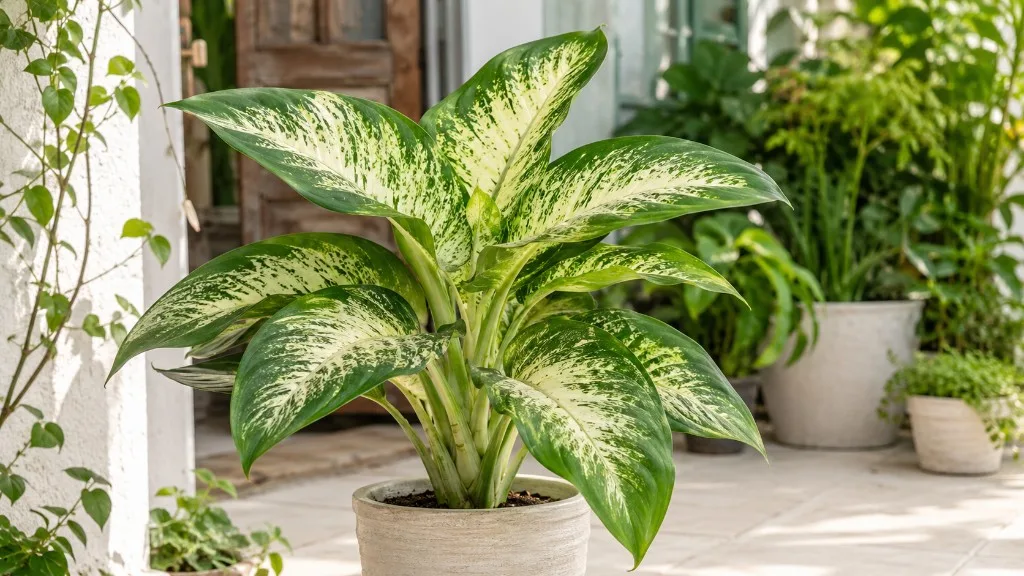
Dieffenbachia Tropic Snow tolerates low light and needs watering every 7–14 days when top 3–5 cm dries. Large leaves benefit from humidity above 50%. Handle with gloves - all parts are toxic.
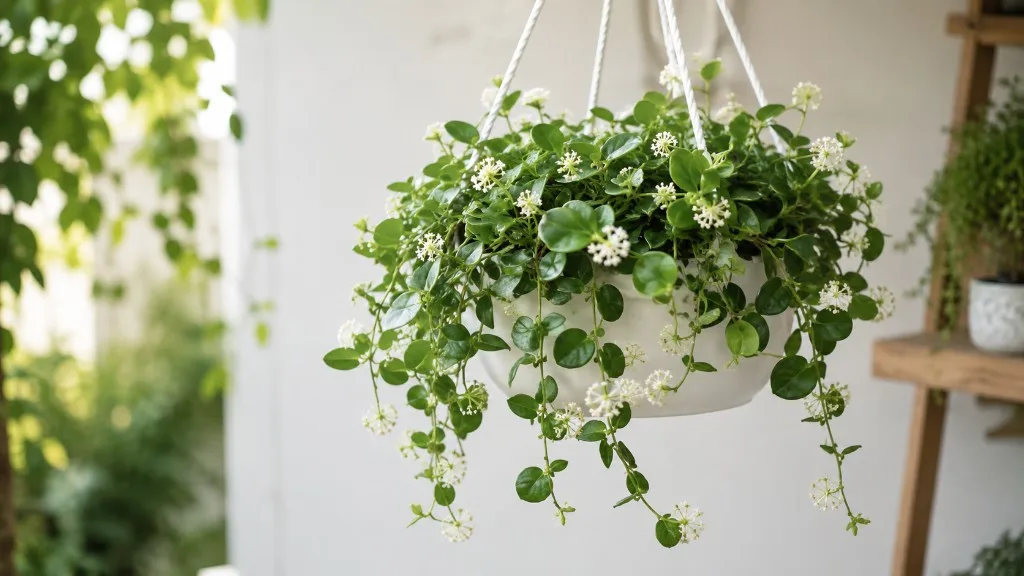
Dischidia is epiphytic - it needs orchid bark mix, very infrequent watering (every 10–14 days), and bright indirect light. Mist foliage between waterings. Never use standard potting soil.
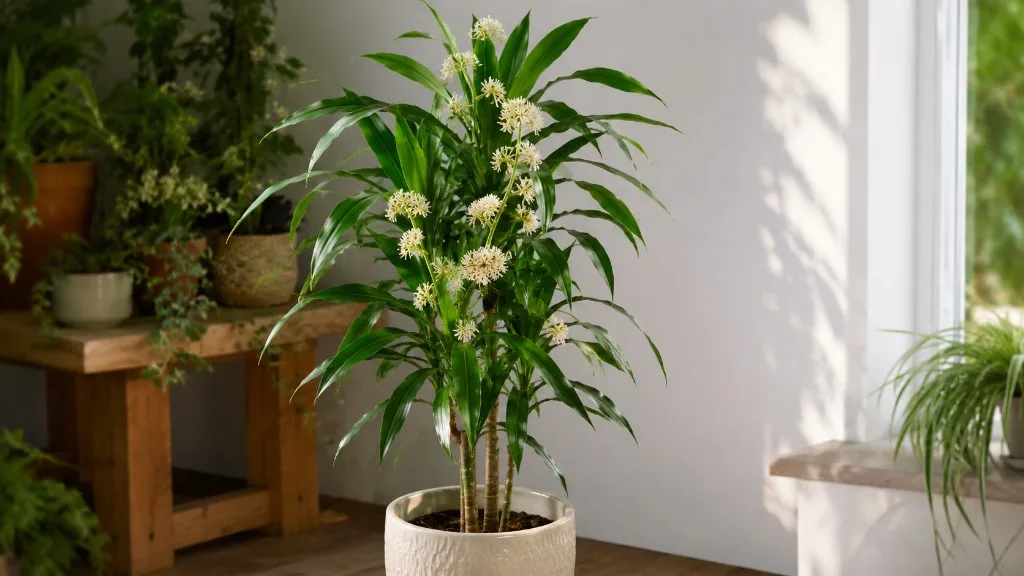
Dracaena thrives in medium indirect light, watered every 7–14 days when the top 2 inches dry. Use filtered water to prevent fluoride-induced brown tips. Toxic to cats and dogs.
Dracaena Compacta (Janet Craig Compact) care: compact corn plant form, bright indirect light, fluoride-safe watering, slow growth, and pet toxicity.
Dracaena Lemon Lime care: bright indirect light for chartreuse stripes, fluoride-safe watering, deremensis cultivar tips, propagation, and pet toxicity.
Dracaena marginata (Madagascar dragon tree) care: bright indirect light, fluoride-safe watering, slim cane pruning, propagation, and pet toxicity.
Dracaena reflexa (Song of India) care: bright indirect light for variegation, moderate watering, humidity, stem-cut propagation, and pet toxicity.
Dracaena Warneckii care: white-striped deremensis cultivar, low-light tolerance, fluoride-safe watering, propagation, and pet toxicity.
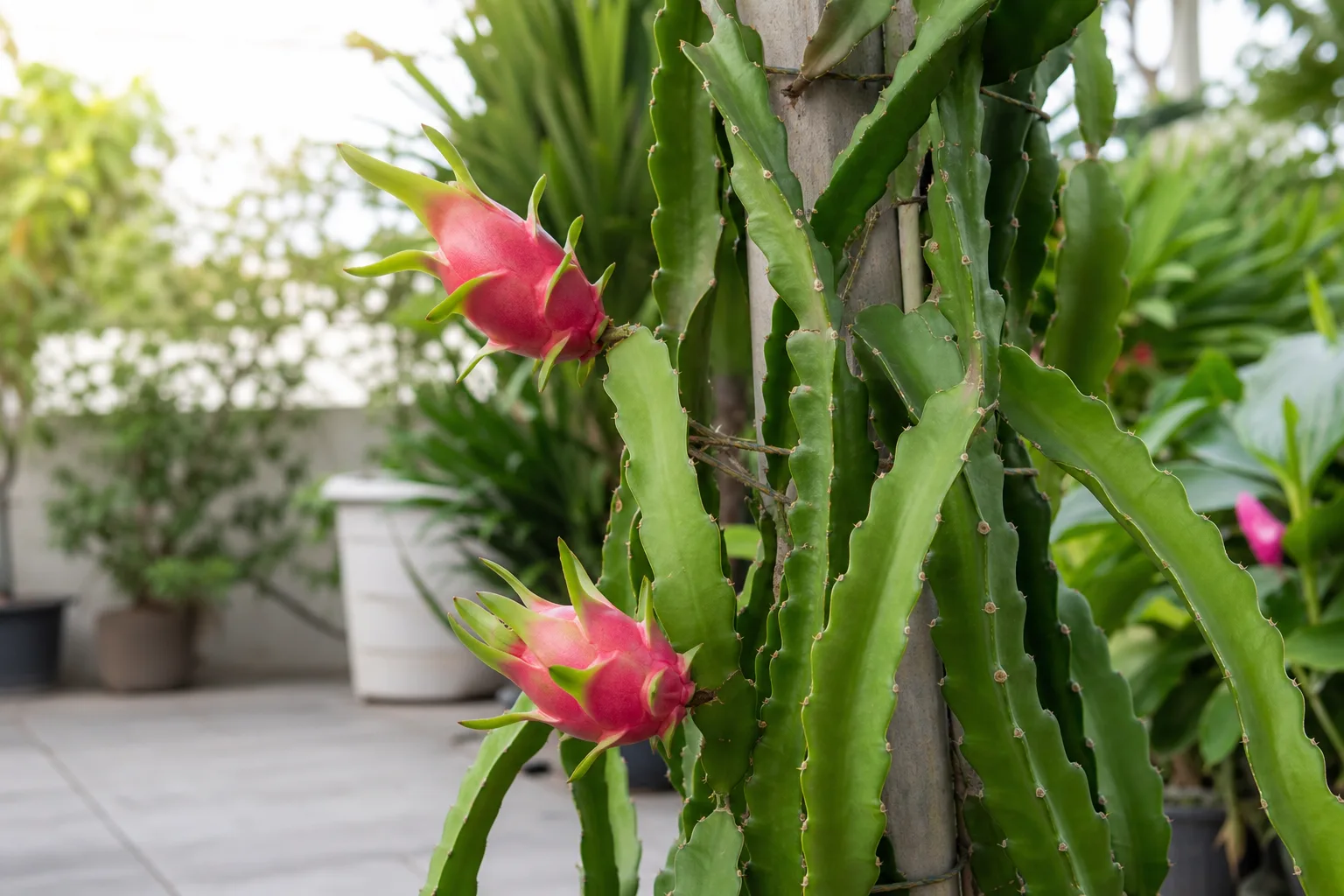
Grow dragon fruit in full sun on a sturdy trellis with free-draining soil. Learn watering for bloom and fruit, pruning, hand pollination, and container tips for Selenicereus undatus.
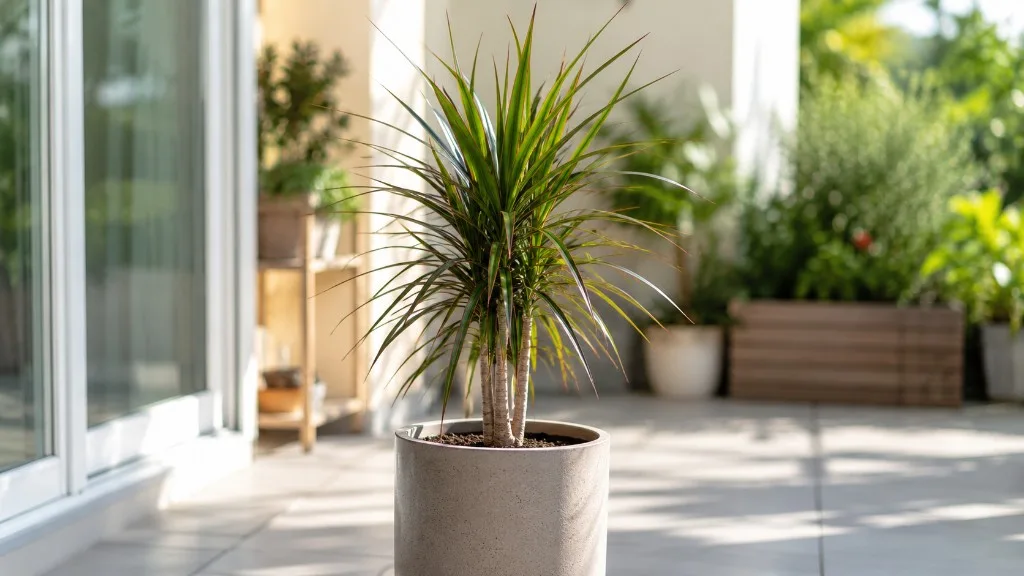
Dragon tree tolerates low light and irregular watering. Avoid fluoride-rich tap water to prevent brown tips. Allow top half of soil to dry before watering. Slow-growing but very long-lived.
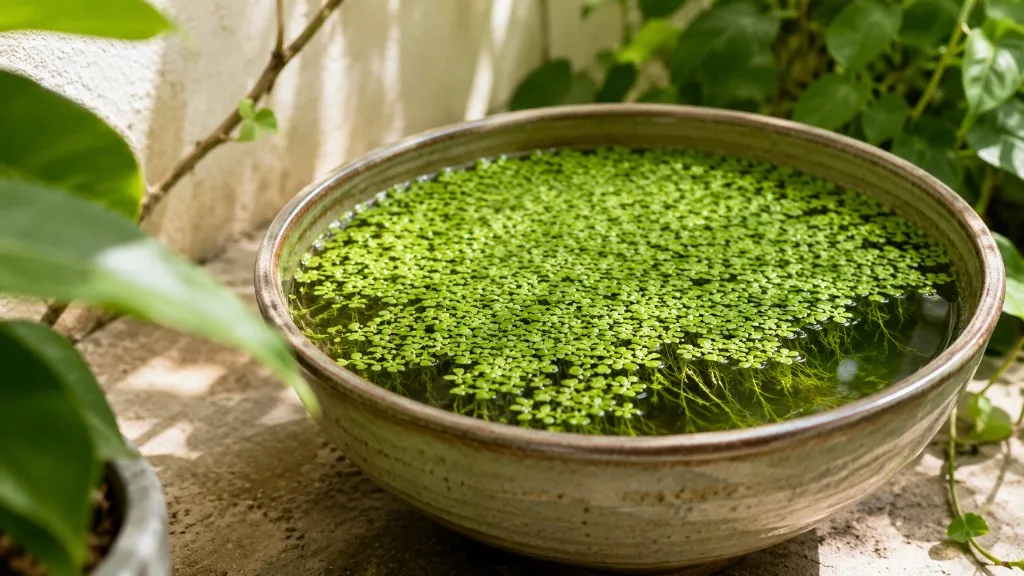
Duckweed is sometimes used in turtle feeding from clean water, but LeafyPixels treats it as a cautious reptile-specific candidate rather than a universal safe-plant approval. Tortoises, if offered any, should get only very small amounts.
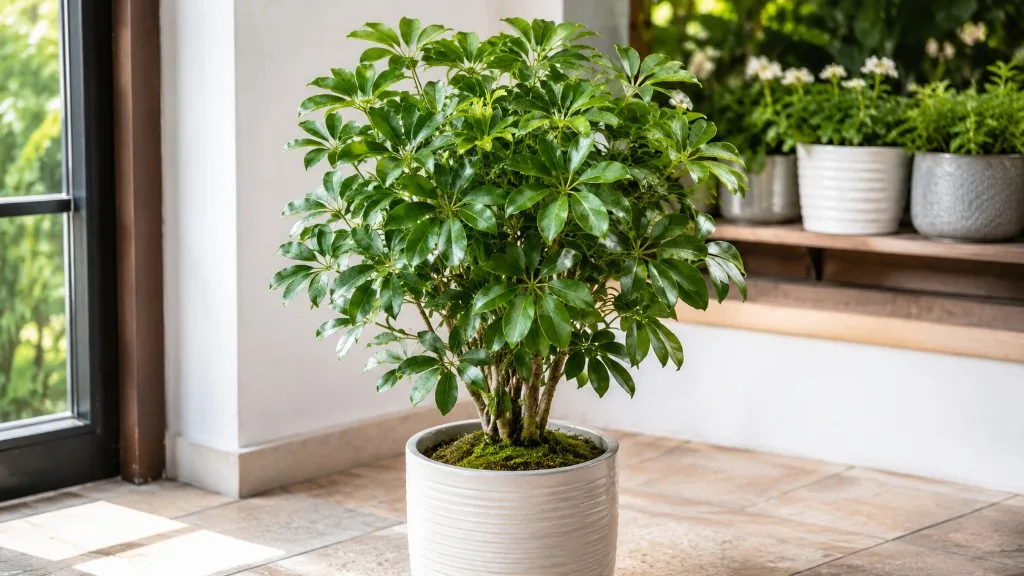
Dwarf umbrella tree needs bright indirect light to avoid legginess. Allow top half of soil to dry before watering to prevent root rot. High humidity deters spider mites. Toxic to pets.
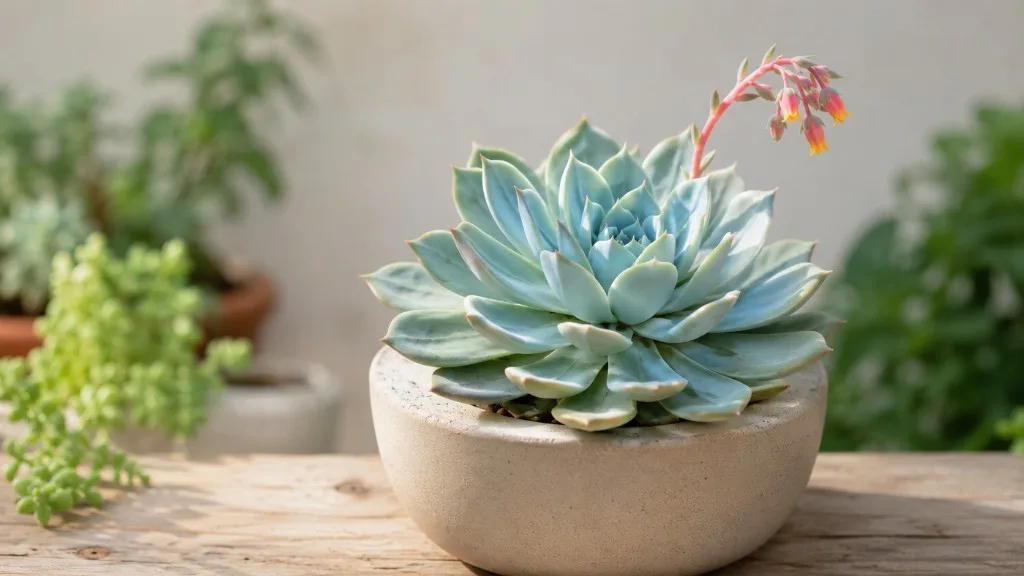
Echeveria needs maximum bright light to maintain tight rosette form. Water thoroughly then let soil dry completely before watering again. Never mist leaves. Propagate easily from individual leaves.
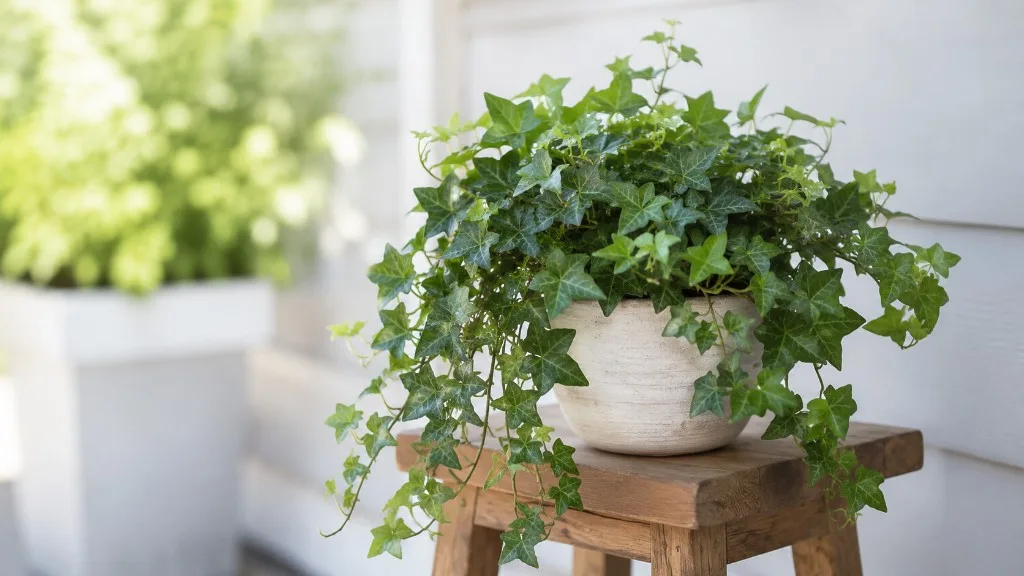
English ivy prefers cool, bright indirect light. Keep humidity high to suppress spider mites - the primary indoor pest. Water when top inch dries. Toxic to pets.
Epipremnum pinnatum care: blue-green leaves, moss pole fenestration, watering, light, propagation, vs Cebu Blue cultivar, pet toxicity.
Euphorbia trigona care: triangular stem succulent, bright light, infrequent watering, sap safety, propagation, and pet toxicity.
Fairy Castle Cactus care guide for indoor growers: light, watering, gritty soil, seasonal timing, repotting, propagation, and warning signs.
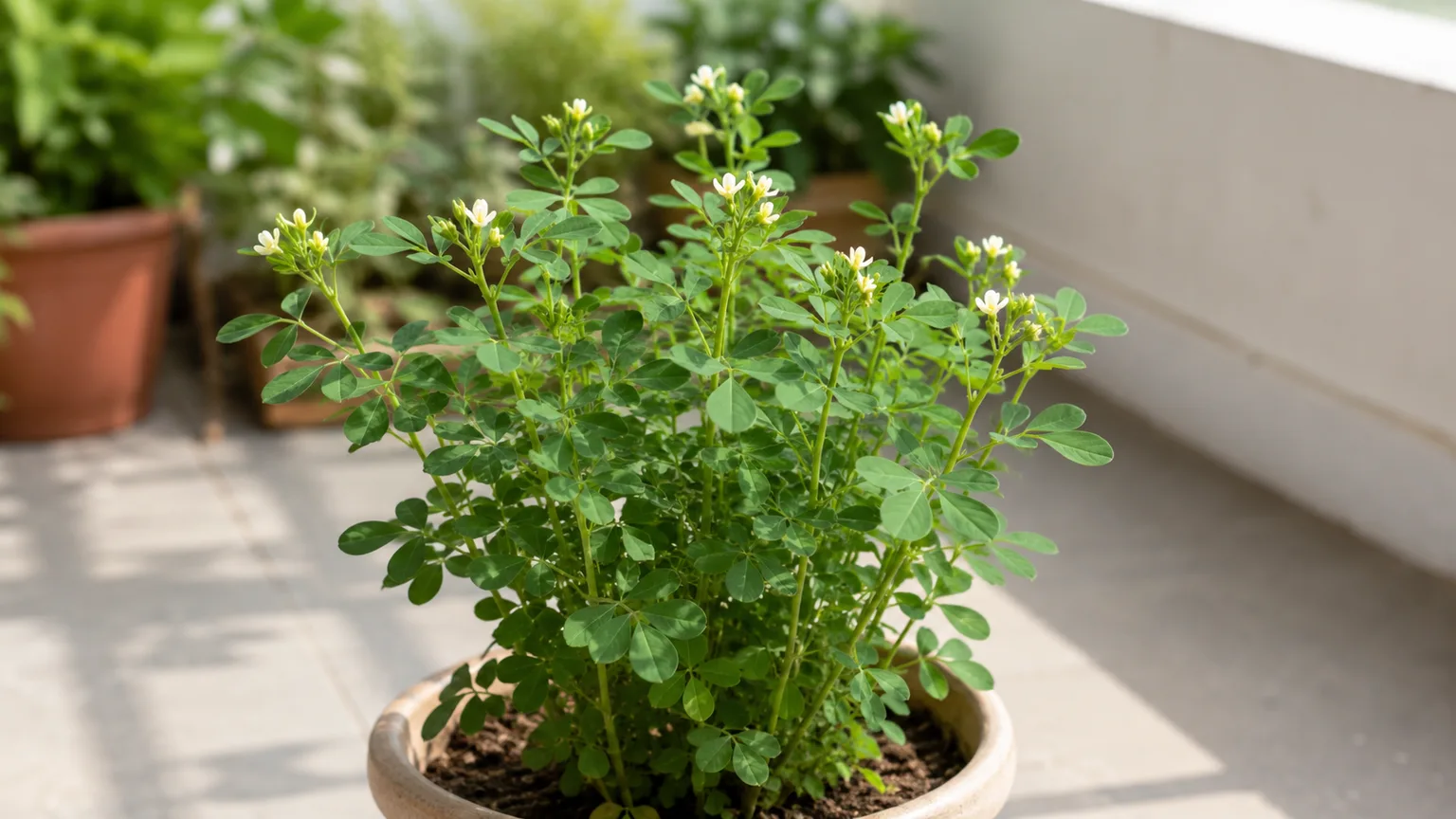
Grow fenugreek for tender methi leaves or mature spice seed with direct sowing, full sun, well-drained soil, and crop-specific harvesting.
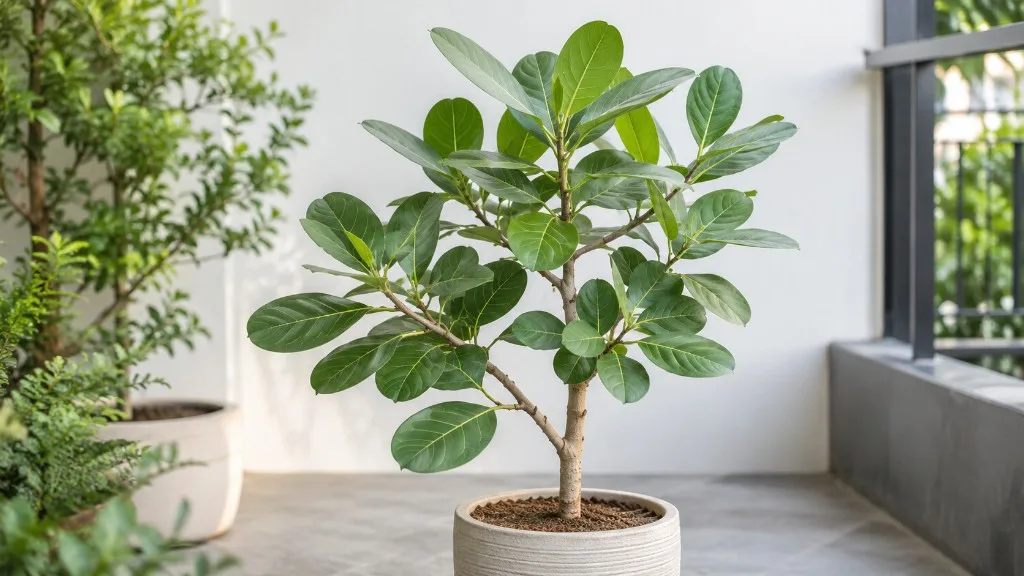
Ficus Audrey is more forgiving than fiddle leaf fig. Needs bright indirect light. Water when top inch dries. Wipe velvety leaves monthly. Toxic to pets.
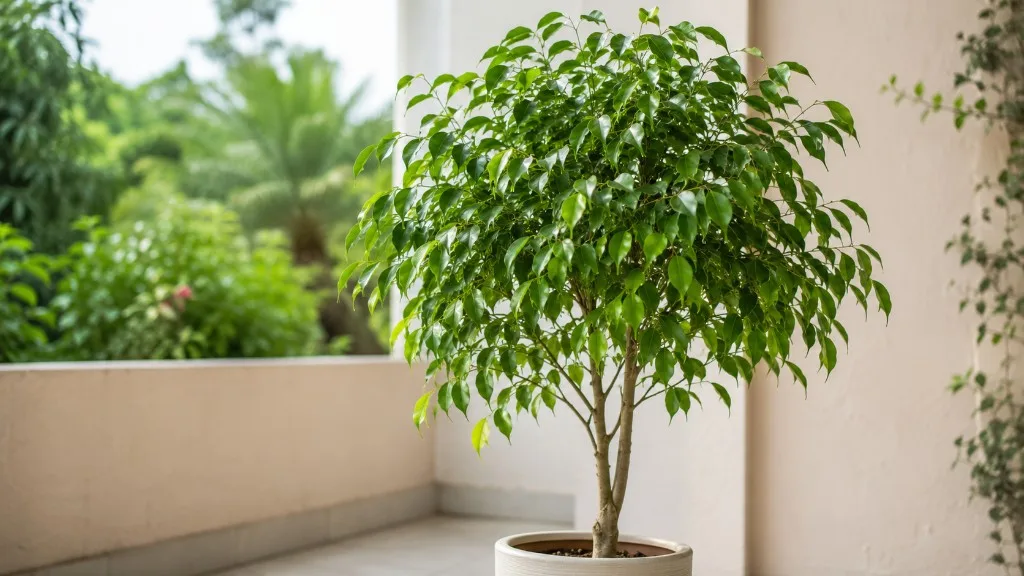
Ficus benjamina: find the right position and never move it. Water consistently when top inch dries. Leaf drop from any change is normal - stabilise conditions and new growth follows.
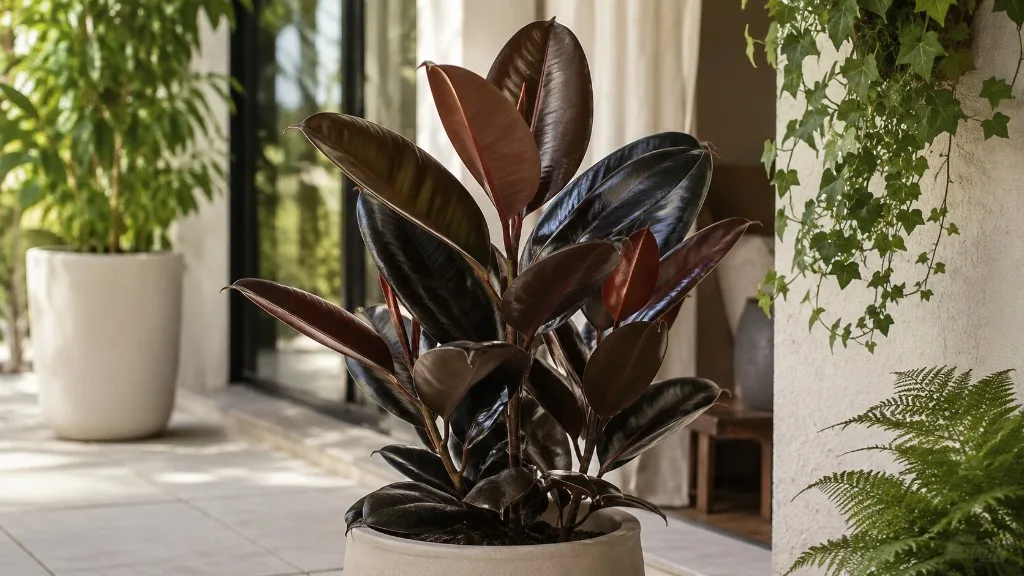
Ficus Burgundy needs bright light to maintain deep colour - in low light leaves turn muddy green. Water when top inch dries. Wipe waxy leaves monthly. Toxic to pets.
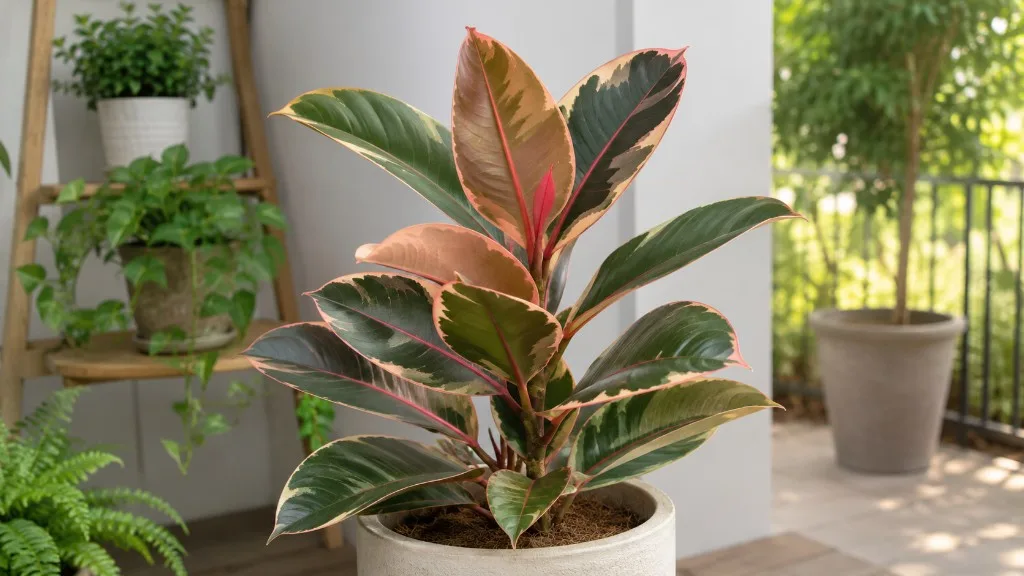
Ficus Ruby needs maximum bright light to maintain pink and cream variegation. Standard rubber plant watering: top 2–3 cm dry before watering. Clean leaves monthly for best colour.
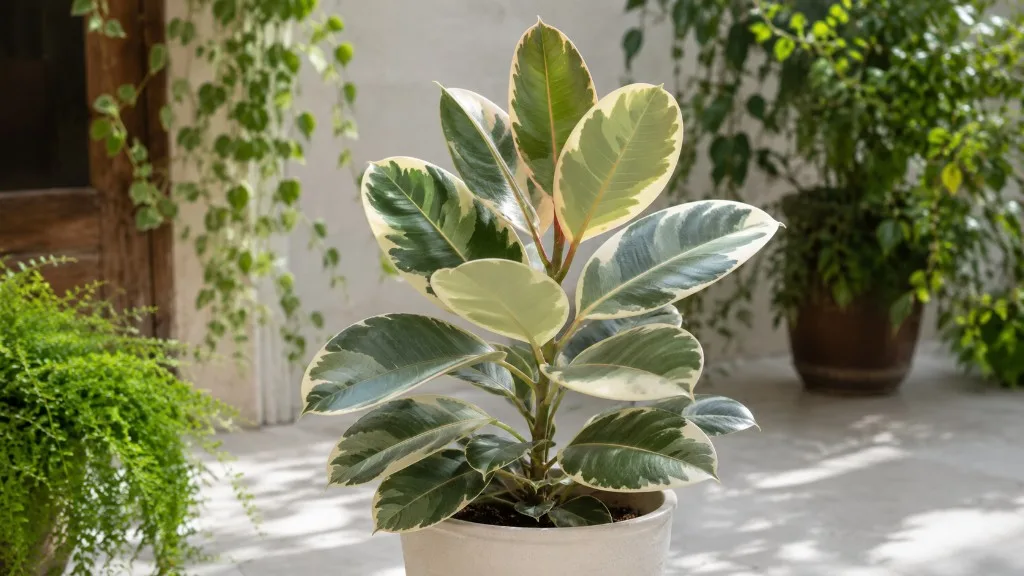
Ficus Tineke needs bright light for cream-and-green variegation. Cream sectors are vulnerable - maintain humidity above 50%. Water when top 2–3 cm dries. Temporary pink in new growth is normal.
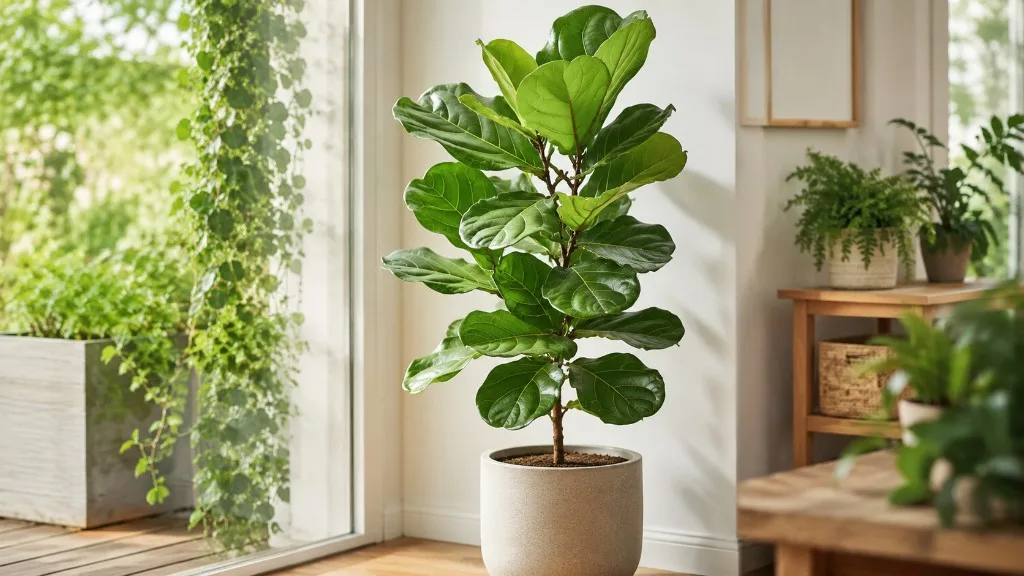
Fiddle leaf fig needs stable bright indirect light and consistent watering. Two types of brown spots: root rot (edge-inward, soft) and sunburn (papery, anywhere). Never move the plant unnecessarily.
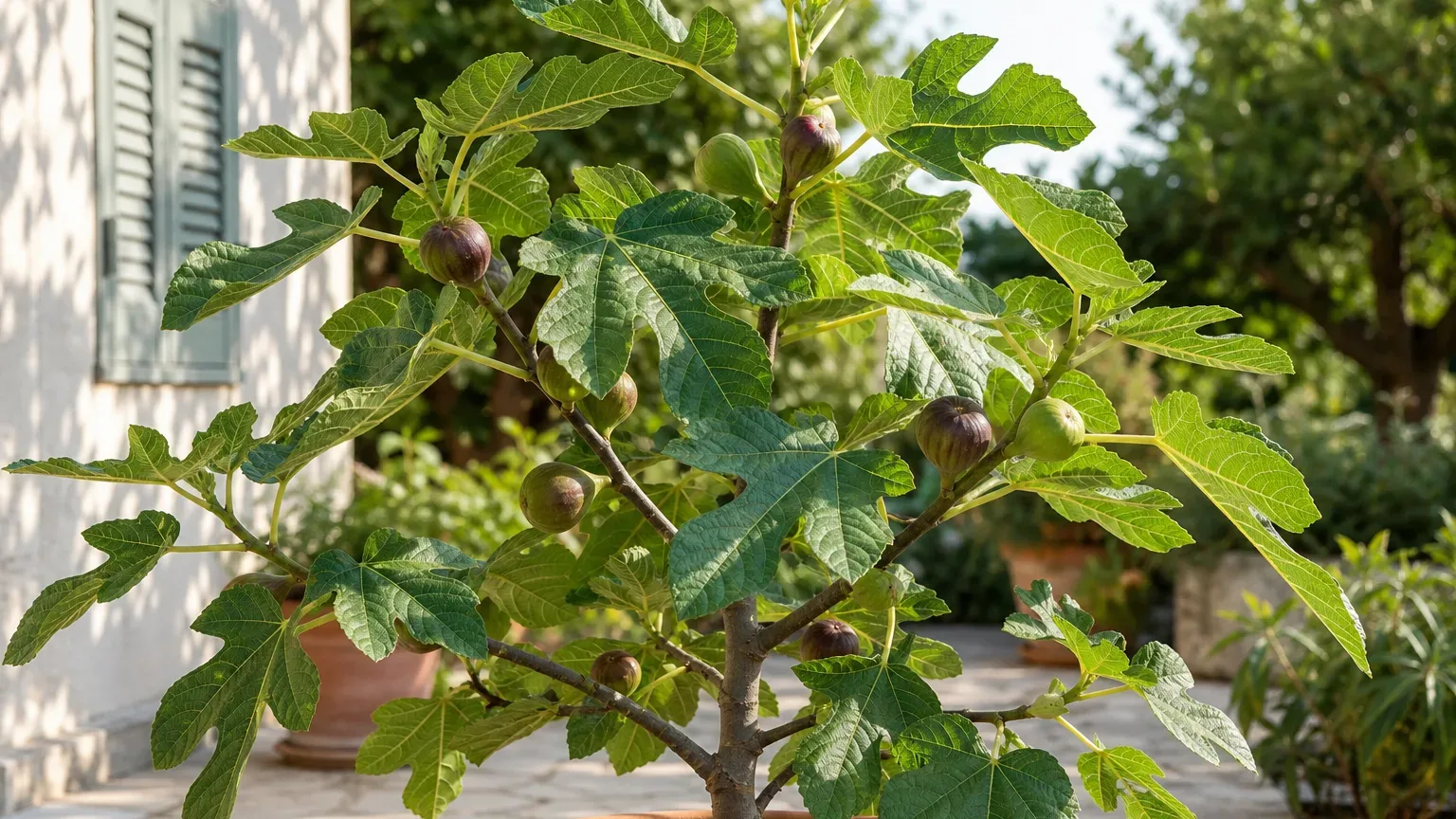
Grow common fig in full sun and well-drained soil. Learn when to water container figs, support fruiting, overwinter plants, and handle irritating latex safely.
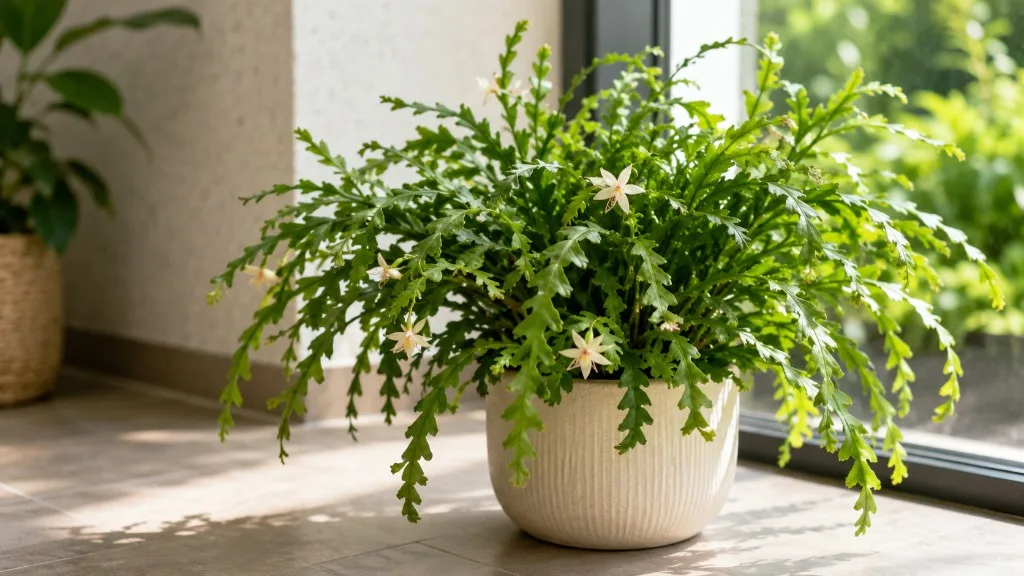
Fishbone cactus is a cloud forest epiphyte - needs more water than desert cacti. Bright indirect light. Reduce watering in autumn to trigger spectacular nocturnal flowers.
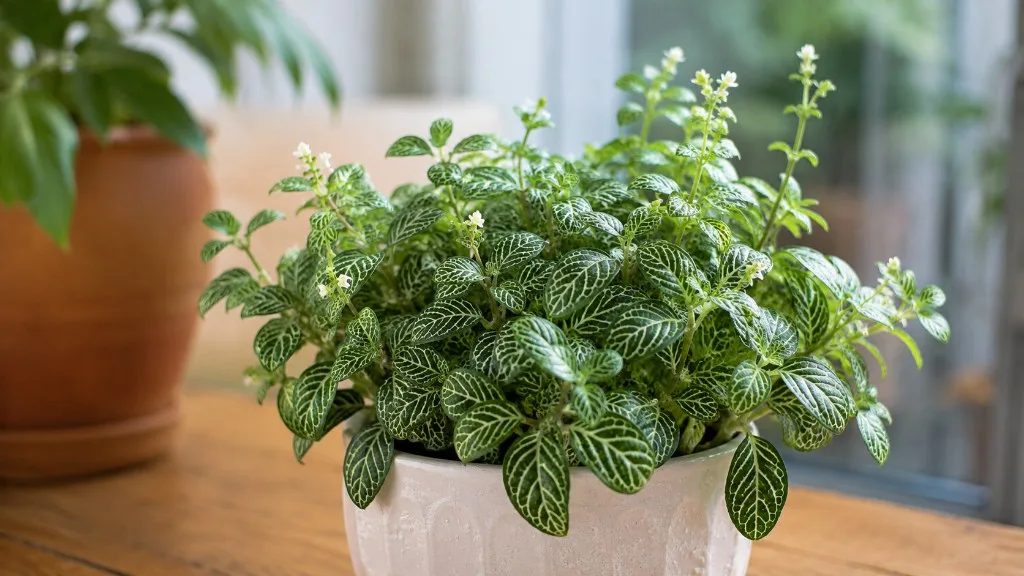
Fittonia wilts dramatically when thirsty but recovers quickly. Keep humidity high - dry air causes permanent leaf margin browning. Prefers lower light than most houseplants. Excellent terrarium plant.
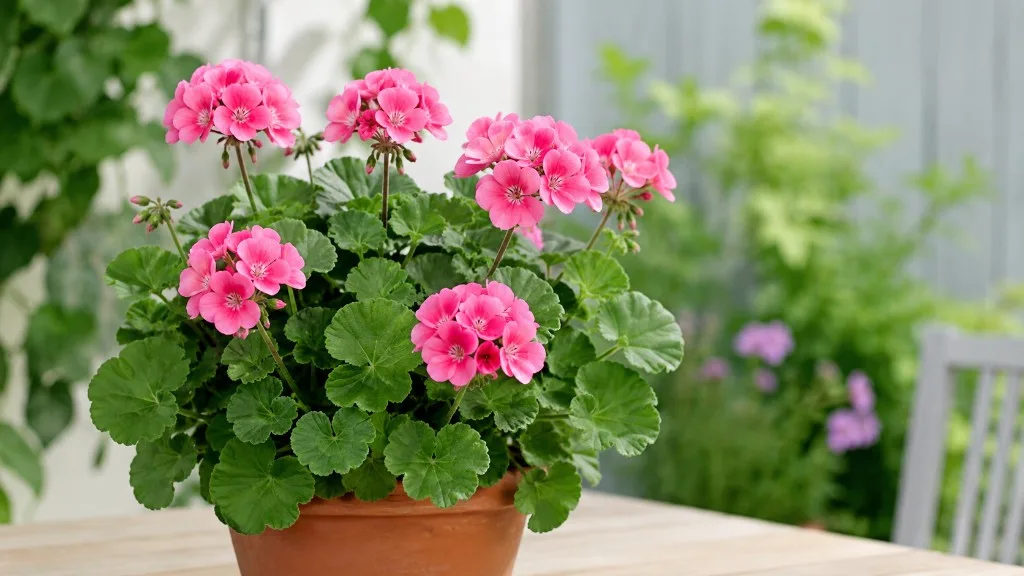
Geraniums need full sun and regular deadheading for continuous blooms. Water when top inch dries and drain well. Protect from frost in winter. High-potassium feed for more flowers.
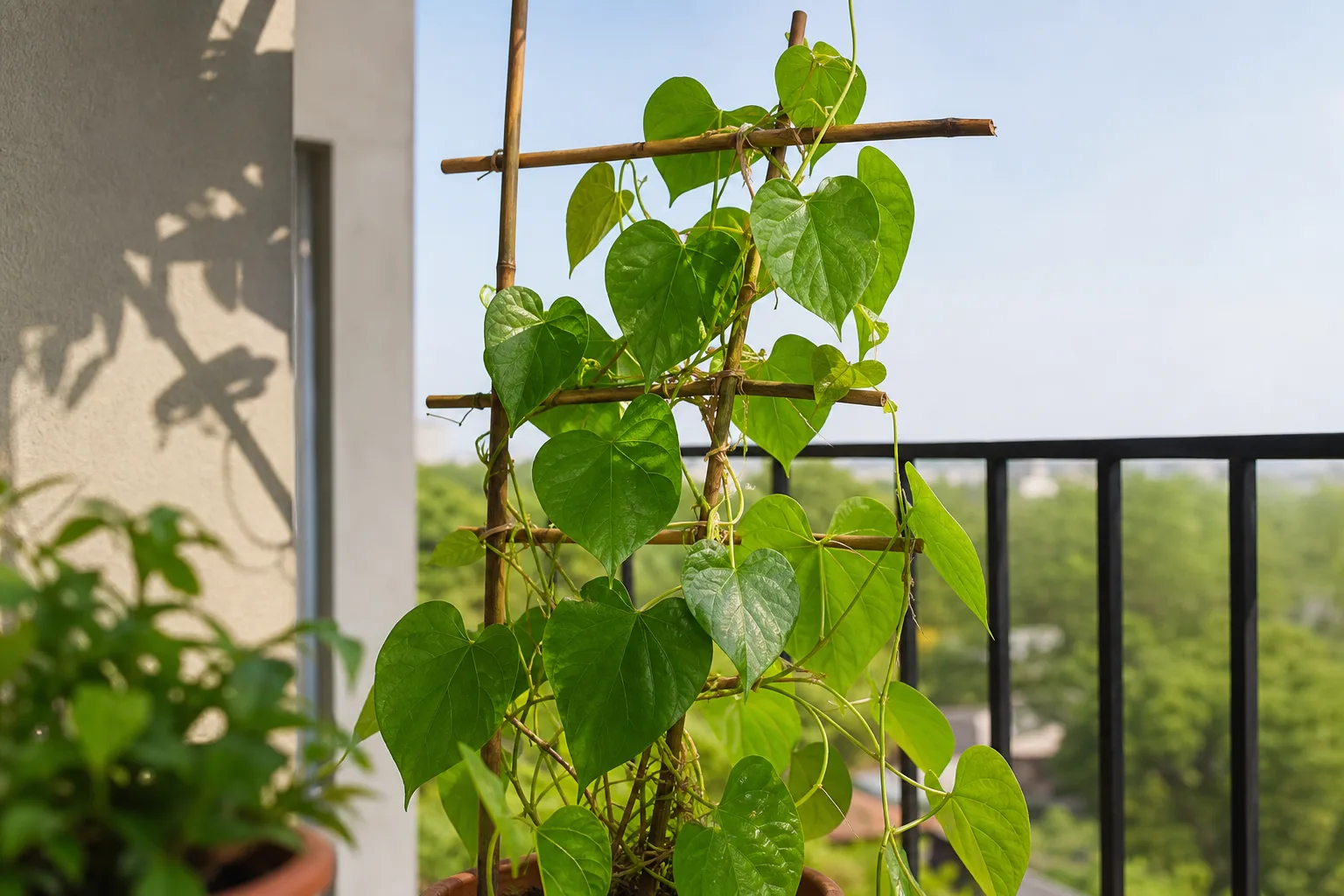
Giloy needs bright sun, a trellis, and well-draining soil that dries slightly between waterings. Learn how to grow this Ayurvedic climbing vine in pots and gardens across India.
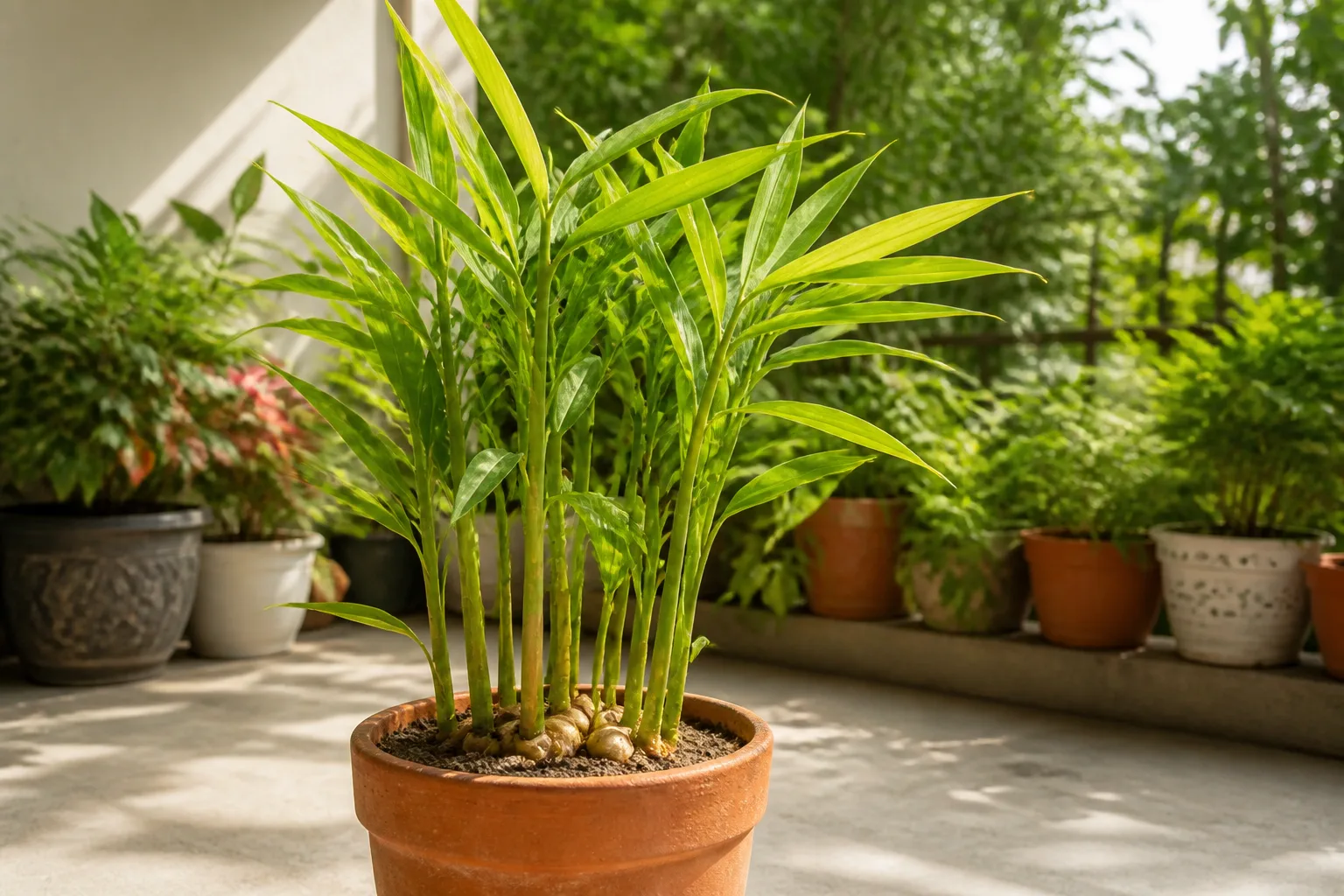
Ginger needs partial shade, rich moist well-drained soil, and steady watering after sprouts appear. Grow Adrak (Zingiber officinale) in warm Indian climates; protect below 10°C.
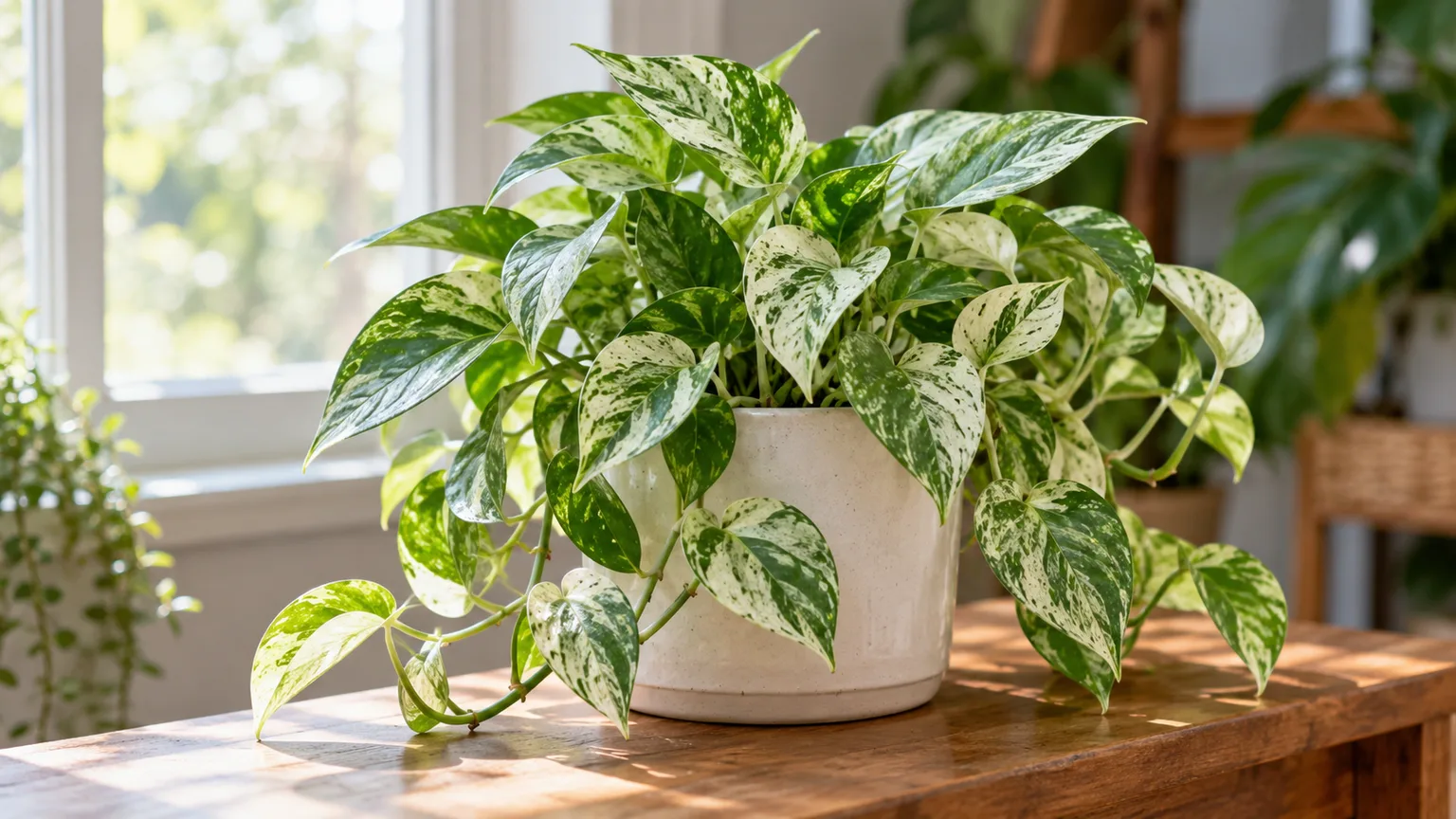
Glacier pothos care: small silvery-variegated leaves, bright indirect light, watering rhythm, how it differs from N'Joy and Pearls and Jade, propagation, and pet safety.
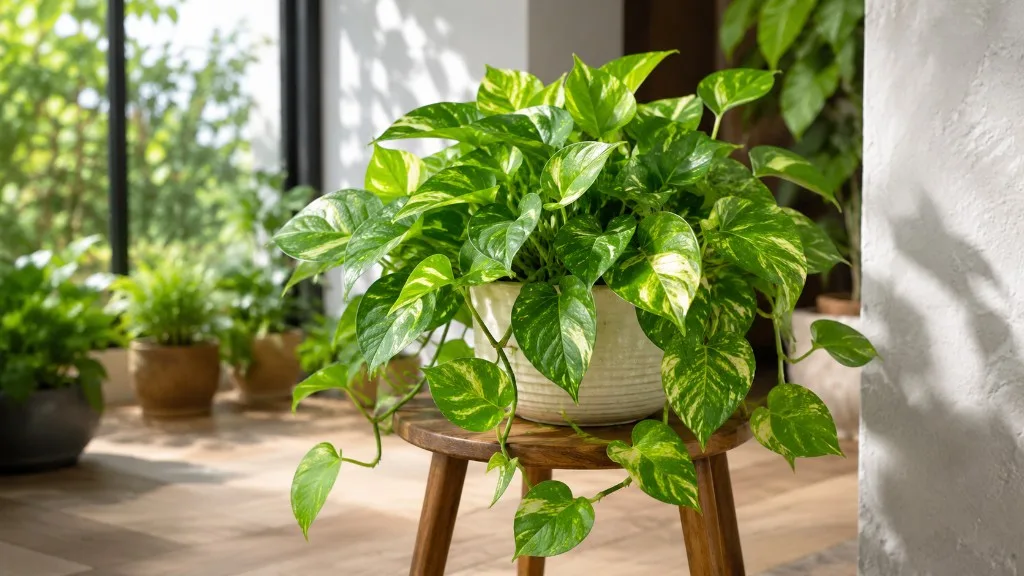
Global Green pothos care: mottled green variegation, light and watering needs, soil mix, propagation, and how it differs from golden and jade pothos.
Golden barrel cactus care with full sun, mineral soil, sparse watering, dry winter rest, slow growth expectations, repotting, and spine safety.
Golden pothos is highly tolerant and beginner-friendly. Variegation fades in low light - brighter light maintains the gold. Water when top half dries. Propagates easily in water. Toxic to pets.
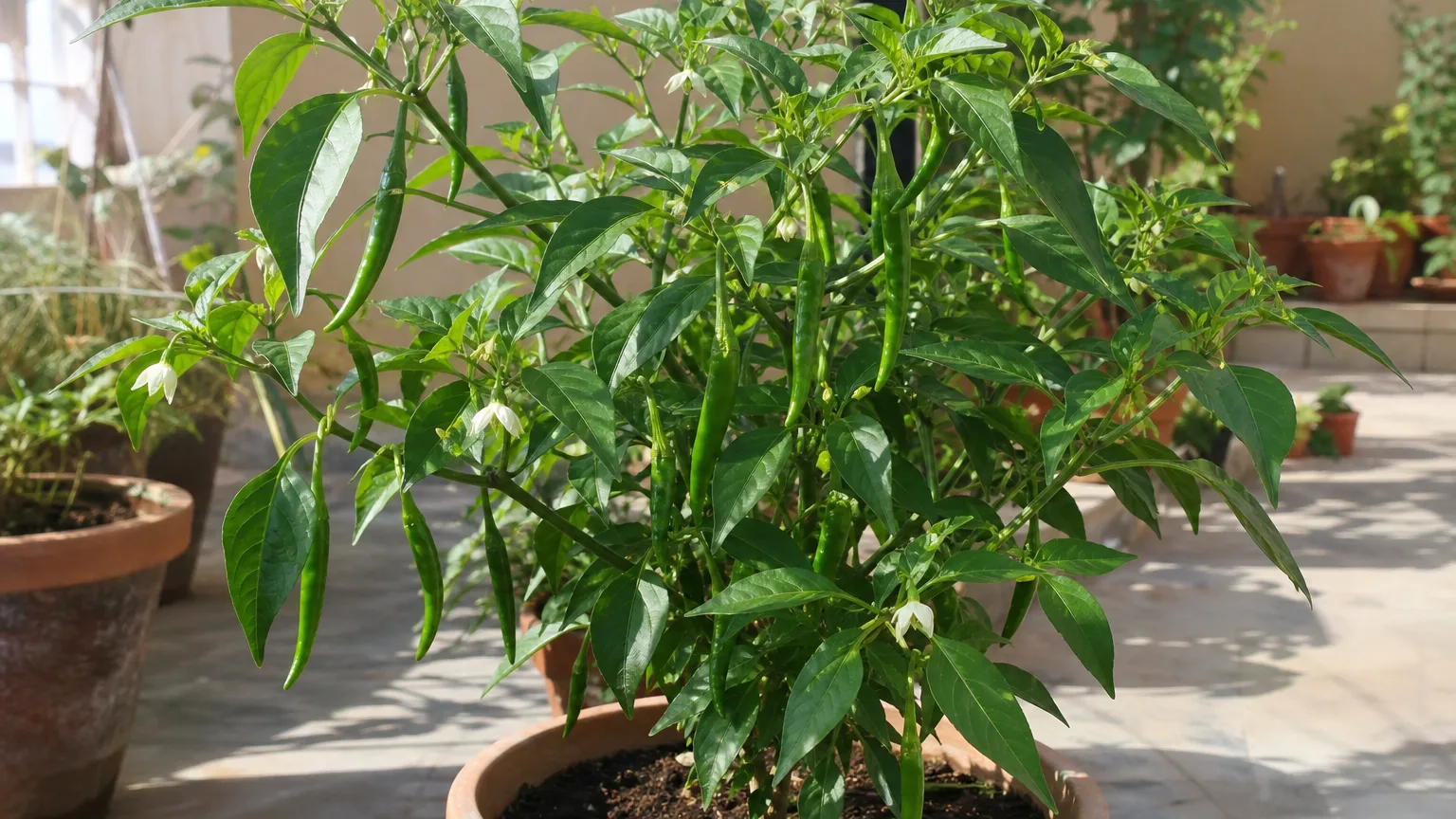
Grow hot Green Chilli in full sun and fertile, well-drained soil. Learn even watering, container care, harvesting, and capsaicin safety for Capsicum annuum.
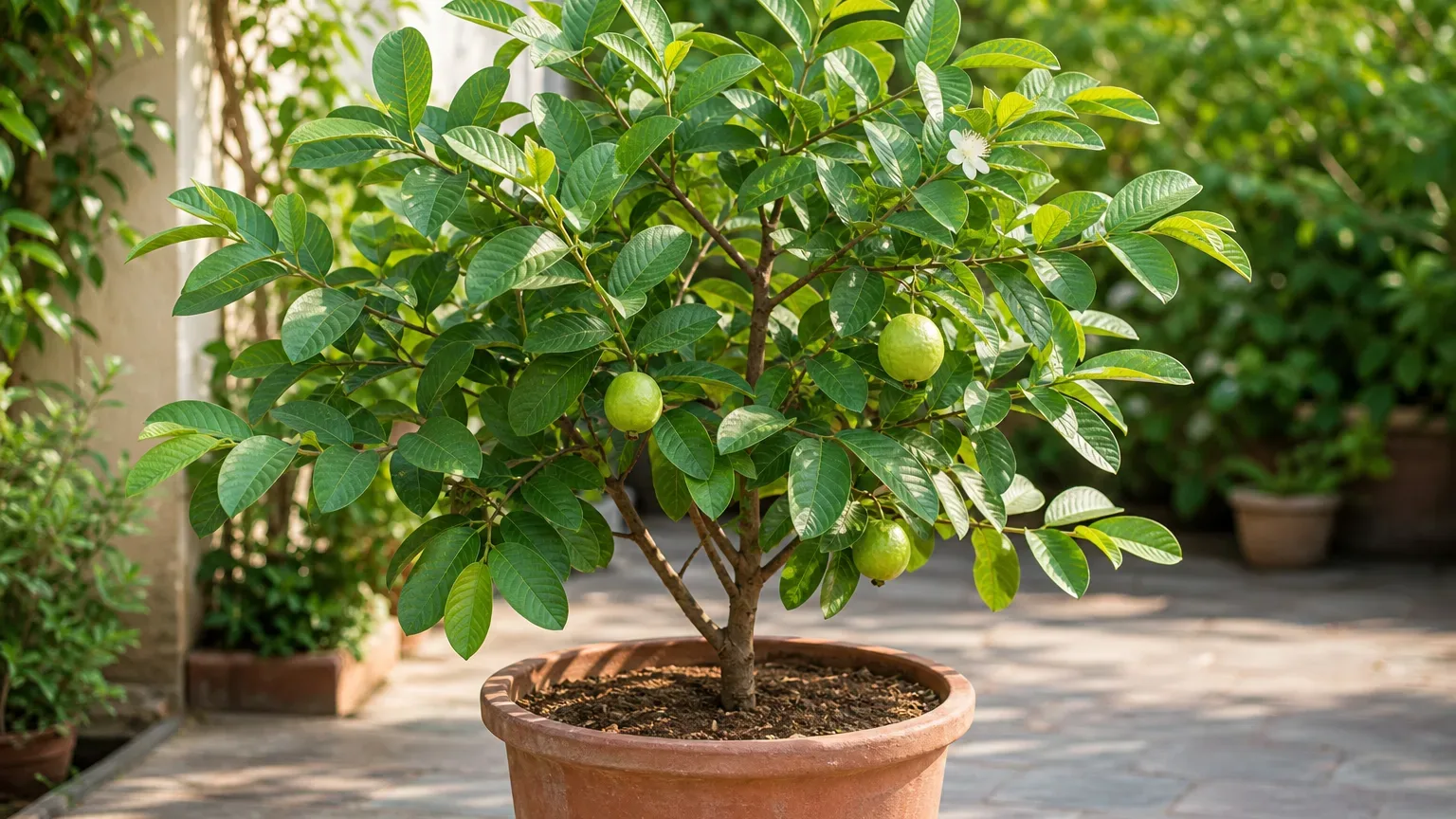
Grow Guava (Psidium guajava) in full sun and free-draining soil. Learn when to water, how to keep Amrud compact, and what helps it fruit.
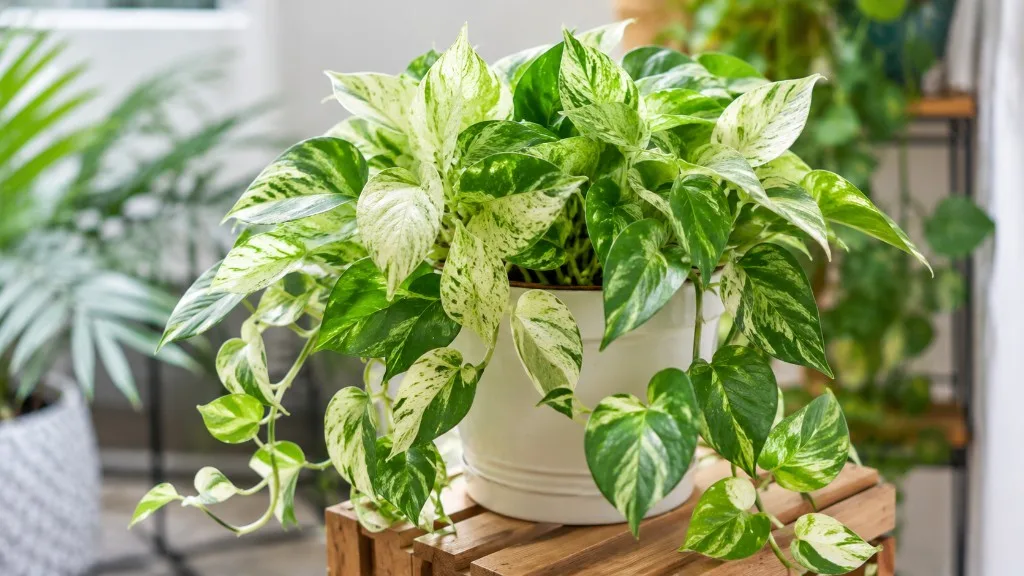
Harlequin pothos care: protecting bold white-green variegation, bright light, slow growth, propagation from variegated nodes, reversion risk, pet toxicity.
Hawaiian pothos care: bright indirect light, large golden-yellow leaves, watering rhythm, moss pole climbing, propagation, and pet toxicity.
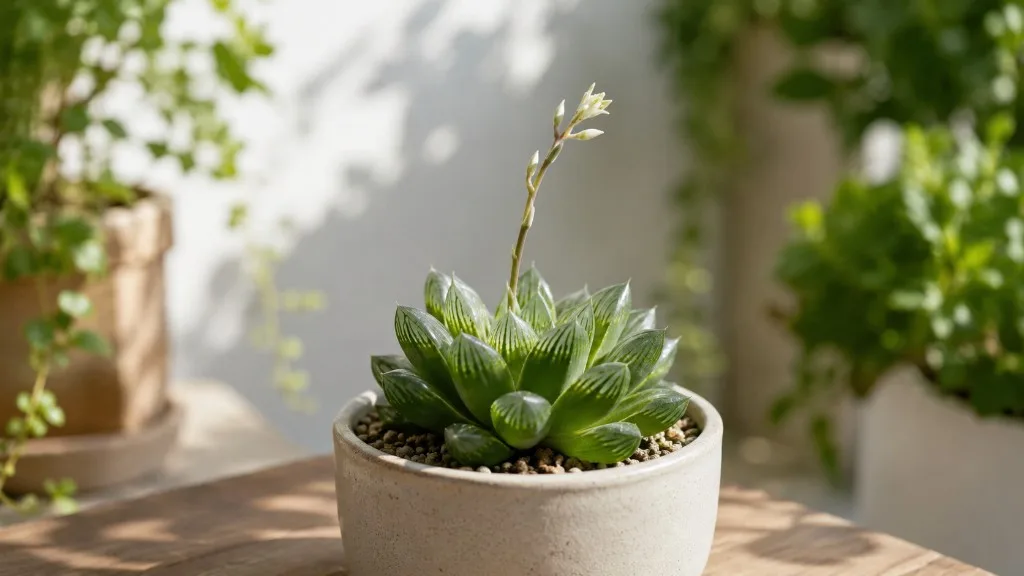
Haworthia tolerates lower light than other succulents. Water when soil is completely dry - every 10–14 days in summer. Perfect for north-facing windows and offices. Separates offsets easily.
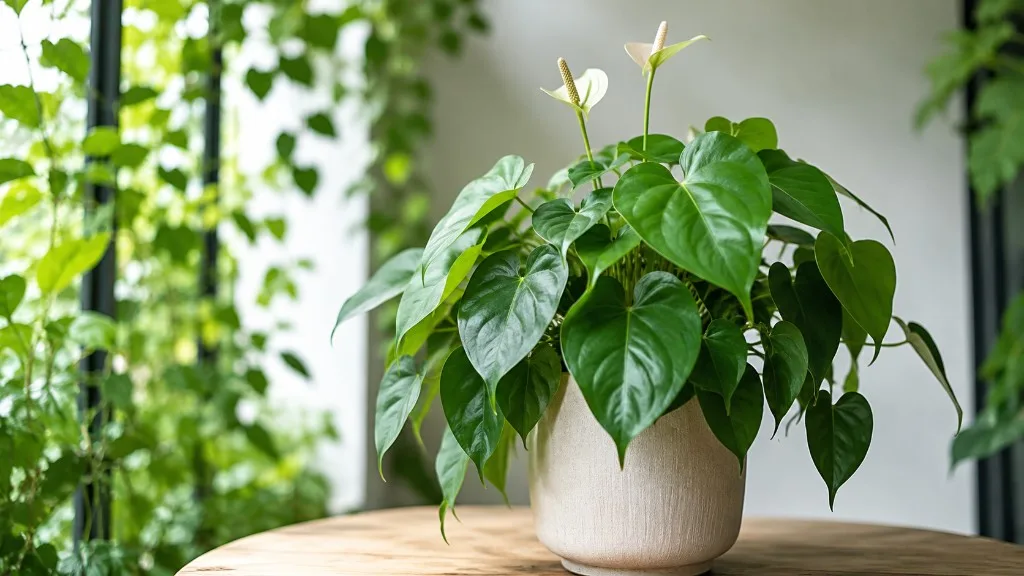
Heartleaf philodendron (Philodendron hederaceum) care: fast-growing trailing aroid, light requirements, watering, and propagation.
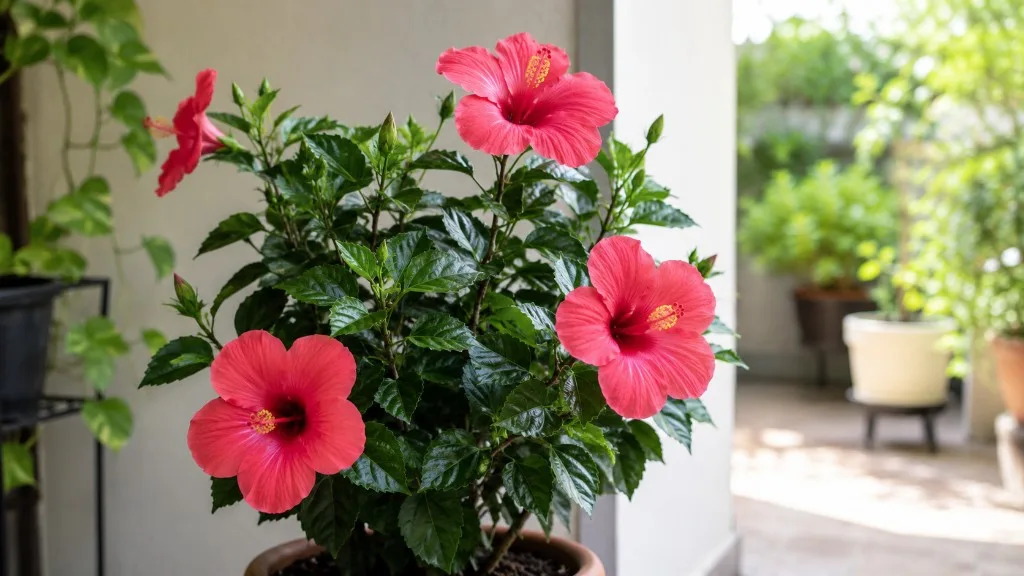
Hibiscus needs 6+ hours direct sun for spectacular blooms. Water frequently in summer - may need daily. Weekly high-potassium feed. Overwinter inside above 10°C.
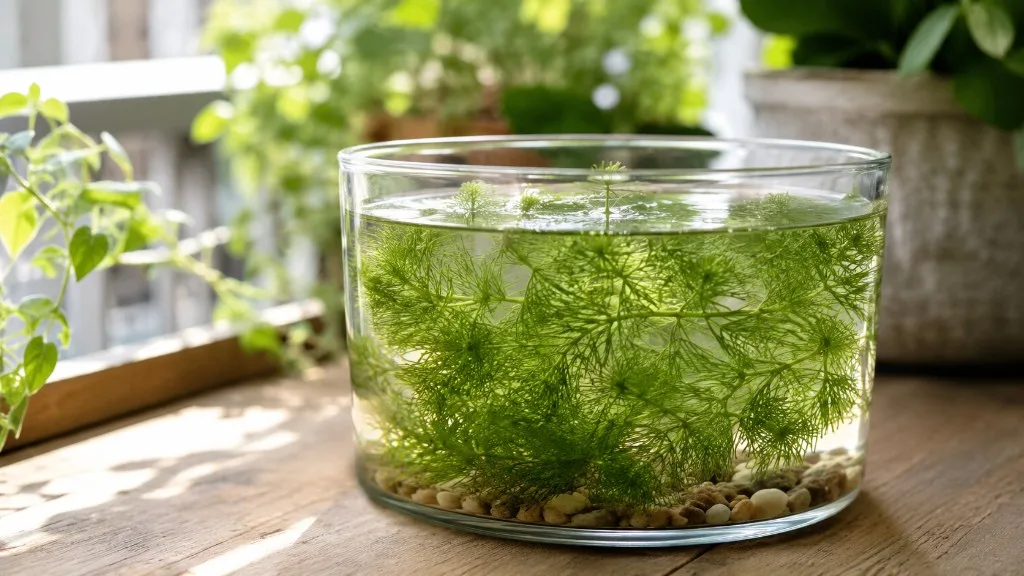
Hornwort is treated as a lower-risk aquatic plant in current tortoise-focused references, but it should still be used conservatively and only from clean, correctly identified sources.
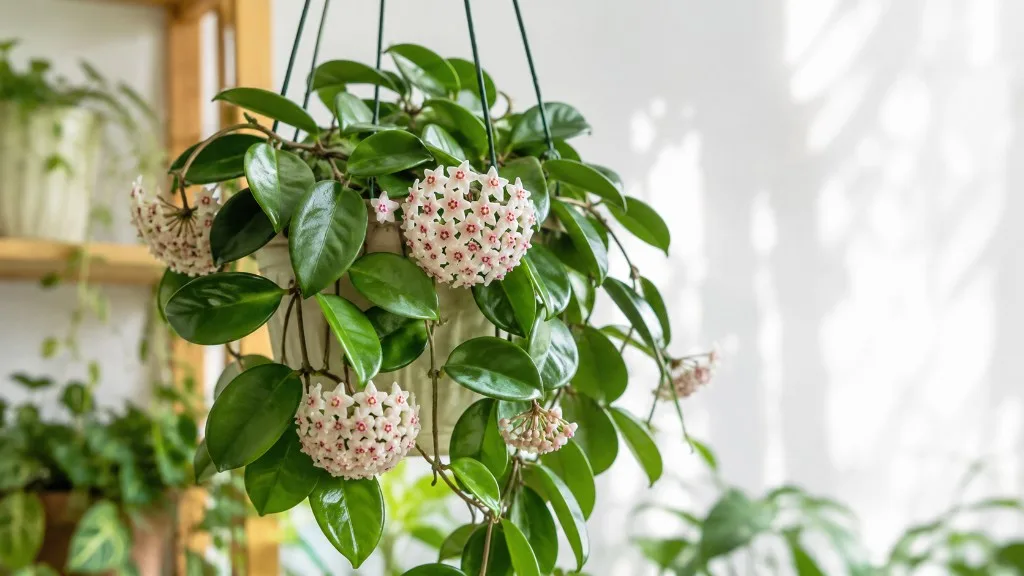
Never cut the peduncle - hoyas bloom from the same stem repeatedly. Bright indirect light with seasonal cool/dry rest triggers flowering. Semi-succulent: allow top half to dry between waterings.
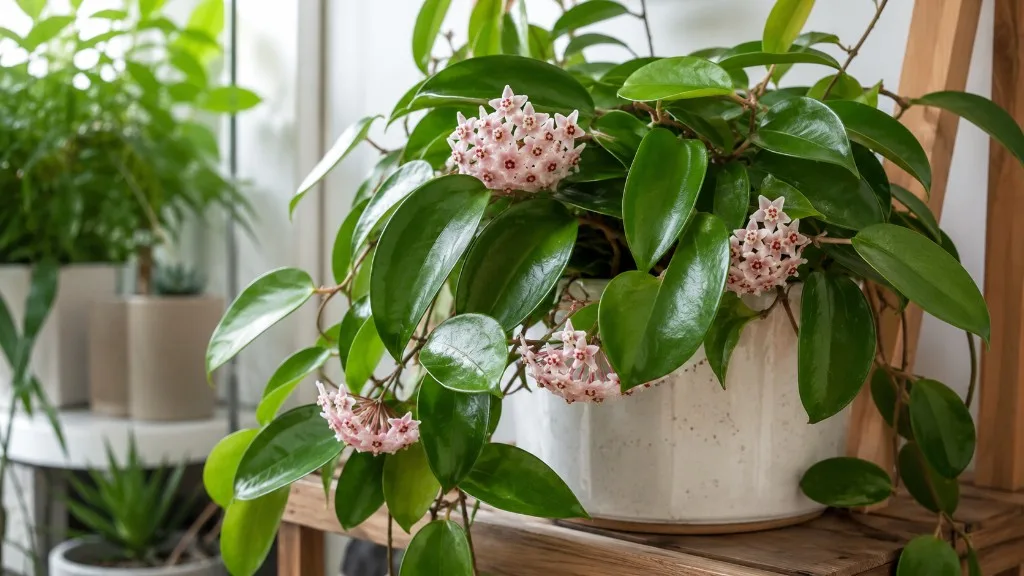
Hoya carnosa is the most reliable hoya for beginners. Bright indirect light with morning sun, seasonal cool/dry winter rest triggers annual blooming. Never cut the peduncle stubs. Very long-lived.
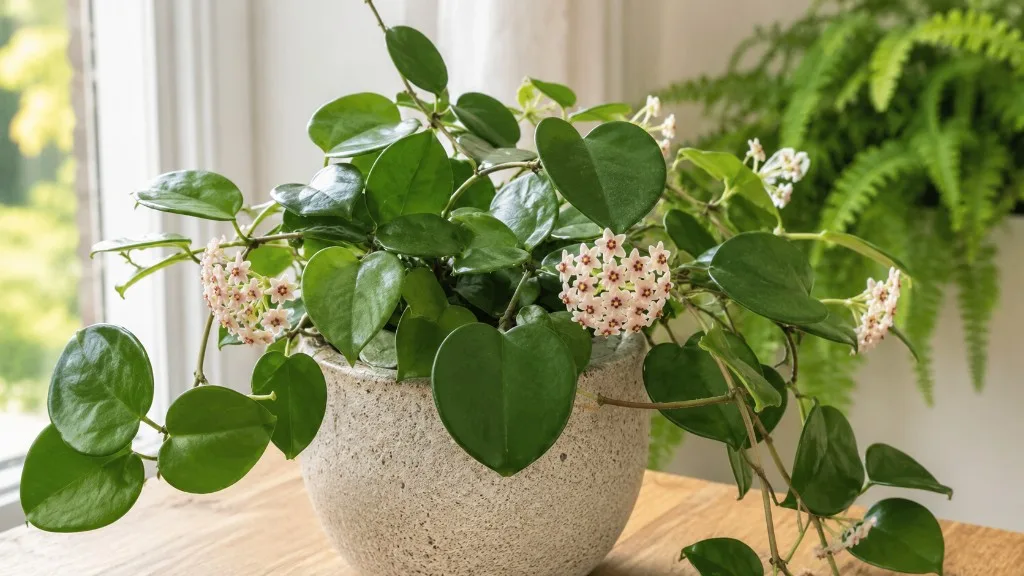
Single Hoya kerrii leaves (gift plants) will never grow new leaves - they have no node. True multi-leaved vine specimens grow slowly but eventually bloom. Bright light, careful watering, never cut peduncles.
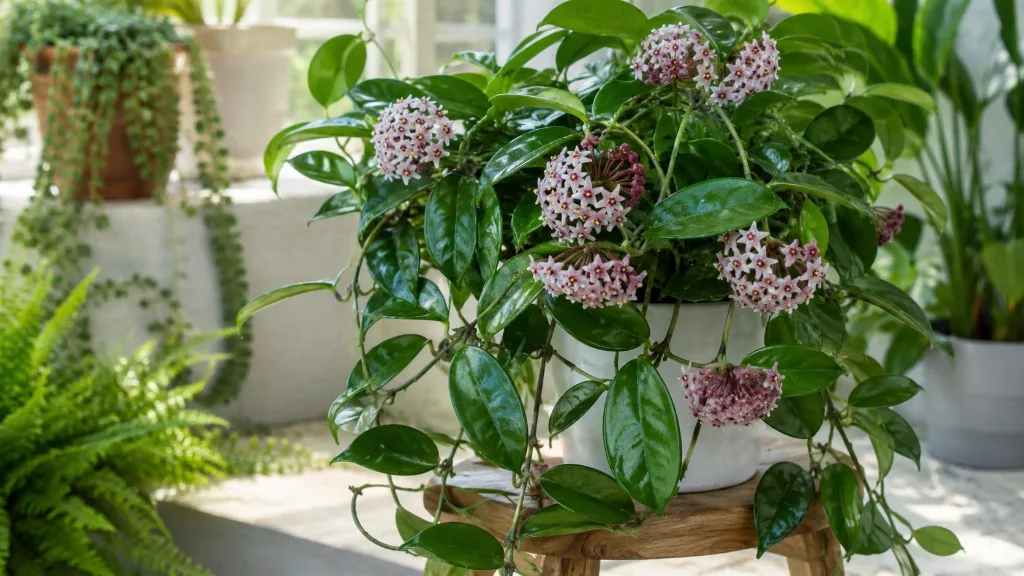
Hoya pubicalyx is the fastest-blooming gateway hoya. Vigorous grower, dark dramatic flowers, sweet fragrance. Bright indirect light, seasonal cool/dry rest, never cut peduncles.
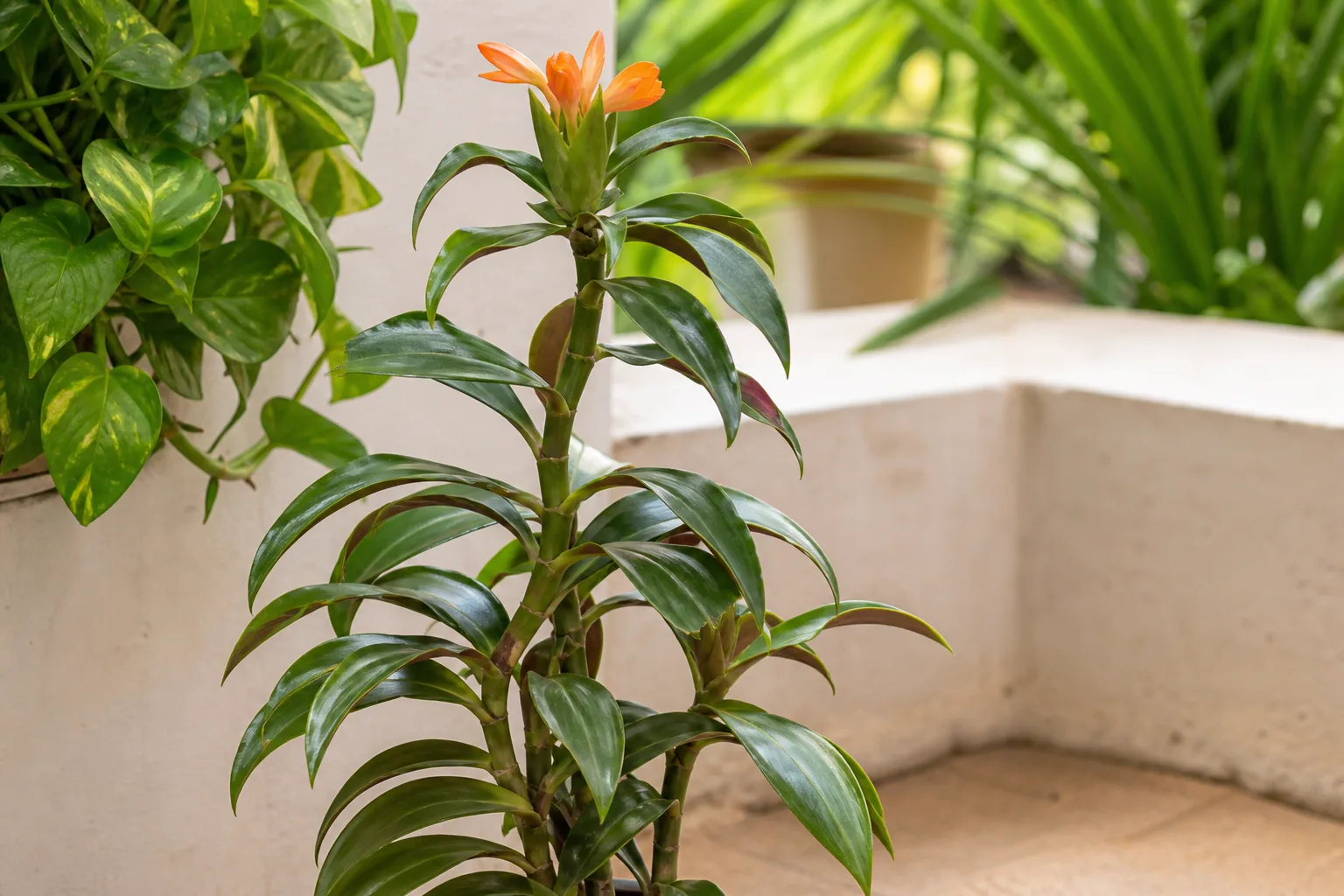
Insulin plant (Costus igneus) needs bright filtered light, evenly moist well-draining soil, and 60–80% humidity. Water when the top 2–3 cm dries out. A spiral-leaved tropical perennial for warm Indian homes and balconies.
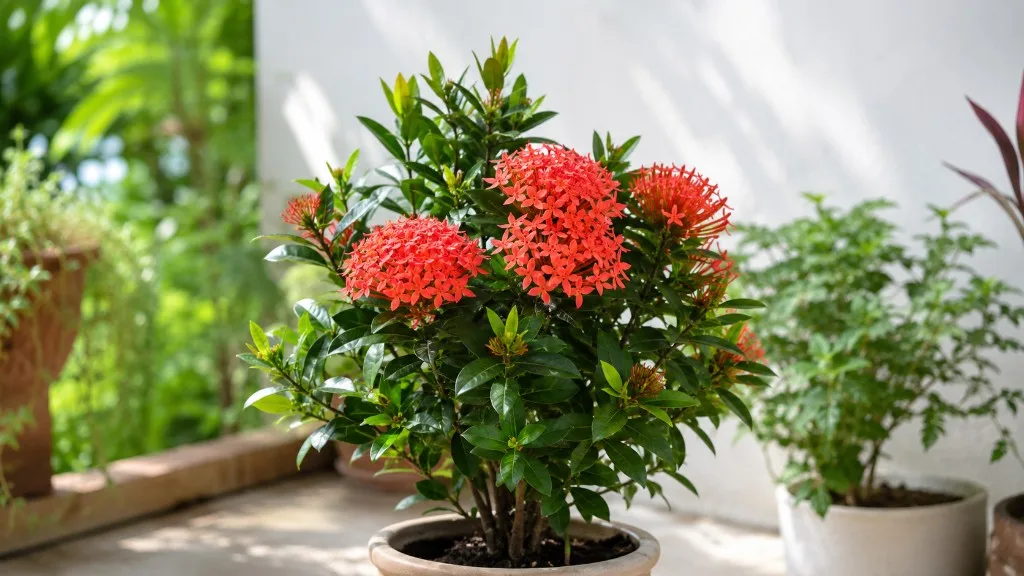
Ixora needs acidic soil (pH 5.0–6.0) and bright direct sun. Interveinal yellowing is iron chlorosis from wrong pH. Use ericaceous compost and chelated iron. Frost-tender - overwinter above 10°C.
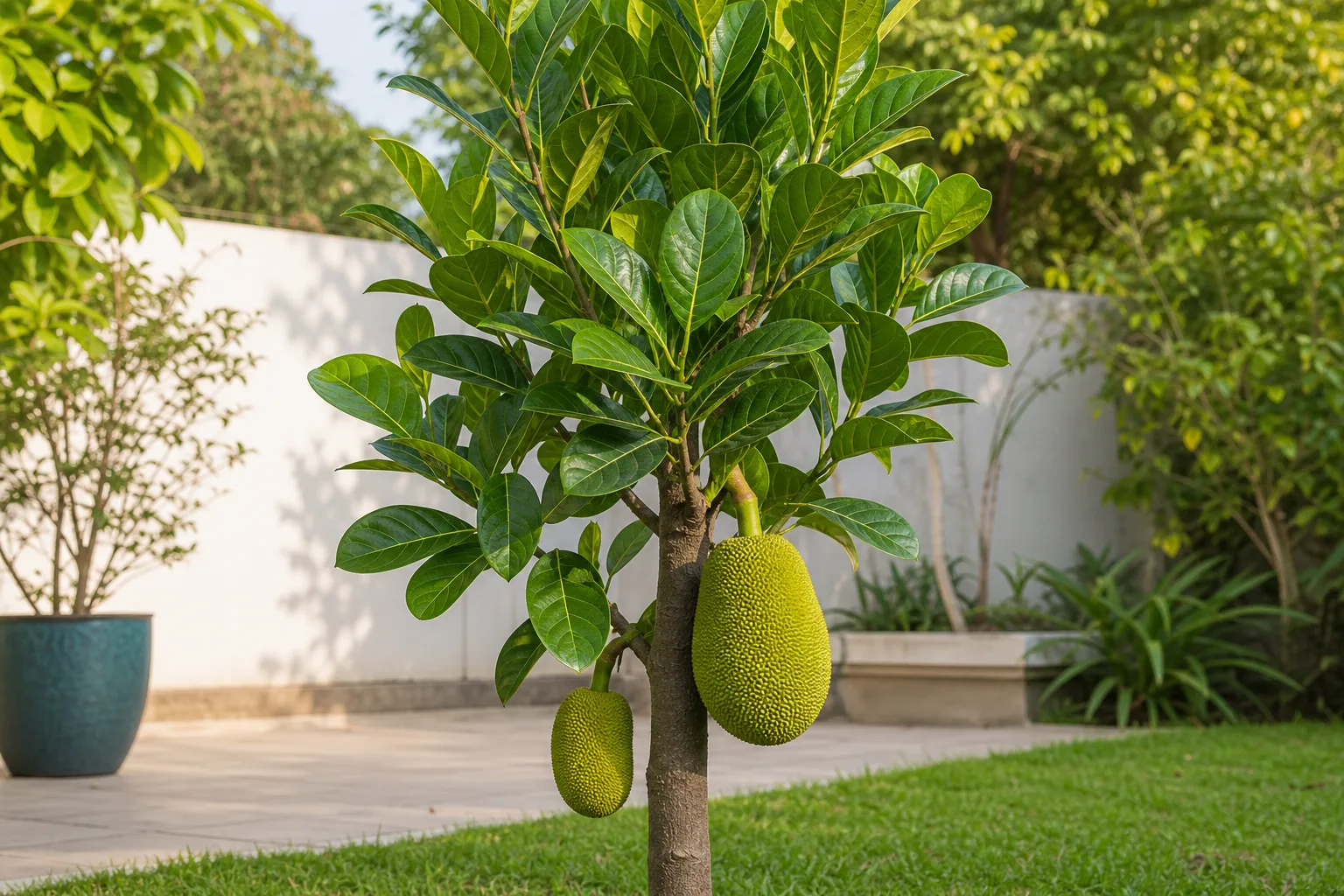
Grow Jackfruit in full sun, warm humid conditions, and freely draining soil. Learn watering, potting, size control, and latex-handling tips for Artocarpus heterophyllus.
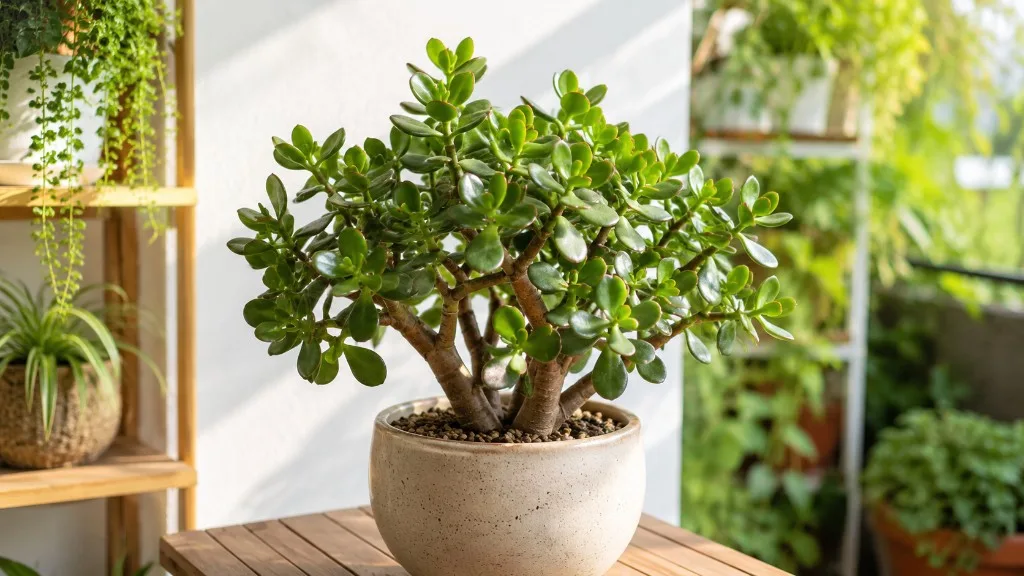
Jade plant can live for decades. Needs bright direct light and very infrequent watering - top inch must be dry. Excellent drainage essential. Frost-tender. Slow trunk development is part of its appeal.
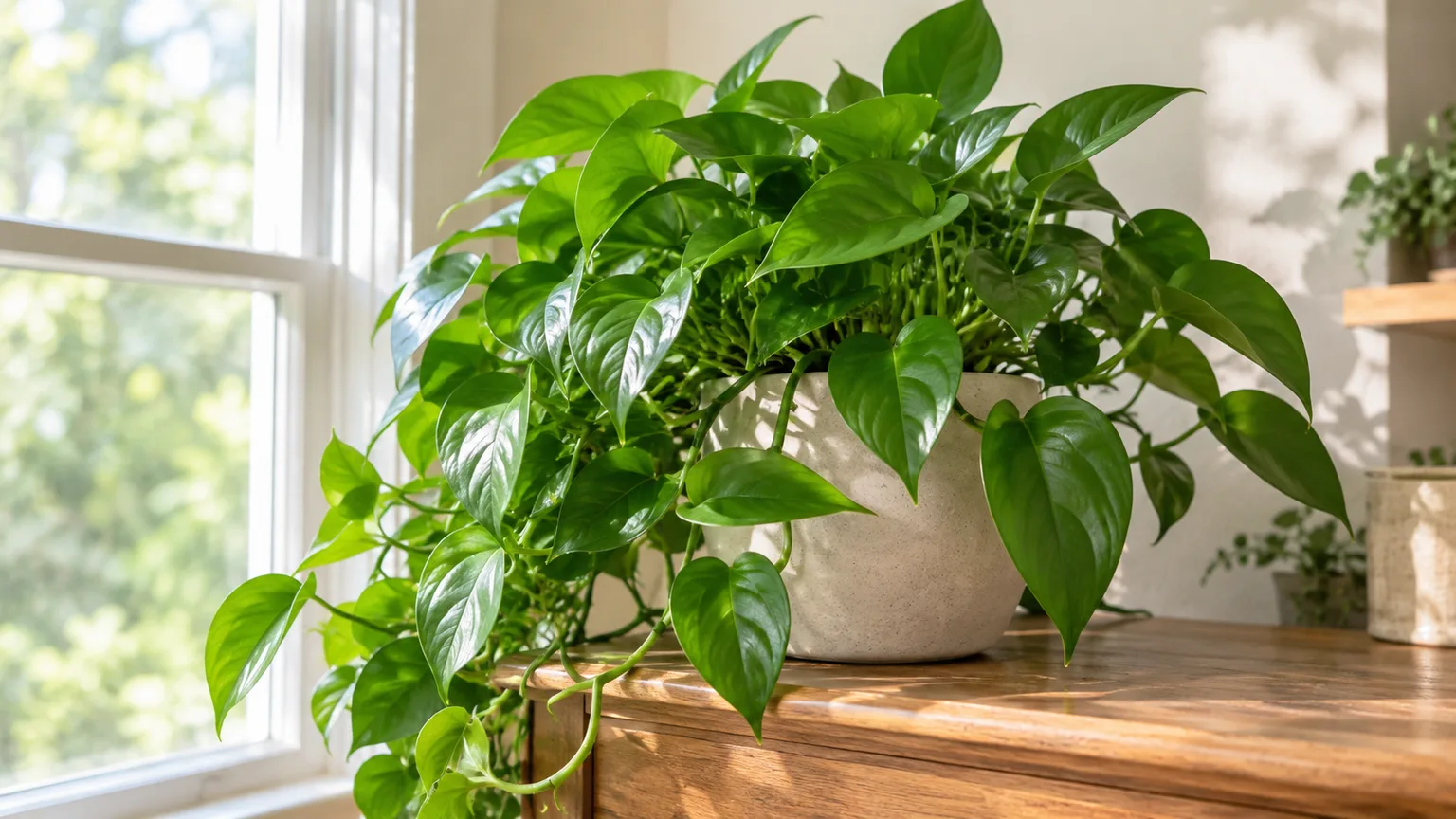
Jade pothos care: medium indirect light, solid green leaves that tolerate lower light than variegated pothos, watering when top half dries, easy water propagation, and pet toxicity.
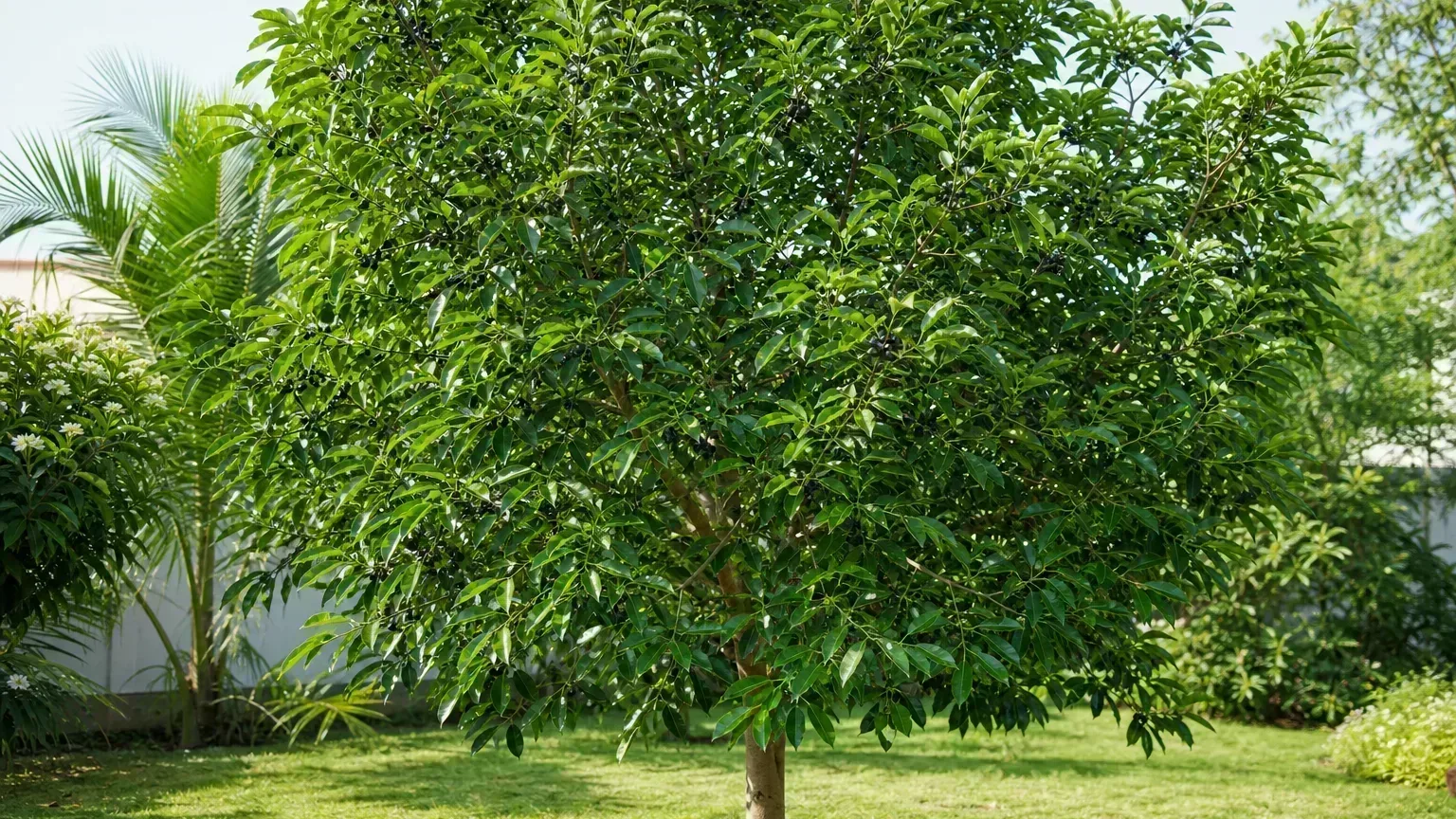
Grow Jamun in full sun with deep watering and fertile, well-draining soil. Learn container size, fresh-seed propagation, pruning, and pet-aware placement.
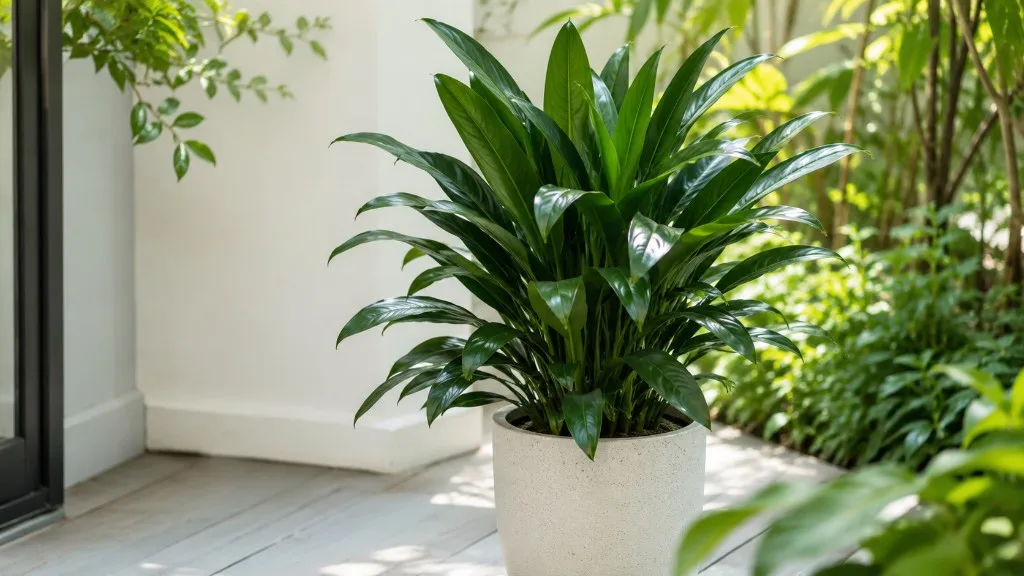
Janet Craig is the best large Dracaena for low light. Avoid fluoride tap water to prevent brown tips. Water when top half dries - very infrequently in low-light positions. Toxic to pets.
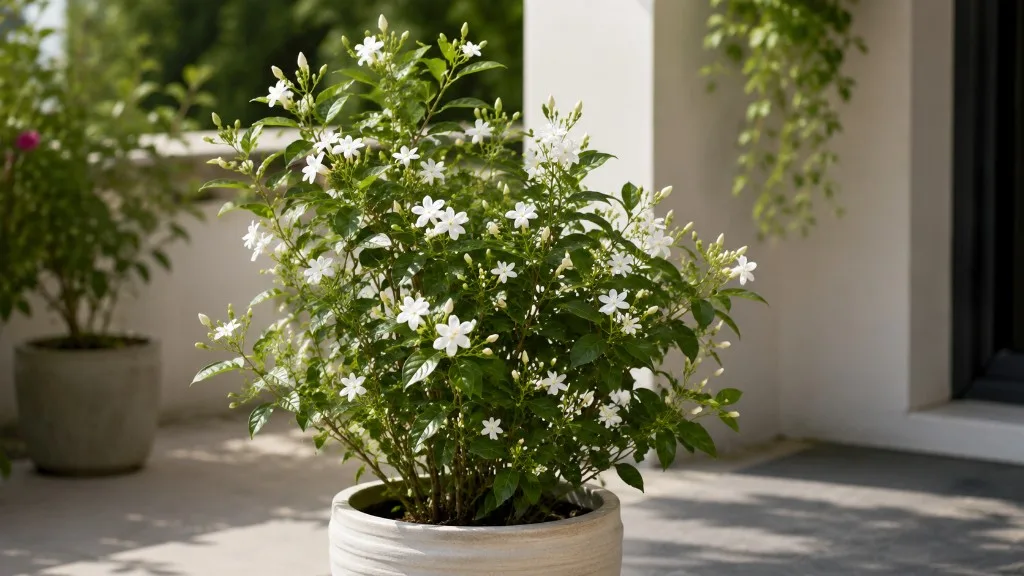
Jasmine needs a cool winter period (7–13°C) to set flower buds - this is the most important care fact. Bright light and some direct sun in summer. Train the vigorous climbing stems. Prune after flowering.
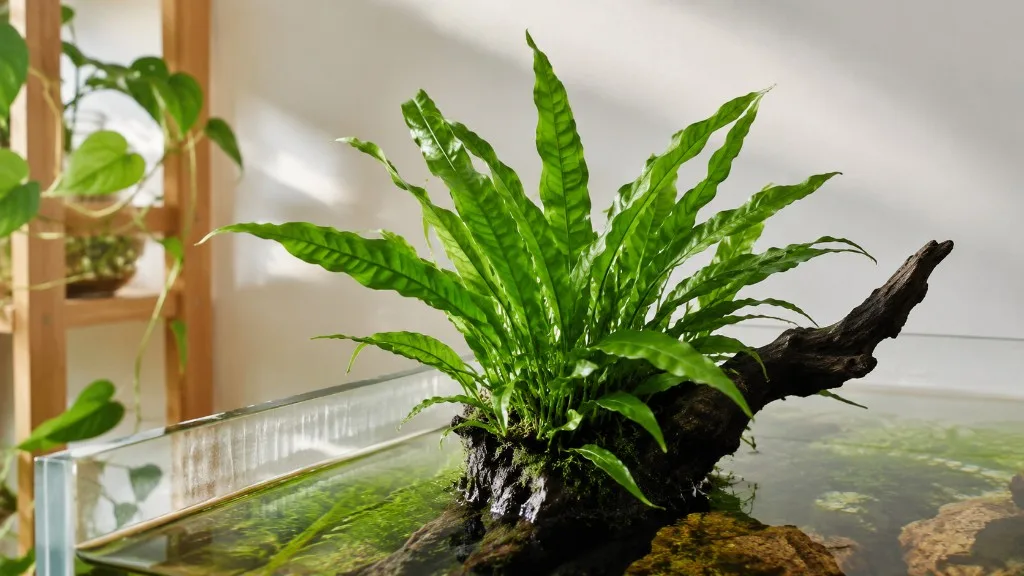
Java fern is common in aquatic turtle setups, but LeafyPixels does not treat it as a universally verified turtle-safe food or enclosure plant across species. Use it as a cautious aquarium-plant candidate, not as a feeding clearance.
Jessenia pothos care: chartreuse marbling on green leaves, bright light for contrast, watering when top half dries, reversion prevention, and pet toxicity.
Kalanchoe blossfeldiana care: bright light, soak-and-dry watering, gritty soil, deadheading for rebloom, and pet toxicity per ASPCA.
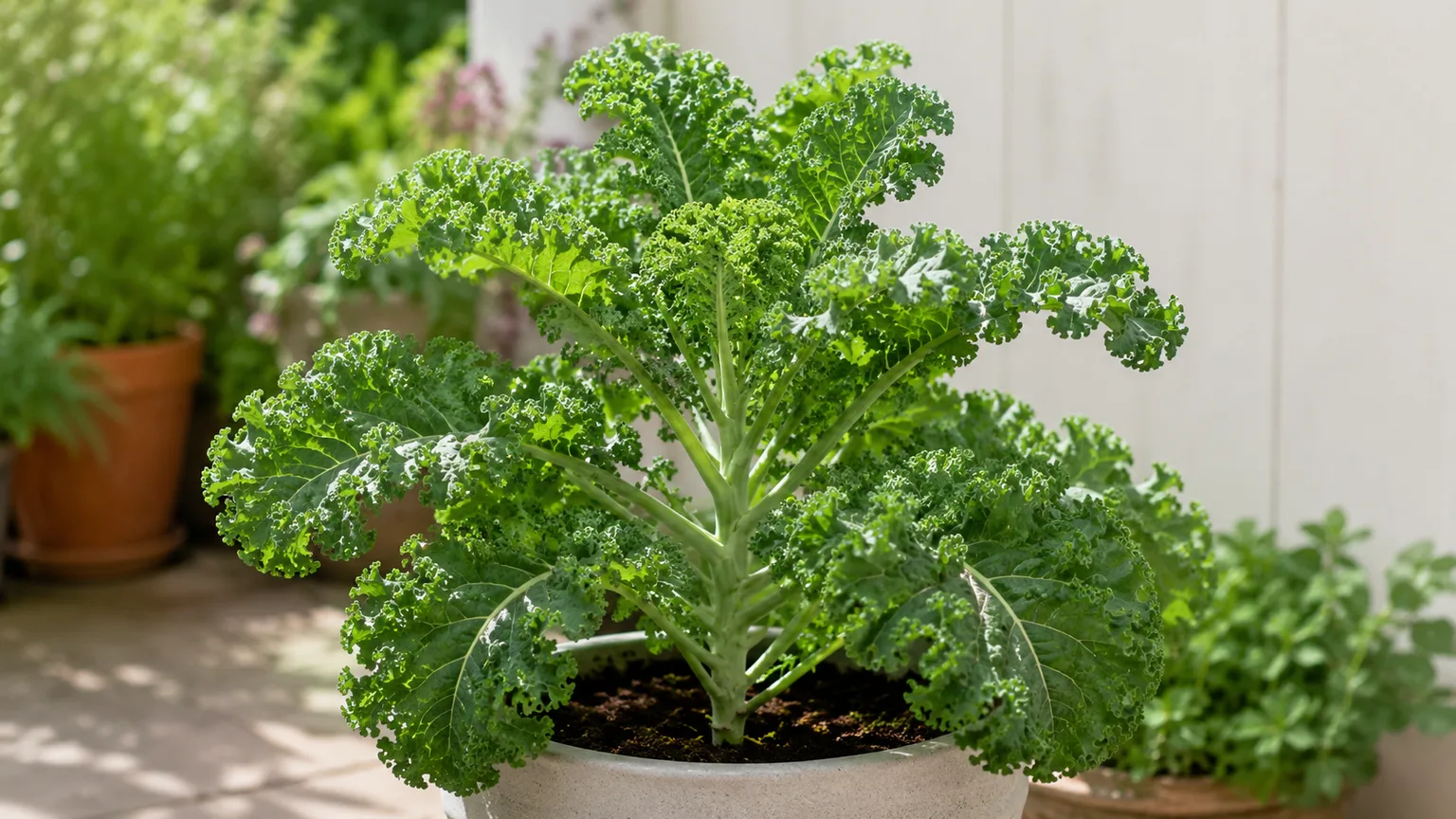
Grow kale in India with winter sun, evenly moist fertile soil, cultivar-aware spacing, and outer-leaf harvesting. Includes container and cool-season timing tips.
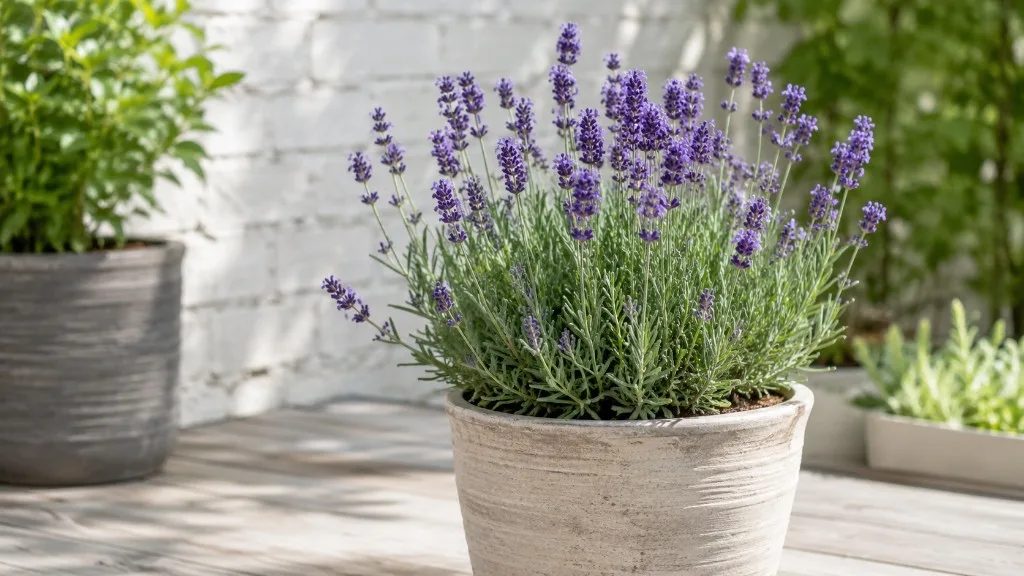
Lavender needs full sun (6+ hours direct), gritty fast-draining alkaline soil, and very infrequent watering. Drought-tolerant and fragrant - challenging in humid climates.
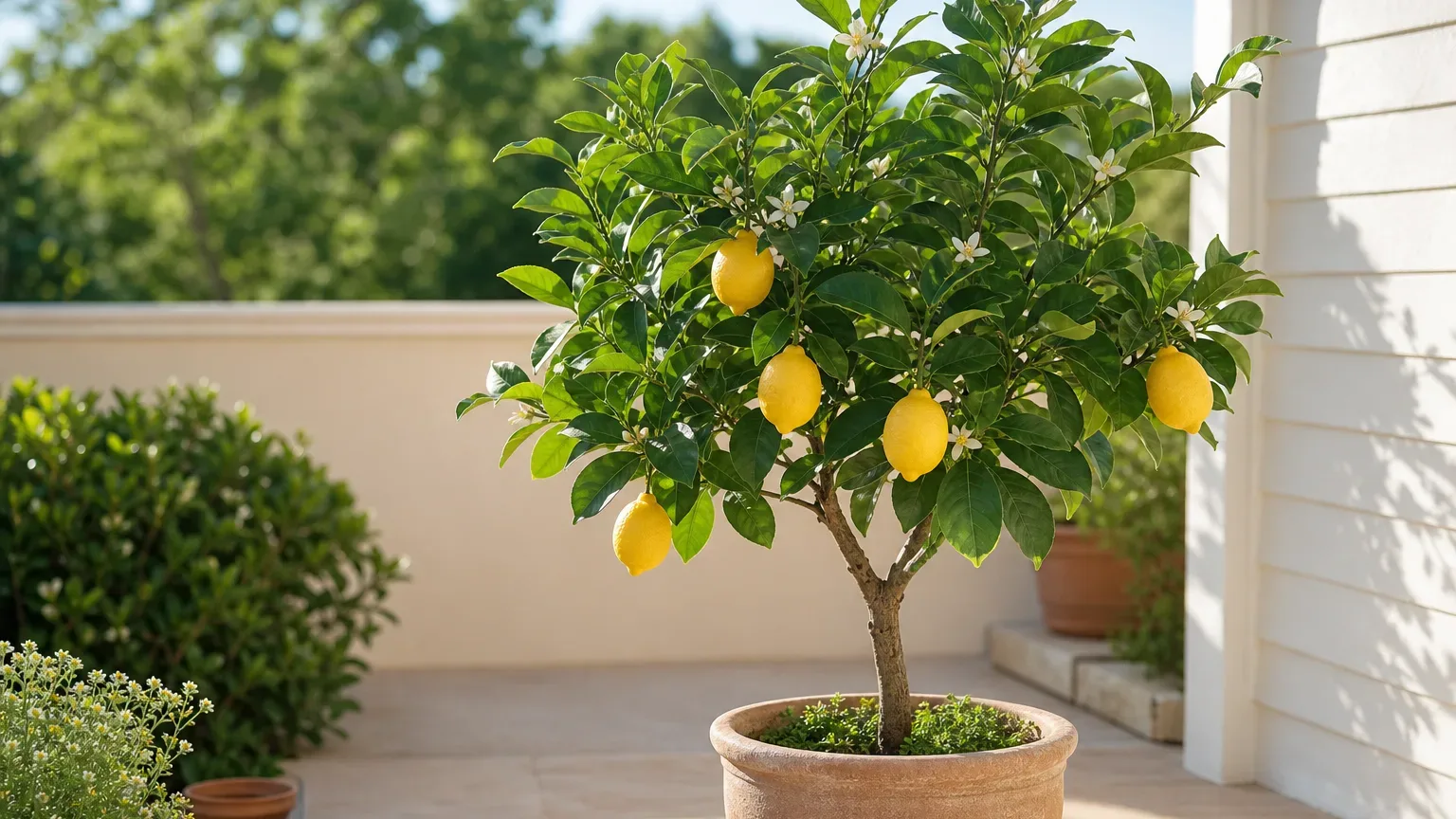
Give a lemon tree 6–8 hours of direct sun, fertile fast-draining soil, deep water when the upper 5–8 cm begins to dry, and regular citrus feed during active growth. Protect it from frost and keep thorny, oil-bearing plant material away from pets.
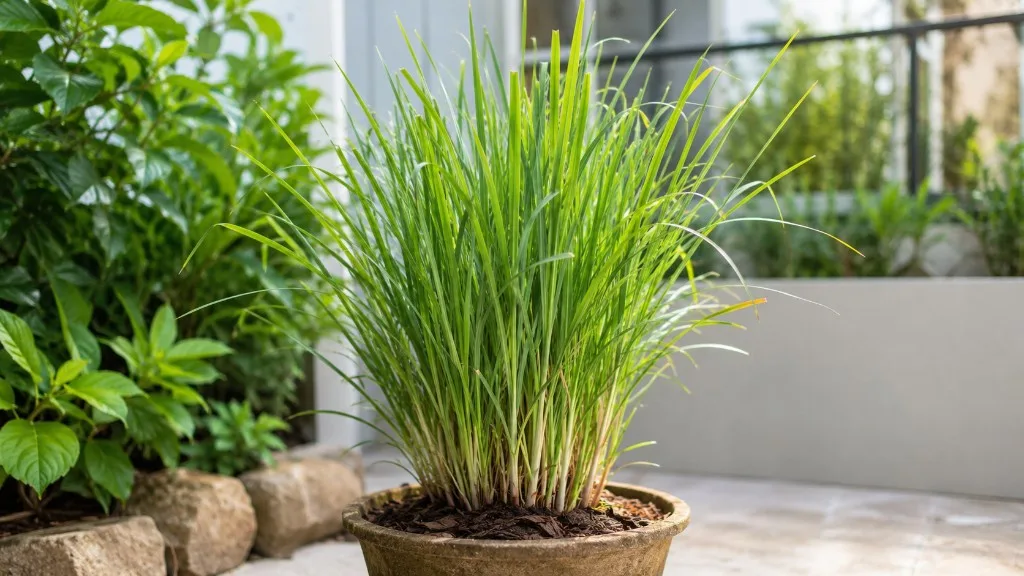
Lemongrass needs full sun, consistently moist rich soil, and biweekly liquid fertilising during the growing season. Water every 1–3 days in hot weather.
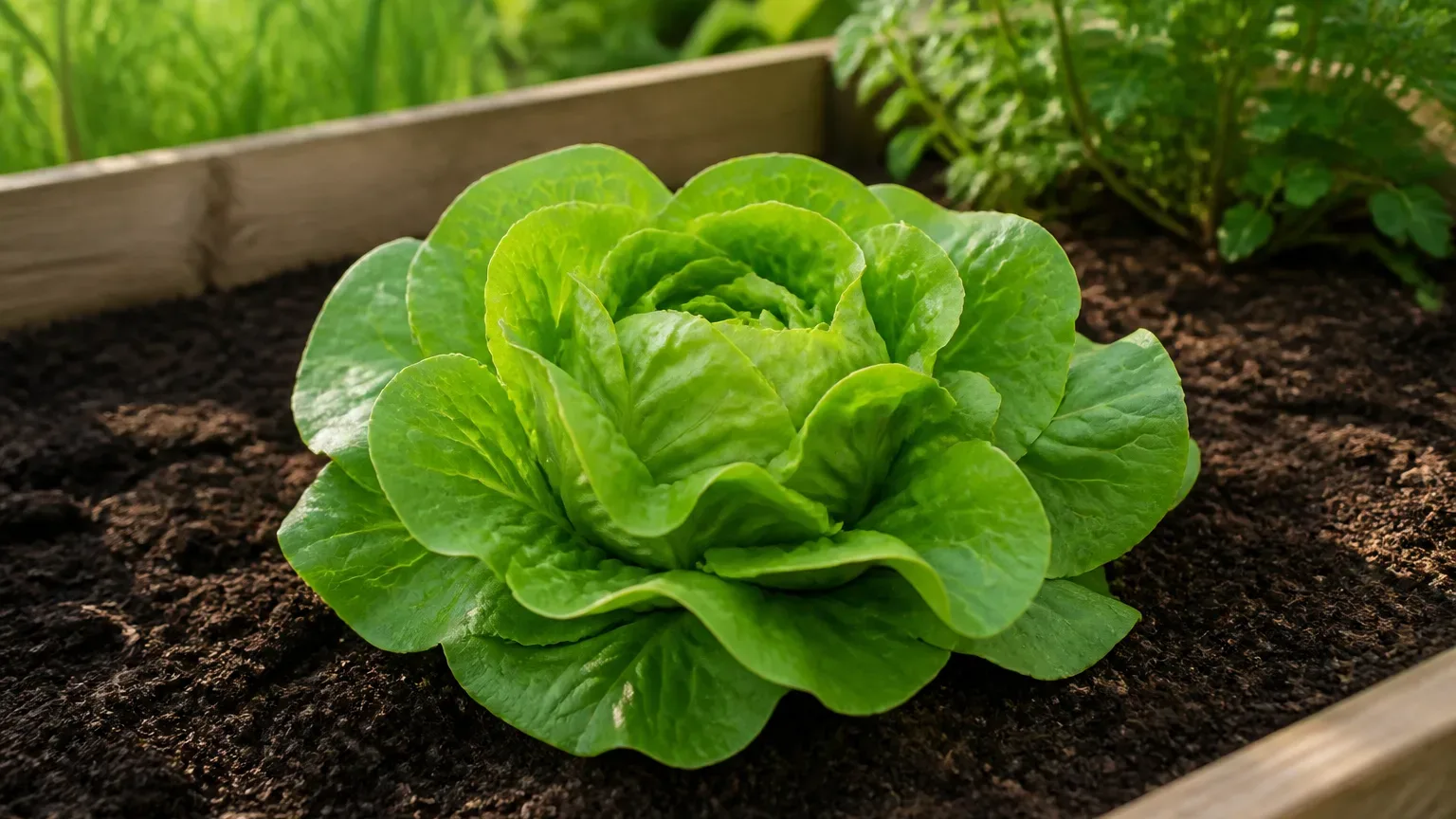
Grow looseleaf, butterhead, romaine, and head lettuce with cool weather, steady moisture, rich soil, correct spacing, and practical bolting control.
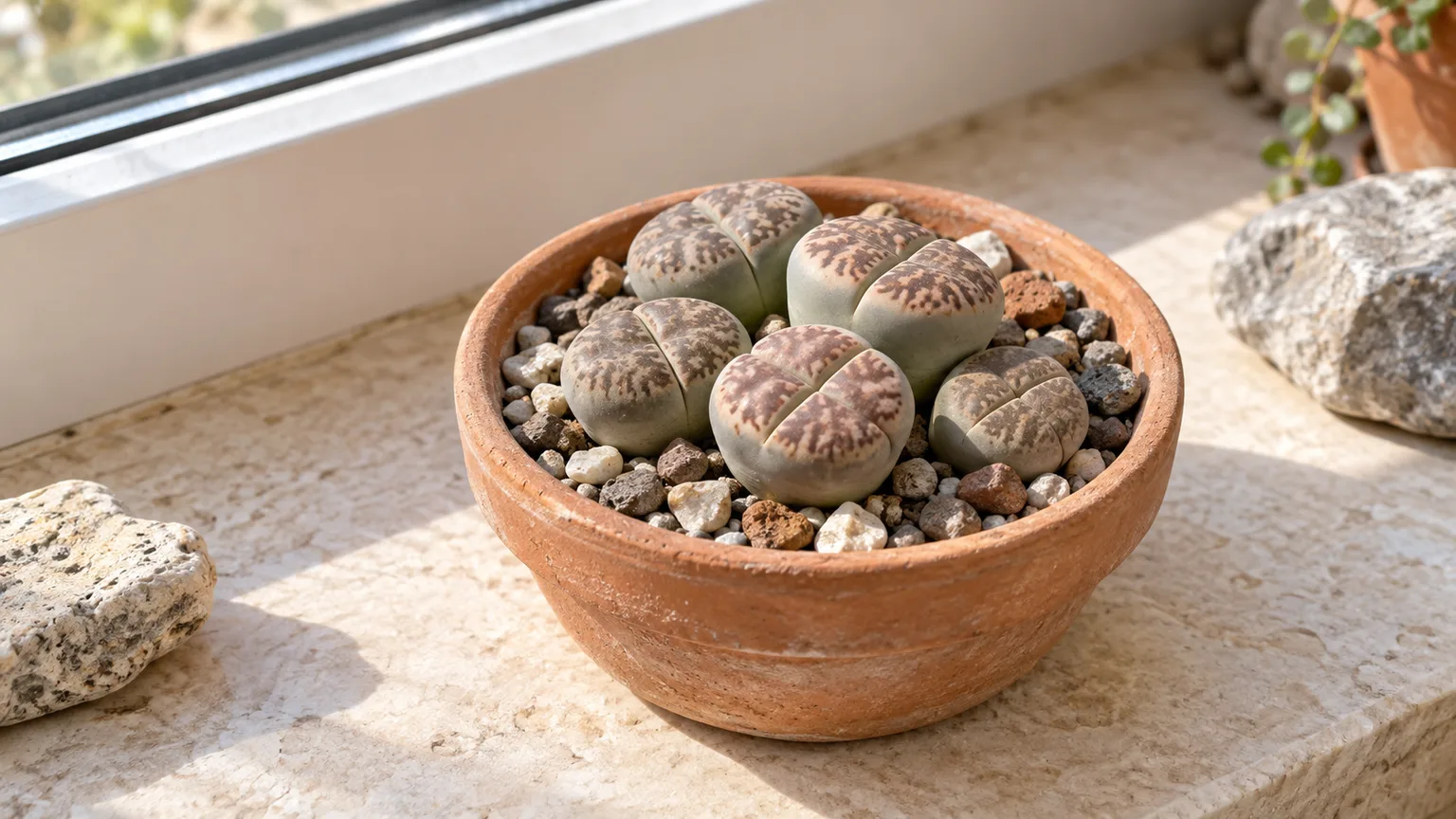
Lithops care guide for indoor growers: light, watering, gritty soil, seasonal timing, repotting, propagation, and warning signs.
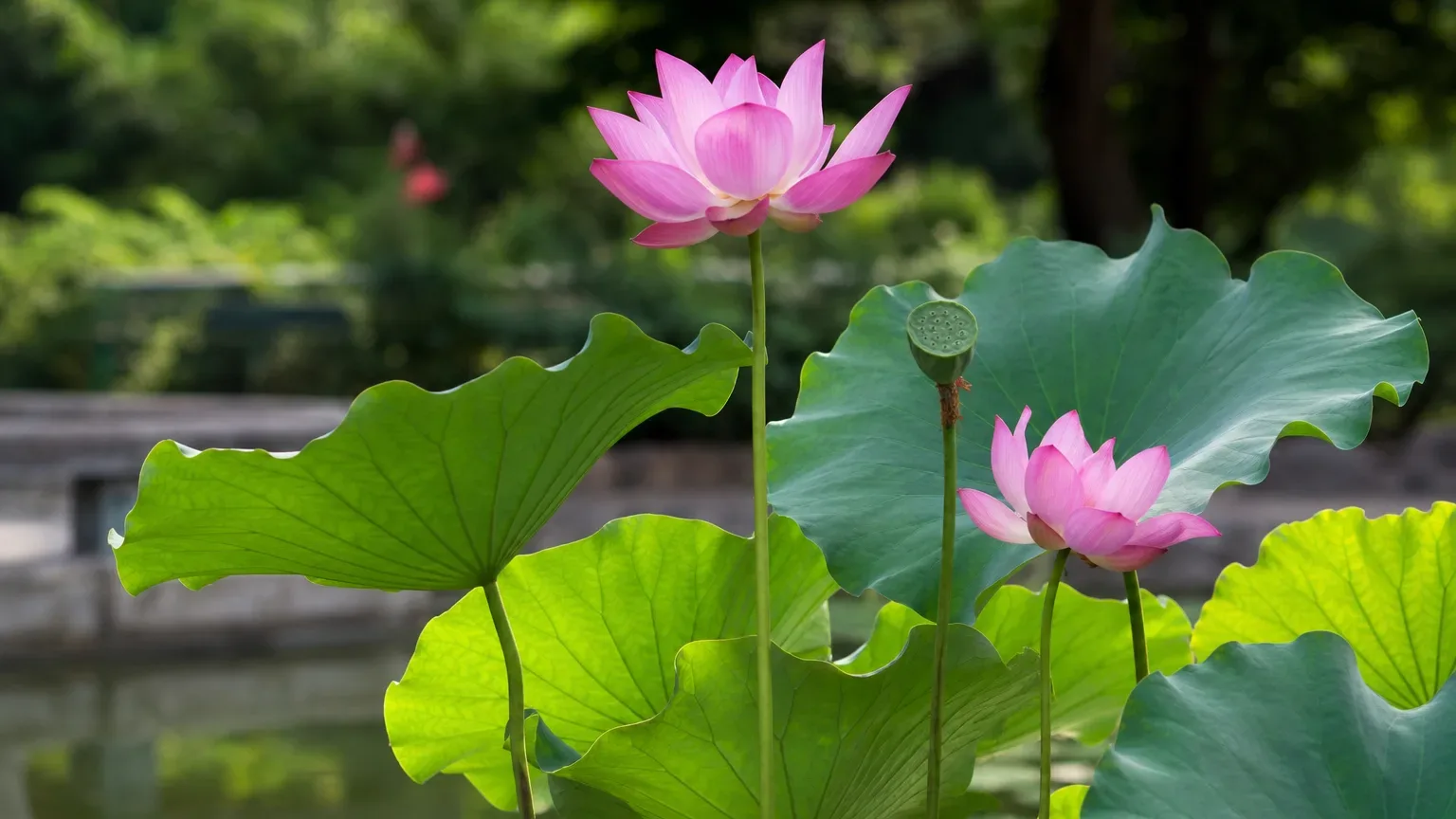
Grow lotus outdoors in full sun, confine its rhizome in a wide container of heavy loam, and keep the soil submerged. Start shallow, increase water depth as leaves rise, and protect dormant rhizomes from freezing in cold climates.
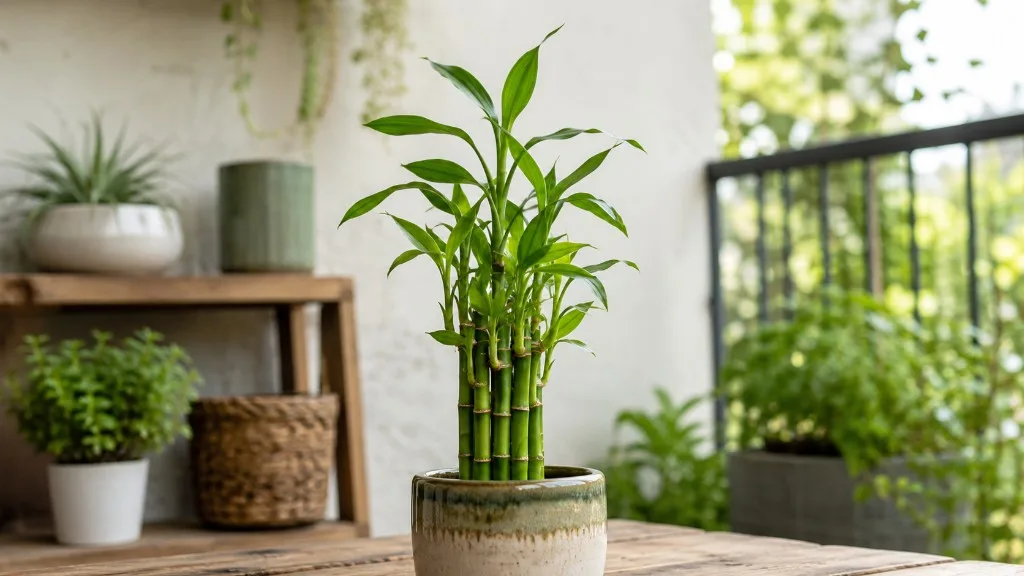
Lucky Bamboo needs bright indirect light, clean filtered water changed every 7–10 days, and very dilute fertiliser. Avoid direct sun and fluoridated tap water.
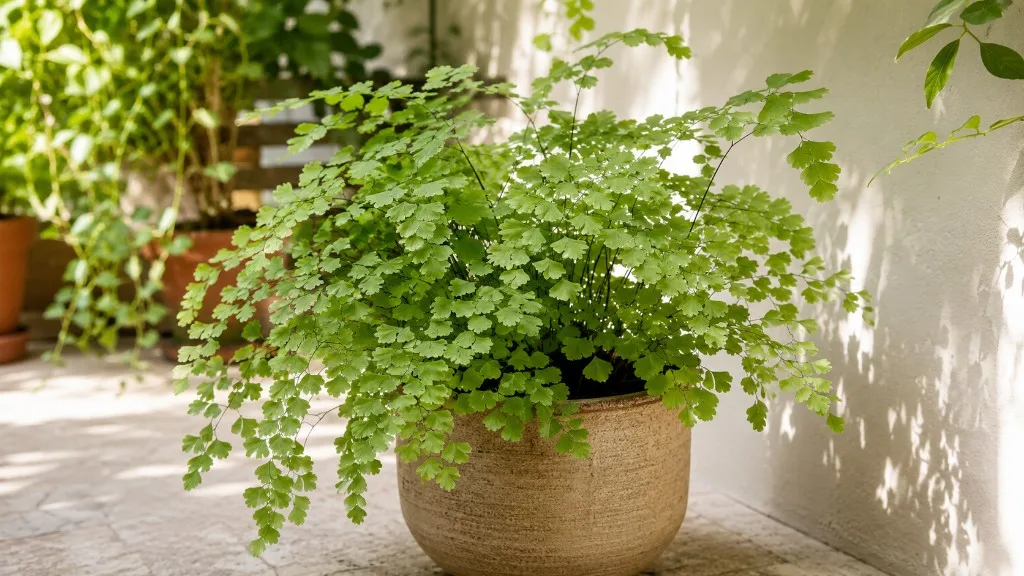
Maidenhair Fern needs humidity above 60 %, consistently moist soil (never dry), bright indirect light, and protection from cold drafts. Cut all collapsed fronds to the soil line - new ones emerge in 2–4 weeks.
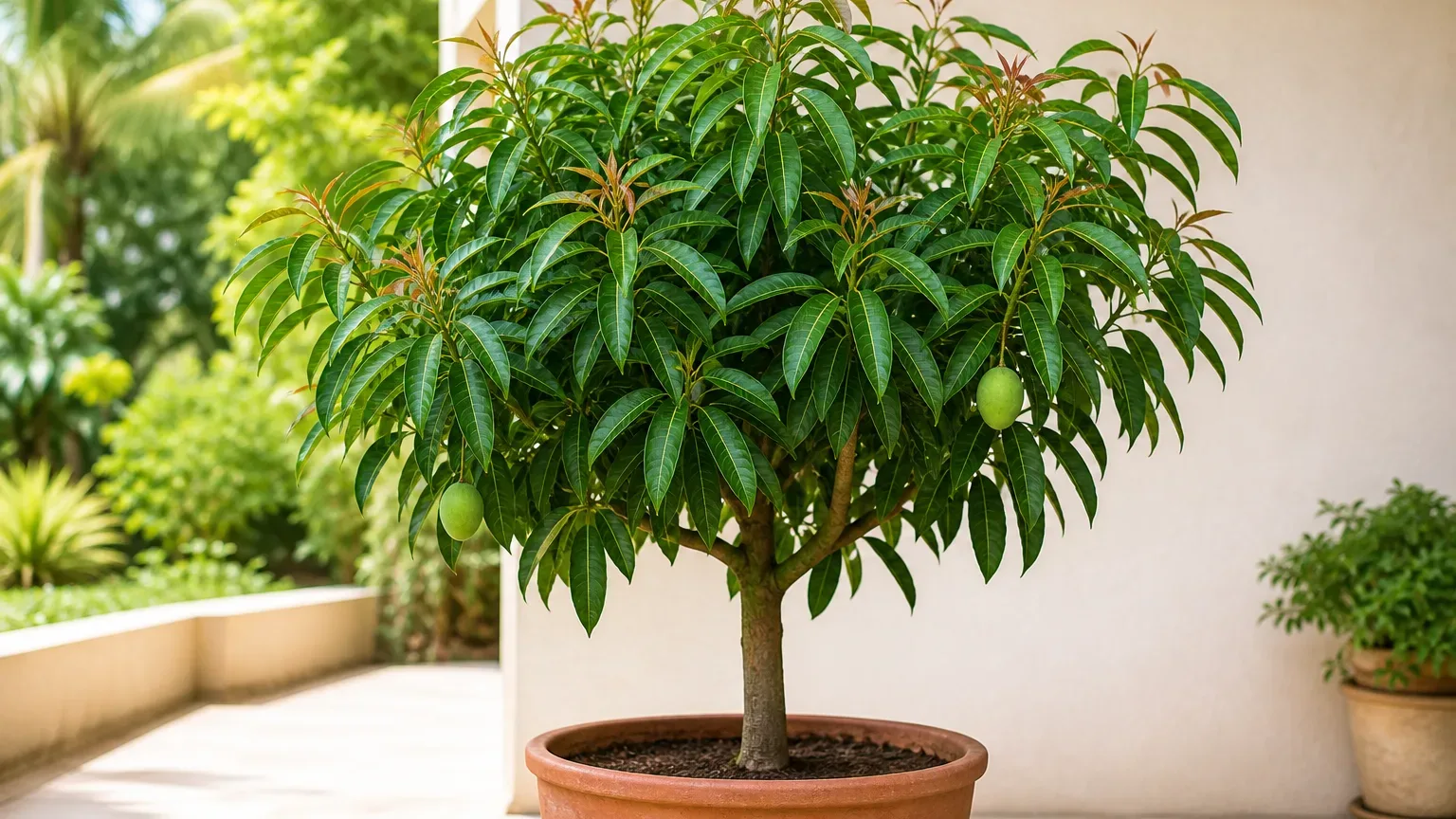
Grow Mango in full sun, warm conditions, and freely draining soil. Learn watering, potting, size control, and sap and peel sensitivity precautions for Mangifera indica.
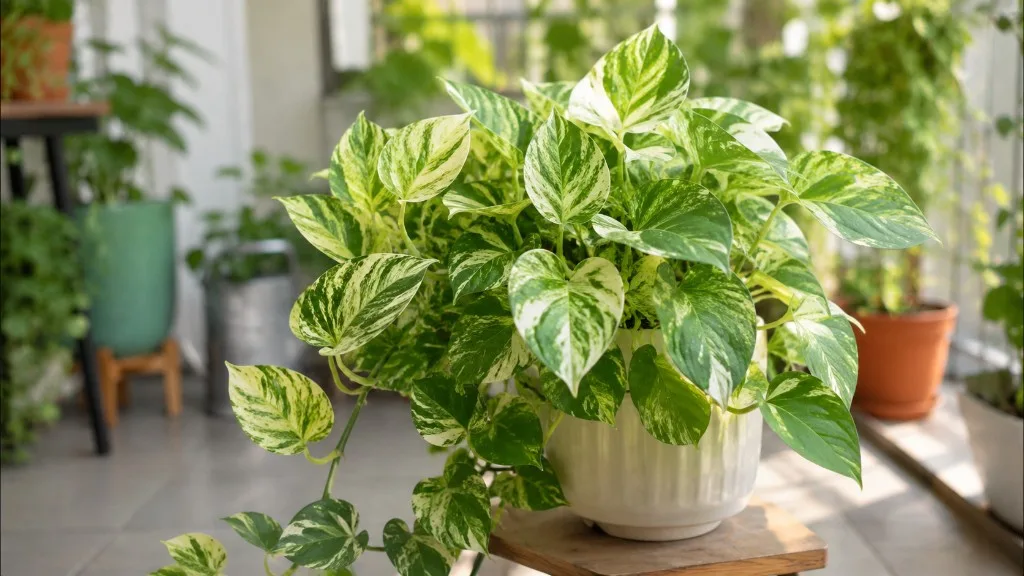
Manjula Pothos needs bright indirect light to maintain white variegation, well-draining soil watered every 7–10 days, and moderate humidity. Slow grower - new leaves unfurl over 1–2 weeks.
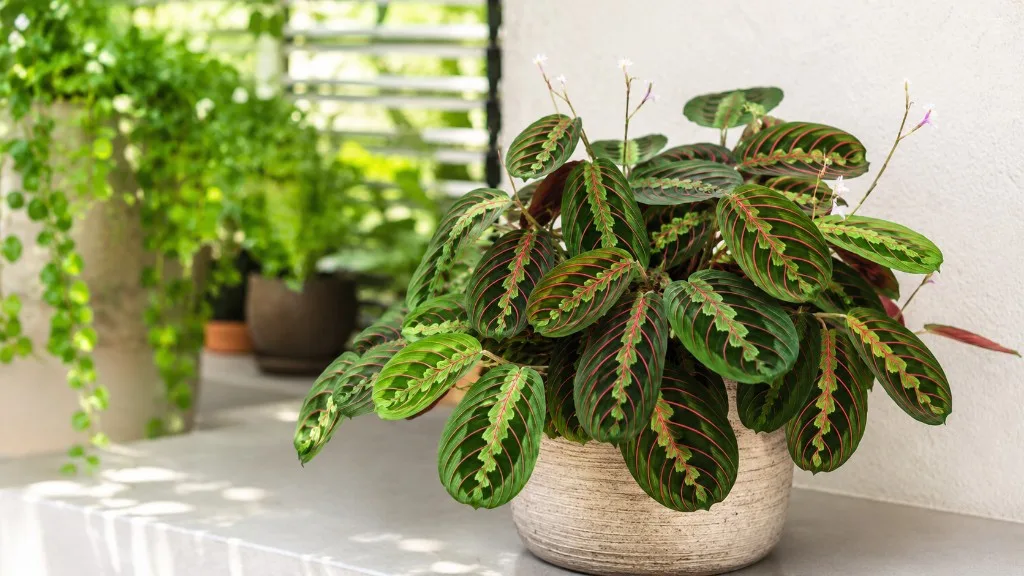
Maranta Lemon Lime prayer plant care: bright indirect light, high humidity, filtered water, evenly moist soil, stem-cuttings propagation. Pet safe.
Prayer Plant needs bright indirect light, consistently moist soil (filtered water), 50%+ humidity, and temperatures above 15 °C. Non-toxic to pets.
Red prayer plant (Maranta erythroneura) care: bright indirect light, high humidity, filtered water, moist soil, and nightly leaf folding. Pet safe.
Marble Queen Pothos needs bright indirect light to maintain white variegation, watering every 7–10 days when top 3–5 cm are dry, and well-draining soil. Slow grower - patience required.
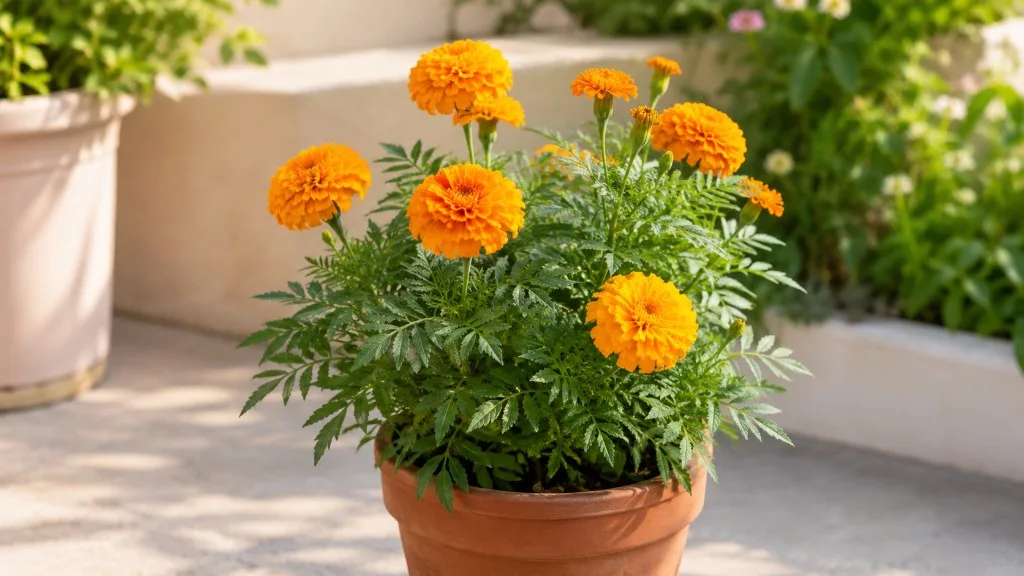
Marigolds need full sun (5–6+ hours), base watering every 3–5 days, regular deadheading, and moderately fertile well-draining soil. Non-toxic to pets.
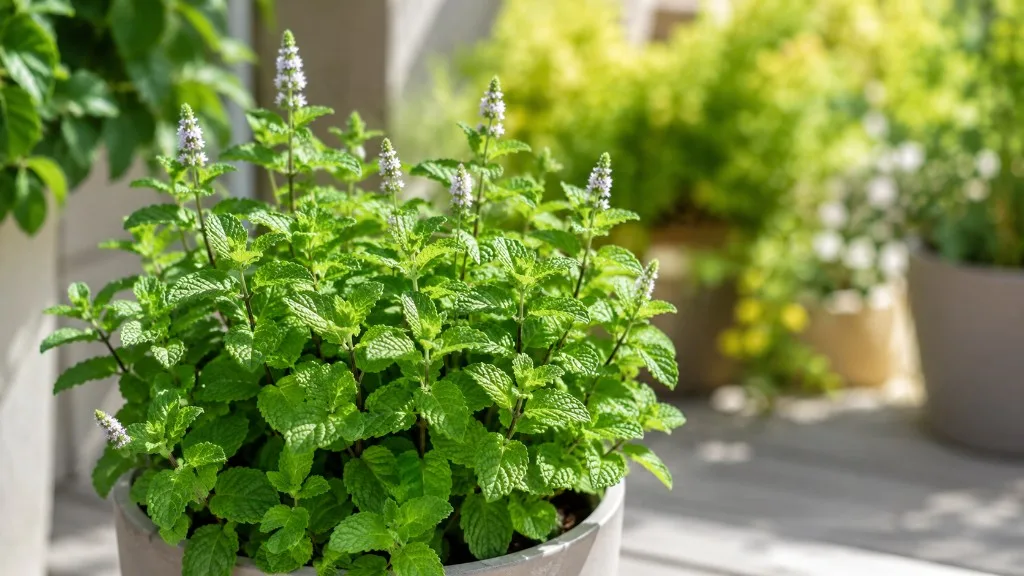
Mint needs consistently moist soil, 4–6 hours of sun, and regular harvesting to prevent flowering. Container growing prevents it from taking over.
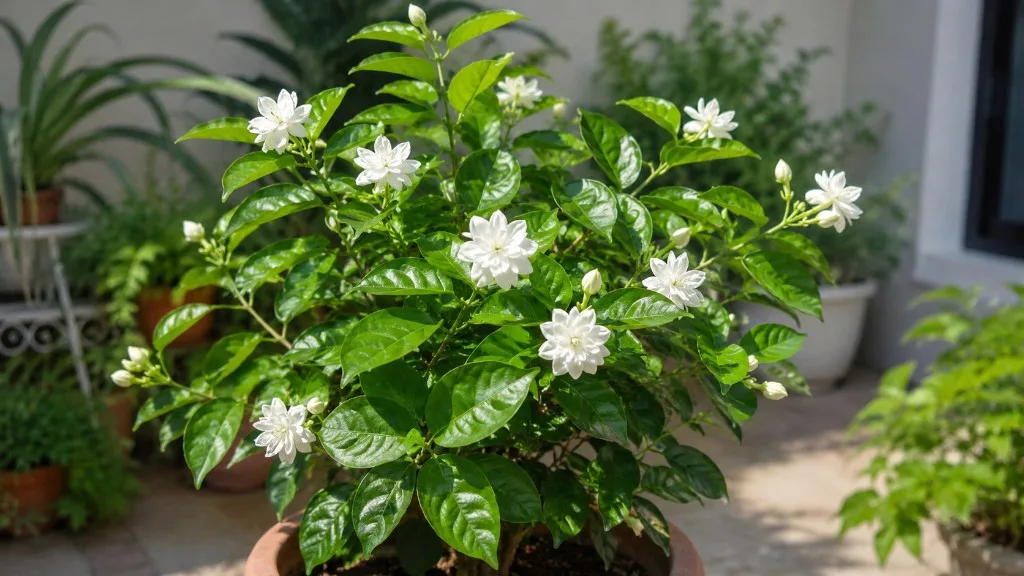
Mogra needs 5–6+ hours direct sun, consistent moderate moisture, biweekly feeding with flowering fertiliser, and pruning after each bloom flush. Non-toxic to pets.
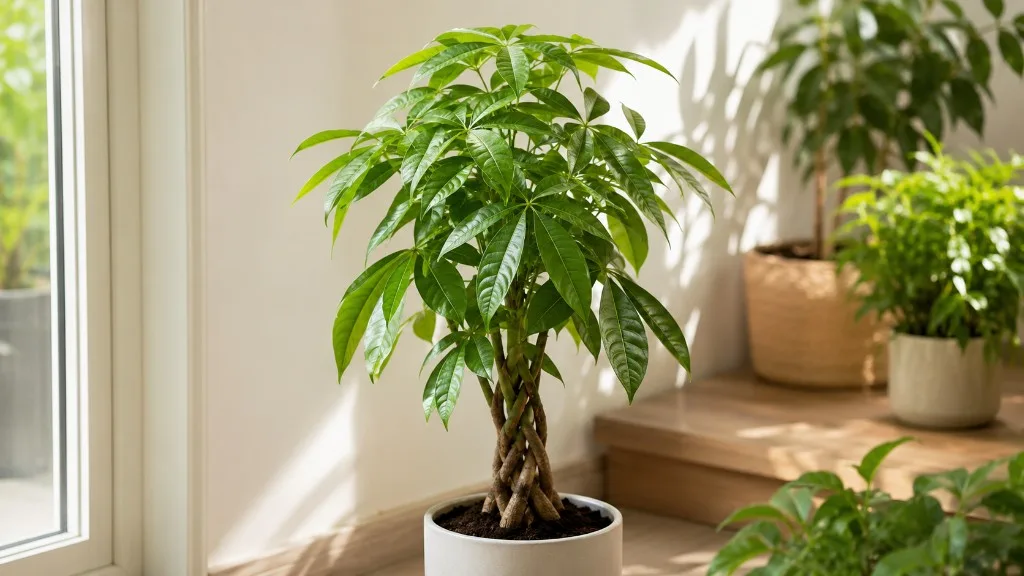
Money Tree needs bright indirect light, deep watering every 7–14 days followed by full drying at root depth, and rotation for even growth. Non-toxic to pets.
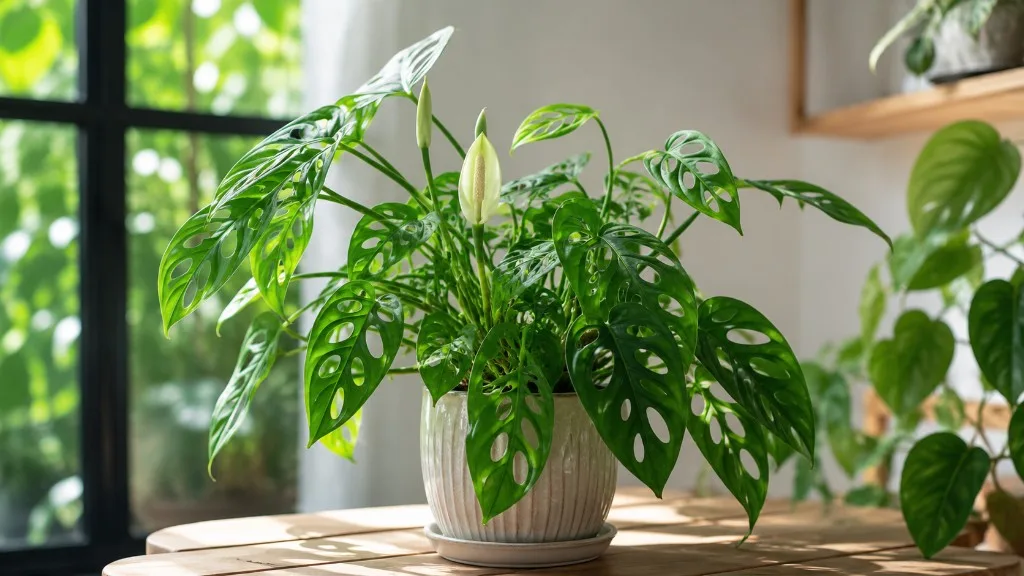
Monstera Adansonii needs bright indirect light for fenestrations, watering every 7–10 days when top 3–5 cm is dry, 50%+ humidity, and a moss pole for climbing support.
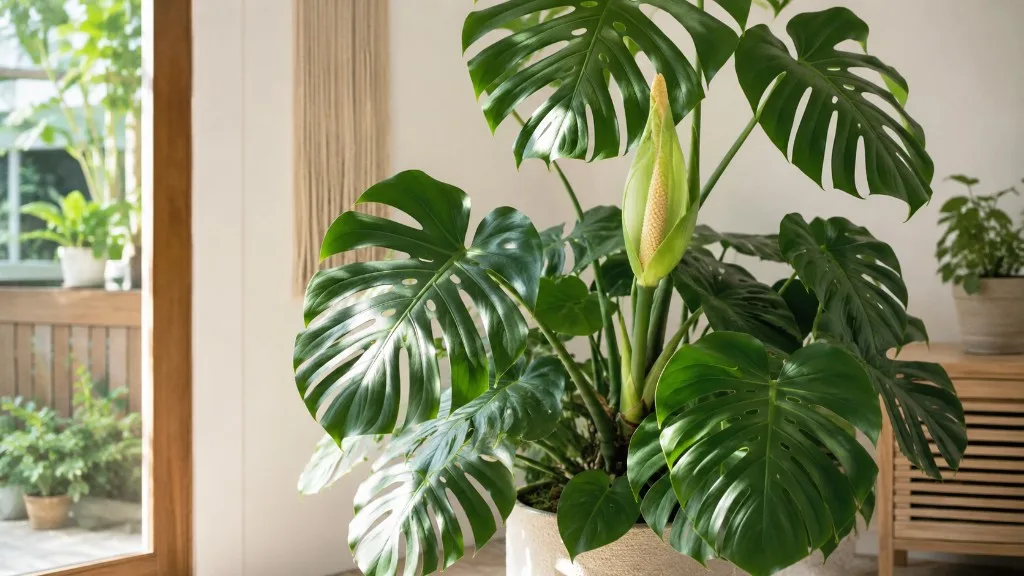
Grow Monstera Albo with a buyer checklist, Albo vs Thai comparison, bright filtered light, watering, support, reversion warnings, and pet-safety citations from NC State, Penn State, RHS, ASPCA, and Merck.
Grow split-leaf monstera indoors - watering, bright indirect light, moss pole support, and fixes for yellow leaves.

Grow Monstera dubia indoors with direct Kew/RHS-backed identity, flat-board setup, humidity targets, watering checks, pet-toxicity cautions, and troubleshooting for lifted shingles.
Grow Monstera Peru indoors with clear taxonomy caveats, puckered leaf ID, board or moss pole support, watering, humidity, soil, and pet-safety guidance.

Monstera siltepecana keeps silver juvenile leaves when trailing, but can develop larger green fenestrated leaves after sustained climbing support; water after the top 3–5 cm dries and keep it away from pets.
Grow Monstera Thai Constellation indoors with stable cream variegation, bright indirect light, dry-down watering, moss pole support, and pet safety per ASPCA.
Moon cactus care for grafted Gymnocalycium: bright filtered light, careful watering, gritty soil, graft lifespan, repotting, and propagation limits.
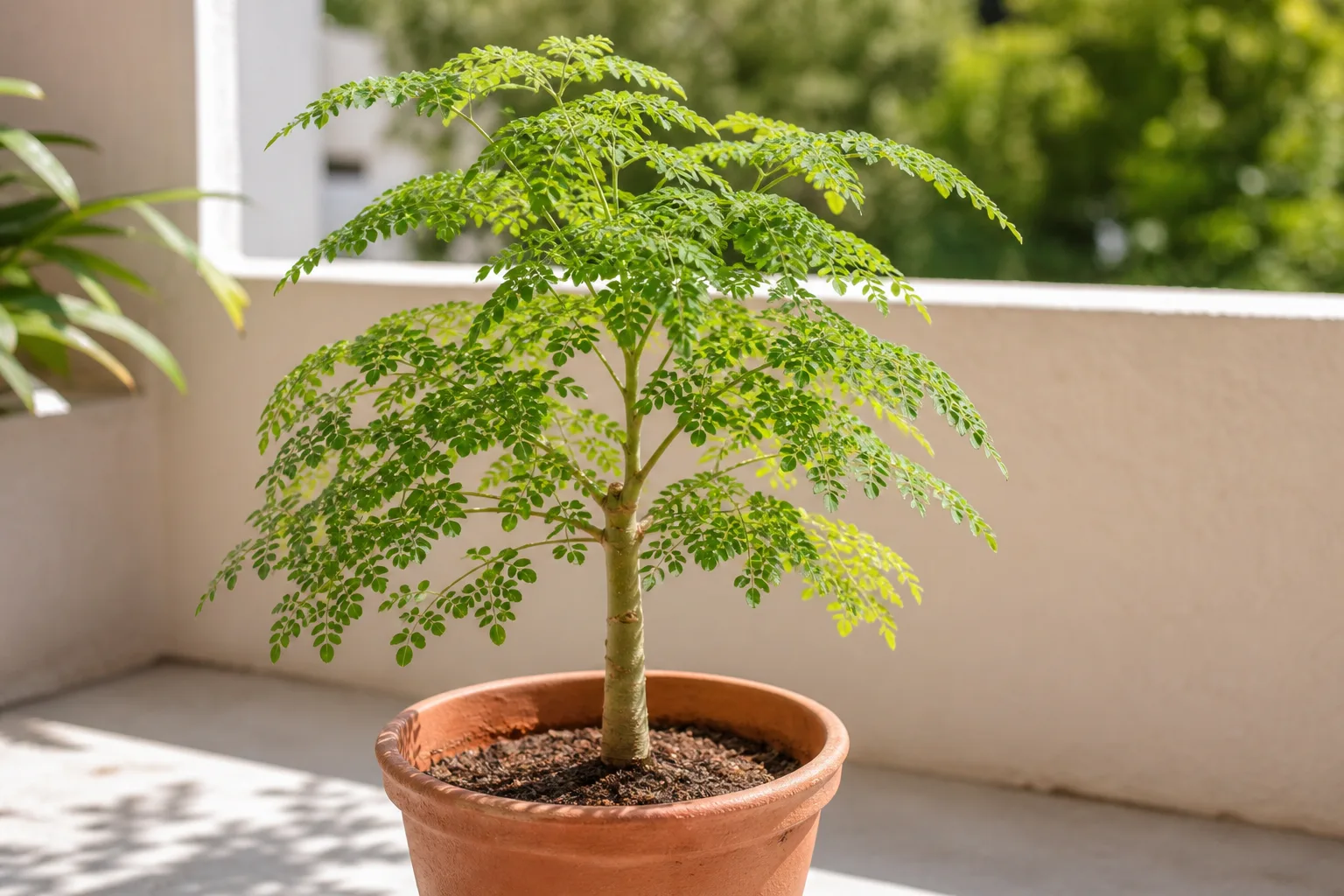
Moringa (Moringa oleifera) needs full sun, fast-draining soil, and deep watering when the top soil dries. Prune hard in containers; protect from frost and never waterlog the roots.
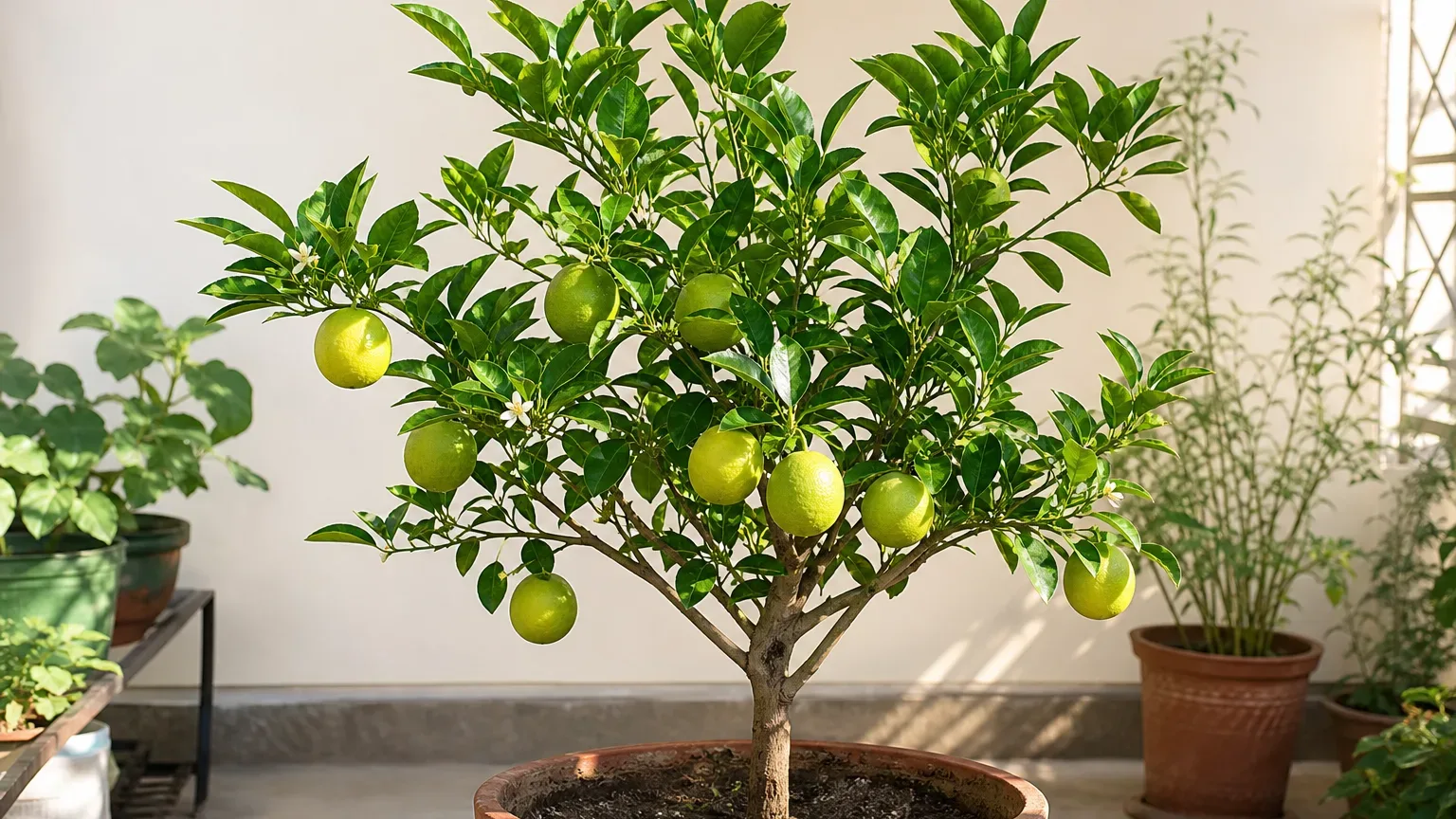
Grow Mosambi (Citrus limetta) in full sun and well-draining, mildly acidic soil. Learn watering, potting, fruiting, pet oil, and thorn safety basics.
Mother of millions care: contain prolific plantlets, bright sun, soak-and-dry watering, bufadienolide toxicity, and invasive spread warnings.
Mother of thousands care: manage prolific plantlets, bright light, soak-and-dry watering, toxicity to pets, and container control.
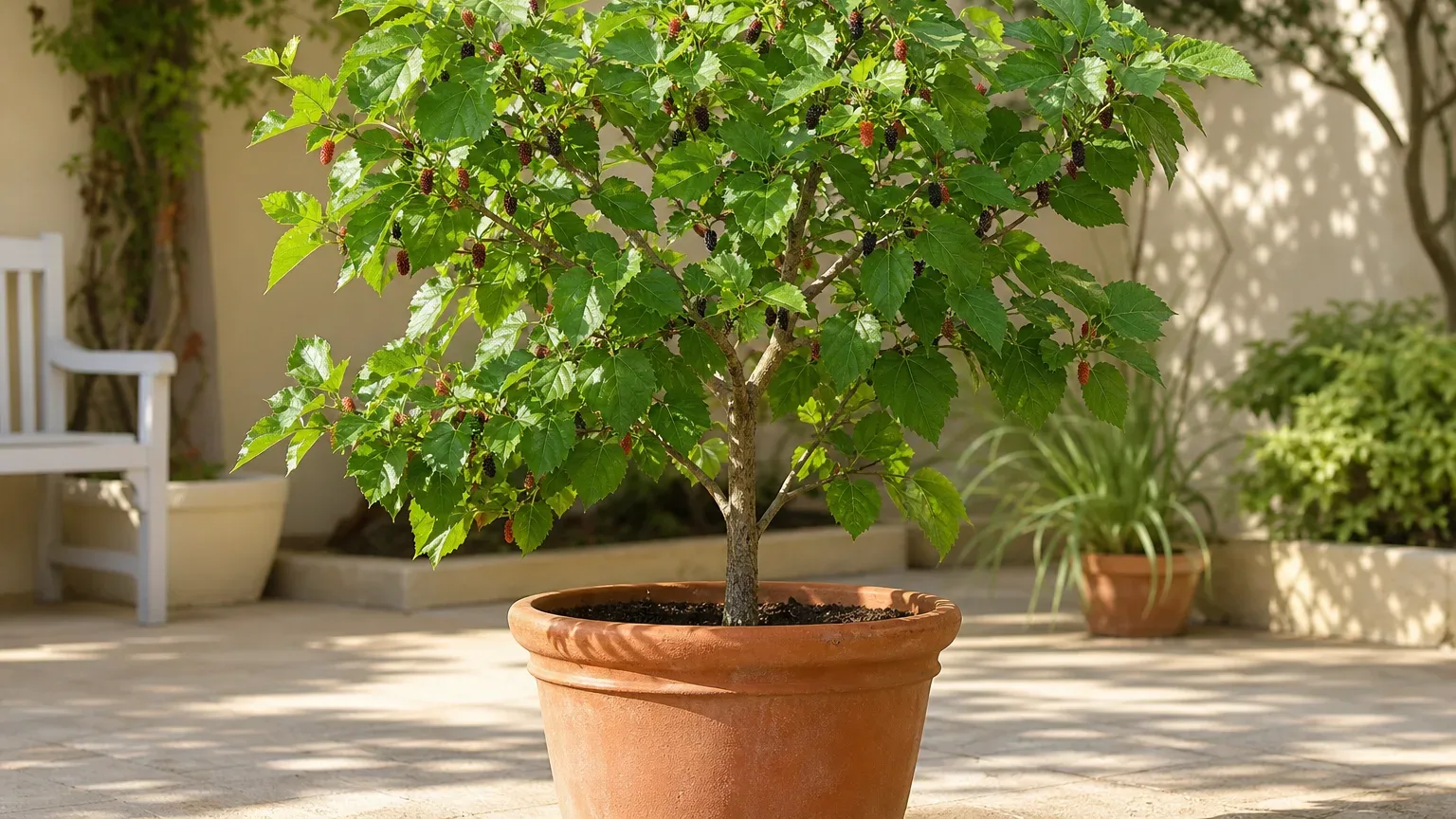
Grow Morus alba in full sun and moist, well-drained soil. Learn white mulberry watering, potting, pruning, ripe-fruit safety, and milky latex cautions.
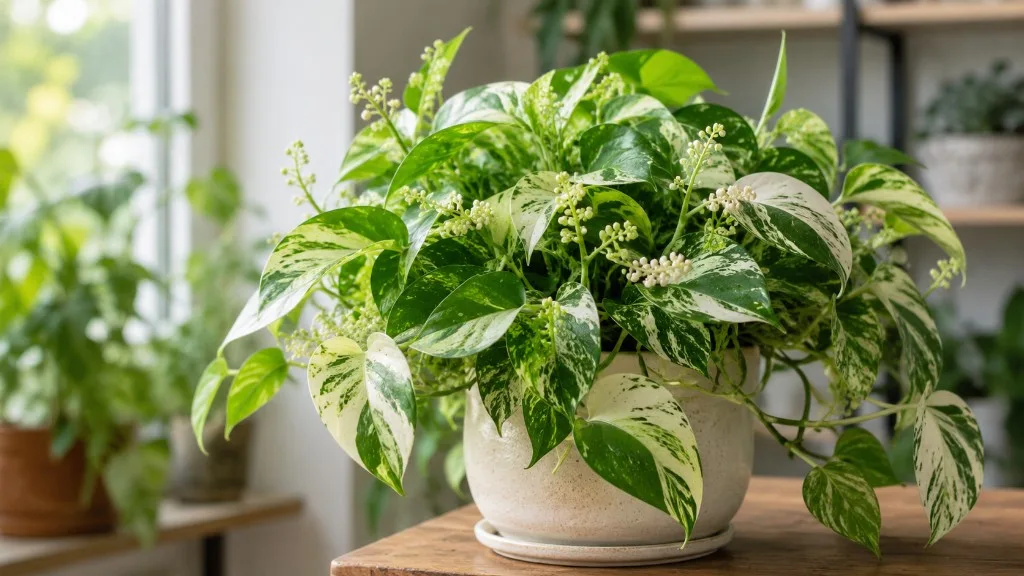
N'Joy pothos care: bright indirect light for cream variegation, watering when top 3–5 cm dries, propagation, and pet toxicity. Compact cultivar of Epipremnum aureum.
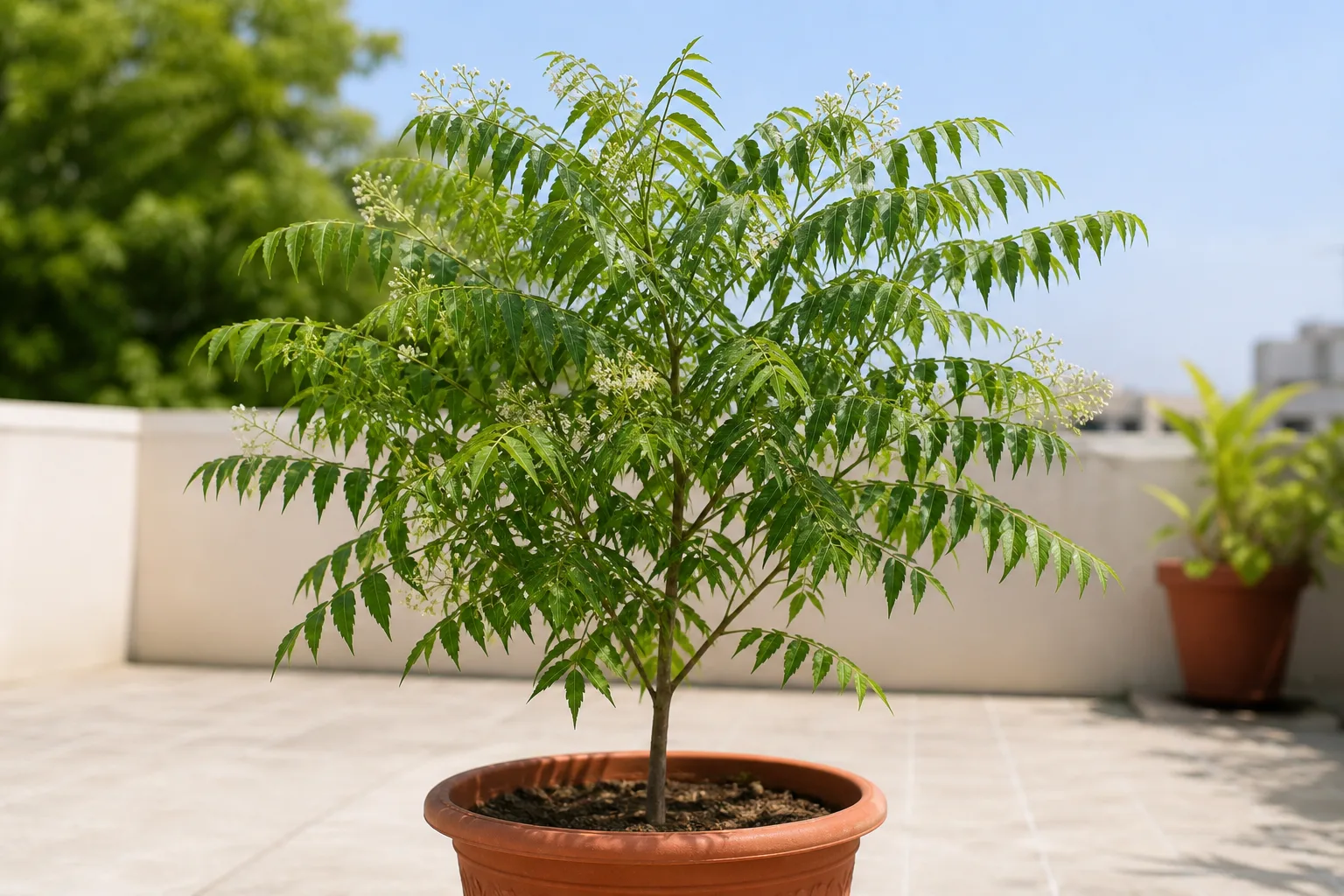
Neem needs full sun, sandy well-draining soil, and drought-smart watering in containers. Hardy in Indian tropics; protect below 5°C and prune to manage size.
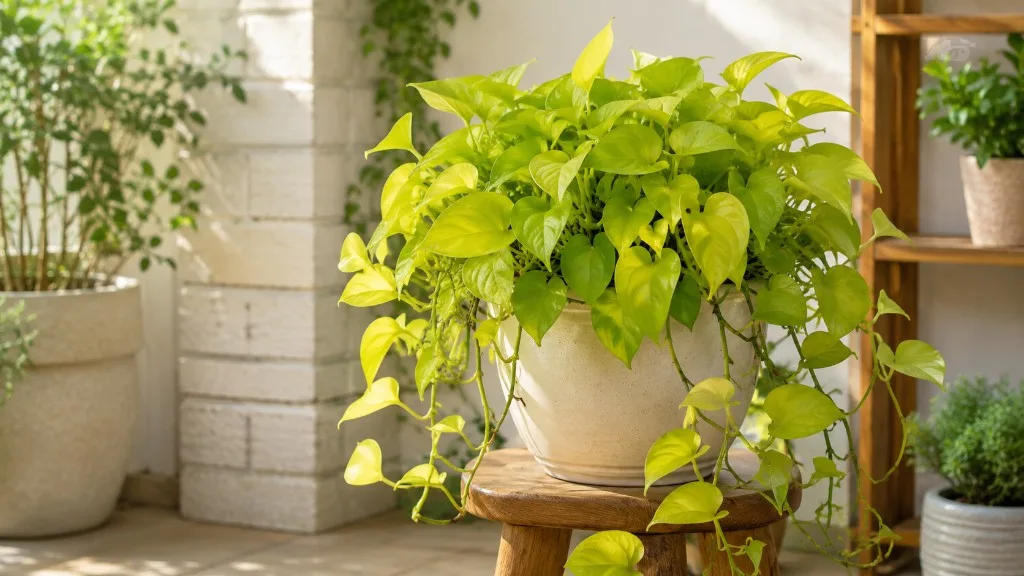
Neon Pothos needs bright to moderate indirect light for electric colour, watering every 7–10 days when top 3–5 cm is dry, and standard well-draining potting mix.
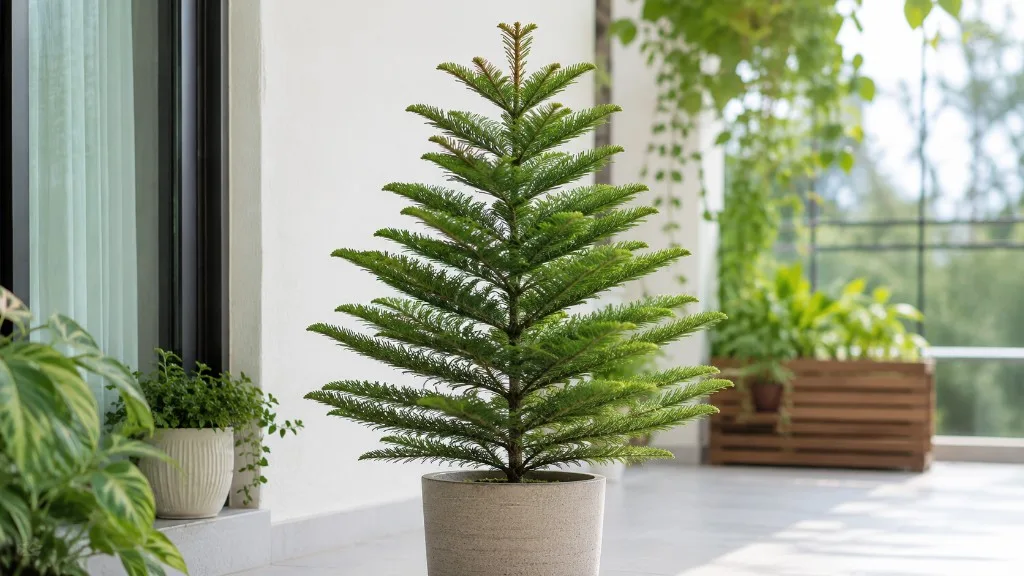
Norfolk Island Pine needs 4–5 hours of bright light daily, 50%+ humidity, moderately moist soil, and monthly rotation for symmetrical growth. Toxic to pets.
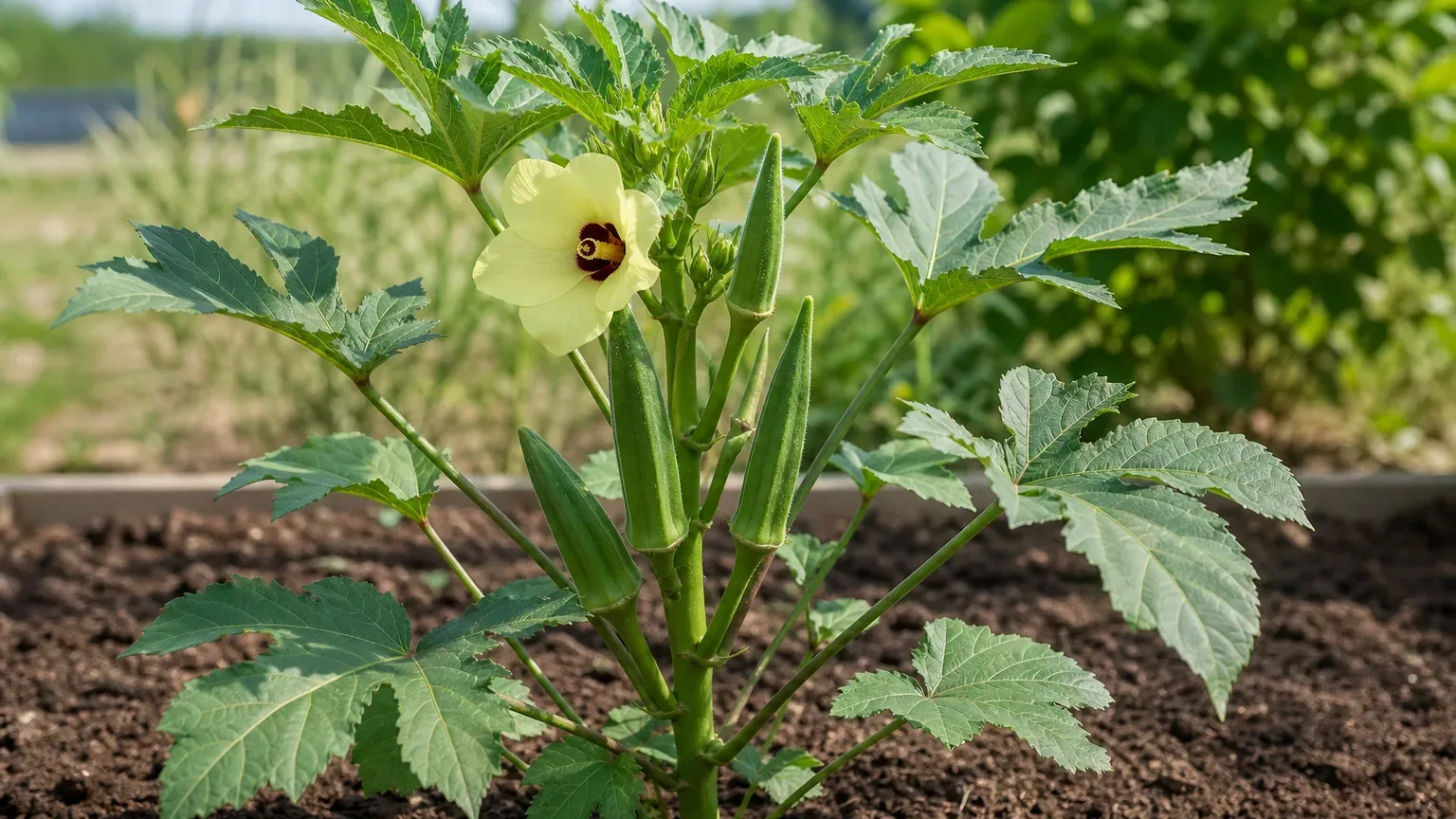
Grow okra or bhindi in full sun, warm well-drained soil, and steady moisture, then harvest cultivar-sized pods while they are young and tender.
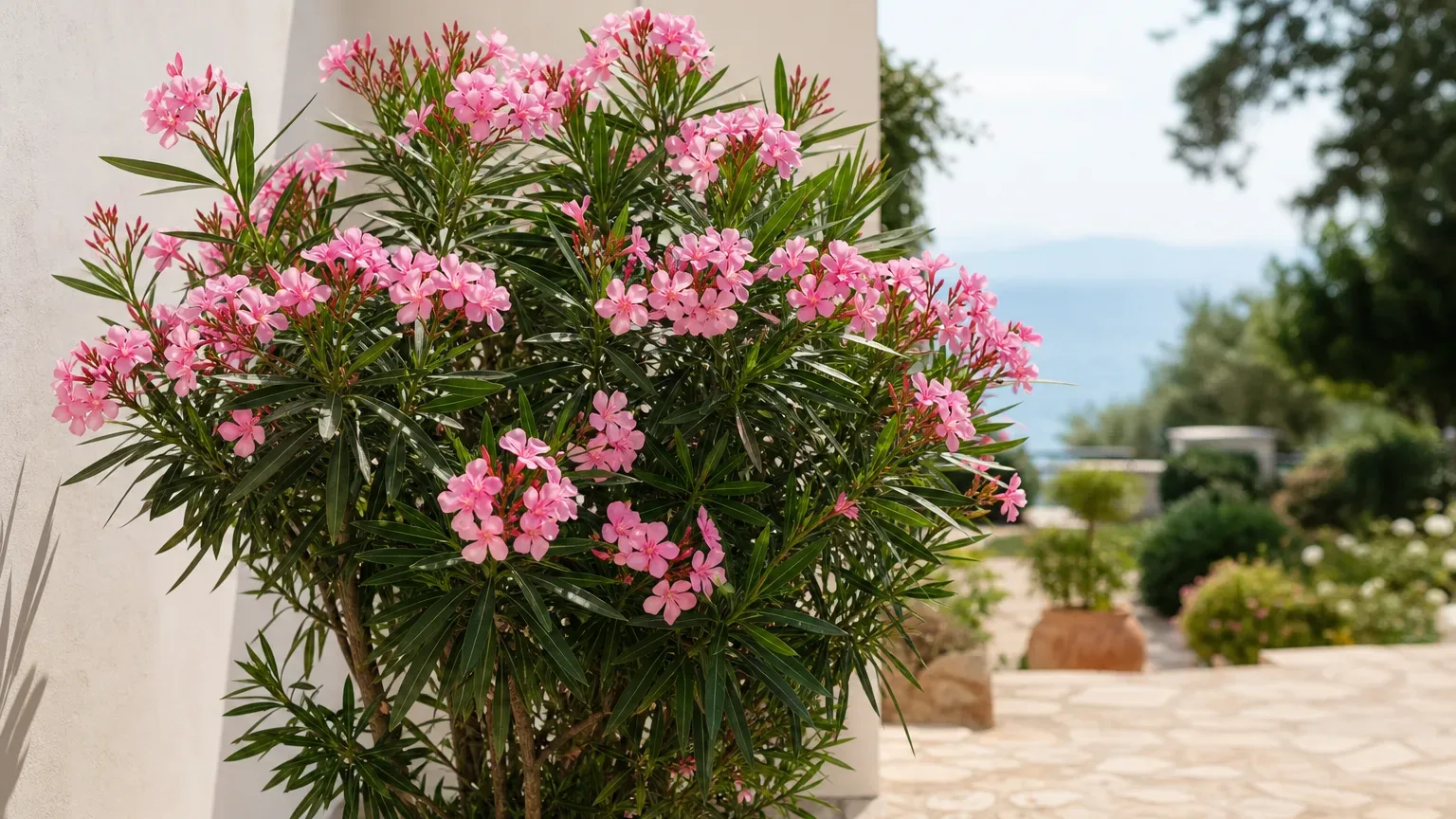
Grow oleander in full sun and fast-draining soil, watering when the top 5 cm dries. Learn pruning, pot care, frost protection, and critical toxicity safety.
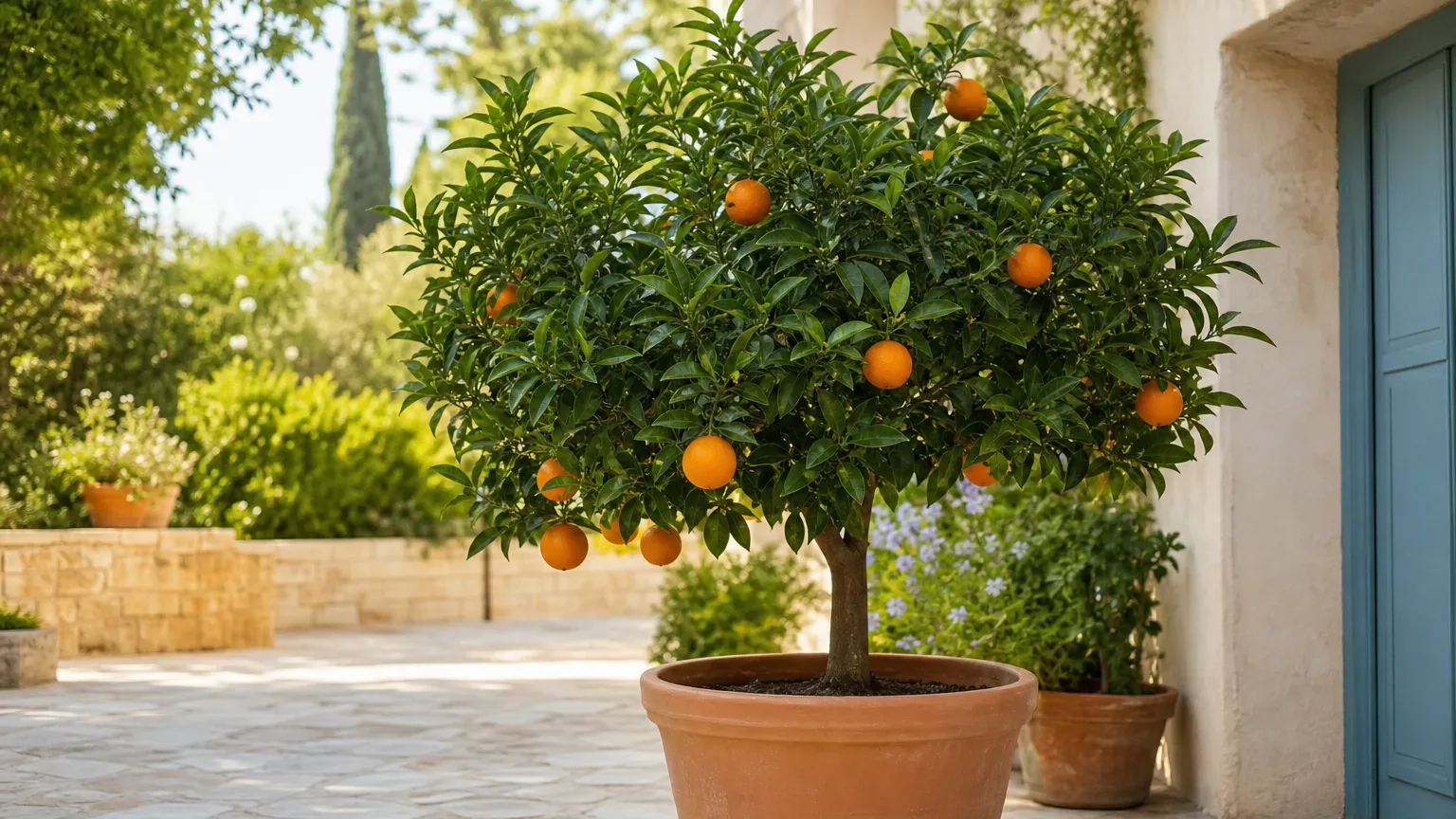
Grow Citrus sinensis in full sun, slightly acidic free-draining soil, and even moisture. Learn orange tree watering, repotting, fruiting, winter, thorn, and pet-safety essentials.
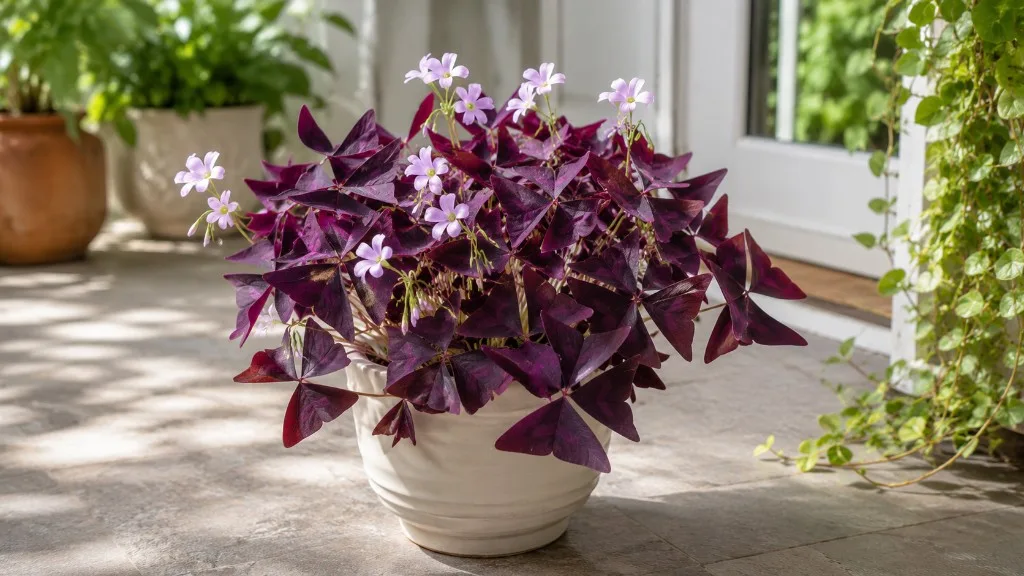
Oxalis triangularis needs bright indirect light for deep purple colour, watering every 5–8 days when top 2–3 cm is dry, and nearly no water during dormancy. Toxic to pets.
Panda plant (Kalanchoe tomentosa) care: bright light, infrequent watering, gritty soil, leaf propagation, and pet toxicity per ASPCA.
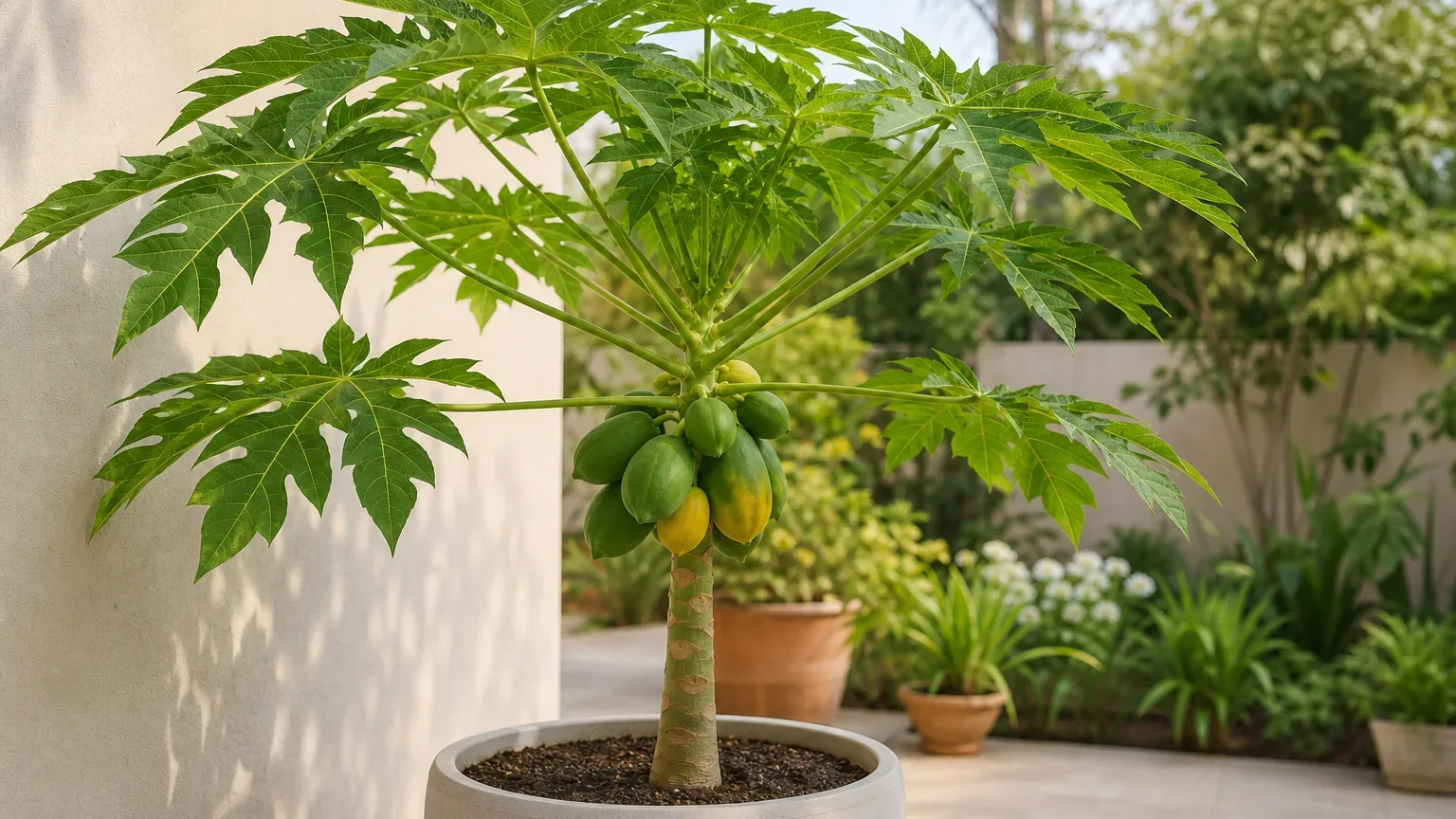
Grow Carica papaya in full sun, tropical warmth, and fertile, fast-draining soil kept evenly moist. Learn papaya watering, potting, growth, pollination, and pet-safety basics.
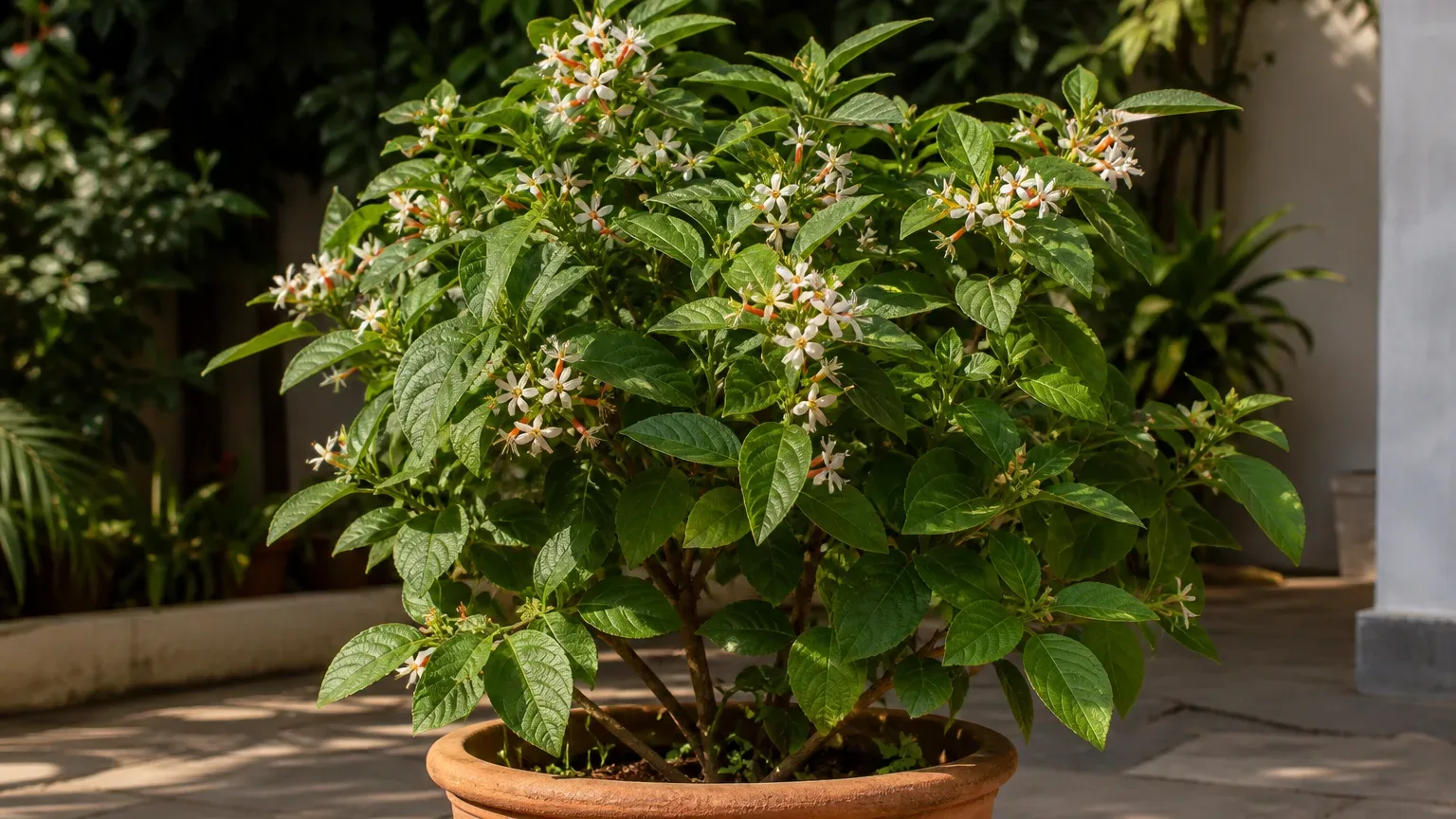
Grow Parijat in 4–6 hours of sun, fertile well-draining soil, and water when the top 3–5 cm dries. Learn pot care, pruning, flowering, and pet precautions.
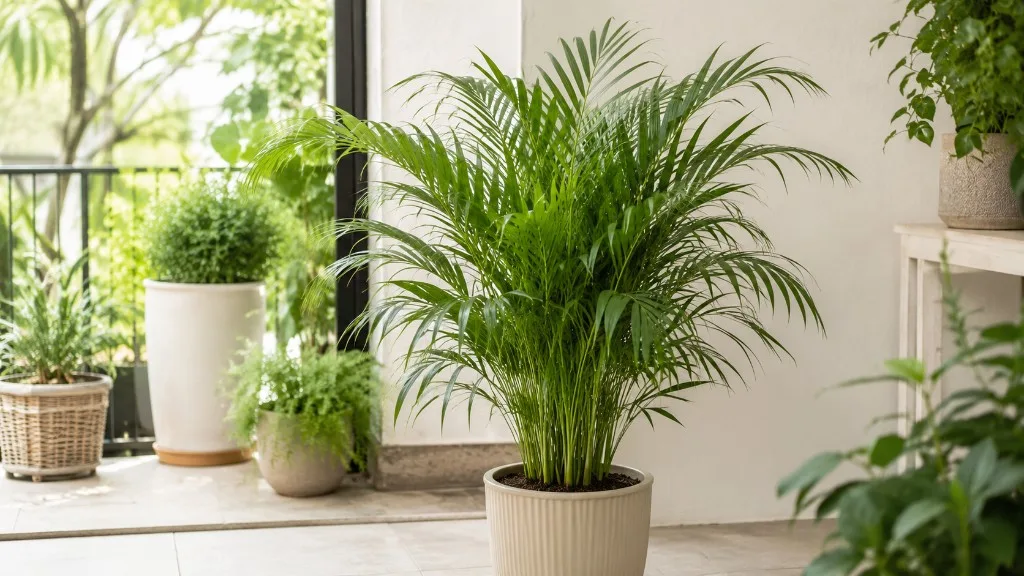
Parlor Palm needs bright to low indirect light, watering every 7–10 days when top 3–5 cm is dry, and 40–60 % humidity. Non-toxic to pets - an excellent pet-safe indoor palm.
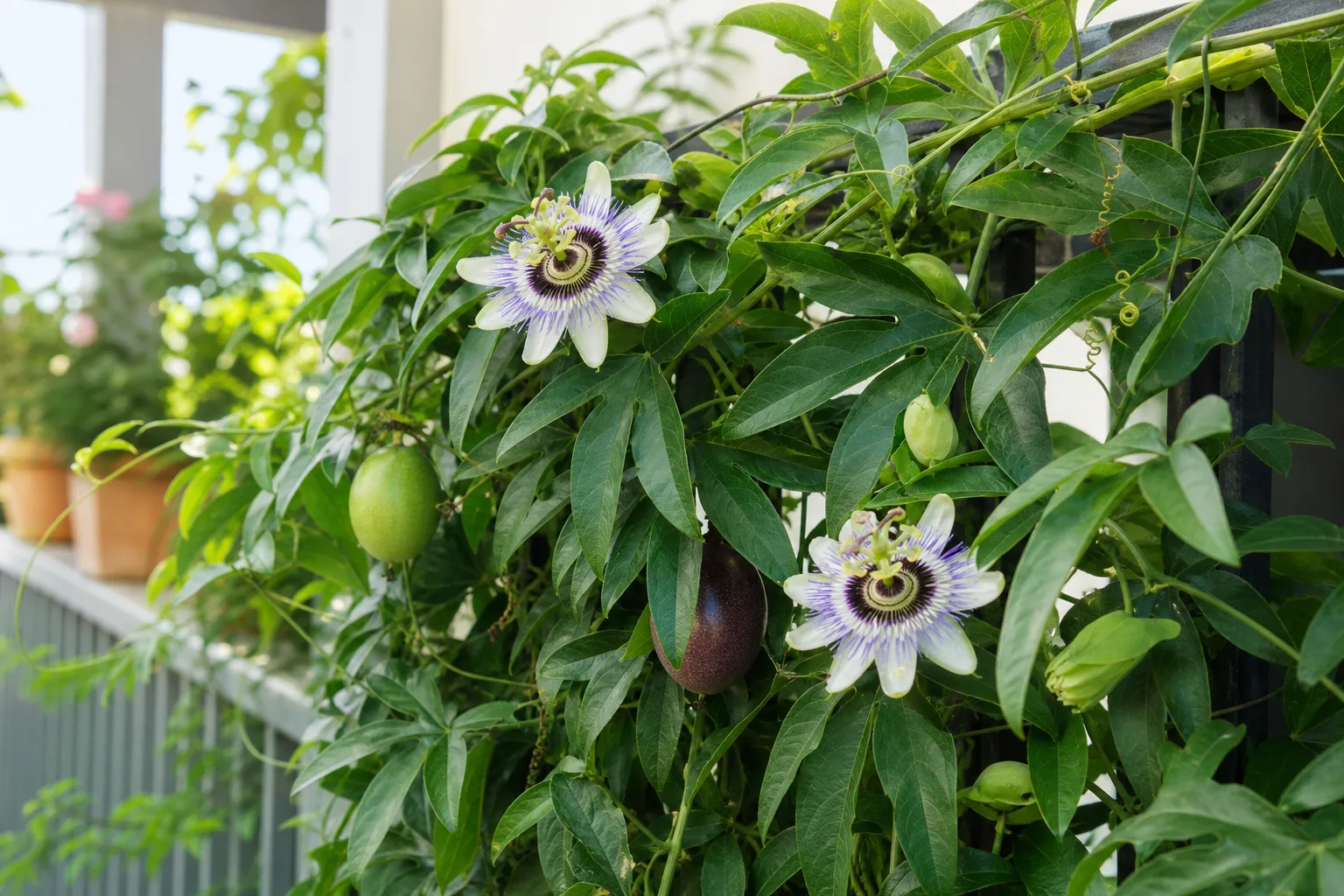
Grow Passion Fruit (Passiflora edulis) in full sun with a sturdy trellis, free-draining soil, and frequent deep watering. Learn watering, soil, training, fruiting, and pet-safety basics.
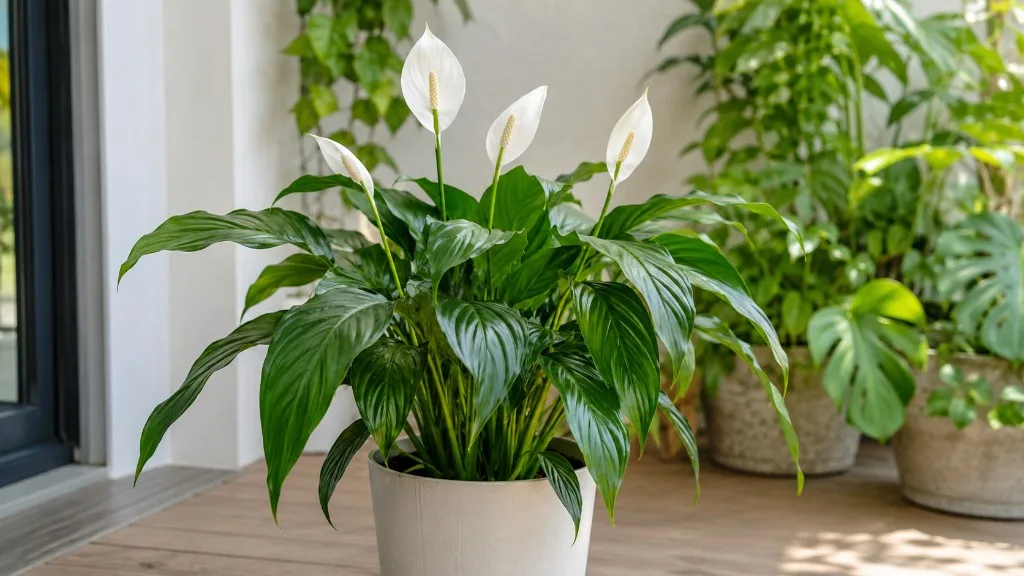
Peace lily care - droop-when-dry watering, medium indirect light, humidity, and brown tip fixes.
Pearls and Jade Pothos needs bright indirect light for white/grey variegation, watering every 7–10 days when top 3–5 cm is dry, and well-draining potting mix.
Pencil cactus care: bright direct sun, minimal watering, gritty soil, Firesticks color tips, sap safety, and pet toxicity.
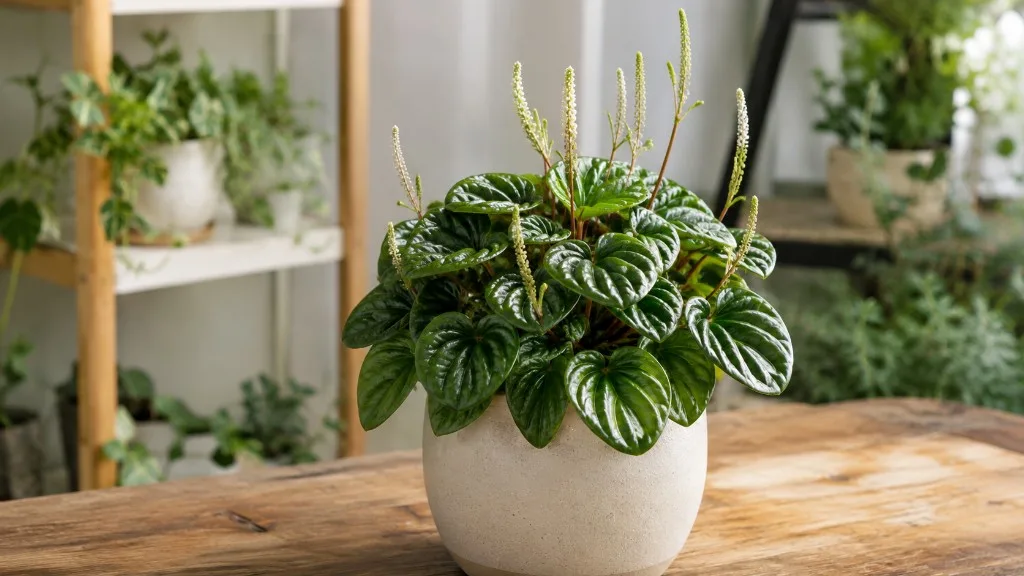
Peperomia needs bright to medium indirect light, watering every 10–14 days when soil is completely dry, fast-draining mix, and minimal fertilising. Non-toxic to pets.
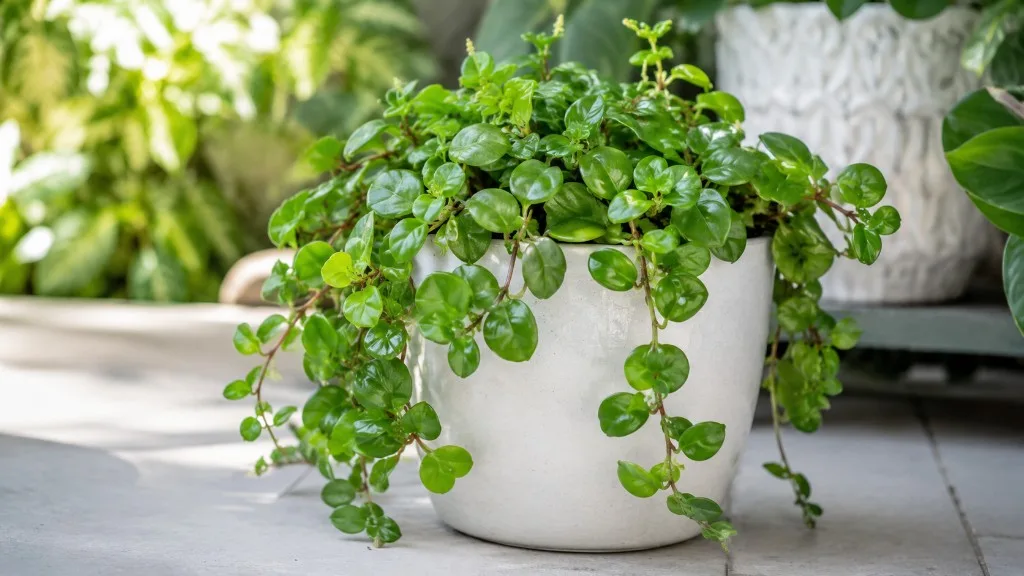
Peperomia Hope needs bright to medium indirect light, watering every 10–14 days when soil is completely dry, and a fast-draining mix. Non-toxic to pets. Excellent in hanging baskets.
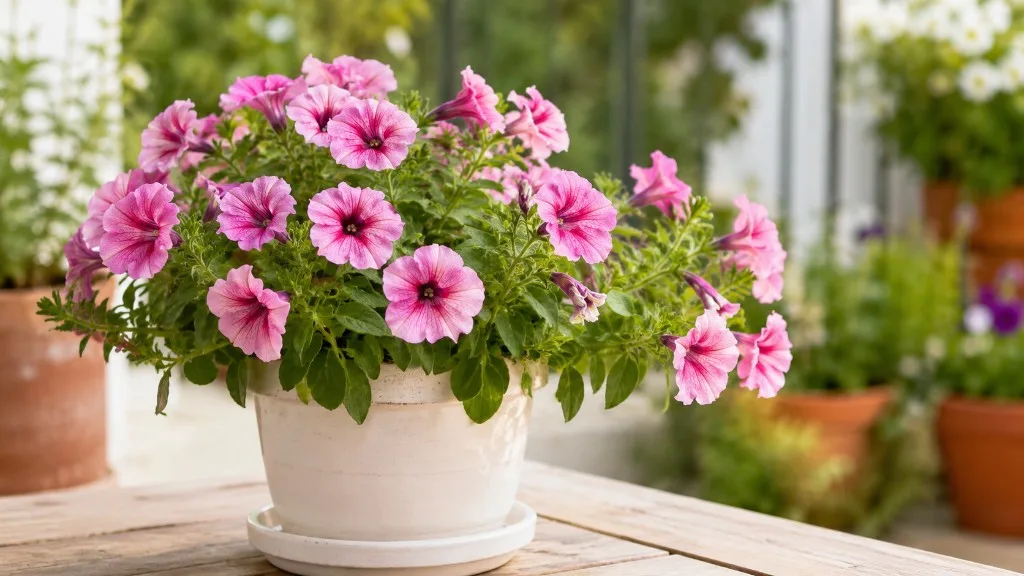
Petunias need full sun (5–6+ hours), base watering every 1–3 days, deadheading every 2–3 days, and biweekly feeding. Non-toxic to pets.
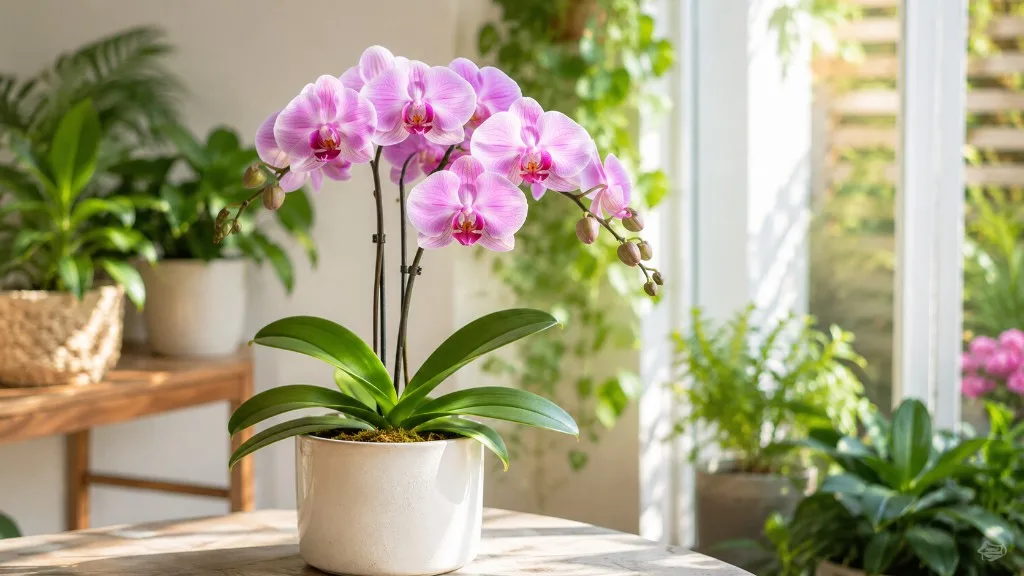
Phalaenopsis needs bright indirect light, watering through bark every 7–10 days allowing near-complete drying, 40–70 % humidity, and 5–8 °C cooler nights in autumn to trigger reblooming. Non-toxic to pets.
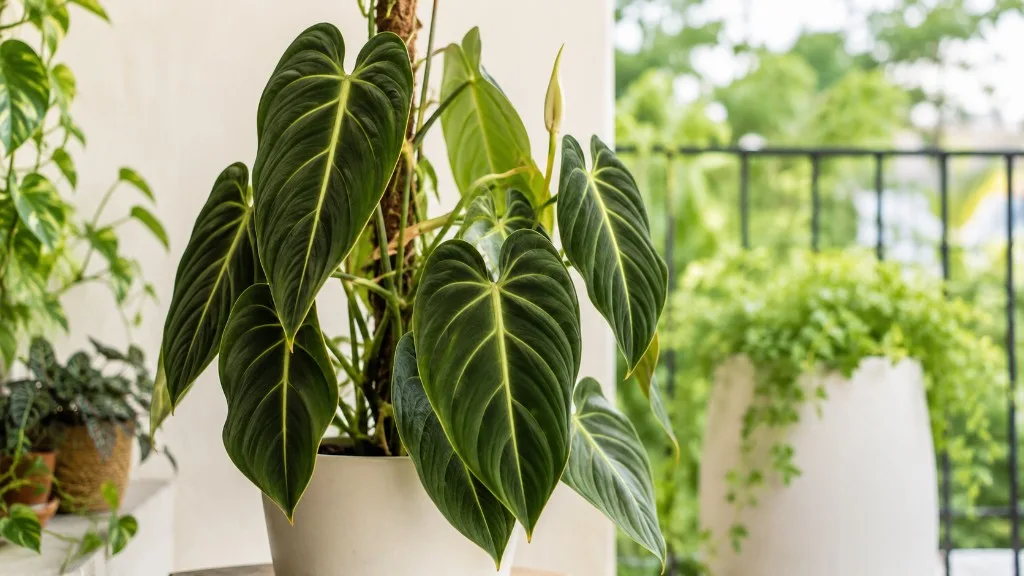
Philodendron atabapoense needs bright indirect light, 60–80 % humidity, moss pole support, watering every 7–10 days when top 3–5 cm is dry, and chunky aroid mix. Toxic to pets.
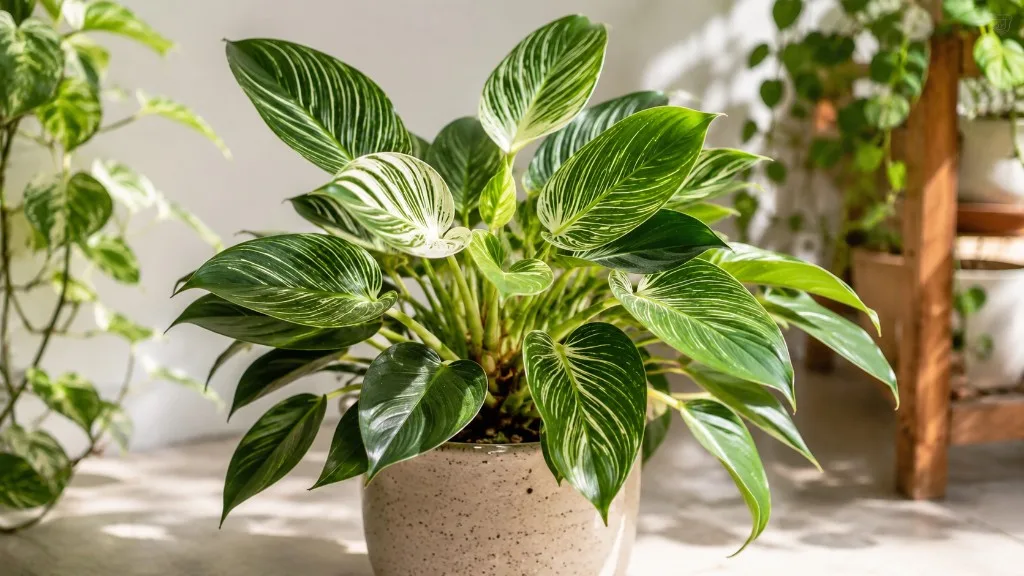
Philodendron Birkin needs bright indirect light for pinstripe variegation, watering every 7–10 days when top 3–5 cm is dry, 50–60 % humidity, and no moss pole needed. Toxic to pets.
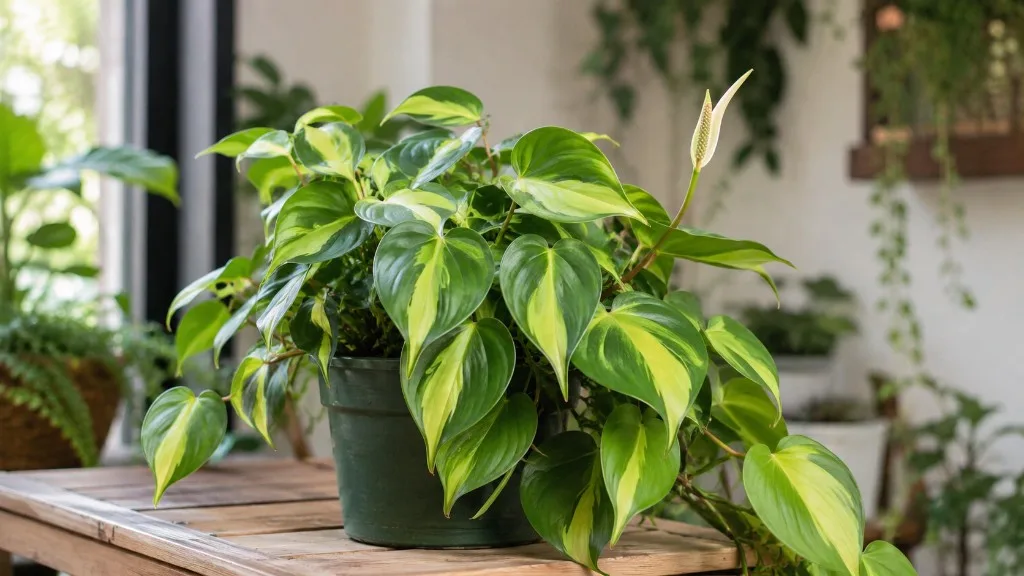
Philodendron Brasil needs bright indirect light for vivid colour, watering every 7–10 days when top 3–5 cm is dry, and standard well-draining potting mix. Toxic to pets.
Philodendron Burle Marx care: medium indirect light, watering when top 3–5 cm dries, stem-cut propagation, and wide pots for creeping growth. Toxic to pets.
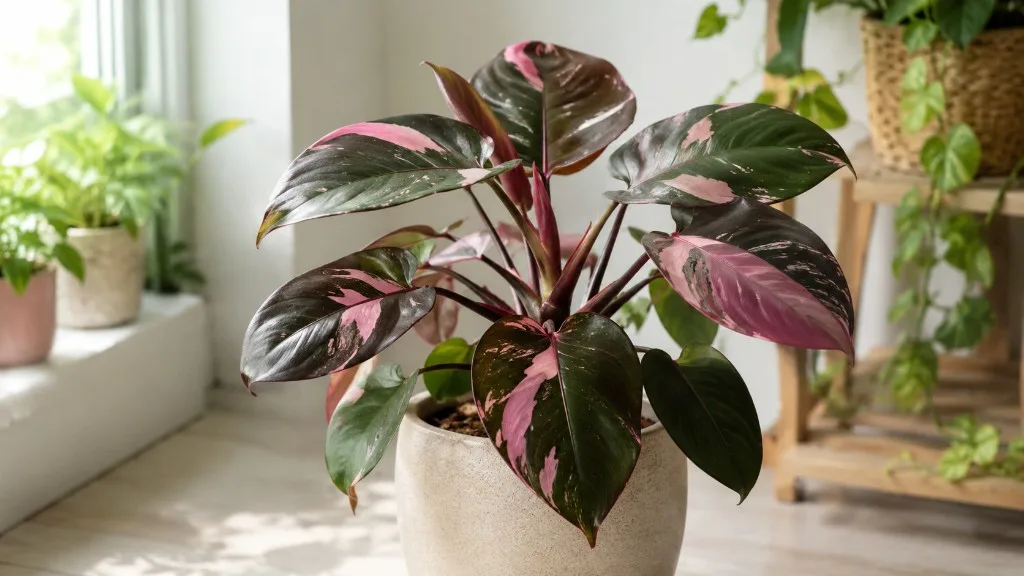
Florida Beauty philodendron (pedatum × squamiferum) needs bright filtered light for cream variegation, moss pole support, chunky mix, and stem-tip cuttings. Toxic to pets.
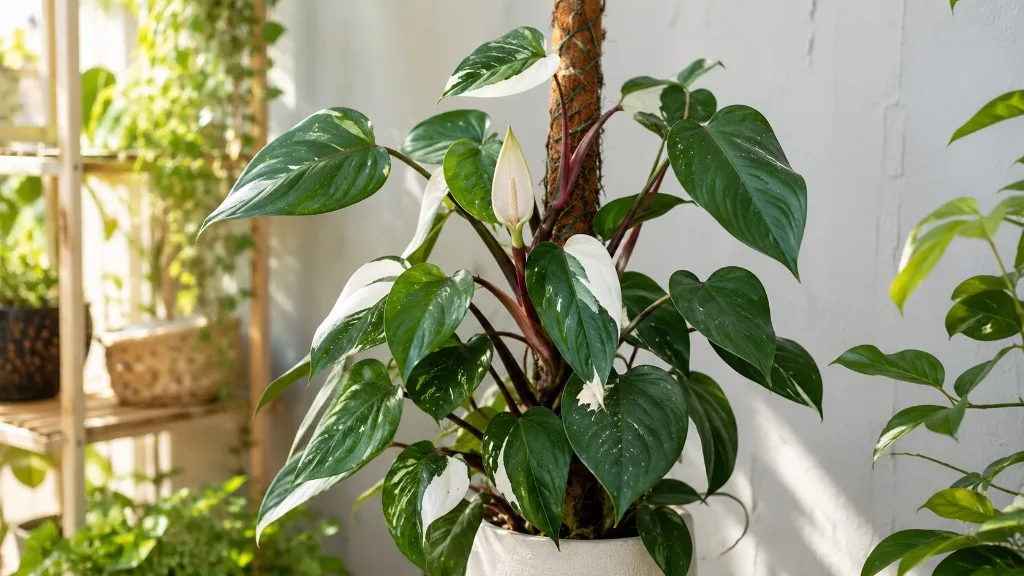
Florida Ghost philodendron needs bright indirect light, a moss pole, chunky mix, and stem-tip cuttings. White new leaves mature green. Toxic to pets.
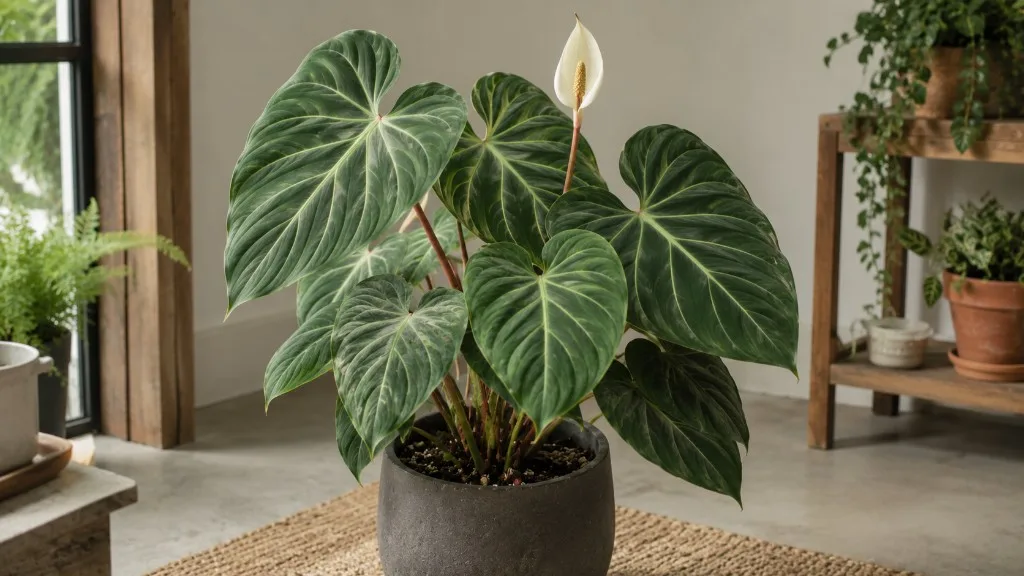
Philodendron Gloriosum needs bright indirect light, watering every 10–14 days when top 3–5 cm is dry, 60–70 % humidity for velvet texture, and a wide shallow pot for its horizontal growth.
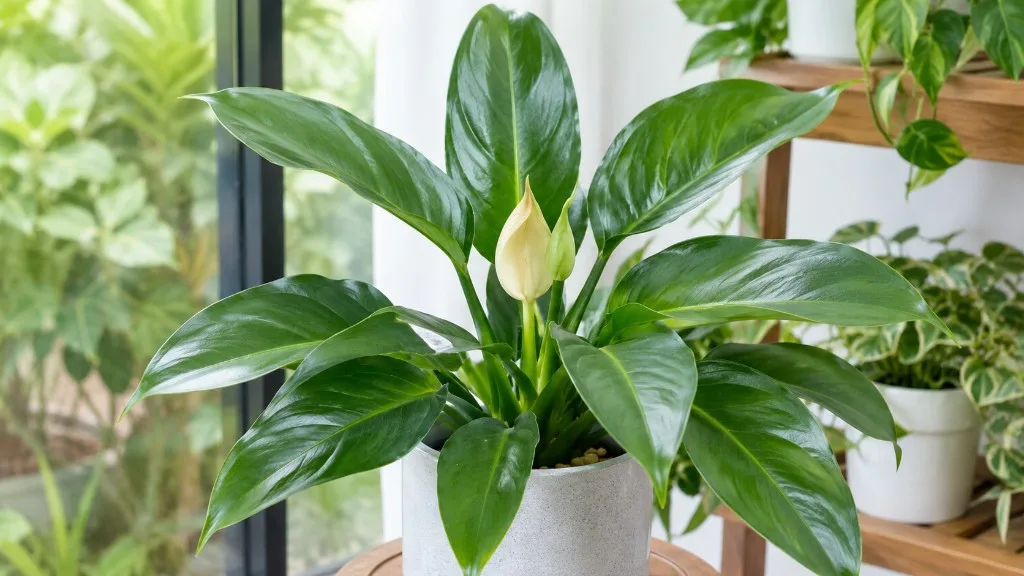
Philodendron Imperial Green needs bright to medium indirect light, watering every 7–10 days when top 3–5 cm is dry, and standard draining aroid mix. Non-climbing - no moss pole needed. Toxic to pets.
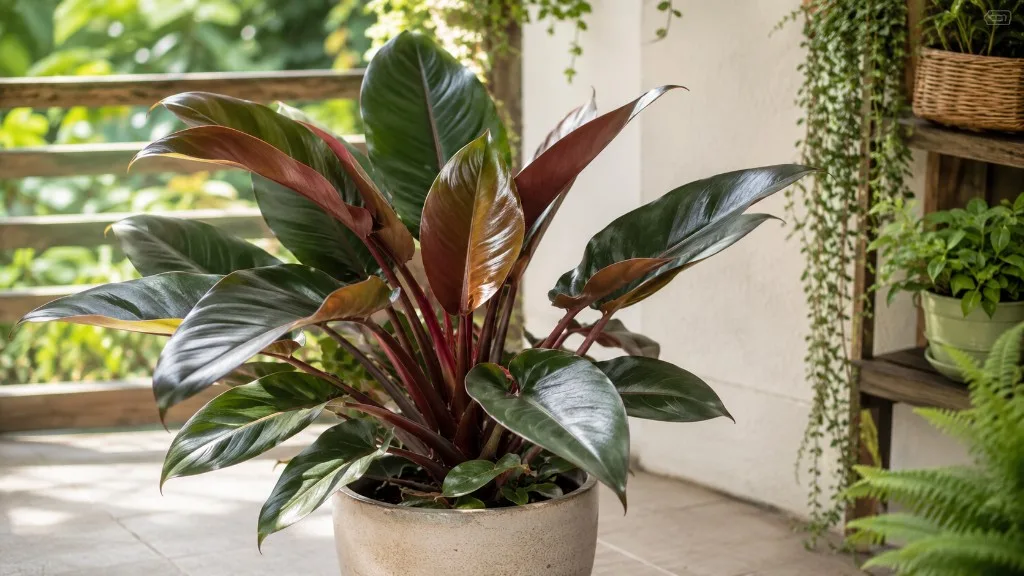
Philodendron Imperial Red needs medium to bright indirect light for vivid red new leaves, watering every 7–10 days when top 3–5 cm is dry. Toxic to pets. No climbing support needed.
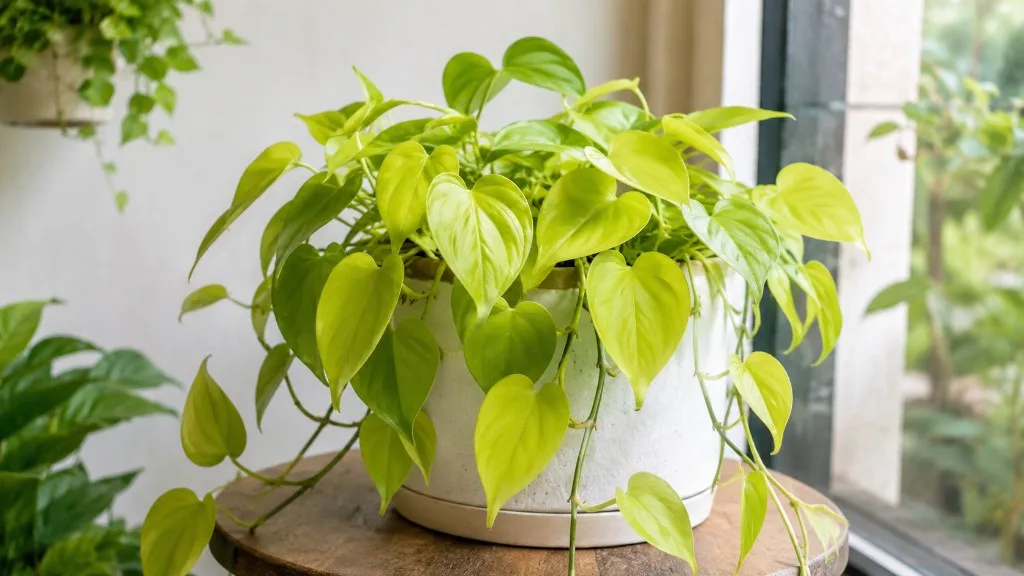
Philodendron Lemon Lime needs bright indirect light for vivid yellow-green colour, watering every 7–10 days when top 3–5 cm is dry, and well-draining aroid mix. Fast-growing. Toxic to pets.
Philodendron Majestic (verrucosum × sodiroi) needs bright indirect light, 60–75 % humidity, moss pole support, watering every 7–10 days, and chunky aroid mix. Toxic to pets.
Philodendron Melanochrysum needs bright indirect light, watering every 7–14 days, 60–70 % humidity, and a tall moss pole for best leaf development. Toxic to pets.
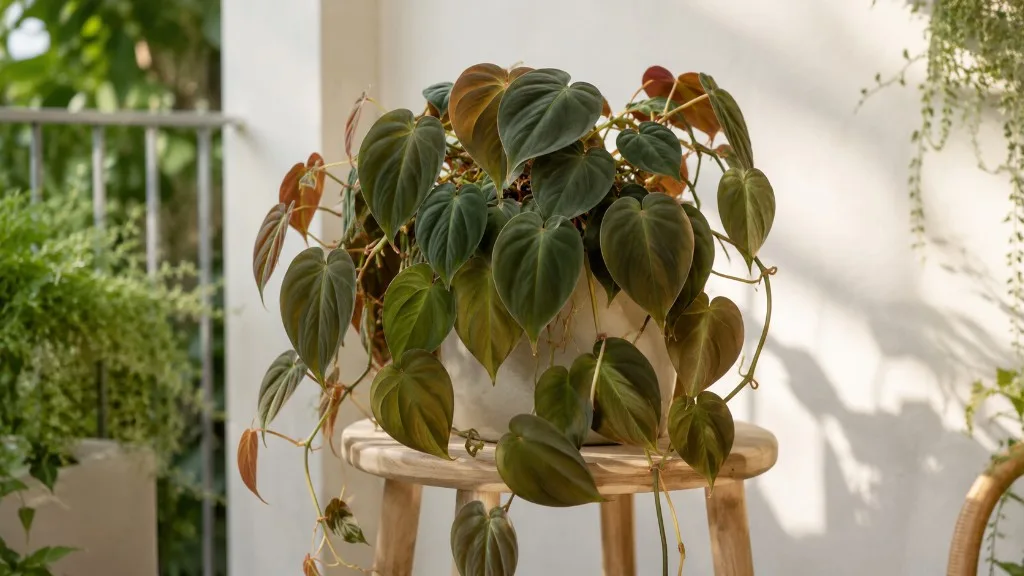
Philodendron Micans needs medium to bright indirect light, watering every 7–10 days when top 3–5 cm is dry, and 50–60 % humidity for best velvet texture. Toxic to pets.
Philodendron Moonlight needs bright indirect light for chartreuse new leaves, check-first watering when top 3–5 cm dries, division propagation, and moderate humidity. Toxic to pets.
Philodendron pastazanum needs bright indirect light, 60–70 % humidity, watering every 10–14 days when top 3–5 cm is dry, wide shallow pots for creeping rhizomes, and chunky aroid mix. Toxic to pets.
Philodendron Pink Princess needs bright indirect light (essential for pink variegation), watering every 7–10 days when top 3–5 cm is dry, 55–70 % humidity, and a climbing support. Toxic to pets.
Prince of Orange philodendron needs bright indirect light for orange new growth, watering when top 3–5 cm dries, and division propagation. Toxic to pets.
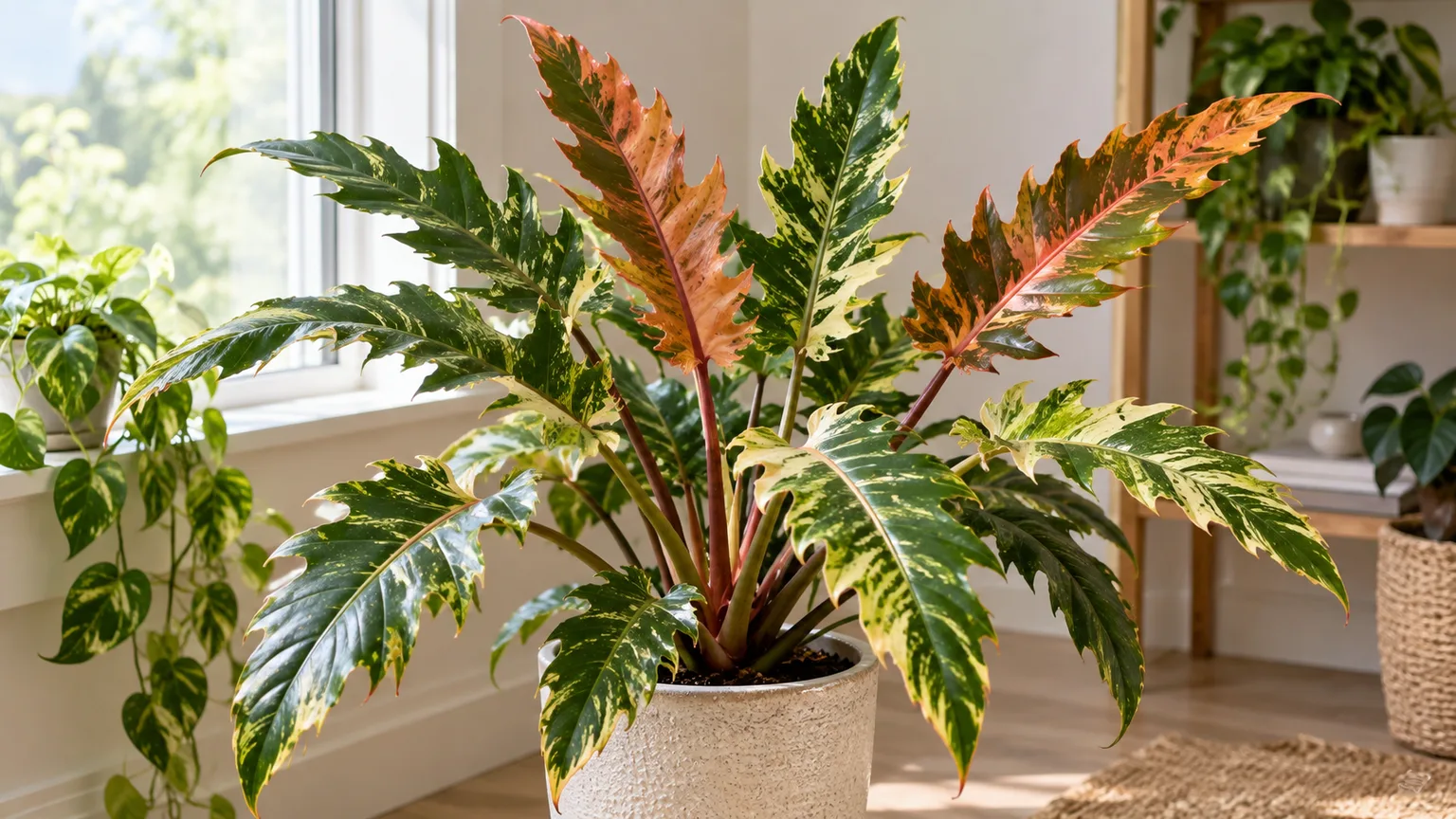
Philodendron Ring of Fire needs bright indirect light for orange, yellow, and white variegation on serrated leaves, watering every 7–10 days, 55–70 % humidity, and a climbing support. Toxic to pets.
Philodendron Rojo Congo needs medium to bright indirect light, watering when top 3–5 cm dries, and no climbing support. Toxic to pets.
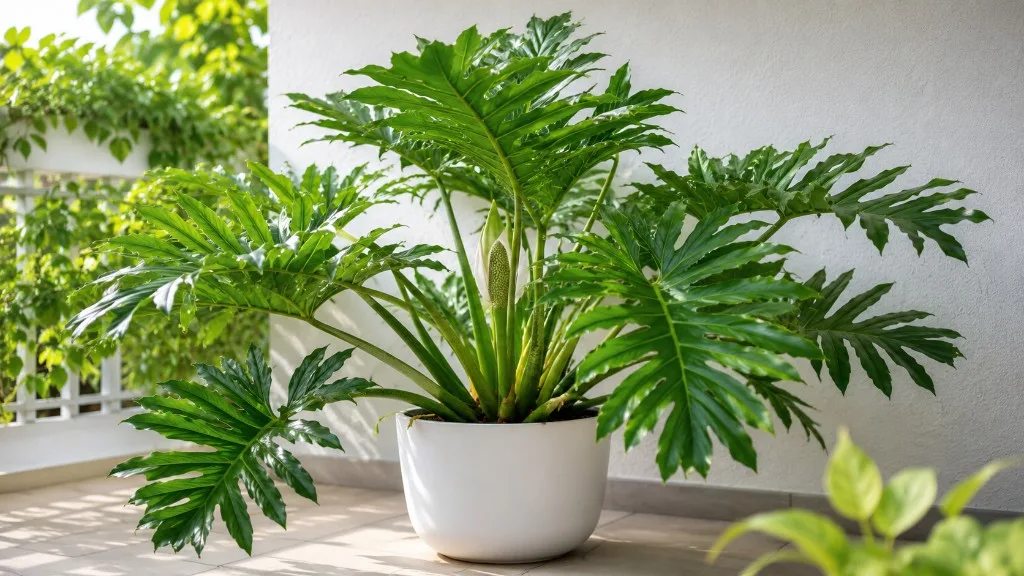
Philodendron Selloum needs bright to medium indirect light, watering every 7–10 days (top 5 cm dry), 50–60 % humidity, and a large pot. Toxic to pets. Plan for its eventual large size.
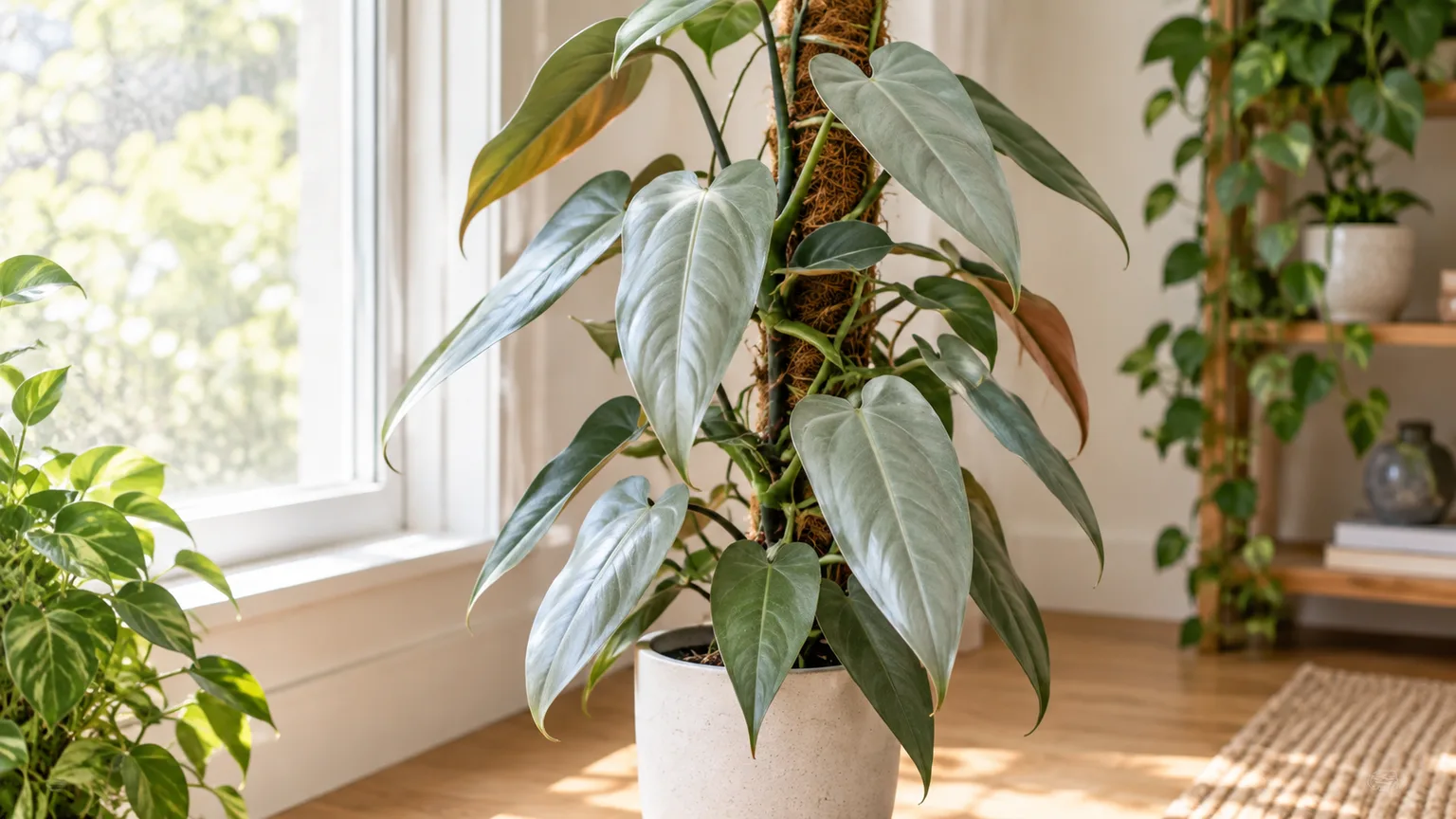
Philodendron hastatum (Silver Sword) needs bright indirect light, a moss pole, chunky aroid mix, and stem-cut propagation. Toxic to pets.
Philodendron Splendid (verrucosum × melanochrysum) needs bright indirect light, 60–80 % humidity, moss pole support, watering every 7–10 days, and chunky aroid mix. Toxic to pets.
Philodendron verrucosum needs bright indirect light, 60–80 % humidity, watering every 7–10 days when top 3–5 cm is dry, moss pole support, and chunky aroid mix. Toxic to pets.
Philodendron White Knight needs bright indirect light for white variegation, watering every 7–10 days when top 3–5 cm is dry, 55–70 % humidity, and a climbing support. Toxic to pets.
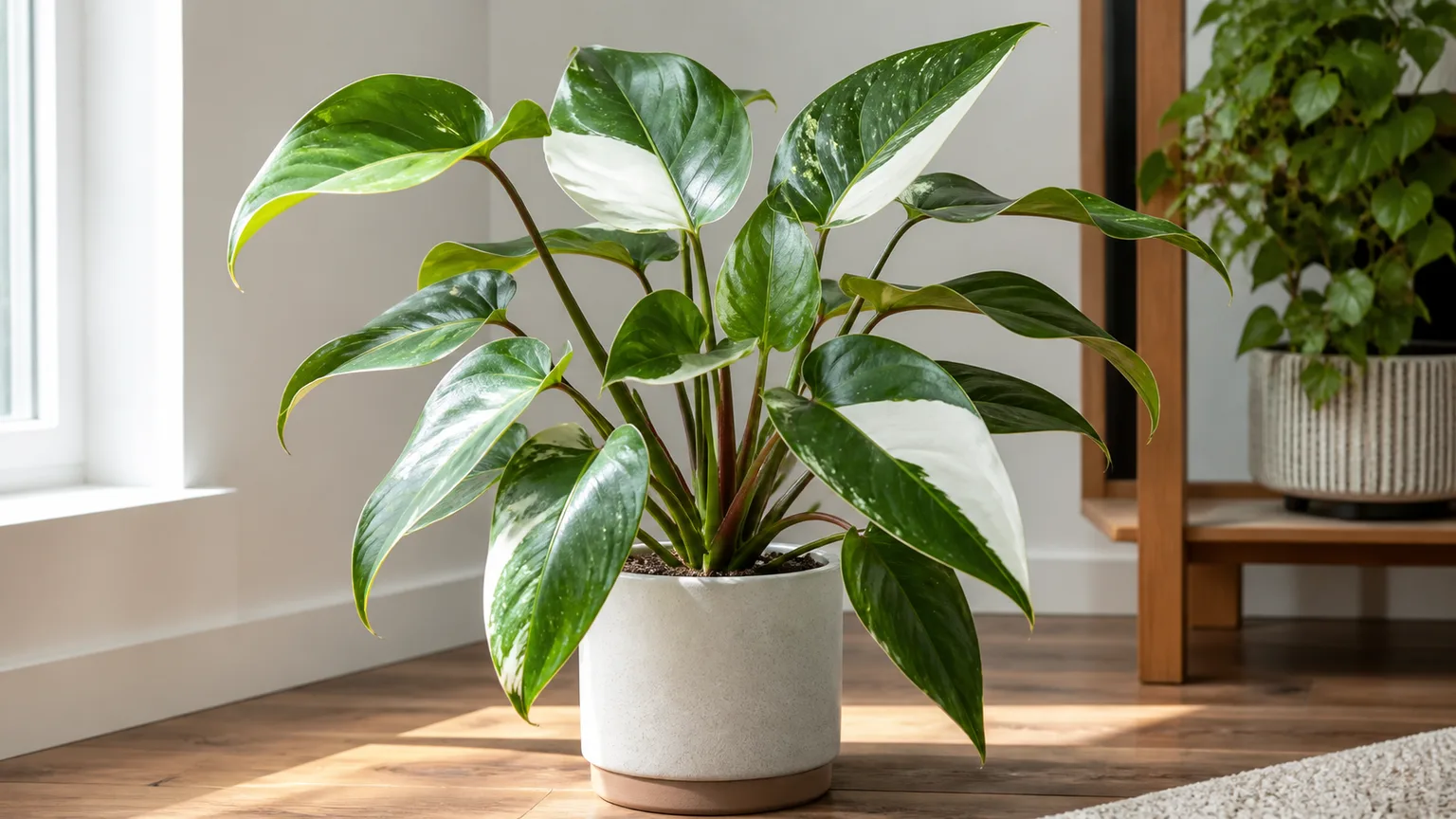
Philodendron White Princess needs bright indirect light for white-and-pink variegation, watering every 7–10 days when top 3–5 cm is dry, moderate to high humidity, and a moss pole. Toxic to pets.
Philodendron White Wizard needs bright indirect light, watering every 7–10 days when top 3–5 cm is dry, 55–70 % humidity, moss pole support, and green stems with white striping. Toxic to pets.
Philodendron Xanadu needs medium to bright indirect light, watering every 7–10 days when top 3–5 cm is dry, and no moss pole. Toxic to pets.
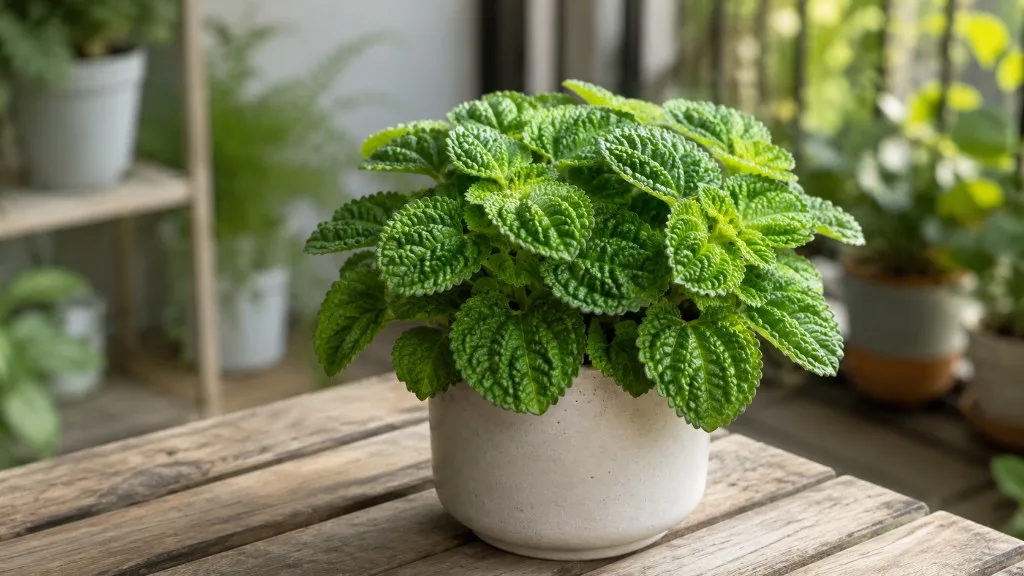
Pilea Moon Valley needs bright indirect light for deepest colour, watering every 7–10 days when top 2–3 cm is dry, and moderate humidity. Non-toxic to pets.
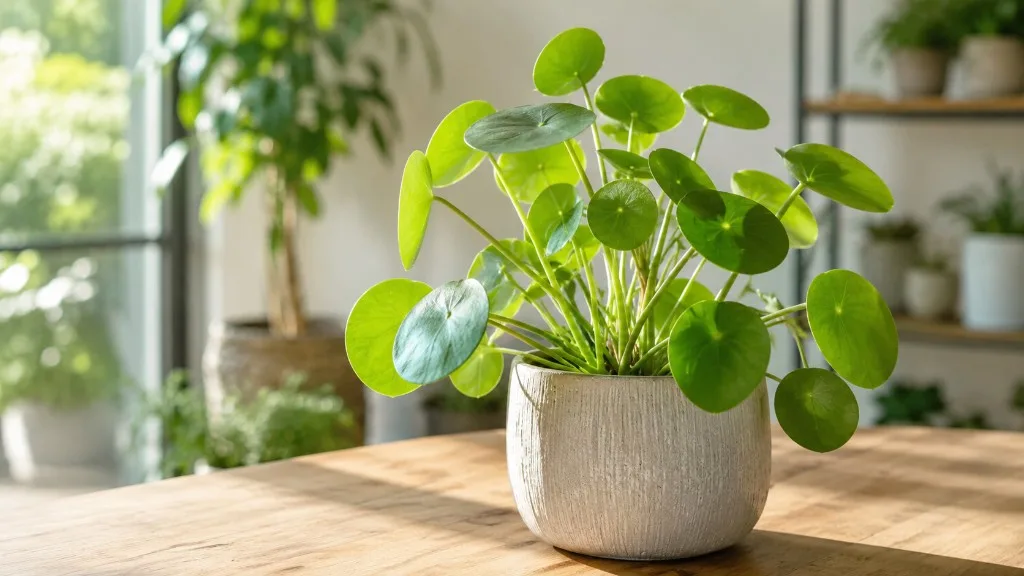
Pilea peperomioides needs bright indirect light, watering every 7–10 days when top inch is dry, rotation every 2 weeks for symmetry, and pup separation when ready. Non-toxic to pets.
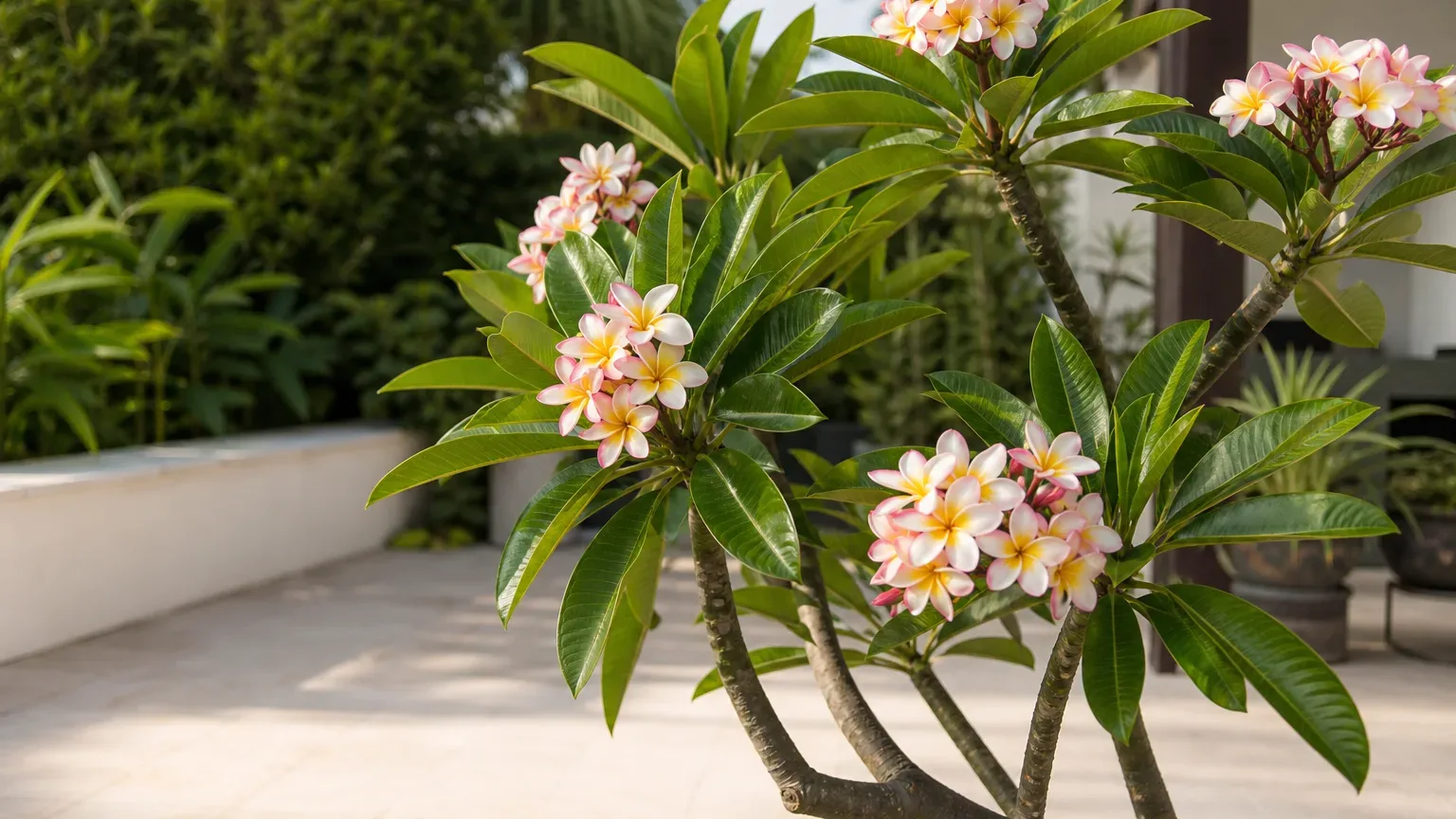
Learn Plumeria rubra care: full sun, fast-draining soil, deep summer watering, a dry winter dormancy, repotting, and pet-safe handling of its irritating sap.
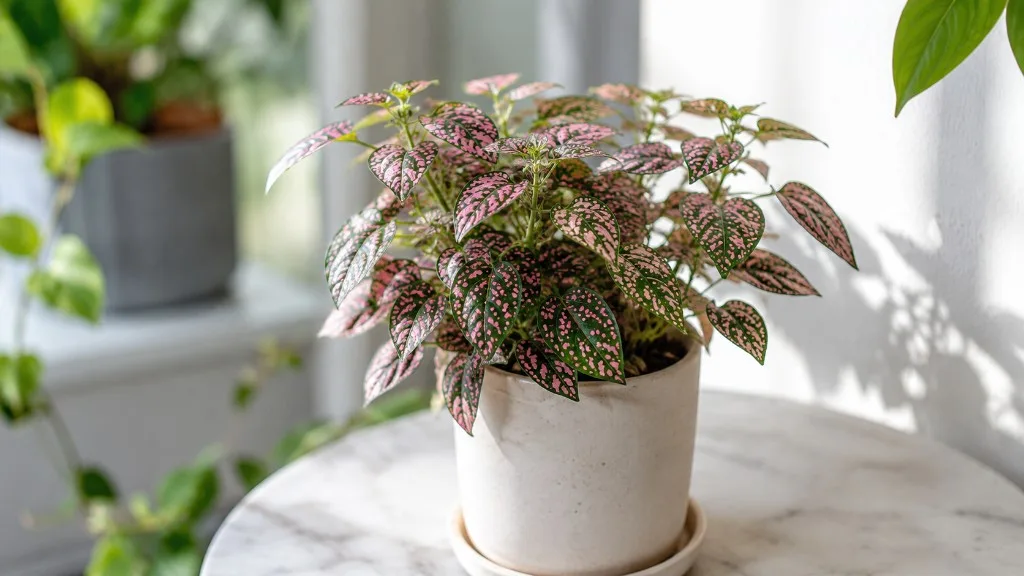
Polka Dot Plant needs medium to bright indirect light, consistent moisture every 2–4 days, weekly pinching to prevent flowering and legginess, and 50–70 % humidity. Non-toxic to pets.
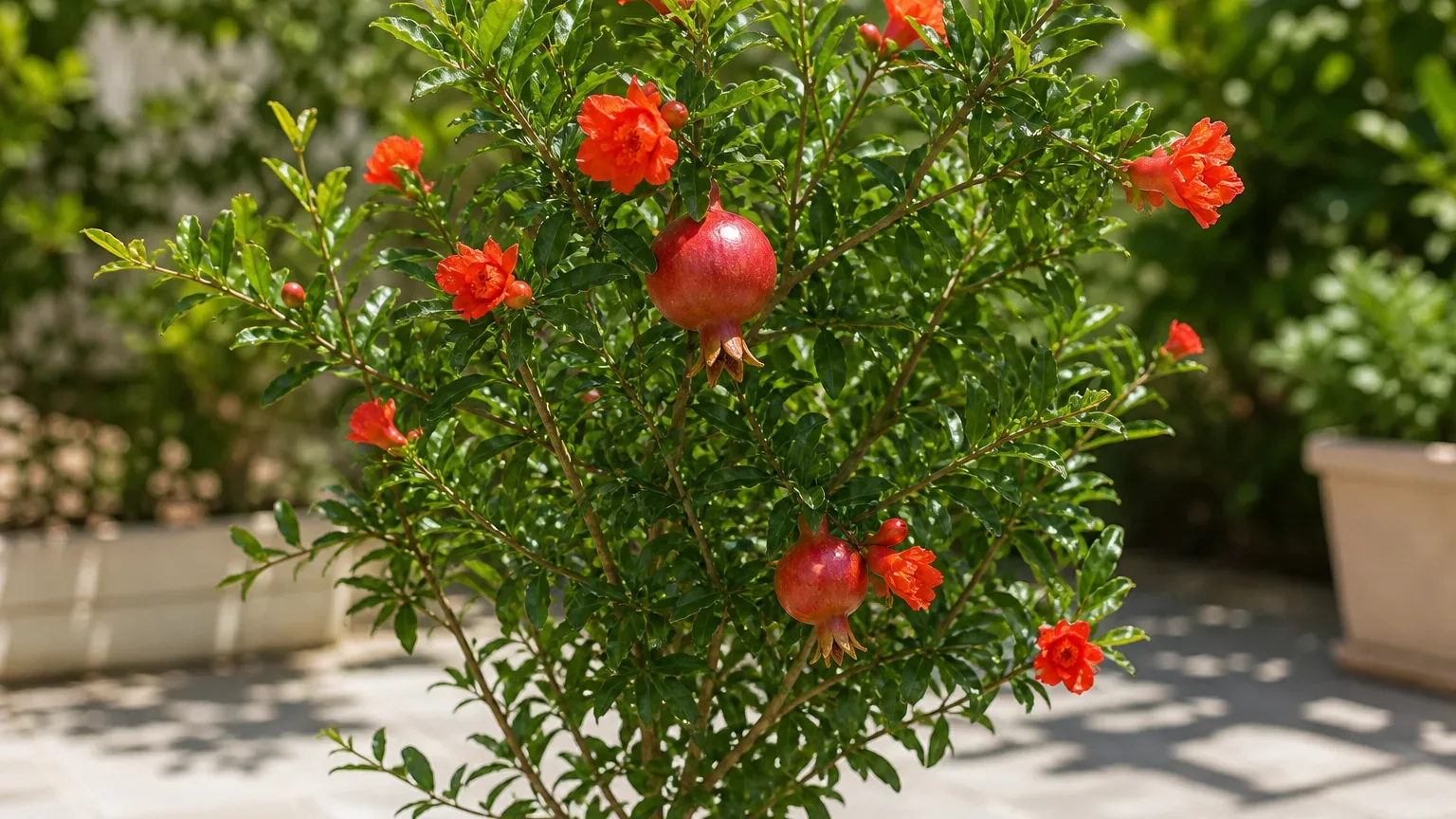
Grow Pomegranate in full sun and free-draining soil. Learn when to water Punica granatum, prevent fruit splitting, repot containers, and support flowering and fruit.
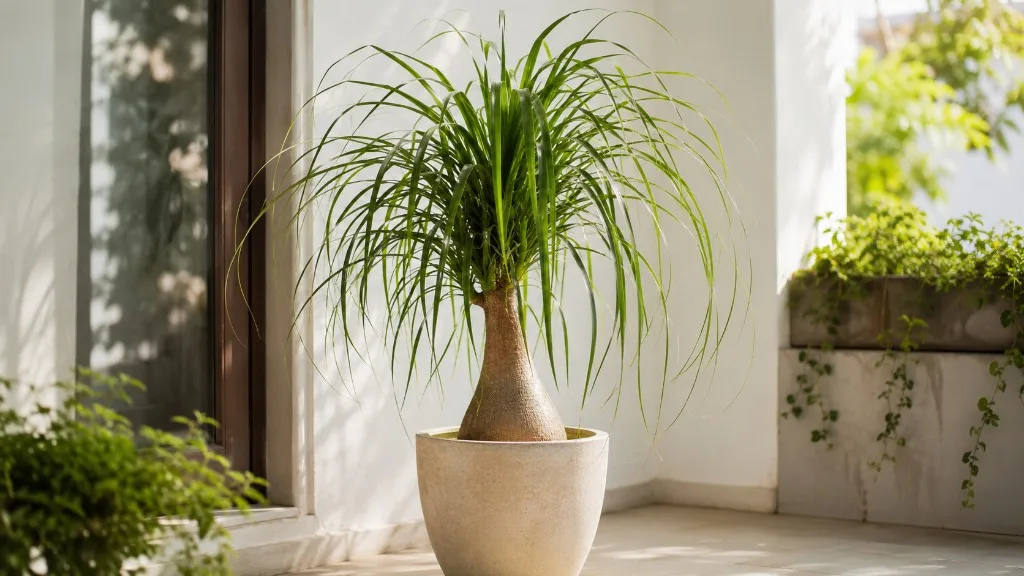
Ponytail Palm is one of the most drought-tolerant houseplants-water every 2–4 weeks when soil is completely dry. Its swollen trunk stores water. It needs a sunny window, is non-toxic to pets, and requires almost no attention.
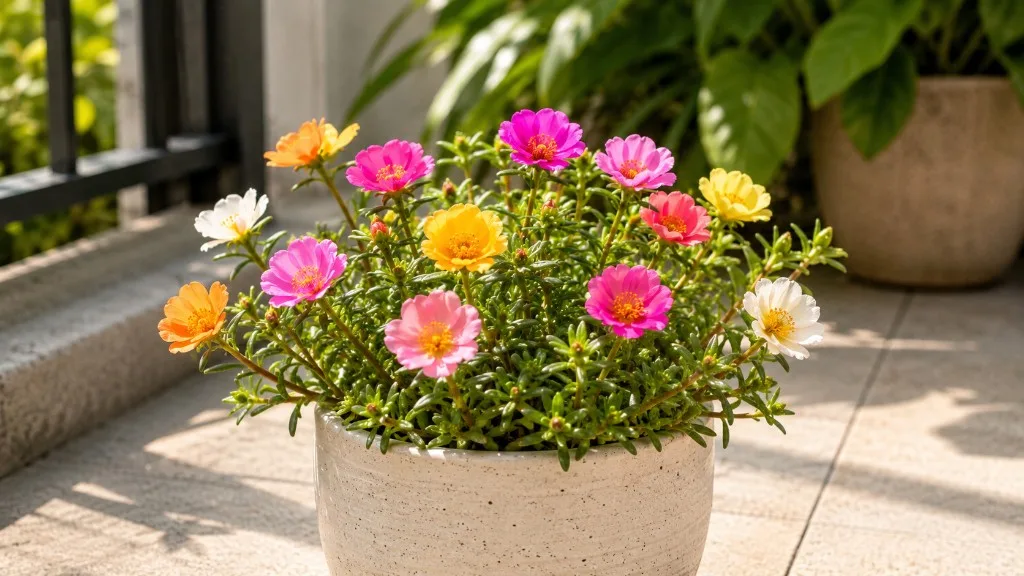
Portulaca is the ultimate summer flower - it thrives in the hottest, driest conditions with minimal water, sandy soil, and full direct sun where other flowers fail.
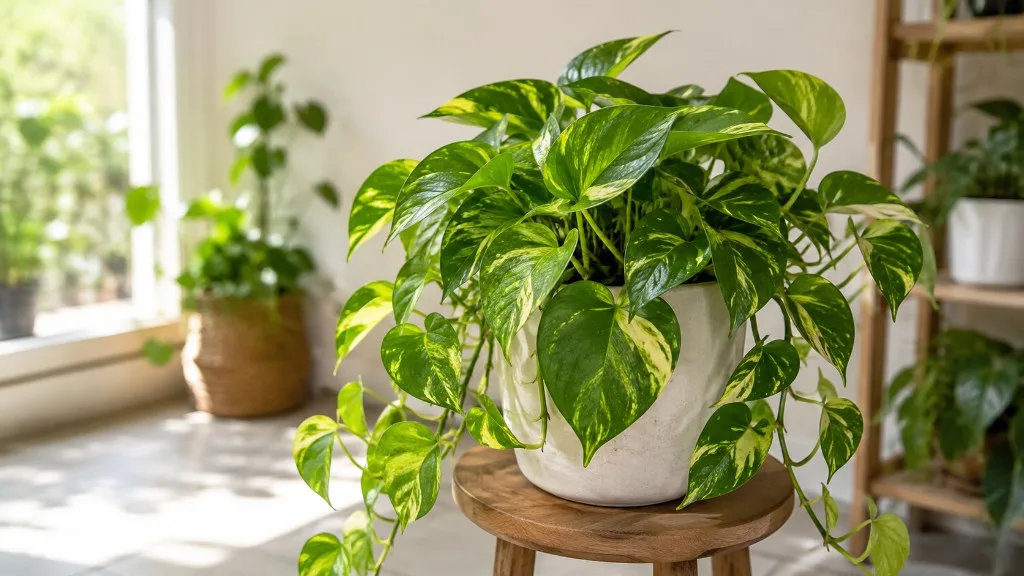
How to grow pothos indoors - watering rhythm, best light, soil mix, propagation from cuttings, and fixes for yellow leaves and brown tips.
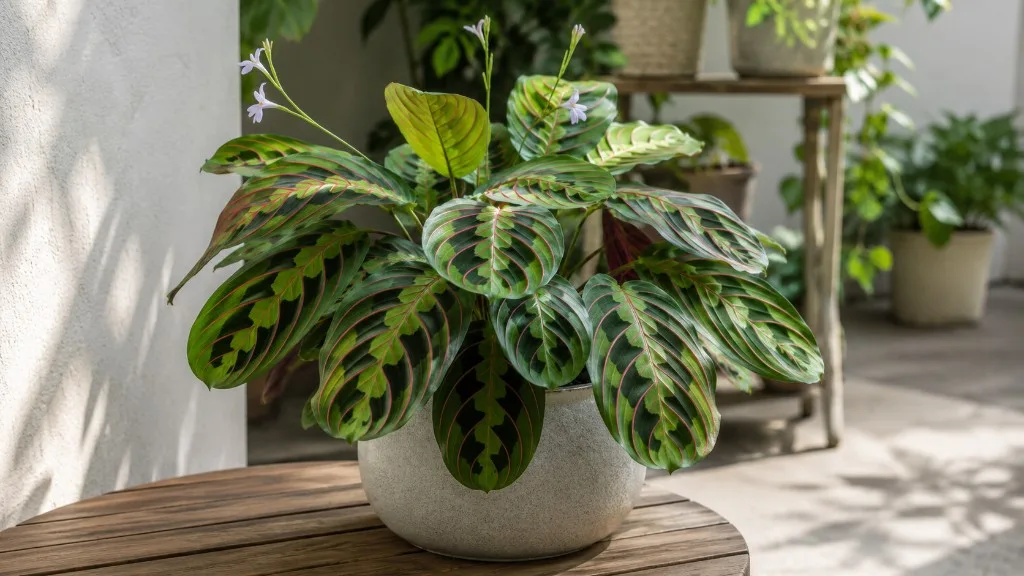
Prayer plants need consistently moist soil, high humidity (50–70%), and medium indirect light. Leaves fold upward at night. Pet-safe per the ASPCA but sensitive to dry air and tap water minerals.
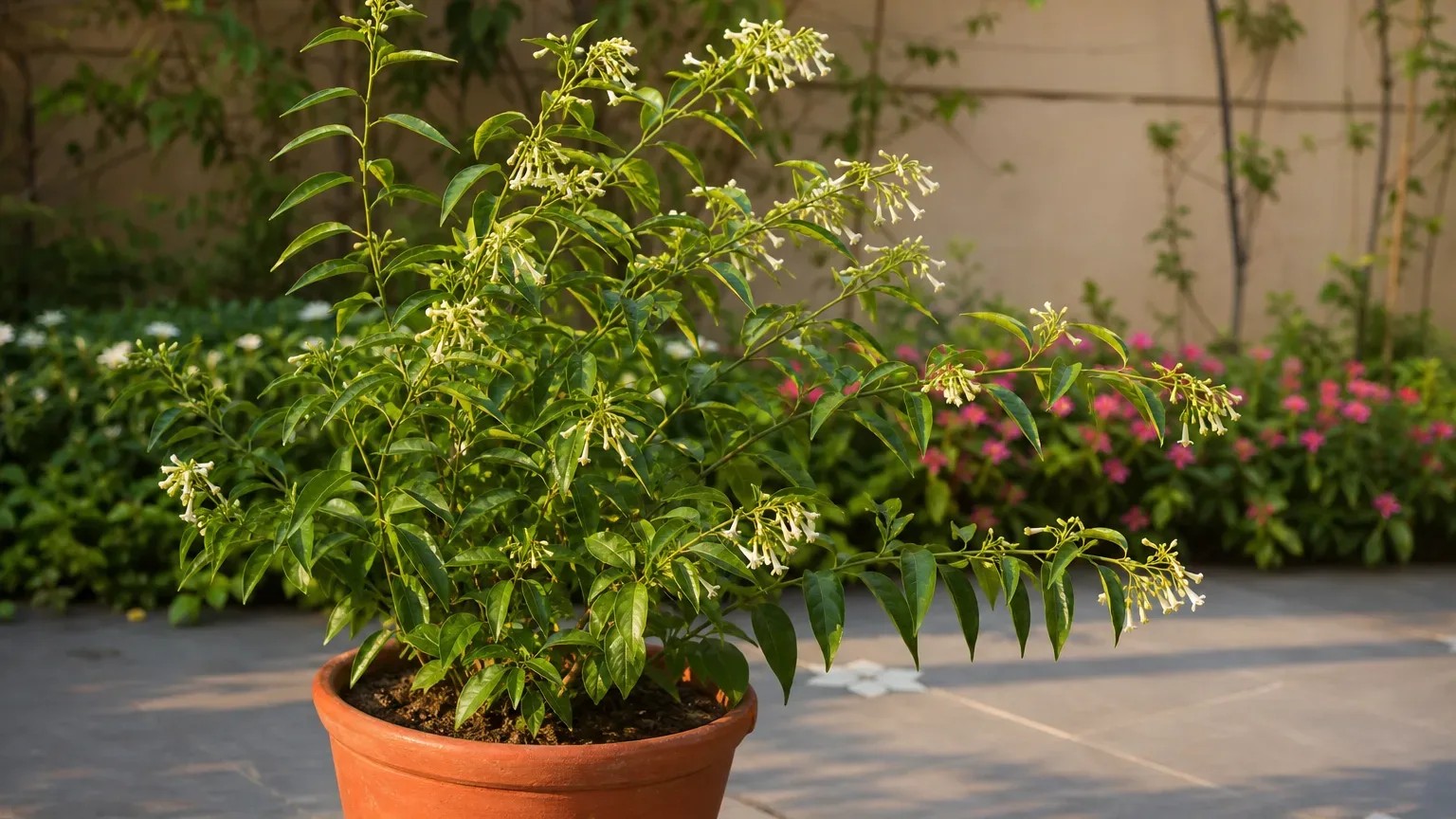
Grow Raat Rani (Cestrum nocturnum) in sun, free-draining soil, and steady moisture. Learn pruning, flowering, winter care, and essential toxicity precautions.
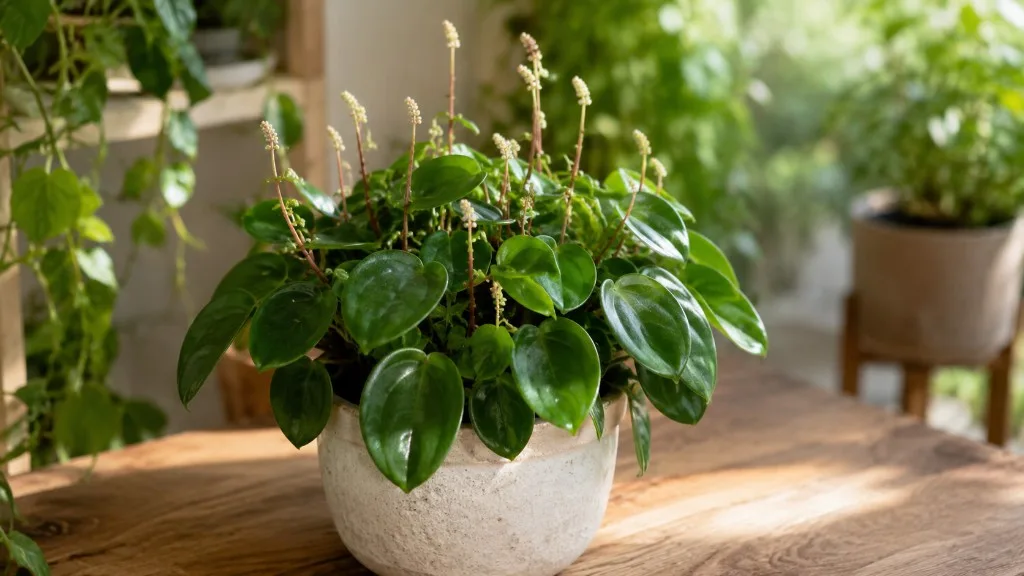
Raindrop Peperomia is a compact, pet-safe plant needing bright indirect light and infrequent watering. Let the soil dry completely before watering.
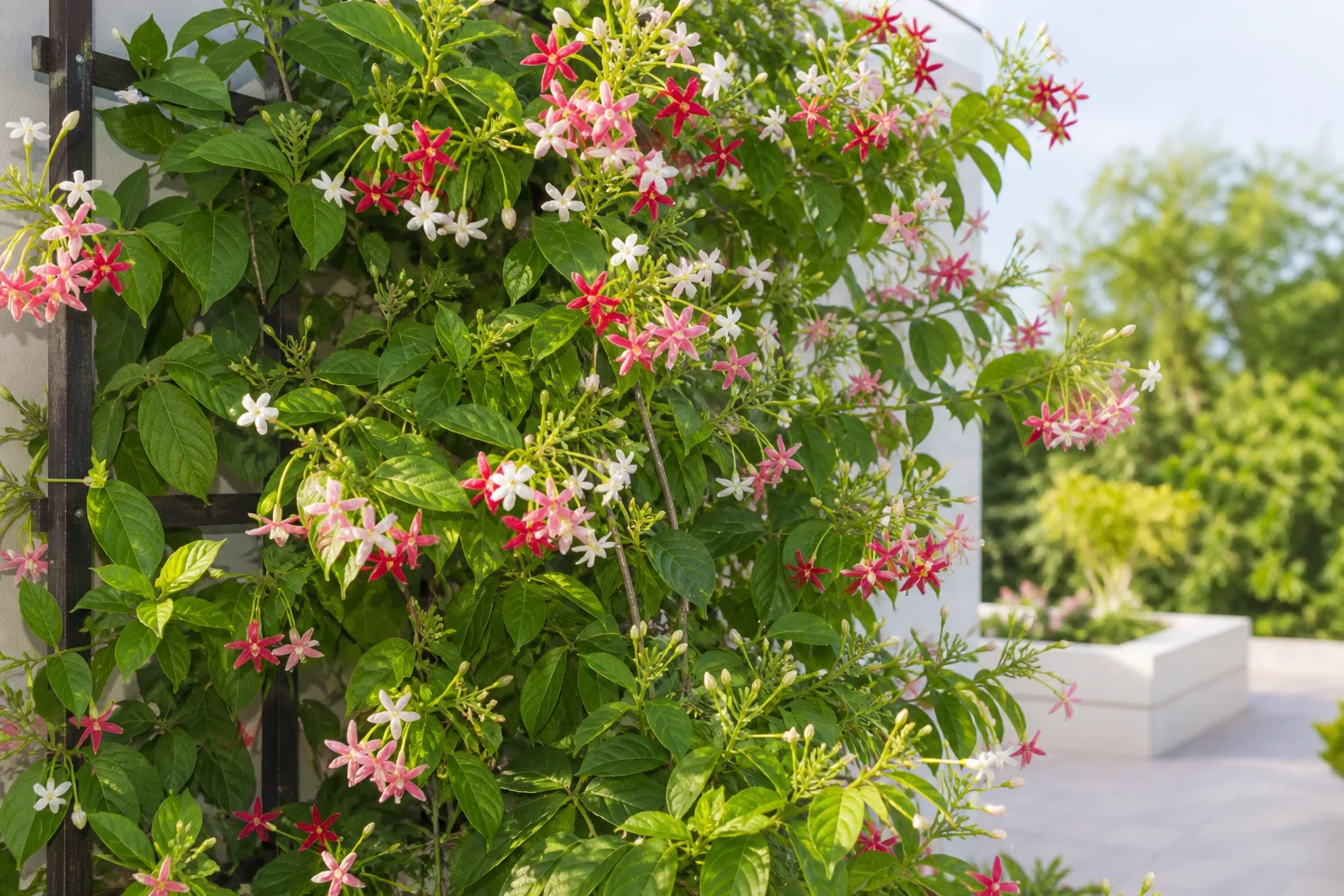
Grow Rangoon Creeper (Combretum indicum) in strong sun with sturdy support, fertile free-draining soil, and regular deep watering. Learn Madhumalti care, pruning, repotting, and safety.
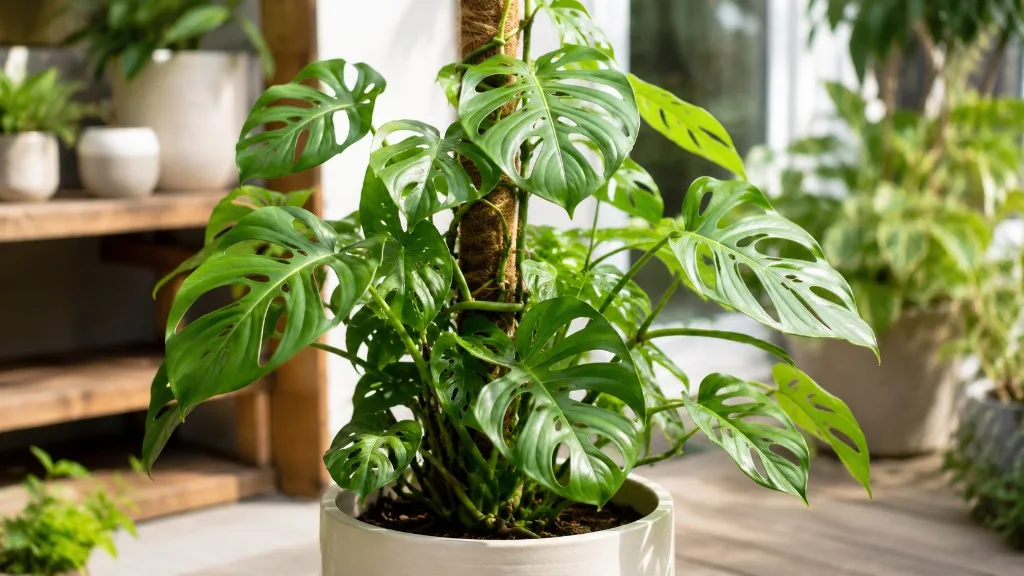
Rhaphidophora Tetrasperma needs bright indirect light and well-draining soil. Water when the top 2–3 cm is dry. Provide a moss pole for best leaf development.
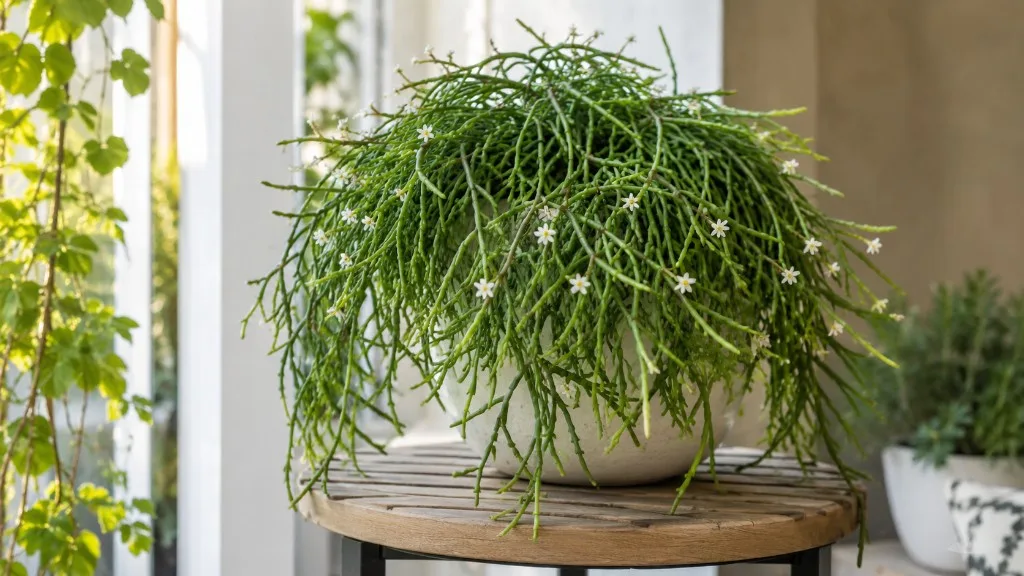
Rhipsalis is a pet-safe rainforest cactus needing medium indirect light and watering when the top half of soil dries. It trails beautifully from hanging baskets.
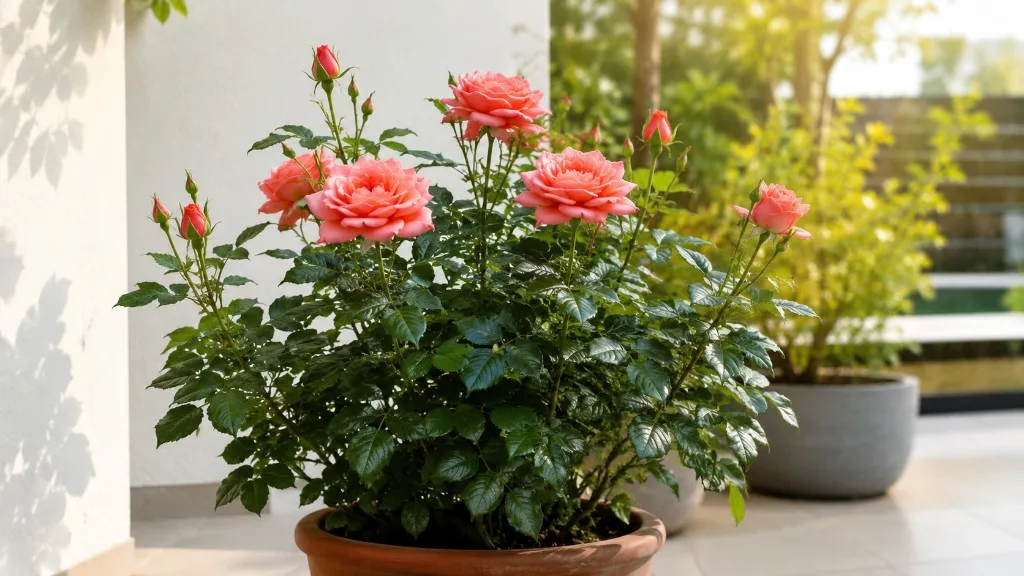
Roses need 6+ hours of direct sun, base watering only, regular feeding with rose fertilizer, and hard pruning in January to reward you with fragrant blooms through India's winter and spring.
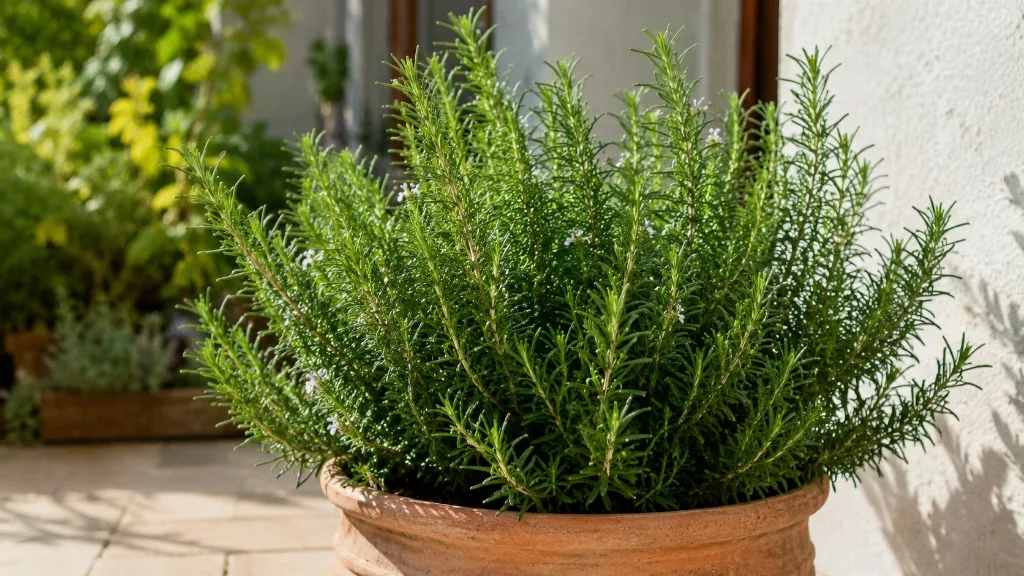
Rosemary needs full sun, gritty fast-draining soil, and infrequent watering - overwatering in humid climates is the number-one cause of death.
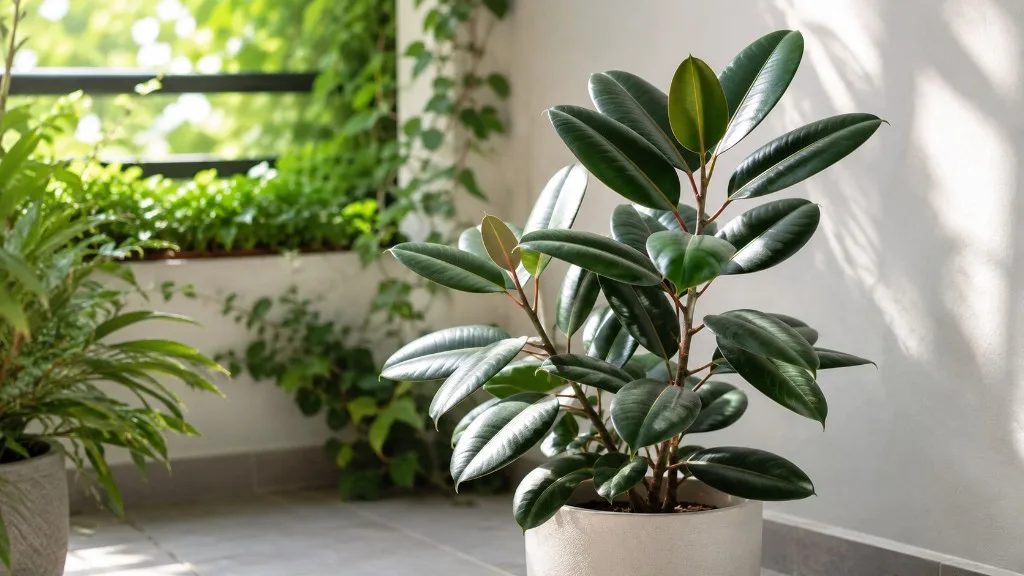
Rubber plants thrive in bright indirect light with watering every 7–10 days when the top 2 inches of soil are dry. They are sensitive to sudden moves and draughts which trigger leaf drop, and are toxic to cats and dogs.
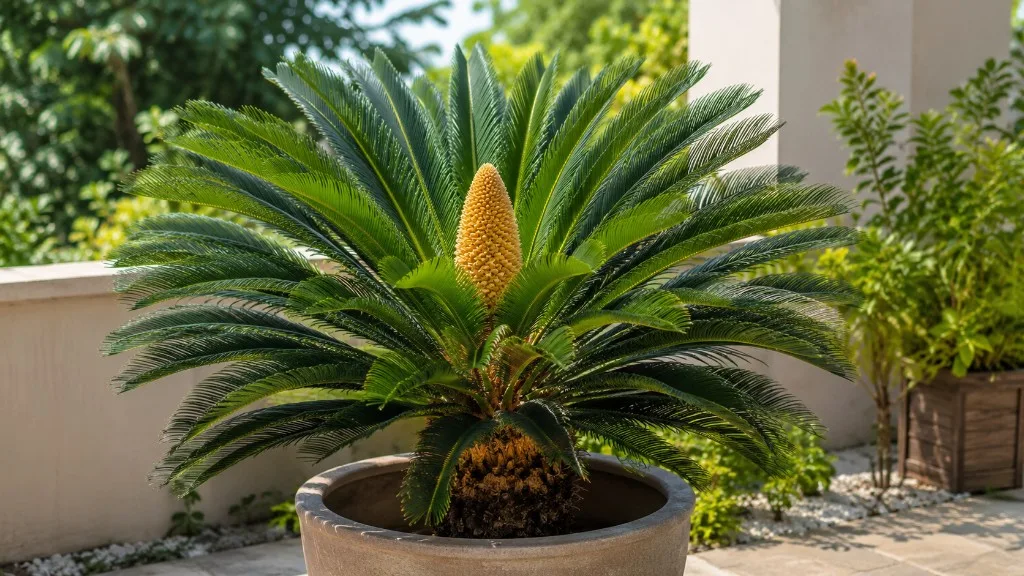
Sago palms need bright light and infrequent watering. They are extremely toxic to pets and humans - handle with care.
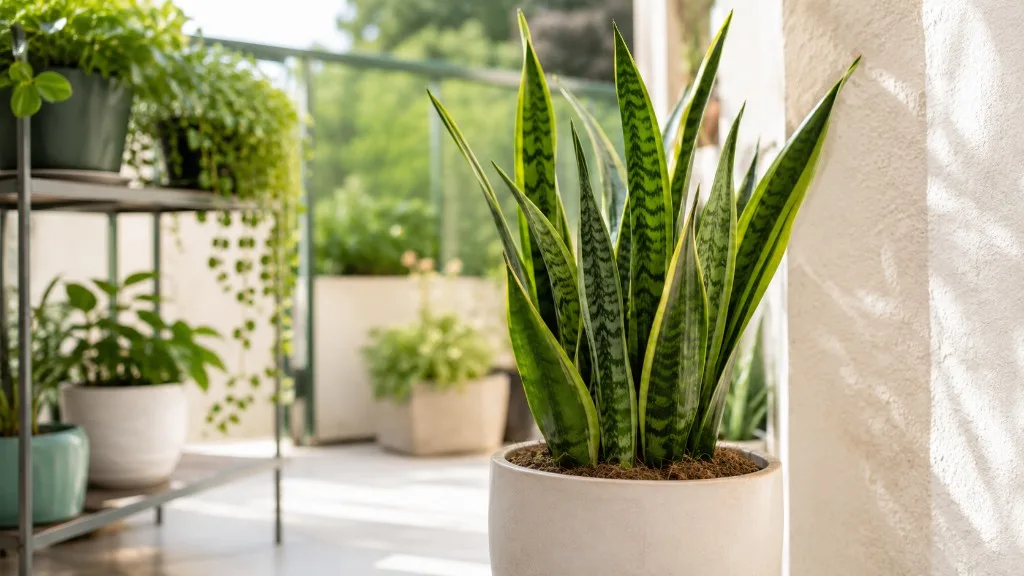
Sansevieria cylindrica care: round spear leaves, braided vs natural clumps, bright light, dry soil watering, propagation by division or leaf cuttings, and fixes for root rot and brown tips.
Sansevieria Fernwood (Mikado) care: narrow cylindrical leaves, bright indirect light, dry soil watering, division propagation, and pet toxicity.
Sansevieria Golden Hahnii care: dwarf bird's nest rosette, bright light for yellow margins, dry soil watering, shallow pots, division propagation, and fixes for root rot and brown tips.
Sansevieria Laurentii care: gold-edged variegated snake plant, bright light for stripes, dry-all-the-way-down watering, division propagation, pet toxicity.
Sansevieria Moonshine care: silvery-gray foliage, bright indirect light, infrequent watering, fast-draining soil, division propagation, and pet toxicity.
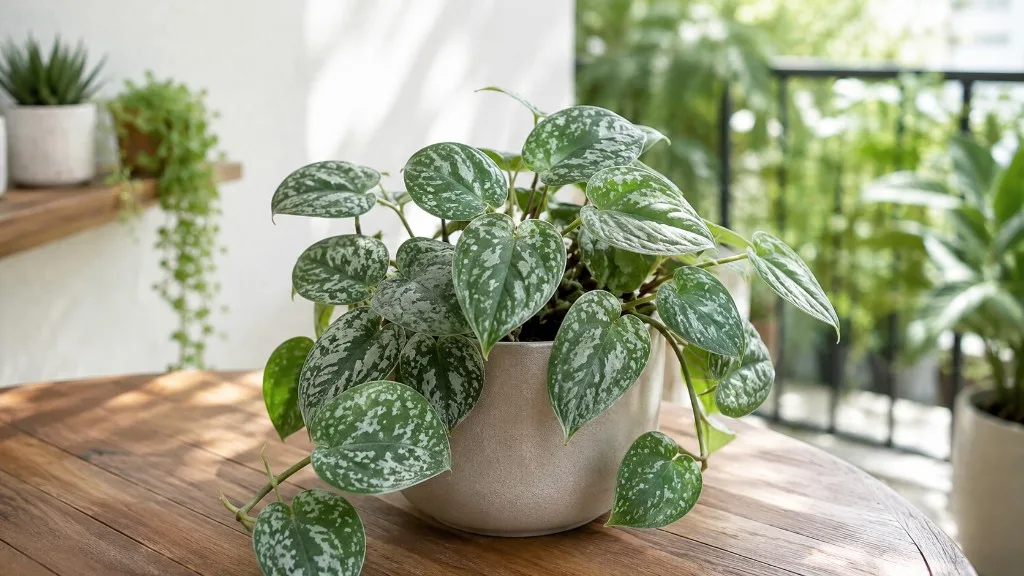
Satin Philodendron needs medium to bright indirect light and watering when the top 2–3 cm of soil dries. Easy, fast-growing trailing plant for shelves.
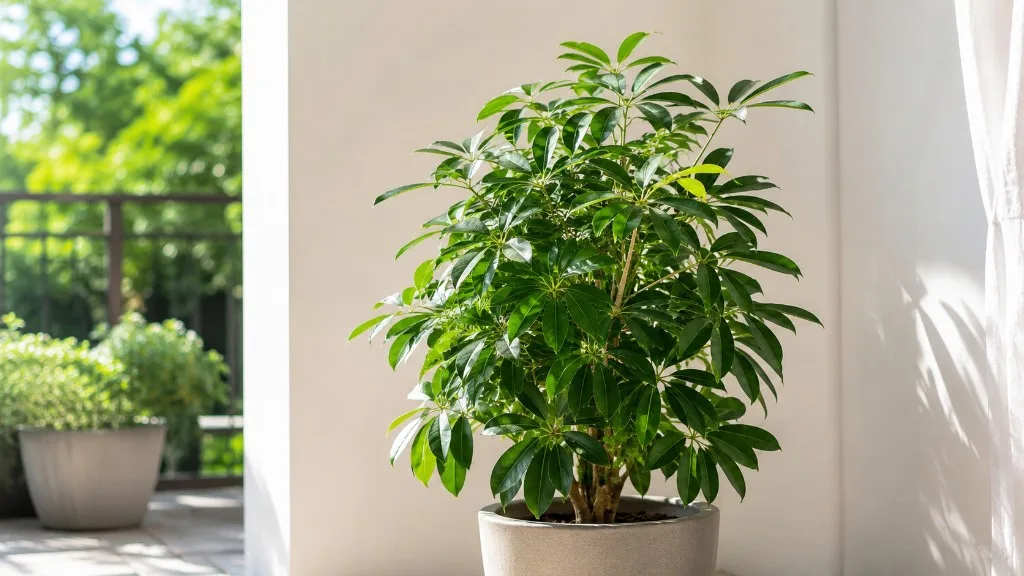
Schefflera needs bright indirect light and watering when the top 2 inches of soil dry out. It tolerates lower light than many tropical trees but responds to any sudden change with dramatic leaf drop.
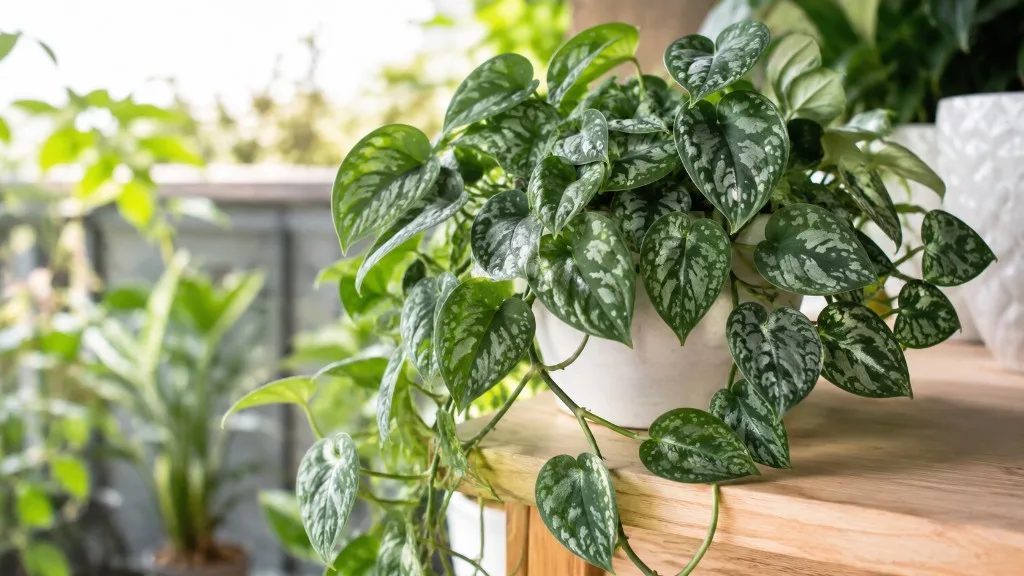
Scindapsus Exotica care: large silver-blotched leaves, light, watering, soil, propagation, vs Argyraeus, and pet toxicity.
Scindapsus Pictus needs medium to bright indirect light and watering when the top half of soil is dry. It is forgiving of missed care and great for beginners.
Dark Form scindapsus care: near-black foliage, light needs, watering, soil, propagation, and pet safety for Scindapsus treubii.
Moonlight scindapsus care: silvery foliage, light and watering, soil mix, propagation, vs pictus and Dark Form, and pet toxicity. Not a true pothos.
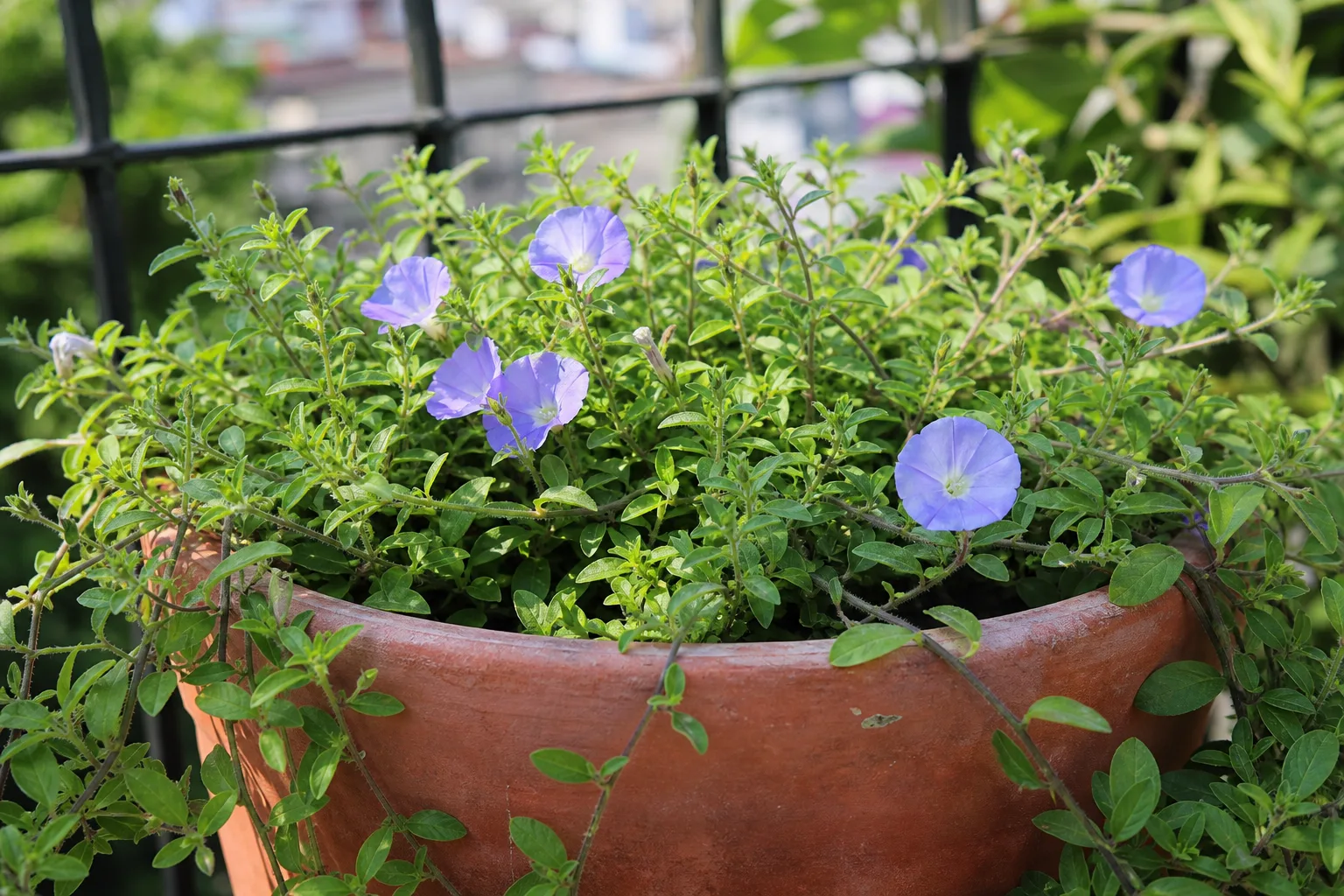
Shankhpushpi needs full sun, sandy well-draining soil, and watering only when the top 2–3 cm dries. A prostrate Ayurvedic creeper; protect from waterlogging and confirm the true Convolvulus species.
Snake plant care indoors - how often to water, best light, soil mix, and fixes for root rot and brown tips.
Snow Queen pothos needs bright indirect light, careful watering when the top 3–5 cm are dry, and fast reversion prevention. How it differs from Marble Queen, propagation, and pet safety.
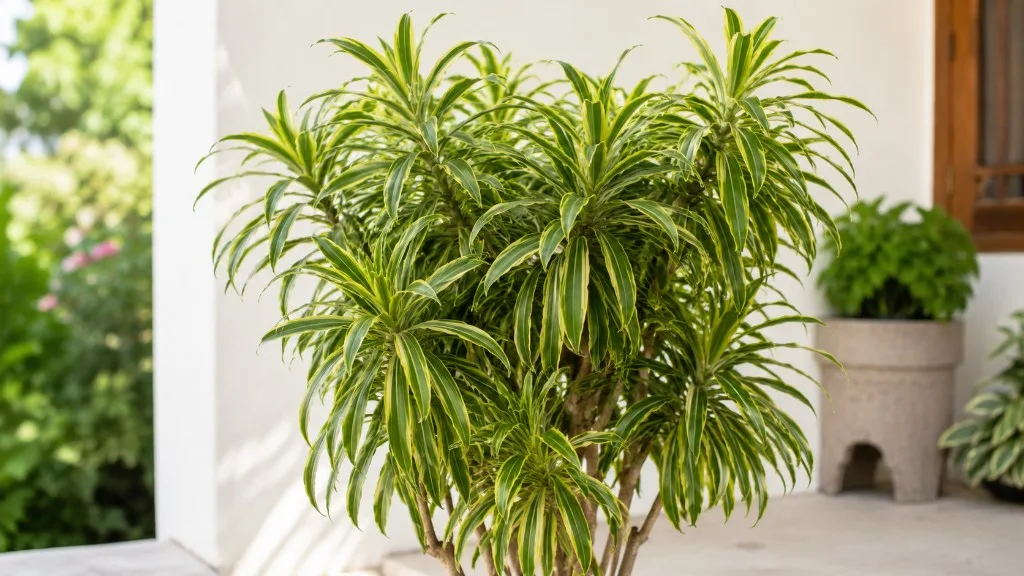
Song of India needs bright indirect light to maintain its yellow-green variegation and regular but moderate watering. Avoid fluoride-heavy tap water.
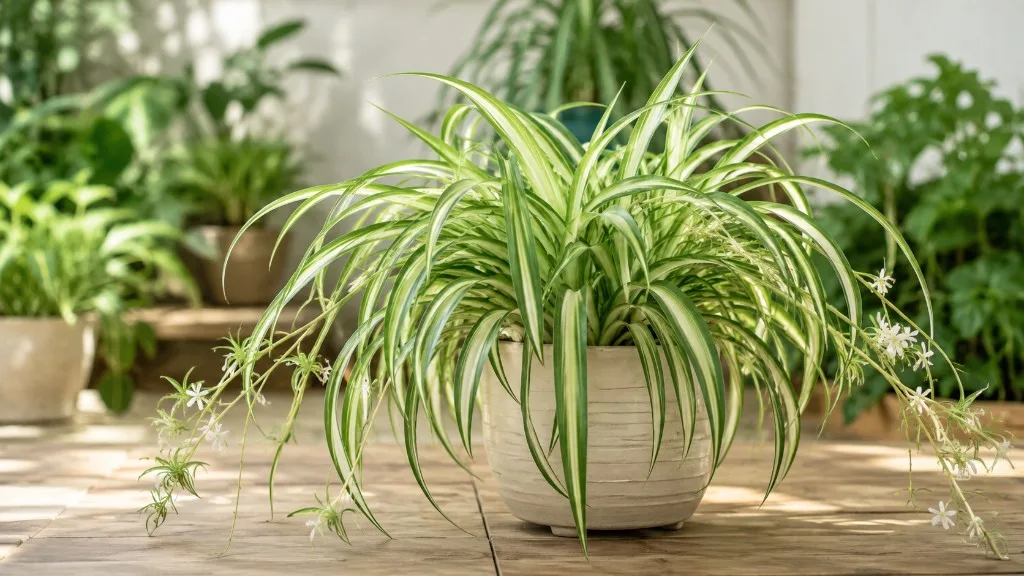
Spider plant care for beginners - watering, bright indirect light, propagating plantlets, pet-safe growing tips.
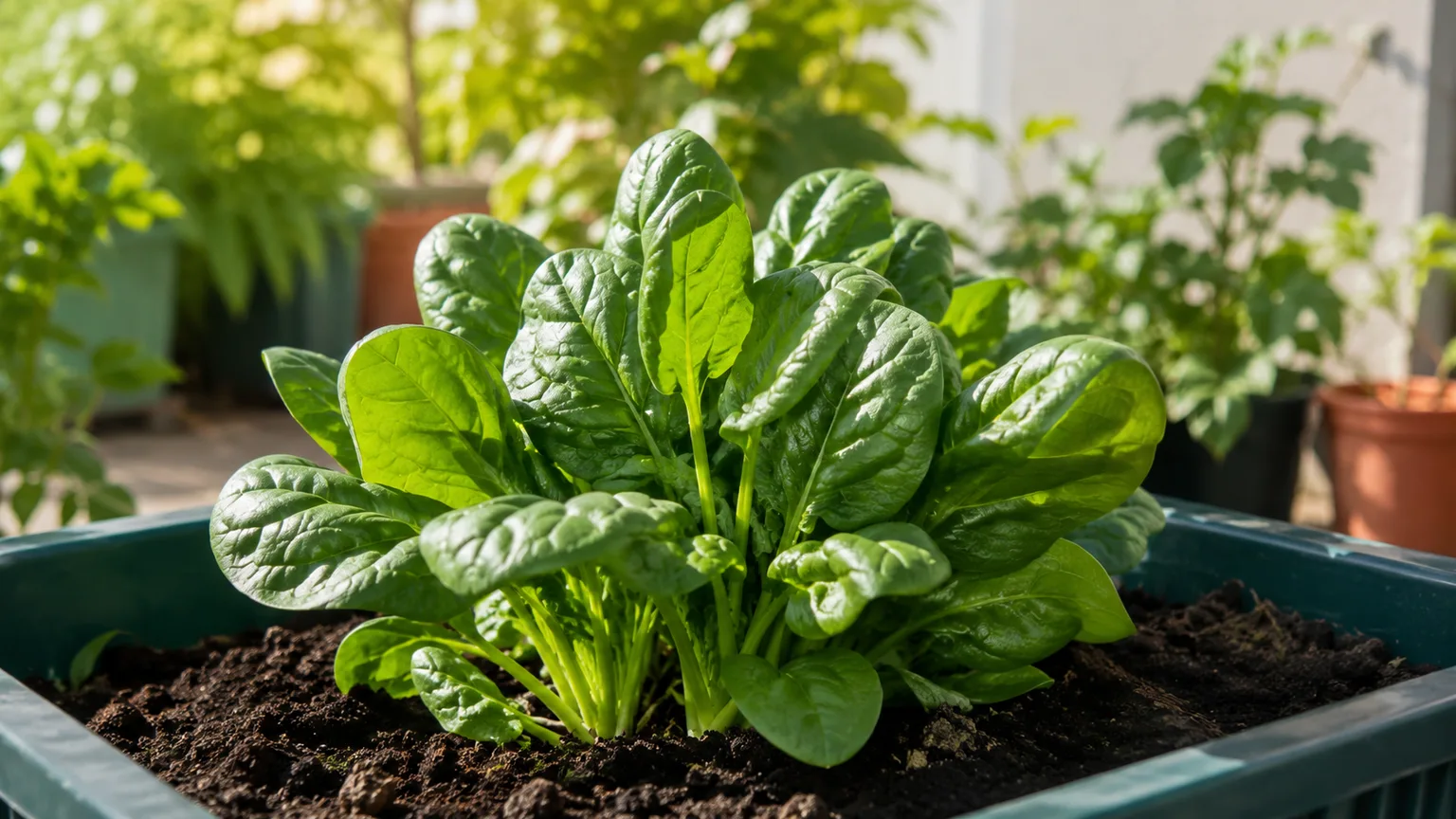
Grow true spinach or palak in cool weather with steady moisture, fertile well-drained soil, seasonal shade, and repeat sowings for tender leaves.
Split Rock Plant care guide for indoor growers: light, watering, gritty soil, seasonal timing, repotting, propagation, and warning signs.
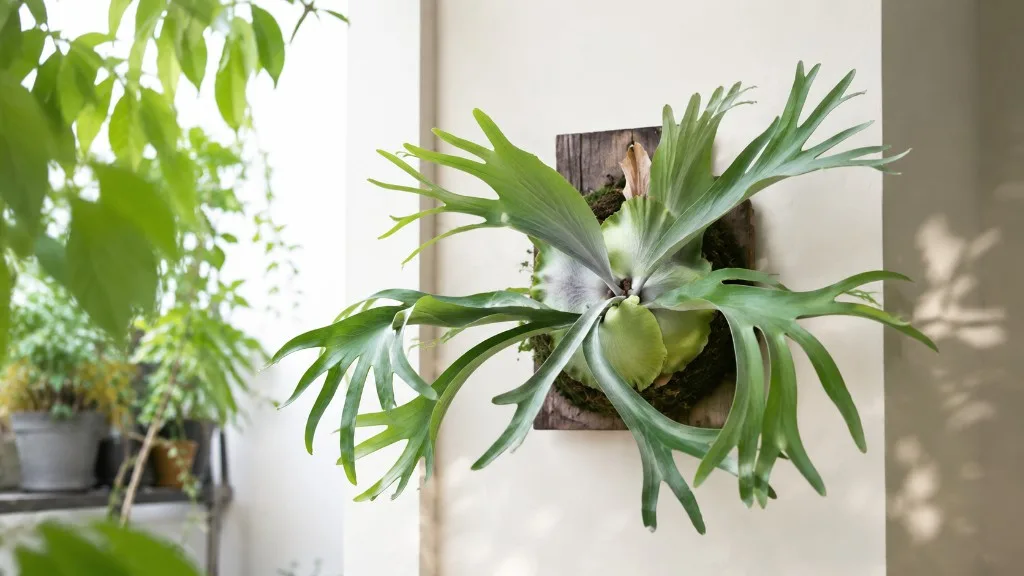
Staghorn Ferns are epiphytic and thrive when mounted on wood. Soak the mount thoroughly then let it nearly dry-they tolerate brief neglect better than overwatering.
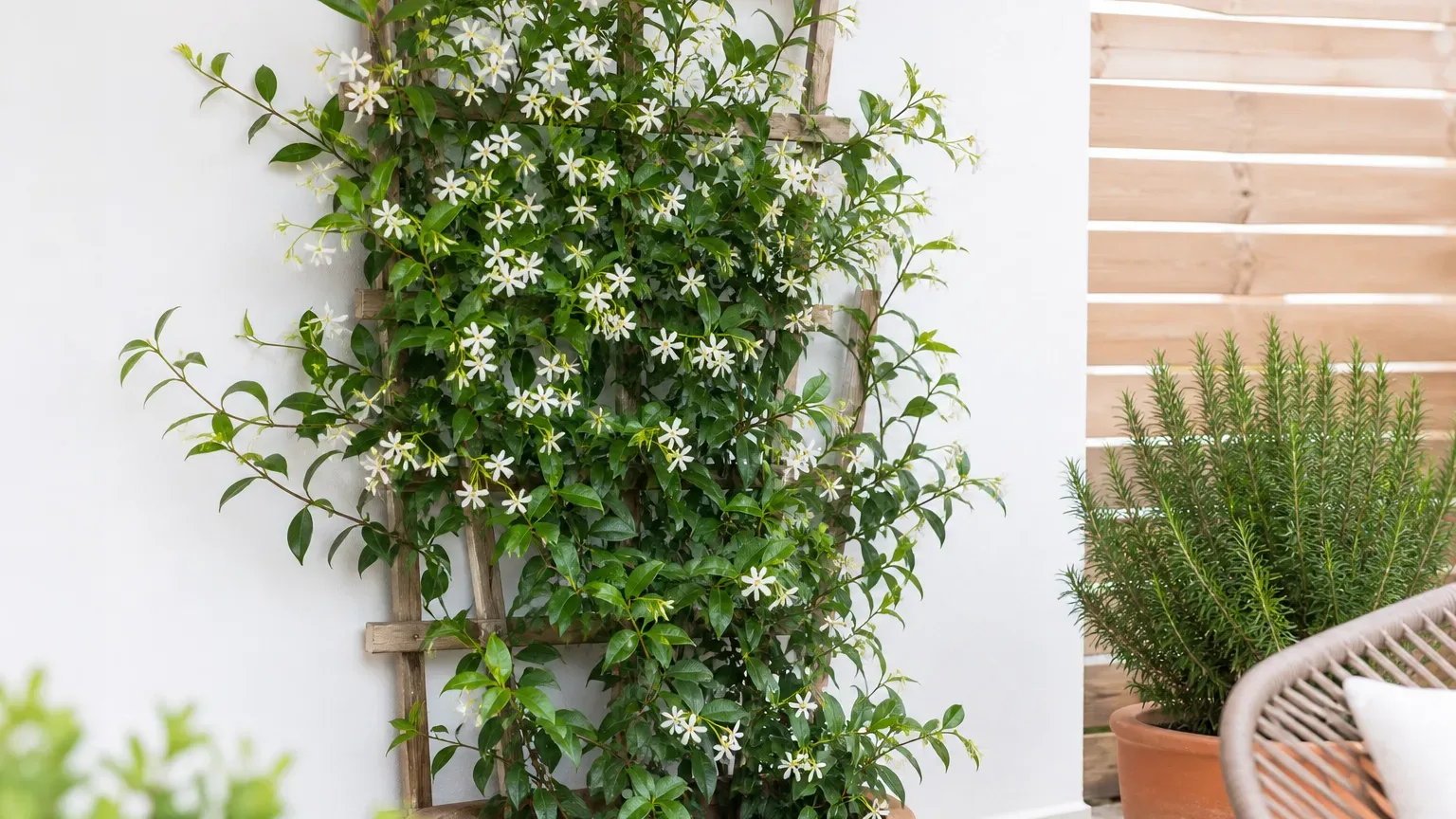
Grow Star Jasmine in sun or light shade with a sturdy support, fertile free-draining soil, and regular summer water. Learn container, flowering, pruning, and pet-safety care.
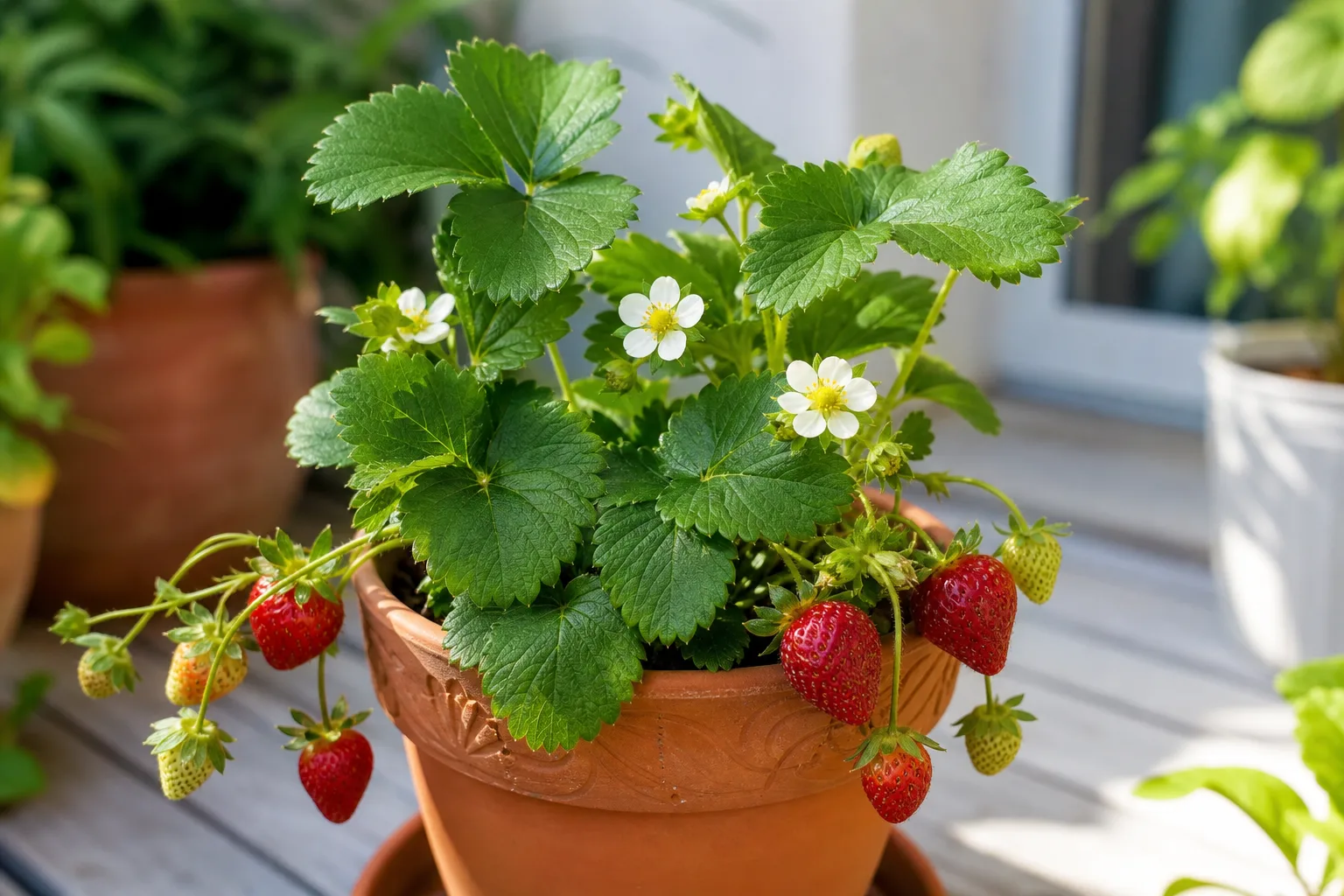
Grow garden strawberries in full sun and fertile, well-drained soil. Learn crown planting depth, container watering, runner propagation, and how to keep fruit clean and mould-free.
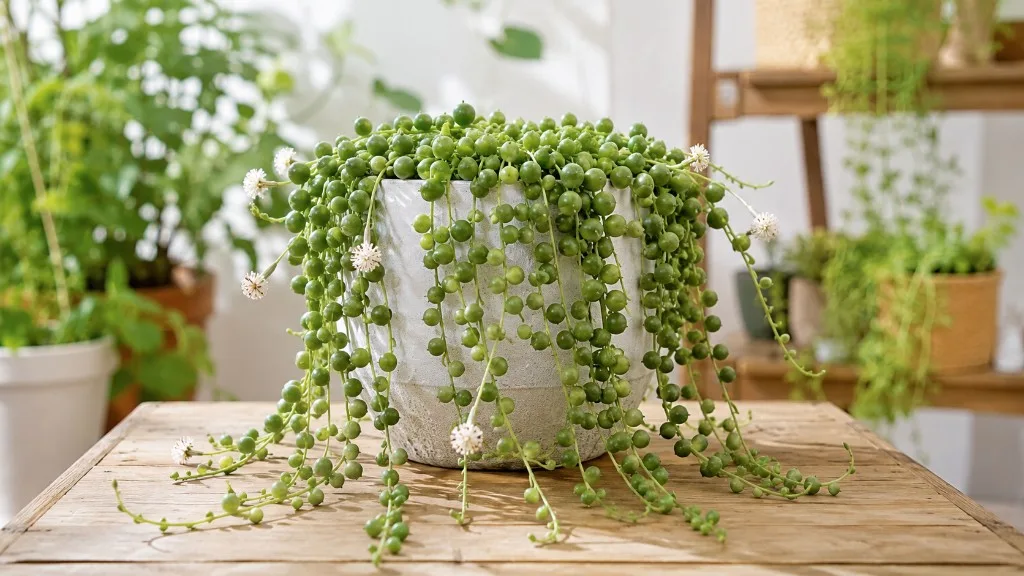
String of bananas care: bright light, soak-and-dry watering, gritty soil, stem propagation, and pet toxicity per ASPCA guidance on senecios.
String of dolphins care: hybrid dolphin-leaf succulent, bright light, soak-and-dry watering, propagation, and pet toxicity.
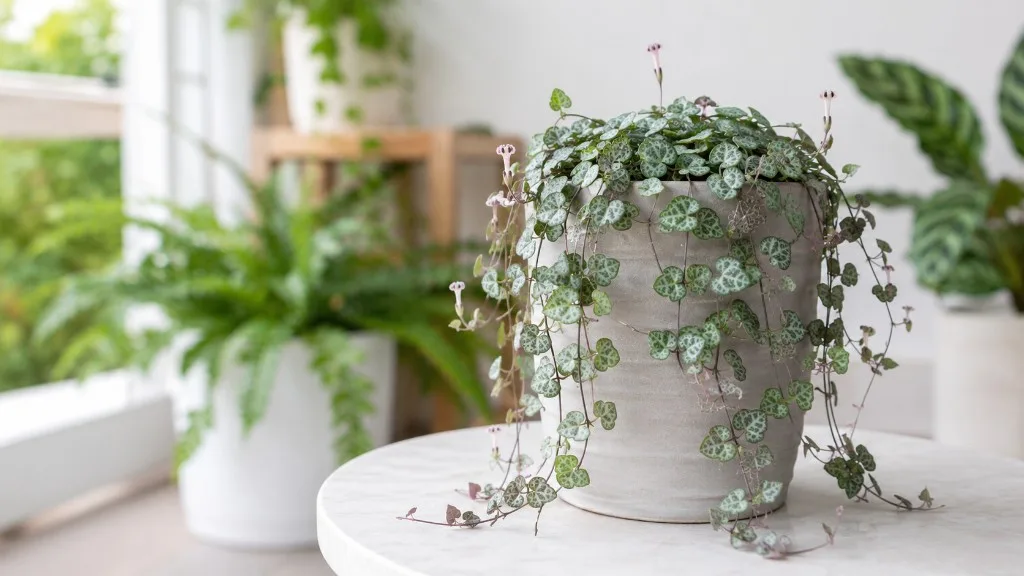
String of Hearts needs bright indirect light and watering only when soil is nearly dry-every 10–14 days in summer. It's non-toxic to cats and dogs and propagates easily from the bead-like tubers on its strands.
String of Pearls needs bright indirect light with some morning sun and watering only every 2–3 weeks-the pearls store water and rot quickly in wet soil. It's toxic to cats and dogs.
String of turtles care: bright indirect light, careful watering, chunky soil, terrarium-friendly growth, propagation, and pet safety.
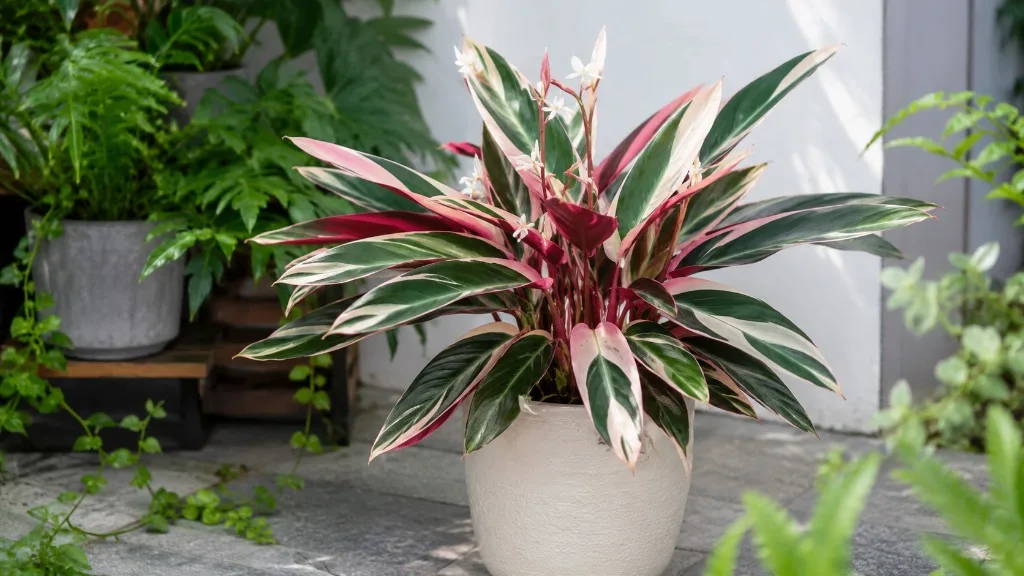
Stromanthe Magic Star care: bright indirect light, high humidity (at least 60%), filtered water, evenly moist soil, and rhizome division. Pet safe.
Stromanthe Triostar needs high humidity and consistent moisture to keep its vivid pink, white, and green variegation looking its best.
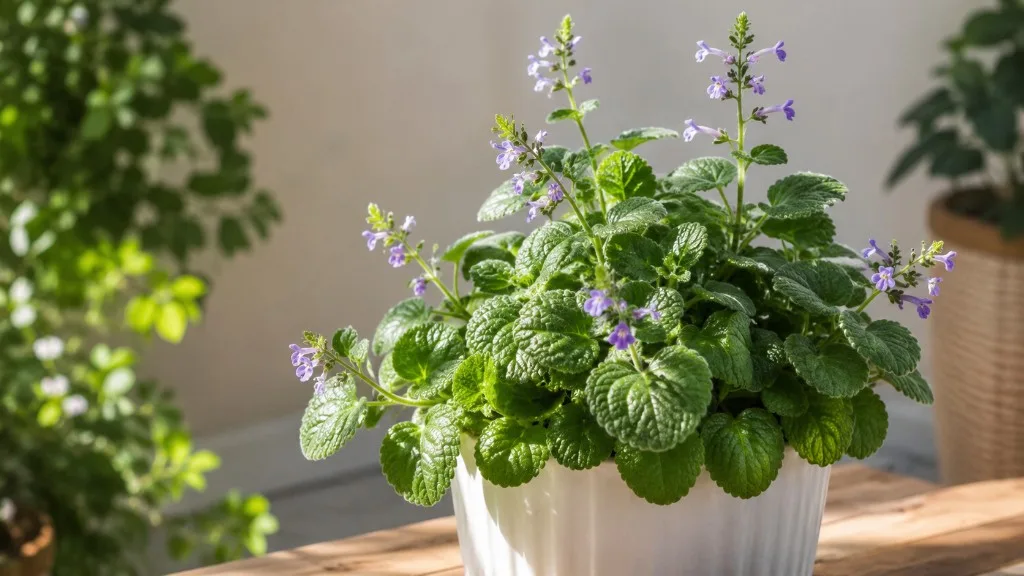
Swedish Ivy is an easy, fast-growing trailing plant that likes bright indirect light and moderate watering. Pinch tips to keep it bushy.
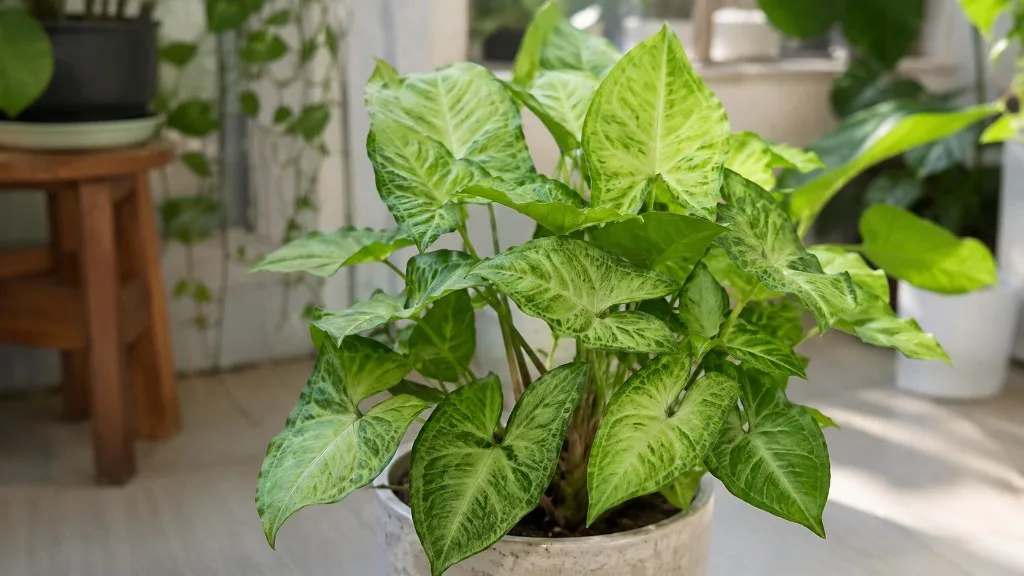
Syngonium grows well in low to medium indirect light and needs watering when the top inch dries. Pinch it back regularly to maintain bushy growth and colourful juvenile leaves. Toxic to cats and dogs.
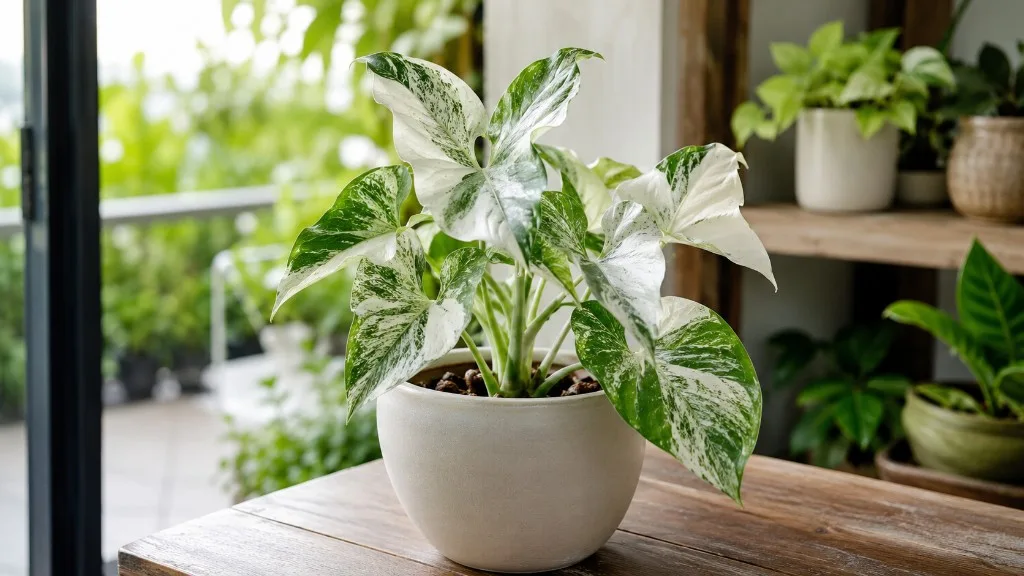
Syngonium Albo needs bright indirect light to keep its white variegation. Remove any fully green stems that revert to maintain the variegated look.
Syngonium Confetti needs bright indirect light to keep its pink confetti speckling. Water when the top inch dries and prune regularly to stay bushy or climb.
Syngonium Milk Confetti care: bright filtered indirect light, water when top inch dries, well-draining aroid mix, stem-cuttings propagation. Pink, white, and green confetti leaves. Toxic to pets.
Syngonium Mojito needs bright filtered light to keep its mint-green and pastel pink foliage. Water when the top inch dries and prune to stay bushy or climb.
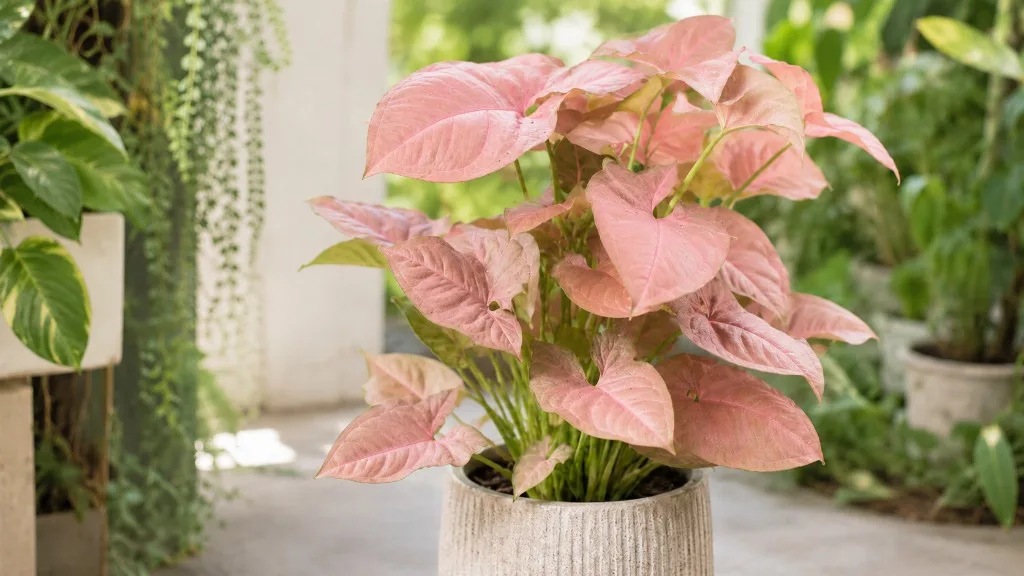
Syngonium Neon Robusta needs bright indirect light to maintain its striking neon-pink colour. Water when the top inch of soil dries out.
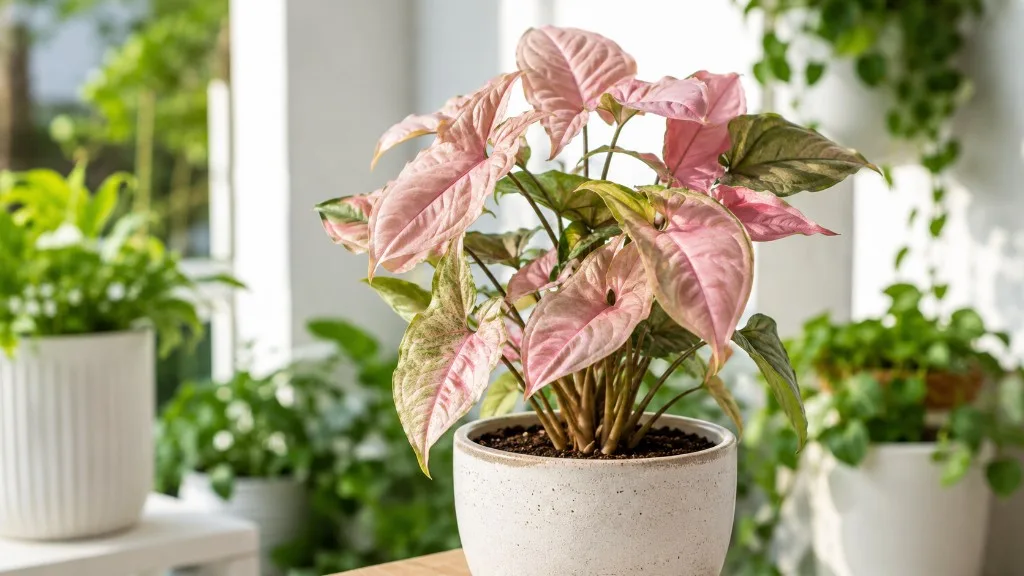
Syngonium Pink needs bright indirect light to keep its rosy colouring. Water when the top inch dries and prune regularly to keep it bushy.
Syngonium Pink Splash needs bright indirect light to keep its rosy colouring. Water when the top inch dries and prune regularly to stay bushy or climb.
Syngonium Three Kings needs bright filtered light to keep its green, cream, and white tricolor leaves. Water when the top inch dries and prune to stay bushy or climb.
Syngonium Wendlandii needs bright filtered light and moderate humidity to keep its velvet leaves and silver veins. Water when the top inch dries and train on a moss pole or prune to stay compact.
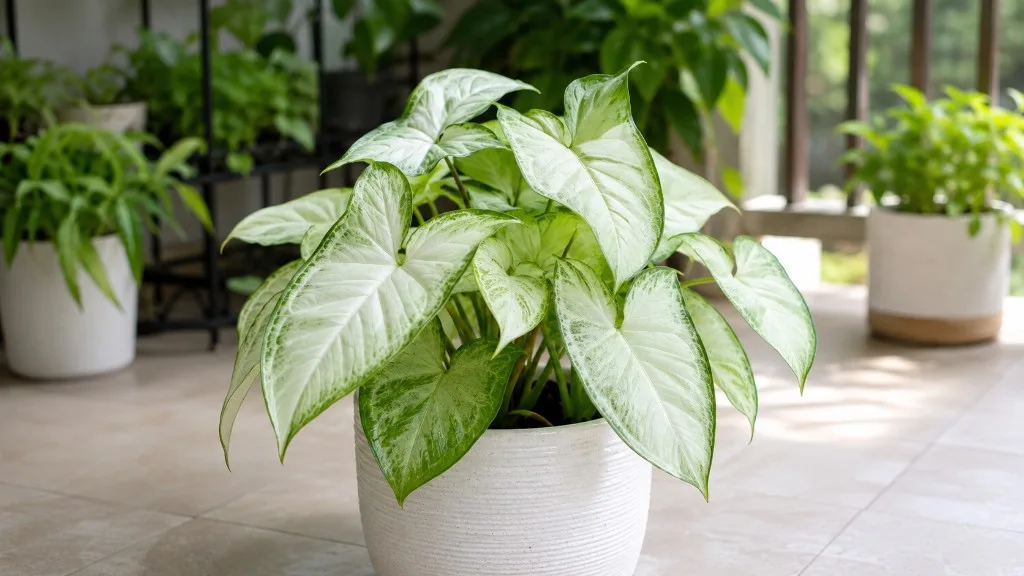
Syngonium White Butterfly is a fast-growing, easy indoor plant with beautiful pale variegation. Water when the top inch dries and give it bright indirect light.
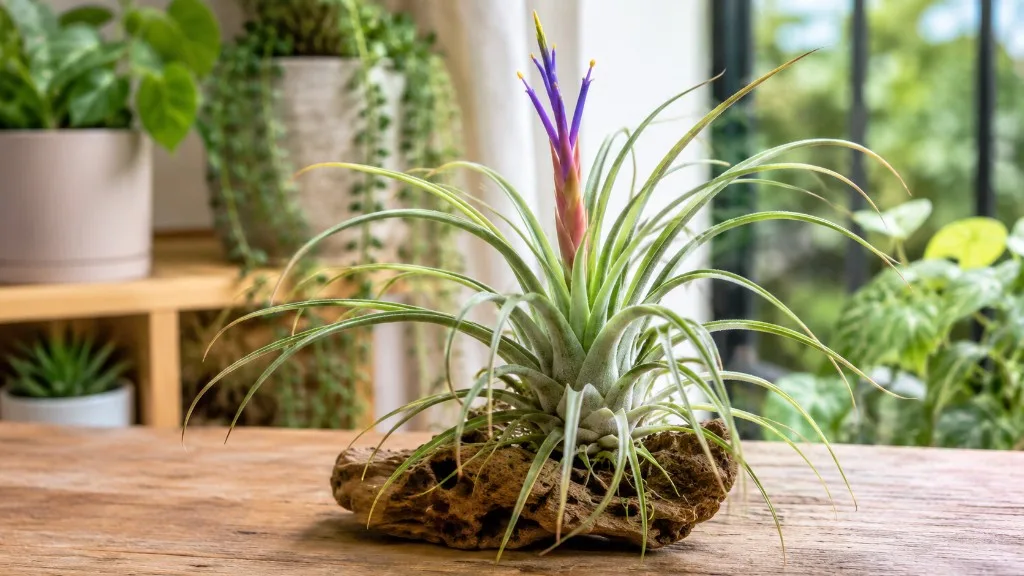
Tillandsia air plants need bright indirect light and weekly soaking for 20–30 minutes, after which they must dry completely within 4 hours to prevent rot. They need no soil and are non-toxic to pets.
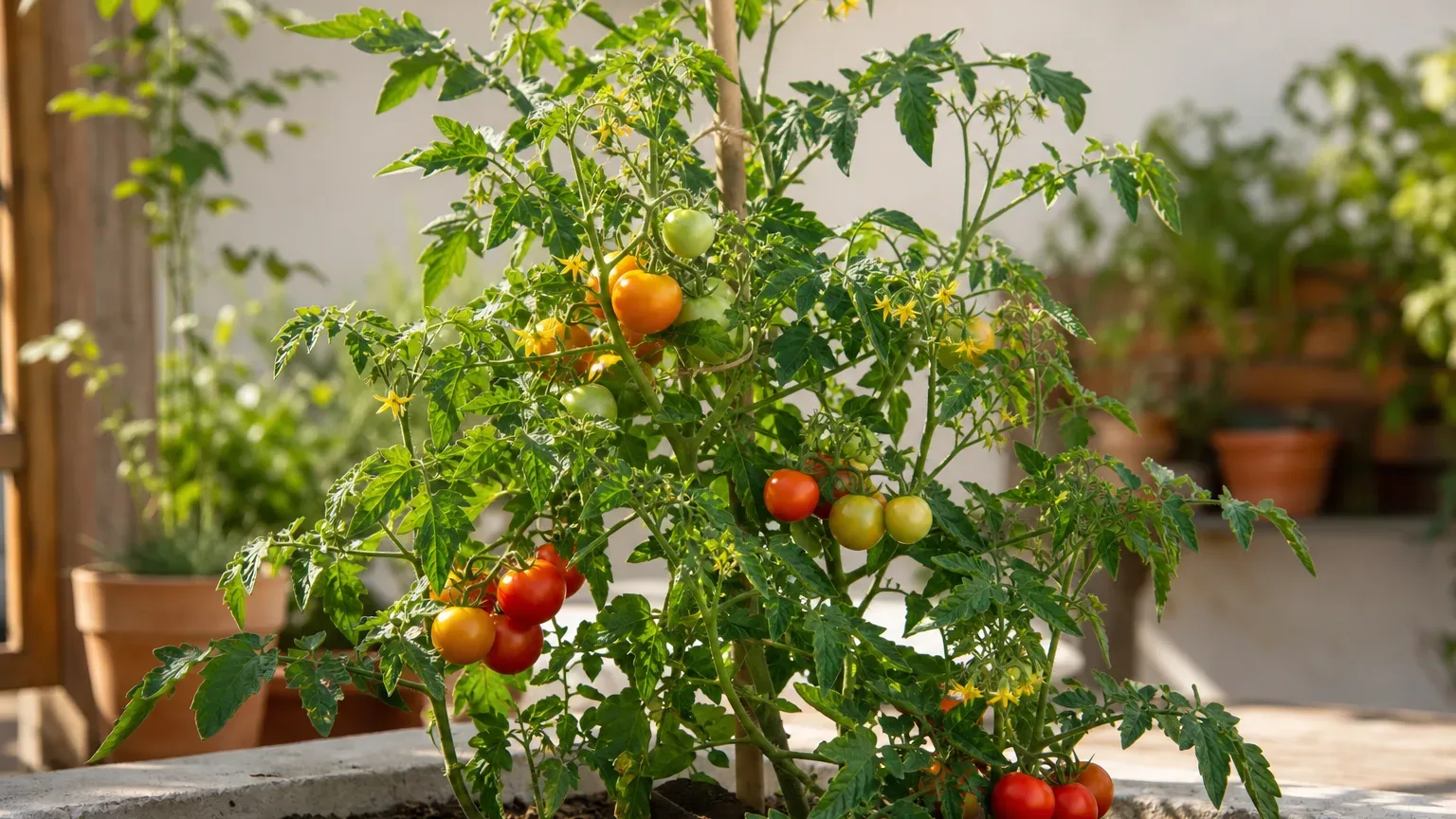
Grow tomatoes in full sun with steady moisture, fertile well-drained soil, and support matched to determinate or indeterminate plants.
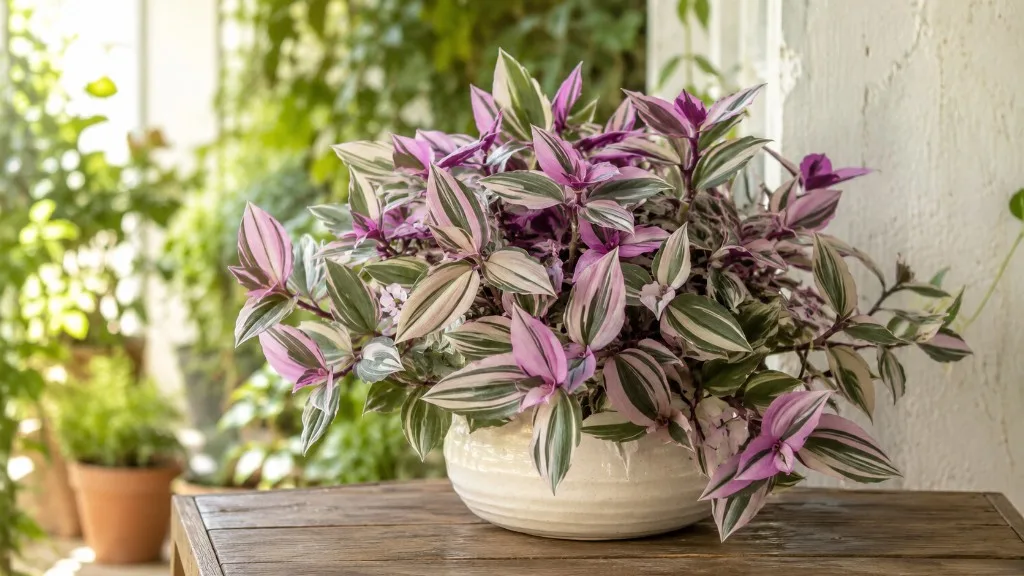
Tradescantia Nanouk needs bright indirect light to maintain its pink and white variegation. Water when the top inch of soil dries.
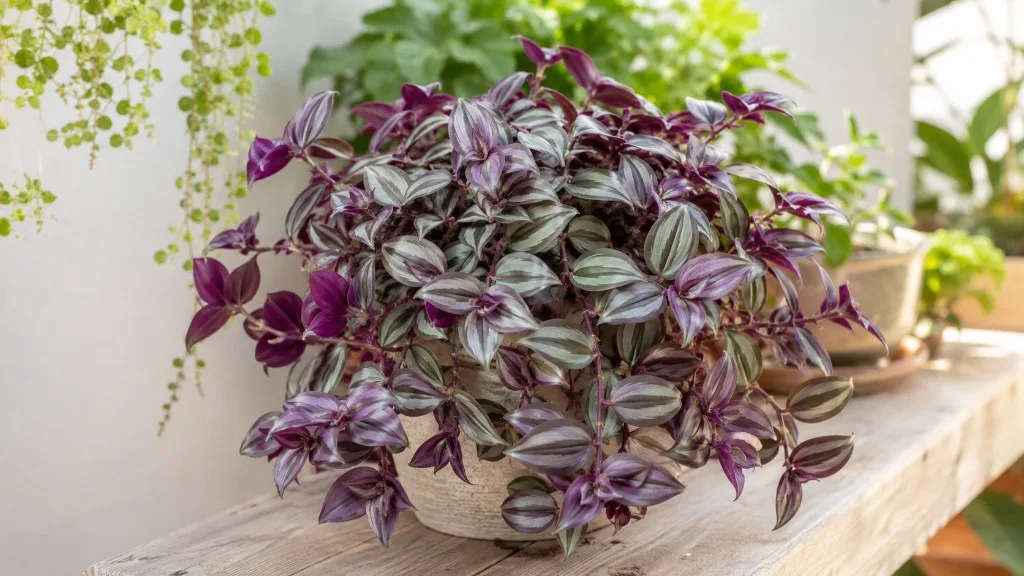
Tradescantia zebrina needs bright indirect light to keep its vivid purple-and-silver stripes. Water when the top inch dries and propagate easily from cuttings.
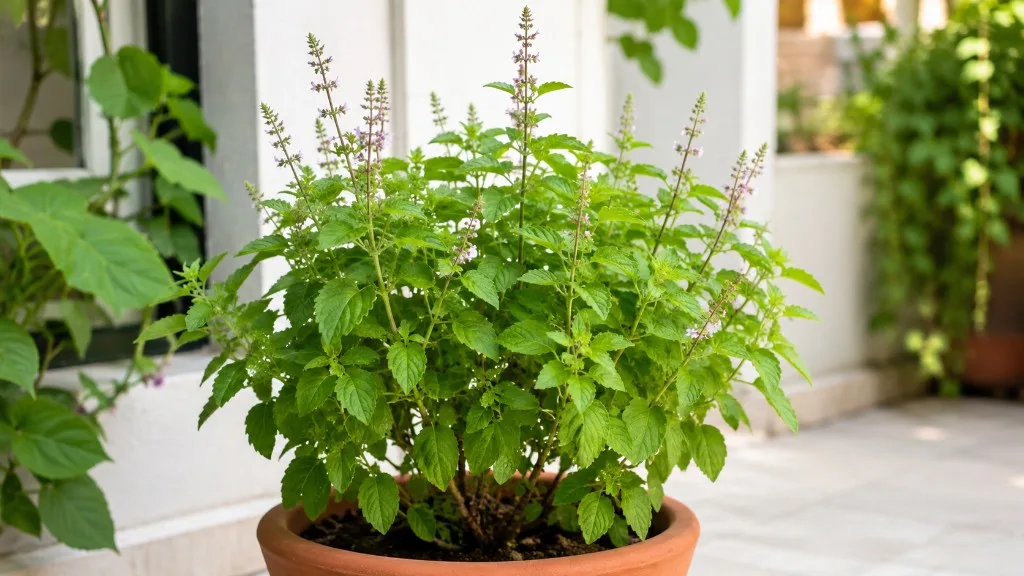
Tulsi grows best in full sun to bright indirect light with watering every 2–4 days when the top inch of soil dries out. A sacred herb in homes, it thrives on balconies and windowsills. Pinch tips regularly to keep it bushy and prevent early flowering.
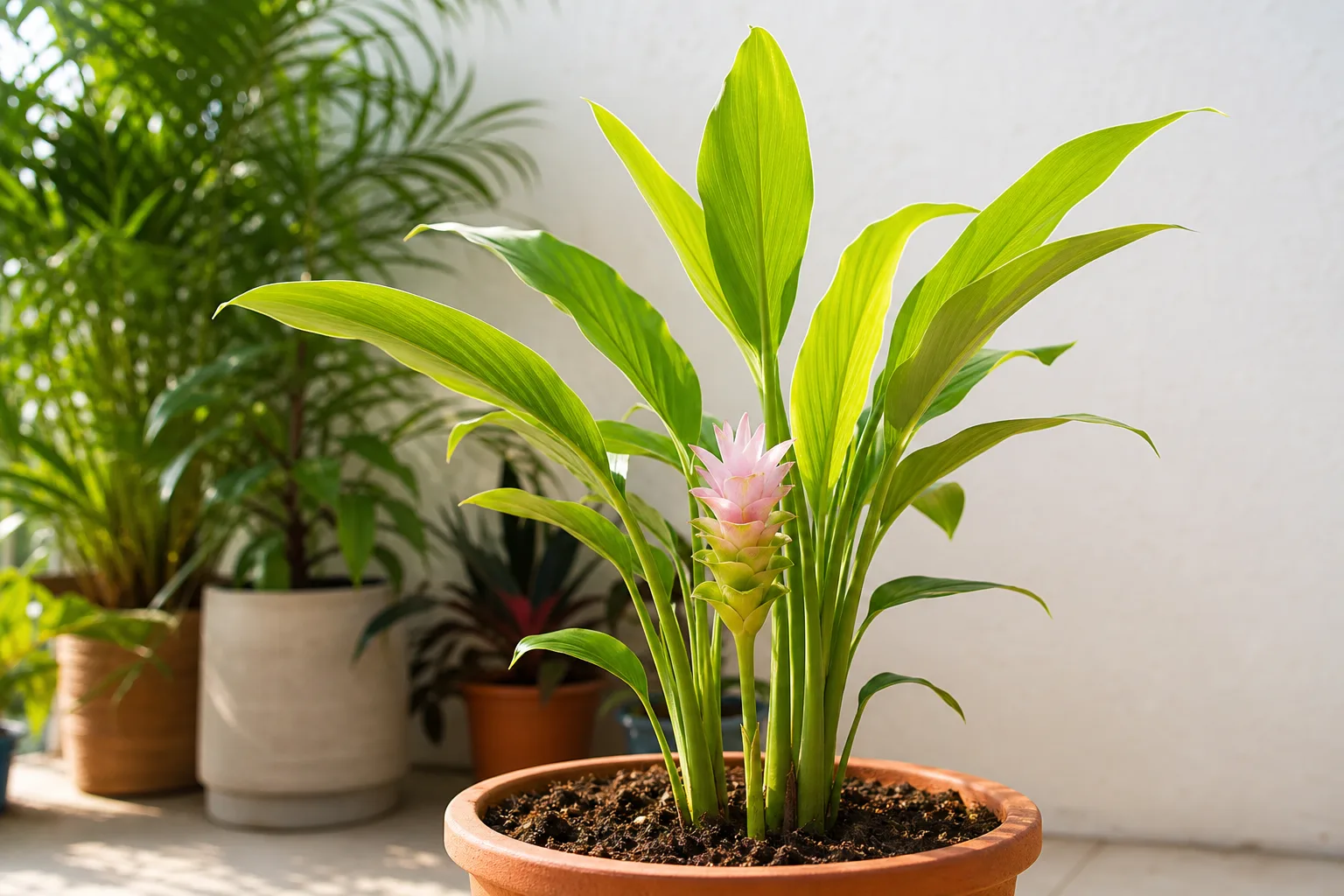
Turmeric needs warm humid growth, rich moist soil, and frequent watering in containers. Grow Curcuma longa for Haldi rhizomes; rest dry after foliage dies back.
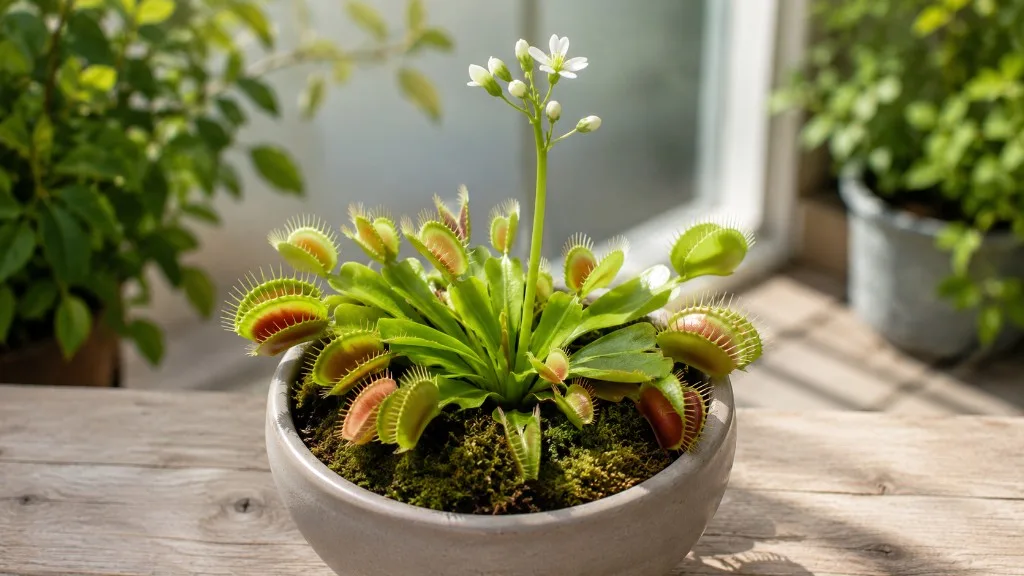
Venus Flytrap needs full sun (4+ hours direct), distilled or rainwater only (never tap water), nutrient-free acidic soil, and a 3–5 month cold winter dormancy to survive long-term. It is non-toxic to pets.
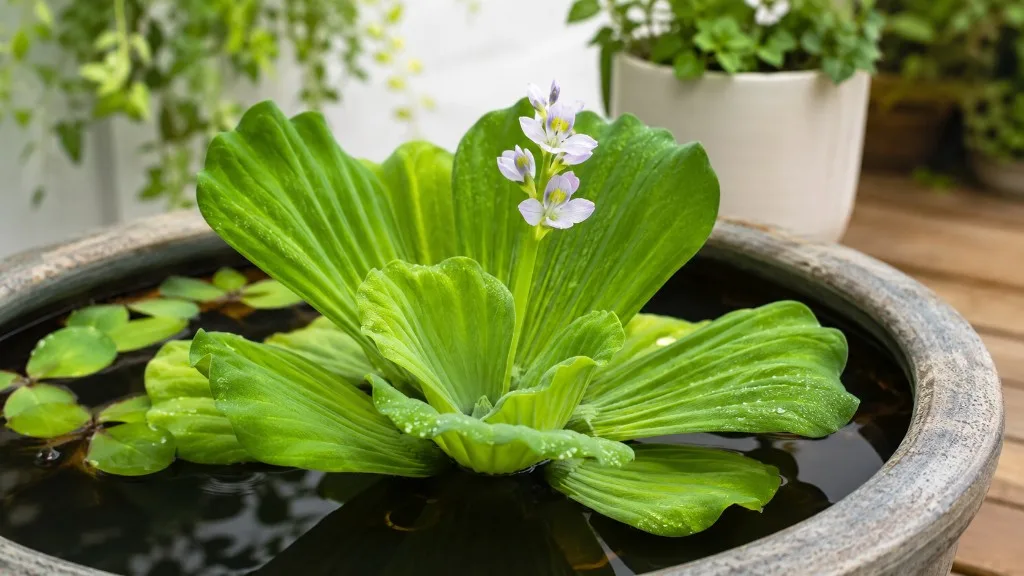
Water lettuce may be a cautious aquatic candidate in well-filtered turtle ponds, but LeafyPixels does not treat it as blanket safe feeding clearance. Oxalates and pollutant uptake are the main reasons to stay conservative.
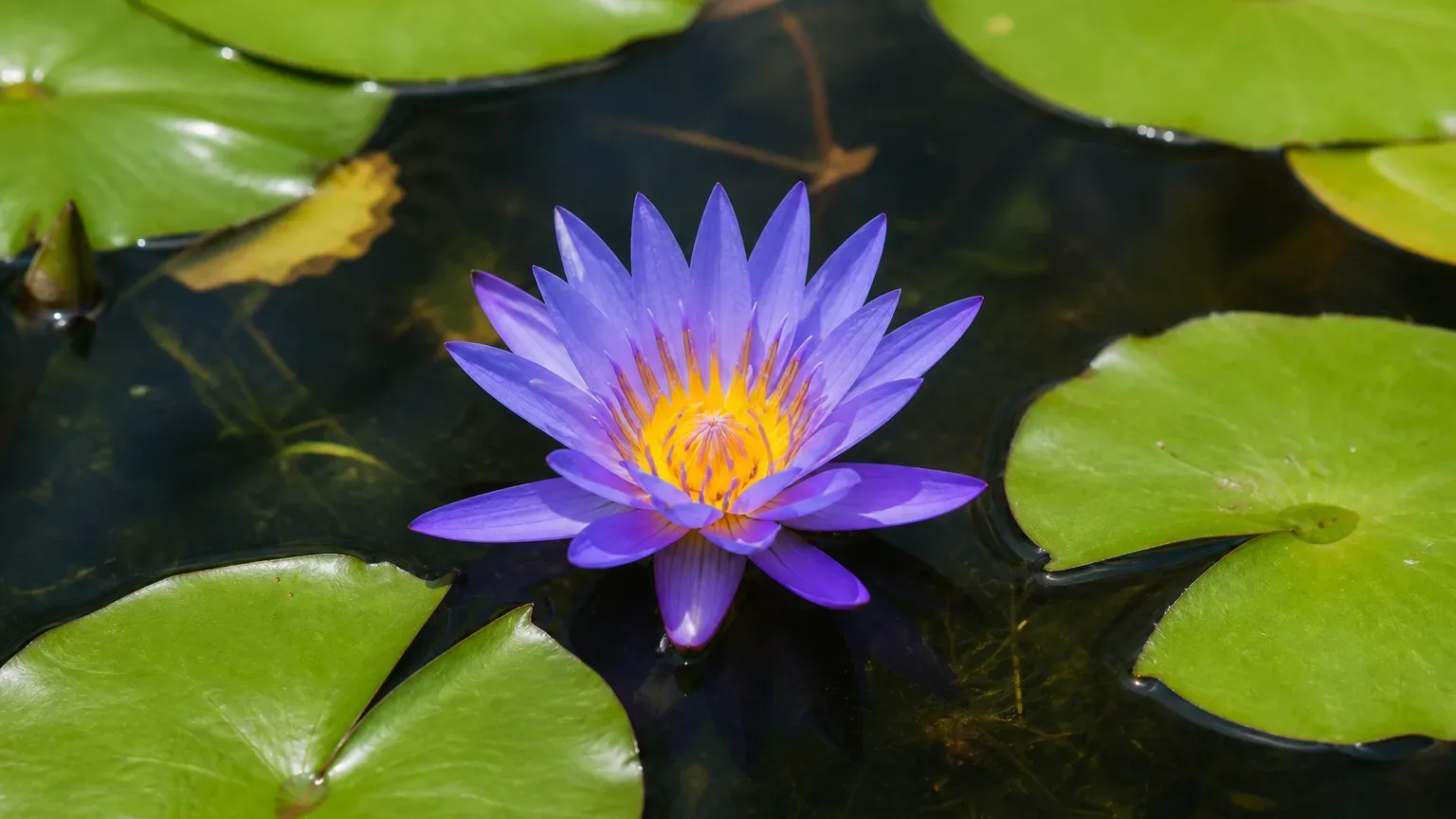
Plant Nymphaea nouchali in heavy aquatic loam with its crown at soil level, submerge it gradually in calm water, and provide at least 5–6 hours of direct sun. Keep tropical plants warm and frost-free.
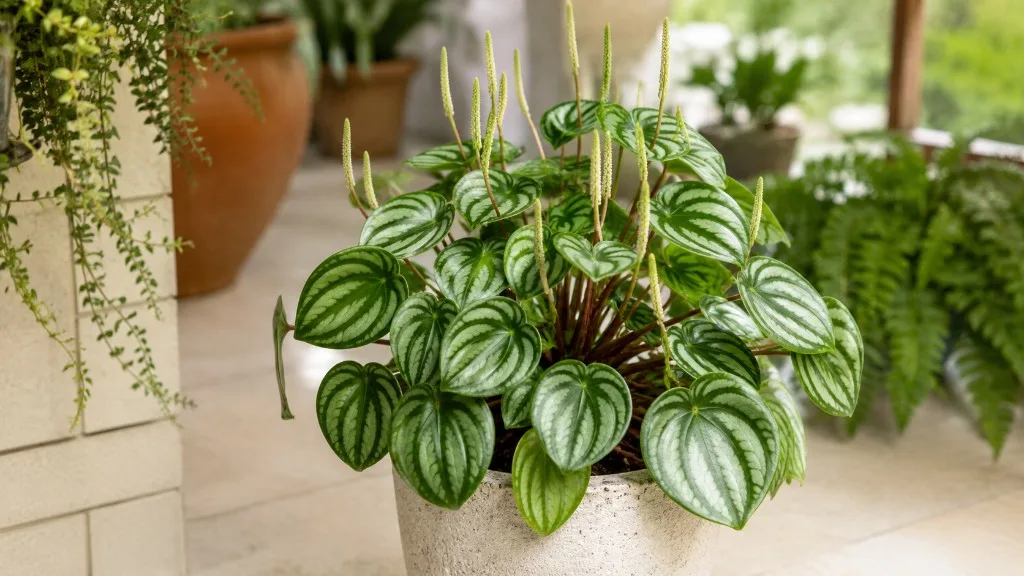
Watermelon Peperomia is pet-safe and easy to grow. It needs bright indirect light and very infrequent watering - let the soil dry completely between waterings.
Whale fin snake plant (Dracaena masoniana) care: giant paddle leaves, bright light, infrequent watering, slow growth, propagation by division or leaf cuttings.
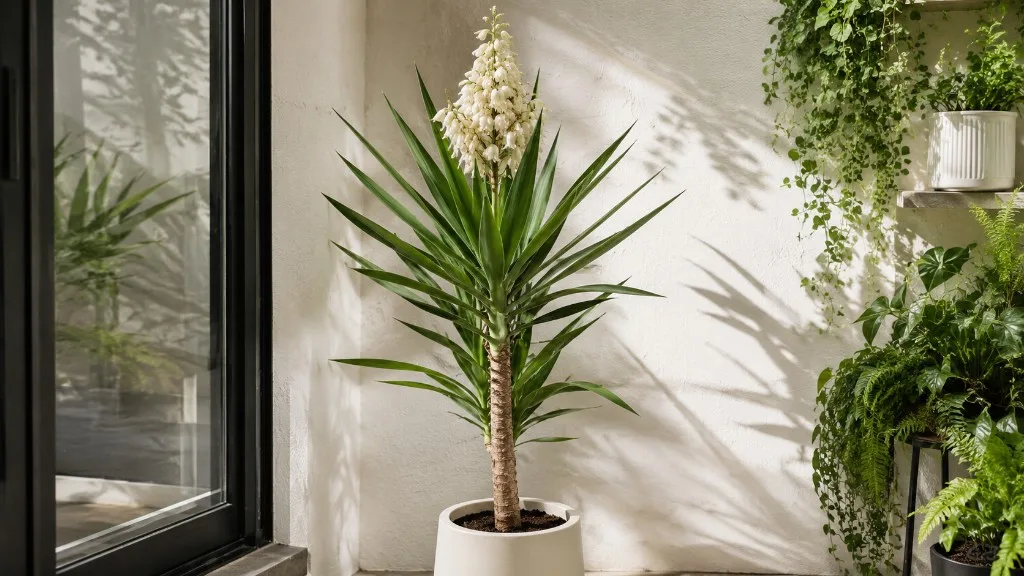
Yucca plants need bright light and infrequent watering. They tolerate drought and dry air, making them low-maintenance indoor trees.
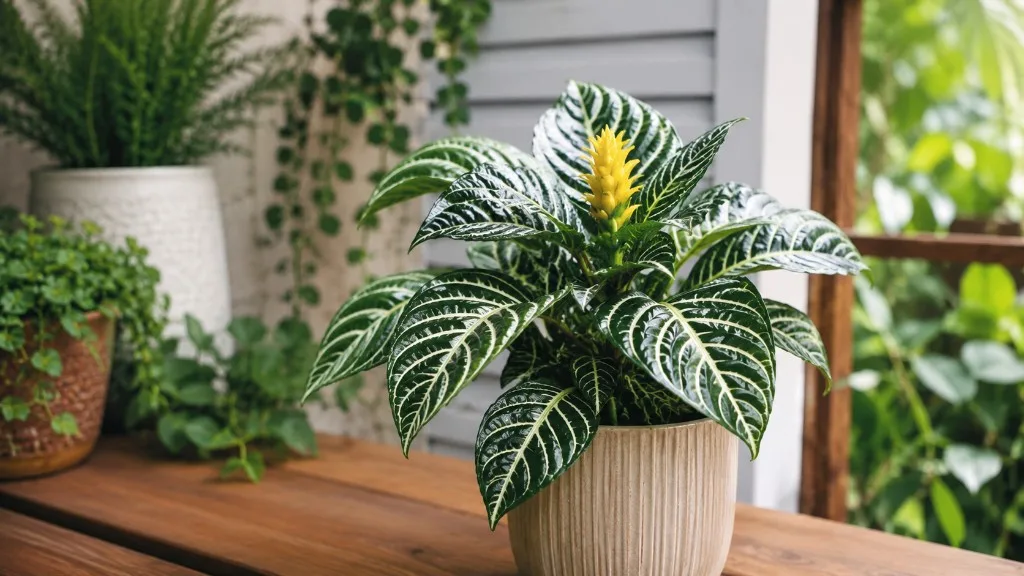
Zebra plants need bright indirect light, high humidity, and even moisture. They are demanding but reward with stunning striped foliage and yellow bracts.
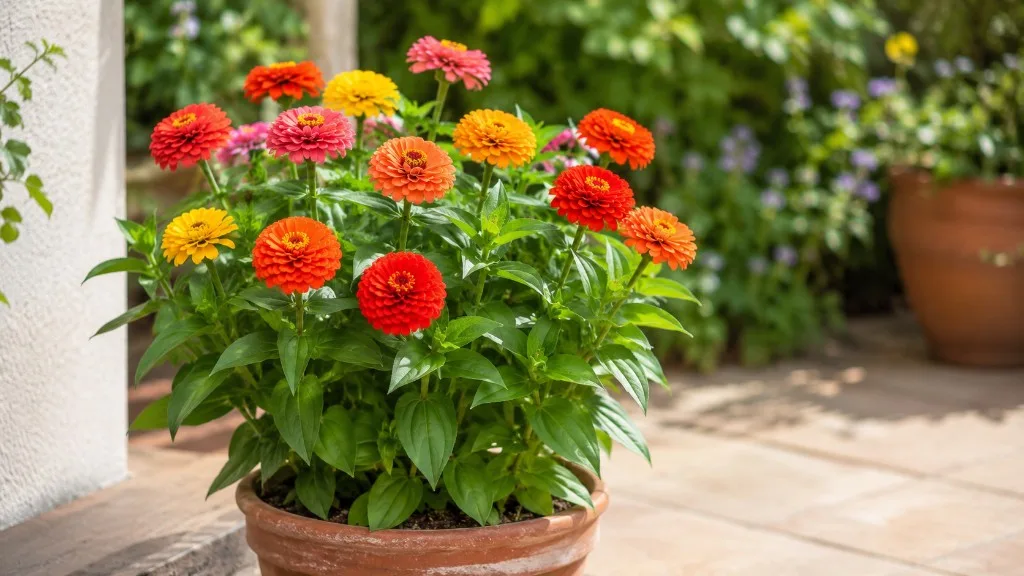
Zinnias are among the easiest sun-loving annuals for warm climates - direct-sow in well-draining soil, deadhead spent blooms, and enjoy continuous colour from summer through autumn.
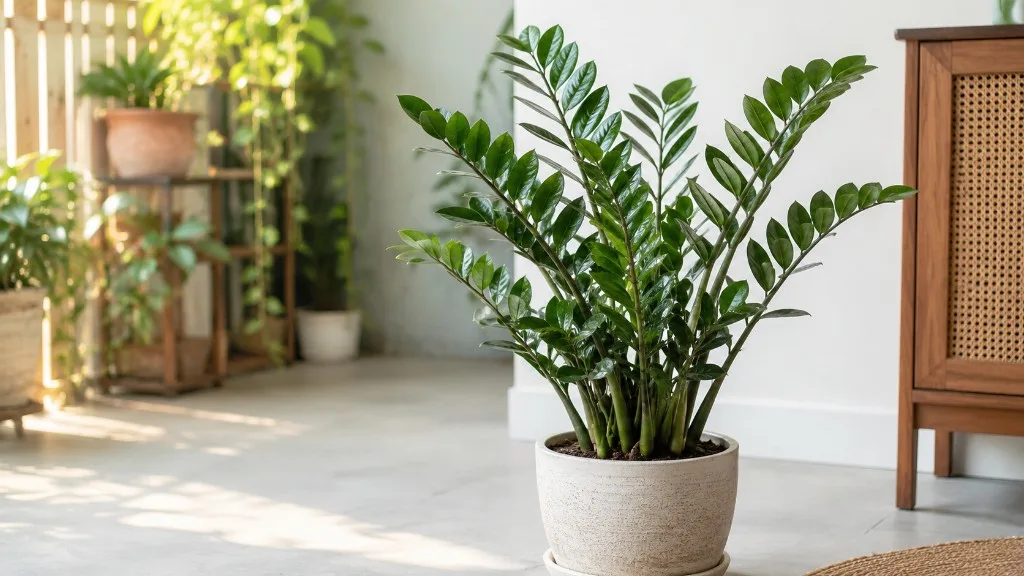
ZZ plant care for low-light offices - infrequent watering, soil mix, and toxicity notes for pets.
Try keywords like pothos, snake plant, pet safe, or low light—or tell us which houseplant guide you'd like to see next.