Lemon Balm Care Guide: Light, Water, Soil & Harvest
Melissa officinalis
Learn how to grow lemon balm (Melissa officinalis), including light, watering, well-drained soil, harvesting, propagation, and ways to contain its spread.
Lemon Balm Care Guide: Light, Water, Soil & Harvest
Start with wateringThe most common care mistake for Lemon BalmWatering guide →Lemon Balm care essentials
Light
Water
Keep the soil evenly moist but not wet. Water garden plants during dry spells and check containers regularly because they dry more quickly; let excess water drain freely.
Soil
Fertile, humus-rich soil that holds some moisture while draining well; lemon balm grows in several soil types but does poorly in persistently waterlogged ground.
Humidity
Temperature
Fertilizer
About Lemon Balm
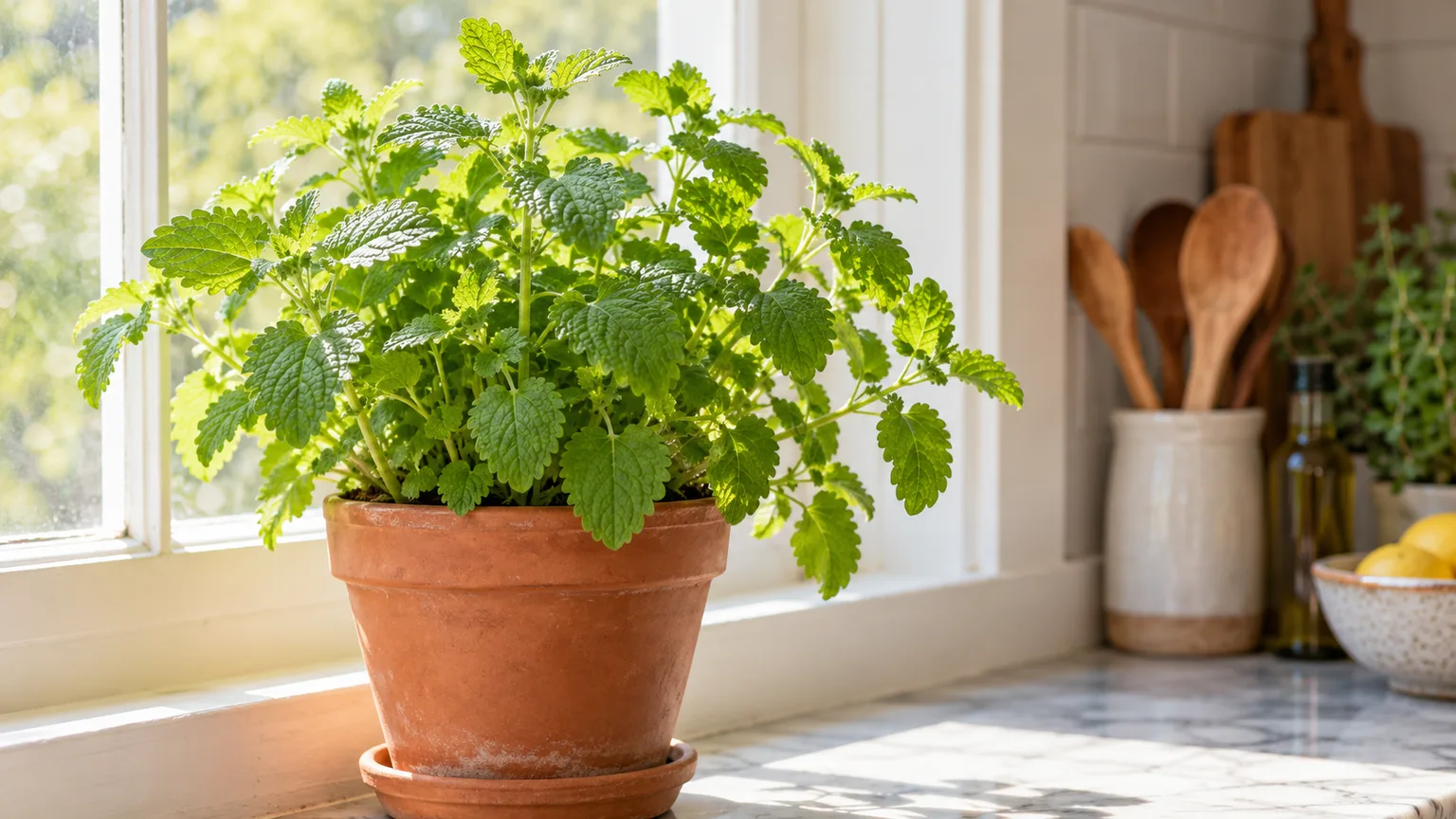
Lemon Balm is native to Southern and central Europe through Central Asia, including parts of North Africa, typically reaches About 45–60 cm tall and 45–90 cm wide; size varies by variety and growing conditions indoors, with rapid growth. Lemon Balm has a bushy, upright, multi stemmed herbaceous perennial with lemon scented leaves; may spread by rhizomes and seed growth habit and part of the Lamiaceae family. It is also known as Common balm, Sweet balm, Heart's delight, and Lemon mint.
| Detail | Information |
|---|---|
| Also known as | Common balm, Sweet balm, Heart's delight, Lemon mint |
| Native region | Southern and central Europe through Central Asia, including parts of North Africa |
| Mature size | About 45–60 cm tall and 45–90 cm wide; size varies by variety and growing conditions |
| Growth rate | Rapid |
| Growth habit | Bushy, Upright, Multi Stemmed Herbaceous Perennial With Lemon Scented Leaves; May Spread By Rhizomes And Seed |
| Scientific name | Melissa officinalis |
| Family | Lamiaceae |
Lemon Balm Care Guide: Light, Water, Soil & Harvest
Lemon balm rewards a simple routine: give it sun or light shade, keep the root zone lightly moist but well drained, and decide early whether you want it to spread. In a pot, it is an easy kitchen herb to keep close; in an open bed, it can reseed and form a wider clump than many gardeners expect.
What lemon balm is and how it grows
Lemon balm is Melissa officinalis, a lemon-scented herbaceous perennial in the mint family, Lamiaceae. It is native from southern and central Europe through Central Asia and commonly grows to about 45–60 cm tall and 45–90 cm wide; North Carolina State Extension describes it as a bushy, rhizomatous perennial. It is not bee balm (Monarda), despite the similar names. Wisconsin Extension distinguishes lemon balm from bee balm and notes that its leaves are used fresh or dried, with dried leaves losing much of their aroma.
The rounded, lightly toothed leaves smell lemony when crushed, and small pale flowers appear in summer.
Choose a location for your climate
Lemon balm is more flexible than a strict full-sun herb, but it still needs enough light to make compact, leafy growth. Think about afternoon heat, rain exposure, and the space available for a mature clump before choosing between a bed, balcony pot, or bright indoor spot.
Outdoor light and heat
In a garden, place lemon balm where it gets sun for part of the day or bright partial shade. The RHS growing guide says it tolerates sun or partial shade. In hot parts of India, morning sun with afternoon shade is a sensible starting point; if growth becomes stretched and sparse, increase the useful light gradually.
This is a hardy garden perennial in temperate regions, so outdoor growing is normal rather than an exception. In tropical or coastal locations, focus less on a winter hardiness calendar and more on avoiding heat stress and waterlogged roots during long rainy spells.
Indoor light constraints
Lemon balm can grow indoors, but a dim room usually produces a weak, stretched plant with little harvestable foliage. Give a potted plant the brightest window you have, rotate it occasionally, and consider a grow light if new stems keep leaning toward the glass. Homes & Gardens’ indoor guide recommends strong daily light while warning that intense direct heat can scorch indoor leaves.
Do not expect an indoor pot to behave exactly like a garden clump. The container limits root space and dries faster, while indoor light may be much weaker than outdoor sun; check the mix and new growth rather than relying on a fixed care schedule.
Water for steady growth without soggy roots
Keep the mix from drying hard for long periods, especially while a plant is establishing or growing in a small container. Water thoroughly when the surface begins to dry, then let excess drain away; lemon balm likes moisture, not a pot that stays saturated. Utah State Extension cautions that wet soil can lead to root rot.
Check a container with a finger rather than watering every set number of days. If the upper 2–3 cm feels dry, water until a little runs from the drainage holes and empty the saucer. In a garden bed, established plants can handle brief dry spells better than a pot, but prolonged drought can make the foliage limp and reduce fresh growth.
Give roots a moist, free-draining mix
Choose fertile soil with organic matter that holds some moisture while still letting rain or irrigation drain through; Utah State Extension recommends a moist, well-drained growing medium. A standard herb or vegetable potting mix works in a container; improve heavy garden soil with compost and a planting position that does not collect runoff. A pot without open drainage holes is a poor fit, especially through humid weather.
Avoid trying to keep the soil constantly wet as a shortcut to lush leaves. Lemon balm grows in a range of soils, but persistent saturation weakens roots.
Decide between a pot and a garden bed
Choose a pot if you want to limit seedlings, keep the herb near the kitchen, or move it out of heavy monsoon rain. A container around 20 cm wide is a useful starting size for one plant, with drainage holes and room to widen as the clump matures. Savvy Gardening’s container advice recommends at least an 8-inch pot and emphasizes drainage because the plant can grow vigorously.
A garden bed makes sense when you have room for a spreading herb and can remove seedlings. Give it enough space that neighboring plants are not shaded or crowded, and avoid placing it where you would have difficulty digging out unwanted growth later.
Manage self-seeding and clump expansion
Lemon balm’s spread is the main reason to plan ahead. North Carolina State Extension describes spread by rhizomes and self-seeding, while Gardening Know How emphasizes seedlings as the main cause of surprise plants. Since the accounts differ about which route matters most, the reliable home-garden approach is to contain roots and prevent unwanted seed: grow it in a pot, or remove flower stalks before seed forms and pull seedlings while small.
You can also leave some flowers for bees and still manage the plant. Keep a contained clump, allow a few stems to bloom, then cut them back before seeds mature; remove any seedlings that appear outside the intended space.
Harvest to keep leaves coming
Once the plant is established, pinch or cut leafy stems regularly instead of stripping every leaf from one side. Cutting above a pair of leaves encourages branching and gives you tender shoots for tea, salads, or cooking. Wisconsin Extension notes that established plants can be cut back more than once in a season and will produce fresh leafy growth.
Harvest before or as flower buds form if you want the most tender leaves. If you value the flowers for pollinators, leave some stems and harvest from the rest; the choice is a trade-off between a longer leaf harvest and a chance for self-sown plants.
Adjust care through India’s seasons
In hot weather, check containers more often because a small pot dries faster than a bed. If leaves look scorched after an intense afternoon, move the pot to morning sun or bright shade; if stems are thin and leaning, improve light instead of increasing fertilizer.
During monsoon periods, shelter a container from prolonged heavy rain, keep its drainage holes clear, and do not leave it standing in a saucer of water. In cooler months, growth may slow; reduce watering as the mix takes longer to dry and pause feeding until new growth resumes. These are weather-based adjustments, not a fixed monthly calendar, because conditions differ across India.
Feed lightly and refresh older plants
Lemon balm does not need a heavy feeding routine. Start with reasonably fertile soil or fresh potting mix, then use a light feed only if a container plant is actively growing and the mix has been in use for a while. Utah State Extension advises feeding sparingly and warns that over-fertilizing can produce excessive growth and poorer flavor.
As roots fill a pot, move the plant up one size or divide it in a suitable growing period. In a garden, divide a crowded older clump when its growth becomes less vigorous; Wisconsin Extension suggests dividing or replacing plants after three to four seasons. See the repotting guide for the container steps and the fertilizer guide for feeding details.
Read the plant’s early warning signs
Look at the growing conditions before reaching for a product. A pot that stays wet for days, especially with yellowing or wilting leaves, needs better drainage and less frequent watering; a plant with long, sparse stems needs more usable light. Make one correction at a time so you can see whether fresh growth improves.
If growth suddenly declines in a crowded container, check whether roots have filled the pot and whether water runs through freely. For a young plant that wilts in hot weather, check moisture first; if the mix is already wet, adding more water can make the problem worse.
Is lemon balm safe around pets?
The ASPCA lists lemon balm as non-toxic to cats, dogs, and horses. That classification is for Melissa officinalis specifically and does not mean every plant called “lemon mint” or “balm” has the same status. Keep plant labels when the identity is uncertain, and do not encourage pets to eat garden plants; contact a veterinarian if an animal has an unexpected reaction.
When to use this page vs other Lemon Balm guides
Use this overview to choose a growing setup and understand the whole plant. If you already know the problem, go straight to the Lemon Balm light guide for window or outdoor placement, the watering guide for moisture checks, or the soil guide for mix and drainage decisions.
For a more specific task, the propagation guide covers starting new plants, while the repotting guide covers crowded containers. The fertilizer guide is the place to troubleshoot feeding rather than adding fertilizer whenever growth looks slow.
Related Lemon Balm guides
- Light: choose sun, partial shade, or a brighter indoor position.
- Watering: decide when the soil is dry enough to water.
- Soil: choose a fertile mix that drains freely.
- Fertilizer: feed a container plant without pushing excess soft growth.
- Repotting: move or divide a root-filled plant.
- Propagation: raise lemon balm from seed, cuttings, or division.
Conclusion
For a manageable lemon balm plant, start with a draining pot, bright light with protection from punishing afternoon heat, and soil that stays lightly moist without staying wet. Harvest regularly, watch for seedlings, and decide whether flowers or strict containment matter more in your space. Once that setup is in place, adjust watering to the weather and use the focused care guides when one part of the routine needs attention.
How to care for Lemon Balm?
When should you water Lemon Balm?
Keep the soil evenly moist but not wet. Water garden plants during dry spells and check containers regularly because they dry more quickly; let excess water drain freely.
- Feel the surface of the soil or potting mix. When it begins to dry - Water garden plants during dry spells and check containers regularly because they dry more quickly; let excess water drain freely.
- water thoroughly and let excess drain from the container - Water garden plants during dry spells and check containers regularly because they dry more quickly; let excess water drain freely.
- Drain excess water - Water garden plants during dry spells and check containers regularly because they dry more quickly; let excess water drain freely.
What soil works best for Lemon Balm?
Fertile, humus-rich soil that holds some moisture while draining well; lemon balm grows in several soil types but does poorly in persistently waterlogged ground.
- Use a quality potting mix formulated for herbs or vegetables. - Fertile, humus-rich soil that holds some moisture while draining well; lemon balm grows in several soil types but does poorly in persistently waterlogged ground.
- Add compost for organic matter while keeping the mix open and free-draining. - Fertile, humus-rich soil that holds some moisture while draining well; lemon balm grows in several soil types but does poorly in persistently waterlogged ground.
- Choose a container with drainage holes to reduce waterlogging and contain self-seeding. - Fertile, humus-rich soil that holds some moisture while draining well; lemon balm grows in several soil types but does poorly in persistently waterlogged ground.
Grower notes for Lemon Balm
Choose sun or light shade
Lemon balm grows well in full sun to partial shade. In hot locations, some afternoon shade can help keep the leaves tender; plants in lighter shade may produce larger, more succulent foliage. Its small summer flowers also attract bees and other pollinators.
Keep the soil moist, not soggy
Aim for fertile soil that holds some moisture but drains freely. Water during dry spells, and check pots more often because containers dry faster than garden beds. Do not let the roots sit in water, which can lead to root rot.
Contain its enthusiastic growth
Lemon balm can form a large clump and may spread from both rhizomes and self-sown seed. A container is a useful way to keep it near the kitchen without letting it take over a bed. In the garden, remove flower stalks before seeds mature if you want to limit seedlings.
Harvest often for fresh leaves
Regular cutting encourages branching and keeps the plant bushier. Snip leafy stems before flowering or as flower buds form, taking no more than about one third of the foliage at a time. Lemon-scented leaves can be used fresh or dried for tea and cooking; fresh leaves hold their aroma best.
Divide older clumps
Lemon balm can be started from seed, cuttings, or divisions. Divide a crowded established clump in spring or early fall, then replant healthy sections in well-prepared soil. Replace or divide older plants after several seasons if their growth becomes less vigorous.
Give a potted plant room and drainage
A pot at least 20 cm across gives one plant room to grow while helping control its spread. Use free-draining potting mix and drainage holes, then place the container where it receives sun or dappled shade. Protect the pot from standing water in wet weather.
Is Lemon Balm Safe for Pets?
The ASPCA lists lemon balm (Melissa officinalis) as non-toxic to cats, dogs, and horses. Prevent pets from chewing garden plants and contact a veterinarian if an animal eats a large amount or has an unexpected reaction.
The ASPCA's species-specific Lemon Balm entry identifies Melissa officinalis and classifies it as non-toxic to cats, dogs, and horses. This classification applies to lemon balm, not every plant that may share a similar common name.
Watering Lemon Balm
For Lemon Balm, feel the surface of the soil or potting mix. When it begins to dry, water thoroughly and let excess drain from the container. and water water during dry spells and whenever container mix begins to dry at the surface. Avoid keeping the root zone saturated. Check containers more often in warm, sunny weather. Reduce watering as growth slows in cool weather while keeping the root zone from drying out completely.
| Detail | Information |
|---|---|
| How often | Water during dry spells and whenever container mix begins to dry at the surface. Avoid keeping the root zone saturated. |
| How to check | Feel the surface of the soil or potting mix. When it begins to dry, water thoroughly and let excess drain from the container. |
| Seasonal changes | Check containers more often in warm, sunny weather. Reduce watering as growth slows in cool weather while keeping the root zone from drying out completely. |
Signs of overwatering
- Potting mix remains wet between waterings.
- Leaves yellow or wilt while the root zone stays saturated.
- Growth weakens where soil drains poorly; wet roots can develop rot.
Signs of underwatering
- Leaves lose firmness during a prolonged dry spell.
- Container mix dries quickly and new growth slows.
Soil & potting for Lemon Balm
Use a mix of Use a quality potting mix formulated for herbs or vegetables., Add compost for organic matter while keeping the mix open and free-draining., Choose a container with drainage holes to reduce waterlogging and contain self-seeding. for Lemon Balm. Provide good drainage in beds and containers. A pot with drainage holes helps prevent waterlogged roots and contains the plant's spread. Target soil pH around Acidic to neutral; NC State lists lemon balm as tolerant of acidic and neutral soils. Repot repot container plants when roots fill the pot. Divide or replace crowded, established clumps every three to four years as vigor declines., ideally in spring or early fall for dividing established clumps.
| Detail | Information |
|---|---|
| Recommended mix | Use a quality potting mix formulated for herbs or vegetables., Add compost for organic matter while keeping the mix open and free-draining., Choose a container with drainage holes to reduce waterlogging and contain self-seeding. |
| Drainage | Provide good drainage in beds and containers. A pot with drainage holes helps prevent waterlogged roots and contains the plant's spread. |
| Soil pH | Acidic to neutral; NC State lists lemon balm as tolerant of acidic and neutral soils. |
| Repotting frequency | Repot container plants when roots fill the pot. Divide or replace crowded, established clumps every three to four years as vigor declines. |
| Best season to repot | Spring or early fall for dividing established clumps. |
Signs it needs repotting
- Roots fill the container or emerge from its drainage holes.
- The pot dries unusually quickly in warm weather.
- An established clump becomes crowded or produces less vigorous growth.