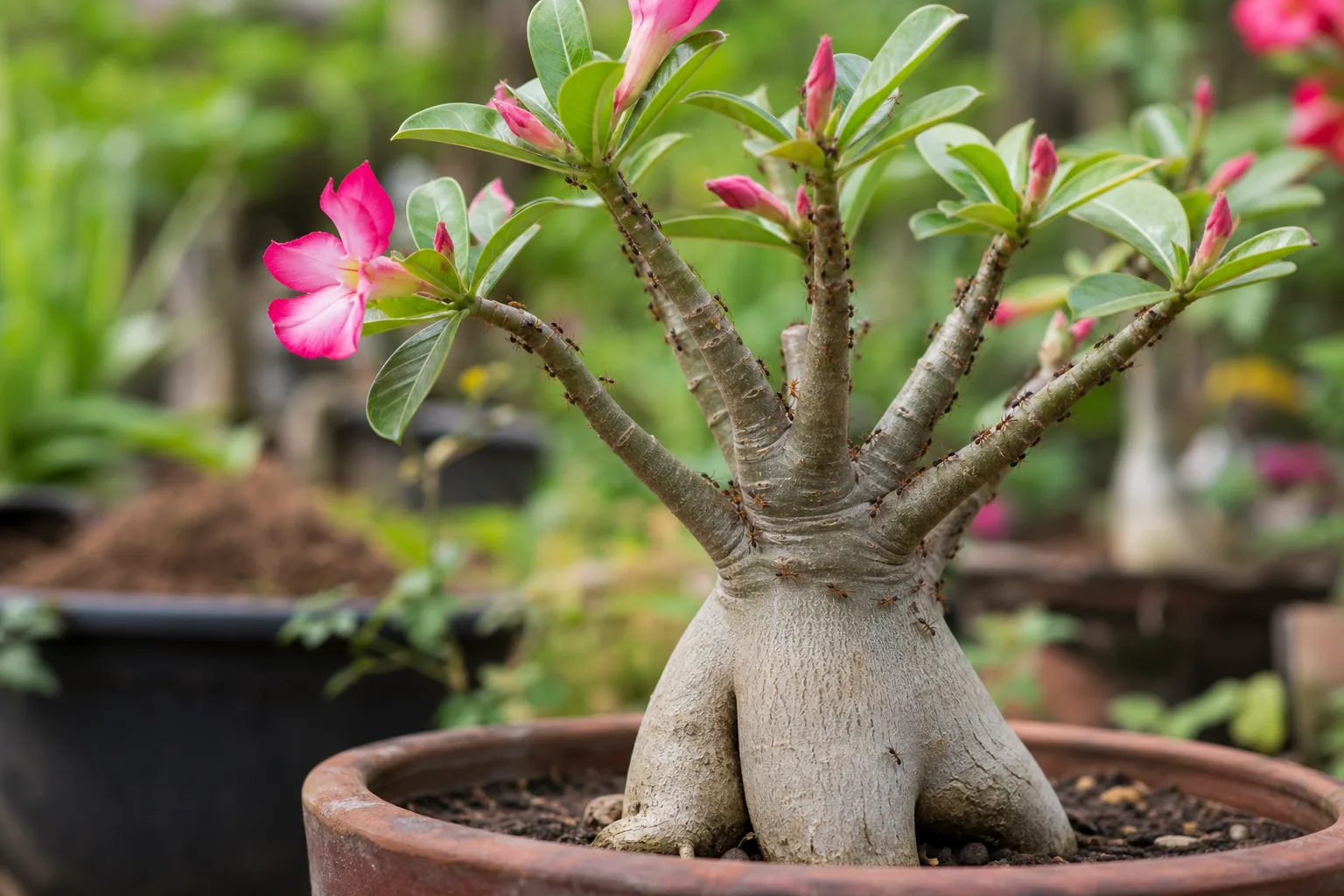
 PestsAnts on Plant'Houseplant pests are common indoors because conditions lack natural predators. Ants on Plant often arrives on new plants, open windows, or stressed specimens. When you notice Ants crawling around plant, often farming aphids or scale, act quickly: confirm the pest, isolate the plant, and treat before the population explodes. Track weekly progress after you change care, and note watering, light, and repotting dates so you can tell whether the symptom is improving or returning.'. Compare upper versus lower leaves, new versus old growth, and soil moisture at root depth before you treat, because the same visible symptom can come from watering, light, pests, or normal aging on different plants.
Plant symptoms & problem diagnosis
Symptom-led guides for the most common houseplant issues.
Not sure where to start? Match symptoms in under a minute
Select what you see on your plant and we'll suggest the most likely problems to check first.
PestsAnts on Plant'Houseplant pests are common indoors because conditions lack natural predators. Ants on Plant often arrives on new plants, open windows, or stressed specimens. When you notice Ants crawling around plant, often farming aphids or scale, act quickly: confirm the pest, isolate the plant, and treat before the population explodes. Track weekly progress after you change care, and note watering, light, and repotting dates so you can tell whether the symptom is improving or returning.'. Compare upper versus lower leaves, new versus old growth, and soil moisture at root depth before you treat, because the same visible symptom can come from watering, light, pests, or normal aging on different plants.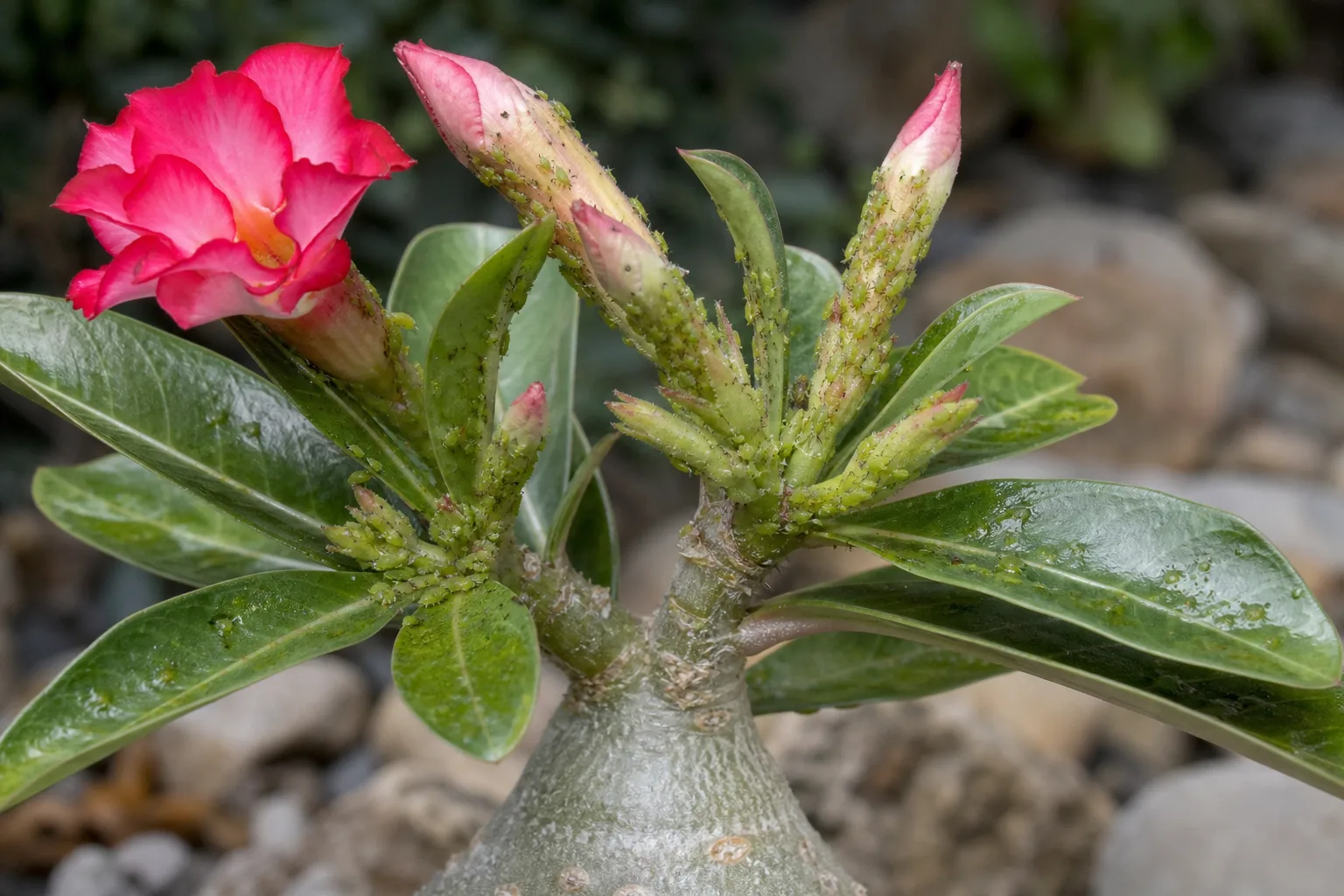 PestsAphidsHouseplant pests are common indoors because conditions lack natural predators. Aphids often arrives on new plants, open windows, or stressed specimens. When you notice Clusters of tiny insects on new growth, sticky residue, act quickly: confirm the pest, isolate the plant, and treat before the population explodes. Track weekly progress after you change care, and note watering, light, and repotting dates so you can tell whether the symptom is improving or returning. Compare upper versus lower leaves, new versus old growth, and soil moisture at root depth before you treat, because the same visible symptom can come from watering, light, pests, or normal aging on different plants.
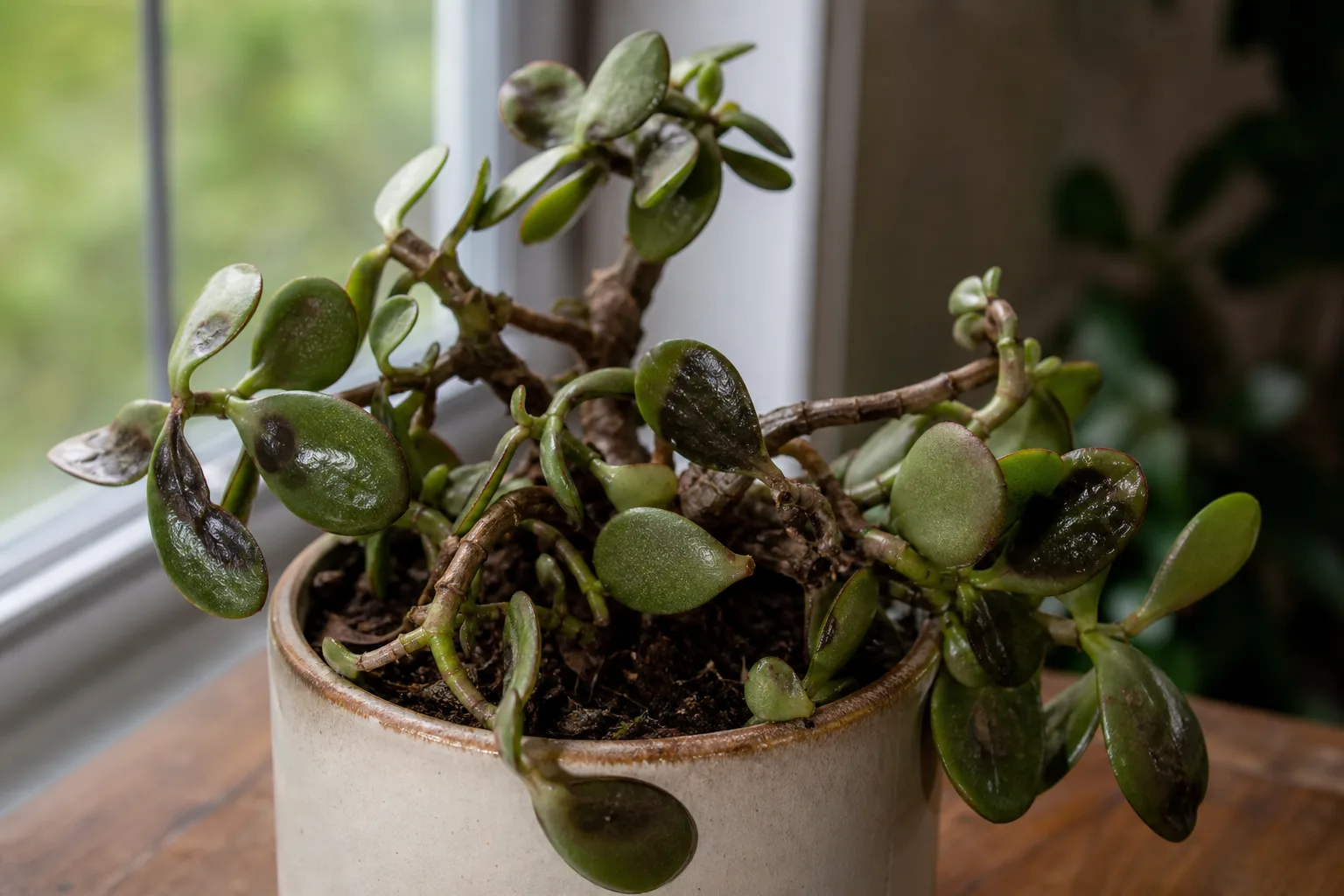 DiseaseBacterial WiltIndoor plant diseases are usually fungal or bacterial infections favored by moisture on leaves and poor ventilation. Bacterial Wilt can weaken growth and spread to nearby plants if ignored. Use Sudden wilting despite moist soil as your starting point, then confirm whether you are dealing with infection, physical damage, or care stress. Track weekly progress after you change care, and note watering, light, and repotting dates so you can tell whether the symptom is improving or returning. Compare upper versus lower leaves, new versus old growth, and soil moisture at root depth before you treat, because the same visible symptom can come from watering, light, pests, or normal aging on different plants.
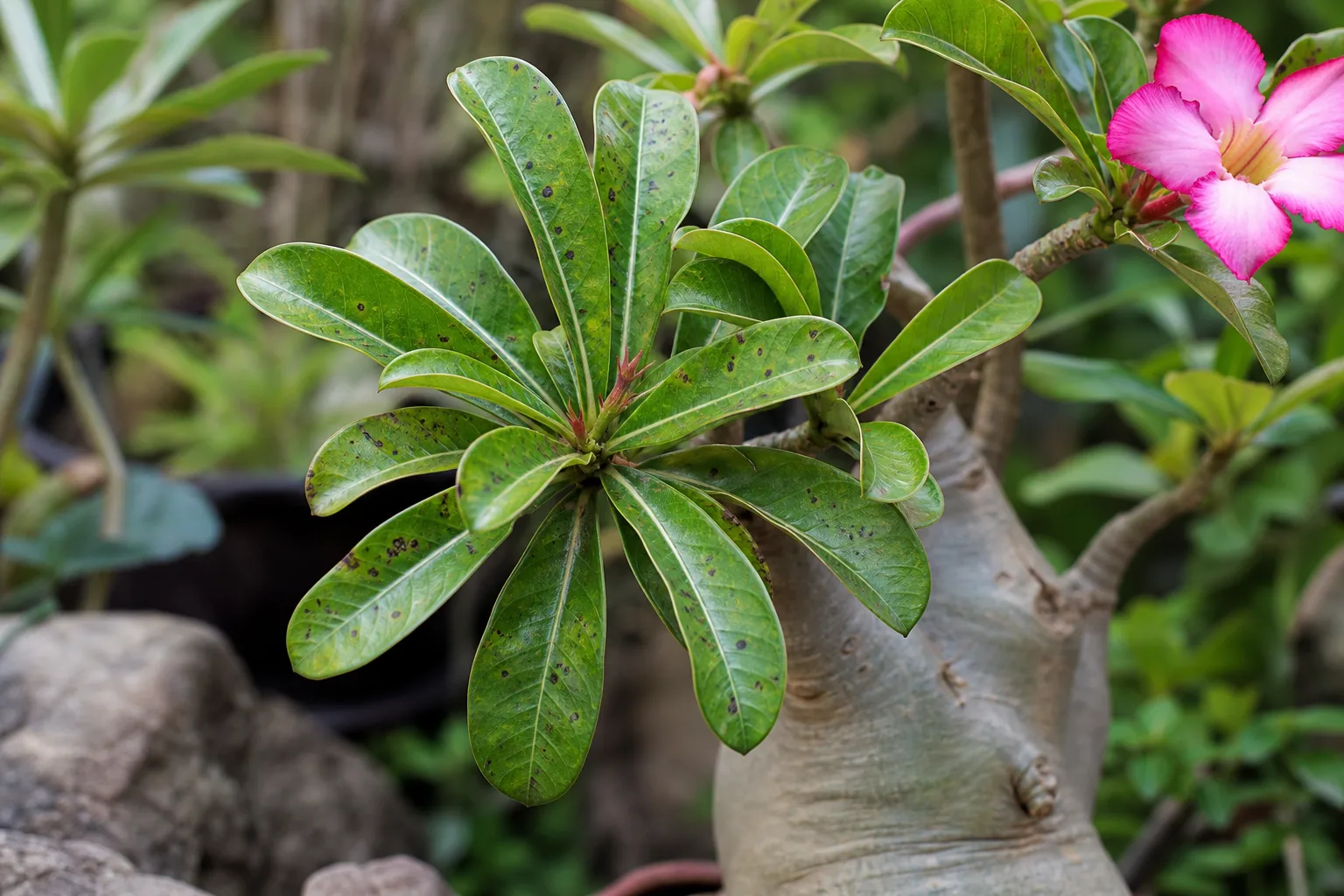 LeavesBlack SpotsBlack spots on houseplant leaves often indicate localized tissue death caused by pathogens, prolonged leaf wetness, or severe stress injury. The spots may start small and water-soaked, then turn dark brown to black. Some develop yellow halos as surrounding tissue reacts. While a few isolated spots can be cosmetic, spreading lesions across new leaves usually signal active disease pressure or unfavorable humidity/airflow conditions.
Control requires sanitation and environment correction at the same time. Removing infected tissue slows spore spread, but recurrence is common if leaves stay wet or crowded. Water at the soil level, increase airflow, and avoid nighttime leaf wetness. In persistent cases, species-safe fungicidal support may be necessary. Recovery is tracked by clean new leaves, not disappearance of old lesions. Early isolation protects nearby plants in dense indoor collections.
LeavesBlack SpotsBlack spots on houseplant leaves often indicate localized tissue death caused by pathogens, prolonged leaf wetness, or severe stress injury. The spots may start small and water-soaked, then turn dark brown to black. Some develop yellow halos as surrounding tissue reacts. While a few isolated spots can be cosmetic, spreading lesions across new leaves usually signal active disease pressure or unfavorable humidity/airflow conditions.
Control requires sanitation and environment correction at the same time. Removing infected tissue slows spore spread, but recurrence is common if leaves stay wet or crowded. Water at the soil level, increase airflow, and avoid nighttime leaf wetness. In persistent cases, species-safe fungicidal support may be necessary. Recovery is tracked by clean new leaves, not disappearance of old lesions. Early isolation protects nearby plants in dense indoor collections.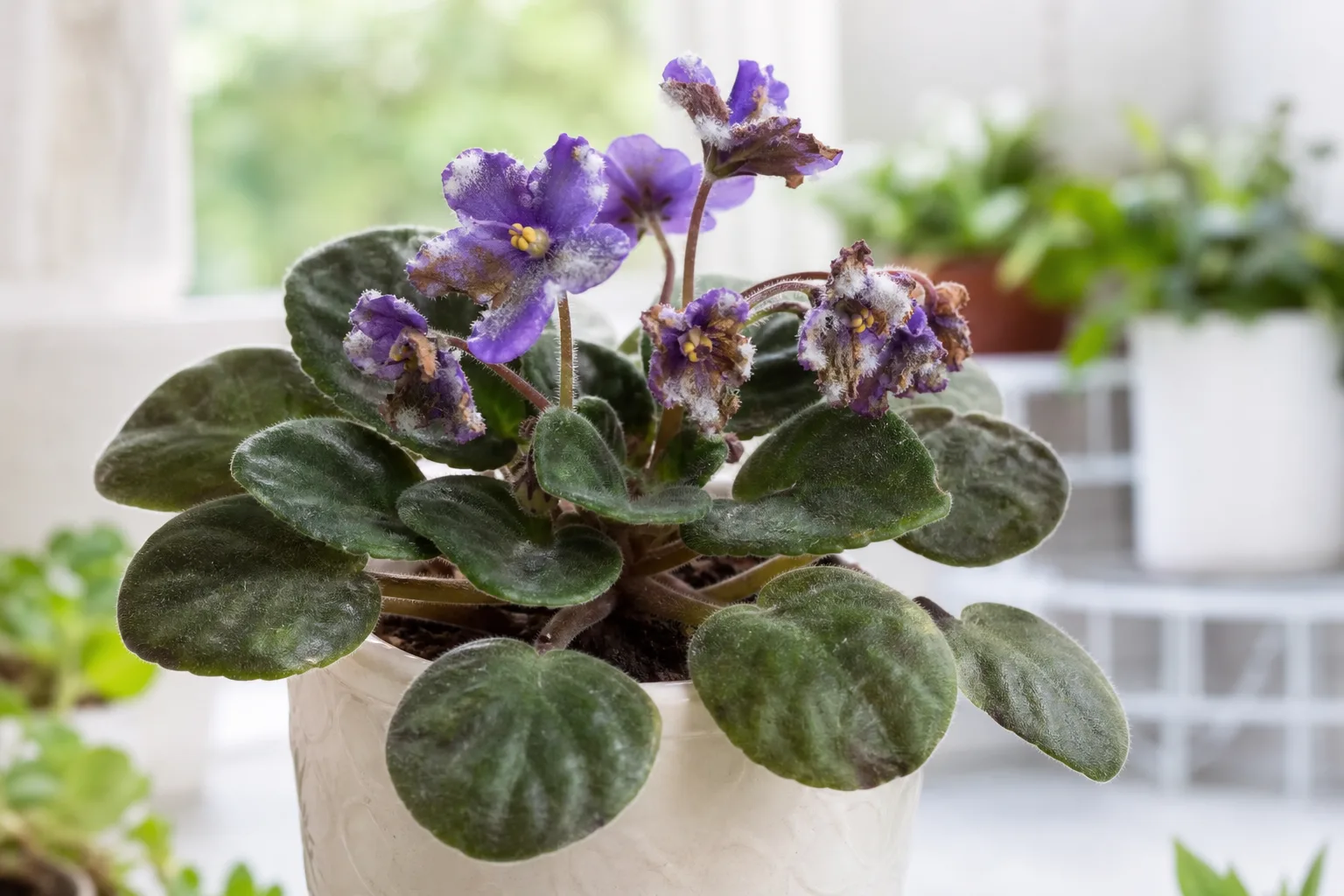 DiseaseBlightIndoor plant diseases are usually fungal or bacterial infections favored by moisture on leaves and poor ventilation. Blight can weaken growth and spread to nearby plants if ignored. Use Fast-spreading brown or black patches, collapsing leaves as your starting point, then confirm whether you are dealing with infection, physical damage, or care stress. Track weekly progress after you change care, and note watering, light, and repotting dates so you can tell whether the symptom is improving or returning. Compare upper versus lower leaves, new versus old growth, and soil moisture at root depth before you treat, because the same visible symptom can come from watering, light, pests, or normal aging on different plants.
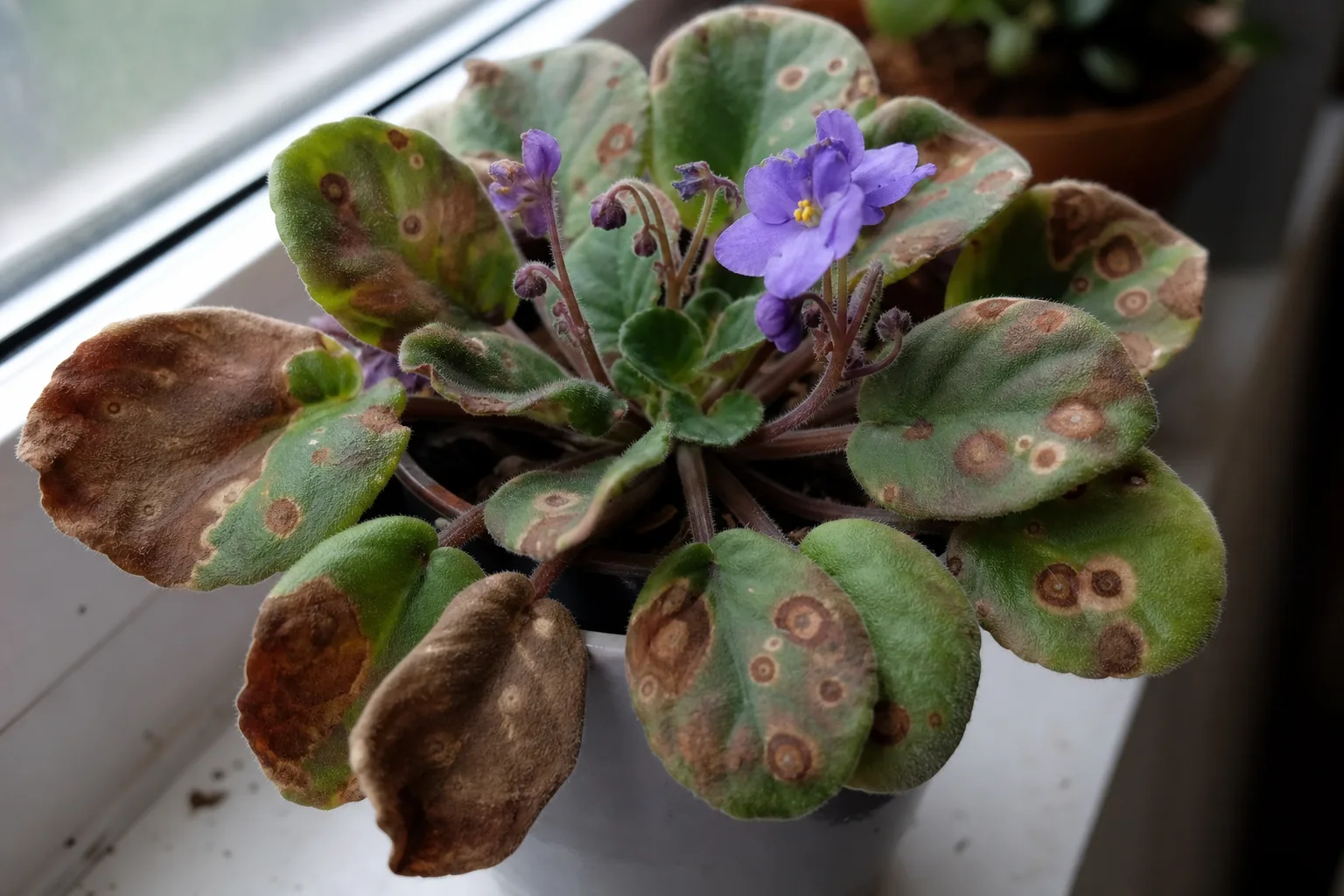 LeavesBrown LeavesBrown leaves are a late-stage stress signal showing tissue death from unresolved environmental or root-zone problems. Unlike small brown tips, full-leaf browning often means stress has persisted long enough to overwhelm the plant's recovery capacity in that tissue. Common triggers include severe underwatering, chronic overwatering with root damage, direct sun scorch, salt accumulation, and disease lesions that expand into necrosis.
The goal is to stop progression by identifying the active driver, then optimizing conditions for healthy regrowth. Start with root-zone moisture and drainage checks, then review light intensity and recent care changes. Remove fully dead leaves to improve hygiene and appearance, but preserve partially functional foliage when possible. Existing brown tissue will not recover, so progress should be judged by cleaner new leaves and stabilized canopy over the next several growth cycles.
LeavesBrown LeavesBrown leaves are a late-stage stress signal showing tissue death from unresolved environmental or root-zone problems. Unlike small brown tips, full-leaf browning often means stress has persisted long enough to overwhelm the plant's recovery capacity in that tissue. Common triggers include severe underwatering, chronic overwatering with root damage, direct sun scorch, salt accumulation, and disease lesions that expand into necrosis.
The goal is to stop progression by identifying the active driver, then optimizing conditions for healthy regrowth. Start with root-zone moisture and drainage checks, then review light intensity and recent care changes. Remove fully dead leaves to improve hygiene and appearance, but preserve partially functional foliage when possible. Existing brown tissue will not recover, so progress should be judged by cleaner new leaves and stabilized canopy over the next several growth cycles.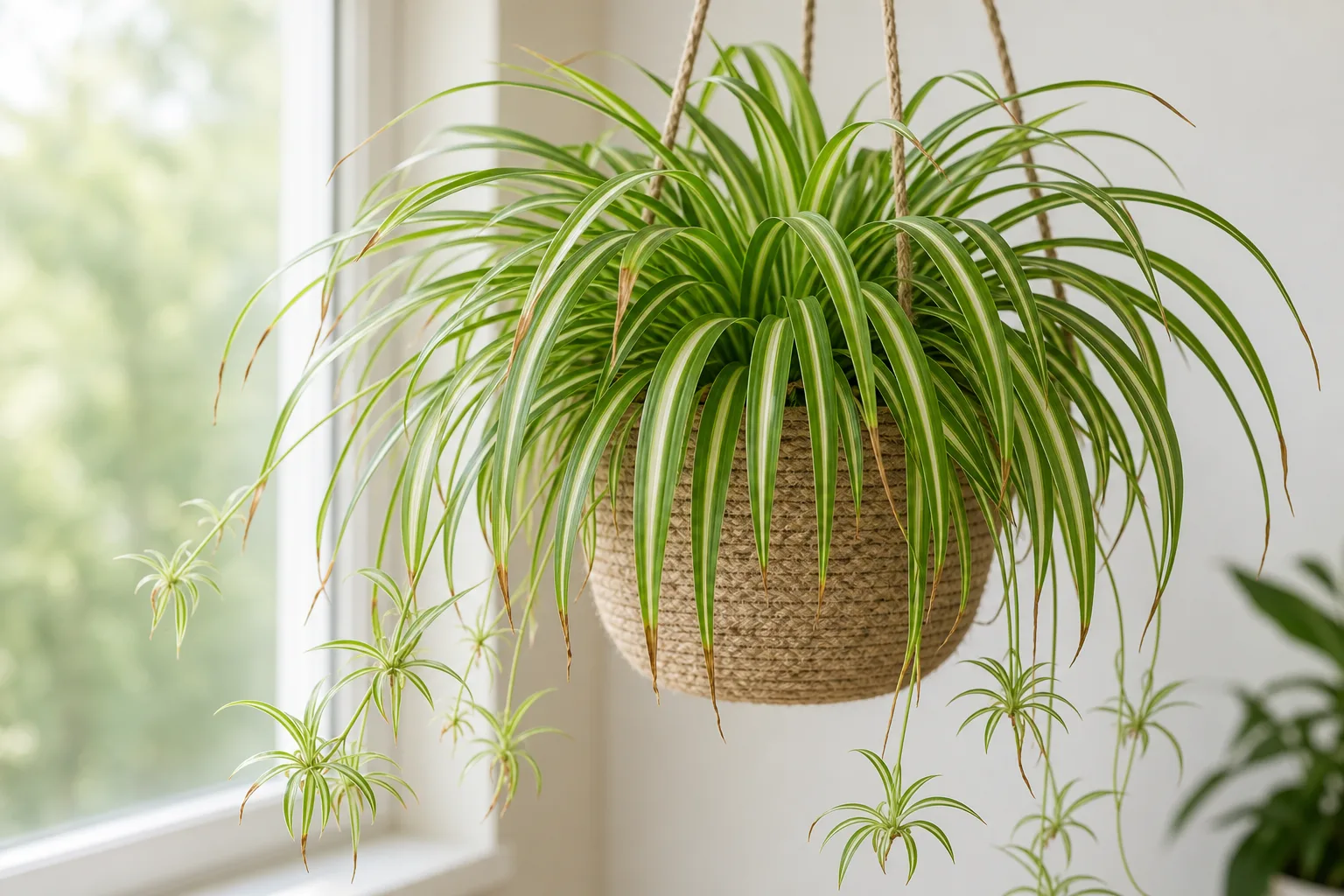 LeavesBrown TipsBrown tips are typically the earliest warning that a plant's water balance is under pressure. The tip is the farthest point from the roots, so it dries first when moisture delivery is inconsistent. This is especially common in humidity-sensitive species such as calathea, peace lily, and dracaena, but any houseplant can show tip burn under stress. Brown tips can also be cosmetic from occasional dryness, so severity and progression are key.
The most reliable diagnosis combines humidity, watering consistency, and water quality. Chronic low humidity increases transpiration faster than roots can replace moisture. Long dry intervals followed by heavy watering also injure feeder roots. In addition, fertilizer salts and hard-water minerals accumulate in potting mix and can scorch leaf edges. Correcting the environment and root-zone chemistry usually stops new damage quickly, although existing brown tissue stays brown and can be trimmed for appearance.
LeavesBrown TipsBrown tips are typically the earliest warning that a plant's water balance is under pressure. The tip is the farthest point from the roots, so it dries first when moisture delivery is inconsistent. This is especially common in humidity-sensitive species such as calathea, peace lily, and dracaena, but any houseplant can show tip burn under stress. Brown tips can also be cosmetic from occasional dryness, so severity and progression are key.
The most reliable diagnosis combines humidity, watering consistency, and water quality. Chronic low humidity increases transpiration faster than roots can replace moisture. Long dry intervals followed by heavy watering also injure feeder roots. In addition, fertilizer salts and hard-water minerals accumulate in potting mix and can scorch leaf edges. Correcting the environment and root-zone chemistry usually stops new damage quickly, although existing brown tissue stays brown and can be trimmed for appearance.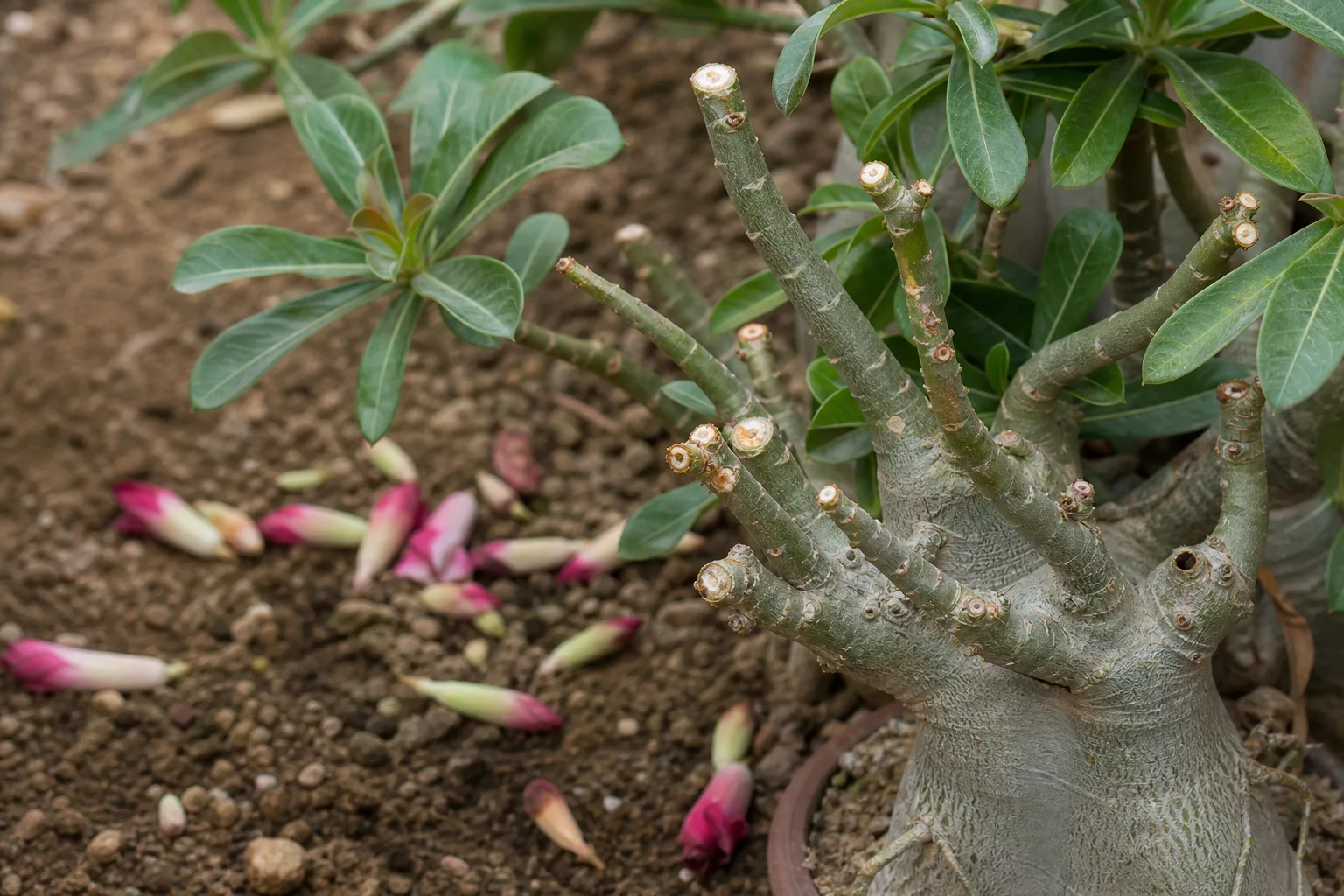 FloweringBud DropGetting houseplants to bloom indoors is tricky because homes rarely match native conditions. Bud Drop with Flower buds fall before opening can mean the plant is too young, light is wrong, humidity shifted, or buds were stressed during shipping or repotting. Track weekly progress after you change care, and note watering, light, and repotting dates so you can tell whether the symptom is improving or returning. Compare upper versus lower leaves, new versus old growth, and soil moisture at root depth before you treat, because the same visible symptom can come from watering, light, pests, or normal aging on different plants.
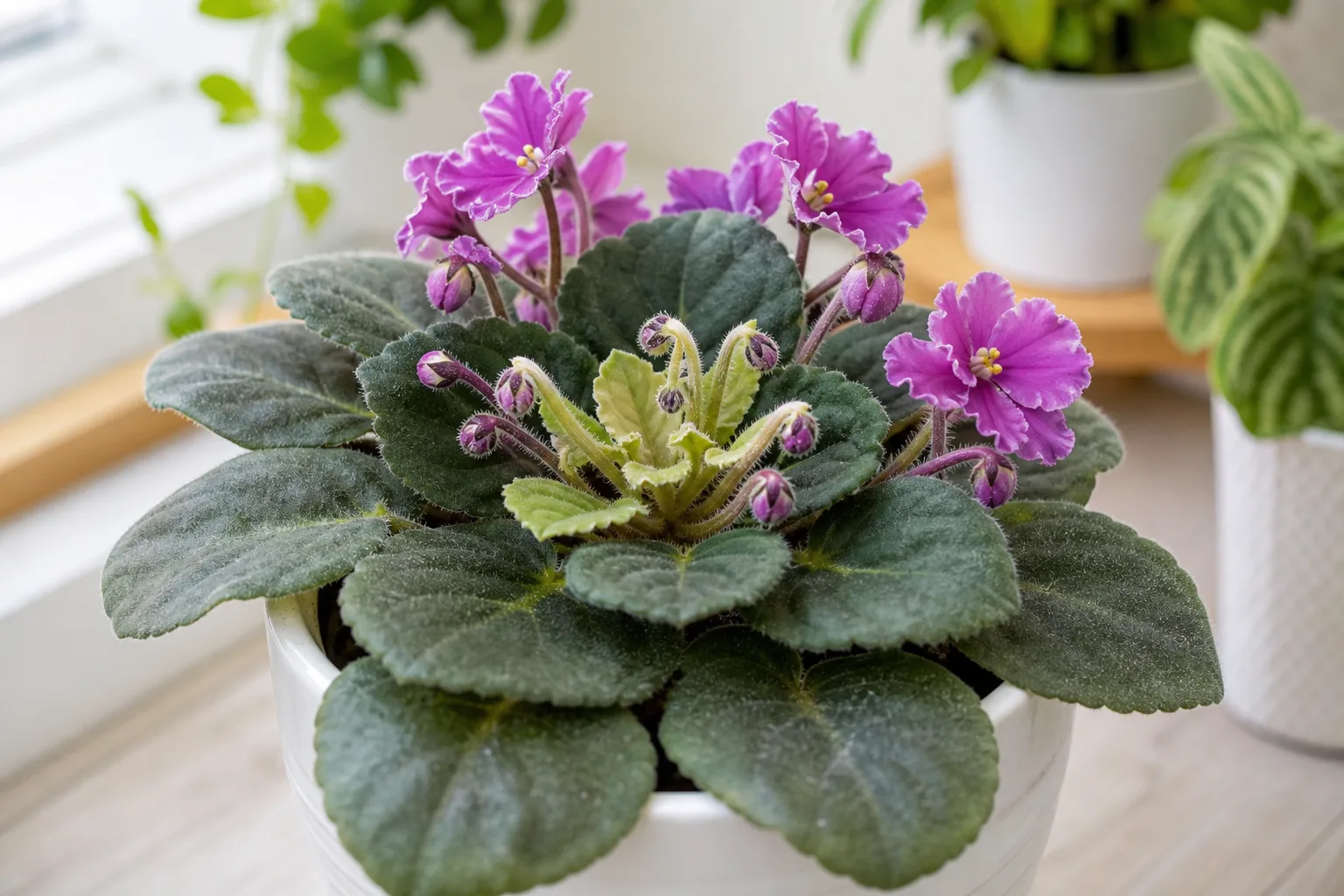 NutrientsCalcium DeficiencyCalcium deficiency shows up on the newest tissue first because calcium does not move easily from old leaves into new growth. When a plant cannot deliver enough calcium to expanding leaves, those young leaves may emerge twisted, hooked, weak, or spotted with dead patches. The symptom is often blamed on pests or low humidity because the oldest foliage can still look acceptable.
In houseplants and container herbs, true calcium shortage is less common than water-related delivery failure. Roots may be unable to move calcium upward if the mix stays erratically dry, the root system is damaged, or the growing tips are expanding faster than the plant can supply them. That is why calcium problems need moisture and root-zone checks, not just another scoop of fertilizer.
NutrientsCalcium DeficiencyCalcium deficiency shows up on the newest tissue first because calcium does not move easily from old leaves into new growth. When a plant cannot deliver enough calcium to expanding leaves, those young leaves may emerge twisted, hooked, weak, or spotted with dead patches. The symptom is often blamed on pests or low humidity because the oldest foliage can still look acceptable.
In houseplants and container herbs, true calcium shortage is less common than water-related delivery failure. Roots may be unable to move calcium upward if the mix stays erratically dry, the root system is damaged, or the growing tips are expanding faster than the plant can supply them. That is why calcium problems need moisture and root-zone checks, not just another scoop of fertilizer.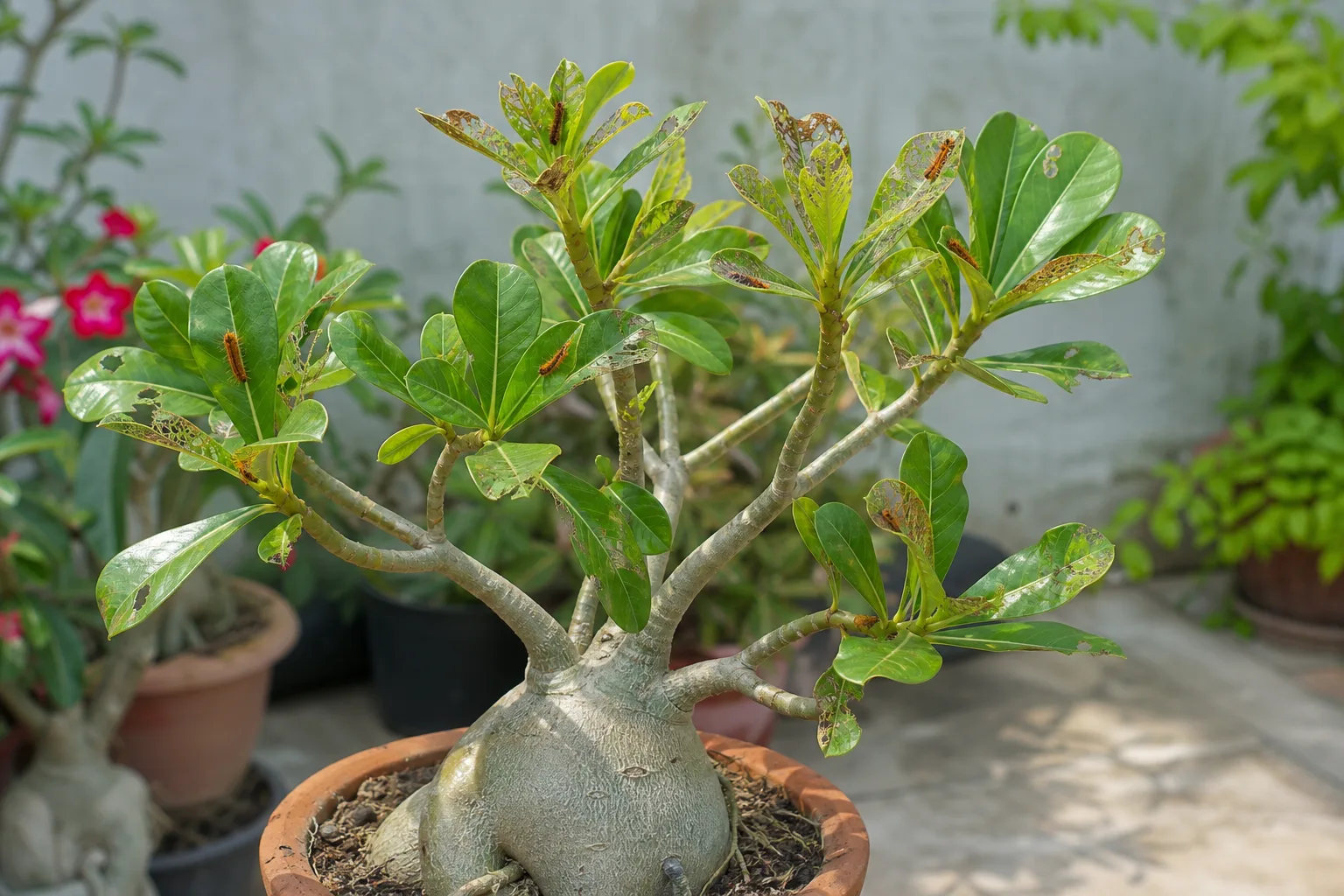 PestsCaterpillars'Houseplant pests are common indoors because conditions lack natural predators. Caterpillars often arrives on new plants, open windows, or stressed specimens. When you notice Chewed leaves, holes, missing leaf sections, act quickly: confirm the pest, isolate the plant, and treat before the population explodes. Track weekly progress after you change care, and note watering, light, and repotting dates so you can tell whether the symptom is improving or returning.'. Compare upper versus lower leaves, new versus old growth, and soil moisture at root depth before you treat, because the same visible symptom can come from watering, light, pests, or normal aging on different plants.
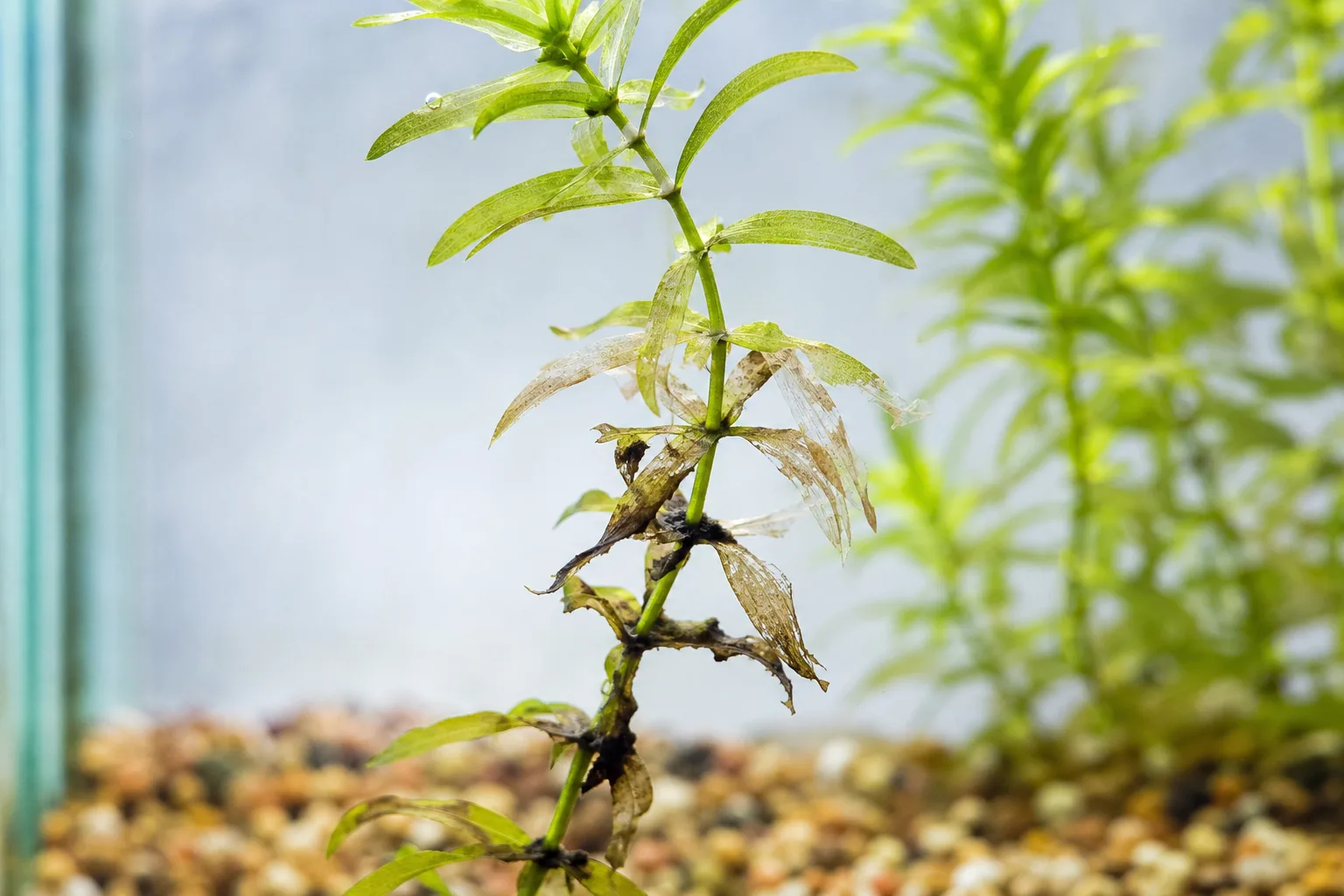 EnvironmentChemical DamageHomes are not greenhouses. Chemical Damage appears when humidity, temperature, or air movement falls outside what your plant tolerates. Leaf burn from sprays, cleaners, or pesticides after a move, heat wave, or dry winter often points to environment-not necessarily wrong watering. Track weekly progress after you change care, and note watering, light, and repotting dates so you can tell whether the symptom is improving or returning. Compare upper versus lower leaves, new versus old growth, and soil moisture at root depth before you treat, because the same visible symptom can come from watering, light, pests, or normal aging on different plants.
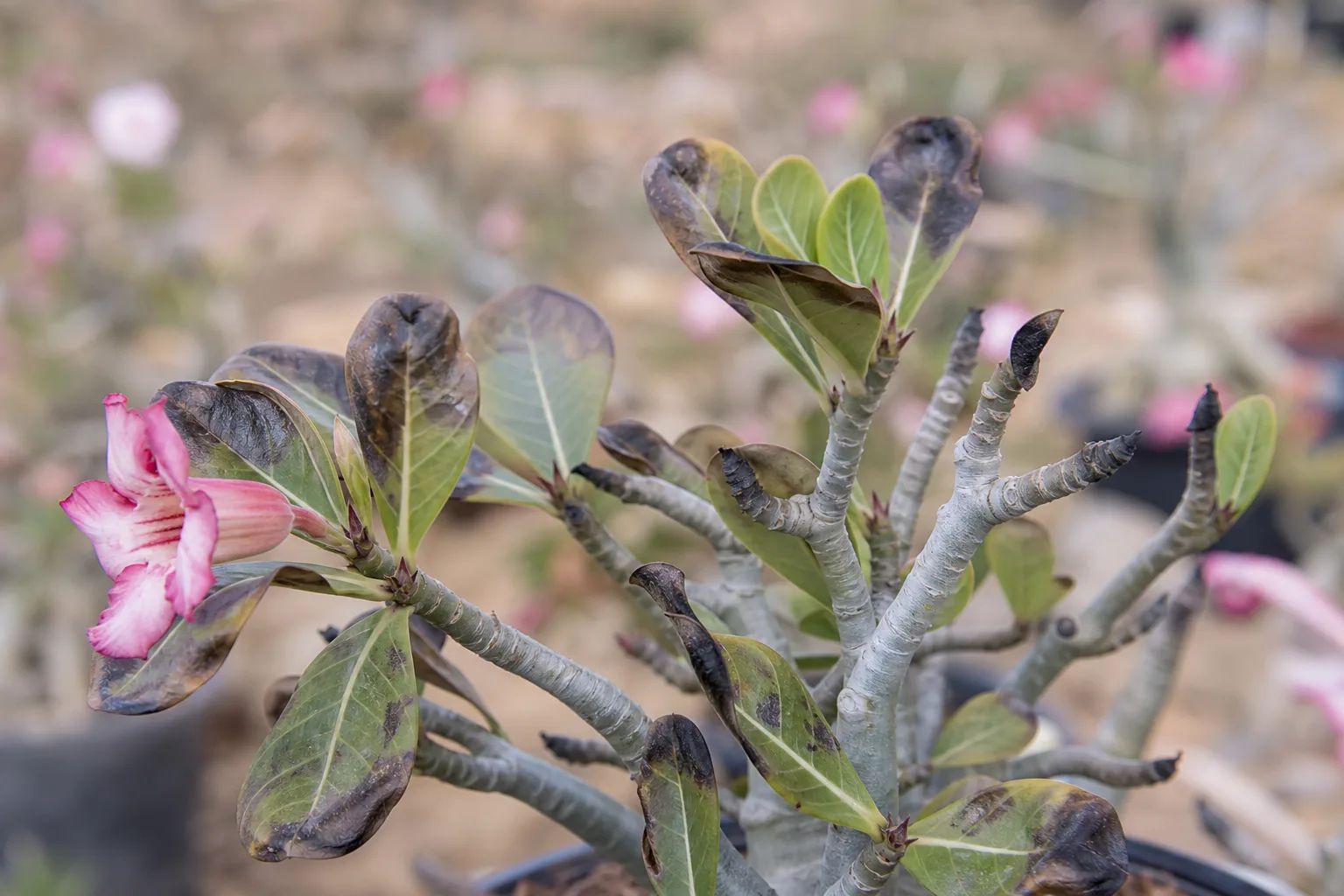 EnvironmentCold DamageHomes are not greenhouses. Cold Damage appears when humidity, temperature, or air movement falls outside what your plant tolerates. Dark, limp, or blackened leaves after cold exposure after a move, heat wave, or dry winter often points to environment-not necessarily wrong watering. Track weekly progress after you change care, and note watering, light, and repotting dates so you can tell whether the symptom is improving or returning. Compare upper versus lower leaves, new versus old growth, and soil moisture at root depth before you treat, because the same visible symptom can come from watering, light, pests, or normal aging on different plants.
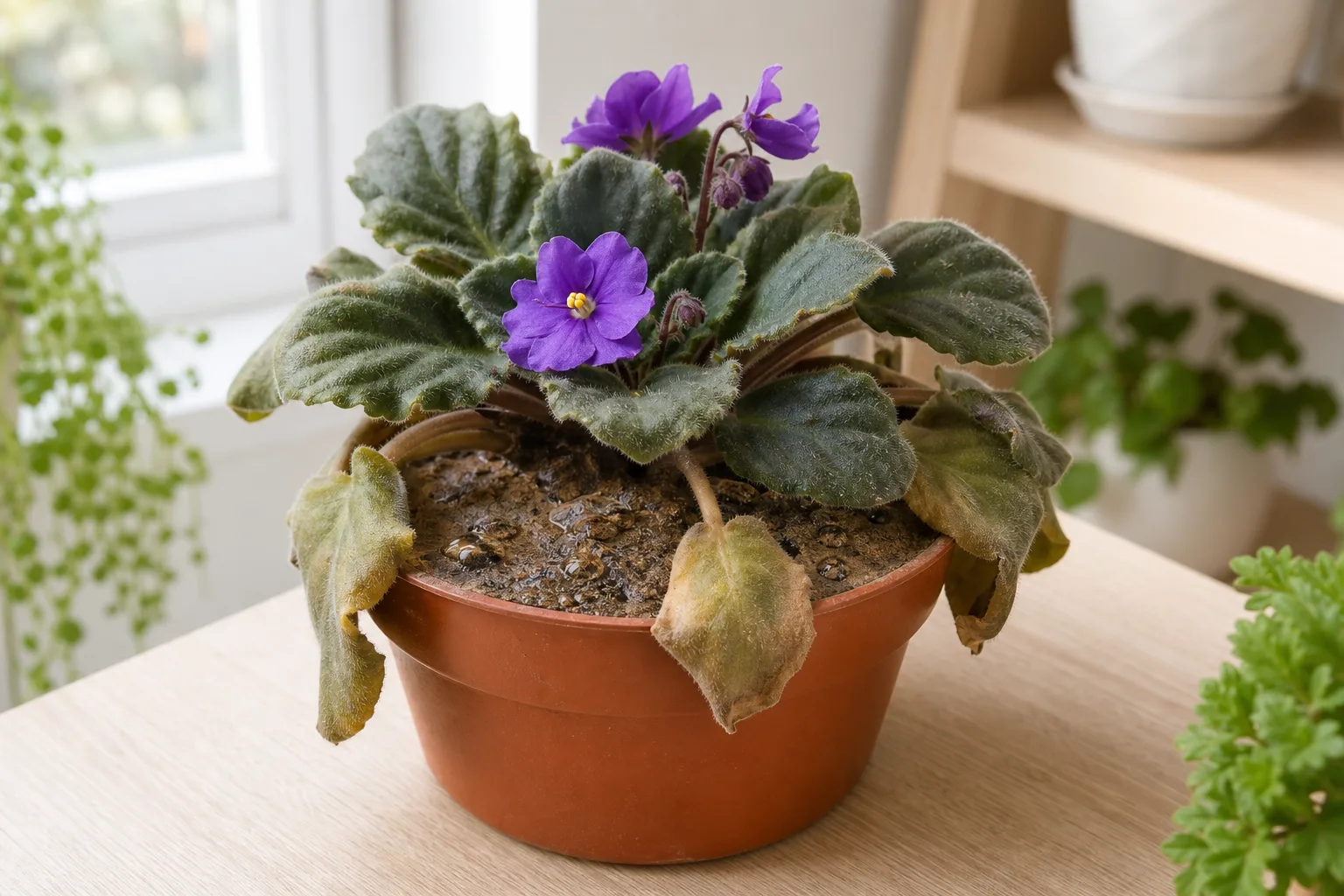 SoilCompacted SoilPotting mix is the foundation of houseplant health. When you see Water sits on top, roots struggle, slow growth, the soil may be holding too much water, repelling water, or locking out nutrients. Fixing Compacted Soil often means adjusting mix, pot size, or watering habits-not just treating leaves. Track weekly progress after you change care, and note watering, light, and repotting dates so you can tell whether the symptom is improving or returning. Compare upper versus lower leaves, new versus old growth, and soil moisture at root depth before you treat, because the same visible symptom can come from watering, light, pests, or normal aging on different plants.
 LeavesCrispy Leaves'Leaf problems are often the first sign something is off with a houseplant. Crispy Leaves can look alarming, but the fix depends on where symptoms start, how fast they spread, and what the soil and roots are doing. This guide walks through how to identify Dry, brittle leaves caused by heat, underwatering, or low humidity, rule out look-alikes, and treat the underlying cause. Track weekly progress after you change care, and note watering, light, and repotting dates so you can tell whether the symptom is improving or returning.'. Compare upper versus lower leaves, new versus old growth, and soil moisture at root depth before you treat, because the same visible symptom can come from watering, light, pests, or normal aging on different plants.
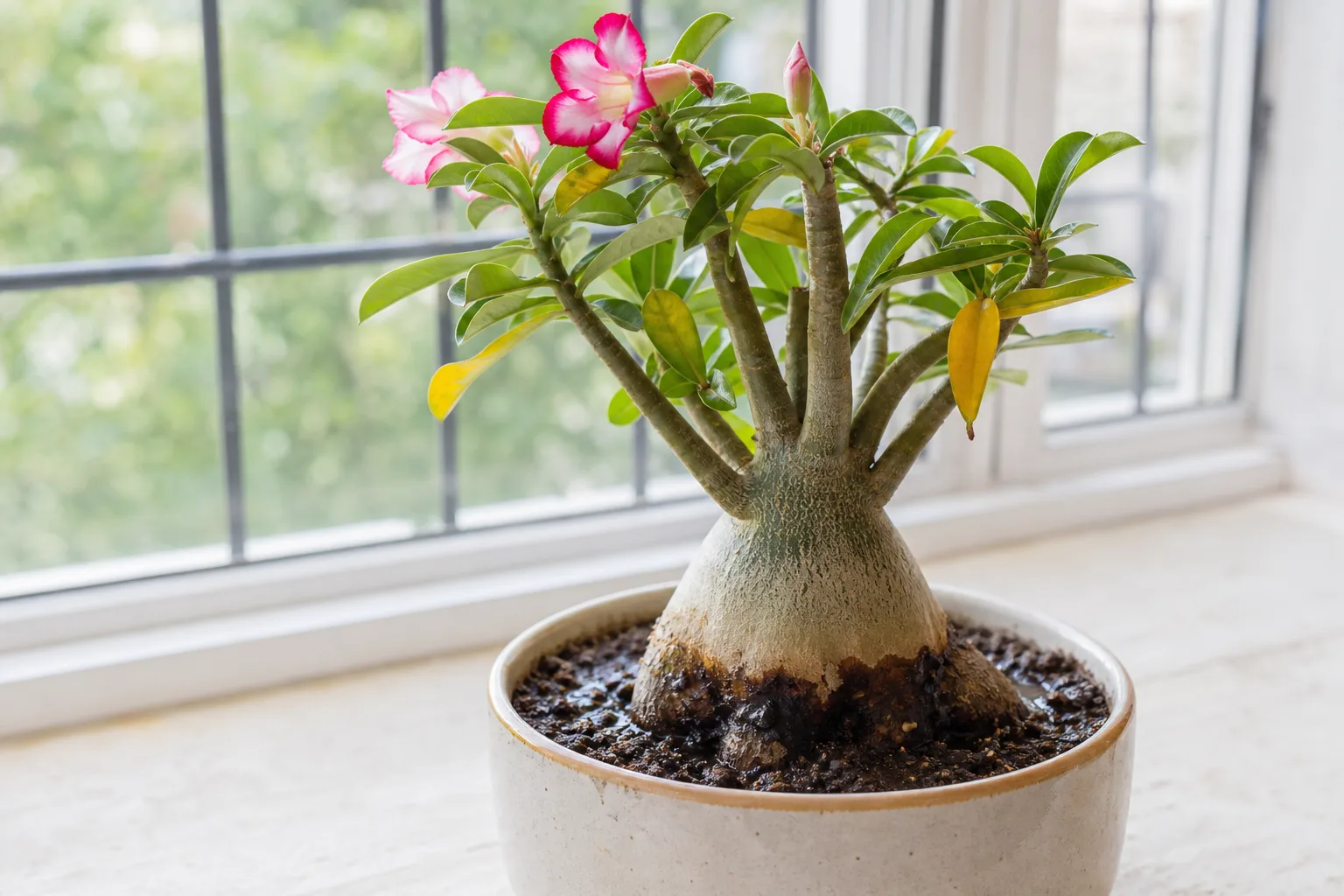 DiseaseCrown RotIndoor plant diseases are usually fungal or bacterial infections favored by moisture on leaves and poor ventilation. Crown Rot can weaken growth and spread to nearby plants if ignored. Use Base of plant becomes mushy and plant collapses as your starting point, then confirm whether you are dealing with infection, physical damage, or care stress. Track weekly progress after you change care, and note watering, light, and repotting dates so you can tell whether the symptom is improving or returning. Compare upper versus lower leaves, new versus old growth, and soil moisture at root depth before you treat, because the same visible symptom can come from watering, light, pests, or normal aging on different plants.
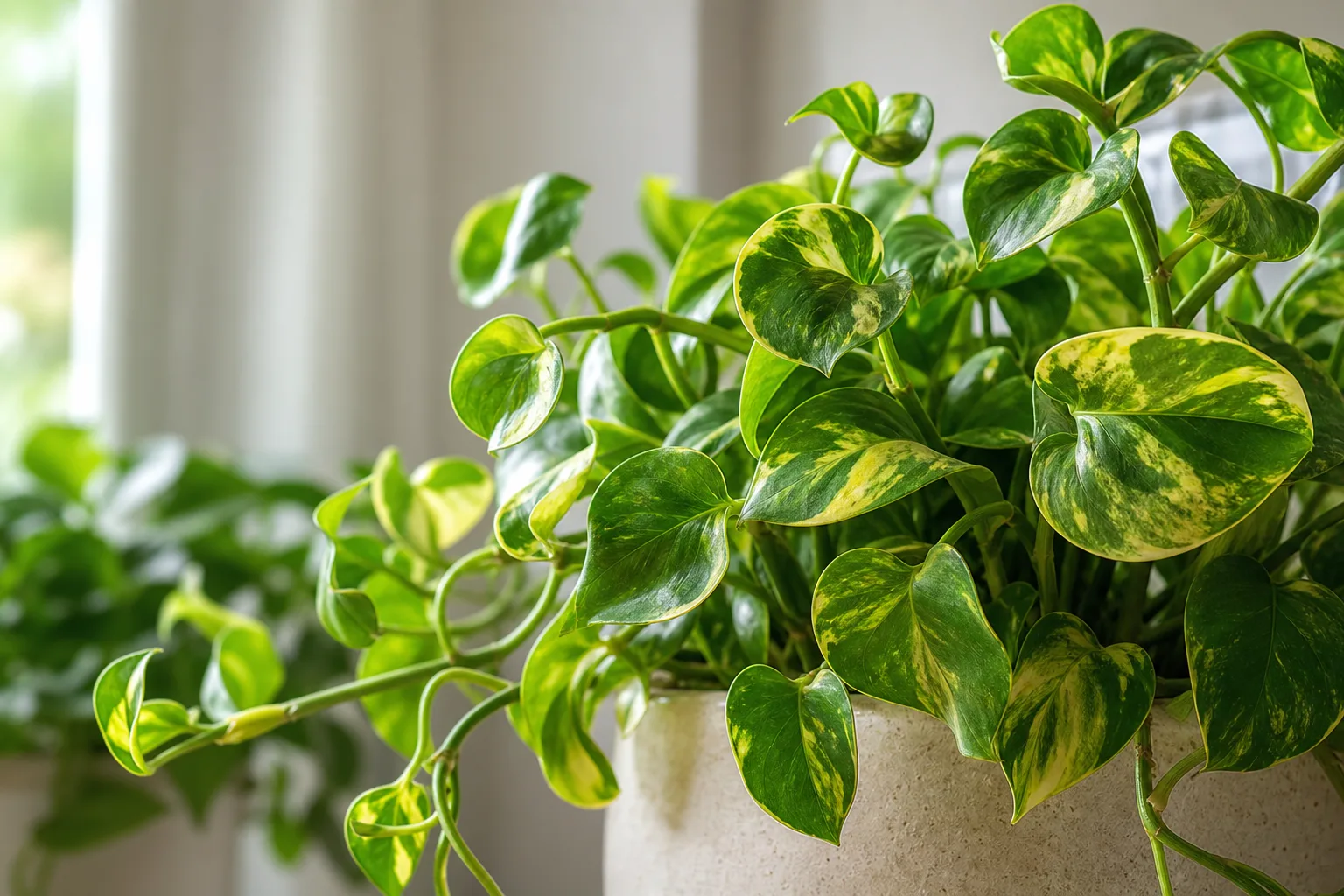 LeavesCurling LeavesLeaf curl is a protective plant response that reduces exposed leaf surface under stress. Indoors, curling usually points to moisture imbalance, environmental extremes, or pest pressure rather than a single nutrient issue. Inward curl can reflect dehydration or heat load, while twisted, deformed new leaves may signal pests such as thrips or mites feeding on unfolding tissue. Reading the pattern across old and new leaves helps narrow the cause quickly.
Effective treatment starts with environmental stability. Plants exposed to hot glass, dry airflow, or irregular watering often cycle between stress and partial recovery, producing ongoing curl. If environmental corrections do not improve new growth within a few weeks, inspect underside veins and growth tips for pests using magnification. Existing curled leaves may remain misshapen, so success is measured by normal new foliage. Early response prevents long-term stunting and improves overall canopy quality.
LeavesCurling LeavesLeaf curl is a protective plant response that reduces exposed leaf surface under stress. Indoors, curling usually points to moisture imbalance, environmental extremes, or pest pressure rather than a single nutrient issue. Inward curl can reflect dehydration or heat load, while twisted, deformed new leaves may signal pests such as thrips or mites feeding on unfolding tissue. Reading the pattern across old and new leaves helps narrow the cause quickly.
Effective treatment starts with environmental stability. Plants exposed to hot glass, dry airflow, or irregular watering often cycle between stress and partial recovery, producing ongoing curl. If environmental corrections do not improve new growth within a few weeks, inspect underside veins and growth tips for pests using magnification. Existing curled leaves may remain misshapen, so success is measured by normal new foliage. Early response prevents long-term stunting and improves overall canopy quality. RootsDamaged RootsRoot health determines everything above the soil. Damaged Roots produces Plant wilts or declines after repotting or root injury when roots suffocate, rot, dry out, or run out of space. Because damage is hidden, owners often treat leaves while the real problem sits in the pot. Track weekly progress after you change care, and note watering, light, and repotting dates so you can tell whether the symptom is improving or returning. Compare upper versus lower leaves, new versus old growth, and soil moisture at root depth before you treat, because the same visible symptom can come from watering, light, pests, or normal aging on different plants.
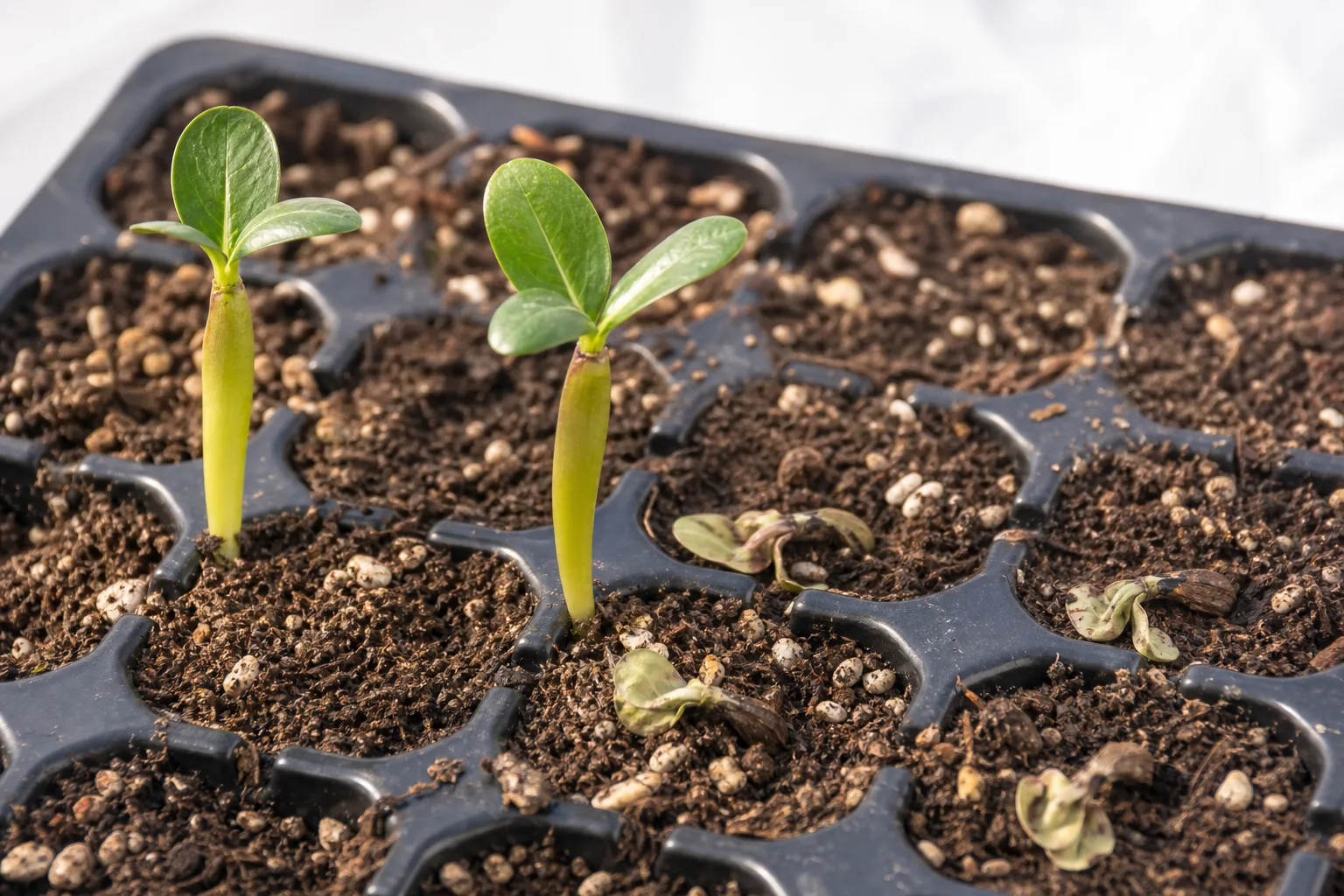 DiseaseDamping OffDamping off kills seedlings just after germination. Fungi attack the stem base, causing pinching, browning, and sudden collapse. It spreads fastest when trays stay humid, overcrowded, and wet on the surface.
Prevention beats cure: use clean trays and mix, avoid overwatering, remove humidity domes promptly after sprout, and improve airflow with a gentle fan. Discard affected cells early so spores do not spread to healthy seedlings in the same flat.
DiseaseDamping OffDamping off kills seedlings just after germination. Fungi attack the stem base, causing pinching, browning, and sudden collapse. It spreads fastest when trays stay humid, overcrowded, and wet on the surface.
Prevention beats cure: use clean trays and mix, avoid overwatering, remove humidity domes promptly after sprout, and improve airflow with a gentle fan. Discard affected cells early so spores do not spread to healthy seedlings in the same flat.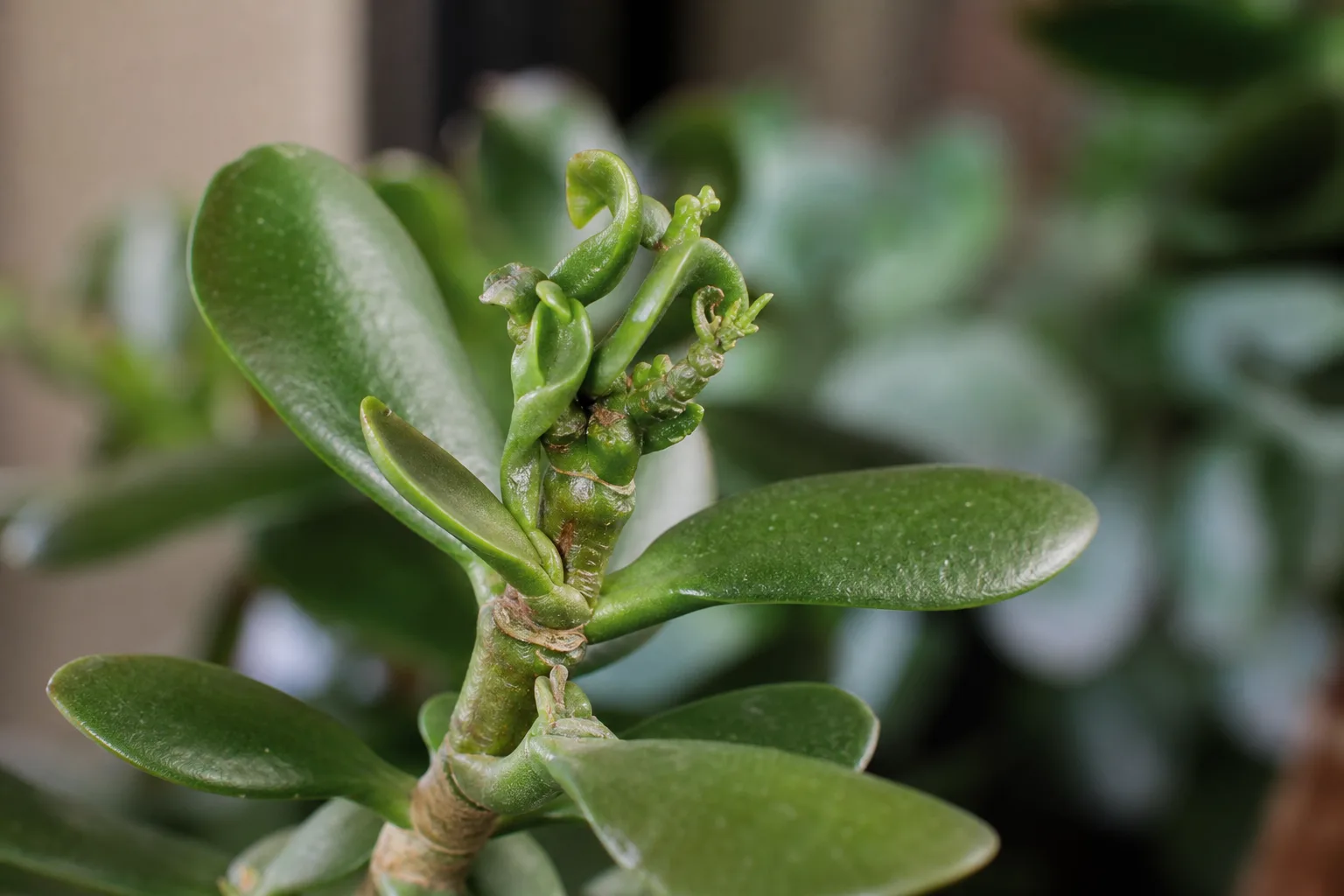 GrowthDeformed New GrowthWhen a houseplant stops producing new leaves or stems look weak, owners often assume fertilizer is the fix. Deformed New Growth with New shoots emerge curled, damaged, or uneven usually traces to light, roots, temperature, or season. This guide helps you distinguish normal slow periods from problems that need intervention. Track weekly progress after you change care, and note watering, light, and repotting dates so you can tell whether the symptom is improving or returning. Compare upper versus lower leaves, new versus old growth, and soil moisture at root depth before you treat, because the same visible symptom can come from watering, light, pests, or normal aging on different plants.
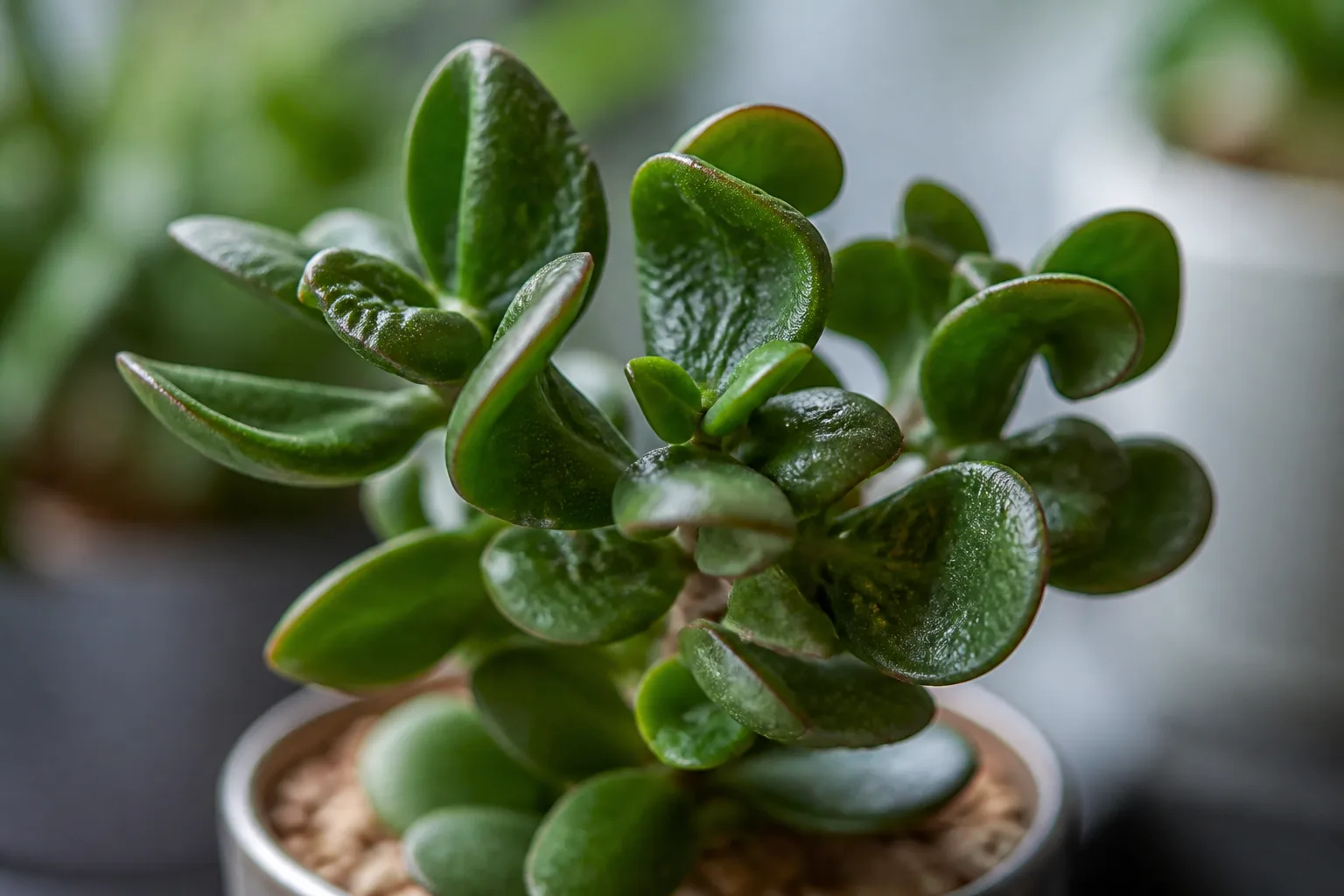 LeavesDistorted Leaves'Leaf problems are often the first sign something is off with a houseplant. Distorted Leaves can look alarming, but the fix depends on where symptoms start, how fast they spread, and what the soil and roots are doing. This guide walks through how to identify New leaves grow twisted, wrinkled, curled, or misshapen, rule out look-alikes, and treat the underlying cause. Track weekly progress after you change care, and note watering, light, and repotting dates so you can tell whether the symptom is improving or returning.'. Compare upper versus lower leaves, new versus old growth, and soil moisture at root depth before you treat, because the same visible symptom can come from watering, light, pests, or normal aging on different plants.
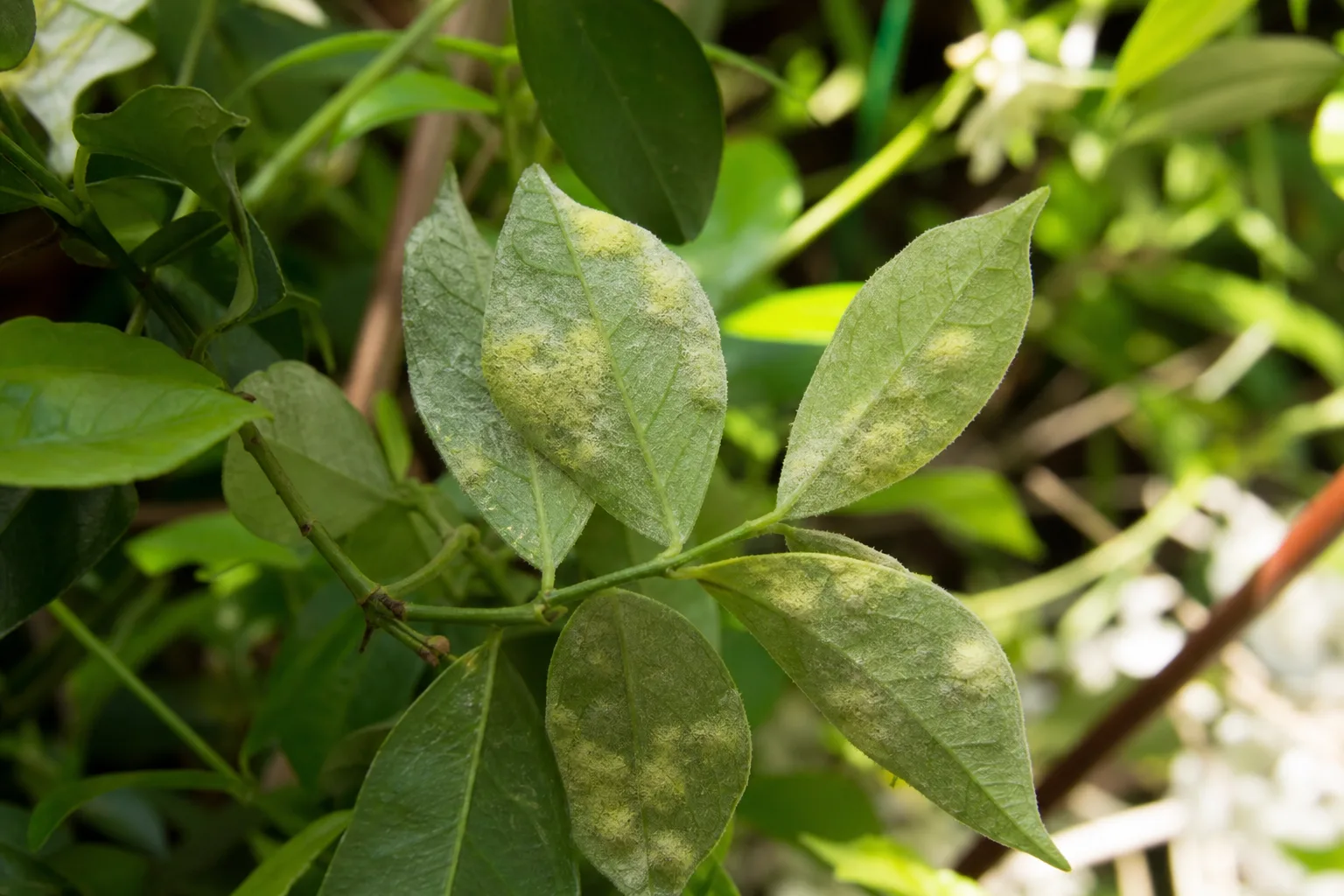 DiseaseDowny MildewIndoor plant diseases are usually fungal or bacterial infections favored by moisture on leaves and poor ventilation. Downy Mildew can weaken growth and spread to nearby plants if ignored. Use Yellow patches on top of leaves, fuzzy growth underneath as your starting point, then confirm whether you are dealing with infection, physical damage, or care stress. Track weekly progress after you change care, and note watering, light, and repotting dates so you can tell whether the symptom is improving or returning. Compare upper versus lower leaves, new versus old growth, and soil moisture at root depth before you treat, because the same visible symptom can come from watering, light, pests, or normal aging on different plants.
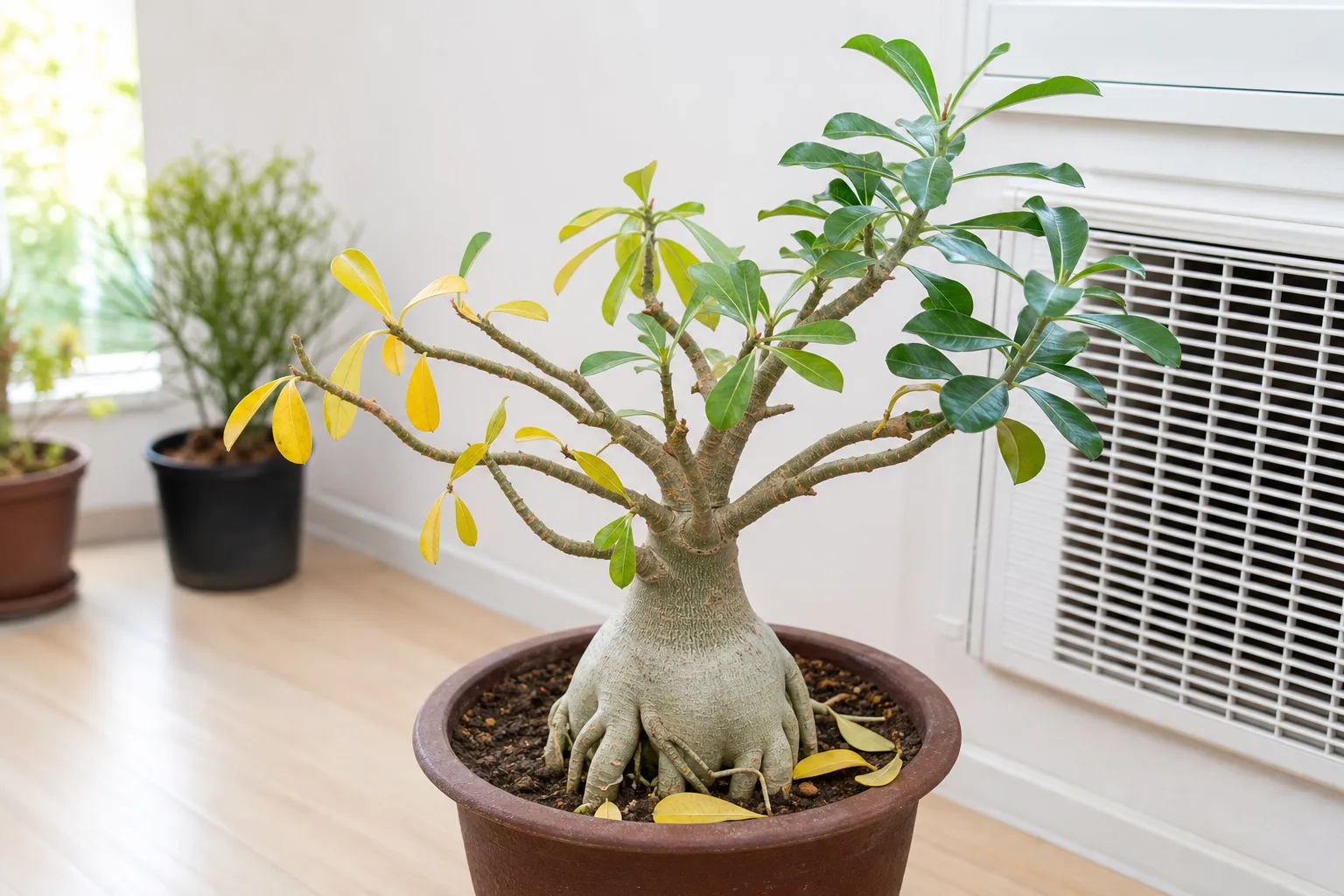 EnvironmentDraft StressHomes are not greenhouses. Draft Stress appears when humidity, temperature, or air movement falls outside what your plant tolerates. Sudden leaf drop or curling near windows, fans, or AC after a move, heat wave, or dry winter often points to environment-not necessarily wrong watering. Track weekly progress after you change care, and note watering, light, and repotting dates so you can tell whether the symptom is improving or returning. Compare upper versus lower leaves, new versus old growth, and soil moisture at root depth before you treat, because the same visible symptom can come from watering, light, pests, or normal aging on different plants.
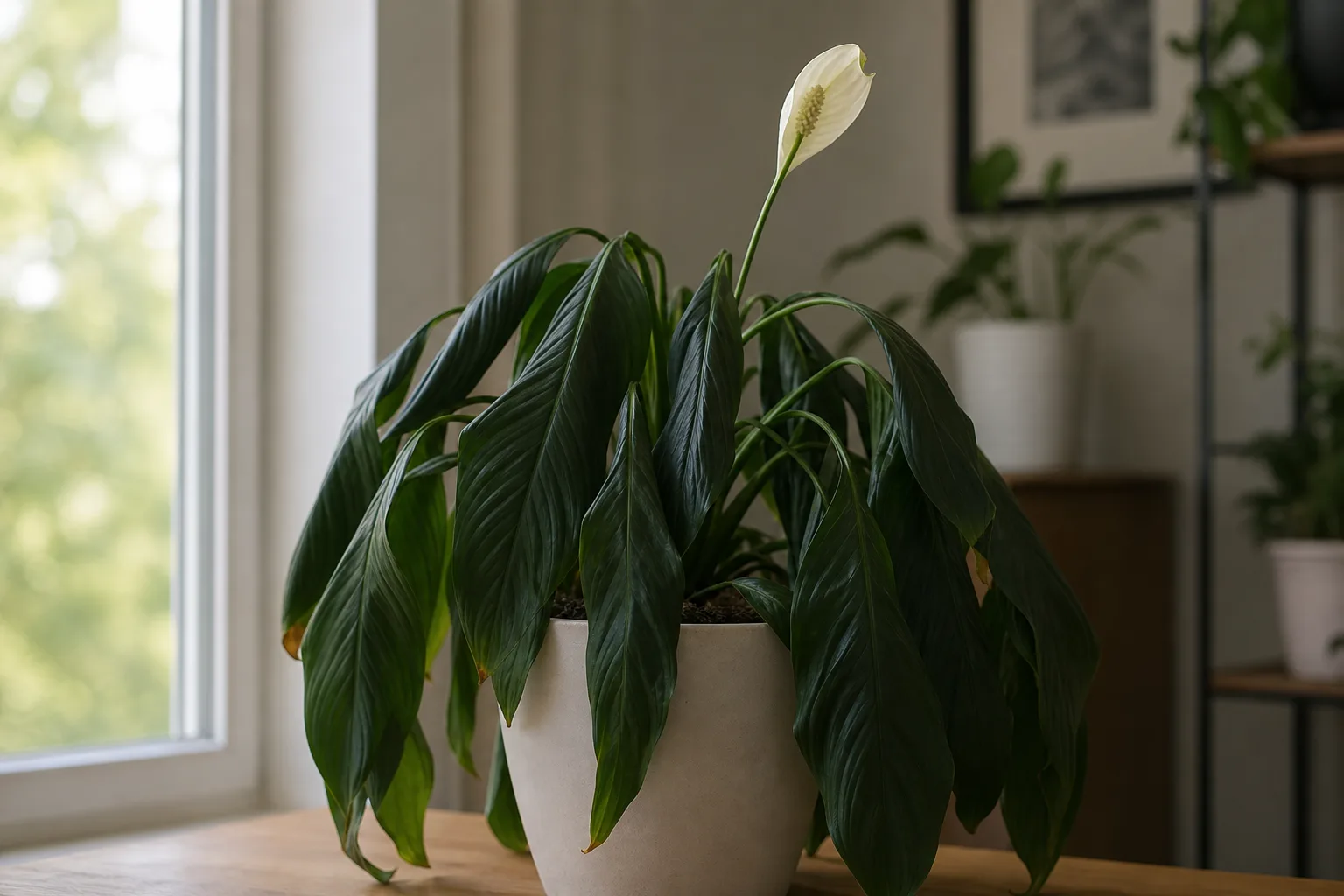 LeavesDrooping LeavesDrooping leaves look dramatic, but they are often a fast signal rather than a final diagnosis. Leaves lose rigidity when cells lack internal water pressure, called turgor. That can happen from underwatering, overwatering-related root failure, heat stress, or sudden environmental changes. Because the visual symptom is similar across causes, context is crucial: dry soil suggests dehydration, while wet soil with droop suggests compromised roots.
Most houseplants recover from temporary droop if the root zone is corrected quickly. Start with a moisture check at depth, then review light, temperature, and recent location changes. Plants moved from stable to harsh conditions can droop even with acceptable watering. When droop is paired with yellowing, mushy stems, or sour soil smell, treat root problems first. The recovery timeline varies by cause, but true improvement is seen when leaves regain firmness and new growth resumes without repeated collapse.
LeavesDrooping LeavesDrooping leaves look dramatic, but they are often a fast signal rather than a final diagnosis. Leaves lose rigidity when cells lack internal water pressure, called turgor. That can happen from underwatering, overwatering-related root failure, heat stress, or sudden environmental changes. Because the visual symptom is similar across causes, context is crucial: dry soil suggests dehydration, while wet soil with droop suggests compromised roots.
Most houseplants recover from temporary droop if the root zone is corrected quickly. Start with a moisture check at depth, then review light, temperature, and recent location changes. Plants moved from stable to harsh conditions can droop even with acceptable watering. When droop is paired with yellowing, mushy stems, or sour soil smell, treat root problems first. The recovery timeline varies by cause, but true improvement is seen when leaves regain firmness and new growth resumes without repeated collapse.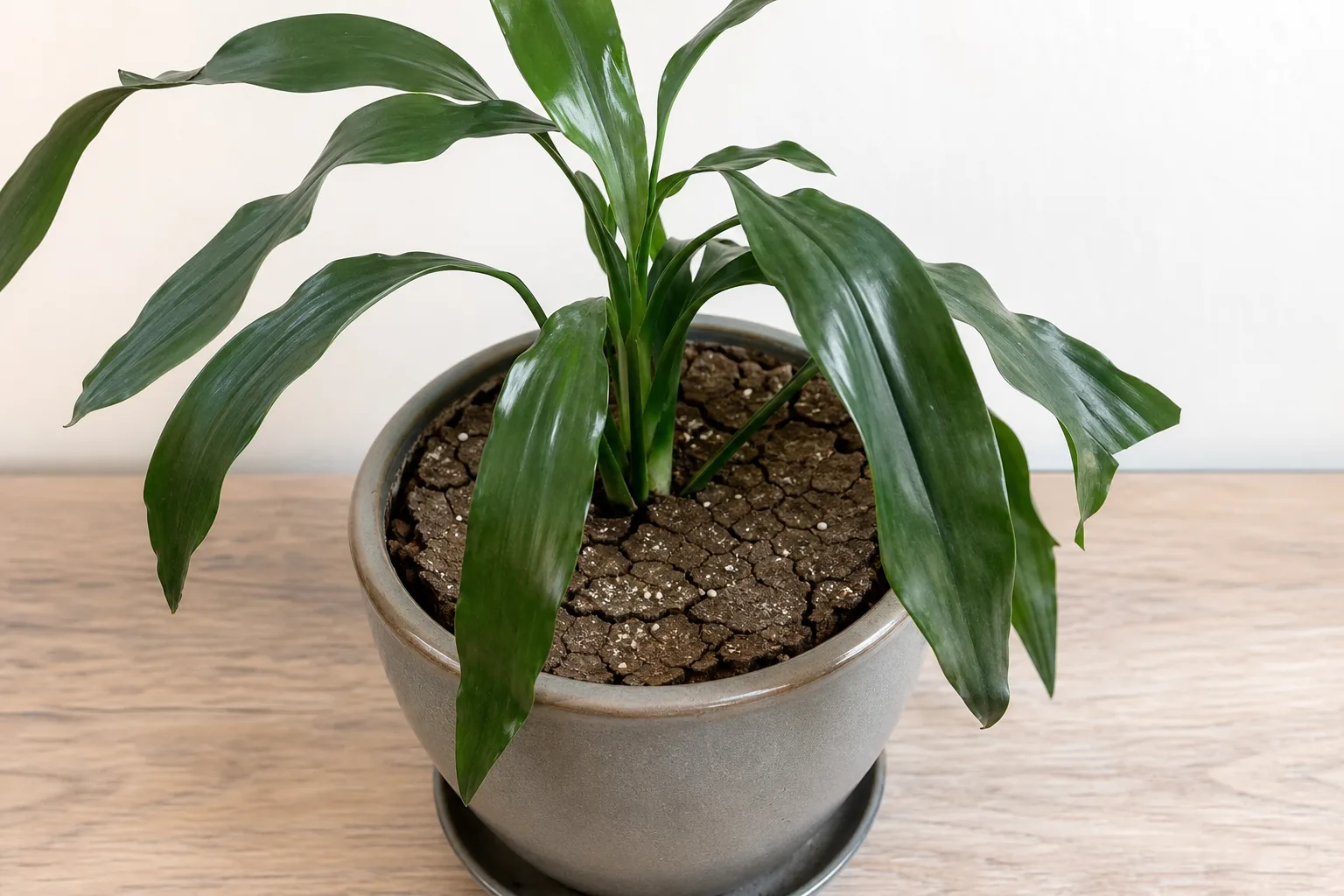 SoilDry Hydrophobic Soil'Potting mix is the foundation of houseplant health. When you see Water runs off or through the pot without soaking in, the soil may be holding too much water, repelling water, or locking out nutrients. Fixing Dry Hydrophobic Soil often means adjusting mix, pot size, or watering habits-not just treating leaves. Track weekly progress after you change care, and note watering, light, and repotting dates so you can tell whether the symptom is improving or returning.'. Compare upper versus lower leaves, new versus old growth, and soil moisture at root depth before you treat, because the same visible symptom can come from watering, light, pests, or normal aging on different plants.
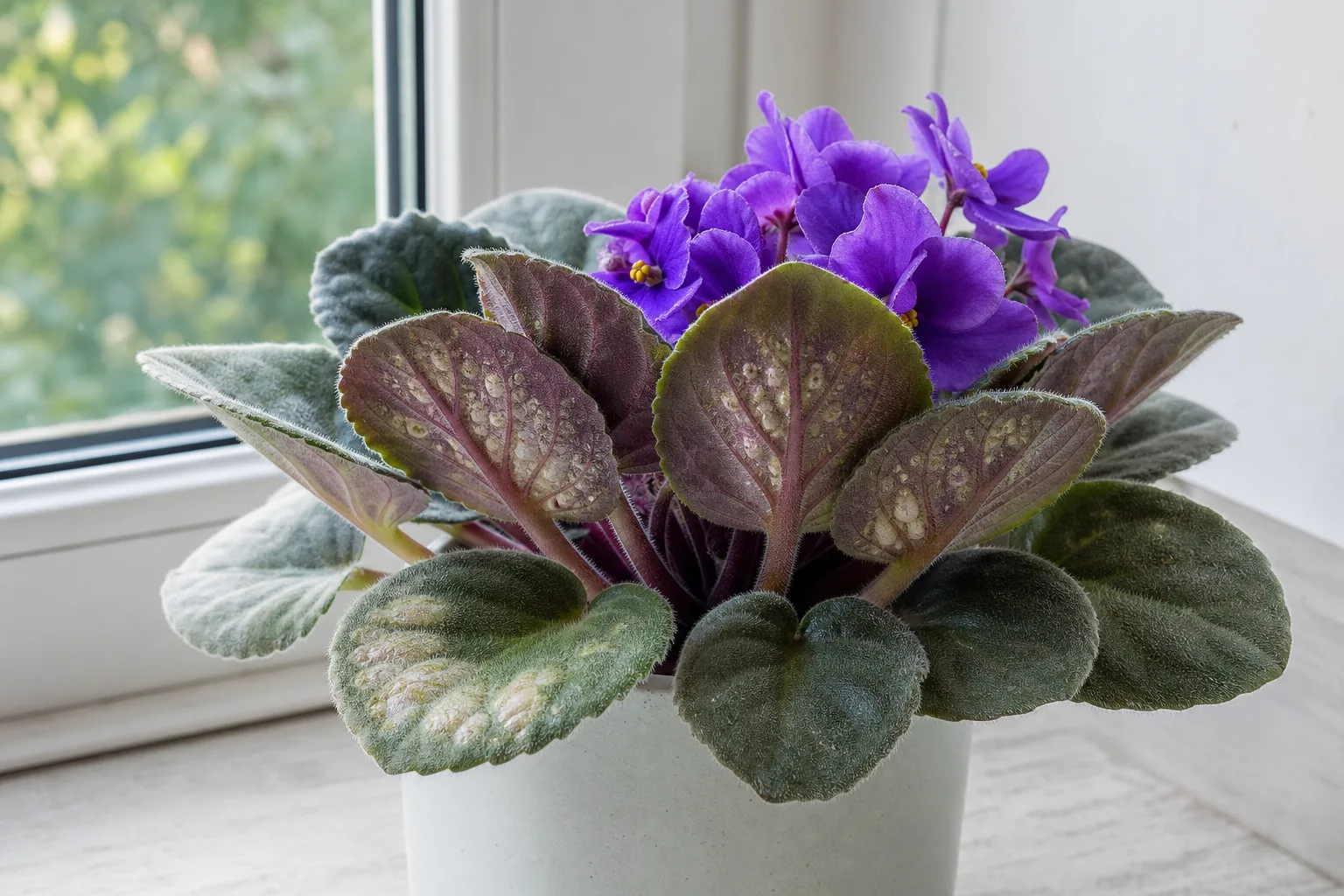 WateringEdema'Edema is one of the most common houseplant issues because indoor watering is easy to get wrong. Pots, soil mix, season, and light all change how fast soil dries. When you see Blister-like bumps or corky spots caused by excess water uptake, the goal is to confirm whether the plant is getting too much water, too little, or uneven moisture before making big changes. Track weekly progress after you change care, and note watering, light, and repotting dates so you can tell whether the symptom is improving or returning.'. Compare upper versus lower leaves, new versus old growth, and soil moisture at root depth before you treat, because the same visible symptom can come from watering, light, pests, or normal aging on different plants.
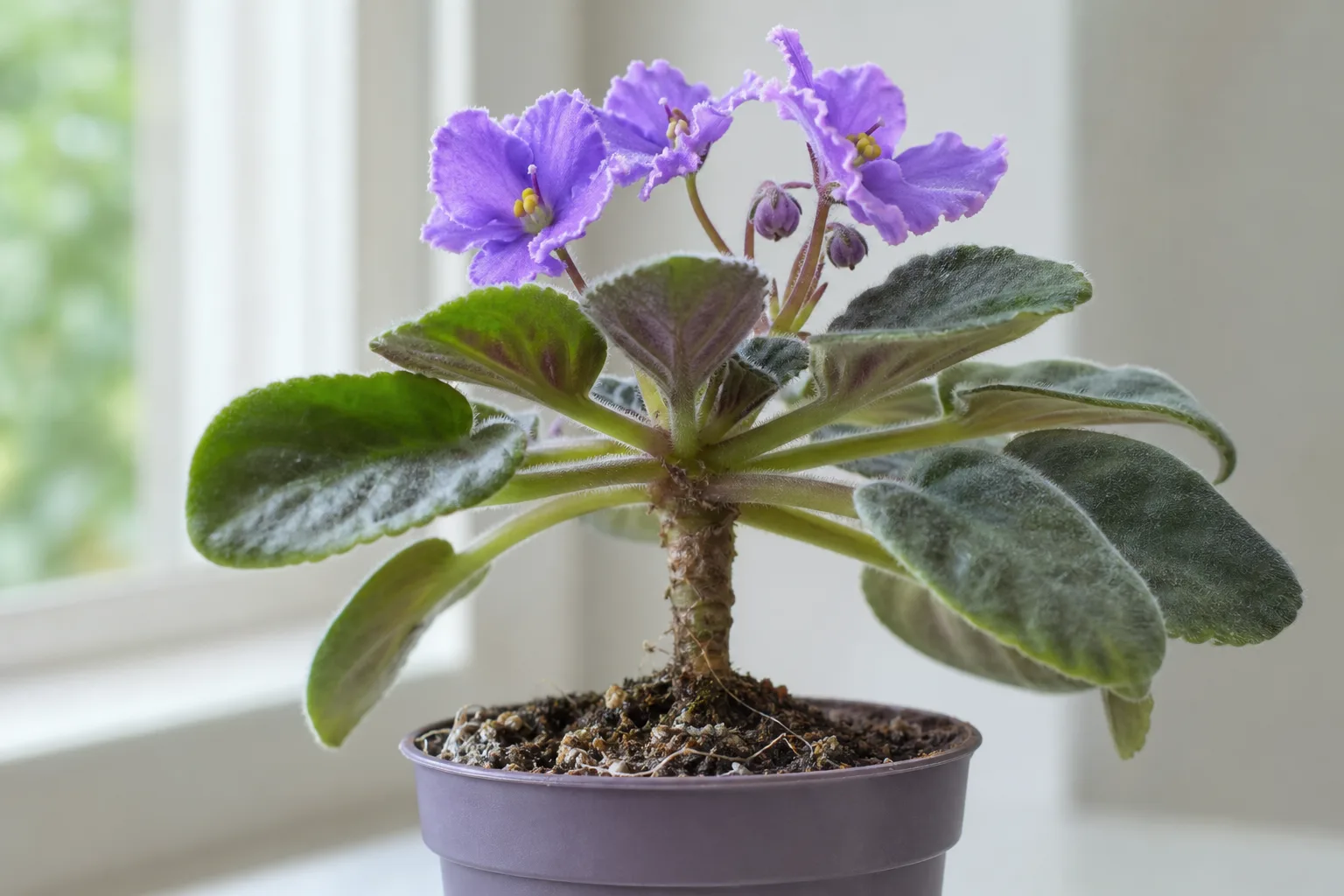 RootsExposed RootsRoot health determines everything above the soil. Exposed Roots produces Roots visible above soil surface when roots suffocate, rot, dry out, or run out of space. Because damage is hidden, owners often treat leaves while the real problem sits in the pot. Track weekly progress after you change care, and note watering, light, and repotting dates so you can tell whether the symptom is improving or returning. Compare upper versus lower leaves, new versus old growth, and soil moisture at root depth before you treat, because the same visible symptom can come from watering, light, pests, or normal aging on different plants.
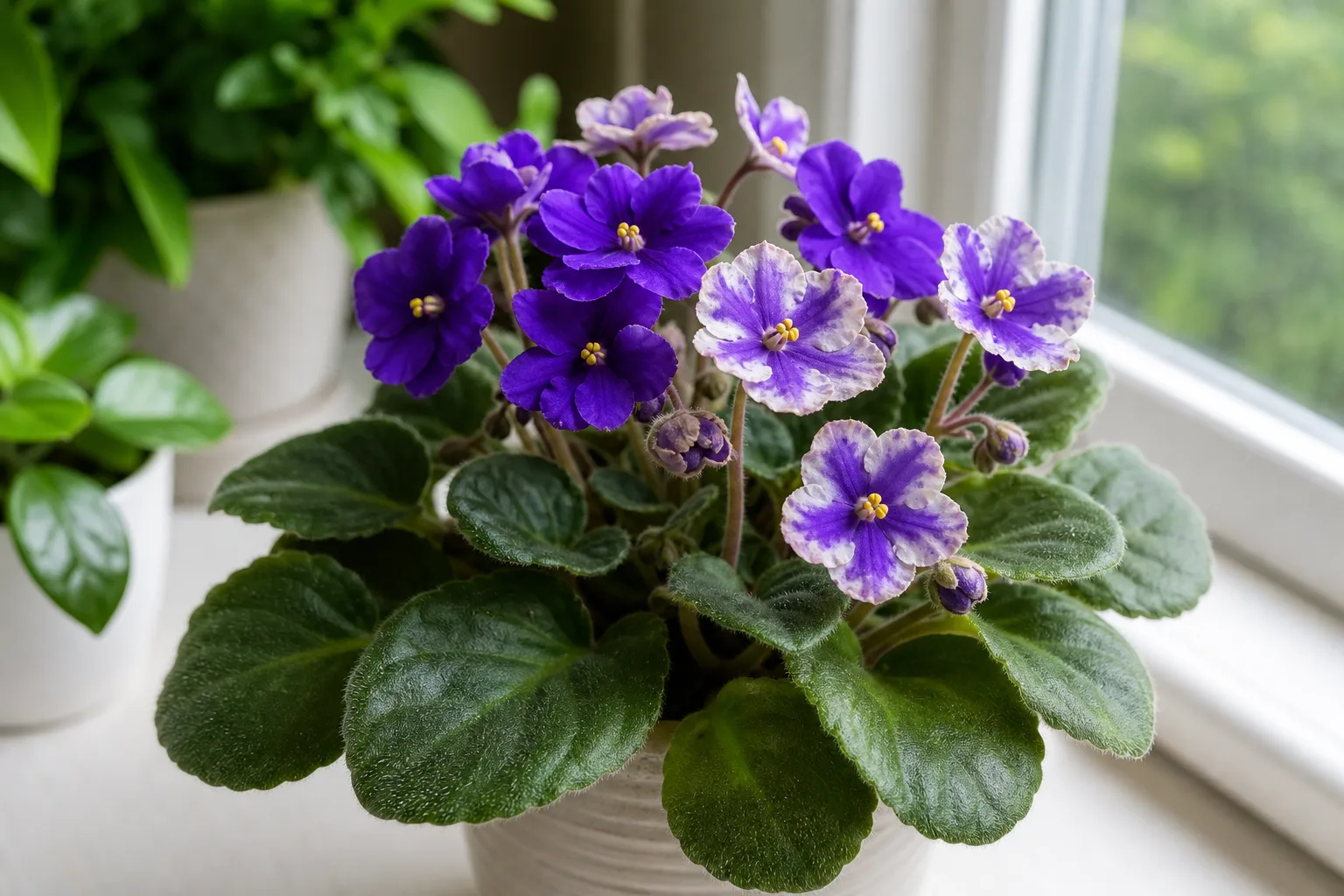 FloweringFaded FlowersGetting houseplants to bloom indoors is tricky because homes rarely match native conditions. Faded Flowers with Blooms lose color quickly or look dull can mean the plant is too young, light is wrong, humidity shifted, or buds were stressed during shipping or repotting. Track weekly progress after you change care, and note watering, light, and repotting dates so you can tell whether the symptom is improving or returning. Compare upper versus lower leaves, new versus old growth, and soil moisture at root depth before you treat, because the same visible symptom can come from watering, light, pests, or normal aging on different plants.
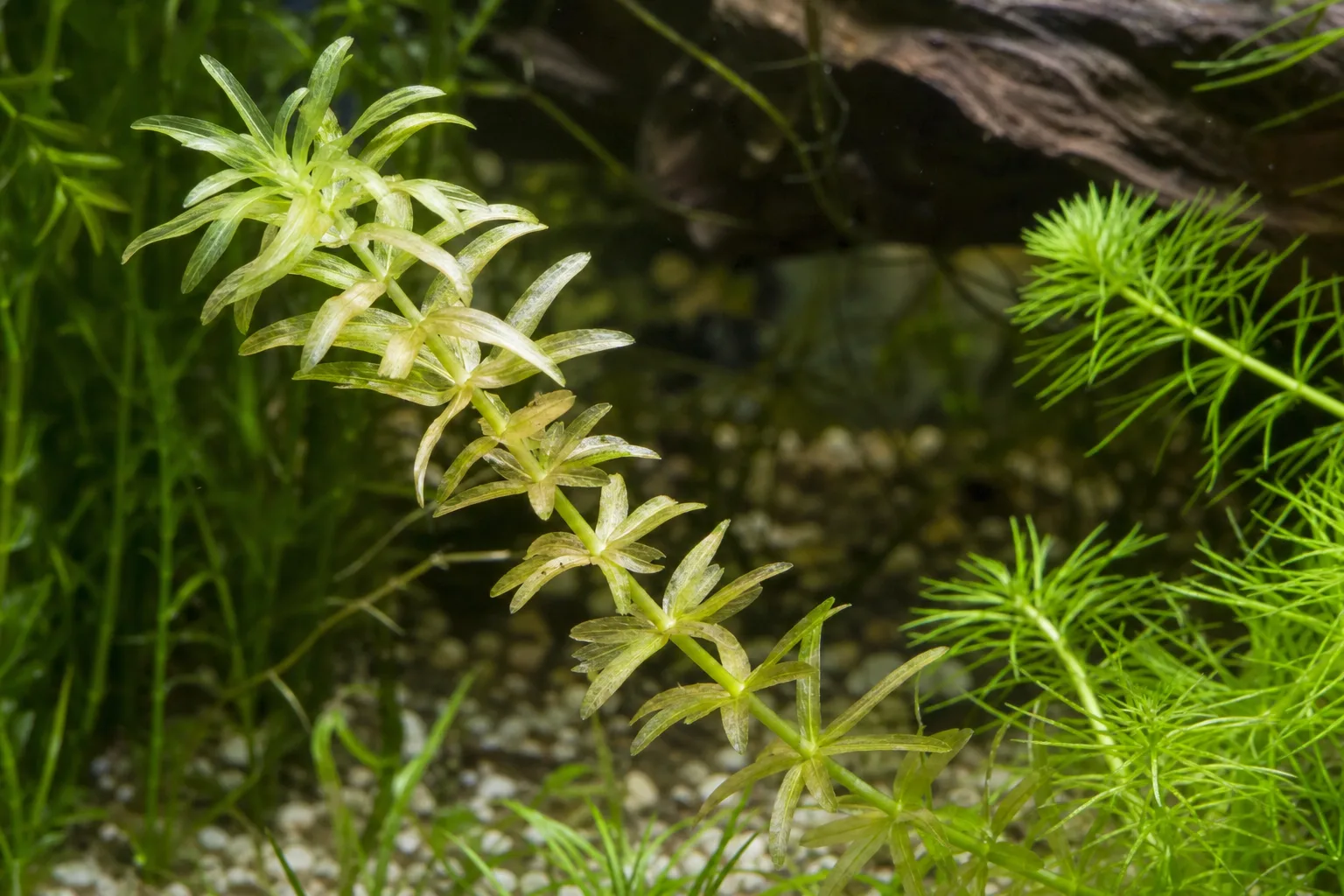 LightFaded LeavesLight is the engine of houseplant health. Faded Leaves appears as Leaves lose deep green color and look washed out when a plant receives too little energy to thrive-or too much direct sun for its leaves to handle. Matching light to species prevents most leaf fade, stretch, and scorch issues indoors. Track weekly progress after you change care, and note watering, light, and repotting dates so you can tell whether the symptom is improving or returning. Compare upper versus lower leaves, new versus old growth, and soil moisture at root depth before you treat, because the same visible symptom can come from watering, light, pests, or normal aging on different plants.
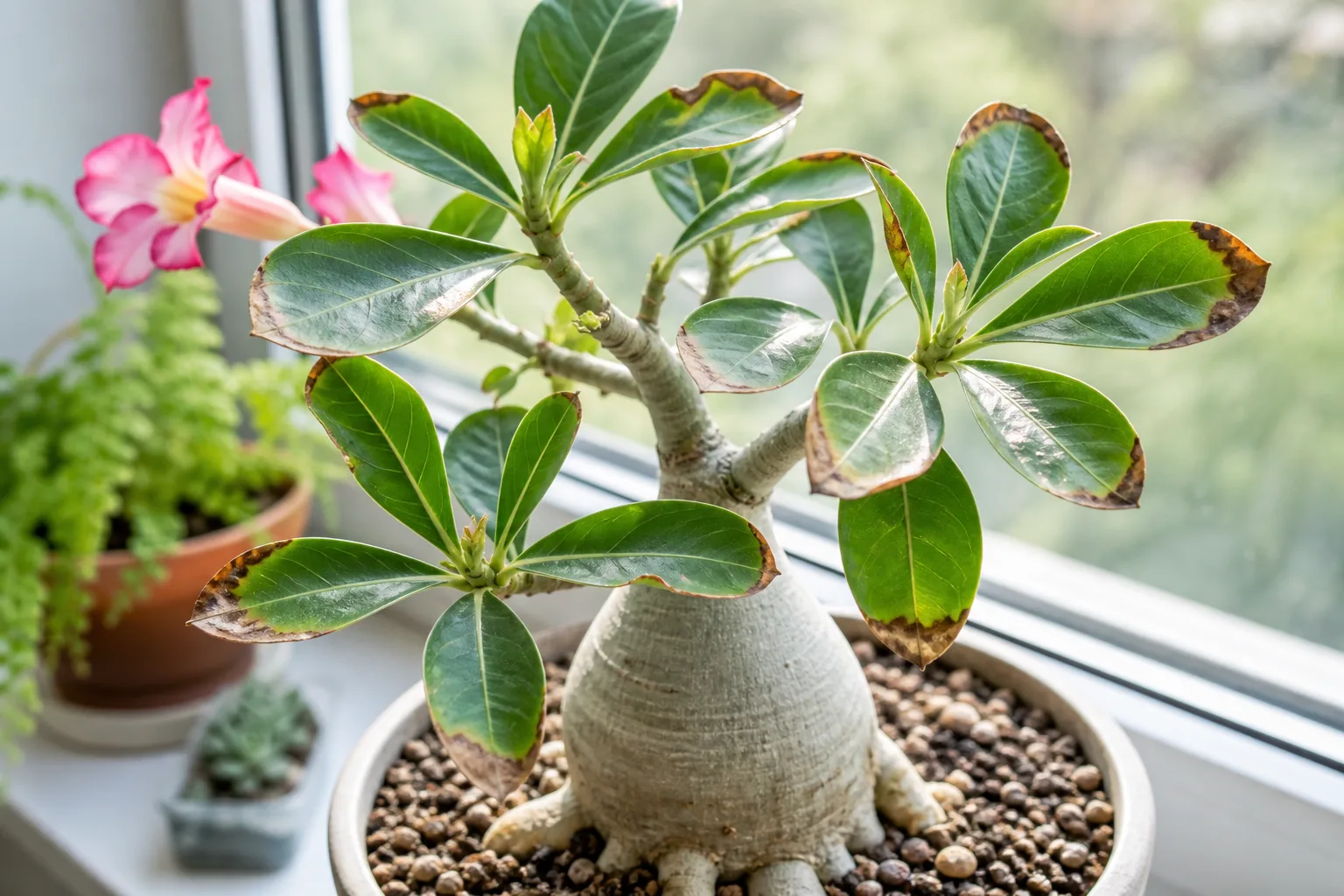 NutrientsFertilizer BurnFertilizer burn is salt injury, not a sign that a plant needs more food. When dissolved fertilizer salts build up faster than roots can use them, water is pulled away from root tissue and tender feeder roots are damaged first. The top of the plant often responds with brown leaf edges, scorched tips, stalled growth, or sudden collapse after an otherwise ordinary feeding.
The main diagnostic question is timing. If symptoms worsened soon after fertilizing, if a white crust formed on the soil or pot rim, or if the root ball stays chemically "hot" from repeated feeding without periodic flushing, excess salts move to the top of the suspect list. The fix is usually to stop feeding, leach the pot thoroughly, and reassess the plant after clean new growth appears.
NutrientsFertilizer BurnFertilizer burn is salt injury, not a sign that a plant needs more food. When dissolved fertilizer salts build up faster than roots can use them, water is pulled away from root tissue and tender feeder roots are damaged first. The top of the plant often responds with brown leaf edges, scorched tips, stalled growth, or sudden collapse after an otherwise ordinary feeding.
The main diagnostic question is timing. If symptoms worsened soon after fertilizing, if a white crust formed on the soil or pot rim, or if the root ball stays chemically "hot" from repeated feeding without periodic flushing, excess salts move to the top of the suspect list. The fix is usually to stop feeding, leach the pot thoroughly, and reassess the plant after clean new growth appears.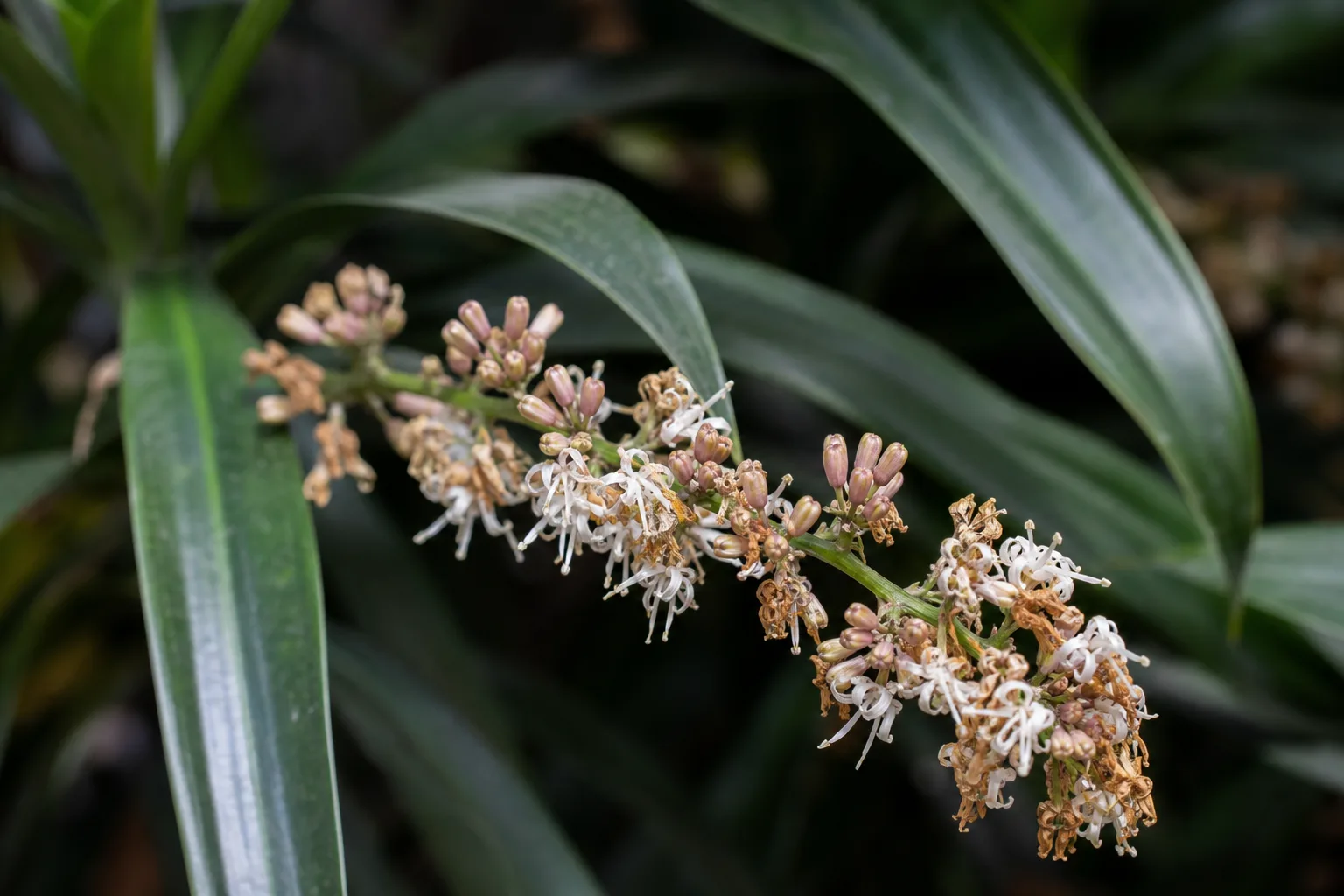 FloweringFlowers Turning BrownGetting houseplants to bloom indoors is tricky because homes rarely match native conditions. Flowers Turning Brown with Petals brown, dry, or rot before normal aging can mean the plant is too young, light is wrong, humidity shifted, or buds were stressed during shipping or repotting. Track weekly progress after you change care, and note watering, light, and repotting dates so you can tell whether the symptom is improving or returning. Compare upper versus lower leaves, new versus old growth, and soil moisture at root depth before you treat, because the same visible symptom can come from watering, light, pests, or normal aging on different plants.
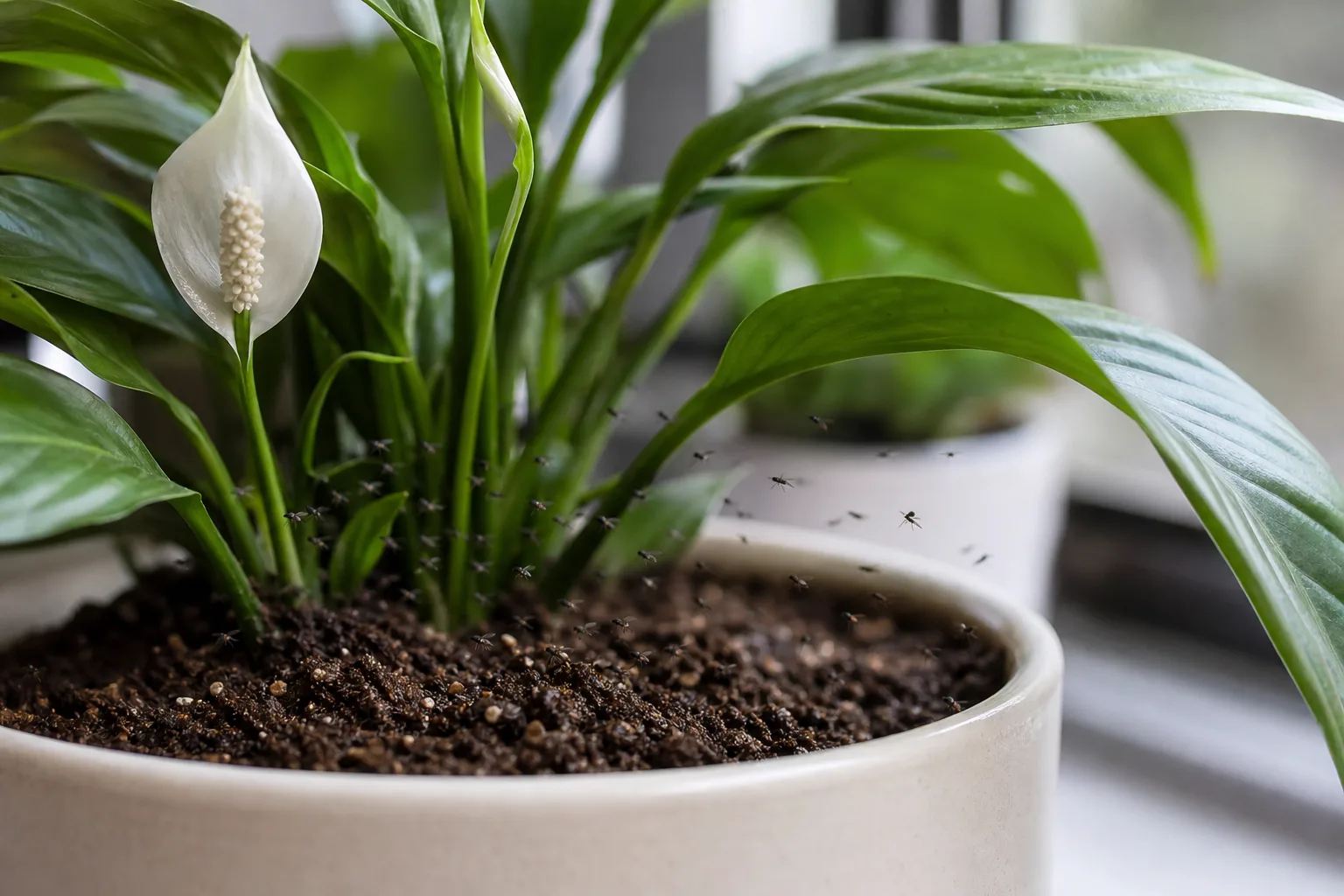 PestsFungus GnatsFungus gnats are common indoor pests linked more to soil moisture management than plant species. Adults are mostly a nuisance, but larvae in the top layer feed on fungi, organic debris, and tender feeder roots. In mature houseplants, damage is often mild, yet repeated infestations weaken root health and create chronic stress. Seedlings and recently rooted cuttings are most vulnerable to larval feeding.
The long-term fix is habitat disruption, not just killing flying adults. Gnats thrive in wet, organic topsoil with poor airflow. Letting the upper soil dry between waterings, improving drainage, and trapping adults breaks the life cycle. Biological controls such as BTI and beneficial nematodes are effective when applied consistently across all infested pots. Expect 2-6 weeks for full suppression because eggs and larvae continue to emerge in stages.
PestsFungus GnatsFungus gnats are common indoor pests linked more to soil moisture management than plant species. Adults are mostly a nuisance, but larvae in the top layer feed on fungi, organic debris, and tender feeder roots. In mature houseplants, damage is often mild, yet repeated infestations weaken root health and create chronic stress. Seedlings and recently rooted cuttings are most vulnerable to larval feeding.
The long-term fix is habitat disruption, not just killing flying adults. Gnats thrive in wet, organic topsoil with poor airflow. Letting the upper soil dry between waterings, improving drainage, and trapping adults breaks the life cycle. Biological controls such as BTI and beneficial nematodes are effective when applied consistently across all infested pots. Expect 2-6 weeks for full suppression because eggs and larvae continue to emerge in stages.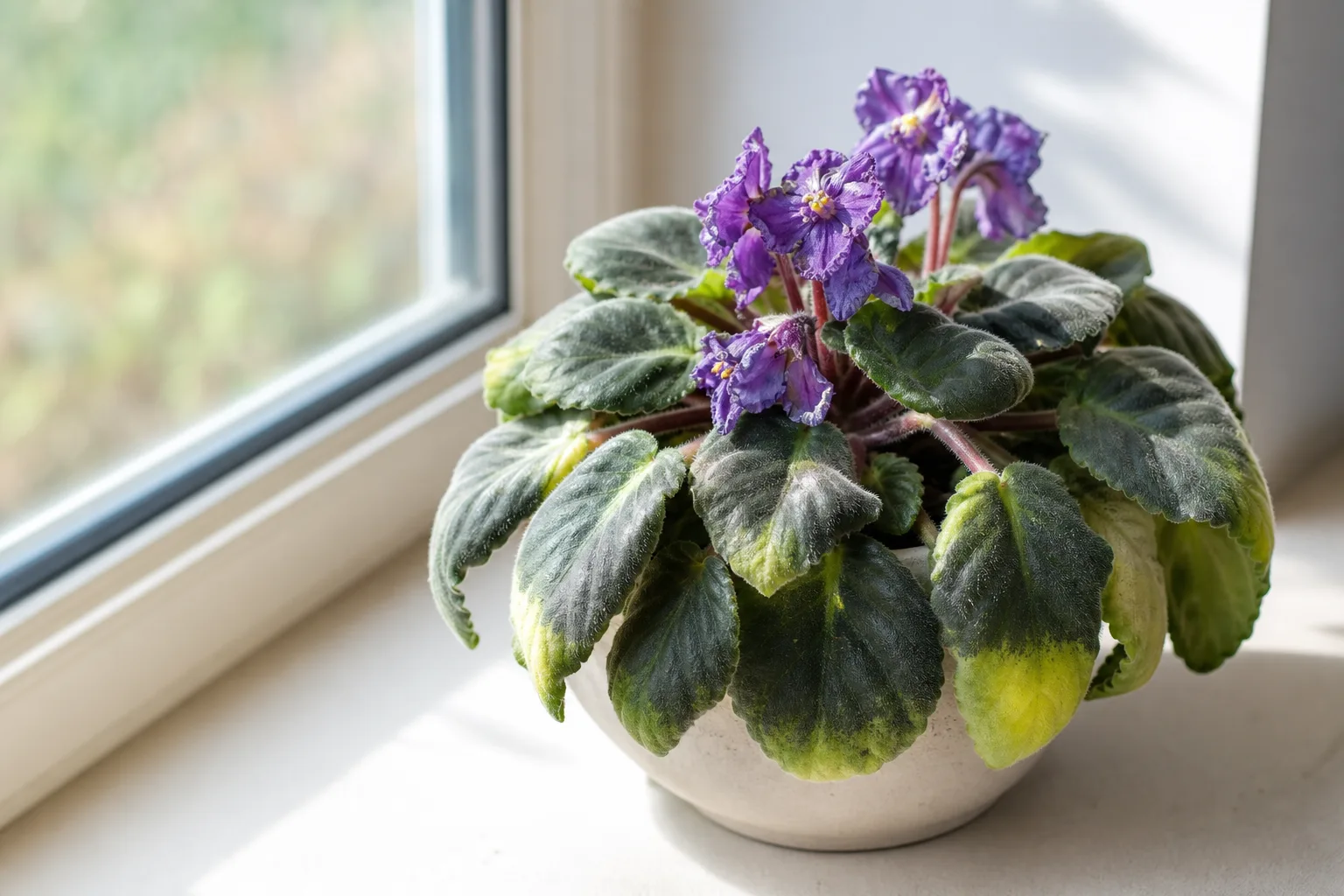 EnvironmentHeat StressHomes are not greenhouses. Heat Stress appears when humidity, temperature, or air movement falls outside what your plant tolerates. Wilting, curled leaves, scorched patches after a move, heat wave, or dry winter often points to environment-not necessarily wrong watering. Track weekly progress after you change care, and note watering, light, and repotting dates so you can tell whether the symptom is improving or returning. Compare upper versus lower leaves, new versus old growth, and soil moisture at root depth before you treat, because the same visible symptom can come from watering, light, pests, or normal aging on different plants.
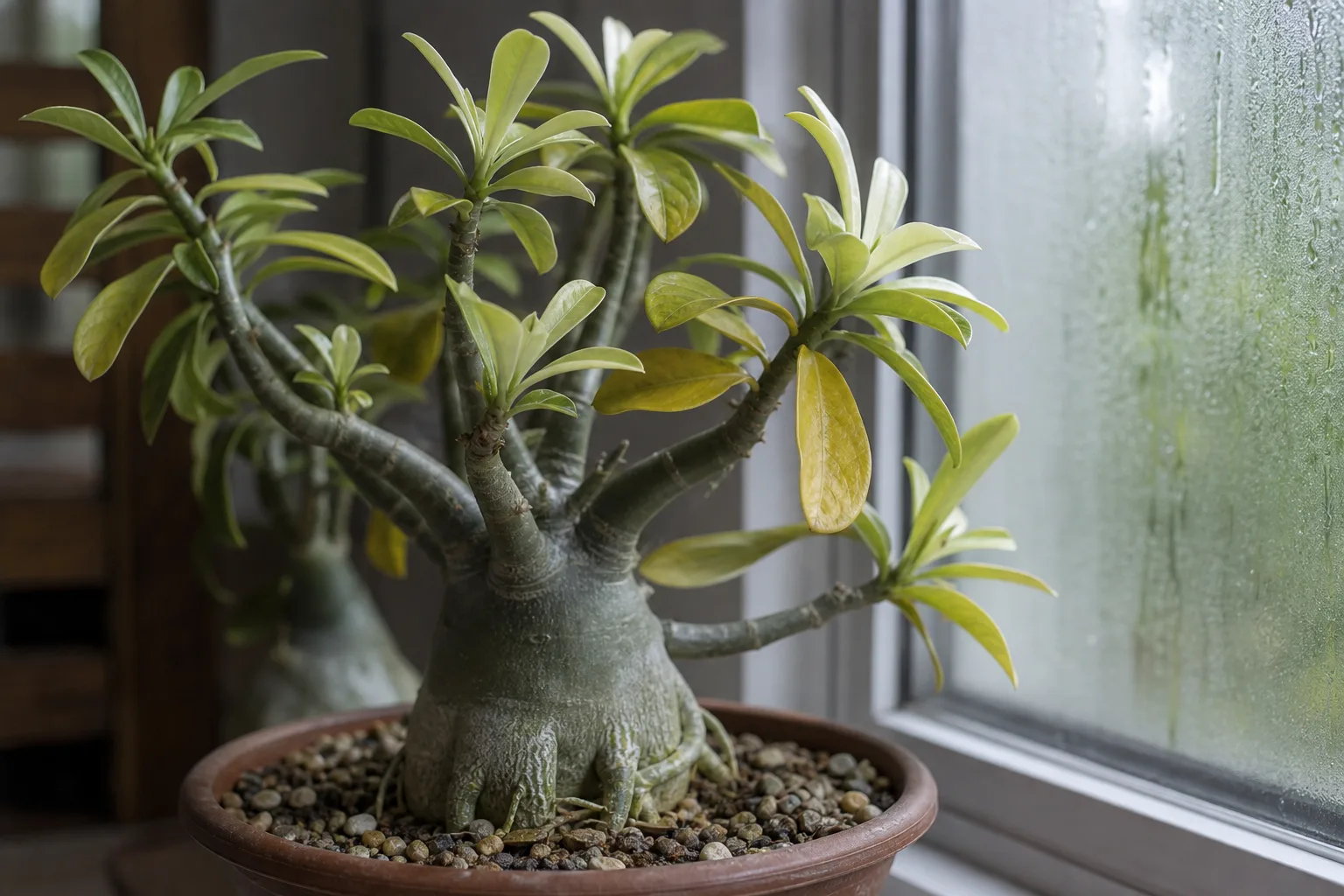 EnvironmentHigh HumidityHomes are not greenhouses. High Humidity appears when humidity, temperature, or air movement falls outside what your plant tolerates. Mold, fungus, soft leaves, disease risk after a move, heat wave, or dry winter often points to environment-not necessarily wrong watering. Track weekly progress after you change care, and note watering, light, and repotting dates so you can tell whether the symptom is improving or returning. Compare upper versus lower leaves, new versus old growth, and soil moisture at root depth before you treat, because the same visible symptom can come from watering, light, pests, or normal aging on different plants.
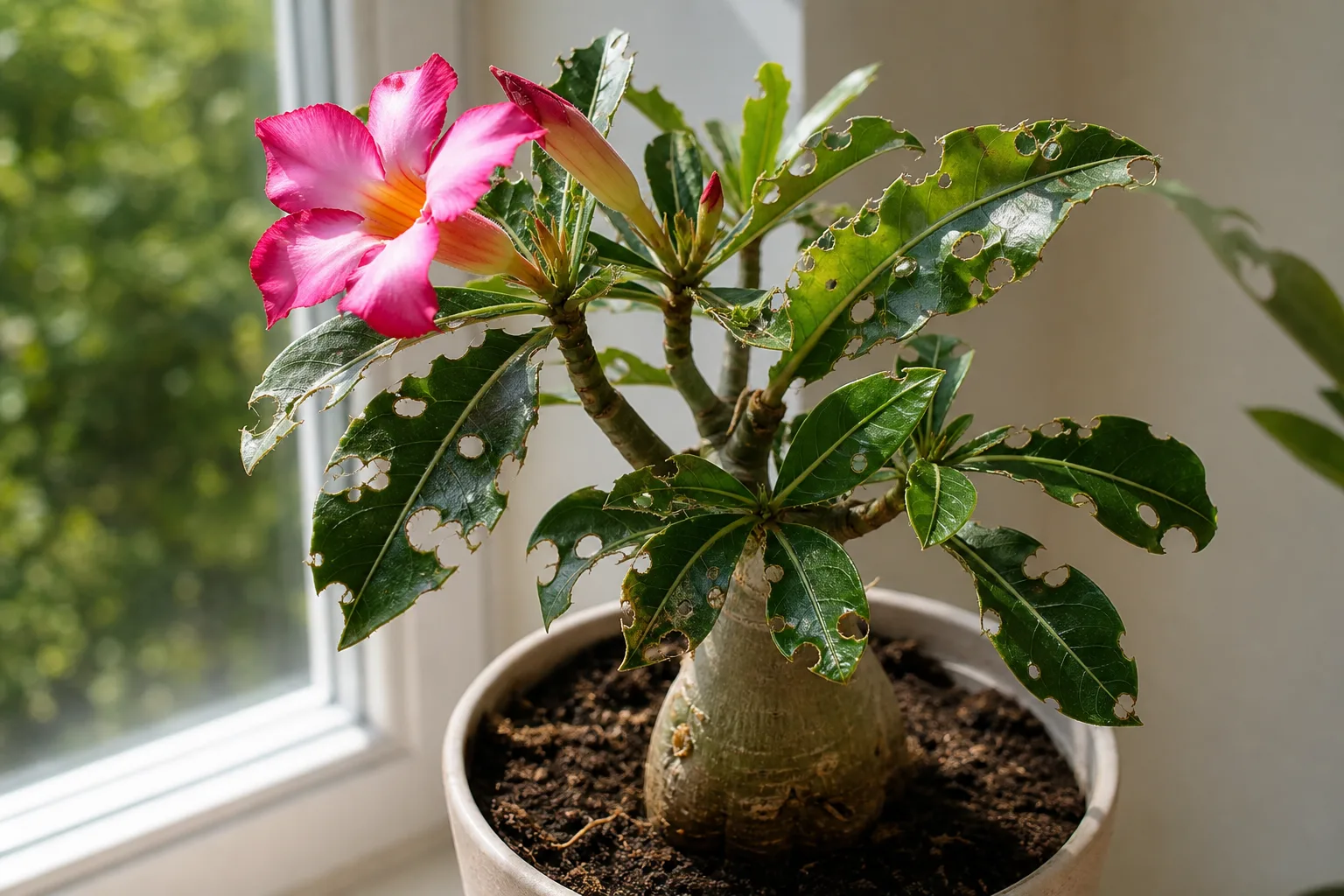 LeavesHoles in Leaves'Leaf problems are often the first sign something is off with a houseplant. Holes in Leaves can look alarming, but the fix depends on where symptoms start, how fast they spread, and what the soil and roots are doing. This guide walks through how to identify Chewed or damaged leaf tissue, often from pests, rule out look-alikes, and treat the underlying cause. Track weekly progress after you change care, and note watering, light, and repotting dates so you can tell whether the symptom is improving or returning.'. Compare upper versus lower leaves, new versus old growth, and soil moisture at root depth before you treat, because the same visible symptom can come from watering, light, pests, or normal aging on different plants.
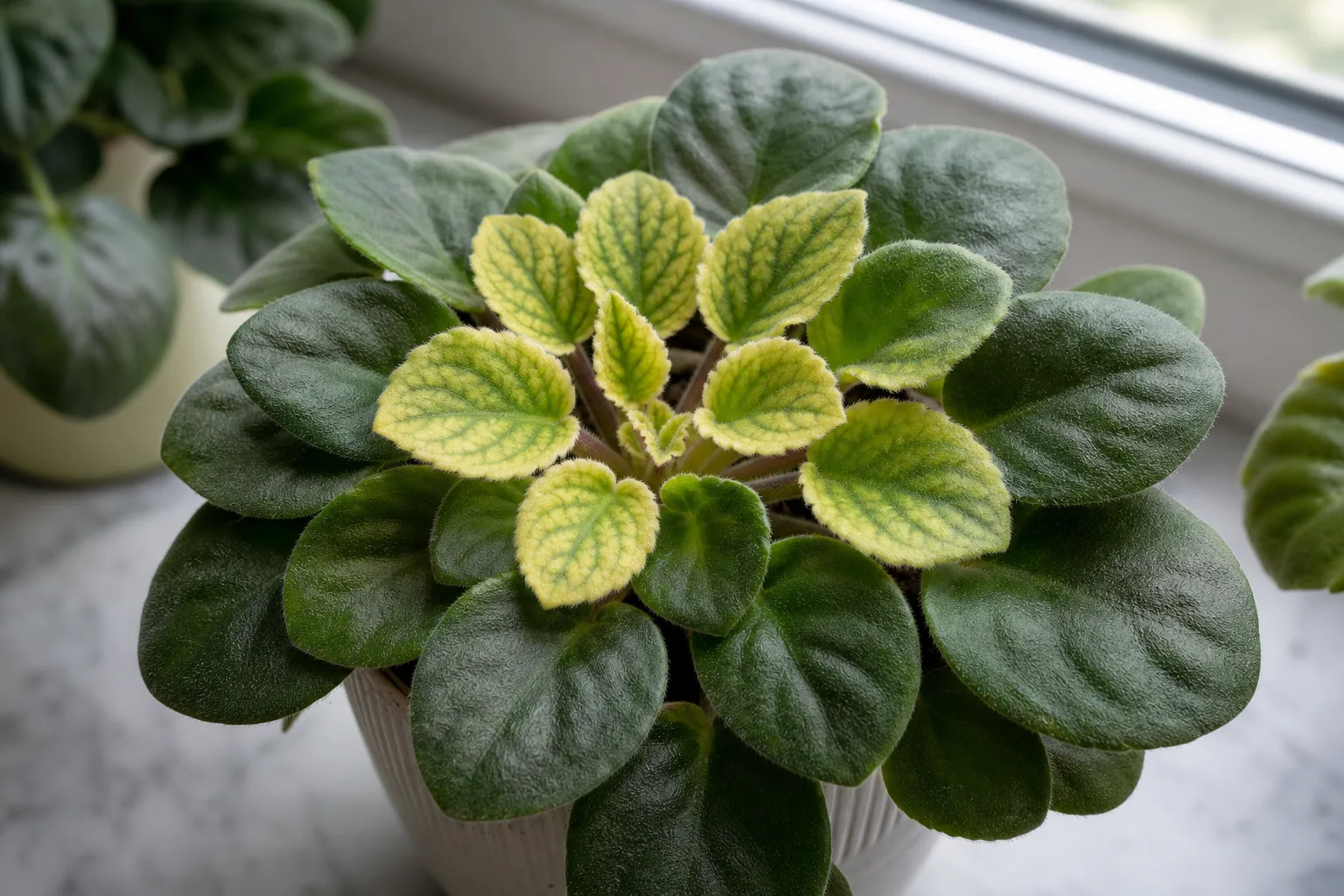 NutrientsIron DeficiencyIron deficiency is one of the clearest chlorosis patterns on indoor plants: the newest leaves fade yellow while the veins stay greener for a time. Because iron is not readily moved from old leaves into new ones, fresh growth shows the problem first. Gardenias and other acid-loving plants are especially known for this pattern, but any container plant with stressed roots or the wrong media chemistry can show it.
The key question is whether iron is absent or simply unavailable. Recent fertilizing does not rule the problem out. High pH, salt buildup, or root injury can block uptake and make the plant look deficient even when some iron is present. That means the fix may be a pH or root-zone correction rather than more general fertilizer.
NutrientsIron DeficiencyIron deficiency is one of the clearest chlorosis patterns on indoor plants: the newest leaves fade yellow while the veins stay greener for a time. Because iron is not readily moved from old leaves into new ones, fresh growth shows the problem first. Gardenias and other acid-loving plants are especially known for this pattern, but any container plant with stressed roots or the wrong media chemistry can show it.
The key question is whether iron is absent or simply unavailable. Recent fertilizing does not rule the problem out. High pH, salt buildup, or root injury can block uptake and make the plant look deficient even when some iron is present. That means the fix may be a pH or root-zone correction rather than more general fertilizer.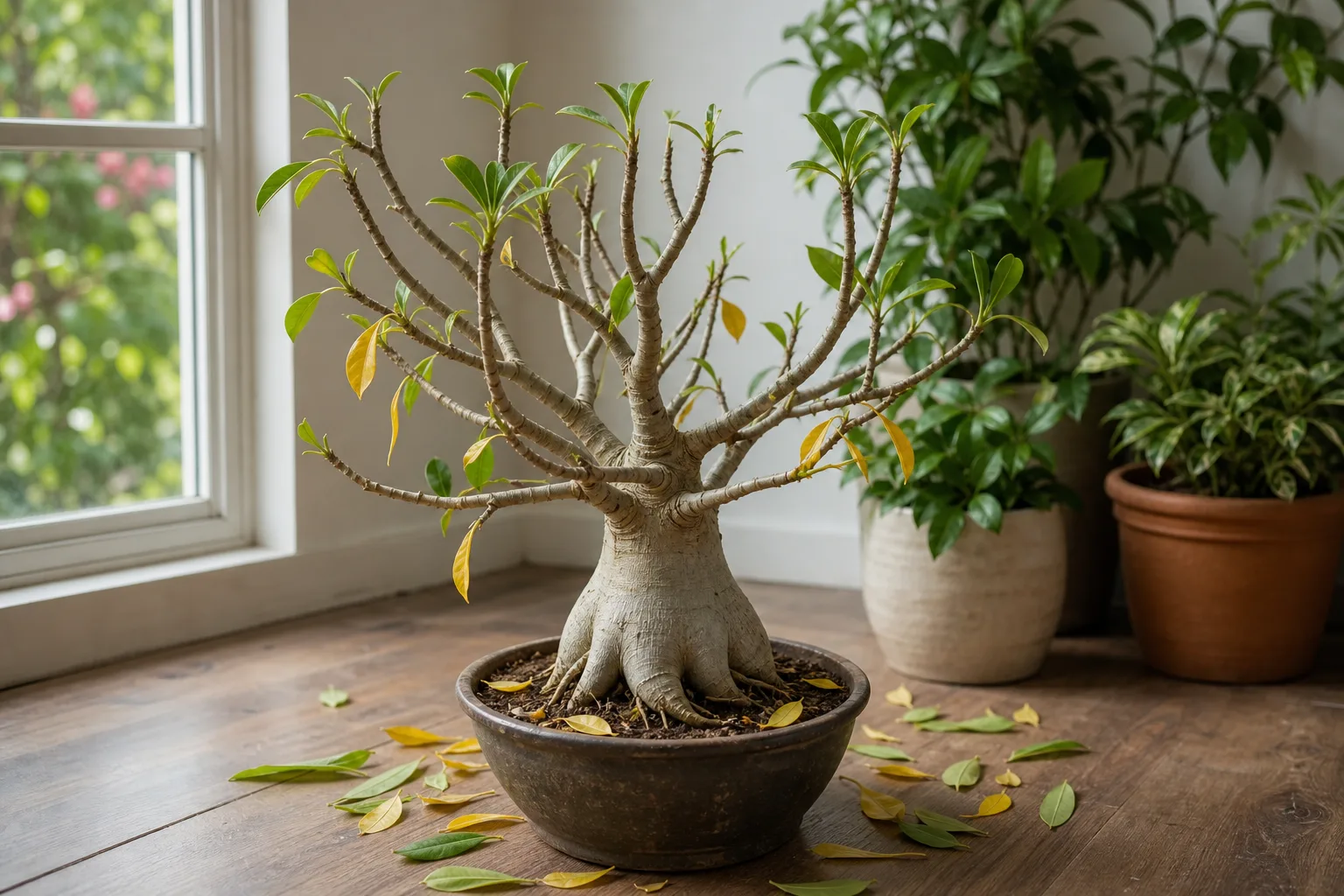 LeavesLeaf DropLeaf drop is a stress response where plants shed foliage to conserve resources under unfavorable conditions. A few lower leaves dropping occasionally is normal, especially during seasonal shifts. Problematic leaf drop is continuous, rapid, or includes otherwise healthy leaves. Indoors, the most common triggers are watering inconsistency, low light, sudden relocation, draft exposure, and root stress from poor drainage.
Plants often drop leaves after a major environmental change even when care is mostly correct. The key is to stabilize conditions rather than making frequent drastic adjustments. Check root-zone moisture, light duration, temperature swings, and recent repotting or movement. If root damage is present, treating roots takes priority over cosmetic pruning. Recovery is gradual: leaf drop should slow first, then new growth should resume over subsequent weeks.
LeavesLeaf DropLeaf drop is a stress response where plants shed foliage to conserve resources under unfavorable conditions. A few lower leaves dropping occasionally is normal, especially during seasonal shifts. Problematic leaf drop is continuous, rapid, or includes otherwise healthy leaves. Indoors, the most common triggers are watering inconsistency, low light, sudden relocation, draft exposure, and root stress from poor drainage.
Plants often drop leaves after a major environmental change even when care is mostly correct. The key is to stabilize conditions rather than making frequent drastic adjustments. Check root-zone moisture, light duration, temperature swings, and recent repotting or movement. If root damage is present, treating roots takes priority over cosmetic pruning. Recovery is gradual: leaf drop should slow first, then new growth should resume over subsequent weeks.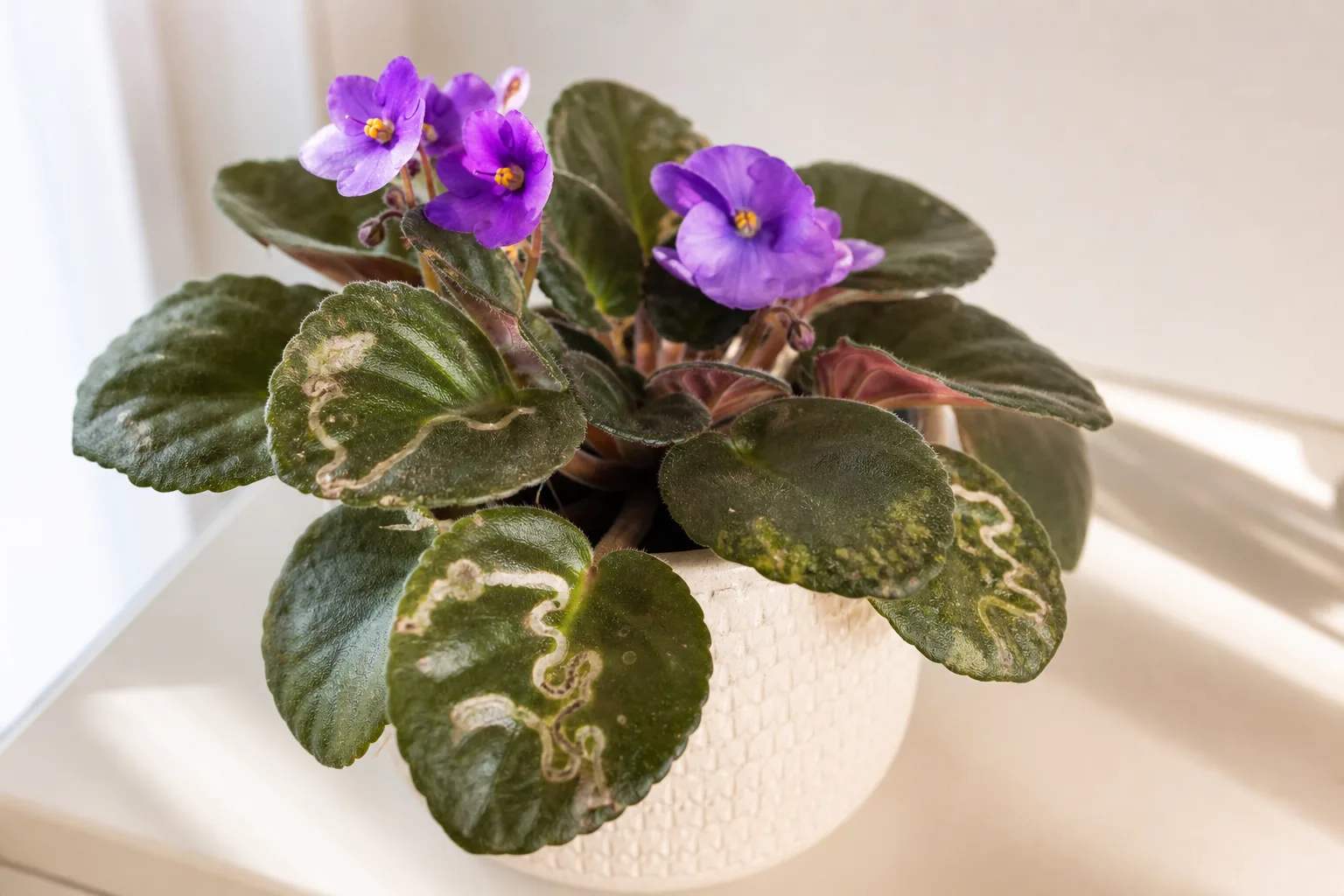 PestsLeaf Miners'Houseplant pests are common indoors because conditions lack natural predators. Leaf Miners often arrives on new plants, open windows, or stressed specimens. When you notice Winding pale trails inside leaves, act quickly: confirm the pest, isolate the plant, and treat before the population explodes. Track weekly progress after you change care, and note watering, light, and repotting dates so you can tell whether the symptom is improving or returning.'. Compare upper versus lower leaves, new versus old growth, and soil moisture at root depth before you treat, because the same visible symptom can come from watering, light, pests, or normal aging on different plants.
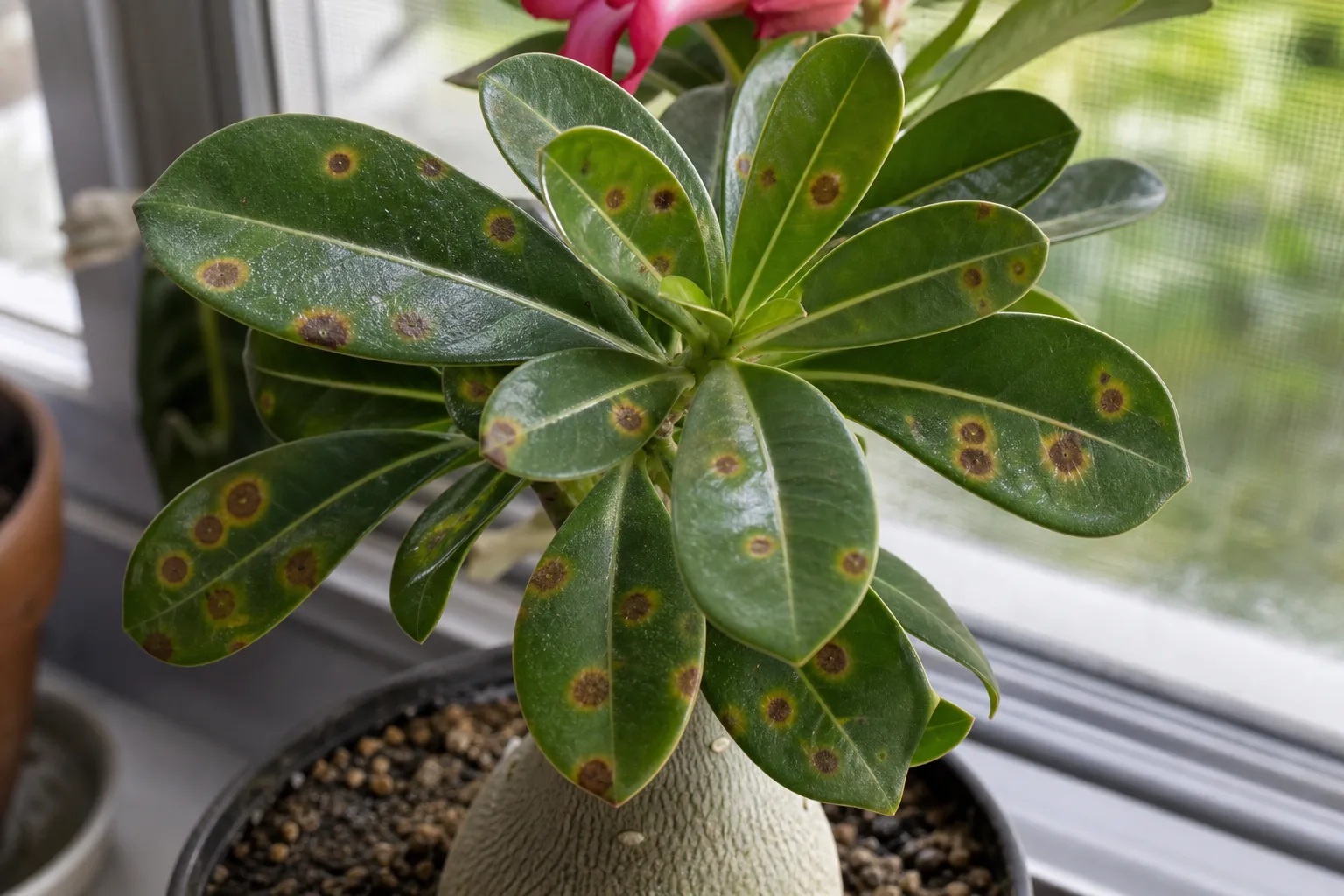 DiseaseLeaf Spot DiseaseIndoor plant diseases are usually fungal or bacterial infections favored by moisture on leaves and poor ventilation. Leaf Spot Disease can weaken growth and spread to nearby plants if ignored. Use Circular brown, black, or yellow-edged spots on leaves as your starting point, then confirm whether you are dealing with infection, physical damage, or care stress. Track weekly progress after you change care, and note watering, light, and repotting dates so you can tell whether the symptom is improving or returning. Compare upper versus lower leaves, new versus old growth, and soil moisture at root depth before you treat, because the same visible symptom can come from watering, light, pests, or normal aging on different plants.
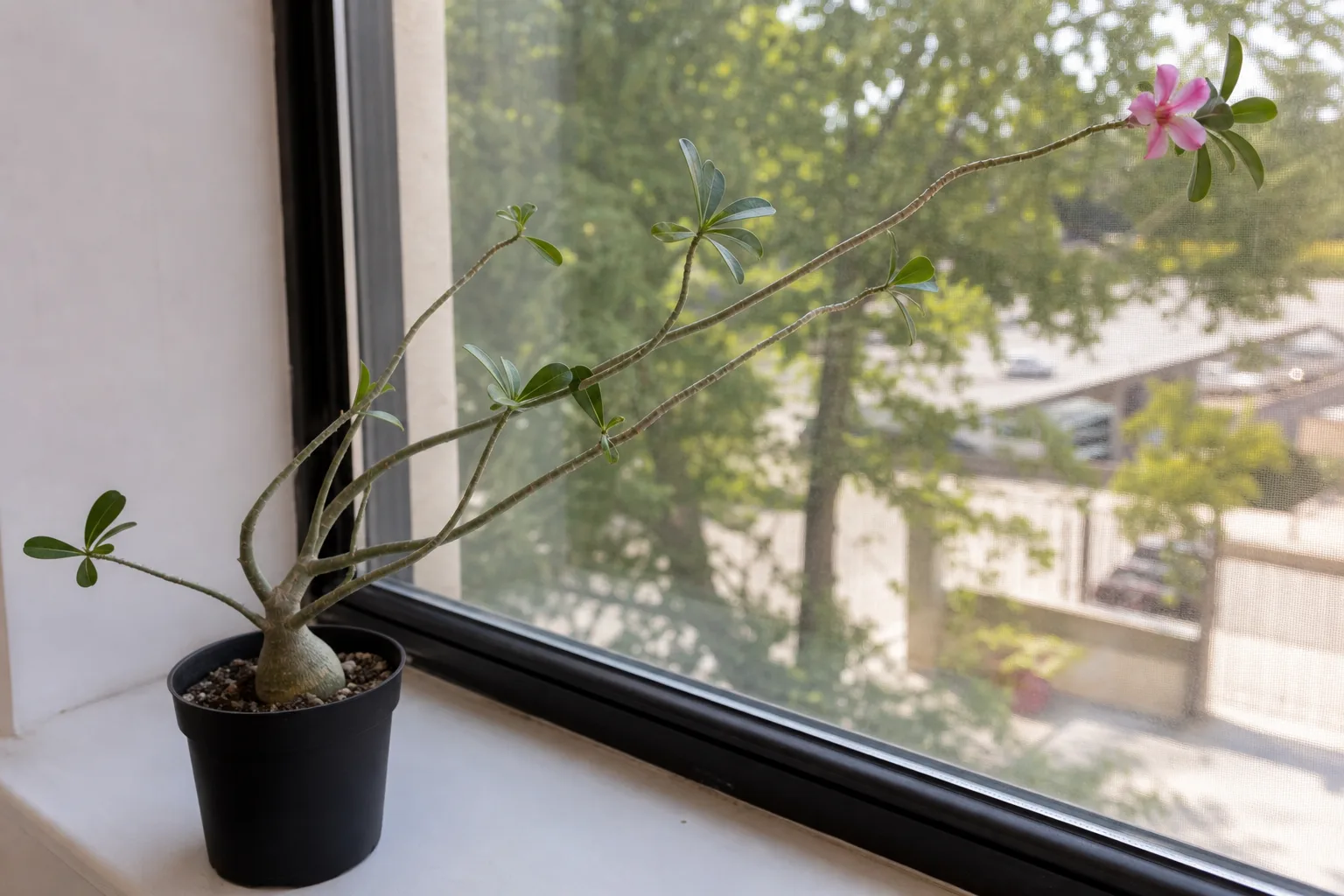 GrowthLeggy GrowthLeggy growth is a classic low-light adaptation where plants stretch toward available light at the expense of dense, compact foliage. Internodes lengthen, leaves become smaller, and stems may bend or flop. Many growers mistake this as fast healthy growth, but it usually signals that the plant is producing weaker tissue with lower structural strength. Over time, leggy plants become sparse and less resilient.
The fix centers on improving light quality and training growth back to balance. Move plants closer to bright indirect light or supplement with grow lights, then prune strategically to encourage branching. Rotating pots helps prevent one-sided lean. Recovery is gradual: old stretched sections do not shrink, but new growth can become compact under better conditions. Combining improved light with correct watering and moderate feeding produces denser regrowth over subsequent cycles.
GrowthLeggy GrowthLeggy growth is a classic low-light adaptation where plants stretch toward available light at the expense of dense, compact foliage. Internodes lengthen, leaves become smaller, and stems may bend or flop. Many growers mistake this as fast healthy growth, but it usually signals that the plant is producing weaker tissue with lower structural strength. Over time, leggy plants become sparse and less resilient.
The fix centers on improving light quality and training growth back to balance. Move plants closer to bright indirect light or supplement with grow lights, then prune strategically to encourage branching. Rotating pots helps prevent one-sided lean. Recovery is gradual: old stretched sections do not shrink, but new growth can become compact under better conditions. Combining improved light with correct watering and moderate feeding produces denser regrowth over subsequent cycles.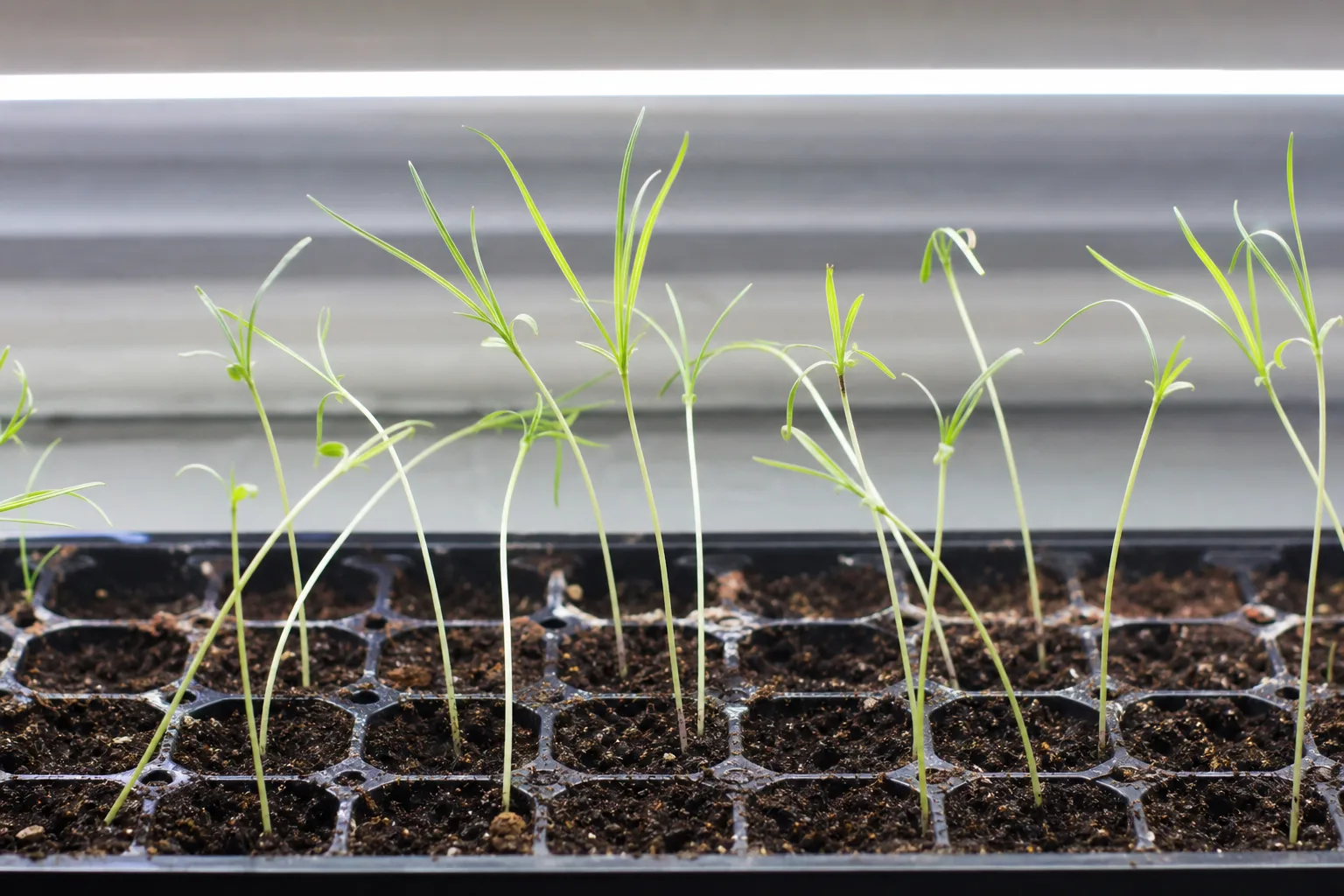 Seeds / SeedlingsLeggy SeedlingsLeggy seedlings grow tall, pale, and fragile with long gaps between leaves. This is etiolation: the plant reaches for photons. Windowsills alone often fail in late winter, and humidity domes left on too long can compound weak growth.
The fix is stronger, closer light-not more water or feed. Position full-spectrum grow lights 2–4 inches above seedlings, run them 14–16 hours per day, and remove domes after germination. You can bury elongated stems slightly when transplanting some species, but prevention at germination is easier.
Seeds / SeedlingsLeggy SeedlingsLeggy seedlings grow tall, pale, and fragile with long gaps between leaves. This is etiolation: the plant reaches for photons. Windowsills alone often fail in late winter, and humidity domes left on too long can compound weak growth.
The fix is stronger, closer light-not more water or feed. Position full-spectrum grow lights 2–4 inches above seedlings, run them 14–16 hours per day, and remove domes after germination. You can bury elongated stems slightly when transplanting some species, but prevention at germination is easier.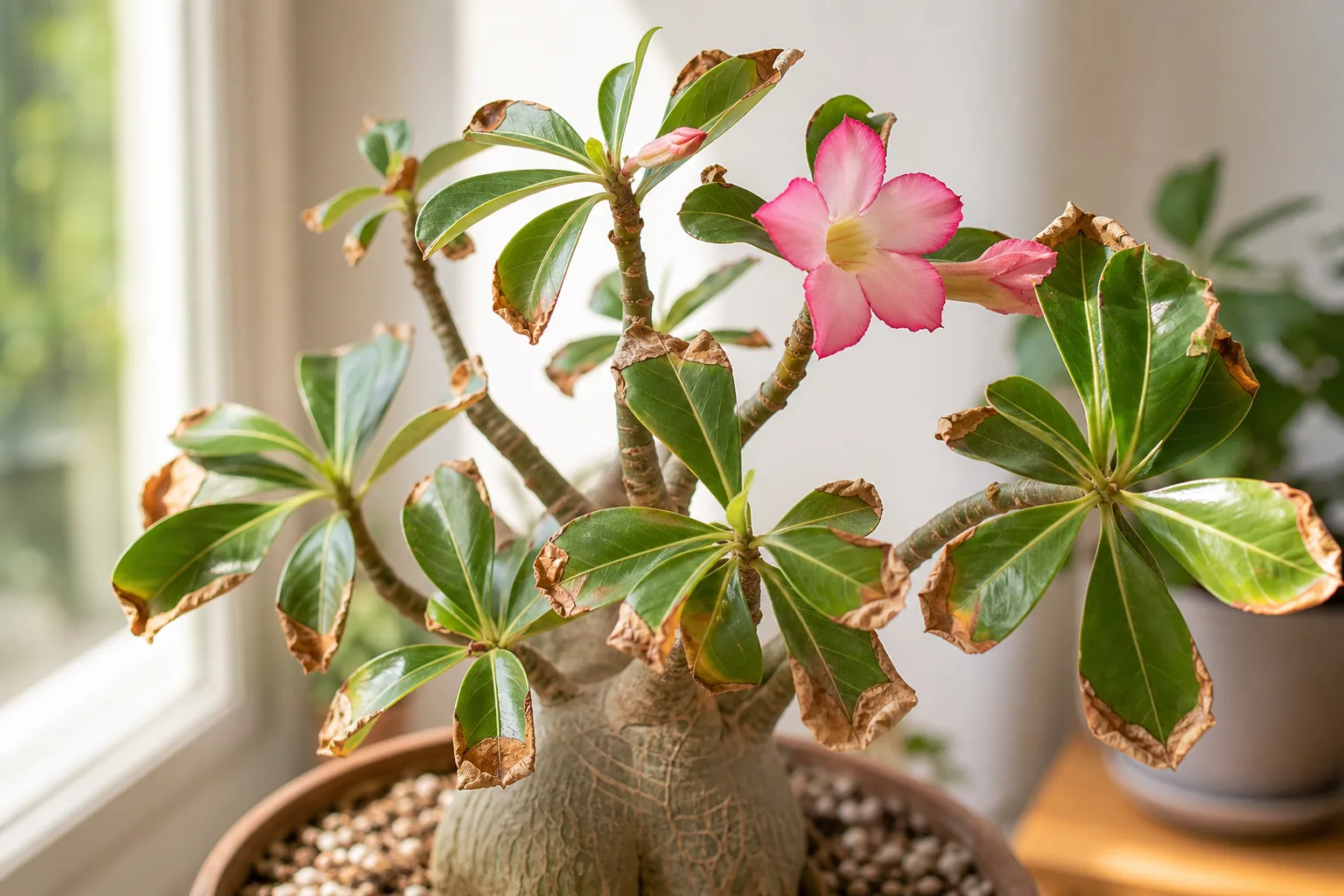 EnvironmentLow HumidityLow humidity damage happens when leaves lose water faster than roots can replace it. This is most common in winter heating season, near forced-air vents, or after moving a plant from a greenhouse or humid nursery into a dry room. Tropical foliage plants feel it first, while cacti and many succulents usually do not.
Dry-air stress often overlaps with watering stress, so the goal is to separate the two. If the soil is reasonably moist but leaf edges still crisp, curl, or brown near vents and windows, the environment is usually the first thing to correct.
EnvironmentLow HumidityLow humidity damage happens when leaves lose water faster than roots can replace it. This is most common in winter heating season, near forced-air vents, or after moving a plant from a greenhouse or humid nursery into a dry room. Tropical foliage plants feel it first, while cacti and many succulents usually do not.
Dry-air stress often overlaps with watering stress, so the goal is to separate the two. If the soil is reasonably moist but leaf edges still crisp, curl, or brown near vents and windows, the environment is usually the first thing to correct.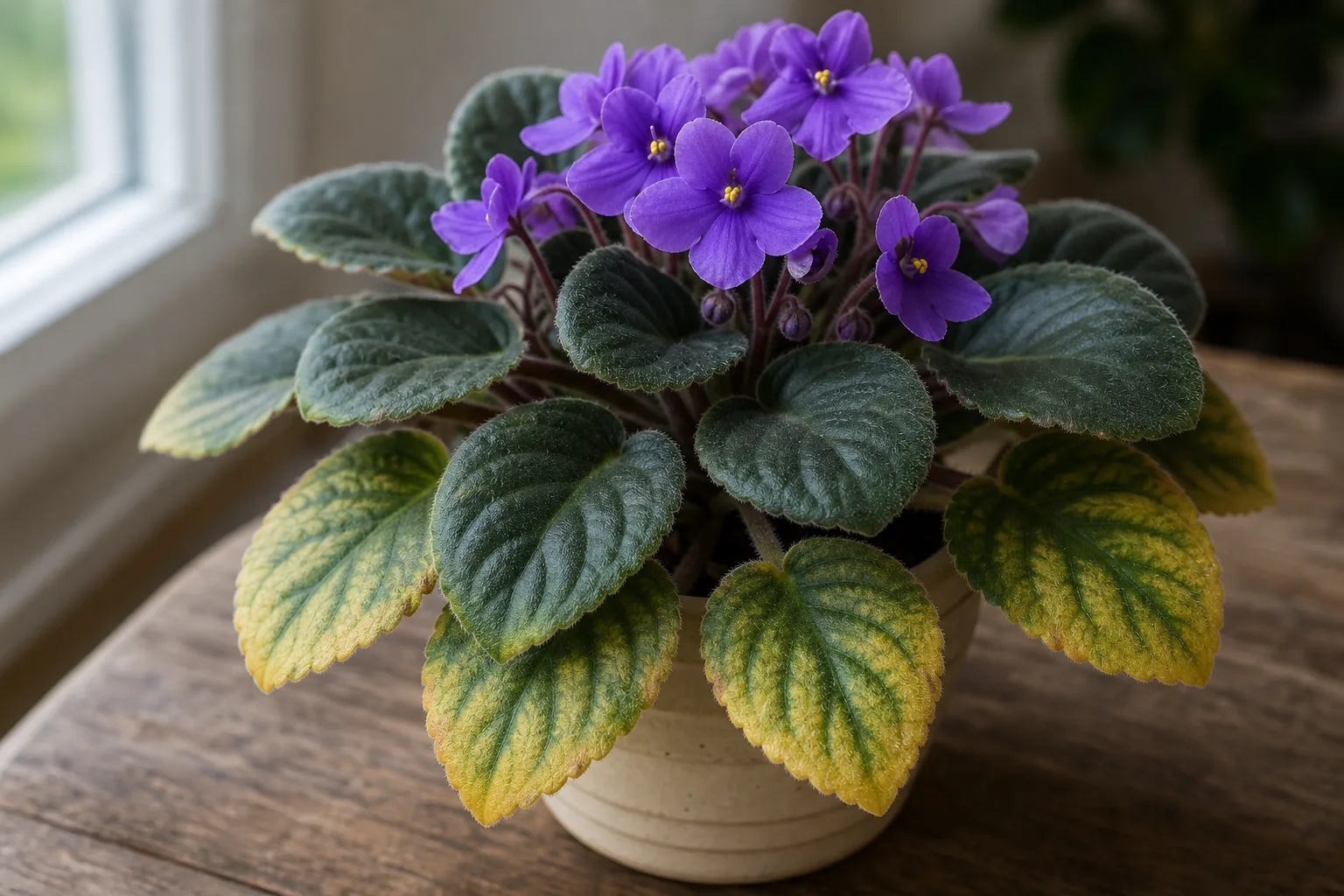 NutrientsMagnesium DeficiencyMagnesium deficiency usually shows on older leaves first because magnesium is mobile inside the plant. When supply runs short, the plant can pull magnesium out of mature leaves to support newer growth, leaving the older foliage with yellowing between still-greener veins. That pattern is easy to confuse with general aging unless you look closely at where the discoloration starts and how it spreads.
True magnesium shortage can happen in long-used containers, heavily leached media, or plants that have been fed inconsistently. But root stress and chemical imbalance can also mimic it. The goal is to confirm the classic older-leaf interveinal chlorosis pattern before reaching for Epsom salt or any other targeted supplement.
NutrientsMagnesium DeficiencyMagnesium deficiency usually shows on older leaves first because magnesium is mobile inside the plant. When supply runs short, the plant can pull magnesium out of mature leaves to support newer growth, leaving the older foliage with yellowing between still-greener veins. That pattern is easy to confuse with general aging unless you look closely at where the discoloration starts and how it spreads.
True magnesium shortage can happen in long-used containers, heavily leached media, or plants that have been fed inconsistently. But root stress and chemical imbalance can also mimic it. The goal is to confirm the classic older-leaf interveinal chlorosis pattern before reaching for Epsom salt or any other targeted supplement.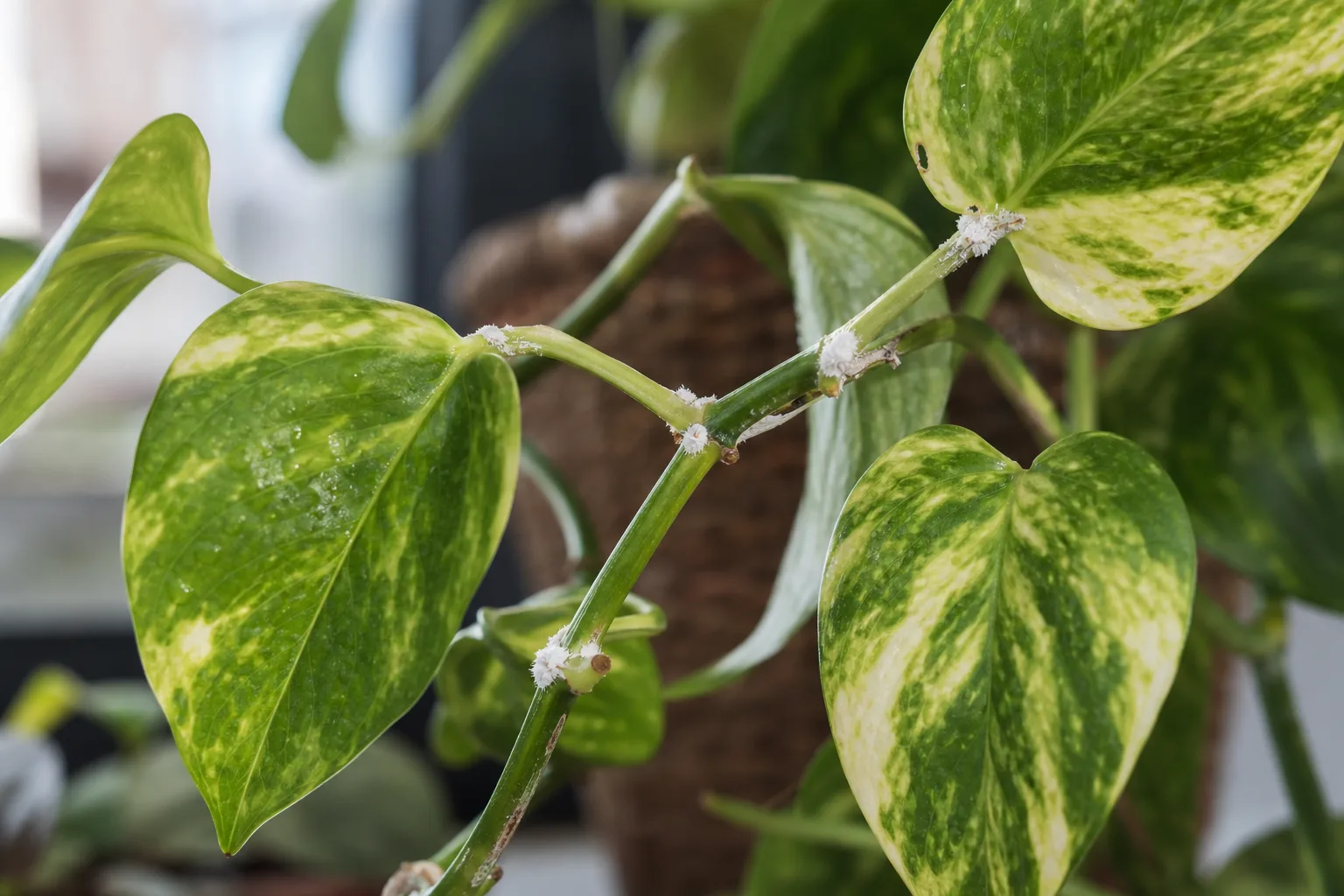 PestsMealybugsHouseplant pests are common indoors because conditions lack natural predators. Mealybugs often arrives on new plants, open windows, or stressed specimens. When you notice White cotton-like insects on stems, nodes, and leaf joints, act quickly: confirm the pest, isolate the plant, and treat before the population explodes. Track weekly progress after you change care, and note watering, light, and repotting dates so you can tell whether the symptom is improving or returning. Compare upper versus lower leaves, new versus old growth, and soil moisture at root depth before you treat, because the same visible symptom can come from watering, light, pests, or normal aging on different plants.
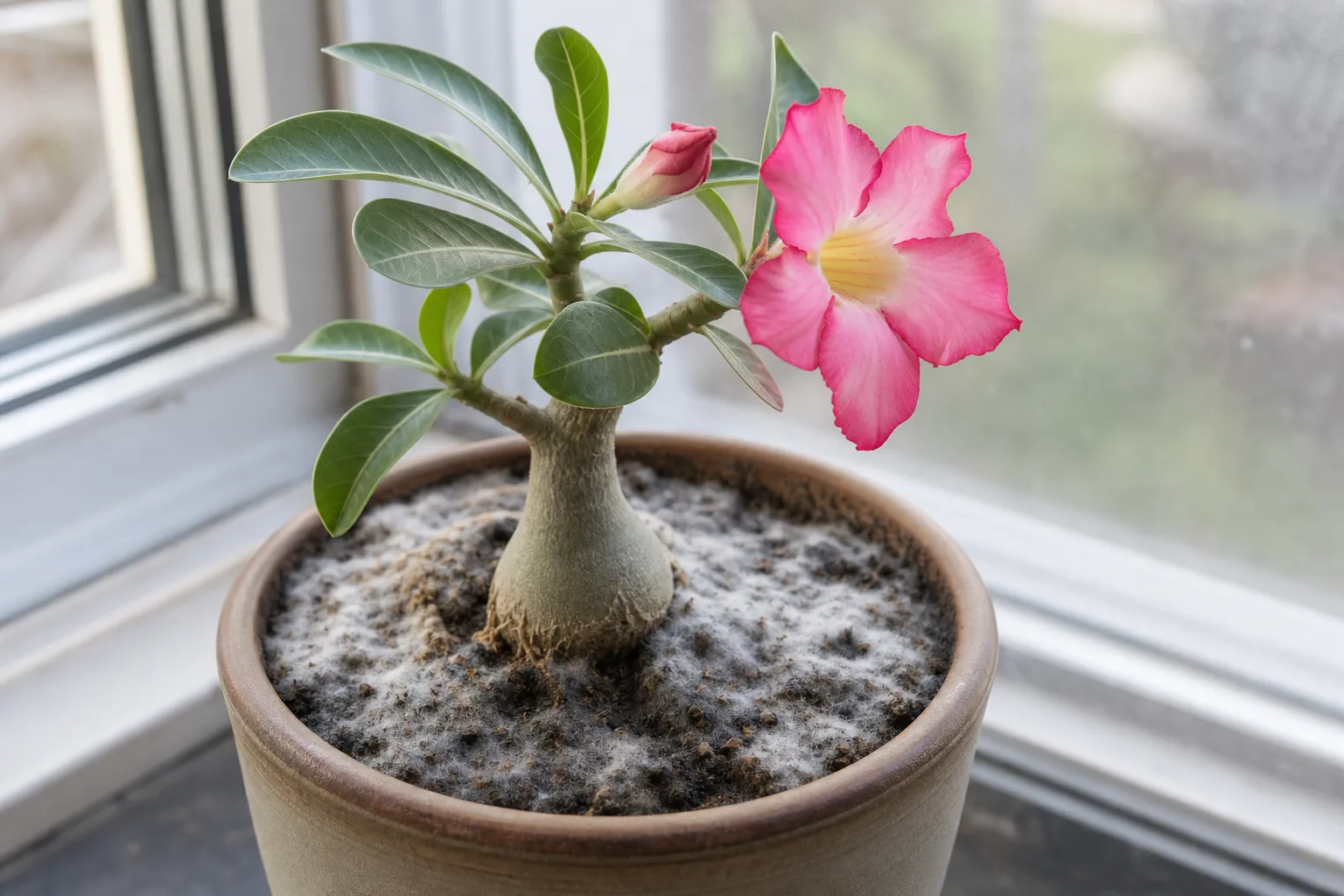 SoilMold on SoilMold on potting soil is common in indoor setups where moisture lingers and air movement is limited. In many cases it is a surface saprophytic fungus feeding on organic matter, not directly infecting the plant. Even so, recurring mold signals a care imbalance that can increase risk of root stress, fungus gnats, and unpleasant indoor air quality. Treat it as an environmental warning sign rather than only a cosmetic issue.
Long-term control comes from changing conditions that support fungal growth. Letting the top layer dry appropriately, improving drainage, and increasing airflow are more effective than scraping mold alone. Replacing the upper layer of old, decomposed media often helps. If mold repeatedly returns, review pot size, watering frequency, and substrate composition. Healthy roots and balanced drying cycles usually eliminate chronic surface mold pressure.
SoilMold on SoilMold on potting soil is common in indoor setups where moisture lingers and air movement is limited. In many cases it is a surface saprophytic fungus feeding on organic matter, not directly infecting the plant. Even so, recurring mold signals a care imbalance that can increase risk of root stress, fungus gnats, and unpleasant indoor air quality. Treat it as an environmental warning sign rather than only a cosmetic issue.
Long-term control comes from changing conditions that support fungal growth. Letting the top layer dry appropriately, improving drainage, and increasing airflow are more effective than scraping mold alone. Replacing the upper layer of old, decomposed media often helps. If mold repeatedly returns, review pot size, watering frequency, and substrate composition. Healthy roots and balanced drying cycles usually eliminate chronic surface mold pressure.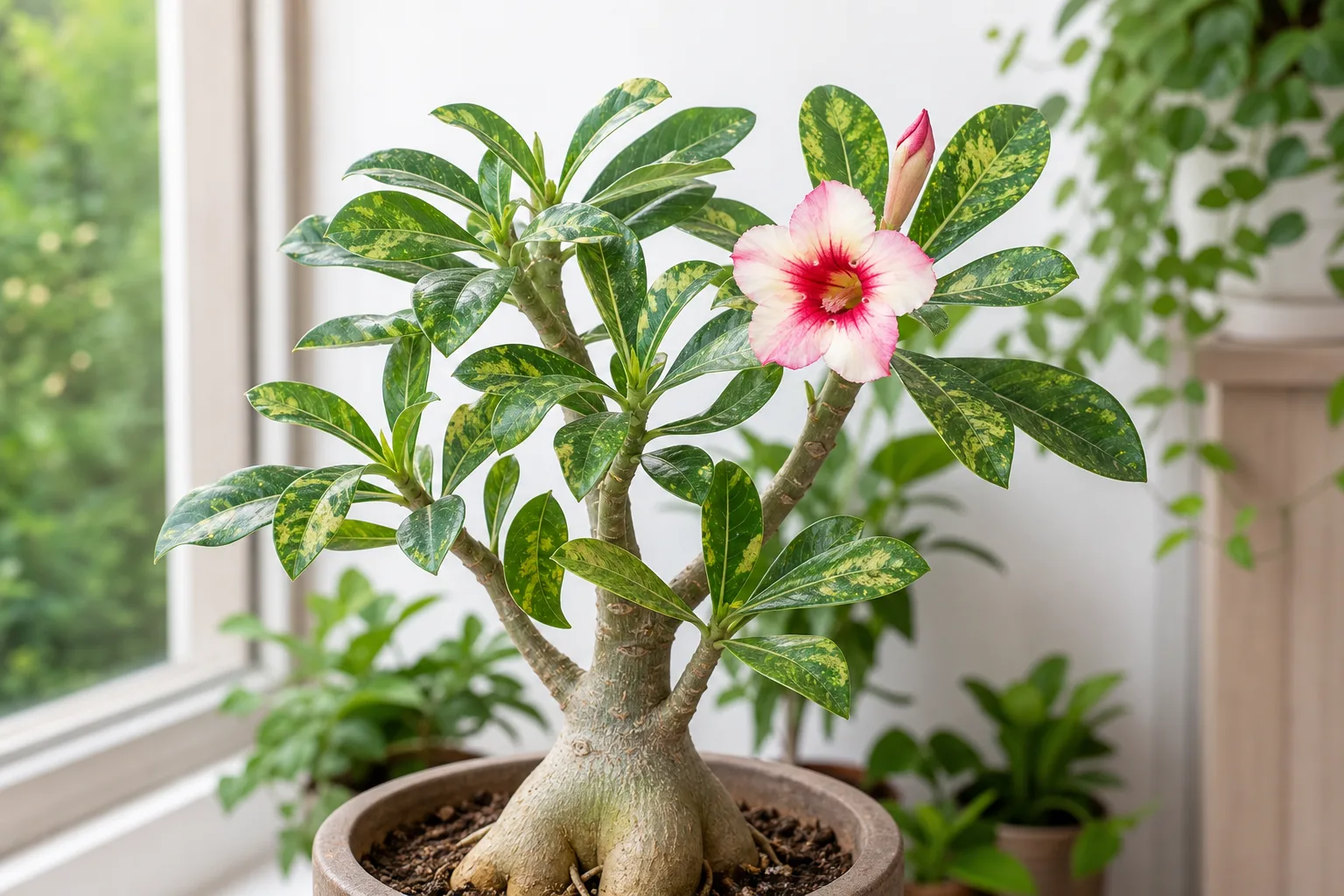 DiseaseMosaic VirusIndoor plant diseases are usually fungal or bacterial infections favored by moisture on leaves and poor ventilation. Mosaic Virus can weaken growth and spread to nearby plants if ignored. Use Mottled, patchy, distorted leaves with uneven coloring as your starting point, then confirm whether you are dealing with infection, physical damage, or care stress. Track weekly progress after you change care, and note watering, light, and repotting dates so you can tell whether the symptom is improving or returning. Compare upper versus lower leaves, new versus old growth, and soil moisture at root depth before you treat, because the same visible symptom can come from watering, light, pests, or normal aging on different plants.
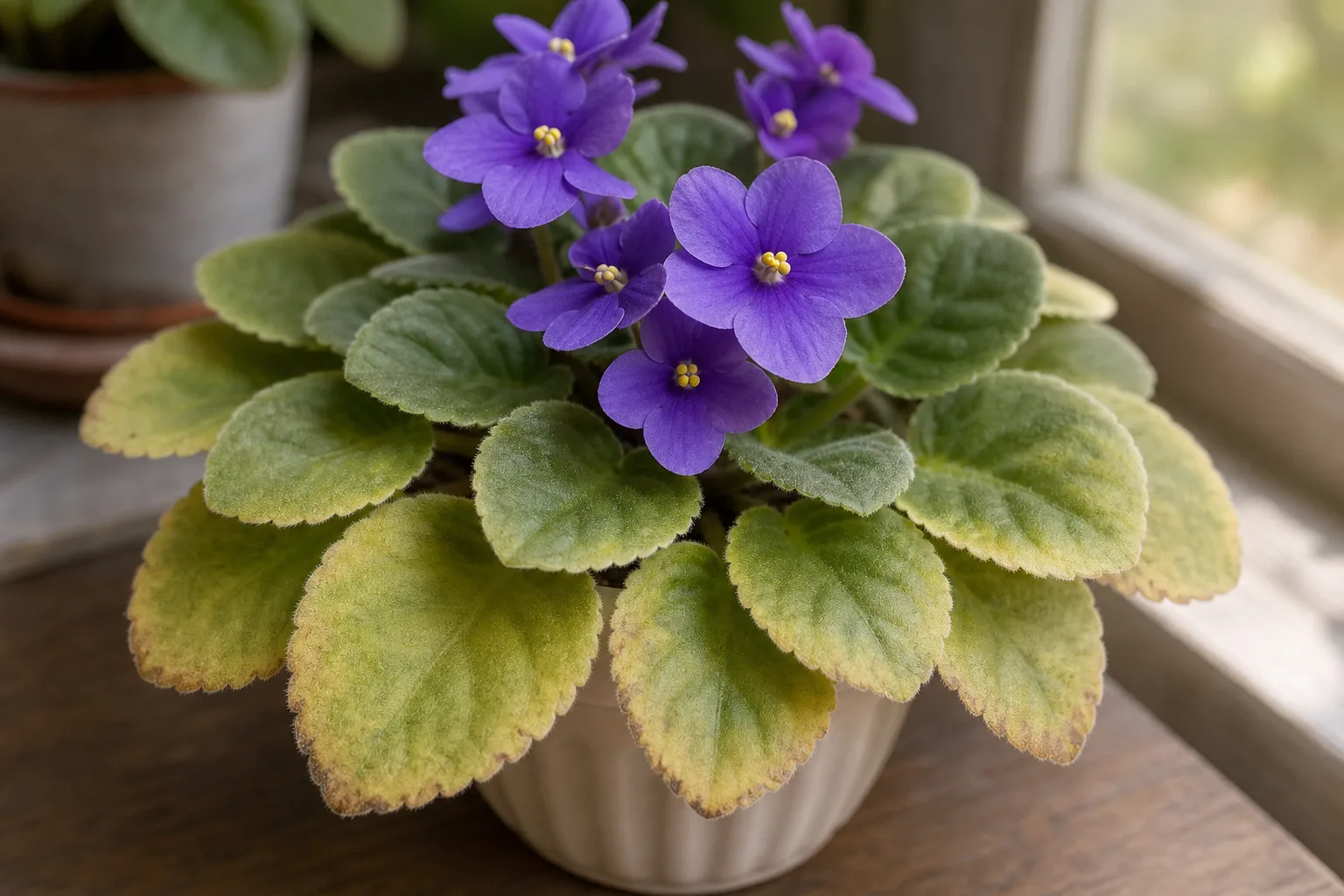 NutrientsNitrogen DeficiencyNutrient problems are often misdiagnosed as watering or light issues. Nitrogen Deficiency produces Older leaves turn pale yellow, growth becomes weak when plants cannot access or process nutrients correctly. Before adding more fertilizer, confirm whether you are dealing with deficiency, excess, or locked-out nutrients in old soil. Track weekly progress after you change care, and note watering, light, and repotting dates so you can tell whether the symptom is improving or returning. Compare upper versus lower leaves, new versus old growth, and soil moisture at root depth before you treat, because the same visible symptom can come from watering, light, pests, or normal aging on different plants.
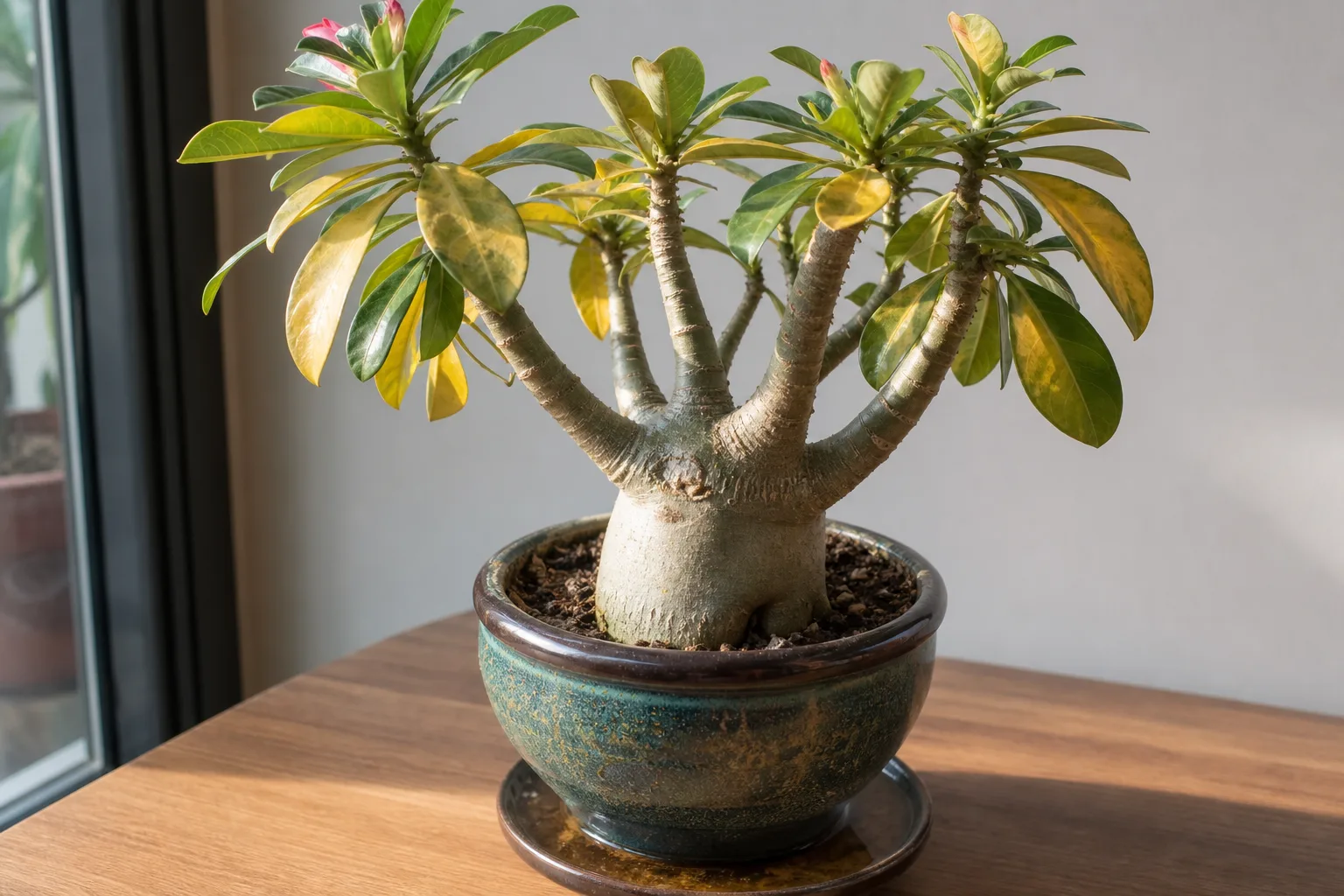 Pot / ContainerNo Drainage HoleThe container matters as much as soil and watering. No Drainage Hole with Water collects at bottom, causing root rot often means the pot is wrong sized, lacks holes, or traps water in a decorative outer shell. Track weekly progress after you change care, and note watering, light, and repotting dates so you can tell whether the symptom is improving or returning. Compare upper versus lower leaves, new versus old growth, and soil moisture at root depth before you treat, because the same visible symptom can come from watering, light, pests, or normal aging on different plants.
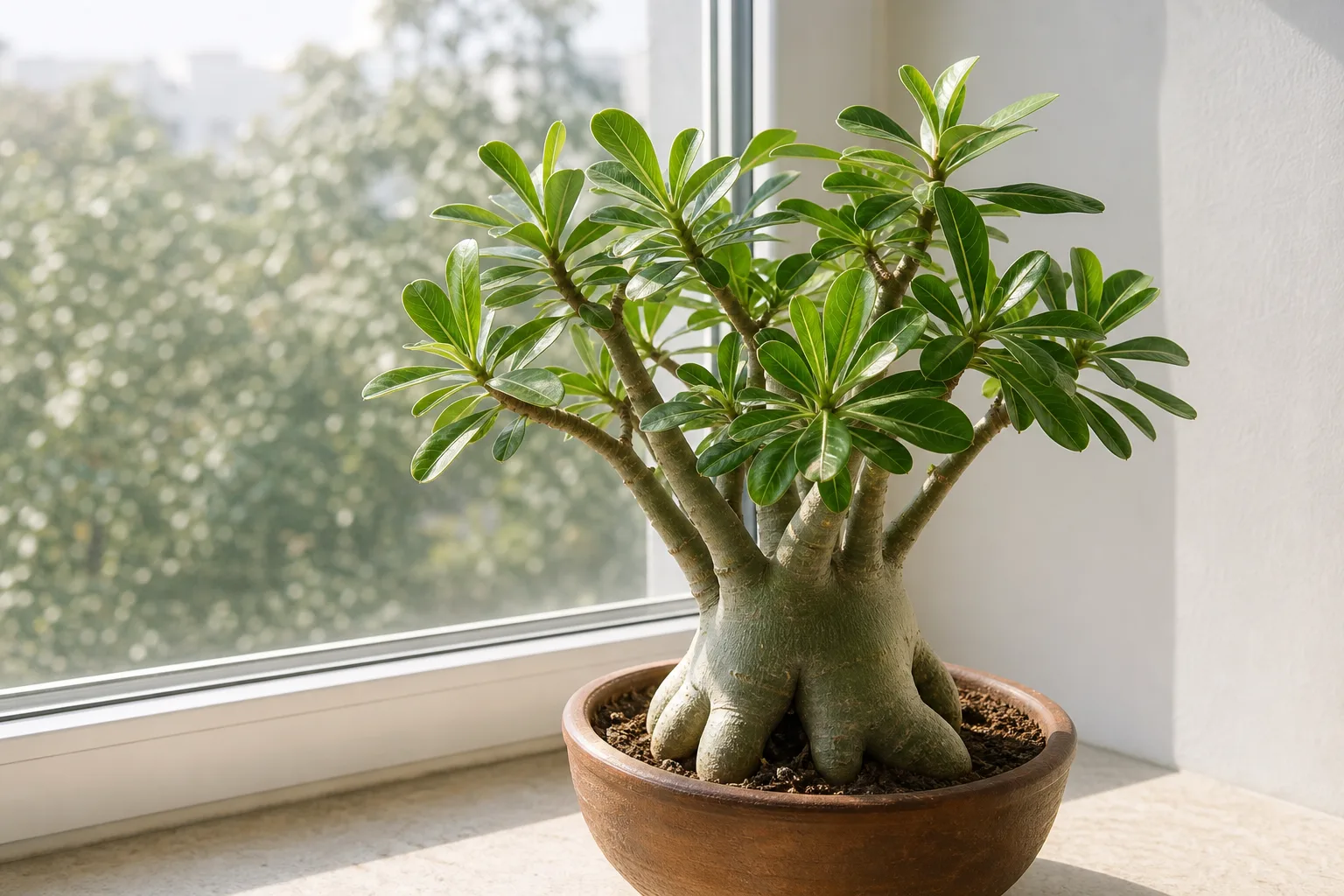 FloweringNo FlowersGetting houseplants to bloom indoors is tricky because homes rarely match native conditions. No Flowers with Plant grows leaves but does not bloom can mean the plant is too young, light is wrong, humidity shifted, or buds were stressed during shipping or repotting. Track weekly progress after you change care, and note watering, light, and repotting dates so you can tell whether the symptom is improving or returning. Compare upper versus lower leaves, new versus old growth, and soil moisture at root depth before you treat, because the same visible symptom can come from watering, light, pests, or normal aging on different plants.
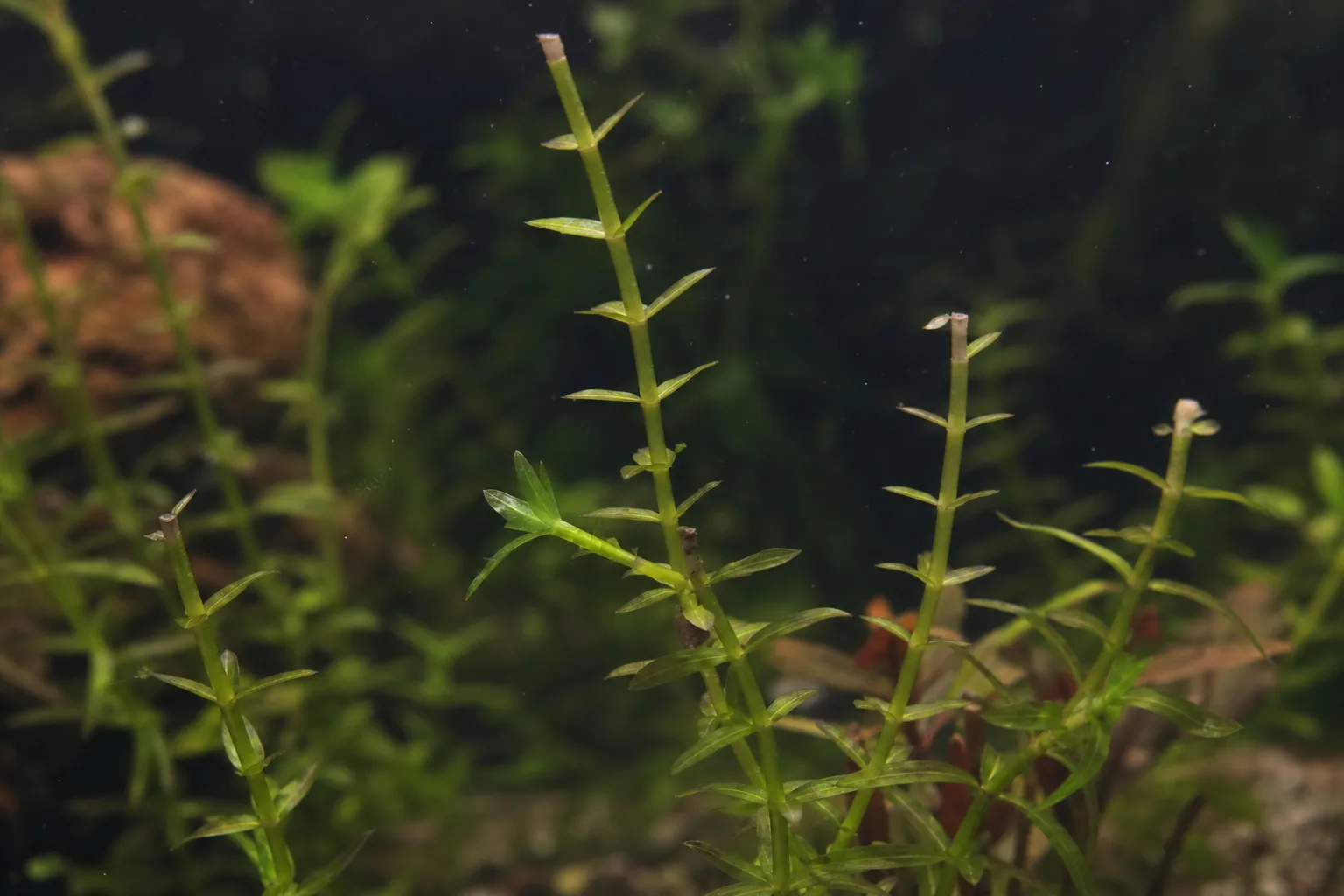 GrowthNo New GrowthNo new growth is a timing and context problem, not always a crisis. Many indoor plants pause naturally in winter, after repotting, or after a move. Concern starts when a plant should be growing but stays static for weeks or months while light, temperature, and watering are supposedly "normal." In that situation, the issue is usually not lack of motivation from the plant. It is an energy or root-zone bottleneck.
The most useful first distinction is seasonal rest versus true stall. A plant resting through short cool days may be behaving normally. A plant frozen in place during warm bright growing weather is not. To diagnose it well, look at light level, root space, recent stress, and whether the plant is maintaining healthy leaves or quietly declining while growth stays absent.
GrowthNo New GrowthNo new growth is a timing and context problem, not always a crisis. Many indoor plants pause naturally in winter, after repotting, or after a move. Concern starts when a plant should be growing but stays static for weeks or months while light, temperature, and watering are supposedly "normal." In that situation, the issue is usually not lack of motivation from the plant. It is an energy or root-zone bottleneck.
The most useful first distinction is seasonal rest versus true stall. A plant resting through short cool days may be behaving normally. A plant frozen in place during warm bright growing weather is not. To diagnose it well, look at light level, root space, recent stress, and whether the plant is maintaining healthy leaves or quietly declining while growth stays absent.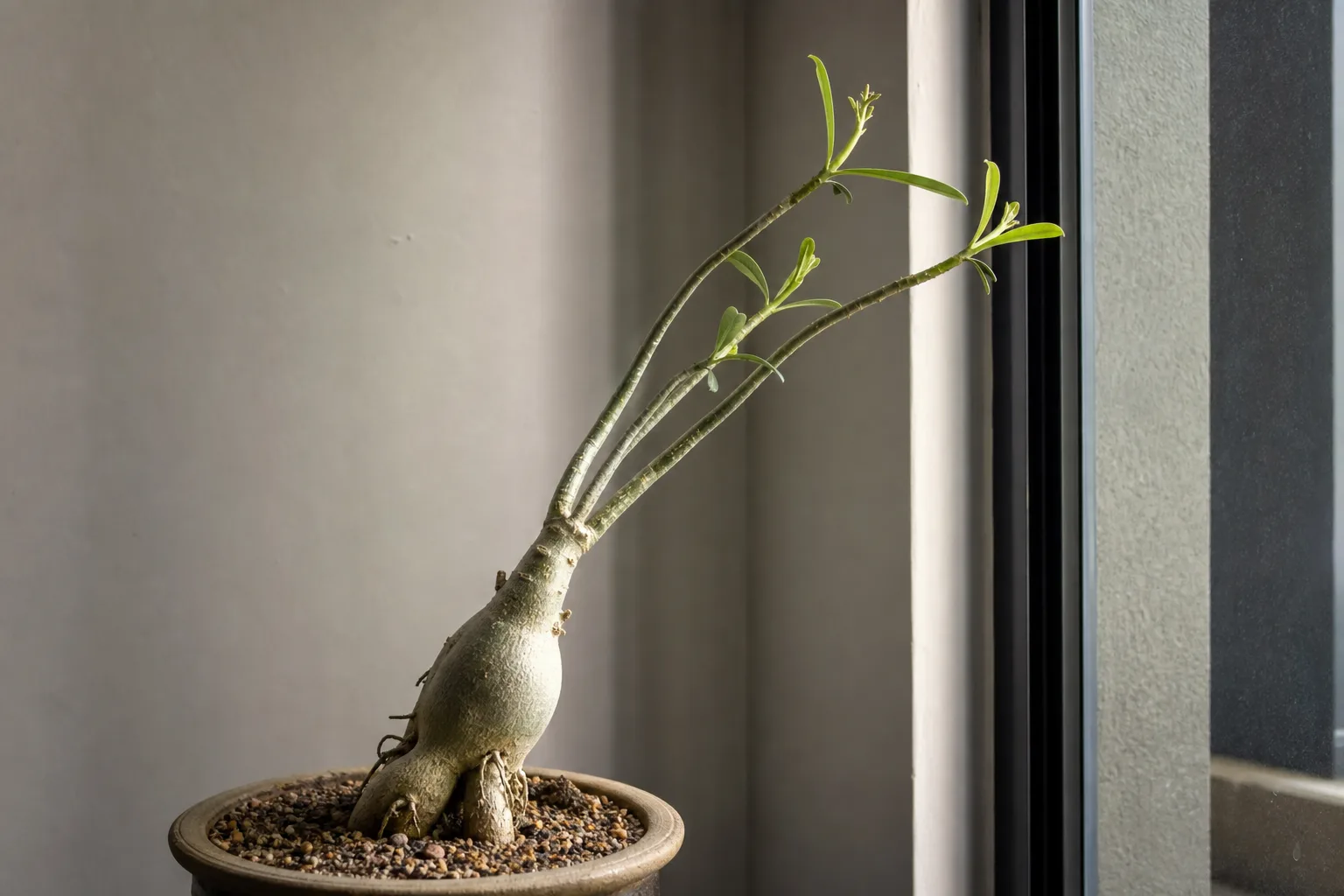 LightNot Enough Light'Light is the engine of houseplant health. Not Enough Light appears as Weak growth, small leaves, dull color, plant leaning toward light when a plant receives too little energy to thrive-or too much direct sun for its leaves to handle. Matching light to species prevents most leaf fade, stretch, and scorch issues indoors. Track weekly progress after you change care, and note watering, light, and repotting dates so you can tell whether the symptom is improving or returning.'. Compare upper versus lower leaves, new versus old growth, and soil moisture at root depth before you treat, because the same visible symptom can come from watering, light, pests, or normal aging on different plants.
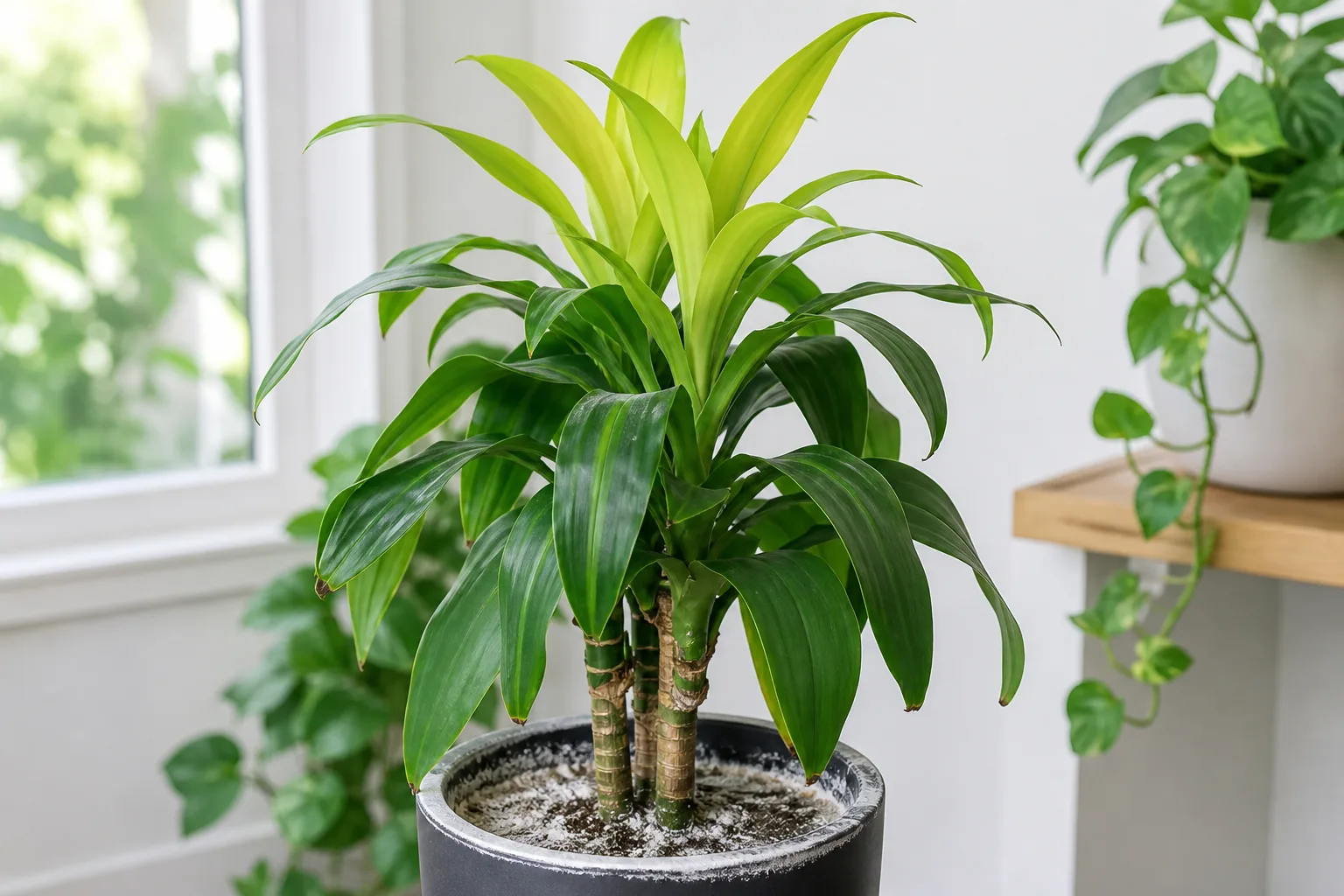 NutrientsNutrient LockoutNutrient lockout means the roots cannot take up available nutrients efficiently even though those nutrients are present in the pot. The plant can look deficient while the bag of fertilizer says everything should be covered. In containers, the usual drivers are root stress, stale compacted media, salt buildup, or a pH range that makes certain nutrients less available.
This is why blindly feeding more often can backfire. Extra fertilizer may raise the salt level without solving the uptake problem underneath. The better approach is to confirm the pattern on the leaves, check whether the root zone is stressed, and correct the medium or watering issue that is blocking uptake in the first place.
NutrientsNutrient LockoutNutrient lockout means the roots cannot take up available nutrients efficiently even though those nutrients are present in the pot. The plant can look deficient while the bag of fertilizer says everything should be covered. In containers, the usual drivers are root stress, stale compacted media, salt buildup, or a pH range that makes certain nutrients less available.
This is why blindly feeding more often can backfire. Extra fertilizer may raise the salt level without solving the uptake problem underneath. The better approach is to confirm the pattern on the leaves, check whether the root zone is stressed, and correct the medium or watering issue that is blocking uptake in the first place.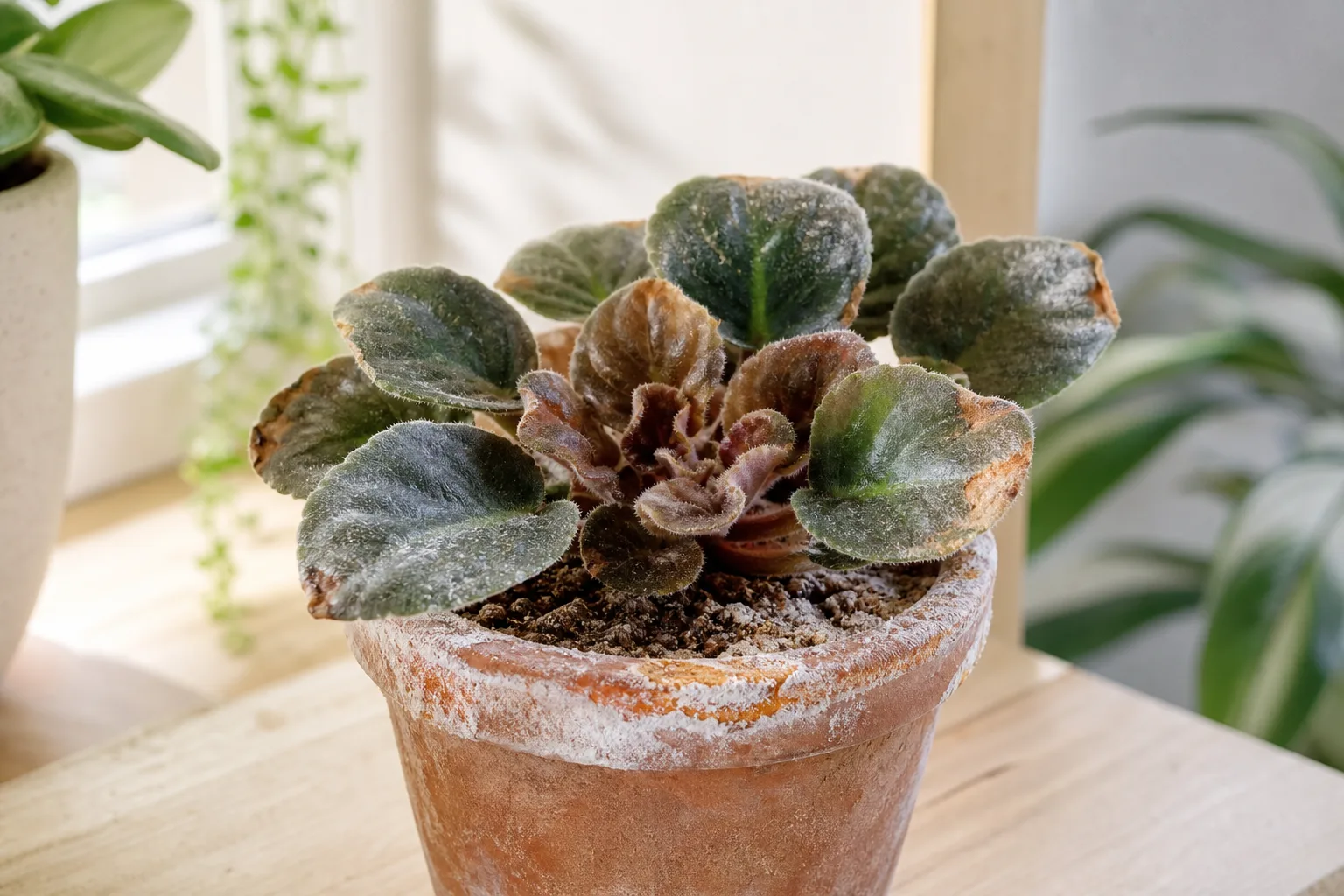 NutrientsOverfertilizationNutrient problems are often misdiagnosed as watering or light issues. Overfertilization produces Burnt tips, crispy edges, white crust on soil when plants cannot access or process nutrients correctly. Before adding more fertilizer, confirm whether you are dealing with deficiency, excess, or locked-out nutrients in old soil. Track weekly progress after you change care, and note watering, light, and repotting dates so you can tell whether the symptom is improving or returning. Compare upper versus lower leaves, new versus old growth, and soil moisture at root depth before you treat, because the same visible symptom can come from watering, light, pests, or normal aging on different plants.
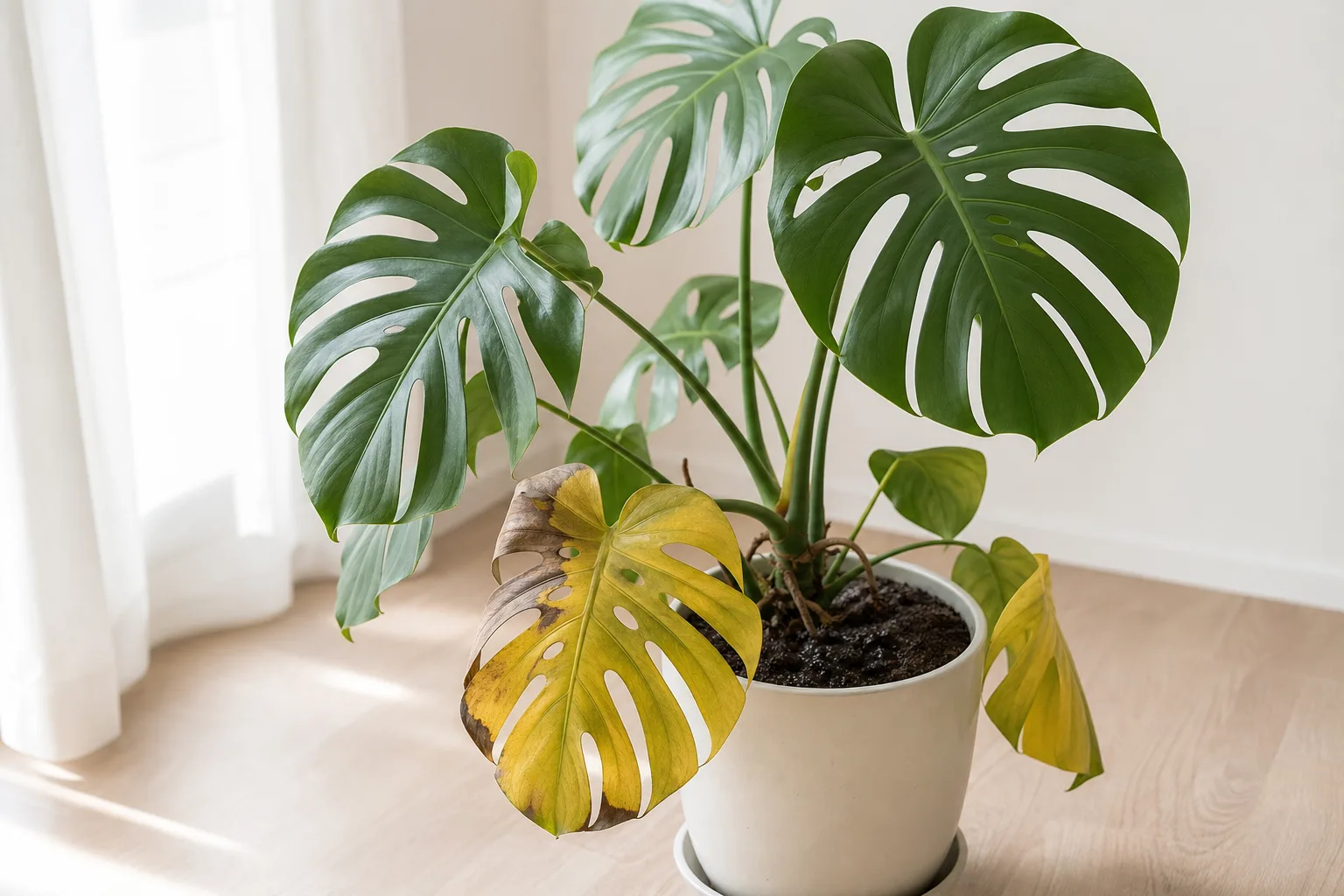 WateringOverwateringOverwatering is less about the number of ounces you pour and more about how long the root zone stays airless. Indoor pots dry at very different speeds based on light, temperature, pot size, and mix texture. A plant can wilt with wet soil because damaged roots are no longer moving water upward.
The best confirmation is the combination of persistent moisture and declining roots. If the pot stays heavy for days, smells sour, or the plant yellows while the mix is still wet, stop treating it as a thirsty plant and inspect the root zone before watering again.
WateringOverwateringOverwatering is less about the number of ounces you pour and more about how long the root zone stays airless. Indoor pots dry at very different speeds based on light, temperature, pot size, and mix texture. A plant can wilt with wet soil because damaged roots are no longer moving water upward.
The best confirmation is the combination of persistent moisture and declining roots. If the pot stays heavy for days, smells sour, or the plant yellows while the mix is still wet, stop treating it as a thirsty plant and inspect the root zone before watering again.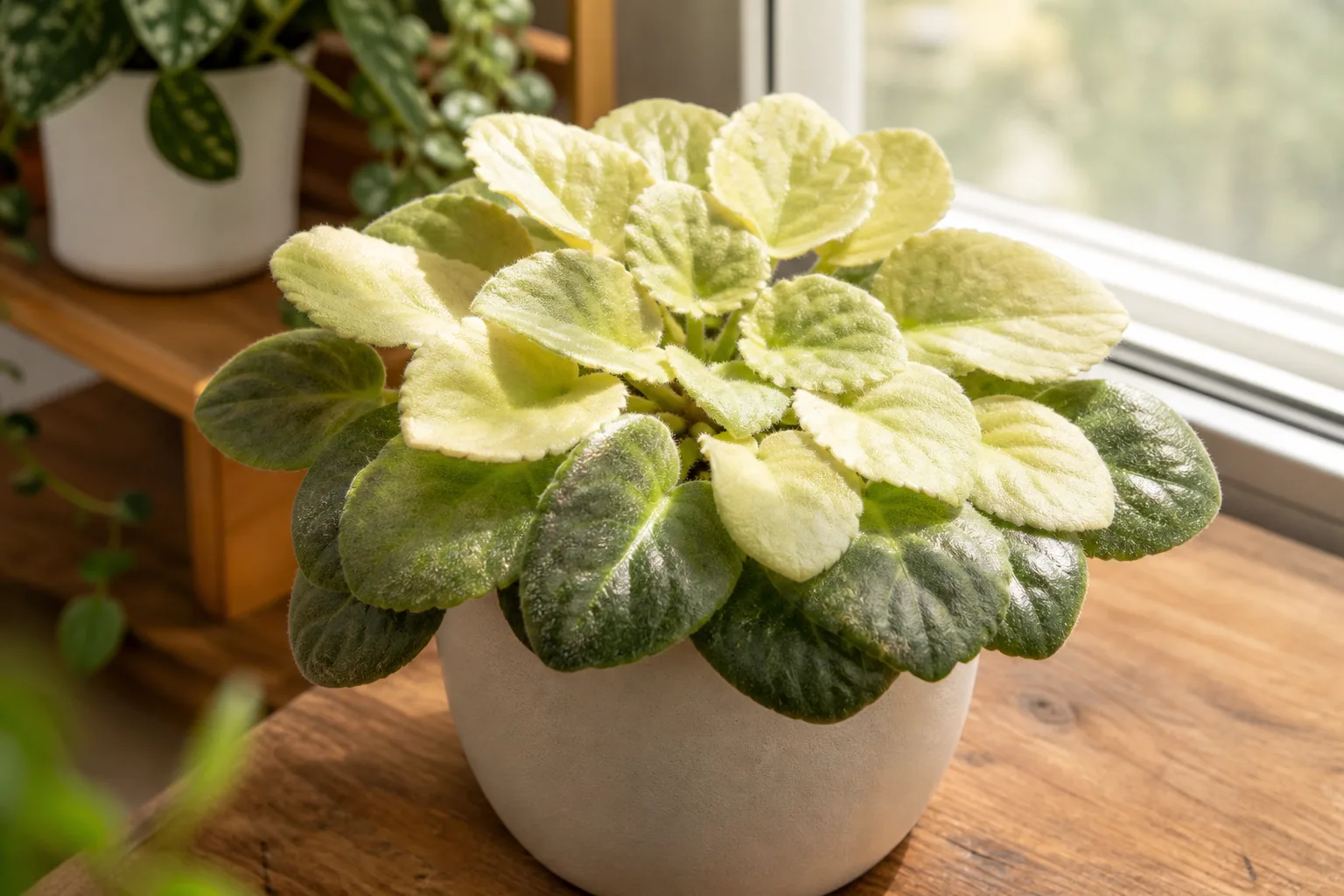 LeavesPale Leaves'Leaf problems are often the first sign something is off with a houseplant. Pale Leaves can look alarming, but the fix depends on where symptoms start, how fast they spread, and what the soil and roots are doing. This guide walks through how to identify Leaves become light green, yellowish, or faded, rule out look-alikes, and treat the underlying cause. Track weekly progress after you change care, and note watering, light, and repotting dates so you can tell whether the symptom is improving or returning.'. Compare upper versus lower leaves, new versus old growth, and soil moisture at root depth before you treat, because the same visible symptom can come from watering, light, pests, or normal aging on different plants.
 GrowthPlant LeaningWhen a houseplant stops producing new leaves or stems look weak, owners often assume fertilizer is the fix. Plant Leaning with Plant bends strongly toward light or becomes unstable usually traces to light, roots, temperature, or season. This guide helps you distinguish normal slow periods from problems that need intervention. Track weekly progress after you change care, and note watering, light, and repotting dates so you can tell whether the symptom is improving or returning. Compare upper versus lower leaves, new versus old growth, and soil moisture at root depth before you treat, because the same visible symptom can come from watering, light, pests, or normal aging on different plants.
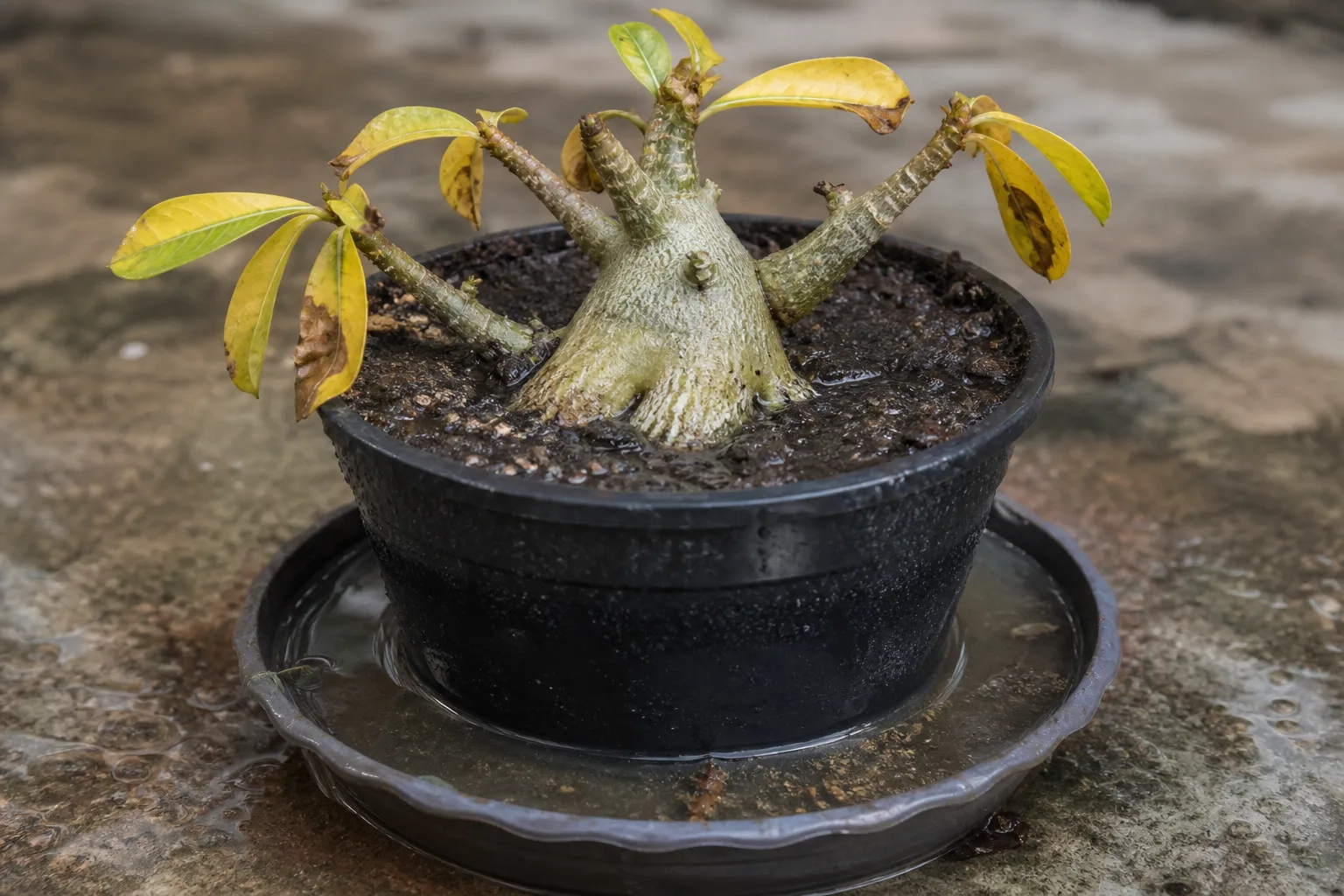 SoilPoor DrainagePotting mix is the foundation of houseplant health. When you see Soil stays wet too long, root rot risk increases, the soil may be holding too much water, repelling water, or locking out nutrients. Fixing Poor Drainage often means adjusting mix, pot size, or watering habits-not just treating leaves. Track weekly progress after you change care, and note watering, light, and repotting dates so you can tell whether the symptom is improving or returning. Compare upper versus lower leaves, new versus old growth, and soil moisture at root depth before you treat, because the same visible symptom can come from watering, light, pests, or normal aging on different plants.
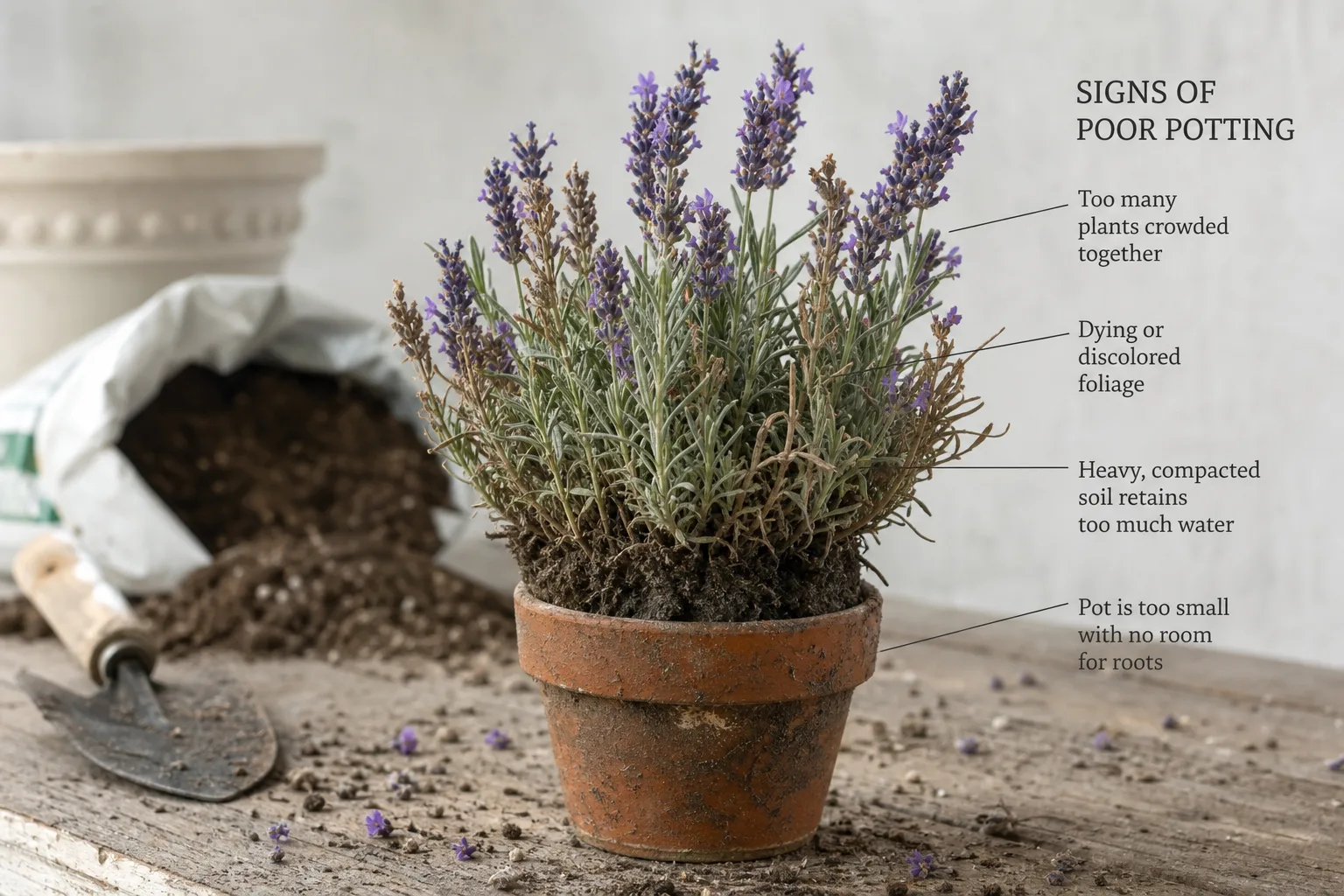 Pot / ContainerPoor Potting SetupThe container matters as much as soil and watering. Poor Potting Setup with Wrong pot size, drainage, or soil combination causes decline often means the pot is wrong sized, lacks holes, or traps water in a decorative outer shell. Track weekly progress after you change care, and note watering, light, and repotting dates so you can tell whether the symptom is improving or returning. Compare upper versus lower leaves, new versus old growth, and soil moisture at root depth before you treat, because the same visible symptom can come from watering, light, pests, or normal aging on different plants.
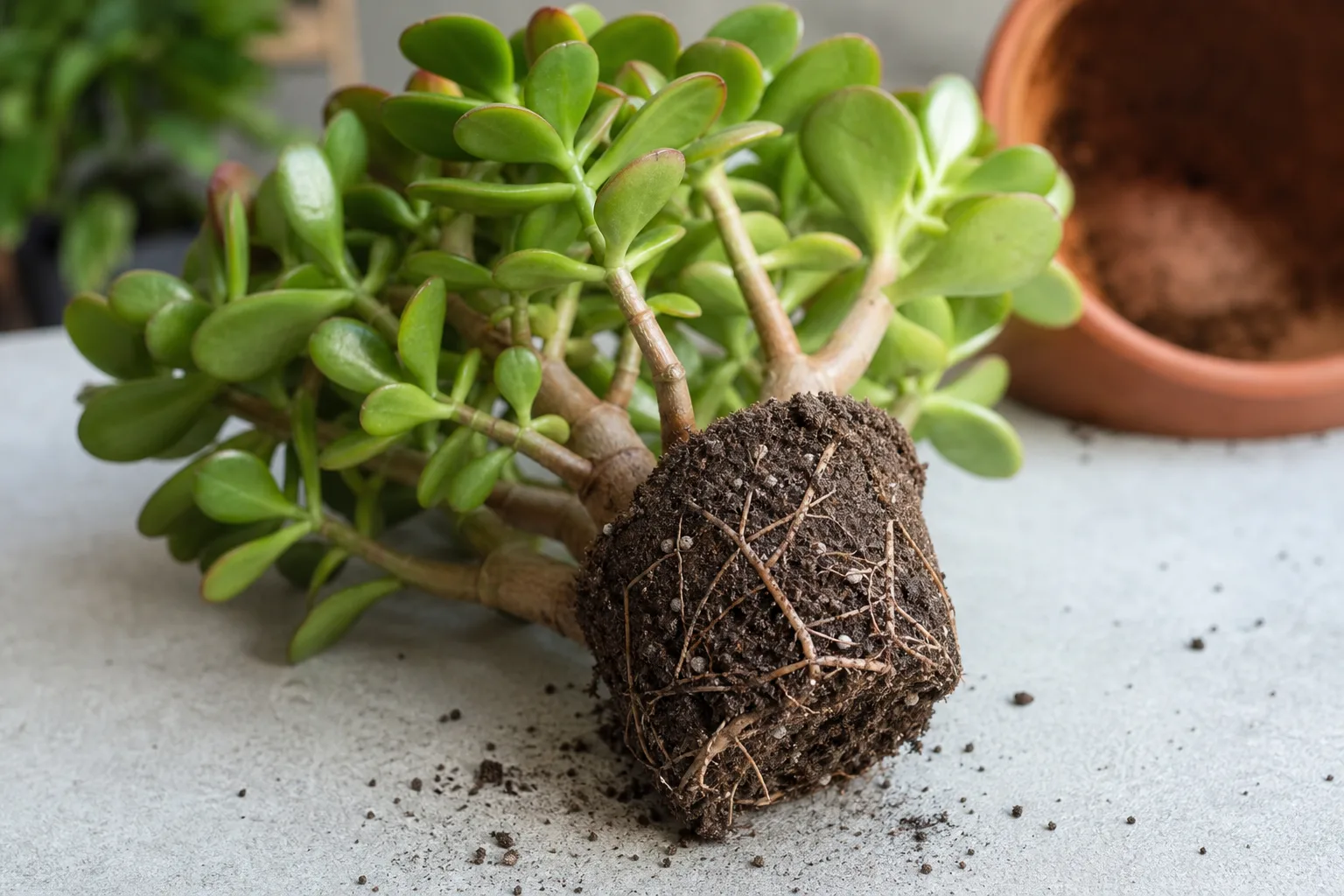 RootsPoor Root GrowthRoot health determines everything above the soil. Poor Root Growth produces Small, weak, or underdeveloped root system when roots suffocate, rot, dry out, or run out of space. Because damage is hidden, owners often treat leaves while the real problem sits in the pot. Track weekly progress after you change care, and note watering, light, and repotting dates so you can tell whether the symptom is improving or returning. Compare upper versus lower leaves, new versus old growth, and soil moisture at root depth before you treat, because the same visible symptom can come from watering, light, pests, or normal aging on different plants.
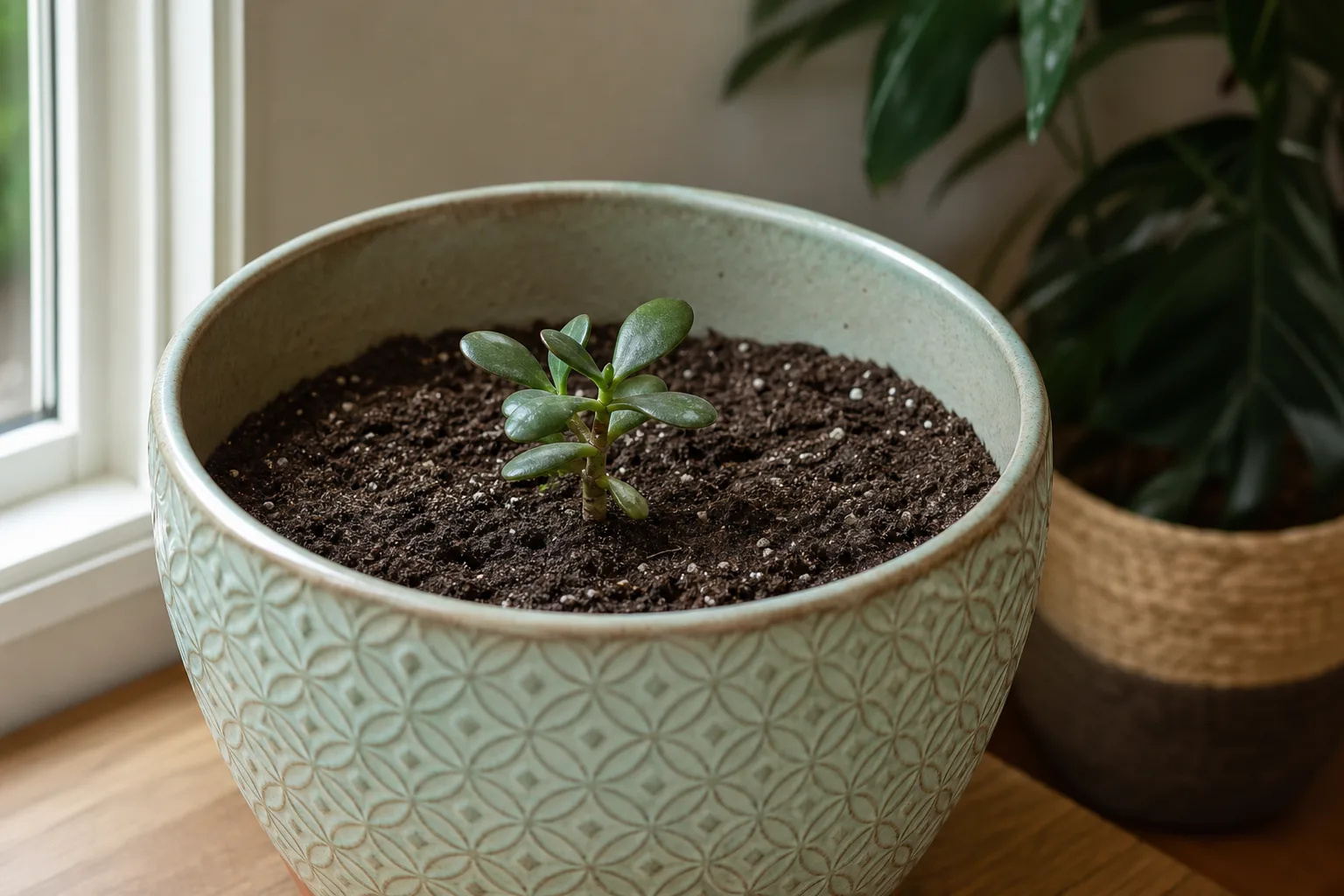 Pot / ContainerPot Too LargeThe container matters as much as soil and watering. Pot Too Large with Soil stays wet too long, root rot risk increases often means the pot is wrong sized, lacks holes, or traps water in a decorative outer shell. Track weekly progress after you change care, and note watering, light, and repotting dates so you can tell whether the symptom is improving or returning. Compare upper versus lower leaves, new versus old growth, and soil moisture at root depth before you treat, because the same visible symptom can come from watering, light, pests, or normal aging on different plants.
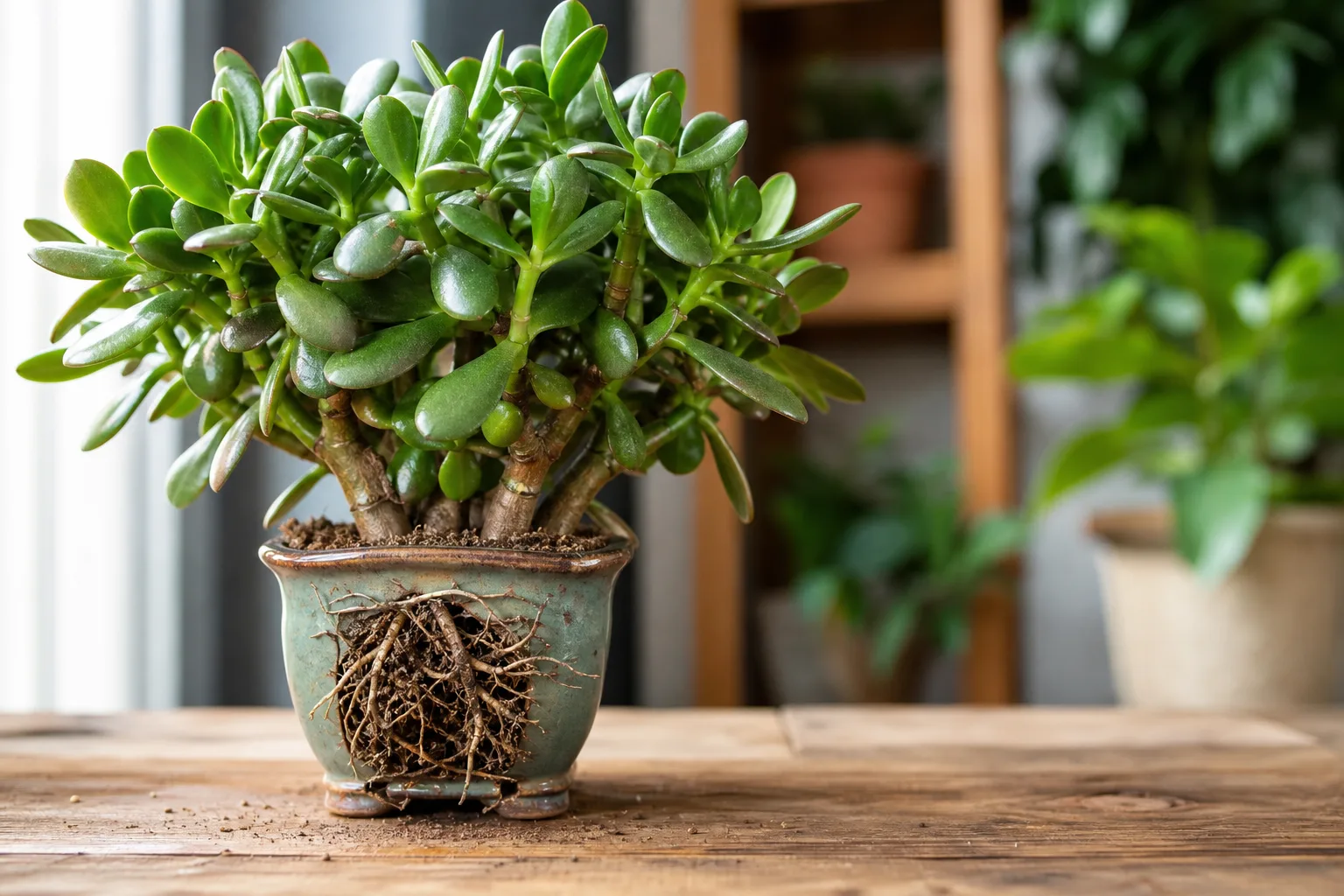 Pot / ContainerPot Too SmallThe container matters as much as soil and watering. Pot Too Small with Roots crowded, plant dries quickly, growth slows often means the pot is wrong sized, lacks holes, or traps water in a decorative outer shell. Track weekly progress after you change care, and note watering, light, and repotting dates so you can tell whether the symptom is improving or returning. Compare upper versus lower leaves, new versus old growth, and soil moisture at root depth before you treat, because the same visible symptom can come from watering, light, pests, or normal aging on different plants.
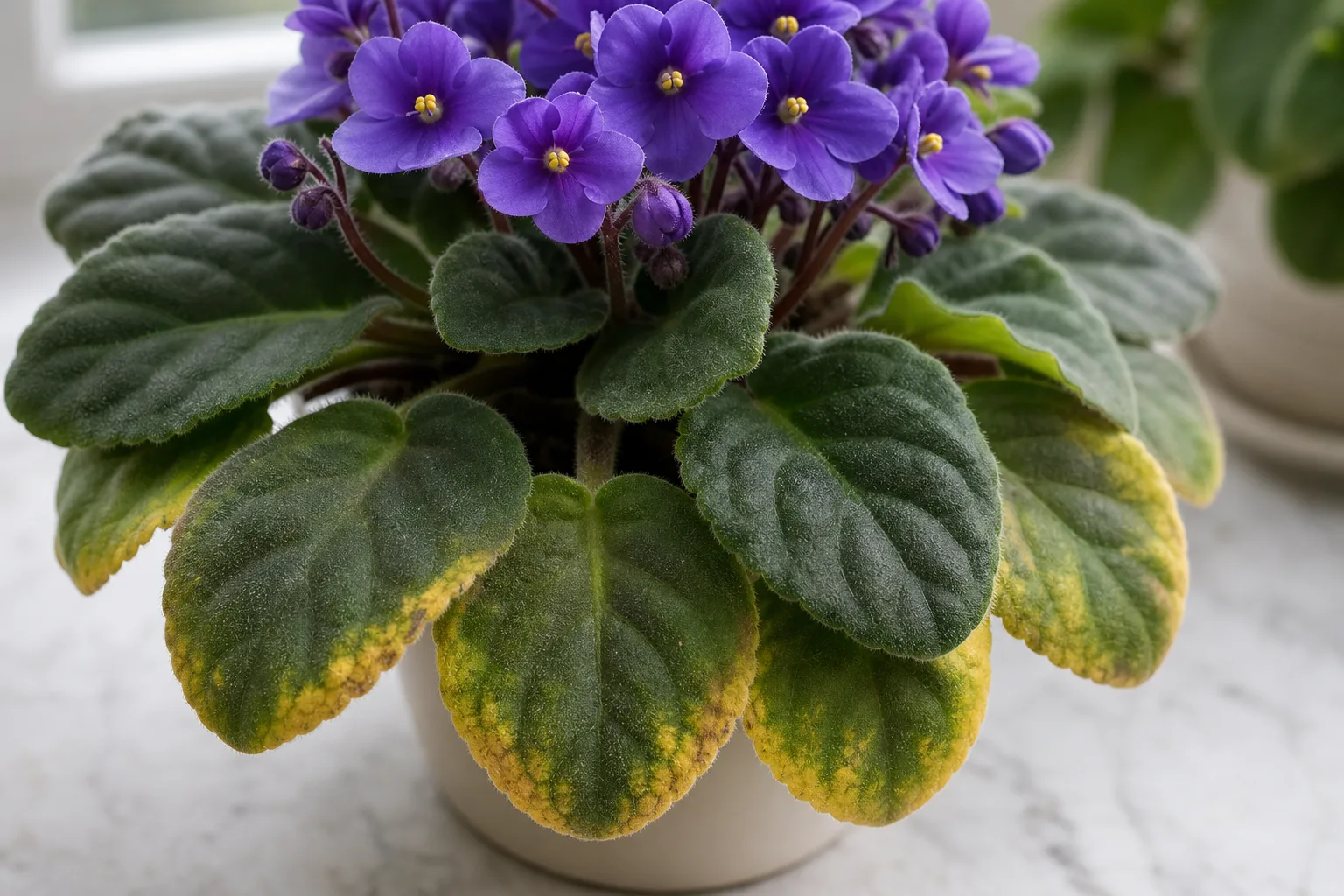 NutrientsPotassium DeficiencyNutrient problems are often misdiagnosed as watering or light issues. Potassium Deficiency produces Brown leaf edges, weak stems, poor flowering when plants cannot access or process nutrients correctly. Before adding more fertilizer, confirm whether you are dealing with deficiency, excess, or locked-out nutrients in old soil. Track weekly progress after you change care, and note watering, light, and repotting dates so you can tell whether the symptom is improving or returning. Compare upper versus lower leaves, new versus old growth, and soil moisture at root depth before you treat, because the same visible symptom can come from watering, light, pests, or normal aging on different plants.
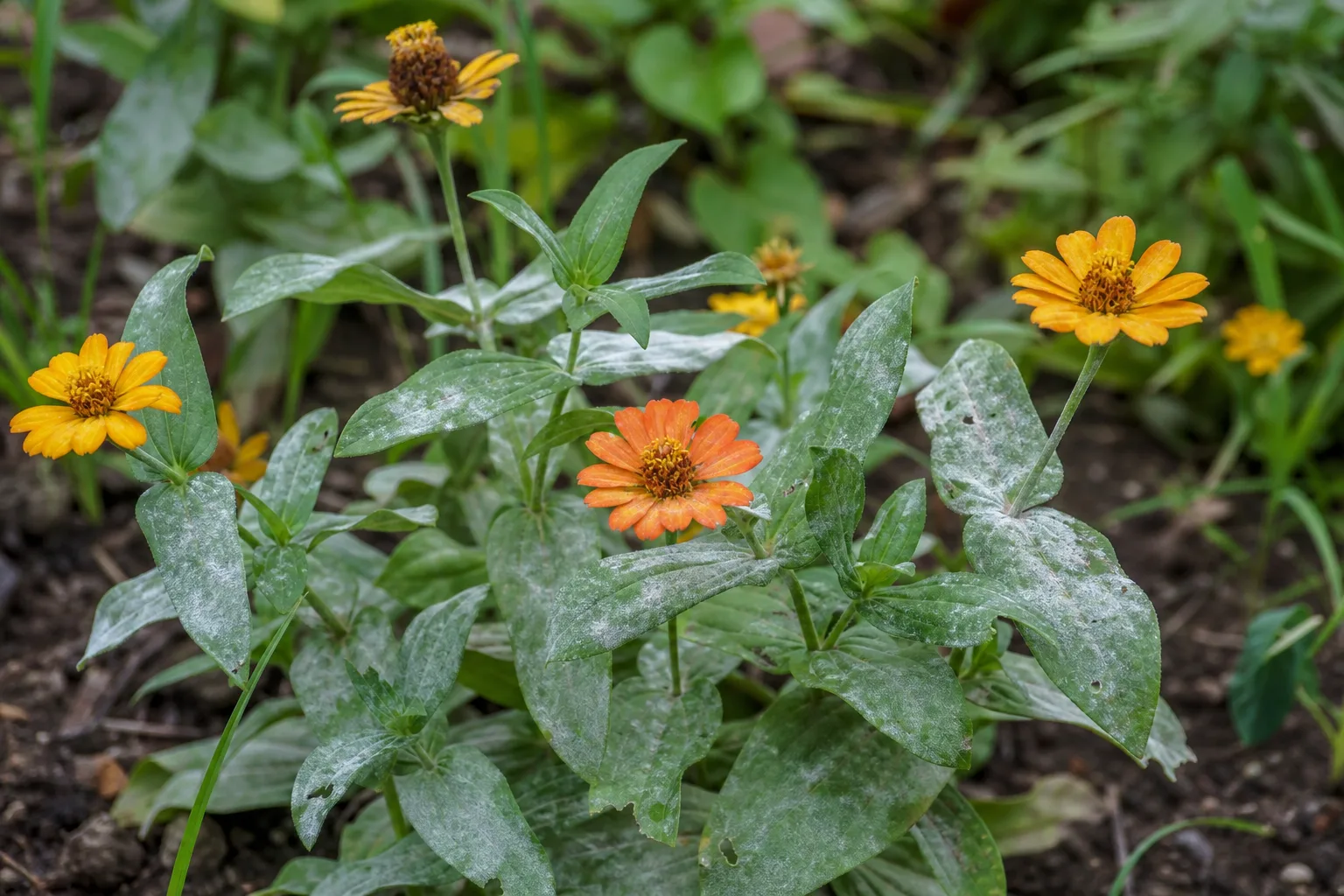 DiseasePowdery MildewPowdery mildew is one of the easier indoor plant diseases to recognize because it sits on the leaf surface like white dust or flour. It usually begins as small spots, then spreads into a broader coating that dulls leaves and slows growth. Susceptible houseplants include African violets, begonias, ivy, jade, kalanchoe, poinsettia, and rosemary.
The main job is to confirm that the white coating is living mildew rather than hard-water residue, dust, or mealybug wax. Mildew spreads across leaf surfaces and often returns after wiping if conditions stay favorable. Residue or mineral spots do not behave that way.
DiseasePowdery MildewPowdery mildew is one of the easier indoor plant diseases to recognize because it sits on the leaf surface like white dust or flour. It usually begins as small spots, then spreads into a broader coating that dulls leaves and slows growth. Susceptible houseplants include African violets, begonias, ivy, jade, kalanchoe, poinsettia, and rosemary.
The main job is to confirm that the white coating is living mildew rather than hard-water residue, dust, or mealybug wax. Mildew spreads across leaf surfaces and often returns after wiping if conditions stay favorable. Residue or mineral spots do not behave that way.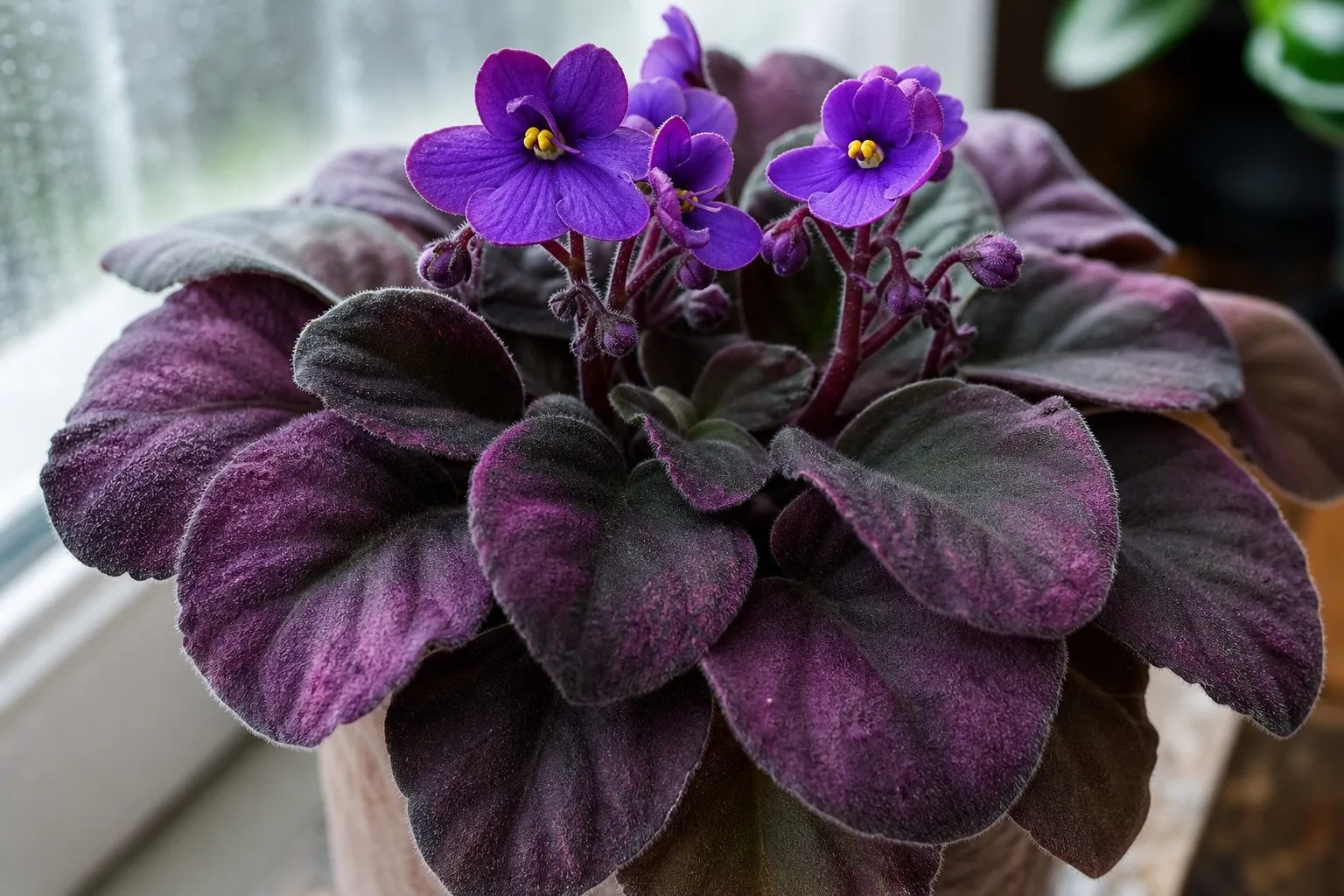 LeavesPurple Leaves'Leaf problems are often the first sign something is off with a houseplant. Purple Leaves can look alarming, but the fix depends on where symptoms start, how fast they spread, and what the soil and roots are doing. This guide walks through how to identify Purple or reddish tint due to stress, cold, or phosphorus deficiency, rule out look-alikes, and treat the underlying cause. Track weekly progress after you change care, and note watering, light, and repotting dates so you can tell whether the symptom is improving or returning.'. Compare upper versus lower leaves, new versus old growth, and soil moisture at root depth before you treat, because the same visible symptom can come from watering, light, pests, or normal aging on different plants.
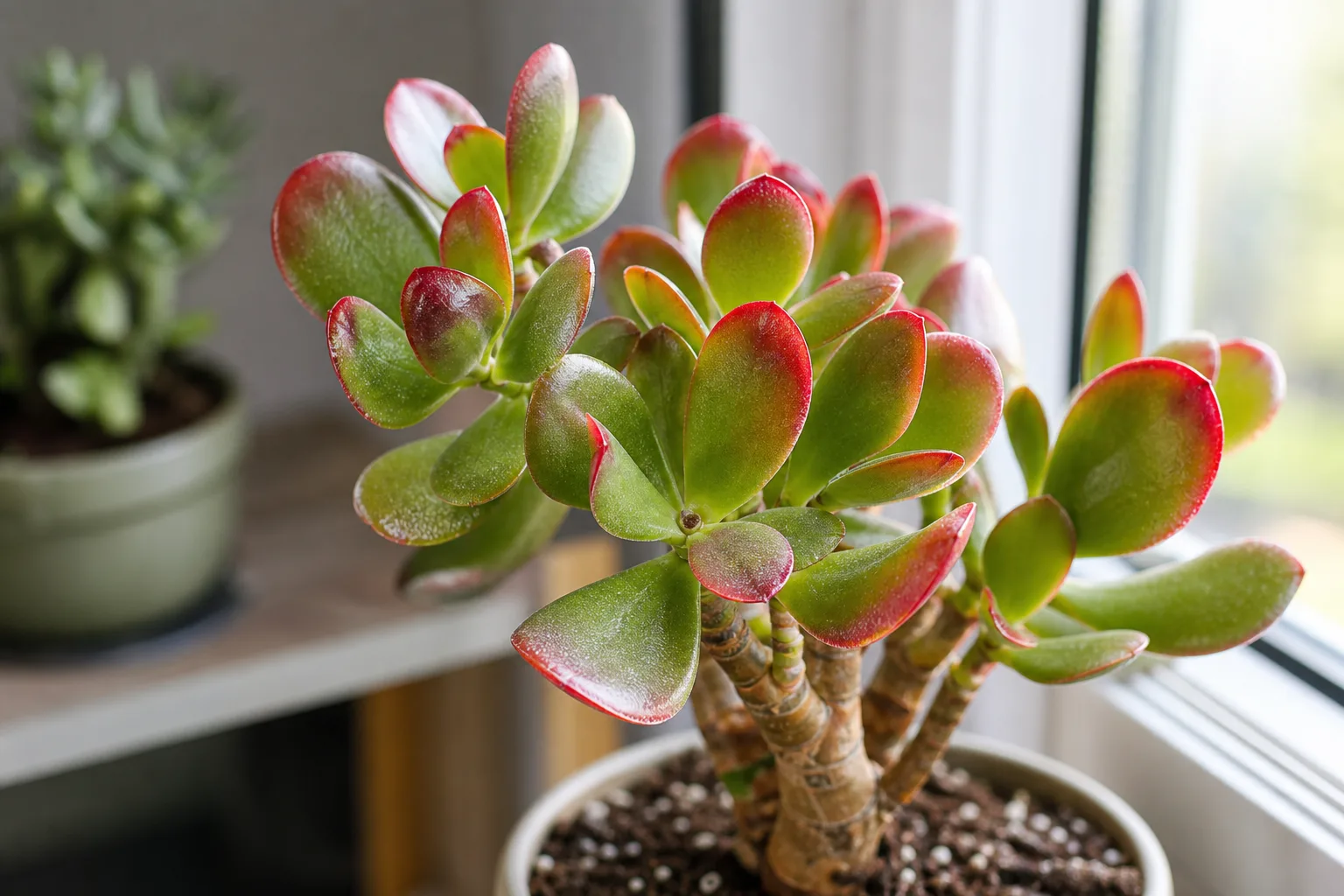 LeavesRed Leaves'Leaf problems are often the first sign something is off with a houseplant. Red Leaves can look alarming, but the fix depends on where symptoms start, how fast they spread, and what the soil and roots are doing. This guide walks through how to identify Red discoloration from stress, light, cold, or nutrient imbalance, rule out look-alikes, and treat the underlying cause. Track weekly progress after you change care, and note watering, light, and repotting dates so you can tell whether the symptom is improving or returning.'. Compare upper versus lower leaves, new versus old growth, and soil moisture at root depth before you treat, because the same visible symptom can come from watering, light, pests, or normal aging on different plants.
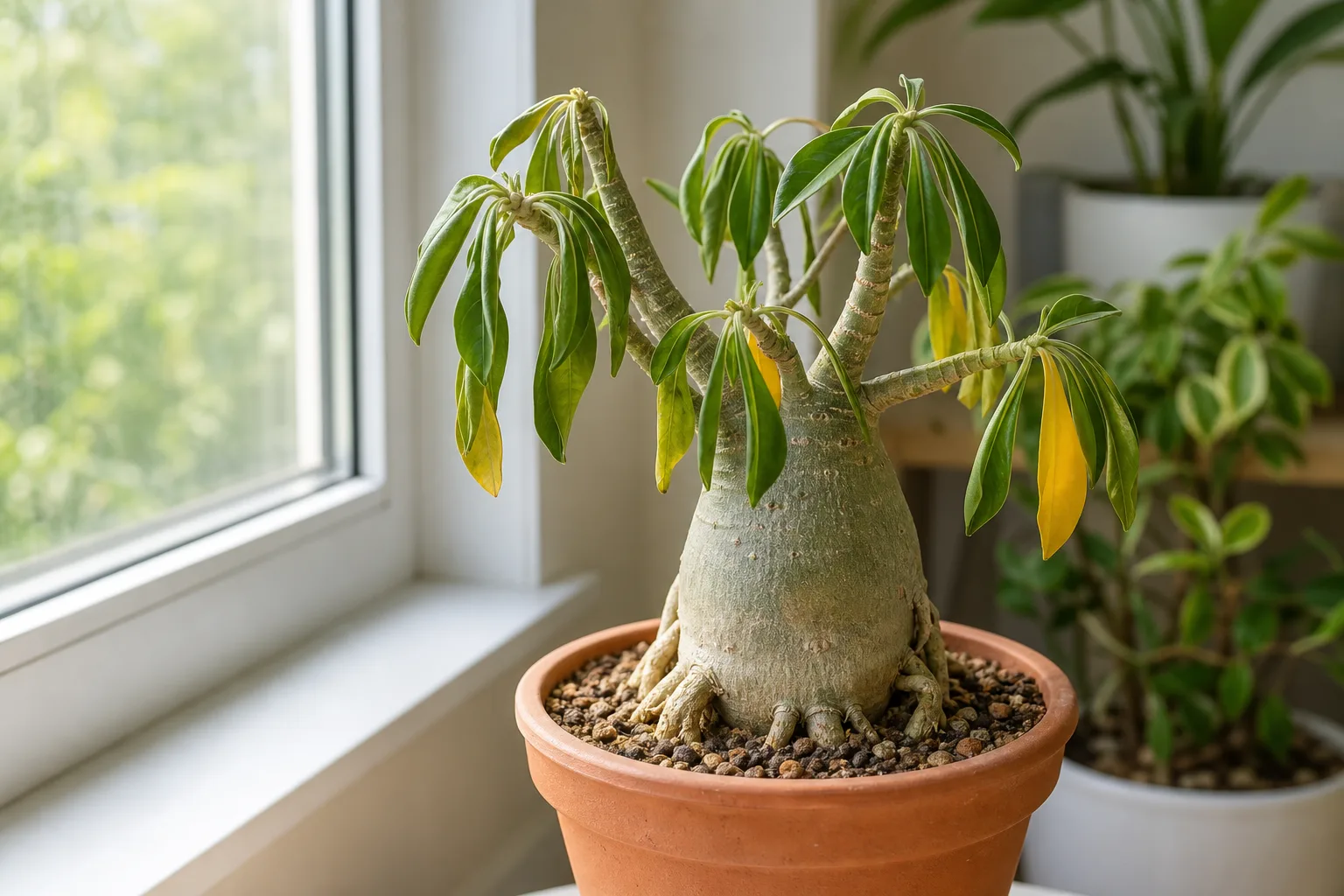 EnvironmentRepotting StressHomes are not greenhouses. Repotting Stress appears when humidity, temperature, or air movement falls outside what your plant tolerates. Drooping or slowed growth after moving to a new pot after a move, heat wave, or dry winter often points to environment-not necessarily wrong watering. Track weekly progress after you change care, and note watering, light, and repotting dates so you can tell whether the symptom is improving or returning. Compare upper versus lower leaves, new versus old growth, and soil moisture at root depth before you treat, because the same visible symptom can come from watering, light, pests, or normal aging on different plants.
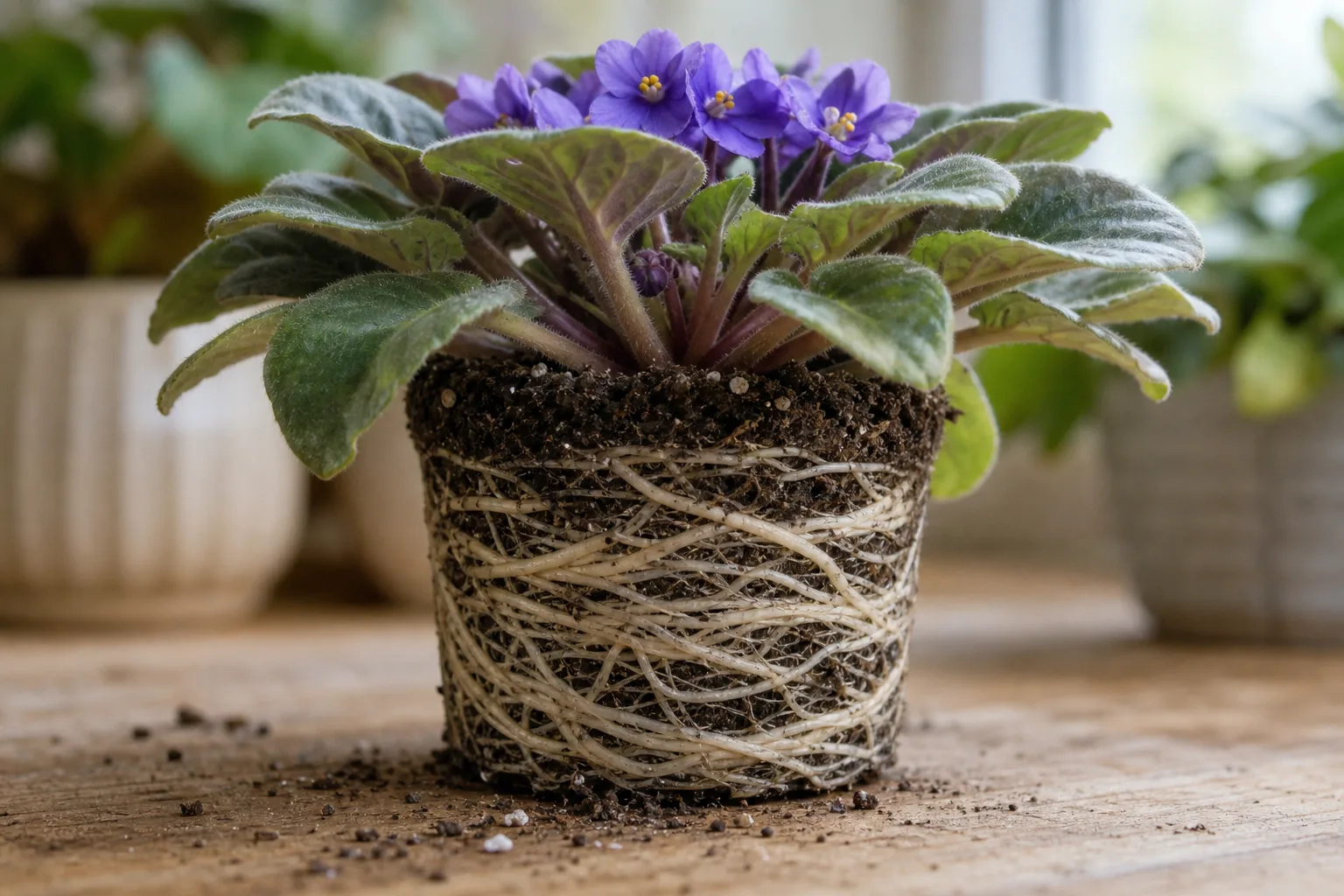 RootsRoot BoundA root-bound plant has outgrown its container enough that roots circle densely around the root ball and there is too little loose media left to buffer water, air, and nutrients. The symptom does not usually begin as dramatic leaf damage. It starts with a plant that dries out too fast, stops sizing up, needs watering more often than it used to, or pushes roots from the drainage holes because there is nowhere else to go.
Root-bound is not the same as root rot. A crowded root ball can still have healthy roots. The job is to decide whether the plant is merely snug, truly pot-bound, or already suffering from dehydration and stalled growth because the container is too full of roots to function well.
RootsRoot BoundA root-bound plant has outgrown its container enough that roots circle densely around the root ball and there is too little loose media left to buffer water, air, and nutrients. The symptom does not usually begin as dramatic leaf damage. It starts with a plant that dries out too fast, stops sizing up, needs watering more often than it used to, or pushes roots from the drainage holes because there is nowhere else to go.
Root-bound is not the same as root rot. A crowded root ball can still have healthy roots. The job is to decide whether the plant is merely snug, truly pot-bound, or already suffering from dehydration and stalled growth because the container is too full of roots to function well.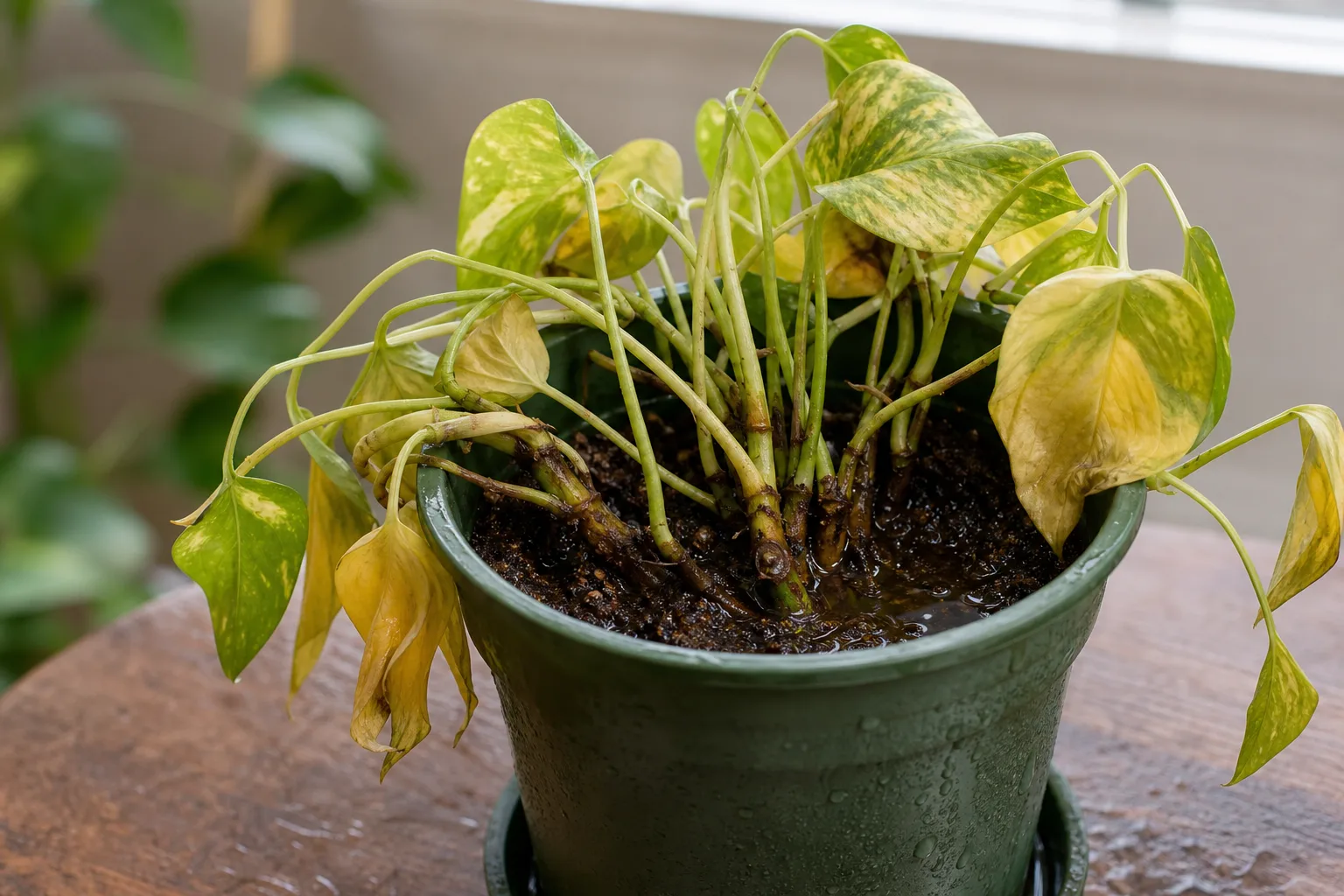 RootsRoot RotRoot rot is a high-risk condition caused by oxygen-starved, waterlogged roots that become vulnerable to decay organisms. The confusing part is that plants with root rot often look thirsty above soil: drooping, yellowing, and limp leaves can appear even when the pot is wet. This happens because damaged roots cannot move water to foliage. Without intervention, decline can accelerate quickly.
Recovery depends on speed and decisiveness. Mild cases can rebound with improved aeration and watering control, while moderate to severe cases require root pruning and repotting into fresh, well-draining media. Waiting for the soil to dry alone is rarely enough once roots have decayed. The key is to remove dead tissue, restore oxygen around remaining roots, and prevent repeat saturation. New healthy roots are the true sign of recovery, and that can take several weeks depending on plant vigor and season.
RootsRoot RotRoot rot is a high-risk condition caused by oxygen-starved, waterlogged roots that become vulnerable to decay organisms. The confusing part is that plants with root rot often look thirsty above soil: drooping, yellowing, and limp leaves can appear even when the pot is wet. This happens because damaged roots cannot move water to foliage. Without intervention, decline can accelerate quickly.
Recovery depends on speed and decisiveness. Mild cases can rebound with improved aeration and watering control, while moderate to severe cases require root pruning and repotting into fresh, well-draining media. Waiting for the soil to dry alone is rarely enough once roots have decayed. The key is to remove dead tissue, restore oxygen around remaining roots, and prevent repeat saturation. New healthy roots are the true sign of recovery, and that can take several weeks depending on plant vigor and season.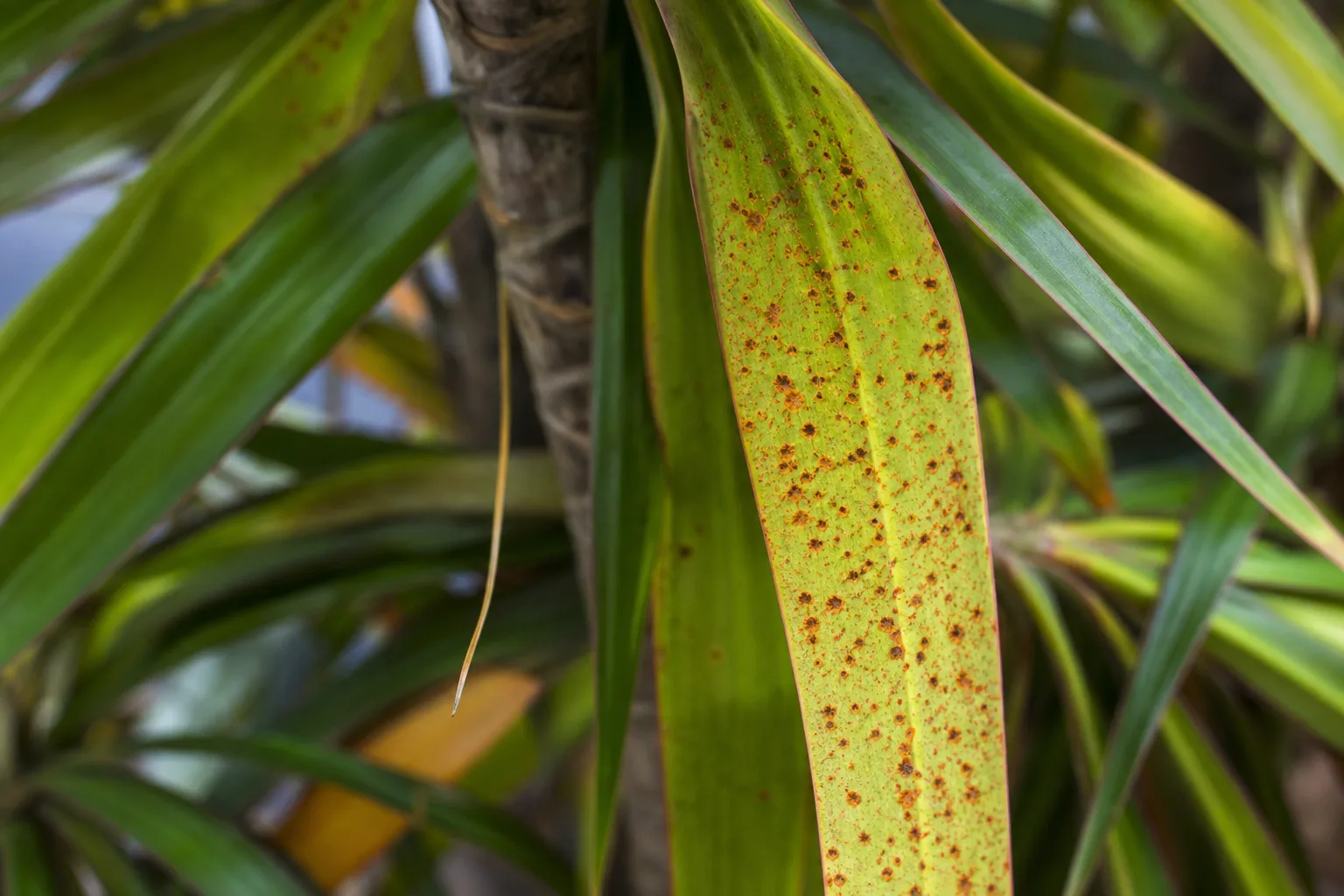 DiseaseRust DiseaseIndoor plant diseases are usually fungal or bacterial infections favored by moisture on leaves and poor ventilation. Rust Disease can weaken growth and spread to nearby plants if ignored. Use Orange, yellow, or brown powdery spots under leaves as your starting point, then confirm whether you are dealing with infection, physical damage, or care stress. Track weekly progress after you change care, and note watering, light, and repotting dates so you can tell whether the symptom is improving or returning. Compare upper versus lower leaves, new versus old growth, and soil moisture at root depth before you treat, because the same visible symptom can come from watering, light, pests, or normal aging on different plants.
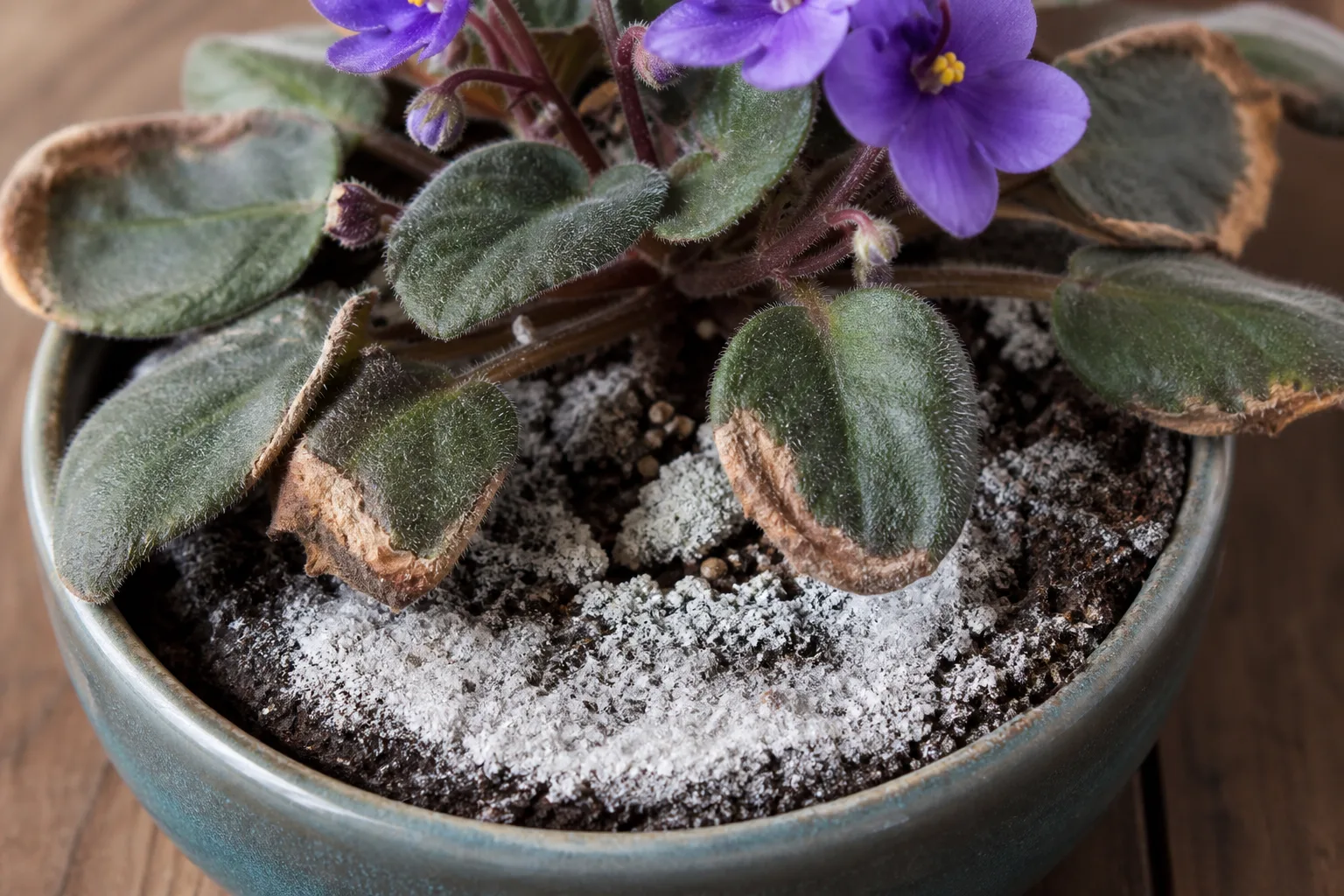 SoilSalt Build-up'Potting mix is the foundation of houseplant health. When you see White crust on soil or pot edges, brown leaf tips, the soil may be holding too much water, repelling water, or locking out nutrients. Fixing Salt Build-up often means adjusting mix, pot size, or watering habits-not just treating leaves. Track weekly progress after you change care, and note watering, light, and repotting dates so you can tell whether the symptom is improving or returning.'. Compare upper versus lower leaves, new versus old growth, and soil moisture at root depth before you treat, because the same visible symptom can come from watering, light, pests, or normal aging on different plants.
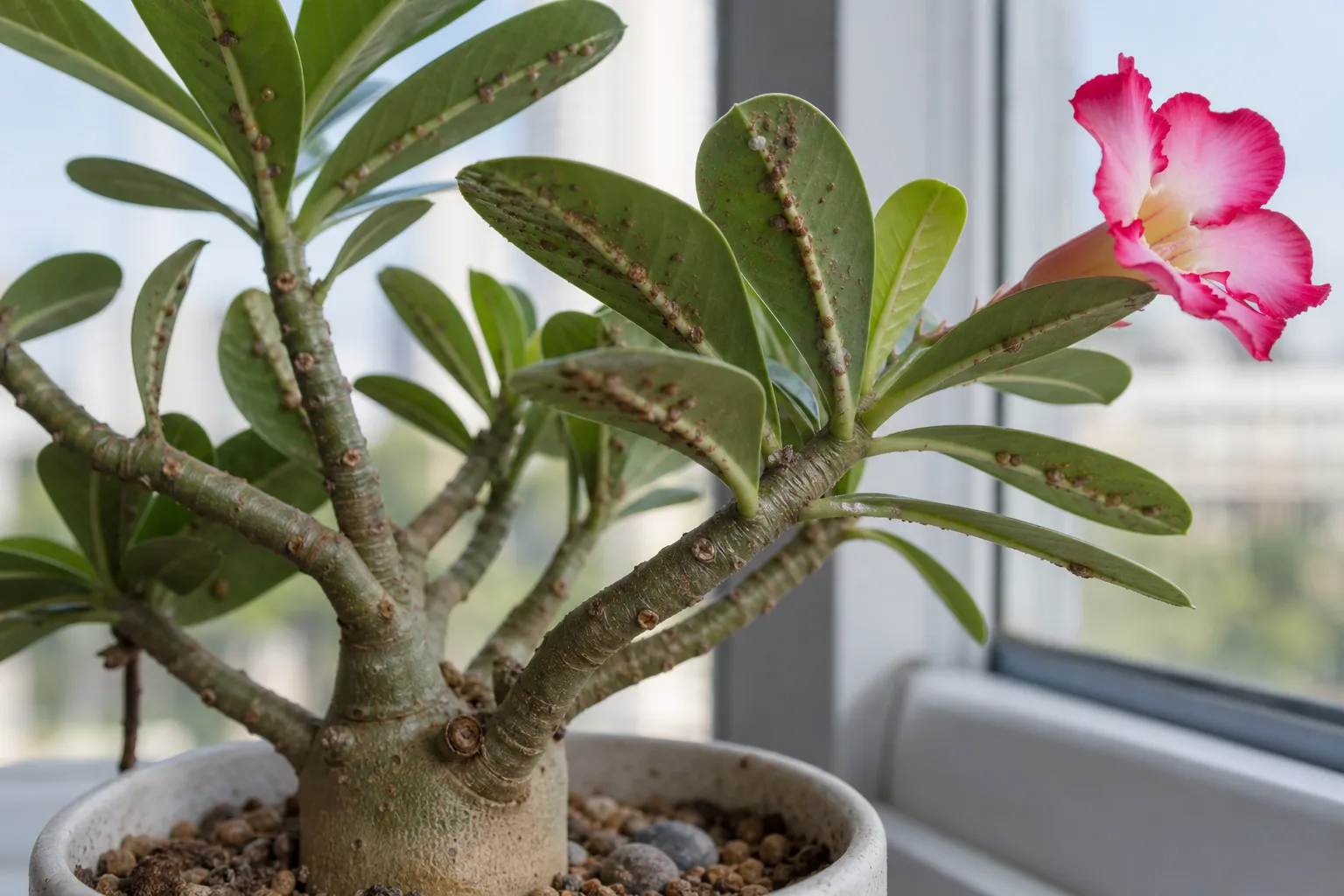 PestsScale InsectsHouseplant pests are common indoors because conditions lack natural predators. Scale Insects often arrives on new plants, open windows, or stressed specimens. When you notice Small brown bumps on stems or leaves, sticky honeydew, act quickly: confirm the pest, isolate the plant, and treat before the population explodes. Track weekly progress after you change care, and note watering, light, and repotting dates so you can tell whether the symptom is improving or returning. Compare upper versus lower leaves, new versus old growth, and soil moisture at root depth before you treat, because the same visible symptom can come from watering, light, pests, or normal aging on different plants.
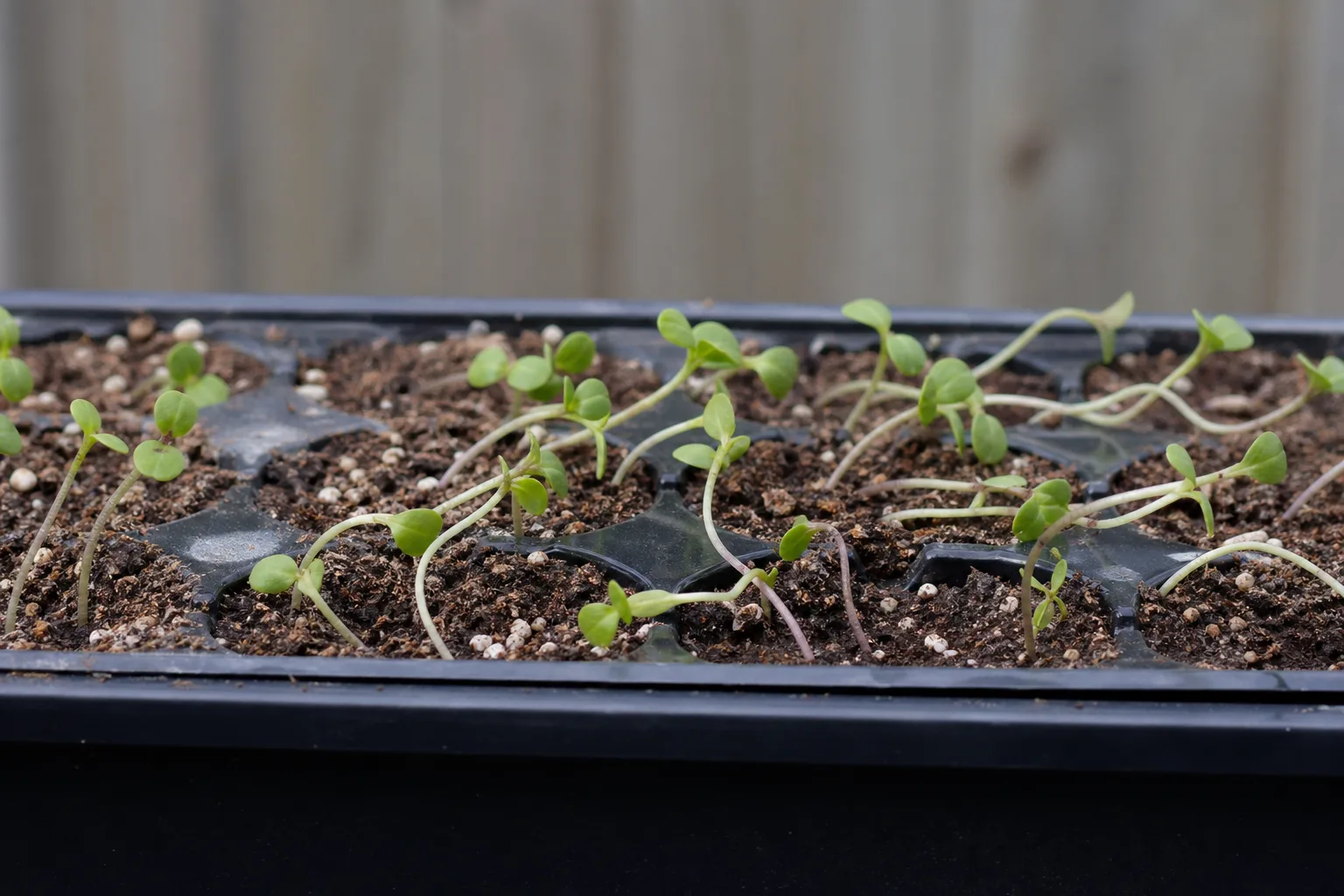 Seeds / SeedlingsSeedlings Falling OverA seedling that falls over is either structurally weak or diseased at the stem base. Leggy seedlings stretch toward weak light and collapse under their own weight. Damping off rots the stem at soil level and spreads across wet trays.
Tell them apart: leggy plants are tall and pale but the stem base stays firm; damping off pinches the stem, turns it brown, and kills seedlings in clusters. Both improve when you reduce surface moisture, add airflow, and place grow lights 2–4 inches above the canopy for 14–16 hours daily.
Seeds / SeedlingsSeedlings Falling OverA seedling that falls over is either structurally weak or diseased at the stem base. Leggy seedlings stretch toward weak light and collapse under their own weight. Damping off rots the stem at soil level and spreads across wet trays.
Tell them apart: leggy plants are tall and pale but the stem base stays firm; damping off pinches the stem, turns it brown, and kills seedlings in clusters. Both improve when you reduce surface moisture, add airflow, and place grow lights 2–4 inches above the canopy for 14–16 hours daily.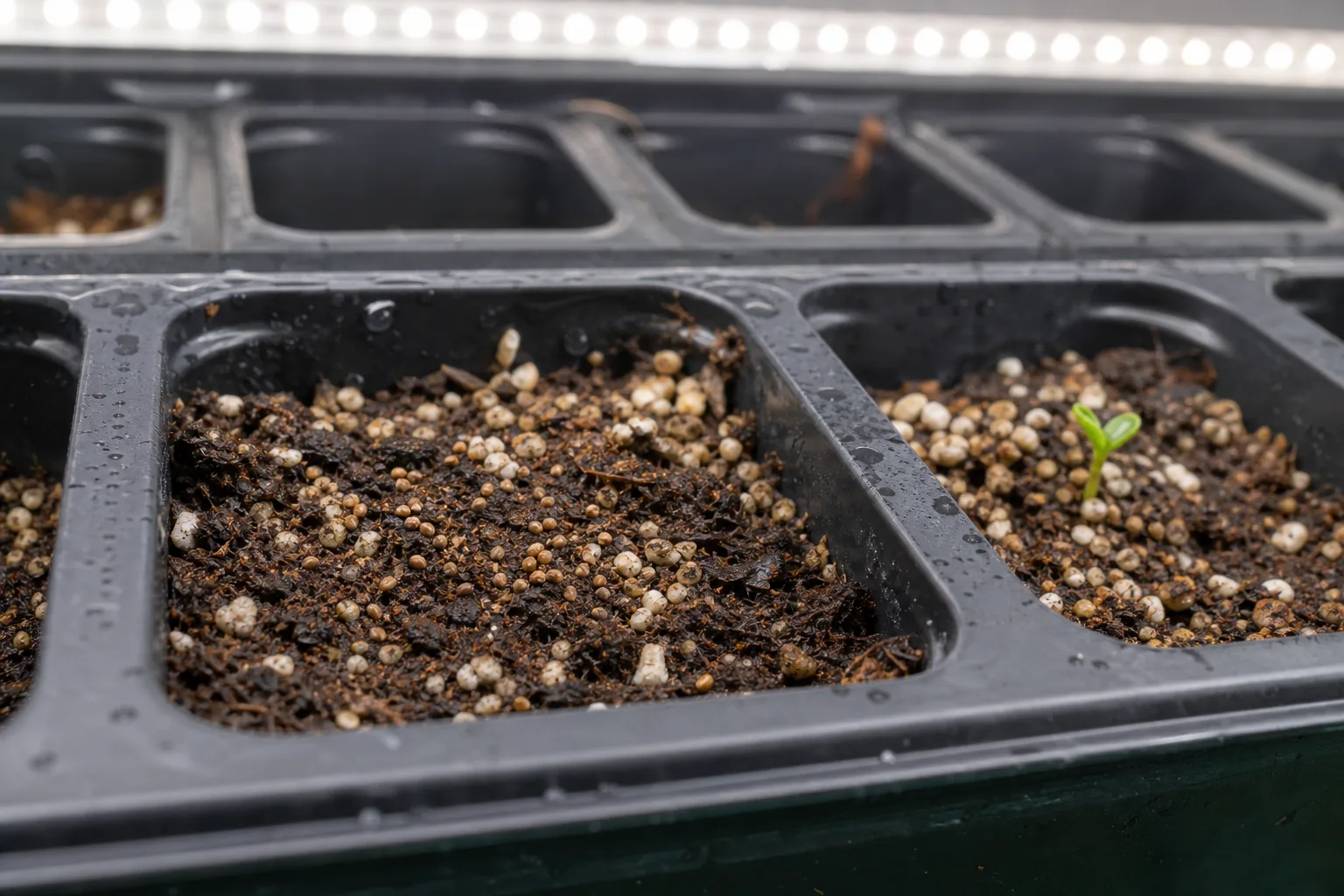 Seeds / SeedlingsSeeds Not GerminatingFailed germination is frustrating because the problem happens before you see any seedlings. Indoors, seeds need stable warmth, consistent light moisture (not soaking), and correct sowing depth for that species. A packet’s days-to-germinate range assumes these conditions.
Start by checking seed age and storage, soil temperature at root depth, and whether the mix dried out or stayed waterlogged. Many failures are environmental and fixable on the next sowing rather than a bad batch-though very old seed may need a viability test first.
Seeds / SeedlingsSeeds Not GerminatingFailed germination is frustrating because the problem happens before you see any seedlings. Indoors, seeds need stable warmth, consistent light moisture (not soaking), and correct sowing depth for that species. A packet’s days-to-germinate range assumes these conditions.
Start by checking seed age and storage, soil temperature at root depth, and whether the mix dried out or stayed waterlogged. Many failures are environmental and fixable on the next sowing rather than a bad batch-though very old seed may need a viability test first.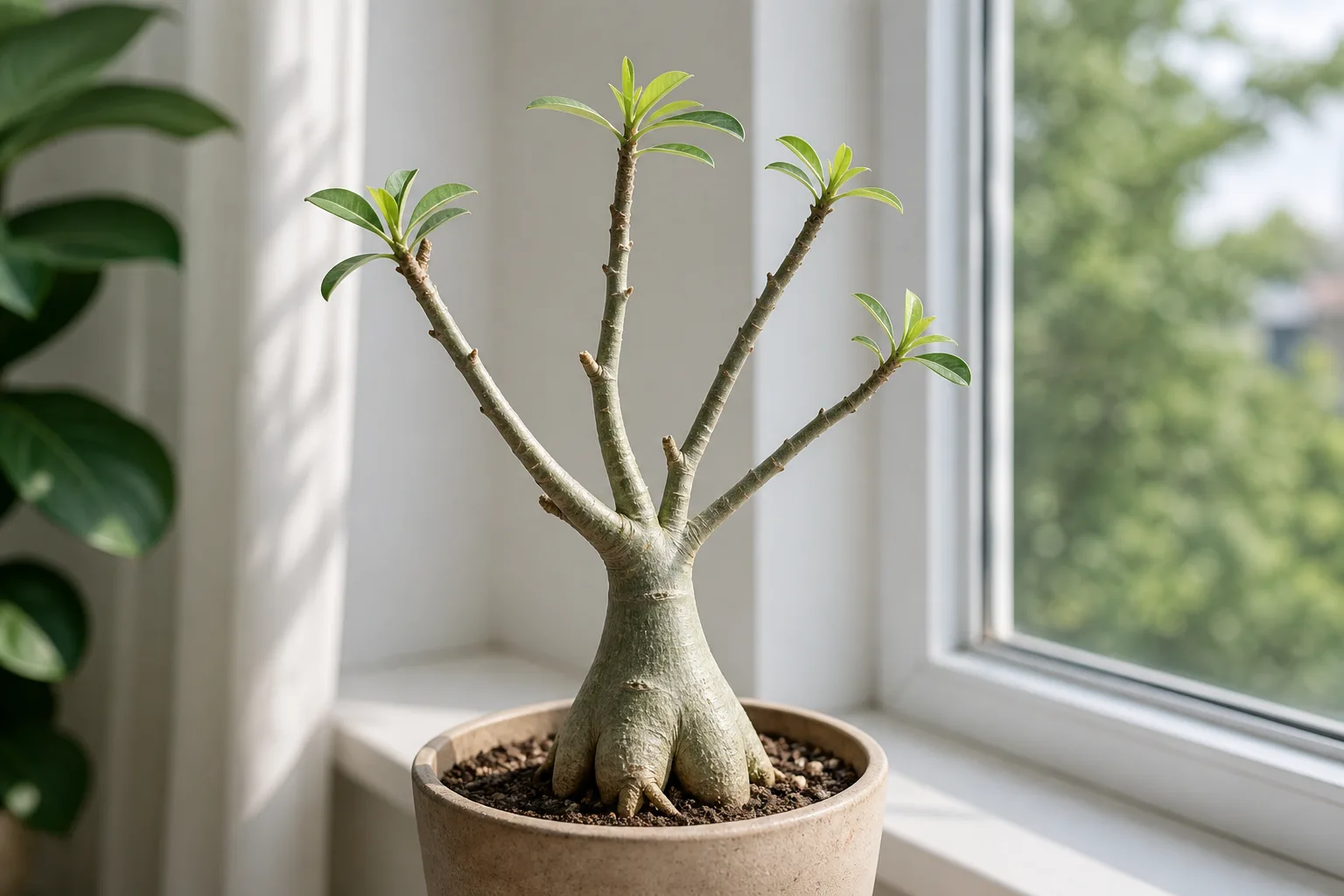 GrowthSlow GrowthSlow growth is not always a problem, since many houseplants naturally pause in winter or after repotting. Concern begins when growth remains minimal through favorable seasons despite stable care. In most cases, growth rate is constrained by low light, cool temperatures, root congestion, depleted substrate, or mismatched watering and feeding. The plant may look stable but fail to produce meaningful new foliage.
Diagnosing slow growth works best as a system check: evaluate light intensity, root health, pot size, substrate age, and nutrition together. A single fix rarely solves chronic stagnation if multiple bottlenecks exist. Once constraints are removed, growth usually resumes gradually rather than suddenly. Track progress by new leaf frequency and size over 6-8 weeks, not day-to-day changes.
GrowthSlow GrowthSlow growth is not always a problem, since many houseplants naturally pause in winter or after repotting. Concern begins when growth remains minimal through favorable seasons despite stable care. In most cases, growth rate is constrained by low light, cool temperatures, root congestion, depleted substrate, or mismatched watering and feeding. The plant may look stable but fail to produce meaningful new foliage.
Diagnosing slow growth works best as a system check: evaluate light intensity, root health, pot size, substrate age, and nutrition together. A single fix rarely solves chronic stagnation if multiple bottlenecks exist. Once constraints are removed, growth usually resumes gradually rather than suddenly. Track progress by new leaf frequency and size over 6-8 weeks, not day-to-day changes.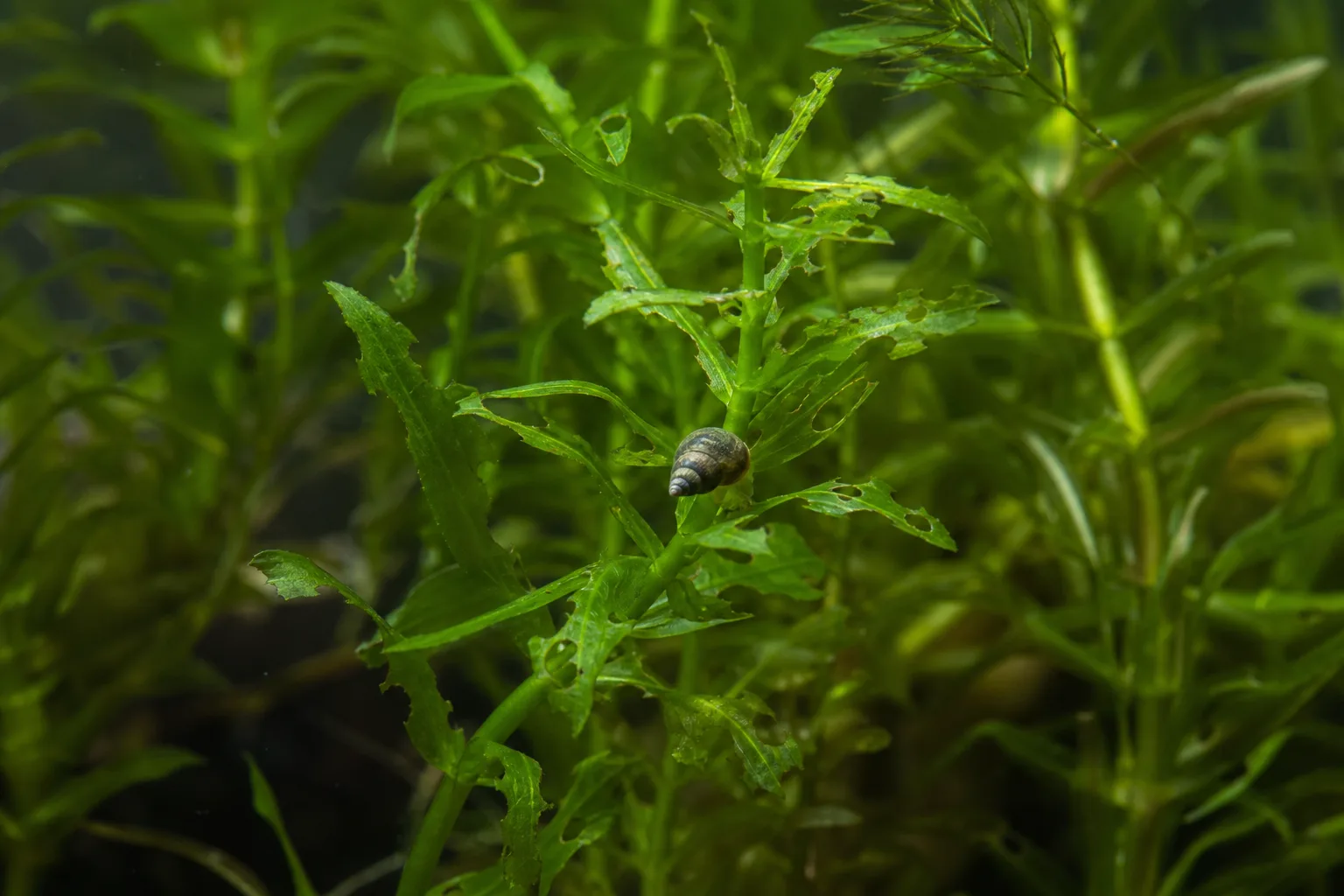 PestsSlugs and Snails'Houseplant pests are common indoors because conditions lack natural predators. Slugs and Snails often arrives on new plants, open windows, or stressed specimens. When you notice Ragged holes in leaves, slime trails nearby, act quickly: confirm the pest, isolate the plant, and treat before the population explodes. Track weekly progress after you change care, and note watering, light, and repotting dates so you can tell whether the symptom is improving or returning.'. Compare upper versus lower leaves, new versus old growth, and soil moisture at root depth before you treat, because the same visible symptom can come from watering, light, pests, or normal aging on different plants.
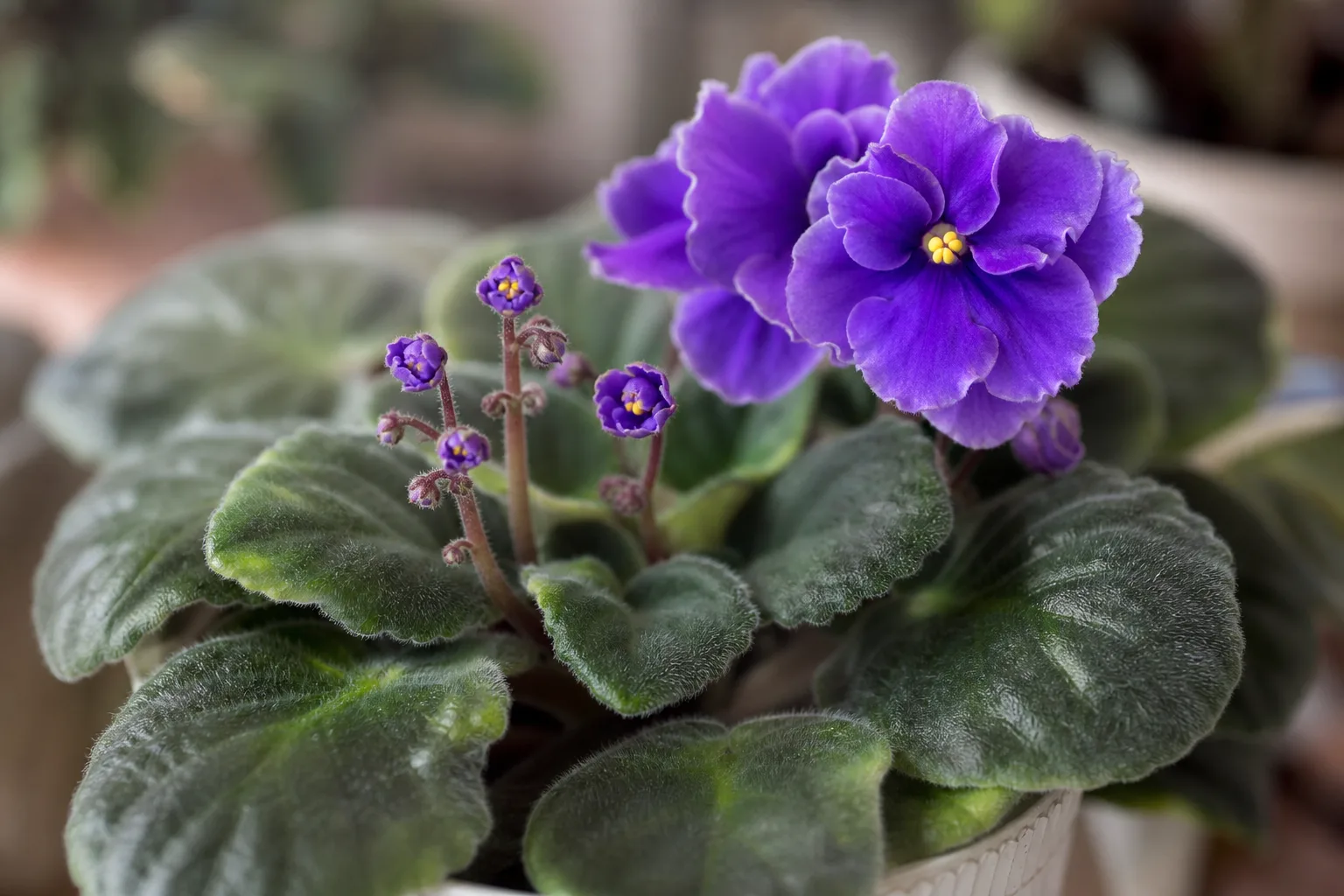 FloweringSmall FlowersGetting houseplants to bloom indoors is tricky because homes rarely match native conditions. Small Flowers with Flowers are smaller than expected can mean the plant is too young, light is wrong, humidity shifted, or buds were stressed during shipping or repotting. Track weekly progress after you change care, and note watering, light, and repotting dates so you can tell whether the symptom is improving or returning. Compare upper versus lower leaves, new versus old growth, and soil moisture at root depth before you treat, because the same visible symptom can come from watering, light, pests, or normal aging on different plants.
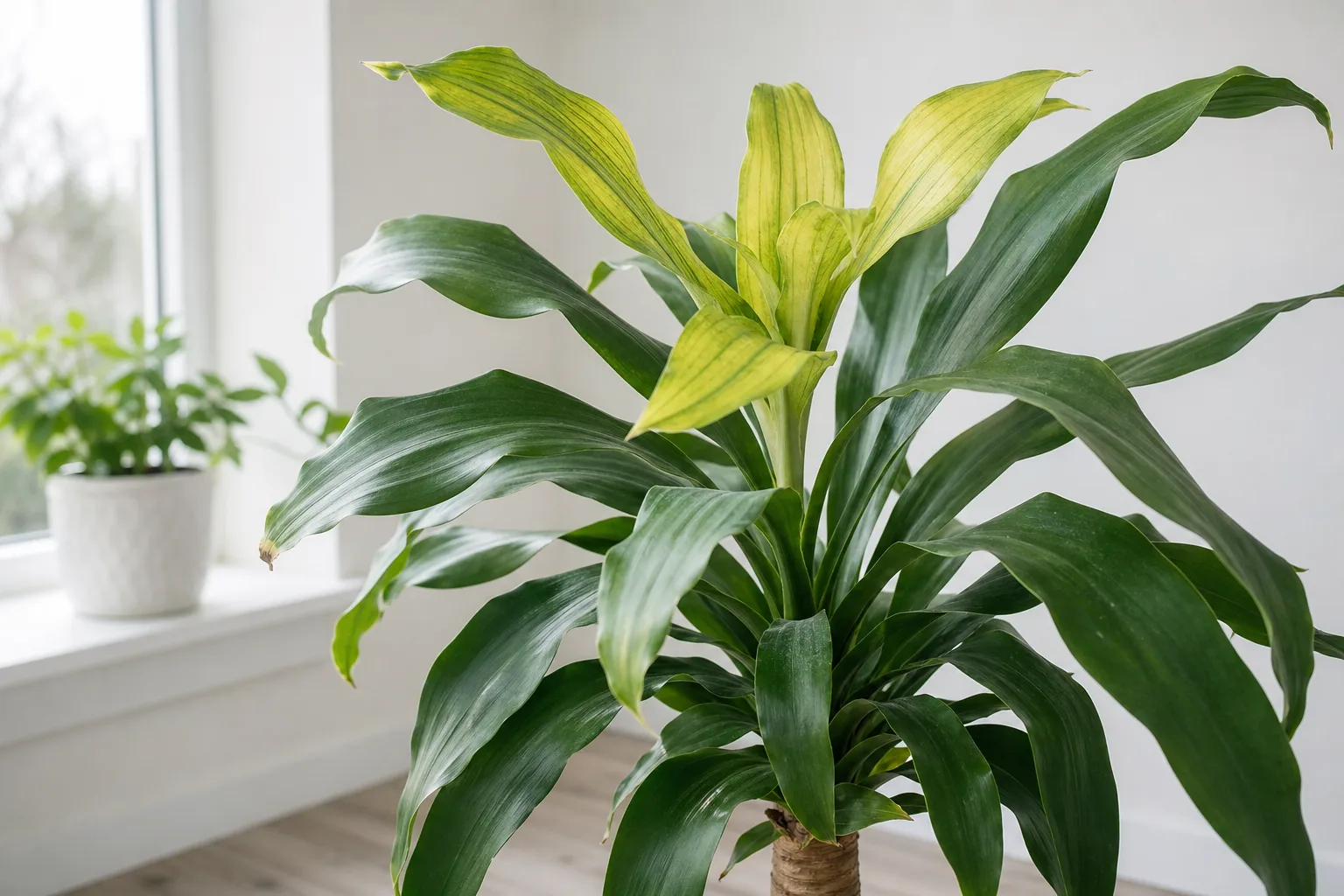 SoilSoil Too AcidicPotting mix is the foundation of houseplant health. When you see Yellowing, weak roots, nutrient uptake problems, the soil may be holding too much water, repelling water, or locking out nutrients. Fixing Soil Too Acidic often means adjusting mix, pot size, or watering habits-not just treating leaves. Track weekly progress after you change care, and note watering, light, and repotting dates so you can tell whether the symptom is improving or returning. Compare upper versus lower leaves, new versus old growth, and soil moisture at root depth before you treat, because the same visible symptom can come from watering, light, pests, or normal aging on different plants.
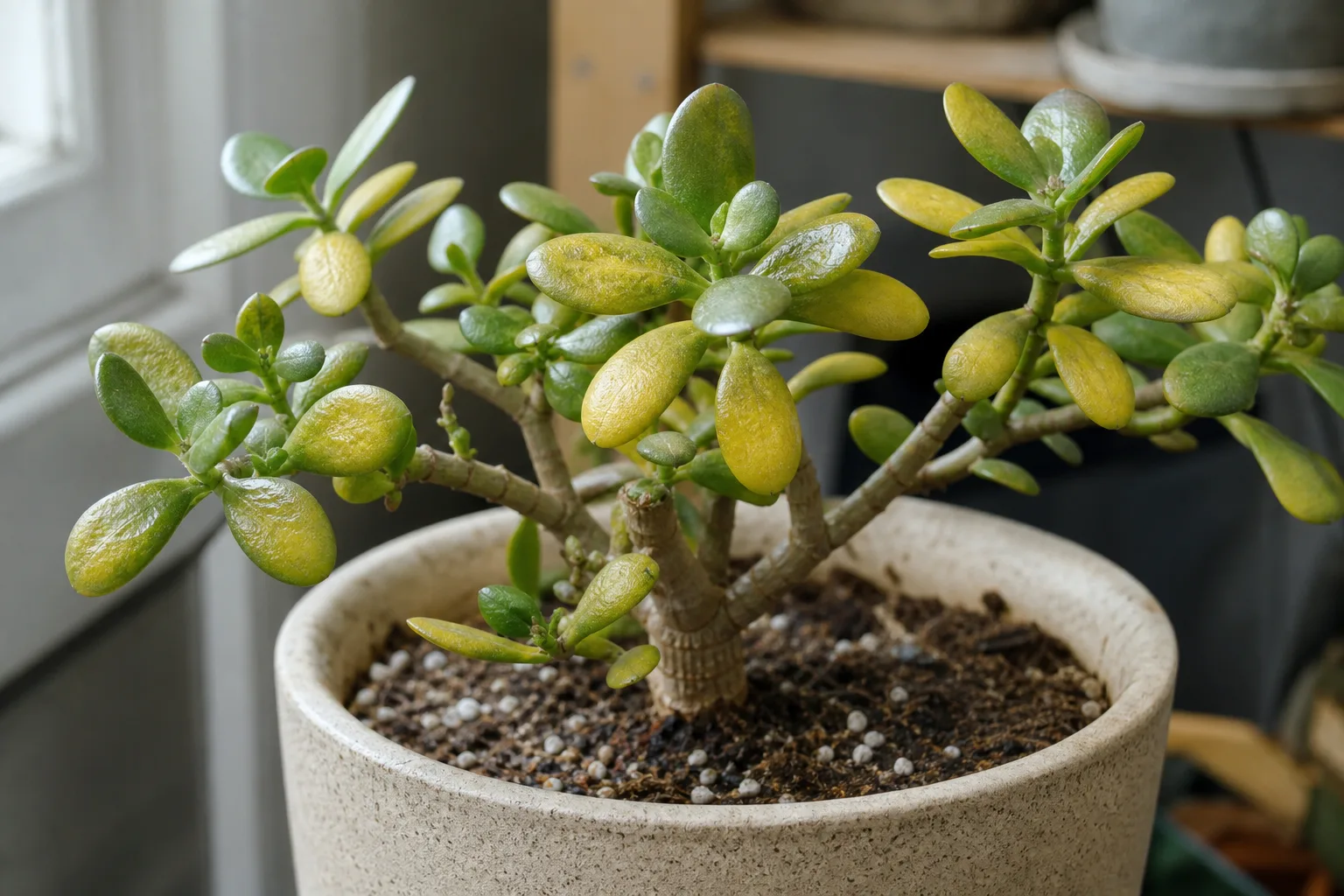 SoilSoil Too AlkalinePotting mix is the foundation of houseplant health. When you see Pale leaves, nutrient deficiency symptoms, the soil may be holding too much water, repelling water, or locking out nutrients. Fixing Soil Too Alkaline often means adjusting mix, pot size, or watering habits-not just treating leaves. Track weekly progress after you change care, and note watering, light, and repotting dates so you can tell whether the symptom is improving or returning. Compare upper versus lower leaves, new versus old growth, and soil moisture at root depth before you treat, because the same visible symptom can come from watering, light, pests, or normal aging on different plants.
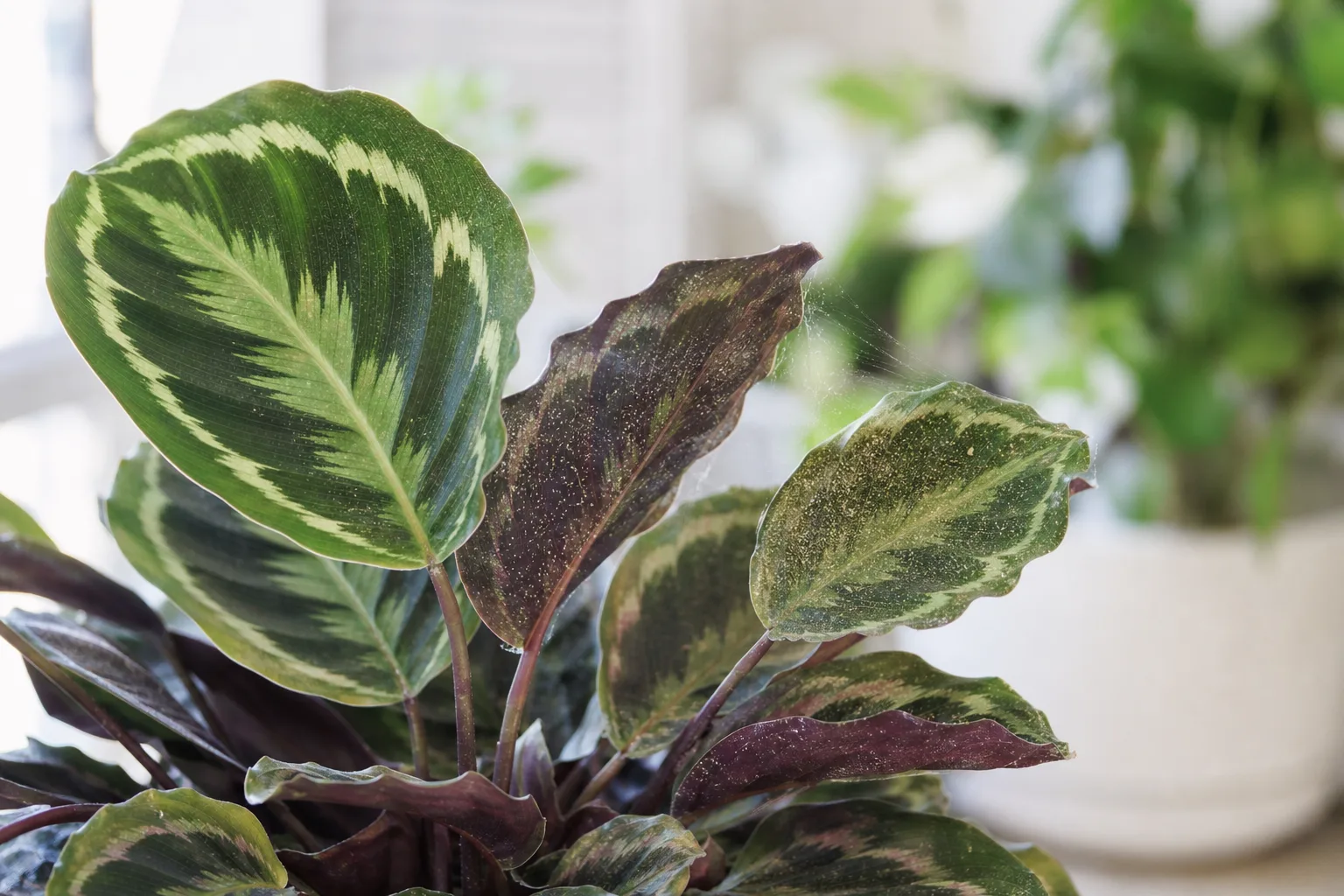 PestsSpider MitesSpider mites are microscopic sap-feeding pests that can multiply rapidly in warm, dry indoor environments. They puncture leaf cells and suck contents, leaving pale speckling, dull color, and eventual bronzing. Because they are tiny, infestations are often advanced before they are noticed. Fine webbing between leaves and stems is a late warning of significant population pressure.
Control success depends on early detection, repeated treatment, and environmental correction. A single spray is rarely enough because eggs hatch in cycles. Washing foliage, improving humidity, and applying contact controls at proper intervals can break the outbreak. Isolate affected plants immediately to limit spread. Even after mites are eliminated, damaged leaves may remain mottled, so evaluate recovery by cleaner new growth and reduced stippling over several weeks.
PestsSpider MitesSpider mites are microscopic sap-feeding pests that can multiply rapidly in warm, dry indoor environments. They puncture leaf cells and suck contents, leaving pale speckling, dull color, and eventual bronzing. Because they are tiny, infestations are often advanced before they are noticed. Fine webbing between leaves and stems is a late warning of significant population pressure.
Control success depends on early detection, repeated treatment, and environmental correction. A single spray is rarely enough because eggs hatch in cycles. Washing foliage, improving humidity, and applying contact controls at proper intervals can break the outbreak. Isolate affected plants immediately to limit spread. Even after mites are eliminated, damaged leaves may remain mottled, so evaluate recovery by cleaner new growth and reduced stippling over several weeks.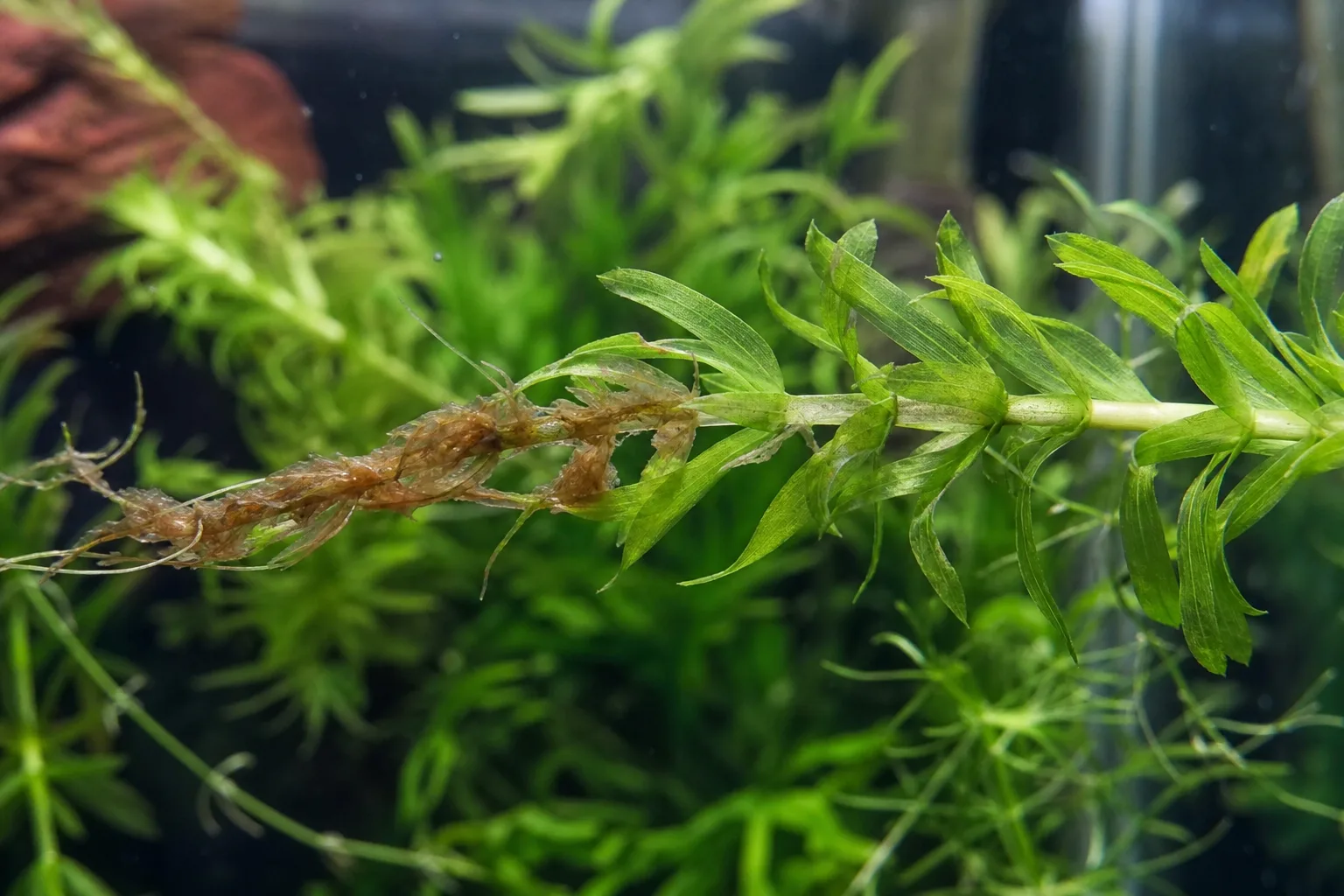 DiseaseStem RotIndoor plant diseases are usually fungal or bacterial infections favored by moisture on leaves and poor ventilation. Stem Rot can weaken growth and spread to nearby plants if ignored. Use Soft, dark, mushy stems near soil line as your starting point, then confirm whether you are dealing with infection, physical damage, or care stress. Track weekly progress after you change care, and note watering, light, and repotting dates so you can tell whether the symptom is improving or returning. Compare upper versus lower leaves, new versus old growth, and soil moisture at root depth before you treat, because the same visible symptom can come from watering, light, pests, or normal aging on different plants.
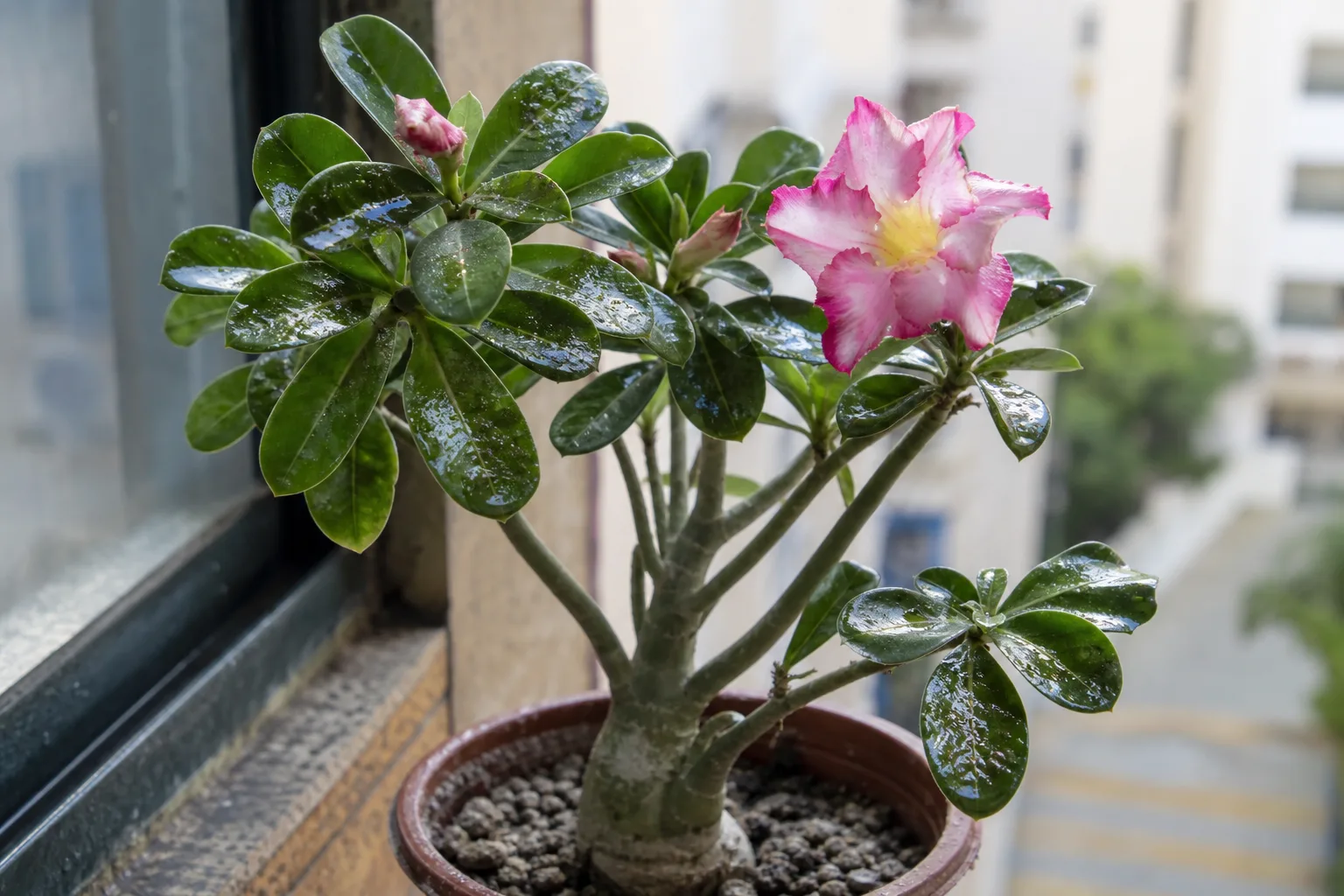 LeavesSticky Leaves'Leaf problems are often the first sign something is off with a houseplant. Sticky Leaves can look alarming, but the fix depends on where symptoms start, how fast they spread, and what the soil and roots are doing. This guide walks through how to identify Sticky residue from sap-sucking pests like aphids or scale, rule out look-alikes, and treat the underlying cause. Track weekly progress after you change care, and note watering, light, and repotting dates so you can tell whether the symptom is improving or returning.'. Compare upper versus lower leaves, new versus old growth, and soil moisture at root depth before you treat, because the same visible symptom can come from watering, light, pests, or normal aging on different plants.
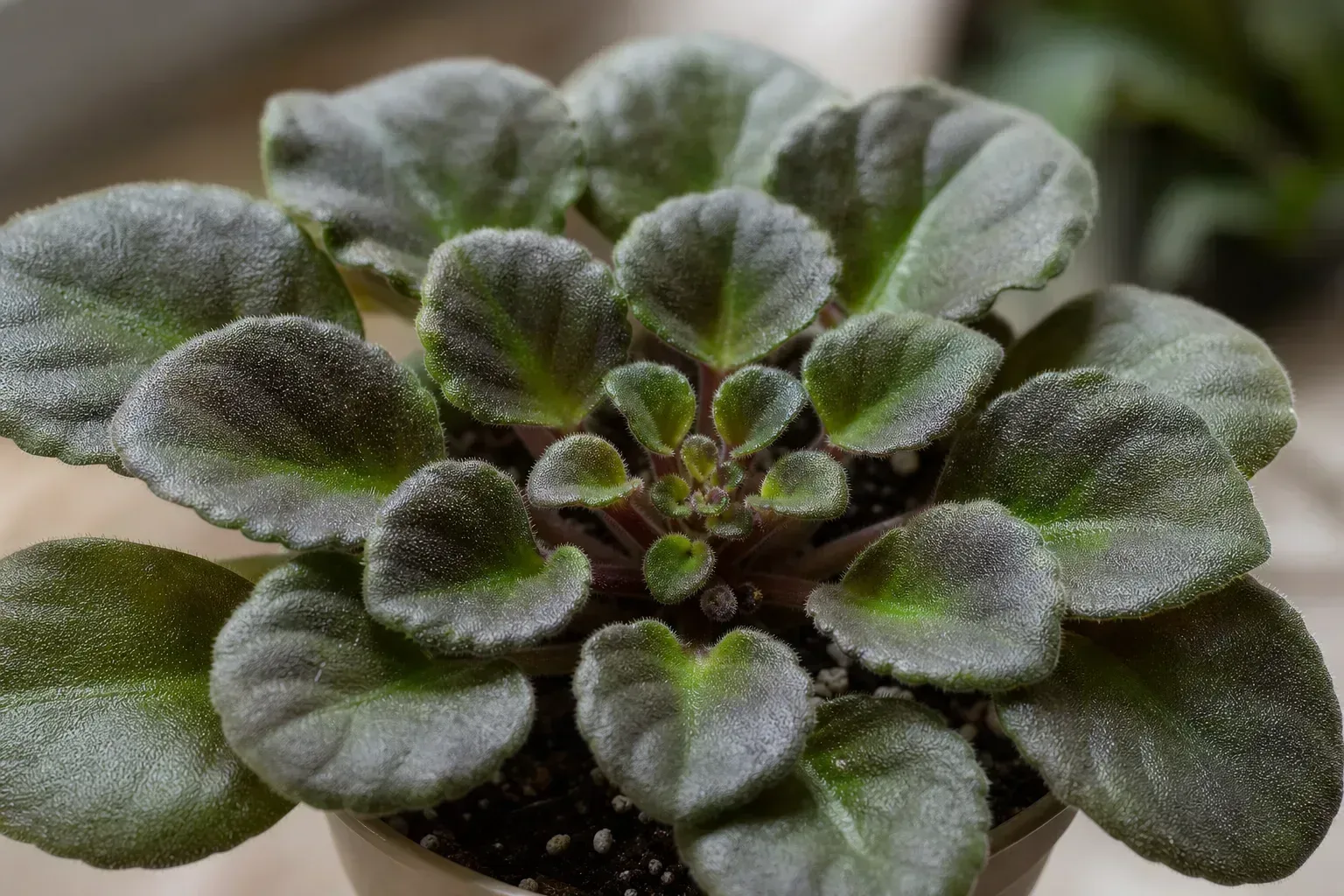 GrowthStunted GrowthWhen a houseplant stops producing new leaves or stems look weak, owners often assume fertilizer is the fix. Stunted Growth with Plant stays small and weak despite care usually traces to light, roots, temperature, or season. This guide helps you distinguish normal slow periods from problems that need intervention. Track weekly progress after you change care, and note watering, light, and repotting dates so you can tell whether the symptom is improving or returning. Compare upper versus lower leaves, new versus old growth, and soil moisture at root depth before you treat, because the same visible symptom can come from watering, light, pests, or normal aging on different plants.
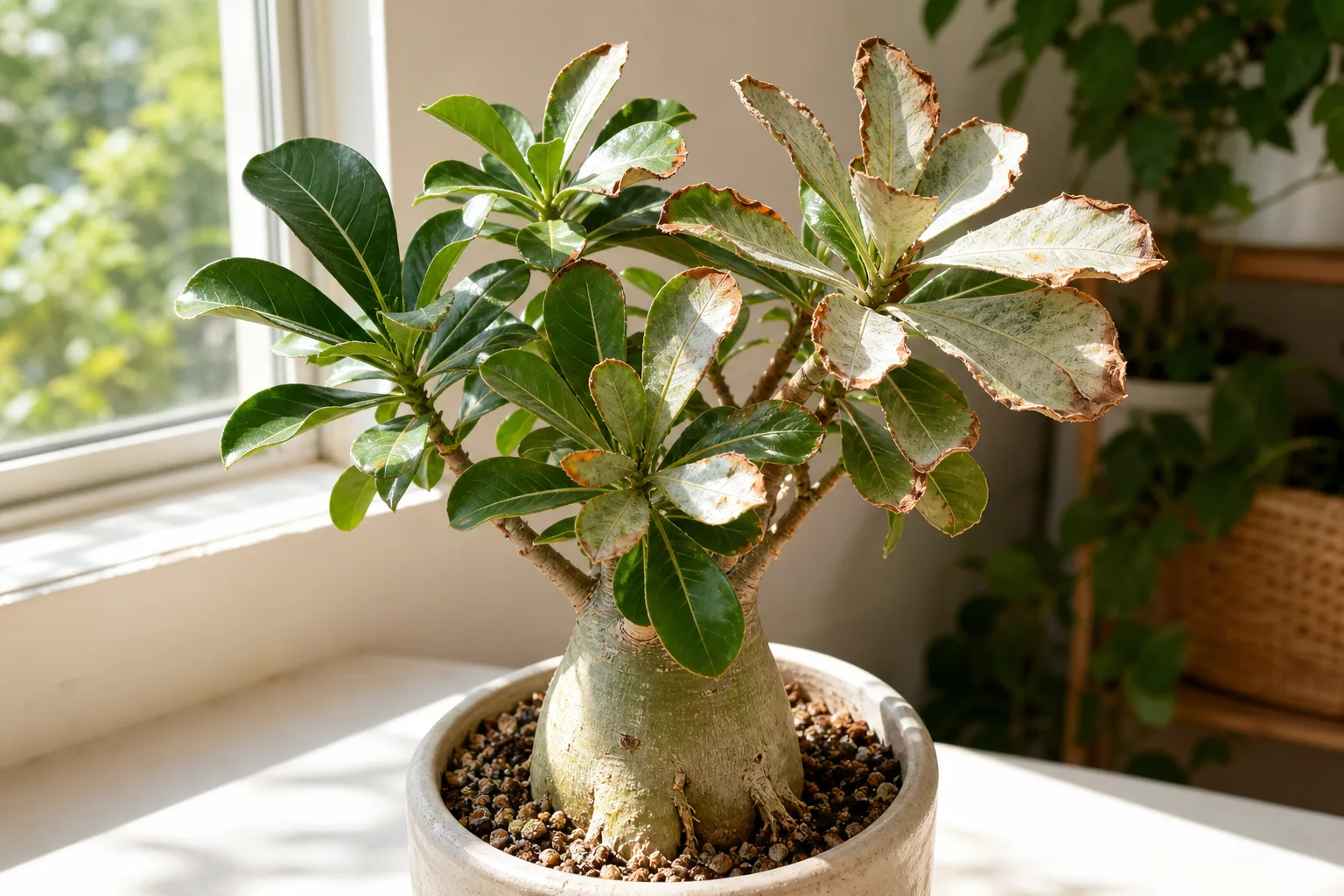 LightSunburn / Scorched Leaves'Light is the engine of houseplant health. Sunburn / Scorched Leaves appears as Pale, bleached, crispy patches on leaves exposed to harsh sun when a plant receives too little energy to thrive-or too much direct sun for its leaves to handle. Matching light to species prevents most leaf fade, stretch, and scorch issues indoors. Track weekly progress after you change care, and note watering, light, and repotting dates so you can tell whether the symptom is improving or returning.'. Compare upper versus lower leaves, new versus old growth, and soil moisture at root depth before you treat, because the same visible symptom can come from watering, light, pests, or normal aging on different plants.
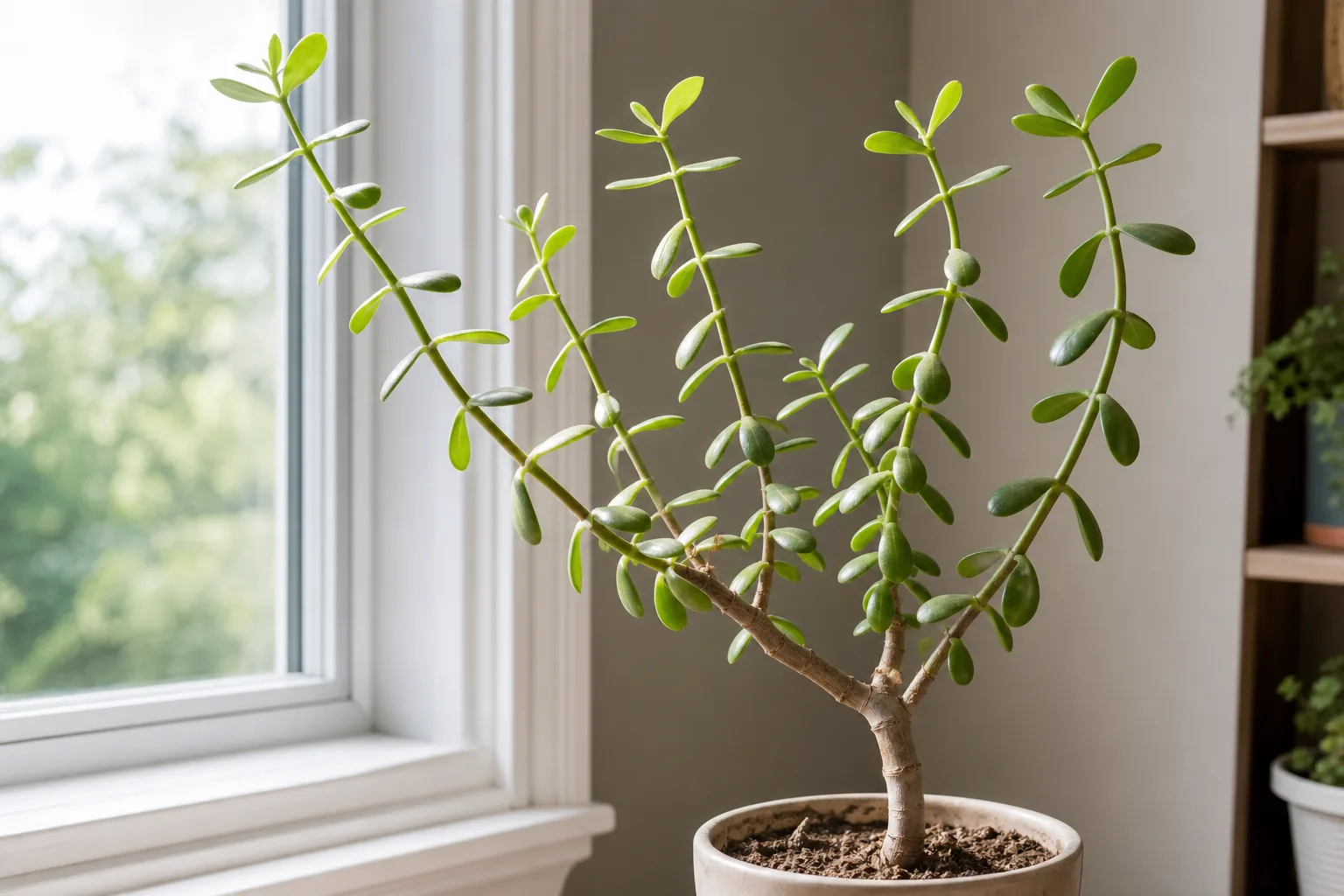 GrowthThin StemsWhen a houseplant stops producing new leaves or stems look weak, owners often assume fertilizer is the fix. Thin Stems with Long, weak stems caused by low light or crowding usually traces to light, roots, temperature, or season. This guide helps you distinguish normal slow periods from problems that need intervention. Track weekly progress after you change care, and note watering, light, and repotting dates so you can tell whether the symptom is improving or returning. Compare upper versus lower leaves, new versus old growth, and soil moisture at root depth before you treat, because the same visible symptom can come from watering, light, pests, or normal aging on different plants.
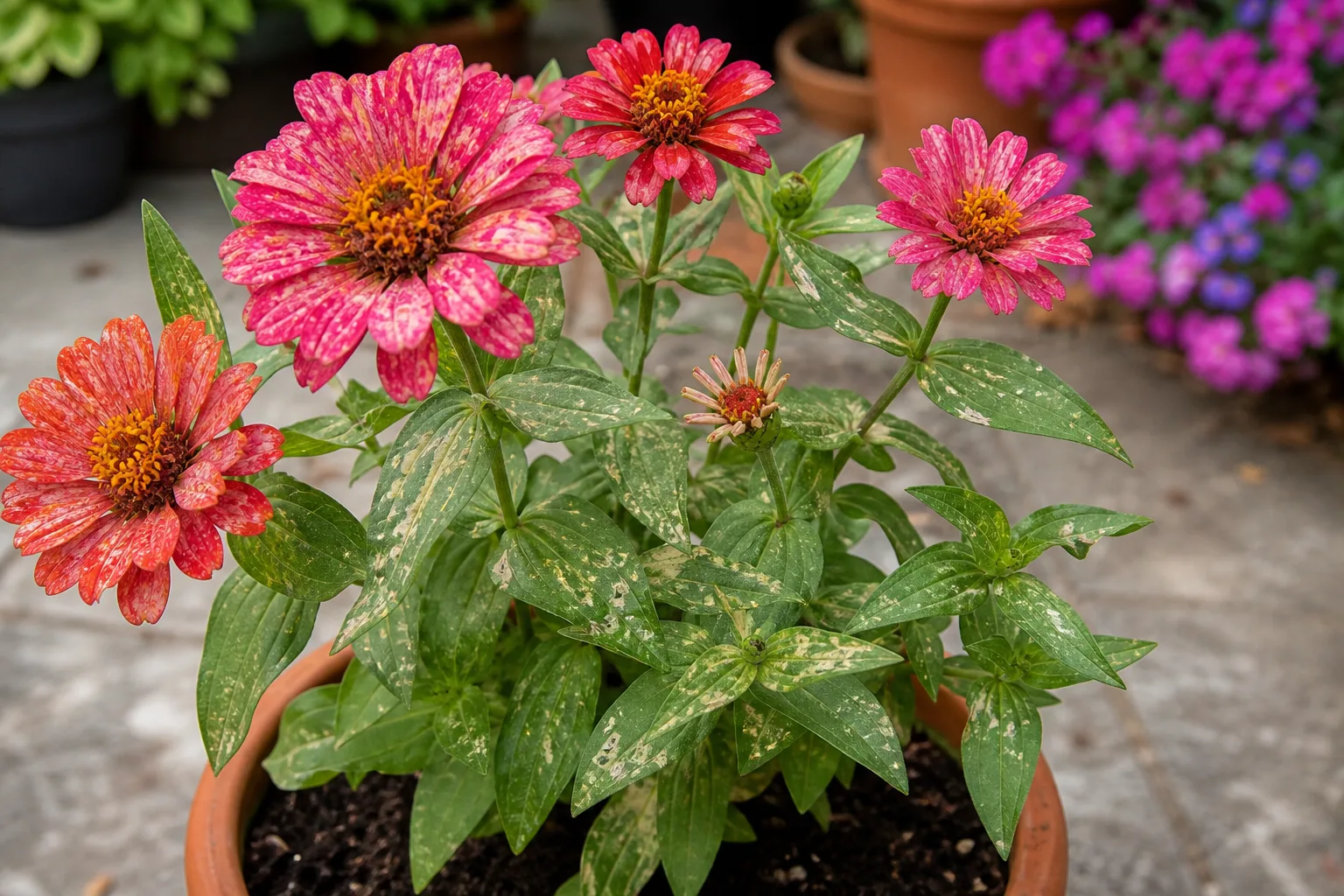 PestsThrips'Houseplant pests are common indoors because conditions lack natural predators. Thrips often arrives on new plants, open windows, or stressed specimens. When you notice Silvery streaks, black specks, distorted new leaves, act quickly: confirm the pest, isolate the plant, and treat before the population explodes. Track weekly progress after you change care, and note watering, light, and repotting dates so you can tell whether the symptom is improving or returning.'. Compare upper versus lower leaves, new versus old growth, and soil moisture at root depth before you treat, because the same visible symptom can come from watering, light, pests, or normal aging on different plants.
 LeavesTransparent Leaves'Leaf problems are often the first sign something is off with a houseplant. Transparent Leaves can look alarming, but the fix depends on where symptoms start, how fast they spread, and what the soil and roots are doing. This guide walks through how to identify Thin, water-soaked, translucent patches on leaves, rule out look-alikes, and treat the underlying cause. Track weekly progress after you change care, and note watering, light, and repotting dates so you can tell whether the symptom is improving or returning.'. Compare upper versus lower leaves, new versus old growth, and soil moisture at root depth before you treat, because the same visible symptom can come from watering, light, pests, or normal aging on different plants.
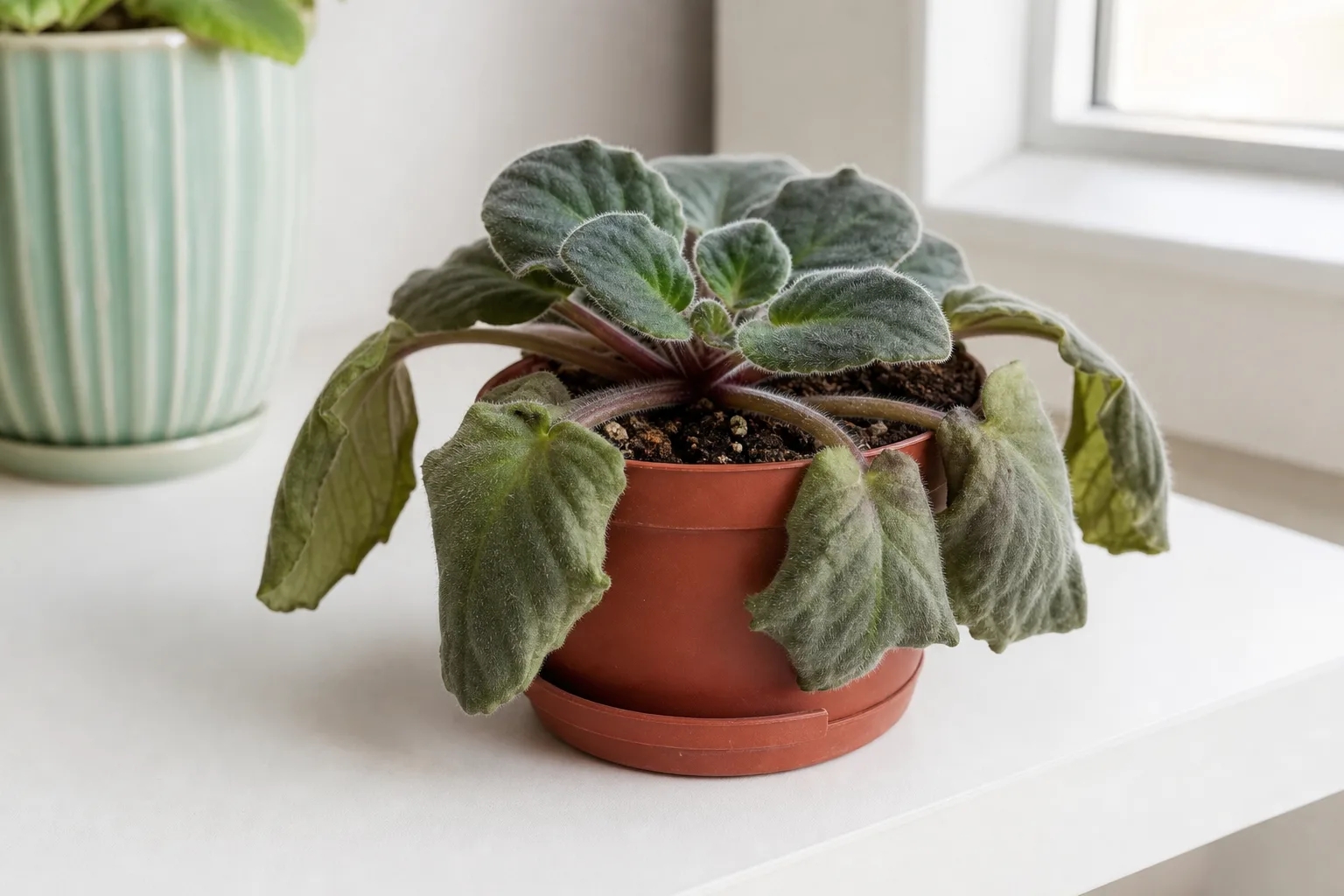 EnvironmentTransplant ShockHomes are not greenhouses. Transplant Shock appears when humidity, temperature, or air movement falls outside what your plant tolerates. Wilting, yellowing, or leaf drop after repotting after a move, heat wave, or dry winter often points to environment-not necessarily wrong watering. Track weekly progress after you change care, and note watering, light, and repotting dates so you can tell whether the symptom is improving or returning. Compare upper versus lower leaves, new versus old growth, and soil moisture at root depth before you treat, because the same visible symptom can come from watering, light, pests, or normal aging on different plants.
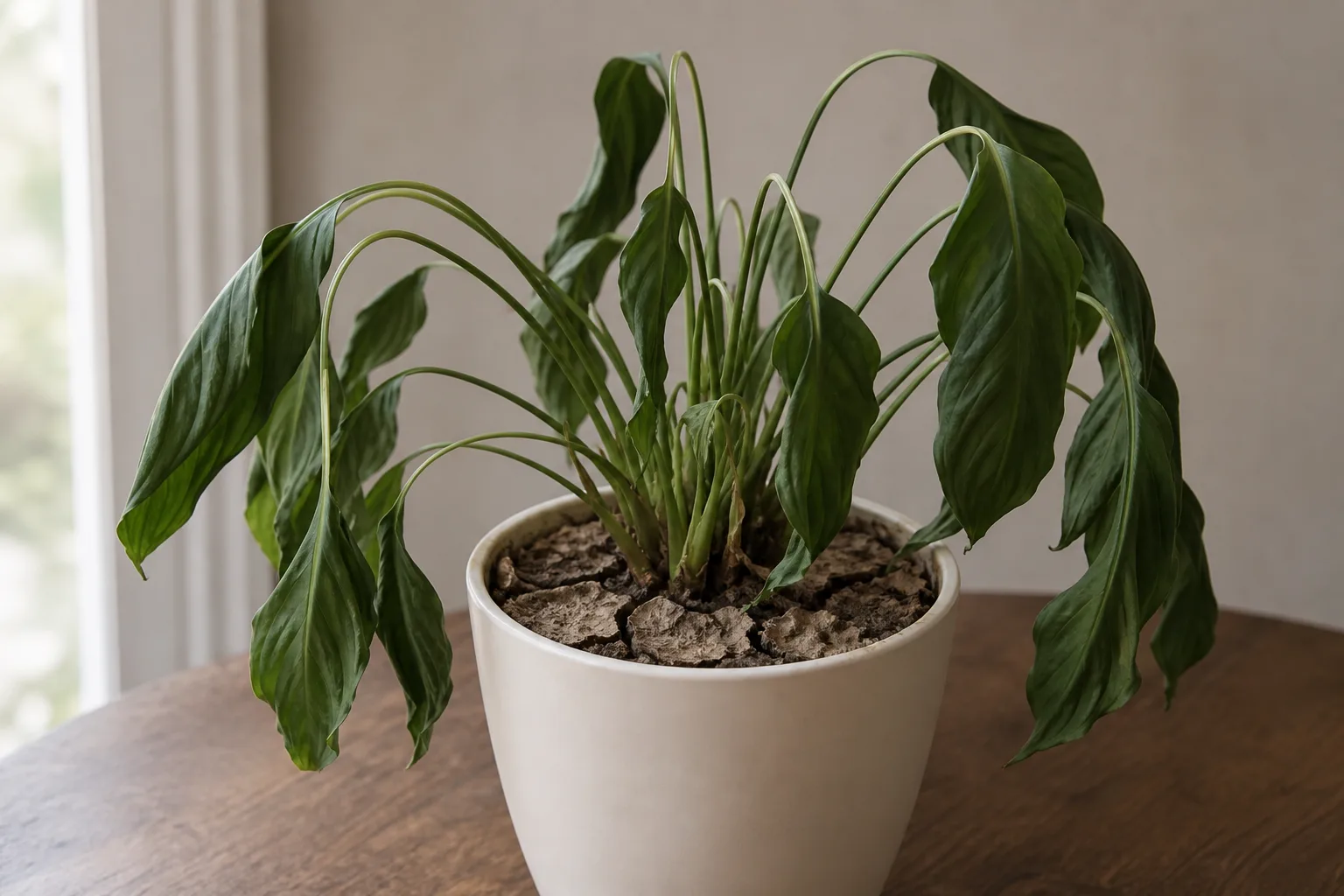 WateringUnderwateringUnderwatering means the root ball is drying beyond the plant's tolerance between waterings. That can happen because you simply waited too long, but it also happens when water runs around a shrunken root ball, the pot is packed with roots, or hot bright conditions make the mix dry faster than your routine accounts for.
The key check is whether the root zone is actually dry several inches down. A plant that perks up after a deep soak is usually telling you drought was the main problem. A plant that stays limp after watering needs a closer look for root damage, severe hydrophobic soil, or a second issue such as heat or pests.
WateringUnderwateringUnderwatering means the root ball is drying beyond the plant's tolerance between waterings. That can happen because you simply waited too long, but it also happens when water runs around a shrunken root ball, the pot is packed with roots, or hot bright conditions make the mix dry faster than your routine accounts for.
The key check is whether the root zone is actually dry several inches down. A plant that perks up after a deep soak is usually telling you drought was the main problem. A plant that stays limp after watering needs a closer look for root damage, severe hydrophobic soil, or a second issue such as heat or pests.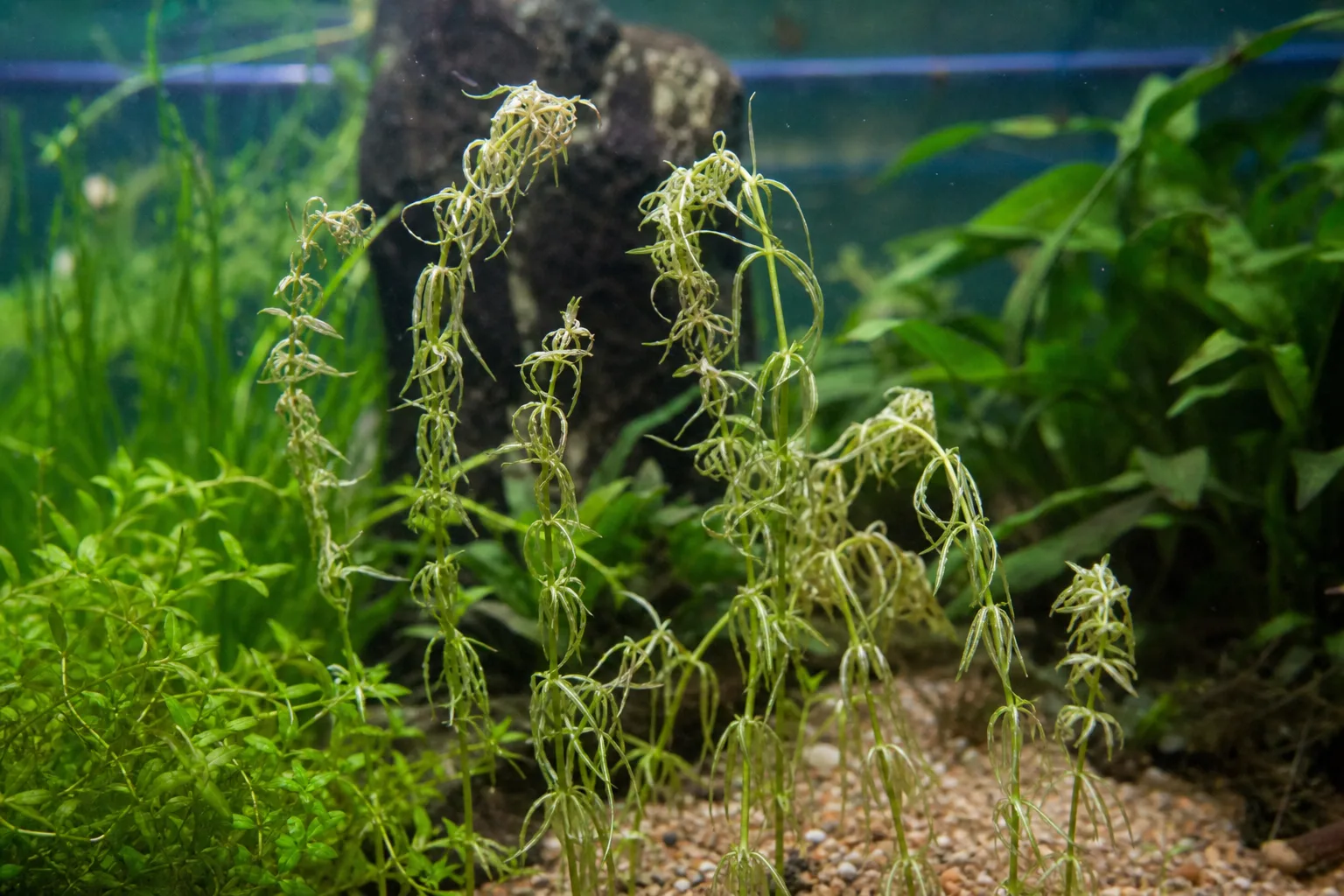 WateringWater Stress'Water Stress is one of the most common houseplant issues because indoor watering is easy to get wrong. Pots, soil mix, season, and light all change how fast soil dries. When you see Leaves curl, droop, yellow, or brown due to irregular watering, the goal is to confirm whether the plant is getting too much water, too little, or uneven moisture before making big changes. Track weekly progress after you change care, and note watering, light, and repotting dates so you can tell whether the symptom is improving or returning.'. Compare upper versus lower leaves, new versus old growth, and soil moisture at root depth before you treat, because the same visible symptom can come from watering, light, pests, or normal aging on different plants.
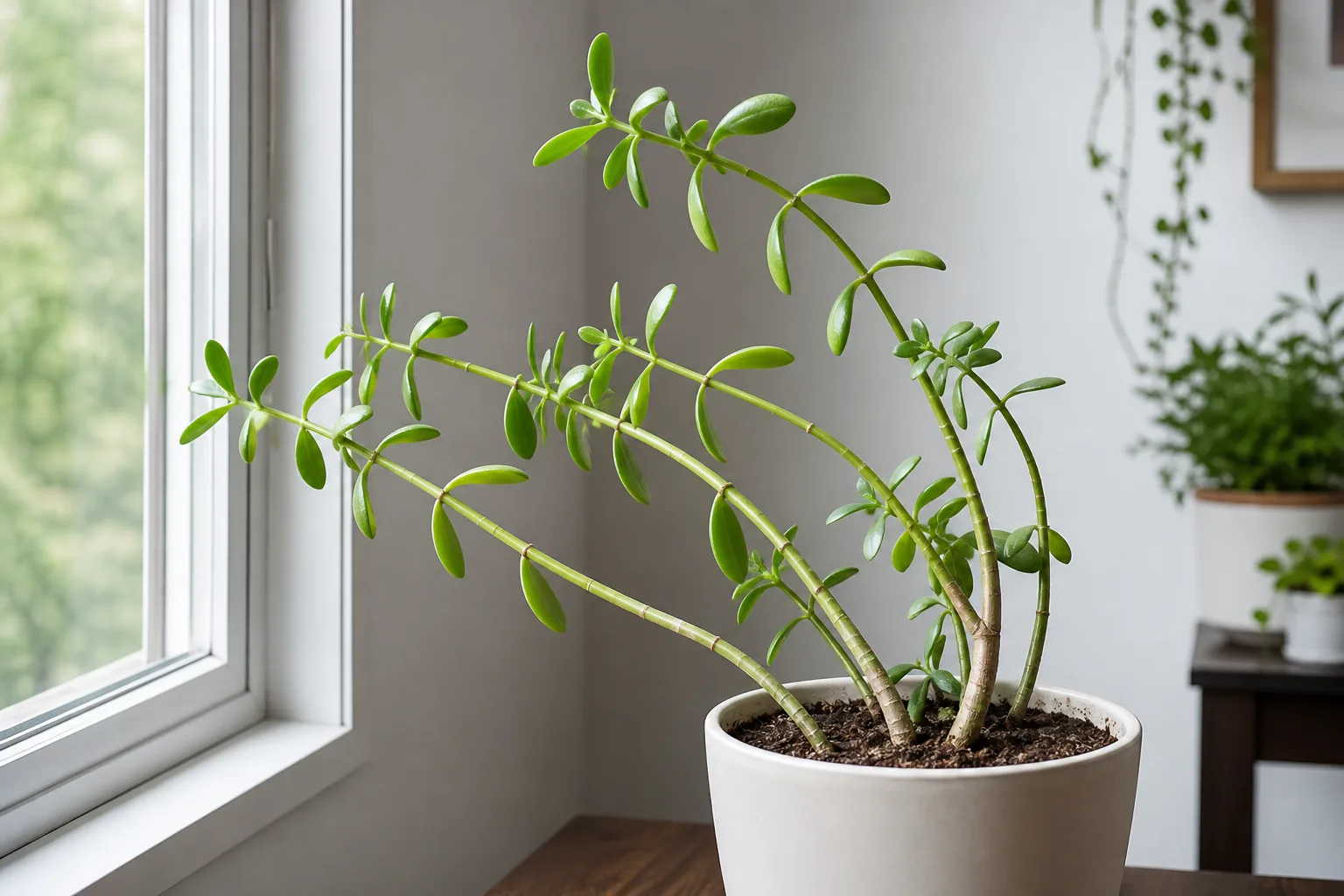 GrowthWeak StemsWeak stems are structural failures, not just slow growth. Stems bend, lean, or flop when the plant builds tissue that is too soft, too elongated, or poorly supported for the leaves, flowers, or canopy above it. Low light is the classic reason because it drives stretch and thinner growth, but weak stems can also come from overfertilizing in dim conditions, crowding, drought setbacks, or root problems that reduce overall vigor.
The diagnosis depends on the whole plant. A stem that is long, pale, and leaning toward a window points in a different direction than a stem that suddenly softens near the base. One is usually a light-quality problem. The other may be water stress or rot. The fix works best when you separate chronic weak growth from acute collapse.
GrowthWeak StemsWeak stems are structural failures, not just slow growth. Stems bend, lean, or flop when the plant builds tissue that is too soft, too elongated, or poorly supported for the leaves, flowers, or canopy above it. Low light is the classic reason because it drives stretch and thinner growth, but weak stems can also come from overfertilizing in dim conditions, crowding, drought setbacks, or root problems that reduce overall vigor.
The diagnosis depends on the whole plant. A stem that is long, pale, and leaning toward a window points in a different direction than a stem that suddenly softens near the base. One is usually a light-quality problem. The other may be water stress or rot. The fix works best when you separate chronic weak growth from acute collapse.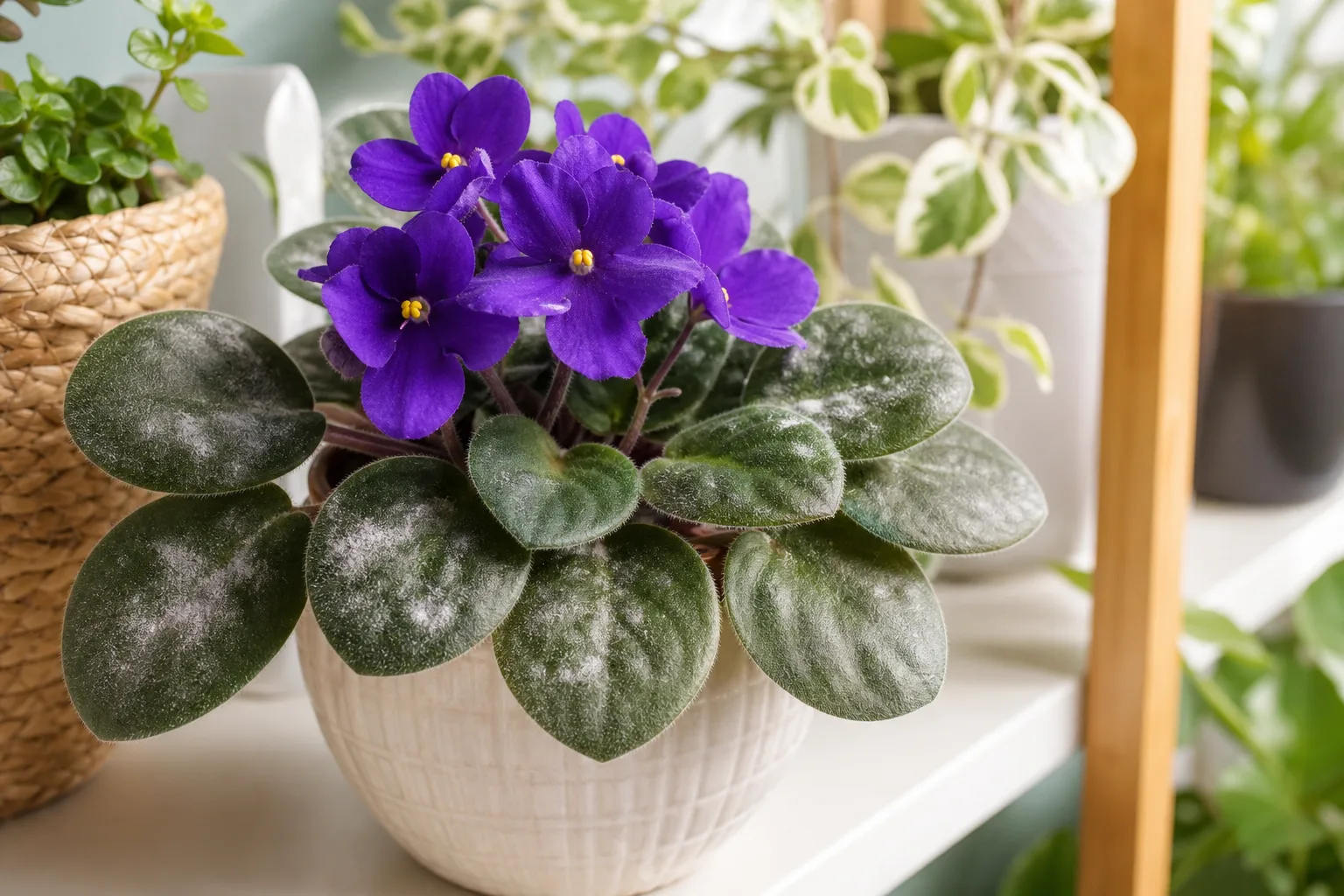 LeavesWhite SpotsWhite spots on leaves are a broad symptom with three common indoor causes: mineral deposits from hard water, fungal growth such as powdery mildew, and sap-sucking pests including mealybugs. Correct identification prevents unnecessary treatments. Residue from water often appears as chalky dots that wipe away cleanly. Fungal patches may look powdery and expand over time. Pest-related white spots are often cottony clusters at leaf joints and undersides.
A structured inspection is the fastest way to diagnose. Check whether the spots are on the surface or within tissue, examine growth tips and nodes, and look for stickiness or insect movement. If infection or pests are present, isolate the plant and start targeted treatment immediately. If residue is the cause, adjust water quality and leaf-cleaning habits. Early action keeps cosmetic spotting from becoming growth-limiting damage.
LeavesWhite SpotsWhite spots on leaves are a broad symptom with three common indoor causes: mineral deposits from hard water, fungal growth such as powdery mildew, and sap-sucking pests including mealybugs. Correct identification prevents unnecessary treatments. Residue from water often appears as chalky dots that wipe away cleanly. Fungal patches may look powdery and expand over time. Pest-related white spots are often cottony clusters at leaf joints and undersides.
A structured inspection is the fastest way to diagnose. Check whether the spots are on the surface or within tissue, examine growth tips and nodes, and look for stickiness or insect movement. If infection or pests are present, isolate the plant and start targeted treatment immediately. If residue is the cause, adjust water quality and leaf-cleaning habits. Early action keeps cosmetic spotting from becoming growth-limiting damage.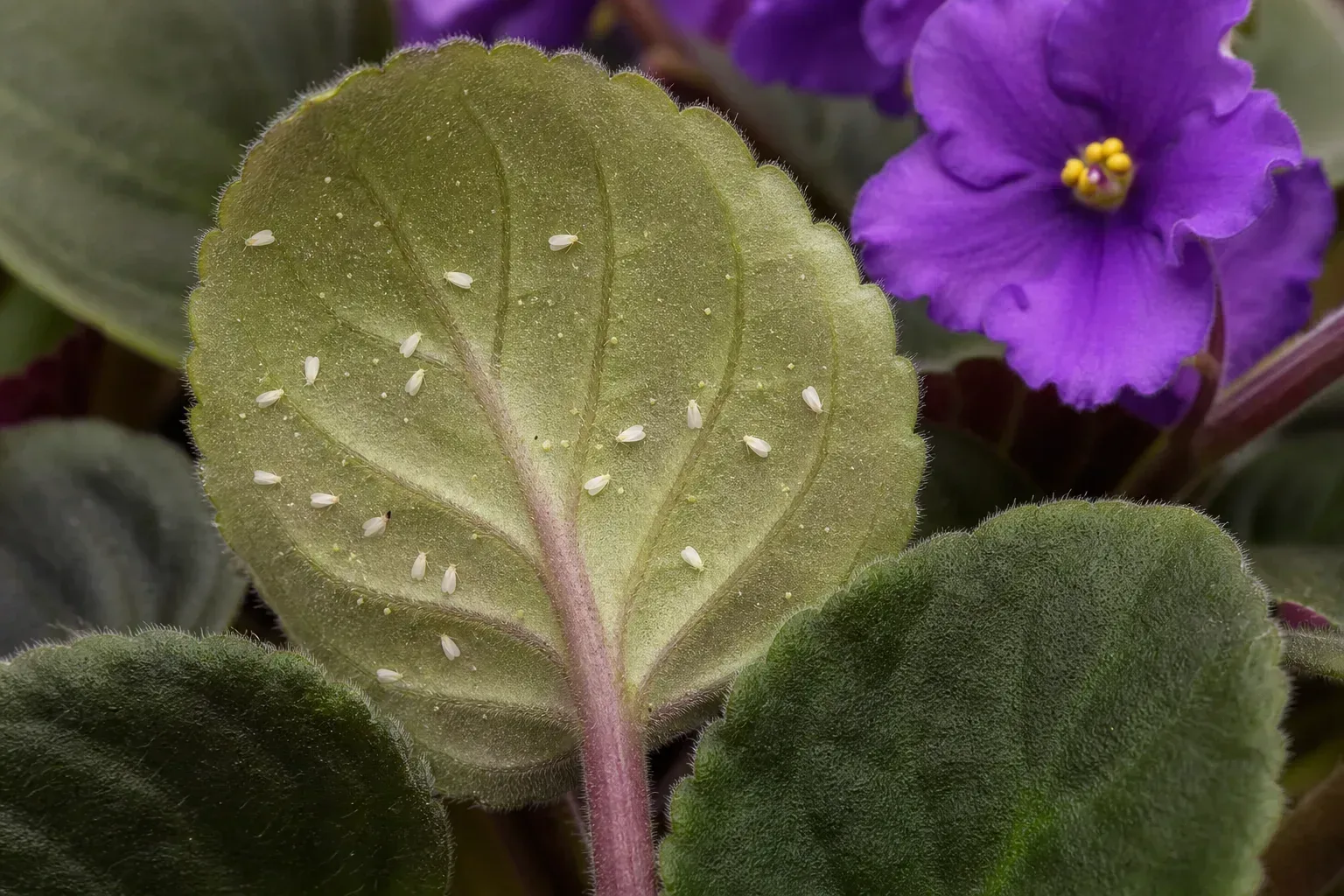 PestsWhiteflies'Houseplant pests are common indoors because conditions lack natural predators. Whiteflies often arrives on new plants, open windows, or stressed specimens. When you notice Tiny white flying insects under leaves, act quickly: confirm the pest, isolate the plant, and treat before the population explodes. Track weekly progress after you change care, and note watering, light, and repotting dates so you can tell whether the symptom is improving or returning.'. Compare upper versus lower leaves, new versus old growth, and soil moisture at root depth before you treat, because the same visible symptom can come from watering, light, pests, or normal aging on different plants.
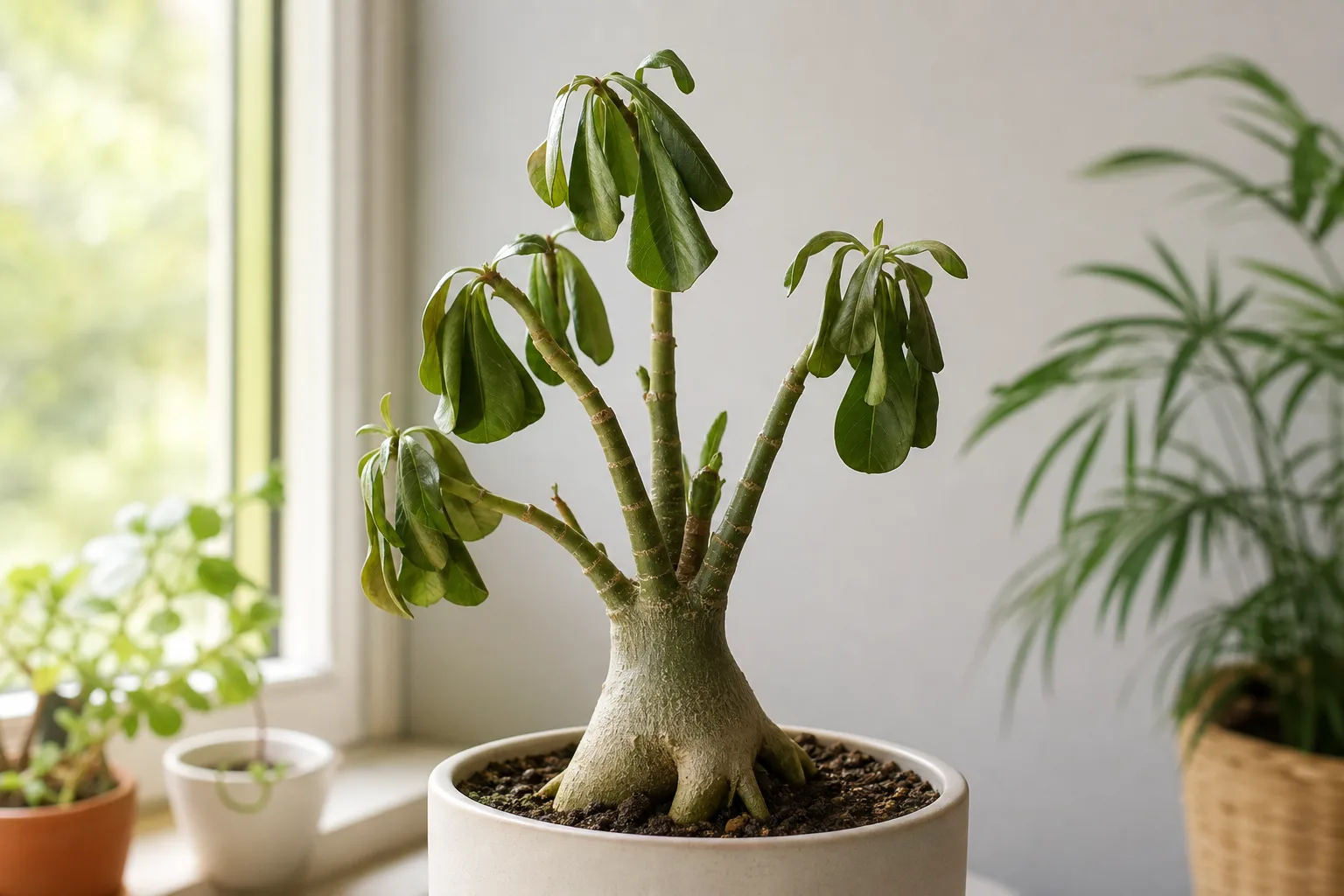 WateringWiltingWilting is a high-signal symptom that indicates the plant cannot maintain internal water pressure. Although people often assume underwatering, wilting can also result from overwatering, root rot, heat stress, and vascular damage. The same limp appearance can come from opposite causes, so checking soil moisture at depth is the first critical diagnostic step. Dry soil points toward dehydration, while wet soil with wilting suggests uptake failure.
Treatment success depends on correcting the water pathway rather than simply adding more water. Rehydrate genuinely dry plants thoroughly and gradually. For wet, wilted plants, prioritize root oxygen and drainage before the condition worsens. Environmental extremes can compound either scenario, so stabilize temperature and light exposure during recovery. Healthy recovery shows improved leaf firmness and steady new growth over days to weeks, depending on severity and species resilience.
WateringWiltingWilting is a high-signal symptom that indicates the plant cannot maintain internal water pressure. Although people often assume underwatering, wilting can also result from overwatering, root rot, heat stress, and vascular damage. The same limp appearance can come from opposite causes, so checking soil moisture at depth is the first critical diagnostic step. Dry soil points toward dehydration, while wet soil with wilting suggests uptake failure.
Treatment success depends on correcting the water pathway rather than simply adding more water. Rehydrate genuinely dry plants thoroughly and gradually. For wet, wilted plants, prioritize root oxygen and drainage before the condition worsens. Environmental extremes can compound either scenario, so stabilize temperature and light exposure during recovery. Healthy recovery shows improved leaf firmness and steady new growth over days to weeks, depending on severity and species resilience.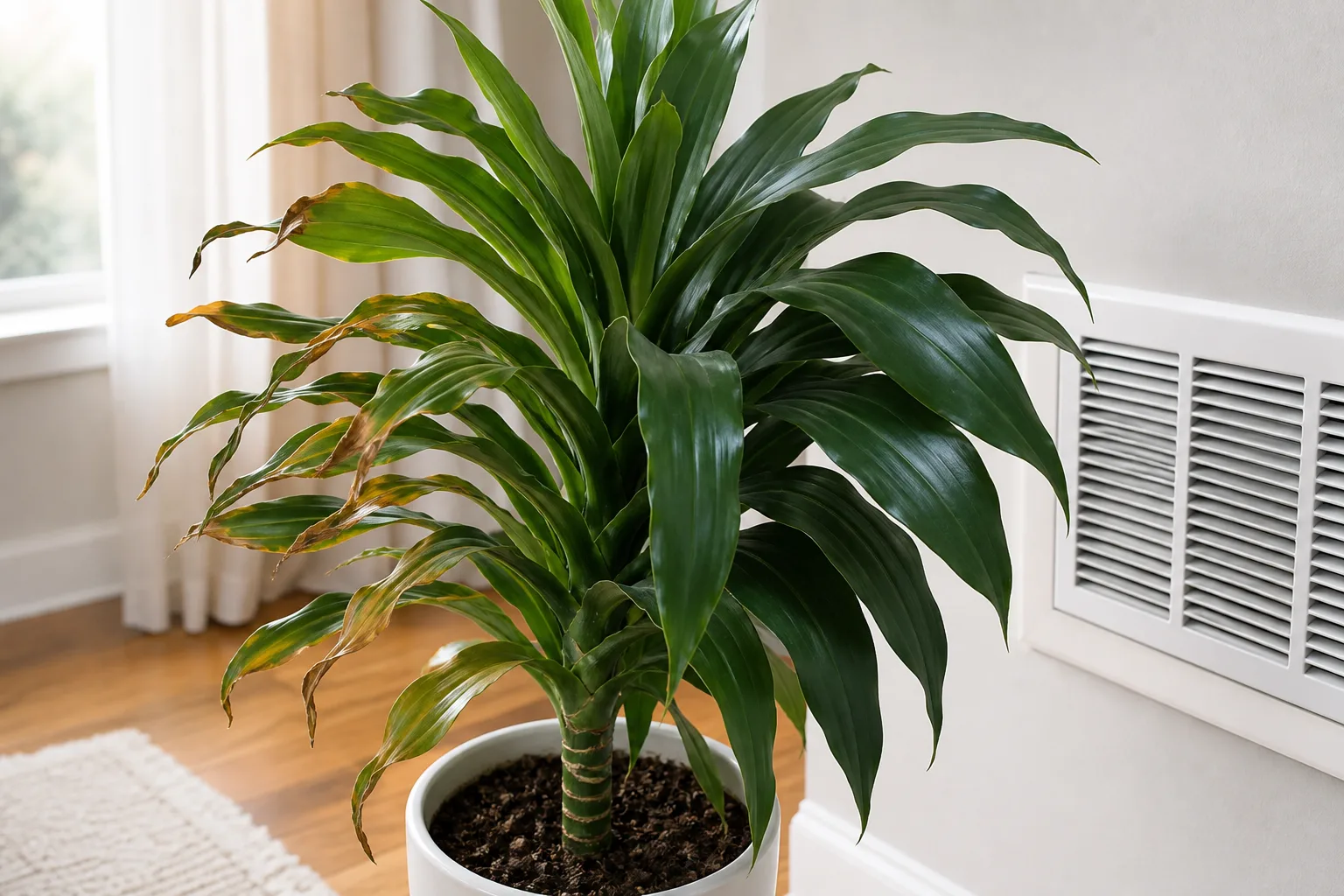 EnvironmentWind DamageHomes are not greenhouses. Wind Damage appears when humidity, temperature, or air movement falls outside what your plant tolerates. Torn leaves, bent stems, dry edges after a move, heat wave, or dry winter often points to environment-not necessarily wrong watering. Track weekly progress after you change care, and note watering, light, and repotting dates so you can tell whether the symptom is improving or returning. Compare upper versus lower leaves, new versus old growth, and soil moisture at root depth before you treat, because the same visible symptom can come from watering, light, pests, or normal aging on different plants.
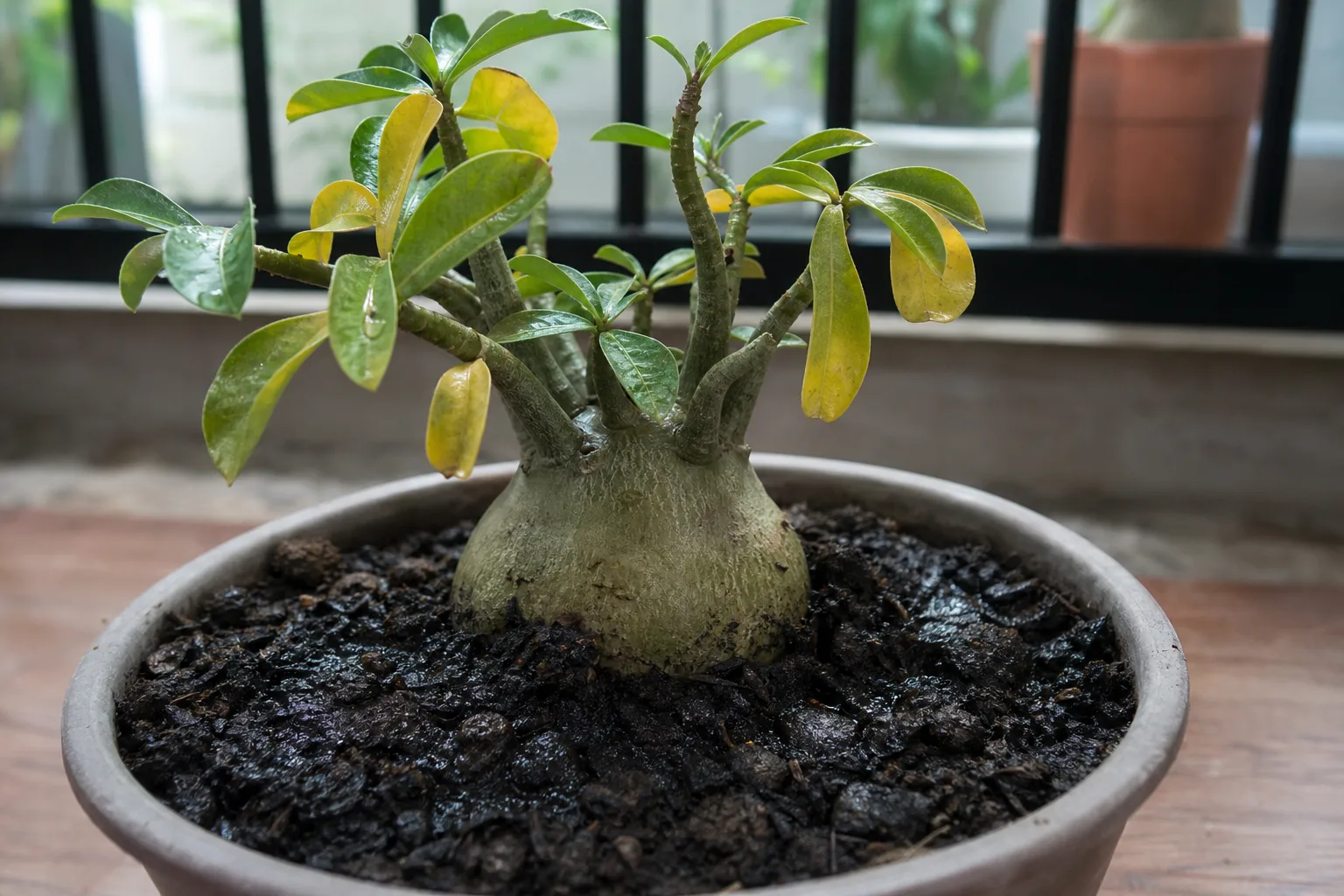 SoilWrong Soil Mix'Potting mix is the foundation of houseplant health. When you see Plant declines because soil is too heavy, too dry, or too dense, the soil may be holding too much water, repelling water, or locking out nutrients. Fixing Wrong Soil Mix often means adjusting mix, pot size, or watering habits-not just treating leaves. Track weekly progress after you change care, and note watering, light, and repotting dates so you can tell whether the symptom is improving or returning.'. Compare upper versus lower leaves, new versus old growth, and soil moisture at root depth before you treat, because the same visible symptom can come from watering, light, pests, or normal aging on different plants.
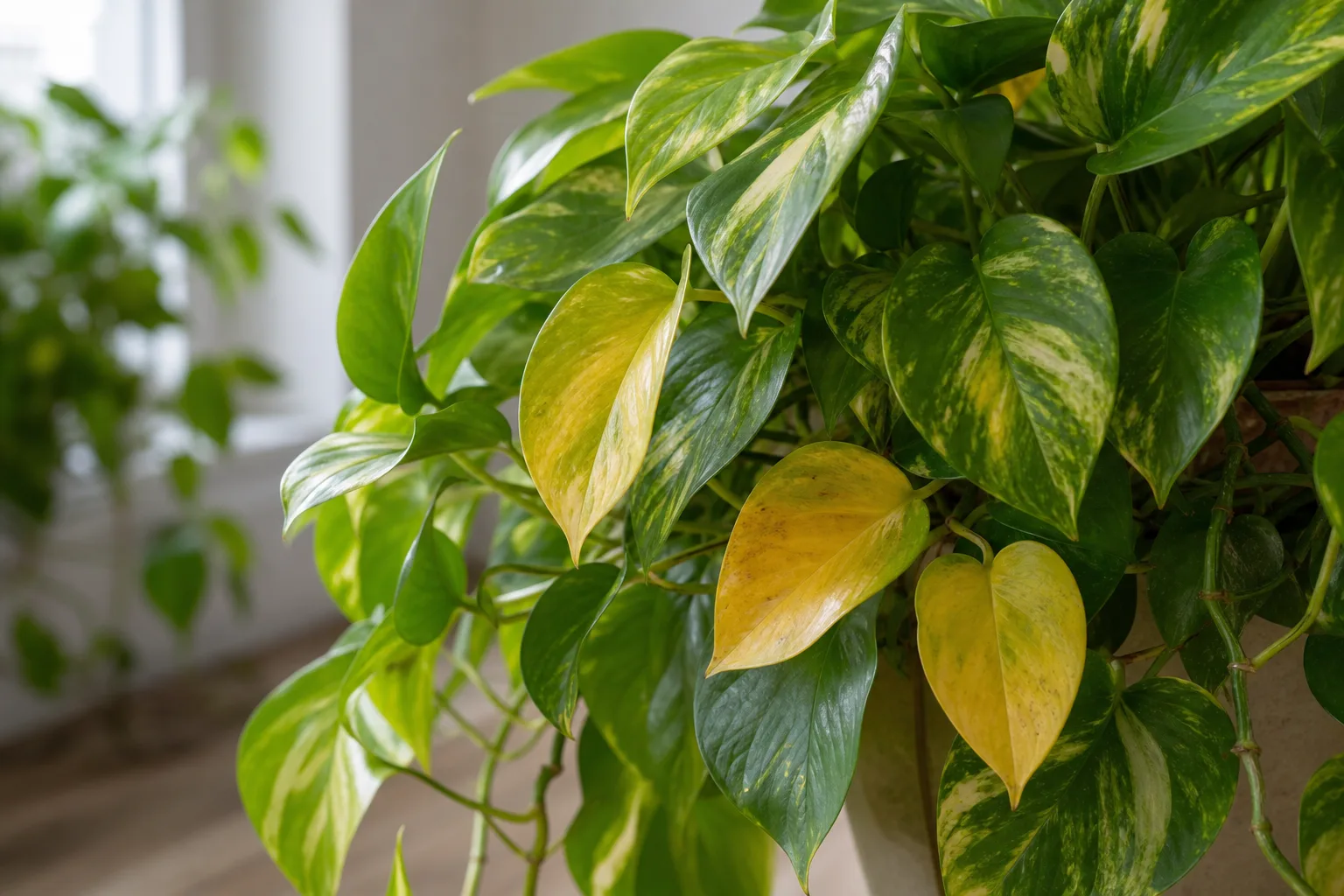 LeavesYellow LeavesYellow leaves are one of the most common houseplant complaints, but they are a symptom, not a single diagnosis. In many plants, a few older leaves yellowing over time is normal aging. Concern starts when yellowing appears on multiple leaves at once, moves into newer growth, or appears alongside soft stems, drooping, or stalled growth. The pattern matters: lower-leaf yellowing often points to watering or nutrient issues, while yellow patches on sun-facing leaves can indicate light stress.
Most yellow-leaf cases come from roots under stress. Overwatering limits oxygen in soil, while chronic underwatering damages fine roots and prevents nutrient uptake. Low light slows water use, making an otherwise normal watering routine suddenly excessive. A practical fix is to check moisture depth, root health, pot drainage, and recent environmental changes together. Once you correct the root cause, new growth usually returns to healthy green, though already-yellow leaves rarely recover fully.
LeavesYellow LeavesYellow leaves are one of the most common houseplant complaints, but they are a symptom, not a single diagnosis. In many plants, a few older leaves yellowing over time is normal aging. Concern starts when yellowing appears on multiple leaves at once, moves into newer growth, or appears alongside soft stems, drooping, or stalled growth. The pattern matters: lower-leaf yellowing often points to watering or nutrient issues, while yellow patches on sun-facing leaves can indicate light stress.
Most yellow-leaf cases come from roots under stress. Overwatering limits oxygen in soil, while chronic underwatering damages fine roots and prevents nutrient uptake. Low light slows water use, making an otherwise normal watering routine suddenly excessive. A practical fix is to check moisture depth, root health, pot drainage, and recent environmental changes together. Once you correct the root cause, new growth usually returns to healthy green, though already-yellow leaves rarely recover fully.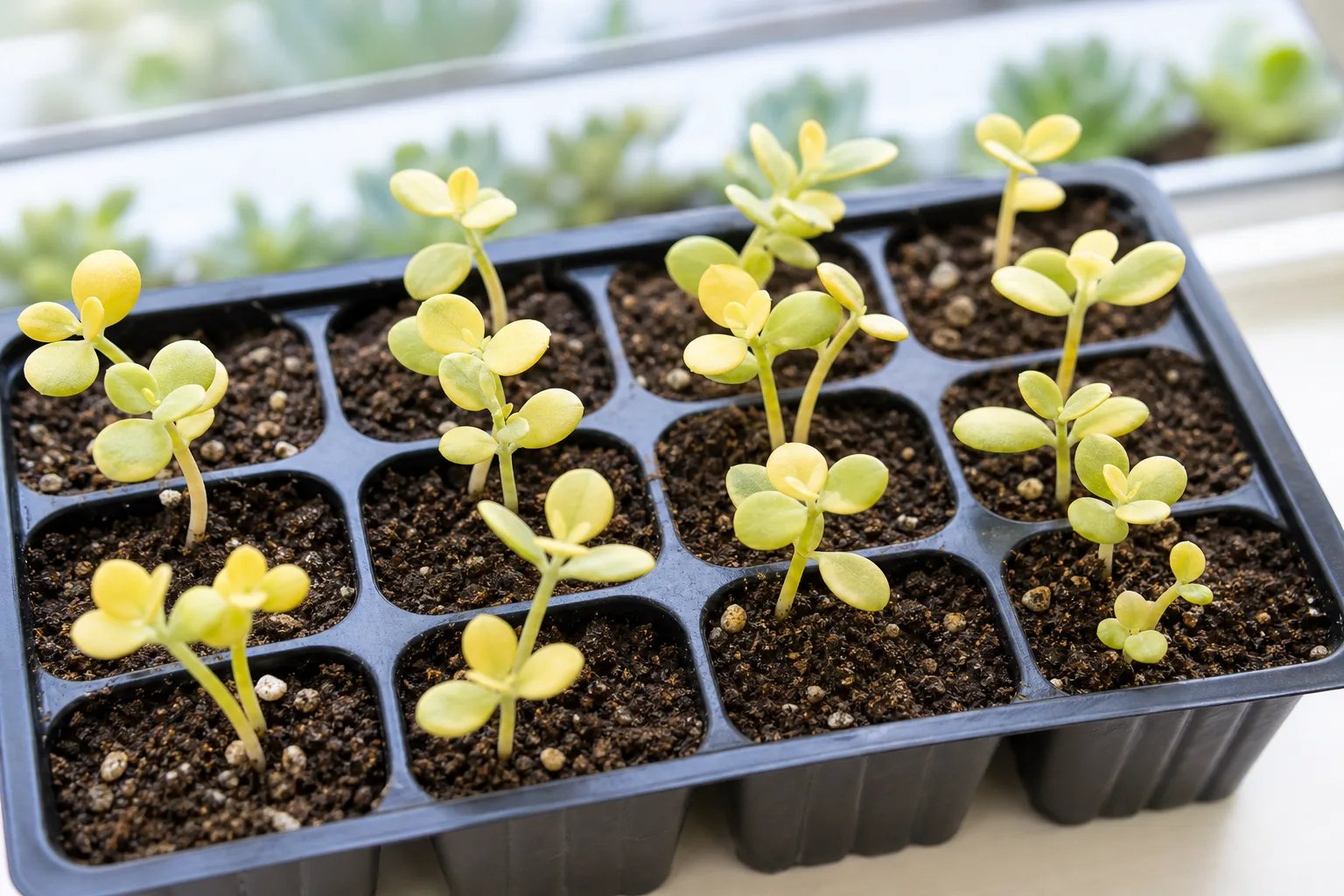 Seeds / SeedlingsYellow SeedlingsYellowing in seedlings differs from mature houseplant chlorosis. Young plants have small root systems and are sensitive to soggy mix, cold trays on windowsills, and nitrogen lack in sterile seed-starting media.
Check whether yellowing appears on cotyledons only (sometimes normal as true leaves emerge) or on new true leaves (action needed). Improve drainage, warm the root zone gently, increase light, and begin dilute fertilizer only after the first set of true leaves unless the label says otherwise for that crop.
Seeds / SeedlingsYellow SeedlingsYellowing in seedlings differs from mature houseplant chlorosis. Young plants have small root systems and are sensitive to soggy mix, cold trays on windowsills, and nitrogen lack in sterile seed-starting media.
Check whether yellowing appears on cotyledons only (sometimes normal as true leaves emerge) or on new true leaves (action needed). Improve drainage, warm the root zone gently, increase light, and begin dilute fertilizer only after the first set of true leaves unless the label says otherwise for that crop.No problems matched your search. Try different keywords or clear the category filter.
This houseplant symptoms and problem diagnosis problem guide was researched and written by . Houseplant symptoms and problem diagnosis symptoms, lookalike causes, and step-by-step fixes are cross-checked against extension pest, disease, and care references before publication.
We prioritize sources that hold up under scrutiny:
- University cooperative extension bulletins and fact sheets (Penn State, Clemson, UMD, NC State, and similar programs)
- Botanical garden and horticultural society publications
- Peer-reviewed plant science and veterinary toxicology references where pet safety matters (including ASPCA Animal Poison Control)
- Established reference works on indoor plant culture
The LeafyPixels editorial team then reviews the draft for clarity, step-by-step usefulness, and fit with real apartment and home conditions-not ideal greenhouse setups. When guidance changes materially, we update the page and note the revision date.
Sources used
- Clemson HGIC (n.d.) Diseases of indoor plants. [Online]. Available at: https://hgic.clemson.edu/?s=diseases%20of%20indoor%20plants (Accessed: 29 June 2026).
- Clemson HGIC (n.d.) Care of flowering houseplants. [Online]. Available at: https://hgic.clemson.edu/?s=care%20of%20flowering%20houseplants (Accessed: 29 June 2026).
- Clemson HGIC (n.d.) Leaf drop and yellowing of houseplants. [Online]. Available at: https://hgic.clemson.edu/?s=leaf%20drop%20and%20yellowing%20of%20houseplants (Accessed: 29 June 2026).
- Colorado State Extension (n.d.) Insect control on houseplants. [Online]. Available at: https://extension.colostate.edu/search/?q=insect%20control%20on%20houseplants%205%20584 (Accessed: 29 June 2026).
- Colorado State Extension (n.d.) Fungus gnats as houseplant pests. [Online]. Available at: https://extension.colostate.edu/search/?q=fungus%20gnats%20as%20houseplant%20pests%205%20584 (Accessed: 29 June 2026).
- Colorado State Extension (n.d.) Mealybugs on houseplants. [Online]. Available at: https://extension.colostate.edu/search/?q=mealybugs%20on%20houseplants%205%20505 (Accessed: 29 June 2026).
- Cornell CALS (n.d.) Damping-off diseases of seedlings. [Online]. Available at: https://vegetablemdonline.ppath.cornell.edu/factsheets/Damping_Off.htm (Accessed: 29 June 2026).
- Missouri Botanical Garden (n.d.) Root rot of houseplants. [Online]. Available at: https://www.missouribotanicalgarden.org/gardens-gardening/your-garden/help-for-the-home-gardener/advice-tips-resources/visual-guides/root-rot-of-houseplants (Accessed: 29 June 2026).
- Missouri Botanical Garden (n.d.) Why does my indoor plant have leaves with brown tips?. [Online]. Available at: https://www.missouribotanicalgarden.org/gardens-gardening/your-garden/help-for-the-home-gardener/advice-tips-resources/gardening-help-faqs/question/1578/why-does-my-indoor-plant-have-leaves-with-brown-tips (Accessed: 29 June 2026).
- Missouri Botanical Garden (n.d.) How do I bring plants indoors for winter?. [Online]. Available at: https://www.missouribotanicalgarden.org/gardens-gardening/your-garden/help-for-the-home-gardener/advice-tips-resources/gardening-help-faqs/question/1553/how-do-i-bring-plants-indoors-for-winter (Accessed: 29 June 2026).
- Missouri Botanical Garden (n.d.) How to water indoor plants. [Online]. Available at: https://www.missouribotanicalgarden.org/gardens-gardening/your-garden/help-for-the-home-gardener/advice-tips-resources/visual-guides/how-to-water-indoor-plants (Accessed: 29 June 2026).
- Missouri Botanical Garden (n.d.) Powdery mildew indoors. [Online]. Available at: https://www.missouribotanicalgarden.org/gardens-gardening/your-garden/help-for-the-home-gardener/advice-tips-resources/insects-pests-and-problems/diseases/powdery-mildew/powdery-mildew-indoors (Accessed: 29 June 2026).
- Missouri Botanical Garden (n.d.) Renovating an indoor house plant. [Online]. Available at: https://www.missouribotanicalgarden.org/gardens-gardening/your-garden/help-for-the-home-gardener/advice-tips-resources/renovating-an-indoor-house-plant (Accessed: 29 June 2026).
- Missouri Botanical Garden (n.d.) Spider mites. [Online]. Available at: https://www.missouribotanicalgarden.org/gardens-gardening/your-garden/help-for-the-home-gardener/advice-tips-resources/insects-pests-and-problems/insects/mites/spider-mites (Accessed: 29 June 2026).
- Missouri Botanical Garden (n.d.) Which insecticides or miticides can I use on indoor plants?. [Online]. Available at: https://www.missouribotanicalgarden.org/gardens-gardening/your-garden/help-for-the-home-gardener/advice-tips-resources/gardening-help-faqs/question/1604/which-insecticidesmiticides-can-i-use-on-indoor-plants (Accessed: 29 June 2026).
- Missouri Botanical Garden (n.d.) Problems common to many indoor plants. [Online]. Available at: https://www.missouribotanicalgarden.org/gardens-gardening/your-garden/help-for-the-home-gardener/advice-tips-resources/visual-guides/problems-common-to-many-indoor-plants (Accessed: 29 June 2026).
- Missouri Botanical Garden (n.d.) How often should I water my indoor plants?. [Online]. Available at: https://www.missouribotanicalgarden.org/gardens-gardening/your-garden/help-for-the-home-gardener/advice-tips-resources/gardening-help-faqs/question/1555/how-often-should-i-water-my-indoor-plants (Accessed: 29 June 2026).
- Penn State Extension (n.d.) Root rot of houseplants. [Online]. Available at: https://extension.psu.edu/pest-and-disease-problems-of-indoor-plants (Accessed: 29 June 2026).
- Penn State Extension (n.d.) Seed and seedling biology. [Online]. Available at: https://extension.psu.edu/seed-and-seedling-biology (Accessed: 29 June 2026).
- Texas A&M AgriLife (n.d.) Houseplant leaf tip burn. [Online]. Available at: https://aggie-horticulture.tamu.edu/archives/parsons/trees/housepl.html (Accessed: 29 June 2026).
- University of California IPM (n.d.) Aphids. [Online]. Available at: https://ipm.ucanr.edu/PMG/PESTNOTES/pn7404.html (Accessed: 29 June 2026).
- University of California IPM (n.d.) Mealybugs. [Online]. Available at: https://ipm.ucanr.edu/PMG/PESTNOTES/pn74174.html (Accessed: 29 June 2026).
- University of Connecticut (n.d.) Brown leaf tips on houseplants. [Online]. Available at: https://plantsciencecalendar.uconn.edu/fact_sheet/brown-leaf-tips/ (Accessed: 29 June 2026).
- University of Florida IFAS (n.d.) Light for houseplants. [Online]. Available at: https://edis.ifas.ufl.edu/publication/EP145 (Accessed: 29 June 2026).
- University of Maryland Extension (n.d.) Leaf spots on houseplants. [Online]. Available at: https://www.extension.umd.edu/resource/leaf-spots-indoor-plants (Accessed: 29 June 2026).
- University of Maryland Extension (n.d.) Fungal leaf spots on indoor plants. [Online]. Available at: https://extension.umd.edu/resource/fungal-leaf-spots-indoor-plants (Accessed: 29 June 2026).
- University of Maryland Extension (n.d.) Bacterial leaf spots on indoor plants. [Online]. Available at: https://extension.umd.edu/resource/bacterial-leaf-spots-indoor-plants (Accessed: 29 June 2026).
- University of Maryland Extension (n.d.) Diagnose indoor plant problems. [Online]. Available at: https://extension.umd.edu/resource/diagnose-indoor-plant-problems (Accessed: 29 June 2026).
- University of Maryland Extension (n.d.) Diagnosing houseplant problems. [Online]. Available at: https://www.extension.umd.edu/resource/diagnose-indoor-plant-problems (Accessed: 29 June 2026).
- University of Maryland Extension (n.d.) Lighting for indoor plants. [Online]. Available at: https://extension.umd.edu/resource/lighting-indoor-plants (Accessed: 29 June 2026).
- University of Maryland Extension (n.d.) Drought stress to indoor plants. [Online]. Available at: https://extension.umd.edu/resource/drought-stress-indoor-plants (Accessed: 29 June 2026).
- University of Maryland Extension (n.d.) Flowering houseplants. [Online]. Available at: https://extension.umd.edu/search?search=flowering%20houseplants (Accessed: 29 June 2026).
- University of Maryland Extension (n.d.) Nutrient deficiency of indoor plants. [Online]. Available at: https://extension.umd.edu/resource/nutrient-deficiency-indoor-plants (Accessed: 29 June 2026).
- University of Maryland Extension (n.d.) Watering indoor plants. [Online]. Available at: https://extension.umd.edu/resource/watering-indoor-plants (Accessed: 29 June 2026).
- University of Maryland Extension (n.d.) Mineral and fertilizer salt deposits on indoor plants. [Online]. Available at: https://extension.umd.edu/resource/mineral-and-fertilizer-salt-deposits-indoor-plants (Accessed: 29 June 2026).
- University of Maryland Extension (n.d.) Temperature and humidity for indoor plants. [Online]. Available at: https://extension.umd.edu/resource/temperature-and-humidity-indoor-plants (Accessed: 29 June 2026).
- University of Maryland Extension (n.d.) Fertilizing houseplants. [Online]. Available at: https://extension.umd.edu/search?search=fertilizing%20houseplants (Accessed: 29 June 2026).
- University of Maryland Extension (n.d.) Overwatered indoor plants. [Online]. Available at: https://extension.umd.edu/resource/overwatered-indoor-plants (Accessed: 29 June 2026).
- University of Maryland Extension (n.d.) Powdery mildew on indoor plants. [Online]. Available at: https://extension.umd.edu/resource/powdery-mildew-indoor-plants (Accessed: 29 June 2026).
- University of Maryland Extension (n.d.) Powdery mildew on houseplants. [Online]. Available at: https://www.extension.umd.edu/resource/powdery-mildew-indoor-plants (Accessed: 29 June 2026).
- University of Minnesota Extension (n.d.) Insects on indoor plants. [Online]. Available at: https://extension.umn.edu/product-and-houseplant-pests/insects-indoor-plants (Accessed: 29 June 2026).
- University of Minnesota Extension (n.d.) Aphids on houseplants. [Online]. Available at: https://extension.umn.edu/product-and-houseplant-pests/aphids-houseplants (Accessed: 29 June 2026).
- University of Minnesota Extension (n.d.) Damping off of seedlings. [Online]. Available at: https://extension.umn.edu/diseases/damping (Accessed: 29 June 2026).
- University of Minnesota Extension (n.d.) Fungus gnats. [Online]. Available at: https://extension.umn.edu/product-and-houseplant-pests/fungus-gnats (Accessed: 29 June 2026).
- University of Minnesota Extension (n.d.) Starting seeds indoors. [Online]. Available at: https://extension.umn.edu/planting-and-growing-guides/starting-seeds-indoors (Accessed: 29 June 2026).
- University of Minnesota Extension (n.d.) Mealybugs. [Online]. Available at: https://extension.umn.edu/product-and-houseplant-pests/mealybugs (Accessed: 29 June 2026).
- University of Missouri Extension (n.d.) Caring for houseplants. [Online]. Available at: https://extension.missouri.edu/publications/g6510 (Accessed: 29 June 2026).