Low Humidity in Plants: Symptoms and Fixes
Low humidity damage happens when leaves lose water faster than roots can replace it. This is most common in winter heating season, near forced-air vents, or after moving a plant from a greenhouse or humid nursery into a dry room. Tropical foliage plants feel it first, while cacti and many succulents usually do not. Dry-air stress often overlaps with watering stress, so the goal is to separate the two. If the soil is reasonably moist but leaf edges still crisp, curl, or brown near vents and windows, the environment is usually the first thing to correct.
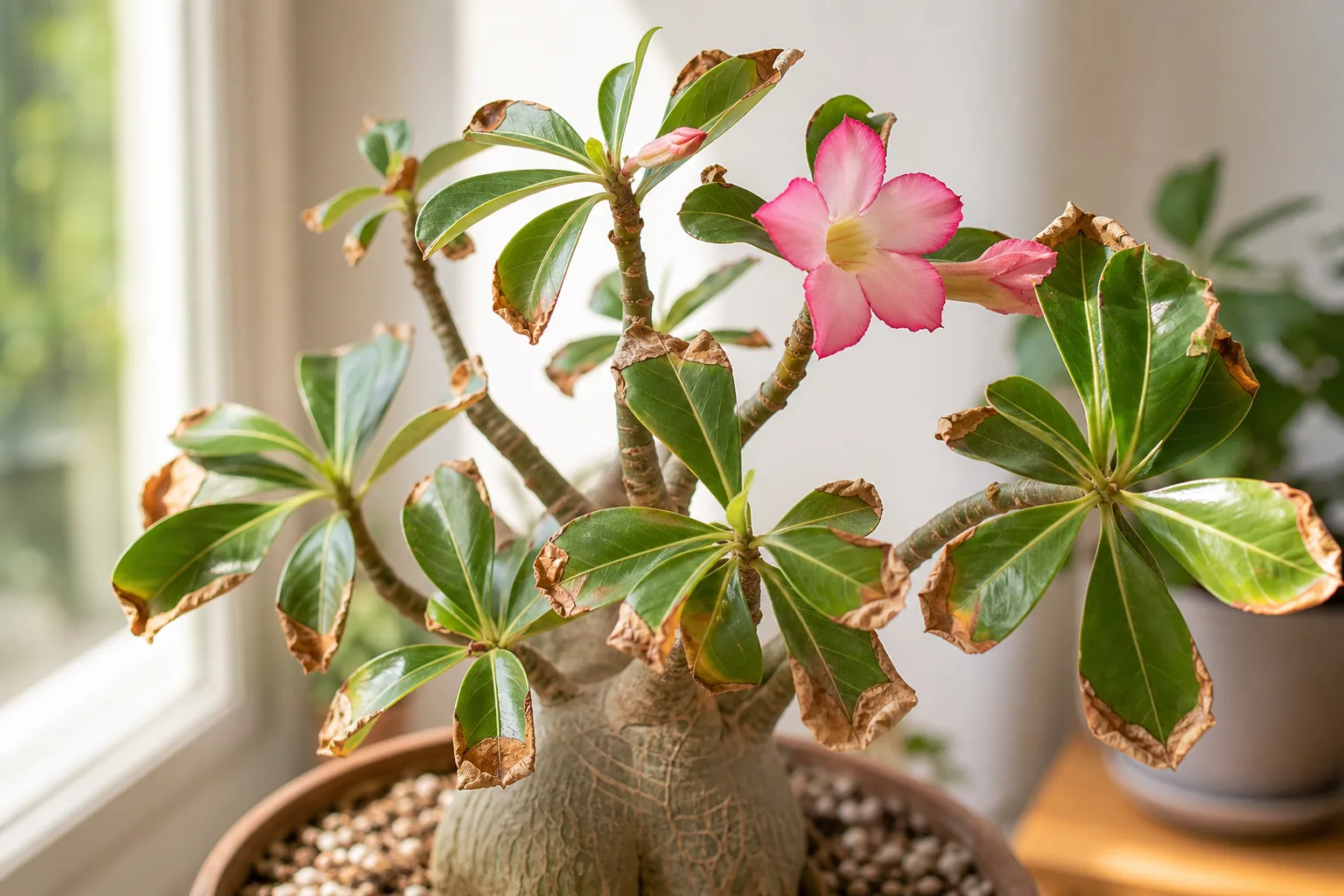
Low Humidity on Houseplants
Still unsure?Match your symptoms to the most likely problems in under a minute.Run diagnosis →Understand and fix low humidity
Low humidity damage happens when leaves lose water faster than roots can replace it. This is most common in winter heating season, near forced-air vents, or after moving a plant from a greenhouse or humid nursery into a dry room. Tropical foliage plants feel it first, while cacti and many succulents usually do not. Dry-air stress often overlaps with watering stress, so the goal is to separate the two. If the soil is reasonably moist but leaf edges still crisp, curl, or brown near vents and windows, the environment is usually the first thing to correct.
Overview
Low humidity damage happens when leaves lose water faster than roots can replace it. This is most common in winter heating season, near forced-air vents, or after moving a plant from a greenhouse or humid nursery into a dry room. Tropical foliage plants feel it first, while cacti and many succulents usually do not.
Dry-air stress often overlaps with watering stress, so the goal is to separate the two. If the soil is reasonably moist but leaf edges still crisp, curl, or brown near vents and windows, the environment is usually the first thing to correct.
How to identify it
- Brown, crisp tips or margins appear first on thinner or broader leaves.
- Symptoms worsen near heat vents, radiators, fireplaces, AC, or cold window glass.
- Soil may still be appropriately moist when the foliage looks dry.
- New purchases decline soon after moving from a greenhouse or store to normal indoor air.
- Humidity-sensitive plants such as calatheas, ferns, and some orchids show damage before tougher foliage plants do.
When to worry
Escalate quickly if leaves blacken after cold exposure, buds or new growth collapse, or the plant keeps declining after humidity and placement are corrected. That suggests more than simple dry air.
Common causes
Low indoor humidity
Heated winter air is usually much drier than greenhouse or summer air. Many tropical foliage plants show tip burn and curl first when humidity drops.
Temperature extremes
Heat ducts, sunny glass, and cold panes create local stress zones that dry leaves faster or physically damage tender tissue.
Drafts and moving air
Fans, AC, open windows, and forced-air registers all increase evaporation from leaf surfaces even when the room's average humidity sounds acceptable.
Sudden relocation
Plants moved from humid production conditions into a normal room often lose older leaves while adjusting to lower humidity and different light.
Species sensitivity
Ferns, calatheas, prayer plants, and thin-leaved aroids react faster than waxier plants. Succulents and cacti usually tolerate the same room without issue.
Step-by-step fix
Remove the plant from the stress zone
Pull it back from hot or cold glass and away from direct airflow from vents, fans, fireplaces, and AC units before changing anything else.
Raise humidity around the plant
Use a room humidifier, group compatible plants, or choose naturally more humid rooms with adequate light. Pebble trays can help a little nearby, but they are weaker than a humidifier.
Check watering separately
Dry air does not excuse soggy roots. Confirm the root ball is moist but not waterlogged, because humidity stress and watering errors often coexist.
Hold off on extra stress
Delay repotting, hard pruning, or fertilizer until the plant has had a week or two in steadier conditions.
Trim only dead tissue
Brown tips and scorched margins do not heal. Once conditions are stable, trim cosmetic damage if you want, but judge recovery by cleaner new leaves.
Acclimate gradually next time
New plants and summered plants transition better when you change humidity and temperature in stages instead of all at once.
Prevention tips
- Keep humidity-sensitive plants away from heat ducts, AC, and cold window contact.
- Run a humidifier in dry winter rooms instead of relying on misting alone.
- Group humidity-loving plants with similar light needs.
- Acclimate greenhouse-grown plants slowly to normal indoor air.
Common mistakes
- Treating every crisp leaf edge as a watering failure.
- Depending on once-a-day misting as the main fix.
- Leaving sensitive foliage directly in the path of vents or against cold glass.
Low humidity can make a plant lose water faster than its roots can supply it. Tender edges dry first, newly unfurling leaves may catch or tear, and the pot may need attention sooner than it did in a milder season. Yet crispy tips alone do not diagnose dry air. Underwatering, damaged roots, fertilizer salts, water quality, excess sun, heat, and pests can create similar symptoms.
The safest approach combines a hygrometer reading with plant pattern, root-zone moisture, placement, and timing. If symptoms appeared when heating began, affect several humidity-sensitive plants near a vent, and coincide with low readings, dry air is plausible. If one plant has wet mix and rotting roots, raising humidity misses the real problem.
This guide helps you identify low humidity without guessing, choose interventions with meaningful effects, and avoid turning a dry-air issue into mold, condensation, or chronic overwatering.
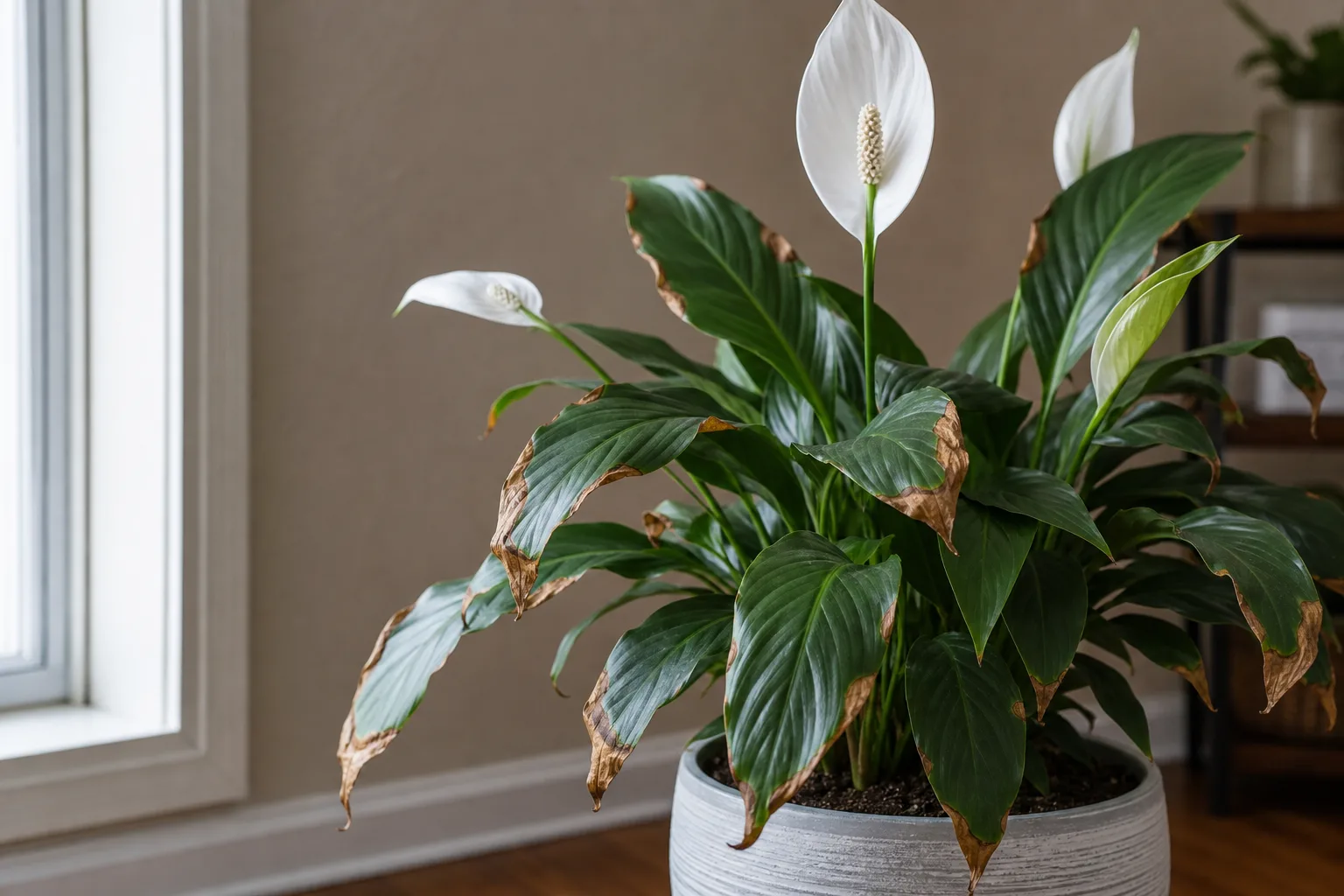
What low humidity means to a plant
Relative humidity is the amount of water vapor in air compared with the maximum possible at that temperature. Heated winter air often has low relative humidity because cold outdoor air contains little moisture and warming it lowers its relative saturation. Penn State Extension notes that indoor humidity can fall below 30 percent during heating season.
Water vapor moves from a moist leaf interior toward drier air through stomata. When the atmospheric demand rises, transpiration may increase. A healthy root system can compensate within limits; a small, damaged, cold, or partly dry root system may not.
Species differ. Many tropical understory plants prefer more atmospheric moisture than a heated home supplies, while cacti and succulents evolved with different structures and expectations. There is no one magic percentage for every collection.
The quickest reliable diagnosis
Place a calibrated or plausibly accurate digital hygrometer near the canopy, away from direct humidifier mist, sun-heated glass, and vents. Consumer sensors can drift, so treat a single reading as screening evidence rather than proof; compare it with a second device or a different room when the result seems implausible. Record temperature and humidity morning, afternoon, and evening for several days. Compare the affected shelf with another part of the room.
Then examine:
- whether damage is worst on thin leaves and fresh growth;
- whether several compatible plants changed together;
- whether pots are drying unusually quickly;
- whether a heater, air conditioner, fan, or relocation changed airflow;
- whether symptoms stabilize when plants move to a measured, moderately humid location.
Check the potting mix at depth. A dry root ball remains a watering problem even when the room is dry. A saturated root ball with brown soft roots is a root problem. Diagnosis improves when environmental and root-zone evidence agree.
Use a control location when possible. Move only one of two comparable plants away from the vent or place a sensor in both locations. If new damage slows in the protected microclimate while other care stays consistent, dry moving air becomes more plausible. This modest comparison is more useful than changing water, fertilizer, light, and humidity simultaneously.
Review how the plant was grown before it entered your home. Greenhouse foliage may have developed under high humidity and filtered light. A sudden move to dry retail or household air can damage the first leaves even when the plant will ultimately acclimate. New growth under stable home conditions is a fairer measure of long-term suitability.
| Evidence pattern | More likely interpretation | First useful action |
|---|---|---|
| Repeated low canopy readings plus dry margins on thin-leaved plants | Dry air is a credible contributor | Raise humidity gradually and move the plant away from vents |
| Dry root ball and a very light pot | Underwatering is the immediate issue | Rehydrate the entire root ball and correct the watering method |
| Moist root ball with yellowing, odor, or soft roots | Root dysfunction is more likely | Stop adding water and inspect drainage and roots |
| Fine stippling, webbing, cast skins, or moving dots | A mite infestation is plausible | Isolate and identify the pest before treatment |
| White crust, tip burn, or recent heavy feeding | Dissolved salts may be contributing | Review fertilizer and water quality before blaming humidity |
Common low-humidity symptoms
Associated signs can include brown margins, crisp tips, inward curl, limpness despite a normal watering interval, flowers that dry quickly, and new leaves that emerge distorted or fail to unfurl cleanly. Thin-leaved plants usually show changes sooner than thick, waxy, succulent, or hairy leaves.
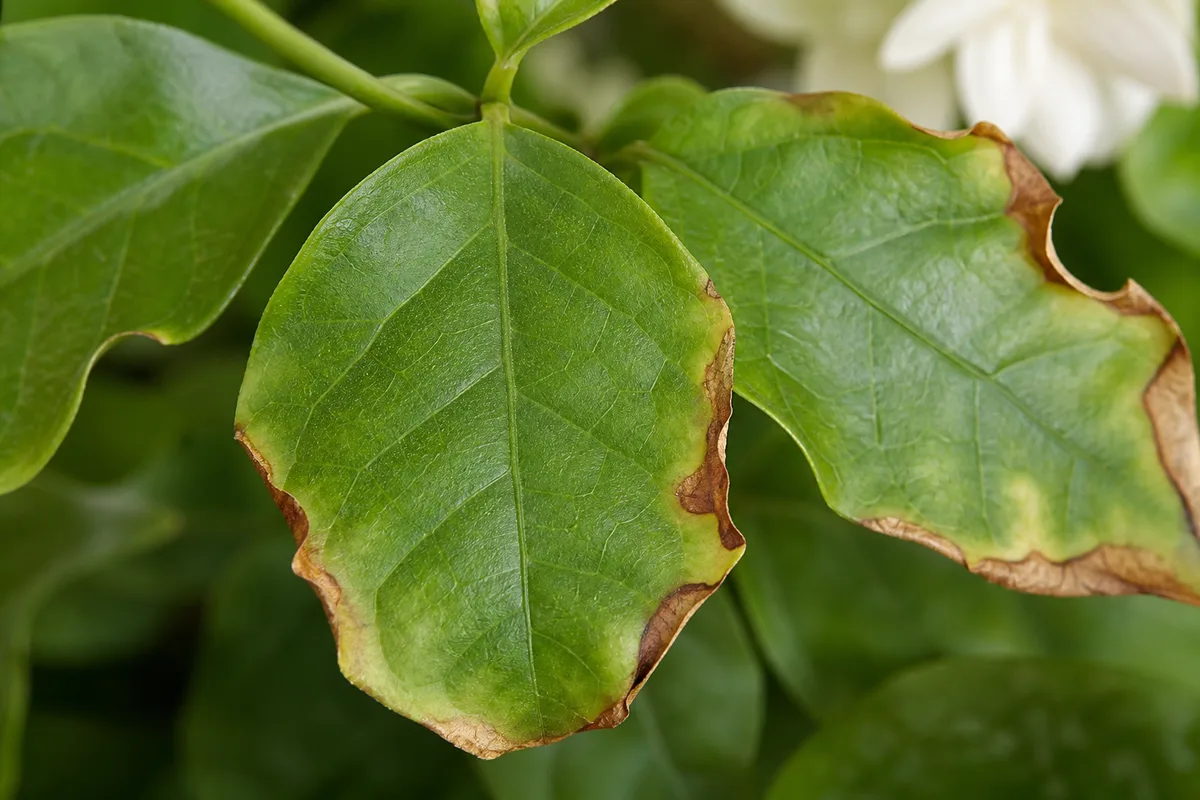
Damage often begins at edges because margins are exposed and have limited water supply routes. However, salts also accumulate at leaf tips in some plants, and fluoride-sensitive species may develop tip burn. Low humidity must remain one hypothesis among several.
Dry air also accelerates evaporation from the mix. That can shorten the watering interval, especially in porous clay pots or small containers. The response is more frequent checking—not automatic daily watering.
Brown margins, curl, and fragile growth
Brown tissue is dead and will not become green after humidity improves. Look instead for whether damage stops expanding and subsequent leaves open normally. A narrow dry edge across several humidity-sensitive plants is more suggestive than a single irregular lesion.
Curling may reduce exposed leaf area, but heat, light, water stress, viruses, and pests can also cause it. Inspect leaf undersides and new growth under bright light. Spider-mite stippling and webbing change the diagnosis.
Young leaves can stick while unfurling in dry air. Do not force them open; tearing delicate tissue creates wounds. Improve conditions gradually and allow the next growth cycle to demonstrate the result.
Flowers can be even more responsive than foliage. Petals may crisp or buds may shed when roots cannot match atmospheric demand, but ethylene exposure, heat, cold, missed watering, and normal bloom age also shorten display. Evaluate leaves, roots, and environment rather than diagnosing from one fading flower.
Severely dry air can contribute to daily wilt even though the mix was watered correctly. If posture improves at night and collapses near a warm vent each afternoon, relocation may solve more than increasing irrigation. Constantly wetting the root zone to compensate for a bad placement risks root disease.
Fast drying and increased water demand
Dry moving air increases loss from foliage and the pot surface. A rootbound plant or hydrophobic mix may become dry surprisingly quickly. Lift pots to learn their weight and probe beyond the top crust.
When dry mix has pulled from the container wall, water can bypass the root ball. Apply water slowly in repeated passes or briefly bottom-soak, then drain. One complete rewetting is safer than frequent small splashes that leave the core dry.
Do not compensate by leaving water in a cachepot. Constant saturation reduces root oxygen and can produce wilt that resembles drought.
Low humidity versus underwatering
Underwatering is insufficient accessible water in the root zone. Low humidity is atmospheric demand. They often occur together, but their solutions differ. Thorough irrigation corrects a dry root ball; a humidifier changes the air.
If leaves firm after complete watering but the pot dries again too soon, review humidity, root congestion, pot size, mix, heat, and airflow. If leaves remain limp in wet mix, inspect roots and temperature rather than adding humidity reflexively.
A hygrometer reading plus soil evidence resolves much of the confusion. Never use a rigid schedule as proof that a plant “cannot be thirsty yet.”
Other causes that look the same
Fertilizer salts can injure roots and produce brown tips. Hard-water minerals may leave pale crusts, while certain plants are sensitive to particular water constituents. Flush only if the container drains, roots are not rotting, and species guidance supports it.
Sun scorch creates pale or brown patches strongest on exposed surfaces rather than evenly dry margins. Cold contact can cause translucent or blackened areas. Bacterial and fungal leaf spots may have halos, water-soaked tissue, or spreading lesions.
University of Maryland Extension lists brown margins, wilt, and spots as general signs of an unhealthy houseplant, not cause-specific diagnoses. Treat the whole pattern.
Iowa State Extension similarly treats humidity, temperature, and light as interacting environmental variables. A plant close to a heating register experiences all three: warmer foliage, lower local relative humidity, and moving air. Correcting only the room-average humidity may not change that leaf-level exposure.
Root problems deserve priority when a plant wilts despite wet mix. Dark soft roots, a sour smell, a buried crown, or a pot that never becomes lighter indicates impaired uptake. In that situation, a humidifier may slow drying further. Conversely, pale firm roots in a rapidly drying small pot support a water-demand explanation.
Salt injury often concentrates at leaf tips and margins. Review fertilizer strength, frequency, and the way runoff is handled. If every watering is a small splash, salts can remain in the medium. Use a leaching approach only when the plant, water, and draining container make it appropriate.
Measure the microclimate
Room humidity is not shelf humidity. A vent, exterior wall, grow light, clustered canopy, or cabinet can create a local environment. Place the sensor where leaves actually sit and let it equilibrate.
Cheap hygrometers can disagree. Compare two units or use a known calibration method if precision matters. For ordinary care, consistent trend is often more useful than a single exact number.
Keep a log across weather changes. Note humidifier settings, window opening, heating cycles, irrigation, and plant response. This turns recurring winter damage into a manageable environmental pattern.
Interpret percentage readings alongside temperature. The same amount of vapor produces a different relative humidity when air warms or cools. Plants on a sunlit shelf can therefore experience a pronounced afternoon drop while a sensor across the room barely changes. A meter with minimum and maximum memory can expose this swing.
Avoid chasing a precise number every hour. Consumer sensors have error ranges, and plants experience gradients across a room. A stable band without direct drafts, condensation, or progressive leaf damage is more useful than constant adjustment around one target.
Humidifiers, grouping, and enclosures
A clean, appropriately sized humidifier is the most direct way to raise room humidity. Position it so vapor mixes before reaching leaves; constant droplets on foliage are not the goal. Follow manufacturer instructions for water, cleaning, filter replacement, and electrical safety. Measure the result and avoid condensation on windows and walls.
Grouping plants may create a slightly moister local canopy as water evaporates from pots and leaves. Effect depends on plant number, room volume, and ventilation; it should not be presented as a precise control.
Terrariums and cabinets retain humidity efficiently. Use compatible species, remove dead matter, prevent leaves from pressing against wet walls, and provide ventilation. High humidity without airflow can favor disease.
Whole-home humidification affects people and the building as well as plants. Penn State cites an ASHRAE recommendation of 30 to 60 percent indoor relative humidity, but condensation and building guidance may require a lower winter setting in cold climates. Plant targets must not override home moisture safety. Consult local building guidance when windows or walls remain wet.
Place a portable unit on a stable water-resistant surface with safe clearance. Clean it exactly as directed, because standing reservoirs and mineral scale require maintenance. Distilled or demineralized water may reduce white mineral dust in devices designed to use it; follow the manufacturer rather than improvising additives.
Why misting and pebble trays disappoint
Misting briefly wets leaves and raises local moisture only until droplets evaporate. Penn State Extension reports that this may happen within minutes, so daily misting does not meaningfully raise room humidity. Air plants are a care-specific exception because misting may be part of their watering method.
Water evaporating from a pebble tray diffuses into the room. Its effect is generally small unless the evaporating area is large relative to the space. Keep pots above the water so roots are not submerged.
Both practices can still fit personal routines, but neither should replace measurement or a humidifier when a substantial, stable increase is needed.
Boiling water, drying laundry in the plant room, or leaving bathroom moisture unvented are poor control methods because output is inconsistent and can create building condensation. Likewise, covering an ordinary pot and foliage with a plastic bag creates a propagation chamber, not gentle room humidification. Without ventilation it may overheat and keep diseased tissue wet.
A broad shallow water surface does evaporate, but the effect depends on area, temperature, and air exchange. If a pebble tray is used, regard it as decor or a small local experiment. Measure above the leaves and stop if the pot base contacts water or algae and pests become a problem.
Winter heating, air conditioning, and drafts
Forced-air heating combines warmth, low relative humidity, and moving air. Move plants out of the direct stream while retaining suitable light. Keep foliage away from radiators and hot appliances.
Air conditioners can also create cold, dry drafts. Tropical leaves may experience both water loss and chilling. A fan used for circulation should mix air gently, not create continuous leaf movement.
Windows complicate winter placement: the brightest location may also contain cold glass and temperature swings. Maintain a gap and monitor the actual canopy temperature.
Watering in dry air
Check plants more often, but water each according to its root-zone condition. Saturate the suitable medium evenly and allow excess to drain. The correct drying point differs between a fern, a prayer plant, an orchid, and a cactus.
Do not use humidity as a substitute for root hydration. Most ordinary potted houseplants take up the majority of their water through roots. Conversely, do not keep roots wet merely because leaf edges look dry.
Low humidity may make very small pots impractical. If healthy roots have filled the container and watering becomes unmanageably frequent, repot modestly during an appropriate growth period. Avoid a dramatic jump in pot size.
Water temperature should be comfortable for the plant rather than extreme. Apply slowly enough for the medium to absorb it, and confirm that drainage holes are open. Empty the saucer after drainage. A decorative cachepot can conceal both standing water and a chronically dry inner root ball if runoff bypasses shrunken mix.
Review irrigation after humidity improves. A pot that needed water frequently beside a heater may stay moist much longer after relocation and humidification. Continuing the emergency schedule can create overwatering, so let the observed drying cycle reset your routine.
Recovery and leaf care
Make one controlled environmental change and observe new growth. Existing brown tips remain brown; trimming is cosmetic. If trimming, use clean scissors and follow the natural leaf shape without cutting deep into green tissue.
Do not heavily fertilize to force replacement leaves. Maintain suitable light, appropriate root moisture, and stable humidity. New foliage may take weeks or months depending on species and season.
If lesions expand despite improved humidity, revisit water quality, salts, roots, light, temperature, and disease. A failed response is diagnostic information.
Track the newest complete leaf. Record whether it unfurls freely, reaches normal size, and avoids new edge necrosis. This provides a cleaner outcome than repeatedly trimming old tips. Slow-growing plants may need a full active-growth cycle before the comparison is fair.
Increase humidity gradually when a plant came from a dry site, and decrease it gradually if moving an enclosure-grown plant into the room. Acclimation allows stomatal behavior and new leaf structure to adjust. A sudden move can produce damage even when the destination is reasonable for established growth.
Species differences
Ferns, calatheas, marantas, many orchids, and fittonias commonly show dry-air effects sooner than snake plants, many hoyas, cacti, and succulents. Tillandsias vary: mesic species with smoother leaves differ from xeric species with dense trichomes. Penn State explains that denser trichomes are associated with adaptation to arid conditions.
Do not group plants by the retail label “tropical” alone. Research species-level needs and consider life stage. A cutting without roots requires more protection from water loss than an established specimen.
Pest and disease considerations
Spider mites are living pests; low humidity does not create them, and dry air alone is not a diagnosis. They often become conspicuous in warm, dry indoor conditions, but confirmation requires finding pale stippling, fine webbing, cast skins, eggs, or tiny moving mites. Isolate confirmed infestations and use a control labeled for the plant and pest.
Raising humidity is not a stand-alone mite treatment. It may make conditions less favorable but does not reliably eliminate eggs or established colonies. Wash foliage when appropriate, remove heavily infested material, and follow integrated pest-management guidance.
High humidity introduced too aggressively may exchange mite-favorable dryness for condensation and leaf disease. Adjust gradually and measure.
Penn State advises isolating affected indoor plants and using sanitation and identification as part of pest and disease management. Inspect nearby plants weekly after finding mites because small populations are easily missed. Treat with a method labeled for the plant and pest, cover the sites specified by the label, and repeat only as directed.
Dry leaf edges that remain stable are not contagious. Isolation is unnecessary unless pests, spreading lesions, or an uncertain infectious problem are present. Keeping a stressed plant alone in a dark, colder room may worsen the environmental issue.
Prevention checklist
- Match species to the normal room environment.
- Measure at canopy height through heating and cooling seasons.
- Keep plants away from direct hot or cold drafts.
- Use a clean humidifier when a meaningful increase is required.
- Water according to root-zone moisture, not leaf tips alone.
- Inspect for salts, root trouble, sun exposure, and mites.
- Acclimate new plants gradually.
- Keep adequate spacing and airflow even when humidity is raised.
- Judge success by healthy new growth.
Conclusion
Low humidity in plants is a relationship between atmospheric demand and the plant’s capacity to move water. Brown edges, curl, fragile growth, and rapid pot drying can support the diagnosis, but they overlap with root, salt, light, temperature, and pest problems.
Measure the microclimate, check the root ball, and look for a pattern across placement and species. Use a maintained humidifier or suitable enclosure when a stable increase is necessary; treat misting and pebble trays as limited tools. Correct conditions gradually and judge the outcome by stable damage and sound new leaves.
Plants commonly affected
These houseplants often struggle with low humidity. Open a care guide or plant-specific troubleshooting page for tailored fixes.
 Medium
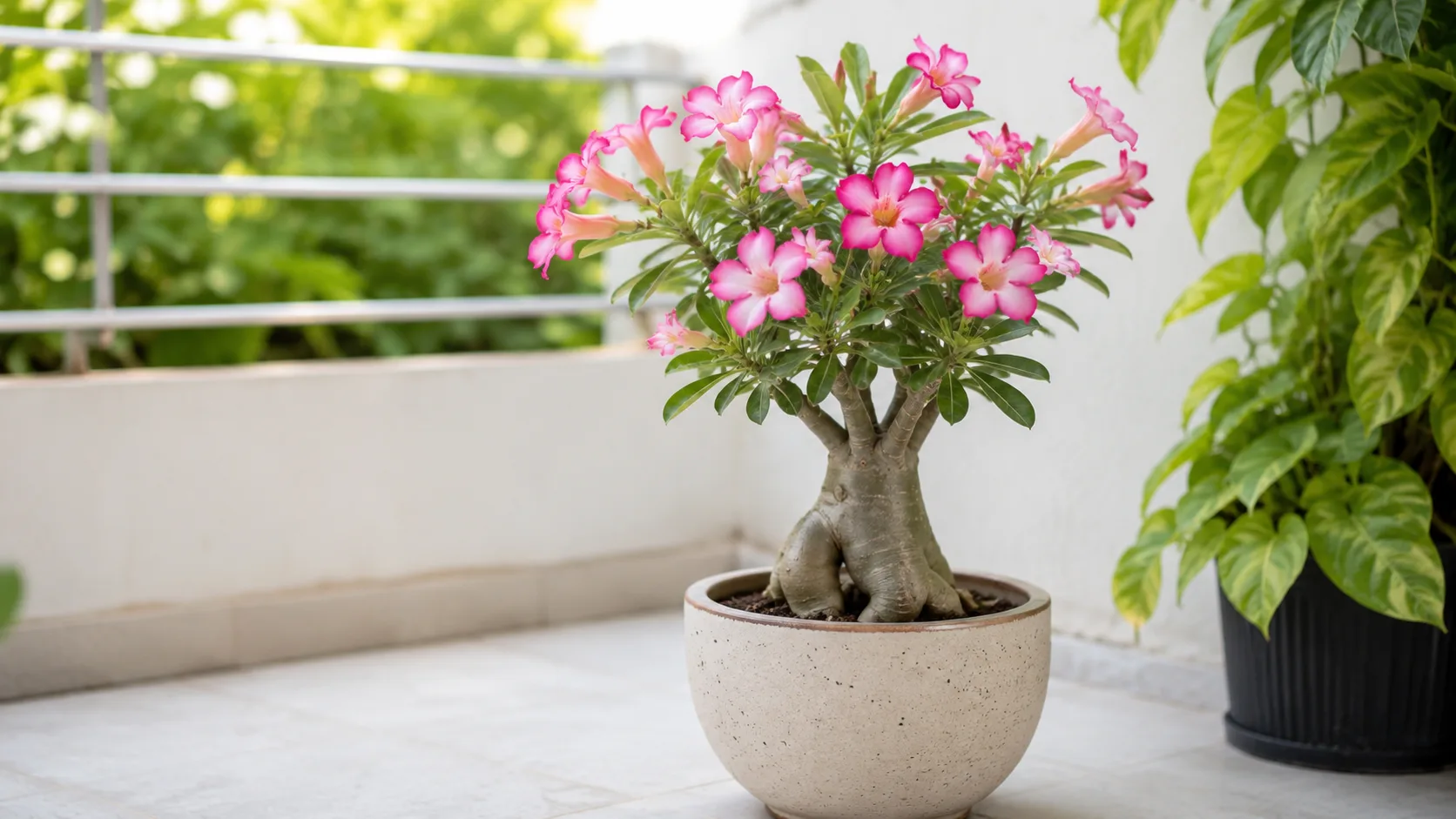
Adenium
Likely causeAdenium evolved for arid climates and tolerates normal indoor humidity without a humidifier. Crisp leaf edges usually mean underwatering, salt burn, or sun scorch-not dry air. First step: feel the cau
Quick fixSee plant-specific guide for step-by-step fixes.
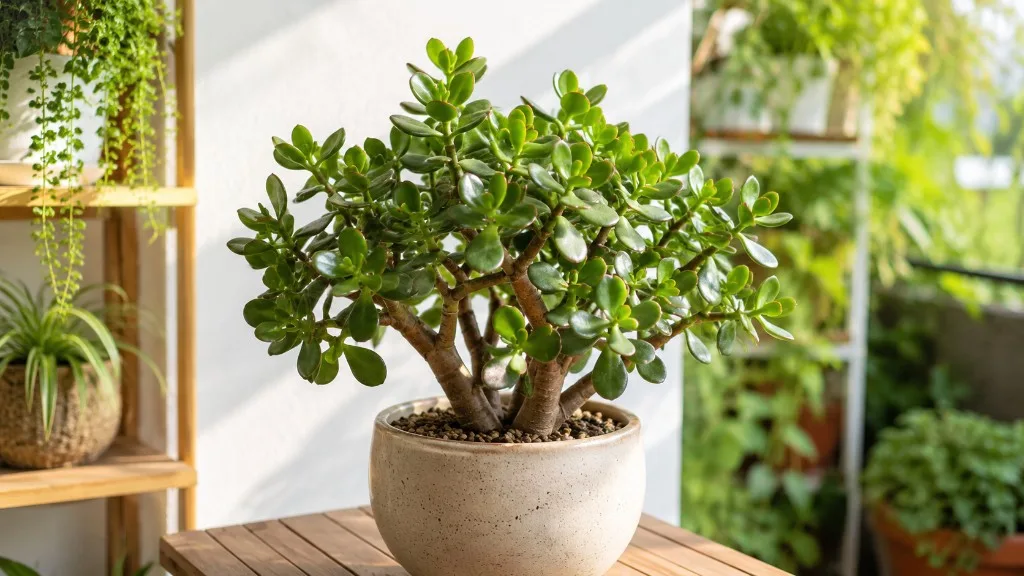 Medium
African Milk Tree
Likely causeCommon on this plant type; confirm with recent watering, light, and root checks.
Quick fixInspect the plant and correct the most likely care stressor before stacking treatments.
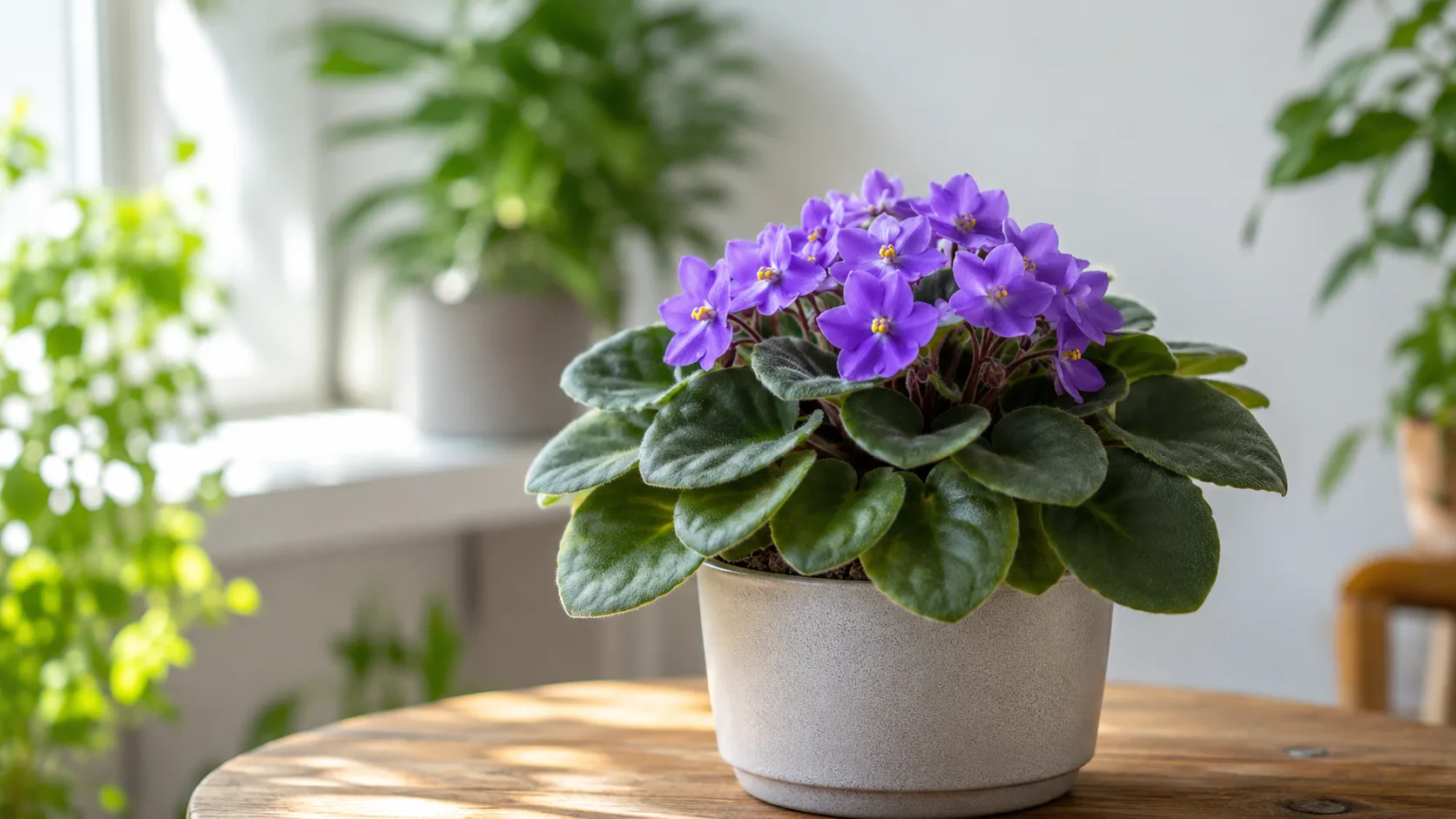 Medium
African Violet
Likely causeLow Humidity on African Violet: African Violets thrive in medium humidity levels, ideally around 40% - 60%. Excessively high humidity can cause fungal issues, while low humidity may result in dehydration and slowed growth. Achieving
Quick fixInspect African Violet, confirm low humidity matches your symptoms, then adjust care or treat per authoritative guides.
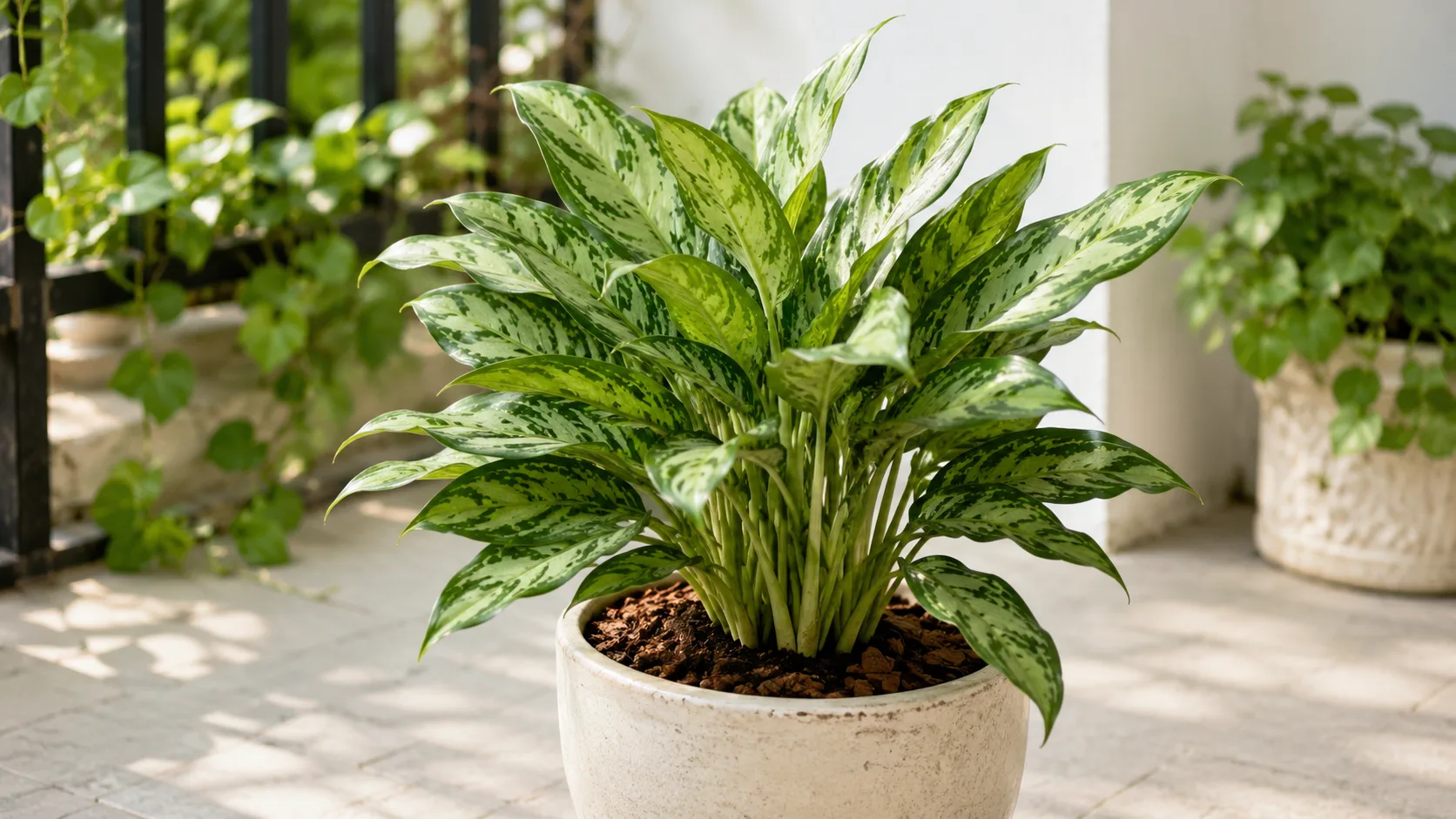 Medium
Aglaonema
Likely causeCommon on this plant type; confirm with recent watering, light, and root checks.
Quick fixInspect the plant and correct the most likely care stressor before stacking treatments.
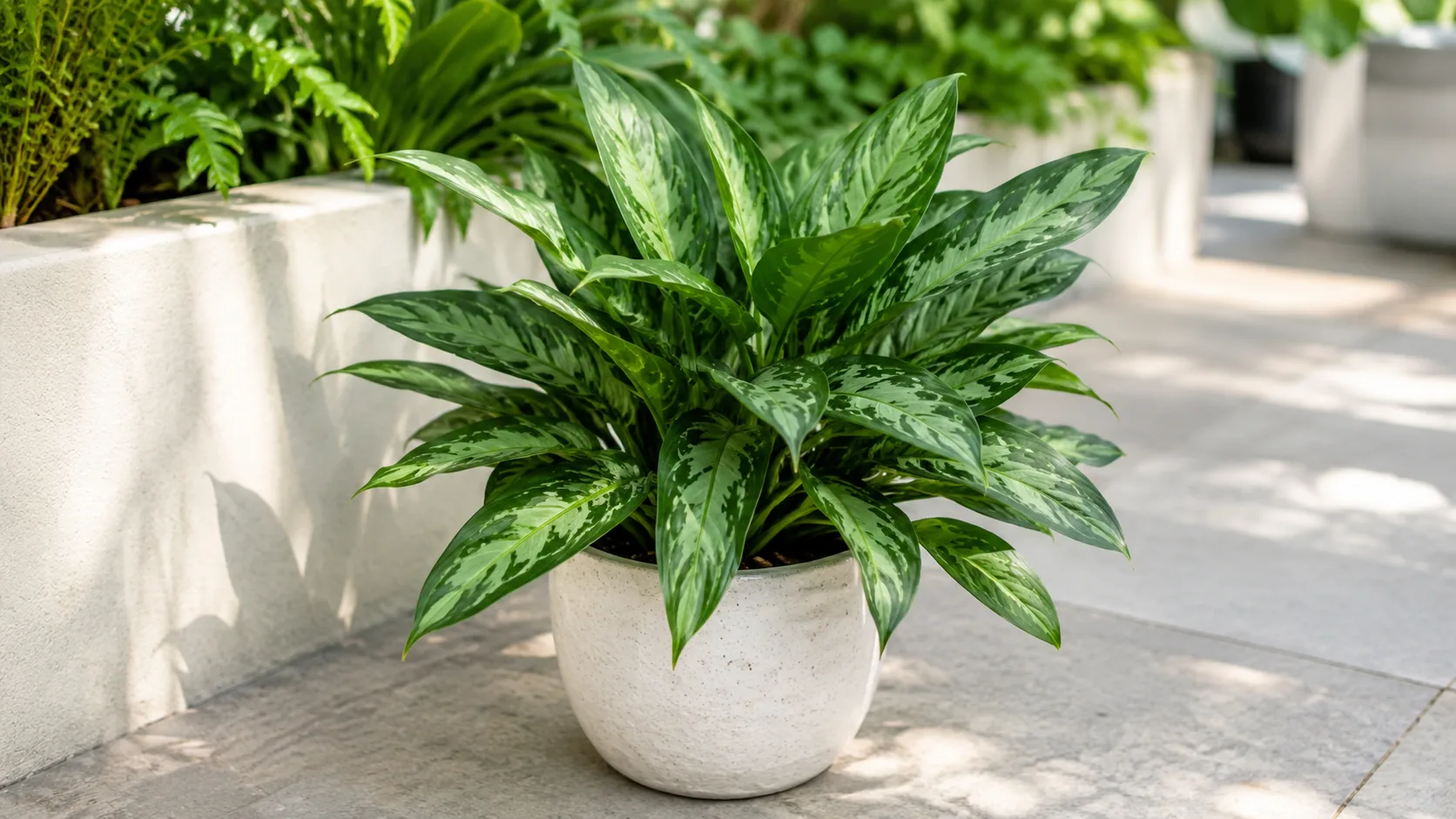 Medium
Aglaonema Cutlass
Likely causeCommon on this plant type; confirm with recent watering, light, and root checks.
Quick fixInspect the plant and correct the most likely care stressor before stacking treatments.
- Medium
Aglaonema Lady Valentine
Likely causeCommon on this plant type; confirm with recent watering, light, and root checks.
Quick fixInspect the plant and correct the most likely care stressor before stacking treatments.
- Medium
Aglaonema Maria
Likely causeCommon on this plant type; confirm with recent watering, light, and root checks.
Quick fixInspect the plant and correct the most likely care stressor before stacking treatments.
- Medium
Aglaonema Pictum Tricolor
Likely causeCommon on this plant type; confirm with recent watering, light, and root checks.
Quick fixInspect the plant and correct the most likely care stressor before stacking treatments.
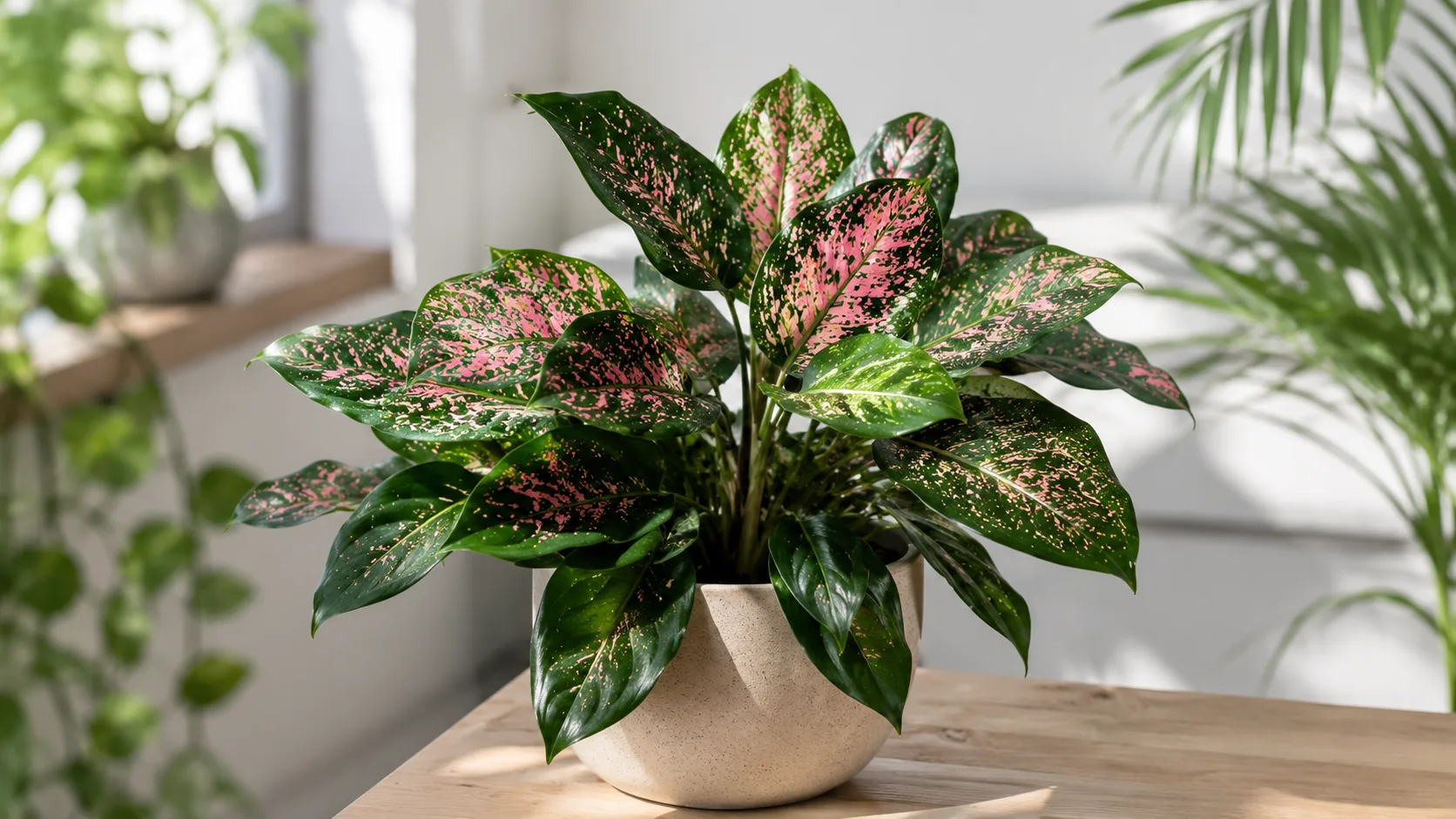 Medium
Aglaonema Pink Dalmatian
Likely causeCommon on this plant type; confirm with recent watering, light, and root checks.
Quick fixInspect the plant and correct the most likely care stressor before stacking treatments.
- Medium
Aglaonema Red Siam
Likely causeCommon on this plant type; confirm with recent watering, light, and root checks.
Quick fixInspect the plant and correct the most likely care stressor before stacking treatments.
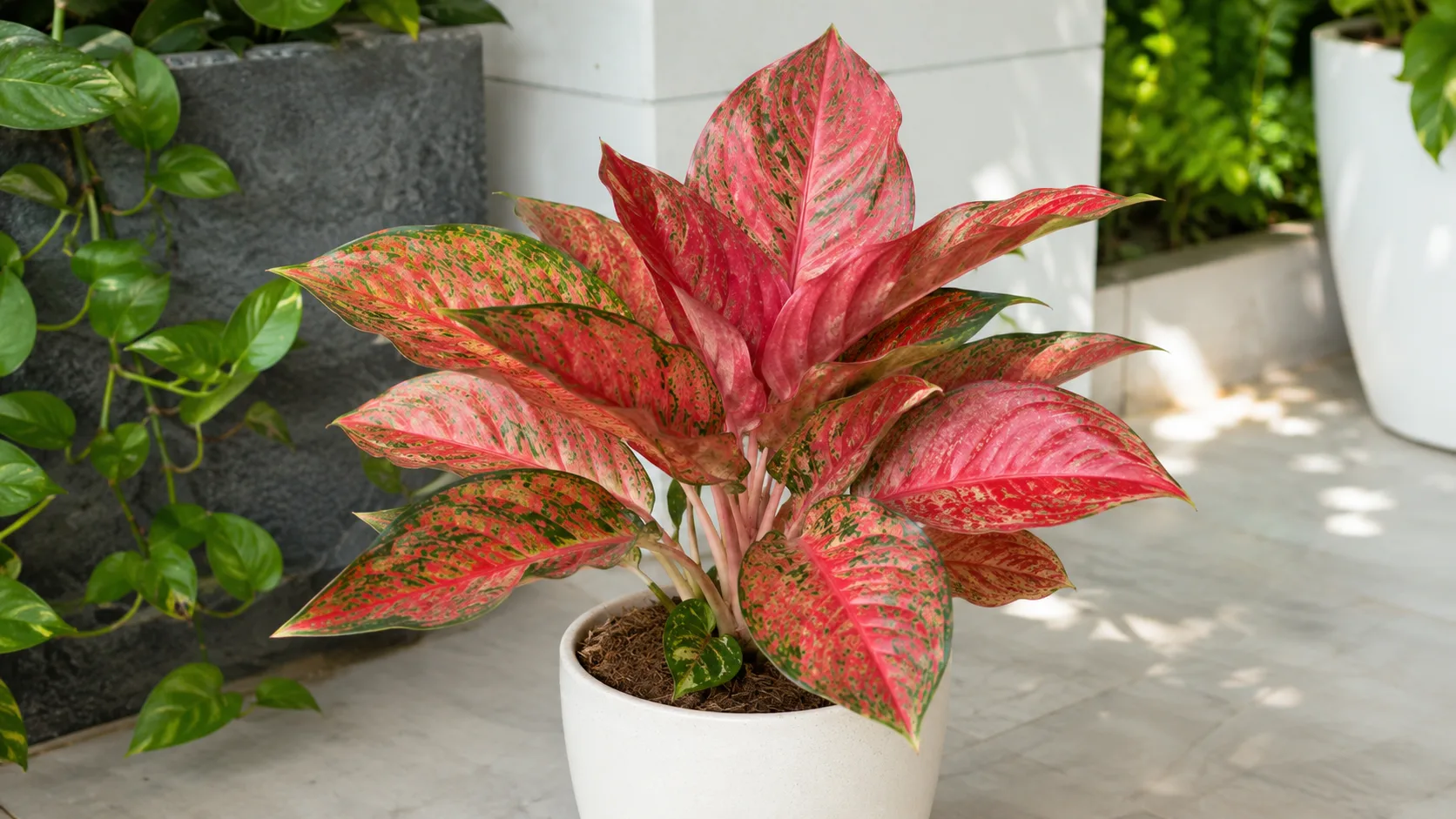 Medium
Aglaonema Red Valentine
Likely causeCommon on this plant type; confirm with recent watering, light, and root checks.
Quick fixInspect the plant and correct the most likely care stressor before stacking treatments.
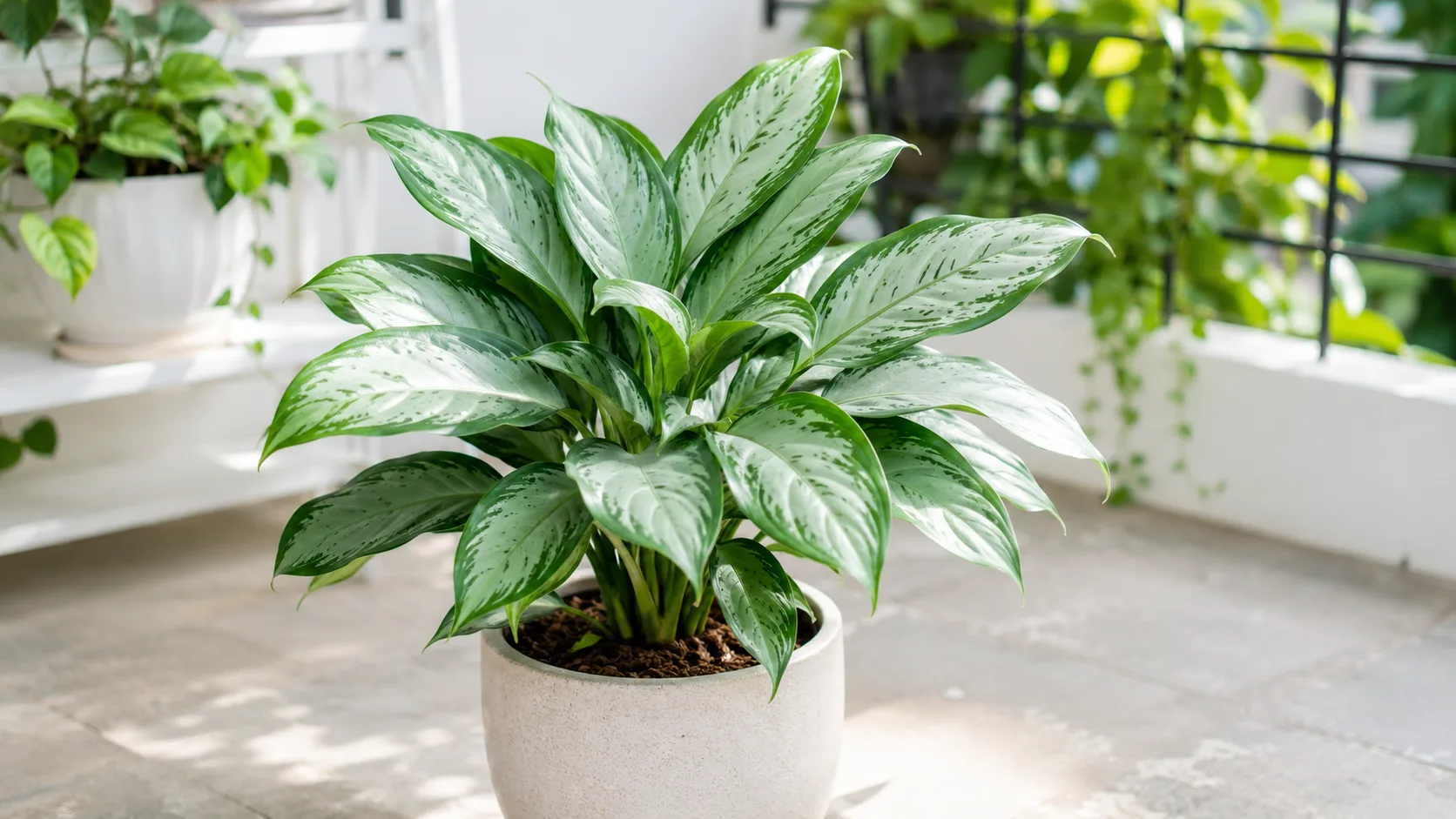 Medium
Aglaonema Silver Bay
Likely causeCommon on this plant type; confirm with recent watering, light, and root checks.
Quick fixInspect the plant and correct the most likely care stressor before stacking treatments.