Chemical Damage on Houseplants: Diagnosis and Care
Homes are not greenhouses. Chemical Damage appears when humidity, temperature, or air movement falls outside what your plant tolerates. Leaf burn from sprays, cleaners, or pesticides after a move, heat wave, or dry winter often points to environment-not necessarily wrong watering. Track weekly progress after you change care, and note watering, light, and repotting dates so you can tell whether the symptom is improving or returning. Compare upper versus lower leaves, new versus old growth, and soil moisture at root depth before you treat, because the same visible symptom can come from watering, light, pests, or normal aging on different plants.
Chemical Damage on Houseplants
Still unsure?Match your symptoms to the most likely problems in under a minute.Run diagnosis →Understand and fix chemical damage
Homes are not greenhouses. Chemical Damage appears when humidity, temperature, or air movement falls outside what your plant tolerates. Leaf burn from sprays, cleaners, or pesticides after a move, heat wave, or dry winter often points to environment-not necessarily wrong watering. Track weekly progress after you change care, and note watering, light, and repotting dates so you can tell whether the symptom is improving or returning. Compare upper versus lower leaves, new versus old growth, and soil moisture at root depth before you treat, because the same visible symptom can come from watering, light, pests, or normal aging on different plants.
Overview
Homes are not greenhouses. Chemical Damage appears when humidity, temperature, or air movement falls outside what your plant tolerates. Leaf burn from sprays, cleaners, or pesticides after a move, heat wave, or dry winter often points to environment-not necessarily wrong watering. Track weekly progress after you change care, and note watering, light, and repotting dates so you can tell whether the symptom is improving or returning. Compare upper versus lower leaves, new versus old growth, and soil moisture at root depth before you treat, because the same visible symptom can come from watering, light, pests, or normal aging on different plants.
How to identify it
- Symptoms started after AC, heat, or window season change
- Crispy leaf edges in winter near radiators
- Wilting during a heat spell despite moist soil
- Leaf drop within days of bringing plant home or repotting
- Only plants near one vent or draft show damage
When to worry
Blackened tissue after frost exposure, or widespread collapse after heat above 95°F, may leave permanent damage-trim and stabilize fast.
Common causes
Low indoor humidity
Winter heating drops humidity below what tropical plants prefer, causing brown tips and curl.
Temperature extremes
Cold window glass, hot afternoon sun through glass, and heat vents create localized Chemical Damage.
Transplant or relocation shock
Roots and leaves need time to adjust after repotting or room changes-temporary drop is common.
Sudden environmental flip
Moving from greenhouse to home, or outdoor to indoor, shocks plants before they acclimate.
Step-by-step fix
Identify the environmental trigger
Note heat vents, drafty windows, and recent moves. Fix placement before heavy pruning.
Stabilize temperature and humidity
Group plants, use humidifiers, or pebble trays. Keep foliage away from hot and cold glass.
Reduce additional stress
Hold repotting and fertilizer until the plant looks stable for 2–3 weeks.
Trim permanently damaged tissue
Remove leaves that are fully brown or black. Partial tip damage can wait until conditions improve.
Acclimate gradually next time
Move plants in steps over a week when changing rooms or bringing them indoors for winter.
Prevention tips
- Keep tropical plants away from heating vents and cold drafts
- Run a humidifier in dry winter rooms
- Acclimate new plants slowly to your home
- Repot during active growth, not during stress
- Document which leaves show symptoms first and whether the soil is wet, dry, or compacted before changing multiple variables at once.
Common mistakes
- Misting once daily instead of raising ambient humidity
- Placing plants touching cold window glass in winter
- Repotting immediately when a plant arrives stressed
Chemical damage is most convincing when the plant’s symptoms match a documented exposure. A cleaner misted beside a shelf, a pesticide applied at the wrong concentration, oil sprayed in strong light, fertilizer splashed onto foliage, or herbicide drift through an open window can injure leaves. The resulting spots, scorch, distortion, or collapse can resemble disease, sunburn, cold injury, or root stress.
The key is to investigate what contacted the plant, when it happened, where symptoms appeared, and whether injury is still progressing. Leaf appearance may suggest contact burn or systemic injury, but it rarely identifies a specific product by itself.
This guide uses an exposure-led method based on extension integrated-pest-management guidance and pesticide-safety principles. It provides general plant first aid, not medical or toxicology advice. If a person or animal may have been exposed, follow the product label and contact the appropriate poison-control or veterinary service before focusing on the plant.
What Chemical Damage Means
Phytotoxicity means injury to a plant caused by a chemical substance or by the conditions under which that substance was applied. It can follow an otherwise useful pesticide, fertilizer, disinfectant, growth regulator, household cleaner, aerosol, or contaminant. Dose matters, but so do plant species, leaf age, temperature, light, humidity, water quality, formulation, and mixtures.
UConn Integrated Pest Management explains that spray damage in greenhouses may result from excessive rates, incompatible combinations, environmental conditions, sensitive cultivars, or poor application practices. Penn State Extension similarly describes phytotoxicity symptoms that can include dead margins, spots, stunting, and injury concentrated where spray overlap occurred. The same principles apply on a smaller scale indoors. “Natural,” “organic,” or familiar household ingredients are not guarantees of leaf safety.
Chemical injury can be contact-based, damaging tissue where droplets landed, or systemic, appearing after a substance was absorbed and moved within the plant. Herbicides may distort new growth or affect tissues beyond the initial contact point. Some reactions appear within hours; others become visible days later. Timing should be treated as evidence, not a rigid clock.
Common Sources Inside and Around the Home
Start with the previous one to two weeks. List every product used in the room, on the plant, in the pot, or on nearby plants. Include products that did not seem like plant treatments: glass cleaner, floor spray, air freshener, disinfectant, paint or solvent aerosols, pet products, and pest-control foggers.
Check whether someone else cleaned, fertilized, or treated the area. A plant near a kitchen, bathroom, salon station, workshop, balcony, or open window may receive airborne droplets. Runoff from a treated plant above can fall onto foliage below. A reused spray bottle can retain residue even after a quick rinse.
Do not assume the newest product is guilty. Damage may reflect cumulative salt exposure, a tank mixture, a previous spray activated by heat or light, or a nonchemical stress that happened at the same time.
Pesticides, Oils, Soaps, and Fertilizer Sprays
Pesticide labels specify sites, target pests, rates, mixing directions, protective equipment, and restrictions. In the United States, the EPA states that the pesticide label is legally enforceable, and using a product inconsistently with its labeling can be unlawful. More importantly for the plant, unlisted uses and improvised concentrations have not necessarily been evaluated for safety.
Horticultural oils and insecticidal soaps can be valuable when used correctly, but sensitive plants, tender new growth, stressed foliage, high temperatures, or repeated applications may increase injury risk. Dish detergent is not equivalent to a registered insecticidal soap; household detergents can contain degreasers, fragrances, dyes, and other ingredients not formulated for plants.
Foliar fertilizer can scorch leaves when concentration is excessive or droplets dry under stressful conditions. Granular fertilizer spilled into a crown or allowed to sit against wet foliage can create localized injury. A root-zone overdose may instead produce widespread marginal burn after salts impair root water uptake.
Cleaners, Aerosols, Treated Water, and Herbicide Drift
Household cleaners may injure waxy cuticles, bleach tissue, alter surface pH, or leave residues. The pattern often faces the cleaning area or appears as droplets and streaks. Aerosolized products can settle unevenly, so a plant may be affected even without a visible spill.
Disinfectant, bleach, alcohol, and peroxide products differ in concentration and formulation. Do not neutralize an unknown exposure with another chemical; reactions can produce heat, gases, or additional injury. Remove the source, ventilate if the label directs and it is safe, and seek product-specific guidance.
Herbicide drift can cause twisting, cupping, narrow new leaves, discoloration, or death depending on the active ingredient and dose. Utah State University Extension notes that herbicide injury symptoms vary with product, exposure, species, growth stage, and weather. Indoor plants near open windows, doors, balconies, or treated lawns can receive drift, although visual symptoms alone cannot prove it.
Water can carry damaging concentrations of salts, boron, fluoride, chlorine-related compounds, or cleaning residues, but the relevance is species- and water-source-dependent. Do not attribute every tip burn to tap water. Compare water history, affected species, and root-zone salt evidence.
What Chemical Injury Looks Like
Contact injury often follows the droplet pattern: spots, flecks, streaks, bleached patches, or sharply bounded brown tissue on exposed surfaces. Leaf undersides may be spared unless sprayed. Residue may be visible, though its absence proves nothing. New, thin leaves are often more vulnerable than mature foliage.
Systemic injury may look less tidy. New growth can emerge twisted, cupped, narrow, chlorotic, or stunted. Roots may be injured after a soil drench or fertilizer overdose, causing wilt and marginal scorch throughout the canopy. Severe exposure can darken stems or collapse tender tissues.
Iowa State University Extension’s overview of chemical injury to garden plants emphasizes the importance of symptom pattern, application history, and the distribution among plants. That diagnostic logic is useful indoors: if only leaves facing a recently cleaned window are spotted, contact exposure is more likely than a root disease affecting the entire plant.
Use Timing and Distribution to Find the Cause
Build a simple exposure map. Mark which side of the plant is damaged, which leaf ages are involved, whether neighboring plants are affected, and where sprays or runoff could travel. Photograph the room as well as the plant. The spatial pattern can be more informative than a close-up.
Then create a timeline:
- When was the plant last normal?
- What products were applied within the next several days?
- When did the first symptom appear?
- Did it worsen after light, heat, watering, or a second application?
- Has new damage stopped since the product was removed?
Chemical damage becomes more plausible when symptoms begin after exposure, align with where the material landed, and stop progressing after the source is removed. If spots continue to enlarge or new lesions appear without re-exposure, disease, pests, or a continuing root-zone problem deserves closer attention.
Assign confidence explicitly. A documented spill plus a matching contact pattern is high-confidence exposure evidence; a plausible product nearby with matching timing is moderate confidence; symptoms alone are low confidence. This prevents a visual resemblance from becoming a false chemical diagnosis and makes it clearer when laboratory or extension help is worth seeking.
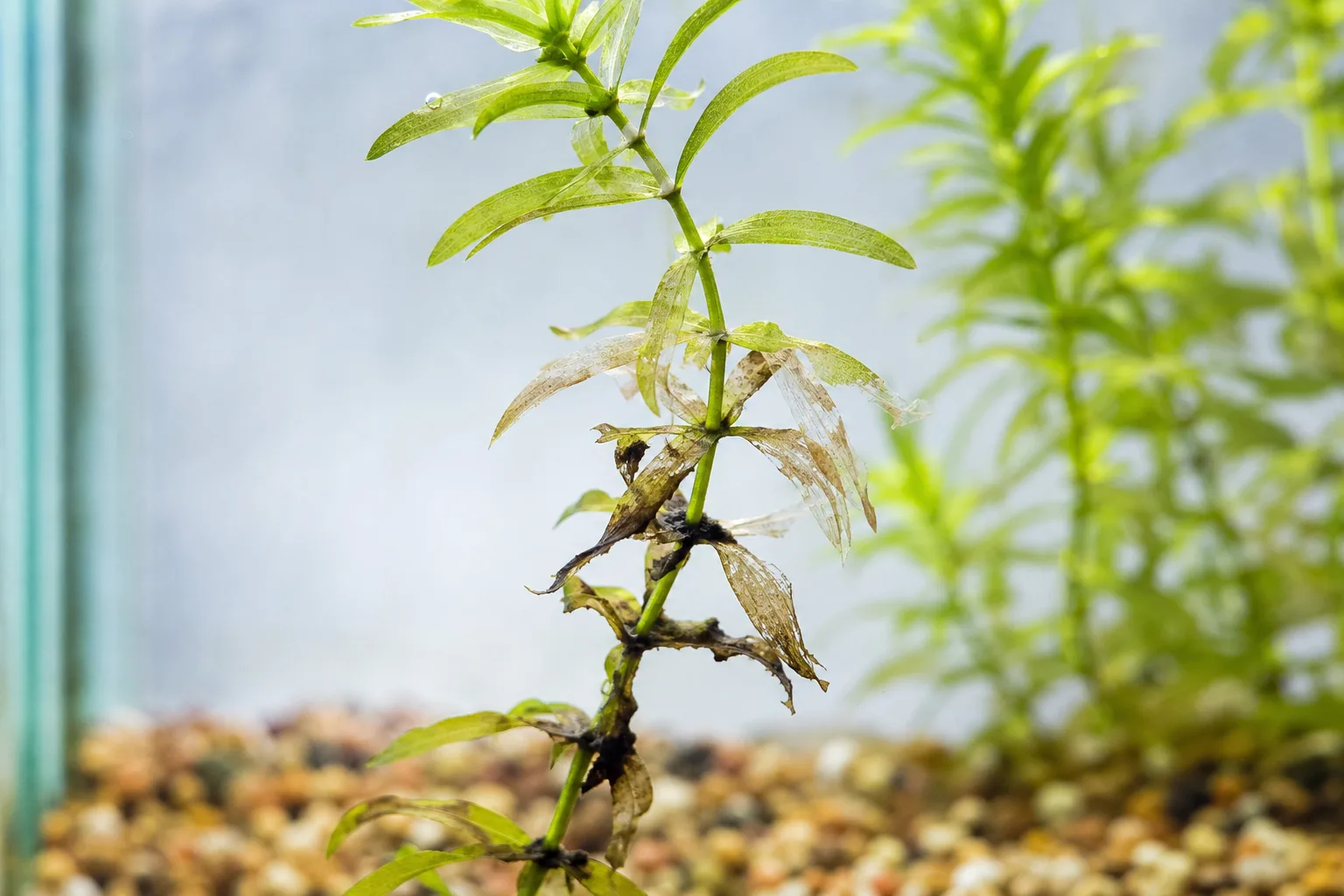
This image illustrates damaged tissue but cannot reveal the product, concentration, or exposure route. Aquatic plants require especially careful product evaluation because substances may enter the surrounding water and affect animals or biological filtration. Never add a household pesticide or cleaner to an aquarium unless its label explicitly permits that use.
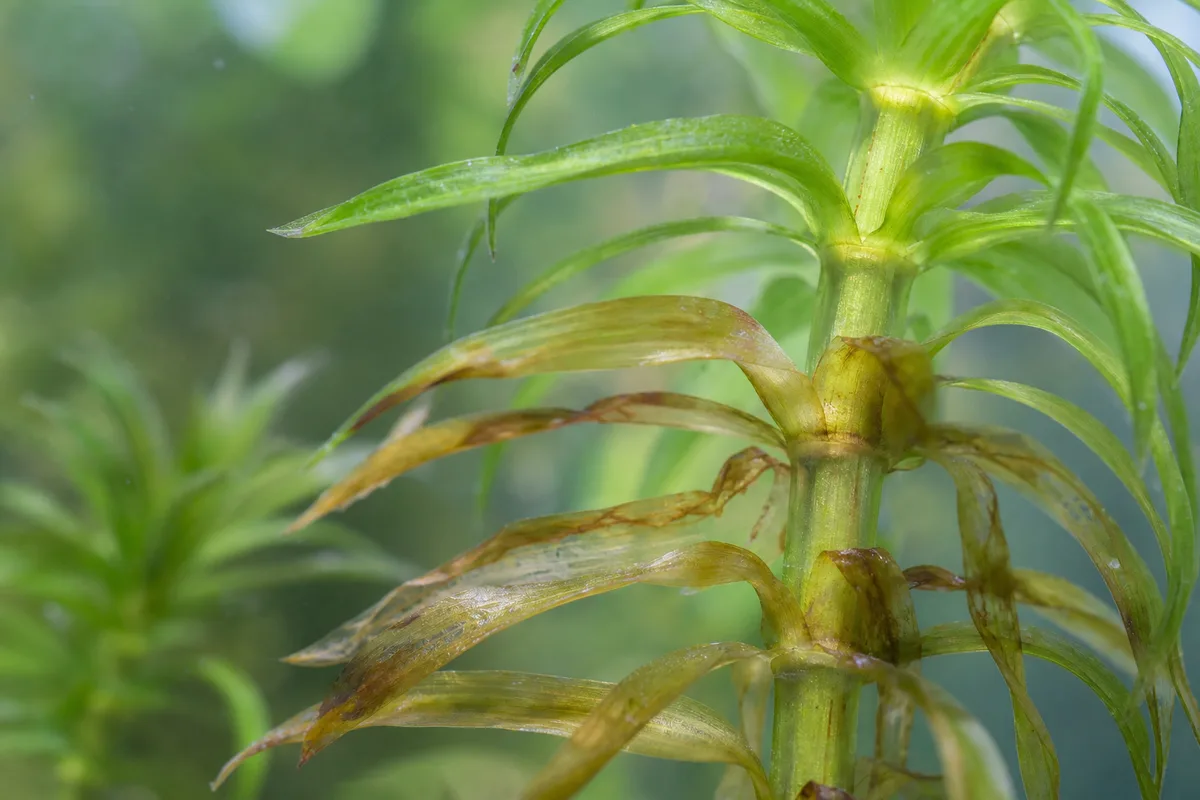
Use the closer view to compare lesion boundaries and distribution. Do not match color alone: nutrient disorders, microbial disease, temperature stress, and senescence can create similar shades.
Chemical Damage Versus Disease, Sunburn, and Cold
| Clue | Chemical injury | Disease | Sunburn | Cold injury |
|---|---|---|---|---|
| Onset | Often follows a known product event | May progress without exposure | Follows brighter or hotter light | Follows cold contact or transport |
| Pattern | Droplets, streaks, exposed side, or systemic distortion | Expanding lesions, halos, fruiting structures possible | Window-facing bleached or tan patches | Water-soaked, dark, limp, or sharply localized tissue |
| Spread | Usually stops after exposure ends | May continue under favorable conditions | Stops after light is corrected | Damage declares over time but no contagion |
| Nearby plants | Affected if similarly exposed | Depends on host and pathogen | Only similarly illuminated tissue | Only similarly chilled tissue |
These are tendencies, not rules. A pesticide spray may also spread disease if equipment is contaminated; sunlight can intensify spray injury; cold-stressed tissue may later become infected. When evidence remains ambiguous, isolate the plant, stabilize care, and avoid applying another pesticide “just in case.”
The University of Maryland Extension’s phytotoxicity guidance advises considering application history and recognizing that chemical injury does not spread from plant to plant like an infectious disease. New symptoms can still appear as previously injured tissue develops, so observe the trajectory.
Immediate First Aid
First, stop exposure. Move the product away, shut off leaking or drifting equipment if safe, and separate the plant from untreated plants. Keep the container upright and prevent contaminated runoff from reaching pets, drains, ponds, or edible crops.
Second, locate the product label and safety data information. Record the exact name, active ingredients, concentration, dilution, time, and route of exposure. Wear protective equipment specified on the label before touching wet residue or contaminated soil.
Third, decide whether gentle rinsing is appropriate. Do not automatically flood the pot or combine chemicals. After surface care, place the plant in stable, species-appropriate indirect light and temperature. Avoid fertilizer, pruning shock, and additional pesticides while the response becomes clear.
When Rinsing Is Appropriate
For a recent, water-soluble residue on foliage, a gentle rinse with clean, room-temperature water may reduce continued contact—provided the label does not prohibit it and contaminated runoff can be managed safely. Rinse both surfaces without forcing water into crowns that are prone to rot. Blot standing water where appropriate and allow good air movement.
Do not rinse an oil-based product with an improvised solvent. Do not wash unknown pesticide residue bare-handed. Do not send pesticide-contaminated water into an aquarium, pond, food-preparation area, or storm drain. The National Pesticide Information Center emphasizes following product-label first-aid directions for exposure; those directions also guide safe handling and cleanup.
If a concentrated fertilizer was applied to the soil, leaching may be considered only when the pot drains freely and the plant can tolerate thorough watering. If drainage is blocked or roots are rotting, repeated flushing may compound injury.
Human and Pet Exposure Comes First
Plant rescue is secondary to personal safety. If anyone inhaled, swallowed, or had skin or eye contact with a pesticide or cleaner, follow label first-aid instructions immediately. In the United States, contact Poison Control at 1-800-222-1222 for human exposure; for animals, contact a veterinarian or animal poison-control service. Emergency symptoms require emergency services.
Do not induce vomiting or apply a neutralizing agent unless a qualified professional or label directs it. Keep the container available so responders know the exact formulation. Ventilate only when it can be done safely and consistently with product directions.
This article cannot determine toxicity from plant symptoms. A plant that looks mildly spotted may have been exposed to a product hazardous to people or animals, while severe plant injury may follow a substance with a different human-risk profile.
A Seven-Day Recovery Plan
Day 0: Stop exposure, document the product and pattern, handle residue according to the label, and isolate the plant.
Days 1–2: Keep conditions stable. Check the root ball rather than watering by schedule. Avoid direct sun, cold drafts, fertilizer, and further sprays. Photograph the whole plant.
Days 3–4: Mark lesion boundaries lightly on a photograph, not on the leaf. Check whether spots are expanding and whether entirely new leaves are becoming affected. Inspect for pests and signs of root decline.
Days 5–7: Remove only tissue that is dead, collapsing, contaminated, or creating a sanitation problem. Maintain routine care appropriate to the species. If damage continues without re-exposure, revisit disease, root injury, and ongoing airborne contamination.
One week may not reveal full recovery. Slow-growing plants can need many weeks to produce clean new leaves. The useful signal is that new injury stops and later growth is normal.
Keep the plant’s water needs under review during that interval. Loss of foliage reduces transpiration, so the root ball may remain moist longer than it did before the exposure. Watering on the old calendar can create a secondary root problem that is then mistaken for continuing chemical injury. Test moisture at depth, maintain unobstructed drainage, and adjust from evidence.
If the plant begins healthy new growth, resist the urge to “reward” it with a concentrated feed. Resume ordinary nutrition gradually and only when the species, season, root health, and product directions support it. Preserve at least one dated photograph of the original injury so that an old lesion is not mistaken for a new event during later inspections.
Pruning, Repotting, and Disposal Decisions
Dead tissue will not heal, but immediate heavy pruning can remove photosynthetic area and make progression harder to track. Trim leaves that are entirely dead, foul, or likely to decay, using clean tools and gloves appropriate to the residue. Partially damaged leaves can remain if they are stable and still green.
Repot only when the chemical entered the substrate, salt concentration is high, drainage is unsuitable, or roots are deteriorating. Wear label-directed protection, contain discarded mix, and follow local disposal requirements. Do not compost potting media contaminated with a pesticide or herbicide unless the label and local authority say it is acceptable.
Disposal may be the safest choice after severe exposure to a persistent herbicide, an unknown industrial chemical, or a product incompatible with a household containing children, pets, or edible plants. Seek product-specific guidance rather than making assumptions from the plant’s survival.
Edible plants require a stricter decision. A plant’s visual recovery does not establish that harvested material is safe to eat. If a pesticide, cleaner, herbicide, or unknown chemical contacted an edible crop and the label does not authorize that crop or use, contact the product manufacturer, local extension service, or pesticide regulator. Do not rely on washing, waiting, or removing visible leaves as an improvised residue determination.
How to Use Plant-Care Products Safely
Read the entire label before purchase and again before use. Confirm that the plant or application site is listed, the target problem is appropriate, and indoor use is permitted. Measure accurately, use only compatible equipment, and never transfer products to unlabeled food or drink containers.
Apply in the temperature, light, and ventilation conditions specified. Do not exceed the rate or shorten the interval. Avoid mixing products unless the label permits the combination. Even two individually safe products may become phytotoxic together or may duplicate active ingredients.
Keep a treatment record: product, lot if relevant, dose, water volume, plant, date, time, temperature, light, and observed result. This transforms a future symptom from a guess into an investigation.
Patch Testing and Application Conditions
When the label permits and does not give contrary directions, test a small portion of the plant and wait long enough to observe delayed injury before treating all foliage. A patch test reduces risk but does not guarantee safety under different temperature, light, or plant-stress conditions.
Treat healthy, hydrated plants unless label guidance says otherwise. Avoid tender new growth when the product warns of sensitivity. Protect plants from intense light when required. Ensure appropriate ventilation without directing a fan that spreads droplets to untreated plants.
UConn IPM recommends preventing spray injury through accurate calibration, clean equipment, compatible mixtures, awareness of sensitive crops, and suitable environmental conditions. For a home collection, that means a dedicated labeled sprayer, exact measurement, one product change at a time, and records.
Documenting an Unknown Exposure
Photograph symptoms at three scales: whole room, whole plant, and close leaf. Save product containers and receipts. Note who used the room, whether windows were open, and whether outdoor treatment occurred nearby. Record airflow from fans, vents, and doors.
If herbicide drift or professional pesticide application is suspected, do not wash away all evidence before speaking with the applicator, local extension office, pesticide regulator, or insurer. Requirements vary by location and time limits may apply. Avoid public accusations based only on symptoms; many disorders mimic drift.
For valuable plants, a diagnostic laboratory may help exclude disease and document tissue injury. Chemical residue testing can be costly and must target plausible compounds, so a precise exposure history makes consultation more useful.
Preventing Chemical Damage
Move plants away before cleaning windows, counters, floors, or nearby upholstery. Covering plants is less reliable than removing them because aerosols move and residues can drip. Return plants only when surfaces are dry and the room has been handled according to product directions.
Store plant products securely, in original containers, and separate from food. Use dedicated measuring and application tools. Label any working solution and dispose of leftovers according to the product label; never save an unidentified mixture.
Introduce one treatment at a time, patch-test when appropriate, and inspect the plant before repeating. Stable light, moisture, and temperature reduce vulnerability and make any reaction easier to interpret.
Conclusion
Chemical damage on a houseplant is best diagnosed by evidence of exposure, timing, and distribution—not by matching a brown spot to a picture. Stop the suspected contact, follow the product label, manage residue safely, and stabilize the plant before adding another treatment.
Dead tissue will not recover, but many plants can resume healthy growth after a limited exposure. Put human and animal safety first, document uncertainty, and seek product-specific or professional advice when the chemical is unknown, persistent, or potentially hazardous.
Plants commonly affected
These houseplants often struggle with chemical damage. Open a care guide or plant-specific troubleshooting page for tailored fixes.
 Easy
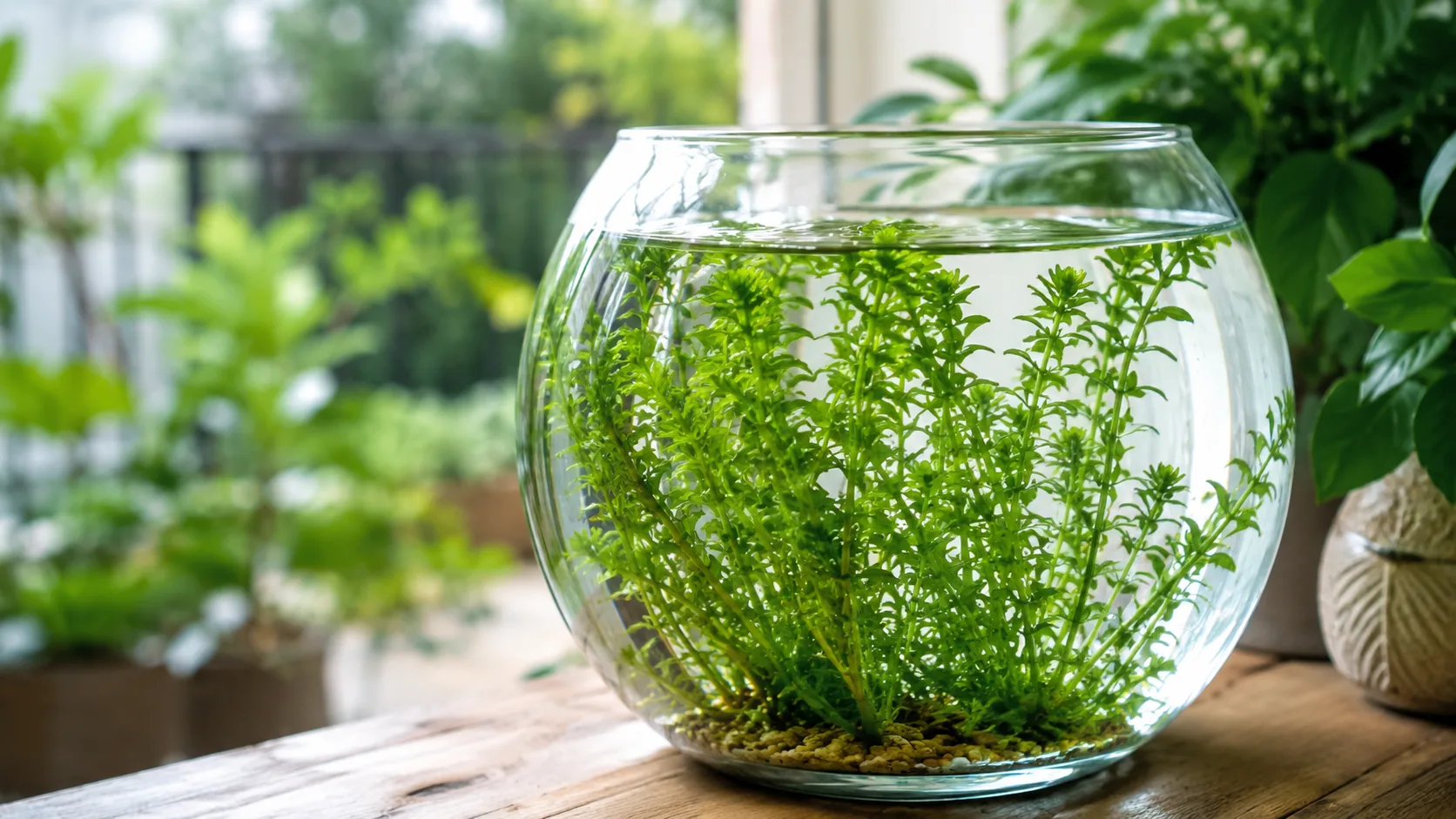
EasyAnacharis / Elodea
Likely causeCopper-based fish meds, algaecides, or glutaraldehyde/Excel overdoses liquefy Anacharis tissue.
Quick fixStop copper and liquid-carbon products, remove melted stems, and perform partial water changes before replanting healthy cuttings.
 Medium
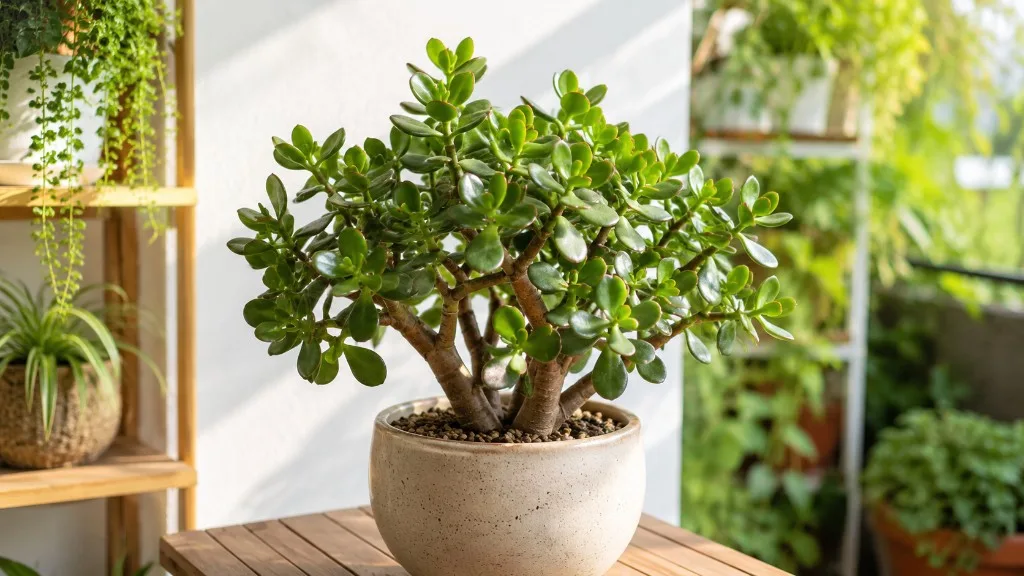
Jade Plant
Likely causeJade plants are hard to kill even under neglect; however, attacks by insects or pests can quickly destroy the plant . Besides, these pests leave permanent ugly marks on the plants, stealing your home’s beauty and appeal. Due to overwatering
Quick fixConfirm diagnosis on your Jade Plant, then address the most likely care or pest factor described in current extension guidance.
 Medium
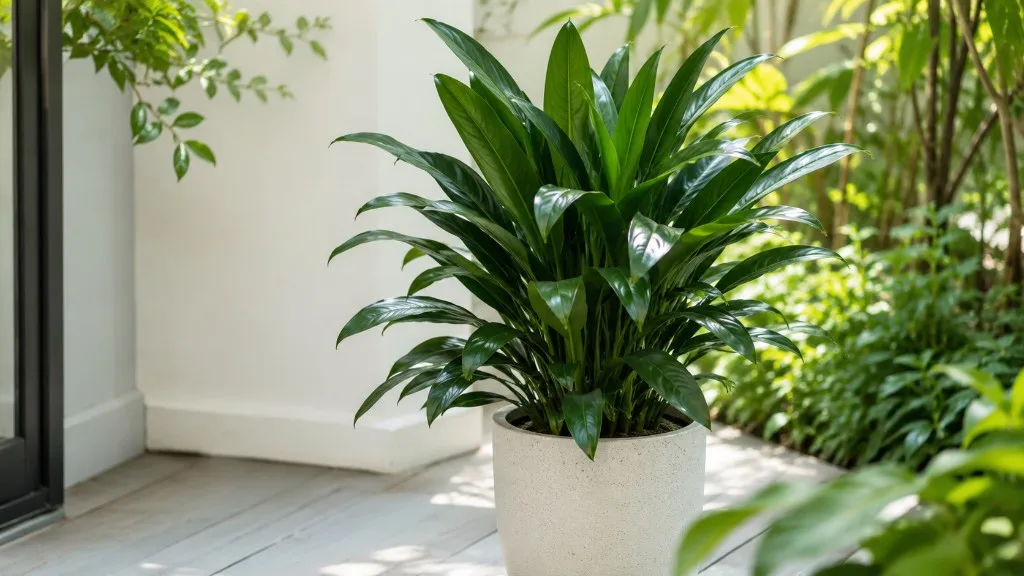
Janet Craig Dracaena
Likely causeDracaena fragrans “ Janet Craig ” is one of the most dependable houseplants around. ... However, if the only damage to a Janet Craig ...
Quick fixConfirm diagnosis on your Janet Craig Dracaena, then address the most likely care or pest factor described in current extension guidance.
 Easy
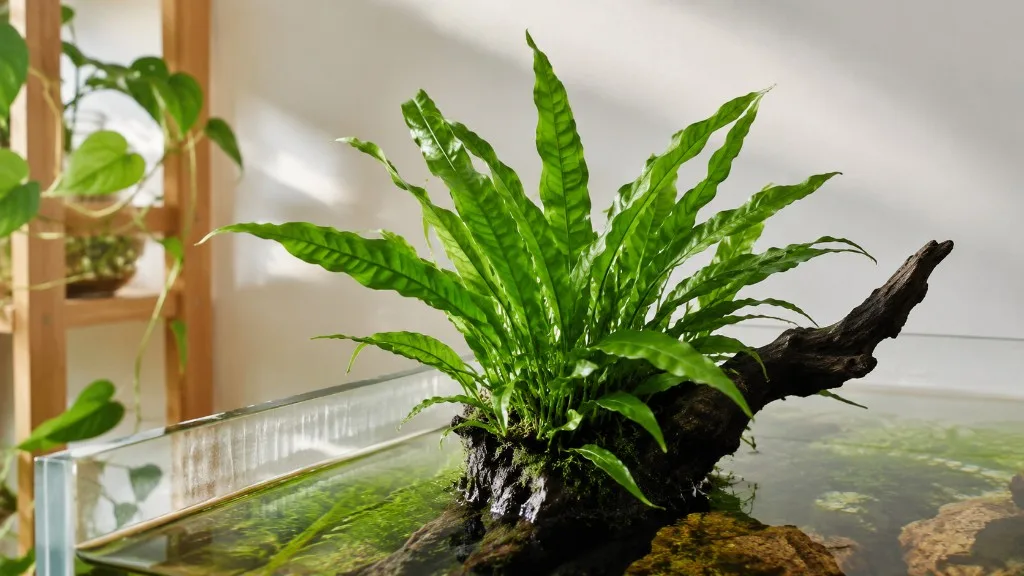
EasyJava Fern
Likely causeMay 19, 2026 · Fortunately for such a leafy plant, Java Fern foliage contains some chemicals that taste bad for plant-eating fish. This means they are one of the few safe options for keeping with almost all tropical fish. May 29, 2026 · Lea
Quick fixConfirm diagnosis on your Java Fern, then address the most likely care or pest factor described in current extension guidance.
 Medium
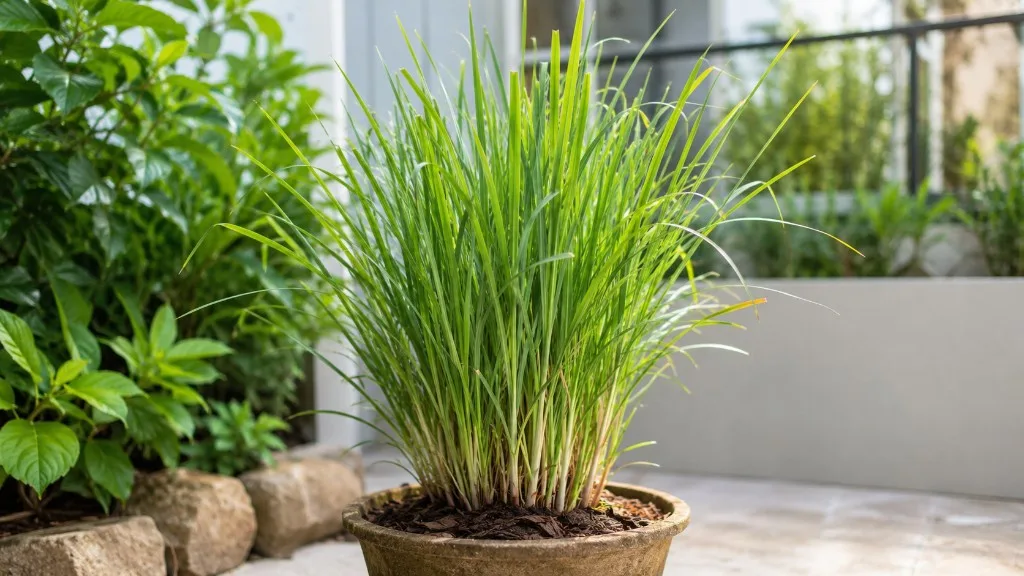
Lemongrass
Likely causeConclusively, we have deduced that Lemongrass possesses high therapeutic potential due to phytochemicals , such as plant sterols, flavonoids, lignans, carotenoids, terpenoids, saponins, sulfides, and fiber, which play a preventive role in o
Quick fixConfirm diagnosis on your Lemongrass, then address the most likely care or pest factor described in current extension guidance.
 Medium
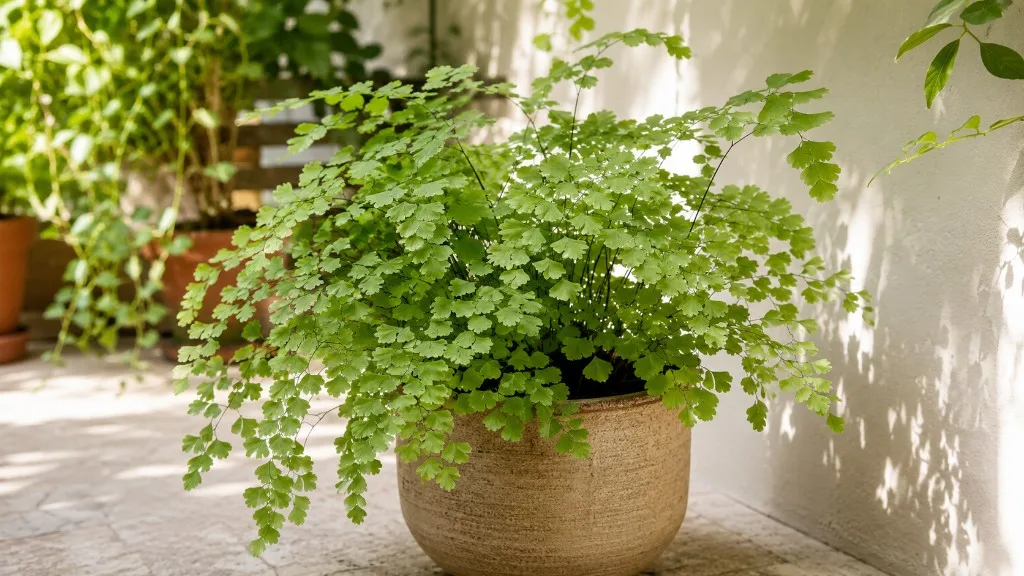
Maidenhair Fern
Likely causeNov 25, 2022 · The data suggest that even low levels of exogenous metals induce an oxidative imbalance, although no visible damage is observed, and that the responses of ferns to metals are similar to those of...
Quick fixConfirm diagnosis on your Maidenhair Fern, then address the most likely care or pest factor described in current extension guidance.
 Medium
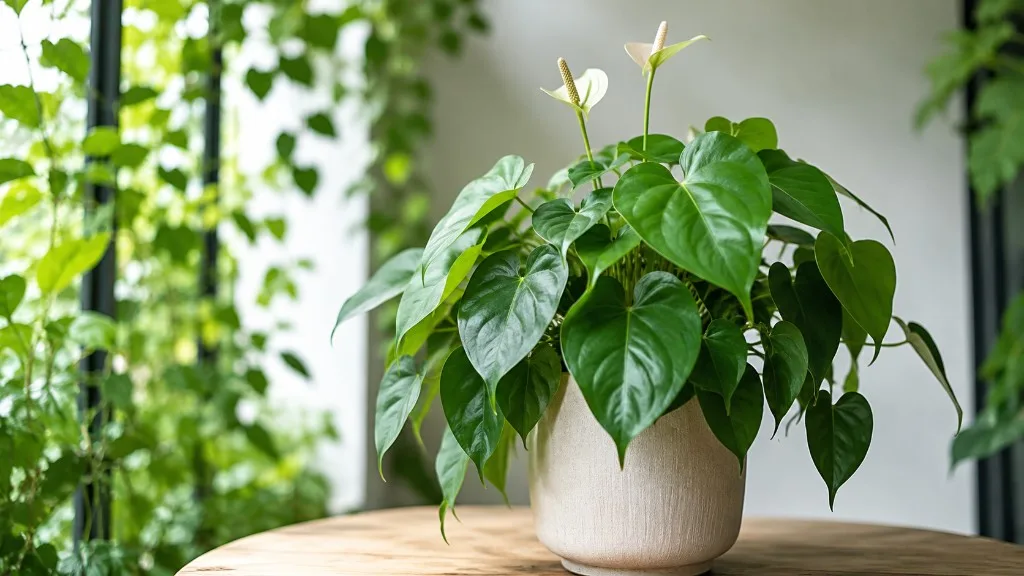
Heartleaf Philodendron
Likely causeStruggling with Philodendron Heartleaf problems? Learn the top 5 mistakes that can damage your plant—and how to avoid them. Real tips from experience.
Quick fixConfirm diagnosis on your Heartleaf Philodendron, then address the most likely care or pest factor described in current extension guidance.
 Medium
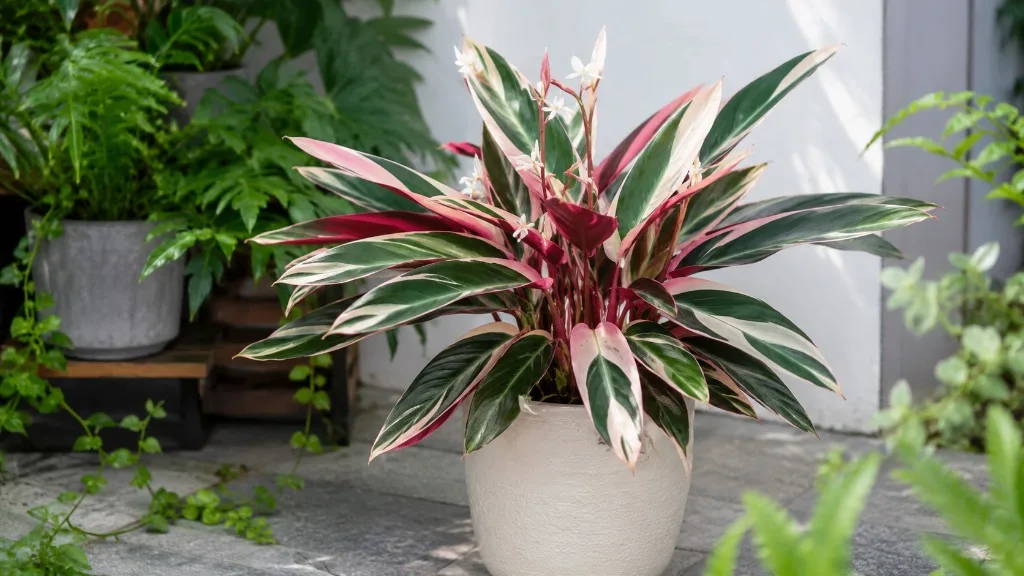
Stromanthe Triostar
Likely causeUse filtered or distilled water, as it’s sensitive to chemicals found in tap water. Ensure the pot has proper drainage, and avoid letting the plant sit in standing water to prevent root rot.
Quick fixConfirm diagnosis on your Stromanthe Triostar, then address the most likely care or pest factor described in current extension guidance.