Heat Stress in Plants: Symptoms and Recovery
Homes are not greenhouses. Heat Stress appears when humidity, temperature, or air movement falls outside what your plant tolerates. Wilting, curled leaves, scorched patches after a move, heat wave, or dry winter often points to environment-not necessarily wrong watering. Track weekly progress after you change care, and note watering, light, and repotting dates so you can tell whether the symptom is improving or returning. Compare upper versus lower leaves, new versus old growth, and soil moisture at root depth before you treat, because the same visible symptom can come from watering, light, pests, or normal aging on different plants.
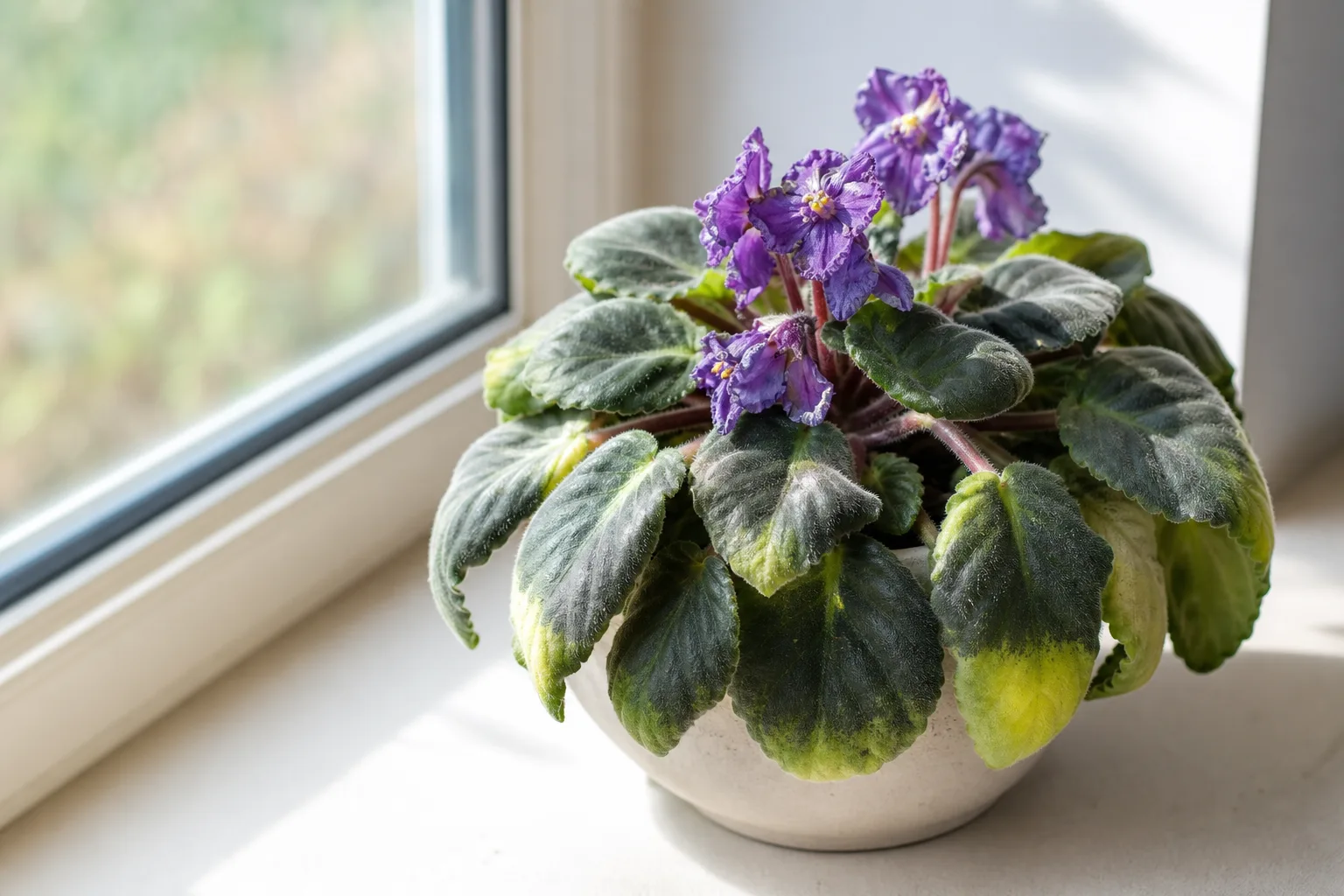
Heat Stress on Houseplants
Still unsure?Match your symptoms to the most likely problems in under a minute.Run diagnosis →Understand and fix heat stress
Homes are not greenhouses. Heat Stress appears when humidity, temperature, or air movement falls outside what your plant tolerates. Wilting, curled leaves, scorched patches after a move, heat wave, or dry winter often points to environment-not necessarily wrong watering. Track weekly progress after you change care, and note watering, light, and repotting dates so you can tell whether the symptom is improving or returning. Compare upper versus lower leaves, new versus old growth, and soil moisture at root depth before you treat, because the same visible symptom can come from watering, light, pests, or normal aging on different plants.
Overview
Homes are not greenhouses. Heat Stress appears when humidity, temperature, or air movement falls outside what your plant tolerates. Wilting, curled leaves, scorched patches after a move, heat wave, or dry winter often points to environment-not necessarily wrong watering. Track weekly progress after you change care, and note watering, light, and repotting dates so you can tell whether the symptom is improving or returning. Compare upper versus lower leaves, new versus old growth, and soil moisture at root depth before you treat, because the same visible symptom can come from watering, light, pests, or normal aging on different plants.
How to identify it
- Symptoms started after AC, heat, or window season change
- Crispy leaf edges in winter near radiators
- Wilting during a heat spell despite moist soil
- Leaf drop within days of bringing plant home or repotting
- Only plants near one vent or draft show damage
When to worry
Blackened tissue after frost exposure, or widespread collapse after heat above 95°F, may leave permanent damage-trim and stabilize fast.
Common causes
Low indoor humidity
Winter heating drops humidity below what tropical plants prefer, causing brown tips and curl.
Temperature extremes
Cold window glass, hot afternoon sun through glass, and heat vents create localized Heat Stress.
Transplant or relocation shock
Roots and leaves need time to adjust after repotting or room changes-temporary drop is common.
Sudden environmental flip
Moving from greenhouse to home, or outdoor to indoor, shocks plants before they acclimate.
Step-by-step fix
Identify the environmental trigger
Note heat vents, drafty windows, and recent moves. Fix placement before heavy pruning.
Stabilize temperature and humidity
Group plants, use humidifiers, or pebble trays. Keep foliage away from hot and cold glass.
Reduce additional stress
Hold repotting and fertilizer until the plant looks stable for 2–3 weeks.
Trim permanently damaged tissue
Remove leaves that are fully brown or black. Partial tip damage can wait until conditions improve.
Acclimate gradually next time
Move plants in steps over a week when changing rooms or bringing them indoors for winter.
Prevention tips
- Keep tropical plants away from heating vents and cold drafts
- Run a humidifier in dry winter rooms
- Acclimate new plants slowly to your home
- Repot during active growth, not during stress
- Document which leaves show symptoms first and whether the soil is wet, dry, or compacted before changing multiple variables at once.
Common mistakes
- Misting once daily instead of raising ambient humidity
- Placing plants touching cold window glass in winter
- Repotting immediately when a plant arrives stressed
Heat stress in plants is a mismatch between environmental demand and the plant’s ability to keep tissues hydrated and functioning. A hot leaf loses water rapidly, while roots may be unable to replace it fast enough. The result can be drooping, curling, dull color, scorched patches, stalled growth, or dropped buds. Those signs are real warnings, but none proves heat was the only cause.
The useful question is not simply, “Was today hot?” It is, “Did this plant experience more heat and water demand than its roots, leaves, and growing conditions could handle?” A plant beside sun-heated glass can overheat on a mild day. A patio plant in a small dark pot can have much hotter roots than a nearby plant in the ground. Conversely, a heat-adapted succulent may be comfortable while a thin-leaved fern beside it collapses.
This guide uses a conservative decision method: establish the timing, check the root zone, map where damage appears, and inspect tissue texture before choosing an action. It is not a laboratory test, and the photographs are representative examples rather than proof that heat caused a particular plant’s symptoms. The method is designed to remove the active hazard, restore appropriate moisture, and watch for recovery without piling new stress onto damaged roots.
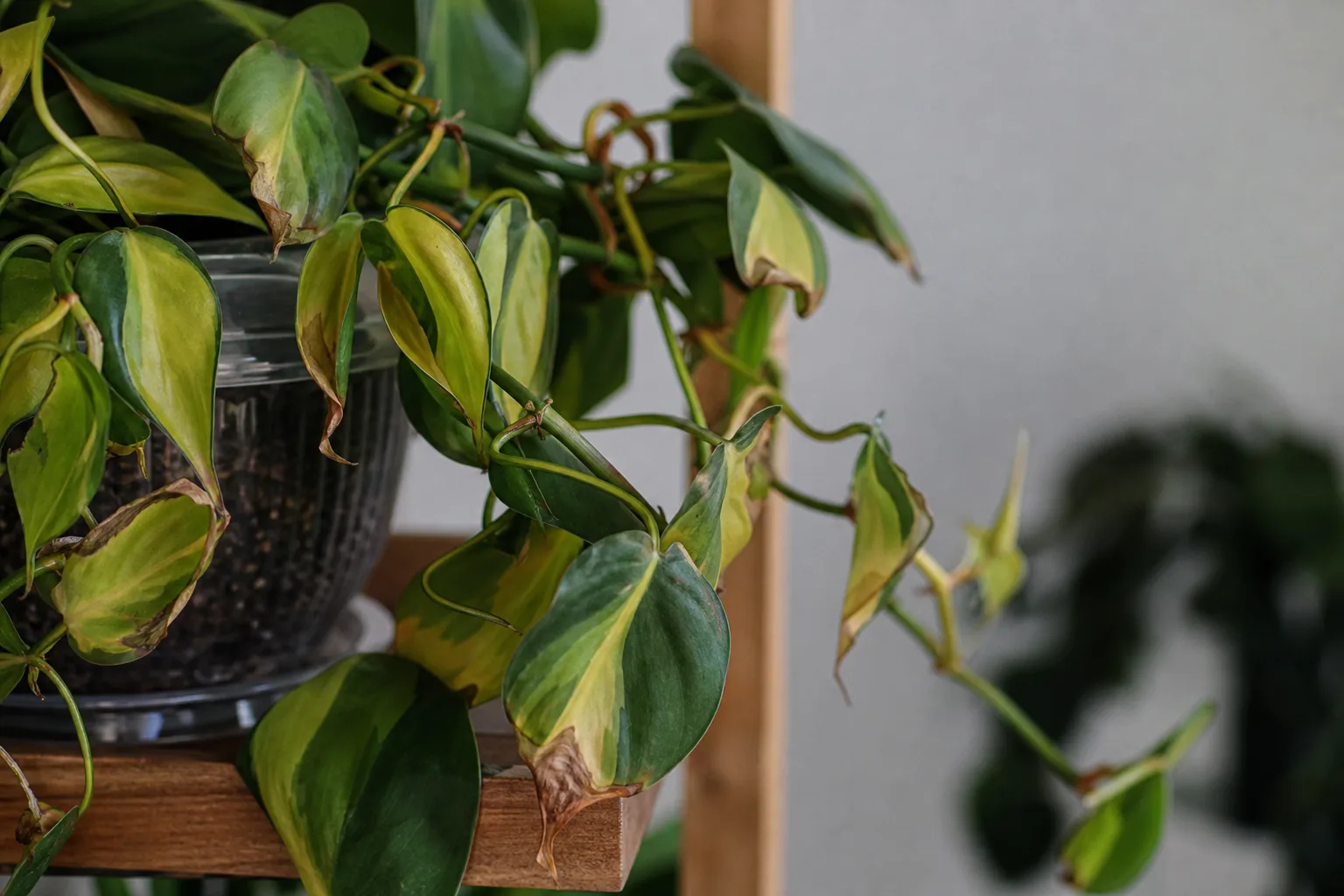
What heat stress means for a plant
Plants cool themselves partly as water evaporates from leaves through transpiration. Heat, strong radiation, wind, and dry air can increase that loss. If water movement from the root zone cannot keep pace, cells lose turgor and leaves wilt. During extreme conditions, photosynthesis and growth can slow, flowers can abort, and exposed tissue can die.
University of Minnesota Extension describes hot, windy conditions as pulling moisture from leaves faster than roots can replace it, producing wilt, curl, scorch, flower drop, and stalled growth. That mechanism explains why a plant can wilt even when the soil is not bone dry. Moisture must be present, accessible, and transported through functioning roots.
Heat tolerance is not a fixed number. It changes with species, cultivar, root health, recent acclimation, growth stage, water availability, humidity, wind, and the temperature of the root zone. A recently purchased plant raised under filtered greenhouse light may scorch in exposure that an acclimated outdoor plant tolerates.
The fastest diagnostic check
Start with four observations before watering or moving the plant repeatedly:
- Timing: Did symptoms begin during or soon after a hot spell, strong afternoon sun, a heater failure, or a move to a brighter position?
- Moisture: Is the root ball dry, evenly moist, or saturated several centimeters down?
- Distribution: Is damage strongest on the window-facing, west-facing, upper, or wind-exposed side?
- Tissue: Are leaves merely limp, or are areas bleached, papery, brown, translucent, or mushy?
A plant that droops during the hottest hours but firms after evening cooling may be experiencing temporary water imbalance. Persistent collapse, expanding lesions, a soft stem base, foul mix, or mushy roots points beyond a simple heat episode. Iowa State Extension recommends considering temperature, humidity, light, water, and nutrition together because indoor-plant symptoms overlap.
Write down what changed. A short timeline—last watering, recent move, temperature spike, fertilizer, repotting, and symptom onset—often distinguishes a heat event from a chronic root problem better than leaf color alone.
Use comparison plants when available. If several species on the same west-facing shelf wilted at the same hour, the shared exposure deserves priority. If only one plant declined, inspect what is unique about its roots, container, pest load, or recent handling. A nearby unaffected plant does not rule out heat because species and pot sizes differ, but it helps rank explanations.
Measure where the plant lives. A weather-app maximum or room thermostat may differ substantially from the leaf and root-zone temperatures. Place a simple maximum-minimum thermometer at canopy height, shade its sensor from direct radiation if the device requires it, and compare readings over several days. The objective is not laboratory precision; it is finding a repeatable hot window, enclosed balcony, greenhouse bench, or paving hotspot.
Heat-stress symptoms from early to severe
Early signs include loss of firmness, leaves held at a steeper angle, inward rolling, dullness, faster-than-normal drying, and flowers that fade quickly. Outdoor vegetables and flowering plants may shed buds or pause fruit set. Houseplants may curl leaves toward the midrib or away from a hot pane.
Moderate stress can produce dry margins, tan patches on the exposed surface, bleached areas, leaf drop, or halted new growth. Severe injury may leave large crisp areas, collapsed soft growth, damaged cambium, or roots injured in an overheated container. Existing damage does not become green again; recovery is shown by stable lesions and sound new growth.
Do not use one photograph as a diagnosis. Underwatering, fertilizer salts, cold injury, root rot, bacterial disease, and intense light can create overlapping brown or wilted tissue. The pattern and history determine what is most plausible.
Reversible wilt and leaf curl
Wilt is a functional response before it is necessarily permanent damage. Some plants reduce exposed leaf area by curling or changing angle. If the root ball has adequate air and moisture and temperatures moderate, tissue may regain pressure within hours. That recovery supports—though does not conclusively prove—a temporary heat-and-water imbalance.
Midday wilt deserves attention but not automatic flooding. Check moisture below the surface. If it is adequately moist, reduce heat and wind exposure and reassess later. Repeated midday collapse still matters: chronic stress can reduce performance even when leaves recover each night.
Seedlings, new transplants, plants with sparse roots, and species with broad thin leaves have less buffer. A mature, deeply rooted landscape plant and a seedling in a cell tray should never receive the same risk assessment.
Scorch, bleaching, and dead tissue
Sun scorch and heat stress often occur together, but they are not identical. Scorch is localized tissue injury associated with excessive radiation and temperature, typically on the most exposed surfaces. General heat stress can occur in bright shade through high air temperature and water demand.
Scorched patches commonly become pale, tan, or brown and papery. A sharp exposed-side pattern strengthens the case for light injury. Soft, water-soaked, spreading spots are less typical and warrant disease or cold-injury investigation. NC State Extension notes that abrupt exposure can cause sunburn on foliage not acclimated to high light.
Dead leaf tissue cannot repair itself. The goal is to preserve viable roots, stems, and remaining leaf area so the plant can produce replacements.
Heat injury can continue becoming visible after the extreme event ends. Cells damaged on Tuesday may not appear fully brown until Thursday. This delayed expression is why a slightly larger scorched patch does not necessarily mean the current location is still harmful. Mark the lesion edge or use dated photographs, and distinguish delayed browning inside the original exposure pattern from new injury appearing on previously protected leaves.
Heat stress versus similar problems
Heat is often the trigger that exposes a pre-existing weakness. A rootbound plant may seem healthy until a hot day empties its small water reserve. A waterlogged plant may wilt in heat because damaged, oxygen-starved roots cannot meet increased demand. A high-salt root zone may further restrict water uptake.
Look for competing evidence. Uniform dry mix and a very light pot support drought. Persistently wet mix, yellow lower leaves, odor, or brown soft roots support root dysfunction. Fine stippling and webbing suggest spider mites. A crisp patch limited to the sun-facing surface suggests scorch. Multiple explanations can be true at once.
Heat stress or underwatering
Underwatering describes insufficient available water; heat describes excessive thermal and evaporative demand. They frequently overlap. A dry plant during heat needs water, but the diagnosis should explain why it became dry: an undersized container, hydrophobic mix, missed irrigation, exposed roots, wind, or simply increased use.
Probe the root ball rather than trusting the surface. Peat-heavy mixes can shrink from the pot and repel water, allowing irrigation to run down the sides. Water slowly in passes until the entire ball is moist and excess drains. If necessary, bottom-soak briefly, then let it drain completely.
A plant in evenly moist mix may need cooling and shade rather than another drink. Repeated watering without checking can replace a heat problem with oxygen-poor roots.
Heat stress or root trouble
Both heat stress and root rot can produce wilt in moist soil. Lift the pot and inspect drainage. If the medium has remained saturated for days, smells sour, or surrounds dark soft roots, root disease becomes more plausible. Penn State Extension identifies wilting and blackened, mushy roots as root-rot clues.
Do not pull every heat-wilted plant apart. Root inspection is justified when water behavior is abnormal, decline continues after the environment improves, or stem-base and odor clues are present. Unnecessary repotting destroys fine roots precisely when demand is high.
Immediate first aid
Remove the active heat load first. Move a portable plant into bright shade or behind a sheer curtain. For planted specimens, provide temporary afternoon shade without sealing in heat. Shift containers away from reflective walls and hot paving. Turn off or redirect hot forced air.
Then assess moisture. Water a genuinely dry root ball thoroughly at the medium, not by repeatedly wetting leaves. Allow drainage. If the root zone is already moist, wait and cool the environment. Never leave the pot standing in runoff unless the species is specifically aquatic.
Keep the plant stable after this correction. Avoid fertilizer, major pruning, repotting, or a sequence of different “rescue” products. Fertilizer does not reverse heat injury and salts may add root stress. Photograph the plant and reassess after the temperature falls.
How to water without making things worse
Watering is most useful before peak demand or when inspection shows the root zone actually needs it. For outdoor plants, morning irrigation limits the time foliage remains wet overnight and gives roots access to water as the day warms. Apply enough to wet the active root zone rather than sprinkling the surface.
Container plants may need checking more often in heat because their root volume is restricted. That does not mean every pot needs daily watering. Pot material, size, plant mass, mix, sun, and wind change drying speed. Use finger depth, a wooden skewer, pot weight, and drainage behavior together.
Check emitter and hose performance outdoors. A drip line can appear to run while a clogged emitter leaves one root ball dry; a sprinkler may wet foliage but miss soil beneath dense leaves. Dig a small inspection hole at the edge of the active root zone after irrigation. Moisture should reach meaningful depth without leaving the site waterlogged.
Water quality and fertilizer concentration matter during heat. As a container loses water, dissolved salts remain behind. Avoid increasing fertilizer merely because irrigation becomes more frequent, and follow the label’s concentration and frequency. Where leaching is appropriate, it requires open drainage; never attempt it in a sealed decorative container.
Mulch can moderate surface evaporation and root-zone temperature outdoors, but keep it away from stems and do not use a thick wet layer to conceal saturated soil. Indoors, decorative moss can make moisture assessment harder. The principle is reliable moisture plus oxygen—not permanent wetness.
Indoor plants near hot windows
Glass creates a deceptive microclimate. Direct beam light can heat the leaf surface, while the room thermostat reports a comfortable air temperature elsewhere. Touching leaves to glass increases risk, and a closed room can accumulate heat. Use a thermometer near the canopy rather than relying only on the central thermostat.
Move sensitive plants back from intense afternoon glass, add a sheer curtain, or change to a window with gentler exposure. Do this without plunging a high-light plant into a dark corner. Light still powers recovery; the aim is suitable intensity and temperature.
Air conditioning may cool the room but create a dry, direct draft. Avoid placing foliage in the jet. A small fan can improve mixing, but strong constant airflow increases water loss. Adjust distance and speed so leaves move gently, if at all.
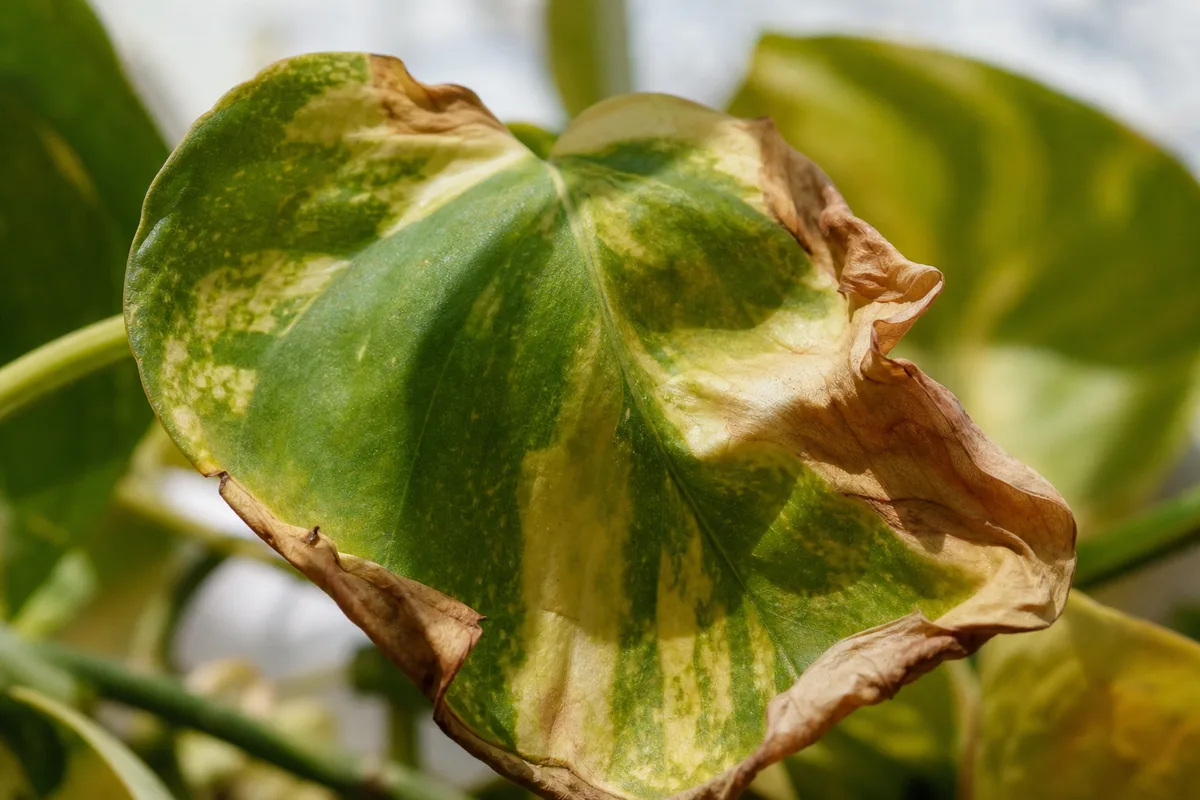
Outdoor plants and containers
Containers heat and dry faster than surrounding soil, particularly small, dark pots on concrete or balconies. Grouping pots, using an outer cachepot with an air gap, or shading the container can reduce root-zone heating. Do not block drainage or keep roots immersed.
Temporary shade cloth can reduce radiation during a heat wave. Support it above plants so it does not trap hot foliage against fabric. For permanent placement, select the shade level according to the crop rather than assuming maximum shade is safest. When houseplants move outdoors, the RHS recommends starting them in bright shade and increasing direct sun gradually; even cacti can burn after an abrupt change from indoor light.
Recently planted specimens need special attention because their roots have not explored surrounding soil. Water the original root ball and adjacent soil; one may dry while the other remains moist. Wind protection can be as important as shade where hot air is rapidly stripping moisture.
Recovery over the next two weeks
In the first 24 to 48 hours, look for restored firmness after cooling, no expansion of scorched areas, and a normalizing moisture cycle. Some damaged leaves will continue to brown at the boundary between living and dead tissue. That alone does not prove treatment failed.
Assess stems as well as leaves. Firm green growing points and buds may survive even when large leaves are scorched. A stem that remains soft, dark, or constricted at its base is a worse sign. Resist cutting a plant back to the soil immediately unless tissue is clearly dead; latent buds and partially shaded nodes may support recovery.
Resume normal exposure in steps only after the plant is stable. Temporary shade during an extreme event is different from permanently changing a sun-loving plant to low light. Increase light gradually over several days, watch the newest leaves, and pause if bleaching or wilt returns.
Over one to two weeks, healthy buds, stable stems, and new growth are better evidence than cosmetic improvement of old leaves. Woody plants may be checked with a cautious scratch on a small stem: green moist tissue beneath the bark suggests that portion remains alive. Do not repeatedly scrape stems.
Keep care steady. Appropriate light, careful watering, and moderate temperature support recovery. Hold fertilizer until active growth resumes; a stressed plant cannot be pushed into health by feeding.
When pruning or repotting helps
Remove tissue that is completely dead, mushy, diseased, or broken, using clean tools. Retain partly green leaves when they are not diseased because remaining tissue can photosynthesize. Large-scale cosmetic pruning removes reserves and can expose previously shaded tissue.
Repot only for evidence: extensive rotten roots, a broken container, severely hydrophobic collapsed medium, or extreme root congestion that makes hydration impossible. If roots are sound, environmental correction is less disruptive. The RHS warns that overpotting leaves excess compost wet and can promote rot, especially for succulents.
If most roots or the stem base are dead, taking healthy cuttings may be the best salvage strategy for a species that propagates vegetatively.
Heat prevention that works
Acclimate plants to stronger light progressively rather than moving them directly from a room to exposed midday sun. Monitor forecasts and indoor microclimates. Check container moisture more often during heat, but water from evidence. Shade root zones, keep drainage open, and avoid strong fertilizing immediately before extreme conditions.
Choose containers large enough to buffer moisture without being grossly oversized. Pale outer pots can reduce solar heating. Outdoors, organic mulch can moderate roots. Indoors, a reflective blind or sheer curtain can protect plants during a short period of intense afternoon sun.
Record where injury appears. If the same side scorches repeatedly, placement—not watering—is the main preventive target.
Species and life-stage differences
Succulents and cacti tolerate drought and heat differently from ferns, fittonias, seedlings, and many tropical understory plants. Even heat-adapted succulents can scorch after abrupt exposure. Cool-growing orchids and some mountain species may struggle at temperatures that common tropical foliage plants tolerate.
Flower buds, tender new leaves, cuttings, and seedlings are less resilient than mature hardened foliage. Fruit and flower production may fail before the plant itself dies. Base thresholds on reliable species guidance, not a generic “houseplant temperature.”
Variegated tissue has less chlorophyll and may show injury sooner. A plant with compromised roots, pests, or recent repotting also has less capacity to respond.
When to seek expert help
Contact a local cooperative extension office or plant-health professional when wilting persists in moist soil, the stem base softens, roots are extensively brown and mushy, lesions spread beyond exposed surfaces, or a valuable plant declines despite stable conditions. Supply whole-plant and close-up photos, root images, pot details, and a care timeline.
Urgent isolation is sensible when symptoms include spreading spots, visible pests, or suspicious exudate because heat may not be the only problem. Avoid applying fungicide or pesticide without identifying the target and following the label.
Conclusion
Heat stress in plants is best understood as an imbalance, not a temperature reading. Heat, radiation, wind, humidity, roots, and available water determine whether foliage stays functional. Wilt, curl, scorch, and flower drop are clues; soil condition, timing, distribution, and tissue texture make those clues useful.
Remove the active heat load, correct genuine dryness without saturating moist roots, and keep the environment stable. Judge recovery by firm stems, stable damage, a workable drying cycle, and healthy new growth. Prevention comes from acclimation, root-zone protection, attentive watering, and matching each species to the microclimate it can actually tolerate.
Plants commonly affected
These houseplants often struggle with heat stress. Open a care guide or plant-specific troubleshooting page for tailored fixes.
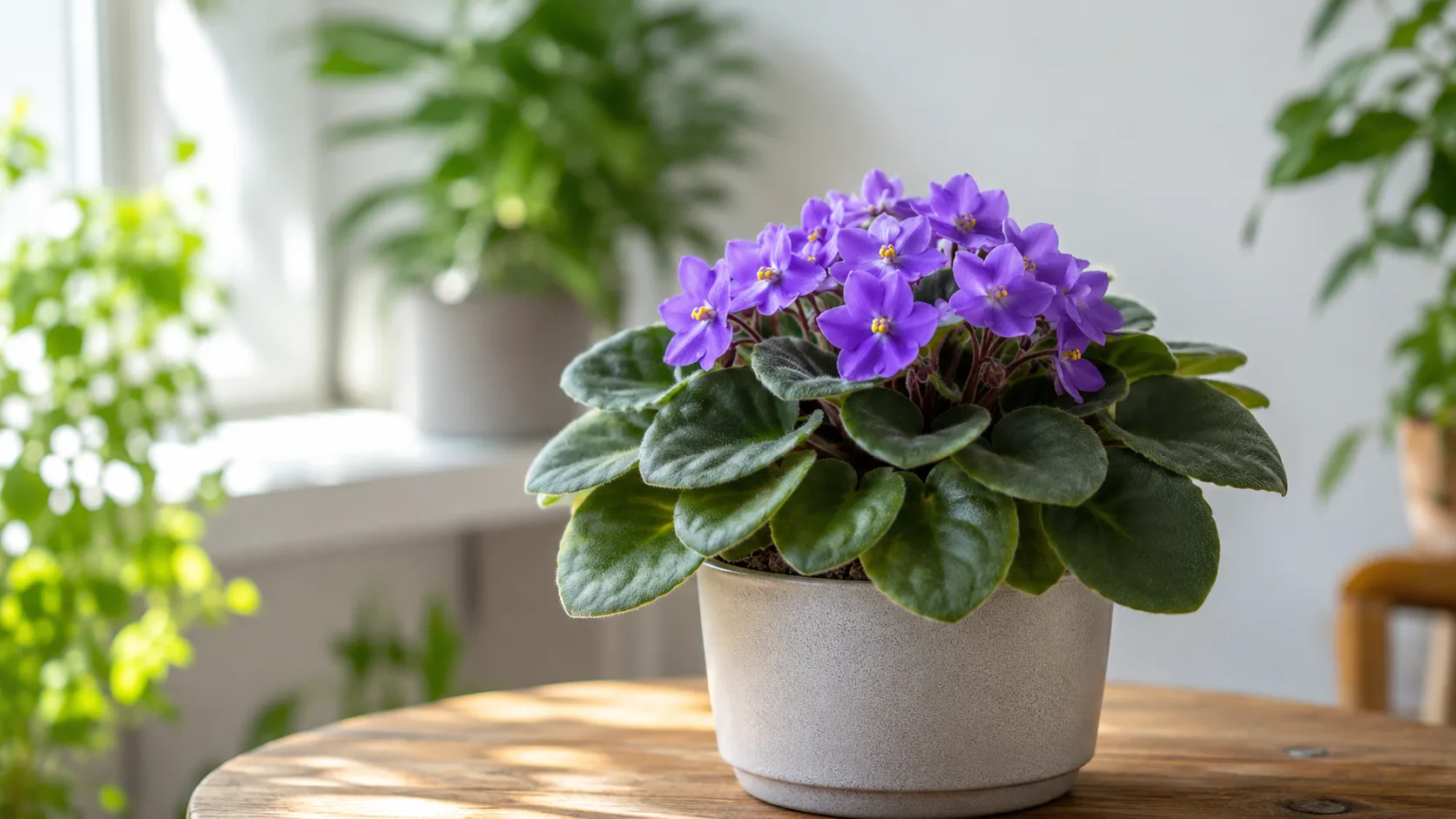 Medium
African Violet
Likely causeHeat Stress on African Violet: In this article, we'll explore the heat tolerance of African Violets, answering the burning question: What temperature is too hot for these charming plants? Along the way, we'll share practi
Quick fixInspect African Violet, confirm heat stress matches your symptoms, then adjust care or treat per authoritative guides.
 Easy
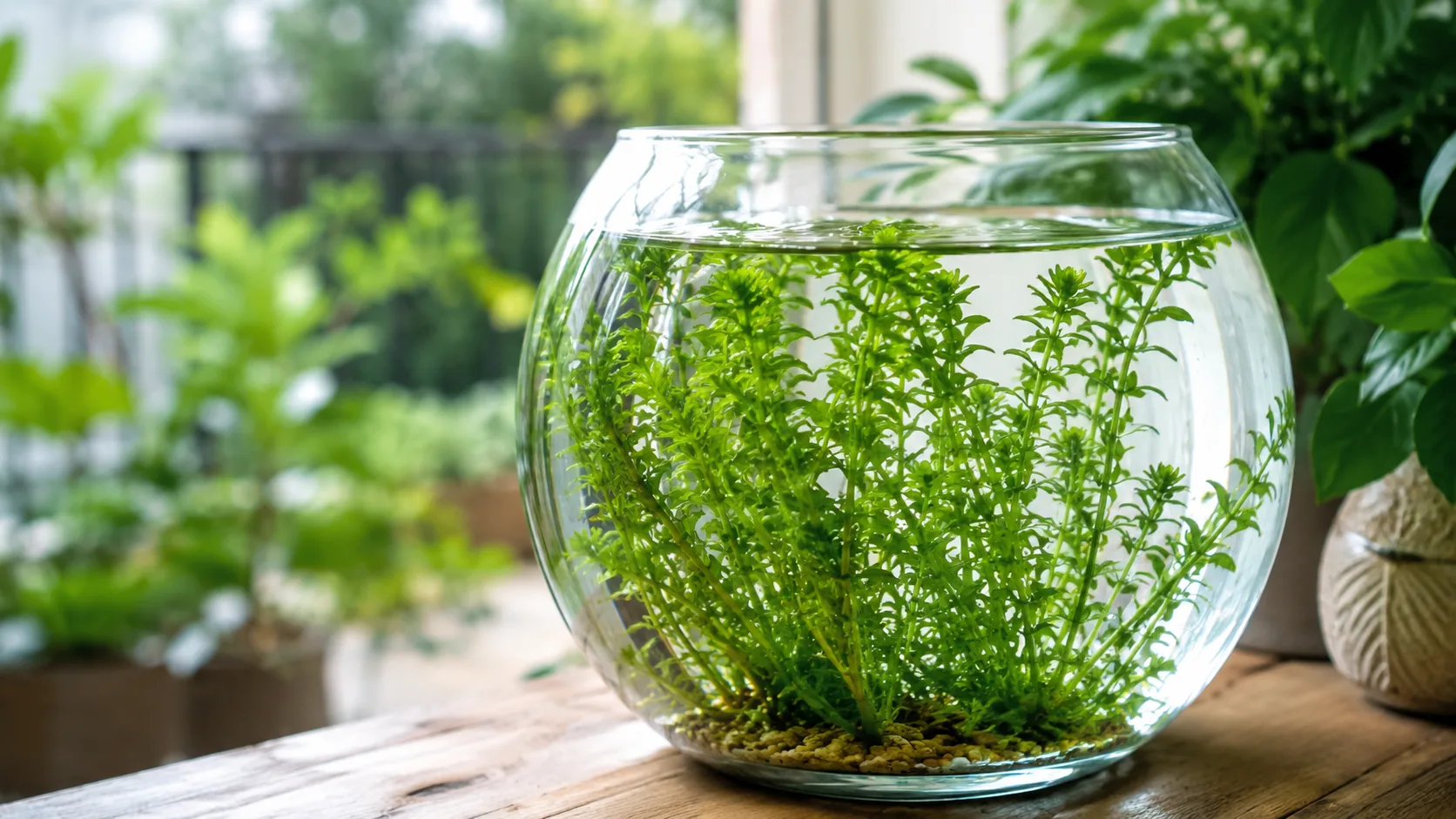
EasyAnacharis / Elodea
Likely causeWarm tropical tanks, summer heat spikes, or moving plants from cool to hot water too fast.
Quick fixCool the tank with surface agitation or partial changes, remove melted tissue, and acclimate future plants gradually.
 Medium
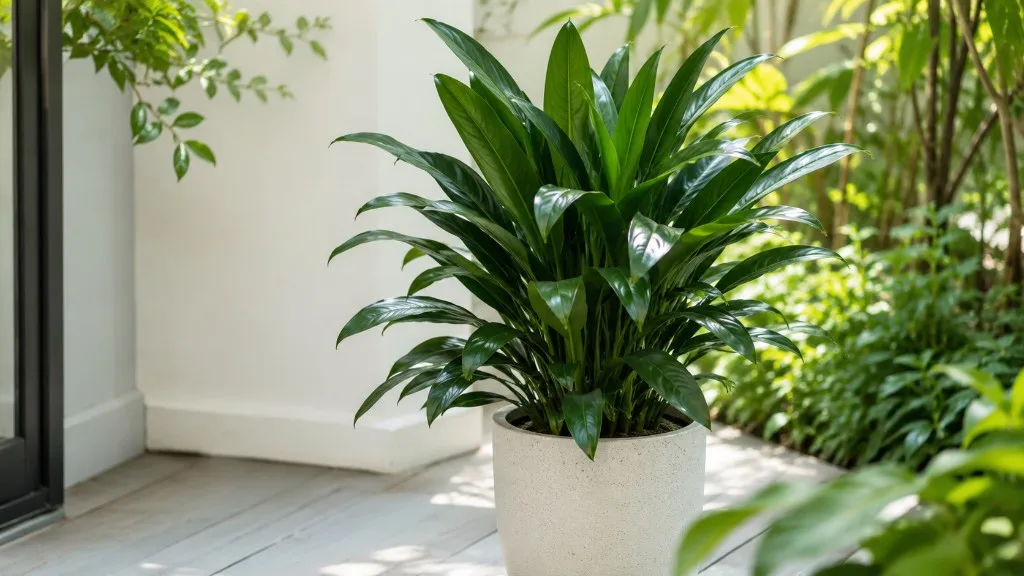
Janet Craig Dracaena
Likely causeJun 12, 2024 · You're not alone, and with a little love and care, your Janet Craig Dracaena can bounce back to its former glory. In this article, we’ll chat about why heat damage happens, how to recognize it, and most importantly, what you
Quick fixConfirm diagnosis on your Janet Craig Dracaena, then address the most likely care or pest factor described in current extension guidance.
 Medium
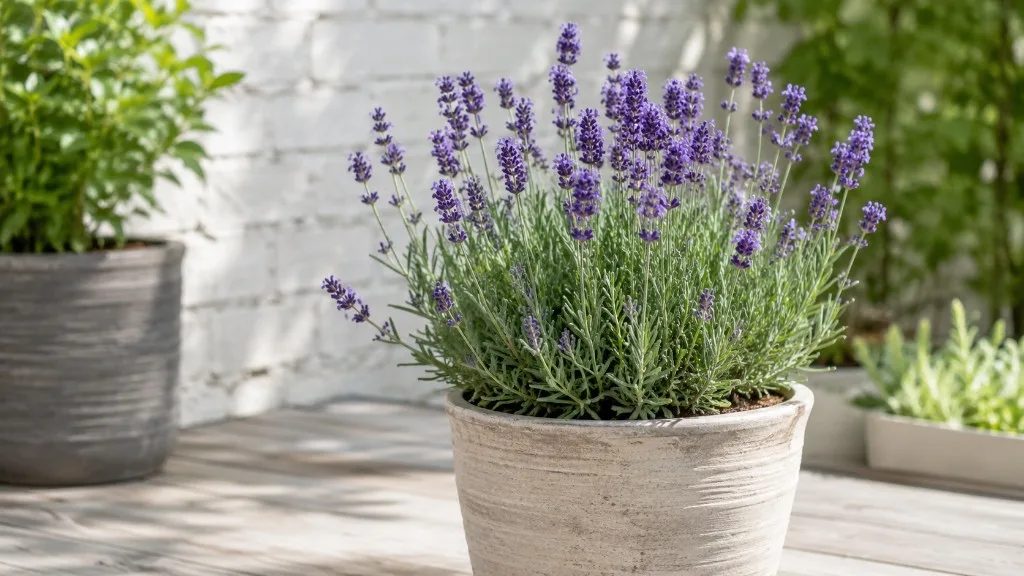
Lavender
Likely causeLavender (Lavandula spp.) is renowned for its fragrance and versatility, but many assume it thrives only in cooler climates. However, certain lavender varieties demonstrate remarkable heat tolerance, allowing them to flourish in warmer regi
Quick fixConfirm diagnosis on your Lavender, then address the most likely care or pest factor described in current extension guidance.
 Medium
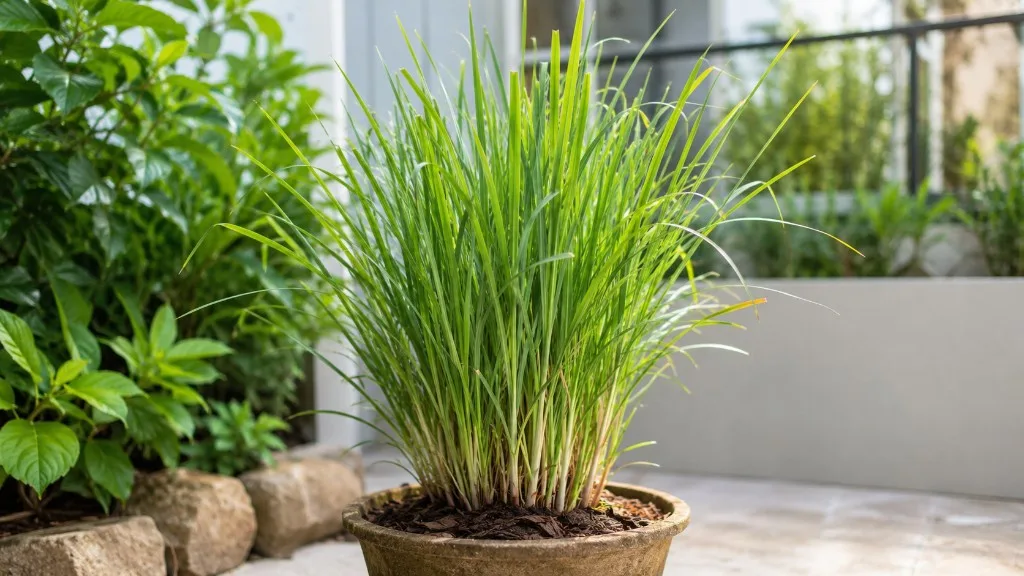
Lemongrass
Likely causeNov 25, 2025 · Common signs of heat stress in lemongrass include yellowing or browning leaves, reduced growth rates, and a decrease in essential oil production . If you notice these symptoms, adjust your care routine by providing more shade
Quick fixConfirm diagnosis on your Lemongrass, then address the most likely care or pest factor described in current extension guidance.
 Medium
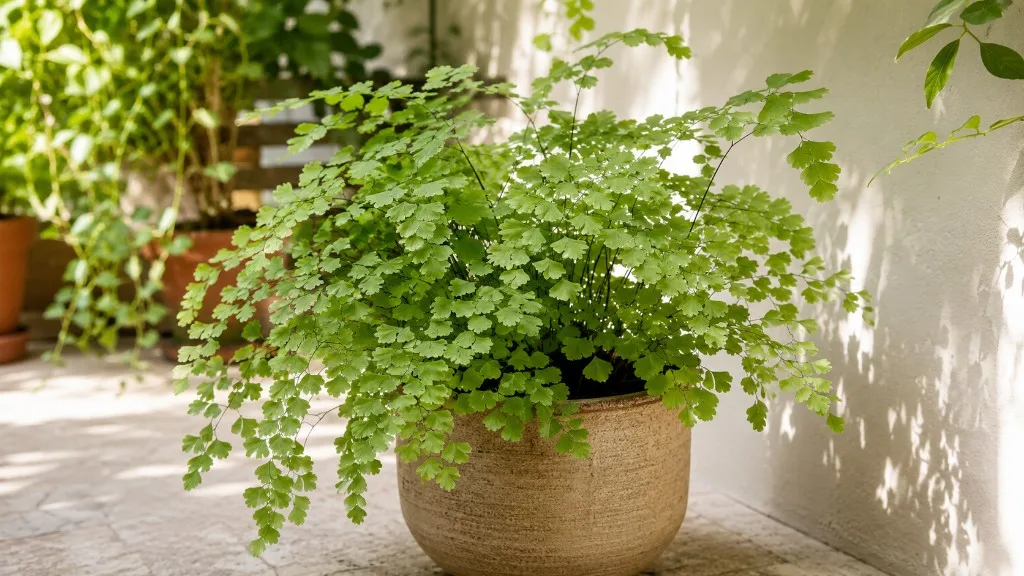
Maidenhair Fern
Likely causeOct 13, 2023 · Keeping your Maidenhair Fern happy in hot weather involves understanding its temperature preferences and adjusting its environment accordingly. By monitoring signs of stress and providing the right conditions, you can ensure
Quick fixConfirm diagnosis on your Maidenhair Fern, then address the most likely care or pest factor described in current extension guidance.
 Medium
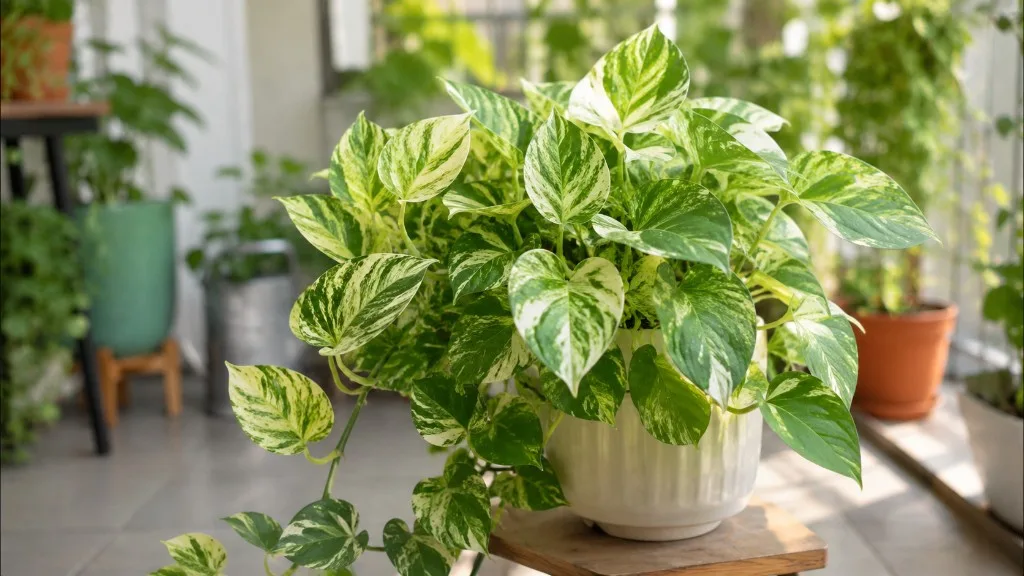
Manjula Pothos
Likely causeJun 16, 2024 · Let's dive into understanding what you can do to rescue your Manjula Pothos from the grips of heat stress . In this article, we'll explore the signs of heat damage in Manjula Pothos and discuss practical ways to prevent and t
Quick fixConfirm diagnosis on your Manjula Pothos, then address the most likely care or pest factor described in current extension guidance.
 Medium
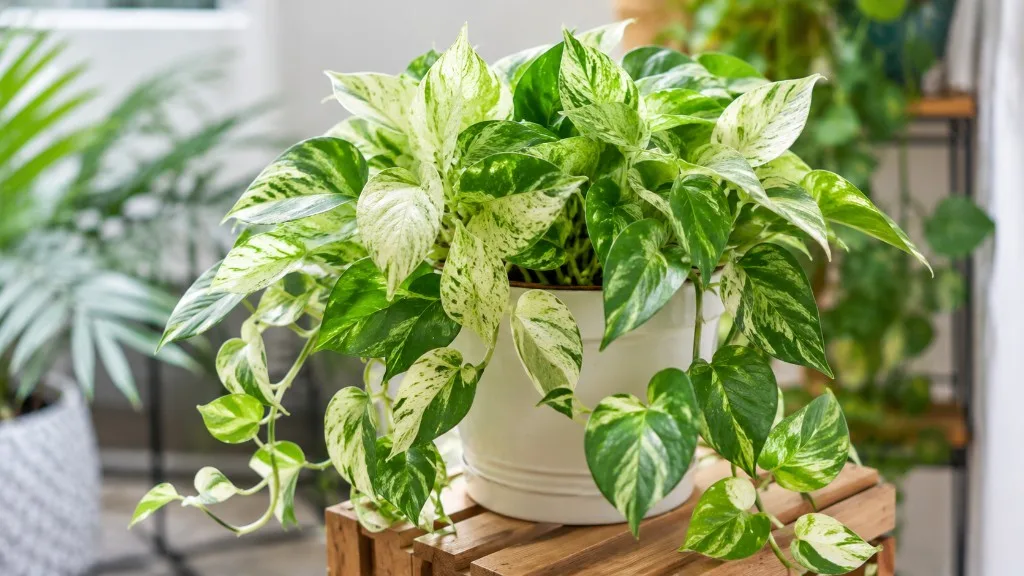
Marble Queen Pothos
Likely causeOct 9, 2023 · This post will guide you through understanding how heat affects your Marble Queen Pothos , the ideal temperature range, and practical tips to help your plant thrive even in warmer conditions.
Quick fixConfirm diagnosis on your Marble Queen Pothos, then address the most likely care or pest factor described in current extension guidance.
 Medium
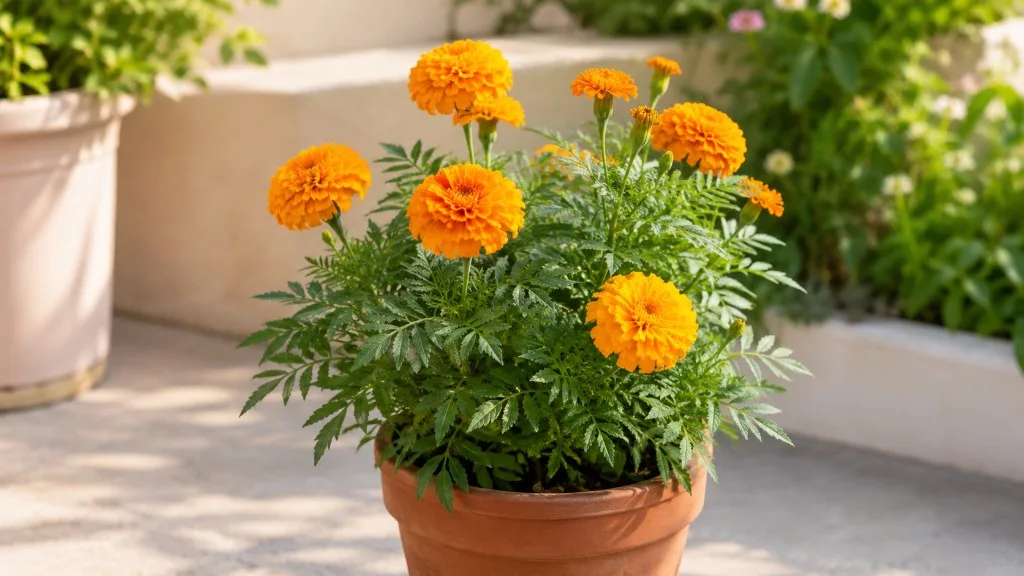
Marigold
Likely causeJan 19, 2016 · This study investigated semi-lethal temperature (LT 50), heat injury index (HII) and 16 physiological indexes closely related to heat stress to evaluate heat tolerance of nine marigold ( Tagetes erecta and T. patula) cultivar
Quick fixConfirm diagnosis on your Marigold, then address the most likely care or pest factor described in current extension guidance.
 Medium
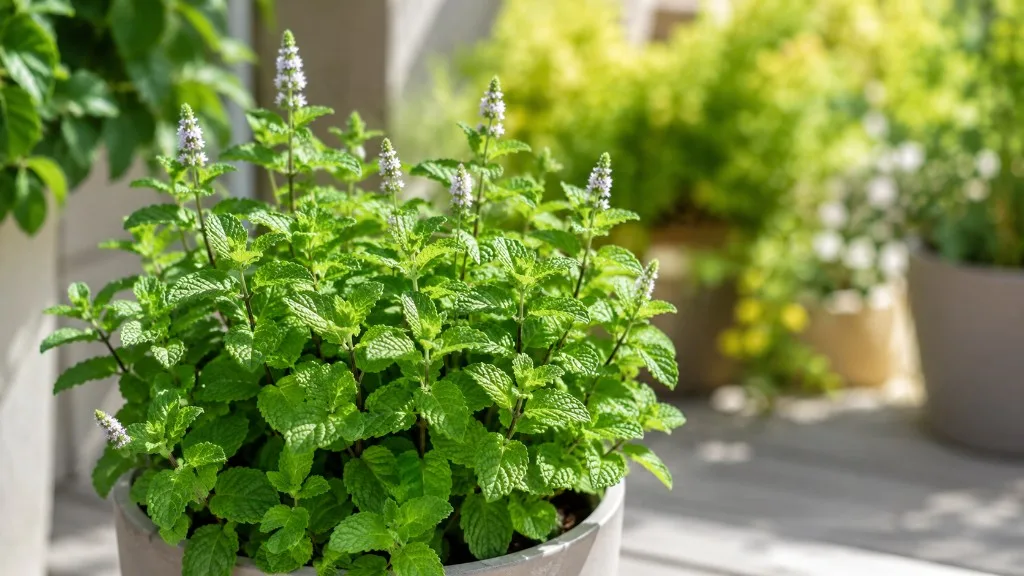
Mint
Likely causeTemperatures above 30°C with dry soil cause mint wilting and brown leaf margins in exposed containers.
Quick fixWater early morning; shade during peak heat; use light-colored pots to reduce root-zone heat.
 Medium
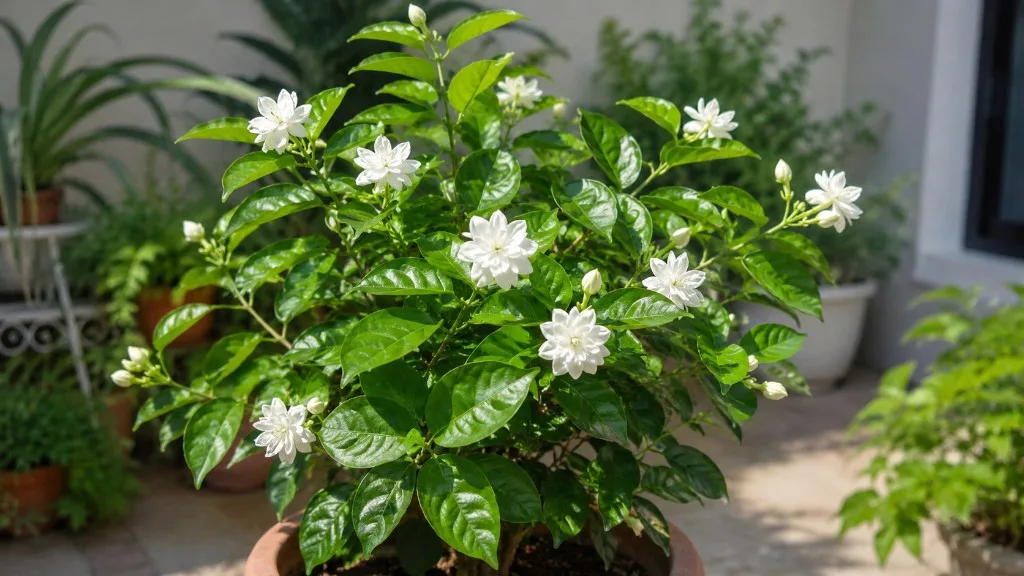
Mogra
Likely causeOct 19, 2022 · Our assembled J. sambac JSDB genome provides fundamental knowledge to study the molecular mechanism of heat stress tolerance, and improve jasmine flowers and dissect its fragrance.
Quick fixConfirm diagnosis on your Mogra, then address the most likely care or pest factor described in current extension guidance.
 Medium
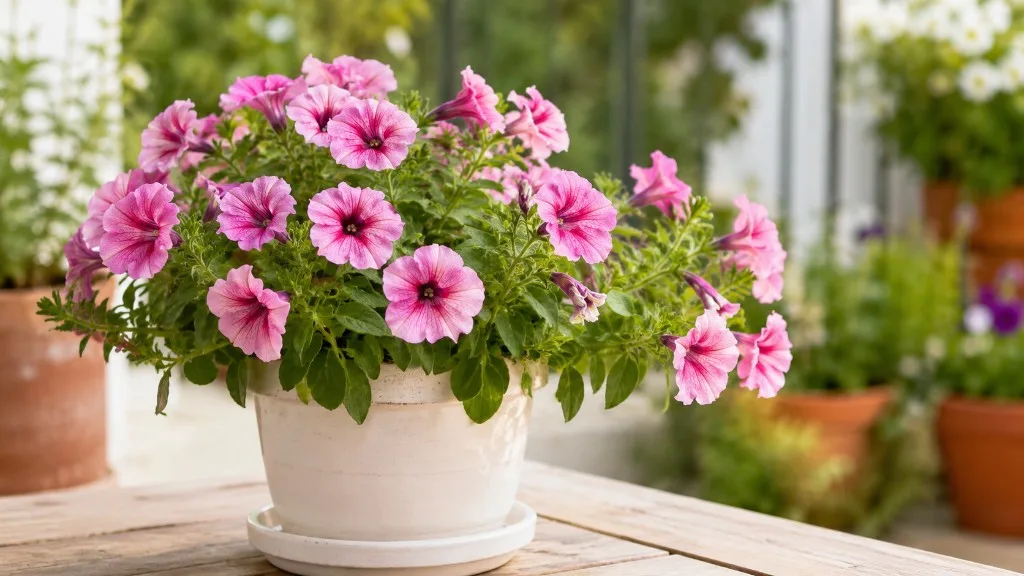
Petunia
Likely causePetunias fade and wilt above 35°C when roots cannot replace moisture lost to extreme transpiration.
Quick fixWater deeply at dawn; provide afternoon shade during heat waves and trim back heat-damaged stems.