High Humidity in Plants: Signs and Solutions
Homes are not greenhouses. High Humidity appears when humidity, temperature, or air movement falls outside what your plant tolerates. Mold, fungus, soft leaves, disease risk after a move, heat wave, or dry winter often points to environment-not necessarily wrong watering. Track weekly progress after you change care, and note watering, light, and repotting dates so you can tell whether the symptom is improving or returning. Compare upper versus lower leaves, new versus old growth, and soil moisture at root depth before you treat, because the same visible symptom can come from watering, light, pests, or normal aging on different plants.
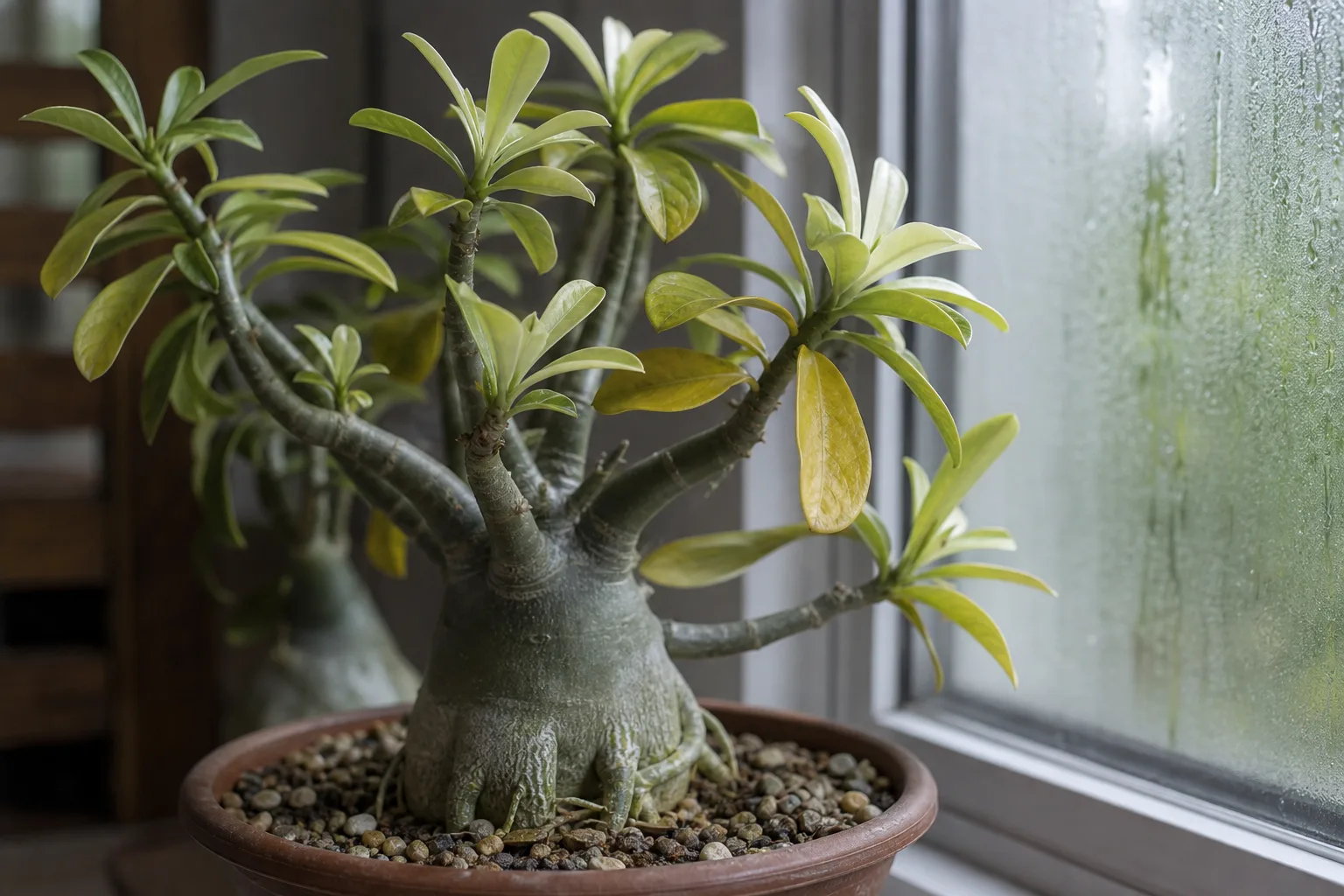
High Humidity on Houseplants
Still unsure?Match your symptoms to the most likely problems in under a minute.Run diagnosis →Understand and fix high humidity
Homes are not greenhouses. High Humidity appears when humidity, temperature, or air movement falls outside what your plant tolerates. Mold, fungus, soft leaves, disease risk after a move, heat wave, or dry winter often points to environment-not necessarily wrong watering. Track weekly progress after you change care, and note watering, light, and repotting dates so you can tell whether the symptom is improving or returning. Compare upper versus lower leaves, new versus old growth, and soil moisture at root depth before you treat, because the same visible symptom can come from watering, light, pests, or normal aging on different plants.
Overview
Homes are not greenhouses. High Humidity appears when humidity, temperature, or air movement falls outside what your plant tolerates. Mold, fungus, soft leaves, disease risk after a move, heat wave, or dry winter often points to environment-not necessarily wrong watering. Track weekly progress after you change care, and note watering, light, and repotting dates so you can tell whether the symptom is improving or returning. Compare upper versus lower leaves, new versus old growth, and soil moisture at root depth before you treat, because the same visible symptom can come from watering, light, pests, or normal aging on different plants.
How to identify it
- Symptoms started after AC, heat, or window season change
- Crispy leaf edges in winter near radiators
- Wilting during a heat spell despite moist soil
- Leaf drop within days of bringing plant home or repotting
- Only plants near one vent or draft show damage
When to worry
Blackened tissue after frost exposure, or widespread collapse after heat above 95°F, may leave permanent damage-trim and stabilize fast.
Common causes
Low indoor humidity
Winter heating drops humidity below what tropical plants prefer, causing brown tips and curl.
Temperature extremes
Cold window glass, hot afternoon sun through glass, and heat vents create localized High Humidity.
Transplant or relocation shock
Roots and leaves need time to adjust after repotting or room changes-temporary drop is common.
Sudden environmental flip
Moving from greenhouse to home, or outdoor to indoor, shocks plants before they acclimate.
Step-by-step fix
Identify the environmental trigger
Note heat vents, drafty windows, and recent moves. Fix placement before heavy pruning.
Stabilize temperature and humidity
Group plants, use humidifiers, or pebble trays. Keep foliage away from hot and cold glass.
Reduce additional stress
Hold repotting and fertilizer until the plant looks stable for 2–3 weeks.
Trim permanently damaged tissue
Remove leaves that are fully brown or black. Partial tip damage can wait until conditions improve.
Acclimate gradually next time
Move plants in steps over a week when changing rooms or bringing them indoors for winter.
Prevention tips
- Keep tropical plants away from heating vents and cold drafts
- Run a humidifier in dry winter rooms
- Acclimate new plants slowly to your home
- Repot during active growth, not during stress
- Document which leaves show symptoms first and whether the soil is wet, dry, or compacted before changing multiple variables at once.
Common mistakes
- Misting once daily instead of raising ambient humidity
- Placing plants touching cold window glass in winter
- Repotting immediately when a plant arrives stressed
High humidity is not automatically bad for plants. Many tropical houseplants lose water more slowly and keep tender foliage more comfortably in moist air. Problems begin when humidity, temperature, airflow, watering, and species needs combine to keep leaves or roots wet for too long, suppress normal drying, or create conditions favorable to disease.
That distinction matters. A hygrometer reading cannot diagnose a plant, and a fungal spot does not prove the room was “too humid.” Pathogens, susceptible tissue, and a suitable environment must coincide. Overwatering concerns the root zone; high relative humidity concerns water vapor in air. They influence one another but require different corrections.
The practical goal is balance: enough atmospheric moisture for the plant, enough air exchange and spacing for foliage to dry, and an irrigation rhythm that lets the root zone regain oxygen. This guide shows how to measure that system and change the smallest necessary variable.
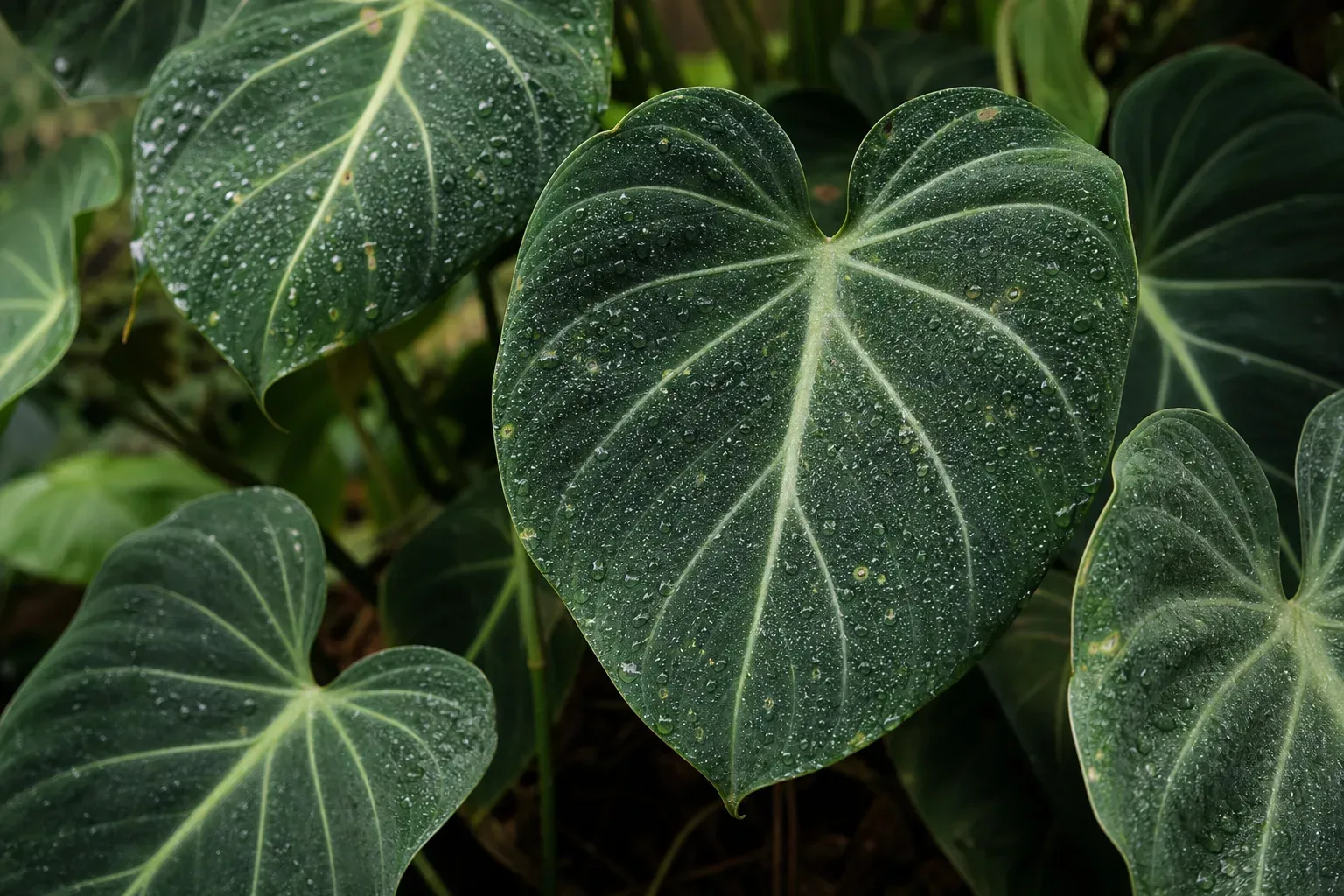
What high humidity actually means
Relative humidity describes how much water vapor air holds compared with the maximum it could hold at that temperature. Warm air can hold more vapor than cool air, so relative humidity can rise when air cools even if no water is added. That is why condensation often appears on a cool window overnight.
Leaves have a thin boundary layer of air at their surface. Humidity and air movement influence transpiration through that layer. Very dry, moving air can pull water rapidly from foliage; very moist, still air can slow evaporation. Neither extreme suits every plant.
Use a digital hygrometer at canopy height and observe it over a day. A single reading beside a humidifier or wet tray may not represent the room. Compare morning, afternoon, and nighttime values, and note temperature. Penn State Extension emphasizes that indoor plants come from different environments, so there is no single best humidity level for all of them.
When moist air helps and when it harms
Moist air can reduce the water deficit between leaf and atmosphere. It is useful for many thin-leaved tropical plants, newly rooted cuttings, and plants that naturally grow in humid understories. Propagation enclosures use high humidity because cuttings initially have limited roots and lose water easily.
The same enclosure becomes risky when condensation keeps foliage wet, dying leaves remain inside, or air never exchanges. Penn State’s propagation guidance says high humidity reduces drying but cautions that it should not be so high that diseases develop. Moisture is a tool, not a universal target.
Excess risk is most likely where leaves touch, air is stagnant, nighttime temperatures fall, watering is frequent, and light is too low to support water use. Succulents and xeric plants may be particularly poorly matched to a sealed, wet display. Tropical does not mean aquatic or airless.
A five-minute humidity diagnosis
Use five kinds of evidence. This is a practical screening method, not a laboratory diagnosis, and the photographs on this page show representative patterns rather than proving humidity was the cause:
- Measure: Record relative humidity and temperature near the leaves, away from direct humidifier mist.
- Look: Check windows, cabinet walls, leaf axils, flowers, and the soil surface for persistent droplets or condensation.
- Feel: Determine whether foliage stays wet for hours and whether the potting mix dries at a plausible rate.
- Inspect: Examine both leaf surfaces for spots, fuzzy growth, powder, water-soaked areas, and pests.
- Map: Note whether symptoms cluster in the dense center, against glass, near a humidifier, or on plants with overlapping leaves.
Also review recent changes. Seasonal cooling, closed windows, a new plant cabinet, crowding, repeated misting, a humidifier moved closer, or watering late in the day can shift conditions. A humidity problem is far more credible when the environment and symptom timing agree.
Do not rely on surface mold alone. Saprophytic fungi can grow on organic potting ingredients without invading the plant. They still indicate a moist surface and available organic matter, but root condition and leaf health decide the response.
Take readings in more than one place. A sensor on a dry wall may miss the saturated boundary inside a dense canopy; a sensor directly in humidifier vapor exaggerates what the rest of the plants experience. In a cabinet, compare the top, center, and lower shelf because heat and vapor stratify. Note how long conditions remain elevated, not just the daily peak.
Inspect at the end of the dark period. Relative humidity often rises as temperature falls and transpiration changes, so an enclosure that looks dry in afternoon light may condense overnight. A timer, data-logging hygrometer, or early-morning observation can reveal the actual risk period.
| Evidence pattern | More likely interpretation | First useful action |
|---|---|---|
| High reading, dry leaf surfaces, normal root-zone drying | Humid air may be appropriate for the species | Monitor instead of forcing the percentage down |
| Condensation plus wet leaves and stagnant air | Prolonged leaf wetness and poor exchange are the priority | Ventilate gently, space foliage, and stop unnecessary misting |
| Wet mix, yellowing lower leaves, or sour odor | Root-zone saturation may be more important than air humidity | Check drainage and roots before changing room humidity |
| Expanding spots, gray growth, or tissue collapse | A disease may be active | Isolate, remove affected debris, and seek a specific diagnosis |
Symptoms commonly associated with excess humidity
Possible associated signs include persistent guttation droplets, condensation, unusually slow pot drying, soft or distorted new growth, edema-like corky patches, mold on dead material, leaf spots, gray fuzzy growth, and rapid flower collapse. These signs have multiple causes and should be examined rather than bundled into one diagnosis.
Edema occurs when roots take up water faster than leaves can release it, causing cells to rupture and later form blisters or corky areas. Humidity can contribute by reducing transpiration, but saturated mix, low light, cool temperatures, and species susceptibility also matter.
Disease symptoms require caution. Photograph the whole plant and close details. Clean a suspicious patch only if doing so will not spread material; powder that wipes away may be residue, mildew, or mineral deposits. Laboratory diagnosis may be worthwhile for valuable collections.
Some disorders are physiological rather than infectious. Edema, for example, does not spread from plant to plant like a pathogen even though the lesions may look alarming. Fungal and bacterial diseases may expand under favorable conditions, but humidity does not create a pathogen by itself: disease requires a susceptible plant, a pathogen, and favorable conditions. Visible symptoms alone rarely identify the organism involved, so Penn State’s emphasis on sanitation, dry foliage, spacing, and air circulation is safer than choosing a pesticide from a humidity reading. This distinction affects whether isolation, environmental correction, or a labeled treatment is appropriate.
Check insects too. Thrips scars, mite stippling, scale honeydew, and mealybug residue can be mistaken for humidity damage. High humidity does not eliminate established pests. Examine leaf undersides, petiole joints, flowers, and sticky cards before concluding that every spot is environmental.
Condensation, slow drying, and soft growth
Condensation is a physical warning that a surface is below the air’s dew point. Occasional droplets on a cold window are not automatically a plant emergency. Daily water running down enclosure walls, dripping onto foliage, and never clearing shows that ventilation or moisture input needs adjustment.
Slow soil drying may result from high humidity, but low light, cool temperature, dense mix, oversized pots, or weak roots can be more important. Check the full system before reducing humidity aggressively. The correct fix might be brighter suitable light or a better root medium.
Soft, elongated growth more often implicates insufficient light or excess nitrogen than humidity alone. Avoid assigning every fragile stem to moist air. High humidity may allow weak tissue to remain succulent, but it does not replace the need for adequate light and balanced nutrition.
Leaf spots, gray mold, and mildew
Gray mold caused by Botrytis cinerea commonly attacks senescent flowers and older tissue, producing brown wet spots and gray spores. Penn State Extension recommends air circulation, dry leaves, sanitation, and avoiding overcrowding as core indoor-disease prevention.
Powdery mildew is different: many powdery mildew fungi do not require free water on the leaf to infect, though high humidity can favor spread. Downy mildews and bacterial spots have other environmental relationships. Diagnose the organism before choosing treatment.
Remove infected material into a bag rather than carrying it over neighboring plants. Clean tools between plants. Do not compost material when local guidance advises disposal. If a pesticide is considered, identify the disease and use only a product labeled for the site and plant, following every instruction.
High humidity versus overwatering
High humidity is water vapor in air. Overwatering is a root-zone condition in which irrigation frequency, poor drainage, or an unsuitable medium keeps roots too wet. A room can be humid while pots dry normally, and a pot can be waterlogged in dry air.
The two interact because humid, cool, low-light air slows plant water use. A schedule that worked in summer may keep the same pot wet in winter. Adjust watering to actual moisture and plant demand, not the calendar.
If leaves yellow while the mix stays heavy and roots are soft, correct root-zone aeration rather than merely running a dehumidifier. If roots are healthy but dense foliage stays wet and develops spots, airflow and leaf wetness are stronger targets.
Airflow without damaging drafts
Air movement disrupts the still boundary layer around leaves, evens temperature, and helps surfaces dry. Good circulation is not the same as blasting a plant with a fan. Strong continuous airflow can accelerate water loss, chill tropical foliage, or physically damage tender leaves.
Open space between plants, prune only when appropriate, and position a small fan to mix the room indirectly. Leaves need not flap. Penn State greenhouse guidance notes that spacing and good air circulation reduce relative humidity near plants and inhibit gray mold activity.
Vent enclosed cabinets periodically or use gentle extraction and intake paths. Keep electrical equipment and water safely separated. A fan moves moisture; an exhaust path or dehumidifier actually removes it from the space.
Watering and leaf-wetness changes
Water at the root zone when the plant needs it. Empty runoff and avoid leaving non-aquatic plants standing in water. Morning watering gives accidental wet foliage more time to dry under light and circulation.
Stop routine misting when humidity is already high or disease is suspected. Misting produces a short local effect and wet leaves; Penn State reports that the humidity rise from misting may last only until droplets evaporate. It is not an effective room-scale humidity control.
Avoid spraying leaves with household remedies. Oils, soaps, bicarbonates, alcohol, and detergents can injure foliage, especially under bright light or when used at untested concentrations. Cultural correction and accurate diagnosis come first.
Safe ways to lower indoor humidity
First reduce unnecessary sources: turn down or relocate a humidifier, remove standing water, vent showers and cooking moisture, and allow wet surfaces to dry. Space plants so air can pass between canopies. Open a plant cabinet in a way that avoids abrupt chilling.
Use a dehumidifier when whole-room humidity remains high, following its placement, drainage, and cleaning instructions. Aim for a stable species-appropriate range rather than the lowest number possible. Excessively dry air creates a different set of problems.
Heat can lower relative humidity but is a poor standalone plant treatment: it may increase leaf water loss and energy use. Ventilation and moisture-source control are generally more direct. Address building condensation or persistent dampness as a home issue, not merely a plant-care issue.
Make changes incrementally. First switch off an unnecessary humidifier and improve spacing; measure for a full day before adding more equipment. If the room still condenses, use exhaust ventilation or dehumidification appropriate to the building. Rapidly opening a warm tropical cabinet into cold winter air can chill wet leaves, so acclimate sensitive plants while increasing air exchange.
Clean water reservoirs, hoses, fans, and filters on schedule. Devices that distribute moisture can also distribute mineral residue or microbes when neglected. Never add essential oils, fertilizer, pesticide, or fragrance to a humidifier unless its manufacturer explicitly allows that use; ordinary plant humidification needs water, not airborne additives.
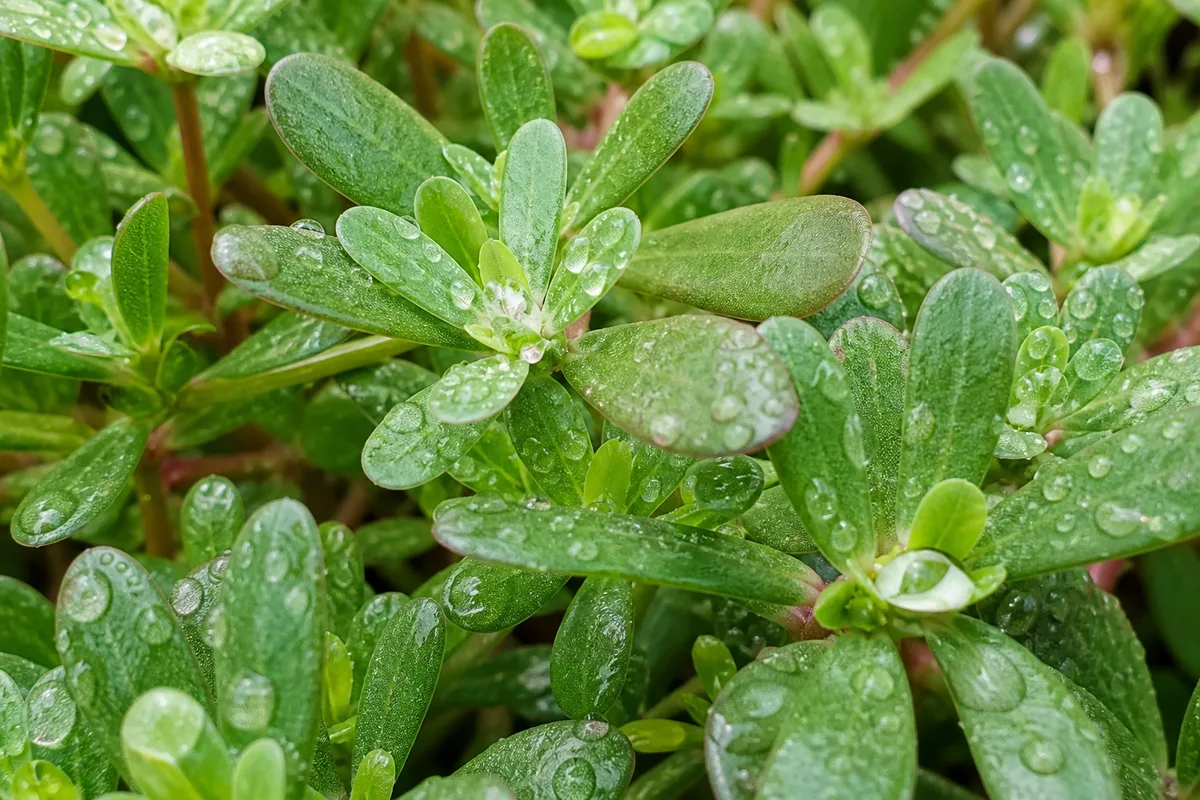
Terrariums, cabinets, and propagation
Closed growing spaces magnify small errors. Use a hygrometer, remove dead tissue promptly, keep leaves from pressing against wet walls, and choose plants with compatible moisture needs. Open terrariums suit a broader range than sealed containers.
Propagation domes often need gradual venting once cuttings establish roots. Sudden removal can cause rapid water loss, while permanent closure can favor decay. Increase opening time in stages and watch leaf firmness.
Air plants are a special case: they use leaf structures to capture moisture, but they still require drying and circulation. Penn State advises allowing air plants to dry before returning them to an enclosure. A decorative glass vessel should not become a stagnant wet chamber.
Bathrooms, kitchens, and seasonal shifts
A bathroom is not automatically ideal. Humidity may spike during showers and fall afterward, while light may be inadequate. Measure the actual pattern. Use the exhaust fan after bathing if condensation persists, and keep plants where they receive suitable light without cold window contact.
Kitchens combine vapor, heat, grease, and variable ventilation. Keep foliage away from cooktops and hot exhaust. Seasonal winter cooling can raise relative humidity near cold glass even when the center of the room feels dry.
Review settings when weather changes. The same humidifier output that helped in heated winter air can create excessive moisture during a rainy shoulder season.
A recovery and monitoring plan
Day one: isolate plants with suspicious disease, remove dead material, stop misting, space foliage, verify drainage, and measure temperature and humidity. Do not automatically repot or apply fungicide.
Days two through seven: track whether condensation clears, leaves dry more quickly, lesions stop expanding, and the pot resumes a normal moisture cycle. Photograph marked spots with a ruler. New lesions despite correction suggest an active disease or another cause.
Keep treatment groups separate in your notes. A plant moved for isolation may receive different light and airflow, so improvement cannot automatically be credited to lower humidity. Whenever safe, preserve comparable light, temperature, and watering while changing the suspected humidity factor. This is not a formal experiment, but it prevents a common diagnostic mistake: declaring a remedy successful when several conditions changed together.
During following weeks, keep light appropriate, water from evidence, and return humidity gradually to the species’ tolerable range. Old spots will remain. Recovery is demonstrated by stable tissue and healthy new growth.
Create a simple monitoring table with morning humidity, night humidity, temperature, irrigation date, and lesion count. It prevents a normal old spot from being mistaken for active spread and shows whether a setting change actually altered the canopy environment. For cabinets, also record fan and light schedules.
If a plant improves after spacing and drier leaves but declines again when returned to the group, the microclimate is informative. Reconfigure the display rather than cycling the plant through repeated sprays. If it does not improve, reopen the diagnosis: roots, light, salts, temperature, and pests may be more important than humidity.
Species differences and exceptions
Ferns, calatheas, many orchids, and tropical understory plants often appreciate more humidity than cacti, succulents, Mediterranean herbs, and plants adapted to dry habitats. Even humidity-loving plants need oxygen around roots and protection from infectious disease.
Some plants require specialized enclosed culture. Carnivorous bog species and miniature terrarium plants cannot be managed with a generic houseplant rule. Conversely, desert plants should not be placed in a sealed tropical cabinet simply because the display is attractive.
Research the species and measure its exact location. The room average can hide a wet cabinet or a dry heating vent.
Growth stage changes tolerance. A cutting with little root capacity may need a dome, while the established plant of the same species grows well in open air. Flowers and senescing leaves may develop gray mold before healthy mature foliage. Seedlings can damp off where air and medium remain wet. Reduce protection gradually as roots establish rather than treating propagation humidity as a permanent adult requirement.
Leaf texture provides a clue, not a rule. Thin leaves often exchange water readily, while waxy, hairy, or succulent surfaces alter the boundary layer and water loss. Cultural history matters too: a greenhouse-grown plant may need acclimation when moved into a home, even when both environments fall inside broad published ranges.
When to isolate or seek help
Isolate when lesions expand, gray or powdery growth appears, bacterial ooze is suspected, or pests are visible. Handle healthy plants before affected ones and clean hands and tools afterward. Keep the isolated plant in suitable light and airflow; quarantine is not abandonment in a dark corner.
Ask an extension office or qualified diagnostician for help when spots spread after cultural correction, valuable plants are involved, roots and foliage decline together, or identification affects pesticide choice. Provide environmental readings, irrigation history, and images.
Prevention checklist
- Measure humidity and temperature at canopy level.
- Match plants to the space instead of forcing incompatible species together.
- Keep leaves from touching cold glass and wet enclosure walls.
- Space plants for air exchange.
- Water the medium when needed and empty runoff.
- Remove dying flowers and leaves promptly.
- Clean tools and pots.
- Reassess humidity, light, and watering after seasonal changes.
- Inspect new plants before adding them to a dense collection.
Conclusion
High humidity becomes a plant problem only in context. Moist air may benefit tropical foliage and propagation, yet persistent condensation, wet leaves, stagnant air, low light, and saturated roots can produce a system where disorders and diseases gain an advantage.
Measure before acting. Separate atmospheric humidity from root-zone wetness, improve gentle air exchange, control avoidable moisture, keep foliage dry when disease is present, and respect species differences. The target is not dry air; it is a stable environment in which leaves transpire, roots breathe, and susceptible tissue does not remain wet.
Plants commonly affected
These houseplants often struggle with high humidity. Open a care guide or plant-specific troubleshooting page for tailored fixes.
 Medium
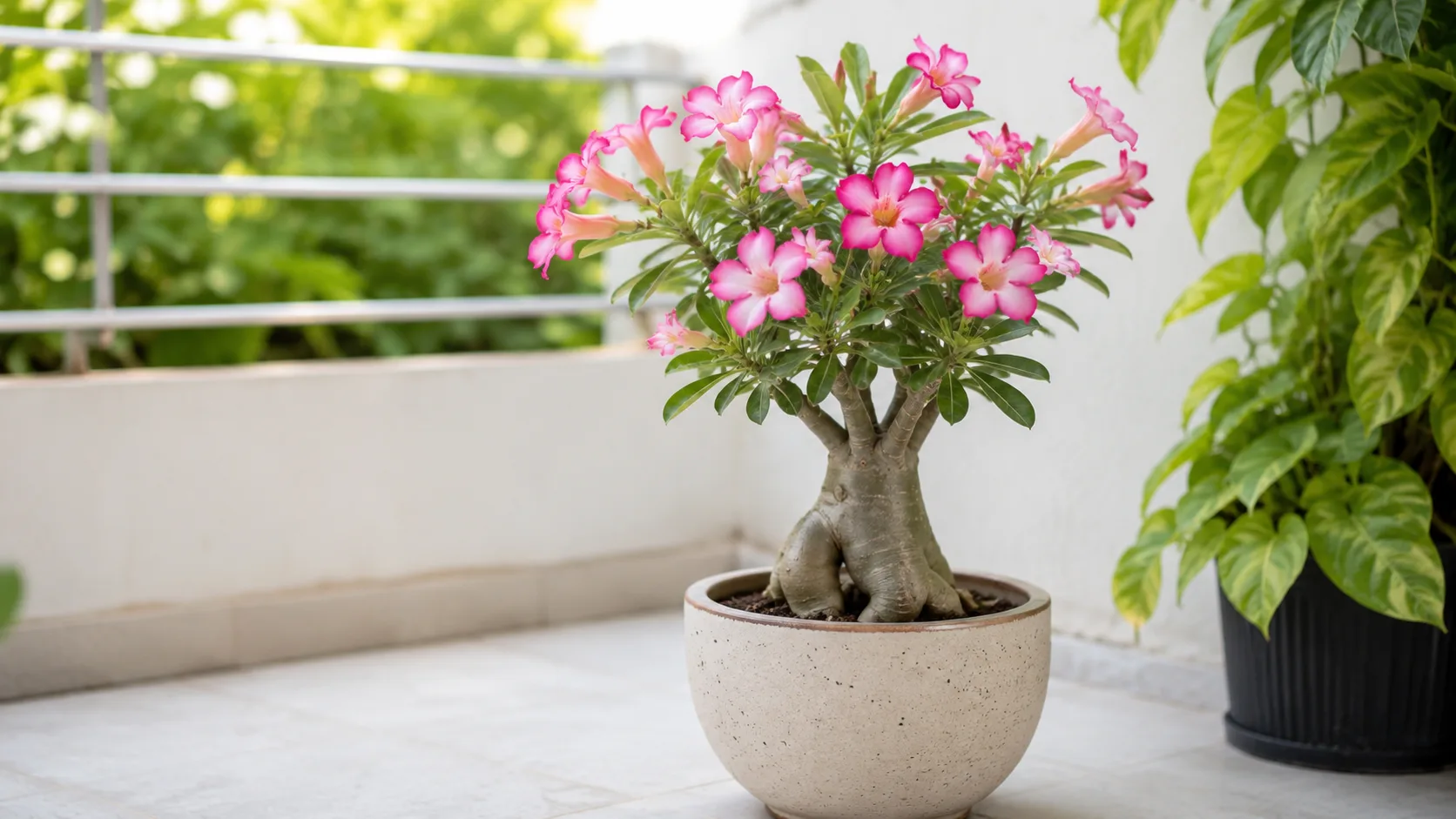
Adenium
Likely causeHumid stagnant air keeps leaves wet and soil slow-drying, triggering fungal leaf spot and rot.
Quick fixShelter from rain, improve airflow, bottom-water, and keep plants in full sun with dry foliage.
 Medium
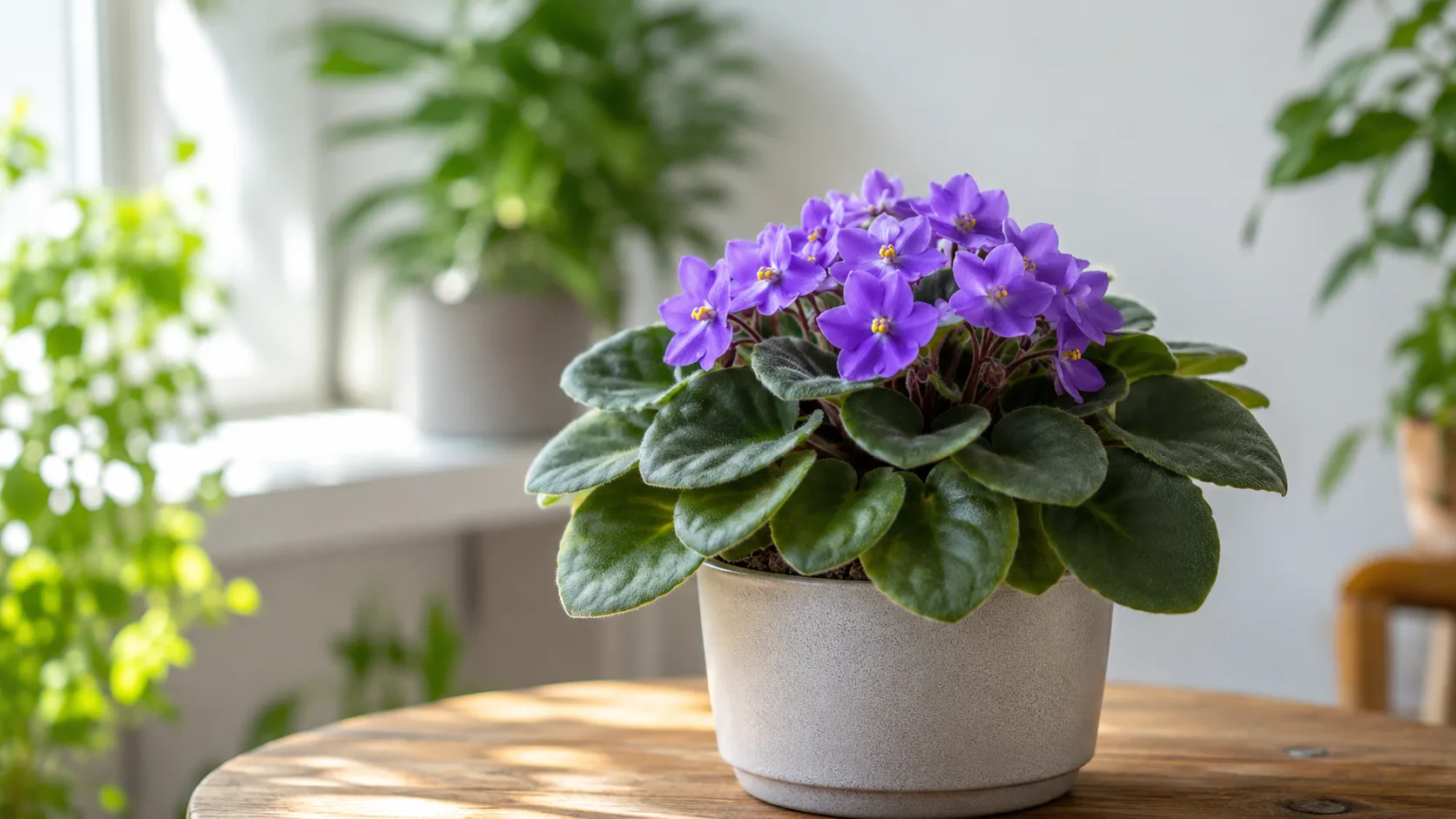
African Violet
Likely causeHigh Humidity on African Violet: African Violets thrive in medium humidity levels, ideally around 40% - 60%. Excessively high humidity can cause fungal issues, while low humidity may result in dehydration and slowed growth. Achieving
Quick fixInspect African Violet, confirm high humidity matches your symptoms, then adjust care or treat per authoritative guides.
 Medium
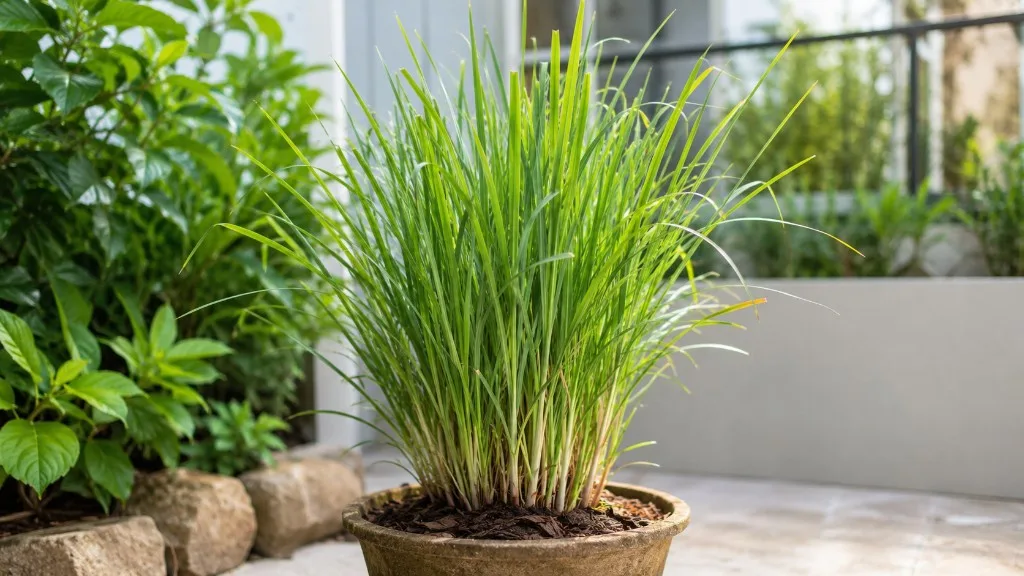
Lemongrass
Likely causeLemongrass (Cymbopogon citratus) does best at 21-29°C (70-85°F) and around 50-70% (outdoor) relative humidity. It is frost-tender, so it lives indoors year-round in most of the US and UK and must come in before the first autumn frost.
Quick fixConfirm diagnosis on your Lemongrass, then address the most likely care or pest factor described in current extension guidance.
 Medium
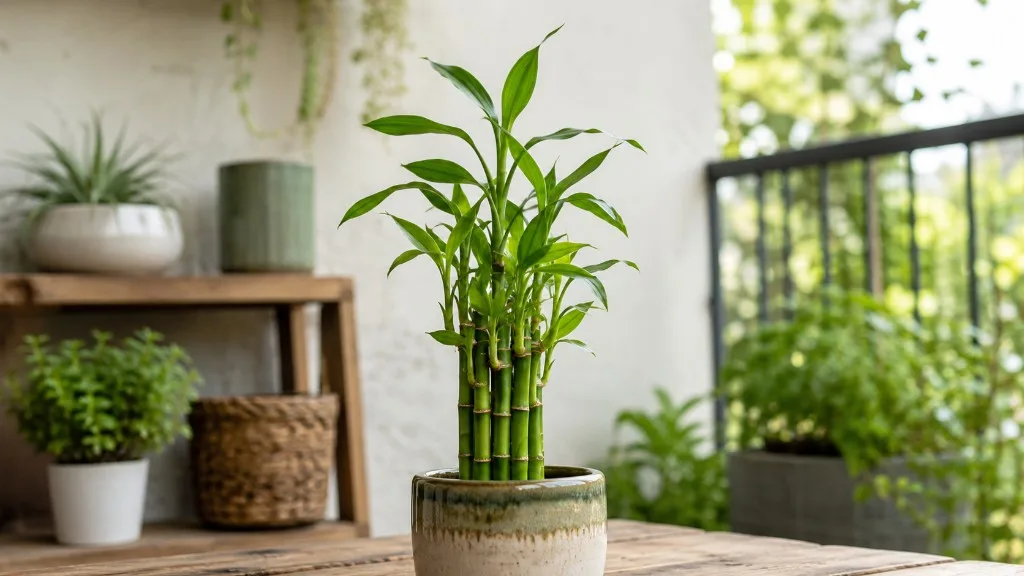
Lucky Bamboo
Likely causeJan 22, 2024 · In its natural habitat, lucky bamboo enjoys high humidity levels, often above 50% . The air is moist, and the temperatures are stable, rarely dipping below 60°F (15°C). These conditions contribute to its lush growth and vibra
Quick fixConfirm diagnosis on your Lucky Bamboo, then address the most likely care or pest factor described in current extension guidance.
 Medium
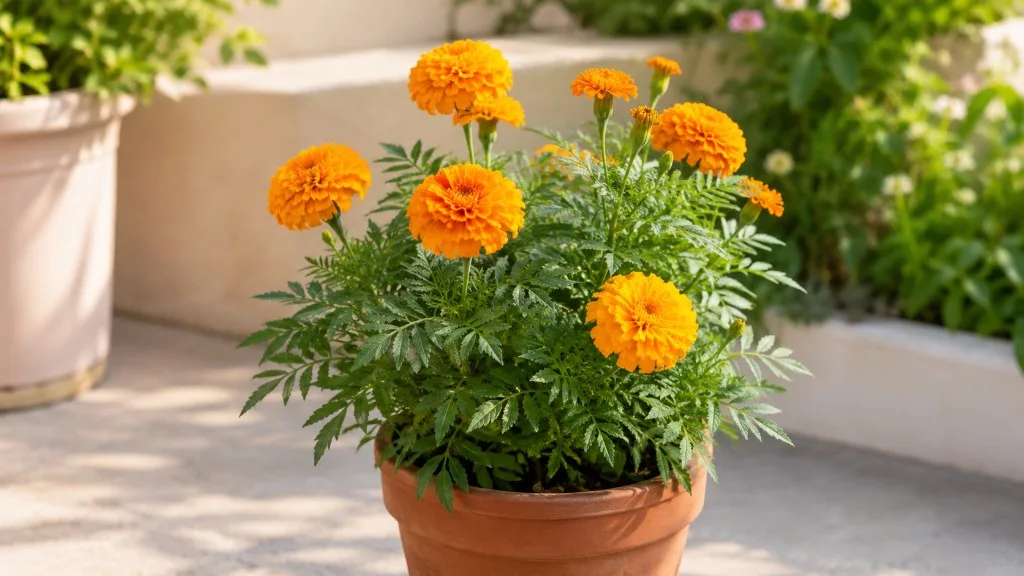
Marigold
Likely causeJun 14, 2024 · 🌼 Marigolds need 60-70% humidity to avoid crispy leaves and wilting. 💦 Boost humidity with pebble trays, misting, or a humidifier in dry months. 🌡️ Use hygrometers to monitor and adjust for seasonal humidity changes.
Quick fixConfirm diagnosis on your Marigold, then address the most likely care or pest factor described in current extension guidance.
 Medium
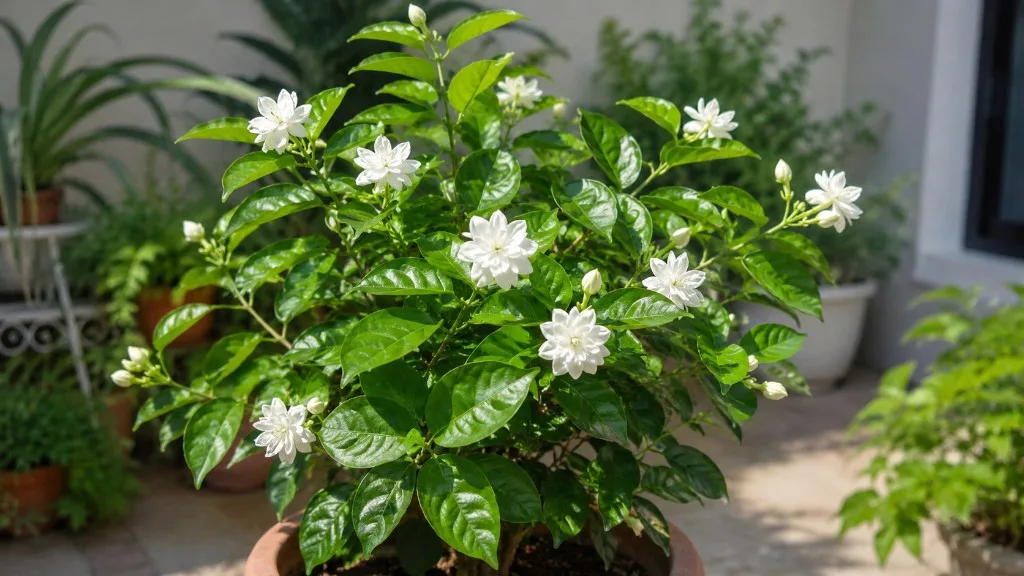
Mogra
Likely causeAug 18, 2025 · The humidity will be quite high, between 78% and 97%. It'll mostly stay cloudy throughout the period, which may result in heavy rainfall of about 203 mm overall.
Quick fixConfirm diagnosis on your Mogra, then address the most likely care or pest factor described in current extension guidance.
 Medium
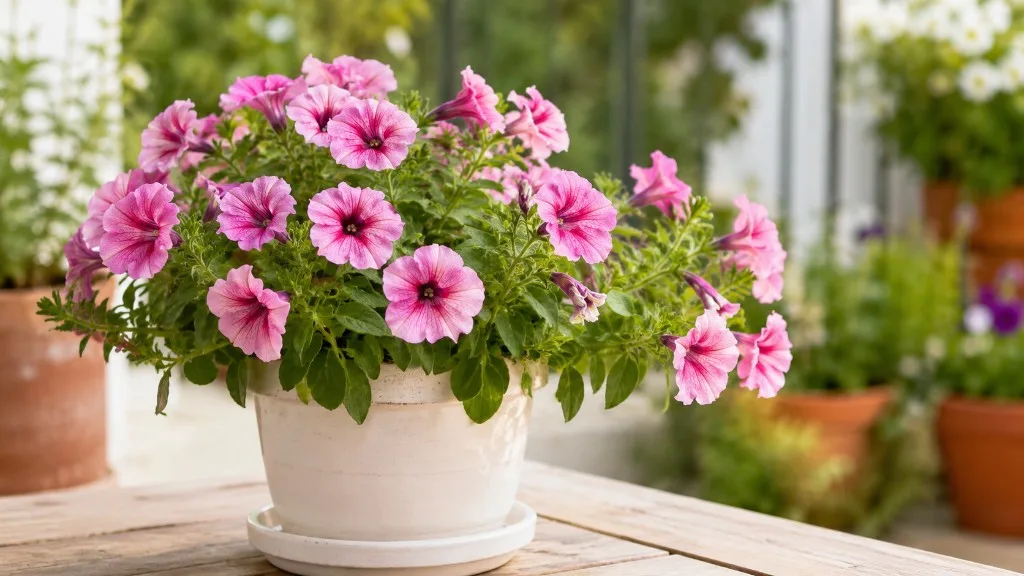
Petunia
Likely causeHigh humidity above 85% promotes Botrytis on petunia flowers and foliage in crowded containers.
Quick fixImprove airflow, space plants apart, and water at the base only—never mist flowers.
 Medium
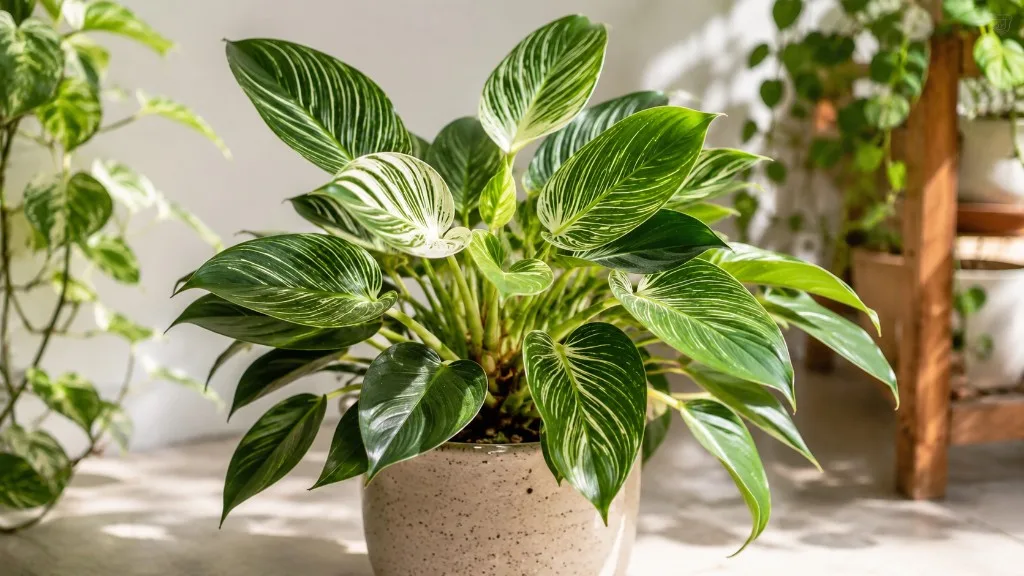
Philodendron Birkin
Likely causeJan 21, 2024 · Ideally, the Philodendron Birkin prefers humidity levels between 60% and 70% . This range closely mimics their natural environment and helps them thrive indoors. That said, these plants can tolerate lower humidity levels, dow
Quick fixConfirm diagnosis on your Philodendron Birkin, then address the most likely care or pest factor described in current extension guidance.
 Medium
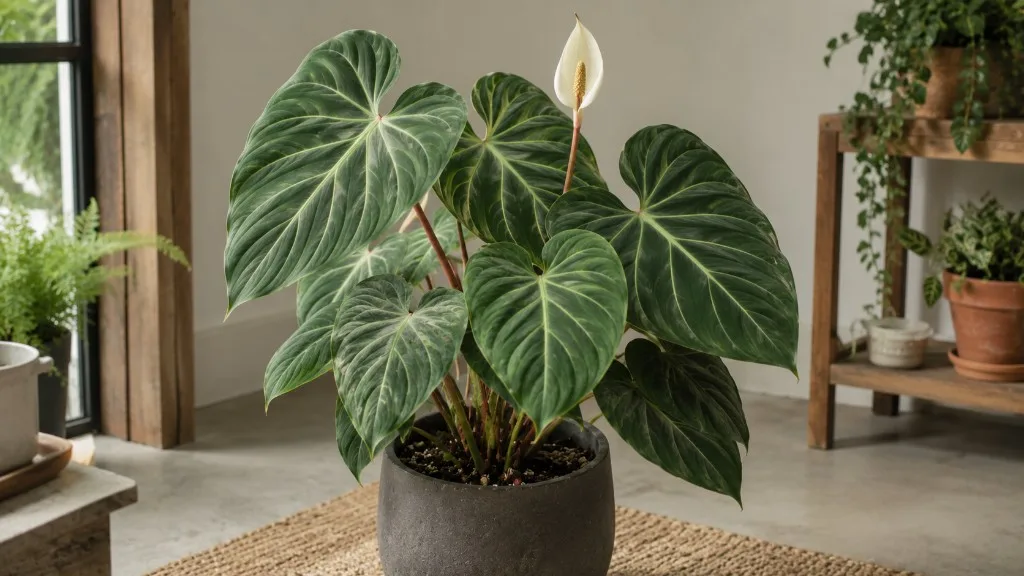
Philodendron Gloriosum
Likely causeJan 21, 2024 · Philodendron Gloriosum hails from the tropical rainforests of Colombia, where the air is consistently humid, and the temperatures are warm. These conditions are a far cry from the average indoor environment. In their natural
Quick fixConfirm diagnosis on your Philodendron Gloriosum, then address the most likely care or pest factor described in current extension guidance.
 Medium
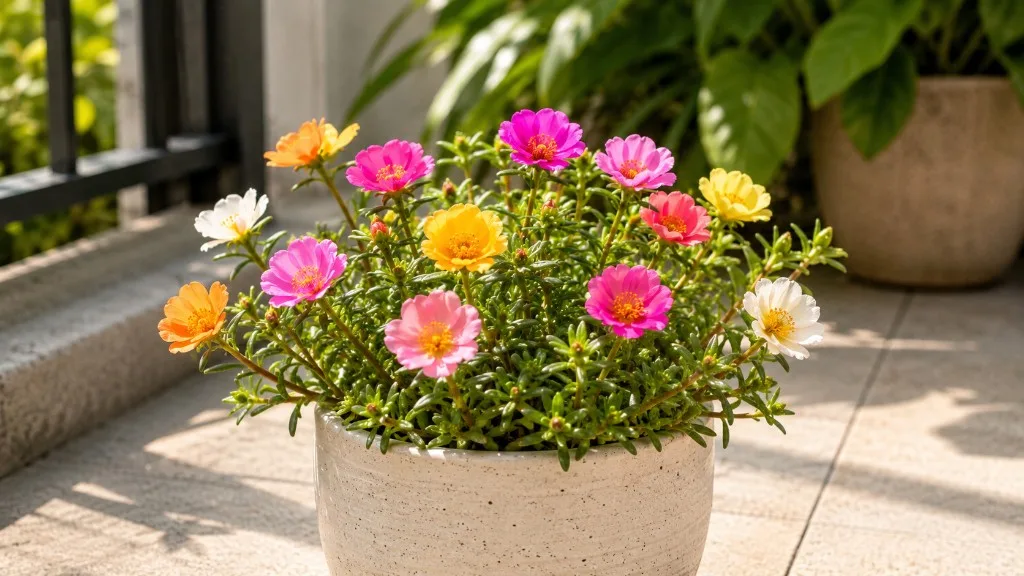
Portulaca
Likely causeJun 2, 2026 · Summer-loving portulaca can withstand high heat and dry weather conditions. It tolerates the high humidity of the Southeast but suffers with too much moisture. Jul 19, 2024 · Portulaca loves dry conditions since excessive mois
Quick fixConfirm diagnosis on your Portulaca, then address the most likely care or pest factor described in current extension guidance.
 Medium
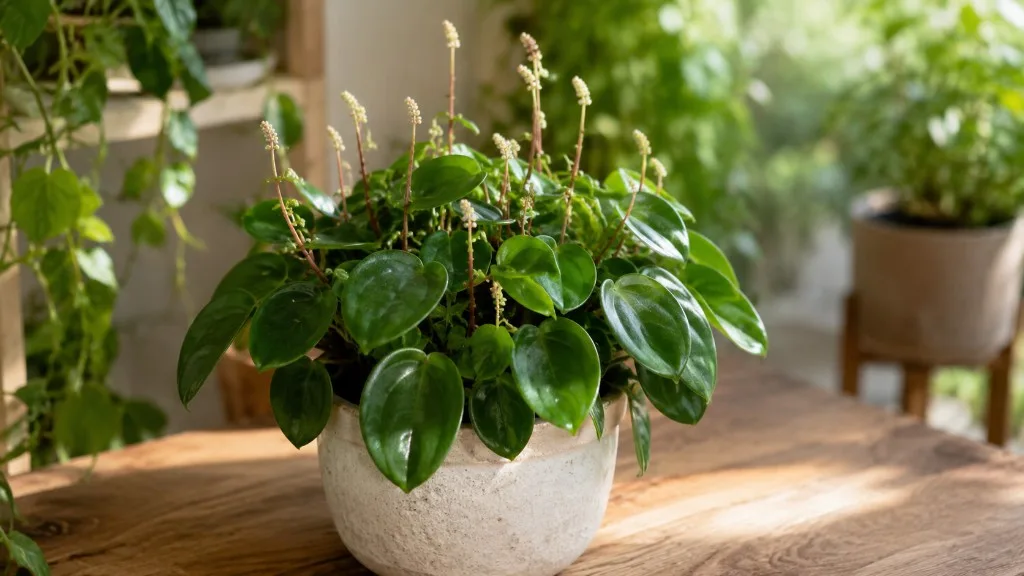
Raindrop Peperomia
Likely causeJun 17, 2024 · Raindrop Peperomia craves that tropical vibe with humidity levels between 40-50%. Stray outside this range, and you'll see it in the leaves. Curling leaves? That's your Peperomia crying out for more moisture. Too much of a go
Quick fixConfirm diagnosis on your Raindrop Peperomia, then address the most likely care or pest factor described in current extension guidance.
 Medium
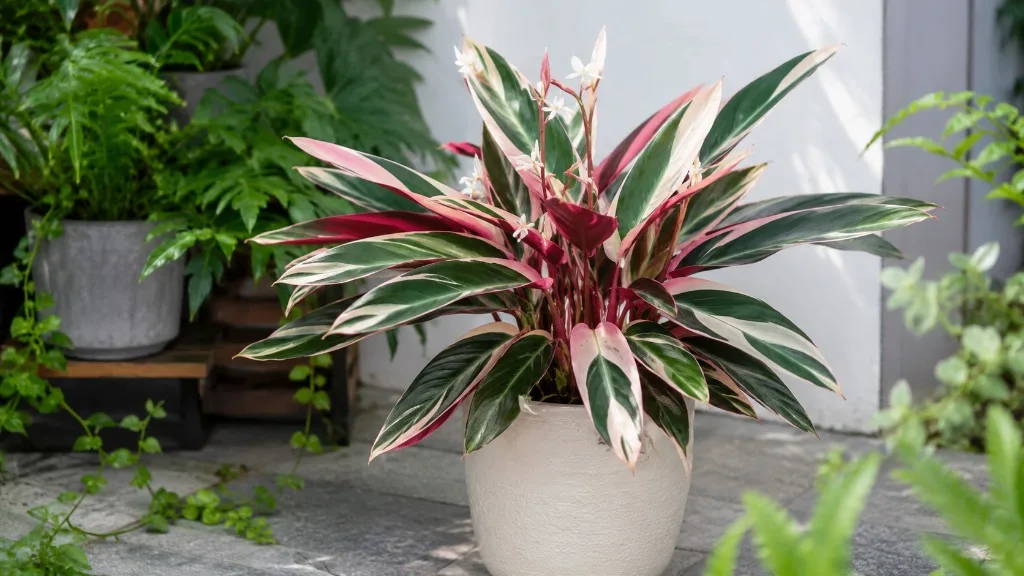
Stromanthe Triostar
Likely causeHigh humidity is absolutely crucial for Stromanthe Triostar . While they prefer humidity levels of 60-100%, most homes maintain only 30-50% humidity. This discrepancy is often the primary challenge in growing these plants successfully indoo
Quick fixConfirm diagnosis on your Stromanthe Triostar, then address the most likely care or pest factor described in current extension guidance.