When Houseplant Humidity Is Too High: Causes and Fixes
Diagnose excess houseplant humidity: mold, mildew, slow dry-down. Measure RH, add airflow, and fix watering before disease spreads.
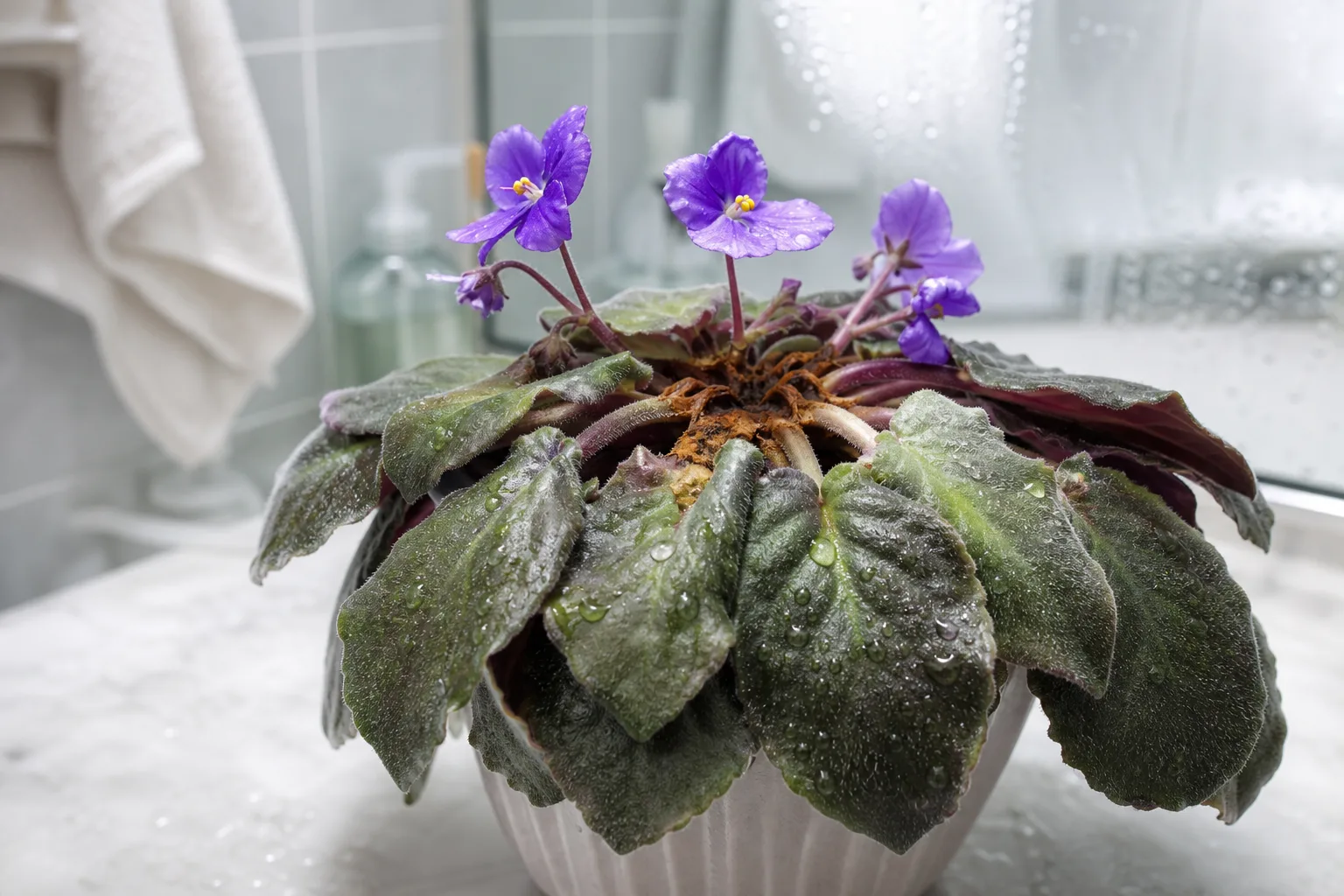
You bought a humidifier for your calatheas, or the monsoon rolled in, and the shelf looked greener — until white fuzz bloomed on the soil and a film coated the begonia leaves. High humidity is not automatically “good plant care.” It is a tool. Used with airflow and sensible watering, it softens tropical stress. Used as a sealed, damp cloud around crowded pots, it feeds mold, mildew, and root disease.
This page is the high-side diagnostics hub: when elevated relative humidity (RH) helps, when it tips into problems, how to separate air moisture from leaf wetness and wet soil, and how to fix overshoot without toasting your ferns. For meters, RH targets, and raising humidity in dry winter air, use the houseplant humidity guide instead. If crispy tips and mites point the other way, start with signs your houseplants need more humidity.
What High Humidity Actually Means for Houseplants
Relative humidity is the amount of water vapor in the air compared with what the air can hold at that temperature. It is not the same as wet soil, and it is not the same as wet leaves. A room can sit at 65% RH with dry pot surfaces if light and airflow are strong — or sit at 50% RH with soggy mix if you water on a calendar and leave saucers full.
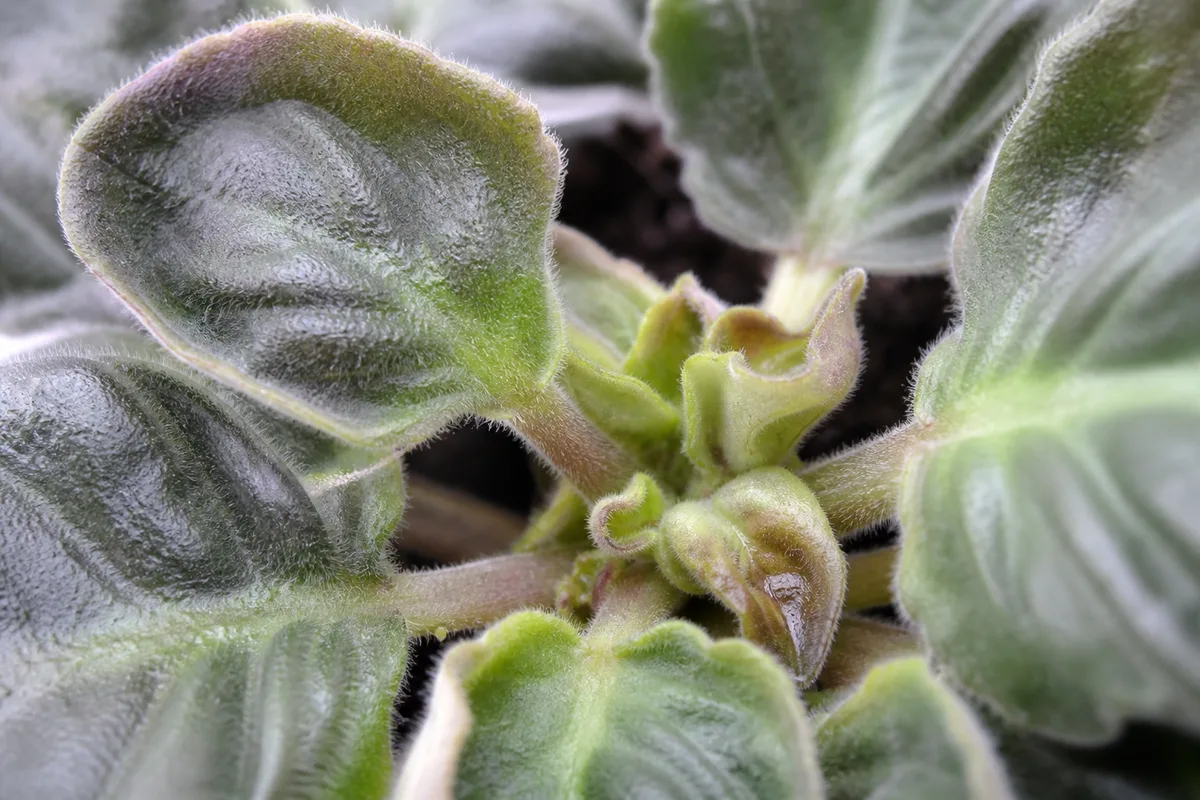
Penn State Extension notes that ASHRAE recommends keeping indoor RH between 30% and 60% for comfort, and that heated winter homes often fall below 30% — a different problem from summer or monsoon rooms that linger near the top of that band or beyond. (Penn State Extension) For household mold and indoor-air risk, EPA mold guidance frames sustained high indoor moisture as a problem and commonly pairs comfort targets around 30–50% RH with a practical caution against prolonged readings much above 60%. (US EPA) Those bands are home-health frames, not a tropical plant’s “ideal rainforest setting.”
Most easy houseplants tolerate average home RH. Many tropical foliage plants look better when air moisture sits in a mid-to-upper comfort range rather than desert-dry winter air. The useful question is never “How high can I push RH?” It is “Is this plant’s leaf tissue and root zone drying on a healthy schedule in this room’s light and air?”
Relative Humidity vs Leaf Wetness vs Wet Soil
Air humidity, leaf wetness, and soil moisture interact but they are not identical:
| Moisture signal | What it is | Why it matters |
|---|---|---|
| Relative humidity | Water vapor in air | Slows evaporation from leaves and pot surfaces |
| Leaf wetness | Free water on foliage | Extends infection windows for spots, anthracnose, Botrytis |
| Wet soil / heavy pot | Waterlogged media | Low oxygen → root death and rot pathogens |
High RH slows how fast wet leaves dry after misting, showering, or splash-watering. Clemson Extension ties foliar diseases to wet foliage and poor air movement: for fungal leaf spots they advise good air circulation and avoiding splash; for anthracnose they say do not mist leaves. (Clemson HGIC) UC IPM makes the same point for gray mold (Botrytis): infections and spore production need high RH for hours, and management includes better air circulation, lower humidity around plants, and keeping flowers and leaves dry. (UC IPM)
So a “humid room” becomes dangerous when moisture sits on soft tissue for long stretches — nights, crowded shelves, closed cabinets, or daily misting in already-damp air. Dry-leaf high RH is often tolerable. Wet-leaf high RH is where fungal and bacterial spots take off.
When High Humidity Helps Tropical Plants
Raised RH helps when the limiting factor is dry air, not wet roots. Classic signals of air that is too dry include crispy tips on thin-leaved tropicals, chronic edge browning that is not salt crust, and spider mite flare-ups. Colorado State Extension notes that low indoor humidity and dusty conditions favor mite problems, and that increasing humidity around the plant is part of cultural control. (Colorado State Extension) In that scenario, moving from 25% RH winter air toward a mid-band reading can reduce stress without inviting a mold colony — especially if you raise humidity locally and keep gentle air movement.
RHS guidance frames humidity as a driver of transpiration: low air humidity speeds water loss from leaves, so tropicals that evolved in moist understories often prefer bathrooms, grouping, misting, or pebble trays when the home is dry. (RHS) Treat those tips as dry-air tools. If your hygrometer already shows high RH, adding more of the same tools is the wrong move.
Plants That Prefer Higher RH vs Those That Hate It
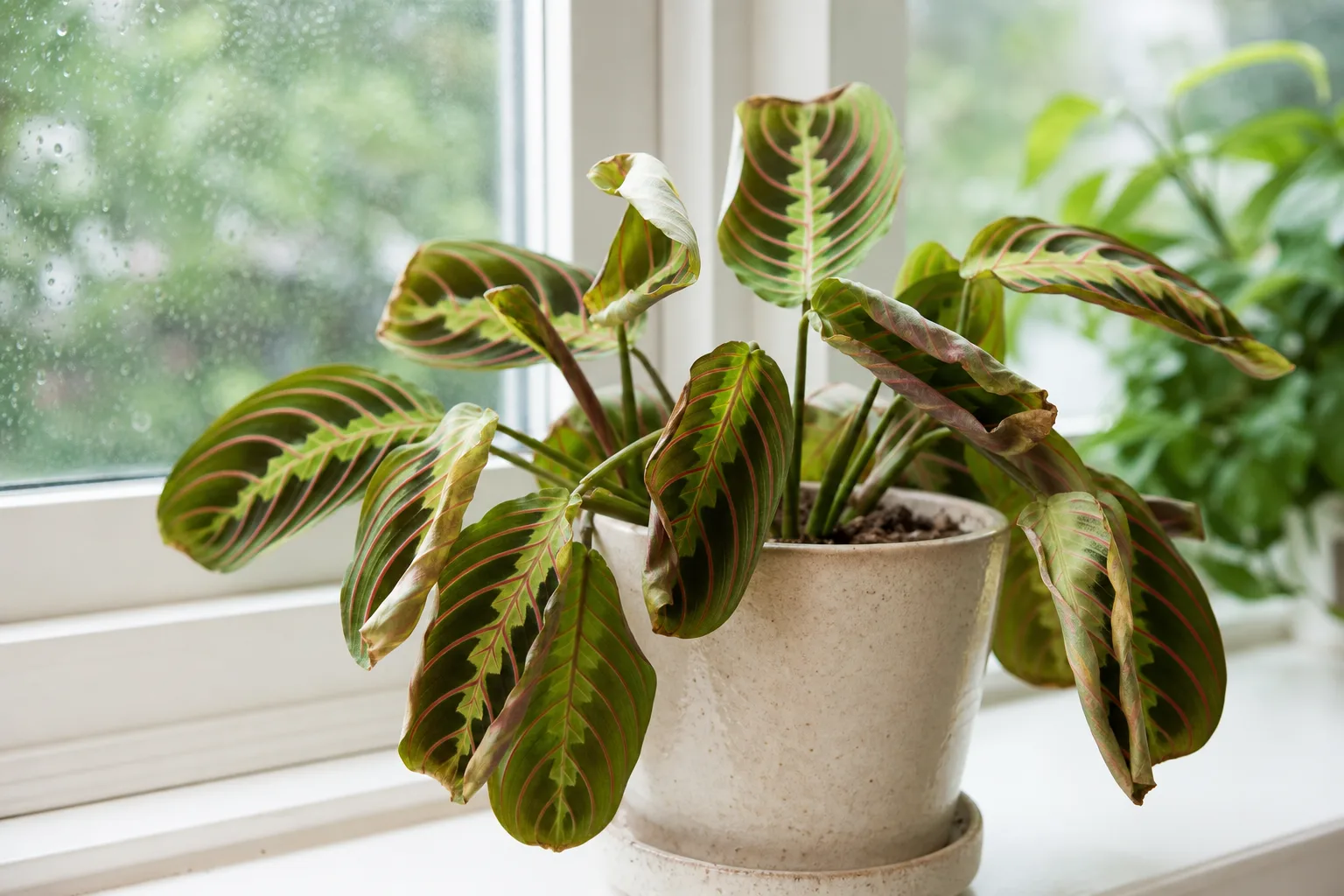
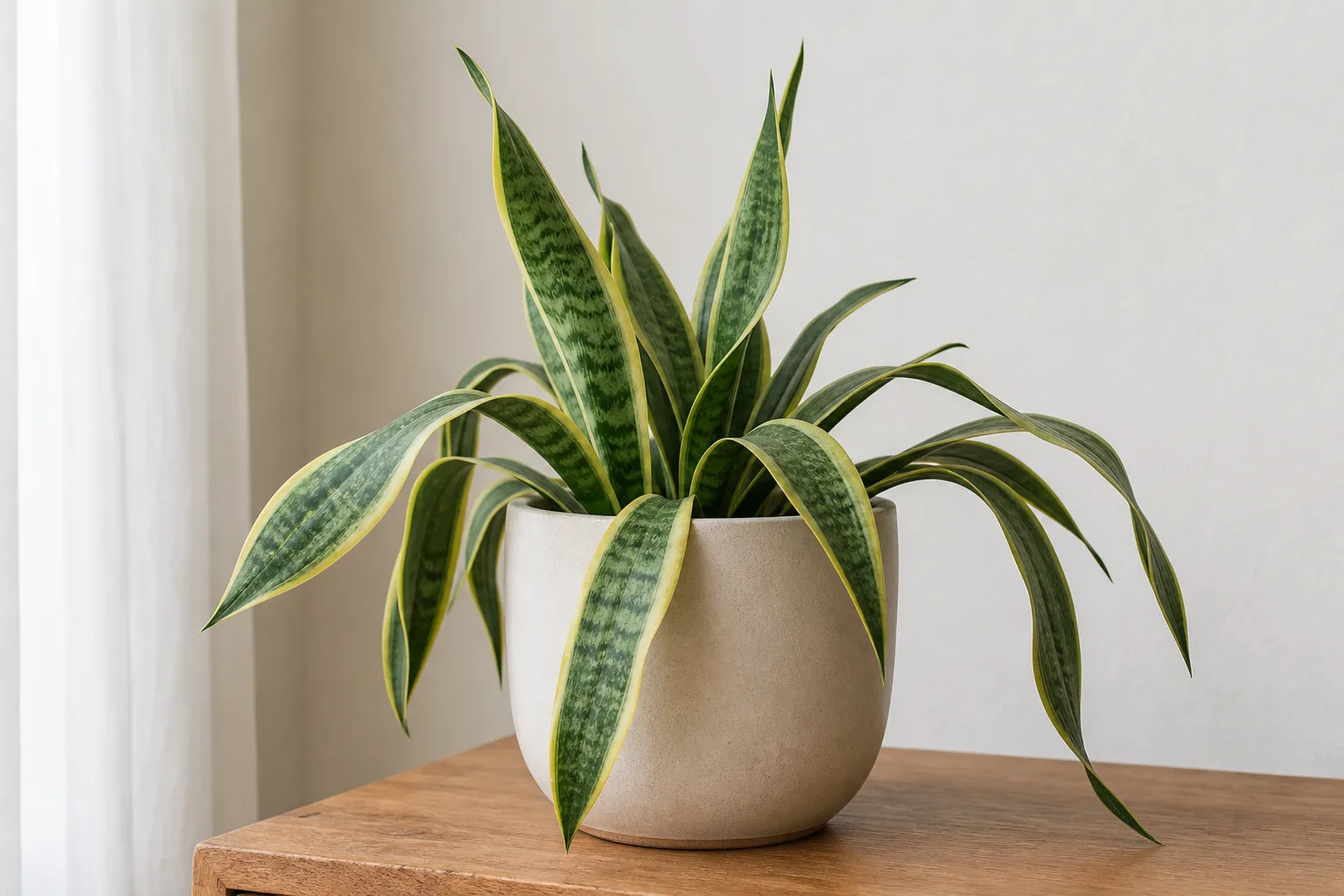
Humidity-loving plants tend to have thin leaves, large evaporative surfaces, or understory origins: many calatheas and marantas, maidenhair and other soft ferns, some begonias, and tropicals that sulk in forced-air heat. Succulents, cacti, snake plants, ZZ plants, and other drought-adapted species usually prefer the opposite — average to low RH with fast-drying mix.
Putting a jade next to a constantly misted fern shelf is a common failure mode: one plant wants dry air, the other wants moisture without wet feet. Preference is not a blank check for 80% RH whole-home saturation. Even humidity lovers need oxygen at the roots and dry periods on the leaf surface. A grouped shelf with a small humidifier and a quiet fan often outperforms a sealed plastic tent that never refreshes air.
When High Humidity Becomes a Problem
High humidity becomes a problem when three things stack: elevated RH, stagnant air, and slow soil dry-down. That stack shows up as surface mold, fungus gnats, powdery mildew, gray mold on spent blooms, leaf spots after misting, and root rot in pots that never lighten between waterings. UC IPM notes that foliar leaf spots and blights are uncommon indoors when humidity is lower and splash is rare — implying the reverse when those conditions flip. (UC IPM) Clemson adds that powdery mildew develops most rapidly under humid conditions and that ventilation plus avoiding overwatering help control it. (Clemson HGIC)
Do not blame RH alone if the pot sits in a cachepot lake. Air moisture and soil moisture amplify each other. Fix both.
Severity Ladder: From Soil Mold to Root Rot
Use this ladder to decide how hard to intervene:
- Cosmetic soil mold — white/gray fuzz on the mix surface; plant looks fine. Fix dry-down and airflow; scrape top layer if needed.
- Wet-media pests — fungus gnats hovering over dark mix. Let the surface dry; see mold on houseplant soil.
- Foliar disease — powdery film, gray fuzz on spent blooms, expanding leaf spots after misting. Stop misting, space plants, add gentle air movement; see powdery mildew.
- Wet-wilt / root rot — plant wilts while the pot is still heavy; soft brown roots. Stretch watering, improve drainage, follow root rot on houseplants.
- Household mold escalation — condensation on cold walls/windows, musty room smell, RH stuck high all day. Vent, dehumidify, and treat this as home IAQ — not just a plant tweak. (US EPA)
Mold on Soil, Fungus Gnats, Powdery Mildew, and Gray Mold
White or gray fuzz on potting mix is usually a saprophytic fungus feeding on damp organic matter — ugly, informative, rarely a direct attack on healthy roots. Clemson warns growers not to confuse chalky salt crusts with white or yellow mold-like growth of saprophytic soil fungi. (Clemson HGIC) High ambient humidity slows surface drying, so the top centimeter stays wet longer after each watering and colonies return after scraping.
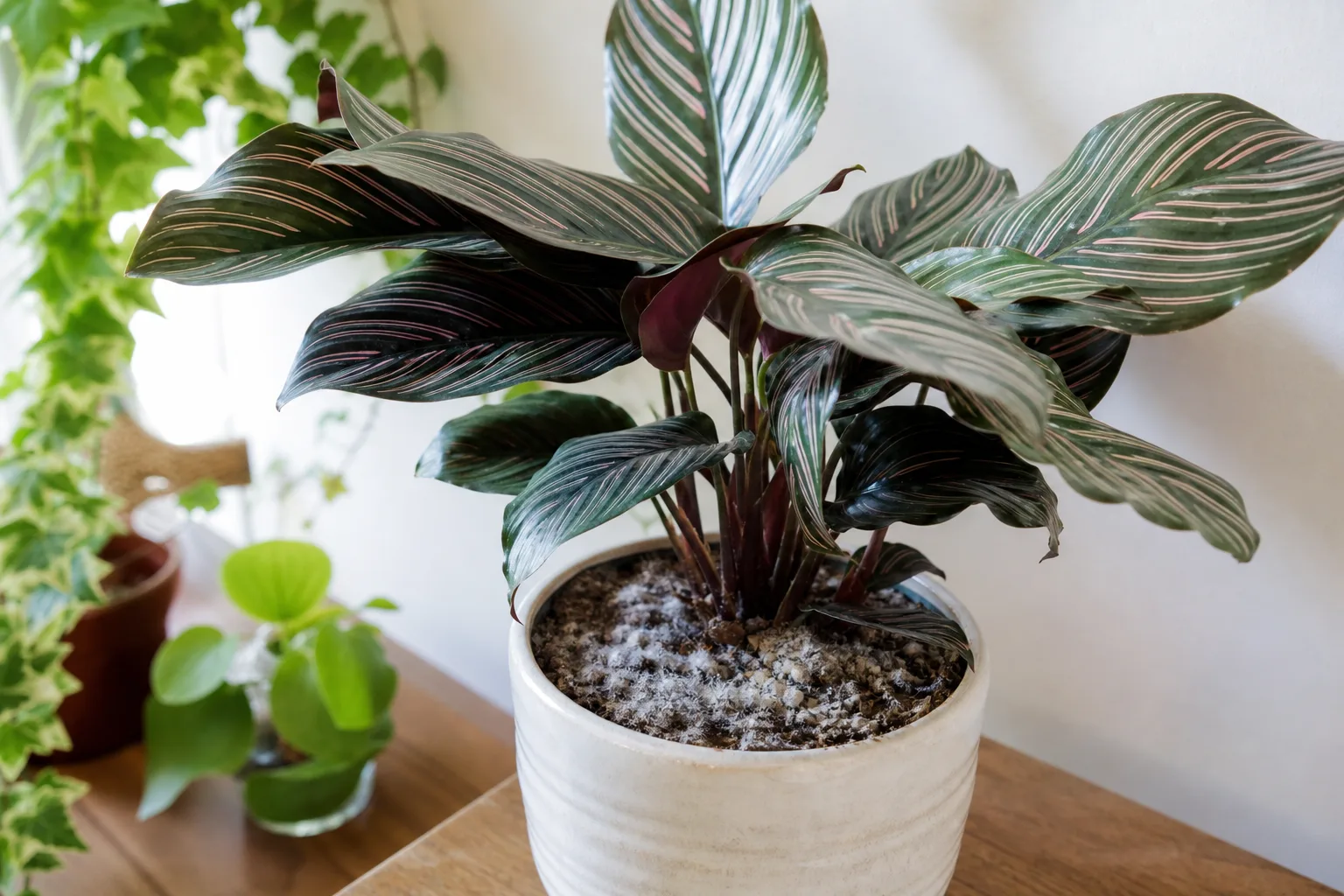
Fungus gnats thrive in the same moist media: Colorado State Extension emphasizes letting the soil surface dry between waterings as a core cultural fix for wet-media pests. (Colorado State Extension) For full gnat identification and follow-through, see fungus gnats on houseplants.
Powdery mildew leaves a white, flour-like coating on leaf surfaces. UC IPM lists grape ivy, kalanchoe, begonias, and pileas among common indoor hosts, and recommends reducing humidity, watering earlier so surfaces dry, brighter light, and moving plants off cold drafts. (UC IPM) Gray mold (Botrytis) prefers spent flowers and older foliage when RH stays high for hours; management is air circulation, lower humidity, no splash, and removing infected debris. (UC IPM)
Root Rot Risk When Air and Soil Stay Wet
High air humidity does not create root rot by itself. It makes it easier to overwater because pots dry slowly and the surface stays dark, so people water again “on schedule.” Missouri Botanical Garden explains that waterlogged roots lose oxygen, die, and then invite pathogens such as Phytophthora in periodically saturated soils. (Missouri Botanical Garden) Wisconsin Horticulture describes the classic wet-wilt: a plant wilts while the soil is still wet, with soft brown roots — and stresses drainage holes, no gravel “drainage layer,” pasteurized mix, and never leaving plants in drainage water. (Wisconsin Horticulture)
If RH is high and the pot still feels heavy three days after watering in moderate light, extend the interval and improve airflow before you add another humidity gadget.
How to Diagnose Excess Humidity
Diagnosis is a short loop: measure air moisture, check dry-down, inspect leaves and soil surface, then decide whether you need less RH, more air, less water — or all three. Guessing from “the room feels muggy” alone wastes time.
Put a hygrometer at shelf height near the foliage, away from a humidifier plume, AC vent, or sunny window glass that skews readings. Log morning and evening numbers for several days. Readings that sit above roughly 60% RH for long stretches, especially with cool nights and little air movement, deserve a closer look at mold risk and leaf wetness — that caution aligns with Penn State’s ASHRAE 30–60% frame and EPA’s home-moisture guidance. (Penn State Extension; US EPA)
Compare rooms. A closed bathroom after showers may spike briefly and then fall; a plant cabinet with no vents may stay high all day. Brief spikes after cooking are not the same as a permanent 70% plant closet. If you live through humid rainy seasons, overlay this checklist with monsoon houseplant care for India.
RH × Leaf Wetness × Pot Weight Decision Table
| Measured RH (leaf height) | Leaves | Pot feel | Next action |
|---|---|---|---|
| <40% sustained | Crispy tips, mites | Mix dries fast | Raise humidity locally — use the humidity guide, not this page’s lowering tools |
| 40–60% | Dry foliage | Normal dry-down | Maintain; water by weight, keep gentle spacing |
| >60% sustained | Dry foliage | Mix still lightens on schedule | Watch mold; add mild airflow; pause humidifiers/trays |
| >60% + stagnant air | Wet or misted leaves | Surface stays dark | Stop misting; space pots; run a quiet fan past foliage |
| Any RH | Soft wilt | Pot stays heavy days later | Stretch watering; empty saucers; check roots — RH is secondary |
Crispy tips alone usually point the other way — dry air or salts — so do not “fix” tip burn by cranking a humidifier if the hygrometer already reads high.
Airflow Is the Missing Fix Most Growers Skip
Airflow is how you keep helpful humidity from becoming disease weather. Moving air shortens leaf wetness time, equalizes RH pockets between leaves, and speeds surface dry-down on potting mix. RHS notes that introducing outdoor air and airflow helps keep fungal diseases like grey mould down in enclosed growing spaces. (RHS) UC IPM and Clemson both put air circulation next to humidity reduction in disease management. (UC IPM; Clemson HGIC)
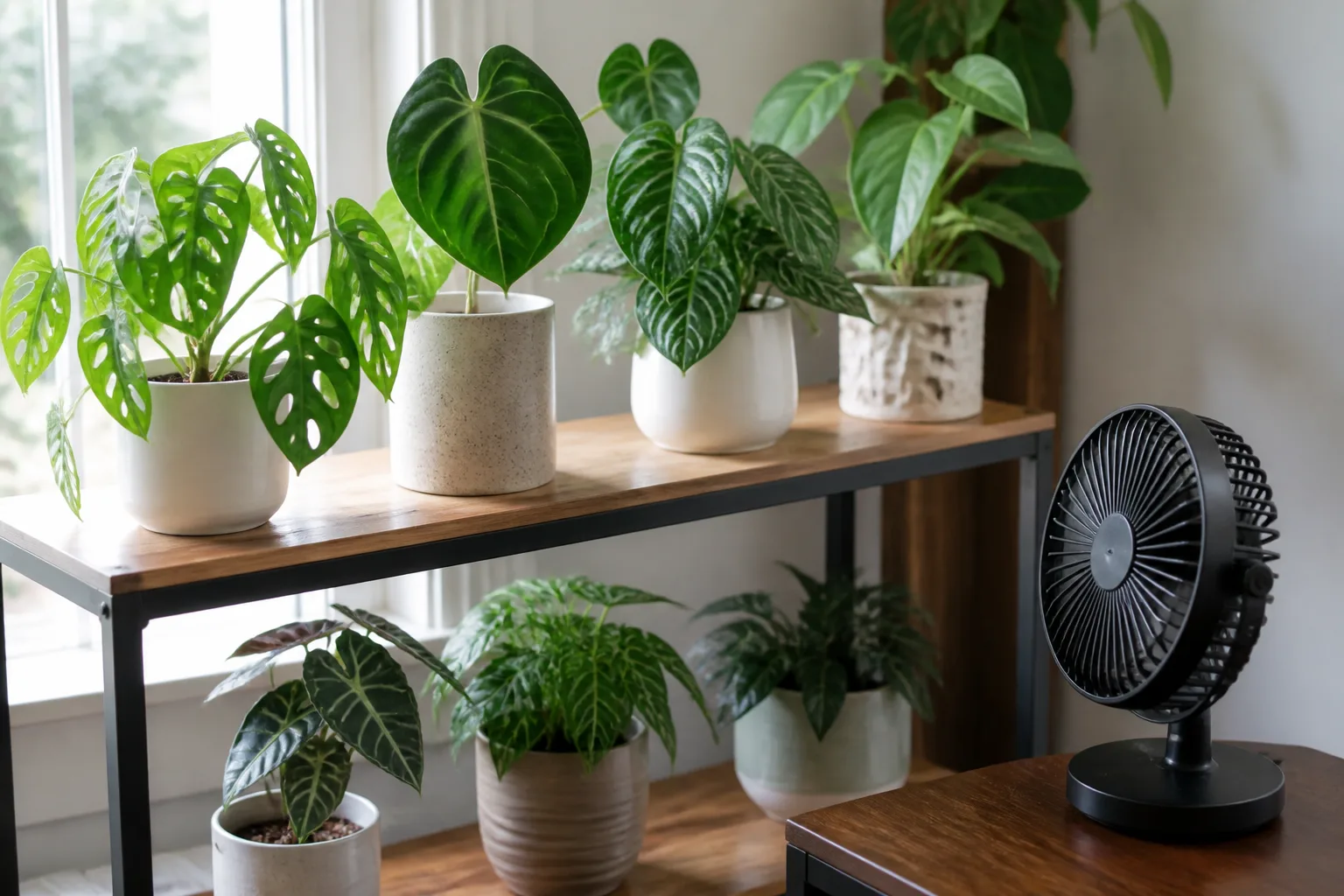
Practical version: space pots so leaves do not form a sealed canopy, crack a window when outdoor air is reasonable, run a small oscillating fan on low aimed past — not blasting — the foliage, and avoid sealing humidifiers into unventilated cabinets. Airflow is not a cold draft on a windowsill that chills tropicals; it is gentle exchange. If spider mites appear after you dry the room too aggressively, you overshot — raise RH modestly again while keeping the fan.
How to Lower Humidity Without Killing Your Tropicals
Lowering humidity should be stepwise. Cut the sources of trapped moisture first, then reduce gadgets, then adjust watering. Your goal is a mid-band room or a local moist pocket for the needy plants — not a desert for everything.
Whole-Room Fixes vs Localized Humidity Zones
Whole-room RH drops when you vent bathrooms and kitchens, empty humidifier tanks that run on autopilot, use AC or a dehumidifier in muggy climates, and stop boiling water for “plant steam” in small apartments. Localized zones work the other direction: group humidity lovers together, use a small humidifier on a timer near that group only, or rely on a correctly set pebble tray when the rest of the home is dry.
Penn State is skeptical that pebble trays raise room RH meaningfully because vapor diffuses into the whole room; they remain a mild local tactic at best, not a monsoon-room cure. (Penn State Extension) If ambient RH is already high, retire pebble trays and humidifiers until readings settle. Compare methods in pebble tray vs humidifier when you are in a low-humidity season again — not while mold is blooming.
Watering and Drainage Adjustments in Humid Rooms
In high RH, stretch intervals. Water thoroughly when the species-appropriate depth is dry, then empty saucers so pots are not sitting in runoff — Clemson’s watering factsheet is blunt: do not let the pot sit in the water that runs out. (Clemson HGIC) Prefer terracotta or breathable setups for chronic wet-shelf plants, improve mix aeration if peat stays gluey, and move heavy drinkers into brighter light so they actually use water. Wisconsin’s root-rot prevention list — drainage holes, no gravel layer myth, pasteurized mix, no sitting in drainage water — is the humid-room survival kit. (Wisconsin Horticulture)
Stop misting while disease is active or RH is already high. Penn State notes misting’s humidity bump lasts only until droplets evaporate — minutes, not hours — so it fails as a humidity strategy and still wets leaves. (Penn State Extension)
Special Cases: Monsoon Homes, Bathrooms, Cabinets, and Humidifiers
Monsoon and humid subtropical homes already supply high ambient RH. Adding mist or humidifiers stacks risk. Shift to soil-check watering, prioritize airflow and spacing, and protect pots from constant rain on balconies — the playbook in monsoon houseplant care for India matches this page’s high-RH diagnosis.
Bathrooms can be excellent for humidity lovers if they have light and some exhaust. RHS lists bathrooms among high-humidity room options. (RHS) Penn State cautions that bathrooms often lack light and that shower-driven humidity varies by use. (Penn State Extension) Run the fan after showers, avoid overnight wet leaves, and see bathroom plants for species that fit dim, steamy rooms.
Plant cabinets and grow tents hold high RH easily — and trap stagnant air just as easily. Aim for measured mid-to-upper comfort RH with brief daily venting and a tiny fan for exchange. Do not hermetically seal tropicals in plastic without airflow; mold and Botrytis love still, saturated air more than your plants do.
Humidifiers overshoot when they lack a humidistat, run in a sealed bedroom, or sit under a plant shelf so vapor never mixes. Aim for measured mid-band RH, clean tanks to limit microbial film, and pair with airflow. If soil mold appears after you started the unit, turn output down before you reach for cinnamon myths.
Edema (oedema) can also show up when roots take up more water than leaves can lose — especially with warm moist soil plus high RH, low light, cool air, or poor ventilation. Wisconsin Horticulture describes fluid-filled blisters on leaf undersides that scar corky; the RHS likewise ties oedema to overwatering or high humidity. (Wisconsin Horticulture; RHS) Water less in cool humid weather, improve spacing and airflow, and empty saucers.
First-Hand Notes From Fixing Humidifier Overshoot
These are LeafyPixels editorial observations from humid-shelf fixes while reviewing this guide — not controlled lab trials. Timings assume typical indoor temperatures (~20–24°C / 68–75°F) unless noted.
- Calathea shelf humidifier overshoot (week of logged readings): With a cool-mist unit on continuous under a crowded shelf, morning RH at leaf height sat 68–74% and evenings 62–70%. White surface mold returned within 2–3 days after scraping alone. After cutting the humidifier to a humidistat target near 55%, spacing pots, and aiming a quiet fan past (not at) the canopy, morning RH settled 52–58%; the same pots lightened enough to water about 1–2 days sooner, and mold did not return for two weeks of observation.
- Monsoon balcony dry-down change: In a humid rainy-season week with outdoor air already muggy, a pothos in peat-heavy mix that usually dried in 4–5 days stayed dark and heavy for 7–8 days. Stretching the interval and emptying the saucer stopped a mild wet-wilt; adding a second daily “feel the pot” check mattered more than any gadget.
- Bathroom exhaust success: An African violet on a bright bathroom sill spiked to ~75% RH during showers but fell below 55% within an hour when the exhaust fan ran 20–30 minutes after. Leaving the door closed overnight with wet leaves left soft spotting; drying foliage before bed plus exhaust prevented repeats.
- Sealed cabinet caution: A small acrylic cabinet without vents held 78–82% RH with condensation on the door. Opening the door 10 minutes twice daily and adding a USB fan dropped readings into the low 60s and cleared musty odor within a few days — still too high for drought-adapted plants, workable for ferns with dry leaf surfaces.
The pattern that mattered most: every shelf that relapsed had either misting or a humidifier still running in already-high ambient RH.
Prevention Plan for the Rest of the Year
Keep a cheap hygrometer on the main plant shelf year-round. In winter, watch for RH crashing below the comfort band and raise humidity locally for tropicals via the houseplant humidity guide. In humid seasons, watch for RH stuck high and reverse the tools: less mist, less humidifier runtime, more spacing, more fan time, longer dry-down. Water by pot weight and finger checks, not by a fixed calendar. Remove spent flowers before Botrytis claims them. Quarantine new plants so you are not importing mildew into a crowded humid shelf.
Bookmark mold on soil for the first white fuzz — early cultural fixes beat late fungicide panic.
Related Guides
Use these when the job differs from high-RH diagnosis:
- Houseplant Humidity Guide — meters, RH targets, and raising humidity in dry air (canonical humidity hub).
- Signs Your Houseplants Need More Humidity — tip burn and mite cues when the dial is too low, not too high.
- Mold on Houseplant Soil — scrape, dry-down, and gnat control when humidity keeps the surface wet.
- Powdery Mildew on Houseplants — foliar white coatings and cultural cleanup.
- Root Rot on Houseplants — wet-wilt when pots never dry in humid rooms.
- Monsoon Houseplant Care in India — seasonal high-RH watering and disease prevention.
Conclusion
Run this 48-hour excess-humidity checklist, then stop changing variables:
- Measure RH at leaf height morning and evening — note whether readings stay above ~60%.
- Stop misting and pause humidifiers/pebble trays if ambient RH is already high.
- Space pots and run a quiet fan past the canopy; vent bathrooms and cabinets.
- Stretch watering; empty saucers within 30 minutes; check pot weight before the next pour.
- Scrape surface mold and trash spent blooms; escalate to root checks only if wet-wilt appears.
- Re-measure after 48 hours — success is lighter pots, dry leaf surfaces, and mold that does not return, not a desert room.
High humidity helps when dry air is the stressor and harms when RH, still air, and wet media stack into disease weather. Keep tropicals comfortable with localized moisture in dry seasons — not with a permanent damp fog.