Fungus Gnats in Houseplants: Identification and Control
Fungus gnats are common indoor pests linked more to soil moisture management than plant species. Adults are mostly a nuisance, but larvae in the top layer feed on fungi, organic debris, and tender feeder roots. In mature houseplants, damage is often mild, yet repeated infestations weaken root health and create chronic stress. Seedlings and recently rooted cuttings are most vulnerable to larval feeding. The long-term fix is habitat disruption, not just killing flying adults. Gnats thrive in wet, organic topsoil with poor airflow. Letting the upper soil dry between waterings, improving drainage, and trapping adults breaks the life cycle. Biological controls such as BTI and beneficial nematodes are effective when applied consistently across all infested pots. Expect 2-6 weeks for full suppression because eggs and larvae continue to emerge in stages.
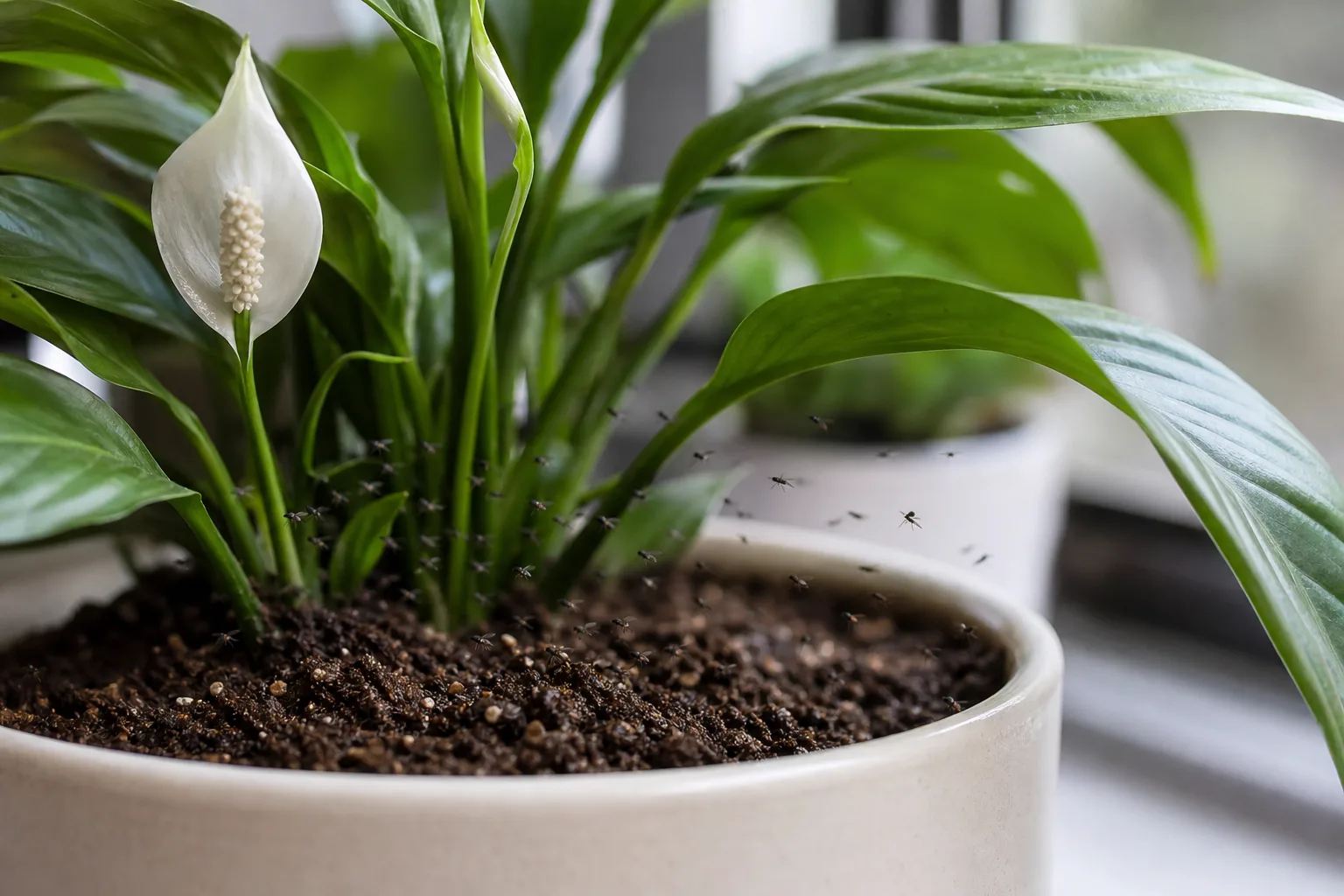
Fungus Gnats on Houseplants
Still unsure?Match your symptoms to the most likely problems in under a minute.Run diagnosis →Understand and fix fungus gnats
Tiny black flies hovering around soil, especially after watering, usually indicate fungus gnat adults breeding in consistently damp potting mix.
Overview
Fungus gnats are common indoor pests linked more to soil moisture management than plant species. Adults are mostly a nuisance, but larvae in the top layer feed on fungi, organic debris, and tender feeder roots. In mature houseplants, damage is often mild, yet repeated infestations weaken root health and create chronic stress. Seedlings and recently rooted cuttings are most vulnerable to larval feeding.
The long-term fix is habitat disruption, not just killing flying adults. Gnats thrive in wet, organic topsoil with poor airflow. Letting the upper soil dry between waterings, improving drainage, and trapping adults breaks the life cycle. Biological controls such as BTI and beneficial nematodes are effective when applied consistently across all infested pots. Expect 2-6 weeks for full suppression because eggs and larvae continue to emerge in stages.
Fungus Gnats patterns: what you see vs. likely cause
Match your plant to the closest pattern, then start with the first step before trying other fixes.
| What you see | Likely cause | First step |
|---|---|---|
| Tiny flies when you water or disturb soil | Adult fungus gnats breeding in wet topsoil | Let upper 1–2 inches dry; set yellow sticky traps |
| Gnats mostly on seedlings or cuttings | Larvae feeding on tender roots in moist mix | Reduce moisture; apply BTI (mosquito bits) to soil surface |
| Gnats persist after traps; soil stays wet | Chronic overwatering habitat | Adjust watering schedule and improve pot drainage |
| Gnats near compost-heavy or outdoor soil | Organic debris in constantly moist media | Top-dress with sand or replace top inch of mix |
How to identify it
- Small dark flies appear when pots are disturbed or watered.
- Adults rest on soil surface and nearby windows.
- Topsoil remains moist for prolonged periods.
- Fine translucent larvae may be visible in upper mix.
- Yellow sticky traps collect many tiny gnat-like adults.
- Seedlings or fresh cuttings show unexplained decline.
When to worry
Take aggressive action if swarms increase weekly, seedlings collapse, or larvae are visible in topsoil despite drying cycles.
Common causes
Persistently wet topsoil
Eggs and larvae require moisture to survive. Constantly damp media supports continuous reproduction.
Heavy organic substrate
Peat-rich, compact mixes retain moisture and fungal growth that larvae feed on.
Poor drainage and low airflow
Slow drying conditions extend larval survival windows and increase adult emergence.
Overwatering by schedule
Watering before soil partially dries creates ideal breeding conditions in the top layer.
Untreated introduction from new plants
Eggs can arrive in nursery media and spread quickly to nearby pots in shared conditions.
Step-by-step fix
Dry the upper soil layer
Allow top 1-2 inches to dry before watering again to reduce egg viability and larval survival.
Deploy yellow sticky traps
Place traps near each pot to reduce adult populations and monitor treatment progress.
Apply BTI or beneficial nematodes
Use biological controls on a repeat schedule to target larvae in soil, not just flying adults.
Improve soil structure
Amend dense media with aeration components or repot into a faster-draining mix if drying is too slow.
Bottom-water selectively
For susceptible plants, bottom watering can keep the top layer drier while still hydrating roots.
Quarantine new arrivals
Isolate and treat new plants for 2-3 weeks to avoid reinfesting established collections.
Prevention tips
- Avoid constantly damp soil surfaces.
- Use well-aerated potting mixes matched to plant needs.
- Monitor with sticky traps in high-risk seasons.
- Treat new plants proactively before integrating.
- Clean dead leaves and debris from pot surfaces.
Common mistakes
- Spraying only adults while ignoring larvae in soil.
- Keeping all plants equally moist regardless of species.
- Stopping treatment after a few days when adults decline.
- Reusing infested soil without sterilization.
Related care topics
These care guides help prevent repeat issues once you have treated the immediate problem.
The tiny black fly that lifts from a pot when you water is annoying, but the flying insect is only the visible part of the problem. Adult fungus gnats spend their brief lives above the potting mix, while eggs, larvae, and pupae develop in the moist organic material below. Swatting the adults may make a room feel better for an afternoon without changing the population inside the pot.
Effective control starts with two decisions: confirm that the insect is actually a fungus gnat, then treat the life stage living in the growing medium. For most home collections, that means correcting excess moisture, monitoring adults with sticky cards, and using a labeled larval treatment only when cultural control is not enough. Expect progress over several weeks rather than overnight, because several life stages can be present at once.
Quick answer: how to get rid of fungus gnats
To get rid of fungus gnats in houseplants, let the upper layer of potting mix dry as far as the plant safely tolerates, empty standing water, remove decaying material, trap adult gnats with yellow sticky cards, and target larvae when needed. The University of Wisconsin–Madison Extension identifies a dry soil surface as the single most important nonchemical control and notes that bringing an infestation under control may take three to four weeks.
Work on every affected pot at the same time. One consistently wet planter, propagation tray, or forgotten nursery pot can keep producing adults that move through the collection. Check cachepots and saucers for retained water, pause automatic watering until you understand the moisture pattern, and move suspect plants slightly apart so you can see which sticky card is catching insects.
Sticky cards alone are not a complete treatment. They catch flying adults, but most of the population remains as immature stages in or around the growing medium. Pair the cards with moisture correction and, for a persistent or heavy infestation, a product containing Bacillus thuringiensis subsp. israelensis (Bti) or the beneficial nematode Steinernema feltiae, following the product’s storage, mixing, and application directions.
How to identify fungus gnats correctly
Not every small fly near a plant is a fungus gnat. Fruit flies may gather near overripe produce, recycling, drains, or fermenting liquids; drain flies often rest near plumbing; whiteflies rise from foliage rather than soil and have pale, powdery wings. Treatment fails when the breeding source is misidentified, so begin with the insect’s appearance and where it repeatedly emerges.
Fungus gnats are usually noticed running over the growing-medium surface or making short, weak flights near a pot. They may also collect at windows or lamps after leaving the plant, which can obscure their source. Gently tap each pot or water lightly, watch where adults lift off, and place a labeled sticky card beside each likely source rather than assuming the plant with the most visible flies is the breeding pot.
| What you observe | Most likely source | Best next check |
|---|---|---|
| Dark, long-legged flies walking or flying weakly over damp mix | Fungus gnats | Put a yellow sticky card at soil level and test the mix with a potato slice |
| Stockier tan flies concentrated near produce, recycling, or fermenting liquid | Fruit flies | Remove the food source and monitor away from the plants |
| Fuzzy, moth-like flies resting near a sink or drain | Drain flies | Inspect plumbing and wet organic residue |
| Tiny pale insects that rise from the leaves when disturbed | Whiteflies | Inspect leaf undersides rather than treating the potting mix |
What adult fungus gnats look like
Adult fungus gnats are delicate, dark flies about 1/8 inch long, with long legs and antennae. Under magnification, dark-winged fungus gnats have a characteristic rounded Y-shaped vein near the wing tip; the Colorado State University Extension identification guide also describes their short, erratic flight and mosquito-like form. Their narrow body and long appendages look different from the stockier, tan-to-brown form commonly associated with fruit flies.
Location is often more useful than color. Fungus gnats repeatedly hover just over moist potting mix, walk across its surface, or appear when a container is disturbed. Fruit flies are more strongly associated with fermenting food and liquid, although either insect can wander, so inspect kitchens, bins, and drains if plant-focused control produces no change.
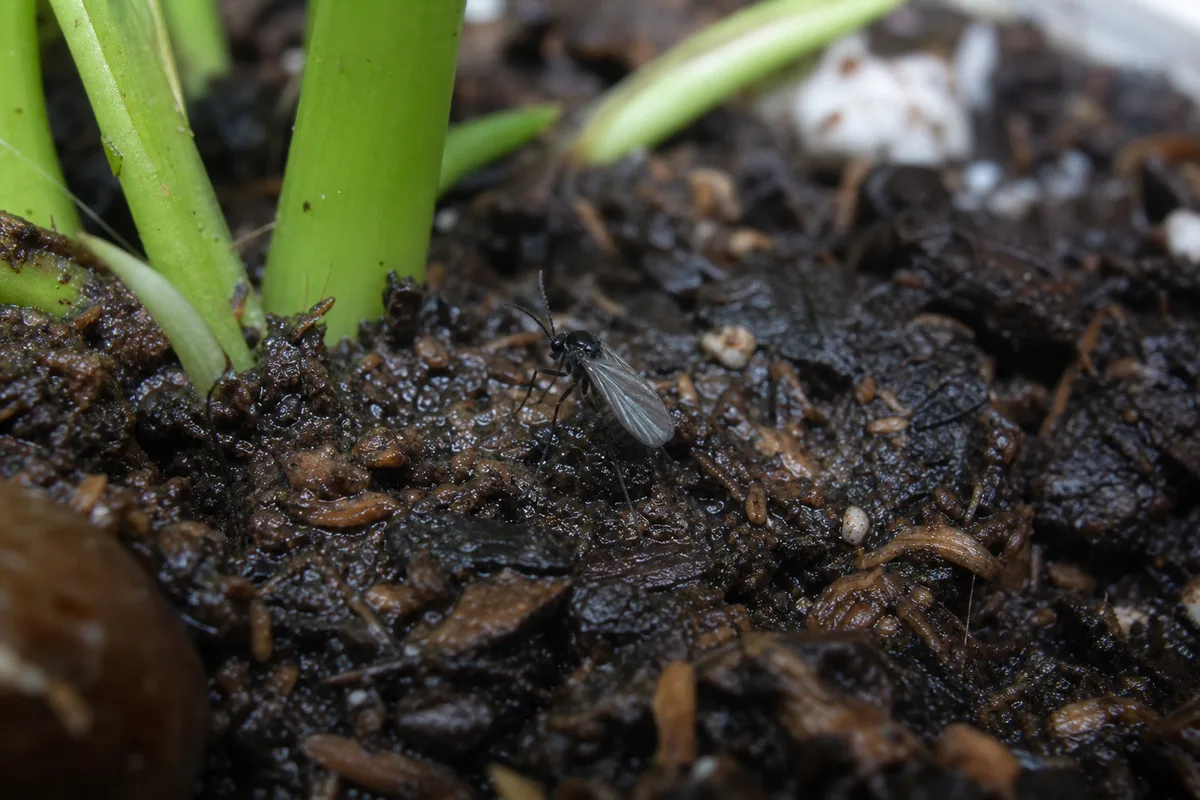
What fungus gnat larvae look like
The larvae are slender, legless, and translucent to whitish, with a clearly visible shiny black head capsule. Mature larvae can reach roughly 1/4 inch, a size and appearance also described by University of Wisconsin–Madison Extension, although younger ones are much harder to see against pale perlite and wet roots. They tend to occupy the upper portion of the growing medium where moisture, fungi, algae, and decomposing plant material are available.
Do not confuse every pale thread in the pot with a larva. Fine roots branch and remain attached to the plant; fungal mycelium lacks a distinct black head; springtails are tiny, jointed animals that jump when disturbed. A hand lens and a potato-slice test provide better evidence than digging randomly through the root ball.
Why fungus gnats appear in houseplant soil
Fungus gnats do not mean a home is dirty. They indicate that an adult found a suitable breeding site, usually moist organic growing medium. Eggs or larvae may arrive in a new plant or potting material, adults can enter from outside, and plants that spent summer outdoors may return with an unnoticed population.
Moisture is the condition that allows that population to grow. Peat-rich or decomposed mixes can stay damp for a long time, especially in oversized pots, containers without effective drainage, self-watering systems, or decorative cachepots that trap runoff. Short winter days and cooler rooms also slow plant water use, so a schedule that worked in summer may leave the same mix continuously wet in winter.
The larvae mainly consume fungi, algae, and decaying organic matter, but they may also feed on fine roots. Fallen leaves, dying roots, moss-covered surfaces, and chronically wet propagation media provide food as well as moisture. Adding coffee grounds, unfinished compost, or other decomposing kitchen material to indoor pots can make the root zone more attractive and harder to manage.
This is why “water less” is incomplete advice. The real goal is a root zone that becomes appropriately aerated between waterings while still meeting the plant’s needs. A peace lily in active growth cannot be treated like a cactus, and a newly rooted cutting has less tolerance for drying than an established specimen. Correct the pot, mix, and watering pattern that created persistent dampness rather than withholding water until foliage collapses.
The fungus gnat life cycle explains why they persist
Fungus gnats develop through egg, larval, pupal, and adult stages. At typical indoor temperatures, the entire cycle can finish in about three to four weeks, and overlapping generations may continue year-round. Colorado State University Extension reports that females can place up to 200 eggs in cracks and crevices of moist growing media, giving a small unnoticed population the capacity to become conspicuous quickly.
Eggs hatch into larvae that feed for roughly one to two weeks before pupating near the growing-medium surface. Adults emerge several days later, live for about a week to ten days, mate, and begin the cycle again. Exact timing varies with temperature, moisture, species, and other conditions, so a calendar is less reliable than continued monitoring.
The overlap explains the familiar rebound. A treatment that kills adults today leaves larvae and pupae in the pot; a larval treatment may not affect existing eggs, pupae, or flying adults. New gnats can therefore appear after a useful treatment without proving that it failed. The meaningful sign is a sustained decline in weekly trap catches and fewer larvae on repeated checks.
Plan to maintain control measures across at least one full generation. Keep cards dated, follow any biological product’s label for repeat intervals, and continue moisture correction after the room seems clear. Stopping as soon as the visible adults disappear allows remaining immature stages to restart the infestation.
Are fungus gnats harmful to plants or people?
Adult fungus gnats are mainly a nuisance in homes. They do not bite or feed, according to Colorado State University Extension. Their presence can still be disruptive when they gather near faces, screens, windows, and lamps, but the adult stage is not the stage that injures roots.
Larvae usually feed on fungi and decomposing material. When numbers are high, however, they can feed on root hairs or tunnel into roots and tender stems. The Purdue University Extension account of fungus gnat damage emphasizes risk to seedlings and young plants, which have small root systems and soft tissue, while established houseplants generally tolerate low populations better.
Watch vulnerable plants for stalled growth, wilting despite a moist root zone, loss of fine roots, or unexplained decline in cuttings and seedlings. Those symptoms are not specific to fungus gnats—overwatering and root disease can produce the same pattern—so confirm larvae before assigning blame. In many homes, the damp conditions that support gnats are a more immediate warning about the watering system than the insects themselves.
Greenhouse-production guidance associates fungus gnats with movement of certain plant pathogens and with feeding wounds that can allow infection. This evidence comes from crop-production settings, so it does not establish that every household infestation spreads disease. It does support taking persistent populations seriously around propagation trays, young plants, and already stressed roots without making the root zone wetter in an attempt to “flush out” the insects.
Confirm the breeding pot before treating
When several plants share a room, diagnosis should locate the source rather than merely prove that a gnat exists somewhere. Number the pots, place traps close to the growing-medium surface, and inspect moisture, drainage, and decaying debris in each. A large floor plant or a bag of open potting mix can produce adults that are first noticed around a smaller plant by the window.
Also inspect non-plant sources of sustained damp organic matter. Moss poles, seed-starting trays, terrariums, poorly stored potting mix, and organic residue in drainage areas may support larvae. If traps near plants remain empty while flies continue around a sink or fruit bowl, reconsider the insect identification rather than escalating plant treatments.
Use yellow sticky cards to locate adults
Insert a small yellow sticky card near the soil surface without letting it stick to leaves, pets, or curtains. Yellow attracts many flying plant pests, so inspect catches with a hand lens instead of treating the color card as species-level proof. The gnat’s long legs, narrow body, and Y-shaped wing vein help confirm it.
Cards do two jobs: they reduce some egg-laying adults and provide a trend line. Wisconsin Extension recommends them for monitoring, while Colorado State’s houseplant pest guidance cautions that trapping cannot eliminate the younger stages remaining near the plant. Replace dusty or crowded cards and write the date on each one so “fewer gnats” becomes a measurable change rather than an impression.
For a small collection, count catches weekly. You do not need a laboratory threshold; compare the same card position over time. Falling counts for several consecutive checks, combined with negative larval tests, indicate control. A flat or rising count tells you to search for a missed source, continuously wet mix, or an incomplete larval treatment.
Use a potato slice to find larvae
Cut a raw potato into a slice or wedge and place the cut face directly on the potting-mix surface. Check the underside after about two to four days for translucent larvae with black heads, then discard the slice rather than leaving it to decay. The Purdue monitoring method uses potato slices because larvae move to the potato and can be seen on the lower surface.
Use a separate slice in each suspect pot and label it. A negative result does not absolutely exclude a small population—the slice may dry, lose contact, or miss larvae elsewhere—but repeated negative checks alongside falling sticky-card counts are reassuring. Positive tests identify which pots need closer moisture correction or a larval control.
Avoid uprooting a healthy plant simply to hunt for a few larvae. Repeated excavation breaks fine roots, changes soil structure, and can create more stress than a light infestation. The potato test gathers evidence with much less disruption.
A step-by-step fungus gnat control plan
Start with the lowest-risk actions and add controls according to the evidence. A mild infestation in two established plants may respond to better drying and monitoring, while a propagation shelf with repeated larval finds warrants a faster biological control. Treat all confirmed source pots together and keep the plan consistent long enough to span the life cycle.
Before applying anything, read the plant’s moisture needs and the product label. “Natural” does not mean universally harmless, and a pesticide or biological control intended for outdoor water, turf, or another crop is not automatically suitable for indoor potting media. The US Environmental Protection Agency explains that a pesticide label defines where, how, how much, and how often the product may be used; outside the United States, follow the locally applicable regulator and label.
Step 1: correct moisture without dehydrating the plant
Allow the top inch or two of mix to dry when the species, pot size, and root depth allow. Check below the surface with a finger, wooden skewer, or moisture assessment appropriate to the pot; then water thoroughly and let excess drain. Never leave the nursery pot standing in a water-filled cachepot or saucer.
For plants that tolerate it, bottom watering can wet the lower root zone while leaving the upper surface drier. Remove the pot after it has absorbed sufficient water and let it drain; do not keep it sitting permanently in a reservoir unless it is designed and managed as a suitable self-watering system. Wisconsin Extension lists bottom watering as one option for retaining root moisture while discouraging a wet surface.
Improve the system if the pot stays wet for an unusually long time. Confirm that drainage holes are open, loosen a compacted surface carefully, remove fallen organic debris, increase appropriate air movement, and give the plant enough light for healthy water use. Do not add a decorative layer that makes moisture impossible to check, and do not respond by moving a shade plant into scorching sun.
A coarse sand or fine gravel surface layer is sometimes recommended to make the egg-laying zone less favorable, but it is not a substitute for drainage and correct irrigation. Use clean material and avoid sealing the surface with a thick, fine layer that slows gas exchange or hides wet mix. If you cannot tell whether the root ball is dry, the barrier is working against good care.
Step 2: trap adults and measure progress
Place yellow sticky cards horizontally or vertically close to the growing-medium surface, where emerging adults are most likely to encounter them. Use enough cards to distinguish source pots, but keep them away from children, animals, and delicate leaves. A small paper flag on each trap can prevent accidental contact when watering.
Replace cards as their adhesive becomes dusty, wet, or crowded. Record weekly catches and continue for several weeks after numbers fall. Traps reduce adult activity and egg laying, but they should be treated as one layer of control, not as proof that the root zone has been cleared.
Vacuuming or swatting visible adults can reduce immediate annoyance, but it has the same limitation. Vinegar traps designed for fruit flies are poor fungus-gnat monitors because they target a different feeding behavior. Do not spray household aerosol pesticide into the air around people and plants; if a severe infestation leads you to consider an insecticide, select only a product labeled for indoor houseplants and follow every direction.
Step 3: target larvae with Bti or beneficial nematodes
Bti is a microbial insecticide used against certain fly larvae. For fungus gnats, it is applied to the growing medium in a suitable labeled formulation so larvae ingest it. Bti does not directly eliminate eggs, pupae, or adults, which is why repeat applications may be needed as new larvae hatch; use enough water to reach larvae and repeat only as the product guidance directs.
The strain matters. Bacillus thuringiensis products sold for caterpillars are not interchangeable with B. thuringiensis subsp. israelensis. Buy a product whose label includes the intended fungus-gnat and use site, measure it as directed, and do not assume that a stronger homemade concentration works better. Storage age and temperature can also affect a living or biologically derived control, so follow package requirements.
The beneficial nematode Steinernema feltiae is another larval control. These microscopic roundworms are applied as a drench and infect fungus gnat larvae; Colorado State identifies this species as particularly effective, and Purdue describes it as a greenhouse biological-control option. Nematodes are living organisms, so source quality, storage, water temperature, application timing, and moisture conditions influence results.
Bti and nematodes are most useful when monitoring confirms larvae and moisture correction alone is insufficient or unsafe for the plant. Do not combine multiple pesticides and biological controls casually, because one treatment may reduce the viability of another. If the label does not address compatibility, ask the manufacturer or a local extension service.
Step 4: repot only when the root zone justifies it
Repotting can remove badly decomposed, waterlogged, or heavily infested mix, but it is not the automatic first response to a few adults. A complete soil change disturbs roots, and residual adults elsewhere can recolonize the fresh medium. Repot when the mix has collapsed and remains saturated, drainage cannot be restored, roots are decaying, or other control measures cannot be applied effectively.
Choose a clean container with working drainage and a fresh, appropriately structured potting mix. Remove loose old mix without scrubbing every healthy root bare, trim clearly dead roots with clean tools, and dispose of infested material in a sealed bag. Wash reusable pots and tools before they return to the collection.
After repotting, do not recreate the original conditions. A pot much larger than the root system holds more unused wet mix; a dense blend may stay saturated even with drainage holes; a cachepot can conceal runoff. Match container size and substrate to the plant, then monitor with a sticky card during the following weeks.
Common fungus gnat treatment mistakes
The most common mistake is attacking only the adults. Sticky traps, a handheld vacuum, or an adult insecticide may reduce what you see, but none reaches every larva and pupa in the growing medium. The reverse mistake—using only a larval control and ignoring adults and moisture—allows egg laying and favorable habitat to continue.
Another mistake is applying the same drying rule to every plant. Letting a succulent mix dry thoroughly may be appropriate; forcing a maidenhair fern, fresh cutting, or seedling tray through the same drought can cause serious plant loss. Dry the surface as far as the plant tolerates, improve aeration and drainage, and use a labeled larval treatment when the crop cannot safely become dry enough.
Popular household remedies deserve caution. Hydrogen peroxide drenches, cinnamon, essential oils, dish detergent, and improvised pesticide mixtures are widely repeated online, but concentration, root sensitivity, persistence, and efficacy are often poorly defined. They can damage roots or soil organisms without controlling every life stage. Favor methods supported by extension guidance and products labeled for the specific use.
Do not fertilize a stressed plant to compensate for slow growth before checking the roots. Larval injury is only one possible cause; chronically wet mix can limit root function on its own. Extra fertilizer does not correct low oxygen, and salts can add another stress. Stabilize moisture and root health first.
Finally, do not stop after two clear days. Adults are short-lived, and emergence naturally fluctuates. Continue monitoring across a full life cycle, inspect nearby sources, and judge success by a persistent downward trend rather than one quiet evening.
How to prevent fungus gnats from returning
Inspect new plants before integrating them into the collection. Look for adults running over the pot, place a sticky card nearby, and keep the new arrival apart long enough to observe watering and pest activity. Penn State Extension recommends inspecting leaves, stems, and soil and isolating new plants before they join established houseplants.
Store unused potting mix closed and dry, and clean old pots before reuse. Remove dead leaves from soil surfaces, avoid adding undecomposed organic scraps to indoor containers, and empty water that collects beneath pots. If a moss pole, humidity cabinet, or propagation tray remains continuously damp, include it in monitoring rather than focusing only on conventional pots.
Water according to actual plant use, not weekday. Learn the pot’s weight after watering and near the plant’s safe dry point, then adjust for season, light, temperature, root growth, and container size. A well-structured mix and correctly sized pot make this easier by balancing drainage with useful water retention.
Keep one or two discreet sticky cards as early-warning monitors in a large collection, especially after bringing plants indoors for winter. A few catches are easier to manage than a room-wide population. When numbers rise, identify the source immediately, correct moisture, and use a potato test before reaching for a treatment.
Prevention is not the pursuit of sterile soil. Fungi, decomposers, and small arthropods are normal parts of organic growing media, and occasional adult gnats can enter a home. The practical target is to avoid the continuously damp, food-rich conditions that allow fungus gnats to reproduce faster than routine monitoring and plant care can contain them.
Conclusion
Fungus gnats in houseplants are controlled most reliably by treating the pot as a habitat, not by chasing each fly. Confirm the long-legged adult or black-headed larva, locate every breeding container, let the upper mix dry within the plant’s tolerance, remove retained water and decaying debris, and use yellow sticky cards to track the adult population.
If larvae persist, add a labeled Bti product or correctly handled Steinernema feltiae rather than cycling through improvised drenches. Reserve repotting for a degraded or unhealthy root zone, and continue monitoring long enough to cover overlapping generations. Fewer weekly trap catches, negative potato tests, and healthy new growth are the clearest signs that the life cycle has finally been interrupted.
Plants commonly affected
These houseplants often struggle with fungus gnats. Open a care guide or plant-specific troubleshooting page for tailored fixes.
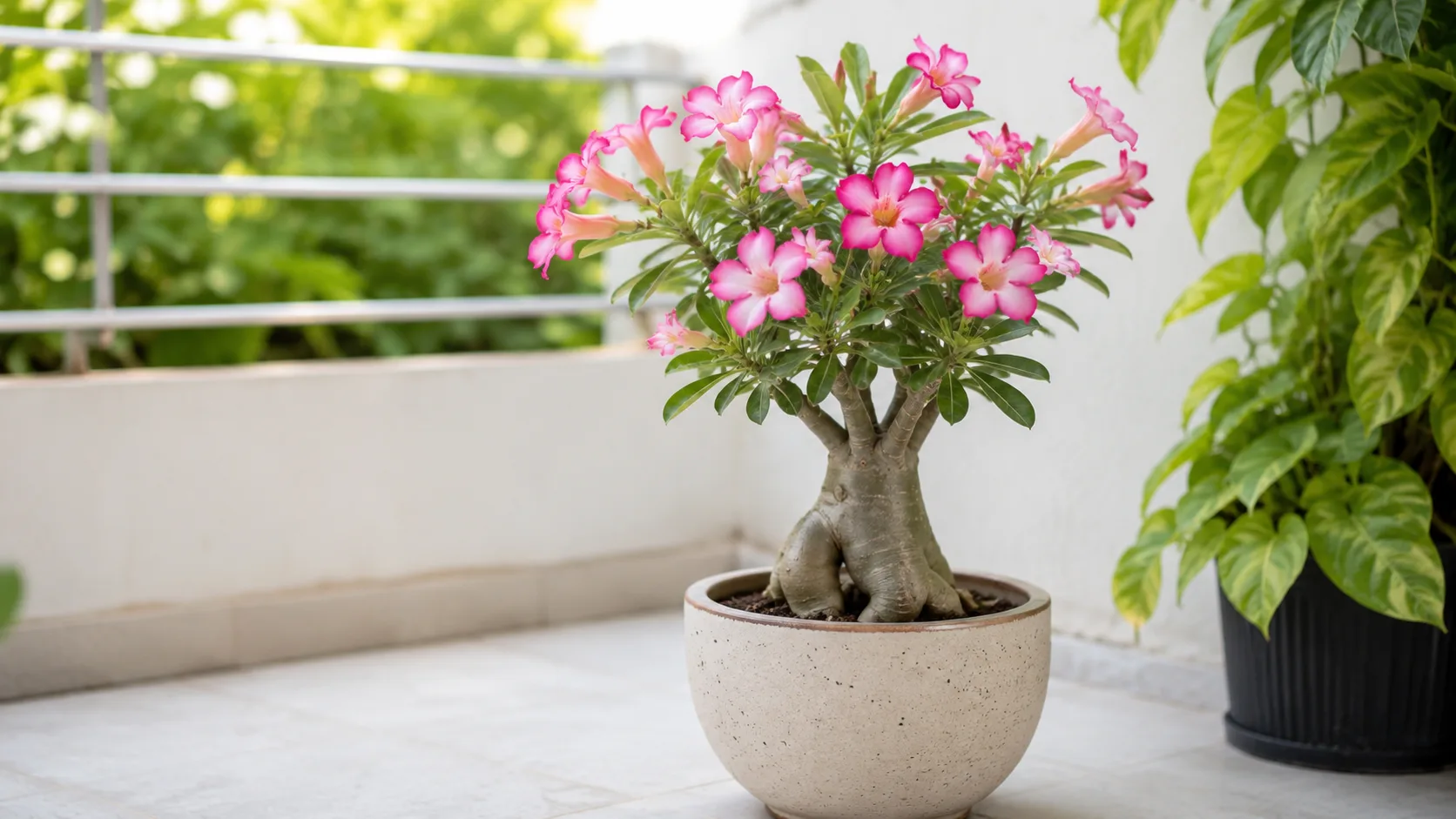 Medium
Adenium
Likely causeGnats indicate soil staying too wet—especially dangerous during dormancy when roots are easily damaged.
Quick fixLet soil dry completely, use yellow traps, and drench with BTI if larvae persist.
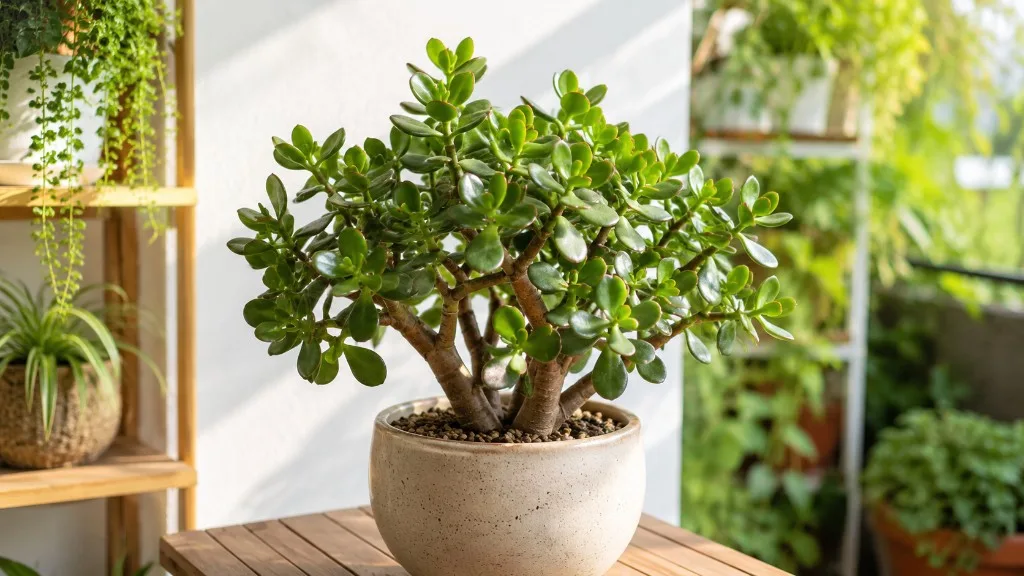 Medium
African Milk Tree
Likely causeCommon on this plant type; confirm with recent watering, light, and root checks.
Quick fixInspect the plant and correct the most likely care stressor before stacking treatments.
 Medium
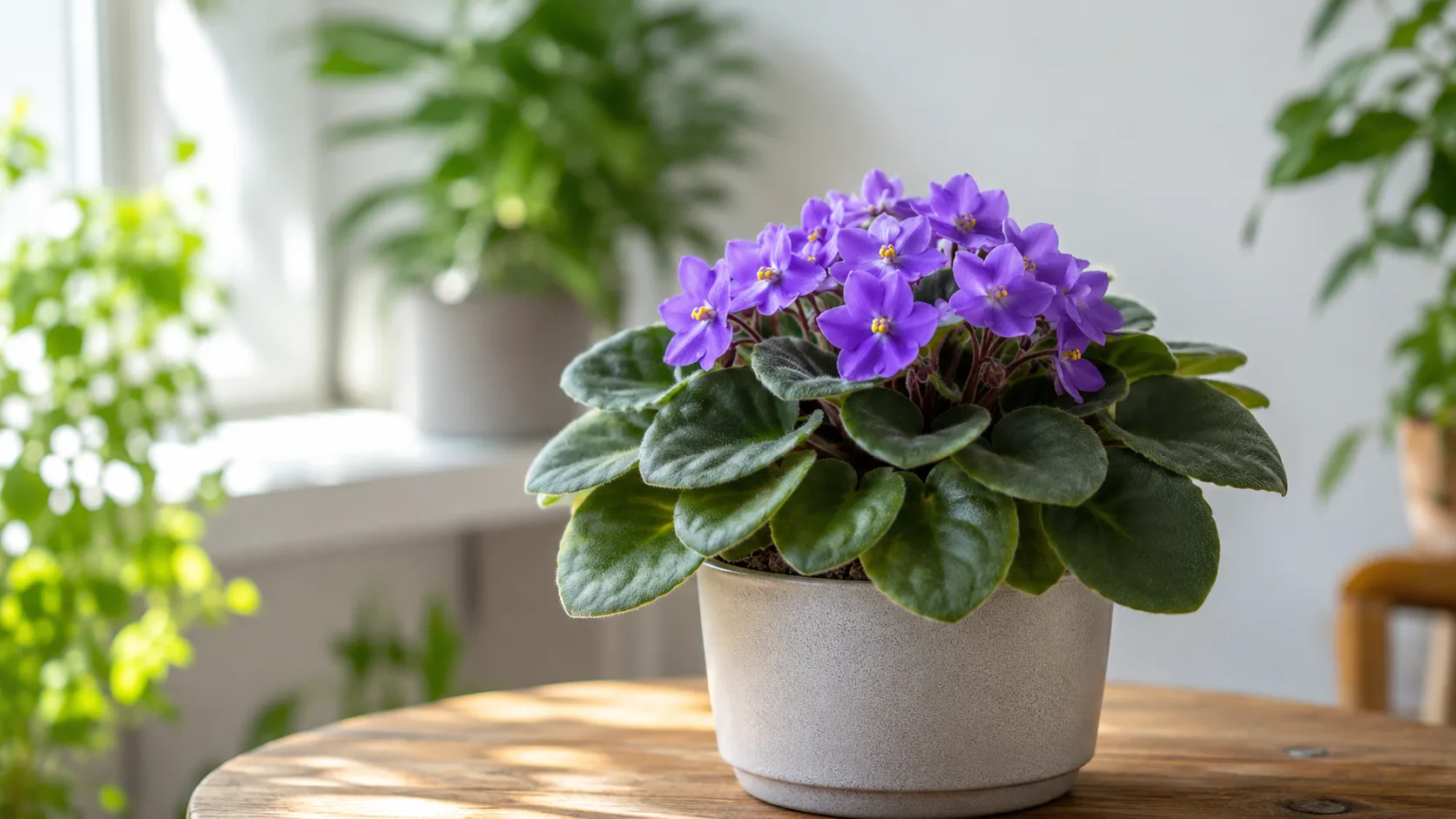
African Violet
Likely causeConsistently moist surface soil from frequent watering
Quick fixBottom-water only; allow surface to dry; use neem oil soil drench
 Medium
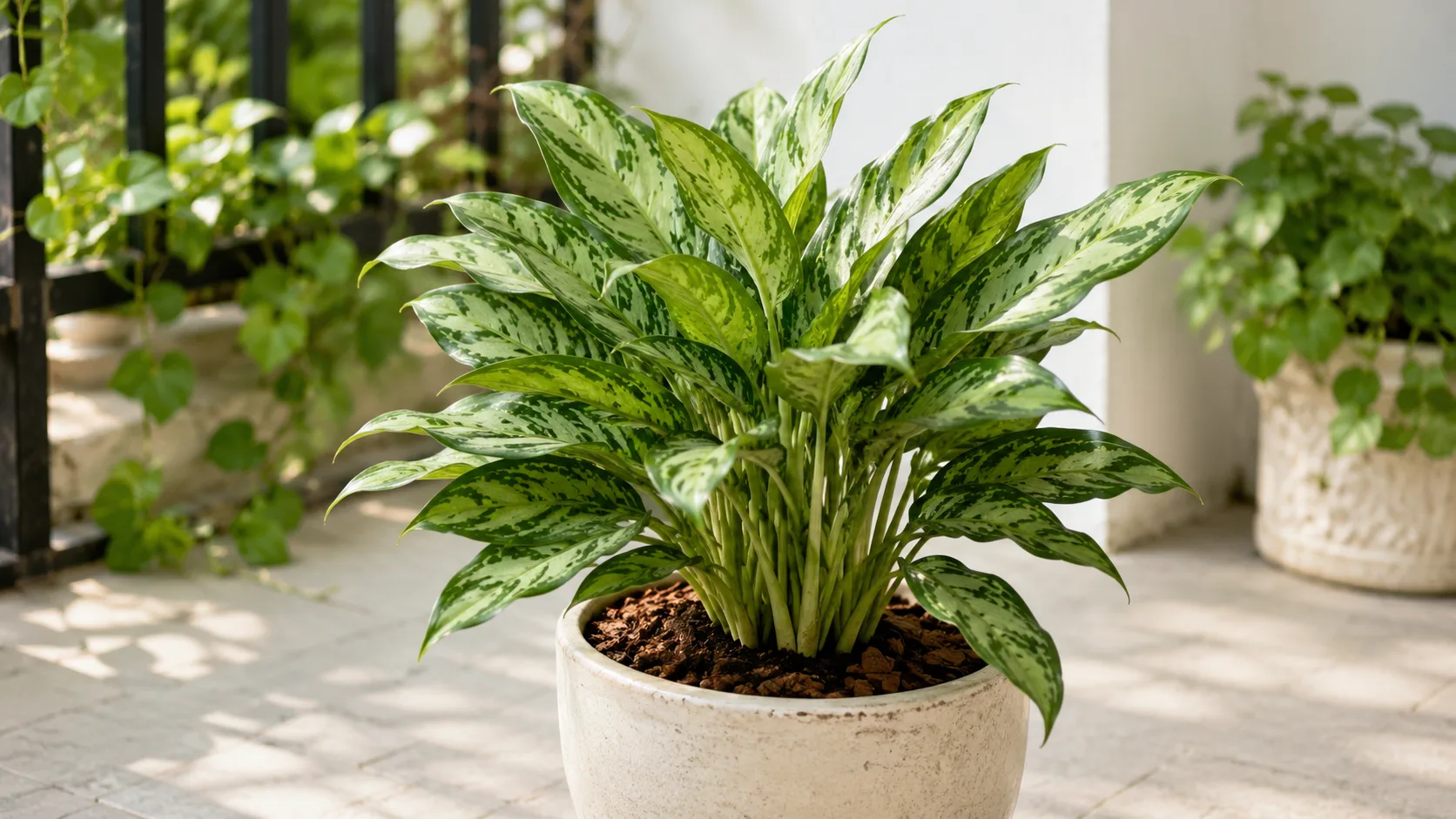
Aglaonema
Likely causeCommon on this plant type; confirm with recent watering, light, and root checks.
Quick fixInspect the plant and correct the most likely care stressor before stacking treatments.
 Medium
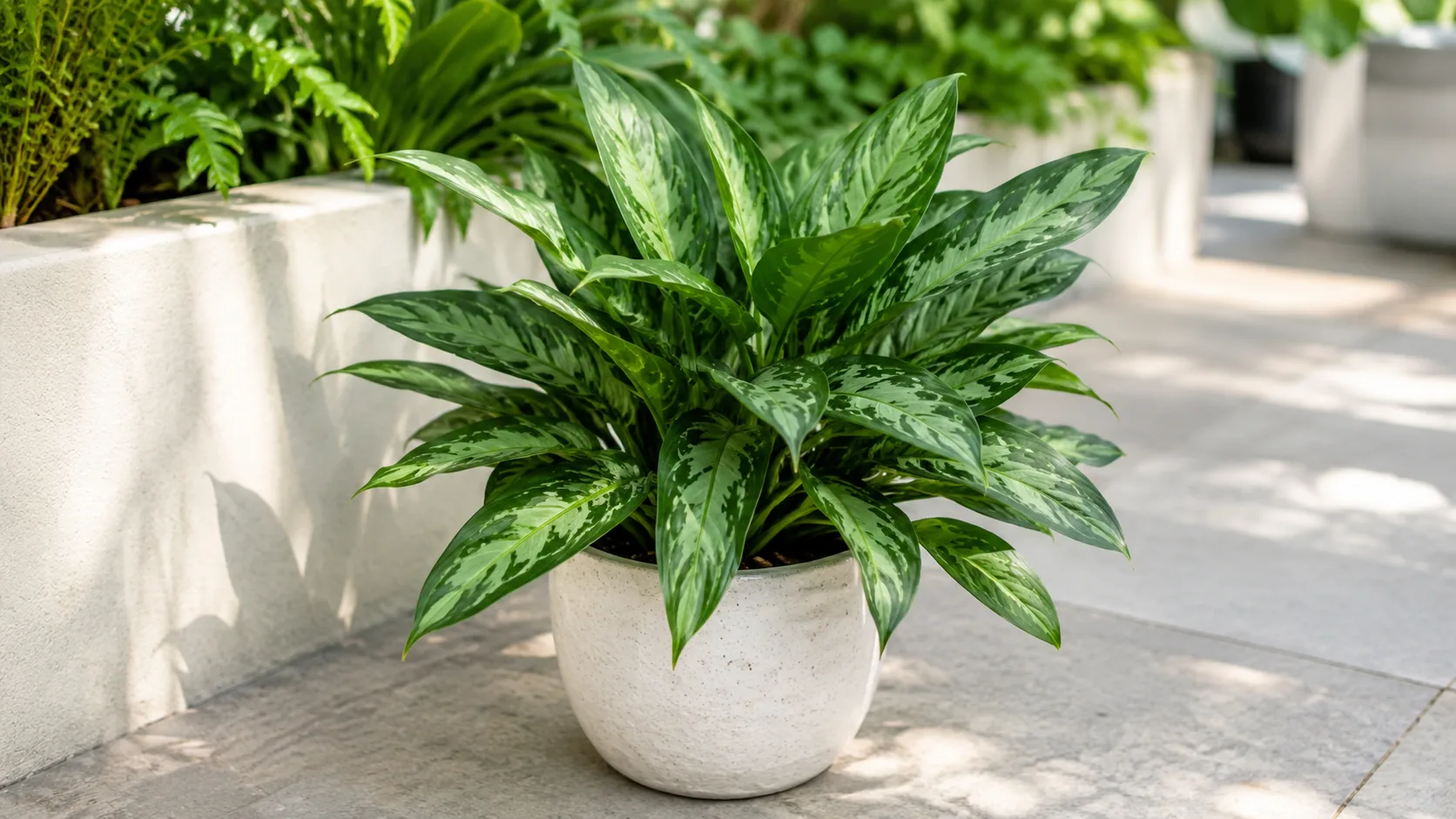
Aglaonema Cutlass
Likely causeCommon on this plant type; confirm with recent watering, light, and root checks.
Quick fixInspect the plant and correct the most likely care stressor before stacking treatments.
- Medium
Aglaonema Lady Valentine
Likely causeCommon on this plant type; confirm with recent watering, light, and root checks.
Quick fixInspect the plant and correct the most likely care stressor before stacking treatments.
- Medium
Aglaonema Maria
Likely causeCommon on this plant type; confirm with recent watering, light, and root checks.
Quick fixInspect the plant and correct the most likely care stressor before stacking treatments.
- Medium
Aglaonema Pictum Tricolor
Likely causeCommon on this plant type; confirm with recent watering, light, and root checks.
Quick fixInspect the plant and correct the most likely care stressor before stacking treatments.
 Medium
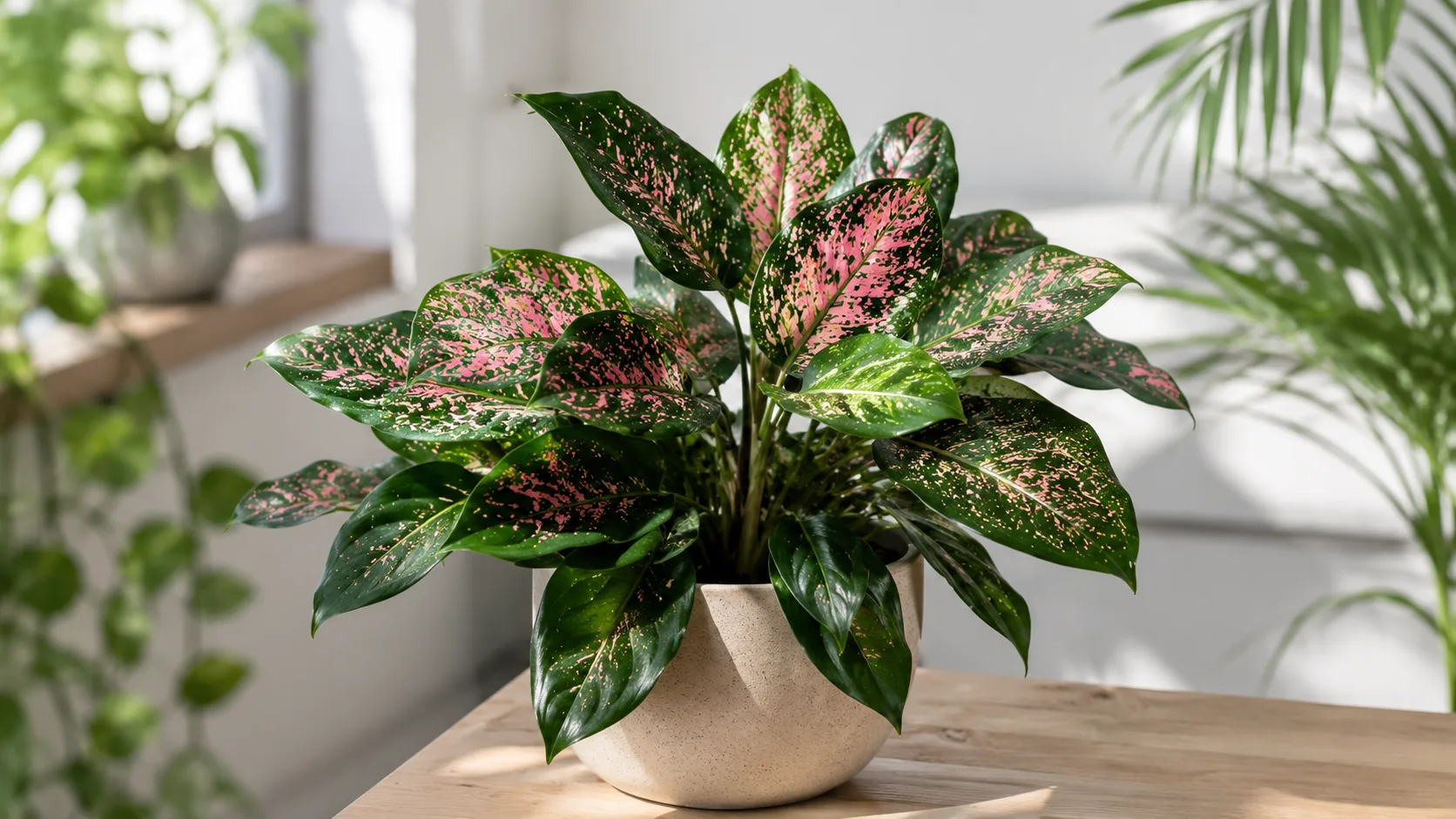
Aglaonema Pink Dalmatian
Likely causeCommon on this plant type; confirm with recent watering, light, and root checks.
Quick fixInspect the plant and correct the most likely care stressor before stacking treatments.
- Medium
Aglaonema Red Siam
Likely causeCommon on this plant type; confirm with recent watering, light, and root checks.
Quick fixInspect the plant and correct the most likely care stressor before stacking treatments.
 Medium
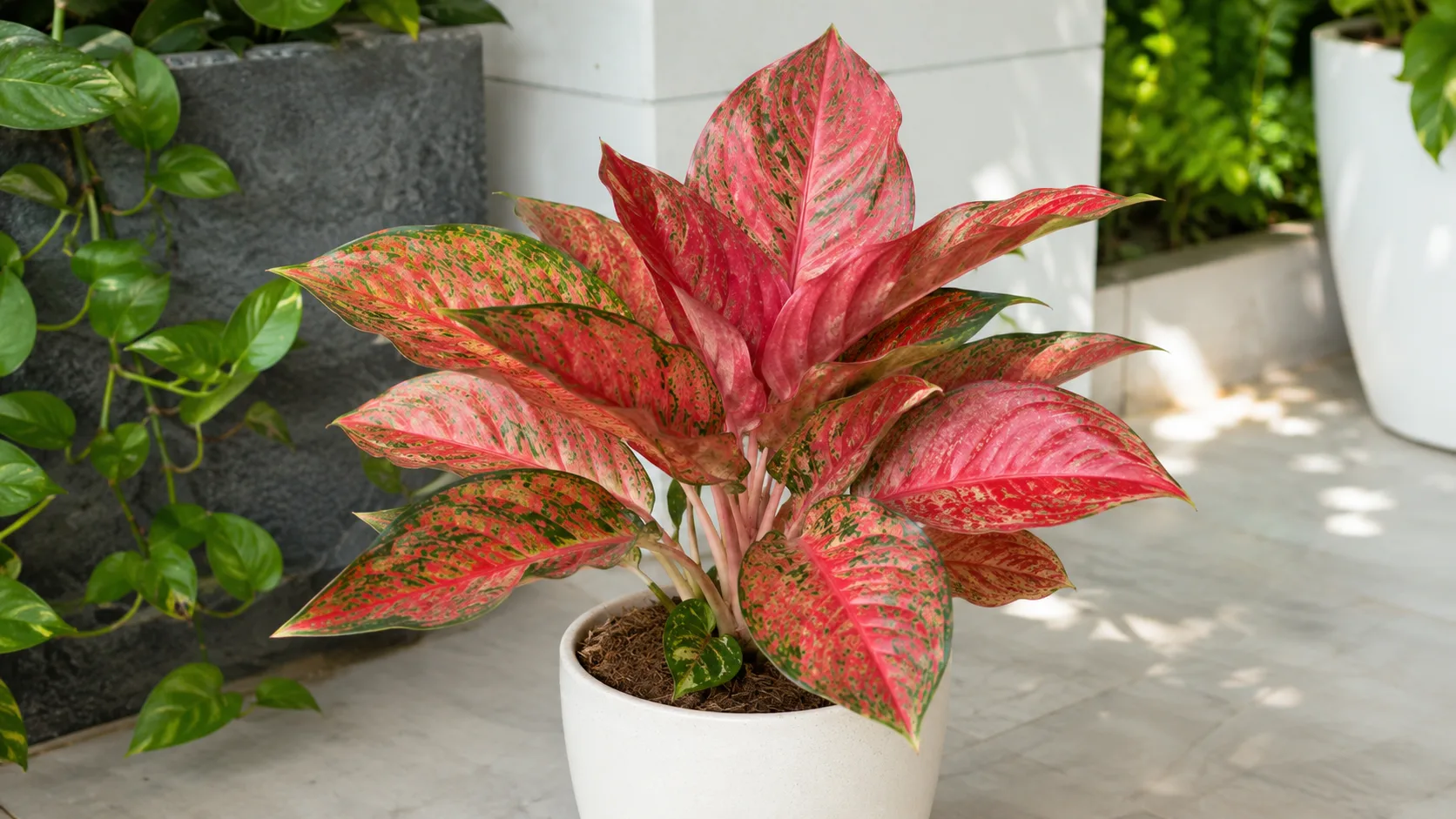
Aglaonema Red Valentine
Likely causeCommon on this plant type; confirm with recent watering, light, and root checks.
Quick fixInspect the plant and correct the most likely care stressor before stacking treatments.
 Medium
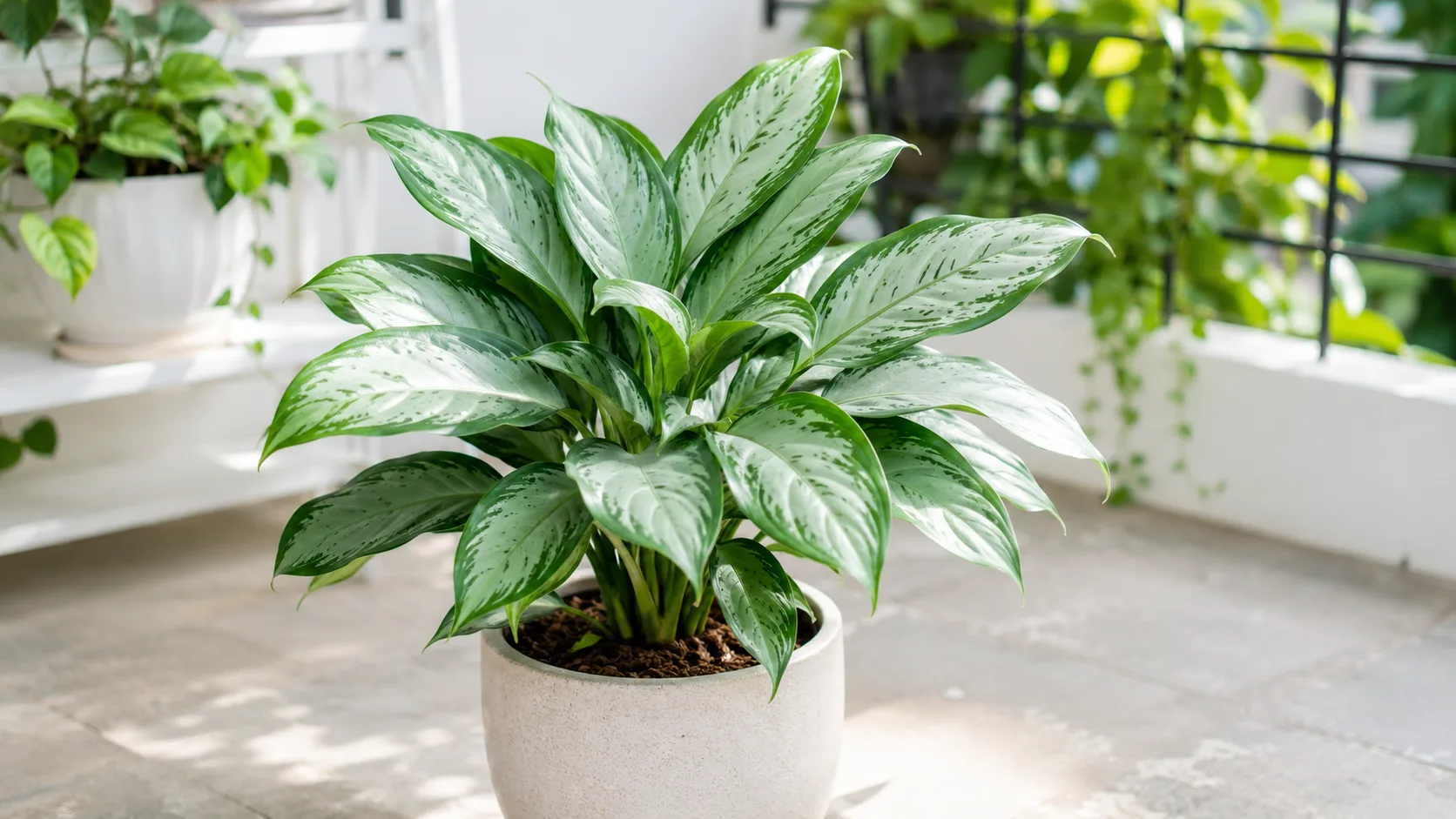
Aglaonema Silver Bay
Likely causeCommon on this plant type; confirm with recent watering, light, and root checks.
Quick fixInspect the plant and correct the most likely care stressor before stacking treatments.