5 Pest-Resistant Houseplants for Your Home
Looking for pest-resistant houseplants? See which plants have lower fungus-gnat risk, what pests can still show up, and how to inspect new arrivals.
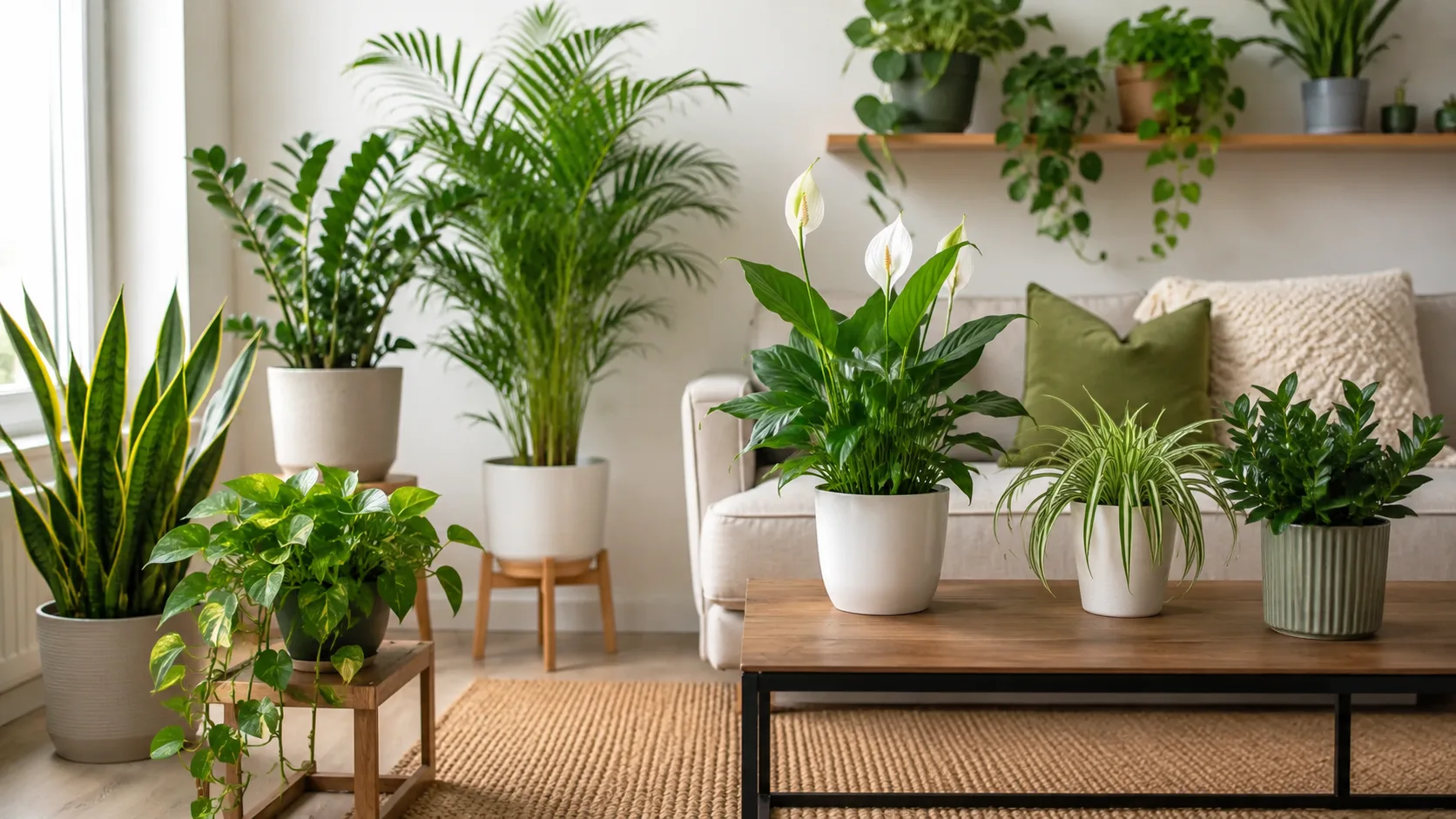
If bugs are the main reason you hesitate to bring home a plant, choose one that fits your room and your watering habits. A snake plant or ZZ plant can be a calmer starting point than a moisture-loving plant if you tend to water too often; an air plant removes potting soil from the equation entirely. None of these choices makes an indoor garden pest-proof, though, and the best plant depends on which bug you are trying to avoid.
The practical goal is lower pest pressure and easier inspection, not a promise that no insect will ever land on a leaf. Here are five plants that can make common problems less likely or easier to manage, plus the caveats that matter before you buy.
What “pest-resistant” can and can’t mean
No houseplant has immunity from insects or mites. A plant can be a poor host for one pest and a perfectly acceptable host for another, while a stressed plant can become more vulnerable than a healthy specimen of the same species. Colorado State University Extension notes that houseplants can be attacked by many insects and mites, and that plants under stress may be more susceptible to damage.
“Pest-resistant” is therefore shorthand for a few practical advantages: a plant may have foliage that is less easily damaged, may tolerate ordinary indoor conditions without repeated stress, or may need less frequent watering so its potting mix is less often wet. Those traits can make some problems less likely, but they do not repel bugs like an insecticide would. A mealybug can still hide in a leaf joint, and a scale insect can still settle on a stem.
It also helps to name the pest. Fungus gnats breed in damp organic potting mix, while mealybugs, scale, aphids, and spider mites feed on plant tissues. A soil-free plant may avoid one of those pathways without protecting itself from the others. Choosing by the pest that bothers you most is more useful than looking for a universal “bug-repelling” plant.
The five low-fuss choices at a glance
| Plant | Why it can lower hassle | What can still be a problem |
|---|---|---|
| Snake plant | Stores water and tolerates some missed watering; soil can dry between drinks | Mealybugs, scale, or pests carried in on a new plant |
| ZZ plant | Slow, drought-tolerant growth means fewer frequent waterings | Scale and mealybugs can still settle on leaves or stems |
| Cast-iron plant | Durable foliage and tolerance for lower indoor light | Scale or mites can hide on foliage; stagnant, wet soil can attract gnats |
| Air plant | No conventional potting mix, so no potting-soil nursery for fungus gnats | Scale, mealybugs, or rot if the plant stays wet |
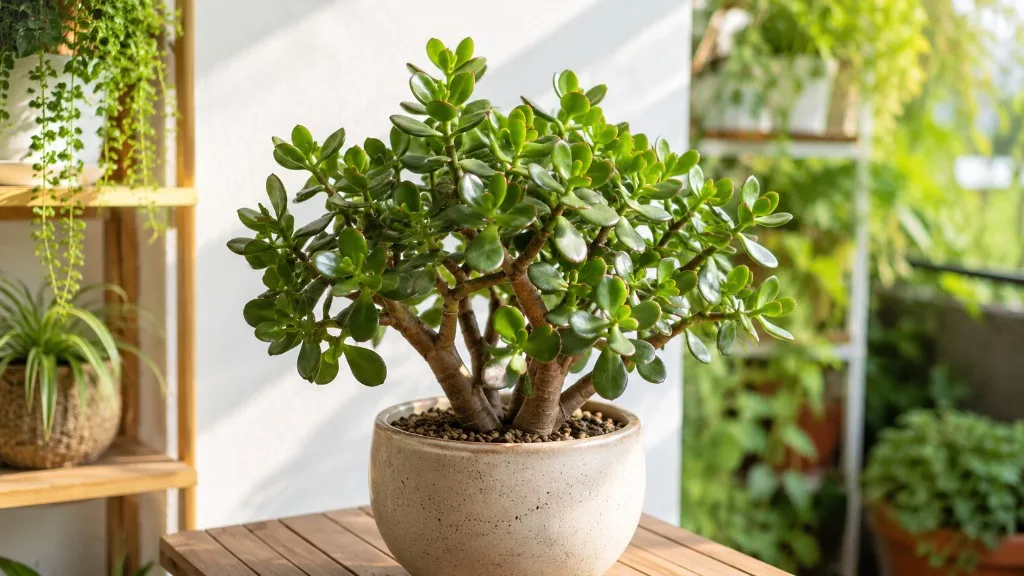
| Jade plant | Succulent growth and drying soil can reduce the conditions fungus gnats prefer | Mealybugs are a known caveat, including on jade plants |
The list is not a guarantee or a strict ranking. If fungus gnats are your biggest concern, the air plant has a direct soil-related advantage; if you want a potted plant, snake and ZZ plants are easier to let dry between waterings. If you choose jade, plan to inspect its leaf joints for mealybugs rather than assuming its thick leaves make it invulnerable.
Snake plant: a good choice for dry rooms and missed waterings
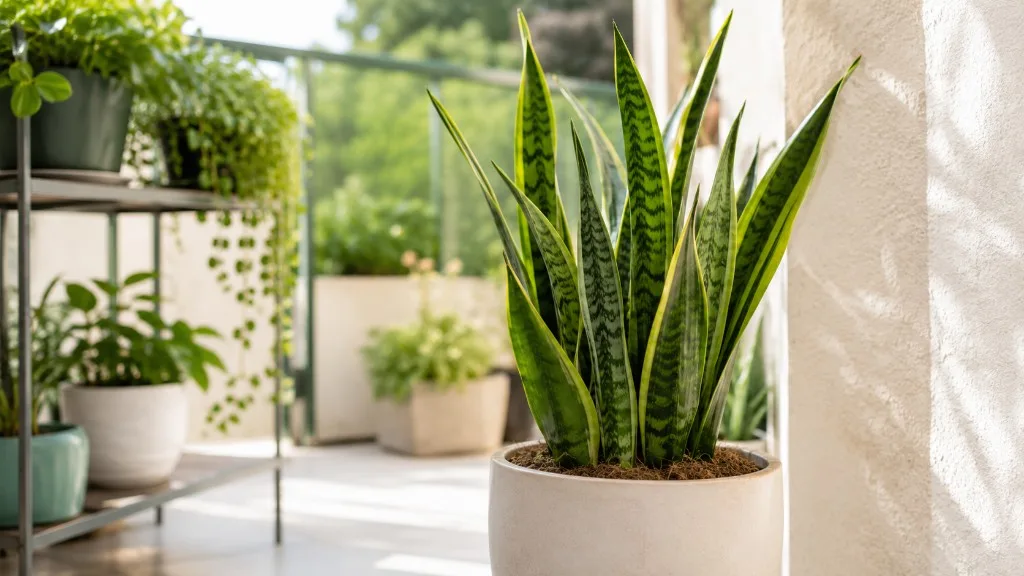
Snake plants, now commonly classified as Dracaena trifasciata, keep water in their firm, upright leaves. They cope with a missed watering better than many tropical foliage plants, so they can be a practical choice for a busy owner or a home where the potting mix tends to stay wet too long. Give one bright, indirect light when possible; tolerating lower light does not mean thriving in a dark basement without any useful daylight.
Let the mix dry thoroughly before watering again, then let excess water drain away. A pot with drainage and a mix that does not stay soggy reduce the conditions that favor fungus gnats. Do not water by a weekly calendar just because a plant guide gives a schedule; warmth, light, pot size, and season all change how quickly the soil dries.
Snake plants can still develop mealybugs or scale, especially if a pest arrives with the plant or spreads from a nearby specimen. Check the leaf bases and the narrow spaces between leaves, where small insects can be easy to miss. A firm leaf is not proof of a pest-free plant, but the upright form is relatively easy to inspect compared with a dense, trailing canopy.
ZZ plant: low soil moisture, not zero pests
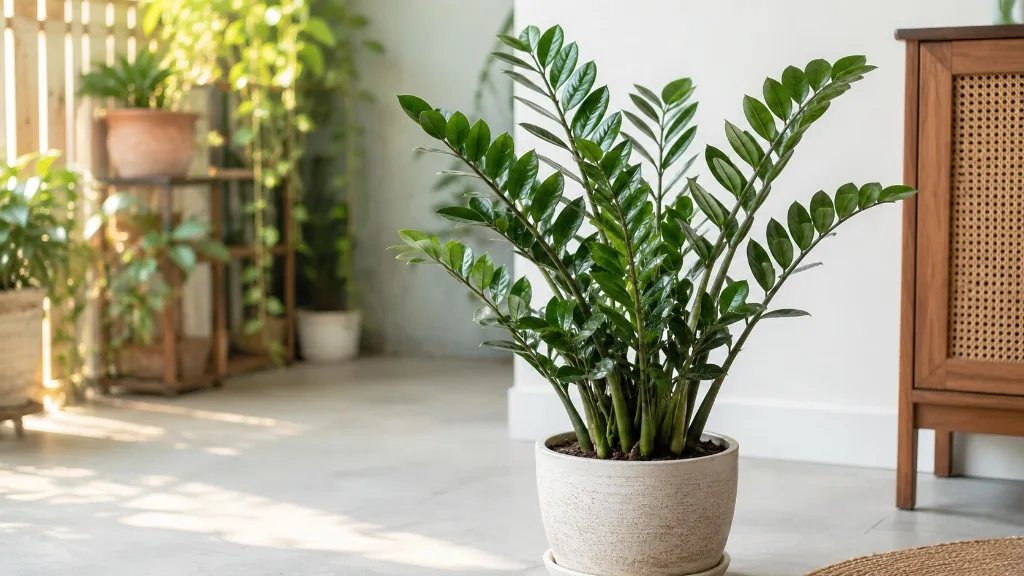
The ZZ plant (Zamioculcas zamiifolia) stores water in thick underground rhizomes and glossy leaf stalks. It is a good candidate for people who routinely overwater other plants, because it generally needs less frequent watering than a moisture-loving tropical. Allow the potting mix to dry well between waterings and empty the saucer; a cachepot that traps runoff can keep the root zone wet even when the top looks dry.
Its tolerance of lower light is useful in ordinary rooms, but it still needs some indirect daylight to grow well. If a room is so dim that the plant stretches, weakens, or loses vigor, moving it nearer a window can improve health and make pest problems easier to spot. Low light does not repel pests; good plant condition and sensible care matter more than a label.
Inspect the leaf stems and undersides for scale or mealybugs. The waxy surface may make some small pests easier to notice, but it is not a protective barrier that guarantees they cannot feed. If pets or small children may chew foliage, check species-specific safety information separately before choosing any houseplant for an accessible spot.
Cast-iron plant: sturdy foliage for lower-light rooms
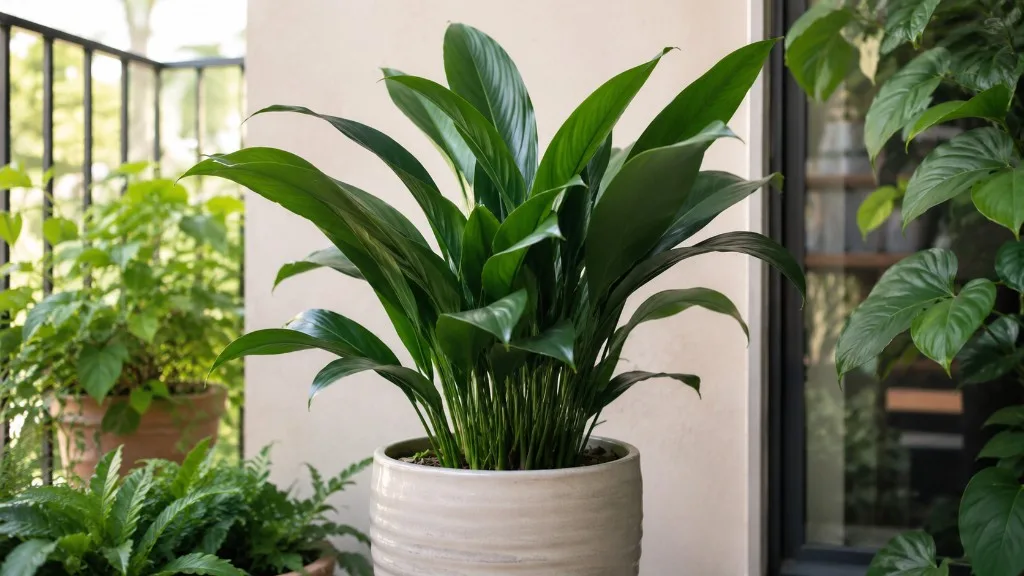
The cast-iron plant (Aspidistra elatior) is valued for durable leaves and its ability to live in lower-light indoor spots than many flowering houseplants. That makes it an option for a room where a sun-loving jade would stretch or decline. It is slow-growing and does not demand constant attention, which can make routine inspection less of a chore.
Keep it in bright to moderate indirect light if you can, and water when the upper portion of the mix has begun to dry rather than keeping the pot continually wet. The plant’s toughness is about tolerating imperfect indoor conditions, not repelling insects. Scale or mites can still turn up, particularly if the plant is stressed or surrounded by infested plants.
Because its leaves are broad, check both surfaces, especially along the midrib and where each leaf meets the stem. Wipe dust away with a damp cloth so you can distinguish a real pest from dirt or mineral marks during later checks. If you want a calm foliage plant for a shaded room, this is a better fit than choosing a plant that needs more light and then asking it to survive in the wrong place.
Air plants: no potting soil means fewer fungus gnats, not no pests
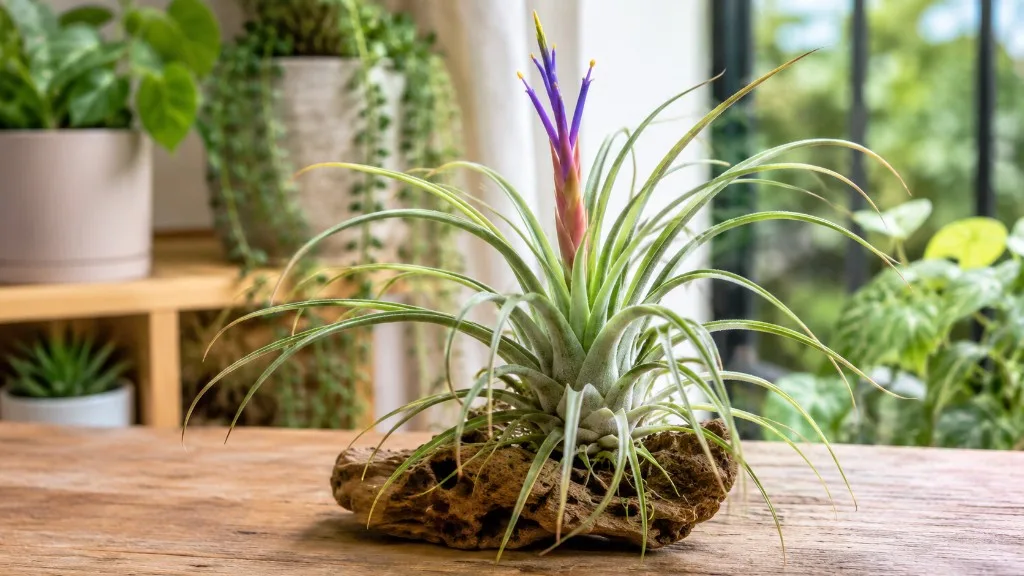
Air plants (Tillandsia species) grow without a pot of conventional soil, which removes one common breeding site for fungus gnats. The adult flies may still enter from outside or come from another plant, but larvae do not develop in a dry potting mix that is not there. This makes air plants a sensible option if the flying insects around wet soil are your main frustration.
They still need consistent care. Wet the plant thoroughly according to the species and the conditions in your home, then shake off excess water and let it dry with good air circulation. A plant left in a damp, enclosed container or sitting in water can rot. A display packed with wet moss or decaying organic material may also reintroduce the moist growing medium you were trying to avoid.
Inspect the leaf bases and center for scale or mealybugs when watering. A soil-free setup is a way to reduce fungus-gnat risk, not a way to isolate the plant from every pest in the room. Bright, indirect light and full drying between waterings help the plant stay healthy enough to notice changes early.
Jade plant: a forgiving succulent with a mealybug caveat
Jade (Crassula ovata) is a succulent that likes bright light and soil that dries between waterings. That dry-down can reduce the wet-soil conditions fungus gnats favor, and the plant’s branching shape is relatively easy to check. Put it near a bright window, rotate it occasionally for even growth, and use a potting mix that drains rather than holding water for days.
The important catch is mealybugs. Colorado State University Extension includes jade among houseplants that can host mealybugs, and Better Homes & Gardens likewise notes jade as one of the plants that may be especially vulnerable. Look for small white cottony deposits in the leaf joints and along stems, plus sticky honeydew that can collect below feeding sites. A jade is a reasonable choice if you want a succulent and will inspect it; it is not the right pick if you want to ignore all pest checks.
Be cautious with sprays on succulents. Epic Gardening’s horticulture-reviewed plant guide warns that jade can be sensitive to horticultural oils and soaps, and product labels may also list plant-specific cautions. If you ever need treatment, identify the pest first, read the label for both the plant and indoor use, and test only as directed rather than reaching for a homemade mixture.
Why peace lilies are not a universal low-pest pick
Peace lilies can be beautiful, forgiving foliage plants, but they are not my first choice for someone whose priority is avoiding every common pest. They prefer evenly moist soil, and persistently wet potting mix can support fungus-gnat larvae. That does not mean a healthy peace lily automatically attracts gnats; it means watering it too often or leaving water in a cachepot creates a risk that a drier-growing plant may avoid.
Large leaves and a dense crown also need regular inspection. Spider mites can be hard to see at first, and a plant that is crowded or stressed is more difficult to monitor. If you love peace lilies, choose one anyway and water according to the plant’s actual moisture needs, not a fixed schedule; just do not assume “pest-resistant” based on a listicle label.
There is another independent consideration for pet households: ASPCA lists peace lilies as toxic to cats and dogs because of insoluble calcium oxalates. A pest ranking says nothing about whether a plant is safe to chew, so check a reliable pet-toxicity resource before buying any plant for an animal-accessible space.
Match a plant to your light and watering habits
The best low-pest houseplant is the one you can keep healthy in the light you actually have. If your room has a bright window and you can avoid overwatering, jade can work; if you want a plant that can dry down and tolerate less attention, snake or ZZ is usually a more forgiving direction. For a shaded corner, a cast-iron plant may be a better fit than pushing a sun-loving succulent into weak light.
Think about the pest you have seen. If fungus gnats are the issue, consider a soil-free air plant or a potting mix that is allowed to dry appropriately between waterings. If mealybugs were the issue, avoid choosing a plant solely because it has waxy leaves: inspect carefully, quarantine it, and keep it apart from the rest of your collection at first.
Avoid buying a plant just because a label calls it “bug-proof.” A plant that struggles in your home can become harder to keep clean and inspect, while a healthy plant in an appropriate location is usually easier to manage. Pick a species whose basic care fits your routine, then make prevention a small habit rather than a rescue project.
Where indoor pests actually come from
Most infestations begin with something that carries the pest into the home: a new plant, a cutting, contaminated potting material, a plant brought inside for the season, or insects that enter from outdoors. Colorado State University Extension says scale, mealybugs, and whiteflies are commonly established from recently purchased or gifted plants. The pest may be in an egg or immature stage that is easy to overlook during a quick glance at the display table.
Plants do not generate insects from nowhere. A houseplant can offer food and shelter to a pest that is already present, while damp organic soil can provide a place for fungus-gnat larvae to develop. If a few flies appear near one pot, focus first on the soil and moisture in that pot rather than assuming the whole room or every plant is infested.
Several different species of insect can look like “tiny bugs,” and the correct next step changes with the pest. Fungus-gnat adults hover near soil; mealybugs look cottony; scale often resembles small bumps attached to stems or leaves; and spider mites can leave stippling and fine webbing. A reliable diagnosis prevents you from spraying the wrong thing or treating a normal leaf mark as an infestation.
Soil pests and leaf pests need different prevention
Fungus gnats are linked to moist, organic potting media. Colorado State Extension notes that virtually any potted houseplant can host them because their larvae develop in the soil, and that allowing the soil surface to dry between waterings is an important management step. Yellow sticky cards can help monitor or catch adult flying insects, but they do not remove larvae from the pot, so they are not a stand-alone cure.
Leaf-feeding pests need a different approach. Mealybugs and scale can arrive on foliage and hide in protected crevices; aphids often cluster on tender new growth; spider mites can build up in hot, dry locations. Keeping soil dry enough to deter gnats does not solve a mealybug problem, and aggressively drying a plant that needs even moisture can create stress that makes it less resilient.
University of Alaska Fairbanks Cooperative Extension recommends identifying the pest before choosing controls and describes an integrated approach that considers growing conditions, monitoring, and physical, biological, or other controls. In a home collection, that means start with the evidence: inspect the plant, identify the likely pest, then choose a response that fits the plant and the infestation.
A simple prevention routine that lowers the odds
You do not need to inspect every leaf every day. A quick check each time you water is enough for many small collections: look under several leaves, along stems, around leaf joints, and at the soil surface. If something looks suspicious, use a phone camera or hand lens to take a closer look before deciding whether it is a pest.
Match watering to the plant and the pot. Use containers with drainage, discard water that collects in a saucer, and do not keep all plants on one watering calendar. Moisture-loving species need more water than succulents, but “more” still does not mean leaving roots in stagnant water. Clean off dead leaves and plant debris that can accumulate around the pot, and leave enough space for air to move around dense foliage.
When you add a plant, keep it separate from the collection and recheck it for several weeks. Colorado State University Extension advises quarantining new plants in a separate area for at least three weeks and inspecting carefully at the end of that period. If you find a pest, keep the plant isolated while you monitor it; moving it back because the visible bugs disappeared for one day can restart the problem.
Use sticky traps as monitors for flying pests, not as proof that a plant is clean. Keep a simple note of which plants were checked and what you saw, especially if you have a large collection. A small, repeatable routine is more useful than a dramatic spray after an infestation has spread.
How to check a new plant before you bring it home
At the store, look beyond the most visible leaf. Check the undersides, leaf joints, stems, and the point where foliage meets the potting mix. Look for cottony patches, small raised scales, webbing, sticky deposits, distorted new growth, or tiny flies rising when the pot is moved. Also inspect nearby plants on the same shelf; one infested plant can be a clue that others need a closer look.
Do not buy a plant with a serious active infestation just because its leaves look attractive. If the specimen is rare or you are willing to isolate and treat it, decide that before checkout and keep it away from other plants when you get home. Otherwise choose a clean-looking specimen from another bench or wait for a healthier shipment.
At home, keep the plant in a separate room if possible, not merely a few inches from the rest of the collection. Inspect again after unpacking, remove any decorative wrap that traps moisture around the pot, and monitor it throughout the quarantine period. A quick inspection on arrival is useful, but eggs and tiny juveniles can be missed, which is why follow-up checks matter.
What to do when you spot the first bug
First, isolate the plant and identify what you are seeing. A few adults on a sticky card do not tell you where they are breeding, and a sticky leaf alone does not prove the plant has a specific pest. Check leaves, stems, pot rim, and soil, then compare the symptoms with a university extension or other dependable identification guide.
For a small, confirmed infestation, physical removal may be enough to begin: wipe or rinse foliage if the plant can tolerate it, remove a badly affected leaf, or pick off visible scale or mealybugs. Colorado State Extension describes washing as a useful partial control for some pests, particularly aphids and spider mites; repeated monitoring matters because hidden or immature stages may remain. Do not dunk or soak a plant unless you know the species and the method are safe for it.
If you use an insecticidal soap, oil, or another pesticide, read the entire label and confirm that it is allowed for the exact plant and indoor situation. A product’s “natural” branding does not guarantee that it is safe for every plant or pet. Jade and other sensitive plants may be injured by some products, and spraying in a living space requires attention to label precautions, ventilation, and household members.
Continue checking the plant after treatment rather than stopping at the first clean-looking day. Many pests have eggs or immature stages that are less visible, and a treatment may need to be repeated according to its label. Keep monitoring nearby plants, clean tools after pruning, and change the plan if the pest remains or the plant worsens.
When to choose another plant or discard one
If you have very little light, frequent travel, pets that chew leaves, or no space to isolate a new plant, let those constraints guide the purchase more than a “pest-resistant” label. A plant that needs brighter light or consistently moist soil may become stressed in a room where those needs cannot be met. Select a species that suits the room, and put any toxic plant where animals and small children cannot reach it.
Sometimes the realistic choice is to discard a heavily infested plant. If pests have spread across several plants, the affected specimen is badly weakened, or treatment would expose people or pets to unacceptable risk, removal can protect the rest of the collection. Bag the plant and potting debris before carrying it through the home, and avoid composting clearly infested material in a way that could reintroduce pests.
There is no shame in deciding a plant is not worth rescuing. Integrated pest management asks what level of damage is tolerable and which response is practical, not whether every insect can be eradicated at any cost. Protecting the plants you value most may mean removing one problem plant and improving inspection habits for the rest.
Conclusion
Snake plants, ZZ plants, cast-iron plants, air plants, and jade can all be sensible choices for people who want a lower-maintenance indoor collection, but they do not offer a guarantee against bugs. Air plants avoid a conventional soil habitat for fungus gnats; snake, ZZ, and jade plants can dry between waterings; and cast-iron plants cope with lower-light rooms. Each still has pest or care caveats, so choose based on your home and the problem you want to reduce.
The most reliable protection is to inspect new arrivals, isolate them for several weeks, water each species appropriately, and check for changes as you care for it. Treat “pest-resistant” as a way to narrow the odds, not as a promise. That expectation lets you enjoy indoor plants without relying on claims that no plant can keep.