How to Plan Succession Planting in a Vegetable Garden
Plan succession planting by crop and season: stagger repeat sowings, replace finished crops, and time fall beds without relying on a one-size-fits-all calendar.
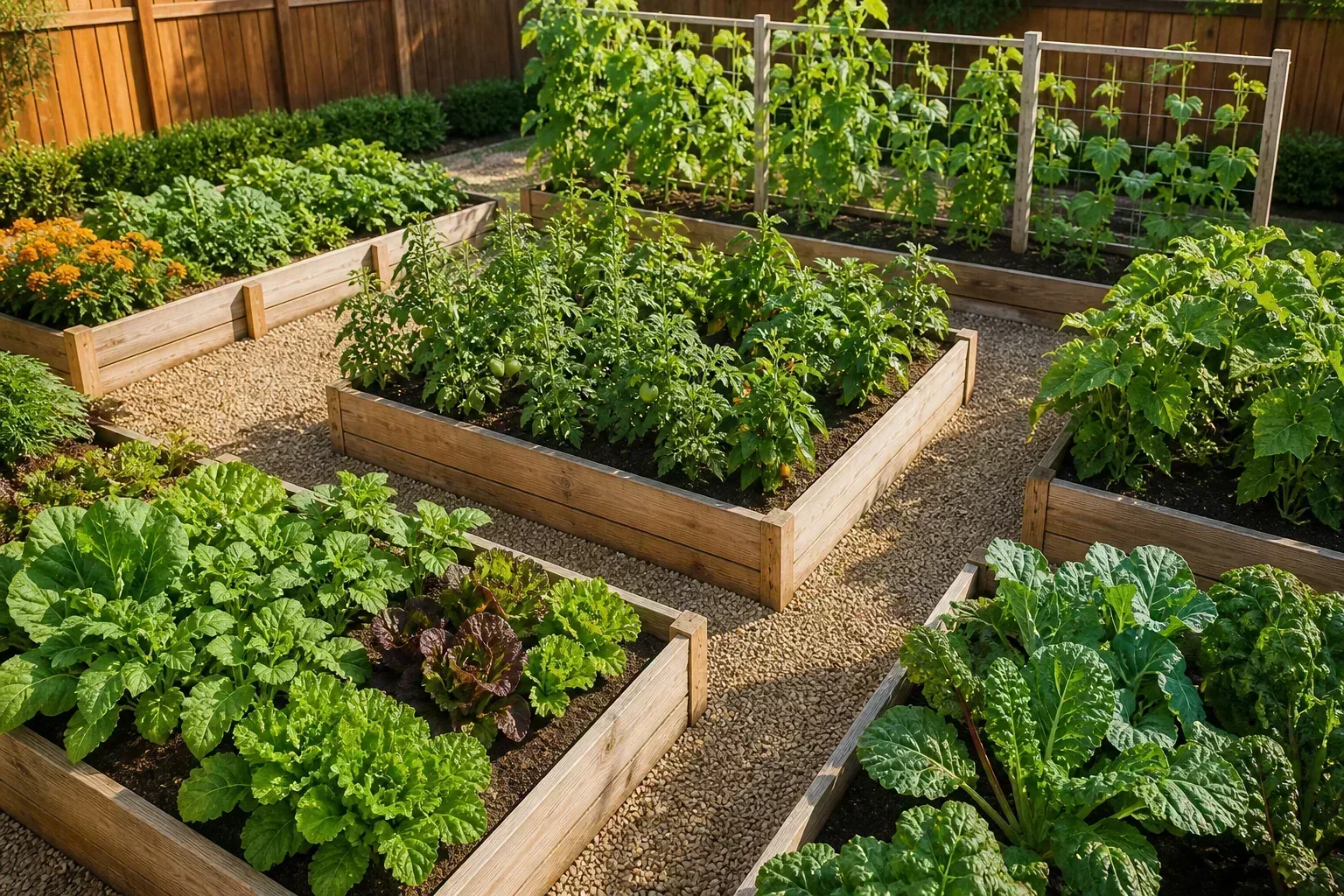
A vegetable bed can look generous in May and still leave you with a glut of lettuce in June, a gap in July, and nothing ready when cooler weather returns. Succession planting is the practice of timing crops so a garden keeps producing in manageable waves: sow the same crop in smaller batches, follow one crop with another, or combine plants whose growth peaks at different times.
The useful goal is not to keep every inch planted every day. It is to line up a harvest with the weather, your available space, and the amount of food or flowers you can actually use. Once you plan around maturity, harvest duration, and the season’s end, succession planting becomes a repeatable routine rather than a complicated calendar.
What succession planting changes in a home garden
Succession planting uses the same garden space for more than one harvest window within a growing season. A gardener might sow a short row of radishes, sow another row ten days later, then replace the first row after harvest with bush beans. The bed has a sequence, and the sequence is based on what will be ready next rather than on planting everything at once.
The term covers several related techniques. UConn Extension describes planting different crops one after another, making repeated sowings of one crop, and growing crops with different maturity dates or growth habits in the same bed. These approaches all spread work and harvests, but they solve different problems: repeat sowings pace a short harvest, crop replacement fills a cleared spot, and interplanting uses the time before a slower crop needs all of its space.
A full-season harvest is possible only when local temperatures and daylight suit the crops. Succession planting cannot make heat-sensitive spinach thrive through a hot spell or make a late-sown tomato ripen before frost. It does help you use the growing window more deliberately and avoid the common pattern of having too much of one crop at once, followed by an empty bed.
Four methods that can work together
You do not have to choose a single succession method for the whole garden. A small bed might use repeat sowings for salad greens, crop replacement for a cleared spring row, and a quick interplant between a slower crop’s rows.
Repeat one crop in small sowings
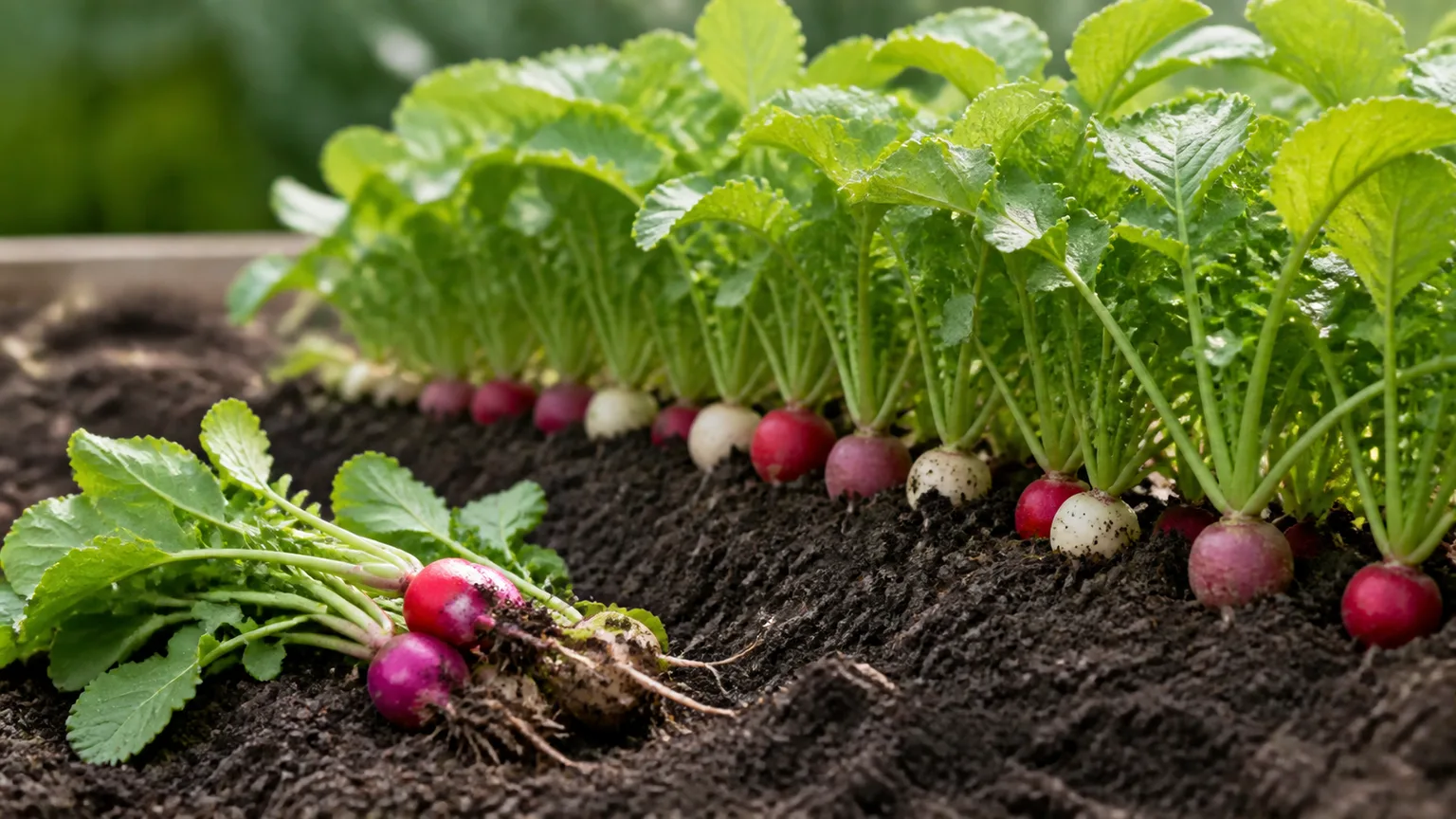
Instead of sowing a whole packet of lettuce or radishes on one weekend, divide it into several small plantings. A starting interval of 7 to 14 days is often used for crops such as lettuce, spinach, radishes, and beans, but treat that range as a trial rather than a guarantee. WVU Extension recommends intervals in this range for spreading a harvest; UConn Extension gives one- to two-week sowings for greens and roughly three weeks for a new hill of pickling cucumbers.
Smaller sowings reduce the chance that all the plants mature together and lower the amount you need to pick, store, or give away in one week. They also let you stop early if the first round produces more than you expected. This approach is most useful for crops with a relatively compact harvest window, not for a long-producing tomato that keeps setting fruit for weeks.
Replace a finished crop with the next one
Relay planting means clearing a crop that has finished and putting a different one in the same place. A quick spring crop such as radish can give way to beans or summer squash; a warm-season crop that comes out in late summer might be followed by spinach or another cool-season green if your local fall window allows it.
Before sowing the replacement, ask three questions: how many weeks remain before frost or heat, how long the next crop needs to reach a useful size, and whether the bed can be prepared quickly enough to catch that window. N.C. Cooperative Extension uses a regional example of peas followed by summer squash and then spinach, but its dates and harvest estimates are for eastern North Carolina. Use the sequence as a planning model, not a calendar to copy in another climate.
Interplant fast and slow crops
Interplanting places a quick crop beside or between a slower one so the quick crop can be harvested before the slower plant fills the space. For example, a short row of radishes or baby greens may fit near young cabbage, corn, or trellised peas while there is still light and room at soil level. Gardening Know How describes the same general relay and interplanting idea; the practical test is whether each crop has enough light, root room, and water during the overlap.
Keep the pairing modest. A fast crop that shades a seedling, competes for water, or blocks access to harvest can reduce the slower crop’s performance instead of increasing it. Think in terms of a short overlap, not packing every open patch with seedlings.
Choose varieties that mature at different times
You can sow early-, mid-, and late-maturing varieties together when the seed company lists genuinely different days to maturity for each. This works well when you want one crop, such as carrots, cabbage, or corn, to ripen over a broader period without returning to sow every week.
The label is only a planning estimate. Check whether the listed days begin at sowing or transplanting, and remember that cold soil, heat, shorter days, and uneven moisture can stretch the interval. A range of varieties is a way to spread risk, not a promise that each will be ready on a particular date.
Build a calendar around your climate
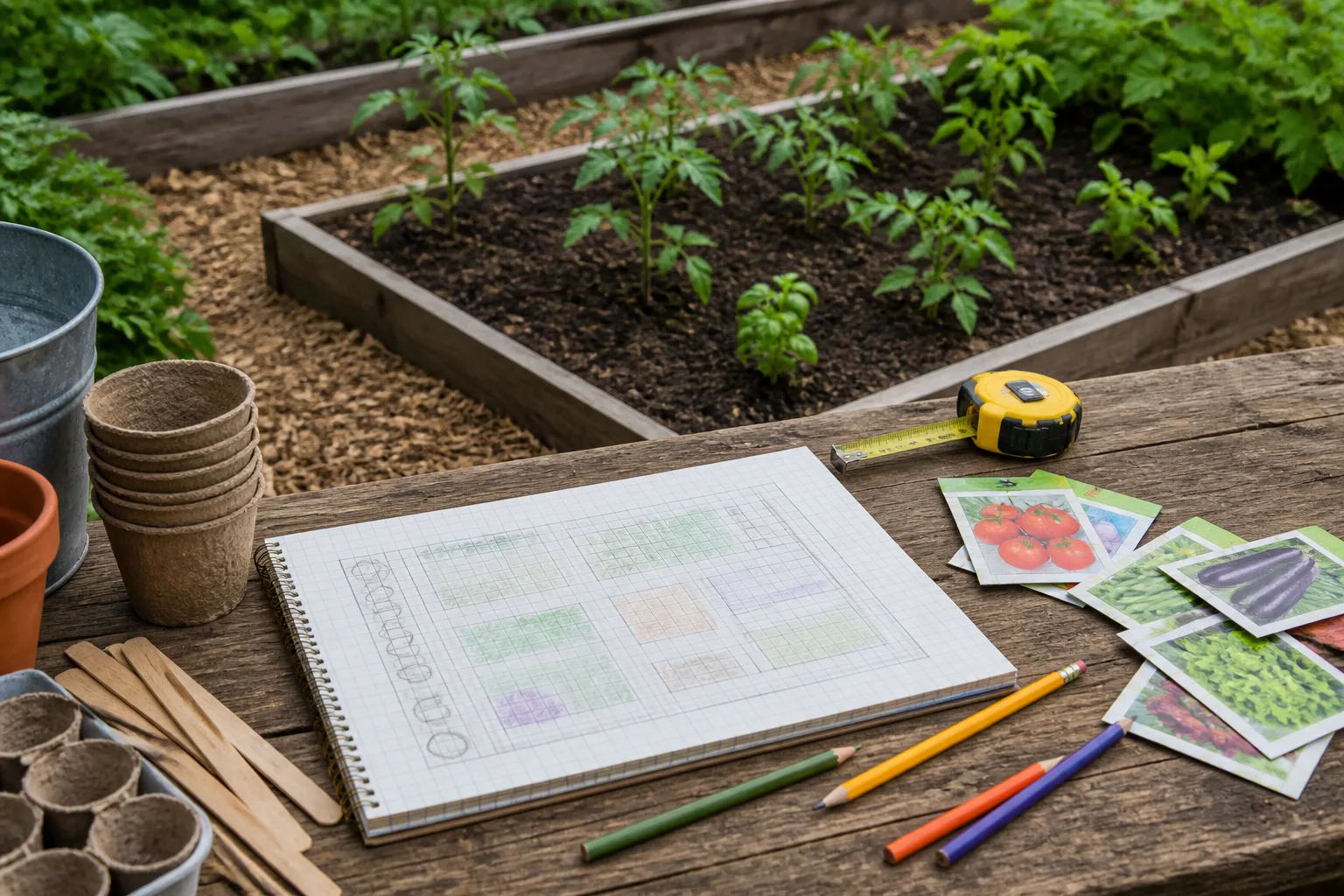
A succession calendar can fit on one sheet of paper. Mark the bed sections, the first and last likely frost windows, and each crop’s expected harvest period; then add the next sowing or replacement crop before the previous one is due to finish. N.C. Cooperative Extension recommends mapping the garden and checking a local planting calendar for sowing dates, transplant choices, and days to harvest.
Start with first and last frost windows
Frost dates help define the season for tender crops, but they are not exact promises and do not describe every local microclimate. Check a nearby extension calendar, note when your soil is workable, and account for frost protection only if you can reliably provide it. Our vegetable planting calendar guide offers a starting framework to pair with your local dates. In places with mild winters or tropical seasons, use the local hot, cool, wet, and dry growing windows instead of forcing a temperate frost calendar onto the garden.
Write the final likely harvest window first, then work backward. If a fall crop needs several weeks to reach harvest and the days are shortening, a seed packet’s spring maturity estimate may be too optimistic. A transplant can help when it is suitable for that crop, but it cannot erase the crop’s temperature needs or remaining-season limit.
Read days to maturity as a planning range
Days to maturity are useful for comparing crops and varieties, but they are not a stopwatch. The number can start at seeding or transplanting depending on the supplier, and it assumes conditions near the crop’s preferred range. UConn Extension notes that weather and day length change growth rates; two spring sowings separated by a fortnight may mature much closer together as warmer, longer days speed growth, while fall crops can take longer as daylight declines.
Use that estimate to decide whether a succession is plausible, then add a buffer. The buffer accounts for germination, transplant establishment, slow growth, and the time you need to harvest at a usable size. If the remaining season is tight, choose a faster variety or a crop with a shorter maturity window rather than squeezing in a long-season crop because the calendar says it is technically possible.
Choose an interval and a final sowing date
Set the interval based on the crop’s harvest window and how much you can use. For salad greens, a small sowing every week or two can work in cool weather; for cucumbers, a longer gap may make more sense because each vine produces over time. If you are uncertain, sow two batches first, record what you harvested, and adjust the next interval instead of committing the full bed to a schedule you have not tested.
The last sowing date matters as much as the first. Count backward from your local frost window using the variety’s maturity estimate, then add a cushion for fall’s slower growth. When a crop will not have time to size up, leave the spot open for a shorter crop, cover the soil with suitable mulch, or plant a cover crop if that fits your garden plan.
Best starter crops and realistic intervals
Quick crops are usually the easiest place to begin because they leave room for another round or another crop. UConn Extension lists radishes, arugula, spinach, baby greens, and some lettuce varieties among short-season cool-weather choices; it notes that they can bolt in heat. The intervals below are practical starting points, not a regional planting calendar, and the seed packet plus local extension guidance should decide whether a sowing window is still open.
| Crop group | Starter interval to test | Best use and main limitation |
|---|---|---|
| Radishes and salad greens | 7–14 days in cool weather | Easy for repeated small harvests; pause heat-sensitive varieties when conditions favor bolting. |
| Carrots, beets, and turnips | About 2–3 weeks | Stagger root crops for a longer harvest window; maintain even moisture during germination and early growth. |
| Bush beans | About 10–14 days for a few rounds | Useful for a spread-out pod harvest once soil is warm; stop when the remaining season is too short for pod production. |
| Cucumbers | About 2–3 weeks if a later crop can mature | Can extend pickling harvests; protect young plants from pests where needed and allow pollinators access once flowering starts. |
| Basil and other kitchen herbs | Sow or transplant a small batch every few weeks | Useful when you want a steady supply of young leaves; mature plants may keep producing with regular picking, so another batch may be unnecessary. |
The crop group matters as much as the interval. A head-forming lettuce tends to give one main harvest, while leaf lettuce can be harvested more gradually; determinate tomatoes often concentrate their crop, while indeterminate tomatoes can produce over a longer span. UConn Extension points out that different varieties of the same vegetable may have very different harvest patterns, so decide whether you want a one-time preserving crop or a steady supply for meals.
Practical charts such as Gardener’s Path’s succession reference compare resowing frequency with how close to frost a crop can be planted. Use one as a secondary check, then verify the dates against local extension guidance and the variety in your seed packet, since the chart’s assumptions may not match your climate.
Do not automatically repeat every crop on a two-week timer. Long-season crops like winter squash need more bed space and time, while some crops keep producing without a second planting. A succession chart from Johnny’s Selected Seeds can help compare intervals and varieties, but always check that its variety and regional assumptions fit the seeds you actually have.
A sample sequence for one 4-by-8-foot bed
Imagine a 4-by-8-foot bed divided into four manageable 2-by-4-foot blocks. Keep a simple map and rotate the block assignments from year to year where possible; this makes it easier to remember what occupied each section and avoids repeatedly planting the same crop family in the same patch.
In the first cool window, use one block for lettuce or spinach, a second for radishes, a third for peas, and leave the fourth for a crop that matches your household’s priority. Sow the radish block in two or three small strips a week or two apart rather than filling every row at once. This gives you a clear comparison of timing and a chance to pause if the first harvest is already enough.
When the radishes are pulled, clear the short strip and choose a replacement from the warm-season crops that still fit your climate and remaining season, such as bush beans. When the peas finish, remove their spent plants and consider a later crop only if there is enough warmth and time; when lettuce begins to bolt, do not keep watering it in the hope that another sowing will tolerate the same heat.
As summer starts to ease, reserve open sections for cool-season greens or roots whose maturity estimates fit before frost. N.C. Cooperative Extension’s peas-to-squash-to-spinach example shows how one bed can move from cool-season to warm-season and back again, but the right dates differ across regions. Keep a short record of sowing date, weather, first harvest, and final harvest; that record will improve next season’s plan more than a generic chart can.
Keep repeat plantings productive through heat and fall
Heat is the most common reason a simple calendar stops working. Lettuce, spinach, and some other greens can bolt or become bitter in long, hot days, so move those sowings to early spring or late summer, use a slow-to-bolt variety, or give the bed partial afternoon shade if that matches the crop’s needs. Do not treat a shade solution as a guarantee: warm nights and high temperatures can still end a cool-season crop’s window.
Warm-season crops also have boundaries. Beans, cucumbers, squash, and tomatoes need the right warm conditions and enough time to make a harvest before the season closes. WVU Extension recommends matching plantings to the local crop calendar and notes the importance of variety choice as temperatures rise; a regional schedule is more reliable than reusing a date from a different state.
Late sowings often need closer attention to moisture because the surface of a bed dries quickly in summer. Water the seed zone consistently until seedlings establish, and consider shade or a row cover when appropriate for the crop and local pest pressure. For cucumbers, remove insect-excluding covers once flowers need pollinator access; a cover left in place can prevent fruit set.
Reset the bed between crops
A cleared space is not automatically ready for the next planting. Remove finished plants, check for signs of disease or pest damage, and clear weeds before sowing so seedlings are not asked to compete from day one. If the prior crop was healthy, its roots can often be left to break down while you loosen only the planting zone; avoid digging wet soil or turning the whole bed unnecessarily.
Repeated crops draw on soil moisture and nutrients, particularly when beds are closely spaced or carry crops continuously. UConn Extension emphasizes maintaining fertile soil and adequate water for succession planting, especially during hot weather. Replenish organic matter thoughtfully, follow soil-test guidance for fertilizer, and water based on the bed’s actual moisture rather than applying a fixed daily schedule.
Crop succession within a season is not a substitute for crop rotation across years. Texas A&M AgriLife Extension explains that related vegetables can share pests and diseases, so recording crop families and shifting them between bed sections helps reduce repeated pressure. A quick radish after lettuce may fit the season, but a longer rotation plan should also account for whether both crops belong to the same family and whether a disease has affected the bed.
Mistakes that make a schedule fail
Planting by the calendar alone ignores local weather and variation in crop maturity. Use a date as a reminder to check the bed, not as proof that seeds will germinate or be ready to harvest on a fixed day.
Sowing more than you can use turns a continuous harvest into repeated surplus. Start with a short row or a small corner, and measure success by whether you can harvest and eat the crop at its best rather than by how many rounds you managed to plant.
Repeating the same timing through changing weather can bunch up harvests or produce weak late crops. Track the actual gap between sowing and harvest, then lengthen, shorten, or stop the next interval as temperatures and daylight change.
Leaving no transition time wastes a crop window. Keep the next seed or transplant ready before the previous crop comes out, but do not plant into a bed that is still occupied, waterlogged, or carrying a problem you have not addressed.
Forgetting crop families and pest pressure can make a full bed less healthy over time. Texas A&M AgriLife Extension describes how related vegetables may share diseases and insect pests; rotate families when you can, remove diseased material responsibly, and use crop protection suited to the pest rather than simply planting more of the same crop.
When a succession planting is not worth the space
Succession planting is optional. If you want a large harvest for freezing, canning, or one planned event, a concentrated planting may serve you better than staggered small batches. Determinate tomatoes, beans for a preserving day, or a large patch of sweet corn may be easier to harvest and process together, as long as the household has a plan for the volume.
It may also be a poor fit when your garden is already difficult to keep watered, you will be away during the harvest window, or a late crop is unlikely to mature. A well-tended smaller bed can be more productive than an ambitious sequence that dries out or becomes overrun with weeds. The goal is a workable harvest rhythm, not maximum planting density.
Extend flower and foliage displays the same way
The same timing idea works for annual flowers and foliage plants. Sow or transplant a modest number of quick annuals in batches, or choose early-, mid-, and late-season varieties so one flush does not open and fade all at once. Cut-flower gardeners can use succession charts from seed suppliers as a starting point, but days to bloom also shift with light, temperature, and cultivar.
For a mixed border, succession may mean overlapping bloom periods rather than replanting every few weeks. Pair early flowers with plants that peak later, and leave enough room for mature sizes; a continuous display still depends on light, water, and the plants’ natural flowering season. Keep a note of when each variety actually blooms so you can adjust the next year’s sequence.
Conclusion
Succession planting works when you plan from the harvest backward. Choose crops that fit the remaining season, use small sowings to control volume, and replace a finished crop only when the next one has enough time, light, and water to produce.
Begin with one bed section and two sowings rather than redesigning the whole garden. Write down what you planted, when it matured, and how much you used; your own season’s records will turn a rough schedule into a useful plan for the next one.