When to Plant Vegetables: Frost Dates & Crop Calendar
Learn when to plant vegetables using your local frost dates, USDA zone, and crop type. Spring and fall windows, succession planting, and crop-by-crop timing.
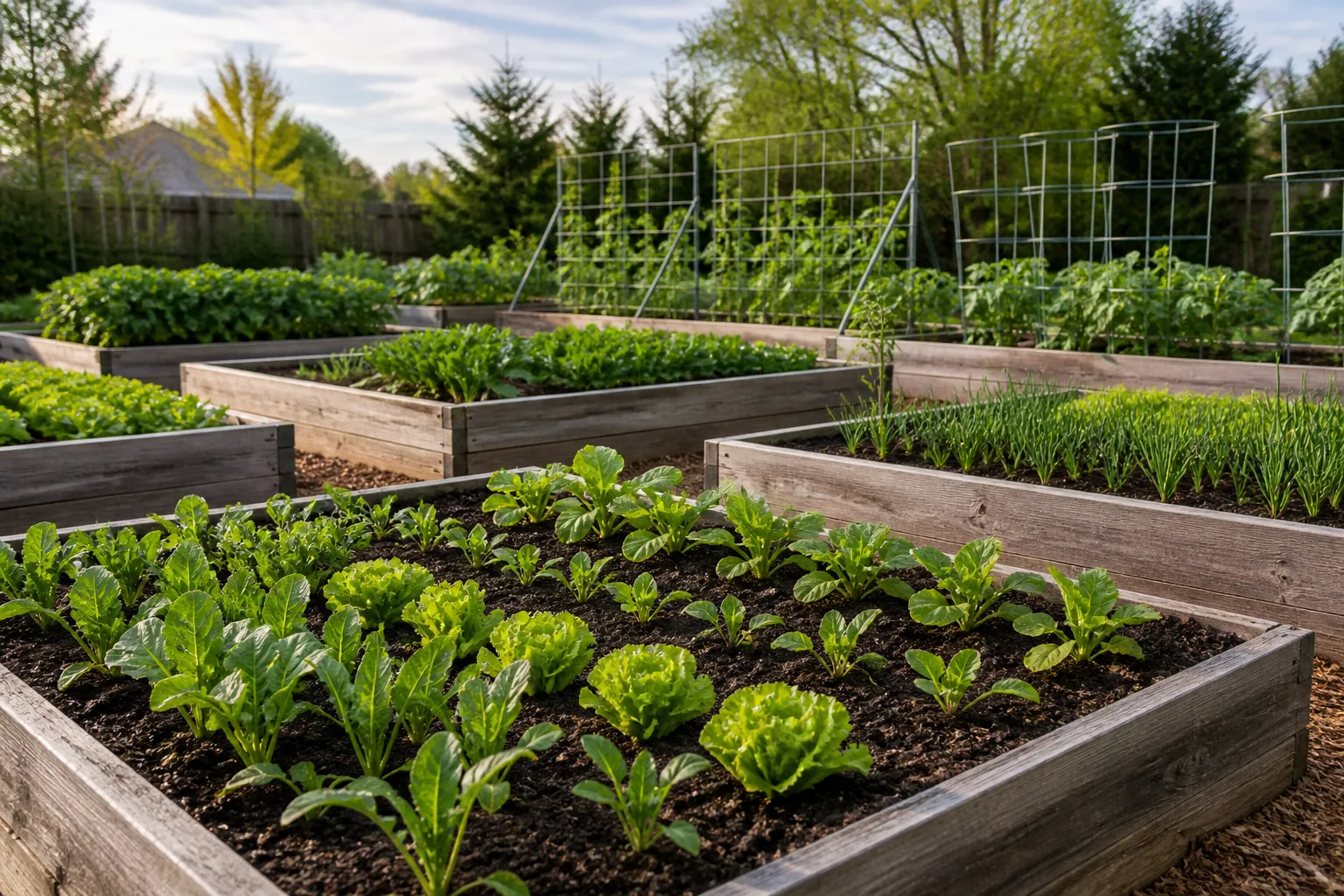
The best time to plant vegetables is not a calendar month—it is the window between your last spring frost and your first fall frost, adjusted for whether each crop prefers cool or warm soil. Get that anchor right and every other decision—indoor seed starting, transplanting, direct sowing, and fall replanting—falls into place. Get it wrong and you grow beautiful plants with no harvest, or you watch tender seedlings die overnight on a surprise freeze.
This guide walks you through frost-date planning, cool- versus warm-season crop rules, crop-by-crop timing for the vegetables most home gardeners grow, fall planting math, and succession sowing so food keeps coming from spring through late autumn.
Start With Your Frost Dates, Not the Calendar Month
Every planting calendar worth using is built on two numbers: your average last spring frost and your average first fall frost. The days between them are your frost-free growing season—the runway your vegetables have to germinate, grow, and mature.
The National Gardening Association defines the last spring frost as the average date freezing temperatures stop occurring in spring, and the first fall frost as when they typically return in autumn (Garden.org planting calendar). Those dates are not guarantees. They are 50% probability averages, meaning half the years frost arrives earlier or later. Treat them as planning anchors, then watch your local 10-day forecast before moving tender seedlings outside.
Last Spring Frost vs First Fall Frost
Your last spring frost opens the warm-season planting window. Tomatoes, peppers, cucumbers, squash, corn, and beans need soil consistently above about 60°F and zero risk of a killing freeze after transplant. Planting warm-season crops before this date—even if a warm week tempts you—invites frost damage that sets plants back weeks.
Your first fall frost closes the season. Anything still immature when a hard freeze hits is finished. That is why fall planting requires counting backward: you need the crop’s days to maturity (DTM) from the seed packet to fit inside the remaining frost-free days, plus a buffer for slowing growth as days shorten and nights cool.
Virginia Cooperative Extension publishes frost-date ranges by USDA zone for the mid-Atlantic, illustrating how much geography shifts timing. Zone 6a sees last frost around May 5–15 and first frost around October 5–15. Zone 7a shifts to April 15–25 and October 15–25. Zone 8b moves to March 15–April 1 and November 15–25 (Virginia Tech Extension 426-331). Your county may differ within a zone, especially on slopes—a south-facing garden can run a full week warmer than a shaded north slope a mile away.
How USDA Zones Shortcut Your Planning
USDA Plant Hardiness Zones group regions by average annual minimum winter temperature. They were designed for perennials, but for annual vegetables the zone correlates closely enough with frost timing to be a useful shorthand. Look up your zone at planthardiness.ars.usda.gov, then cross-reference extension planting tables for your region.
Zones 3–4 (northern tier): roughly 90–120 frost-free days. Start almost everything indoors; choose fast-maturing varieties; use row covers to squeeze extra weeks.
Zones 5–6 (mid-country): roughly 150–180 frost-free days. Full summer of tomatoes and peppers plus a robust fall crop of brassicas and roots.
Zones 7–8 (upper South, Mid-Atlantic, Pacific Northwest valleys): two cool-season windows (spring and fall) bracketing a long warm-season summer. Garlic planted in October gets adequate winter chilling.
Zones 9–10 (Deep South, coastal California, southern Texas): heat—not cold—is the limiting factor. Cool-season crops grow October through March; summer is for okra, southern peas, sweet potatoes, and heat-tolerant tomato varieties. In subtropical Florida, home gardeners can grow vegetables year-round with season-appropriate crop choices (UF/IFAS Gardening Solutions).
Cool-Season vs Warm-Season Crops
Vegetables fall into two temperature camps, and planting time follows biology—not habit.
Cool-season crops tolerate light frost and often taste better after a chill: lettuce, spinach, peas, broccoli, cabbage, kale, carrots, beets, radishes, and turnips. They germinate in cooler soil (as low as 40–45°F for some) and bolt—flower and turn bitter—when sustained heat arrives. Plant these in early spring as soon as soil is workable, and again in late summer for fall harvest.
Warm-season crops need warm soil and frost-free nights: tomatoes, peppers, eggplant, cucumbers, squash, melons, corn, and beans. Soil below 60°F stalls germination and invites rot. A single frost can kill them outright. These go in after your last spring frost, once nighttime lows stay reliably above 50°F.
What Happens When You Plant the Wrong Category
Plant warm-season crops too early and you get stunted, purple-tinged seedlings that never recover, or total loss on a late freeze. Plant cool-season crops too late and they bolt before you harvest—a head of lettuce that flowers in June is still technically edible but turns bitter and tough.
The fix is classification first, dates second. Before you touch a seed packet, ask: does this plant want cool or warm conditions? That answer tells you which side of your last frost it belongs on.
Spring Planting Windows by Crop Type
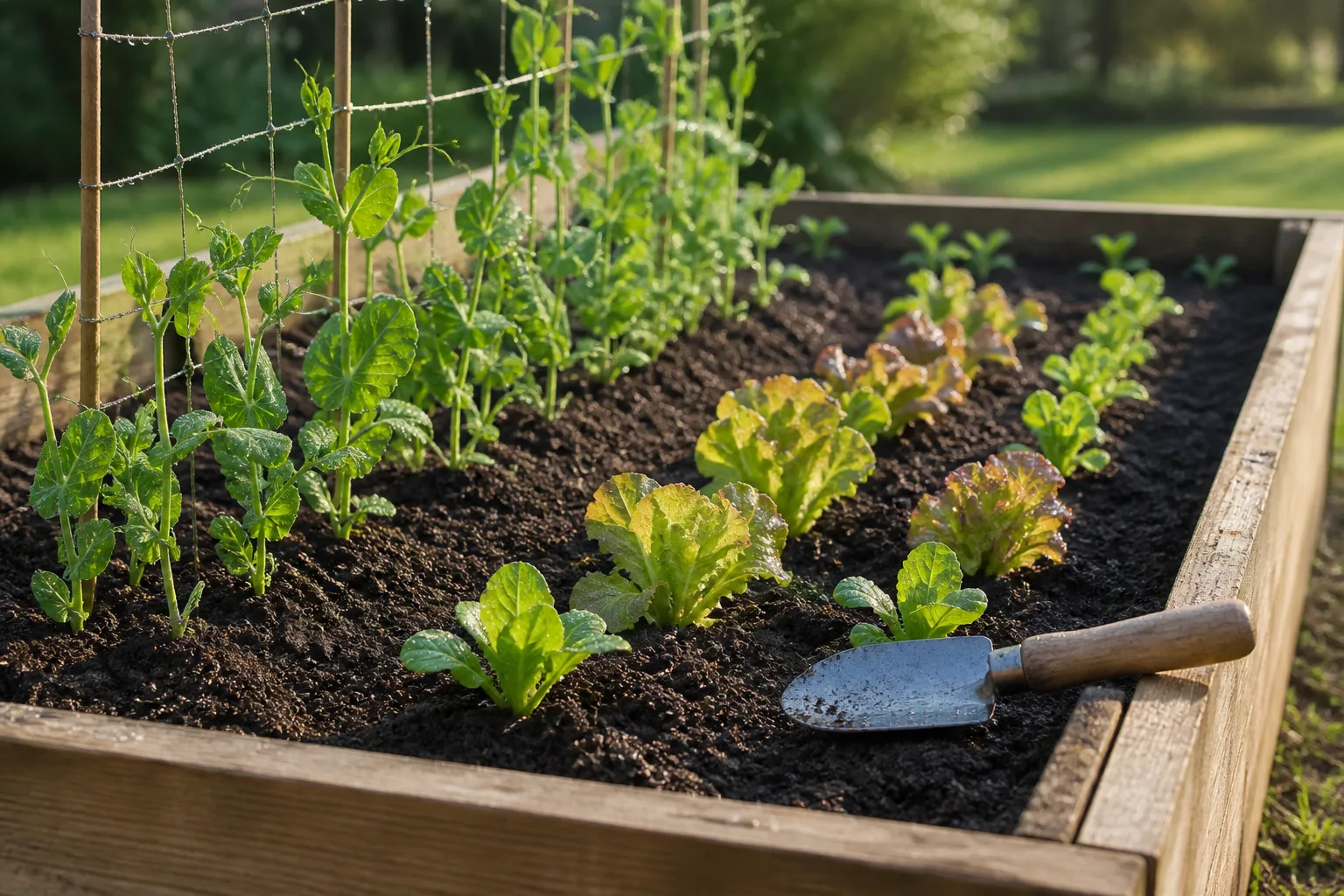
Spring planting splits into three jobs: starting seeds indoors, direct sowing cool-season crops early, and transplanting or sowing warm-season crops after last frost.
For indoor starts, count backward from your last frost using the packet’s “start indoors X weeks before last frost” instruction. Tomatoes and peppers typically need 6–8 weeks inside. If your last frost is May 1, start tomato seeds around March 13–20. Mark both dates on a physical calendar—the indoor start date is easy to forget when you are focused on transplant day.
Cool-season crops that tolerate frost can go in the ground weeks before last frost. Peas, spinach, and kale can be direct sown as soon as soil can be worked—when it crumbles rather than clumps in your fist. Brassicas started indoors transplant 2–4 weeks before last frost under row cover if needed.
Warm-season crops wait until after last frost, ideally when soil temperature at 4 inches deep reaches 60°F. In practice, that is usually 1–2 weeks after your average last frost date in most regions.
Direct Sow vs Indoor Starts
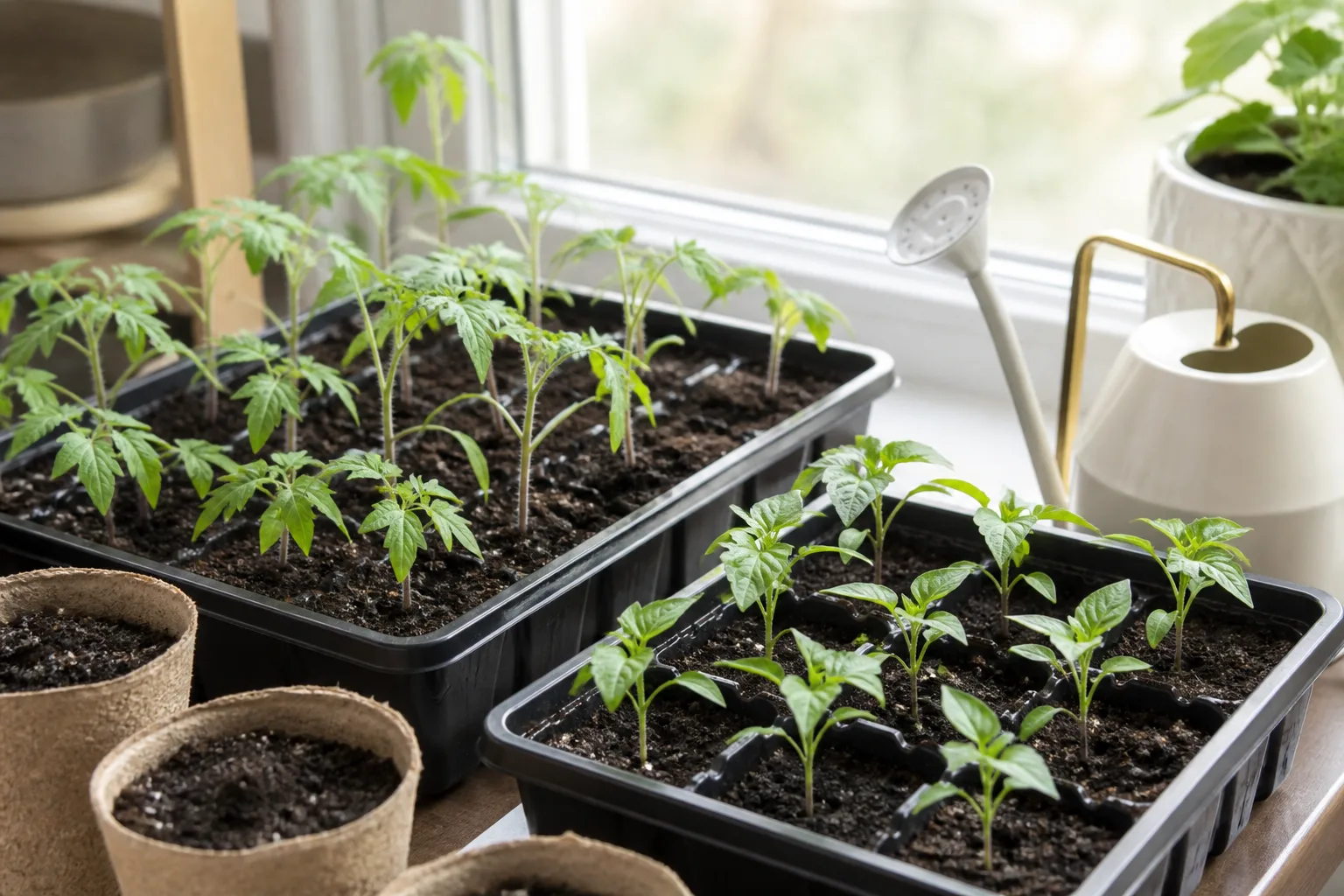
Start indoors for heat lovers with long DTM and for brassicas you want as transplants: tomatoes, peppers, eggplant, broccoli, cabbage, cauliflower, kale (spring), onions (from seed), and flowers like marigolds that support the vegetable garden.
Direct sow for crops that resent root disturbance or grow fast enough outdoors: carrots, radishes, beets, turnips, parsnips, beans, peas, corn, cucumbers, squash, melons, and pumpkins. Lettuce, spinach, and arugula also direct sow well in cool spring soil.
The transplant window matters as much as the seed-start date. Harden off indoor seedlings for 5–7 days before planting out: an hour of dappled shade the first day, adding an hour daily until they tolerate full sun and wind. Skipping hardening off is one of the most common ways gardeners lose a month of growth to sunscald in a single afternoon.
When to Plant Popular Vegetables (Crop-by-Crop Guide)
The ranges below use Virginia Tech Extension tables as a mid-Atlantic reference (zones 6a–8b). Adjust earlier in warmer zones, later in colder ones, and always verify against your local extension office planting guide.
Tomatoes, Peppers, and Other Heat Lovers
Tomatoes: Start seeds indoors 6–8 weeks before last frost. Transplant after last frost when nights stay above 50°F—typically late April through May in zone 7, May through early June in zone 6. Fall planting is not recommended in most climates; focus on succession sowing of determinate varieties for staggered summer harvest. DTM ranges from 55 days (cherry types) to 85+ days (large heirlooms)—match variety to your remaining season length.
Peppers: Start indoors 8–10 weeks before last frost (they are slower than tomatoes). Transplant 1–2 weeks after tomatoes, once soil is thoroughly warm. Peppers stall in cold soil and may never recover.
Cucumbers: Direct sow 1–2 weeks after last frost when soil is warm, or start indoors only 3–4 weeks ahead if you need the head start. In zone 7, that is roughly May 1–June 15 for spring sowing. A second sowing in late June extends harvest into fall before vines slow.
Corn: Direct sow after last frost when soil reaches 60°F. Sweet corn in zone 7: May 1–June 25 spring window. Corn needs warm soil and does not transplant well. Plant in blocks of at least four rows for adequate pollination.
Leafy Greens, Peas, and Brassicas
Lettuce: Direct sow or transplant in cool weather. Spring window in zone 7: March 20–May 1 for head lettuce, with baby salad mixes sowable even earlier. Fall sowing: August 1–September 1. Lettuce bolts above 75°F—plan spring plantings to finish before summer heat and restart in late summer for fall salads.
Peas: Among the earliest crops. Direct sow 4–6 weeks before last frost as soon as soil is workable—March 10–April 20 in zone 7. They tolerate light frost and fade in heat. A fall pea crop is possible in zones 7–8 with August sowing for October harvest.
Kale and collards: Spring sow March 10–May 1 (zone 7); fall sow July 10–September 1. Frost sweetens leaves. One of the most forgiving fall crops.
Broccoli and cabbage: Start indoors 5–7 weeks before transplant. Spring transplant April 1–May 10 (zone 7). Fall transplant July 20–August 20 for harvest before hard freeze. Bolting is the main risk if spring planting runs late.
Root Crops, Corn, and Fast Growers
Carrots: Direct sow only—transplanting forks roots. Spring: March 20–May 1 (zone 7). Fall: July 10–August 1. Carrots can stay in ground until it freezes; frost improves flavor.
Radishes: Fastest turnaround in the garden—22–30 days. Spring sow with carrots; summer sow June–August for quick harvest between slower crops. Heat can make roots pithy, so fall radishes are often the best flavored.
Potatoes: Plant seed potatoes 2–4 weeks before last frost in cool regions—March 20–April 20 in zone 7. In warm areas, shift to late summer or early winter planting to avoid mid-summer heat stress. Hill soil as plants grow.
Beets: Direct sow March 20–May 1 spring; August 1–September 1 fall. Thin seedlings to 3 inches apart for full-sized roots.
Fall as Your Second Growing Season
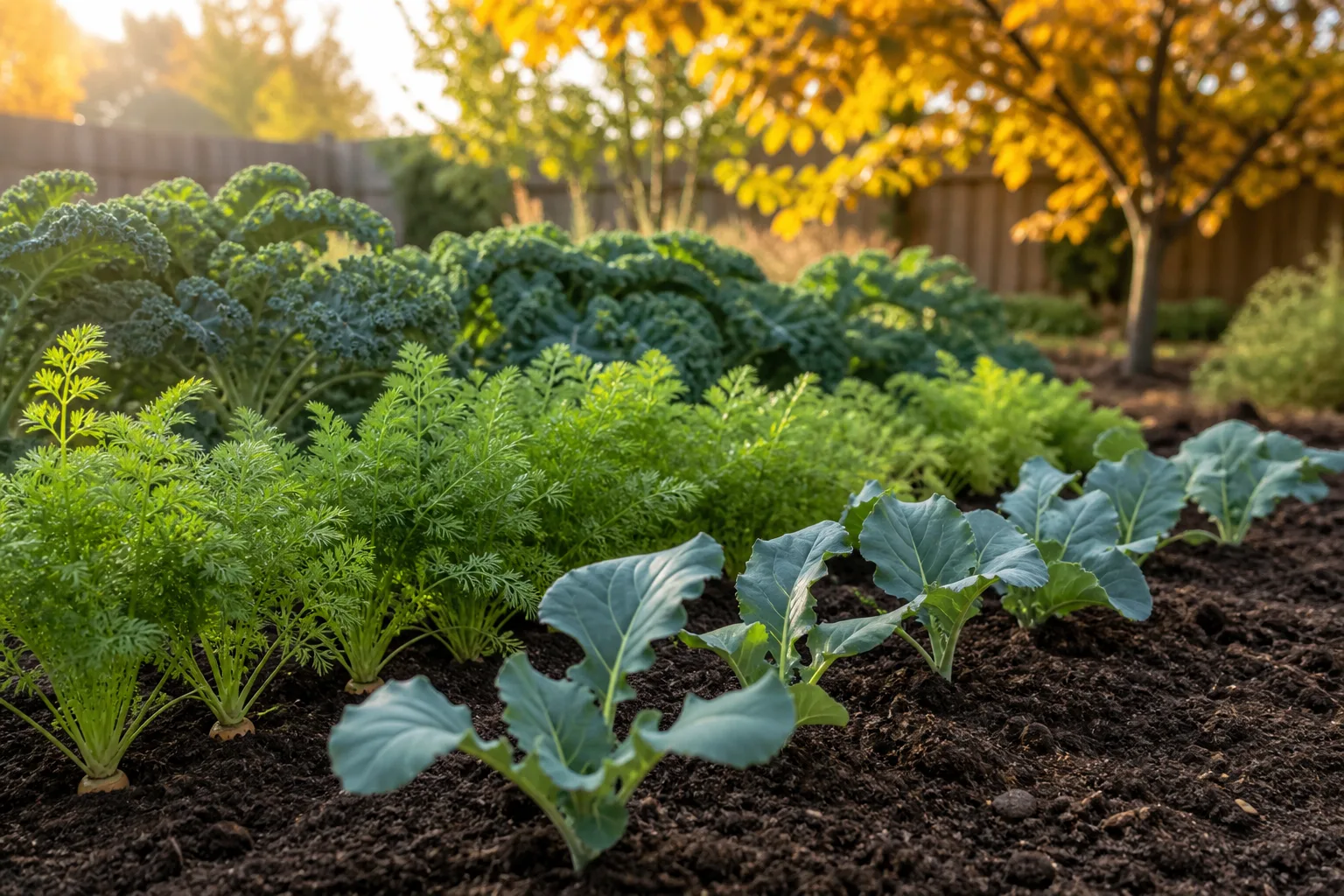
Most beginner gardeners plant once in spring and stop. That leaves the best-tasting harvests on the table. Fall plantings produce sweeter carrots, creamier brassicas, and crisp lettuce that spring heat cannot deliver.
Fall timing works backward from your first fall frost, not forward from today. Take the packet DTM, add 10–14 days as a buffer for slowing autumn growth, and subtract from your first frost date. If your first frost averages October 20 and broccoli needs 65 days plus a 14-day buffer, sow by August 2 at the latest.
Counting Backward From First Frost
Use this quick formula:
Last safe sowing date = First fall frost − (Days to maturity + 14-day buffer)
Cool-season crops for fall include broccoli, cabbage, kale, carrots, beets, turnips, spinach, lettuce, radishes, and peas (in mild zones). Warm-season crops generally do not belong in fall plantings except in long-season zones where a second cucumber or bean sowing in July still matures before frost.
Virginia Tech Extension recommends row covers and cold frames to extend spring and fall windows by two to four weeks—worth the investment if you garden in zones 5–7 and want to push fall carrots or spring broccoli past the average dates (Virginia Tech Extension 426-331).
In zones 8–9, fall is often the primary season for brassicas and roots, while summer is a rest period from the worst heat.
Succession Planting for Continuous Harvests
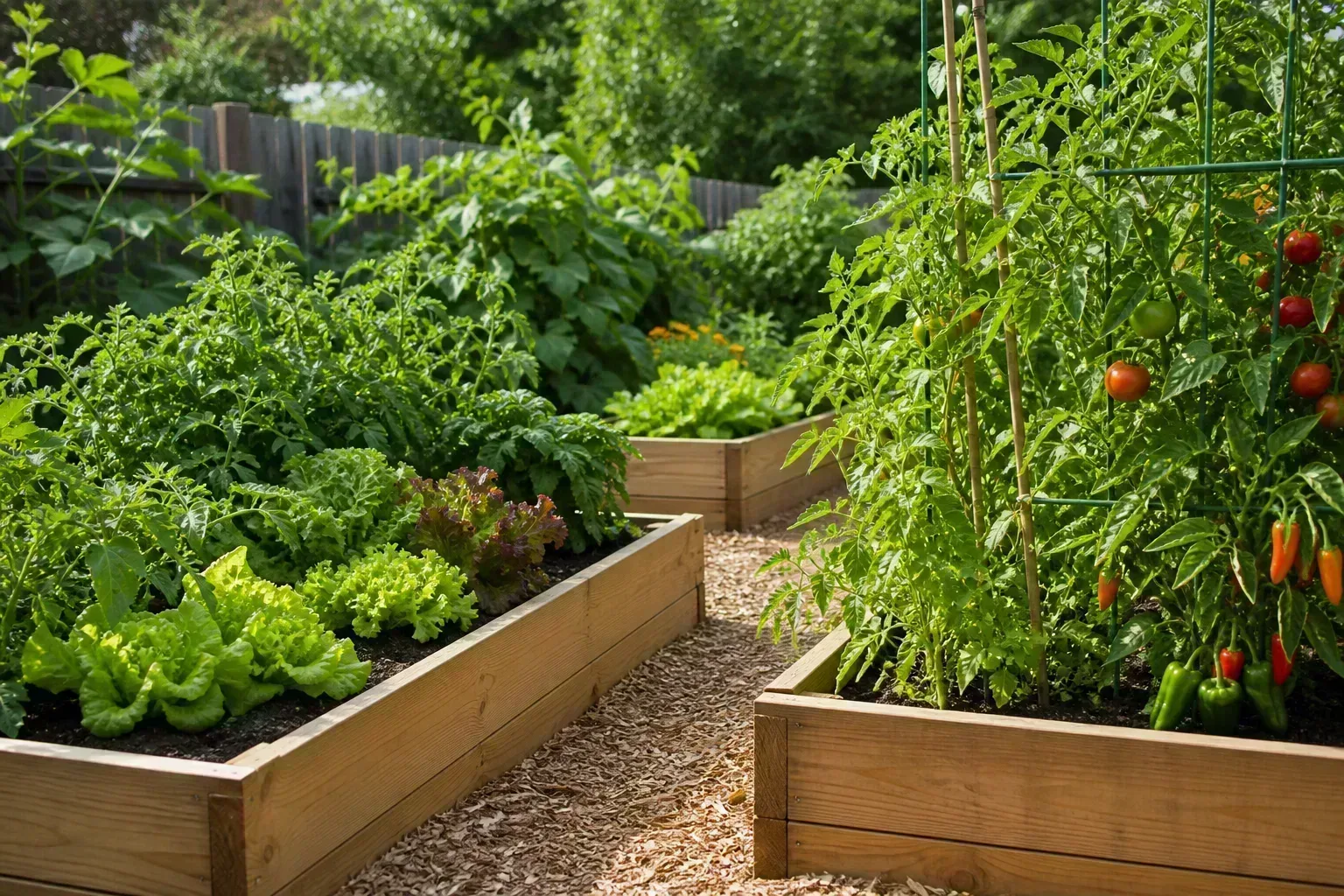
A single spring planting produces one harvest window—two weeks of overwhelming zucchini, then nothing. Succession planting spreads sowings across the season so something is always ready.
Staggering, Relay Cropping, and Interplanting
Stagger the same crop. Sow a row of lettuce every two weeks from early spring through early summer, then restart in late summer for fall. Bush beans every three weeks from last frost through mid-July keep pods coming without a freezer full on one weekend.
Relay cropping swaps one crop for another in the same bed. Pull spring peas in early June and replant with bush beans or summer squash. Clear spent cucumber vines in August and sow fall carrots and beets. One square foot can yield two or three harvests per year.
Interplanting pairs fast and slow crops in the same row. Radishes finish in 25 days between slow-growing carrot rows—the radishes mark the row and leave space before carrots need it. Lettuce shades soil at the feet of taller tomatoes until heat ends the lettuce crop.
For preservation-minded gardeners, succession planting also smooths the workload. Ten pounds of tomatoes a week for eight weeks beats fifty pounds in one frantic canning weekend.
What to Do When You Plant Too Early or Too Late
Too early: If cool-season crops are in and a hard freeze is forecast, cover with frost cloth or an old sheet anchored at the edges—never plastic touching leaves. For warm-season seedlings already out too soon, bring containers inside or cover with cloches. If plants are damaged, wait before ripping them out; peppers and tomatoes sometimes resprout from lower nodes.
Too late: If spring passed without planting, do not abandon the garden. Fall is 10–14 weeks away from a July perspective in most mid-country zones—enough for radishes (25 days), bush beans (55 days), kale (55 days), and turnips (45 days). Choose varieties labeled “early” or “short season.” In the Deep South, shift to the cool-season calendar entirely from September onward.
Starting seeds indoors can recover lost time for tomatoes and peppers even if you missed the ideal indoor-start window—just accept a later first harvest. Direct-sown warm-season crops rarely catch up once summer heat peaks.
Conclusion
Bountiful vegetable harvests come down to timing anchored to your local frost dates, not generic month names. Classify each crop as cool- or warm-season, look up your last spring and first fall frost, then work backward from those anchors for indoor starts, transplants, direct sowing, and fall replanting. Use crop-by-crop windows as a starting framework, adjust for your microclimate after one season of observation, and keep sowing through succession planting so the garden feeds you from spring’s first pea to fall’s last carrot—not just for two frantic weeks in August.



