French Beans Care Guide: Phaseolus vulgaris
Phaseolus vulgaris
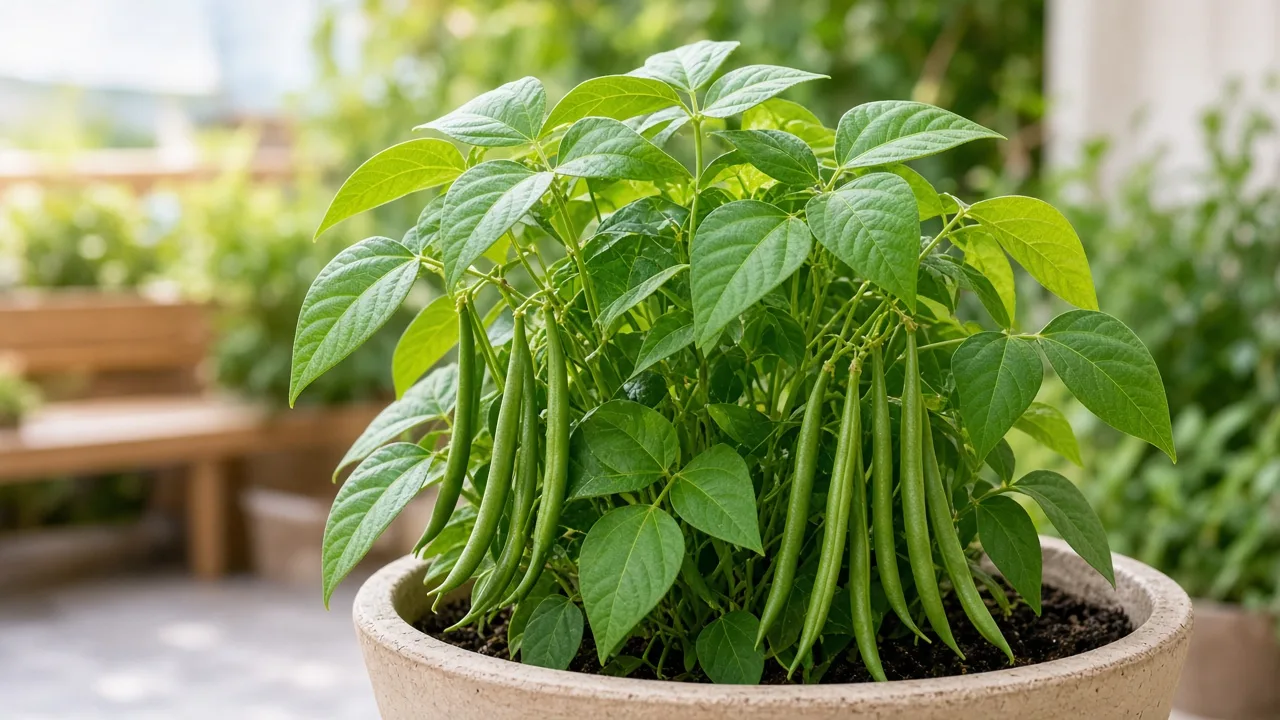
Grow French beans in full sun with warm soil, steady moisture, well-drained fertile mix, direct sowing, and frequent harvest of tender snap pods.
French Beans Care Guide: Phaseolus vulgaris
Start with wateringThe most common care mistake for French BeansWatering guide → →French Beans care essentials
Light
Water
Keep the root zone consistently moist but never waterlogged, especially during germination, flowering, and pod fill. Water deeply at the soil line rather than over the foliage, and let excess drain from containers.
Soil
Well-drained, fertile loam or container mix with moderate organic matter. Aim for slightly acidic to neutral pH around 6.0–7.0.
Humidity
Temperature
Fertilizer
Legumes can fix nitrogen with rhizobium bacteria, so heavy nitrogen fertilizer often produces leaves instead of pods.
About French Beans
French Beans is native to Mesoamerica and the northern Andes (Mexico through northern Argentina); common beans are now grown worldwide, typically reaches Bush types 20–60 cm tall with a similar spread; climbing types can reach 2–3 m when trained on supports indoors, with fast - many snap cultivars produce harvestable pods in about 50–70 days from sowing growth. French Beans has a annual warm season legume growth habit and part of the Fabaceae family. It is also known as Green Beans, Haricot Vert, Snap Beans, Bush Beans, and Filet Beans.
| Detail | Information |
|---|---|
| Also known as | Green Beans, Haricot Vert, Snap Beans, Bush Beans, Filet Beans |
| Native region | Mesoamerica and the northern Andes (Mexico through northern Argentina); common beans are now grown worldwide |
| Mature size | Bush types 20–60 cm tall with a similar spread; climbing types can reach 2–3 m when trained on supports |
| Growth rate | Fast - many snap cultivars produce harvestable pods in about 50–70 days from sowing |
| Growth habit | Annual Warm Season Legume |
| Scientific name | Phaseolus vulgaris |
| Family | Fabaceae |
French Beans Care Guide: Phaseolus vulgaris
French beans care starts with treating Phaseolus vulgaris as a fast warm-season kitchen crop, not a slow ornamental you can shuffle between pots. French beans—also sold as green beans, snap beans, or haricot vert on seed packets—are cultivars grown for tender pods eaten whole while seeds inside are still small. Bush types stay compact for balconies; climbing pole types need supports but can yield heavily from a narrow bed. This overview covers identity, mature size, light/water/soil basics, sowing and harvest rhythm, legume feeding logic, India-friendly timing, and where to go next in the French Beans plant hub.
What Are French Beans?
French beans belong to the pea family and share the species Phaseolus vulgaris with many dry and shell beans. NC State’s plant profile notes that common beans may be bush-like, trailing, or climbing, and that snap types should be harvested young and tender to keep plants productive. In the kitchen garden, “French bean” usually means stringless or fine filet snap pods, not beans left to dry on the vine.
Botanical identity and kitchen names
The accepted name is Phaseolus vulgaris. Seed catalogs also use green bean, wax bean, filet bean, and bush or pole bean to describe growth habit and pod type, not a different species. Cornell’s bush bean guide lists French bean, filet bean, and haricot among common market names for the same warm-season crop.
Read the packet for days to harvest, pod color, and whether the cultivar is a dwarf bush or a climber. That single label drives spacing, pot depth, and whether you install a trellis at sowing time.
Bush types versus climbing pole beans
Bush French beans typically reach roughly 20–60 cm tall with a similar spread—compact enough for wide containers and small terraces. Climbing French beans can reach 2–3 m on canes or netting and often produce over a longer window if you pick regularly, though they need more vertical planning up front. The RHS French bean guide contrasts quick dwarf crops that flush for a few weeks with climbers that start slower but can bear from mid-summer into early autumn when harvested often.
You do not need both habits to succeed. Choose bush types when footprint and simplicity matter; choose pole types when you have a sunny wall, railing, or wigwam of canes and want more yield per square metre.
Light, water, and soil at a glance
Light: French beans want full sun—about six to eight hours of direct light daily for strong growth and good pod set. Light shade may limp along but reduces yield. Terrace growers should place pots in the brightest open corner, not under overhangs that shade after noon. Deeper fixes for weak light, heat glare, and leggy vines live in the French Beans light guide.
Water: Keep the root zone evenly moist, especially at germination, flowering, and pod fill. Cornell recommends roughly 2.5 cm (1 inch) of water per week during the season and warns that deformed pods can follow drought stress during bloom. Water at the soil line in the morning when possible so foliage dries before night. The French Beans watering guide covers finger checks, small pots on hot concrete, and how to tell drought wilt from soggy-root wilt.
Soil: Target well-drained, fertile loam or a compost-enriched container mix. Cornell lists pH 6.0–6.8 with consistent moisture but no waterlogging. Shallow, fast-draining terrace mixes dry quickly; heavy clay that stays wet after monsoon rains invites root stress. Mix recipes, drainage tests, and wrong-soil warning signs are in the French Beans soil guide.
Growing French beans in India and similar climates
French beans are a warm-season annual. Sow only after the coolest nights have eased and soil has warmed—on many Indian plains that often means late winter through spring for a main crop, with another window possible where autumn stays mild. Cold, wet seedbeds stall germination; Epic Gardening notes that bean seeds struggle when soil stays below about 65°F (18°C) and germinate best in a warmer band.
Unseasonable rain right after sowing is a common terrace failure mode. Use fresh potting mix, confirm drainage holes are open, and avoid leaving saucers full. In-ground beds benefit from raised rows or compost to shed excess water during heavy spells.
Balcony pots versus in-ground rows
Bush types suit 30–45 cm wide pots at least 20 cm deep, with multiple drainage holes. The RHS suggests sowing dwarf beans 5 cm deep and 15 cm apart in containers that are wide enough for a small block, so plants support each other. Climbing types need a deeper, heavier pot—often about 45 cm deep and 75 cm wide—plus a 2.5 m wigwam installed before sowing so you are not piercing roots later.
In-ground growers can sow in blocks or double rows for bush cultivars, as the RHS describes for garden beds. Either way, plan habit and supports before seeds go in, because French beans do not recover well from root disturbance.
Sowing into warm soil without transplanting
Cornell is explicit: do not start bean seeds indoors for transplant—beans do not like to be transplanted. Epic Gardening echoes that sensitive roots perform best when you sow directly outdoors once weather matches tomato-planting warmth.
Germination is strongest around 21–27°C (70–80°F) according to Cornell, with slow, poor emergence when soil stays below about 15°C (60°F). Expect 8–10 days to emergence in warm soil—sometimes longer in cool edges of your season. Sow about 2.5–5 cm (1–2 in) deep, keep the seedbed evenly moist, and do not soak seed beforehand; Cornell warns soaking can damage beans.
Plant only after frost risk has passed and air has warmed. Cold nights above freezing can still injure plants and reduce yield. For step-by-step seed saving and succession sowing angles, see the French Beans propagation guide.
Spacing, supports, and container depth
Spacing follows habit. For bush French beans, Cornell suggests seeds about 5 cm apart in rows 45–90 cm apart, thinned or sown to final spacing per packet. The RHS recommends 15 cm apart in blocks so stems help hold each other up. For climbing types, sow one or two seeds at the base of each cane on a trellis or wigwam put in place first.
Install poles, netting, or a trellis at sowing for climbers—never after roots have spread. Bush types need no vertical support but still need room for air movement; crowded, wet foliage invites disease on humid terraces. If seedlings are overcrowded, thin by cutting rather than pulling, which disturbs neighbours.
Repotting is rarely part of French bean culture because plants are direct-sown into the final site. The French Beans repotting guide explains when “repotting” really means choosing the right container depth up front or starting a new sowing instead of moving seedlings.
Legume fertility and nitrogen fixation
Like other legumes, French beans can fix nitrogen with rhizobium bacteria in the root zone, and NC State notes that beans add nitrogen back into soil through that partnership. Cornell advises not to use nitrogen fertilizers on beans, because excess nitrogen pushes leaves instead of pods.
Work compost or well-rotted manure into the bed before sowing, as the RHS recommends ahead of planting. On soils where beans have not grown recently, inoculating seed with rhizobium may help yields. If plants are pale and slow, fix drainage, light, and moisture before adding heavy feed. Timing, gentle supplements, and overfeeding risks are covered in the French Beans fertilizer guide.
Harvesting tender snap pods
Pick French beans while pods are slender, snap easily, and seeds are not visibly bulging. The RHS harvests at about 15–20 cm (6–8 in) for many green types and stresses that regular picking stimulates more pods, especially on climbing cultivars that can bear for weeks.
Many bush cultivars produce a strong flush for a limited period—plan succession sowings every few weeks in your warm window if you want a steady kitchen supply. Overmature pods turn fibrous and slow new flowers. Use clean snips or a gentle pull so you do not tear stems. Cooking or refrigerating soon after harvest preserves texture.
Pinching and vine management for prolonged production are covered in the French Beans pruning guide.
Common mistakes on terraces and small gardens
Sowing in cold, wet mix is the fastest way to rot seed or see weak stands. Wait for warmth, or use a sheltered corner and cloche only if you can ventilate humidity.
Transplanting store-bought or home-started seedlings often stalls growth because roots resent disturbance. If you must use starts, plant deeply and gently once, then protect from stress—but a fresh direct sowing is usually cleaner on a balcony.
Feast-or-famine watering during flowering causes flower or small pod drop and misshapen pods. Check the root zone on a schedule tied to your pot size and heat, not a generic calendar.
Heavy nitrogen feed produces lush vines with few beans. Trust legume biology and modest compost instead.
Skipping supports on pole cultivars leads to tangled piles that are hard to harvest and stay wet. Read the packet habit line before you sow.
Pets and pesticide-treated plants
French beans are grown as human food, not as a verified pet forage crop. Snap pods are the edible harvest for people, but curious pets may still chew vines, dig in treated soil, or nibble fallen plant material. Keep pesticide-free plants out of pet traffic paths, and contact a veterinarian if an animal eats a large amount or shows vomiting, diarrhea, or lethargy. The hub’s pet-safety notes apply to living plants in the garden, not to cooked beans served at the table.
When to use this page vs other French Beans guides
Use this overview when you are deciding whether French beans fit your space, choosing bush versus pole habit, or mapping sowing and harvest rhythm for the season. Open a sibling guide when one variable is failing despite otherwise correct timing.
The light guide is for too much shade, heat stress on leaves, or repositioning pots for fuller sun. The watering guide is for drought wilt, soggy mix, or monsoon drainage puzzles. The soil guide is for repotting mixes, pH, and compaction. Fertilizer, propagation, repotting, and pruning each go deep on a single lever—use them after you have identified which lever matters.
Related French Beans guides
- French Beans hub — profile fields, grower notes, and links to every care topic.
- Light — sun hours, terrace placement, and weak-light recovery.
- Watering — when to water, seasonal checks, and wilt diagnosis.
- Soil — mixes, drainage, and pH for pots and beds.
- Fertilizer — legume feeding without excess nitrogen.
- Propagation — direct sowing, succession crops, and seed handling.
- Repotting — container depth and why beans stay put after emergence.
- Pruning — harvesting cuts and vine management for longer bearing.
Conclusion
French beans reward growers who respect three rules: warm soil at sowing, full sun with steady moisture through pod set, and frequent harvest of tender snap pods. Match bush or pole habit to your balcony or bed before seeds go in, direct-sow where plants will finish, and lean on legume nitrogen fixation instead of heavy nitrogen feeds. When a single factor—light, water, soil, or feed—needs troubleshooting, jump from this overview into the matching French Beans care guide rather than guessing across topics.
How to care for French Beans?
When should you water French Beans?
Keep the root zone consistently moist but never waterlogged, especially during germination, flowering, and pod fill. Water deeply at the soil line rather than over the foliage, and let excess drain from containers.
- Press a finger 2–3 cm into the mix near the stem - Keep the root zone consistently moist but never waterlogged, especially during germination, flowering, and pod fill.
- water when the surface is dry while the layer below still feels slightly cool and moist - Water deeply at the soil line rather than over the foliage, and let excess drain from containers.
- Drain excess water - Water deeply at the soil line rather than over the foliage, and let excess drain from containers.
What soil works best for French Beans?
Well-drained, fertile loam or container mix with moderate organic matter. Aim for slightly acidic to neutral pH around 6.0–7.0.
- 50% quality potting mix or screened loam - Well-drained, fertile loam or container mix with moderate organic matter.
- 30% mature compost
- 20% perlite, pumice, or coarse sand - Well-drained, fertile loam or container mix with moderate organic matter.
Grower notes for French Beans
Bush French beans vs climbing types
French beans are snap cultivars of Phaseolus vulgaris eaten while pods are still tender. Dwarf bush types stay compact and suit balconies; climbing pole types need canes, netting, or a trellis but can yield more from the same footprint. Read the seed packet for habit, spacing, and days to harvest before you sow, because support and container depth depend on the cultivar.
Direct-sow into warm soil
Cornell’s vegetable guide recommends sowing only after frost danger has passed and soil has warmed. Germination is best around 21–27°C (70–80°F) and poor below about 15°C. Sow about 2.5 cm deep, keep the seedbed evenly moist, and avoid soaking seed before planting. Beans do not transplant reliably, so sow where the plant will finish the season.
Keep moisture even through pod set
Legumes need consistent moisture at germination and are drought-sensitive while flowering and forming pods. Water at the base in the morning so foliage dries before night, and mulch established plants to reduce swings between dry and wet. Wilting from drought and wilting from saturated roots look similar, so check soil depth before adding more water.
Do not overfeed nitrogen
Like other legumes, French beans can fix nitrogen with rhizobium bacteria in the root zone. Heavy nitrogen fertilizer pushes leafy growth instead of pods. Work compost into the bed before sowing, and correct poor drainage or weak light before adding more feed. Inoculating seed can help on soil where beans have not grown recently.
Harvest young pods often
Pick snap beans while pods are still slender and seeds inside are small. Frequent harvesting encourages more flowers and pods on bush types and extends production on many pole cultivars. Overmature pods become fibrous and slow new crop formation. Use clean snips or a gentle pull so you do not tear the plant.
Pet-aware note for French Beans
French beans are a human food crop, not a verified pet forage plant. Young snap pods are the edible harvest for people; discourage pets from chewing vines, digging in treated soil, or eating large amounts of raw garden material. Contact a veterinarian if a pet shows vomiting, diarrhea, or distress after ingestion.
Is French Beans safe around pets?
French beans are grown as human food, but pet-specific safety for the living plant was not verified on an authoritative veterinary list used here. Prevent unrestricted chewing and ask a veterinarian about meaningful ingestion.
Species-specific veterinary classifications for Phaseolus vulgaris garden plants were not established in the sources reviewed for this profile. Snap pods are the human crop; keep pets away from vines, fallen pods, and any pesticide-treated plants, and seek veterinary advice if symptoms appear.
Watering French Beans
For French Beans, press a finger 2–3 cm into the mix near the stem; water when the surface is dry while the layer below still feels slightly cool and moist and water check every 1–2 days in hot weather or small pots; established plants need steady moisture but should not sit in saturated mix. Increase checks during flowering and pod development in heat; reduce watering if cool weather slows growth and the mix stays wet longer.
| Detail | Information |
|---|---|
| How often | Check every 1–2 days in hot weather or small pots; established plants need steady moisture but should not sit in saturated mix |
| How to check | Press a finger 2–3 cm into the mix near the stem; water when the surface is dry while the layer below still feels slightly cool and moist |
| Seasonal changes | Increase checks during flowering and pod development in heat; reduce watering if cool weather slows growth and the mix stays wet longer |
Signs of overwatering
- yellowing leaves with persistently wet soil
- wilting despite a soggy root zone
- soft stems or damping-off on young seedlings
- fungal spots on leaves that stay damp overnight
Signs of underwatering
- limp or curled leaflets in midday heat
- flower or small pod drop
- dry mix pulling from the pot edge
- tough, thin, or poorly filled pods
Soil & potting for French Beans
Use a mix of 50% quality potting mix or screened loam, 30% mature compost, 20% perlite, pumice, or coarse sand for French Beans. Free drainage is essential; waterlogging weakens roots and invites damping-off and foliar disease. Target soil pH around 6.0–7.0. Repot usually direct-sown into the final bed or container for the season; beans resent root disturbance and are rarely moved after emergence, ideally in warm season, after frost risk has passed and soil has warmed.
| Detail | Information |
|---|---|
| Recommended mix | 50% quality potting mix or screened loam, 30% mature compost, 20% perlite, pumice, or coarse sand |
| Drainage | Free drainage is essential; waterlogging weakens roots and invites damping-off and foliar disease |
| Soil pH | 6.0–7.0 |
| Repotting frequency | Usually direct-sown into the final bed or container for the season; beans resent root disturbance and are rarely moved after emergence |
| Best season to repot | Warm season, after frost risk has passed and soil has warmed |
Signs it needs repotting
- seedlings are overcrowded and need thinning rather than transplanting
- a production container is shallower than about 20 cm for bush types
- climbing types lack a trellis or pole installed at sowing time
Humidity & temperature for French Beans
Fertilizer & pruning for French Beans
Use legumes can fix nitrogen with rhizobium bacteria, so heavy nitrogen fertilizer often produces leaves instead of pods. for French Beans.
| Detail | Information |
|---|---|
| Fertilizer type | Legumes can fix nitrogen with rhizobium bacteria, so heavy nitrogen fertilizer often produces leaves instead of pods. |