French Beans Soil Guide for Pots & Beds
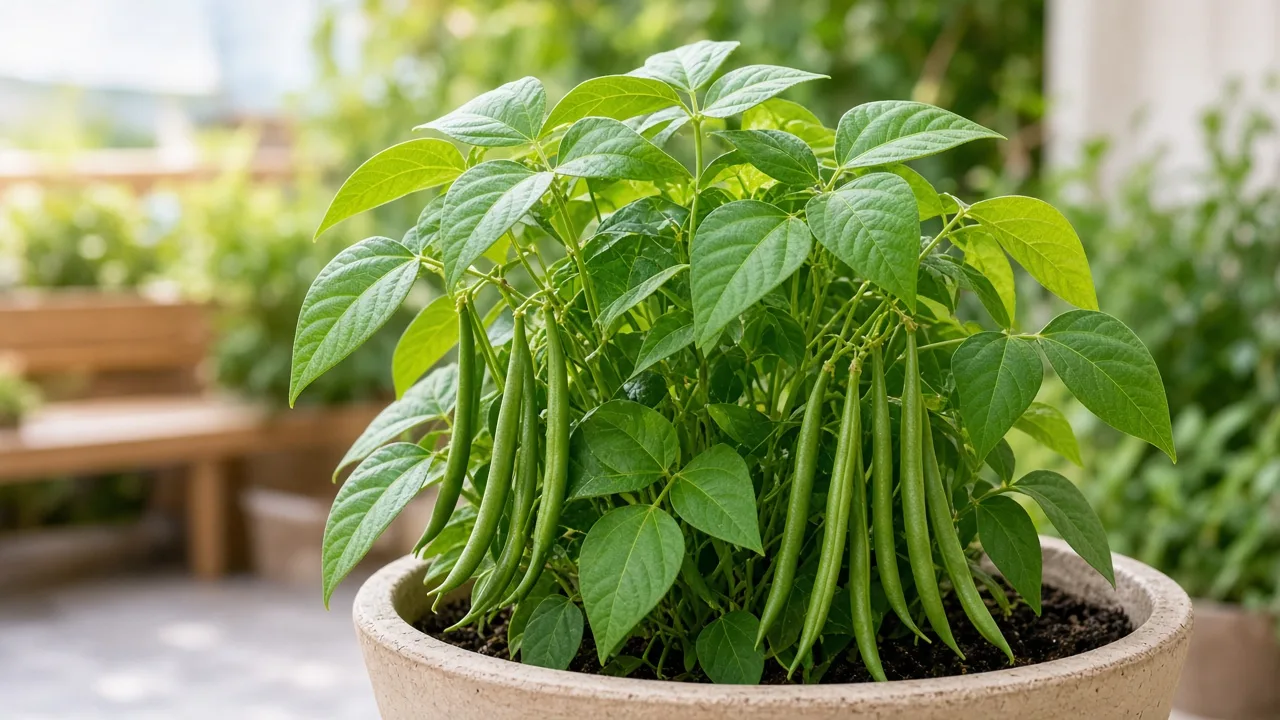
French Beans Soil Guide for Pots & Beds
French Beans Soil Guide for Pots & Beds
French beans (Phaseolus vulgaris) are snap-pod legumes you almost always direct-sow into the bed or pot where they will finish the season. They are not slow houseplants you can drop into any bagged mix and fix later with a gentle repot. If the root zone is heavy, soggy, or too shallow on day one, you get yellow seedlings, dropped flowers, or leafy vines with thin pods—not a graceful recovery window. Soil work belongs before seeds go in, paired with warm-season timing from the French Beans overview.
Cornell’s bush bean guide lists well-drained soil with consistent moisture, average fertility, and pH 6.0 to 6.8 as the baseline for Phaseolus vulgaris snap types. NC State Extension likewise places common beans in full sun with fertile, well-drained soils. This page covers texture, pH, containers, bed prep, legume feeding logic, and warning signs—not how often to irrigate. For finger checks and monsoon pauses, use the watering guide; for sun placement, see light.
Why French beans fail in the wrong root zone
French bean roots stay relatively shallow compared with deep-rooted perennials. Epic Gardening’s green bean profile notes that shallow-reaching roots access moisture near the top of the ground, which makes loamy, well-drained mix critical—dense or waterlogged layers starve roots of oxygen even when the surface looks merely “moist.” A fast warm-season crop does not have months to send roots into better strata below a bad top layer.
Shallow roots and fast seasonal turnover
Bush French beans may flush heavily over a few weeks; pole types can bear longer if you harvest often, but both still live one short annual life in the medium you sow into. That speed rewards even moisture in the upper root zone without saturation at the bottom of a pot. Shallow trays and novelty planters fail because the entire root ball sits in the layer that alternates fastest between flood and drought.
One sowing, one lifetime in that mix
Beans dislike root disturbance. Cornell warns not to start seed indoors for transplant, and Epic Gardening recommends direct outdoor sowing because transplanting delays growth on sensitive roots. You cannot sow into stiff garden soil and “upgrade” the mix later. Treat the sowing container or prepared bed row as the permanent root environment for that plant’s life—exactly why the repotting guide focuses on container depth at sowing time rather than moving established vines.
Texture, drainage, and moisture retention
Think moist but well-drained: enough fine material to hold water near seeds and shallow roots, enough pore space that surplus water leaves after irrigation or rain. The RHS French bean guide calls for a warm, sunny site with well-drained soil, with plenty of garden compost or well-rotted manure forked in ahead of sowing—about two bucketfuls per square metre—to improve moisture retention without turning the bed into a sponge.
Loam, compost, and grit in balance
Ideal textures are loam or sandy loam amended with mature compost. For containers, the LeafyPixels hub recipe is a practical starting point: about 50% quality potting mix or screened loam, 30% mature compost, and 20% perlite, pumice, or coarse sand. Screen compost so large chunks do not block shallow seed contact at the 2.5 cm sowing depth Cornell recommends. Compost supplies gentle fertility and structure; grit keeps oxygen in the mix when terraces stay humid or monsoon drizzle slows evaporation.
Heavy clay and pure sand beds
Heavy clay that puddles after storms keeps oxygen out of the root zone and amplifies seedling collapse in cool, wet weather. Pure sand drains fast but may not hold even moisture through germination unless you add compost. In clay-heavy Indian gardens, raise the planting zone 10–15 cm with imported loam and compost so roots sit above the saturated layer, or grow in deep containers with open drainage holes instead of fighting in-ground pan.
pH and fertility expectations
French beans are not acid-loving specialty crops. Cornell’s pH 6.0–6.8 band and the hub’s 6.0–7.0 target both sit in the slightly acidic to neutral range most kitchen-garden loams already occupy. Chasing a decimal on paper matters less than fixing texture and drainage when seedlings struggle.
The 6.0–7.0 sweet spot
If a soil test shows extreme acidity or alkalinity tied to micronutrient trouble, amend the whole bed before sowing—not band treatments along a seed line where thick sowings germinate unevenly. For most balcony growers without tests, a free-draining compost-loam blend in the neutral band performs better than lime or sulphur guesses on an unknown bagged mix.
Average fertility, not nitrogen chasing
Cornell lists only average fertility required for bush beans and explicitly says do not use nitrogen fertilizers. Legumes can fix atmospheric nitrogen with rhizobium bacteria in the root zone (NC State), so heavy nitrogen pushes leafy growth at the expense of flowers and pods. Work compost in before sowing; reach for the fertilizer guide only after drainage, depth, and light look correct.
Store mixes versus DIY blends
Bagged peat-heavy or moisture-control potting soils often stay too wet on cool, cloudy weeks—common on covered Indian balconies. They can also turn hydrophobic when they finally dry, leaving shallow roots stranded. Lighten store mixes with compost and perlite until water runs freely from drainage holes after a deep soak, not pooling on the surface for many minutes.
Peat-heavy potting soil risks
“Vegetable” labels on a bag help less than structure you can feel. Rub a moist handful: it should crumble, not smear like clay or paste. If the mix smells sour or anaerobic, do not sow into it; refresh with new loam-based material and grit before starting another batch of seed.
Container mixes for Indian balconies
Terrace French beans fail for predictable soil reasons: pots too shallow, saucers re-flooding the bottom, and mixes that never dry slightly between waterings during humid spells. Bush types need about 20 cm of mix depth; pole types need deeper, heavier containers plus a trellis installed at sowing so you are not disturbing roots later.
Depth for bush vs pole cultivars
Wide pots buffer moisture better than tall narrow ones with the same volume. For pole cultivars, choose a container that will not topple when vines load with pods—soil depth and weight matter as much as recipe. Pair depth work here with propagation spacing and succession sowing so each pot carries the right number of plants for its volume.
Monsoon and saucer pitfalls
During monsoon, soil problems are often water problems in disguise. If runoff cannot leave the pot, mix becomes anaerobic even when you cut back irrigation. Elevate pots so saucers do not re-saturate the base, and pause watering until the upper 2–3 cm begins to dry—the same depth check described in the hub’s watering notes. Scratch lightly compacted crust after hard rain so the surface can breathe.
Bed preparation before direct sowing
In ground beds, loosen the top 15–20 cm and blend compost or well-rotted manure through the whole planting area, not only a narrow furrow. French beans are direct-sown; uniform preparation prevents wet pockets that show up as patchy germination. Epic Gardening suggests sowing when soil temperatures stay above about 65°F (18°C), with ideal germination 70–85°F (21–29°C)—matching Cornell’s 70–80°F germination range and poor growth when soil stays below 60°F.
Rake the surface fine for small seed. Water the prepared bed once, let it settle if you can, then sow into moist—not muddy—soil. Cornell advises about one inch of water per week during the season, especially at flowering and pod set; soil that cannot hold some moisture in that window forces constant crisis watering on sandy sites.
Rhizobium, compost, and what not to feed
Organic matter incorporated before sowing feeds structure and gentle nutrition. Cornell notes that inoculating seed with rhizobium may increase yields, especially where beans have not grown recently—useful on new terrace mixes or imported loam with unknown legume history. That is not a substitute for drainage; it complements a mix that already drains.
Avoid fresh, hot manure layers right on the seed line. Well-rotted material forked through the bed weeks ahead aligns with RHS timing so the ground settles. If plants look dark green and bushy with few flowers, suspect excess nitrogen or shade before adding more soil amendments.
Warning signs the mix needs changing
Wrong soil rarely announces itself as “wrong soil.” It shows up as seedling death, colour change, or pods that never fill despite faithful watering.
Seedling collapse and flowering stress
Yellow seedlings with persistently wet mix usually mean drainage failure, cold soggy weather, or both—not only a heavy hand on the watering can. Soft, dark stem bases near the soil line mean you should stop watering, improve airflow, and plan a fresh sowing into grittier mix rather than transplanting survivors.
Flower or small pod drop with soil that cracks and pulls from pot edges often traces to shallow volume or peat-heavy mix that alternates between bone-dry and flooded. Deeper soil and more compost-loam balance usually beat simply watering more often.
Leafy vines with few pods can be light or nitrogen issues, but chronically soggy roots produce similar starvation. Dig gently at the pot edge: healthy roots should be pale and smell like earth, not sour compost.
Wrong soil and uneven watering together
Soil texture decides how fast water moves; your schedule decides how often water arrives. A perfect loam in a pot with blocked holes still kills beans. A gritty mix in a shallow tray still dries unevenly even if you water daily.
Finger-test before blaming the schedule
After sowing, keep the seedbed evenly moist until emergence—often eight to ten days in warm soil per Cornell. Once seedlings stand, let the upper layer approach dryness before watering again so roots access air as well as moisture. If you are unsure whether mix or schedule is at fault, feel the root zone depth before changing the recipe mid-season; fix the next sowing’s blend when structure is clearly wrong.
When to use this page vs other French Beans guides
Use this soil page when you are choosing or fixing the root zone before sowing, or when seedlings and pod set look weak despite reasonable sun. Use the watering guide when you need help interpreting dryness checks, monsoon pauses, or wilt that might be drought versus saturation. Use the light guide when plants are pale, leggy, or flowering poorly in shade.
Use propagation for seed depth, spacing, and succession timing—not for moving established plants. Use fertilizer after drainage, depth, and light look right. Use pruning for harvest cuts and vine management once soil and moisture support steady growth.
Related French Beans guides
The French Beans hub collects profile fields, grower notes, and every care topic in one place. Overview explains bush versus pole habit and India-friendly sowing windows. Watering and light carry day-to-day checks that depend on how your mix holds moisture and how much sun hits the canopy.
Repotting clarifies why beans stay put after emergence and how container depth ties back to soil volume. Fertilizer covers legume feeding without excess nitrogen once the root zone is sound.
Conclusion
French beans reward a simple soil formula: well-drained loam or compost-enriched mix, moderate fertility without nitrogen pushing, and enough depth for bush or pole habit in the container you sow into. Keep pH in the 6.0–7.0 band unless tests show a clear problem, and sow only after soil has warmed into the range where germination is reliable.
Prepare the entire sowing zone before you plant, because Phaseolus vulgaris will not forgive a transplant into better soil later. When something looks wrong, check drainage, root smell, and pot depth first—then adjust the mix for the next sowing rather than stacking fertilizer on a failing root zone.