How to Prune French Beans: Harvest Cuts, Tip Pinches & Vine
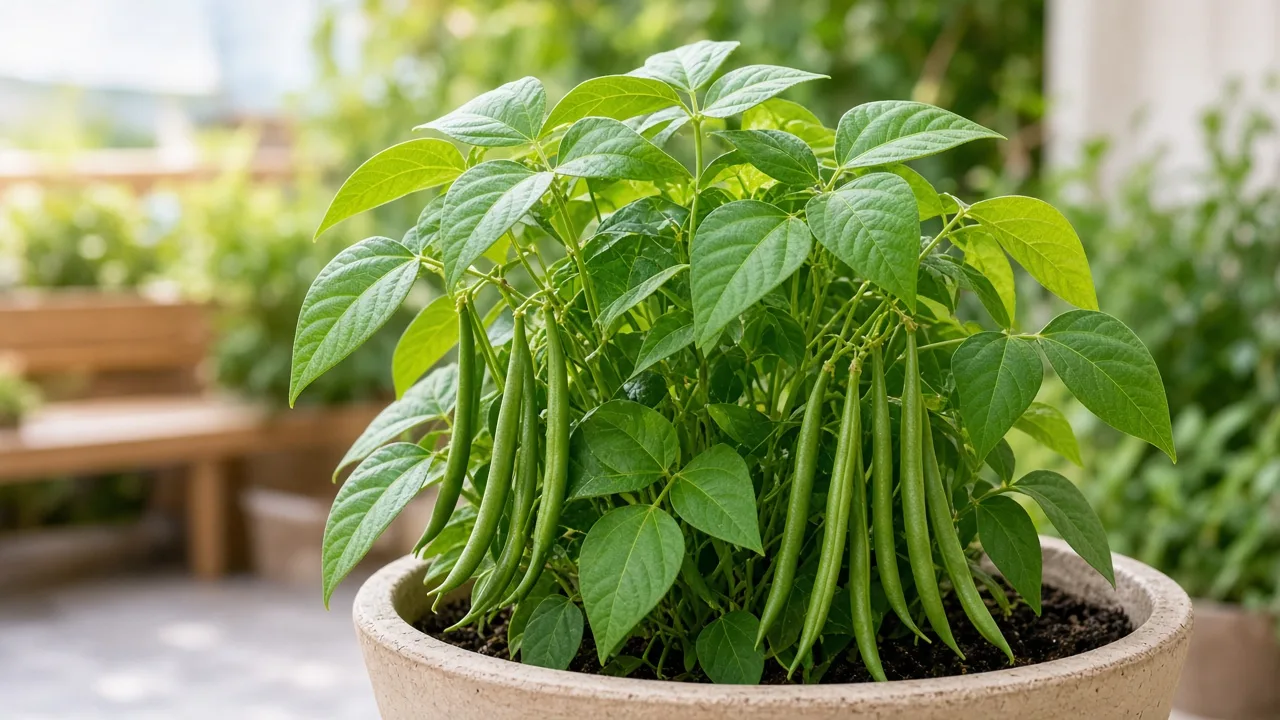
How to Prune French Beans: Harvest Cuts, Tip Pinches & Vine Training
How to Prune French Beans: Harvest Cuts, Tip Pinches & Vine Training
First, remove only dead, yellow, or clearly diseased leaves—and any tough, swollen, or moldy pods—with clean scissors or bypass pruners. Work from the bottom of the plant upward, bagging virus-streaked or beetle-chewed material instead of composting it beside clean rows. Do not pinch pole-bean tips or thin living seedlings until that sanitation pass is done and you have checked whether stems are overcrowded.
French beans (Phaseolus vulgaris—haricot vert, snap beans, green beans) are fast annual legumes, not woody perennials you reshape year after year. Home “pruning” is really harvest discipline, seedling thinning, trellis training, and sanitation: you pick slender pods often so plants keep flowering, open dense bush stands for airflow, tie climbing shoots to supports, and snip leaders that outgrow the trellis. For sowing habit, pot depth, and whole-plant care, start with the French beans overview.
Quick answer
After failing tissue is gone, harvest snap pods while they still snap cleanly and before individual seeds show through the skin—that ongoing cut is what keeps both bush and pole French beans productive. NC State Extension notes that snap beans should be harvested regularly while young and tender to maintain yields. On climbing cultivars, once the main stem reaches the top wire, cut off extra growth above the support on a dry morning to encourage side shoots lower down and keep picking within reach. Pruning cannot fix cold soil, drought at bloom, or shade—stabilize French beans light and watering before expecting a thinned vine to refill with pods.
What pruning does for French beans
Unlike houseplant shaping, French bean cuts serve four practical jobs:
Sanitation removes yellow leaves, mildewed foliage, and overmature pods before pests and fungi spread. Harvest cuts take tender snap pods at the stem, signaling the plant to set more flowers. Spacing management thins overcrowded seedlings so stems do not mat together in humid weather. Trellis training directs pole-bean shoots upward and shortens leaders that sprint past the support.
Cornell’s bush bean guide warns against working among wet plants, because splashing spreads bacterial blights—an argument for morning harvests and light canopy cleanup when foliage is dry. Epic Gardening stresses that snap beans need consistent harvesting or production quickly slows, especially on pole types that can bear over a longer season when picked often.
Pruning cannot substitute for nitrogen-heavy feeding (which pushes leaves over pods), root disturbance from late transplanting, or sowing into cold, wet mix. Match cuts to the crop goal: kitchen snap harvest versus dry seed—shell and dry types need pods left to mature on the plant, not weekly kitchen picks.
Harvest cuts vs training vs cleanup
| Goal | What you cut | Where | When |
|---|---|---|---|
| Kitchen snap production | Tender pods | Pod stem, leave main vine | Every 2–4 days in peak season |
| Filet / haricot vert quality | Very slender pods | Same as above | Before seeds swell; filet types near pencil thickness (Cornell) |
| Pole vine height control | Leader above trellis | Just above top node or wire | Warm morning after plant tops support (RHS) |
| Seedling spacing | Extra weak seedlings | Soil level at cotyledon stage | Once true leaves expand; avoid root disturbance |
| Disease or virus cleanup | Whole plant or heavily streaked shoots | At soil line if mosaic suspected | As soon as symptoms appear (Cornell) |
| End of season | Spent plants | Base of stem | After final harvest (RHS) |
When to prune or train French beans
Best window for tip cuts and thinning
Schedule structural pinches when nights are warm and vines push new leaves daily—typically late spring through summer on Indian terraces once soil is above about 15°C (60°F) for reliable germination and growth (Cornell). Work in the cooler part of the day on dry foliage so cut surfaces and picked pods are not sitting wet overnight.
Bush French beans need little tip pruning; their season is shorter and yield is driven by timely pod harvest and early thinning. Pole types benefit from tying loose shoots weekly and topping leaders after they clear the trellis.
What you can remove anytime
Fully yellow lower leaves, pods that are tough, fibrous, or visibly bulging with seeds, and stems coated in aphids or Mexican bean beetle larvae can be removed whenever you see them. Cornell recommends handpicking beetles and eggs in small plantings and washing aphids off with a hard stream of water early in the day.
Defer heavy thinning if seedlings are still emerging, soil is saturated after monsoon rain, or plants are wilting from midday heat—remove only diseased tissue until soil drainage and moisture stabilize.
When harvest is the whole pruning plan
If your only goal is tender snap beans, the calendar is simple: pick often from first usable pod until plants slow down. RHS guidance suggests pods roughly 15–20 cm (6–8 in) long that snap easily and hide seeds from view; green varieties hide well among leaves, so lift stems gently when hunting pods.
What to check before you cut
Spend a minute on the whole plant or row:
- Habit on the seed packet — bush vs pole determines whether you need tip cuts or only harvests.
- Pod stage — snap-ready pods are slim and crisp; swollen pods signal you waited too long for filet types.
- Crowding — overlapping bush stems or double-sown holes need thinning, not more nitrogen (fertilizer guide).
- Trellis attachment — pole shoots should be tied without crushing stems before you shorten the leader.
- Moisture at depth — drought during bloom causes flower drop; wilting with wet soil points to drainage stress, not a need to strip leaves.
- Virus or blight signs — mosaic mottling, water-soaked leaf spots, or gray mold on dense centers may mean remove plants rather than cosmetic trimming (Cornell).
- Tool cleanliness — wipe blades with 70% isopropyl alcohol if you recently cut diseased legumes.
Plan the session before scissors open. French beans complete their life in one warm season; repeated picks work only while weather, light, and roots support flowering.
Tools and handling
Use clean bypass pruners or kitchen scissors for pods and small stems. Pole leaders are soft enough for sharp scissors; avoid tearing hollow stems by pulling pods sideways.
Harvest into a basket or colander rather than yanking, which can uproot shallow bush plants in light mix. NC State notes beans have shallow roots—stepping on wet soil around plants compacts the root zone you are trying to keep moist through watering.
The first cut to make
If anything is clearly failing—yellow mildewed leaves, mushy pod spots, or a seedling blackened at the soil line—that tissue is the first cut. On healthy productive plants, the first intentional cut is usually one perfectly ready snap pod snapped or snipped at the stem to confirm size and texture before you clear the rest of the row.
Do not start by pinching every growing tip on bush beans; that removes the very shoots that would have flowered next.
How to prune French beans step by step
1. Bush French beans (dwarf haricot types)
- Walk the row when foliage is dry; remove yellow or diseased leaves at the petiole base.
- Harvest every pod that meets snap stage—filet cultivars when pods are still very slender (Cornell).
- If seedlings emerged in clumps, thin to the strongest plant per hole by snipping extras at soil level rather than pulling, which disturbs neighbors (RHS).
- Open the canopy only if centers stay damp: remove a few lowest leaves touching wet soil, not the whole skirt.
- When the flush ends, cut plants at the base and plan a succession sowing if you want more beans.
2. Pole and climbing French beans
- Tie any loose shoots to canes or netting with soft twine as tendrils appear.
- Harvest ripe pods every few days along the full height of the trellis.
- When the leader grows above the top support, cut the tip just above a leaf node to slow upward sprinting and encourage laterals within reach (RHS).
- Remove only failing leaves or pods on lower sections; keep healthy foliage that feeds flowers.
- After final picks, cut the vine at soil level and compost residue away from next season’s bean plot.
3. Sanitation and pest passes
For aphids, use a firm water rinse in the morning (Cornell) before considering leaf removal. For beetle-damaged foliage on small terraces, handpick and destroy eggs on the leaf undersides. If common mosaic virus appears, discard the entire plant—trimming around streaked leaves rarely saves the row (Cornell).
Where to cut
- Pods — snip or snap at the pod stem, leaving the main vine and leaf nodes intact.
- Seedling thinning — cut unwanted seedlings at soil level; do not uproot.
- Pole tip pinch — cut just above the top leaf node at or slightly below the trellis wire, not mid-internode on woody-stressed stems.
- Yellow leaves — cut at the petiole where it meets the stem.
- Virus or blight removal — sever at soil line and bag the plant.
French beans do not fruit on old woody framework; there is no need to find dormant buds on previous-year wood.
How much you can safely remove
Harvest cuts — take every snap-ready pod each pass; that is desirable, not stressful, when moisture and temperature support bloom.
Leaf removal — stay conservative. Removing more than about one-third of healthy foliage in a single hot afternoon rarely improves yield and can slow flowering if roots are already stressed.
Pole tip cuts — shorten only the overgrown leader above the trellis in one session, not multiple feet of leafy laterals unless they are clearly diseased.
Thinning — aim for packet spacing: bush blocks often leave 15 cm (6 in) between plants (RHS); pole rows need wider spacing and tall supports installed at sowing (propagation).
What not to cut
- Healthy growing tips on bush beans unless you are deliberately sacrificing early flowers to thicken a sparse sowing—and even then, light is the better lever.
- Flowering shoots on plants you still need pods from—harvest pods, not open bloom clusters.
- Pods on dry-bean or seed-saving plants until they mature and dry on the vine.
- Roots — beans resent disturbance; never “prune” roots or attempt to transplant mature plants (repotting).
- Wet, diseased-looking tissue during rain — wait for a dry window except when rot is actively spreading.
Aftercare after pruning
Water at the soil line after heavy harvest days, especially on terraces where sun and wind dry shallow mix quickly. Cornell recommends about 2.5 cm (1 inch) of water per week during the season, with extra attention during flowering and pod fill.
Hold off on high-nitrogen feeds right after aggressive cleanup; legumes already fix nitrogen when rhizobia are present. If plants look pale after repeated picks, confirm full sun and even moisture before adding feed from the fertilizer guide.
Mulch lightly after the second true leaves if beds dry out fast, but keep mulch from smothering young stems.
Recovery timeline and signs pruning worked
On warm, well-watered pole vines, new side shoots and flower buds often show within one to two weeks after topping a leader. Bush types may set another pod flush within days when harvest stayed regular and nights remain warm.
Positive signs:
- Fresh pods forming at new nodes after a picking session
- Brighter green new leaves on pole laterals below a tip cut
- Fewer yellow lower leaves once airflow improves
- Stable stems with no darkening at the crown
Warning signs:
- Flower drop after heavy leaf stripping—often heat or drought, not “shock” alone
- Mosaic streaking on new growth after you trimmed old leaves—remove plants instead of re-cutting
- Wilting with soggy soil—pause pruning and fix drainage
Mistakes to avoid
- Leaving overmature pods on the vine “to size up” while you wait for more—production stalls (Epic Gardening)
- Pulling seedlings to thin and disturbing taproots of neighbors
- Stripping leaves to “let sun in” while soil is dry—flowers abort before new pods form
- Topping pole vines before they reach the trellis, removing future flower sites
- Composting virus-infected trimmings beside clean sowings
- Working among wet plants after rain—invites blight spread (Cornell)
- Expecting a finished autumn vine to behave like a new sowing—start fresh seed next warm window
When not to prune
Skip tip pinches and heavy thinning when seedlings are still small, soil is waterlogged, or a cold snap has just browned leaf edges. Remove only clearly diseased tissue until temperatures and moisture stabilize.
Also delay cosmetic leaf removal if you cannot irrigate during an upcoming heat wave—combined heat and drought stress sheds flowers on legumes. At season’s end, one final cut at the base is enough; there is no perennial framework to maintain through winter.
Conclusion
French beans reward a simple seasonal rhythm: pick tender pods often, thin early without pulling roots, tie pole shoots before they flop, and top leaders only after they clear the trellis. Your first move is always sanitation on dry mornings—or a single test harvest on healthy plants—before structural pinches. When new pods keep appearing within days, your cuts are in the right place. When vines stay bare after moderate harvests, fix light and watering before taking more foliage off the plant.
When to use this page vs other French beans guides
- French beans overview — Start here for bush vs pole habit and sowing windows before deep-diving pruning.
- French beans light — Escalate here when vines stay sparse after harvests; stretching often traces to shade, not scissors.
- French beans watering — Escalate here when flower drop follows dry soil or wilt pairs with wet mix.
- French beans propagation — Escalate here for succession sowing when bush flushes finish.
Related French beans guides
- French beans overview — species identity, habit, and harvest basics
- French beans light — full sun for flower and pod set
- French beans watering — even moisture during bloom and pick days
- French beans soil — drainage that supports shallow roots after harvest traffic
- French beans fertilizer — feeding without excess nitrogen after heavy picks
- French beans propagation — direct sowing and succession crops
- French beans repotting — why mature plants stay in their sowing pot