French Beans Propagation: Sow from Seed
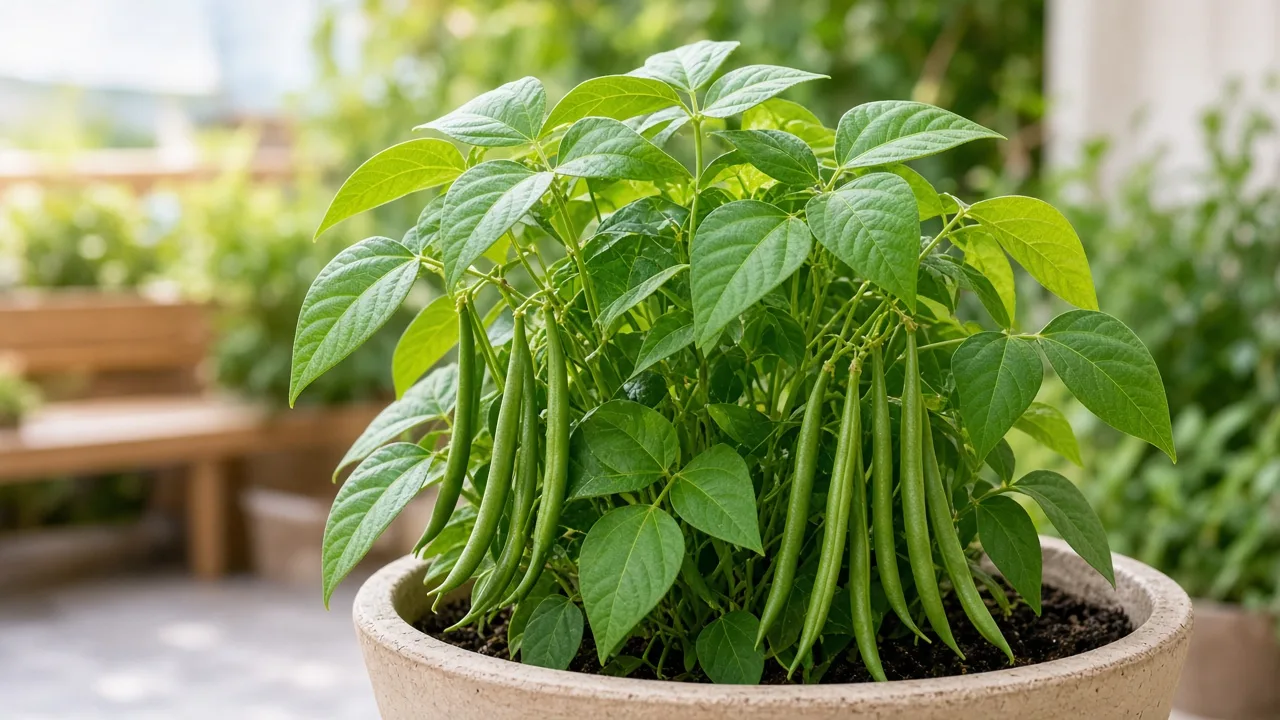
French Beans Propagation: Sow from Seed
French Beans Propagation: Sow from Seed
French beans propagation for Phaseolus vulgaris snap cultivars means starting from seed in warm soil where the plant will finish the season—not rooting cuttings, dividing crowns, or transplanting stressed seedlings from modules. French beans, green beans, haricot vert, and filet types on seed packets are the same species grown for tender pods eaten whole while seeds inside are still small. Cornell’s bush bean guide is explicit: propagate by seed, do not start seeds indoors for transplant, because beans do not like to be transplanted. That constraint shapes every decision on this page: final pot or bed choice, sowing depth, moisture through emergence, and whether a nursery start is worth the risk on your terrace.
For identity, mature size, and seasonal rhythm, start with the French Beans overview; this page walks from packet to established vines ready for the French Beans watering guide once true leaves expand.
Best propagation method for Phaseolus vulgaris snap beans
Direct sowing into the final bed, raised row, or container is the reliable propagation path for French beans. One sound seed yields one plant when warmth, moisture, and spacing cooperate. NC State’s profile of common bean notes that snap types should be harvested young and tender and that plants prefer full sun and fertile, well-drained soil—propagation success is really seed-to-seedling establishment, not vegetative cloning.
Why home growers propagate from seed only
French beans are fast warm-season annuals with no persistent woody crown to divide and no dependable home practice of rooting stem segments for fruiting plants. Generic “propagate anything in water” lists rarely produce vigorous, pod-bearing Phaseolus vulgaris vines. Treat any cutting experiment as a curiosity, not your kitchen-garden plan.
Legumes can fix nitrogen with rhizobium bacteria in the root zone, which matters after emergence but does not change the fact that every new season begins with seed. Cornell lists French bean, filet bean, and haricot among common market names for the same warm-season crop—read the packet for bush versus pole habit, days to harvest, and disease resistance before you sow.
Match bush or pole habit before seeds go in
Propagation planning starts with the habit line on the seed packet, because supports and spacing are fixed at sowing time.
Bush (dwarf) French beans stay roughly 20–60 cm tall and suit wide terrace pots without a trellis. Climbing pole types need canes, netting, or a wigwam and can bear over a longer window if you harvest often, though they take longer to reach first pick. The RHS French bean guide contrasts quick dwarf crops that flush for a few weeks with climbers that produce from mid-summer into early autumn when picked regularly.
Containers, depth, and trellis timing
For dwarf beans on a patio, the RHS suggests a pot 30–45 cm wide, sowing 5 cm deep and 15 cm apart so stems help hold each other up. For climbing French beans, use a container at least 75 cm wide and 45 cm deep, set a 2.5 m wigwam of canes before sowing, then place one or two seeds at the base of each cane. Install poles or netting at sowing—never after roots have spread—because beans resent disturbance. Container mix and drainage tests live in the French Beans soil guide.
When to sow French beans in India and warm climates
French beans are frost-tender. Sow only after the coolest nights have eased and soil at planting depth stays warm, not cold and clammy for days on end. On many Indian plains, that often means late winter through spring for a main crop, with another window where autumn stays mild. Cold, wet seedbeds rot seed or produce weak stands; wait for tomato-planting warmth rather than sowing during the coldest, wettest spell.
Soil temperature checks and succession crops
Cornell reports germination is poor when soil temperature is below 60°F (about 15°C) and is strongest around 70–80°F (21–27°C). Epic Gardening’s green bean guide similarly recommends sowing when soil is above about 65°F (18°C) with ideal germination in a 70–85°F band. Press a finger into mix or bed soil in the morning; if it feels cool and wet, delay sowing or warm a container in full sun first.
Bush cultivars crop heavily for a limited few weeks; plan succession sowings every two to three weeks through your warm window for a steadier kitchen supply, as the RHS describes for repeat sowings. Climbing types start slower but can keep producing if you pick regularly—one early sowing may be enough where the season is long.
Choose seed, inoculant, and packet details
Buy fresh, labeled seed each season unless you deliberately save from an open-pollinated line and accept variability. Hybrid F1 cultivars give predictable disease traits and pod quality but do not breed true from saved seed.
Cornell advises inoculating seed with rhizobium bacteria on soils where beans have not grown recently, which may increase yields through better nitrogen fixation. That is optional on rich, bean-history beds but reasonable on new terrace mix. Do not reach for heavy nitrogen feed at sowing time—excess nitrogen pushes leaves instead of pods, as covered in the French Beans fertilizer guide.
Do not soak bean seed to “hasten” germination; Cornell warns soaking may damage seeds. Plant dry seed into moist soil instead.
Prepare the bed or pot for direct sowing
Weed and loosen the top layer, then work compost or well-rotted manure into beds or refresh container mix before sowing—the RHS recommends generous organic matter ahead of planting to improve moisture retention. Confirm drainage holes are open on pots and that saucers are not holding stagnant water during monsoon spells.
French beans want full sun for strong germination and pod set; weak spring light on a shaded balcony slows everything that follows. If light is marginal, read the French Beans light guide before investing in repeated sowings.
Step-by-step direct sowing
- Read habit and spacing on the packet — bush block spacing differs from pole-at-cane spacing.
- Install trellis or wigwam first for climbing cultivars.
- Sow dry seed about 2.5–5 cm (1–2 in) deep — Cornell uses about one inch, deeper only if the surface dries quickly; the RHS uses 5 cm for outdoor French beans.
- Water gently at the soil line until the zone stays evenly moist, not flooded.
- Label cultivar and sowing date — emergence can take 8–10 days in warm soil and longer when nights stay cool.
- Plan thinning before seedlings compete and hold moisture on foliage.
Depth, spacing, and the first moist week
For dwarf beans, the RHS sows 5 cm deep and 15 cm apart in blocks so plants support each other; Cornell suggests seeds about 2 inches apart in rows 18–36 inches apart for bush types—adapt packet rates to pots by giving each plant enough air movement. For climbing beans, sow one or two seeds at the base of each cane, 5 cm deep.
Beans need even moisture through germination and early growth—about 2.5 cm (1 inch) of water per week during the season per Cornell, with extra attention when flowering and pods form later. Water in the morning at the base so leaves dry before night, reducing foliar disease pressure during humid terrace nights.
Germination windows and emergence timing
Expect roughly 8–10 days to emergence when soil is warm and the seedbed has not dried out. Cold snaps above freezing can still injure plants and reduce yield after emergence, so protect young stands if an unseasonable cool spell follows a warm sowing week.
If nothing appears after two weeks in warm mix, suspect cold depth, dry surface, or old seed before assuming disease—scratch gently, keep moisture even, and resow fresh seed if needed.
Thin seedlings and early aftercare
Once seedlings have two sets of true leaves, thin overcrowded stands to final spacing by snipping extras at soil level rather than pulling, which disturbs neighbours’ roots. On balconies, a block of bush beans is healthier than a single lonely stem in a huge pot.
Shift from constant surface moisture to the deeper checks in the French Beans watering guide as roots descend. Light feeding logic waits until plants are actively growing—see fertilizer—but propagation-phase success is mostly warmth, even water, and airflow.
Transplanting starts and why it often fails
Cornell tells home gardeners not to start bean seeds indoors for transplant because beans do not like to be transplanted. Epic Gardening echoes that sensitive roots perform best with direct outdoor sowing after frost.
The RHS does describe indoor or small-pot starts for an earlier crop in cool temperate climates—useful if you can provide heat, bright light, and one gentle move into final soil at about 8 cm tall after frost passes. On Indian terraces where frost is rare, direct sowing into the final large pot is usually simpler and matches extension guidance. If purchased seedlings stall after planting, a fresh direct sowing often outperforms nursing stressed roots; the French Beans repotting guide explains why “repotting” is really choosing the right first container, not moving plants mid-season.
Saving seed from open-pollinated French beans
The RHS notes that French bean flowers are self-pollinating, so seed from non-hybrid plants is likely to come true to type. At season’s end, leave a few pods to mature and dry on the plant, then shell seeds and store them cool and dry in a labeled bag for next year’s sowing.
Do not save seed from hybrid packets expecting identical pods, and avoid saving from plants that showed virus or bacterial blight symptoms—Cornell recommends not saving your own seed when disease has been present in the patch.
Common propagation failures and first fixes
Rotting seed with no emergence: soil too cold or waterlogged. Wait for warmth, improve drainage, and resow dry seed into moist—not saturated—mix.
Seedlings collapsed at the soil line: classic damping-off in stagnant, overwatered trays or beds. Increase airflow, ease off surface soaking, and see extension guidance on damping-off in vegetable seedlings.
Stunted plants after “repotting”: root disturbance. Direct sow the next batch instead of transplanting.
Patchy germination in one row: old seed, uneven depth, or dry furrows. Resow extras at the ends of rows or fill gaps with a second sowing date noted on the label.
Lush vines, no pods later: usually light, drought at bloom, or excess nitrogen—not a germination issue. Troubleshoot with light and watering guides after propagation succeeds.
When to use this page vs other French Beans guides
Use this propagation page for seed sowing, germination temperature, depth and spacing, succession timing, optional inoculant, and seed-saving basics. Use the overview when choosing bush versus pole habit or mapping the full season. After plants are established, open watering, soil, light, and fertilizer for ongoing care.
Use repotting to understand final container depth up front, and pruning for harvest cuts and vine management—not for creating new plants.
Related French Beans guides
- French Beans hub — profile, grower notes, and links to every care topic
- Overview — bush vs pole choice and harvest rhythm
- Light — sun hours and terrace placement
- Watering — even moisture through flowering and pod fill
- Soil — mixes, drainage, and pH for pots and beds
- Fertilizer — legume feeding without excess nitrogen
- Repotting — why beans stay put after emergence
- Pruning — picking tender pods and managing vines
Conclusion
Propagate French beans by sowing dry seed into warm, well-drained soil in the pot or bed where plants will finish the season. Match bush or pole habit to your space before seeds go in, install trellises at sowing for climbers, and keep the seed zone evenly moist until seedlings emerge in about 8–10 days under ideal warmth. Avoid soaked seed and unnecessary transplants; use succession sowings for steady bush harvests, and save seed only from healthy open-pollinated plants. When germination fails, fix temperature and moisture, then resow rather than moving stressed seedlings.