French Beans Fertilizer Guide: Legume Feeding
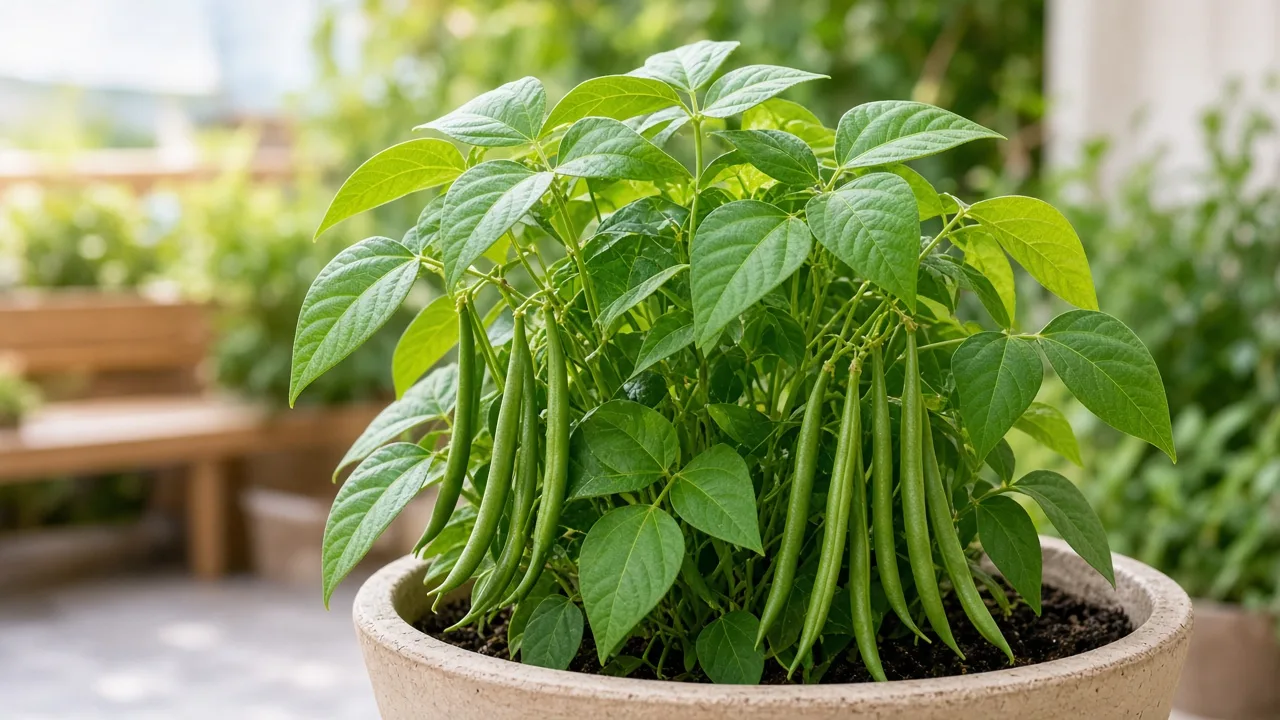
French Beans Fertilizer Guide: Legume Feeding
French Beans Fertilizer Guide: Legume Feeding
French beans fertilizer planning starts with a fact many kitchen-garden guides bury: Phaseolus vulgaris is a nitrogen-fixing legume, not a spinach-style leaf crop that rewards weekly high-nitrogen doses. French beans—snap cultivars eaten as tender green pods—can partner with rhizobium bacteria in the root zone to pull nitrogen from the air once roots establish. Cornell’s bush bean guide explicitly advises growers not to use nitrogen fertilizers, because excess nitrogen pushes vigorous leaves instead of flowers and pods. Your feeding goal is modest phosphorus and potassium support through flowering and pod fill, plus compost-rich soil at sowing—not a heavy urea routine copied from non-legume vegetables.
That biology matters on Indian terraces as much as in temperate beds. Warm-season sowings after cool nights ease still need full sun and steady moisture through pod set, but they rarely need the nitrogen-heavy feeds sold for lawns or leafy greens. Fix light, drainage, and watering before you interpret every pale leaflet as hunger. This guide covers what to add before sowing, how often to supplement containers, when potassium-forward liquids help pod quality, and how to spot overfeeding on fast 50–70-day snap bean cycles.
Why French beans need less nitrogen than leafy greens
Snap beans share the same species as many dry beans, but French or filet types are grown for repeated harvest of immature pods. That production pattern needs photosynthesis and even moisture more than it needs soluble nitrogen poured on every Sunday. Legumes already access atmospheric nitrogen when nodulation is working; stacking synthetic nitrogen on top mimics the classic mistake of lush vines with few beans.
Rhizobium partnership and root nodules
Like peas and other beans, French beans can host rhizobium on their roots, forming pinkish nodules that convert atmospheric nitrogen into plant-available forms. NC State’s Phaseolus vulgaris profile notes that beans add nitrogen back into soil through this partnership—useful if you rotate crops or turn spent vines into compost. On brand-new potting mix or very sandy balcony soil, nodulation may be weak the first season; a thin incorporation of mature compost at sowing supplies gentle nutrients without shutting down the legume relationship the way repeated urea bursts can.
Cornell also notes that inoculating seed with rhizobium may increase yields, especially where beans have not grown recently. Inoculant is inexpensive insurance on depleted terrace mix, not a substitute for compost, sun, or correct soil structure.
What happens when nitrogen is too high
Over-rich nitrogen—whether from fresh manure, lawn fertilizer drift, or enthusiastic “growth booster” liquids—often shows up as tall, dark green plants with delayed flowering and thin or missing pods. The Global Bean Project’s Phaseolus guidance echoes a familiar legume rule: extra nitrogenous fertilizer tends to produce leafy growth but few beans. Bush types may look perfect yet set lightly; pole types may climb vigorously and still disappoint if feed pushed foliage over reproduction.
If your plants match that pattern, stop nitrogen feeds before you add more. Confirm six to eight hours of direct sun, even moisture at flowering, and spacing from the seed packet. Only then consider a dilute complete liquid if lower leaves stay pale yellow-green despite good culture.
Macronutrients that matter for tender snap pods
Fertilizer labels show N-P-K (nitrogen, phosphorus, potassium). For French beans, phosphorus supports root establishment and energy transfer in a direct-sown annual, and potassium supports overall vigor and stress tolerance while pods swell. Nitrogen matters most when nodulation is slow or frequent harvests and leaching strip a container—but it should stay secondary to phosphorus, potassium, and soil organic matter for most home growers.
Phosphorus and potassium through flowering
In garden soil that receives yearly compost, many French bean crops need little beyond pre-sow organic matter. The RHS French bean guide recommends forking in plenty of garden compost or well-rotted manure before sowing to improve moisture retention and baseline fertility—work done weeks ahead so the seedbed settles. That single preparation often carries bush types through a full flush if watering stays even during flowering.
For containers, nutrients wash out with every drain hole irrigation. Epic Gardening’s green bean guide suggests two doses of organic fertilizer during the season: one while plants are in active growth, and another when pods begin to swell. That timing aligns potassium and phosphorus with reproduction rather than endless leaf pushing—especially on pole cultivars that flower over a longer window.
When a small nitrogen boost can help
There are honest exceptions. Seedlings in sterile peat-free mix may look pale until roots nodulate; a single half-strength balanced liquid after the second true leaves—applied to moist soil, never dust-dry roots—can bridge the gap. Gardening Know How recommends incorporating vegetable fertilizer or manure before planting, then monthly diluted liquid unless you already mixed a time-release product into the medium.
Treat those nitrogen-containing feeds as rescue or container maintenance, not a weekly habit on in-ground rows that already received compost. If lower leaves yellow while soil stays soggy, suspect overwatering before nitrogen. If stems stretch pale between sparse leaves, check light first.
Best fertilizers for home French bean crops
The best French beans fertilizer for most kitchens is not a specialty bottle—it is well-prepared soil at sowing plus occasional diluted complete or potassium-forward liquids in pots. Avoid slow-release granules piled on top of already-enriched mix unless you read the label and skip redundant liquids.
Compost and organic matter at sowing
Fork mature compost or well-rotted manure into the bed before direct sowing, as the RHS describes, rather than broadcasting fresh manure against emerging seedlings. Fresh manure can burn roots and supply a nitrogen spike that fights pod set. Match the soil mix recipe for containers—compost, loam, and perlite for drainage—so fertility and structure arrive together.
Organic mulches after the second true leaves help hold moisture and slowly release nutrients; they are not a substitute for starting with decent mix, but they reduce stress that makes plants look “hungry” when they are actually thirsty.
Balanced and potassium-forward liquids in pots
The RHS advises that French beans do not need feeding in the ground, but in containers you should feed every fortnight with a high-potassium liquid fertilizer such as tomato feed, following packet dilution for edible crops. Tomato feed is potassium-rich to encourage flowering and fruiting—exactly the phase snap beans need after vines establish.
Use half label strength on small terrace pots if you also incorporated compost at sowing. Pause feeds during cool, slow-growth weeks or if salt crust appears on the soil surface. Always apply to moist mix and let excess drain freely so roots are not burned.
Inoculant and biological amendments
Bean inoculant (rhizobium powder on seed) is worth trying on new balcony mix or fields without recent legume history. Some organic fertilizers include mycorrhizae; Epic Gardening notes that such products may strengthen root partnerships when used per label. None of these replace compost, sun, or harvest discipline—they nudge biology in your favor.
Do not confuse inoculant with high-nitrogen “starter” fertilizers sold for corn. French beans are the crop that supplies nitrogen to next year’s greens when you compost spent vines—another reason the overview hub treats them as soil-building kitchen plants.
Feeding calendar: garden beds vs balcony containers
Timing beats brand names. A bush filet bean that finishes in two months needs a short, light feed curve; a climbing haricot vert on a trellis may take two organic or liquid boosts across a longer pick window.
Pre-sow soil preparation
Two to four weeks before sowing (or at mix fill for pots), blend compost or rotted manure into the top 20–30 cm of bed or container. Test drainage: water should leave the root zone within hours, not pool for days. On the Indian plains, align this prep with warm soil sowing—the same window you would start direct-sown French beans after frost risk and cold wet spells pass.
Skip pre-plant nitrogen unless you are correcting a documented deficiency on a soil test. Legumes on rich compost rarely need more.
Seedling establishment to first flowers
After emergence, focus on even moisture and full sun rather than foliar feeds. If container seedlings pale despite good light and drainage, one half-strength balanced liquid (for example 10-10-10 or equivalent organic) two weeks after the second true leaves is enough for many pots. In-ground plantings on compost-amended soil often need zero liquids until flowering.
Mulch lightly once true leaves expand to reduce evaporation on hot concrete terraces. Mulch feeds slowly; it does not replace a potassium boost later if leaching is heavy.
Pod fill and peak harvest weeks
When flowers open and young pods appear, shift emphasis to potassium support in containers: fortnightly diluted tomato feed or a low-nitrogen bloom-style organic per label. In beds, a second light compost side-dress or the second organic dose Epic Gardening describes at pod swell is plenty for many cultivars.
Harvest slender pods every few days during peak production—that removal is part of the plant’s nutrient cycle. Overmature pods steal energy from new flowers. Pair feeding with pruning only to open airflow, not to strip leaves that feed flowers.
India and tropical climate feeding notes
On sunny Indian terraces, small pots dry and leach faster than in-ground rows, so container rules from the RHS apply more often than “never feed beans.” During pre-monsoon heat, you may need both more water and more frequent dilute potassium liquids—still at half strength—because daily irrigation washes nutrients through coarse mix. During heavy monsoon weeks, cut liquids if growth slows and mix stays wet; nitrogen uptake drops in cold, waterlogged roots, and extra feed salts can accumulate.
Second sowings in mild autumn regions follow the same compost-first logic: refresh mix or fork compost into tired beds instead of doubling nitrogen. French beans are poor cool-season crops; do not chase growth with fertilizer when nights are chilly and pods stall—wait for warmth or sow a fresh batch.
Urban growers sometimes reuse grow bags season after season. Replace or thoroughly refresh depleted mix; old bags often hold salt buildup that mimics fertilizer burn. Repotting in the bean sense means new mix in a new bag, not transplanting seedlings, which beans resent.
Signs you are over- or under-feeding
Nutrient problems on French beans overlap with drought, waterlogging, and shade. Read the whole plant and root zone before changing feed.
Salt buildup and burned leaf margins
Overfertilization in containers shows as brown crispy leaf edges, salt crust on soil, stunted new growth, or sudden leaf drop after a strong dose. Stop all feeds, flush pots with plain water until it runs clear from drainage holes, and wait two to three weeks before resuming at half prior strength. In beds, leaching from monsoon rain may recover plants once you stop adding more product.
Dark green, overly soft tops with no flowers after weeks of sun often trace to excess nitrogen, not deficiency—especially if chicken manure or lawn fertilizer reached the bed.
Pale growth that is not a hunger problem
Underfeeding is real in sterile potting mix with constant harvest, but pale, stretched stems usually mean low light first. Yellow lower leaves on wet soil suggest root stress, not hunger. Only if leaves stay evenly pale yellow-green with good sun, drainage, and moisture should you trial a dilute complete feed—and record the result on the next sowing.
Legumes with pink root nodules and decent color on new leaves are rarely starving; they are telling you to fix culture, not buy stronger bottles.
When to use this page vs other French Beans guides
Use this fertilizer page when you are deciding what to add, when, and how much—compost at sowing, container liquids, inoculant, and nitrogen caution for Phaseolus vulgaris. If pods are tough or production stopped, harvest timing on the overview may matter more than feed. If flowers drop, read watering and light before buying bloom booster. If mix stays soggy or compacted, fix soil and drainage. Propagation covers sowing depth and spacing; repotting explains why beans should not be moved after emergence.
Related French Beans guides
- French beans overview — bush vs pole habit, sowing season, and harvest rhythm.
- French beans soil — mix, pH, and compost before seeds go in.
- French beans watering — moisture through flowering and pod fill.
- French beans light — full sun requirements and shade warning signs.
- French beans propagation — direct sowing and inoculant at planting time.
- French beans pruning — airflow without stripping photosynthetic leaves.
Conclusion
French beans reward compost-forward beds, restraint with nitrogen, and potassium-aware liquids in leaching containers—not the heavy feeding schedules meant for non-legume greens. Work organic matter in before warm-season sowing, let rhizobium do its job in healthy roots, and match any supplemental feed to active growth and swelling pods on your specific bush or pole cultivar. When plants look off, verify sun and moisture on the French beans hub before escalating fertilizer strength; on legumes, the first fix is often less nitrogen, not more.