Fast-Growing Crops to Plant in August for Fall
Planting late? These five fast-growing crops can still produce a fall harvest. Learn when to sow, when to buy transplants, and how to beat first frost.
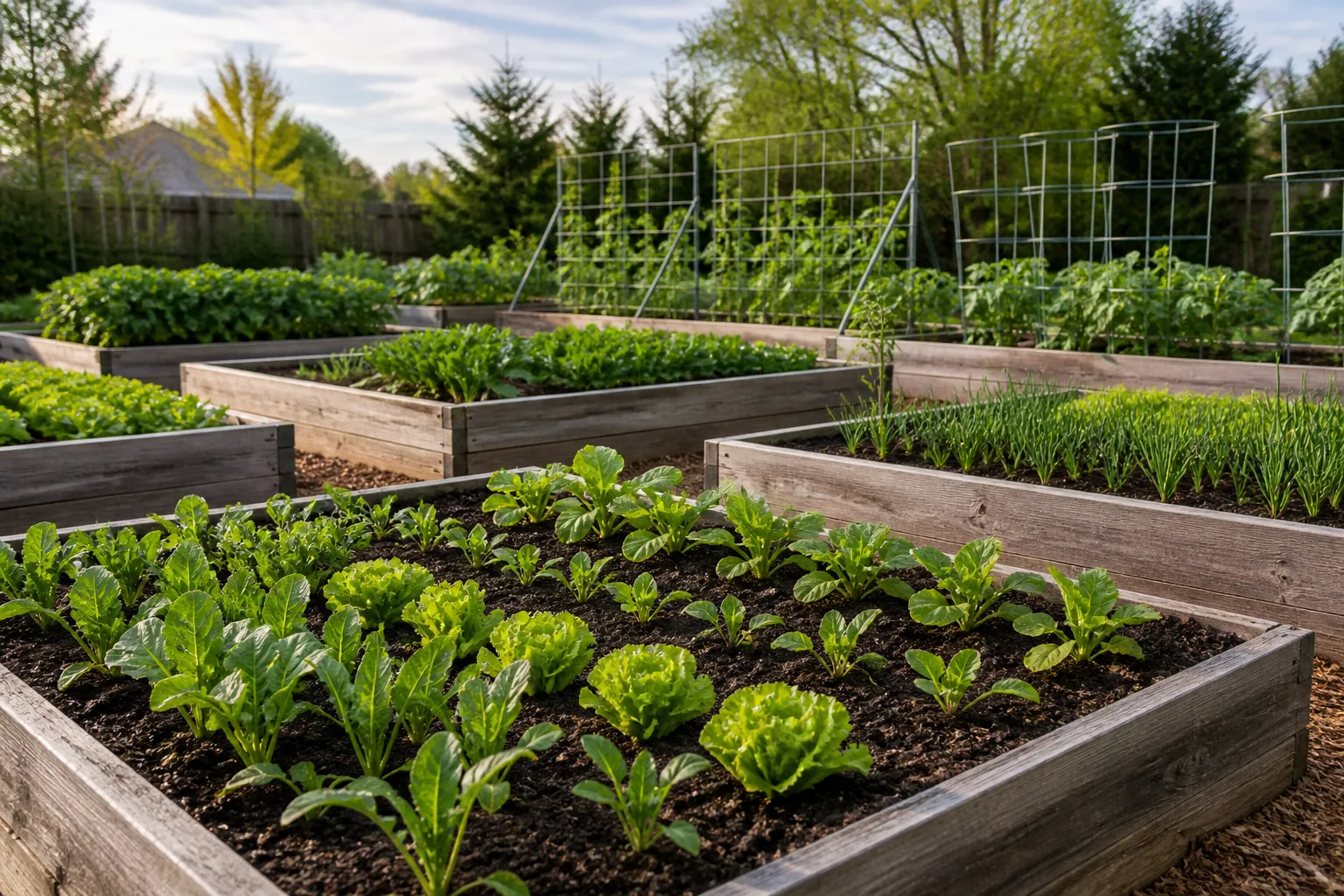
Missing spring planting does not mean your garden has missed its chance. August can be a productive reset point: warm soil helps some seeds emerge quickly, while cooling nights make leafy greens and cauliflower happier than they were in early summer.
The catch is that “plant in August” is not a universal date. Your actual window depends on your average first frost date, the crop’s days to maturity, whether you are sowing seed or planting a start, and how quickly growth slows as daylight shortens. Use the five crops below as a shortlist, then let the calendar—not optimism—choose the final lineup.
The August planting rule that keeps you from wasting seed
The most useful late-summer calculation is simple: first frost date minus days to maturity minus a harvest buffer equals your latest practical planting date. The seed packet’s number is a starting point, not a guarantee; it often assumes favorable growing conditions, and fall brings cooler temperatures and shorter days.
The University of Minnesota Extension’s midsummer fall-harvest guide lists bush beans at 45–65 days, cauliflower at 60–80 days, leaf lettuce at 40–60 days, radishes at 30–60 days, and spinach at 35–45 days. It also separates crops that are killed by frost from crops that can keep growing through light frost, which is the difference between a narrow gamble and a flexible harvest.
Count backward from your first frost date
Find your local average first frost date, preferably from a nearby extension office or a regional climate map. Then add at least 7–14 days beyond the printed maturity time for a fall crop, especially for heading crops such as cauliflower. That buffer is not wasted time: it covers slower growth, a few cloudy days, uneven germination, and the time you need to harvest before a forecast freeze.
For example, if your average first frost is October 15 and you want bush beans that take 50 days, August 26 is the mathematical limit. It is not a comfortable target because beans cannot finish after a frost, so an early-August sowing is much safer. If you have only four weeks left, radishes and baby greens make more sense than beans or cauliflower.
The Iowa State University Extension and Outreach fall-planting guide makes the same distinction: tender crops need extra time because a light frost ends the harvest, while semi-hardy and hardy crops can continue after the first frost. In practice, count backward from the first frost but prioritize crops that can tolerate the forecast being wrong.
Choose the crop that matches your remaining time
Use this table as a quick triage tool. The ranges are broad on purpose; variety, transplant age, soil moisture, heat, and your location all matter.
| Crop | Start it in August | Approximate days to first harvest | Frost reality | Best late-summer use |
|---|---|---|---|---|
| Leafy greens | Direct-sow or transplant | 25–60 days for baby to mature leaves | Many tolerate light frost | The safest choice when timing is uncertain |
| Basil | Direct-sow or buy a small plant | 30–60 days | Killed by frost | A fresh replacement for spring basil |
| Cauliflower | Use a young transplant | 55–80 days | Tolerates light frost, not stress | A fall head crop where the season is long enough |
| Bush beans | Direct-sow | 45–65 days | Killed by frost | A final warm-season succession crop |
| Radishes | Direct-sow | About 21–40 days for quick varieties | Roots tolerate light frost | The fastest edible payoff |
The Rutgers Cooperative Extension fall-planting schedule groups snap beans with warm-season crops and leafy greens, cauliflower, and radishes with cool-season crops. That distinction gives you a useful fallback: plant one tender crop for a quick pre-frost harvest, then devote the rest of the space to crops that can keep producing as nights cool.
Reset the bed before you sow
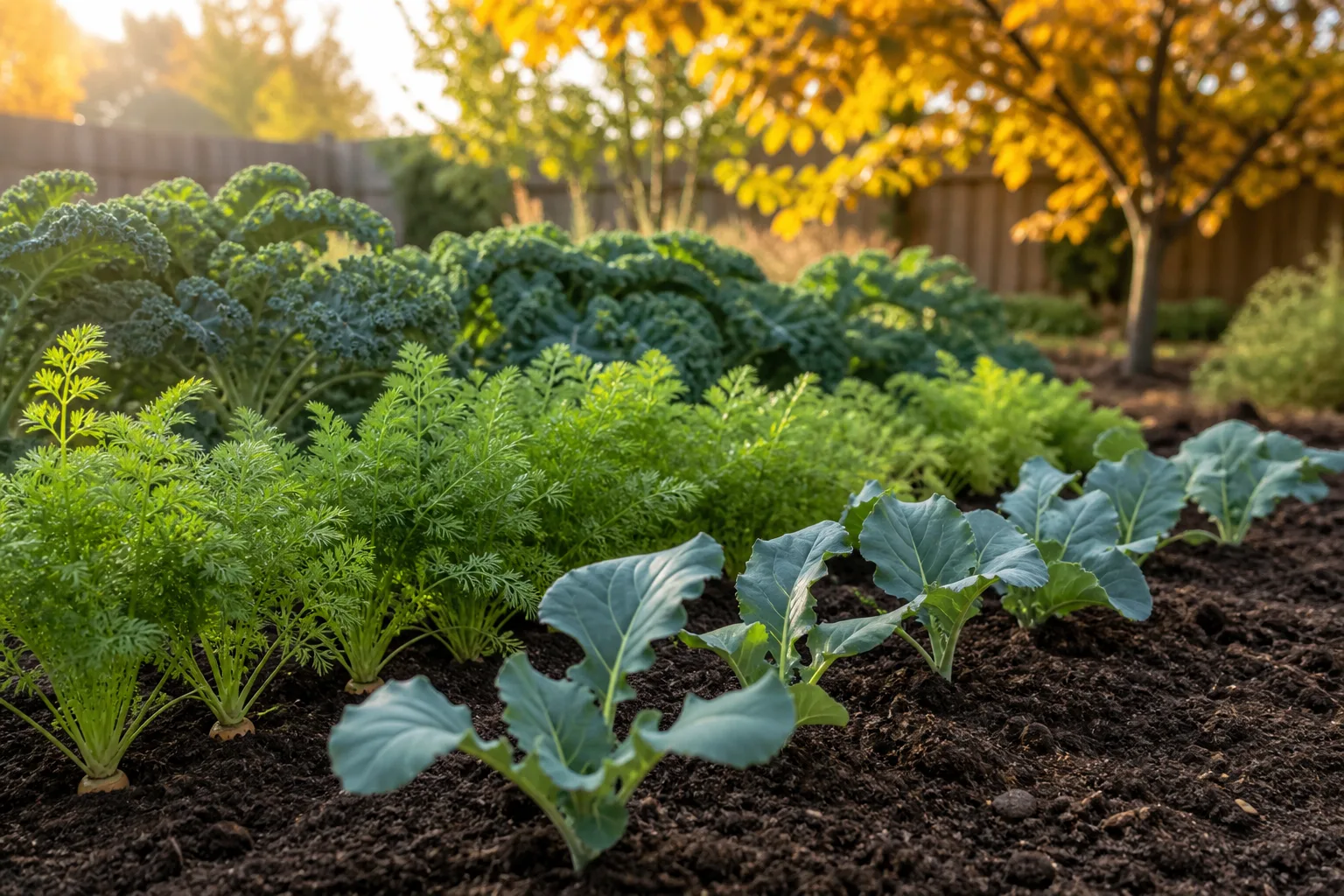
Late-summer planting works best in a bed that is ready immediately. Pull finished crops, remove weeds before they seed, rake away diseased leaves, and loosen only the top few inches of soil. If the previous crop was diseased, do not bury its debris beside the new seedlings; sanitation and crop rotation matter more than squeezing every scrap of organic matter back into the bed.
The Oregon State University Extension Service vegetable-gardening guide recommends adding compost to planting areas in fall and warns against composting diseased plants or weeds that have gone to seed unless the pile reaches hot-composting temperatures. For a quick August reset, mix a thin layer of finished compost into the surface rather than burying a thick mat of unfinished residue.
Cool the soil and hold moisture
August soil can be warm enough to inhibit lettuce and spinach germination even when the air feels pleasant. Water the prepared bed thoroughly, sow into the damp surface, and cover the seed row with a light layer of fine compost or vermiculite. A piece of shade cloth or a loose board held above the row can reduce afternoon heat; remove it as soon as seedlings emerge so they do not stretch.
The goal is even moisture, not permanent saturation. Check the top inch twice a day during a heat wave, especially for shallow-sown lettuce, radish, and spinach. Drip irrigation or a gentle wand is safer than a hard spray that dislodges seed and crusts the soil.
Choose between seeds, starts, and row cover
Direct sowing is ideal for radishes, bush beans, spinach, and many leaf lettuces. It avoids transplant shock and lets roots develop in place, but germination can fail if the seedbed dries or overheats.
Buy or raise young, actively growing transplants for cauliflower. The Illinois Extension cauliflower guide specifically cautions against stunted plants held too long in flats; an old, root-bound start has already lost time you cannot recover in August. Space fall cauliflower 18–24 inches apart, using the wider spacing so leaves dry and plants have room to size up.
Row cover is a useful backup, not a magic extension of summer. It can soften a light frost and reduce insect pressure, but it will not turn a two-week planting window into a two-month one. Cover tender beans and basil only when a cold night threatens, and uncover on warm sunny days so the plants do not overheat.
1. Leafy greens: the safest second crop
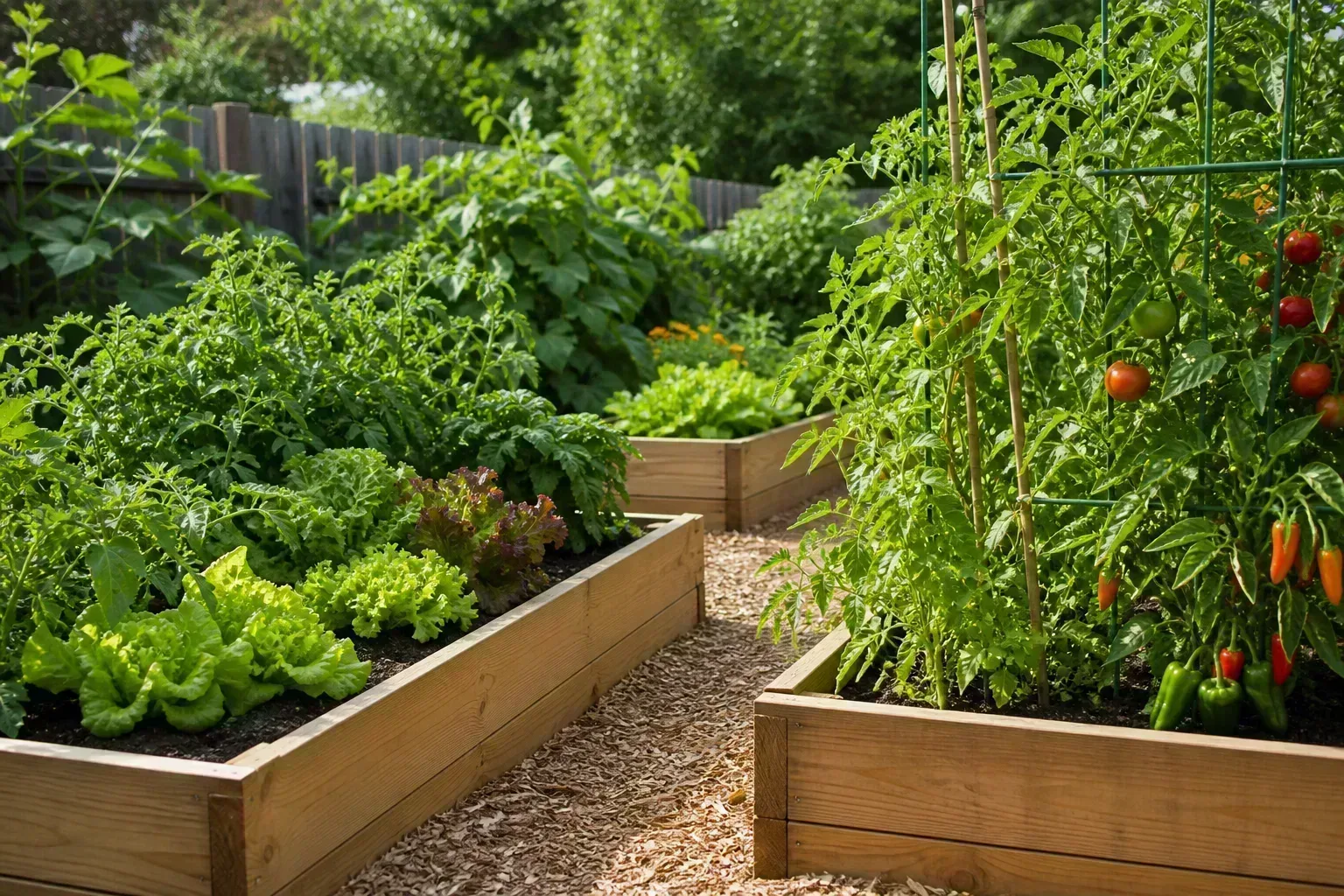
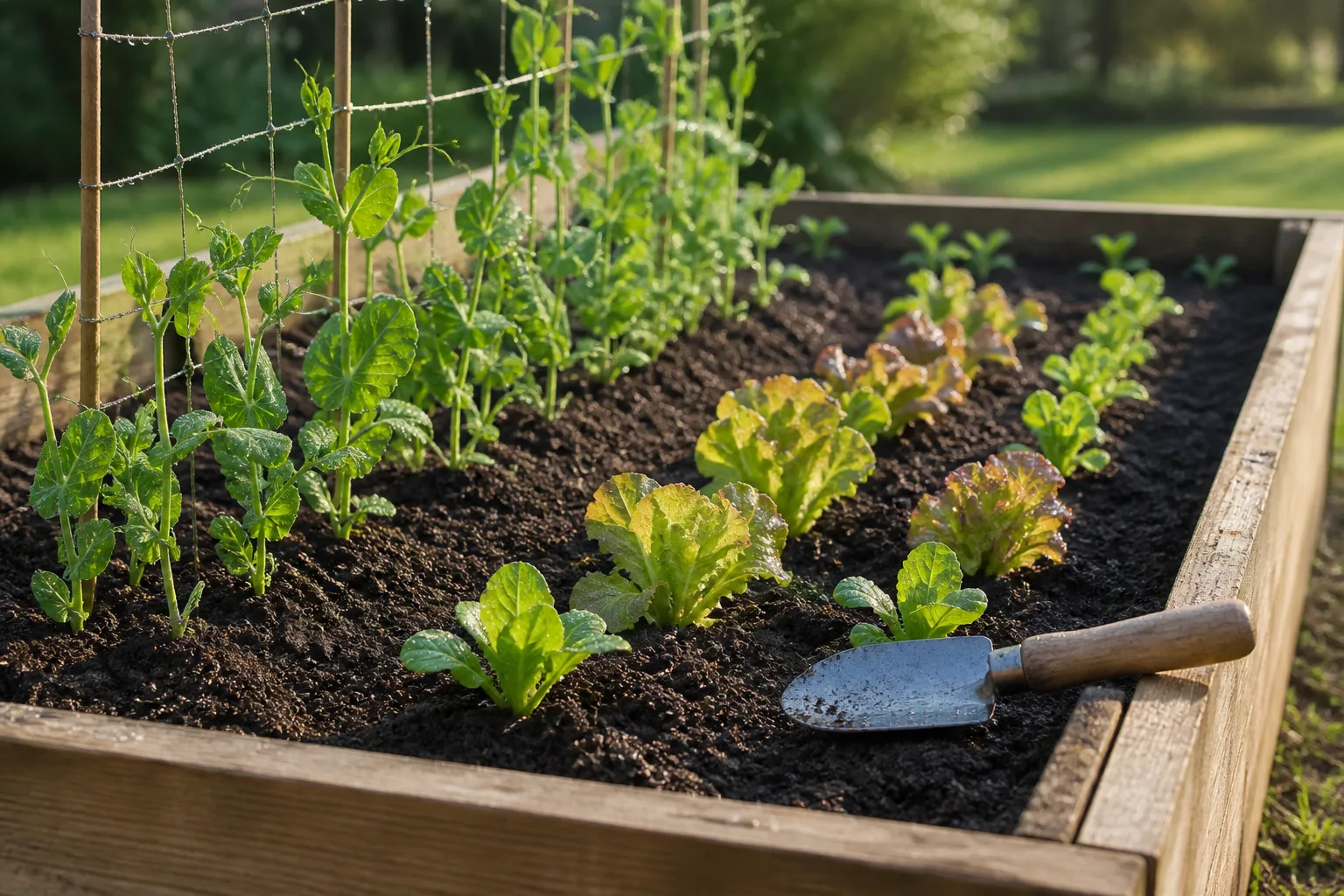
Leafy greens give you the most ways to win. You can harvest baby leaves before the plant reaches full size, switch from direct sowing to nursery starts, and keep picking through light frosts. Choose leaf lettuce, spinach, kale, mustard greens, chard, mizuna, or a mesclun mix rather than betting everything on one large, slow head.
For the fastest return, sow a short row of loose-leaf lettuce and spinach every 10–14 days instead of planting the whole bed once. Use the first sowing for baby leaves, the second for a larger harvest, and the third as insurance. The Chicago Botanic Garden’s August guidance recommends planting short-season spinach and radishes in early August, repeating cool-season lettuces, and giving greens partial shade when weather is unusually hot.
Harvest young and keep sowing
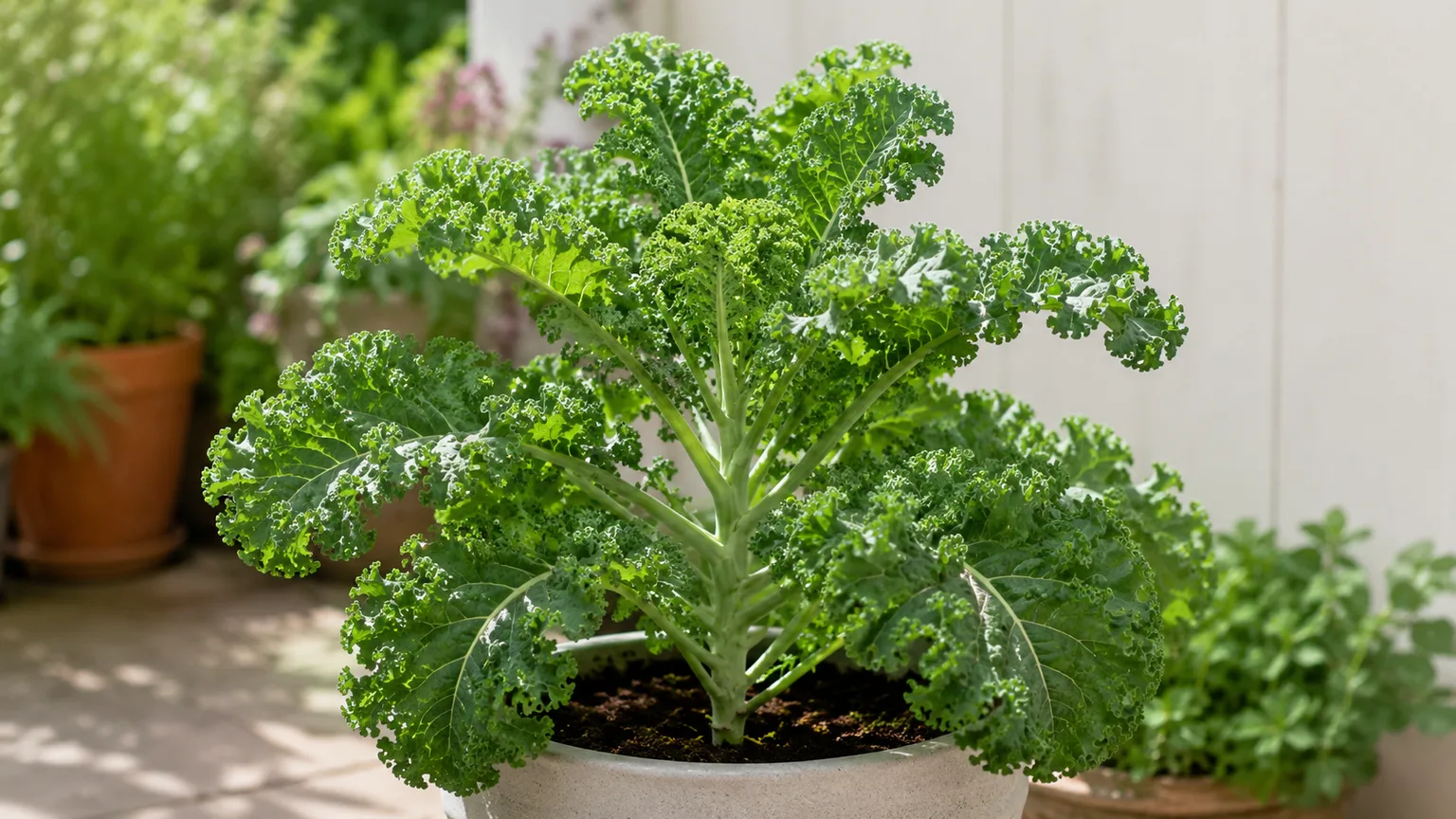
Harvest outer leaves when they are large enough to use, leaving the growing point intact. For a baby-leaf mix, cut above the crown and leave enough stem for regrowth. Baby greens are not a consolation prize: they are often more tender, and they let you eat from the bed before a heading crop is ready.
If lettuce forms a tall central stalk, it is bolting. Heat, drought, crowding, and abrupt stress can all accelerate it. Pull or harvest bolting plants instead of waiting for a bitter head, and sow the next row in a cooler or lightly shaded position.
Spinach can be slow to emerge in hot, dry soil. Sow it shallowly into damp soil, shade the row until germination, and use a fall variety suited to your region. If the first sowing struggles, do not keep watering an empty row indefinitely; re-sow after a cooler spell or switch to a more heat-tolerant green such as chard or Malabar spinach for the remaining summer.
2. Basil: a quick replacement for tired summer plants
Basil is the warm-season outlier in this list. It does not become a fall-hardy crop, but a fresh sowing or small transplant can supply fragrant leaves for several weeks after spring plants turn woody, flower heavily, or decline from repeated harvest.
The University of Minnesota Extension maturity table gives basil a 30–60 day maturity range and lists it as frost-killed. That means basil belongs at the warmest, sunniest end of the bed, with a plan to harvest it before the first frost rather than hoping it will bridge into winter.
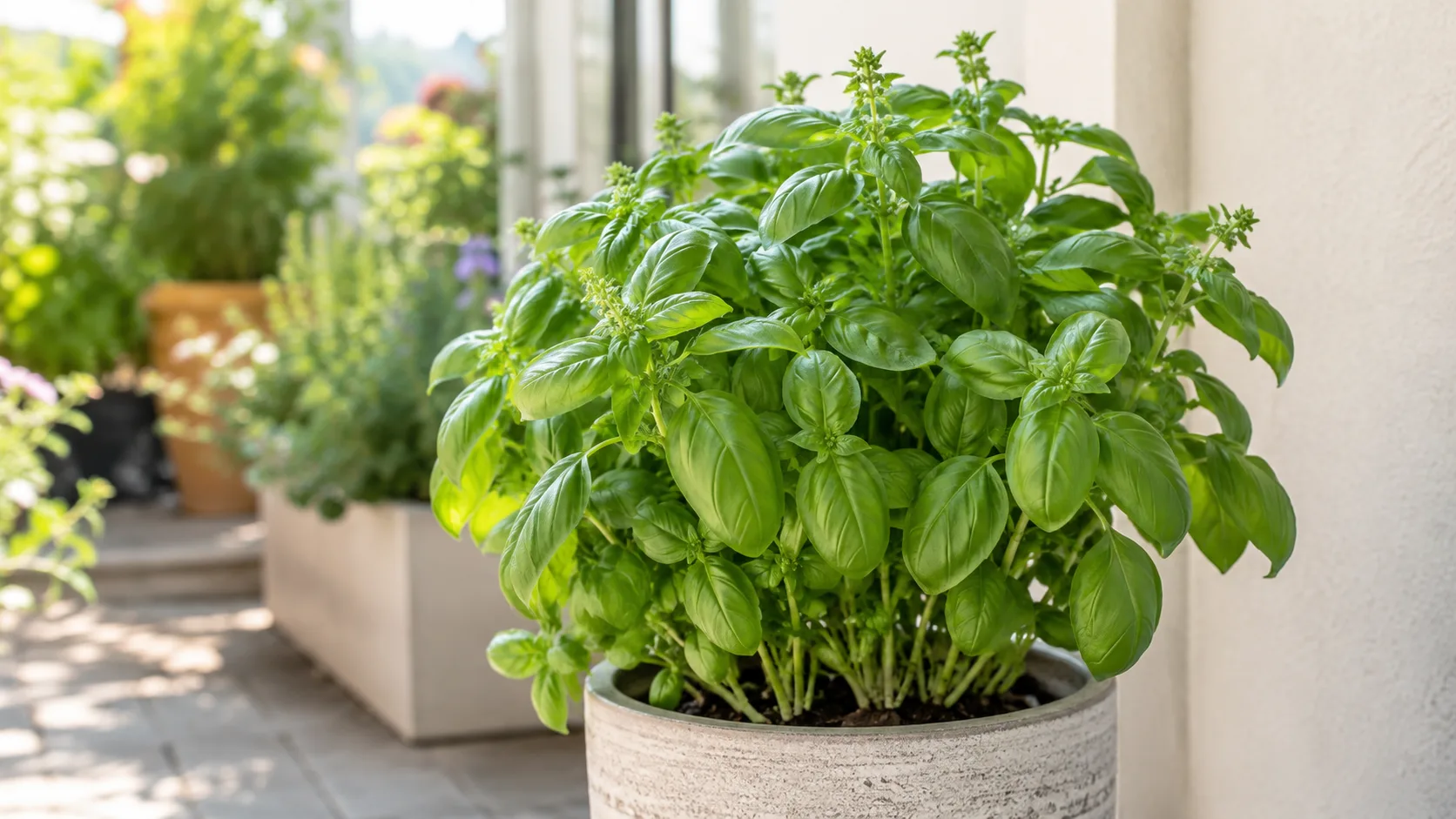
Plant basil in full sun with soil that drains freely, then keep the root zone evenly moist while it establishes. Pinch growing tips above a pair of leaves once the plant has several sets of foliage; this encourages branching and gives you usable leaves at the same time. Remove flower buds if you want the best leaf flavor, but let one plant flower if you want pollinator forage or seed.
Late-summer basil is particularly useful in a container because you can move it under cover for a cold night. Bring it indoors only if you can provide strong light and good airflow; a dim, humid windowsill often produces lanky growth and pests. Treat the first night near 40°F as a warning to harvest, and the first frost forecast as a hard deadline.
3. Cauliflower: a worthwhile but timing-sensitive transplant
Cauliflower can make a beautiful fall harvest, but it is the least forgiving crop in this group. It needs enough time to build a large plant before the head forms, and heat, drought, root restriction, or a long pause after transplanting can produce a disappointing plant with no usable head.
Start with a young, vigorous transplant rather than August-sowing seed outdoors unless your local season is unusually long. The Illinois Extension guidance for cauliflower recommends young active transplants, wider fall spacing, and consistent moisture. It also notes that a growth interruption can abort the edible portion, which is why cauliflower deserves a place in the “plant early in August if you can” category—not the “try it anytime this month” category.
Water the transplant deeply at planting, then check it daily during hot weather until new growth resumes. Shade it for the first few afternoons if the leaves wilt, but do not keep it under dense shade once the roots establish. Feed according to the label of a vegetable fertilizer or use a modest compost amendment; excess nitrogen can create huge leaves without solving a timing problem.
When a white curd begins to form, protect it from harsh sun by folding or tying the outer leaves over the head unless you are growing a self-blanching variety. Harvest when the curd is compact and firm. If the florets separate and the surface becomes coarse, the quality window has already passed.
4. Bush beans: fast enough, but killed by frost
Bush beans are one of the few warm-season crops that can still repay an early-August sowing. They grow quickly in warm soil, stay compact, and do not need a trellis, but they have no tolerance for frost. A single cold night can end the plant even if the pods look almost ready.
Choose an early bush variety, not a long-season pole bean, and sow directly into full sun. Plant a short row every 10–14 days only while the count-back math leaves a real harvest window; succession planting is not useful if the last row will meet frost before flowering. The Rutgers fall vegetable schedule lists snap beans as a warm-season fall crop and gives a direct-sowing window that ends in early August for its regional example.
Keep the seedbed evenly moist until emergence, then water at the soil line when the top inch begins to dry. Pick pods while they are slender and frequently; leaving mature pods on the plant signals the plant to slow production. If an early frost is forecast, harvest every usable pod the day before and cover the plants overnight with row cover supported above the foliage.
Beans are not a good choice for a late-August garden in a short-season northern climate, or for a bed that has only 30 days before frost. They are a sensible bet in a long season, a protected microclimate, or a warm region where “August” still means many weeks of growing weather.
5. Radishes: the quickest payoff in the bed
Radishes are the best crop when you want proof that the second planting is working. Many small salad radishes mature in roughly 21–40 days, although variety and conditions can stretch that window. The Savvy Gardening guide to August vegetables notes that some radishes mature in as little as 21 days and that late-summer sowing can avoid the heat that makes spring roots sharp or woody.
Direct-sow radishes in a loose, stone-free bed. Cover seed lightly, thin seedlings early, and keep moisture even while the root swells. Crowding produces small, misshapen roots; drought followed by heavy watering can split them. A second sowing two weeks after the first gives you a longer harvest rather than one basket of roots all at once.
Pull a test radish when the shoulders show above soil. If it is the size you want, harvest the row; if not, give it a few more days and keep checking. Radishes can tolerate a light frost, but the roots still lose quality if left too long in hot, dry soil or allowed to become overmature.
A simple August-to-fall planting plan
The most reliable late-season garden is a portfolio, not a single bet. Put the crops with different failure points in separate short rows so an early frost does not erase the whole plan.
Week 0: sow, transplant, and shade
Clear the bed, remove diseased residue, add a modest amount of finished compost, and water the soil before planting. Direct-sow radishes, bush beans, spinach, and leaf lettuce. Set out young cauliflower transplants, then give fresh seed rows temporary afternoon shade if the soil is hot.
Plant basil in the sunniest spot or a movable container. Read each seed packet for days to maturity, then write the expected harvest date and your local first frost date on the garden label. If the harvest date falls after frost with no protection, replace that crop with radishes or baby greens.
Weeks 2–4: thin, feed, and succession-sow
Thin seedlings while they are small; crowded greens and radishes rarely correct themselves later. Re-sow a short line of lettuce, spinach, or radishes every 10–14 days while the weather and frost calendar allow. Harvest basil tips and bean pods often so the plants continue producing rather than switching to seed.
Watch cauliflower for cabbage worms, wilt, or stalled growth. Check moisture at the root zone instead of relying on a surface appearance, and apply mulch only after seedlings are established. A thin organic mulch reduces evaporation, but a thick, wet layer against young stems can invite rot and slugs.
The Chicago Botanic Garden’s August checklist also recommends keeping vegetables picked, monitoring for pests, and pinching developing herb flowers when the goal is leafy flavor. Those small maintenance actions matter more as day length decreases and plants have less time to recover from stress.
First frost: protect tender crops and harvest the rest
The first frost date is an average, not a weather appointment. When a cold forecast appears, harvest basil and beans before the temperature drops to freezing, and cover them with row cover only if you need one last night. Do not let fabric sit directly on wet foliage or leave a covered bed sealed in strong sun the next day.
Leaf lettuce, spinach, kale, and radishes can often keep going through light frost, depending on variety and local conditions. Harvest cauliflower heads at the right size rather than waiting for a perfect calendar date. After the final harvest, remove diseased plants, compost clean residue, and leave the soil covered with mulch or a suitable cover crop if the bed will sit empty.
When to skip these crops
Skip a crop when the math and the climate disagree. If your first frost is less than four weeks away, choose radishes and baby greens instead of beans or cauliflower. If your August soil is persistently hot and dry, delay spinach and lettuce until a cooler stretch or start them in trays where you can control moisture and shade.
Skip cauliflower if the only available plants are pale, root-bound, or already flowering. Skip basil if you cannot protect it from an approaching freeze. Skip beans when the variety’s maturity date lands within a few days of frost; a plant that technically can mature before frost still needs time to flower, set pods, and give you a harvest window.
Finally, do not force a vegetable crop into a bed with a serious disease history just because space opened up. Clear the residue, rotate plant families, and use a cover crop or mulch when the season is too short. A healthy soil-building choice is more valuable than a late crop that fails and leaves another round of stressed plants behind.
Conclusion
The best fast-growing crops to plant in August are not simply the ones with the smallest number on a seed packet. They are the crops whose maturity, frost response, planting method, and care demands match the weeks you actually have left.
Choose leafy greens when you want the most forgiving harvest, basil when you need a fresh warm-season replacement, cauliflower when you have a vigorous transplant and a long enough runway, bush beans when frost is still distant, and radishes when you want the quickest result. Count backward from your first frost, prepare the bed immediately, sow in small successions, and let the first cold nights tell you when to harvest—not when to give up.



