Root-Bound Houseplants: Signs and Repotting Guide
A root-bound plant has outgrown its container enough that roots circle densely around the root ball and there is too little loose media left to buffer water, air, and nutrients. The symptom does not usually begin as dramatic leaf damage. It starts with a plant that dries out too fast, stops sizing up, needs watering more often than it used to, or pushes roots from the drainage holes because there is nowhere else to go. Root-bound is not the same as root rot. A crowded root ball can still have healthy roots. The job is to decide whether the plant is merely snug, truly pot-bound, or already suffering from dehydration and stalled growth because the container is too full of roots to function well.
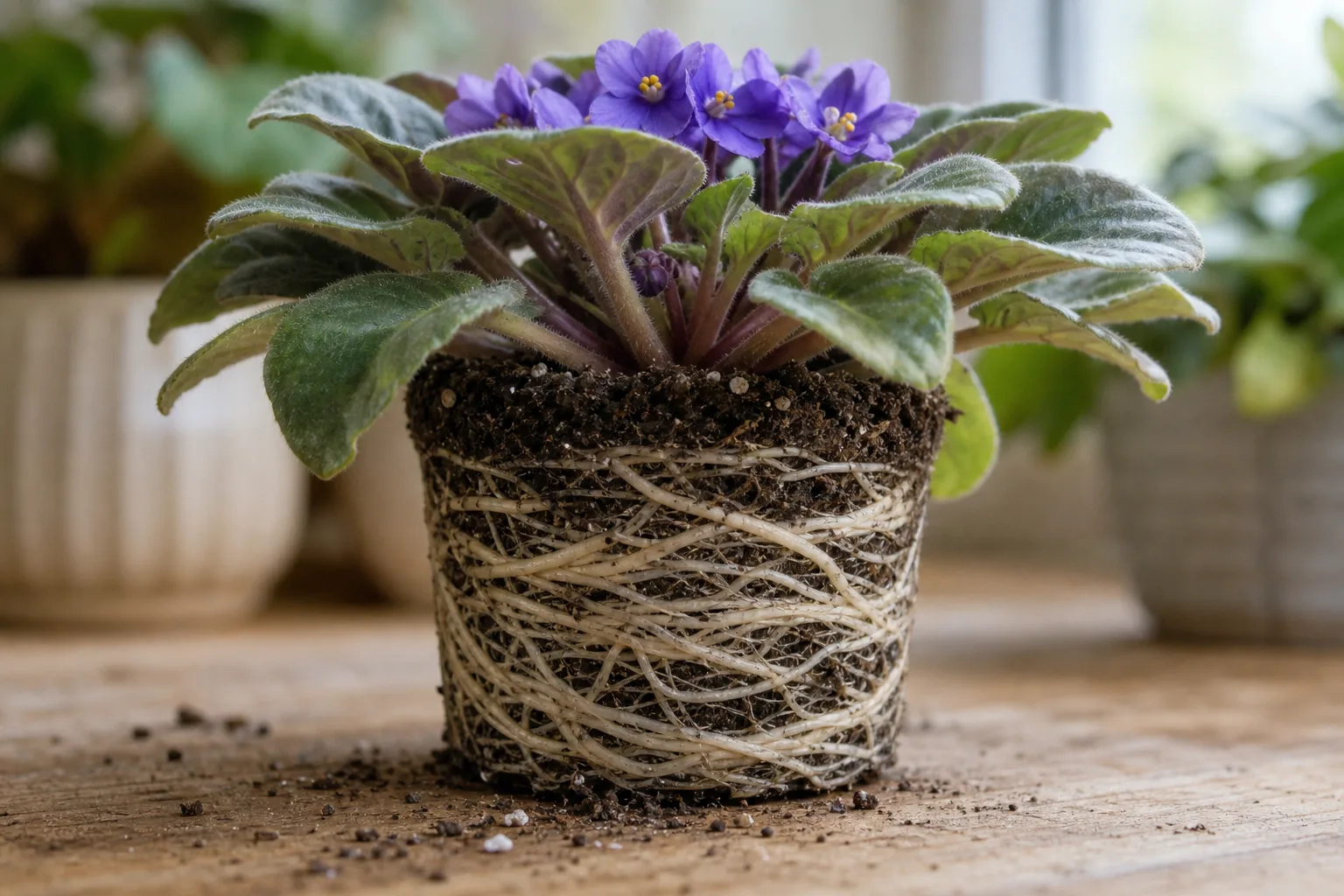
Root Bound on Houseplants
Still unsure?Match your symptoms to the most likely problems in under a minute.Run diagnosis →Understand and fix root bound
A root-bound plant has outgrown its container enough that roots circle densely around the root ball and there is too little loose media left to buffer water, air, and nutrients. The symptom does not usually begin as dramatic leaf damage. It starts with a plant that dries out too fast, stops sizing up, needs watering more often than it used to, or pushes roots from the drainage holes because there is nowhere else to go. Root-bound is not the same as root rot. A crowded root ball can still have healthy roots. The job is to decide whether the plant is merely snug, truly pot-bound, or already suffering from dehydration and stalled growth because the container is too full of roots to function well.
Overview
A root-bound plant has outgrown its container enough that roots circle densely around the root ball and there is too little loose media left to buffer water, air, and nutrients. The symptom does not usually begin as dramatic leaf damage. It starts with a plant that dries out too fast, stops sizing up, needs watering more often than it used to, or pushes roots from the drainage holes because there is nowhere else to go.
Root-bound is not the same as root rot. A crowded root ball can still have healthy roots. The job is to decide whether the plant is merely snug, truly pot-bound, or already suffering from dehydration and stalled growth because the container is too full of roots to function well.
How to identify it
- Roots circle densely around the outside of the root ball when you slide the plant out.
- Roots emerge from drainage holes or lift the plant upward in the pot.
- Water runs through quickly or the mix dries much faster than it used to.
- Growth slows even during the active season.
- The plant becomes top-heavy or cracks a thin plastic nursery pot.
When to worry
Repot soon when the root ball is mostly roots with very little mix left, the plant wilts again quickly after watering, or the pot is cracking under pressure.
Common causes
Normal growth over time
Healthy plants eventually fill their containers. Vigorous species reach the pot wall and begin circling if not repotted.
Delayed repotting
Leaving a fast grower in the same pot for too long turns a snug fit into a dense root mass with too little buffering mix.
Small starting container
Plants purchased in undersized nursery pots can hit the root-bound stage quickly after coming home.
Species that resent drying out
Once heavily root-bound, moisture-loving plants show stress faster because the container cannot hold enough usable water between drinks.
Step-by-step fix
Slide the plant out and inspect the root ball
Confirm whether roots circle tightly around the pot edge and bottom. Healthy root-bound plants usually have firm pale roots, not mushy rotten ones.
Repot one size up
Move into a slightly larger container with fresh mix rather than jumping to an oversized pot that will stay wet too long.
Loosen or trim circling roots if needed
Gently tease apart packed outer roots, or trim the worst circling sections on tolerant species, so roots can grow outward into new media.
Water thoroughly after repotting
Fresh mix should be moistened well so new root contact points settle. Then return to the species' normal dry-down rhythm.
Watch recovery through new growth and steadier moisture
Success looks like slower dry-out, renewed growth, and less frequent wilting after the plant has adjusted.
Prevention tips
- Use drainage holes and well-aerated potting mix
- Water based on soil dryness, not leaf appearance
- Repot before roots severely circle the pot
- Check fast growers annually during the active season
Common mistakes
- Confusing root-bound with root rot and treating healthy roots like diseased ones.
- Upsizing several pot sizes at once.
- Ignoring a cracking pot or drainage holes packed solid with roots.
A root peeking through a drainage hole is a clue, not a verdict. Roots explore openings, and a vigorous plant can reach a hole long before the container stops functioning. A plant becomes meaningfully root-bound when dense roots occupy so much of the pot that water delivery, root expansion, anchorage, or normal growth is impaired.
The distinction matters because an unnecessary jump into a large pot creates a new risk: a small root system surrounded by a large volume of wet media. Instead of repotting on sight, slide out the root ball, examine its density, and connect what you see with dry-down rate, growth, stability, and wilt.
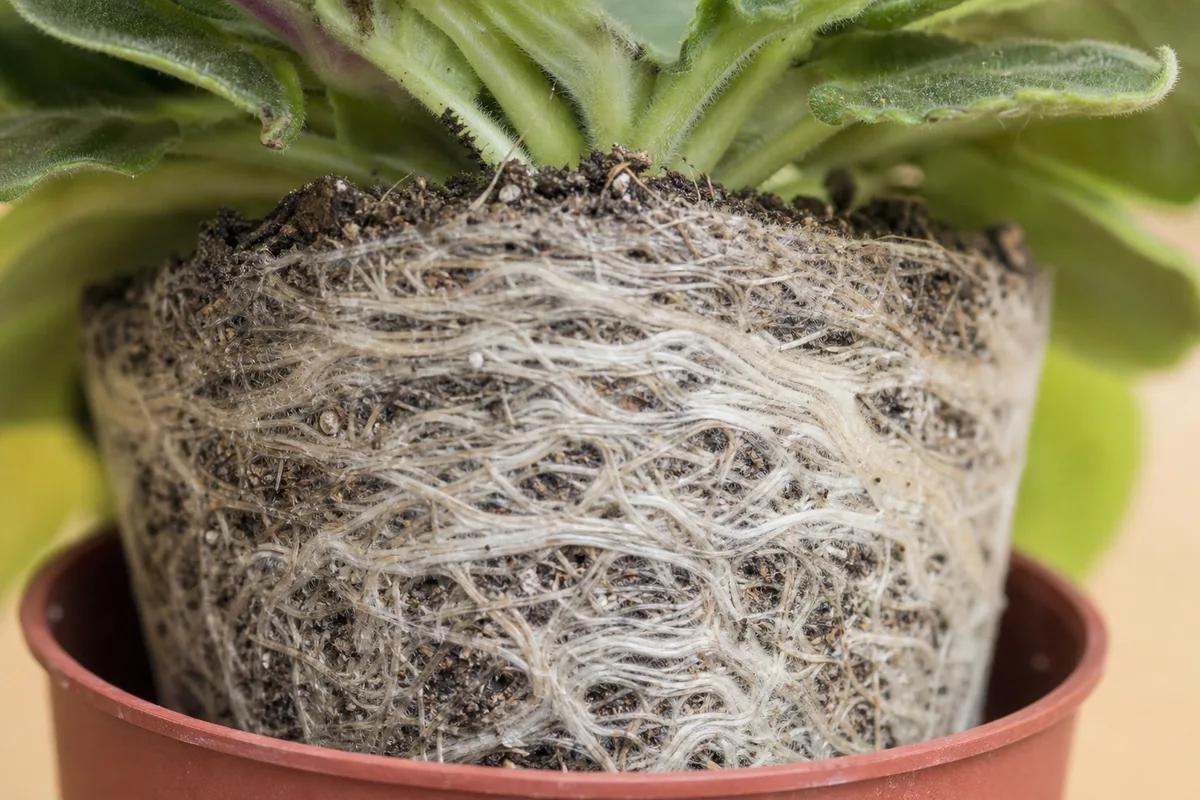
This guide synthesizes extension and horticultural guidance rather than reporting a controlled repotting trial. The two African-violet photographs illustrate visible crowding, but a photograph alone cannot tell whether repotting is urgent. The decision method used here weighs root density together with hydration, drainage, stability, active growth, and species habit; no single protruding root is treated as proof.
What root-bound means
“Root-bound” or “pot-bound” describes roots constrained by a container. As roots encounter the wall, they turn and may circle the outer edge or form a dense mat at the bottom. With time, the proportion of roots to potting substrate increases. The remaining media hold less readily available water, and irrigation may pass through channels rather than wet the whole ball.
Being snug is not automatically harmful. Some plants flower or remain stable in relatively close containers, and newly purchased plants often have visible roots without distress. The problem is functional: repeated wilt, stalled growth during favorable conditions, poor water penetration, instability, or physical pressure on the container.
Root architecture differs among species. Fine fibrous roots can form a tight felt, while thick roots, rhizomes, bulbs, or tubers produce a different-looking mass. Judge crowding relative to the plant’s normal structure and current performance rather than expecting every healthy root ball to resemble loose white threads.
Evidence that crowding has become a problem
The strongest diagnosis combines the root ball with at least one functional symptom. Slide the plant out when the mix is slightly moist. If the root mass preserves the pot’s exact shape, has dense circling layers on the sides and bottom, and contains little loose mix, crowding is real. If roots are visible but plenty of structured media remain, repotting may not be urgent.
Aboveground signs include a plant that needs water much more often than comparable conditions would suggest, wilts soon after thorough irrigation, stops increasing leaf size, becomes top-heavy, or lifts itself from the pot. A thin plastic nursery pot may bulge or split. Water may race down gaps without saturating the core.
These signs are not exclusive to root binding. Hydrophobic mix can cause fast runoff; high light and heat can accelerate drying; low light can slow growth; and root rot can leave a plant wilted in wet soil. The University of Maryland’s diagnostic guide recommends evaluating the environment and root condition rather than relying on one leaf symptom.
Snug, root-bound, or severely pot-bound
A snug plant has roots at the pot wall but still has visible substrate between them. Water enters evenly, the pot dries at a manageable rate, and growth is appropriate for the season. Monitor it; no emergency action is needed.
A root-bound plant has extensive circling or matted roots and less buffering mix. It may dry quickly, wilt between reasonable waterings, or show slowed growth. Repot during active growth when practical, but a stable plant can usually wait for a suitable workday.
A severely pot-bound plant is mostly roots, sheds water from a hard core, is being pushed upward, or is deforming the pot. Dense woody circling roots may be difficult to redirect. Intervention is more urgent when hydration cannot be maintained or the plant is unstable.
Root-bound versus root rot
| Evidence | Root-bound | Root rot or oxygen injury |
|---|---|---|
| Root texture | Dense and generally firm | Soft, hollow, sloughing, or easily broken |
| Mix behavior | Often dries very quickly or sheds water | Often stays wet, especially low in the pot |
| Odor | Usually neutral or earthy | May smell sour or swampy |
| Root distribution | Abundant around wall and bottom | Missing or decayed in the wettest zones |
| First correction | More functional root space | Remove decay and correct saturation |
The conditions can coexist. A crowded plant may be watered repeatedly because it wilts, leaving portions of the root ball saturated while the center remains dry. Inspect several areas rather than labeling every dark root rotten. The University of Maryland’s root-rot resource identifies excess moisture and poor drainage as important disease conditions, while firmness helps separate intact roots from decayed ones.
If roots are soft and the stem base is failing, treat the decay first. Moving the entire compromised ball to a larger pot adds wet volume and does not cure disease. If roots are firm and the mix is scarce, the plant needs space, renovation, or division rather than fungicide.
Why roots circle and containers stop working
Container walls redirect growing root tips. In a smooth round pot, some roots continue around the perimeter, and successive growth produces layers. Nursery production necessarily uses containers, so circling is common and not evidence of neglect. Problems emerge when the architecture persists and roots no longer explore fresh substrate.
The container also acts as a water reservoir. Early after potting, media occupy most of the volume and buffer moisture. Later, a dense root network displaces media and consumes water rapidly. An old root ball may contain broken-down particles and channels, so some areas remain dry while others hold water.
Plant size alone does not determine root space. A compact succulent may have a modest root system, while a smaller-looking aroid or grass-like plant may fill a container quickly. Growth rate, species, substrate, temperature, and light all influence how soon inspection is worthwhile.
When to repot and when to wait
Repot when crowding interferes with watering, stability, or active growth. Spring and early active growth are convenient because the plant can produce roots under improving light, but an unsafe cracked pot or a root ball that cannot be hydrated should not wait for a calendar date. The RHS guide to repotting advises checking root condition and moving to a slightly larger pot where appropriate.
Wait when a plant is healthy, the root ball is only moderately occupied, and environmental conditions are unfavorable for recovery. In a dark winter room, first determine whether growth has slowed because of season and light. Avoid combining repotting with a major relocation, harsh pruning, and strong feeding unless the plant’s condition requires those changes.
Quarantine and treat an active pest infestation before spreading contaminated mix around the collection. If the plant has just arrived, allow it to acclimate unless the pot cannot drain or roots are visibly declining. A short delay lets you distinguish transport stress from chronic crowding.
Timing should also reflect your ability to provide aftercare. A plant repotted immediately before travel may dry unexpectedly in its new mix or remain wetter than expected without anyone checking it. Choose a period when you can observe the first several watering cycles, because the old core and fresh outer layer rarely behave identically at first.
If the plant is flowering, decide whether the watering problem outweighs the possibility of losing blooms after disturbance. Decorative flowers are temporary; a root ball that cannot take up water is a more important concern. A stable, merely snug plant can often wait until flowering ends, while a splitting pot or repeated collapse justifies action.
Choose the right correction
Upsizing is only one option. A grower may move the plant to a modestly larger pot, prune and refresh the root ball while retaining the same container, divide a clumping plant, or propagate a new specimen. The safest method depends on how much healthy root exists, the plant’s biology, and the desired mature size.
Use the least disruptive option that solves the observed failure. If the root ball still wets evenly, drains normally, and supports normal new growth, wait and monitor. If water bypasses a dense core or the plant repeatedly wilts soon after thorough watering, increase usable mix volume or renovate the outer root mat. If the plant is unstable, the container is splitting, or roots cannot be hydrated without repeated intervention, repot promptly rather than waiting for a preferred season.
Prepare fresh potting substrate that matches the species, a clean pot with drainage, and clean tools. Water a brittle-dry root ball ahead of time so roots bend more readily. Work out of direct sun and do not leave exposed roots drying while you search for supplies.
Move up one practical pot size
Choose a container only modestly wider than the existing root ball—often one standard nursery size. The useful principle is a small ring of fresh mix around the roots, not a universal number of centimeters. Thick-rooted plants and very large specimens may need a different increment than small fine-rooted plants.
An oversized pot dries slowly because roots initially occupy only part of the medium. The Missouri Botanical Garden discusses overwatering as a root-zone problem; choosing excess volume can make prolonged wetness more likely. A decorative cachepot is acceptable only if the inner pot drains and runoff is emptied.
Pot material affects drying. Unglazed clay loses moisture through its walls, while glazed ceramic and plastic retain it longer. Select material and mix together, accounting for your indoor light and watering habits rather than treating one material as universally superior.
Confirm the new container before beginning: it should be clean, structurally sound, and have unobstructed drainage holes. A pot with an attached saucer can still trap runoff if the opening is sealed or difficult to empty. Measure the actual inside diameter; thick decorative walls can make two pots with the same outside width provide very different root volume.
Keep the old and new substrates reasonably compatible. A dense wet original core surrounded by very coarse dry material can create uneven water movement, while a bark-adapted epiphyte should not be buried in fine water-retentive peat simply because that mix is available. Correct a failing core carefully rather than hiding it unchanged.
Renovate the root ball in the same pot
Same-pot renovation is useful when the plant should remain at its current display size, when a larger container will not fit, or when the species tolerates root pruning. Remove a conservative portion of the outer and lower root mass, refresh exhausted medium, and balance top growth only when appropriate for that species.
Do not apply a fixed “remove one-third” rule to every plant. Palms, orchids, succulents, caudiciforms, and plants with thick storage roots can respond differently from vigorous fibrous-rooted foliage plants. Research the species before making large cuts. If uncertain, loosen the perimeter and remove less.
Root pruning is deliberate surgery, not combing until every root is bare. Use clean sharp tools, preserve the crown, and cut crushed or dead tissue cleanly. Return the plant to a washed container with open drainage and fresh compatible substrate.
Divide or propagate crowded plants
Clump-forming plants may be divided along natural crowns or offsets. Each division needs viable roots and a growing point. Division reduces the mass placed back into each pot and can rejuvenate a congested center, but it creates more wounds and stress than simple upsizing.
Stem-forming plants may be propagated from suitable nodes or cuttings while the parent is renovated. Confirm the correct propagation unit; a leaf without a node cannot reproduce many popular aroids. Keep propagation tools and media clean, especially if any decay is present.
Propagation is not mandatory for a healthy root-bound plant. Use it as a size-management or backup strategy, not as a substitute for diagnosing poor water penetration or disease.
How to repot a root-bound plant
Water the plant according to its needs before the job; slightly moist roots are usually more flexible than brittle dry ones. Remove the cachepot and any support tied to the container. Support the plant near the base, tip the pot, and ease the root ball free. Cut a disposable nursery pot if necessary rather than wrenching the crown.
Examine the entire ball. Remove dead loose roots, pest-infested media, and any mesh, tight plug wrap, or constricting material that can be removed without destroying the crown. Decide whether the roots need gentle teasing, a few strategic cuts, division, or no disturbance beyond placement in fresh mix.
Free and loosen circling roots
For flexible fibrous roots, tease the outer layer with fingers or a clean blunt tool and direct some tips outward. If the exterior is a solid mat, make a few shallow vertical cuts and loosen the bottom. This creates openings for roots to enter new media, but more cutting is not automatically better.
Thick circling woody roots deserve careful attention because persistent structural circling can continue. Container-tree research is not identical to houseplant care, yet the RHS repotting method recommends teasing out congested roots before resetting a plant, which helps explain why simply hiding a dense spiral in more mix may not change its direction. Apply this cautiously to the species in hand.
Do not wash all substrate away from healthy roots unless disease, contamination, or a specific growing method makes it necessary. Keeping part of an intact root–media interface reduces disturbance and preserves fine roots.
Set the correct depth and settle the mix
Place fresh mix in the new pot and hold the plant so the crown or stem base remains at its previous depth. Burying a crown can keep sensitive tissue wet; setting the ball too high exposes roots and makes watering difficult. Fill around the sides in stages, working mix into large voids without packing it hard.
Leave practical headspace for watering. Water to settle the mix and confirm drainage, then top up only where substantial gaps appear. A thoroughly wetted but draining root zone is different from leaving the pot standing in runoff.
If the plant is top-heavy, stake it temporarily. Movement at the crown can break new root contacts. Remove or loosen ties as stability returns so supports do not cut into stems.
Aftercare and transplant stress
Return the plant to bright, species-appropriate light but avoid an abrupt jump into intense direct sun. Hold temperature steady and protect it from drying heat or cold drafts. Some leaf droop or loss can follow root disturbance; piling on extra water often worsens the situation.
Check moisture in the original core as well as the new outer mix. These zones can dry at different rates. Water when the plant and substrate require it, then drain fully. The University of Connecticut’s houseplant-watering guidance supports checking actual moisture rather than following a rigid schedule.
Delay fertilizer until active growth resumes unless a tested medium or professional production plan indicates otherwise. Fresh commercial media may already contain nutrients. Record the repotting date and look for steadier hydration, firm posture, and normal-size new leaves over the following weeks.
Special cases and species exceptions
African violets often perform in relatively small pots, and an oversized wet mix can be more harmful than a snug root ball. Orchids grown in bark are repotted partly because bark decomposes, not simply because roots leave the pot. Epiphytic roots may grow into the air as normal architecture.
Succulents and caudiciform plants may have relatively small active roots or large storage structures. Choose shallow or closely fitted containers where appropriate and protect damaged tissues from prolonged wetness. Palms can be sensitive to root disturbance, so avoid aggressive teasing without species-specific guidance.
Some flowering plants are said to “like being root-bound.” Usually this means they tolerate a close fit or flower when not given excessive vegetative conditions; it does not mean severe dehydration, girdling, or a splitting pot benefits them. Observe function, not folklore.
Common root-bound mistakes
The first mistake is upsizing from a small nursery pot to a container several times larger. The second is pruning roots heavily without knowing whether the species tolerates it. The third is placing an untouched, hydrophobic root cylinder inside new moist mix, where water bypass continues and roots do not readily cross the interface.
Other errors include burying the crown, using a pot without drainage, fertilizing a stressed plant immediately, and watering only the new outer mix. Repotting without improving unsuitable light can also leave the plant using water too slowly.
Do not treat root binding and root rot as synonyms. Firm crowded roots need space or renovation; decayed roots need sanitation and correction of the wet environment. The wrong diagnosis changes the entire treatment.
Prevent severe crowding
Check fast-growing plants during active seasons and whenever their water use changes sharply. Inspect through drainage holes, but slide out the ball only when multiple clues justify it. Keep a repotting log so “I think this pot is old” becomes a useful timeline.
Use stable, species-appropriate substrate and containers with accessible drainage. Water thoroughly enough to wet the ball, and rehydrate a shrunken core before it becomes chronically water-repellent. Rotate plants for even light, but do not confuse directional stem growth with root congestion.
Repot before the container deforms or hydration becomes unmanageable. A modest, timely intervention preserves more roots and causes less disruption than cutting apart a solid mass years later.
Conclusion
A root-bound plant is defined by impaired function, not by one root at a drainage hole. Confirm dense circling roots, little remaining substrate, and a related problem such as rapid dry-down, repeated wilt, instability, or stalled active-season growth. Then choose the smallest correction that restores workable root space.
Move up modestly, loosen or prune only as the species tolerates, preserve healthy roots, and keep the crown at the correct depth. Afterward, manage the old core and new mix as one changing root zone. Steadier water use and normal new growth—not an instantly perfect canopy—show that the repot worked.
Plants commonly affected
These houseplants often struggle with root bound. Open a care guide or plant-specific troubleshooting page for tailored fixes.
 Medium
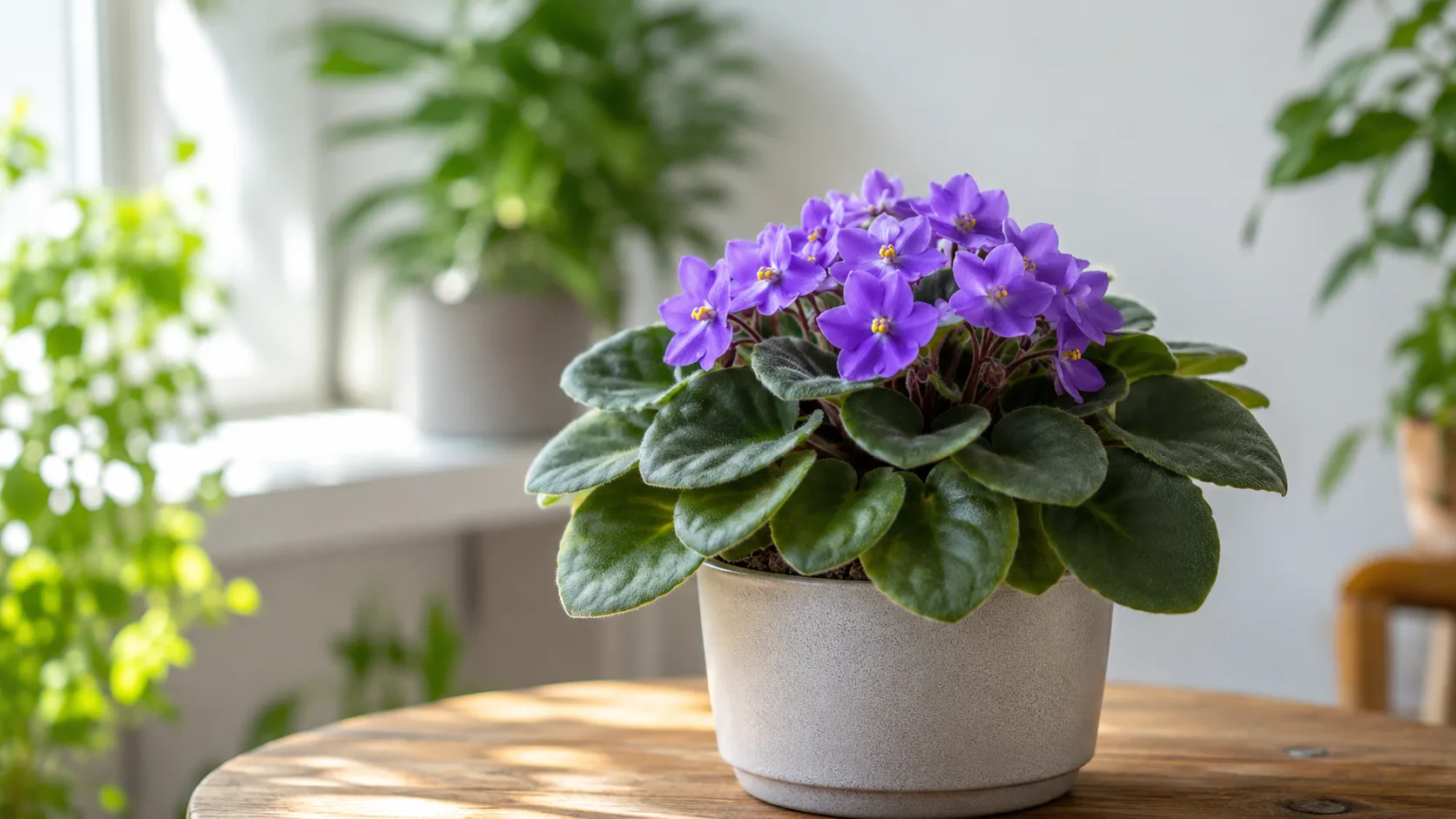
African Violet
Likely causeRoot Bound on African Violet: Stop wondering, "Do African violets like to be root-bound?" and start learning how and when to repot these beautiful houseplants.
Quick fixInspect African Violet, confirm root bound matches your symptoms, then adjust care or treat per authoritative guides.
 Medium
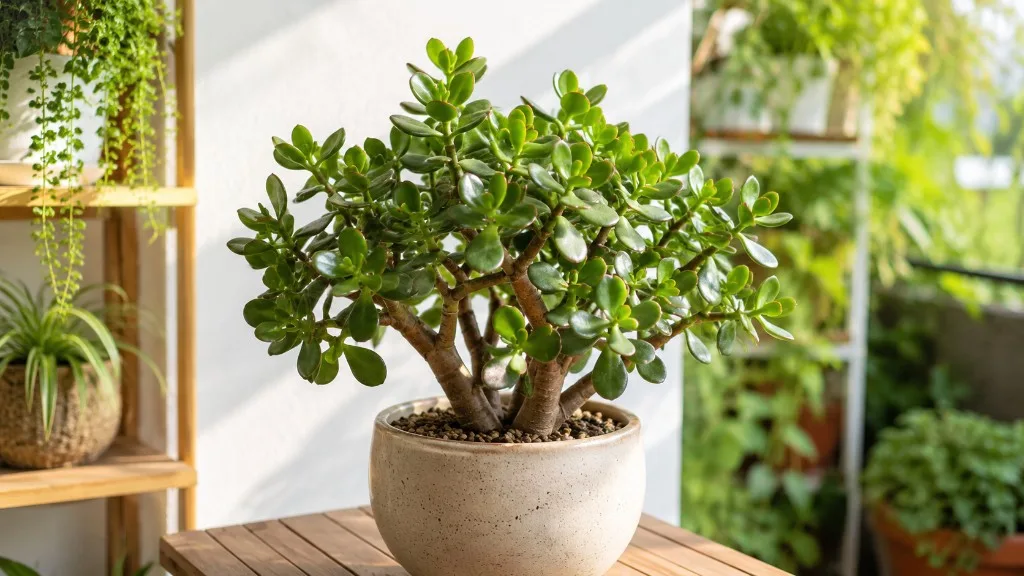
Jade Plant
Likely causeJun 1, 2021 · Jade plant prefers small pots, but these plants don’t like to be root bound as it can lead to stunted growth, droopy leaves, and lack of oxygen and water supply in the plant leading to various other issues.
Quick fixConfirm diagnosis on your Jade Plant, then address the most likely care or pest factor described in current extension guidance.
 Medium
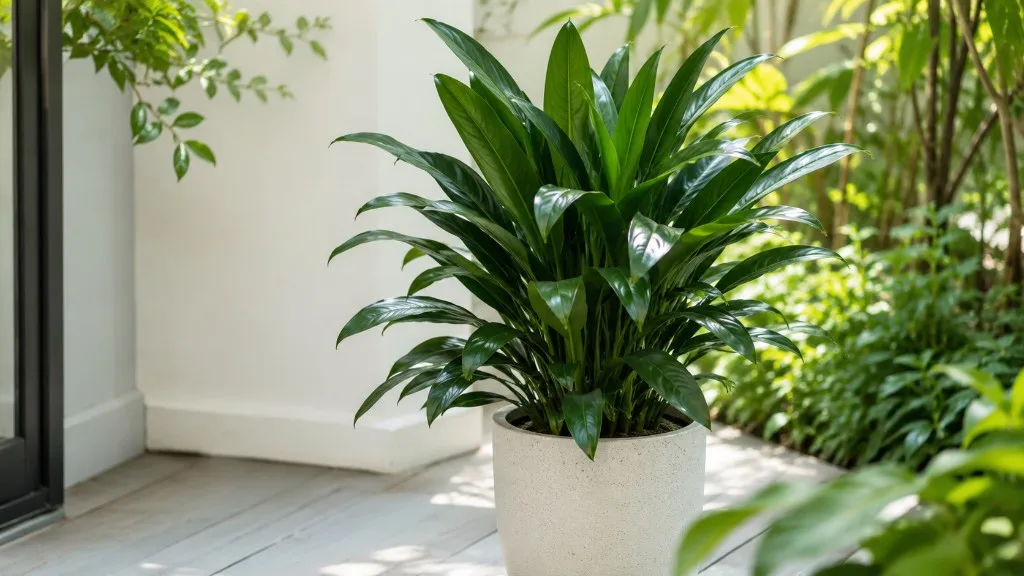
Janet Craig Dracaena
Likely causeSep 15, 2023 · The short answer is that the Janet Craig Dracaena doesn't necessarily "like" being root bound , but it can tolerate it better than some other houseplants. Dracaenas, in general, are quite resilient and can adapt to various co
Quick fixConfirm diagnosis on your Janet Craig Dracaena, then address the most likely care or pest factor described in current extension guidance.
 Medium
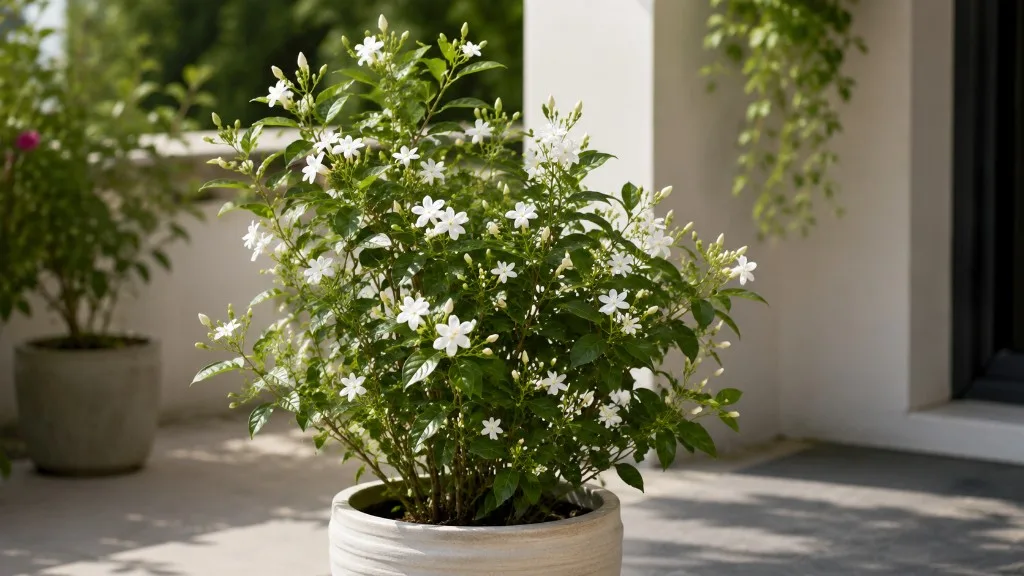
Jasmine
Likely causeOne day after a thorough drink, my soil might be bone dry. This is because the root ball has become so dense that it occupies most of the pot, leaving very little soil to retain moisture. Furthermore, the compacted roots can create channels
Quick fixConfirm diagnosis on your Jasmine, then address the most likely care or pest factor described in current extension guidance.
 Medium
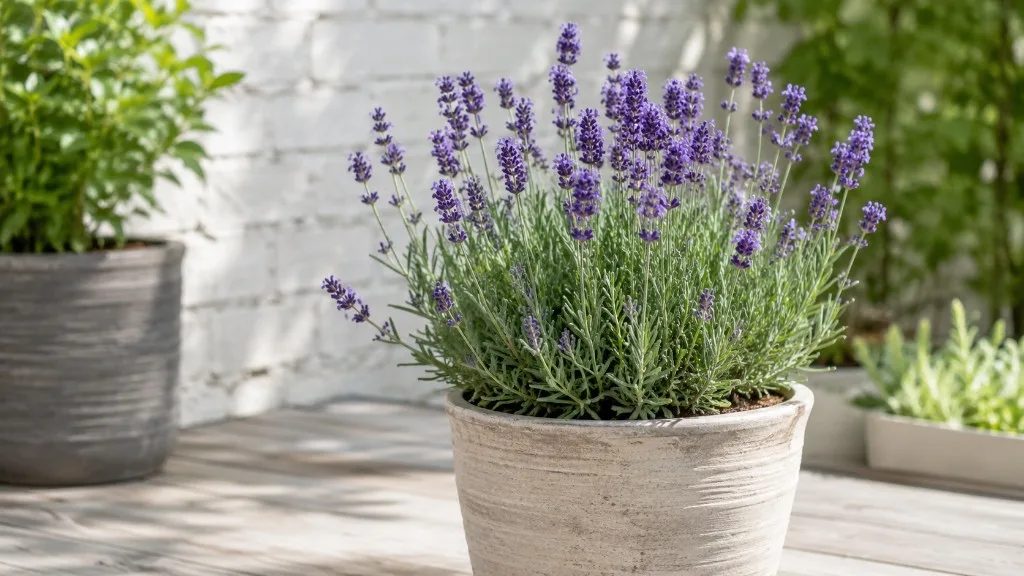
Lavender
Likely cause21 hours ago · Root - bound lavender can suffer from stunted growth, reduced flowering, and increased susceptibility to disease. In this post, we will explore why lavender does not thrive when root bound , the signs of root bound lavender ,
Quick fixConfirm diagnosis on your Lavender, then address the most likely care or pest factor described in current extension guidance.
 Medium
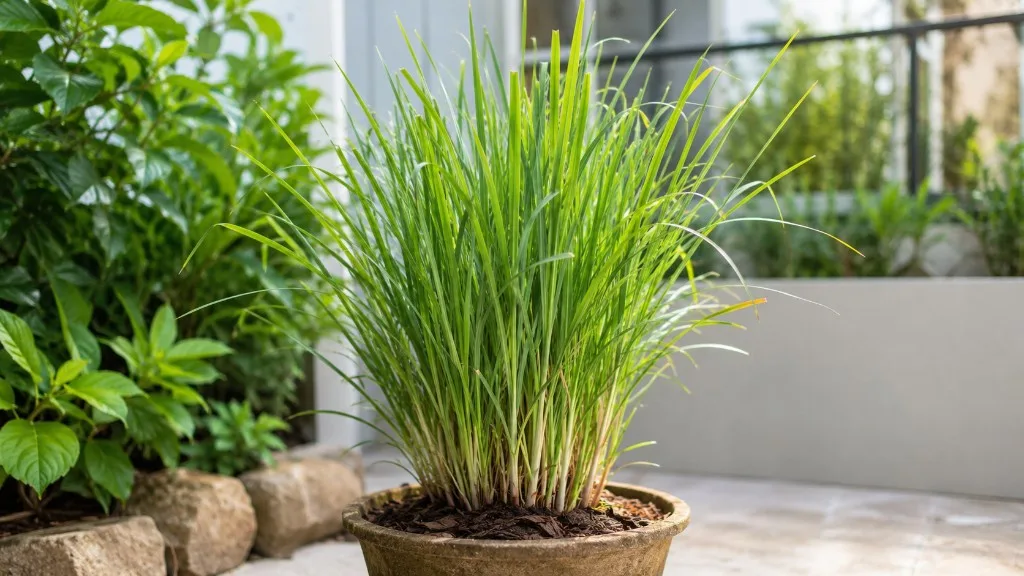
Lemongrass
Likely causeAug 7, 2025 · Lemongrass roots are fibrous, spreading horizontally to form a dense, shallow network rather than a deep taproot. This root structure anchors the plant securely in the soil and is responsible for absorbing water and nutrients.
Quick fixConfirm diagnosis on your Lemongrass, then address the most likely care or pest factor described in current extension guidance.
 Medium
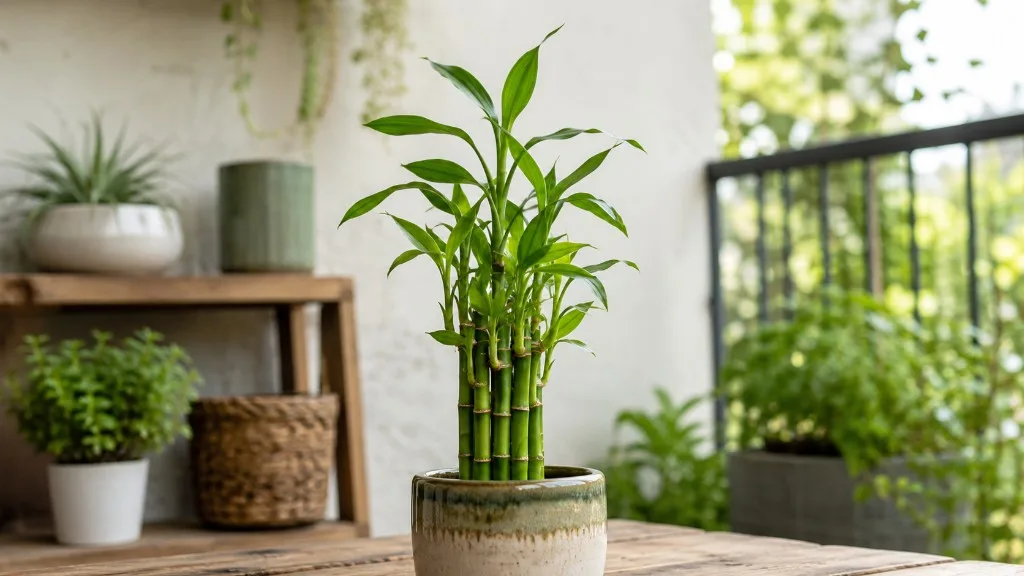
Lucky Bamboo
Likely causeJan 22, 2024 · In this article, we'll take a closer look at the root - bound condition in lucky bamboo, why it's a concern, and how to identify, prevent, and fix it. We’ll also explore some practical tips to ensure your lucky bamboo stays h
Quick fixConfirm diagnosis on your Lucky Bamboo, then address the most likely care or pest factor described in current extension guidance.
 Medium
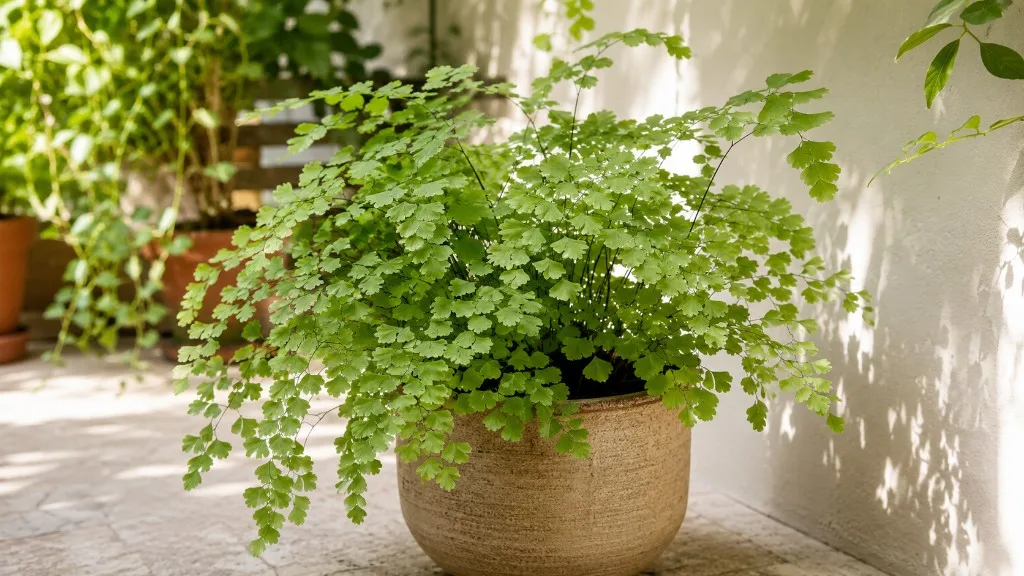
Maidenhair Fern
Likely causeApr 17, 2026 · Maidenhair ferns prefer to be root-bound , so container-grown plants should be repotted when their root system fills their current container. Regular repotting every two years or sooner if necessary is essential to ensure opt
Quick fixConfirm diagnosis on your Maidenhair Fern, then address the most likely care or pest factor described in current extension guidance.
 Medium
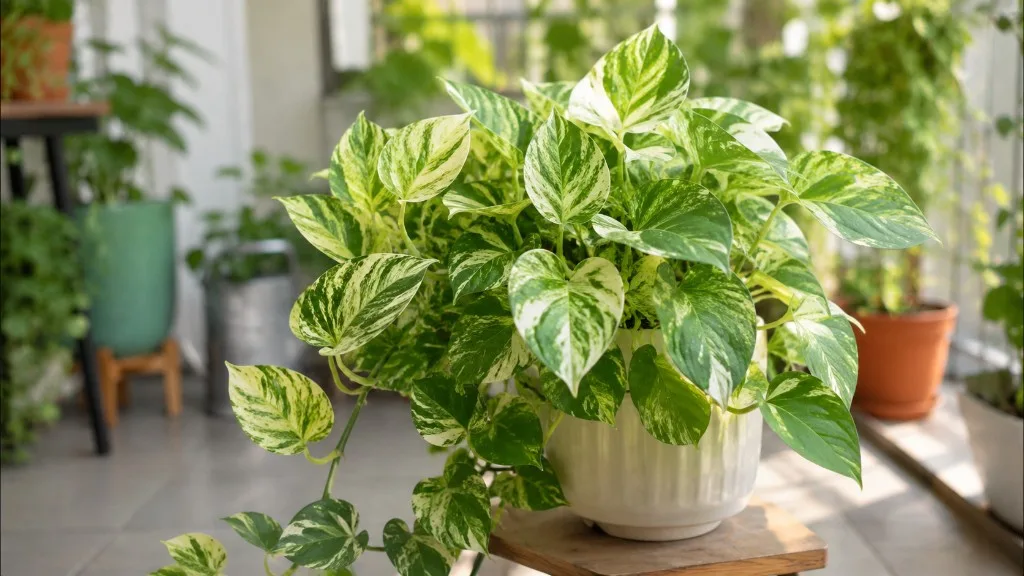
Manjula Pothos
Likely causeSep 19, 2023 · Manjula Pothos, like their Pothos cousins, prefer a snug fit but not a straitjacket. When they're slightly root bound , they seem to maintain a good growth rate and leaf production.
Quick fixConfirm diagnosis on your Manjula Pothos, then address the most likely care or pest factor described in current extension guidance.
 Medium
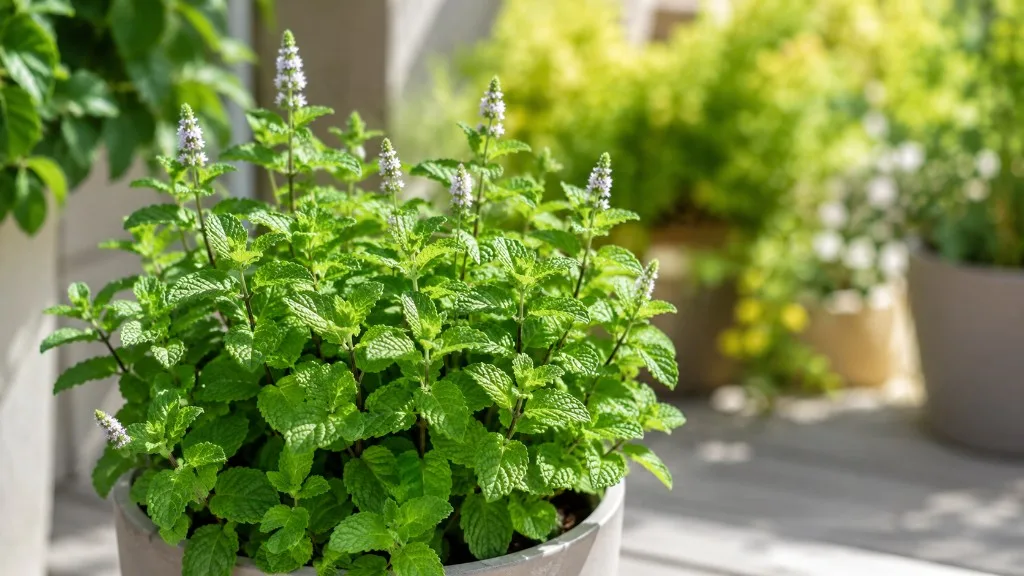
Mint
Likely causeAggressive mint rhizomes circle pots within 6–12 months, killing centre growth and slowing harvest.
Quick fixDivide rootball into sections; repot into fresh compost one size up with drainage holes.
 Medium
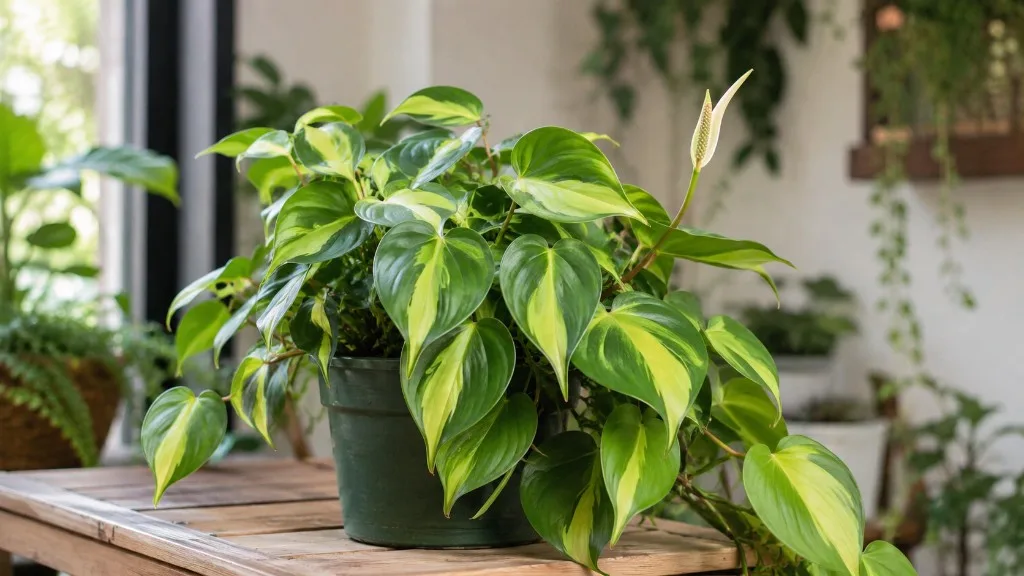
Philodendron Brasil
Likely causeJan 21, 2024 · In this article, we'll cover everything you need to know about caring for a root - bound Philodendron Brasil . From identifying the signs of a root - bound plant to repotting, watering, and ensuring your plant stays healthy,
Quick fixConfirm diagnosis on your Philodendron Brasil, then address the most likely care or pest factor described in current extension guidance.
 Medium
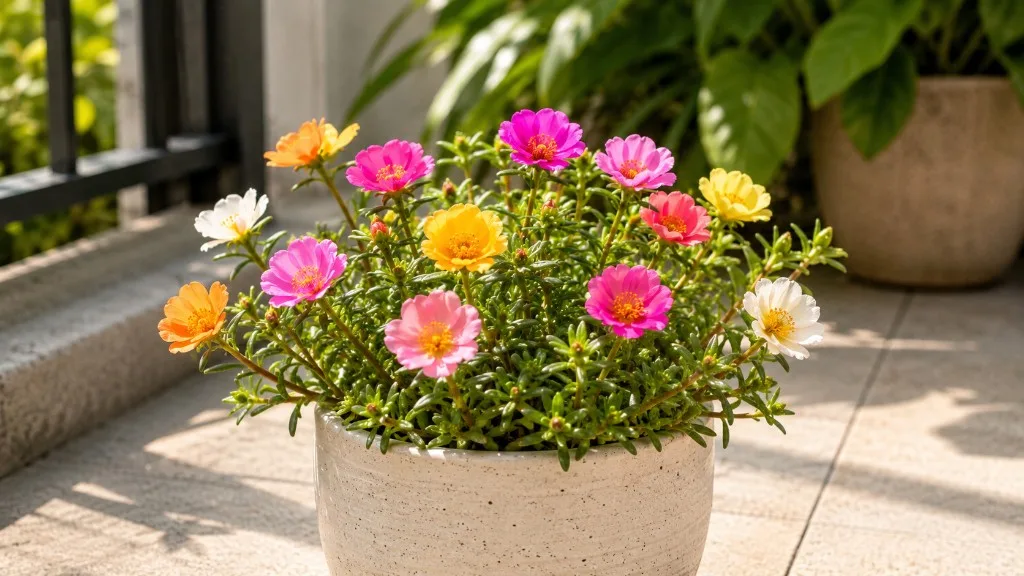
Portulaca
Likely causeJul 8, 2023 · The root system of the Portulaca Grandiflora plays a vital role in anchoring the plant into the soil and absorbing essential nutrients and water. Despite its small size, this plant has an extensive root system that is well-ada
Quick fixConfirm diagnosis on your Portulaca, then address the most likely care or pest factor described in current extension guidance.