Houseplant Root Bound: Causes, Diagnosis and Fixes
Spot root-bound houseplants by severity grade, then choose potting up or root pruning with pot-size and aftercare rules that prevent shock.
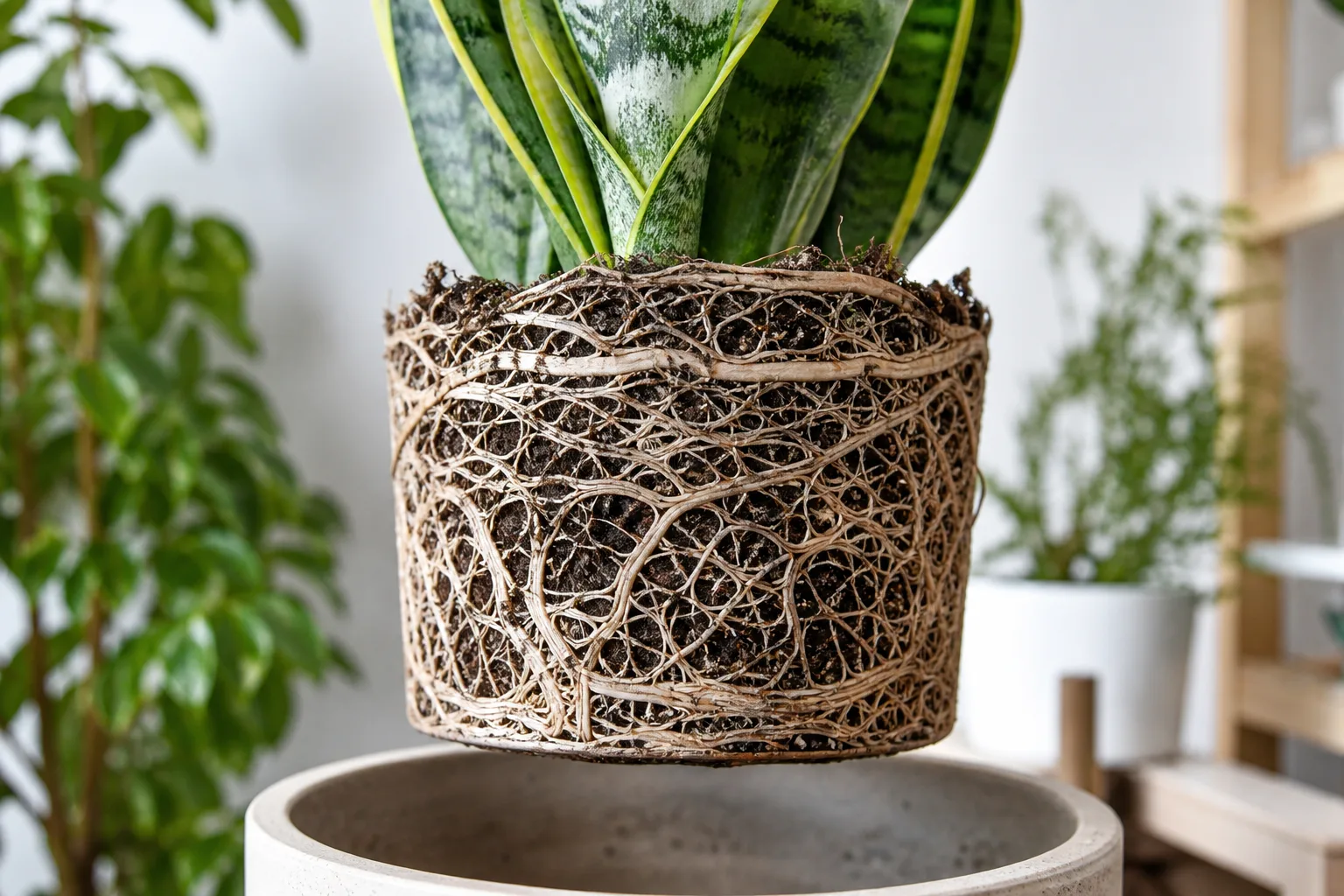
Your plant drinks the pot dry in two days. New leaves are smaller than last year’s. A few roots poke out of the drainage holes like they are looking for an exit. You have heard two opposite pieces of advice: “It likes being root bound” and “Repot it immediately or it will die.”
Both can be true. Root bound (also called pot bound) is not a single diagnosis with one fix. Mild crowding can keep some houseplants stable, floriferous, or a manageable size. Severe congestion starves the plant of water-holding mix, slows growth, and can even set up root rot when water cannot move through a solid mat of roots.
This page is the cross-species hub for grading that severity and choosing pot up versus root prune. If you only grow Monstera and want species-specific cues, use Rootbound Monstera. If you already know the plant needs a new pot and want technique detail, go to repotting houseplants.
Written by Sai Ananth; horticulture review by Dr. Ananya Rao (Ph.D. Horticulture; Editorial Review Board).
What Root Bound and Pot Bound Mean
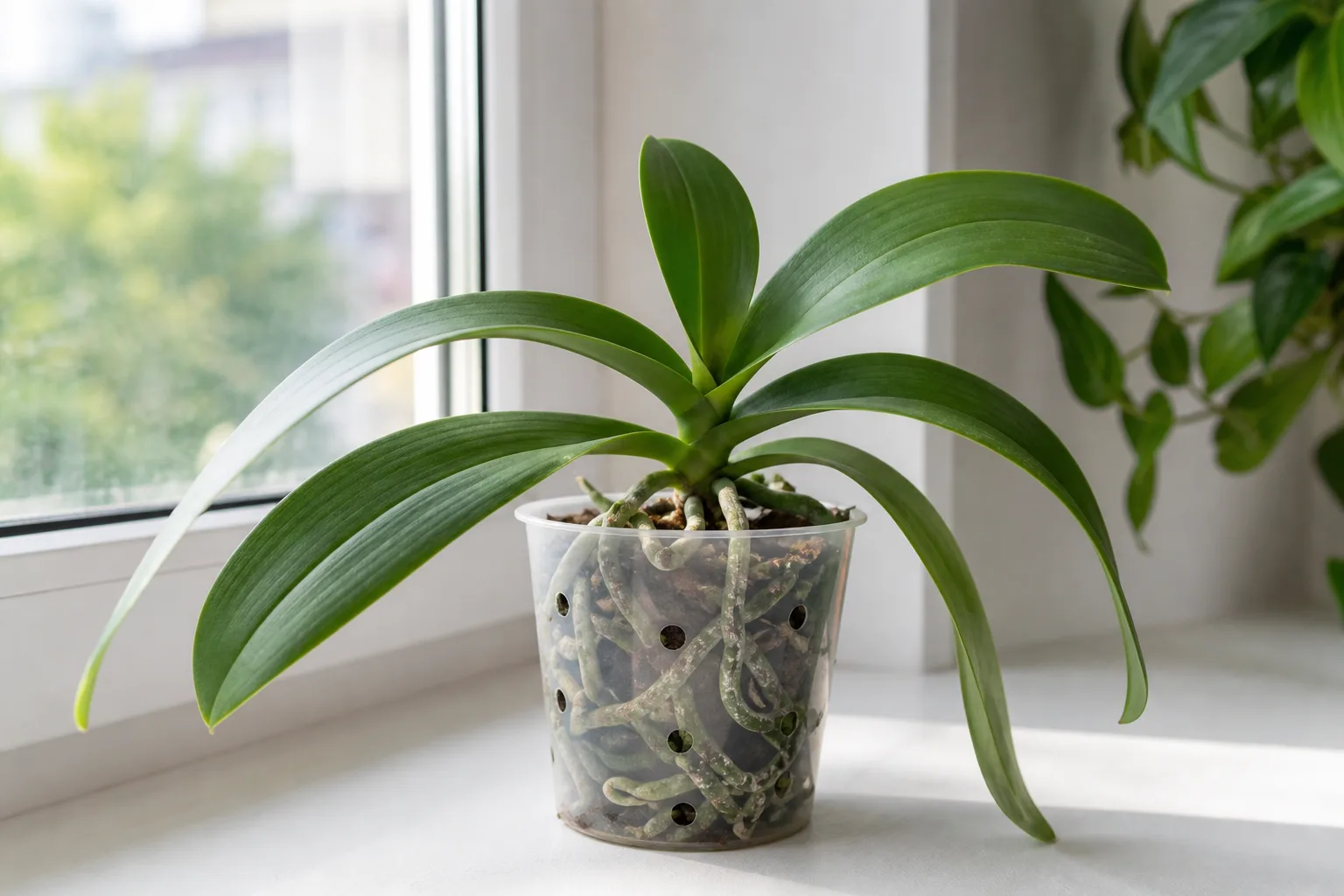
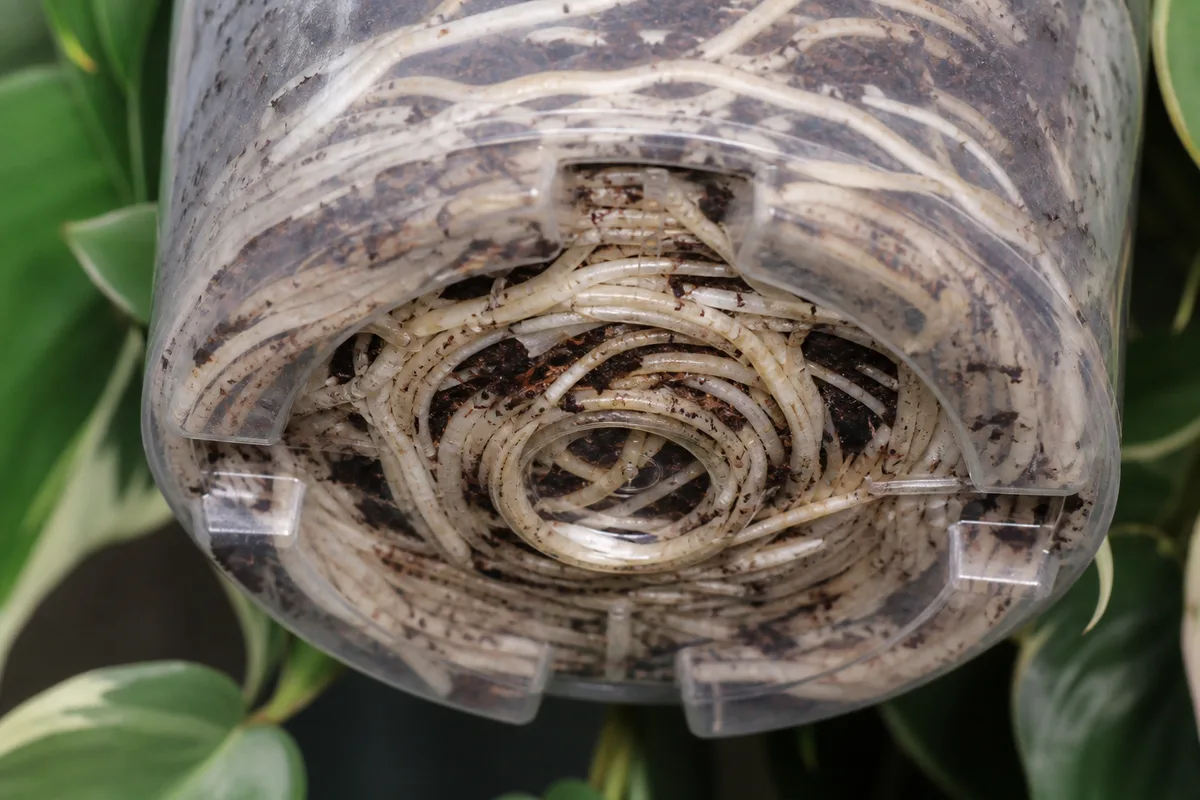
A houseplant is root bound when its roots have filled the container so thoroughly that little fresh potting mix remains between them. The RHS defines a pot-bound plant as one whose roots are densely packed and intertwined inside the pot, and notes that congested roots may spiral around the bottom and sides of the rootball or grow out through drainage holes.
That crowding matters because roots need more than physical space. They need a matrix of mix that holds water, air, and nutrients. As organic ingredients break down, the mix “slumps,” losing air spaces and water-holding capacity. Combine that with a solid root mat and the plant is living in a shrinking resource bank even if you fertilize on schedule.
Snug, Moderate, and Severe — A Practical Grading Scale
Root bound is a continuum, not an on/off switch. Use this LeafyPixels editorial scale when you tip a plant out:
| Grade | What you see | Typical watering clue | Usual response |
|---|---|---|---|
| Snug | Roots visible at the edge; plenty of mix still between them | Dry-down similar to last season | Often leave alone, or top-dress / light refresh |
| Moderate | Circling on sides/bottom; mix hard to see in the lower third | Mix dries faster than it used to | Pot up one size or light prune + refresh |
| Severe | Solid pot-shaped plug; almost no loose mix; hard to tease by hand | Bone-dry in 1–2 days, or water channels through | Pot up with teasing or prune outer roots; refresh mix |
Your response should match the grade. Jumping two pot sizes because you saw one root at a drainage hole is how moderate congestion becomes overpotting.
When Snug Helps vs When Congestion Harms
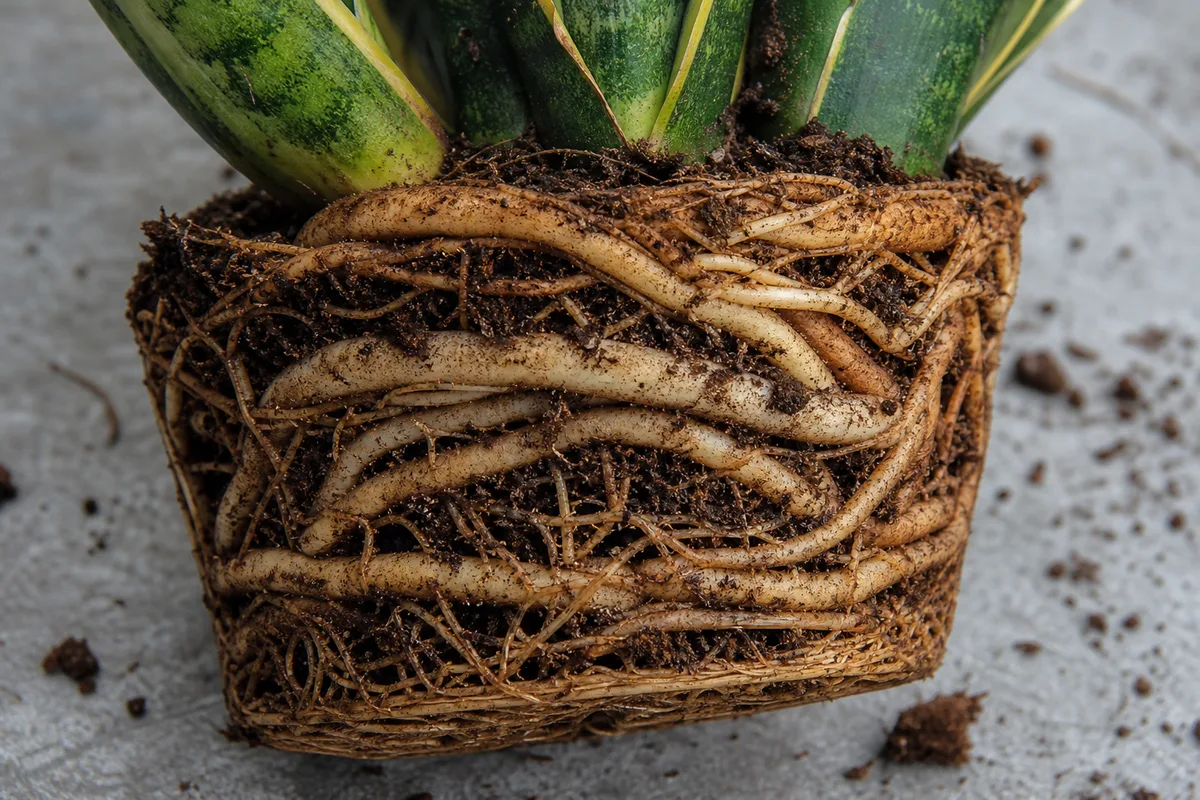
The internet slogan “plants love being root bound” skips the severity question. Slight crowding is often fine. Severe congestion is a stress state.
Some houseplants flower or stay compact more reliably when the pot is only modestly filled with roots. Epiphytes and plants that naturally grow in tight pockets — many Hoyas, holiday cacti, and some orchids — often prefer a snug container and infrequent upsizing. Succulents and slow growers such as snake plant or jade can sit happily for years before they need a larger pot, as long as watering still works and the plant is stable.
Mild crowding can also be a deliberate size-control tool. Penn State Extension notes that if you do not want a larger plant, you can remove outer roots, return the plant to the same pot with fresh mix, and reduce some top growth — the same principle bonsai growers rely on. In that framing, “root bound management” is intentional, not neglect.
Harm starts when roots displace so much mix that the plant cannot hold enough water between irrigations, cannot take up nutrients efficiently, or cannot drain properly. Clemson HGIC explains that a pot-bound plant has filled its pot with roots, leaving too little soil to hold water for those roots, so the plant wilts — and the fix is repotting into a larger pot (or refreshing the root-to-mix ratio).
The RHS also warns that a mass of roots spiralling around the bottom of a container, or growing out through the holes, can prevent water from draining properly and lead to root rot. That is the paradox many growers miss: a bone-dry surface schedule and a waterlogged core can both show up in severely bound pots.
Harmful root bound often shows up as stunted growth, shrinking leaf size, chronic wilting between waterings, salt crust on the mix surface, and a plant that tips over because the canopy outweighs the remaining soil mass.
Why Houseplants Become Pot Bound
Houseplants become pot bound for ordinary reasons, not mysterious ones. The plant keeps making roots. The pot does not grow. Over months or years, roots occupy the volume that used to be mix.
Vigorous growers — pothos, philodendron, monstera, spider plant — pack a nursery pot faster than slow growers. Small starter pots from the store are designed for retail density, not long-term living. Depleted or compacted media accelerates the problem because roots explore every remaining pocket of usable mix. Skipping spring checks for several seasons is the most common human cause: the plant looked “fine,” so nobody slid it out of the pot. Leaving a plant in too small a pot for too long can physically damage it by making it pot bound (UF/IFAS EPI).
How to Diagnose a Root-Bound Houseplant
Do not diagnose from one viral photo of roots at a drainage hole. Use surface clues to decide when to inspect, then confirm with the rootball.
Above-Ground Clues Worth Noticing
Penn State Extension lists practical triggers: potting mix that dries out very quickly even in cooler weather, roots growing through drainage holes, and — once you tip the plant out — roots circling the ball or so dense that mix is hard to see in the lower third.
Other useful clues include water that races through the pot and exits immediately (channels between roots), a plant that wilts soon after a thorough watering, lower leaves yellowing on an otherwise bright, pest-free plant, and a pot that feels oddly light for its size because mix has been displaced by roots. UC IPM lists pot-bound growth among causes of poor root health alongside compacted soil, poor drainage, and overwatering — so treat root bound as one item on a differential list, not the only possibility.
The Rootball Check That Confirms It
The RHS is blunt: lifting a plant out of its container is the best way to see if its roots are congested. Water the plant lightly a day ahead if the mix is dusty-dry and stuck, or work when the mix is slightly dry so the ball slides more easily. Tip the pot, support the stem base, and ease the plant out. If it will not move, do not yank the stems — lay the pot on its side, squeeze flexible plastic, or run a clean knife around the inner wall.
What you want to see in a healthy, not-yet-critical plant is a web of roots at the edge with visible mix between them. What confirms moderate to severe root bound is a solid, pot-shaped mass, heavy circling at the bottom, little loose mix, and roots packed so tightly you cannot tease them apart with fingers alone. Smell the ball while you are there. Healthy roots usually smell earthy. Sour, swampy odor plus brown mushy roots points toward rot rather than simple crowding.
Root Bound vs Root Rot, Stalled Growth, and Overpotting
Root bound and root rot can share wilting and yellow leaves, but the moisture context differs. A root-bound plant often looks thirsty while the mix is dry or channelled. A rotting plant often looks thirsty while the mix is still wet and heavy. Confirm with the nose and root color check before you “treat drought” with more water.
A plant that is not growing may be root bound, but it may also be light-limited, nutrient-starved, cold-stressed, or sitting in exhausted mix without severe circling. If the rootball still has plenty of mix and pale, healthy root tips, look at why your plant is not growing before upsizing.
Overpotting creates the opposite problem: too much wet mix around a small root system. Jumping from a 4-inch pot to an 8-inch pot because you fear root bound is a common path into rot. Keep pot-size increases modest; details live in the pot too large guide and in the potting-up steps below.
| Clue | Root bound | Root rot | Overpotting |
|---|---|---|---|
| Pot weight / dry-down | Light; dries too fast | Heavy; stays wet | Heavy; unused wet shell |
| Root look | Circling mass, little mix | Soft, dark, foul | Island ball in wet unused mix |
| First fix | Modest upsize or prune + refresh | Trim rot; improve drainage/water | Water carefully or downsize |
Roots escaping over the surface or through eroded mix are a different problem — see exposed roots when the issue is coverage and erosion, not a solid circling plug.
When Collapsed Mix Mimics Root Bound
A plant can also look root bound when the real issue is the wrong mix or a broken-down medium. Dense, waterlogged peat that has collapsed can trap roots against the pot wall even if the plant is not especially large. Water may sit on top, then suddenly channel down the sides.
In that case you still tip the plant out, but the goal is better structure as much as more volume. If the rootball shows pale tips and visible mix, yet the old medium is slimy, hydrophobic, or sour, refresh into a chunkier, better-aerated mix at the same pot size first. See our best potting mix for indoor plants guide when the mix itself is the bottleneck — and damaged roots if tissue is broken or crushed during the refresh.
Pot Up or Root Prune: The Decision Framework
Once the rootball confirms congestion, ask two questions Penn State Extension puts at the center of the decision: Do you want the plant to grow larger? Are you satisfied with its current size?
When to Pot Up One Size
Pot up when you want more top growth, the plant is top-heavy or unstable, watering has become a daily chore, leaf size is shrinking, or roots are cracking a brittle pot. Choose a container only modestly larger than the current one. The RHS advises that the new pot should be no more than about one third larger; for pots under roughly 10 inches across, aim for about 1–2 inches deeper and wider. University of Georgia Extension similarly recommends increasing pot size in small increments rather than doubling in one step.
Before you plant into that new pot, loosen circling roots. Pot-bound roots are unlikely to explore fresh mix unless you physically tease or lightly trim them (RHS). Skipping that step is how you end up with a rootbound plug sitting in a larger pot of unused, wet soil — overpotting and root bound at the same time.
When to Root Prune and Reuse the Pot
Root prune and return the plant to the same container when you like the current size, the decorative pot is already as large as your space allows, or the plant is a species that resents frequent upsizing but still needs refreshed mix. The RHS notes that many plants can stay healthy for years in the same sized container if roots are pruned, with a light trim removing up to about 15% of the root system every few years; for a very congested ball being replanted in the same pot with fresh compost, they advise pruning off up to a quarter of the outermost roots.
Match top growth to the reduced root system. If you remove a meaningful fraction of roots, reduce some foliage or long stems so the plant is not trying to support a full canopy on a suddenly smaller root network. That balance is what keeps root pruning from becoming accidental shock.
How to Pot Up a Root-Bound Houseplant
Spring through early summer is the preferred window for most houseplants because they are entering active growth and will colonize new mix quickly. The RHS and Penn State Extension both favor that seasonal timing; avoid routine upsizing in deep winter unless the plant is in crisis.
Use a clean pot with drainage holes. If you are reusing a container, wash it and sanitize with a dilute bleach solution, then rinse well — both Penn State (1:9 bleach to water) and University of Georgia Extension (10% bleach) recommend cleaning reused pots before planting. Soak new terracotta overnight so it does not pull moisture out of fresh mix on day one.
Set the plant so the top of the rootball sits slightly below the rim, leaving watering space. Backfill with a quality soilless mix suited to the plant, firm gently without compacting, and water until drainage runs clear so the new mix settles against the loosened roots. Full technique detail lives in our repotting houseplants and when to repot guides; use this page for the root-bound-specific calls on size and root loosening.
How to Root Prune Safely
Work with clean, sharp tools. Remove the plant, tease the outer roots free of the solid mat, and cut back congested circling roots rather than hacking through the core. University of Georgia Extension describes two practical approaches when a plant has outgrown its container: pull roots away from the mass and cut them back to within about an inch of the soil mass, or make three or four vertical cuts about an inch deep on opposite sides of the ball.
Keep the cuts on the outer fibrous roots. Trim away black, mushy, or clearly dead tissue while you are there. Replace as much spent mix as you can around the reduced ball, return the plant to the same pot (or the modestly larger one if you are combining a light prune with a small upsize), and water thoroughly once.
Root pruning is controlled stress. Do not remove half the root system in one session on a struggling plant. The RHS suggests staggering heavy reductions over a few years when a large rootball needs major downsizing. If the plant is already wilted, pest-ridden, or rotting, stabilize those problems first or propagate healthy cuttings instead of aggressive surgery.
Aftercare Without Stacking Transplant Shock
The week after you disturb a dense rootball is when many plants look worse before they look better. Expect a pause in growth, mild droop, or a leaf or two yellowing as the plant reallocates energy to new roots. That is common transplant shock, not proof you failed.
Park the plant in bright, indirect light — not a sudden blast of hot sun or a dark corner. Keep the mix evenly moist but not soggy while new roots explore. Hold off on fertilizer until you see fresh growth; salts on a reduced root system burn easily. Avoid another repot, heavy pruning, or relocation for a few weeks unless something is clearly wrong.
If the plant collapses and the mix stays wet, check for rot rather than watering again. If it crisps and the mix is powder-dry two days later, you may still have too little mix relative to canopy — misting the leaves will not fix that; only a better root-to-mix ratio will.
Prevent Severe Root Bound (and Mistakes That Keep Plants Stuck)
Build a simple inspection habit. Once or twice a year in spring, tip a few of your fastest growers out of their pots and grade the rootball. You do not need to repot every plant you check — you need early warning before watering becomes a daily crisis.
Match pot choice to growth rate. Fast tropical vines need more frequent checks than a ZZ plant. Refresh mix on a schedule even when you keep the same pot size, because media breakdown is half the problem (RHS container maintenance). Keep notes on which plants dry out fastest; a sudden change in watering rhythm is often your first above-ground alert.
Prevention is not constant upsizing. Prevention is catching the shift from snug to severe while a 1–2 inch pot increase, or a light root prune, still solves it cleanly.
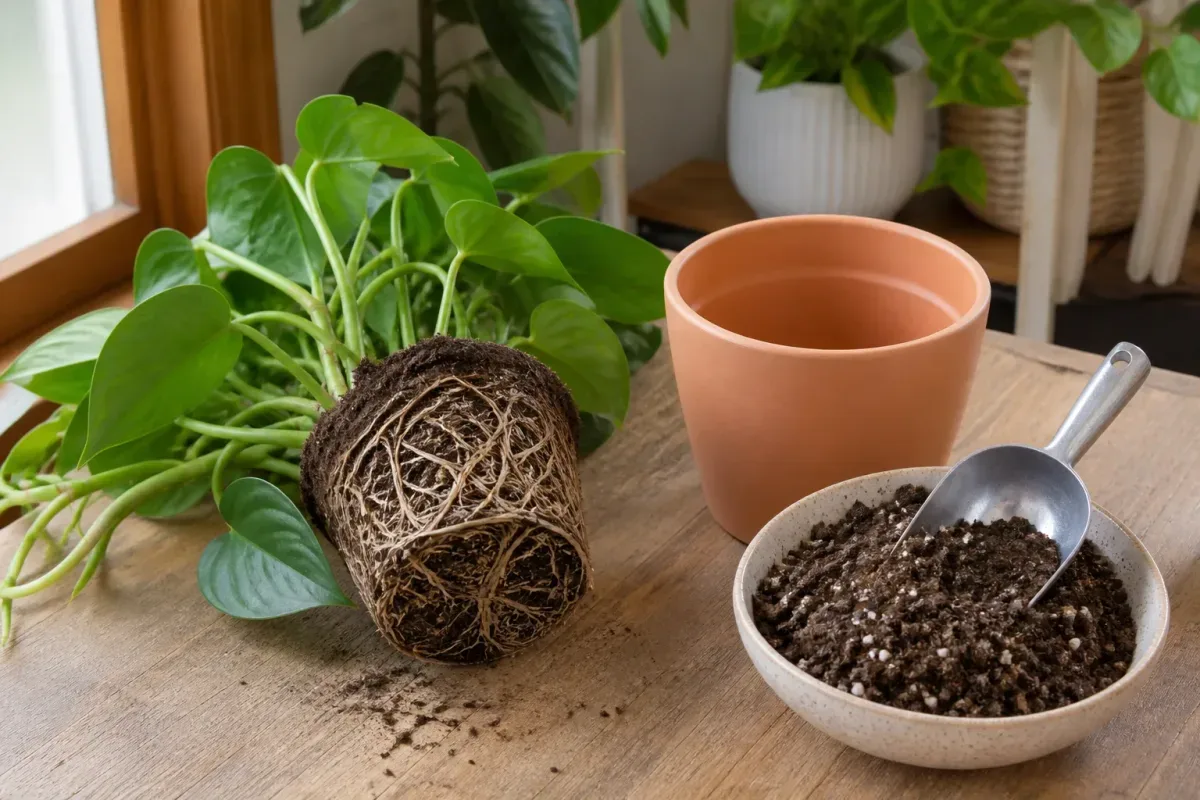
Avoid the mistakes that keep plants stuck: diagnosing from drainage-hole roots alone and jumping two pot sizes; sliding a solid, unteased root plug into a bigger pot; treating every snug bloomer as an emergency; repotting into garden soil; burying the stem deeper than before; leaving the plant in a cachepot full of runoff; fertilizing heavily the day after root pruning; and ignoring depleted mix because “the pot still looks big enough.” A large pot of exhausted, circling roots is still a root-bound plant. A decorative sleeve without drainage is not a larger root zone — it is a water trap (no drainage holes).
First-Hand Notes From Unpotting Root-Bound Houseplants
These are LeafyPixels editorial notes from plants we track in real rooms — not lab trials. Use them as calibration stories for dry-down and recovery, not universal schedules.
Golden pothos, 6-inch plastic → 7-inch (March–April 2026). A pothos on a bright north shelf was drinking a full soak dry in about 48 hours by late March. Unpotting showed moderate-to-severe circling: a pot-shaped plug with little loose mix in the lower third, but firm pale roots and an earthy smell. We teased the outer mat, stepped up one inch, and backfilled with a barkier mix. Within about 10 days the pot was cycling on a 4–5 day dry-down again, and a new leaf opened at normal size. Lesson: one-size upsize plus teasing often resets watering chaos faster than “waiting it out.”
Hoya carnosa, intentional snug 5-inch (kept spring 2025–spring 2026). A wax plant that had flowered twice stayed in the same 5-inch terracotta by choice. The rootball was snug — roots at the edge, still visible mix — and dry-down stayed about 7–9 days. We only refreshed the top inch of mix and left the pot size alone. Lesson: snug can be a flowering strategy; upsizing would have been the wrong “fix.”
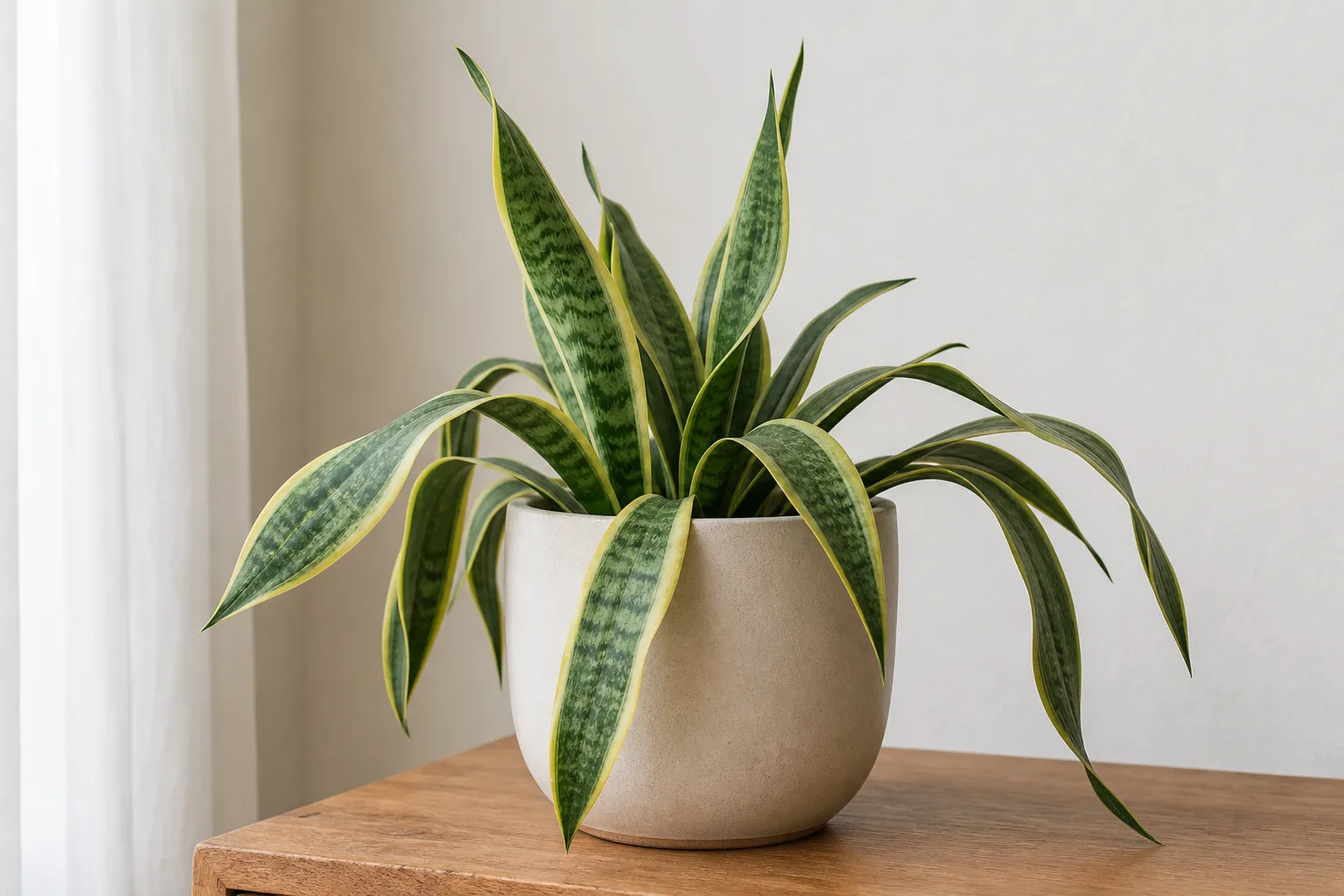
Snake plant solid plug, same-pot prune (February 2026). A snake plant in a cracked 6-inch nursery pot lifted out as a severe solid plug. Roots were firm, not mushy. We made four shallow vertical cuts on opposite sides (UGA-style), removed some outer circling roots, returned it to a clean 6-inch pot with fresh gritty mix, and cut one damaged outer leaf. The plant paused for roughly three weeks, then pushed a new leaf. Dry-down moved from ~3 days to ~8–10 days. Lesson: same-pot prune works when you want size control and the roots are still healthy.
Editorial method note. Pot-size limits, prune percentages, and sanitation guidance come from the cited RHS and extension sources. The cases, dry-down intervals, and severity grades are LeafyPixels framing for indoor collections.
Related Guides and Which Page to Use
| Your situation | Use this page |
|---|---|
| Any houseplant, grade severity, choose pot up vs prune | This guide |
| Monstera-specific rootbound signs and pot choices | Rootbound Monstera |
| Full potting technique once you already decided | Repotting houseplants / When to repot |
| You jumped pot sizes and now mix stays wet | Pot too large |
| Soft, dark, foul roots | Root rot |
| Roots on the surface or eroded mix | Exposed roots |
| Post-repot droop and recovery timeline | Transplant shock |
| Growth stall without a dense rootball | Stunted growth / Plant not growing |
Conclusion
Do this in the next 30 minutes. Tip the plant out and grade the rootball: snug, moderate, or severe. Smell and check color so you do not water a rotting plant as if it were thirsty. If you want more growth and the ball is congested, pot up one size (about 1–2 inches / no more than about one third larger), tease circling roots, and water once to settle fresh mix. If you like the current footprint, prune only the outer mat, refresh spent mix, and match some top growth to the reduced roots. Hold fertilizer until new growth shows. Then stop: no second pot jump, no hot-sun move, no “just in case” oversize container. That sequence turns a chronic watering headache into a controlled, recoverable reset.