Stunted Plant Growth: Causes, Diagnosis, and Fixes
When a houseplant stops producing new leaves or stems look weak, owners often assume fertilizer is the fix. Stunted Growth with Plant stays small and weak despite care usually traces to light, roots, temperature, or season. This guide helps you distinguish normal slow periods from problems that need intervention. Track weekly progress after you change care, and note watering, light, and repotting dates so you can tell whether the symptom is improving or returning. Compare upper versus lower leaves, new versus old growth, and soil moisture at root depth before you treat, because the same visible symptom can come from watering, light, pests, or normal aging on different plants.
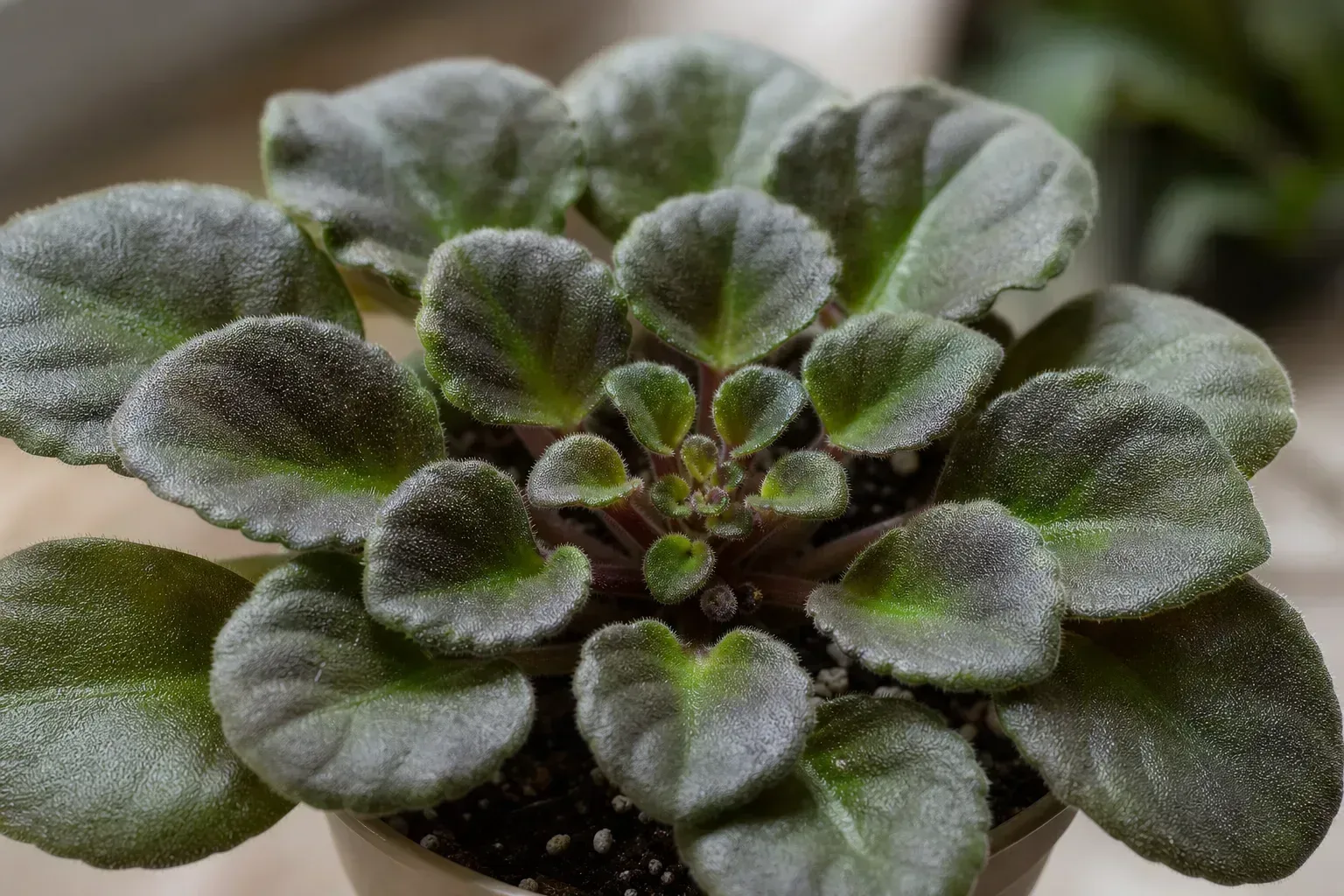
Stunted Growth on Houseplants
Still unsure?Match your symptoms to the most likely problems in under a minute.Run diagnosis →Understand and fix stunted growth
When a houseplant stops producing new leaves or stems look weak, owners often assume fertilizer is the fix. Stunted Growth with Plant stays small and weak despite care usually traces to light, roots, temperature, or season. This guide helps you distinguish normal slow periods from problems that need intervention. Track weekly progress after you change care, and note watering, light, and repotting dates so you can tell whether the symptom is improving or returning. Compare upper versus lower leaves, new versus old growth, and soil moisture at root depth before you treat, because the same visible symptom can come from watering, light, pests, or normal aging on different plants.
Overview
When a houseplant stops producing new leaves or stems look weak, owners often assume fertilizer is the fix. Stunted Growth with Plant stays small and weak despite care usually traces to light, roots, temperature, or season. This guide helps you distinguish normal slow periods from problems that need intervention. Track weekly progress after you change care, and note watering, light, and repotting dates so you can tell whether the symptom is improving or returning. Compare upper versus lower leaves, new versus old growth, and soil moisture at root depth before you treat, because the same visible symptom can come from watering, light, pests, or normal aging on different plants.
How to identify it
- No new leaves for 2+ months during spring/summer
- Stems elongate with wide gaps between leaves
- New leaves smaller than older ones
- Roots visible on soil surface or circling pot
- Plant in a very dark corner or tiny pot for years
When to worry
Stunted growth with yellowing, pests, or soft stems suggests root or disease issues beyond normal slow winter growth.
Common causes
Insufficient light for growth
Plants conserve energy in dim spots. Stunted Growth with leggy stems is classic low-light etiolation.
Root-bound container
When roots fill the pot, there is little soil left to support new growth-growth stalls even with good care.
Winter or cool-season dormancy
Many houseplants naturally slow in short, cool months. Little new growth in winter can be normal.
Chronic underwatering or nutrient lack
Ongoing stress limits the resources available for new leaves and branches.
Step-by-step fix
Confirm the season and recent care changes
Pause expectations in winter. Note any repotting, moves, or pest issues in the last 3 months.
Increase light if stems are stretching
Move closer to a window or add a grow light. Prune leggy growth to encourage bushier new shoots.
Check if the plant is root-bound
Roots circling the pot edge mean repot into a container 1–2 inches larger with fresh mix.
Feed lightly during active growth
Half-strength fertilizer once a month in spring and summer if light is adequate.
Be patient after fixing conditions
New growth may take 3–6 weeks to appear once light and roots are corrected.
Prevention tips
- Match plant species to available light
- Repot before roots circle tightly
- Fertilize during growth season only
- Rotate plants for even light exposure
Common mistakes
- Over-fertilizing to force growth in low light
- Repotting into an oversized pot hoping for faster growth
- Expecting summer growth rates in winter
Stunted growth means a plant is producing less size or structural development than its own healthy potential under comparable conditions. The clearest clue is not simply that the plant is small. It is a downward change in new-leaf size, stem thickness, root expansion, or overall gain compared with earlier normal growth from the same plant.
That distinction protects naturally compact cultivars and young plants from unnecessary treatment. It also prevents a fertilizer-first response to a problem caused by light, roots, water, temperature, pests, or repeated damage. Diagnose the limiting system before trying to make the plant larger.
This guide synthesizes cooperative Extension guidance and practical diagnostic logic; it is not a controlled growth trial. The photographs are visual examples, not proof of light, root, nutrition, or pest causes. Compare several mature growth units from the same plant, document conditions, and change one evidence-supported variable before judging later tissue.
Quick definition and urgency check
Stunting is acquired underdevelopment. Look for several successive leaves that remain smaller than the established baseline, thin stems that cannot support normal foliage, short or aborted roots, compressed or abnormal new growth, and little net canopy gain during a season when the plant usually grows.
Urgency depends on the accompanying signs. Firm, evenly colored small growth on a naturally compact plant is low urgency. Small leaves plus soft roots, spreading yellowing, blackened growth points, severe distortion, webbing, insects, or rapid canopy loss require prompt investigation.
Use three opening questions:
- Was this plant or cultivar always compact?
- Is it still progressing, or is each new unit smaller or weaker?
- Are roots, old leaves, and growth points stable or deteriorating?
Penn State Extension emphasizes that plant symptoms often have several possible and interacting causes. Small growth should therefore begin a comparison and inspection, not trigger an automatic feeding.
Stunted, slow, stalled, or leggy?
These terms overlap but are not interchangeable. Slow growth describes rate: the plant develops normally but over a longer interval. Stalled growth means no measurable advance. Stunted growth describes reduced size or development. Leggy growth produces excessive spacing and weak extension, often making a plant taller while still underdeveloped.
A plant can be slow without being stunted. One full-sized firm leaf every few months may be normal for a mature slow species. It can also be both slow and stunted: leaves emerge infrequently and are progressively smaller.
Legginess is an important look-alike because owners may say a stretched plant is “not growing well.” Long internodes and small leaves often direct attention to inadequate light, but the structural result differs from a compact plant whose leaves and stems remain uniformly undersized.
Name the pattern precisely before choosing the measurement. Rate calls for a timeline; stunting calls for size and quality comparisons; a stall calls for checking whether the growth point moves at all.
Build a valid size baseline
Compare new growth with mature tissue produced by the same plant under previously good conditions. Photograph a representative old leaf and measure its blade length and width, then compare after each new leaf hardens. For canes or vines, record stem thickness and internode length at corresponding nodes.
Use several leaves because one can be small for local reasons: it began during shipping, was physically trapped, or expanded after a brief drought. A sequence of two or three undersized leaves is much stronger evidence of a continuing constraint.
Account for age and developmental stage. Seedlings, fresh divisions, and newly rooted cuttings are naturally smaller and may invest below ground before top growth expands. Mature plants can also change leaf form as they climb or receive different support, so species-specific development matters.
Newly purchased plants need an acclimation baseline. NC State Extension explains that nursery-grown plants adjust to indoor changes in light, humidity, moisture, and fertilizer. A post-purchase leaf may be smaller without proving permanent damage; the trend after stable care is more informative.
Measure mature leaves, not leaves that are still unfurling. Many leaves continue expanding or hardening after they first look open, and comparing them too early exaggerates the difference. Choose the same part of the blade each time, exclude the petiole unless it is part of the question, and note whether the leaf was produced on the same type of shoot.
For a branching plant, compare like with like. A new lateral shoot may begin with smaller juvenile leaves even when the main stem is healthy. If every active tip produces progressively smaller tissue, a plant-wide constraint becomes more likely. If only one branch is affected, inspect that branch for local damage, pests, a tight tie, or poor exposure.
Also distinguish compact growth from miniaturized growth. Short internodes can indicate a healthy compact habit, especially under adequate light, while small thin leaves, weak stems, poor retention, and little root activity point toward stunting. Size alone is not enough; proportion, firmness, color, and continuity supply the context.
A useful record includes the measurement date, leaf position, blade dimensions, internode length, and whether older leaves were lost during the same interval. Add a photograph with a ruler or another consistent scale. Over several growth units, this reveals whether the plant is recovering, holding steady, or continuing to lose developmental capacity.
Keep the device, camera position, measurement landmarks, and timing consistent. Mark the node or leaf being followed and record the date of any major care change. Measurements taken from different shoots or before leaves finish expanding can create false improvement or decline, so compare like with like and note uncertainty when the plant’s growth habit changes.
Light can produce small or weak new growth
Light supplies the energy used to build plant tissue. Indoors, a plant may survive in marginal light yet reduce leaf size, stem strength, branching, or overall gain. Some vines stretch toward the source; other species simply slow and produce smaller structures.
University of Maryland Extension explains that intensity, duration, and quality all influence indoor plants. Check the exact location of the canopy. Distance from a window, curtains, exterior trees, season, dusty glass, and neighboring foliage can change the usable exposure.
Supporting clues include widening internodes, a lean toward the light, pale or thin recent growth, reduced lower-leaf retention, and slower pot drying. These are not universal across species, but a cluster makes inadequate light a strong lead.
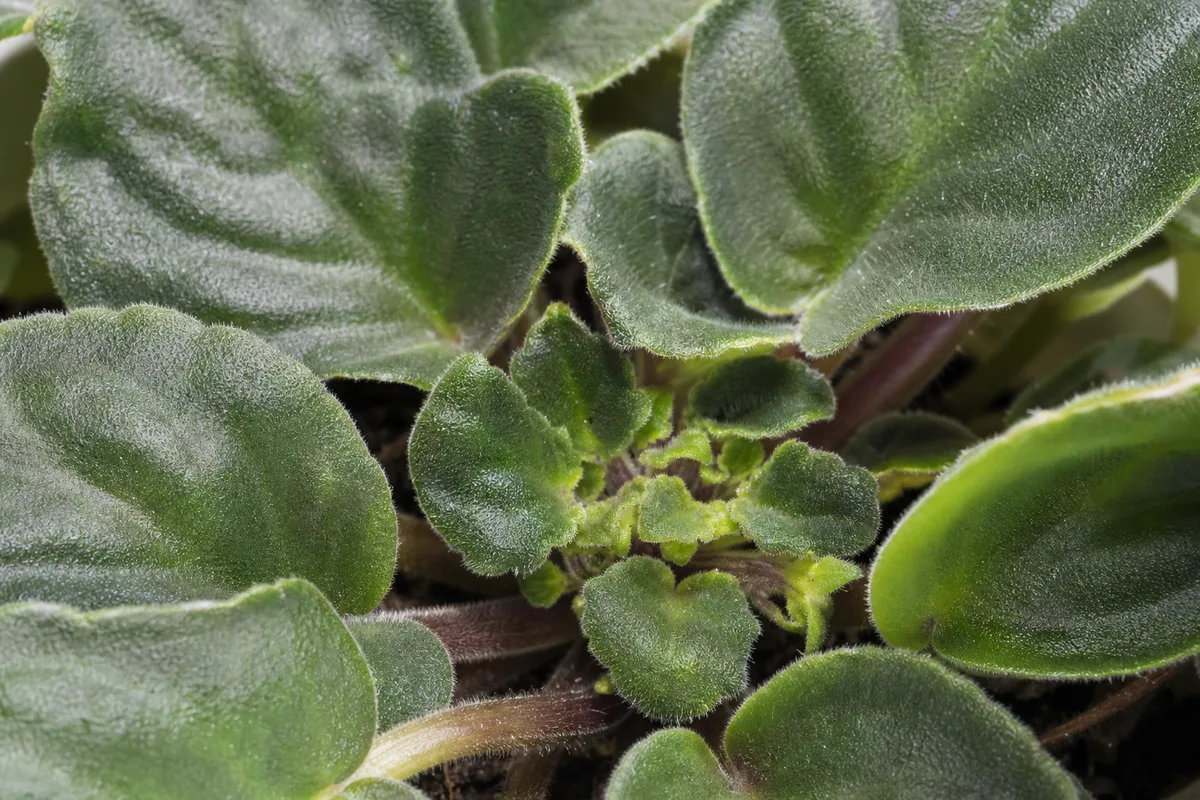
Measure the current canopy exposure
Human eyes adjust to dimness, so compare locations with a light meter or phone app at leaf height. Even when the absolute reading is imperfect, repeated measurements show whether the shelf receives far less than a position close to the window. Note how long the exposure lasts and whether only one leaf receives the grow light.
Correct light gradually. A shade-acclimated plant moved directly into hot sun may scorch, losing useful leaf area. Move closer in stages or use an appropriately positioned grow light with a consistent schedule and broad canopy coverage.
Judge the next growth. Old small leaves will not expand again once mature, and old stretched internodes will not shorten. A better light environment should produce firmer, more appropriately sized future tissue, subject to the species’ normal pace.
Moisture stress and root-zone oxygen
Leaf expansion depends on water delivery, but adding water is not always the solution. Repeated drought can interrupt expansion and damage fine roots. Chronic saturation fills pore space, reduces oxygen around roots, and limits their ability to supply the shoot.
Check moisture through the root zone rather than touching only the surface. Lift the pot, use a wooden skewer, and observe how water enters and drains. A dry crust can cover a wet center, while old hydrophobic mix can allow water to bypass a dry root ball.
NC State’s container guidance states that water need varies with light, temperature, humidity, pot size, medium, root volume, species, and growth stage. This is why an identical weekly interval can be too wet in winter and too dry after a move to brighter light.
Correct the pattern rather than switching extremes. Rehydrate genuinely dry mix evenly and drain it. For persistent wetness, empty the cachepot, stop calendar watering, improve the cause of slow drying, and inspect roots when odor, yellowing, softness, or continued decline supports it.
Root restriction, root damage, and potting mix
Severe root restriction can stifle top growth when a dense circling mass leaves little functioning medium, water channels through, and the plant repeatedly wilts soon after watering. One root emerging from a drainage hole is weak evidence by itself.
Root damage creates similar top symptoms through a different mechanism. Soft, hollow, sloughing, or foul-smelling roots cannot deliver water and nutrients effectively. Moving a decayed root ball into a larger pot without removing the cause may prolong wetness.
NC State Extension notes that girdled roots can stunt container growth. When restriction is confirmed, repot one modest size up with drainage and species-appropriate medium. Preserve sound roots and do not compact the mix.
Evaluate the medium as a working structure. Old mix may collapse, stay saturated, repel water, or accumulate salts. Refresh it when function is failing, not according to a universal yearly rule. Specialized plants—orchids, succulents, carnivorous plants, and aquatic species—need media and root interpretation specific to their biology.
Nutrient limits, pH, and excess fertilizer
Plants require mineral nutrients, and shortages can reduce leaf size, color, and growth. But deficiency-like symptoms can also result when damaged roots cannot absorb nutrients or when root-zone pH affects availability. Adding more fertilizer without resolving those conditions can increase salt stress.
Suspect a nutrition limitation when roots are firm, moisture and light are appropriate, the plant is actively trying to grow, and the medium or feeding history plausibly lacks nutrients. Consider which leaves show the symptom and use species-specific deficiency guidance rather than diagnosing from paleness alone.
University of Minnesota Extension recommends following fertilizer labels and recognizes nutrient losses from container watering. Indoor foliage plants may need less than fast-growing outdoor containers, so select timing and rate for the actual plant and exposure.
Do not fertilize a dormant, cold, waterlogged, severely droughted, newly root-pruned, or heavily pest-damaged plant to force size. If crust, margin burn, or a recent strong dose suggests excess salts, pause feeding and review water quality and drainage. When nutrition is the best-supported cause, make a conservative labeled application during active growth and assess several leaves.
Temperature and acclimation effects
Temperature affects metabolic rate, water use, and root function. A plant beside cold glass, an exterior door, a heating vent, or an air conditioner can experience conditions very different from the central thermostat. Check nighttime and root-zone exposure as well as daytime air.
A sudden environmental shift may produce one or more undersized leaves because those leaves began forming during stress. Shipping, repotting, division, relocation, or transition indoors changes several inputs at once. Keep care stable long enough for later growth to represent the corrected environment.
Avoid moving the plant repeatedly between “better” spots. Each move alters light angle, duration, temperature, airflow, and drying. Gradual acclimation is especially important when increasing direct light.
If the plant is stable in a seasonally cool, dim period, maintenance rather than rapid expansion may be normal. Reduce expectations and adjust water use; do not force summer-style growth with fertilizer.
Pests and diseases that target new growth
Thrips, spider mites, aphids, scale, mealybugs, and other sap-feeding pests can reduce or distort new growth. Inspect tender tips, folded leaves, petiole bases, undersides, nodes, and sheaths with a hand lens. Look for insects, cast skins, stippling, webbing, honeydew, scarring, or black specks consistent with pest activity.
Root pests can be missed when only the canopy is inspected. Examine roots when the moisture behavior, decline, or visible residue supports doing so. Isolate suspicious plants before moving them through a collection.
University of Maryland’s diagnostic guide connects indoor symptoms with cultural problems, pests, and diseases. Identify the causal organism before treatment and follow pesticide labels. A generic spray can injure sensitive new growth without helping a light or root problem.
Disease is less likely to cause uniform small size alone, but root rot, crown injury, and systemic problems can suppress new tissue alongside lesions, collapse, or discoloration. Seek diagnostic help when symptoms spread despite corrected care.
Physical damage and growth-point loss
A damaged apical tip can stop or redirect extension. Pets, handling, tight leaf sheaths, mechanical rubbing, pruning, or shipping can injure the meristem. The plant may pause while side buds activate, and the first replacement shoots can be smaller.
Inspect where growth actually begins. A dried isolated tip with healthy roots and canopy suggests a local event; multiple distorted tips suggest an environmental, root, or pest issue. Do not keep cutting every imperfect tip, because repeated pruning can maintain the appearance of stunting.
Supports can also cause injury. Tight wire or string can girdle stems, and a stake forced through the root ball can damage roots. Use broad soft ties with room for thickening and check them regularly.
For species that branch readily, prune irreversibly damaged tissue back to a healthy node with clean tools. For single-crown plants, get species-specific guidance before removing the only growth point.
A structured inspection
Use the same sequence each time:
- Confirm the species, cultivar, and normal mature habit.
- Compare two or three recent leaves with older healthy leaves.
- Record dates, season, moves, repotting, feeding, pruning, and treatment.
- Measure or compare light at the canopy.
- Check root-depth moisture, drainage, and the cachepot.
- Inspect growth points and leaf undersides with magnification.
- Review temperature and airflow exposures.
- Examine roots only when drying behavior, odor, restriction, or decline warrants disturbance.
Photograph before changing anything. Select the strongest evidence and make one primary correction. This creates a readable experiment instead of a pile of simultaneous stresses.
Decision table: evidence and first action
| Evidence | Leading cause | First low-risk action |
|---|---|---|
| Several small leaves, long internodes, window-facing growth | Low usable light | Increase suitable light gradually |
| Small growth plus chronic wetness and soft roots | Root-zone oxygen failure | Correct moisture and root damage |
| Dense circling roots, little mix, very fast drying | Severe root restriction | Repot modestly |
| Firm roots and good light; depleted mix; characteristic pale growth | Possible nutrition limit | Feed conservatively during active growth |
| Distorted tips, stippling, insects, webbing, scars | Pest pressure | Isolate, identify, and treat specifically |
| One damaged tip; otherwise healthy plant | Physical meristem injury | Stabilize and allow branching or recovery |
| Small plant always matched cultivar habit | Genetic compactness | No corrective treatment |
The table provides priorities, not proof. More than one constraint may coexist. Reassess after the first action and keep other conditions stable.
A staged recovery plan
First protect viable tissue. Remove standing water, isolate confirmed or suspected pests, move the plant away from temperature extremes, and support a damaged stem. Do not add fertilizer during emergency stabilization.
Next correct the dominant chronic constraint. Improve light in stages, rebuild a suitable moisture cycle, treat an identified pest, or repot based on roots and medium. Avoid unrelated pruning and moves.
Then support active growth. Once roots function and a growth point advances, resume species-appropriate feeding and adjust watering to the new light and growth rate. Keep a dated record.
Evaluate multiple new units. The first post-correction leaf may have begun developing under the earlier stress. Two or three successive leaves that increase toward normal size, remain well formed, and are retained give stronger evidence of recovery.
Mistakes that compound stunting
The most common error is treating size as proof of hunger. Strong fertilizer cannot replace light or living roots, and excess salts may damage the remaining root system. Another is jumping to an oversized pot, which can leave unused medium wet.
Do not place a shade-grown plant immediately in harsh direct sun, repeatedly unpot it to “check progress,” or prune away most healthy foliage. Do not water more often merely because growth is small. A stressed or dimly lit plant may use water slowly.
Avoid comparison with a different cultivar, a greenhouse-grown sales specimen, or a heavily edited online image. Set targets from species biology and the plant’s earlier healthy growth.
Do not stack repotting, feeding, pesticide, pruning, and relocation in one session. Each action adds risk and makes the response impossible to interpret.
Recovery expectations and escalation
Old undersized leaves usually remain undersized. Judge success through the next growth cycle: firmer stems, expanding buds, larger successive leaves, normal color and form, stable roots, and a predictable drying pattern.
Recovery time depends on species, season, maturity, and root damage. Fast vines in active conditions may respond sooner than palms, woody plants, succulents, cycads, or plants rebuilding a large root loss. A winter correction may stabilize the plant before visible size improvement appears.
Escalate if each leaf becomes smaller, roots or stems collapse, distortion spreads, a pest cannot be identified, or multiple plants develop the same pattern. A cooperative Extension office or plant diagnostic clinic can assess the plant name, history, whole-plant photographs, close-ups, and an accepted sample.
Prevention means matching species to light, choosing functional containers and media, adjusting water with season and exposure, feeding in proportion to active growth, inspecting tender tissue, and preserving records. Monthly photographs and a few leaf measurements reveal stunting early.
Conclusion
Stunted growth is a pattern of undersized development, not simply a small plant. Confirm that new leaves, stems, roots, or canopy gain have fallen below the plant’s own healthy baseline, then distinguish stunting from ordinary slow growth, a full stall, legginess, and genetic compactness.
Inspect light, root-zone moisture, roots, nutrition, temperature, pests, and physical damage in a controlled sequence. Correct the strongest evidence with the smallest effective intervention and judge several future leaves. When decline continues or the cause remains uncertain, a documented history and professional plant diagnosis are safer than forcing growth with more inputs.
Plants commonly affected
These houseplants often struggle with stunted growth. Open a care guide or plant-specific troubleshooting page for tailored fixes.
 Medium
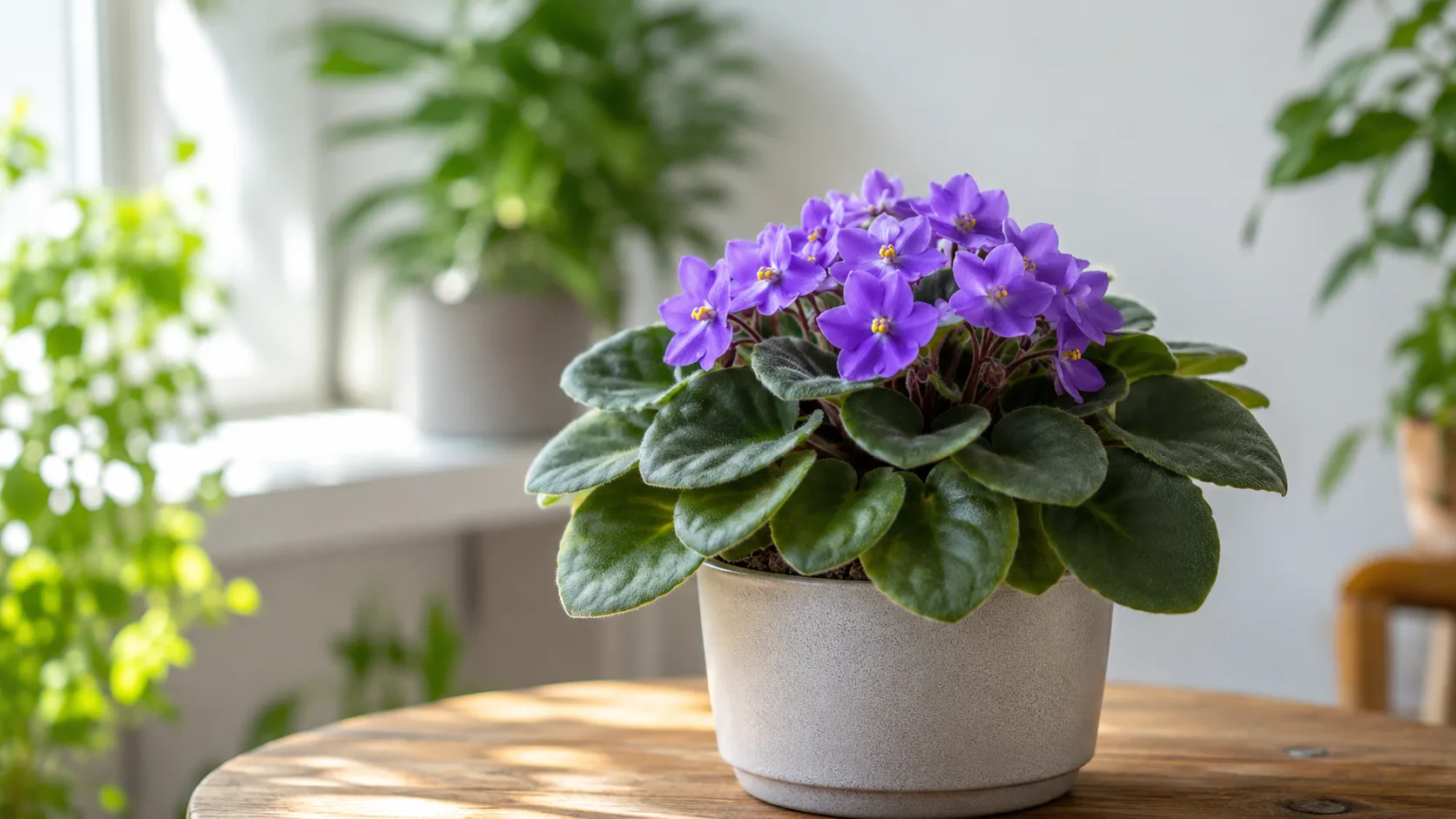
African Violet
Likely causeStunted Growth on African Violet: A pest infestation can cause the leaves of African Violet to be brittle, stunted, and distorted. One of the serious pests causing problems in African Leaves is Cyclamen mites. They're extraordina
Quick fixInspect African Violet, confirm stunted growth matches your symptoms, then adjust care or treat per authoritative guides.
 Easy
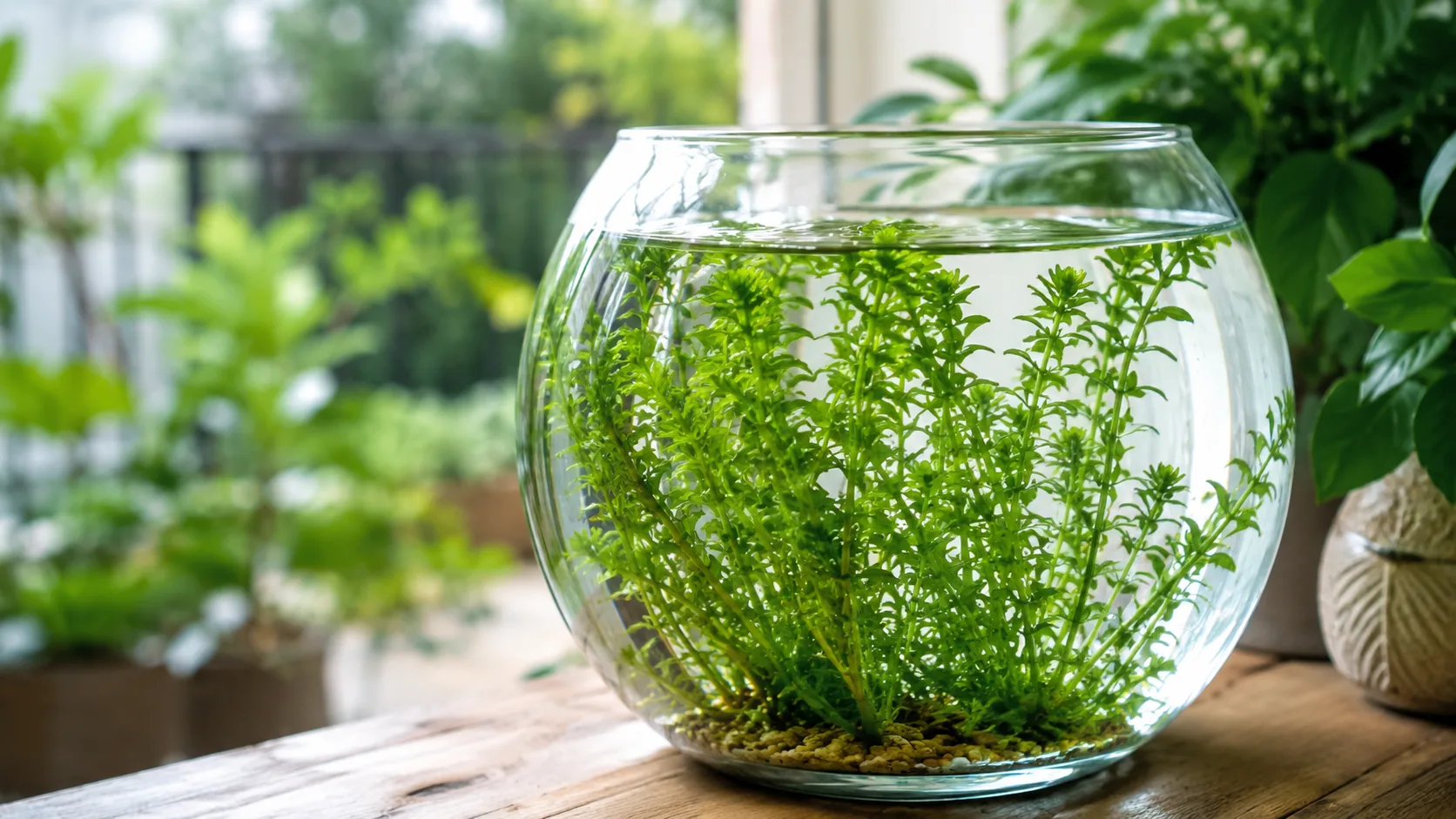
EasyAnacharis / Elodea
Likely causeChronic low nutrients, weak light, or repeated parameter swings preventing new submerged leaves.
Quick fixStabilize temperature and water quality, improve lighting, and start half-strength comprehensive fertilizer.
 Medium
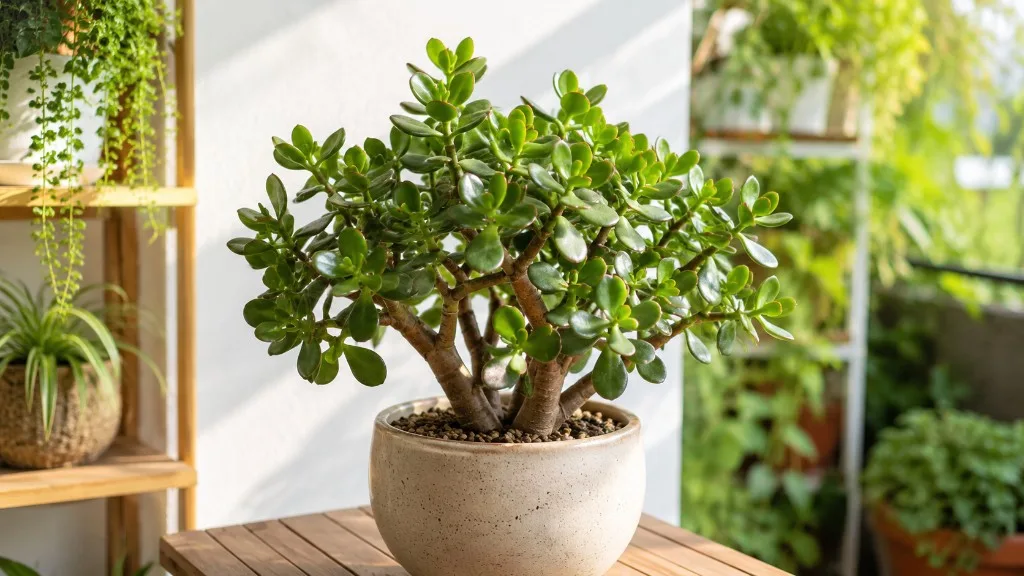
Jade Plant
Likely causeApr 7, 2026 · Five causes account for nearly all cases of genuine jade plant stunted growth , and each leaves different clues. Use the diagnostic table below to identify yours, then follow the fix for that specific cause.
Quick fixConfirm diagnosis on your Jade Plant, then address the most likely care or pest factor described in current extension guidance.
 Medium
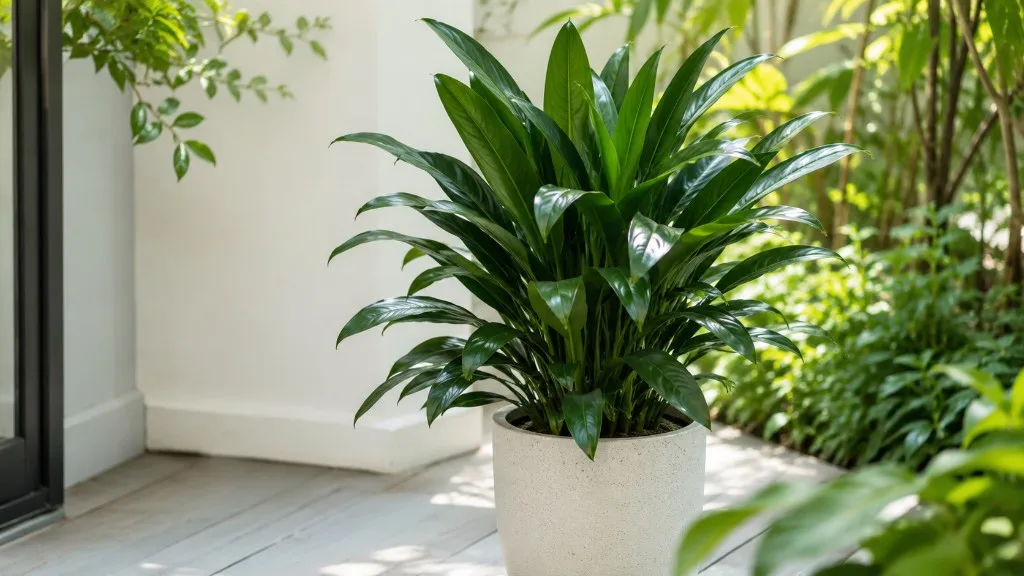
Janet Craig Dracaena
Likely causeNov 15, 2023 · In this article, we're going to dig into the five common reasons why your Janet Craig Dracaena might be on a growth strike. We'll explore everything from watering habits to light conditions.
Quick fixConfirm diagnosis on your Janet Craig Dracaena, then address the most likely care or pest factor described in current extension guidance.
 Medium
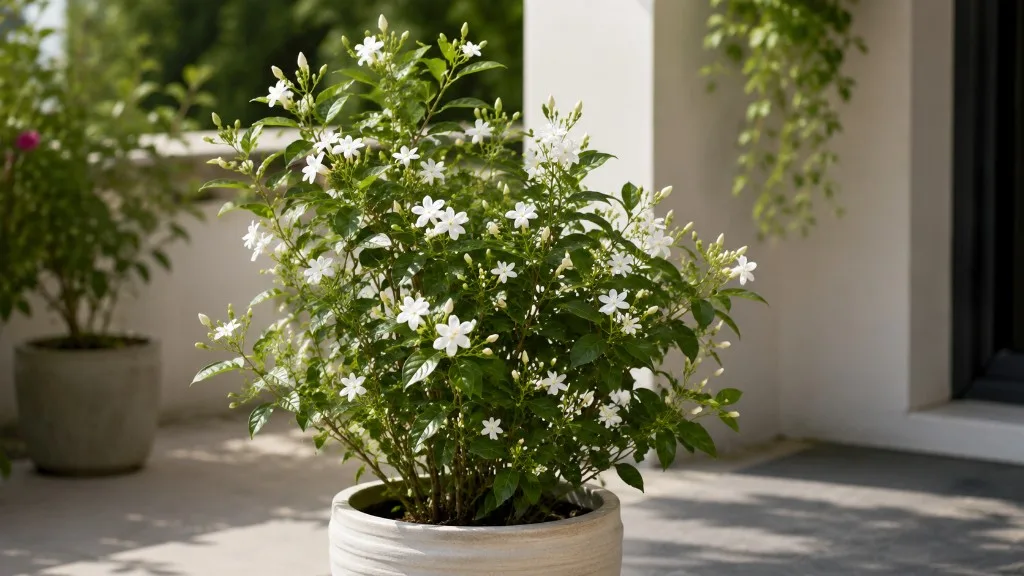
Jasmine
Likely causeMar 5, 2023 · Jasmine plants can face problems that can hinder their growth and beauty. Identifying and treating common issues affecting jasmine plant climbers is crucial to keep your plant healthy.
Quick fixConfirm diagnosis on your Jasmine, then address the most likely care or pest factor described in current extension guidance.
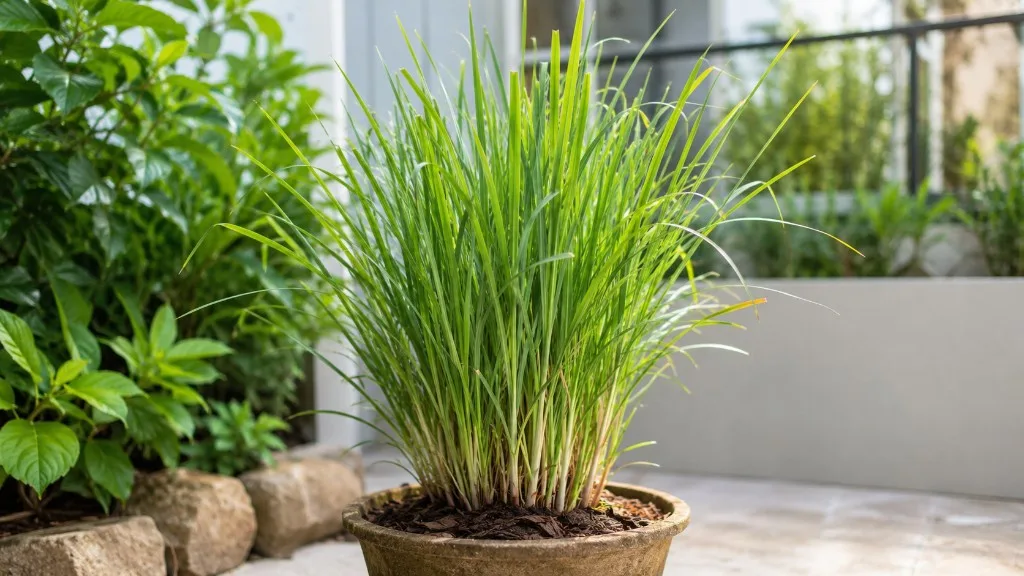 Medium
Lemongrass
Likely causeNov 26, 2025 · Keep an eye out for signs of stunted growth , such as slower-than-usual height gain or a lack of new growth. This could be indicative of nutrient deficiencies, pests, or diseases affecting the plant’s development.
Quick fixConfirm diagnosis on your Lemongrass, then address the most likely care or pest factor described in current extension guidance.
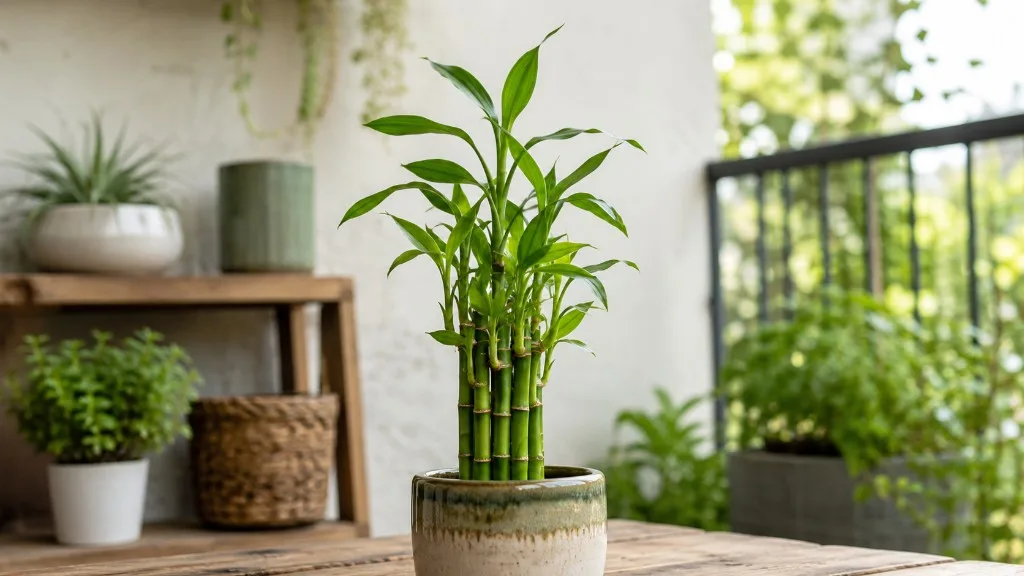 Medium
Lucky Bamboo
Likely causeAug 7, 2025 · Lucky bamboo is sensitive to chlorine and fluoride often found in tap water, which can cause leaf tip burn and stunt growth over time . Using filtered, distilled, or rainwater is preferable to avoid mineral buildup and chemica
Quick fixConfirm diagnosis on your Lucky Bamboo, then address the most likely care or pest factor described in current extension guidance.
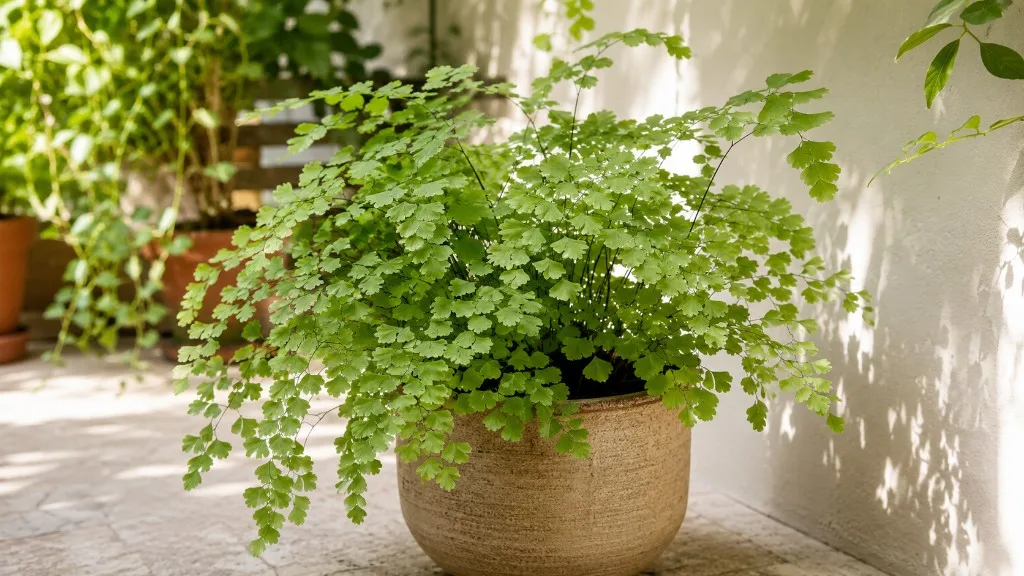 Medium
Maidenhair Fern
Likely causeNov 19, 2023 · In this article, we'll cover five potential reasons behind the stunted growth of your maidenhair fern . From lighting conditions to humidity levels, we'll provide practical tips and insights to help you get your plant back on
Quick fixConfirm diagnosis on your Maidenhair Fern, then address the most likely care or pest factor described in current extension guidance.
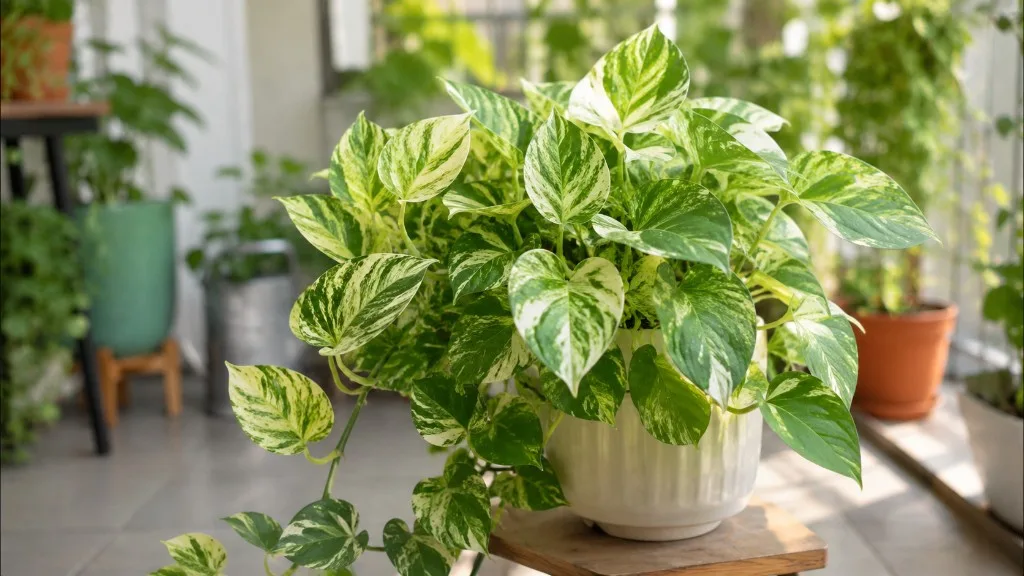 Medium
Manjula Pothos
Likely causeNov 19, 2023 · In this article, we'll explore five common reasons why your Manjula Pothos might be lagging behind in the growth department. From lighting issues to incorrect watering practices, we'll cover what you need to know to help your
Quick fixConfirm diagnosis on your Manjula Pothos, then address the most likely care or pest factor described in current extension guidance.
 Medium
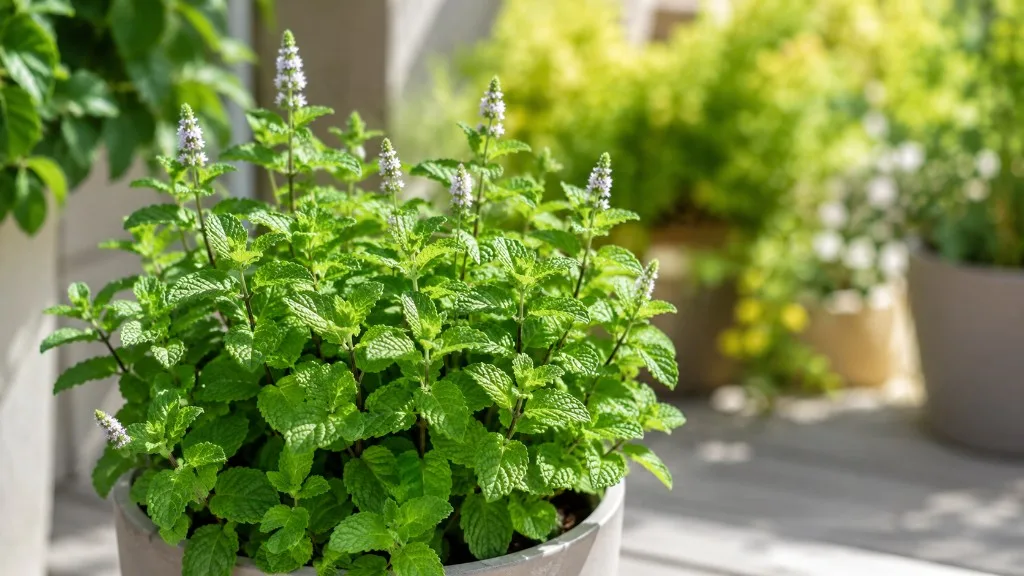
Mint
Likely causeMint flea beetle larvae on rhizomes, verticillium wilt, or nutrient stress stunt regrowth in pots and fields.
Quick fixInspect roots and rhizomes for larval damage; ensure sun and feed; discard plants with vascular wilt symptoms.
 Medium
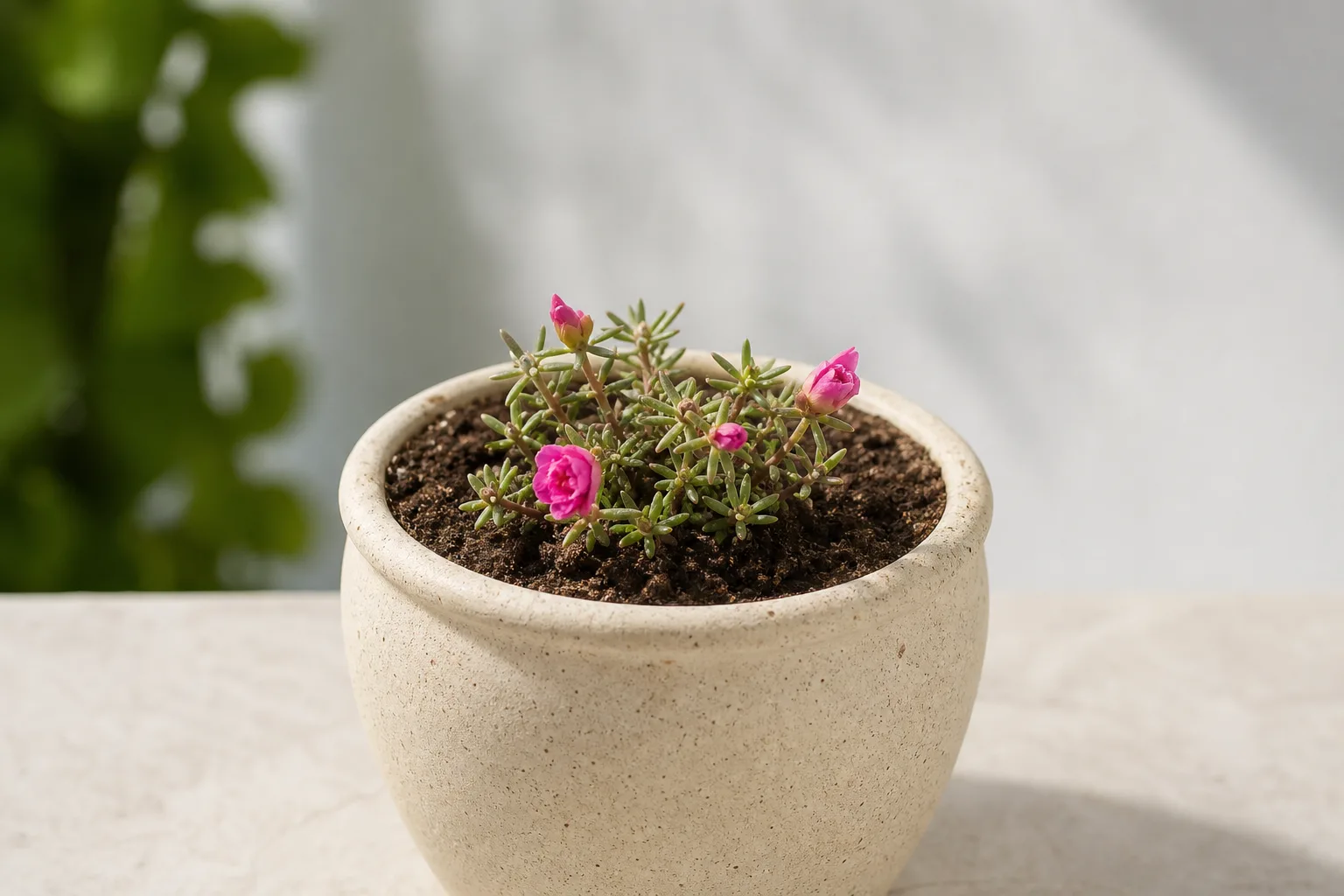
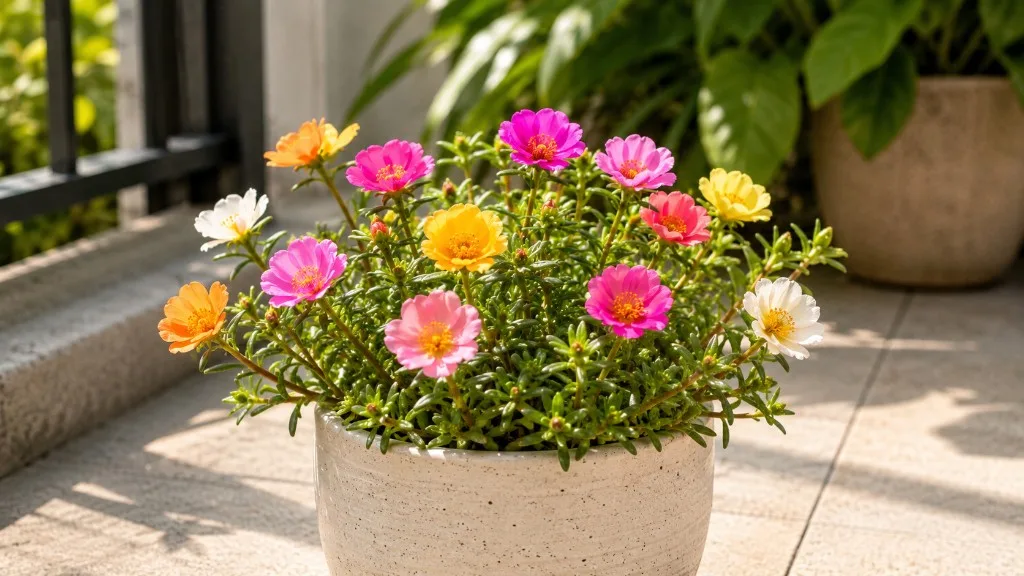
Portulaca
Likely causeMay 7, 2024 · How To Grow And Care For Drought-Tolerant Portulaca Also known as moss rose, portulaca plants delight gardeners with their vibrant multi-colored blooms. Unique in form and growth habit, …
Quick fixFollow extension or botanical guidance for Portulaca stunted growth; adjust care before applying broad treatments.
 Medium
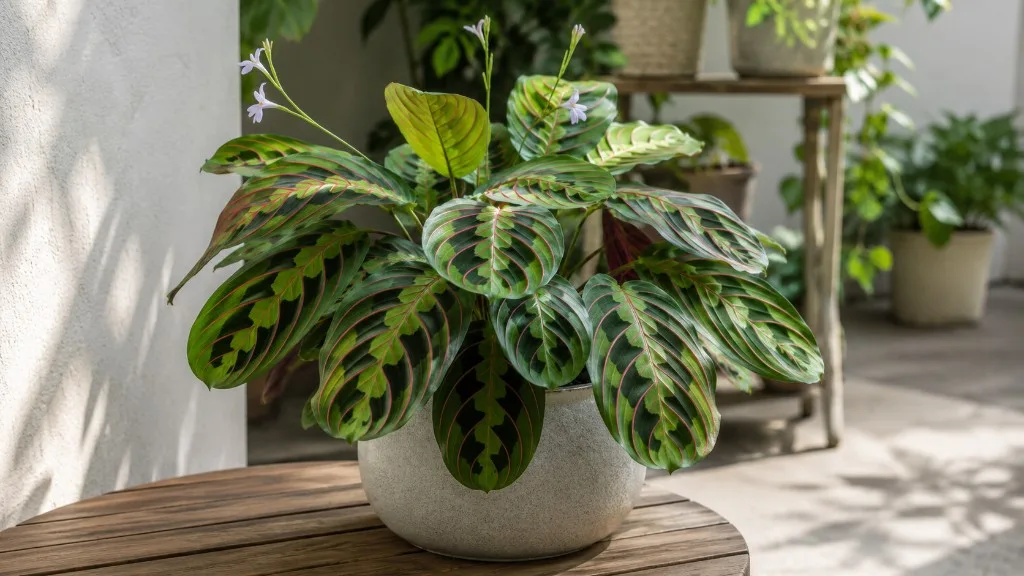
Prayer Plant
Likely causeToo much sunlight will lead to sun scorch, with typical signs including crispy leaves, dry leaf-edges and stunted growth . Although too little light will cause over-watering issues, over-exposure will be an issue, too.
Quick fixConfirm diagnosis on your Prayer Plant, then address the most likely care or pest factor described in current extension guidance.