Deformed New Growth on Houseplants: Causes and Fixes
When a houseplant stops producing new leaves or stems look weak, owners often assume fertilizer is the fix. Deformed New Growth with New shoots emerge curled, damaged, or uneven usually traces to light, roots, temperature, or season. This guide helps you distinguish normal slow periods from problems that need intervention. Track weekly progress after you change care, and note watering, light, and repotting dates so you can tell whether the symptom is improving or returning. Compare upper versus lower leaves, new versus old growth, and soil moisture at root depth before you treat, because the same visible symptom can come from watering, light, pests, or normal aging on different plants.
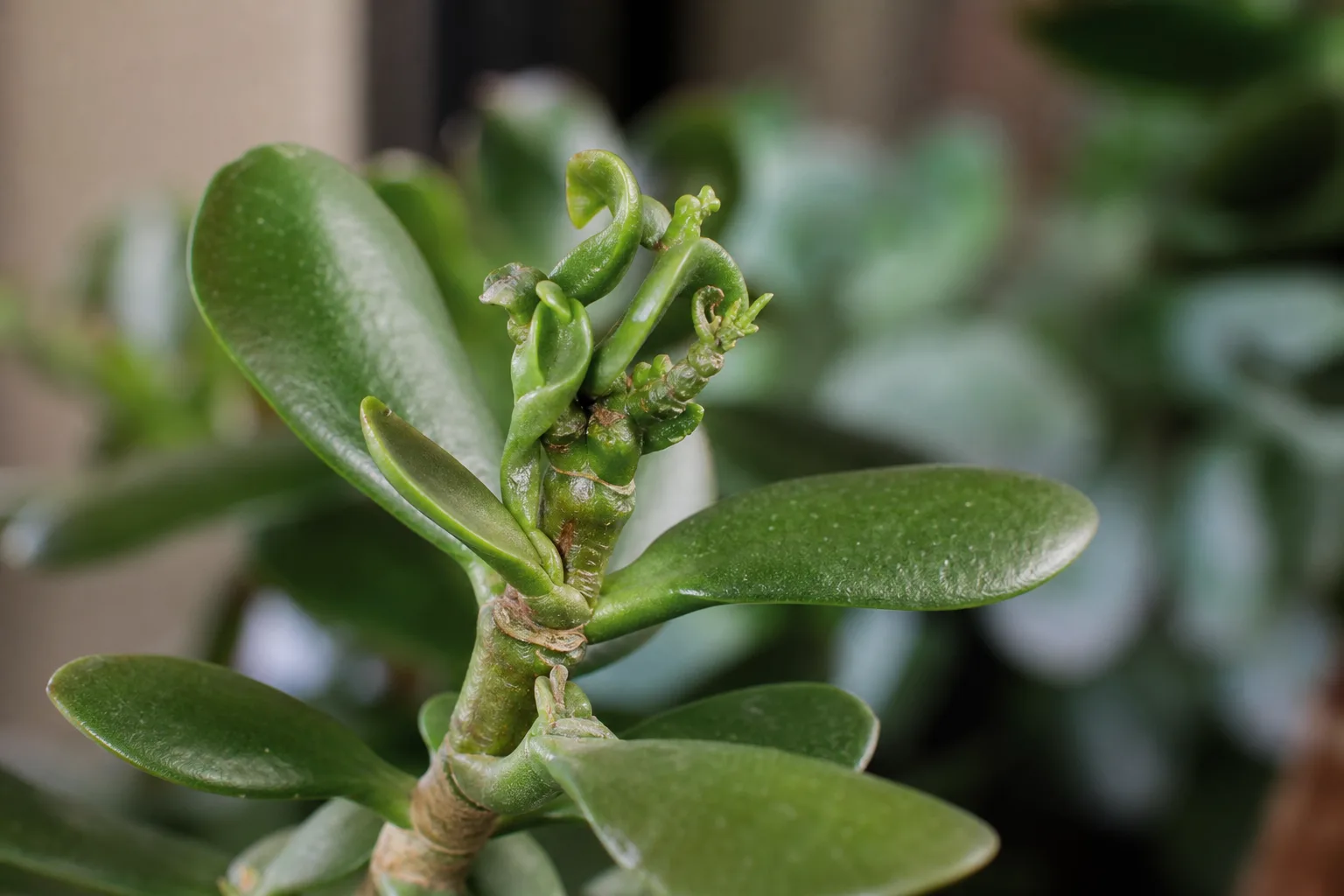
Deformed New Growth on Houseplants
Still unsure?Match your symptoms to the most likely problems in under a minute.Run diagnosis →Understand and fix deformed new growth
When a houseplant stops producing new leaves or stems look weak, owners often assume fertilizer is the fix. Deformed New Growth with New shoots emerge curled, damaged, or uneven usually traces to light, roots, temperature, or season. This guide helps you distinguish normal slow periods from problems that need intervention. Track weekly progress after you change care, and note watering, light, and repotting dates so you can tell whether the symptom is improving or returning. Compare upper versus lower leaves, new versus old growth, and soil moisture at root depth before you treat, because the same visible symptom can come from watering, light, pests, or normal aging on different plants.
Overview
When a houseplant stops producing new leaves or stems look weak, owners often assume fertilizer is the fix. Deformed New Growth with New shoots emerge curled, damaged, or uneven usually traces to light, roots, temperature, or season. This guide helps you distinguish normal slow periods from problems that need intervention. Track weekly progress after you change care, and note watering, light, and repotting dates so you can tell whether the symptom is improving or returning. Compare upper versus lower leaves, new versus old growth, and soil moisture at root depth before you treat, because the same visible symptom can come from watering, light, pests, or normal aging on different plants.
How to identify it
- No new leaves for 2+ months during spring/summer
- Stems elongate with wide gaps between leaves
- New leaves smaller than older ones
- Roots visible on soil surface or circling pot
- Plant in a very dark corner or tiny pot for years
When to worry
Stunted growth with yellowing, pests, or soft stems suggests root or disease issues beyond normal slow winter growth.
Common causes
Insufficient light for growth
Plants conserve energy in dim spots. Deformed New Growth with leggy stems is classic low-light etiolation.
Root-bound container
When roots fill the pot, there is little soil left to support new growth-growth stalls even with good care.
Winter or cool-season dormancy
Many houseplants naturally slow in short, cool months. Little new growth in winter can be normal.
Chronic underwatering or nutrient lack
Ongoing stress limits the resources available for new leaves and branches.
Step-by-step fix
Confirm the season and recent care changes
Pause expectations in winter. Note any repotting, moves, or pest issues in the last 3 months.
Increase light if stems are stretching
Move closer to a window or add a grow light. Prune leggy growth to encourage bushier new shoots.
Check if the plant is root-bound
Roots circling the pot edge mean repot into a container 1–2 inches larger with fresh mix.
Feed lightly during active growth
Half-strength fertilizer once a month in spring and summer if light is adequate.
Be patient after fixing conditions
New growth may take 3–6 weeks to appear once light and roots are corrected.
Prevention tips
- Match plant species to available light
- Repot before roots circle tightly
- Fertilize during growth season only
- Rotate plants for even light exposure
Common mistakes
- Over-fertilizing to force growth in low light
- Repotting into an oversized pot hoping for faster growth
- Expecting summer growth rates in winter
New leaves that open curled, puckered, scarred, narrow, torn, or uneven were usually affected while they were still expanding. The cause may be tiny sap-feeding pests, interrupted unfurling, moisture stress, excess salts, chemical contact, temperature injury, or—in less common cases—a systemic disease. Because those causes require different responses, “spray and fertilize” is a poor default.
Begin with distribution and timing. Mark the first abnormal leaf, compare all growing tips, inspect hidden folds with magnification, and review what changed before the symptom appeared. Old damaged leaves rarely become perfect again. The real test is whether the next one to three leaves develop normally after the cause is removed.
This guide is a source-based diagnostic framework, not a laboratory diagnosis or a report of a controlled treatment trial. The jade-plant photographs demonstrate one appearance of distorted tips, but they cannot identify a pest, nutrient disorder, or virus in another plant. Recommendations below prioritize reversible checks and integrated control; persistent, spreading, or high-value cases may require identification by an extension plant clinic.
What deformed new growth means
Deformed new growth is abnormal shape or size in newly produced leaves, shoots, or growing points. It includes asymmetric blades, tight cups, wrinkling, accordion folds, blunt or missing tips, short internodes, aborted buds, and leaves that remain trapped in their sheath. It is more specific than general “distorted leaves” because its concentration at active tips narrows the timing of injury.
Not every unusual leaf is a symptom. Juvenile leaves may differ from mature ones; new foliage can emerge folded, pale, or soft before hardening; and many cultivars naturally have ripples, twists, fenestrations, or variegated sectors. Compare the plant with a reliable reference for the exact species or cultivar and with its own earlier healthy leaves.
A single malformed leaf after shipping may record a one-time event. Repeated deformation at several tips indicates an ongoing cause. Treat the pattern, not the ugliness of one leaf.
Write down what “deformed” means on this plant. Curl direction, surface texture, color pattern, damaged edge, and the number of affected growing points are more useful than the label alone. A cupped but evenly green leaf suggests a different shortlist from a silver-scarred leaf with black specks or a mottled leaf emerging from several branches.
Also distinguish slow opening from a finished defect. Some large aroids and tightly rolled foliage need time to expand, particularly after a move. Pulling or peeling a leaf can tear soft tissue and create the very deformation you were trying to prevent. Give an otherwise healthy emerging leaf stable conditions and hands-off time.
Why the newest tissue records damage
Young leaves develop from actively dividing and expanding tissues near the shoot tip. While folded, a small injury can become a large scar or asymmetry as the blade expands. Feeding by pests, loss of water pressure, abrasion, or chemical exposure during this stage may therefore produce a permanent shape change even after the event ends.
Location acts like a timeline. Damage only on old leaves points to an older event; damage advancing with each new leaf indicates a current stressor. If several independent tips change simultaneously, look for a whole-plant factor such as treatment, root stress, temperature, light, or mobile pests.
This logic does not identify the cause by itself. It tells you where and when to investigate, reducing the temptation to diagnose a nutrient deficiency from leaf shape alone.
Inspect the plant in a useful order
Quarantine the plant from close neighbors while you inspect. Use bright side lighting and a 10× hand lens or phone macro attachment. Look before washing or spraying; early treatment can remove the evidence needed for identification.
Check tender tips, folded leaves, petiole joints, leaf undersides, flowers, and the point where a leaf emerges. Tap foliage over white paper to reveal moving insects. Photograph suspected pests beside a scale and save damaged leaves in a sealed bag if you may seek extension help.
Then inspect the root zone without automatically unpotting. Note pot weight, moisture at depth, drainage, odor, recent fertilizer, and any crust on the rim. Record recent heat, cold, window moves, repotting, pruning, pest products, cleaners, or construction dust.
Map where the distortion begins
One leaf or one side suggests physical obstruction, a directional spray, contact with a cold pane, or localized pest feeding. Every active tip suggests a mobile infestation or systemic environmental factor. New leaves plus flowers strengthens the case for thrips, which commonly feed in protected buds.
Sticky tips and cast skins support aphids. White cotton in axils supports mealybugs. Fine stippling and webbing support spider mites, although webbing may be absent early. Silvery scars with dark fecal specks support thrips.
Uniform margin burn after a treatment supports chemical injury. Corky blisters, especially on fleshy leaves after wet, cool, low-light conditions, support edema. Mottling and distortion across multiple branches without visible pests warrants isolation and expert review for possible virus, but appearance alone cannot confirm it.
Use magnification and physical evidence
Thrips are narrow and mobile; larvae may be pale and adults darker. Aphids are pear-shaped and often cluster visibly. Mealybugs have waxy material, while mites are small enough that feeding injury can be easier to see than the animal. Colorado State University Extension’s houseplant pest guide describes these pests and emphasizes identifying the pest before selecting management.
Do not assume every speck is an insect. Soil particles, mineral deposits, trichomes, dried sap, and harmless springtails can be mistaken for pests. A speck that moves consistently, appears with feeding injury, or matches multiple life stages is stronger evidence.
When mites are suspected but not visible, submit a close sample to a local extension clinic. Broad and cyclamen mites can affect young tissue and may require magnification beyond a phone camera. Avoid repeatedly applying products to an unidentified target.
A simple inspection log prevents memory from reshaping the diagnosis. Record the date, the exact tips checked, insects seen, pot moisture, and any action taken. Reinspect at a consistent interval. If every search remains negative while fresh leaves improve after an environmental correction, that pattern argues against escalating pesticide treatment.
Monitoring cards can reveal adult thrips moving through a collection, but cards do not capture every life stage and do not connect a specific scar to a specific insect. Likewise, one fungus gnat on a card does not explain twisted shoots. Interpret traps alongside plant symptoms and direct inspection.
Match the pattern to the likely cause
Diagnosis is a process of eliminating mismatches. If leaves are distorted but clean, sticky, and occupied by aphids, root fertilizer is not the first answer. If no pests are found and symptoms began days after a strong spray in hot sun, pest escalation is unlikely to help.
Use the plant’s history to rank causes, then test the least destructive explanation first. Cultural corrections can be made conservatively; pesticide use should be tied to a confirmed or strongly supported target and a label that permits use on the plant and location.
Thrips, aphids, mealybugs, and mites
Thrips rasp or feed on tender tissues, leaving silvered or bronzed scars, distorted leaves, damaged flowers, and small dark fecal spots. Their protected locations and life cycle can make one treatment insufficient. UC IPM’s thrips guidance recommends integrated measures and notes that damage can remain after pests are gone.
Aphids cluster on soft shoots and may cause curling or stunting while producing honeydew. UC IPM documents curled or distorted growth as a common aphid effect. Mealybugs hide in axils and folded growth, producing waxy cotton and honeydew; root mealybugs may be below the mix.
Spider mites more often cause stippling, bronzing, and webbing, but other mites can deform young growth. UC IPM’s spider-mite guidance describes leaf stippling, discoloration, and webbing and recommends inspecting leaf undersides. Identify as closely as practical because controls and expectations differ.
Water, humidity, temperature, and light stress
Roots supply the pressure that expands young leaves. Severe or repeated drought can interrupt expansion; saturated, oxygen-poor mix can impair roots and create a similar aboveground shortage. Iowa State Extension’s guide to improper environmental conditions shows why water, light, temperature, and humidity must be considered together. Check moisture through the root zone rather than concluding “underwatered” from curl alone.
Low humidity can worsen sticking or tearing in species whose leaves unfurl from tight sheaths, but humidity is rarely proved by a single malformed leaf. A humidifier must be cleaned and monitored; constant wet leaf surfaces and stagnant air create other problems. Do not mist as a substitute for correcting roots or identifying pests.
Cold contact, drafts, or heat can injure tender tips. Sudden exposure to intense sun may scorch young tissue. Maryland Extension explains how temperature and humidity affect indoor plants, while its lighting guidance stresses matching light to species and acclimating plants to change.
Nutrient imbalance and soluble salts
Nutrients participate in growth, but visual diagnosis is uncertain because deficiencies, root injury, pH problems, and excess salts overlap. A plant in fresh commercial mix under inadequate light is less likely to be “hungry” than a long-established actively growing specimen watered with low-nutrient media. Review fertilizer history before adding more.
Some low-mobility nutrient problems appear first in new tissue, yet that fact does not justify dosing a specific element from appearance alone. Maryland Extension’s indoor nutrient-deficiency guide recommends considering cultural conditions and notes the risk of confusing symptoms.
White crust, root-tip injury, and margin burn after frequent feeding suggest soluble salts. Fertilizer toxicity can damage indoor plants. If drainage is sound and roots are firm, leach with appropriate water; if media are degraded or roots are rotting, replace the mix instead of repeatedly flushing a saturated pot.
Chemical injury and mechanical damage
Insecticidal soaps, horticultural oils, alcohol, homemade mixtures, cleaners, and fertilizers can injure sensitive foliage when concentration, temperature, plant tolerance, or exposure is wrong. The injury often follows application timing and contact pattern. Read the entire pesticide label; “natural” does not mean harmless to leaves.
Test products on a small area when the label recommends it and wait long enough to observe injury. Never combine products unless the label permits the mixture. Avoid oil or soap treatments under conditions warned against on the label, and keep chemicals away from children and pets.
Mechanical injury occurs when a leaf catches in a sheath, rubs against a stake, is handled while soft, or develops against glass. It is usually localized and stops when the obstruction is removed. Do not spray a plant for a torn leaf when no pest evidence exists.
Virus-like symptoms and when to escalate
Viruses can produce mosaic, rings, mottling, stunting, and malformed growth, but nutrient disorders, pests, and chemical injury can mimic them. There is no reliable visual-only houseplant virus diagnosis. Isolate a persistently mottled plant, avoid propagating it, and prevent sap transfer between plants.
Clean tools between specimens and control possible insect vectors. Do not compost or share cuttings from a confirmed infected plant. If the plant is valuable or symptoms spread across multiple branches, a plant clinic can advise on testing and disposal.
Avoid applying fungicide to a suspected virus; fungicides do not treat viruses. Also avoid declaring a plant infected from one social-media photograph. Uncertainty should lead to containment and expert diagnosis, not a dramatic but unsupported label.
Treat “virus-like” as a reason to isolate and investigate, not as a diagnosis. Photograph the newest affected tissue, record whether symptoms repeat on successive leaves, and avoid propagating or sharing the plant while the cause is unresolved. Laboratory testing is the appropriate route when the result would determine whether a valuable plant is kept or destroyed.
Keep the isolated plant away from shared pruning tools, propagation water, and leaf-to-leaf contact. Wash hands or gloves after handling it, particularly before pinching other plants. If testing confirms a virus, follow the diagnostic service’s disposal recommendation rather than attempting to “grow it out.”
A negative visual inspection is not the same as a negative laboratory test. Conversely, a mosaic-like appearance is not proof of infection. Variegation, cold injury, herbicide drift, feeding damage, and nutrient stress can produce confusing patterns, which is why an experienced plant clinic is valuable when the answer changes whether a collection is at risk.
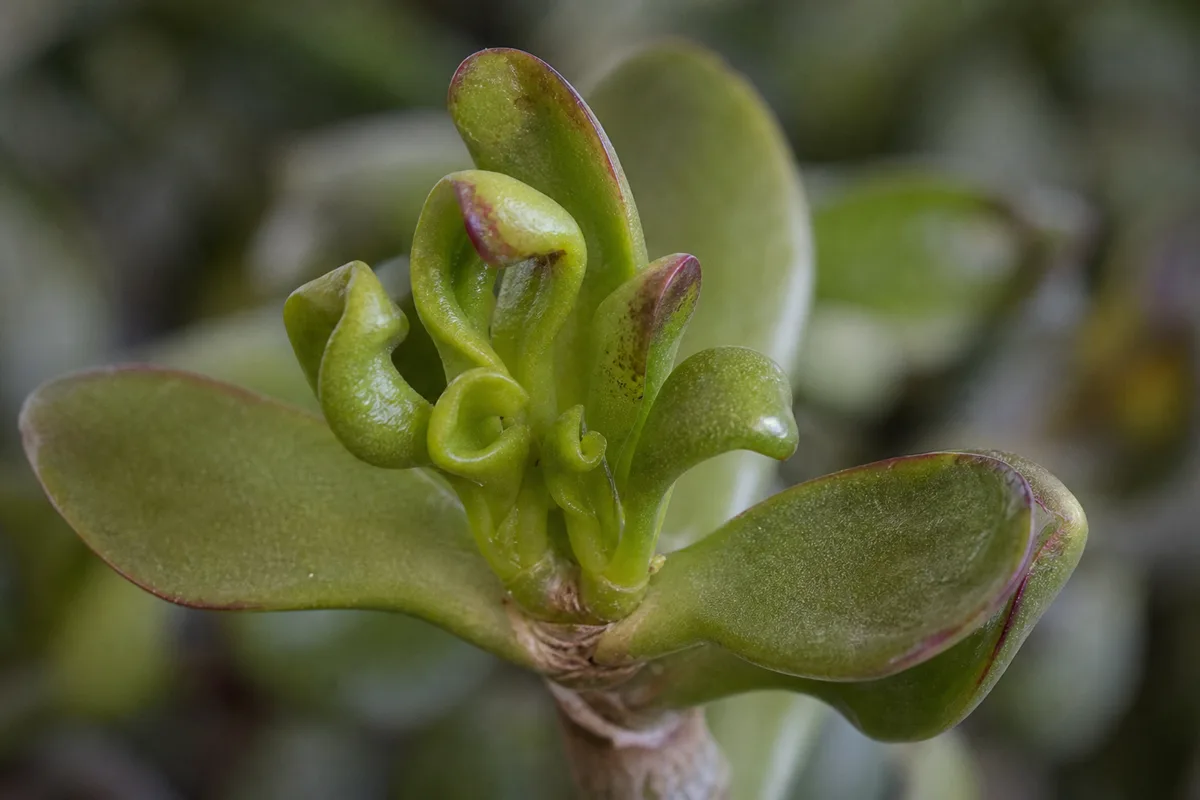
A cause-and-action decision table
| Pattern | Strongest clue | First action |
|---|---|---|
| Curl plus sticky colonies | Aphids or mealybugs visible | Isolate, identify, and use labeled integrated control |
| Silver scars plus black specks | Thrips evidence in folds or flowers | Isolate; inspect nearby plants; begin repeated monitoring |
| Stippling or bronzing | Mites on undersides or webbing | Confirm with magnification and manage conditions plus pest |
| Accordion leaf after drought | Dry root ball and no pests | Rehydrate evenly and stabilize moisture |
| Uniform burn after spraying | Symptom timing matches contact | Stop product, rinse if label permits, protect new growth |
| Mottling across several tips | No pests; persistent systemic pattern | Isolate and seek plant-clinic advice |
The table identifies the next test, not a guaranteed diagnosis. More than one cause can operate at once. A low-light, overwatered plant may also carry thrips, and an aggressive spray may add chemical injury to pest damage.
What to do in the first 24 hours
Move the plant far enough from others to prevent leaf contact, but keep its light and temperature reasonably stable. Photograph all sides, inspect tips and undersides, and place a monitoring card nearby if flying thrips or fungus gnats are suspected. Sticky cards detect some adults; they do not prove which pest caused leaf deformation.
Check moisture and drainage. Empty standing water, but do not repot merely because leaves look odd. Stop fertilizer and unconfirmed pesticide mixtures while gathering evidence. If a recent product may be responsible, consult its label for rinsing, re-entry, and safety instructions.
Remove only leaves that are dead, heavily infested, or preventing inspection. Healthy green deformed tissue still photosynthesizes. Bag pest-heavy trimmings rather than carrying them through the collection.
Do not change five variables at once. If there is no immediate disease or pest emergency, correct the best-supported factor, document it, and observe the next growth. Simultaneous repotting, feeding, pruning, spraying, and relocation erase the timeline and increase stress.
Protect unaffected neighboring plants through spacing and inspection rather than preventive off-label spraying. Check the plants that touched the symptomatic one and those sharing the same recent purchase source. A targeted quarantine boundary is more useful than treating every pot in the room without evidence.
Treat confirmed pests with integrated control
Begin with isolation, physical removal where practical, and repeated inspection. Wash sturdy foliage with water, prune heavily occupied tips when the plant can tolerate it, and clean the growing area. Treat neighboring plants according to evidence, not simply proximity.
Choose a product labeled for the identified pest, the plant type, and indoor use. Follow rate, coverage, interval, ventilation, personal-protection, and disposal instructions exactly. Many contact products require coverage of hidden surfaces and repeated applications timed to the pest life cycle.
Systemic insecticides have legal, environmental, and plant-use limitations and may not control every pest equally. Flowering plants moved outdoors can expose pollinators. Local regulations and labels govern use; extension guidance is the appropriate regional reference.
Correct culture without overcorrecting
For drought injury, rewet a hydrophobic root ball in stages and then maintain the plant’s normal dry-down rhythm. For persistently wet mix, restore drainage, improve appropriate light, and repot only if roots or media are failing. Never alternate panic soaking with extreme drying.
Increase light gradually to the species’ suitable level. Correct cold drafts and hot vents. If humidity appears relevant, measure it, improve grouping or humidification safely, and maintain airflow rather than leaving foliage continuously wet.
If salts are likely, pause feeding and evaluate water quality, drainage, and substrate condition. Resume balanced fertilizer only when the plant is actively growing and roots are functioning. Adding calcium, magnesium, or micronutrients without evidence can compound imbalance.
Judge recovery through the next leaves
Existing scars, puckers, and asymmetry generally remain. Mark the newest damaged leaf with a photograph or loose tag, then examine each leaf produced afterward. Success is progressively cleaner, normally sized growth with no fresh pests or lesions.
Recovery time depends on growth rate and season. A fast vine under good light may reveal improvement quickly; a slow succulent may need months. Do not repeat treatment simply because the old damaged leaf still looks damaged.
If deformation continues after two or three new leaves, reopen the diagnosis. Look for hidden pests, root decline, repeated chemical exposure, or a systemic pattern. Seek extension help when a valuable plant remains unexplained.
Prevent recurring distortion
Quarantine new plants and inspect tender tips before adding them to a dense collection. Clean tools, remove dead debris, and avoid moving from plant to plant while handling sap. Monitor flowers and folded leaves, where small pests can remain concealed.
Keep watering and light stable enough for the species, and adapt care seasonally. Use fertilizer at labeled concentrations during active growth. Record spray dates and products so a later contact pattern can be traced.
Leave space for leaves to unfurl without rubbing walls or neighboring pots. Preventive care is not constant spraying; it is early observation, accurate identification, and conditions that support steady development.
Conclusion
Deformed new growth is a record of something that happened while tender tissue expanded. Map where it occurs, inspect with magnification, review moisture and treatment history, and rank pests, environment, salts, chemicals, and disease by evidence. Resist treating a shape as a diagnosis.
Protect the plant from spread while you investigate, apply only targeted labeled controls, and judge recovery by subsequent leaves. When persistent mottling or unexplained deformation crosses several growing points, isolation and plant-clinic advice are safer than another speculative product.
Plants commonly affected
These houseplants often struggle with deformed new growth. Open a care guide or plant-specific troubleshooting page for tailored fixes.
 Medium
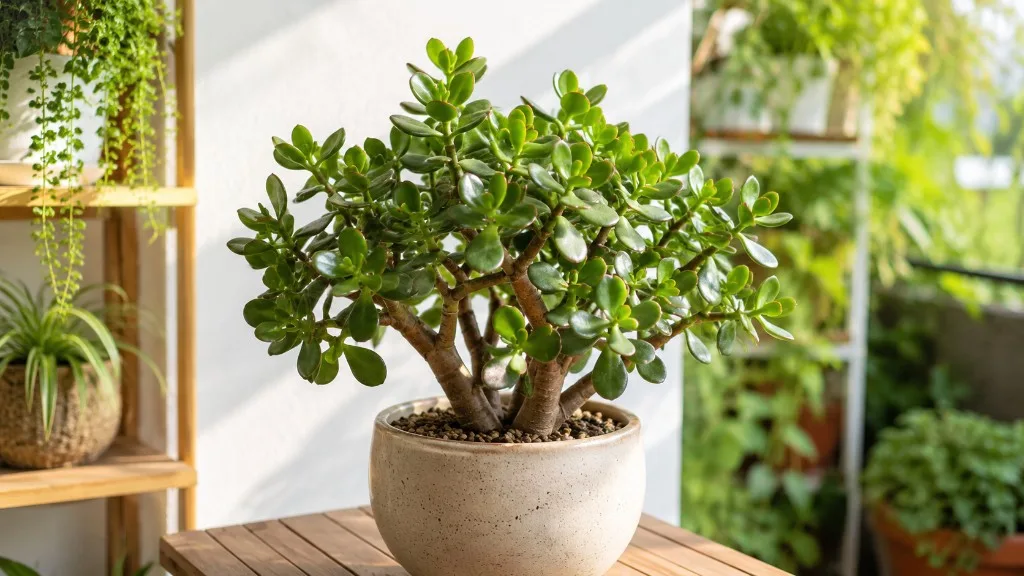
Jade Plant
Likely causeApr 7, 2026 · Five causes account for nearly all cases of genuine jade plant stunted growth , and each leaves different clues. Use the diagnostic table below to identify yours, then follow the fix for that specific cause.
Quick fixConfirm diagnosis on your Jade Plant, then address the most likely care or pest factor described in current extension guidance.
 Medium
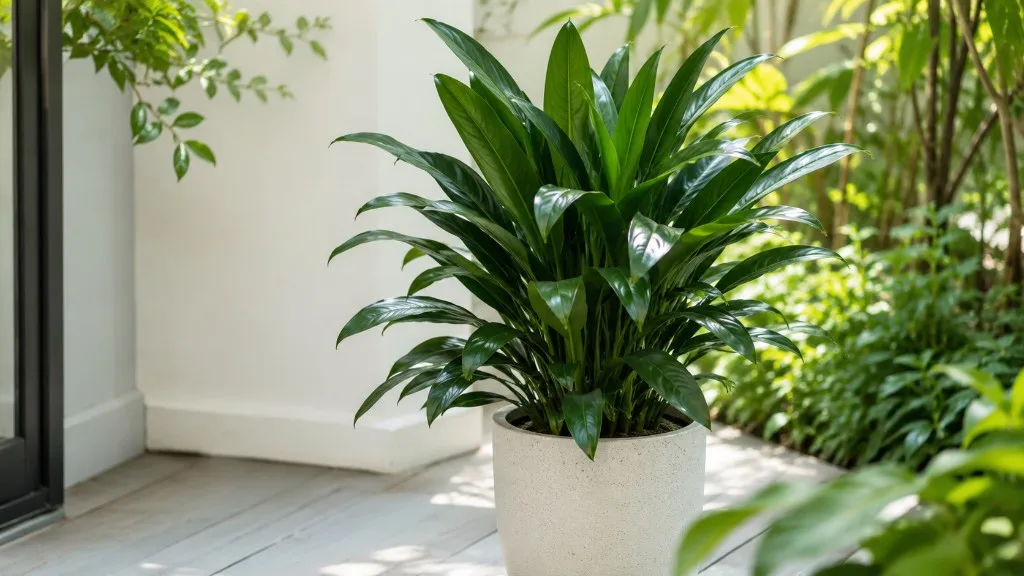
Janet Craig Dracaena
Likely causeMar 5, 2024 · With a little patience and a lot of love, your Janet Craig Dracaena will reward you with lush, vibrant growth . To sum up, getting new growth on your Janet Craig Dracaena involves a combination of proper lighting, watering, so
Quick fixConfirm diagnosis on your Janet Craig Dracaena, then address the most likely care or pest factor described in current extension guidance.
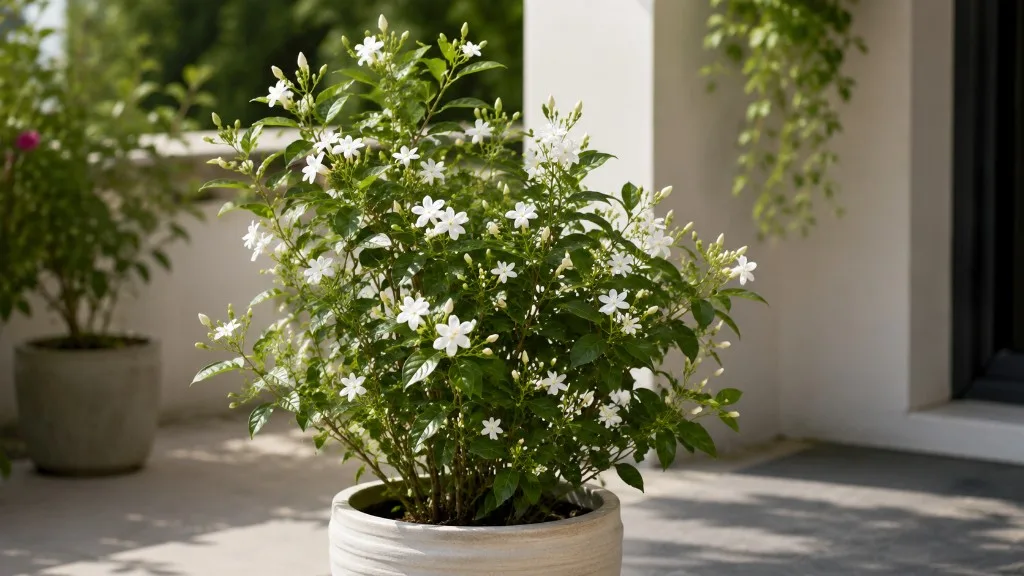 Medium
Jasmine
Likely causeAfter learning how to grow jasmine on a balcony and how plants propagate, the next question is: Why does jasmine sometimes flower… and sometimes not? You may notice: This is not random. Jasmine follows a natural growth cycle. And once you u
Quick fixConfirm diagnosis on your Jasmine, then address the most likely care or pest factor described in current extension guidance.
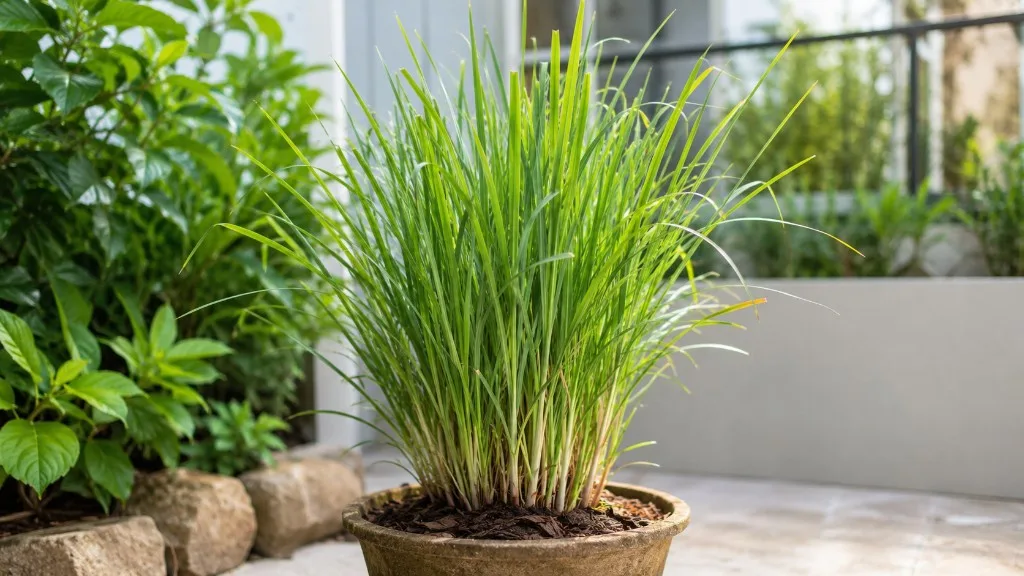 Medium
Lemongrass
Likely causeOct 18, 2025 · As lemongrass grows , it produces new shoots (tillers) from the base, gradually expanding into a wider clump. In containers, this eventually leads to pot-bound conditions where roots circle the container and growth slows.
Quick fixConfirm diagnosis on your Lemongrass, then address the most likely care or pest factor described in current extension guidance.
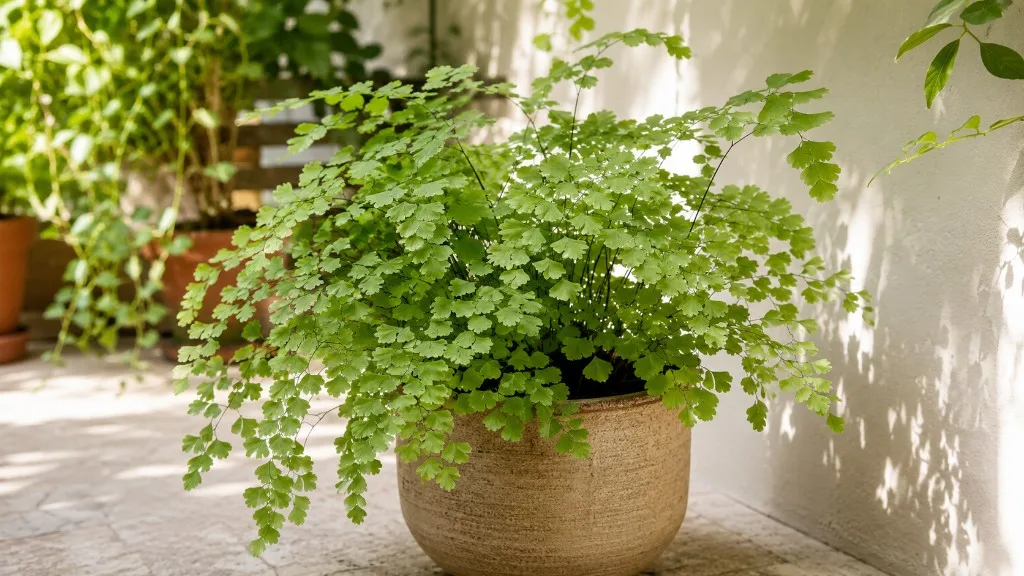 Medium
Maidenhair Fern
Likely causeMar 9, 2024 · In this article, we'll explore how to get your maidenhair fern thriving with new growth . We’ll cover everything from choosing the right spot in your home, to understanding their watering needs, and even tackling those pesky p
Quick fixConfirm diagnosis on your Maidenhair Fern, then address the most likely care or pest factor described in current extension guidance.
 Medium
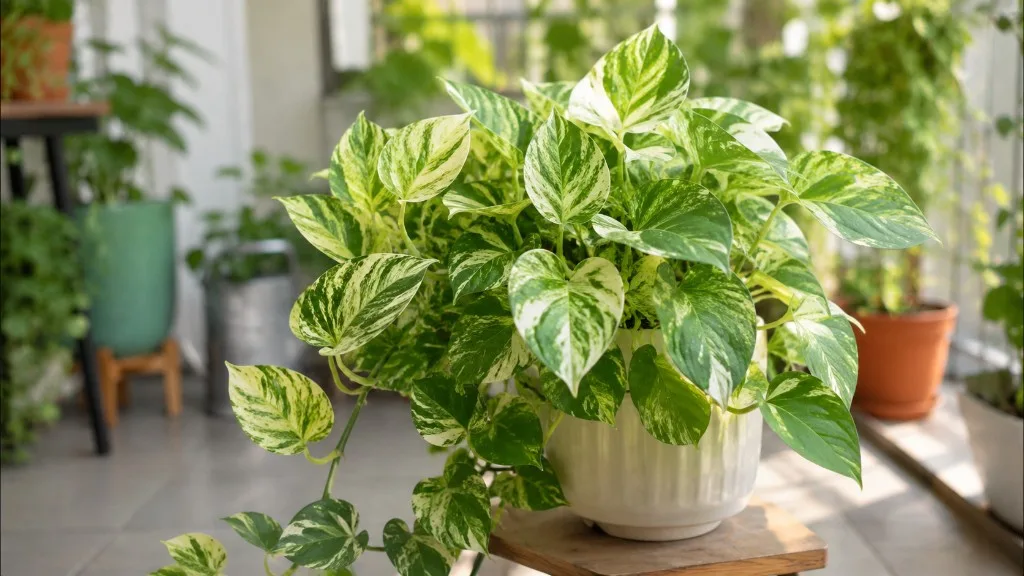
Manjula Pothos
Likely causeFeb 7, 2026 · The Manjula Pothos is a stunning variegated cultivar with heart-shaped leaves swirled in cream, white, silver-green, and green. Developed by the University of Florida, it's become a collector …
Quick fixConfirm diagnosis on your Manjula Pothos, then address the most likely care or pest factor described in current extension guidance.
 Medium
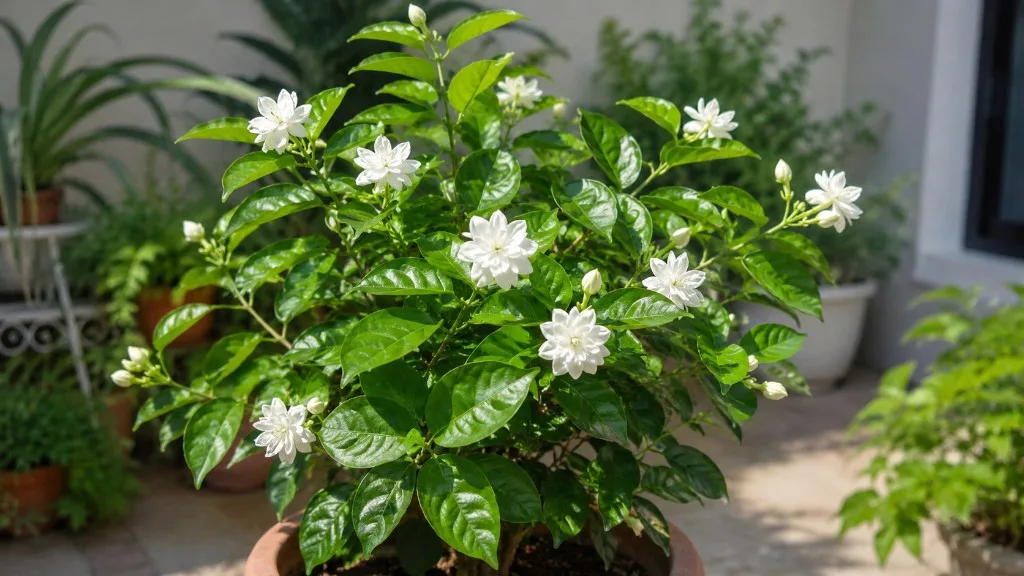
Mogra
Likely cause😍 Mogra /🌿Jasmine plant Care tips #shorts # new #garden #farming 🌸 Mogra / Jasmine Plant Care Tips | More Flowers, Healthy Growth & Easy Gardening 🌿 Mogra (Jasmine) ek bahut hi sundar aur ... Sep 17, 2024 · Regular pruning helps maintain th
Quick fixConfirm diagnosis on your Mogra, then address the most likely care or pest factor described in current extension guidance.
 Medium
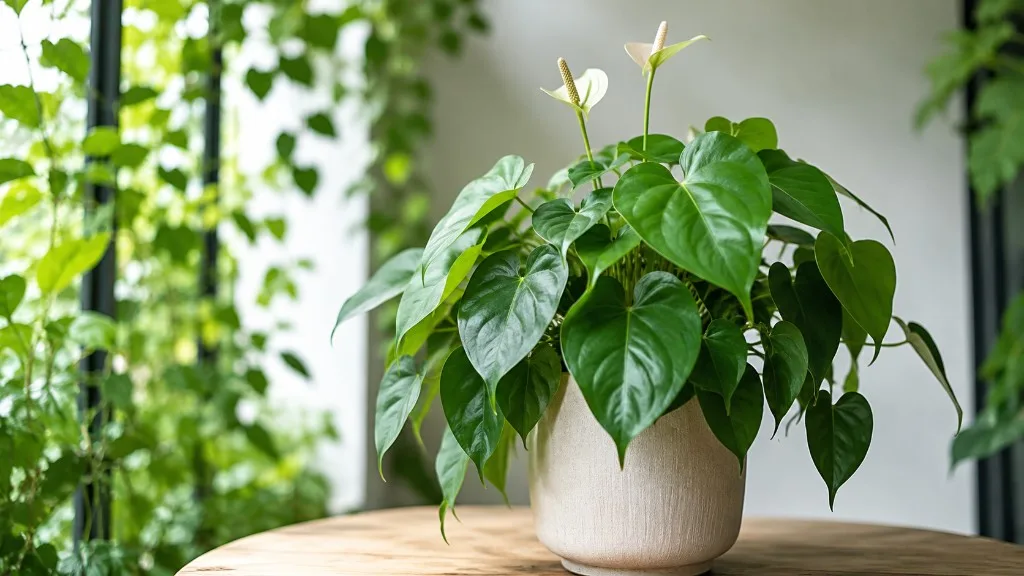
Heartleaf Philodendron
Likely causeJan 7, 2025 · Natural Aging: Sometimes, older leaves turn yellow and fall off as new growth comes in. This is perfectly normal and nothing to worry about. By checking these possibilities, you can usually pinpoint and fix the problem. Always
Quick fixConfirm diagnosis on your Heartleaf Philodendron, then address the most likely care or pest factor described in current extension guidance.
 Medium
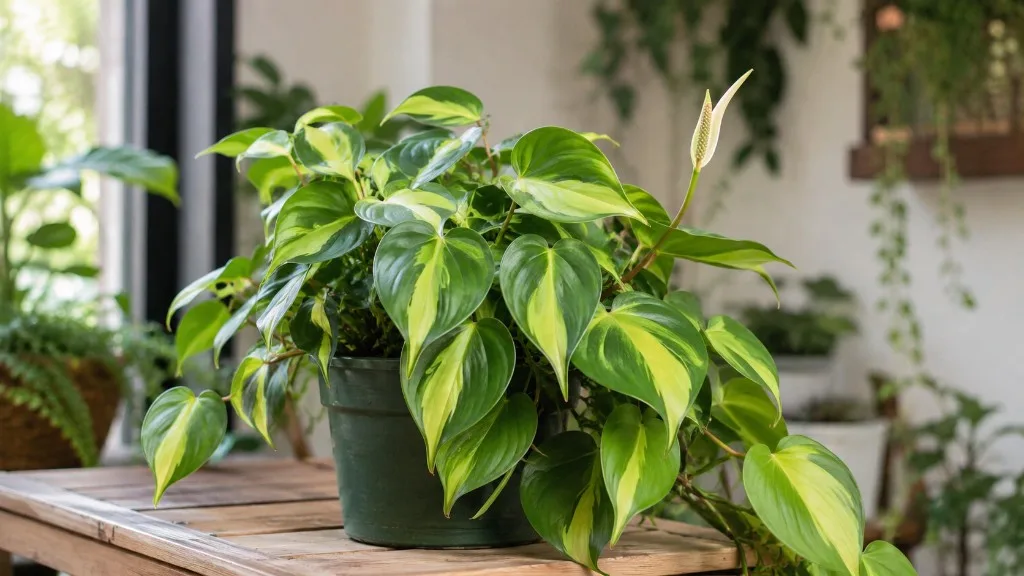
Philodendron Brasil
Likely causeAug 13, 2025 · While generally low-maintenance, the Philodendron Brasil can encounter common issues that affect its health and appearance. Understanding these problems and their solutions helps maintain the plant’s lush growth and distincti
Quick fixConfirm diagnosis on your Philodendron Brasil, then address the most likely care or pest factor described in current extension guidance.
 Medium
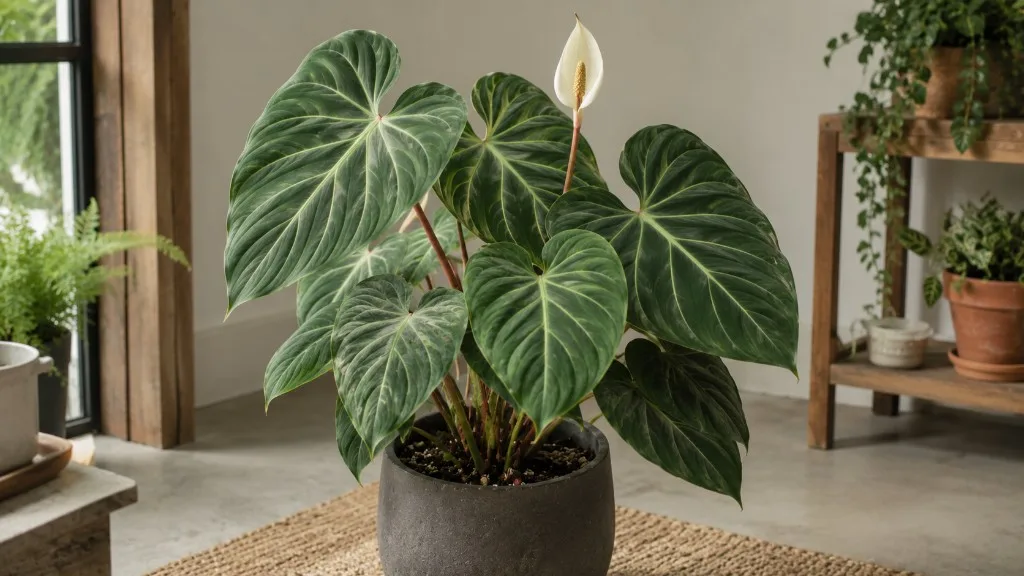
Philodendron Gloriosum
Likely causeDec 10, 2025 · When asking “Stunted Growth Diagnosis: Is Your Philodendron Gloriosum Dormant or Stressed?”, the answer is rarely dormancy indoors. Instead, stunted or stalled growth is almost invariably a symptom of acute environmental stre
Quick fixConfirm diagnosis on your Philodendron Gloriosum, then address the most likely care or pest factor described in current extension guidance.
 Medium
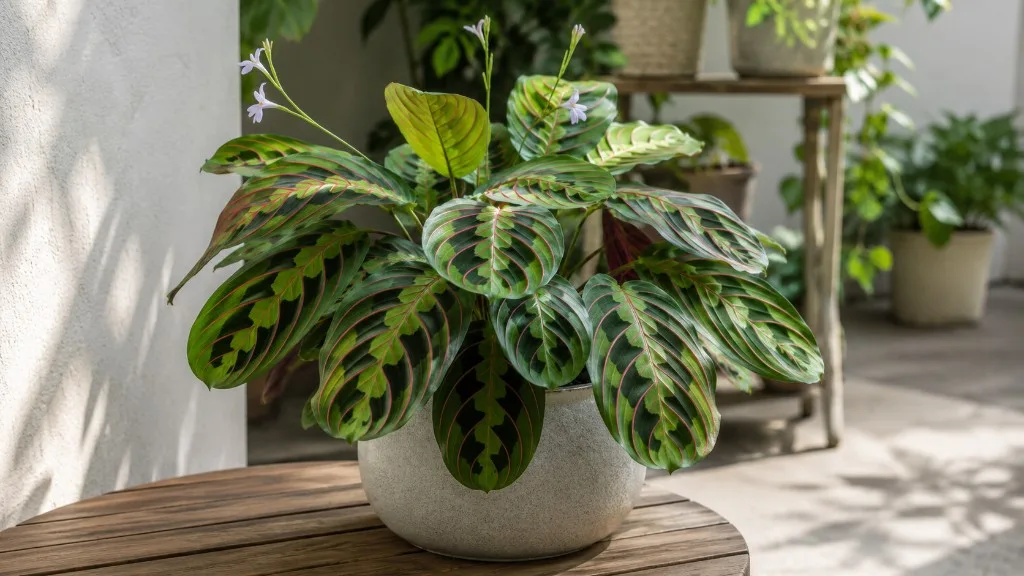
Prayer Plant
Likely cause1 day ago · New growth also forms as tightly curled tubes before unfurling, which looks alarming if you haven’t seen it before. A healthy new leaf uncurls smoothly over a few days; a stressed new leaf may stop partway and stay deformed . Wo
Quick fixConfirm diagnosis on your Prayer Plant, then address the most likely care or pest factor described in current extension guidance.
 Medium
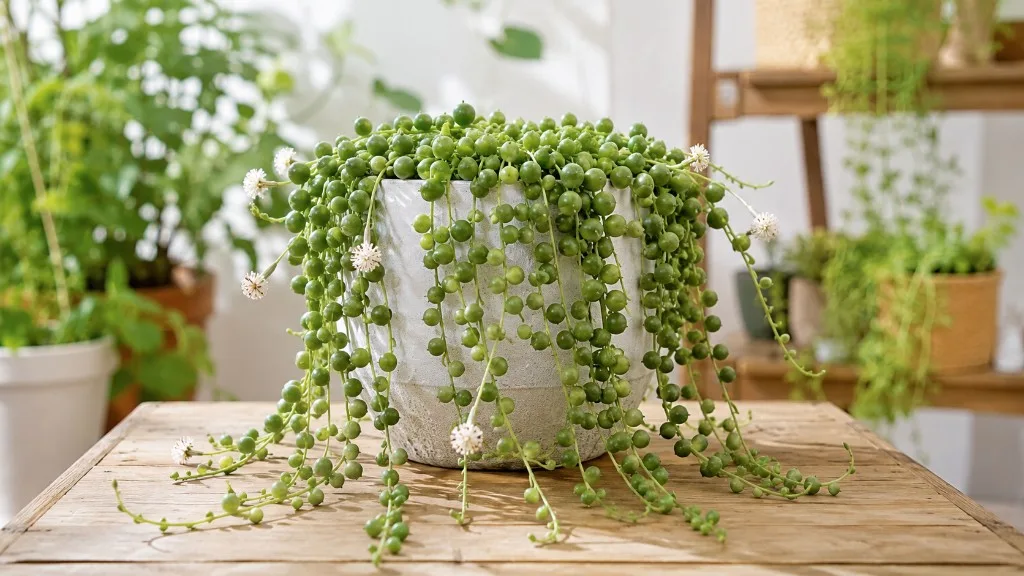
String of Pearls
Likely causeJul 11, 2021 · The primary reasons why your string of pearls is not growing are a lack of light and overwatering. Damage from pests, high humidity, and diseases can also result in stunted growth . Monitor your plant for signs of stress, pro
Quick fixConfirm diagnosis on your String of Pearls, then address the most likely care or pest factor described in current extension guidance.