No New Growth on Houseplants: Diagnosis and Fixes
No new growth is a timing and context problem, not always a crisis. Many indoor plants pause naturally in winter, after repotting, or after a move. Concern starts when a plant should be growing but stays static for weeks or months while light, temperature, and watering are supposedly "normal." In that situation, the issue is usually not lack of motivation from the plant. It is an energy or root-zone bottleneck. The most useful first distinction is seasonal rest versus true stall. A plant resting through short cool days may be behaving normally. A plant frozen in place during warm bright growing weather is not. To diagnose it well, look at light level, root space, recent stress, and whether the plant is maintaining healthy leaves or quietly declining while growth stays absent.
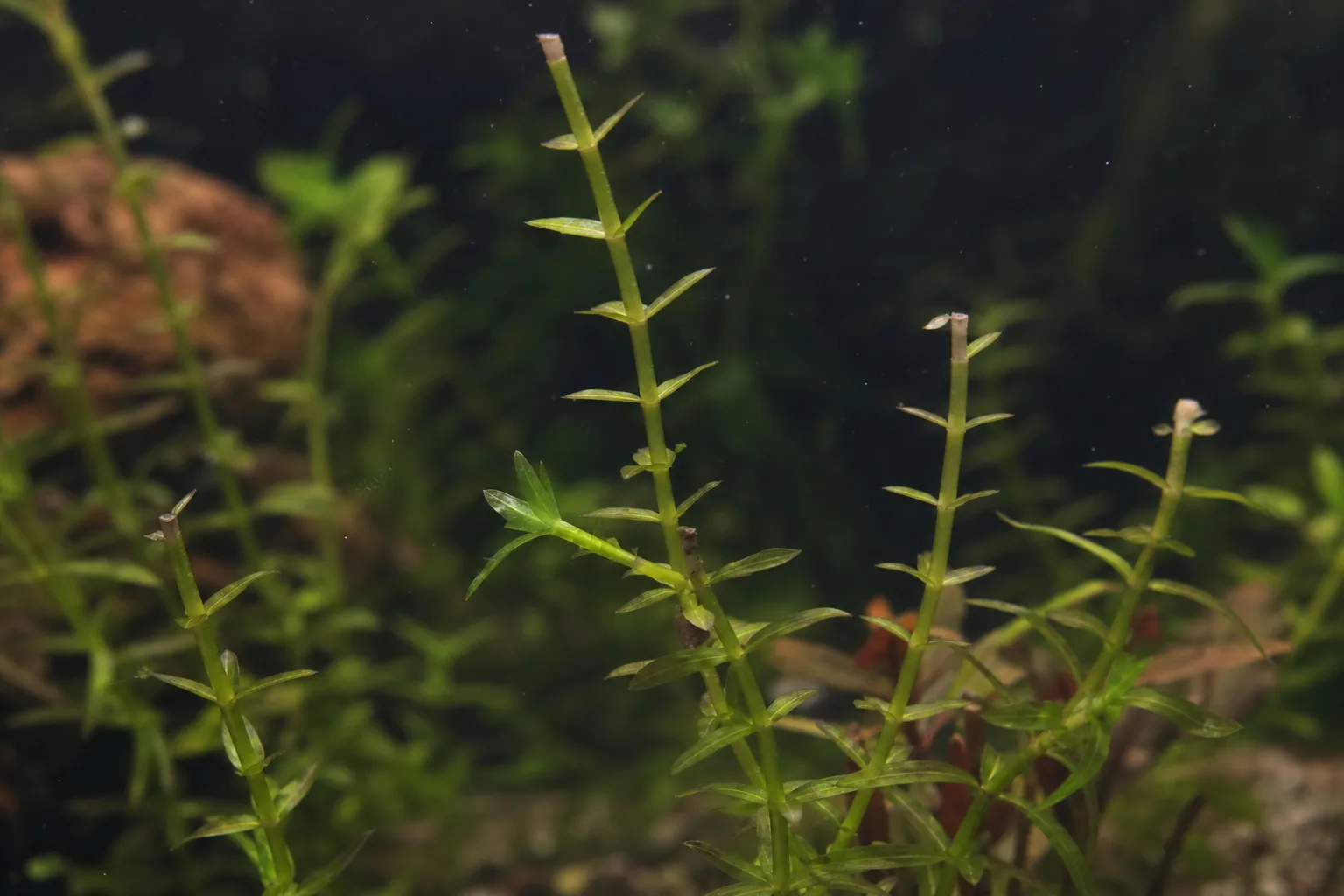
No New Growth on Houseplants
Still unsure?Match your symptoms to the most likely problems in under a minute.Run diagnosis →Understand and fix no new growth
No new growth is a timing and context problem, not always a crisis. Many indoor plants pause naturally in winter, after repotting, or after a move. Concern starts when a plant should be growing but stays static for weeks or months while light, temperature, and watering are supposedly "normal." In that situation, the issue is usually not lack of motivation from the plant. It is an energy or root-zone bottleneck. The most useful first distinction is seasonal rest versus true stall. A plant resting through short cool days may be behaving normally. A plant frozen in place during warm bright growing weather is not. To diagnose it well, look at light level, root space, recent stress, and whether the plant is maintaining healthy leaves or quietly declining while growth stays absent.
Overview
No new growth is a timing and context problem, not always a crisis. Many indoor plants pause naturally in winter, after repotting, or after a move. Concern starts when a plant should be growing but stays static for weeks or months while light, temperature, and watering are supposedly "normal." In that situation, the issue is usually not lack of motivation from the plant. It is an energy or root-zone bottleneck.
The most useful first distinction is seasonal rest versus true stall. A plant resting through short cool days may be behaving normally. A plant frozen in place during warm bright growing weather is not. To diagnose it well, look at light level, root space, recent stress, and whether the plant is maintaining healthy leaves or quietly declining while growth stays absent.
How to identify it
- No new leaves for 2+ months during spring/summer
- Healthy older leaves remain static with no tip extension or bud movement.
- Potting mix stays wet for a long time in dim light or dries instantly in a root-packed pot.
- Roots circle the pot, emerge from drainage holes, or leave very little soil volume.
- The plant sits in a corner too dim to fuel new growth.
- Growth has not resumed after a move, repot, pest issue, or winter transition.
When to worry
It becomes urgent when no growth is paired with yellowing, limp stems, root problems, or complete standstill well into the active growing season.
Common causes
Insufficient light for growth
Plants cannot build new tissue without enough usable light. In dim rooms, they maintain existing foliage but stop pushing new growth.
Root-bound container
A pot full of roots leaves little room for water, air, and fresh media. Growth slows or stops even when watering seems adequate.
Winter or cool-season dormancy
Many houseplants naturally slow in short, cool months. Little new growth in winter can be normal.
Chronic stress from water or roots
Repeated drought, overwatering, or root damage forces the plant to maintain existing tissue instead of investing in new growth.
Step-by-step fix
Confirm the season and recent care changes
If it is winter or the plant was recently moved, repotted, or treated for pests, allow for a temporary pause before assuming failure.
Increase light if stems are stretching
Move the plant closer to brighter light or add a grow light if the current spot is too dim to support active photosynthesis.
Check if the plant is root-bound
If roots circle tightly or erupt from drainage holes, repot one size up with fresh media rather than hoping fertilizer will solve the stall.
Feed lightly during active growth
Only feed after light and roots are addressed. Nutrients help when the plant is ready to grow, not when it is stalled in poor conditions.
Be patient after fixing conditions
New growth may take 3–6 weeks to appear once light and roots are corrected.
Prevention tips
- Match plant species to available light
- Repot before roots circle tightly
- Fertilize during growth season only
- Rotate plants for even light exposure
Common mistakes
- Over-fertilizing to force growth in low light
- Repotting into an oversized pot hoping for faster growth
- Expecting summer growth rates in winter or right after relocation
A houseplant that has produced no new leaves can be healthy, temporarily paused, or under chronic stress. The visible result is the same, but the correct responses are very different. A snake plant holding firm leaves through a dark winter may need patience; a pothos with wet mix, yellowing lower leaves, and a motionless growth point needs investigation.
The safest approach is to diagnose a growth constraint, not to force growth. Plants build new tissue only when light, functional roots, suitable temperature, water, and mineral nutrients overlap. If one factor is strongly limiting, adding more of another rarely fixes the bottleneck and can create a second problem.
This guide is an evidence-led synthesis of cooperative Extension guidance, not the result of a controlled trial on one species. The photographs illustrate visible patterns only: neither image can prove why a plant stopped growing. Use the sequence here to collect a baseline, rule out urgent decline, change one supported variable, and judge the plant’s later growth rather than treating a picture or a single leaf as a diagnosis.
Quick diagnosis: stable pause or active decline?
Begin with the plant’s condition, season, and trend. A stable pause means the existing leaves remain reasonably firm and normally colored, stems are sound, the mix behaves predictably, and no pest population is increasing. A declining stall includes yellowing, collapse, blackened roots, spreading spots, severe leaf distortion, or a continuing loss of foliage.
Urgency comes from deterioration, not from the calendar alone. “No leaf for six weeks” is weak evidence without knowing the species, time of year, recent move, and previous rate. “No leaf for six weeks plus sour wet mix and soft roots” is strong evidence that the root environment needs attention.
Use this first split:
- Stable and seasonal: hold care steady, improve measurement, and wait.
- Stable but out of season: investigate light and roots before feeding.
- Actively declining: isolate if pests are possible, inspect moisture and roots, and address the strongest evidence.
- Recently moved or repotted: allow acclimation unless tissue continues to deteriorate.
Penn State Extension’s diagnostic guidance emphasizes that plant symptoms can arise from interacting light, fertility, moisture, temperature, disease, and human factors. That is why one symptom should start an investigation rather than end it.
What “no new growth” actually means
No new growth means the plant is not producing visible leaf expansion, shoot extension, offsets, or root-driven top growth over a meaningful observation period. It does not mean the plant is biologically inactive. A plant may be maintaining cells, replacing roots, adjusting leaves to a new environment, or holding dormant buds without making a visible new leaf.
Confirm that growth is truly absent. Photograph the same growth point weekly from the same angle, place a removable marker beside a vine tip, or note the position of the newest leaf sheath. Tiny changes are easy to miss when you look every day, while a weekly comparison reveals whether the plant is slow or fully stalled.
Do not count an old leaf unfurling as proof that the underlying problem is solved. That leaf may have begun forming before the stress occurred. The stronger recovery signal is a sequence: a growth point resumes, the next leaf develops normally, and the plant maintains it without renewed yellowing or collapse.
Establish the plant’s normal baseline
Growth rates differ enormously. A fast vining aroid in warm bright conditions may extend frequently, while a mature snake plant, cycad, succulent, fern, or woody indoor specimen may grow in pulses. Species, maturity, season, propagation history, and indoor conditions all matter, so a universal “new leaf every X days” rule is unreliable.
Build a baseline from the plant itself. Review photos from the same season last year, dates of previous leaves, the nursery-to-home transition, and any recent change in window, curtains, heating, pot, or watering. Compare similar growth points rather than one shaded stem against the sun-facing side.
A newly purchased plant deserves special caution. NC State Extension describes acclimatization as adjustment from production conditions to the lower light, humidity, moisture, and fertilizer levels often found indoors. A temporary slowdown after purchase can therefore be an environmental transition, not proof that the plant is hungry.
Light is the first growth constraint to check
Light often limits indoor growth before nutrition does. Plants use light to manufacture carbohydrates, and a location that is bright enough for human vision may provide little useful energy at leaf level. A plant can maintain older foliage in marginal light while declining to invest in new tissue.
University of Maryland Extension explains that light intensity, duration, and quality all influence indoor plants. Check all three. A bright window for two winter hours is not equivalent to a brighter exposure sustained through much of the day, and dense curtains, deep setbacks, exterior shade, and dusty glazing can reduce the light reaching the leaves.
Look for supporting evidence: long gaps between leaves, smaller or paler recent leaves, a crown leaning toward the window, loss of lower foliage, or markedly faster growth on the bright side. None proves low light alone, but several together make it a strong lead.
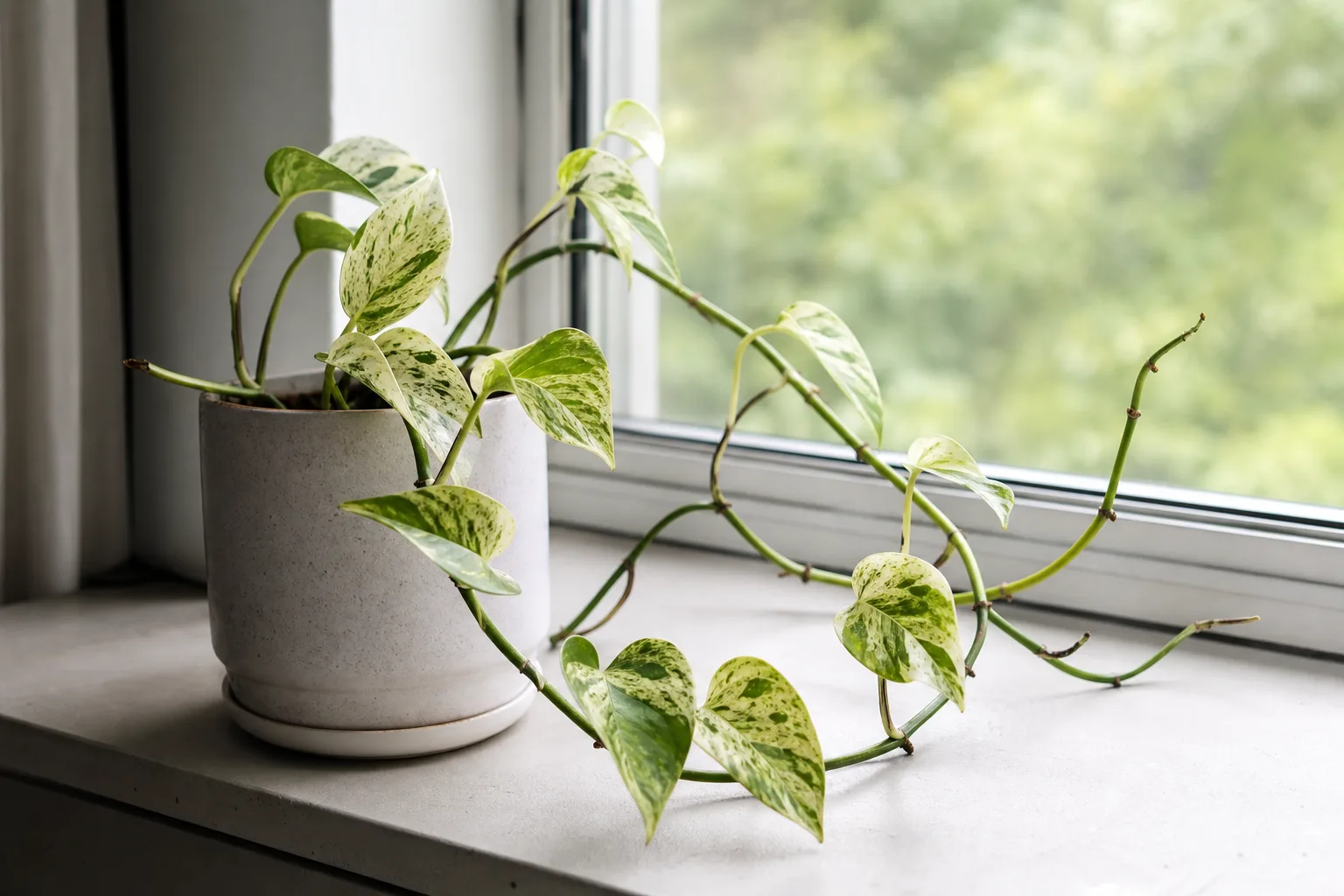
Measure the plant’s light, not the room’s brightness
Observe the exact leaf position across the day. A phone light-meter app is useful for comparisons even when it is not laboratory accurate: compare the current shelf with a known brighter position at the same time. Record direct sun duration separately, because moving a shade-grown plant abruptly into hot sun can cause injury.
If light is inadequate, move the plant closer in stages or add a suitable grow light. Keep the species’ tolerance in mind and increase exposure gradually. The goal is not maximum brightness; it is an appropriate, repeatable daily light environment that the plant can use without scorching.
After changing light, watering demand may rise. Do not keep the old calendar automatically. Check the root zone and adjust based on actual drying, because brighter conditions can turn an acceptable watering interval into drought, while winter dimness can turn the same interval into chronic wetness.
Water and root-zone oxygen
Both drought and prolonged saturation can stop growth. Drought reduces cell expansion and can damage fine feeder roots; chronic saturation fills air spaces and limits oxygen around roots. The leaf surface may remain deceptively normal for a while, which makes the pot’s moisture pattern more informative than the absence of leaves.
Check at root depth, not only at the surface. Lift the pot, probe the mix with a wooden skewer, and note how many days pass between a thorough watering and the plant’s normal dry point. A dry crust over wet mix is common in dense media, while hydrophobic old mix can look wet at the edge but leave the root ball dry.
NC State’s container guidance notes that watering demand varies with light, temperature, humidity, pot size, medium, root volume, species, and growth stage. That variability is exactly why fixed weekly watering is a poor diagnostic shortcut.
Correct the pattern rather than swinging to the opposite extreme. For a genuinely dry root ball, rehydrate evenly and allow drainage. For persistently wet mix, empty the cachepot, stop watering until the species-appropriate dry point, and determine whether low light, blocked drainage, an oversized pot, or decomposed media is keeping the center wet.
Rootbound, root-damaged, or simply well rooted?
Roots at a drainage hole do not automatically mean an emergency. A healthy established plant may explore the pot without being severely restricted. Stronger evidence of root binding includes a dense circling mass, very little loose mix, water channeling rapidly around the root ball, repeated wilting soon after watering, and progressively smaller growth.
Root condition matters more than root quantity. Healthy roots are generally firm and appropriately colored for the species; dead or rotting roots are often soft, hollow, sloughing, or foul-smelling. Aquatic plants and some specialized species require different interpretation, so compare with species-specific references when root appearance is unfamiliar.
The NC State container handbook identifies circling or girdled roots as evidence of excessive confinement and notes that this can stunt growth. Repot only when the evidence supports it. Choose a modestly larger pot with drainage and a medium suited to the plant; a dramatic jump in volume can leave unused mix wet for too long.
If roots are actively rotting, simply moving the intact root ball to a larger pot will not solve the problem. Remove collapsed material with clean tools, correct the moisture and drainage cause, and consider propagating healthy tissue when severe damage leaves too little functioning root system.
Temperature, season, and recent change
Many indoor plants slow when days shorten, light intensity falls, or temperatures move below their active range. “Dormancy” is sometimes used too loosely for tropical foliage plants; many are not truly dormant indoors but grow so slowly that the pause looks complete. That distinction matters because they still need monitoring, yet usually need less water and fertilizer than during active growth.
Review nighttime conditions as well as daytime room temperature. A plant beside cold glass, an exterior door, an air-conditioning outlet, or a heating vent may experience stress that the thermostat does not show. Root-zone temperature can also differ from room air on a stone sill or cold floor.
Recent change is a major clue. Moving, shipping, repotting, division, a pest treatment, a heat wave, or an abrupt change in light can pause extension while the plant reallocates resources. Hold the environment stable after a necessary correction. Repeated moves make it impossible to learn which condition helped and force the plant to keep acclimating.
Nutrition: when fertilizer helps and when it harms
Nutrients are essential, but a bottle of fertilizer does not create the light energy or root function needed to use them. Suspect a nutritional limitation when the plant is in adequate light, roots are sound, watering is stable, growth is active but weak, and the potting medium is old or the feeding history is minimal. Leaf pattern and species-specific deficiency symptoms can refine the diagnosis.
University of Minnesota Extension advises following fertilizer labels and recognizes that container plants lose nutrients through watering. Indoor foliage plants, however, often grow much more slowly than outdoor flowering containers, so use a product and rate appropriate to the species and current growth.
Do not feed a plant sitting in cold, dim, saturated mix. Unused fertilizer salts can accumulate and injure vulnerable roots. If you suspect excess fertilizer—crust on the mix, a recent strong dose, burned roots, or margin injury—pause feeding and address drainage and water quality before adding more.
A cautious trial is better than a rescue dose. Once light and roots are suitable and a growth point is active, apply at the label rate or a conservative species-appropriate rate, then watch the next several weeks. Improvement should appear as healthy new tissue, not just darker old leaves.
Pests and disease that quietly suppress growth
Low-level sap-feeding pests can slow growth before the canopy looks devastated. Inspect the undersides of leaves, petioles, nodes, sheaths, and the newest folded growth with a bright light and hand lens. Spider mites may produce fine stippling and webbing; thrips can scar or distort emerging leaves; scale and mealybugs may cluster along veins and nodes.
Look at roots when the above-ground evidence and moisture pattern point there. Root mealybugs, rot, or damaged feeder roots can reduce uptake while older leaves remain temporarily present. Do not apply a general pesticide to a plant merely because it is not growing; treatment without identification wastes time and may cause phytotoxic injury.
University of Maryland’s indoor-plant diagnostic guide organizes symptoms across environmental, cultural, pest, and disease causes. Use that breadth. Isolate a suspicious plant, confirm the organism or lesion pattern, and follow a pest-specific integrated management plan and the product label.
A ten-minute inspection in the right order
Start with observations that do not disturb the plant:
- Photograph the whole plant and newest growth point.
- Record season, last visible growth, purchase date, moves, repotting, feeding, and treatments.
- Observe light at leaf level and compare it with a brighter location.
- Test moisture at root depth and check whether the cachepot holds water.
- Inspect stems and both sides of leaves with a hand lens.
- Compare newest leaves with older normal leaves for size, color, and distortion.
- Slide out the root ball only if drying, odor, collapse, or severe restriction supports doing so.
This order preserves diagnostic evidence and avoids unnecessary root disturbance. It also gives you a baseline. If you make one change, repeat the same checks weekly and judge trend rather than reacting to one leaf.
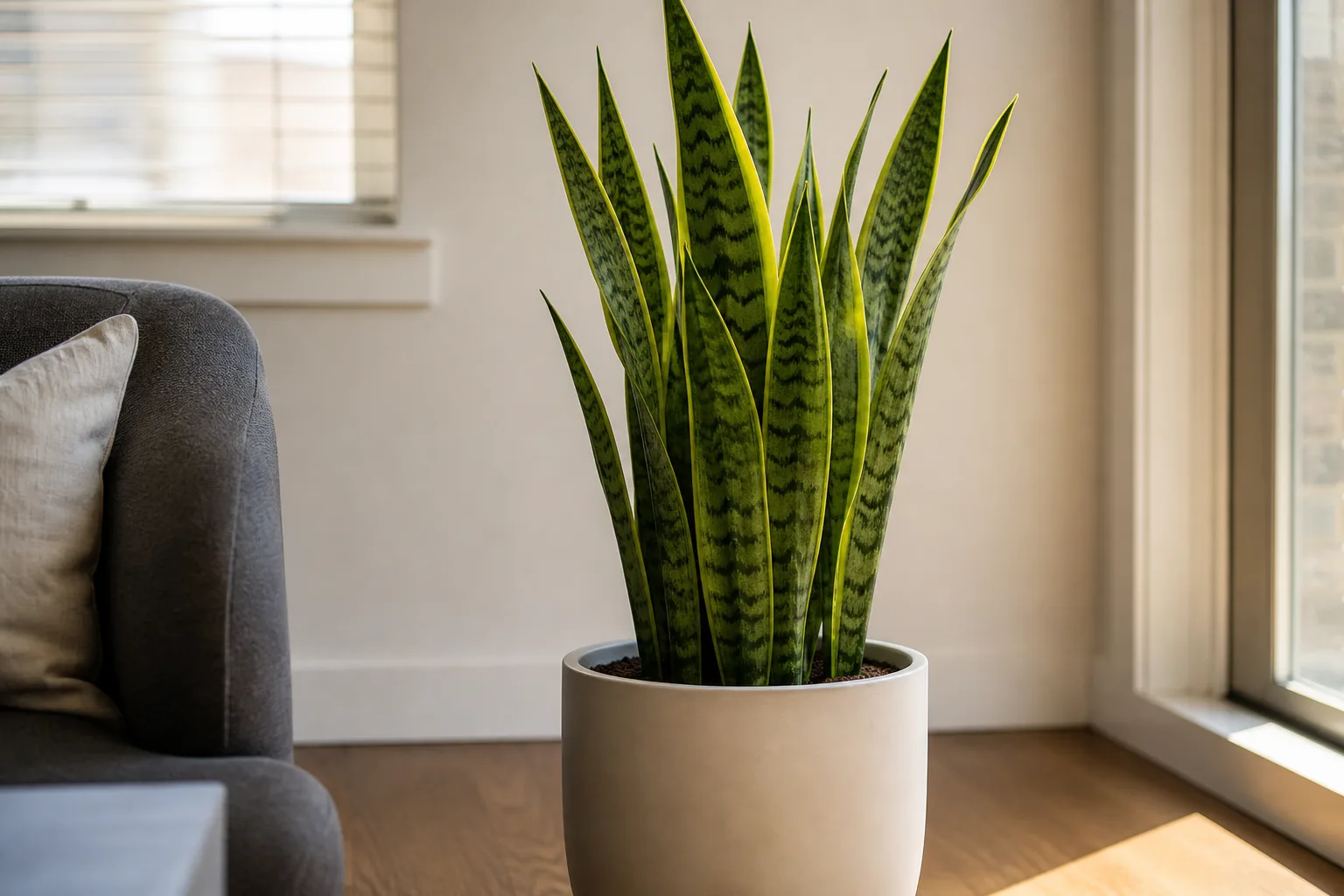
Decision table: evidence, likely cause, first action
| Strongest evidence | Leading explanation | First low-risk action |
|---|---|---|
| Stable plant, short winter days, no decline | Seasonal slowdown | Maintain stable care and monitor |
| Long internodes, small leaves, window-facing growth | Insufficient light | Increase appropriate light gradually |
| Mix wet for many days, yellowing or soft roots | Root-zone oxygen stress | Stop calendar watering; correct drainage |
| Dense circling roots, fast drying, little loose mix | Severe root restriction | Repot one modest size up |
| Healthy roots and light, pale weak new tissue, depleted mix | Possible nutrient limitation | Feed conservatively during active growth |
| Distorted new growth, stippling, residue, webbing, insects | Pest pressure | Isolate, identify, then treat specifically |
| Stall follows move, shipping, division, or repot | Acclimation or root recovery | Stabilize conditions and wait |
Treat the table as triage, not a final diagnosis. Two constraints can coexist—for example, a rootbound plant in low light—and changing one variable may reveal the second. Document the order so the response remains interpretable.
A staged recovery plan
First, stabilize immediate risks: remove standing water, move a plant away from temperature extremes, isolate a suspected infestation, or provide drainage. Do not fertilize yet. Give the plant several days to show whether tissue loss has slowed.
Second, correct the dominant bottleneck. Improve light gradually, rebuild an appropriate watering pattern, treat a confirmed pest, or repot only when the root ball supplies clear evidence. Keep unrelated conditions steady so you can evaluate the result.
Third, support active growth. Once roots are functioning and a bud or leaf begins moving, resume species-appropriate nutrition and watering. Rotate the plant only if even exposure is appropriate; do not continuously turn a climbing plant whose leaves naturally orient toward support and light.
Fourth, evaluate new growth quality. A single tiny leaf may reflect stress that occurred weeks earlier. Better evidence is two successive leaves that approach the plant’s normal size, maintain color and firmness, and appear without renewed root or pest symptoms.
What not to do to a stalled plant
Do not stack a repot, strong fertilizer, hard prune, location change, and pesticide treatment on the same weekend. Each action adds stress and erases diagnostic information. Make the minimum necessary correction, then allow time for a response.
Do not repot into a dramatically larger decorative container because “more room means more growth.” Excess unused medium can remain wet, especially in low light. Likewise, do not water more often just because growth has stopped; a plant using less water may need a longer interval.
Avoid cutting healthy dormant growth points to “wake them up” unless pruning is part of a species-appropriate branching plan. Do not remove every older leaf for cosmetic reasons, because sound leaves still contribute energy. Never use fertilizer or pesticide above label directions.
How long recovery and new growth can take
There is no reliable universal deadline. Fast vines under warm bright conditions may restart sooner than woody plants, succulents, palms, cycads, or plants recovering from root loss. Season also changes the clock: a correction made in dim winter may stabilize the plant without producing a visible leaf until conditions improve.
Measure leading indicators before expecting a full leaf. The growth point may swell, a sheath may extend, water use may become more predictable, stems may regain firmness, or root tips may appear. These signs matter only if decline has also stopped.
Escalate when deterioration continues despite a corrected environment, roots or stems collapse rapidly, a pest cannot be identified, or multiple plants develop the same unexplained pattern. A local cooperative Extension office or plant diagnostic clinic can interpret clear photographs, a complete care timeline, and—where accepted—a sample.
Prevention and a useful growth record
Match species to the light you can realistically provide. Measure seasonal changes, keep foliage clean enough to receive light, and position plants where temperature and airflow are reasonably stable. Select containers with drainage and media that balance moisture retention with air for the species.
Record only what helps decisions: watering dates, fertilizer dates, location changes, repotting, pest treatments, and the appearance of each new leaf. Monthly photographs from the same position reveal trends better than memory. A simple record also prevents repeated intervention when a plant is merely slow.
Keep the observation method consistent. Photograph in similar light and from a marked position, measure the same shoot or leaf, and record root-zone moisture before watering. Note one primary change and its date. This does not turn home care into an experiment, but it makes the result more interpretable and reduces the temptation to credit whichever of several simultaneous treatments happened last.
Review care when daylight changes rather than waiting for symptoms. Lower light commonly reduces water use; brighter spring conditions can increase it. Treat care as a responsive system, not a calendar copied across every plant.
Conclusion
No new growth is a clue, not a diagnosis. Decide first whether the plant is stable or declining, establish its normal seasonal baseline, and then examine light, root-zone moisture, roots, temperature, nutrition, and pests in that order. The strongest evidence—not anxiety about the calendar—should determine the first action.
Most stalled plants benefit from fewer simultaneous changes and better observation. Correct the clearest bottleneck, keep other conditions steady, and judge recovery by sound successive growth rather than a promised number of days. If decline continues or the cause remains uncertain, documented evidence and an Extension diagnostic service are safer than another round of guesswork.
Plants commonly affected
These houseplants often struggle with no new growth. Open a care guide or plant-specific troubleshooting page for tailored fixes.
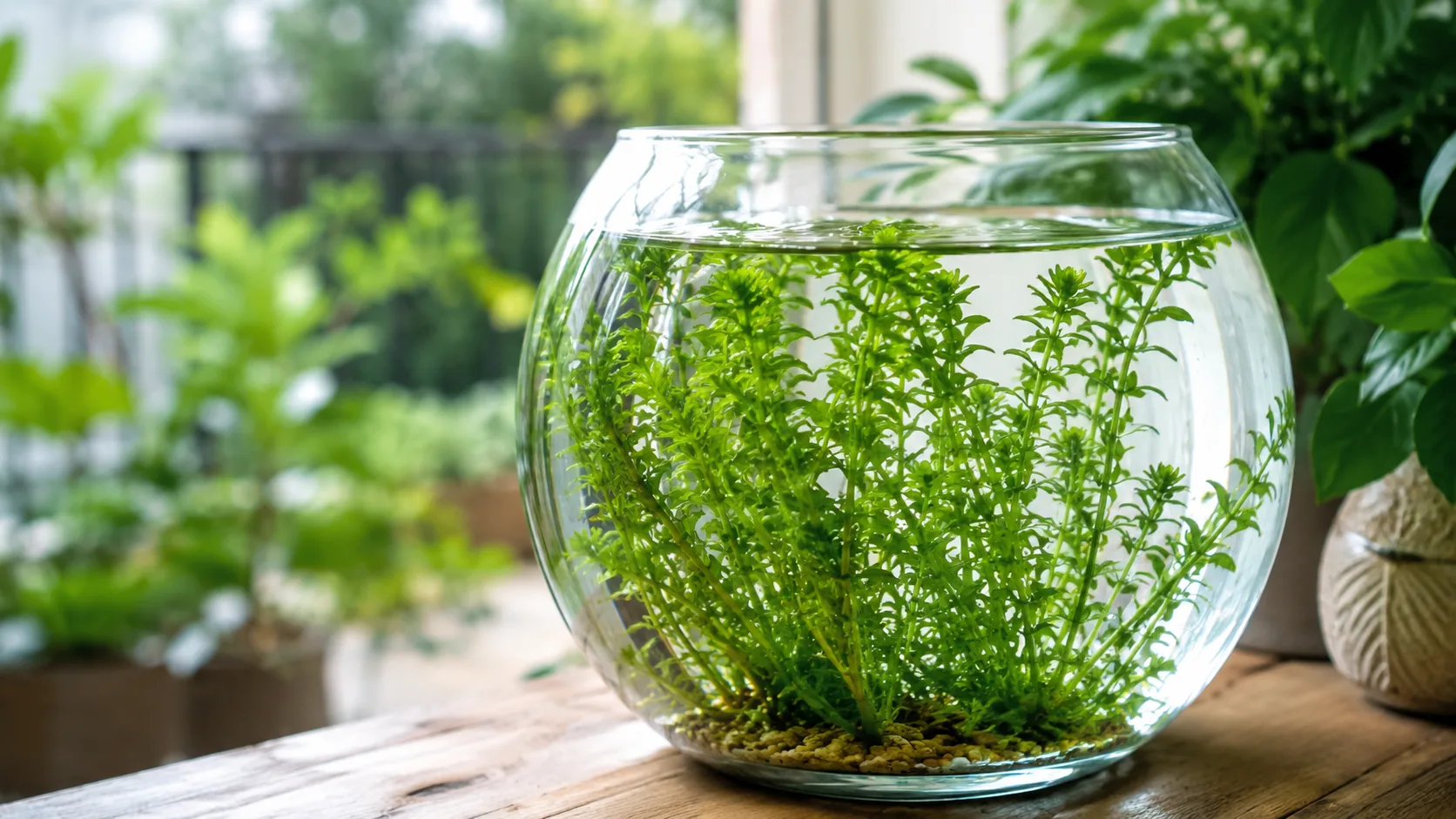 Easy
EasyAnacharis / Elodea
Likely causeNew tank instability, copper/Excel exposure, heat melt, or removing all healthy nodes during cleanup.
Quick fixVerify ammonia/nitrite are safe, stop medications and liquid carbon, and leave at least one firm node on each stem.
 Medium
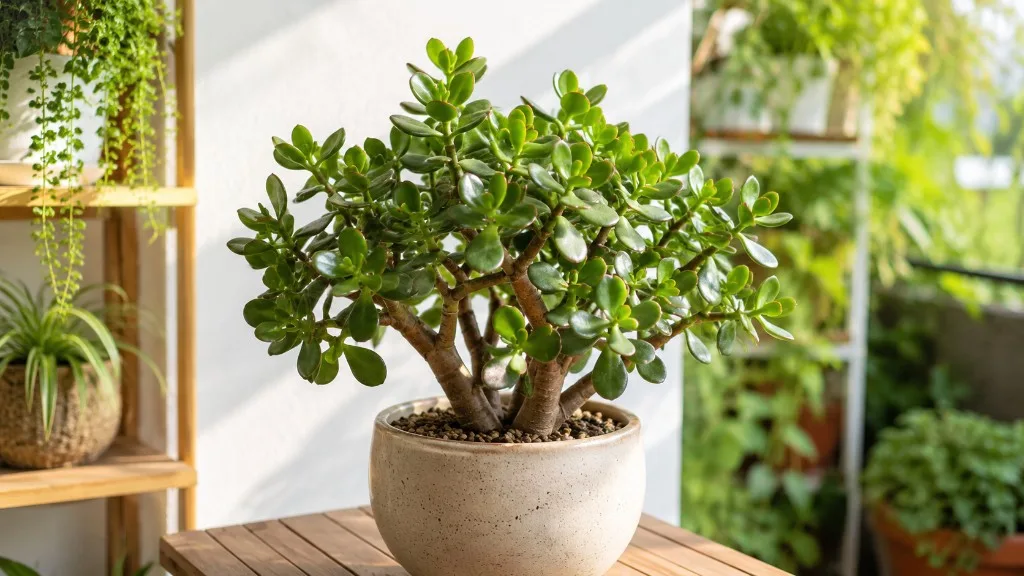
Jade Plant
Likely causeHow do I fix a jade plant with no new growth ? Work through these steps in order: 1) Confirm it is not just dormancy; 2) Check light levels honestly; 3) Check if it is root-bound; 4) Feed during the growing season only; 5) Be patient with r
Quick fixConfirm diagnosis on your Jade Plant, then address the most likely care or pest factor described in current extension guidance.
 Medium
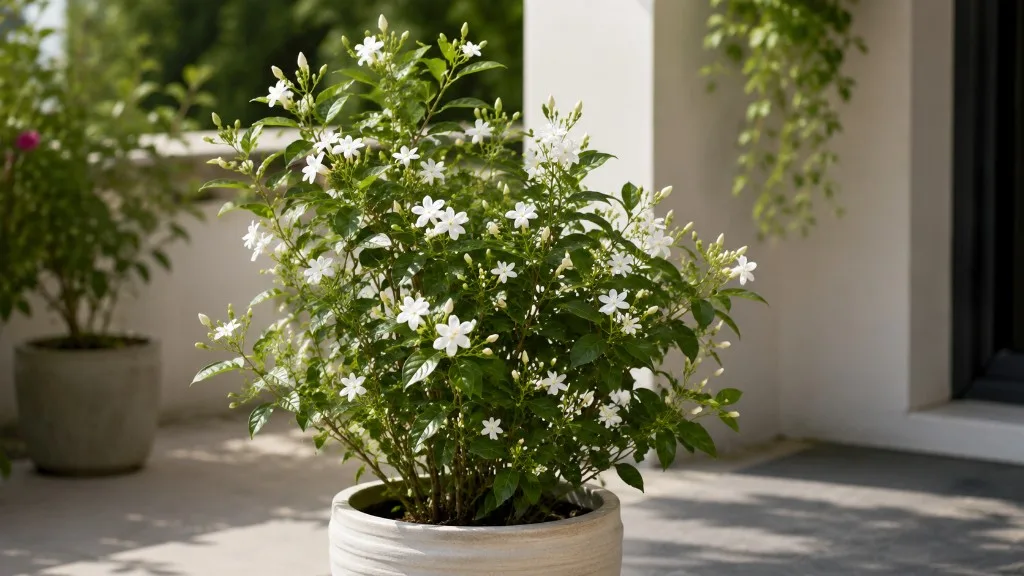
Jasmine
Likely causeJul 8, 2023 · Jasmine plants do not flower for several reasons, including lack of sunlight, improper fertilization, low temperatures, and pruning at the wrong time . Additionally, young jasmine plants may need time to establish their root s
Quick fixConfirm diagnosis on your Jasmine, then address the most likely care or pest factor described in current extension guidance.
 Medium
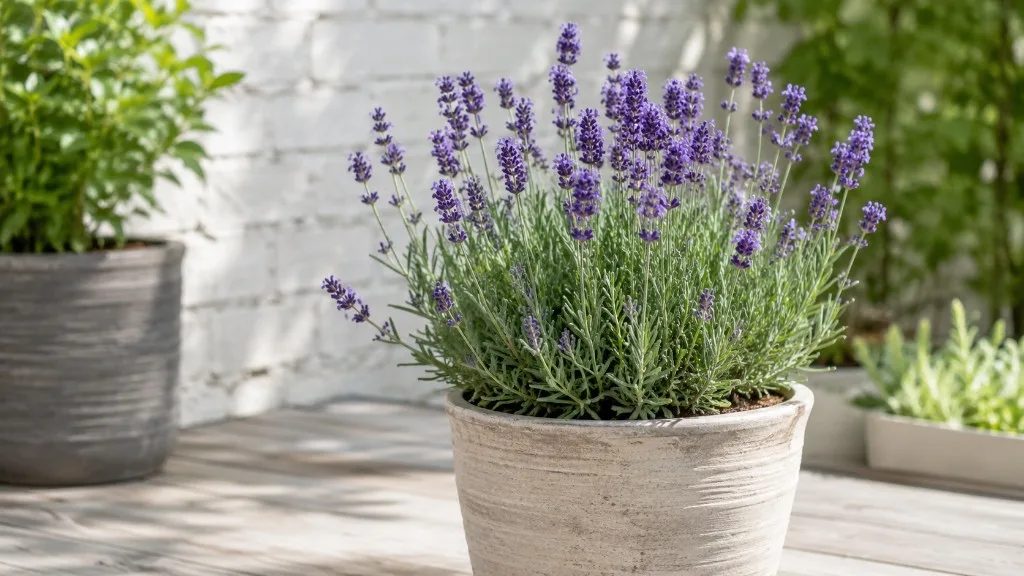
Lavender
Likely causeOct 6, 2023 · A lack of flowers, wilted foliage, slow growth , or an unruly growth habit are common issues that gardeners face when growing lavender. Thankfully, these problems are fairly easy to diagnose and cure.
Quick fixFollow extension or botanical guidance for Lavender no new growth; adjust care before applying broad treatments.
 Medium
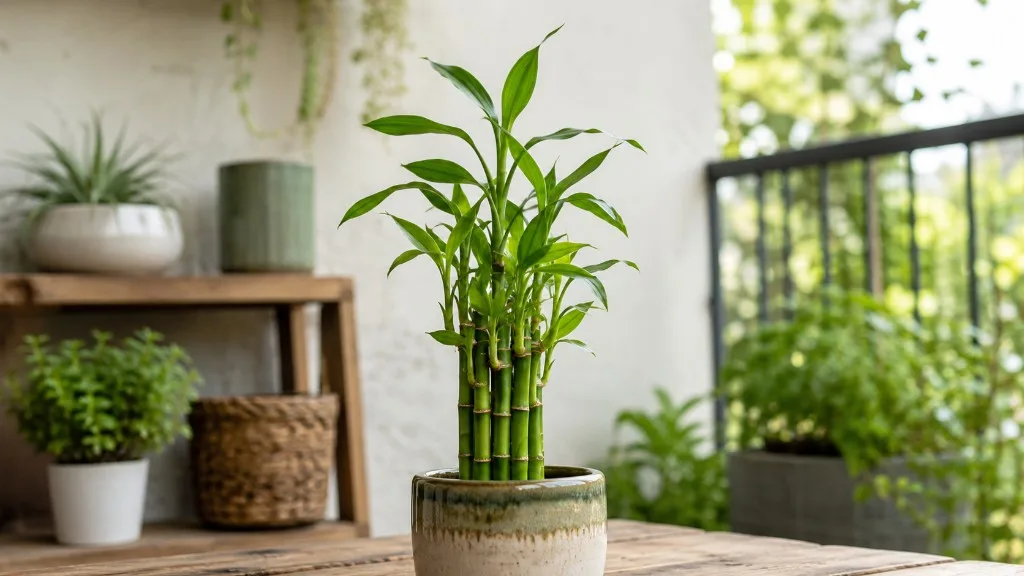
Lucky Bamboo
Likely causeNov 21, 2023 · Growth might be slow, but with patience, you’ll soon have a vibrant lucky bamboo gracing your space. We've covered several common reasons why your lucky bamboo might not be growing as expected.
Quick fixConfirm diagnosis on your Lucky Bamboo, then address the most likely care or pest factor described in current extension guidance.
 Medium
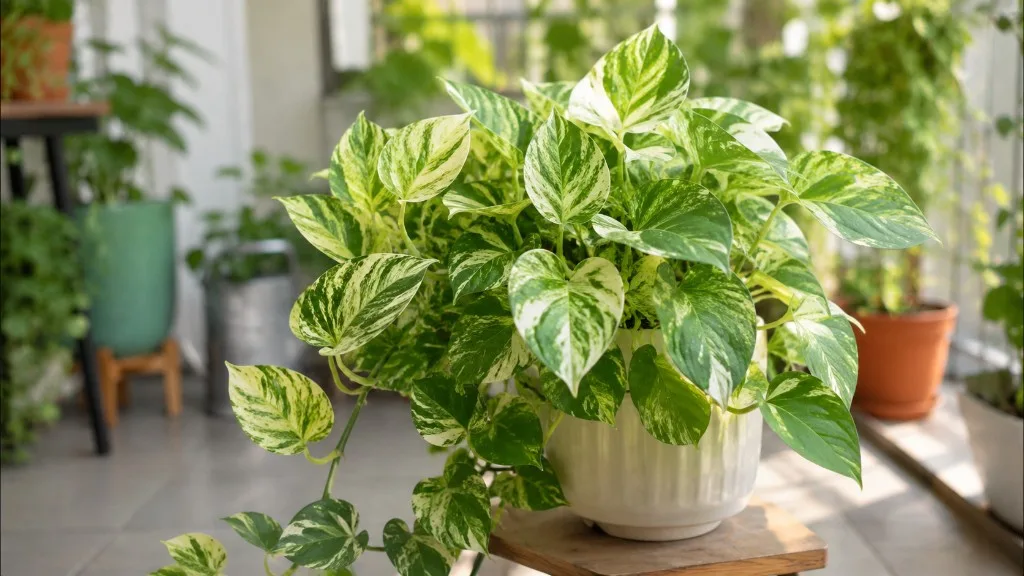
Manjula Pothos
Likely causeFeb 7, 2026 · The Manjula Pothos is a stunning variegated cultivar with heart-shaped leaves swirled in cream, white, silver-green, and …
Quick fixConfirm diagnosis on your Manjula Pothos, then address the most likely care or pest factor described in current extension guidance.
 Medium
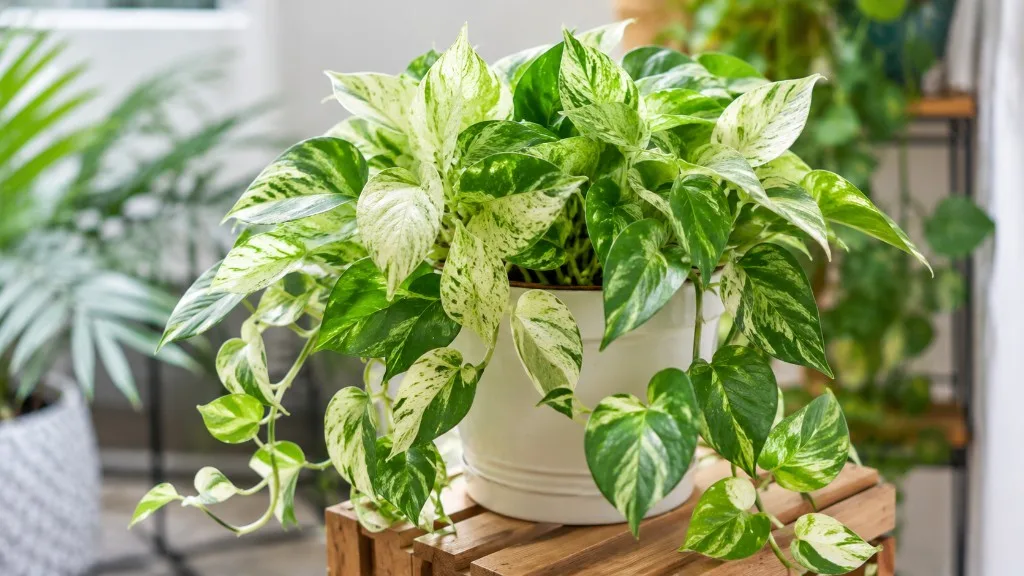
Marble Queen Pothos
Likely causeMay 24, 2026 · Marble Queen Pothos losing variegation usually means low light, unstable growth, or green vines taking over. The plant is not necessarily sick, but new leaves need better conditions to keep their marbled pattern.
Quick fixConfirm diagnosis on your Marble Queen Pothos, then address the most likely care or pest factor described in current extension guidance.
 Medium
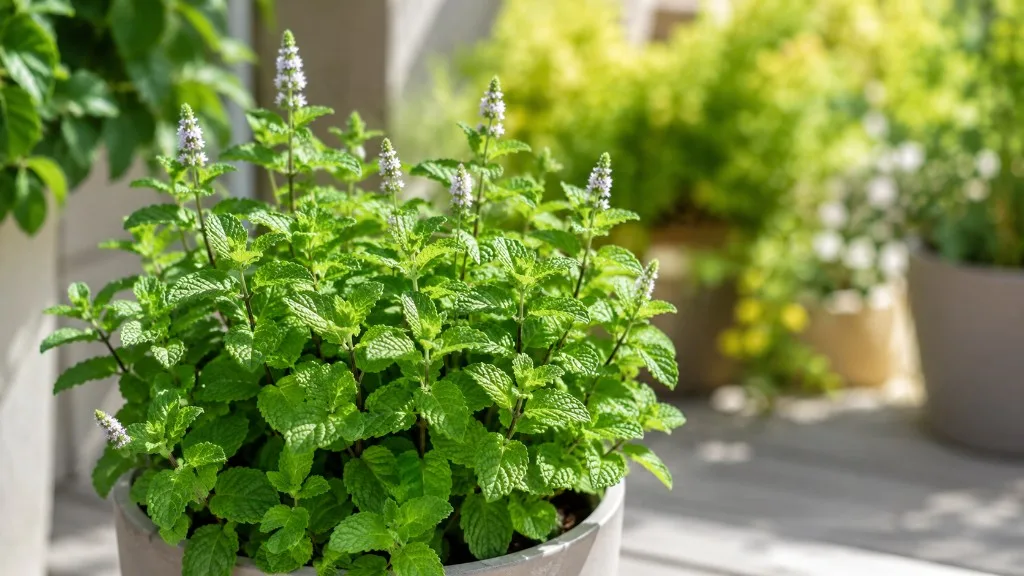
Mint
Likely causeRoot-bound, light-starved, or rotting mint stops producing harvestable shoots despite watering.
Quick fixCheck roots and repot or divide; increase light; cut back dead centre to stimulate rhizome buds.
 Medium
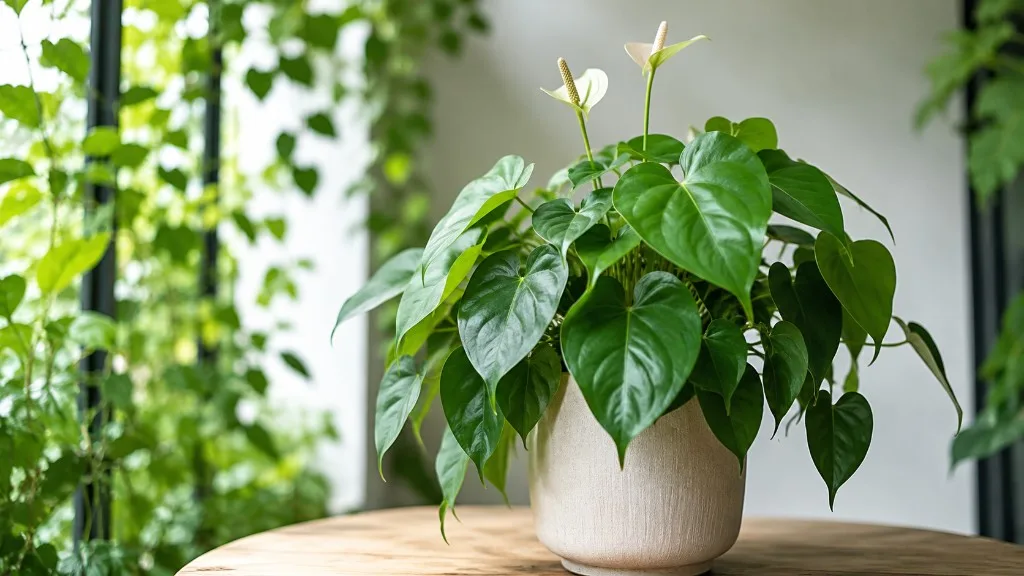
Heartleaf Philodendron
Likely causeMay 23, 2026 · Heart - leaf philodendron , scientifically known as Philodendron hederaceum, is a tropical perennial featuring glossy dark-green leaves. This attractive, easy-care houseplant flourishes indoors without much effort, making it
Quick fixFollow extension or botanical guidance for Heartleaf Philodendron no new growth; adjust care before applying broad treatments.
 Medium
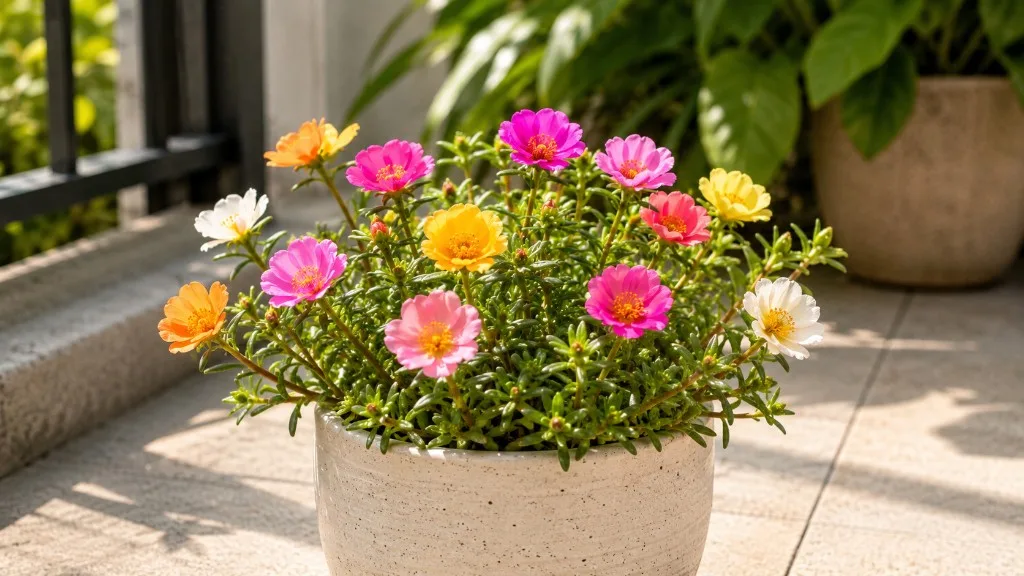
Portulaca
Likely causeMay 7, 2024 · How To Grow And Care For Drought-Tolerant Portulaca Also known as moss rose, portulaca plants delight gardeners with their vibrant multi-colored blooms. Unique in form and growth …
Quick fixFollow extension or botanical guidance for Portulaca no new growth; adjust care before applying broad treatments.
 Medium
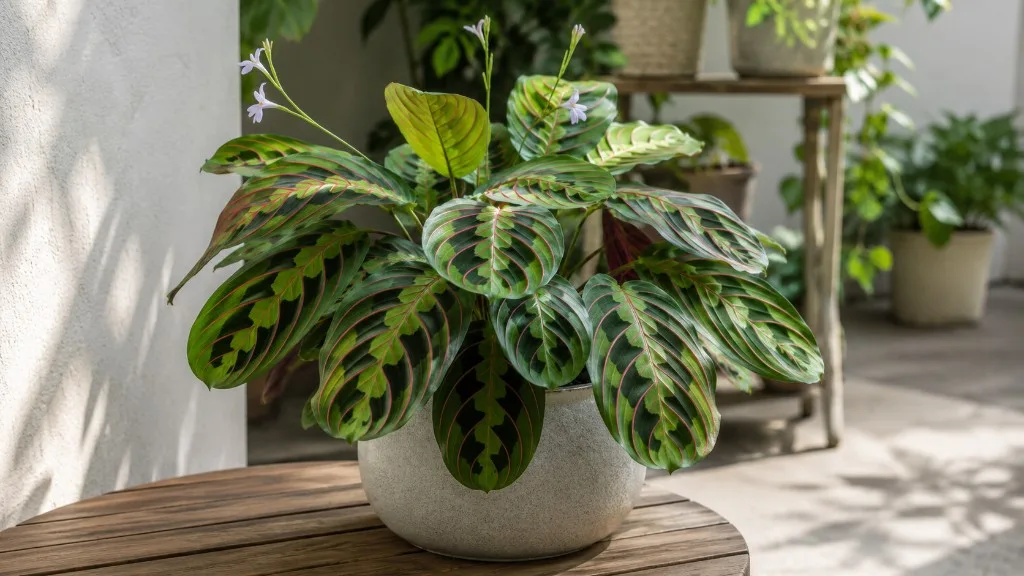
Prayer Plant
Likely causeYour prayer plant has no new growth? Don't panic — Insufficient light, low humidity, or root-bound conditions . Prayer plants prioritize…. Here's exactly how to fix it.
Quick fixConfirm diagnosis on your Prayer Plant, then address the most likely care or pest factor described in current extension guidance.
 Medium
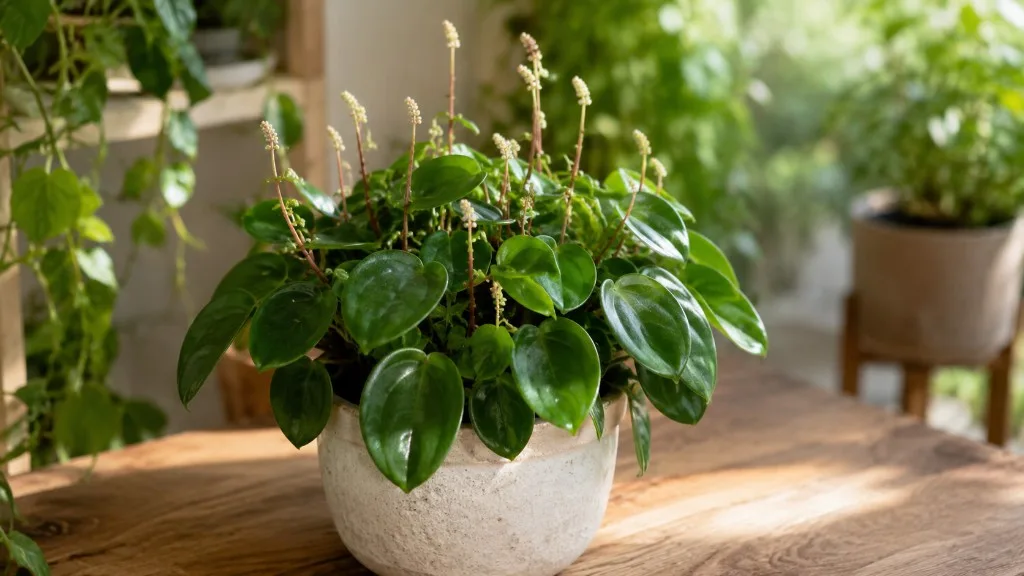
Raindrop Peperomia
Likely causeJan 25, 2022 · When pruning, find around where you want to cut, and then find a node and cut ABOVE it. A node is where leaves and roots grow out of the stem—it’s where new growth comes from. Cutting above means the node will remain ON the m
Quick fixConfirm diagnosis on your Raindrop Peperomia, then address the most likely care or pest factor described in current extension guidance.