No New Growth on Heartleaf Philodendron: Causes, Checks &
Quick answer
When heartleaf philodendron produces no new leaves, sheaths, or extending nodes for eight or more weeks during spring or summer, move it to brighter indirect light first—this fast trailing vine needs energy to push tissue. If soil stays wet and stems soften, stop watering and inspect roots before fertilizing or repotting.
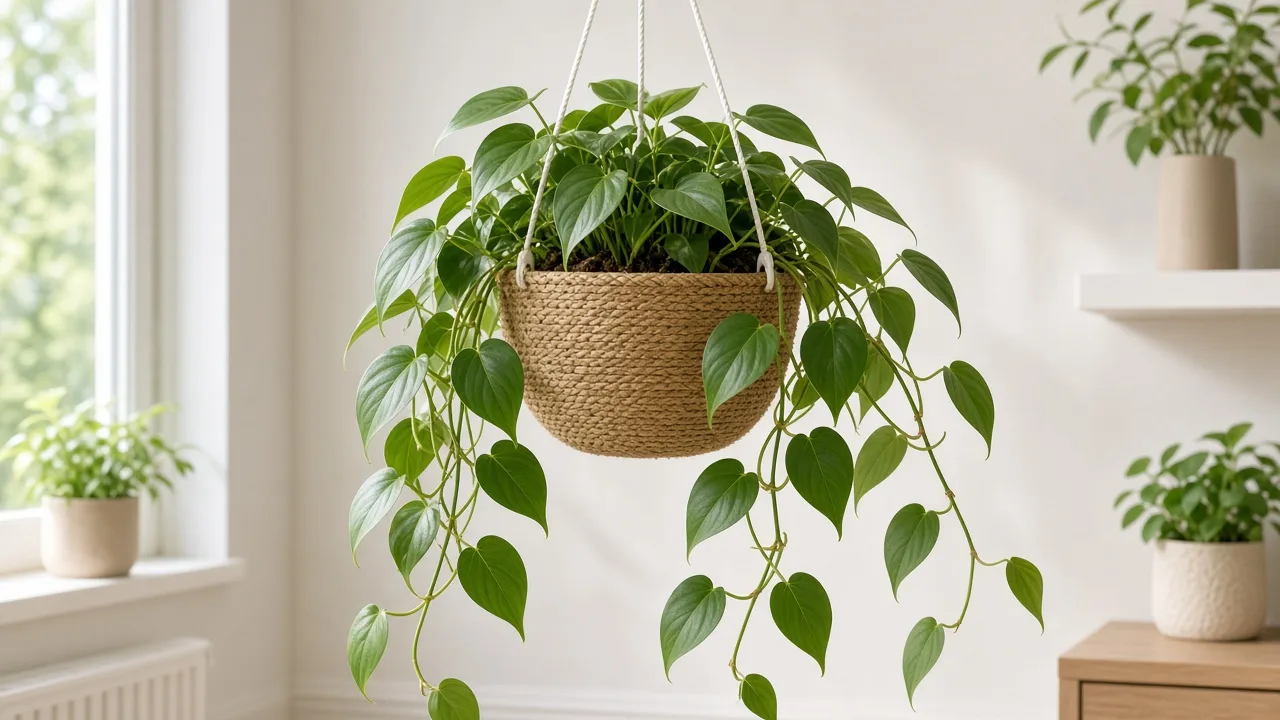
No New Growth on Heartleaf Philodendron: Causes, Checks & Fixes
This guide covers no new growth on Heartleaf Philodendron. See also the general No New Growth guide, watering, and light pages for this plant.
No New Growth on Heartleaf Philodendron: Causes, Checks & Fixes
Quick answer
No new growth on heartleaf philodendron (Philodendron hederaceum) means the plant has stopped producing leaves, shoots, or extending nodes—not merely growing slowly. During spring and summer, a healthy heartleaf should push a glossy heart-shaped leaf from each active tip every two to three weeks. When nothing emerges for eight or more weeks in warm, bright months, something is limiting the vine.
First fix: move heartleaf to the brightest indirect light available in your home. This species survives extremely low light but does not actively vine there. Only after light improves should you adjust watering rhythm or inspect roots if soil stays soggy.
This page owns complete zero-output stall. If your heartleaf still produces occasional leaves at a steady pace, start on slow growth. If new leaves open crinkled or stuck while unfurling, see deformed new growth. For long bare gaps between leaves that still produce occasional foliage, see leggy growth.
For universal stall mechanics—seasonal rest vs. chronic bottleneck—see our no new growth symptom guide. On heartleaf philodendron, a true stall shows bare trailing tips with no papery stipule or pointed sheath for many warm weeks while older glossy leaves look fine.
Zero growth vs. slow vs. deformed vs. leggy on heartleaf philodendron
These four slugs overlap in symptoms but answer different questions. Use this table before diving into causes:
| Pattern | Leaf output | Tip appearance | First fix | Read next |
|---|---|---|---|---|
| No new growth (this page) | Zero leaves or nodes for 8+ weeks in warm months | Bare tips, no pointed sheath | Bright indirect light; inspect roots if soil stays wet | — |
| Slow growth | One leaf every 3–4+ weeks in summer | Sheaths appear, pace is low | Light upgrade if below your baseline | Pace baseline for this vine |
| Deformed new growth | Leaves still emerge but crinkled or stuck | Sheath present, unfurl fails | Thrips check at newest tip | Misshapen fresh tissue |
| Leggy growth | Sparse leaves on long stems | Stretch toward windows | Light + prune back to nodes | Long bare gaps, not zero output |
What no new growth looks like on heartleaf philodendron
Healthy heartleaf puts out glossy green heart-shaped leaves on long trailing stems. New foliage emerges from a pointed sheath with a papery stipule—conspicuous stipules on new growth distinguish philodendron from pothos. A true stall freezes that pipeline at every active tip.
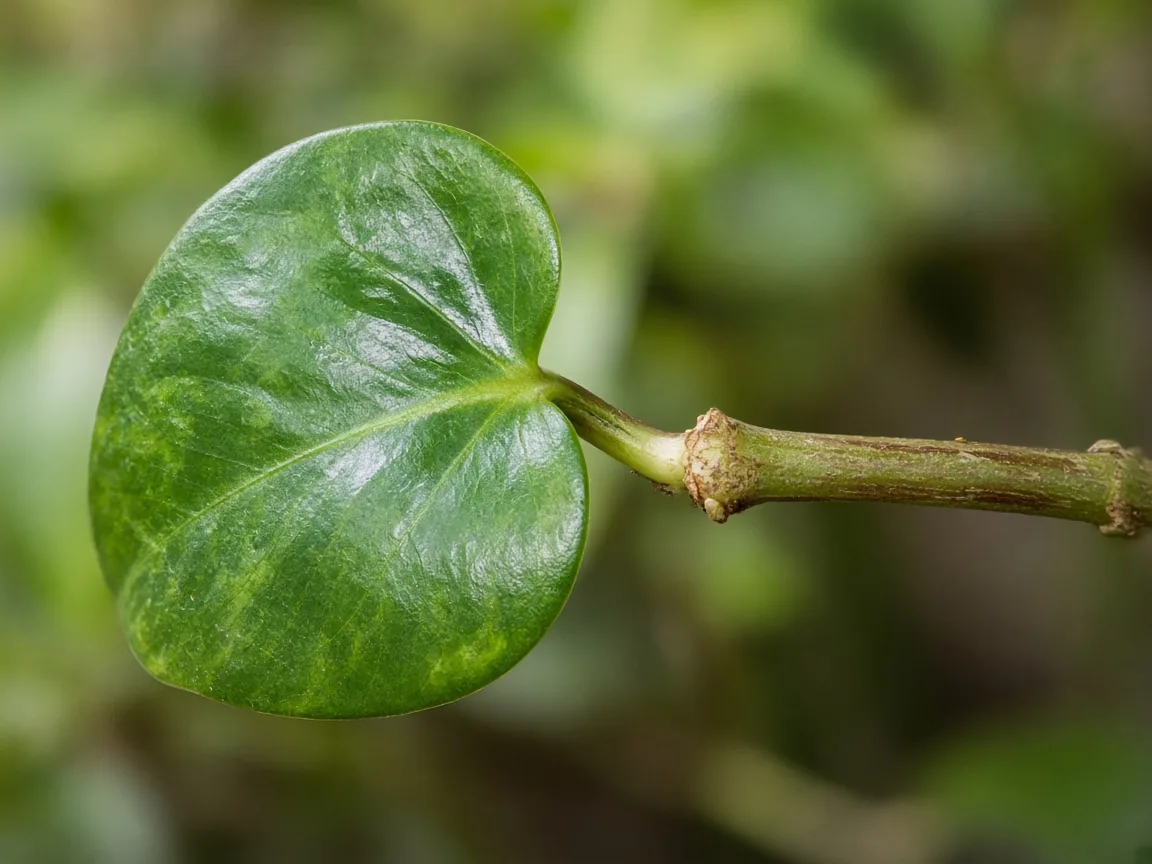
No new growth on heartleaf philodendron—compare the bare tip with no sheath against a healthy glossy leaf on the same vine.
Normal for this species:
- Little or no new foliage from late fall through early spring when days are short
- Existing leaves stay firm and glossy while the pot dries between waterings
- Reduced watering in fall to late winter matches slower metabolism
- A quiet month after repotting or a room move while stems stay turgid
Signs growth has stopped completely:
- No new leaf, sheath, or node extension for eight or more weeks during March through September
- Vine tips stay bare with no swelling where a stipule should form
- Newest leaves on the plant are months old; nothing unfurling at trailing ends
- Long bare gaps between the last few leaves while the basket hangs in a dim room center
- Soil that stays damp a week or more between your usual waterings
- Yellowing lower leaves while the surface never dries
When growth halts entirely, run your finger along each trailing arm to the tip. Total absence of a pointed bud at every active end points to environmental limits or root failure—not normal winter quiet.
Worked example: tape-mark confirmation on a trailing tip
Place a small piece of tape on the newest vine tip in early June. Check weekly:
- Week 1–4: Tape unchanged; no papery stipule; soil dries normally between waterings → likely light limit, not dormancy.
- Week 5–8: Tape still on the same bare node; pothos in the same room added two leaves → confirms zero-output stall, not slow heartleaf pace.
- After east-window move in week 9: First pointed sheath appears by week 11; heart leaf unfurls by week 13 → recovery on track.
Winter pause with firm stems and appropriate dry-down does not need tape—resume tracking when day length increases in March.
Why heartleaf philodendron stops producing new growth
Insufficient light (most common fixable cause)
Heartleaf is marketed as a low-light survivor—and it is. It can tolerate very low light levels and even survive for long periods in extremely low light. Tolerating and actively vining are different outcomes. In dim corners, the plant maintains glossy foliage but adds no new tissue.
Trailing baskets hung in the center of a room receive far less light than leaves near the glass. Light intensity decreases rapidly with distance from the window. A decorative hanger five feet from an east window may lack the photons for any new sheaths through an entire summer. For placement diagnostics before a full pause, see not enough light on heartleaf philodendron and the light guide.
Overwatering and root failure
Heartleaf prefers moist but not saturated mix. Root rot can occur in overly moist soils. When mix stays wet in a dim corner, roots lose oxygen. Damaged roots cannot supply water or nutrients to support new leaves, so top growth stops even though you keep watering on schedule.
Heartleaf in low light plus frequent watering is a classic zero-growth pattern: the plant is not photosynthesizing enough to drink, but the calendar says water Tuesday. Yellow leaves on wet soil with soft stems point to root rot, not simple pause. See overwatering on heartleaf philodendron when lower leaves yellow on constantly damp mix.
Seasonal winter rest
Reduce watering in fall to late winter as growth slows. Short days naturally pause or nearly stop new leaves from late fall through early spring. That pause is normal if stems stay firm and soil dries between drinks—resume worrying when day length increases and still nothing emerges.
Recent repotting or care shock
Repotting, a sudden move to a colder room, or stacking fertilizer, pruning, and relocation in one week can pause growth for four to eight weeks while the plant stabilizes. If you changed three variables at once, wait before adding more interventions. See the repotting guide for timing after disturbance.
Severely root-bound or exhausted mix
Heartleaf grows quickly when happy, which means roots can fill a pot within one to two years. When roots circle densely and little soil remains, uptake stalls. Water rushes through the root mat or the pot dries within a day of every watering. Repot in spring when roots emerge from drainage holes or the mix has broken down into a dense brick.
Hidden pest drain
Monitor for aphids, spider mites, mealybugs, and scale on heartleaf. Pests can slow or stop growth before obvious webbing appears. Inspect leaf undersides and stem joints if growth halts while stippling, sticky residue, or fine webbing shows up. See spider mites on heartleaf philodendron when damage clusters at growing tips.
The hanging-basket light trap
Heartleaf philodendron is often sold in cascading hangers specifically because the trailing habit looks dramatic from above. That display choice creates a common stall pattern: the top of the basket receives moderate window light while the lowest two feet of vine sit in deep shade.
In that setup, the plant may hold firm green leaves along the length but produce no new sheaths at the longest trailing tips for months. Owners assume the whole plant is “fine” because the upper leaves look glossy—while the growth engine at the vine ends has shut down.
Fix: Shorten overly long bare trailers after light improves, or rotate the basket weekly and move it within a few feet of an east- or west-facing window so the tip zone receives usable light. A moss pole or shelf climb can also lift growing tips into brighter air without leaving the lowest stems in a light well.
Stipule and sheath checks at vine tips
Unlike pothos, heartleaf philodendron shows free stipules on new growth—a papery flap at the node before each leaf expands. During active season, a healthy tip should show either:
- A pointed sheath swelling with a visible stipule at its base, or
- A fresh heart leaf still opening from the sheath
If every trailing tip ends on a mature leaf with no stipule, no sheath, and no pinhead bud for eight or more warm weeks, you are looking at a true stall—not slow unfurling. Damaged stipules from physical bumps rarely stop all tips at once; uniform bare ends across the plant point to light, roots, or seasonal timing.
How to confirm the cause
Work through these checks in order before repotting or feeding:
- Season check — Is it late fall through early spring? If yes, compare to last year’s winter pattern before treating sluggishness as failure.
- Tape-mark test — Mark the longest vine tip and check weekly through warm months. Zero movement for eight weeks confirms stall vs. slow pace.
- Light at the tip zone — Can you read comfortably without a lamp near the trailing ends, not just the hanger hook? Use the hand-shadow test from the light guide at midday on the lowest active tip.
- Pot weight and watering — Lift after a normal cycle. Heavy for weeks suggests wet mix; feather-light within two days suggests severe root-bound conditions.
- Stipule scan — Inspect every active tip for pointed sheaths. Uniform absence through summer narrows the list to light, roots, or pests.
- Root inspection — Slide the plant out. Firm white roots with some mix remaining point to light limits. Mushy brown tissue on wet soil confirms rot—not a simple bottleneck.
- Pest scan — Check leaf undersides and stem joints for webbing, cottony clusters, or sticky residue.
If foliage is firm, pest-free, and the calendar is winter, no new growth is likely normal rest—not an emergency.
First fix for heartleaf philodendron
Move the plant gradually to brighter indirect light over one to two weeks.
Place it within a few feet of an east- or west-facing window, or a few feet back from a south-facing window with sheer curtain protection. Place indoors in bright indirect light and avoid full sun—harsh midday rays scorch leaves adapted to shade. Rotate hanging baskets weekly so trailing tips—not just the top of the pot—receive similar exposure.
Do not fertilize, repot, or prune heavily on day one. Light is the single change most likely to restart sheath production on a stalled heartleaf. Once a pointed bud appears, resume your normal watering rhythm: water when the top of the soil is dry rather than on a calendar tied to the old dim-corner rhythm.
If soil stays wet for ten or more days and lower leaves yellow, stop watering and inspect roots before any feed or repot. Rot recovery overrides light upgrades.
Step-by-step recovery
After improving light:
- Wait two to three weeks before judging results. New sheaths emerge from existing nodes; the plant needs time to redirect energy.
- Repot in spring or early summer if roots circle the pot wall or water runs straight through. Move up one pot size only, using standard potting mix with perlite for drainage per the soil guide.
- Apply diluted balanced fertilizer at half label strength during active growth—only after new sheaths appear and roots are healthy. Skip feeding on stressed, newly repotted, or winter-dormant plants.
- Adjust watering — Better light dries the pot faster. Water when the top 2–3 cm of mix is dry; never leave the pot sitting in a full saucer. See the watering guide for seasonal rhythm.
- Add a moss pole or trellis if the vine trails without support—twining stems climb up a column if given support, often producing larger leaves and steadier node production.
- Prune bare stretched stems only after light is stable and the first new sheath appears—cut 1–2 cm above a node to wake side shoots.
- Treat confirmed pests before expecting a growth surge—rinse undersides and follow the relevant problem guide.
Recovery timeline
In bright indirect light during spring or summer, many heartleaf plants produce visible pointed sheaths within three to six weeks after a light correction. Root-bound plants may need four to eight weeks after repotting before vine tips activate. Winter improvements may not show until day length increases in late winter or early spring.
Post-repot quiet: Expect four to eight weeks of minimal new growth while roots establish—normal, not failure.
Signs recovery is working:
- Papery stipules and pointed sheaths appear at vine tips
- New heart leaves unfurl every two to three weeks in warm months
- Pot weight cycles predictably between waterings
- Vine length increases month over month compared with last summer
Signs the problem is worsening:
- Yellow leaves spreading on wet soil
- Stems softening at the base
- Sour smell from the pot
- Bare tips persist through an entire warm season after light and root corrections
Lookalike symptoms
Slow growth vs. no new growth: Slow heartleaf still produces occasional leaves at stable size—just fewer than expected. No new growth means zero sheaths for eight or more warm weeks. Use the comparison table above and the slow growth guide when tips still move, slowly.
Deformed new growth vs. no new growth: Deformed growth means tissue still emerges but unfurls wrong—crinkled, stuck, or flecked. No sheath at all for months is this page. See deformed new growth when the newest leaf is misshapen but present.
Leggy growth vs. no new growth: Leggy vines stretch toward windows with long bare gaps but may still produce occasional small leaves. Total zero output for warm months is a harder stall. See leggy growth when stretch is the main complaint.
Dormancy vs. chronic stagnation: Winter quiet affects the whole plant evenly with firm existing foliage. Chronic stagnation through a full warm season with adequate light suggests root, pest, or persistent light issues.
Root rot vs. no new growth: Rot brings yellow leaves, limp vines, and mushy roots on wet soil. A firm, green, static heartleaf with healthy roots on inspection is a care bottleneck, not decay.
Underwatering vs. no new growth: Severe drought stops growth and causes limp, crispy leaves. A heartleaf on a normal schedule with firm foliage and dry-but-not-desiccated mix is unlikely underwatered—check light and roots first.
Mistakes to avoid
- Fertilizing heavily to force growth on a light-starved or root-stressed plant—salts can burn roots without fixing the real limiter.
- Repotting into an oversized container hoping bigger pots mean faster vines. Excess soil stays wet and can stop growth entirely.
- Ignoring winter as a factor and stacking interventions when the plant is simply resting.
- Keeping heartleaf in medium light because it “tolerates” low light—survival is not active growth.
- Pruning aggressively before fixing light—you remove photosynthetic tissue the plant needs to recover.
- Watering on a calendar without checking dry-down—dim stalled plants stay wet longest.
- Assuming bare tips will refill on their own—nodes need energy and light to wake; old bare sections rarely sprout without pruning after conditions improve.
Heartleaf philodendron care cross-check
Match these baseline needs against your setup:
| Factor | What heartleaf needs | No-growth clue when wrong |
|---|---|---|
| Light | Bright indirect; tolerates medium but stalls there | No stipules at tips for 8+ warm weeks |
| Water | Top 2–3 cm dry before watering; less in winter | Wet soil + stalled growth = root stress |
| Soil | Well-draining potting mix + perlite | Compacted, sour mix limits uptake |
| Temperature | 18–27°C (65–80°F); avoid cold drafts | Prolonged cool rooms suppress vines |
| Pot size | Repot when roots circle; one size up only | Water rushes through or dries in hours |
| Feeding | Half-strength balanced fertilizer in active growth only | Feed only after light and roots are right |
How to prevent no new growth next time
- Place heartleaf where trailing tips receive bright indirect light year-round—not just where the hanger looks best.
- Repot every one to two years or when roots emerge from drainage holes.
- Water by pot weight, not calendar—adjust for season and light level per the watering guide.
- Scout for pests monthly on leaf undersides and growing tips.
- Track stipule frequency in spring rather than comparing winter quiet to summer vine speed.
- Rotate hanging baskets weekly so growth engines at vine ends do not sit in permanent shade.
When to worry
No new growth alone is rarely urgent. Escalate when:
- Yellow leaves spread while soil stays wet for days—suspect root rot, not light
- Stems soften or smell sour at the soil line
- No stipules appear through an entire warm season after light and repotting corrections
- Pest colonies cover undersides despite rinsing
- New leaves stay tiny and pale after months of feeding—possible chronic root failure
A firm, green, static heartleaf in winter is usually fine. A wilting, yellowing, or smelly heartleaf needs root and moisture diagnosis immediately.
Conclusion
Heartleaf philodendron should produce pointed sheaths and fresh heart leaves when light, roots, and season align. Start with brighter indirect exposure at the vine tips and a quick root check before reaching for fertilizer or another repot. Most stalled trailers respond within weeks once the real bottleneck—usually light or crowding—is removed. Track stipule frequency through spring rather than expecting overnight jungle length, and accept winter quiet as part of this tropical vine’s indoor rhythm.
When to use this page vs other Heartleaf Philodendron guides
- Slow growth on heartleaf philodendron — Vine still adds occasional leaves; pace is the problem, not zero output.
- Deformed new growth — New tissue emerges but unfurls crooked or stuck; sheaths are present.
- Leggy growth — Long stretch toward windows with sparse leaves; not a full warm-month freeze.
- Not enough light — Placement diagnostics before a complete stall develops.
- Heartleaf philodendron problems hub — Browse all common issues on this species.
Related Heartleaf Philodendron guides
- Heartleaf philodendron overview
- Heartleaf philodendron watering
- Heartleaf philodendron light
- Heartleaf philodendron soil
- Heartleaf philodendron repotting
- Root rot on heartleaf philodendron
- Overwatering on heartleaf philodendron
Related tool
Use the Plant Problem Diagnosis Tool to narrow causes for no new growth on this plant before changing multiple variables at once.