4 Spring Growth Signs That Mean It's Time to Change Care
Not sure if your houseplant is still dormant? Learn four reliable spring growth signs — greener foliage, new shoots, swelling buds, and faster-drying soil — plus what to change in your care routine.
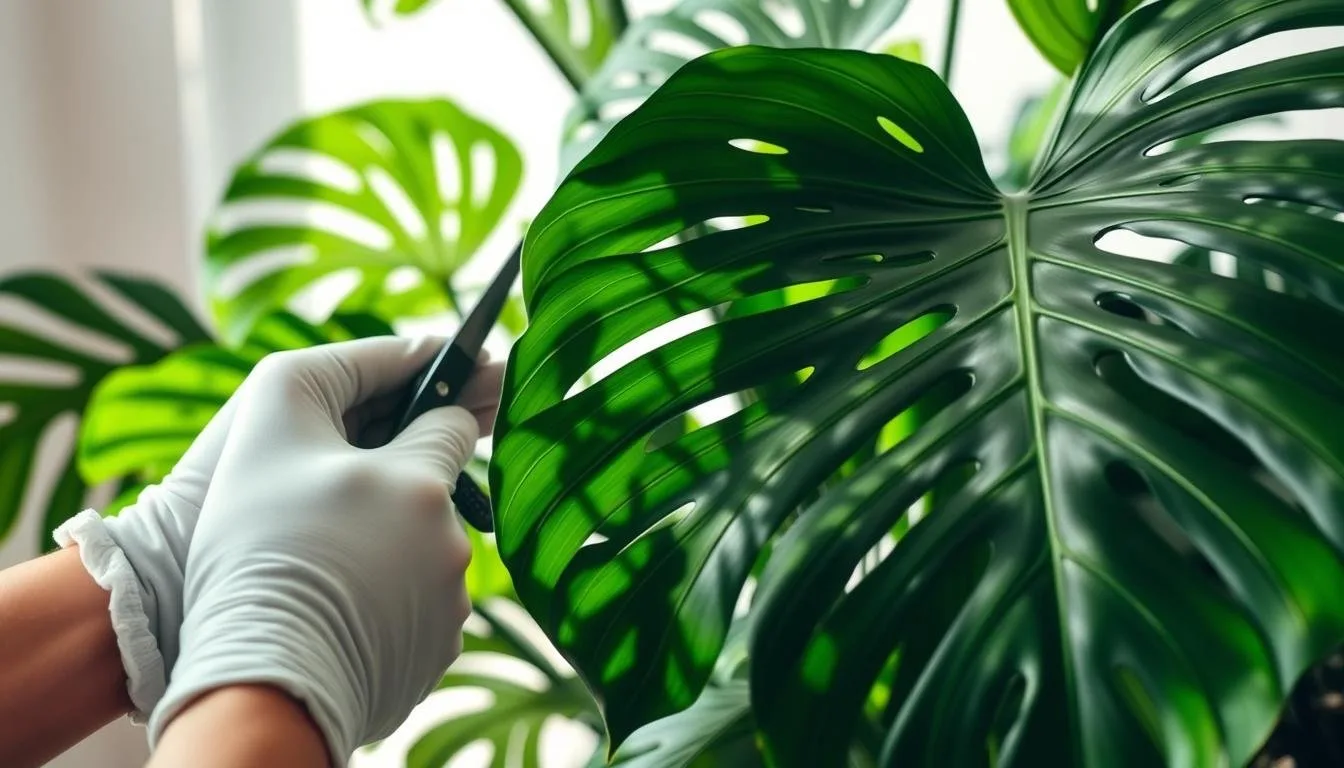
Your monstera has looked the same since November. The pothos hasn’t put out a leaf in ten weeks. Then one morning in late February you notice the soil is dry two days after you watered, a tiny nubbin is pushing through on the stem, and the leaves look a shade greener than they did in January. That shift is what gardeners mean when they say a houseplant is waking up — and it is your cue to change care before you accidentally drown the plant with winter habits or starve it with winter restraint.
The short answer: four changes usually mean spring growth has started — fuller, greener foliage; visible new leaves, shoots, or pups; swelling leaf or flower buds on stems; and soil that dries out noticeably faster than it did in winter. When you see at least two of those on the same plant, treat it as transitioning out of winter rest. Ramp water first, wait for sustained new growth before feeding, and hold off on repotting until the plant has been actively growing for several weeks.
This guide explains what dormancy looks like indoors, how to read those four signals without confusing them with problems, and exactly which care habits to adjust — in the right order.
What “Dormancy” Actually Means for Indoor Plants
Dormancy is a period when a plant slows or pauses active growth to conserve energy during unfavorable conditions — typically shorter days, cooler temperatures, and lower humidity. Outdoors, temperate trees lose leaves and woody plants store reserves in roots. Indoors, the picture is messier. Your living room does not freeze, but day length still drops and winter sun angle weakens light through glass. Most houseplants respond by growing slowly, producing fewer leaves, and using less water — even if they never look “asleep” the way a deciduous tree does.
UVM Extension describes winter houseplant growth as considerably slower than in summer. That slowdown is better called winter rest for many tropical foliage plants. True dormancy — where above-ground growth stops entirely and some plants shed leaves or die back to tubers — is common in succulents, bulbs, and a handful of temperamental aroids, but not universal across every pothos on your shelf.
Winter Rest vs. True Dormancy
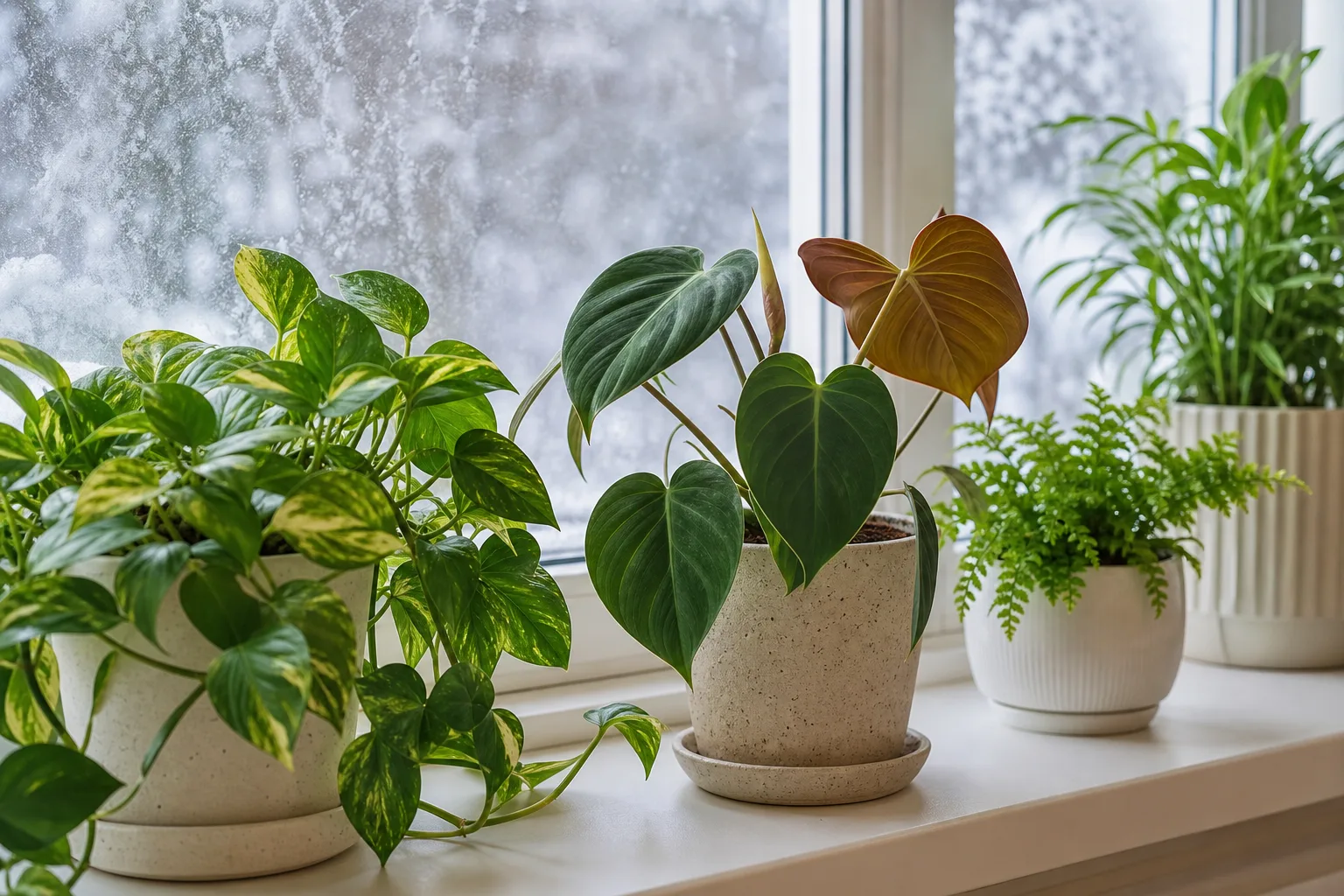
Winter rest means the plant is alive, photosynthesizing at a reduced rate, and occasionally replacing a leaf, but not investing heavily in new tissue. Foliage may look dull. Soil may stay moist for two or three weeks. Watering every ten to fourteen days might still be correct. True dormancy goes further: growth stalls, older leaves yellow and drop, and some plants (notably Alocasia) retreat to tubers or rhizomes until warmth and light return. Waking a truly dormant plant often requires warmer soil and brighter light, not just a calendar flip to March.
The practical difference matters because you should not force water or fertilizer on a tuber that is still underground and idle. For a resting philodendron that is merely slow, gentle increases are fine once the four signs appear.
Why Short Days Matter More Than the Calendar
Plants track seasons through photoperiod — hours of daylight — more reliably than they track a date on your phone. Lengthening days in late winter and early spring trigger hormone shifts that restart cell division in buds and root tips. RHS guidance on houseplant growing frames the active growing season as broadly spring through autumn, varying by plant and local light — not a single universal “start fertilizing on March 1” rule.
If you use grow lights twelve to sixteen hours daily year-round, many plants never experience a full rest. They may show growth signs earlier or continuously. Conversely, a plant in a dim north room may wake weeks after one on a south windowsill in the same city. Watch the plant, not the month.
The Four Reliable Signs Your Plant Is Breaking Dormancy
None of these signs alone is proof. Two or more on the same plant, sustained for a week or two, are a strong bet that the growing season has begun for that individual.
Sign 1 — Foliage Looks Fuller, Greener, and Less Slack
Winter-resting plants often look pale, matte, and slightly limp — not because they are dying, but because low light limits chlorophyll production and the plant is running a lean budget. As days lengthen, leaves may darken, regain a subtle sheen, and hold their posture better. Petioles stiffen. The whole canopy looks perkier before any new leaf appears.
This is a soft early signal. Wipe dust off leaves with a damp cloth when you notice it — cleaner leaves photosynthesize more efficiently, which supports the transition. Trim fully brown or mushy leaves; leave yellowing ones until you know whether they are aging naturally or signaling rot. If perkiness returns but soil stays wet for weeks, read the winter overwatering patterns before you add more water.
Sign 2 — New Leaves, Shoots, or Pups Appear
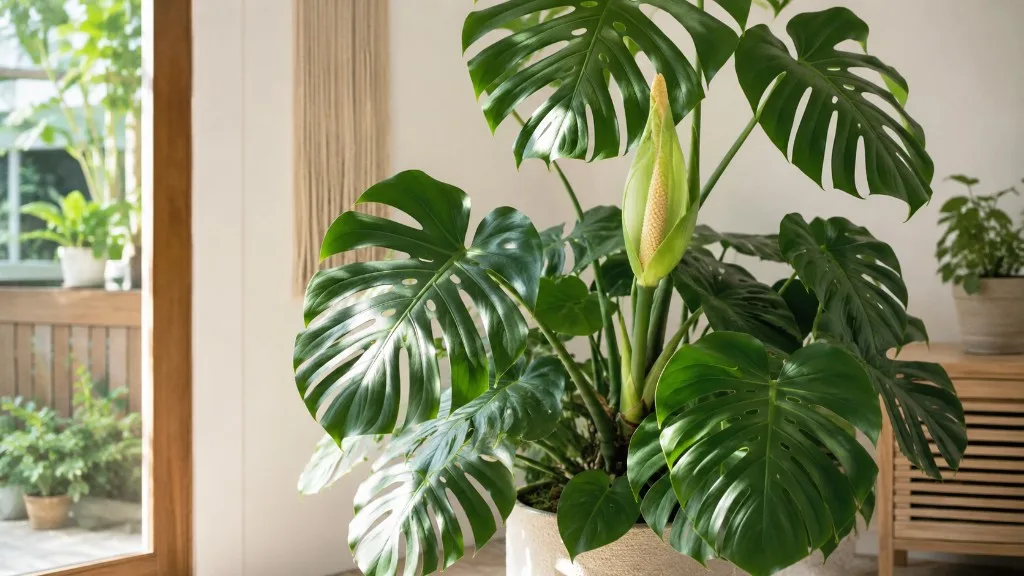
The clearest wake-up sign is new tissue. A furled monstera leaf, a fresh leaflet pair on a jade plant, a snake plant pup nudging through the soil surface, or a pothos vine extending with a visible node all mean the plant is spending energy on growth again. New growth does not have to be large — a pinhead-sized bump that enlarges over several days counts.
When new leaves appear, expect higher water demand soon, even if the soil has not sped up yet. It is also the earliest safe window to begin diluted fertilizer — but only after the new tissue is clearly expanding, not merely hinted. For species-specific growth habits, compare your plant to profiles like Monstera deliciosa or snake plant so you know what normal spring flush looks like for that genus.
Sign 3 — Leaf and Flower Buds Swell on the Stems
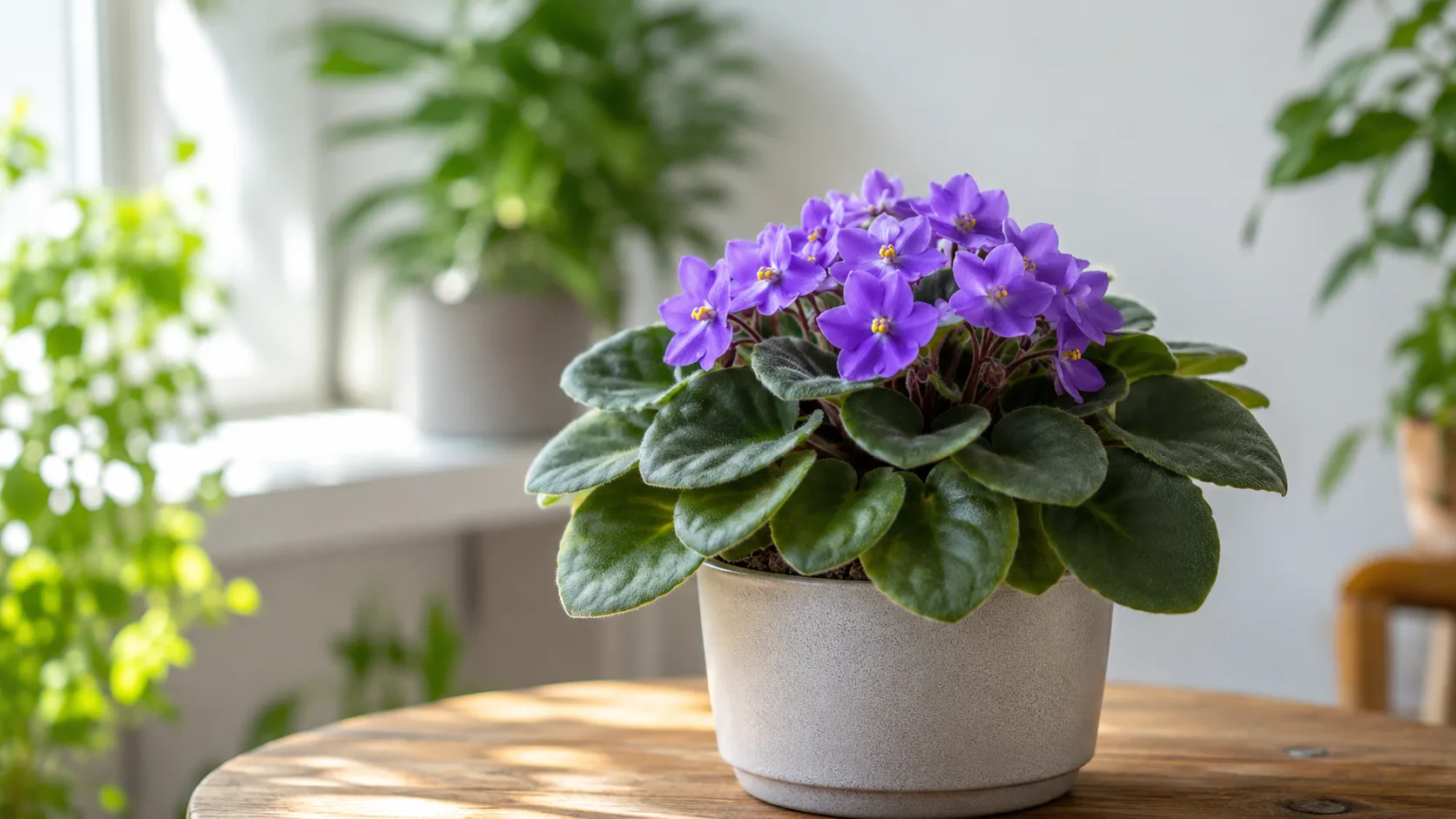
Sometimes growth is imminent before it is visible. Inspect stems and crown areas for swollen nodes — buds that look plump, slightly glossy, and larger than dormant bumps. On vining plants, the node just above the last leaf may thicken before a new leaf unfurls. On African violets and other seasonal bloomers, tight flower bud clusters can appear at the crown weeks before color shows.
Bud swell is easy to miss if you do not look closely. Run your finger along stems weekly in late winter; a firm, rounded bud that grows over seven to ten days is a reliable transition marker. Increase watering modestly when you see it — check soil first, as always — but do not soak on schedule alone.
Sign 4 — Soil Dries Out Faster Than It Did in Winter
More daylight means more photosynthesis, which means more transpiration through leaf pores and more water uptake by roots. A pot that stayed moist for three weeks in January may need water every seven to ten days in March — sometimes faster for small pots in bright windows. RHS notes that drier pots feel lighter than wet ones and recommends checking need before watering rather than watering on routine.
Faster drying is a lagging signal: it often appears after hormonal wake-up has already started underground. Pair it with greener foliage or bud swell and you have strong confirmation. If soil dries fast but leaves are crispy and curling, suspect underwatering or root constriction, not healthy spring growth — see no new growth troubleshooting if the plant is dry yet still stalled.
False Alarms — Growth Signals That Are Not Spring Wake-Up
March optimism kills more houseplants than February neglect. Two look-alikes cause most spring care mistakes.
Leggy Stretching From Low Light
Etiolation — long, thin stems with small pale leaves spaced far apart — is the plant reaching for light, not celebrating spring. It can happen in February when days lengthen slightly but absolute light at the windowsill is still weak. The fix is more light (closer to the glass, supplemental grow lights, or a brighter room), not more fertilizer. Leggy growth is weak tissue; heavy feeding will not thicken it.
If internodes are elongating but soil moisture and leaf color are unchanged, hold your water and feed schedule. Move the plant or add light first.
Wilt and Yellowing From Overwatering
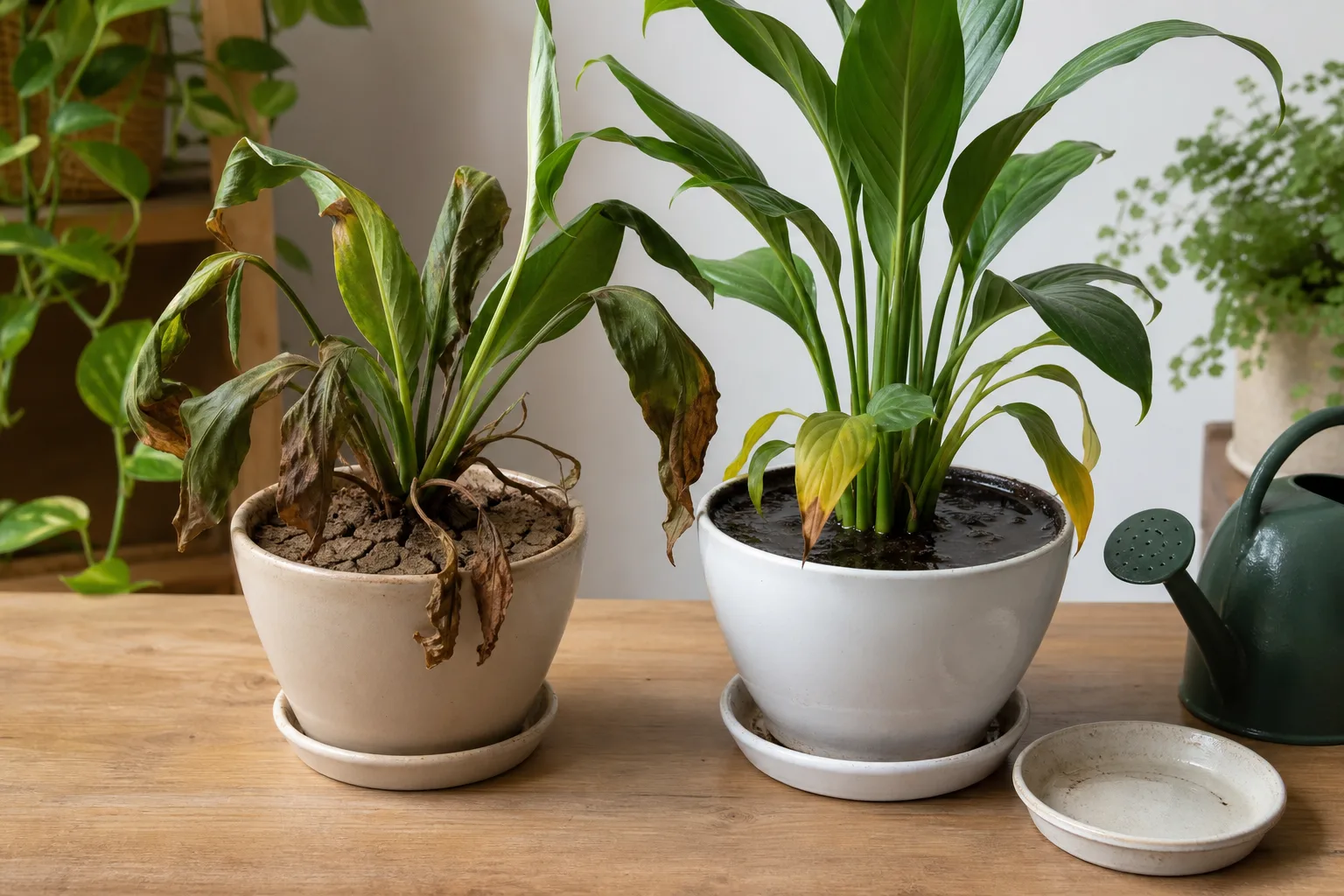
A plant sitting in soggy winter soil may yellow from the bottom up, drop leaves, and look “tired” — mimicking dormancy ending. Adding water because March arrived is how root rot starts. RHS lists yellowing in large numbers, wilting despite wet compost, and soft stems as stress signals that need diagnosis, not seasonal ramp-up.
Before you water more, stick a finger or skewer 5 cm (2 in) into the mix. If it comes out dark and cool with soil clinging, wait. If the plant is wilting with wet soil, skip water entirely and inspect roots. Our early spring leaf drop guide walks through the overlap between harmless shedding and harmful overwatering in more detail.
A Simple Wake-Up Scorecard — Dormant, Transitioning, or Fully Active
Use this table once a week per plant from late winter through mid-spring:
| Status | What you see | Water | Fertilizer | Repot? |
|---|---|---|---|---|
| Still dormant / resting | No new tissue; soil slow to dry; dull but stable foliage; tuber plants fully idle | Keep winter spacing; check soil before every drink | None | No |
| Transitioning (1 sign) | One of the four signs only, for less than a week | Increase only if soil dries sooner; never on calendar | Wait | No |
| Waking up (2+ signs) | Two or more signs sustained 7–14 days | Gradually shorten dry interval as soil dictates | Half-strength liquid after clear new growth | Wait 3–4 weeks |
| Fully active | Steady new leaves; soil dries predictably faster; perked canopy | Regular growing-season checks | Half to full label strength per species | Consider if root-bound |
A plant can sit in transitioning for two to four weeks depending on window exposure. That is normal. Patience beats a Tuesday watering binge.
What to Change in Your Care Routine (and What to Leave Alone)
Spring care is a sequence, not a single adjustment day. Change one variable at a time when possible so you can read the plant’s response.
Water — Ramp Up With Soil Checks, Not a Fixed Schedule
When two wake-up signs align, shorten the interval between checks first — not necessarily the volume per watering. Water thoroughly until it drains, then let the top few centimeters dry before the next soak. RHS warns that letting pots sit in filled saucers drowns roots; empty saucers after each session.
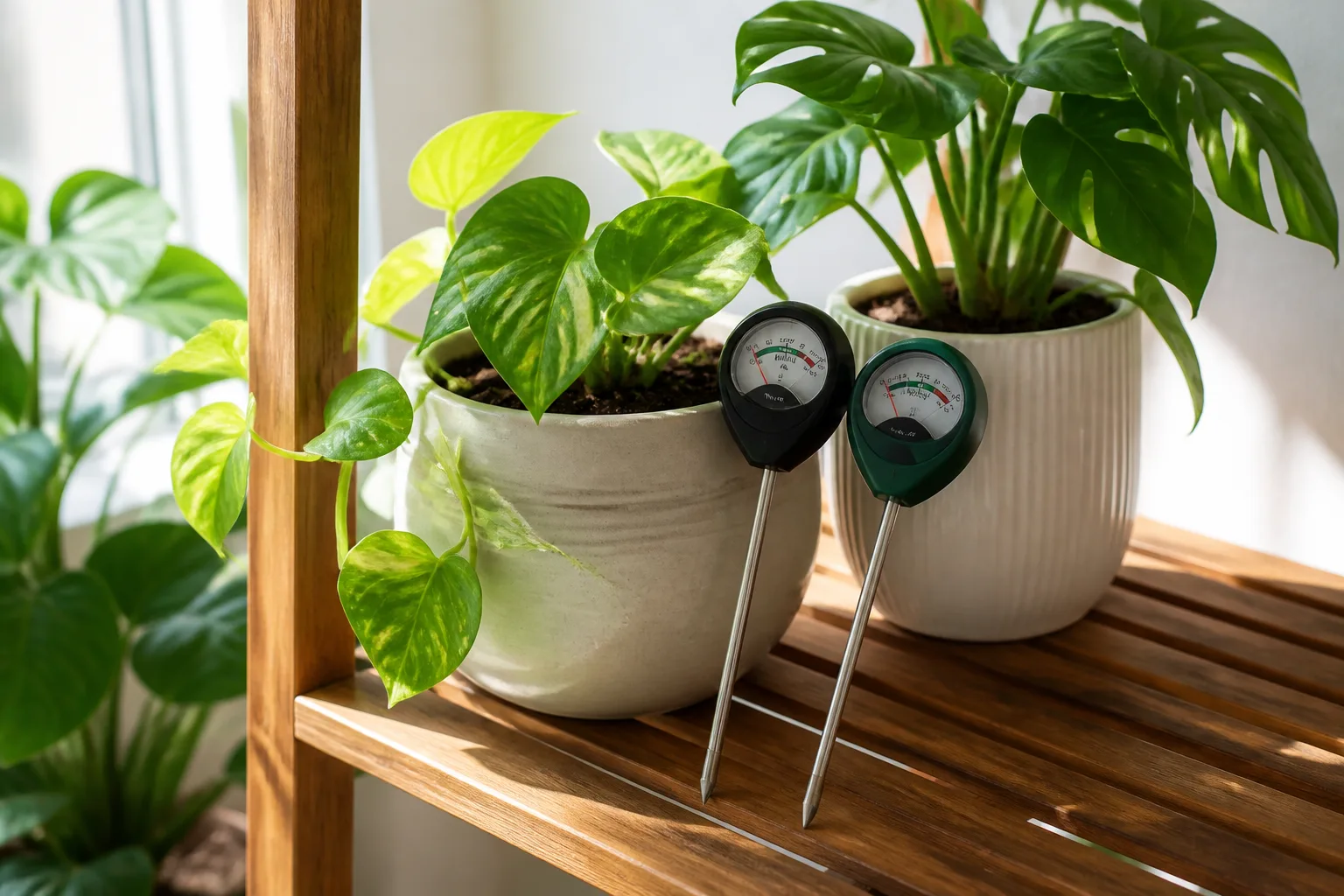
Plants in cool rooms still dry slowly even in spring; plants on warm radiators or south glass dry fast. A moisture meter can help beginners, but finger-and-weight checks are enough for most growers. If you are still on a winter schedule from our winter houseplant care guide, shift gradually — one step at a time — rather than doubling frequency overnight.
Fertilizer — Wait for Growth, Then Start Diluted
Do not fertilize a resting plant. Iowa State University Extension is explicit: fertilize houseplants only when they are actively growing, and many have a winter rest during short days when no fertilizer is needed. Salts that the roots cannot use accumulate and burn tender tips.
When you see expanding new leaves — not just bud swell — begin half-strength liquid feed once a month for foliage plants, or follow the season-by-season schedule in our fertilize indoor plants guide. RHS suggests feeding during the growing season, often monthly at full or quarter strength at every watering depending on product — always err weaker indoors on the first spring application.
Never fertilize a plant that is yellowing, wilting, or dropping leaves until you know why. Feed supports growth; it does not fix rot, pests, or shock.
Light and Humidity — Protect Tender New Growth
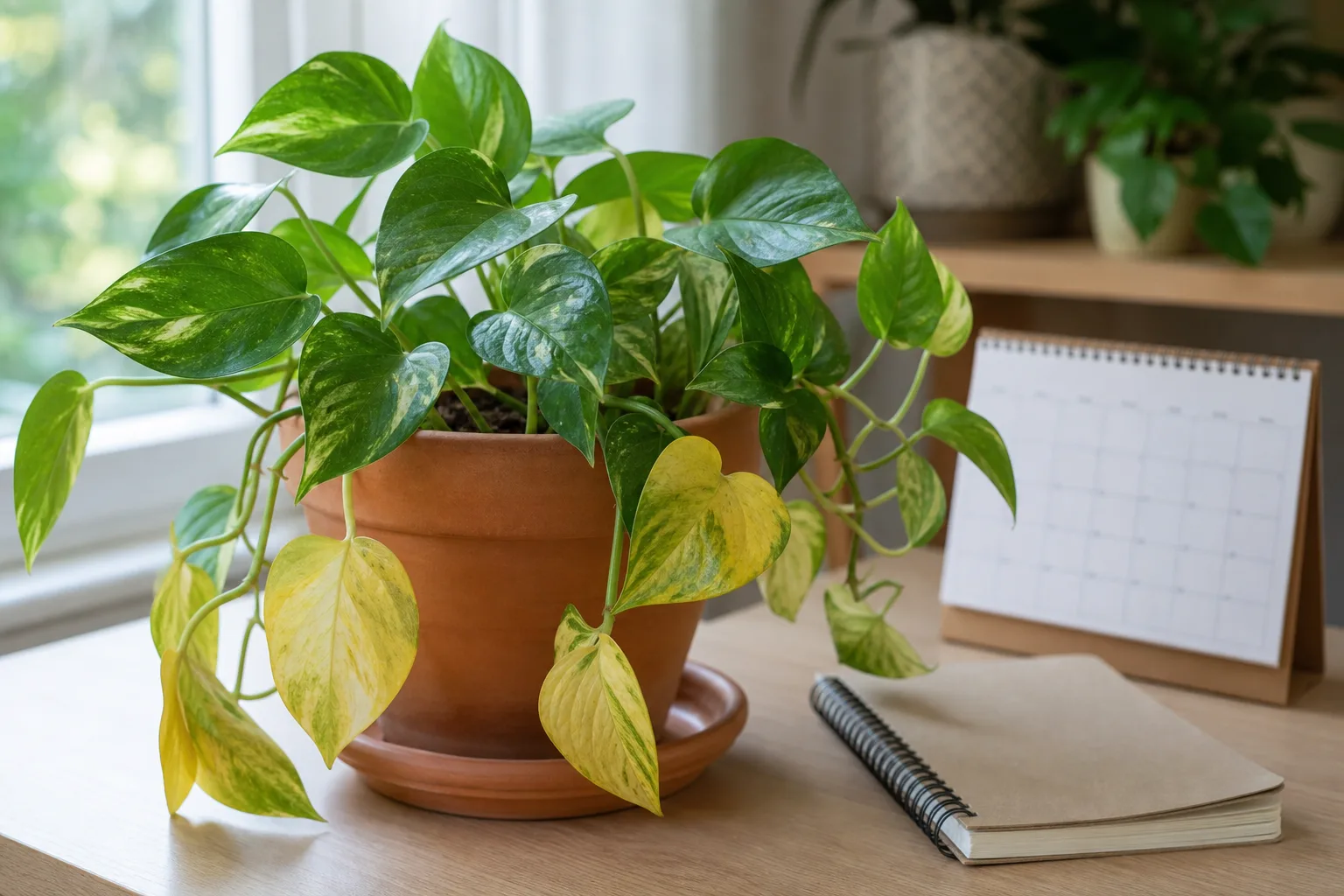
New leaves are tender. A plant that tolerated direct winter sun on a south window may scorch when the same window delivers intense March rays. Bright indirect light or morning sun with afternoon shade is safer until fresh foliage hardens off. Rotate pots a quarter turn weekly for even growth.
Winter humidity was low; spring heating may still be on. New tips brown in dry air. Group plants, use a pebble tray, or run a humidifier if you see crispy unfurling leaves — especially on calatheas and ferns. Avoid misting as a substitute for root-zone watering.
Pruning, Repotting, and Division — Timing Rules
Light grooming — removing dead leaves, wiping dust — is fine as soon as you see perkier foliage. Hard pruning major live tissue is better left until the plant is fully active and has been fed at least once. Repotting stresses roots; RHS recommends potting on in spring to establish during the growing season, but only when roots circle the pot or emerge from drainage holes — and ideally after three to four weeks of visible new growth, not the first unfurling leaf.
If you repot and wake-up signs stall, the plant is recovering from transplant shock. Stabilize light and water; no fertilizer for four weeks.
Species Cheat Sheet — When Different Houseplants Wake Up
Wake-up timing varies by native habitat and how you grow the plant. Use this as a rough Northern Hemisphere indoor guide — adjust for your light setup.
| Plant type | Typical wake-up window | First sign to watch | Spring care note |
|---|---|---|---|
| Tropical foliage (pothos, philodendron, monstera) | Late Feb–April | New leaf nubbins on vines | Water first; feed after second new leaf |
| Succulents & jade | March–May | Plump new leaf pairs; soil dries fast | Resume soak-dry cycle; low-N feed monthly |
| Snake & ZZ plant | March–April | Pups or new spear shoots | Slow ramp; both tolerate dry soil — do not overwater |
| Alocasia | April–May (after true dormancy) | Tuber sends up stem | Needs warmth; do not water idle tuber |
| African violet | Feb–April | Crown bud swell | Bright indirect; bloom fertilizer only after buds show |
| Peace lily | March–April | New leaves from soil line | Sensitive to fluoride; use room-temp water |
| Orchids (Phalaenopsis) | Varies; often post-winter spike | Root greening; new root tips | See orchid-specific spike care before repotting |
Plants under 16-hour grow lights may never fully rest; treat continuous slow growth as your baseline and adjust feed when new tissue accelerates, not when the calendar says spring.
If a plant shows zero wake-up signs by late April in a bright room, the issue is likely cultural — root bound, insufficient light, chronic overwatering, or pest damage — not patience. Work through no new growth on houseplants before assuming it is still dormant.
Conclusion
Houseplants rarely announce spring with a trumpet. They whisper — greener leaves, a swollen node, soil that lightens in your hand a day sooner than last month. Four changes usually mean growth has started: fuller foliage, new shoots, bud swell, and faster-drying soil. Read them in combination, ignore false alarms from leggy stretching and soggy soil, and ramp care in order: check water first, fertilize only after expanding new growth, protect tender leaves from harsh sun, and repot only when roots — not enthusiasm — demand it.
Winter rest was the plant saving energy. Spring wake-up is permission to support that energy — carefully. Get the sequence right and you will spend the growing season managing new leaves instead of recovering from a March overwatering mistake.