5 Ways to Protect Mums From Frost for Thanksgiving Blooms
Protect potted and garden mums from fall frost with five practical methods, from breathable covers to mulch, plus a clear plan for saving blooms through Thanksgiving.

The night before a frost is not the time to guess whether your mums are hardy. Check the forecast, look at the plant’s location, and match the protection to the risk. A potted florist mum in an exposed container may need to come inside, while an established garden mum may only need a breathable cover for one cold night.
The goal is also worth defining: frost protection can preserve flowers that are still healthy, but it cannot make a frost-damaged bloom recover. The five methods below cover the short-term rescue of a fall display and the slower job of protecting a garden mum’s crown and roots for another season.
Know whether you have florist or garden mums
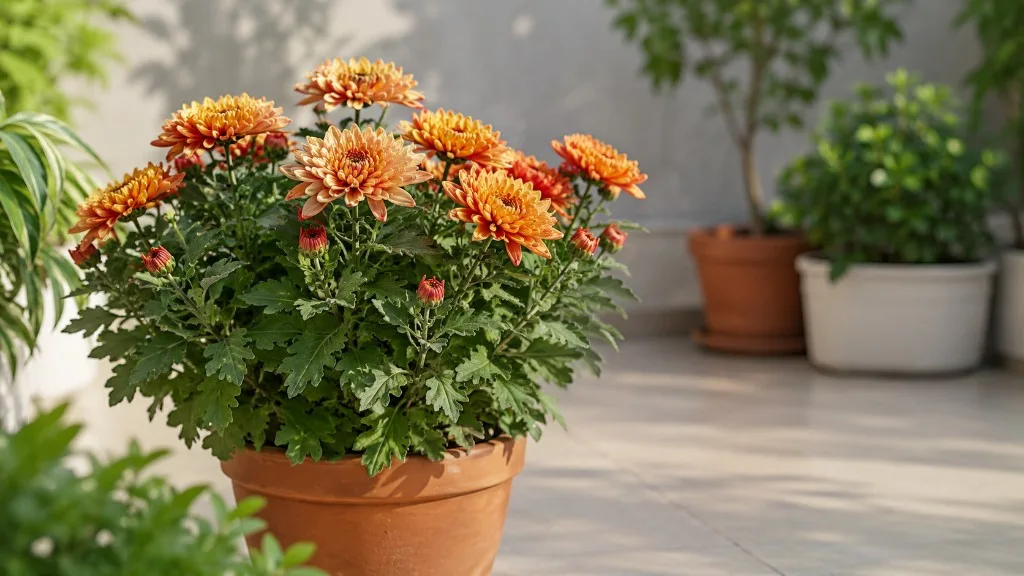
“Mum” describes a large group of chrysanthemums, not one uniform level of cold tolerance. Established garden or hardy mums are perennial plants that can go dormant and return, while many late-summer retail plants are florist or fall-display mums selected and grown for a dense, immediate show. Their label, cultivar, root development, and local climate all matter more than the color of the flowers.
The Royal Horticultural Society focuses its growing guidance on early or hardy garden chrysanthemums and still recommends frost protection, even though many can survive temperatures down to at least 23°F (-5°C) under suitable conditions. That figure is a guide for hardy plants in a particular context, not a safe promise for every potted mum or every cultivar. The RHS chrysanthemum growing guide also notes that chrysanthemums are perennials that go dormant in winter and re-sprout in spring.
Why potted mums freeze first
An in-ground mum has a large volume of soil around its roots. A pot has a much smaller root zone exposed to cold air on every side, and a thin-walled container can lose heat quickly. The flowers may look fine while the roots are already under stress, especially when a pot sits on an exposed deck, stone step, or windy corner.
That is why covering the flowers is only part of the plan for container mums. A fabric cover protects stems and buds for a night; moving the pot beside the house, grouping it with other containers, or wrapping the container protects the root zone as well. For a long cold spell, a cool, frost-free space is more dependable than a single layer of cloth.
What frost actually does to flowers and crowns
Frost forms when the ground or air reaches 32°F (0°C), but damage depends on more than that number. The duration of the cold, wind, humidity, the plant’s recent growth, and the speed of the thaw all affect the result. Plant cells can be injured by freezing and by repeated or very rapid freezing and thawing; exposed flower heads and tender new growth usually show the damage first. The RHS frost-damage guide describes water-soaked or dark foliage that may turn black, as well as blackened stems on frost-sensitive plants.
On a mum, frost may turn petals limp, brown, or black while the crown and lower stems remain alive. Protecting the display is therefore a race against the first damaging freeze, not a test of whether the whole plant will survive. If the weather is expected to stay cold, think beyond tonight’s flowers and protect the roots before they freeze repeatedly.
Make the call before sunset
Use the forecast low as a starting point, then adjust for the site. A pot under a roof overhang beside a warm wall is not in the same situation as a pot on an open lawn. Likewise, an established mum in a deep, well-drained bed usually has more root protection than a newly planted mum with a small root system.
Light frost versus a hard freeze
For a brief light frost, use one of the temporary covers below or move a container to shelter. Cover before the temperature drops, usually in the late afternoon or before sunset, and uncover the plant the next morning once the frost has lifted and the day begins to warm. Leaving a damp cover in place through a sunny day can trap moisture and heat.
For a hard freeze or several freezing nights, escalate. Bring potted mums to a cool, frost-free garage, porch, basement, or other suitable space if you can; otherwise combine shelter, pot insulation, and a breathable cover. For in-ground garden mums, protect the crown and root zone with mulch after the plant has begun to shut down, and understand that no cover can guarantee an unbroken flower display through a prolonged freeze.
If you only have time for one action tonight, protect a container mum first. If you have an in-ground mum, cover the flowering top for the immediate frost and plan the root-zone mulch for the point when the plant is dormant. This order protects the part that is most exposed now without smothering a still-growing crown too early.
1. Cover blooming mums with breathable fabric
A sheet, burlap, horticultural fleece, or purpose-made frost cloth can hold a small pocket of warmer air around the plant while allowing air and some moisture to pass. The cover is most useful for preserving open flowers and tender tips during a short frost; it is not a substitute for winter storage or a guarantee against a hard freeze.
Choose a clean, dry, lightweight material large enough to reach the ground around the pot or bed. Drape it loosely over the mum so the fabric does not press down on flower heads. If the plant is broad, use stakes, hoops, or an upside-down support to carry the fabric above the top of the mound. Anchor the edges with stones, clips, or bricks placed on the ground, not by tying weight around the stems.
The RHS recommends a reused sheet or horticultural fleece overnight when frost is forecast and notes that heavier fleece gives about 2°C (about 4°F) of protection. That is a useful buffer for a marginal night, not a magic temperature rating. Wind can lift a cover, so seal the edges enough to prevent flapping while leaving the plant free of constricting ties.
How to drape and remove a cover
Use this sequence when a frost is due:
- Inspect the plant and check that the pot drains freely; water only if the soil is genuinely dry.
- Put the cover on before sunset, when the plant and surrounding soil still hold some daytime warmth.
- Let the fabric fall to the ground and anchor the perimeter. Do not leave gaps at the base if wind is expected.
- Remove or lift the cover the next morning after the frost has thawed and temperatures are rising. If the day will remain cold, ventilate the sides rather than sealing a wet plant under fabric all day.
Do not use a plastic bag directly against the foliage. Plastic can collect condensation, rub against flowers, and heat rapidly when sunlight returns. If plastic is used as an outer rain shield over a supported frame during unusually wet, cold weather, keep it off the plant and ventilate it promptly; for a one-night frost, breathable fabric is the simpler choice.
2. Use an upside-down cardboard box for a short frost
A clean, dry cardboard box is a practical emergency cover for a small mum. Turn it upside down over the plant before sunset, making sure the box is tall and wide enough that it does not crush the blooms. The cardboard creates a still air space and blocks frost from settling directly on the flowers.
This method is best for a single night of light frost when the box can stay dry. Anchor it lightly if wind is expected, but do not seal the base with airtight tape. Remove the box in the morning, especially if the sun will hit it, because cardboard can heat quickly and becomes useless once it is soaked.
Do not leave a box over a mum for a multi-day cold spell. It blocks light and airflow, and wet cardboard pressed against leaves creates a poor environment for a plant that still needs to breathe. For repeated frost, switch to a breathable cover that can be removed and reused, or move the container to shelter.
3. Move container mums into a cool, frost-free place
Moving a potted mum is the most reliable way to protect it from an overnight freeze. Place it in a cool garage, enclosed porch, basement, workshop, or other frost-free space. For one or two nights, a dark garage is acceptable if the plant is not actively growing hard; for a longer stay, choose a cool, bright location so the mum does not have to adjust from outdoor light to deep shade.
Avoid a hot living room, radiator, furnace, or sunny window that turns warm during the day and cold at night. Excess warmth can push a dormant plant into premature growth, while dry indoor air and weak light can shorten the display. Epic Gardening’s guide to overwintering potted mums likewise recommends a cool, well-lit indoor location for active potted mums and only occasional watering while they rest.
Before you carry the plant inside, check beneath the foliage for insects, dead leaves, and soggy soil. Let excess water drain fully, set the pot on a waterproof tray that does not hold standing water, and keep it away from other houseplants until you know it is pest-free. Bring it back outdoors gradually when the weather moderates; a plant that has begun producing soft new shoots is more vulnerable to another cold snap than a dormant one.
Moving the pot indoors is about avoiding damage, not making the mum bloom faster. It protects the current flowers, but the display still ends when the flowers naturally fade or the plant’s light and temperature change enough to shorten their life.
4. Shift pots to a sheltered outdoor microclimate
If the forecast calls for a near-freezing night rather than a prolonged hard freeze, relocation may be enough. Move container mums close to the house, under a porch or eave, or beside a masonry wall that receives daytime sun. The surrounding structure cuts wind and can release some stored heat after dark.
This is a site decision, not a rule to put every mum against a south-facing wall. Keep the plant where it still receives daylight, and do not place it under a downspout, in a puddle, or in a tightly enclosed corner with no airflow. A sheltered position helps most when the temperature is only briefly near freezing; it cannot turn an exposed pot into a frost-free greenhouse.
Insulate the pot, not only the flowers
Wrap the outside of the container with burlap, a blanket, straw, or another breathable insulating layer, leaving drainage holes clear. You can group several pots together so they lose heat more slowly, then place the group on soil or a protected surface rather than directly in a cold wind tunnel. Keep the foliage itself uncovered unless the forecast requires a separate fabric cover.
Inspect the pot after rain and watering. The RHS warns that pot plants are particularly vulnerable in winter and recommends dry, sheltered positioning, insulation around containers, and keeping drainage holes clear. Its winter-damage guidance also emphasizes that wet, windy conditions can be as damaging as low temperature, so root protection is not a reason to let the container sit in water.

5. Mulch garden mums after the first light frost
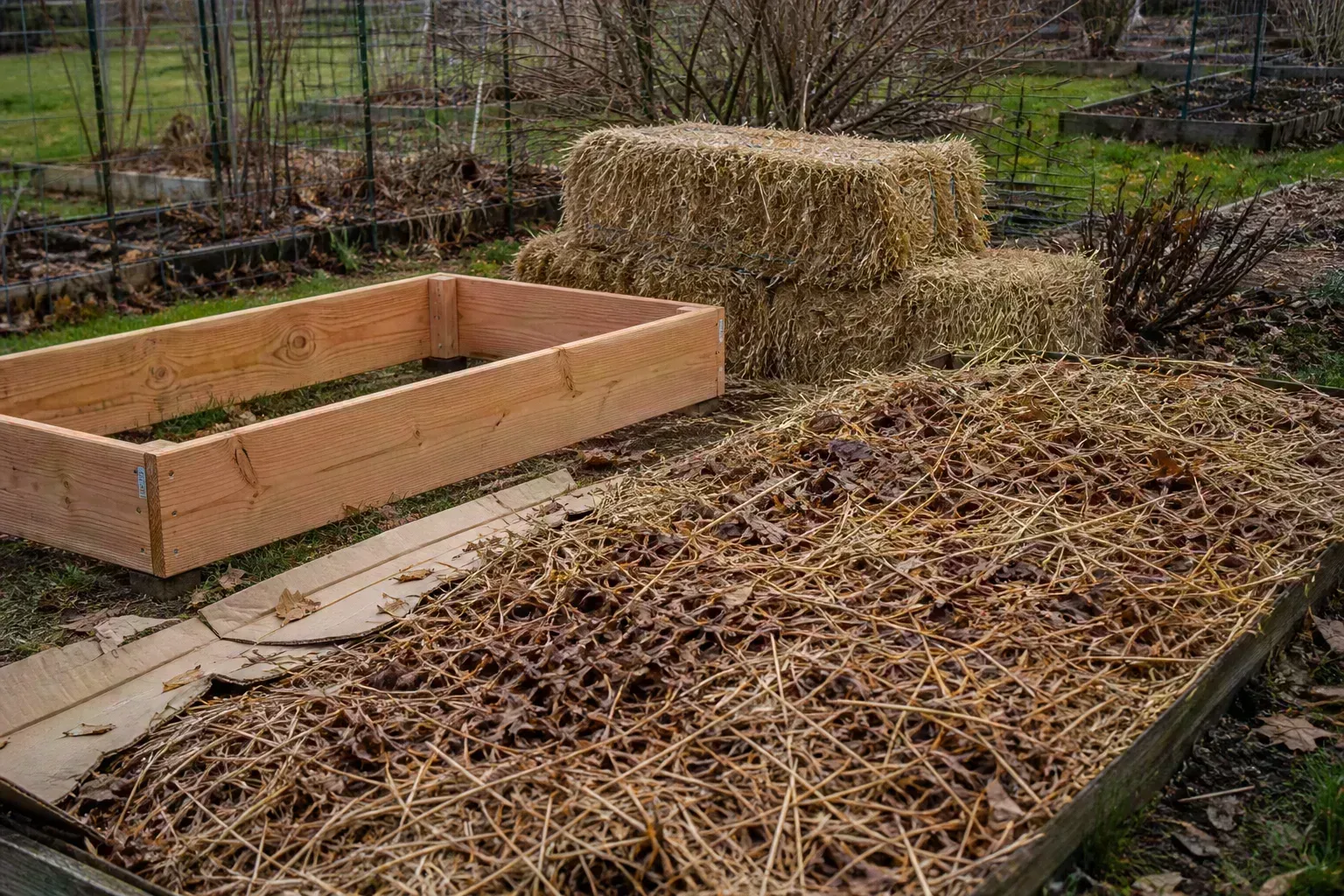
Mulch protects the underground crown and roots of an in-ground mum; it does little to preserve flower petals that are already exposed to freezing air. Apply it when the plant is entering dormancy, usually after the flowers have faded and the foliage has begun to die back, rather than piling a wet blanket over a green, actively growing plant weeks before cold weather arrives.
Use about 2 to 3 inches of dry straw, pine bark, shredded leaves, or well-rotted compost around the root zone. In an especially cold region, wait until the ground has begun to freeze before adding a deep winter layer if that timing helps prevent repeated thawing and refreezing. The RHS describes mulch as a late-autumn-to-winter layer used for frost protection, and Gardening Know How’s mums overwintering guidance recommends natural materials such as straw, pine needles, and leaves after the plant begins to die back.
Choose the mulch and keep the crown clear
Dry, airy material is safer than a thick mat of wet, compacted leaves. Spread the mulch over the soil around the plant and lightly toward the crown, but do not pack it tightly against stems or cover a crown that is already soft and wet. The objective is insulation and a steadier root-zone temperature, not permanent saturation.
Drainage matters as much as depth. A mum in waterlogged soil can rot over winter even when its crown is insulated, so correct a drainage problem before adding more organic material. In spring, pull excess mulch back as new shoots appear so the crown can dry and warm; leaving a heavy layer pressed against new growth can delay recovery and invite rot.
Keep blooms going after protection
Frost is only one reason a fall mum’s display collapses early. A plant that swings from dry soil to saturated soil, sits in full afternoon heat, or is repeatedly moved between a cold porch and a heated room can lose flowers even when no freeze occurs. Treat bloom care and frost care as one system: steady moisture, good drainage, shelter from harsh exposure, and enough light during mild weather.
Water by soil moisture and drainage
Check the soil with a finger about an inch below the surface. If it feels dry, water at the soil line until a little drains from the bottom, then empty any saucer. If the soil is still moist, do not water simply because a frost is coming. A last-minute soak leaves the pot heavy and wet, and saturated roots are more vulnerable to cold-related stress than roots in a well-drained mix.
Water in the morning when possible so foliage and flowers dry before night. Container mums can dry quickly because their root volume is limited, but “keep it moist” does not mean “keep it soggy.” The RHS advises regular watering during the growing season while warning that chrysanthemums dislike waterlogged conditions.
During a cold spell, check less by the calendar and more by the pot’s weight and soil. A dormant or nearly dormant mum uses less water, while a blooming plant in sun and wind may still need attention. If you move it indoors, allow the surface to dry somewhat between waterings and never leave the drainage hole sitting in water.
Deadhead selectively and skip late nitrogen
Remove flower heads only when they are truly spent or frost-browned; leave unopened buds and fresh flowers in place. Snip just below a faded head with clean shears, taking care not to shear the whole mound while it is still producing buds. Deadheading can improve the appearance and expose later buds, but it cannot replace flowers lost to a freeze.
Avoid pushing late-season growth with a nitrogen-heavy fertilizer. Soft new shoots are more vulnerable to cold, and a late feeding will not turn a fading fall display into a new flush before Thanksgiving. The RHS winter-protection guidance specifically cautions against late nitrogen because it stimulates sappy growth; focus on moisture, light, shelter, and frost protection instead.
The best bloom-extension work often happens before purchase or planting. Plants covered in tight buds open over a longer window than plants already at peak color, and spring-planted garden mums generally have more time to establish roots before fall than a newly purchased plant set out in late autumn. Epic Gardening’s bloom tips also emphasizes dense buds, adequate light, regular watering, and root-zone mulch as the foundation for a longer display.
If frost already blackened flowers
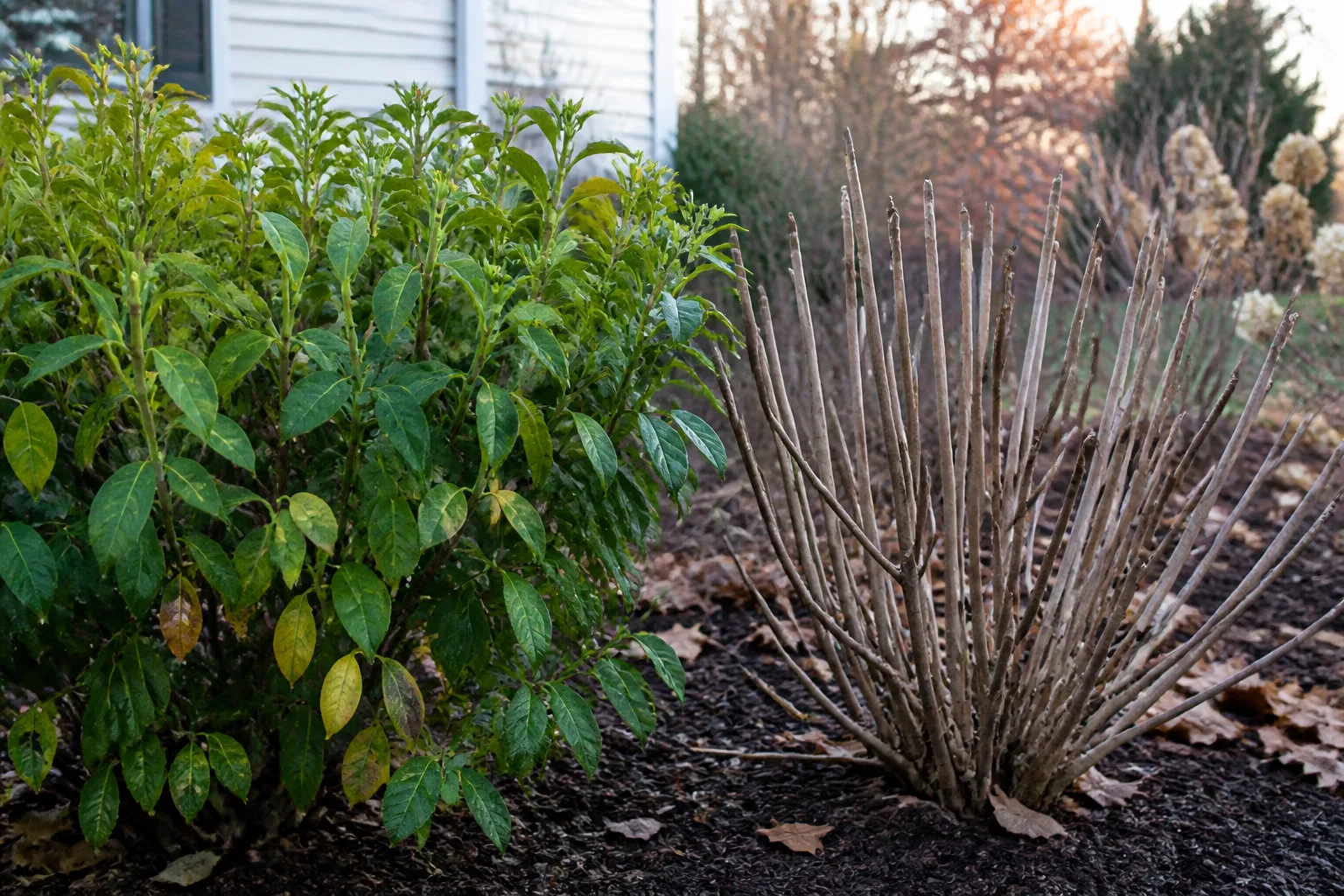
Do not panic-prune while the plant is still frozen. Let the tissues thaw, then inspect the stems and foliage in daylight. Brown or black petals will not regain their color, but green lower stems and a firm crown may still be alive.
For a single damaged bloom, remove the collapsed flower head and leave nearby green buds alone. If an entire shoot is black, wait until the weather has moderated and no immediate frost is forecast, then cut it back to healthy green tissue or a sound leaf joint. The RHS recommends pruning damaged growth after the risk of further frost has passed and notes that some plants can reshoot from dormant buds even when the foliage looks dead.
If the mum is in a pot, inspect the soil before watering again. Frost damage and overwatering can look similar once leaves droop, so test moisture rather than assuming the plant needs a drink. If the pot stayed wet, move it to shelter with clear drainage and remove only tissue that is clearly dead.
A simple frost plan for the next six weeks
The right method changes as the mum moves from peak bloom to dormancy. Use this short sequence to avoid both under-protection and unnecessary work:
- Tonight through the next light frost: Cover open blooms with breathable fabric or a dry cardboard box, or move potted mums to a sheltered spot. Remove temporary covers the next morning.
- During a run of freezing nights: Move containers to a cool, frost-free place if possible. If they remain outdoors, insulate the pots, protect the foliage, and check that rainwater can drain.
- As flowers fade and the plant shuts down: Stop trying to preserve spent petals. Remove diseased debris, leave healthy lower growth in place, and prepare a dry mulch for in-ground plants.
- After dormancy begins: Add the root-zone mulch around garden mums. In colder areas, use the most sheltered site available and watch for repeated thawing, not only the lowest forecast number.
- When a mild spell returns: Ventilate or remove covers, check soil moisture, and look for premature soft growth. Keep the plant protected if another freeze is close.
- After the final hard freeze or in spring: Remove excess mulch gradually as new growth appears. Do not expose tender shoots to a late frost simply because the calendar says winter is over.
This plan separates two jobs that are often confused. Covers and short-term shelter protect the flowers you can see; mulch, drainage, and cool storage protect the plant’s ability to return. A garden mum may survive after its fall flowers are finished, while a florist mum may be best treated as a seasonal display even when you give it careful protection.
Conclusion
To protect mums from frost, start with the forecast and the container or bed they are growing in. Use breathable fabric or a dry box for a brief light frost, move potted mums to a cool frost-free place for a hard freeze, shift containers beside a sheltered wall when the cold is marginal, insulate the pot, and mulch in-ground garden mums as they enter dormancy.
Keep the soil evenly moist but well drained, remove only spent or clearly damaged flowers, and uncover plants as soon as the day warms. Those details will not control the first hard freeze, but they give healthy buds the best chance to stay open longer and give the living crown a better chance to return after Thanksgiving.