Houseplant Damaged Roots: Rot vs Injury vs Pest Damage
Tell rot from broken roots and pest damage, inspect safely, then triage: stabilize, trim-and-repot, or propagate before more leaves fail.
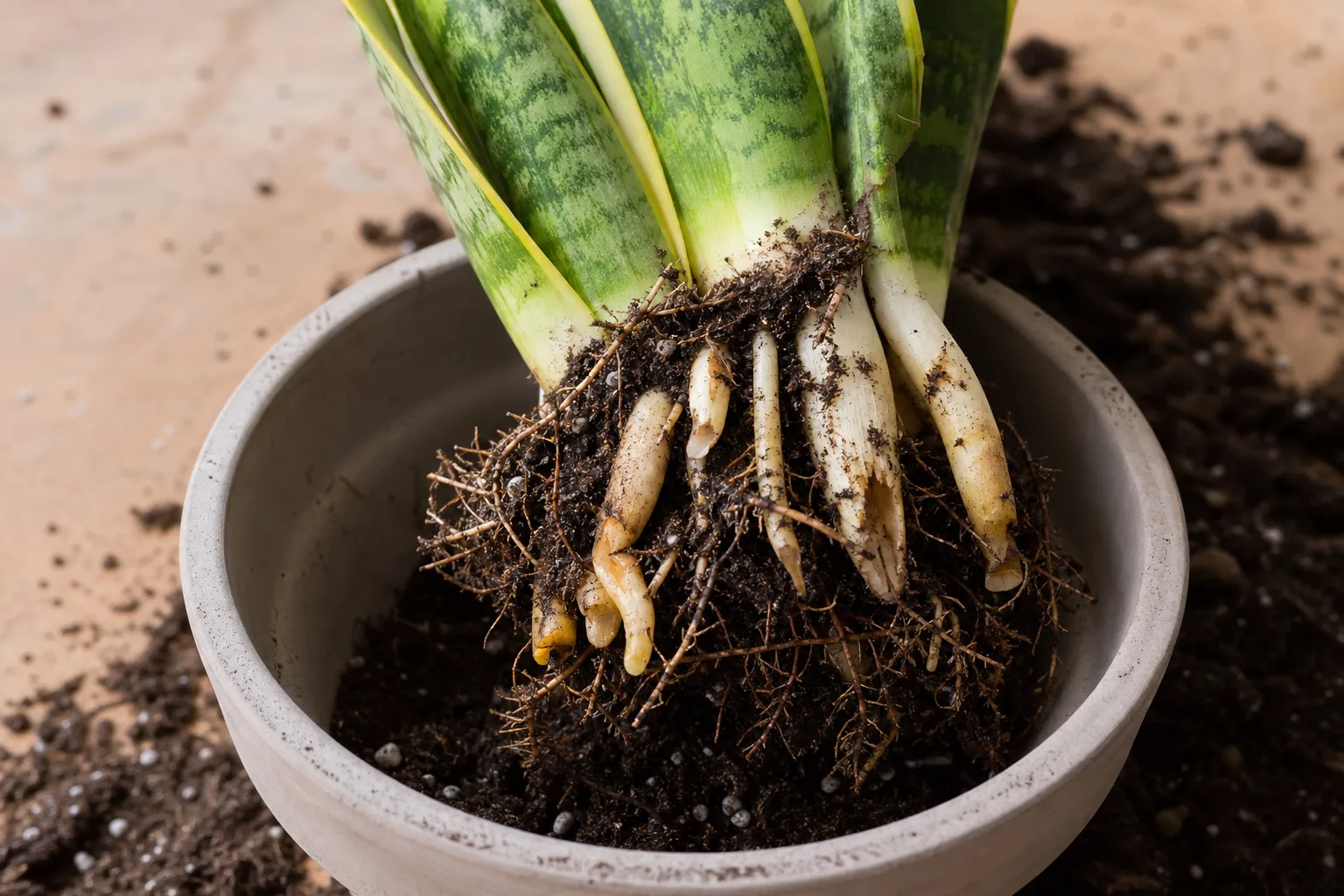
A houseplant that wilts, yellows, or stalls is often blamed on “bad watering,” but the real failure is frequently underground. Damaged roots are any roots that can no longer take up water and nutrients well enough to support the top growth — whether they were drowned, torn, chewed, or dried past recovery. Leaves advertise the problem late. Roots tell you which problem you actually have.
This page is the cause-and-triage hub: separate rot from mechanical injury from pest feeding, inspect without shredding what is left, then choose stabilize, trim-and-repot, or propagate. It is not the full pathogen rescue protocol — that job belongs to the root rot houseplants guide once wet-soil decay is confirmed.
Reviewed for horticultural accuracy by Dr. Priya Menon (Botanist and Indoor Plant Specialist, LeafyPixels Editorial Review Board). Inspection notes below are LeafyPixels grow-space observations with dates; the “two-thirds mush” salvage threshold is an editorial rule of thumb, not a lab measurement.
What Damaged Roots Means for a Houseplant
Roots are the plant’s water and nutrient intake system. Fine feeder roots and root hairs do most of the absorbing work. When those surfaces die or get stripped, the plant can sit in moist soil and still wilt — the pipeline is broken, not empty. Clemson HGIC puts the physiology plainly: roots need both water and oxygen, and when surrounded by water they cannot take up oxygen, which leads to root decline and, often, plant death. (Clemson HGIC)
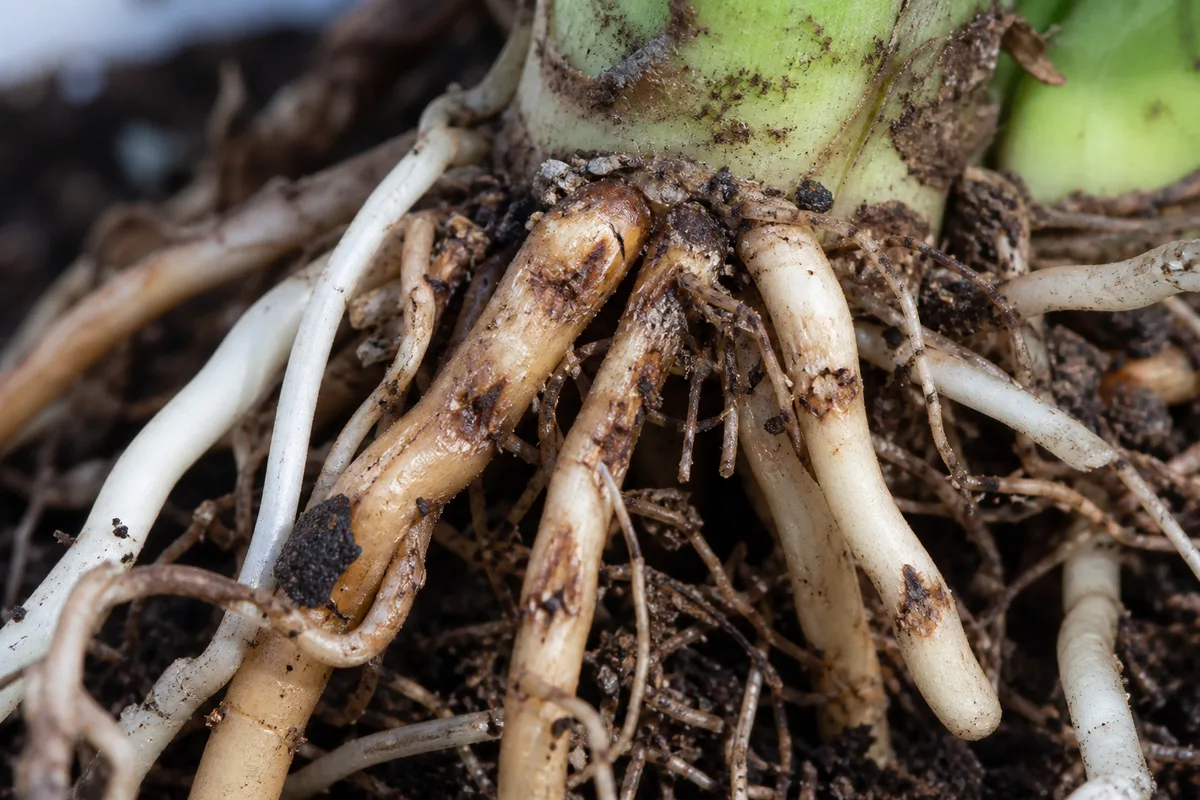
“Damaged roots” is a functional label, not a single disease. It includes waterlogged roots that turned soft, roots snapped during a clumsy unpotting, roots desiccated after a bare-root shipping delay, and roots whose hairs were grazed by fungus gnat larvae. Treating every case like classic root rot wastes healthy tissue and can push a salvageable plant into a second crisis.
Rot vs Mechanical Injury vs Pest Damage
Getting the cause right changes the fix. Rot needs moisture correction and removal of dead tissue. Mechanical injury needs protection and time, not aggressive cutting of every bruised strand. Pest damage needs drier surface soil and larval control, not a fungicide ritual by default.
| Cause | Root feel | Smell / soil clue | First action |
|---|---|---|---|
| Wet-soil rot / oxygen loss | Soft, brown or black; smears | Sour or swampy; pot stays heavy | Trim soft tissue; fresh mix; drainage |
| Mechanical / transplant injury | Firm but torn, stubby, or bruised | Mix normal; decline started after handling | Stabilize; do not auto-cut firm roots |
| Fungus gnat / root-hair feeding | Mostly firm; hairs grazed; larvae in outer mix | Persistently moist surface; adult gnats | Dry surface between waterings; larval control |
Root Rot and Oxygen Starvation
Root rot is deterioration of the root system caused by prolonged wet conditions, often accelerated by soil-borne organisms such as Pythium, Phytophthora, Rhizoctonia, and Fusarium. (Wisconsin Horticulture) Gardeners usually notice it when a plant wilts while the soil is still wet. Soft brown roots and a foul smell are common below ground. (Wisconsin Horticulture) Clemson lists Rhizoctonia, Pythium, Phytophthora, and related fungi among houseplant root and stem rot pathogens, with brown-to-black soft roots and wilt above ground. (Clemson HGIC)
UF plant pathologist Carrie Harmon notes an important nuance: root rot can be a physical condition from standing water as well as a pathogen-driven disease, and healthy roots should look white and firm while rotting roots turn soft and brown or black. (UF Emerging Pathogens Institute) The Royal Horticultural Society lists dark, mushy roots among overwatering signs that also include simultaneous yellowing of old and new leaves and stem collapse. (RHS) Missouri Botanical Garden likewise ties water-mold root rots such as Phytophthora to free moisture and flooding. (Missouri Botanical Garden)
Mechanical Damage from Repotting and Rough Handling
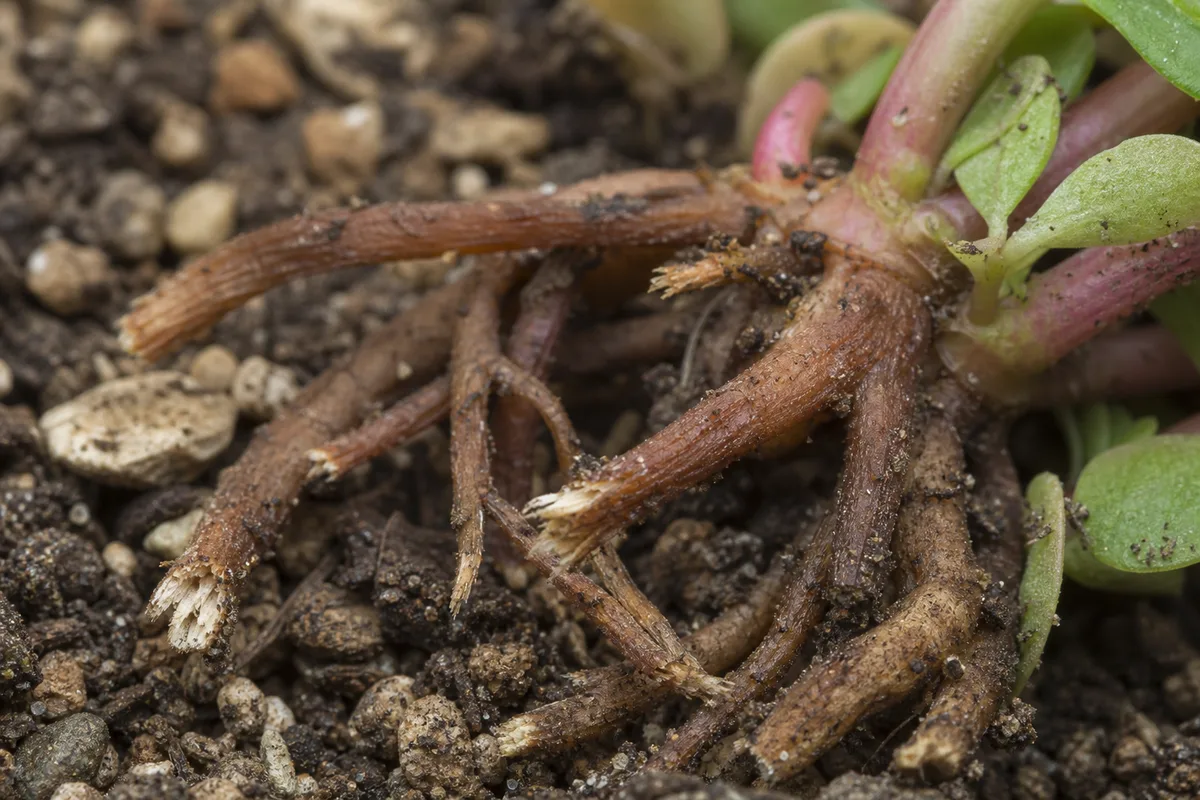
Mechanical damage is physical breakage: torn root balls, stripped root hairs, crushed crowns, or circling roots cut too aggressively during a “refresh.” It often follows a nursery pot-up, a home repot, division, or shipping. Purdue Extension describes transplant shock as stresses tied to poor root establishment after moving a plant, with wilting, yellowing, and leaf scorch among the common above-ground signs — landscape research applied here as a container analogy, not a claim that woody field trials equal apartment pots. (Purdue Extension)
Timing is a diagnostic clue. If decline started within days of unpotting, teasing roots, or upsizing the container, mechanical injury and transplant stress should be first on the list — especially when remaining roots are still firm and pale and the mix is not sour. Do not automatically treat that plant like advanced rot. Stable light, even moisture, and no fertilizer usually beat a second invasive inspection. Pair this fork with the transplant shock recovery timeline when the clock clearly started with a pot change.
Pest Damage from Fungus Gnats and Root Feeders
Fungus gnats (Bradysia spp.) thrive in persistently moist potting mix. Adults are a nuisance; larvae do the root-zone harm. Colorado State Extension notes that pale larvae feed on fungi and decaying organic matter and also on root hairs, which reduces plant vigor, and that limiting watering so the soil surface can dry between waterings is the key cultural control. (Colorado State Extension) Their dedicated fungus-gnat fact sheet adds that larvae feed on algae, fungi, and plant roots in growing medium, with seedlings and soft-rooted plants most at risk. (Colorado State Extension)
Pest damage and rot often travel together: wet mix favors both gnats and water molds. Fix moisture first. For collections with chronic gnats, see the fungus gnats houseplants guide and broader integrated pest management indoors.
Above-Ground Clues Plus Moisture Context
No leaf symptom proves root damage alone. Use patterns plus moisture context.
Wilting with wet soil is the classic mismatch for failing roots. Clemson warns that wilting is not always a cue to water — root injury, including rot from excess water, reduces uptake and more water can worsen it. (Clemson HGIC) Yellowing that hits old and new leaves together, stalled growth, sudden leaf drop, and a pot that stays heavy for days after watering all raise suspicion. A sour or swampy smell at the drainage holes is a stronger underground clue than yellow leaves by themselves.
Post-repot limpness with firm roots and correctly moist mix points more toward transplant shock than progressive rot. Dry-soil wilt with crispy edges points toward underwatering or heat demand — still a root-function problem, but not the same triage as mushy roots. Use the wilting houseplants decision tree when you need temporary versus permanent wilt sorted before you cut anything.
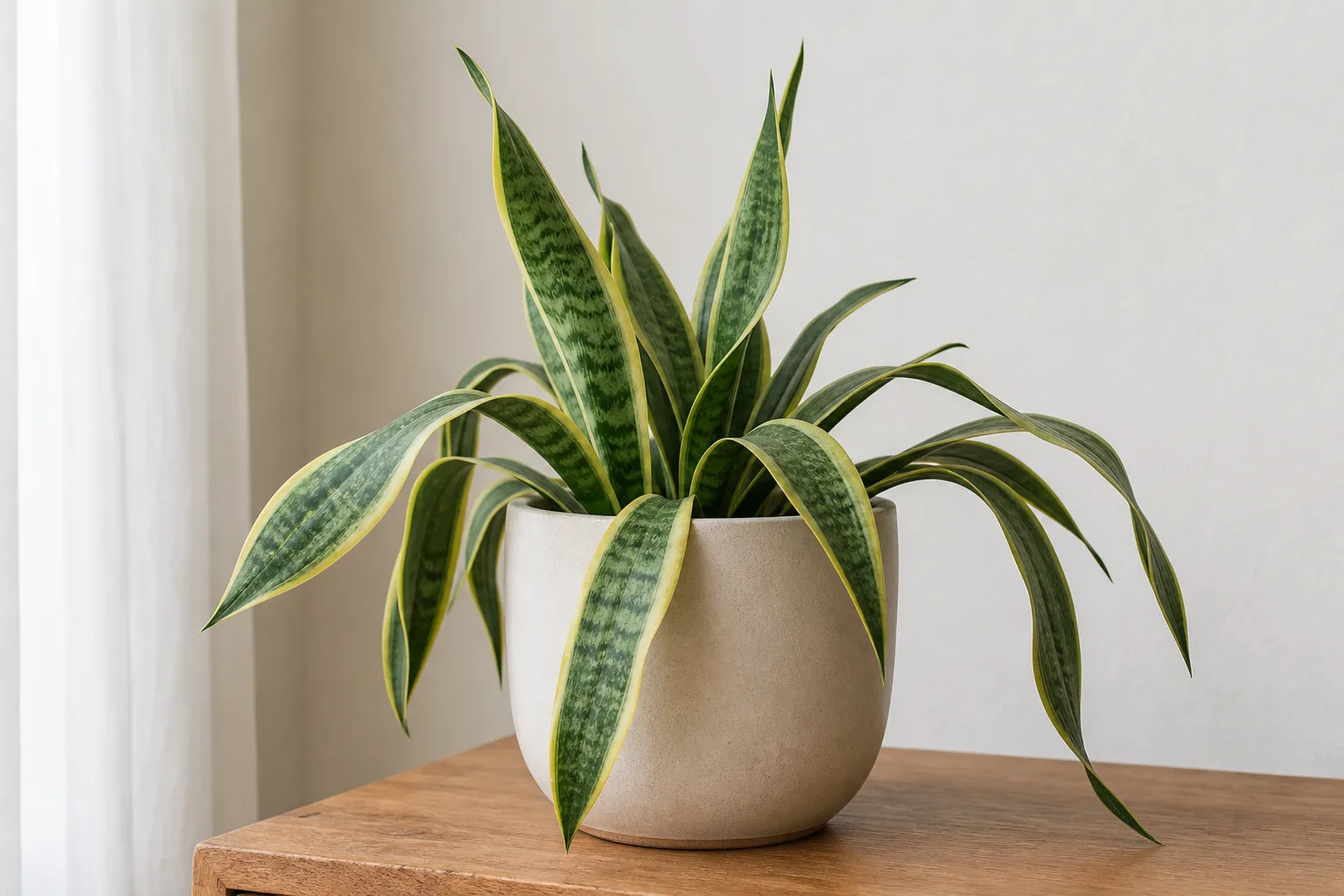
Thick-leaved plants like snake plants and ZZ plants often hide thirst and fail from chronic wet mix — root damage shows as soft bases and yellowing before dramatic wilt. Thin-leaved plants like peace lilies advertise dry wilt loudly and get overwatered in response, which then damages roots. Always diagnose the plant in front of you by root feel and moisture, not by another species’ wilt theater.
How to Unpot and Inspect Safely
Inspect when above-ground clues plus wet mix, foul smell, or post-handling decline justify it. Do not rip every plant out on a hunch.
Water lightly a day ahead only if the ball is bone-dry and crumbling; otherwise work with current moisture so roots flex instead of shatter. Tip the pot, support the crown, and slide the root ball out. Tease mix gently from the outer roots with fingers — not a knife through the core on the first pass. Rinse only enough to see color and texture if peat is glued on.
Photograph the roots before you cut. You are looking for firm pale roots versus soft brown or black sections, for intact crown tissue, and for moving larvae in the outer mix. Isolate the plant from the rest of the collection until you know whether you are dealing with wet-soil pathogens or just mechanical stress.
Healthy vs Injured vs Rotting Roots
Use texture and structure first. Color helps, but species differ and older woody roots can be naturally darker.
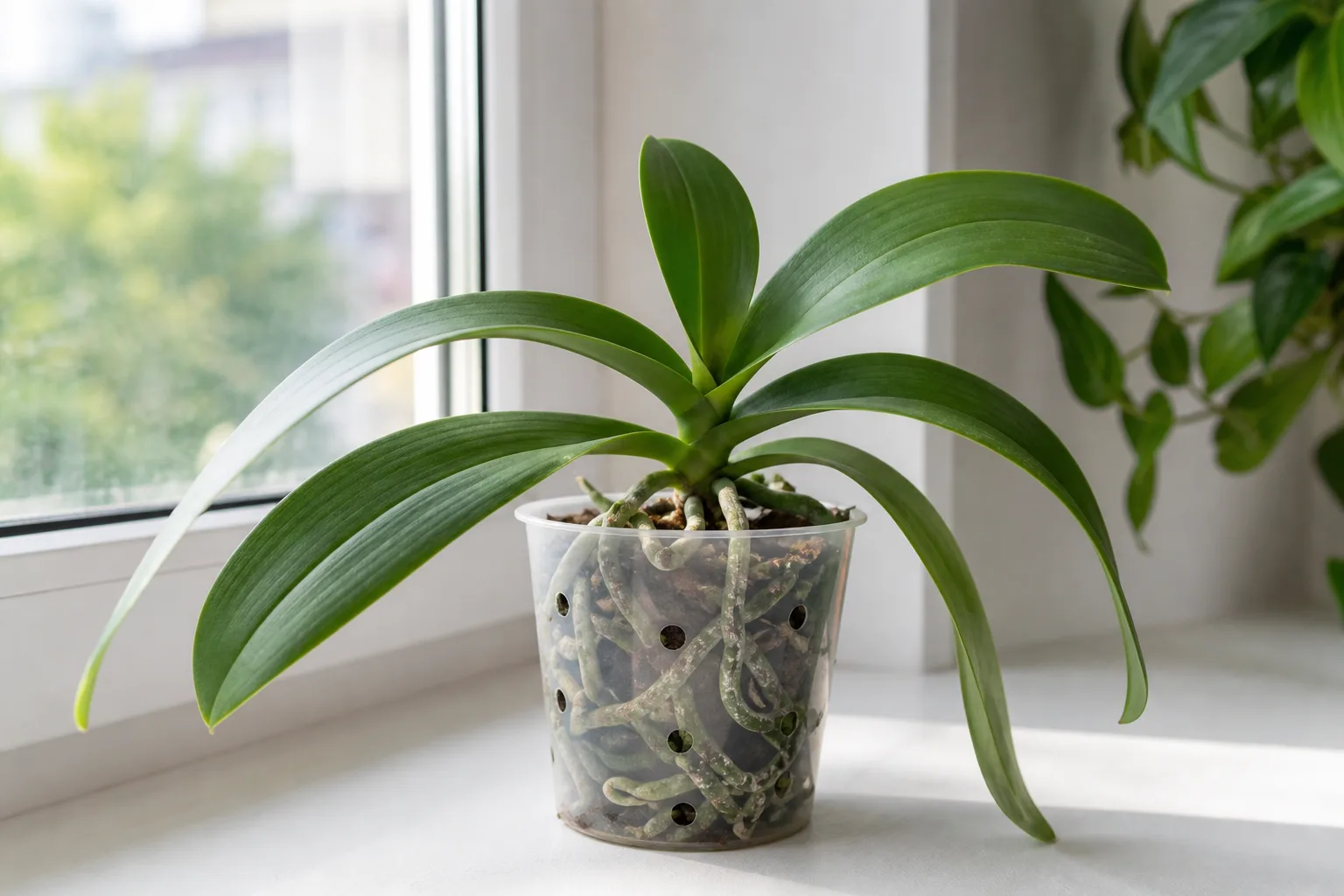
Healthy working roots are typically firm and pale to white or cream on active tips, with a springy feel when gently bent. Injured but viable roots may show clean breaks, dry tips, or bruised segments that are still firm — especially after a rough repot. Rotting roots are soft, brown or black, and may smear or pull apart like overcooked noodles; they often smell sour or sewage-like. (Wisconsin Horticulture; UF Emerging Pathogens Institute)
Editorial salvage rule of thumb: if more than roughly two-thirds of the root mass is mush and the crown is soft, rescue odds drop hard. If the crown and a meaningful firm core remain, trim-and-repot is still rational. If only firm stem nodes remain above a rotten base, propagation is the honest plan. Caveat by plant type: thick rhizomes and caudex-like storage organs can look “mostly gone” while still holding a salvageable core; vines with healthy nodes above dead bases are better as cuttings than as endless stump surgery.
Triage: Stabilize, Trim-and-Repot, or Propagate
Decide once, then stop poking. Repeated unpotting is itself a form of mechanical damage.
Stabilize Without Cutting
Choose stabilize-only when roots are mostly firm, decline followed a recent move or light root disturbance, soil moisture is appropriate, and there is no foul smell. Keep bright indirect light, avoid fertilizer, protect from heat vents and cold glass, and water only when the mix indicates need — not on a guilt schedule. Purdue’s establishment advice for transplants emphasizes correct watering without extremes while roots settle. (Purdue Extension) Mild droop for several days can be normal; worsening collapse with wet, sour mix is not. Expect limpness measured in days to a couple of weeks for firm post-repot roots — climbing decline in a heavy wet pot means exit this path.
Trim and Repot Protocol
Choose trim-and-repot when roots are soft and brown, the mix stays soggy, or cachepot water has been drowning the liner. Remove the plant, cut away mushy roots into firm tissue with clean shears, discard the old mix, and move into a clean pot with drainage holes and fresh pasteurized commercial mix. Wisconsin Horticulture stresses reducing soil moisture, using pots with drainage holes, avoiding gravel layers that can inhibit drainage, and not reusing contaminated mix or plastic pots that are hard to disinfect. (Wisconsin Horticulture) They do not recommend home fungicides for houseplant root rots as a primary strategy. (Wisconsin Horticulture)
After trimming, wait until rinsed roots are no longer dripping before the first light watering, then keep the new mix evenly moist — never swampy. Full step detail and prevention live in the root rot houseplants and overwatered plant guides. Skip undiluted peroxide “root baths” as a default ritual; if you experiment with dilute peroxide, treat it as optional hygiene after soft tissue is already removed, not a substitute for drainage and fresh mix.
Propagate When the Root System Is Gone
Propagate when the crown is mushy, almost no firm roots remain, or the plant is a vine or cane type with healthy nodes above dead base tissue. Take clean cuttings from firm growth — golden pothos and many philodendrons are honest candidates — discard rotten material and contaminated mix, and start fresh. Wisconsin notes that discarding a badly rotted plant is often the most cost-effective option. (Wisconsin Horticulture) That is not failure — it is containment.
Aftercare While New Roots Form
Recovery is quiet work. Hold fertilizer until you see new growth. Keep temperatures stable and light bright but not scorching. Check moisture at depth rather than watering because leaves still look sad — damaged roots cannot handle bounce-back flooding. Empty saucers and decorative cachepots after every watering so the liner is not sitting in a hidden reservoir. Harmon flags standing water in outer decorative pots as a common oxygen-loss path. (UF Emerging Pathogens Institute)
Expect a pause measured in weeks, not days. New leaf tips or firmer turgor with correctly moist mix are better recovery signals than a calendar promise. If the plant worsens while the new mix stays wet, unpot once more — you may have left soft tissue behind or chosen a pot that is still too large.
Preventing Future Root Damage
Prevention is mostly oxygen and restraint. Water when the mix needs it, not when the app nags — the how to water indoor plants guide covers depth checks and thorough drainage. Match pot size to the root ball — oversized containers hold unused wet volume. Use a mix that drains for the species you grow; see best potting mix for indoor plants when the current media stays wet for days. Keep plants out of sealed cachepots with standing water. Buy healthy stock and check for firm pale roots when you can. (Wisconsin Horticulture; Clemson HGIC)
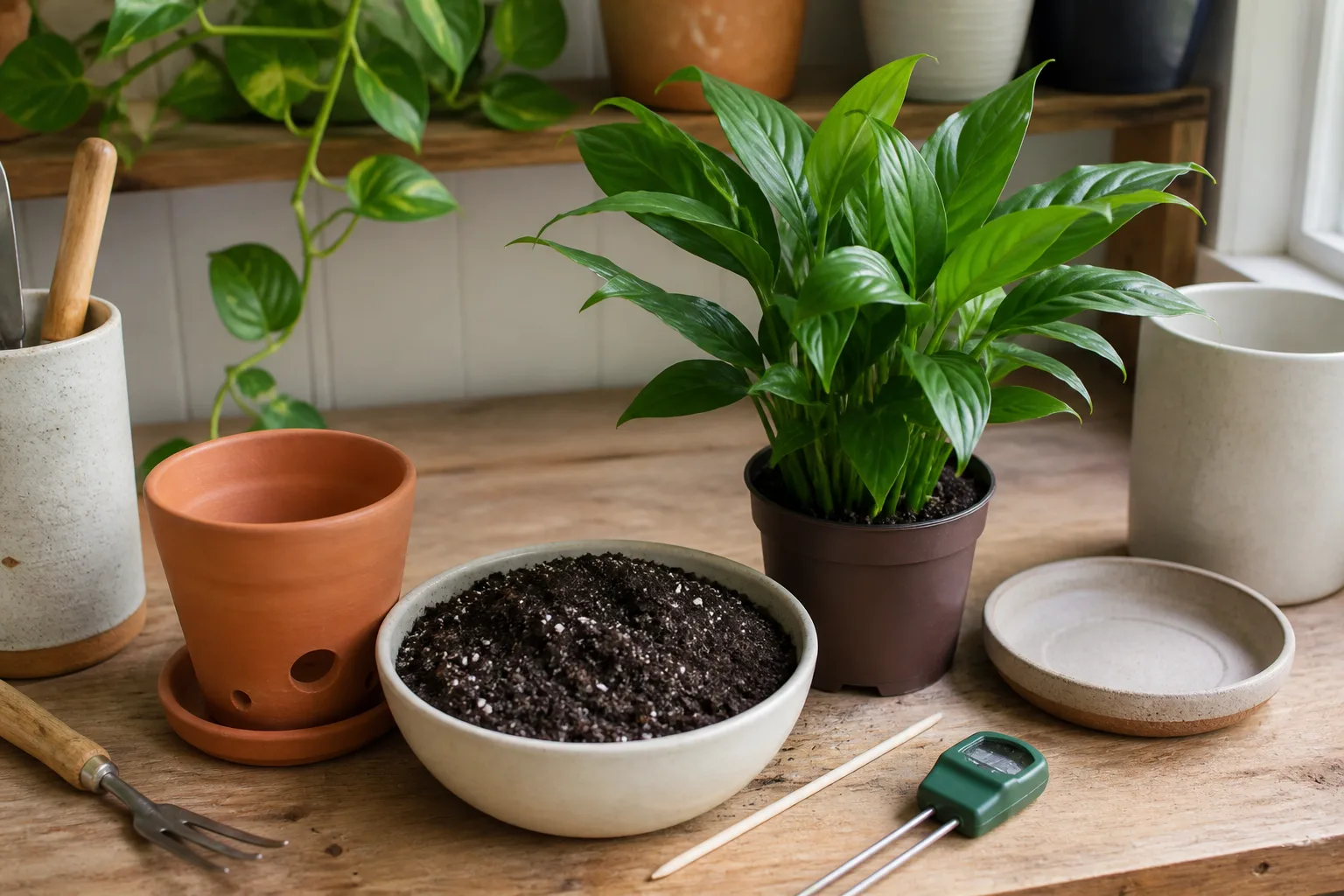
When you repot, work with moist — not soggy — roots, loosen circling roots gently, and step pot size up modestly. Technique that avoids transplant shock is covered in repotting houseplants. Keep surface moisture in check if fungus gnats are a recurring problem. (Colorado State Extension) In winter, thick-leaved plants use less water; unchanged summer schedules are a common path into wet-mix root failure.
Mistakes That Make Damage Worse
The most common mistake is watering a wilted plant without checking moisture depth. The second is treating firm, freshly disturbed roots like rot and cutting them away. The third is stacking stressors: heavy prune, fertilizer, full-sun move, and a second repot in the same week.
Other failure modes: leaving the nursery liner in a water-filled cachepot, adding a gravel “drainage layer” that creates perched water, reusing old mix from a rotted plant, and scrubbing roots bare “to clean them” until only stubs remain. RHS guidance on poorly houseplants starts with environment and watering checks before escalation for a reason — most indoor declines are cultural before they are dramatic. (RHS) Salt buildup from hard water and fertilizer can also injure roots and cause wilt that looks like drought; Clemson lists fertilizer or salt accumulation among wilt causes and advises fresh soil when salts are the issue. (Clemson HGIC)
When to Discard Contaminated Mix and Pots
Treat old mix from a confirmed rot case as contaminated. Do not pour leftover drainage water onto other plants. Disinfect tools and clay pots after handling rot; Wisconsin recommends a 10% bleach or detergent solution or alcohol for tools and surfaces, and advises against reusing plastic pots that cannot be adequately disinfested. (Wisconsin Horticulture) Clemson similarly recommends scrubbing reused pots and rinsing in one part bleach to nine parts water before reuse. (Clemson HGIC) Throw out plastic pots from severe rot cases when cleaning is unreliable.
First-Hand Notes From Root Inspections
These are LeafyPixels editorial grow-space notes from inspections we photographed while building this hub — apartment observations, not controlled trials.
-
Snake plant, 6-inch nursery pot, chronic cachepot reservoir (inspected 2026-03-12): Outer roots soft brown with sour smell; inner rhizome sections still firm. Trimmed soft tissue, discarded mix, moved to a drain-through plastic pot one size up with gritty aroid-leaning mix. Held fertilizer. New upright leaf tip visible about week 5; no further yellowing after week 2. Outcome: classic wet-soil rot with salvageable core — not a “cut everything black” panic.
-
Peace lily, spring refresh, 5-inch → 7-inch (inspected day 4 after repot, 2026-04-03): Canopy limp despite evenly moist mix. Roots firm and cream-colored with a few torn tips from teasing. No foul smell. Stabilized only — bright indirect light, no fertilizer, watered once the top inch began to dry. Turgor returned by day 9; one older leaf yellowed and was removed. Outcome: mechanical/transplant stress that would have been worsened by cutting firm roots.
-
Seedling tray / young peperomia, fungus-gnat pressure (inspected 2026-02-18): Adults flying daily; potato-slice check showed larvae under the wedge within three days (method from Colorado State Extension). Roots mostly firm; outer hairs sparse; mix surface stayed damp. Dried the surface between waterings, discarded the wettest plug, and reduced watering frequency. Adult flights dropped within two weeks; growth resumed slowly. Outcome: root-hair grazing plus wet surface — fixed culturally, not with a fungicide.
Track your own case the same way: species, pot size, cause type (rot / mechanical / pest), soil state, and days or weeks to the first honest recovery signal.
Related Problems and Which Guide to Use
Use this page when the core question is “are the roots damaged, and which kind?”
If X → open Y:
- Soft brown foul roots confirmed, need full rescue steps → root rot houseplants
- Decline started the day you changed pots and roots still feel firm → transplant shock / transplant shock symptom hub
- Temporary vs permanent wilt sorted by moisture → wilting houseplants
- Soggy-pot dry-down timelines → overwatered plant
- Handling technique that reduces the next injury → repotting houseplants
- Larval root-hair feeding and moisture control → fungus gnats houseplants
- Crowding and circling roots that look “damaged” but are still firm → exposed roots and root-bound
Species pages such as snake plant root rot and peace lily root rot show how the same underground failure presents in thick-leaved versus thin-leaved plants.
Conclusion
Do this in the next 10 minutes:
- Finger-check moisture at depth — do not water on wilt alone.
- Note timing: recent repot/handling, or long stretch of heavy wet pots?
- Unpot only if wet mix, foul smell, or post-handling decline justifies it.
- Judge texture first, then color, then moisture context.
- Choose one path: stabilize firm post-handling roots; trim-and-repot soft wet-soil failure; propagate or discard when the crown is mush.
- Empty saucers and cachepots; skip fertilizer until new growth appears.
- Photograph before you cut so you do not re-interpret firm bruises as rot later.
Damaged roots are a diagnosis category, not a single treatment plan. Separate rot, mechanical injury, and pest feeding before you cut — then give the plant quiet weeks to rebuild feeder roots instead of chasing daily leaf drama.