6 Reasons Why Your Snake Plant Is Drooping and How to Save It
Find out why your snake plant is drooping, from wet roots and root rot to drought, low light, pests, and an unstable pot—and what to do next.
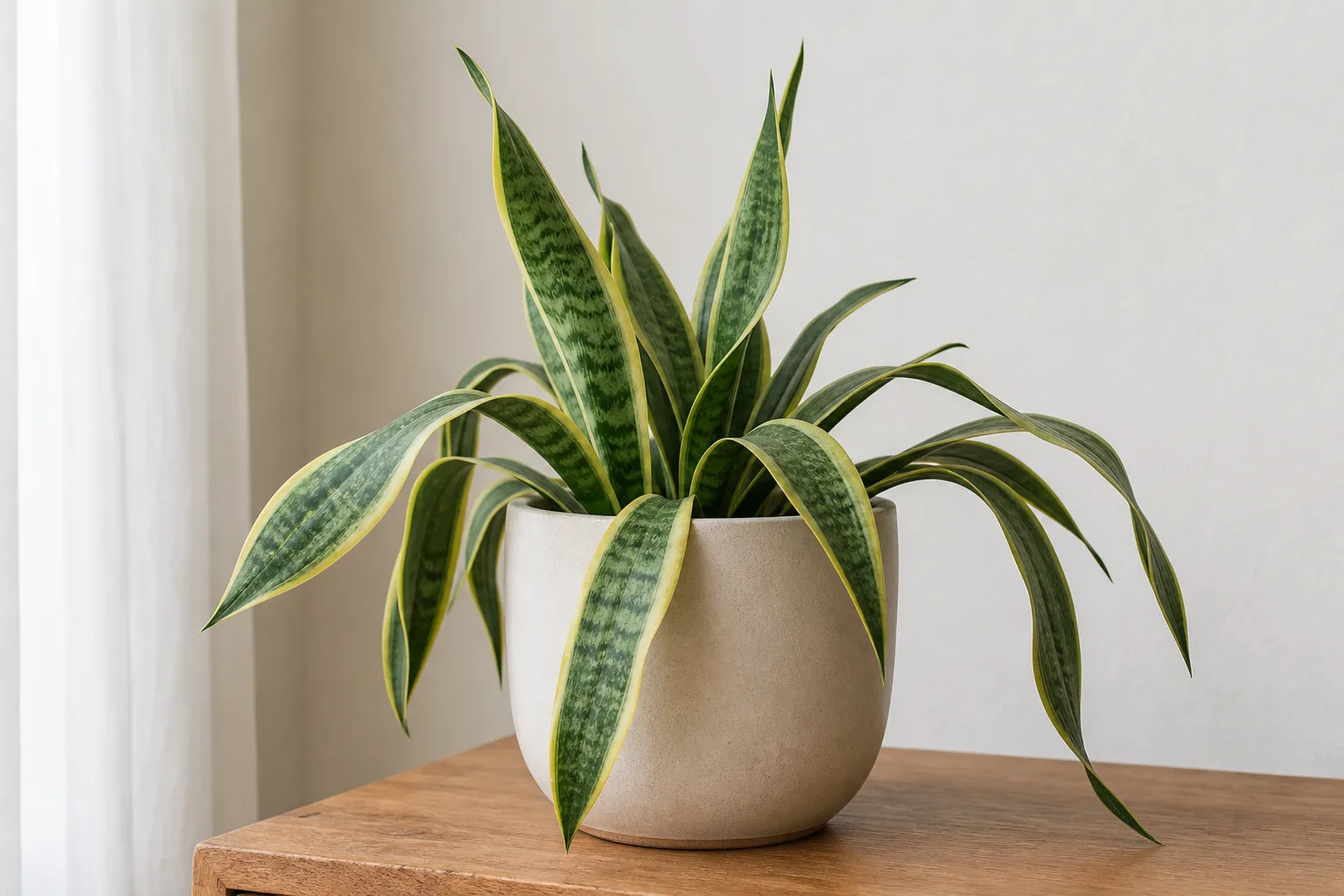
Snake plants are built to stand upright, so a leaf that suddenly bends, splays, or falls over deserves a closer look. The frustrating part is that drooping is a symptom, not a diagnosis. A plant in bone-dry soil may need water, while a plant in constantly wet soil may also look limp because damaged roots can no longer move water into the leaves.
The safest response is not to water automatically. Check the mix, feel the leaf and its base, look at the roots if the pot is staying wet, and then change one major condition at a time. The six causes below cover the common failures, plus the clues that tell you which fix is most likely to help.
Start with a 60-second diagnosis before watering
First, look at the whole plant. Are all the leaves soft and collapsing, or are a few tall leaves simply leaning outward? Is the problem concentrated at the base, where the leaf meets the soil, or is the upper half bending while the base remains firm? A soft, darkening base is more urgent than a leaf that has gradually arched toward a window.
Next, check the pot. Lift it if you can, feel the top few inches of mix, and confirm that the container has an open drainage hole. Notice whether water has been sitting in a saucer or cachepot. A snake plant that has been watered recently but still sits in heavy, wet mix should not receive another drink just because its leaves look thirsty.
Compare soil moisture with leaf texture
Use this quick comparison as a starting point, not a substitute for inspecting the plant:
| What you observe | More likely explanation | First move |
|---|---|---|
| Mix is dry well below the surface; leaves are thin, wrinkled, or curling | Underwatering | Water slowly and thoroughly until excess drains, then empty the saucer |
| Mix is wet for many days; bases are soft or yellowing; soil smells sour | Overwatering or root rot | Stop watering and inspect drainage and roots |
| Mix is reasonable; leaves lean toward a window and new growth is weak | Low light or weak growth | Move to brighter indirect light gradually |
| Roots are crowded, the plant is top-heavy, or the pot tips | Crowded or unstable container | Stabilize first; repot only if roots or mix justify it |
| Cottony residue, fine webbing, stippling, drafts, or a recent move | Pests or environmental shock | Isolate and inspect before treating |
The timing matters. Drooping that appears one day after a thorough watering points you toward wet roots or a damaged base; drooping after several weeks of dry mix points toward drought. Neither clue is perfect, but it is more useful than a universal “water every two weeks” rule.
1. Overwatering keeps the root zone short of oxygen
Overwatering does not simply mean giving a large amount of water once. It usually means the root zone is staying wet too long because the mix is dense, the pot is oversized, drainage is blocked, or water is left in the saucer. Snake plants have thick, water-storing leaves and generally use water slowly indoors, especially in low light or cool rooms.
When the mix remains saturated, air spaces fill with water. Roots need both moisture and oxygen, so a constantly wet pot can create a plant that looks thirsty even though there is plenty of water around it. Bloomscape recommends waiting until the soil is completely dry, watering through the drainage hole, and discarding saucer water; its Sansevieria care guide also flags yellowing leaves as a sign to reassess overwatering.
Signs that point to excess water
Look for a combination rather than one isolated leaf. The strongest pattern is wet mix plus soft, yellowing, translucent, or collapsing leaves. A sour smell, fungus gnats, mold at the soil surface, or leaves that pull away easily at the base add weight to the diagnosis. If only the oldest leaf is bent but the mix dries normally and the base is firm, overwatering is less certain.
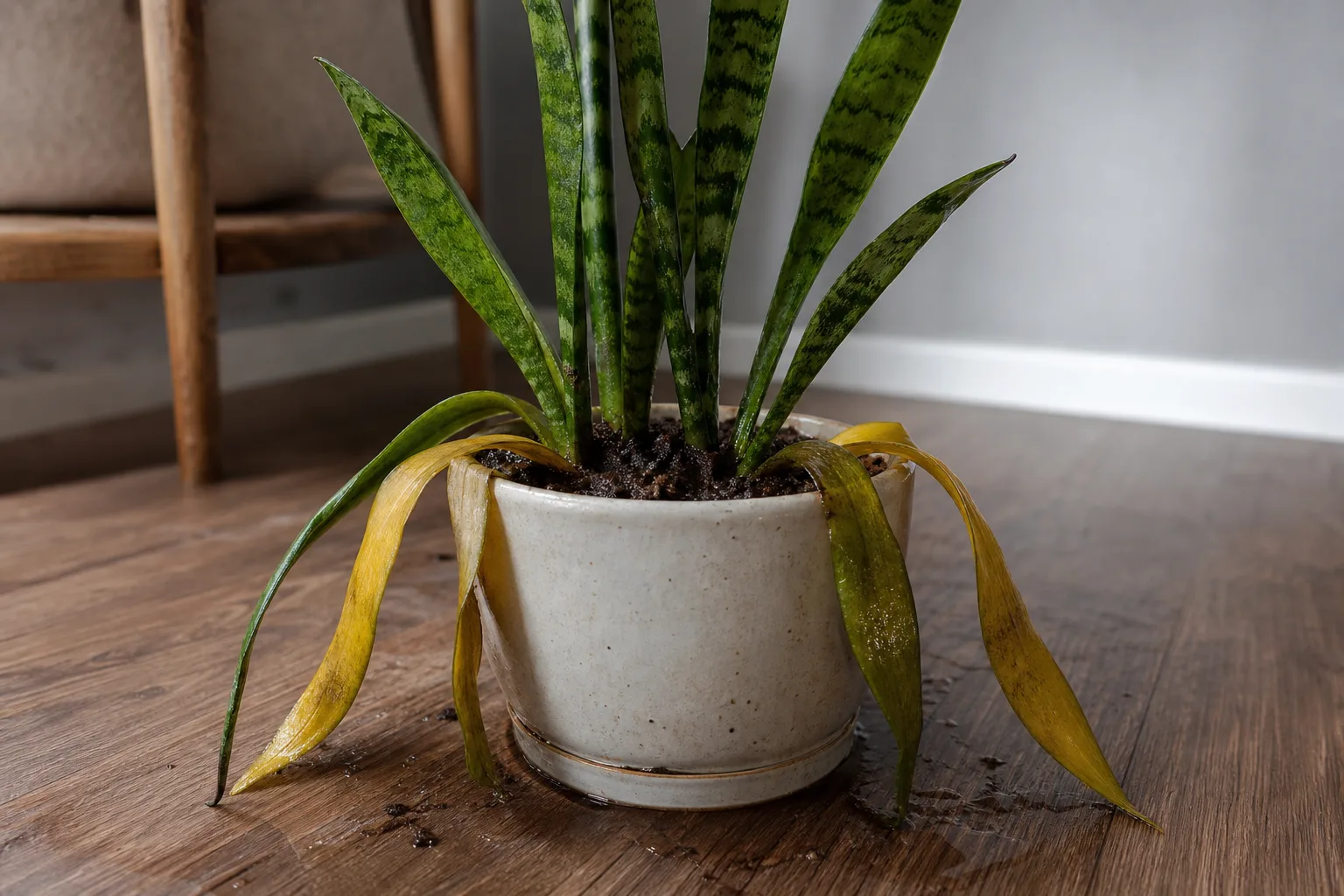
Stop watering while you check how quickly the pot dries. If the container drains freely and the plant is otherwise firm, allow the mix to dry fully before watering again. If the pot has no drainage hole or water collects inside a decorative cover pot, correct that setup before changing fertilizer, adding supplements, or moving the plant to a darker corner.
The University of Arkansas Division of Agriculture gives the central reason for this restraint: indoors, a snake plant grows slowly and prefers the dry side, so overwatering is the main risk in a normal home setting. That does not mean abandoning it for months; it means waiting for the root zone to use the last watering before adding more.
2. Root rot has damaged the base or roots
Root rot is the advanced version of a wet-root problem, and it changes the recovery plan. When roots or the lower leaf tissue are already soft, simply allowing the pot to dry may not restore the damaged parts. The plant may continue to droop because it has lost the roots that absorb water and anchor the leaves.
Root trouble is more likely when the soil has stayed wet, the plant has a sour odor, or leaves are yellowing and collapsing from the base upward. It can also follow a hidden problem such as a sealed container, compacted mix, or a pot sitting inside standing water. A drooping leaf by itself does not prove rot; the root condition does.
What to do when roots are soft
Slide the plant from its pot with the mix as intact as possible. Firm roots are usually a reassuring sign. Dark, mushy, hollow, or foul-smelling roots are damaged. Remove only tissue that is clearly dead with a clean, sharp tool, then discard the old saturated mix and repot the remaining healthy plant in a clean container with a drainage hole and fresh, airy potting mix.
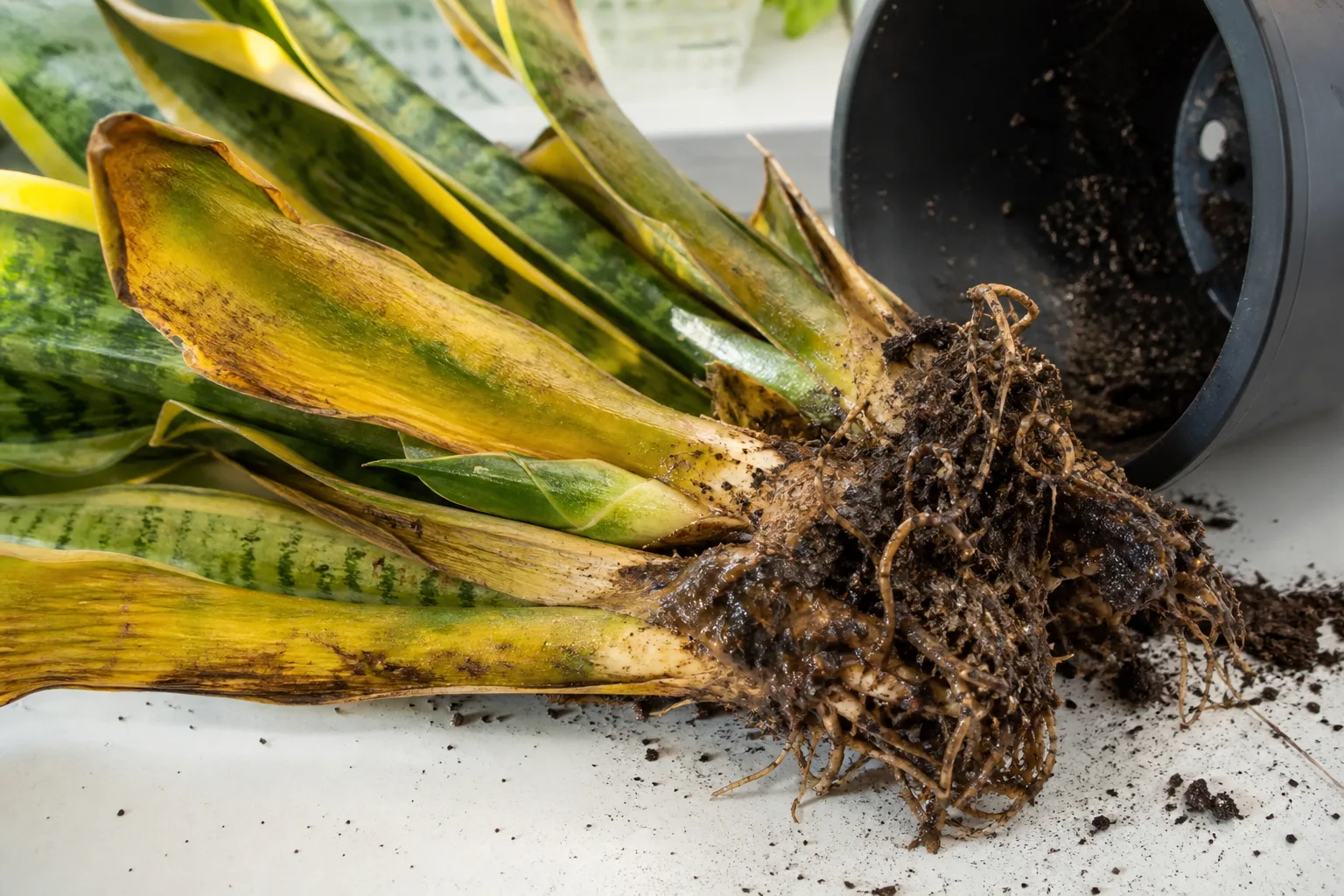
Do not upsize dramatically during an emergency. A very large pot holds more unused moisture around a reduced root system and can restart the same problem. Set the plant at its previous depth, keep it in bright indirect light, and wait until the new mix has dried to the appropriate level before watering lightly. Recovery is measured in new firmness and new growth, not in a damaged leaf snapping upright overnight.
If the base of every leaf is collapsing or the crown is soft, save any firm, unblemished sections as cuttings before discarding the failing tissue. Sanitize tools between cuts. This is a rescue option, not a reason to take healthy leaves apart unnecessarily.
3. Underwatering has depleted the leaves
Snake plants tolerate dry conditions, but drought tolerance is not the same as an unlimited water reserve. A plant can droop after an extended dry spell, a hot sunny move, a small pot becoming root-filled, or a change in household heating that makes the mix dry faster than usual.
Underwatered leaves tend to feel thinner, softer, wrinkled, or curled rather than waterlogged and mushy. The pot may feel unusually light, and dry mix may pull away from the sides. Brown, crispy edges can accompany severe drought, although sun scorch and salt buildup can create similar marks.
How to rehydrate without causing another problem
If the mix is genuinely dry, water slowly over the surface, pause, and water again until a little excess exits the drainage hole. This gives a severely dry root ball time to absorb moisture instead of sending water straight down a gap at the pot’s edge. Empty the saucer after the pot finishes draining.
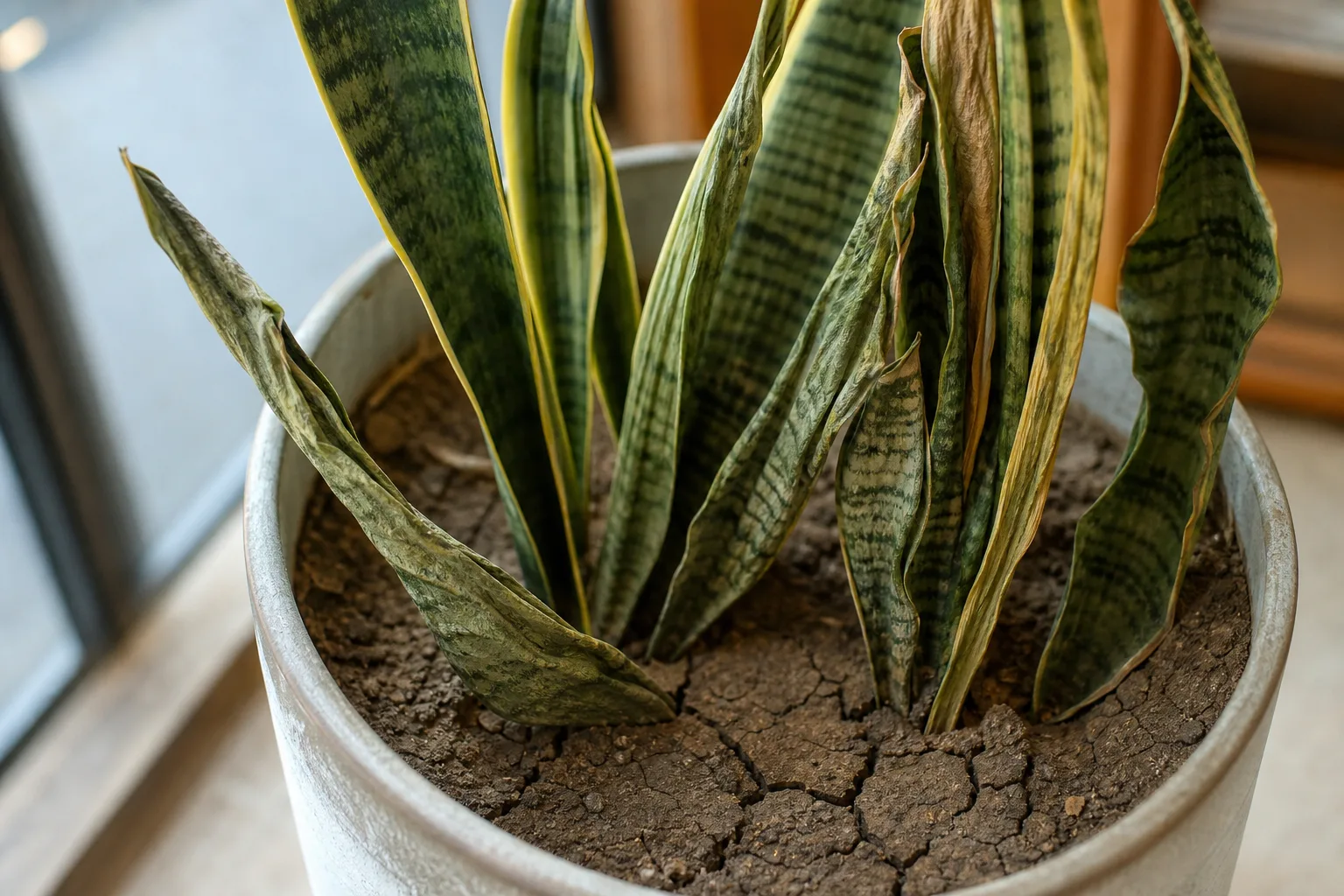
Do not keep adding small sips every day. That pattern wets only the upper layer and can leave the deeper root ball dry while the surface stays damp. After a thorough rehydration, wait and check the pot again before repeating it. Severely wrinkled leaves may not regain their original shape, but firm new growth is a better measure of recovery.
The University of Arkansas Extension notes that watering frequency varies with indoor growth and conditions, while Bloomscape’s practical rule is to wait until the soil is completely dry and then water thoroughly. Together, those recommendations support a condition-based rhythm rather than a fixed interval.
4. Low light weakens tall leaf growth
Snake plants survive low light, but survival is a lower standard than strong, upright growth. In a dim room, a tall variety may produce weaker new leaves, lose some color, and lean toward the nearest window. Low light also slows water use, which means a watering routine that worked in a bright spot can become overwatering after the plant is moved into a darker one.
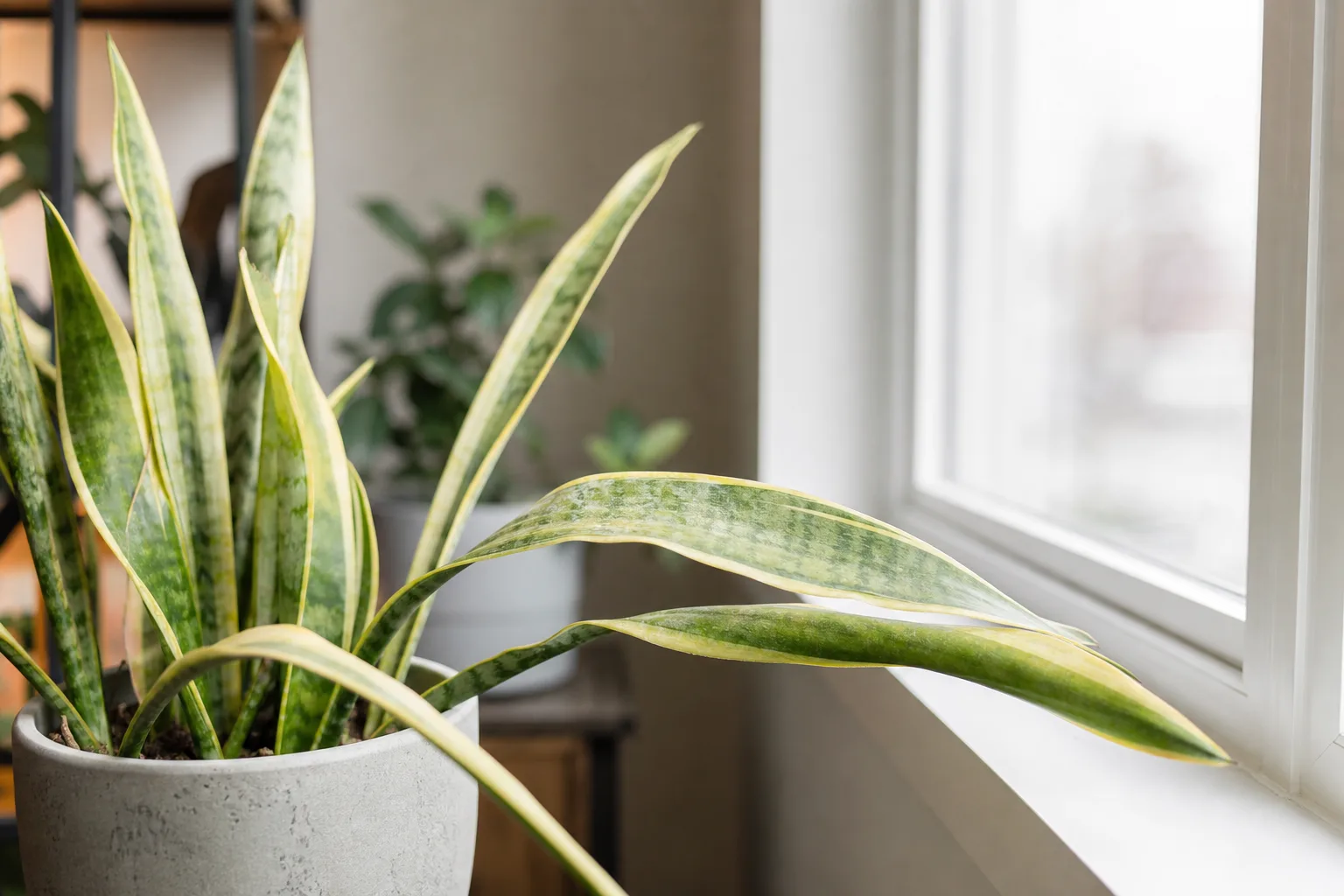
Move the plant to bright, indirect light, increasing exposure gradually if it has been in a dark corner. A few hours of gentle morning sun can work, but hot afternoon sun through glass may scorch or bleach the leaves. Better Homes & Gardens explains that snake plants grow faster in bright light but can adapt to lower light, where tall plants may become leggy and some colors may fade.
Light will not reverse a leaf that has already bent from weak growth. It can improve the strength of future leaves and help the mix dry at a healthier pace. Rotate the pot occasionally during active growth if one-sided leaning is the problem, but stop moving it constantly if you are also trying to diagnose moisture stress.
5. A crowded or unstable pot cannot support the leaves
Not every falling-over snake plant is sick. Tall leaves can become top-heavy, a narrow plastic nursery pot can tip, or a dense clump can outgrow the container’s footprint. A root-bound plant may also dry too quickly because the root ball has filled the pot, although root crowding alone is less dangerous than persistent wet soil.
Check for roots circling densely, roots emerging from drainage holes, a root ball that lifts out in one solid shape, or a pot that tips whenever the leaves shift. Also check whether the plant is planted too shallowly or whether the mix has settled away from the crown. A heavy, wider container can improve stability without changing the plant’s entire root environment.
When to repot and when to leave it alone
Repot when roots are genuinely crowded, the mix has broken down, drainage has slowed, or the container is unstable—not simply because one leaf leans. Choose a pot only slightly larger than the existing root ball, use a well-draining houseplant mix, and keep the crown at the same depth. Better Homes & Gardens notes that snake plants can remain in the same pot for years and do not need repotting until they are root-bound; it also recommends a heavy container for stability.
If the soil is wet and the plant is soft, repotting may be urgent even when the roots are not crowded. If the plant is firm and healthy but merely tilts, repotting can add stress without solving the mechanical issue. Support the pot, move it away from a high-traffic edge, or use a wider cachepot first.
6. Pests, drafts, or sudden changes are adding stress
Mealybugs and spider mites rarely explain every drooping snake plant, but a heavy infestation can weaken leaves and create a second problem on top of poor watering. Inspect leaf bases, folds, undersides, and the crown for white cottony clusters, scale-like bumps, fine webbing, sticky residue, or pale stippling. Isolate the plant before pests spread to nearby houseplants.
Cold drafts, heater vents, a sudden move from a store or porch, and abrupt changes in light can also produce a temporary collapse. The plant may droop after a stressful transition even when the roots are healthy. Trace what changed in the week before the symptom appeared.
Separate pests from environmental stress
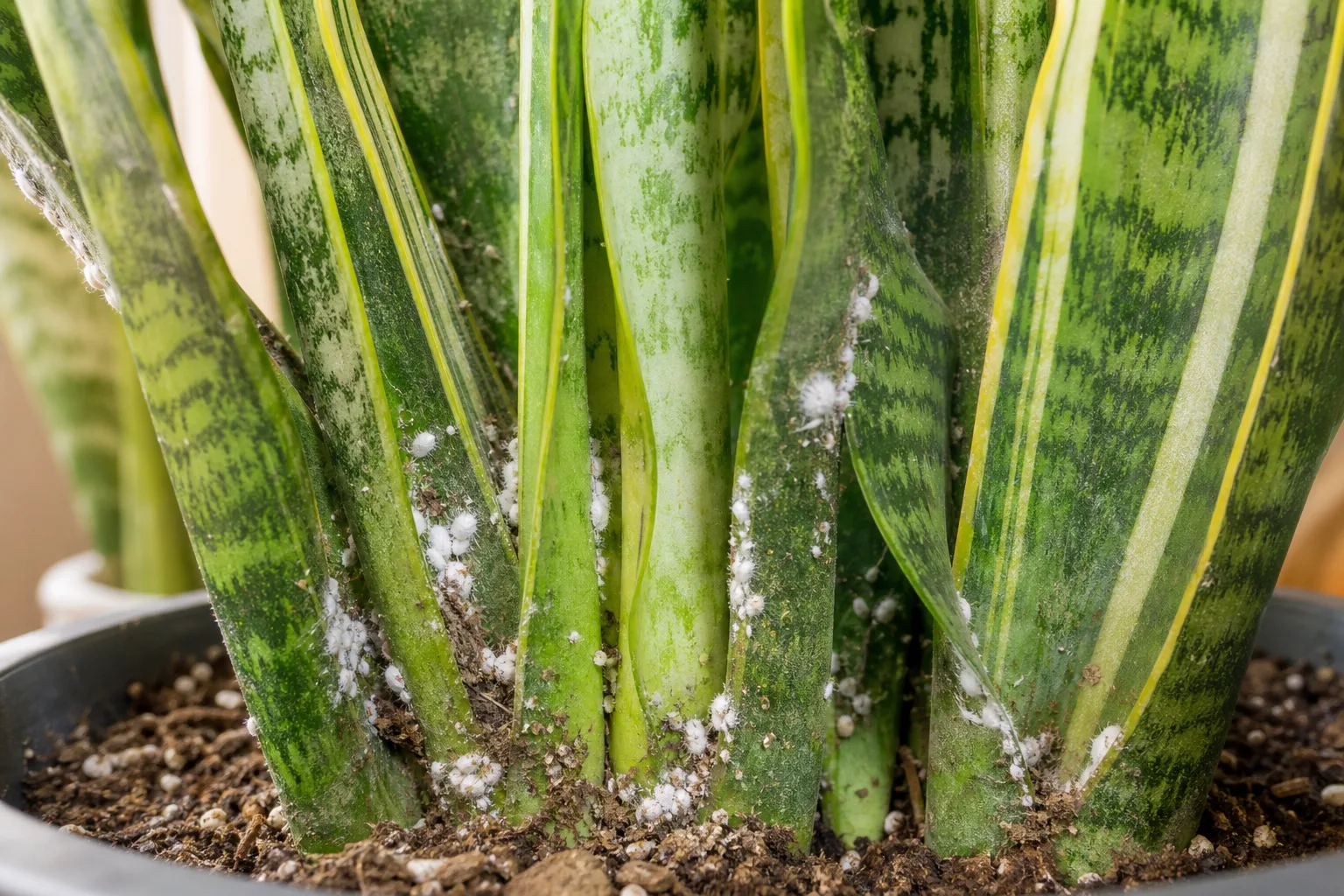
Pests leave evidence on the plant; a draft leaves a pattern tied to location. If you find pests, isolate the plant, wipe or rinse visible insects when the plant and setting allow it, and use only an indoor-plant product labeled for the identified pest. Follow the label rather than mixing a stronger home remedy. Better Homes & Gardens lists mealybugs, aphids, and spider mites among the pests that can affect snake plants and recommends separating an infested plant from others.
If the leaves are clean, move the plant away from direct blasts of hot or cold air and hold the new location steady. Do not respond to a cold-draft problem with extra water. Wait for the soil test to justify watering, and protect the plant from rapid temperature swings while it rebuilds.
How to save a drooping snake plant in the right order
Use this order when the cause is not obvious:
- Pause before watering. Check the mix below the surface, the pot weight, the drainage hole, and the saucer.
- Match the action to the soil. Water thoroughly only when the root zone is dry; let a wet pot drain and dry instead.
- Inspect roots when wetness persists. Unpot the plant if the mix stays wet, the base is soft, or the smell is sour.
- Correct the container. Replace blocked drainage, remove standing water, or stabilize a top-heavy pot. Repot only when the root or mix condition warrants it.
- Improve the environment. Give bright indirect light, protect from drafts, and avoid constant relocation.
- Inspect for pests. Isolate the plant and treat only after you identify the pest and read the product label.
- Wait for new growth. A damaged leaf may remain bent; judge the repair by firmer tissue, a stable crown, and healthy new leaves.
When to stake, prune, or remove a damaged leaf
Do not cut a leaf merely because it is leaning. A firm leaf still contributes energy to the plant, and a stake can provide temporary support while you correct the cause. If a leaf is split, collapsed, rotting at the base, or too damaged to stand, cut it at the soil line with a clean tool and keep the cut dry.
Avoid heavy pruning during recovery. Removing every drooping leaf reduces the plant’s remaining energy and can make it harder to judge whether the roots are improving. Prune selectively after the plant is stable, and never bury cut leaf bases deeper to make a tall plant look upright.
Prevent drooping with a simple care rhythm
Place the snake plant in bright indirect light, use a pot with a real drainage hole, and keep the mix loose enough that excess water can escape. Check the plant during normal care rather than waiting for a dramatic collapse: feel the mix, look at the base, lift the pot, and inspect the saucer.
Keep fertilizer modest. A struggling plant does not need extra plant food as first aid, and fertilizer salts can add stress to already damaged roots. Resume light feeding only after the plant is stable and actively growing, following the product label.
Water by pot condition, not a calendar
There is no single correct number of days between snake-plant waterings. A small pot in bright light may dry sooner than a large pot in a cool, dim room; a dense mix may stay wet long after the surface looks dry. Better Homes & Gardens advises watering when the top of the soil feels dry, allowing water to pass through, and emptying excess from the tray, while Bloomscape recommends waiting for the soil to dry completely.
Use those rules as a repeatable check. Water deeply, drain fully, and record how long the pot takes to dry in its current location. If the plant moves, the season changes, or the container changes, reset the observation instead of carrying the old schedule forward.
Conclusion: give the roots support before the leaves
A drooping snake plant is asking for a diagnosis, not automatically for more water. Start with soil moisture and leaf texture, then check the roots, light, container, pests, and recent environmental changes. Overwatering and root rot require drying and sometimes a root rescue; underwatering needs a thorough drink; low light and instability need better conditions rather than emergency pruning.
Once the cause is corrected, give the plant time. A leaf that has lost its structure may never stand perfectly straight again, but a firm crown, normal drying between waterings, and healthy new growth are strong signs that the plant is being saved.