Houseplant Wilting: Causes, Diagnosis and Fixes
Wilting is not a water cue. Learn temporary vs permanent wilt, dry vs wet soil collapse, and when to unpot before you water again.
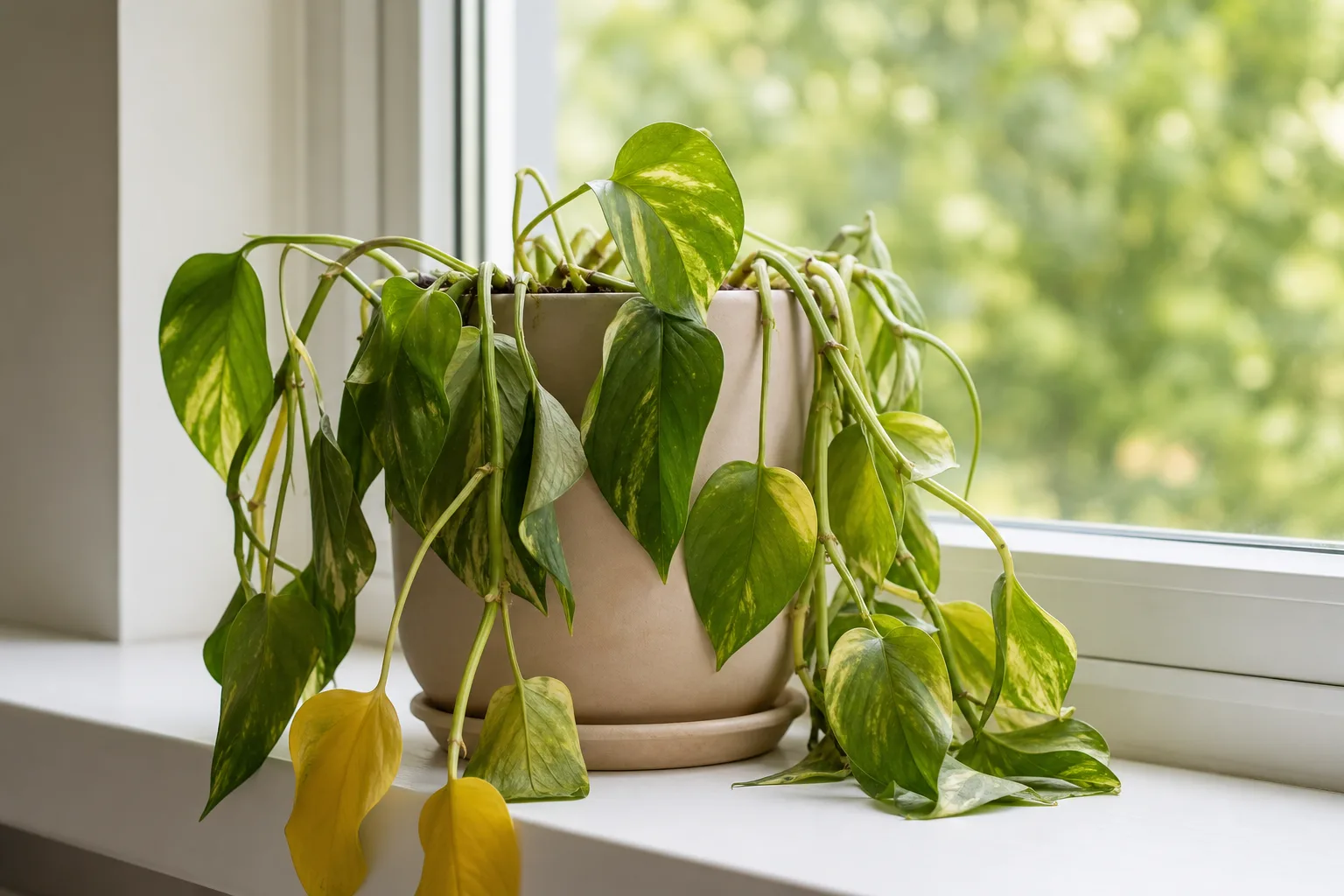
A wilted houseplant is not asking for more water by default. Wilting means leaf and stem cells have lost internal water pressure, so the plant cannot hold itself upright. That pressure loss can come from a dry root zone, a wet root zone that can no longer take water up, heat that outruns supply, damaged roots after repotting, or disease progressing underground. The leaves can look almost identical in every case. The soil and roots do not.
If you only remember one rule, remember this: check moisture at depth before you water a wilted plant. The Royal Horticultural Society warns that houseplants are often killed with kindness when wilting is mistaken for thirst. (RHS) This page is the wilt-as-physiology decision tree — temporary versus permanent wilt, dry-soil collapse versus wet-soil collapse, and the moment limp foliage means you should unpot instead of pour.
What Wilting Means: Turgor, Temporary vs Permanent
Wilting is the visible result of lost turgor — the water pressure inside plant cells that keeps leaves firm and stems upright. The RHS explains that plants need water to transport nutrients, run photosynthesis, and stand up straight, and that both too much and too little water can hinder growth. Roots take water in by osmosis and move it upward through xylem vessels. When that pipeline fails for any reason, cells shrink and tissue goes floppy. (RHS)
That is why wilt is a symptom hub problem, not a single disease. Dry soil can empty the pipeline. Waterlogged soil can shut the pipeline down by starving roots of oxygen. Heat can empty leaves faster than roots can refill them even when soil moisture is adequate. Root pathogens can destroy the absorbing tissue itself. Missouri Botanical Garden groups overwatering and underwatering with other environmental stresses that often weaken plants before pests or disease move in. (Missouri Botanical Garden)
Temporary Afternoon Wilt vs Permanent Collapse
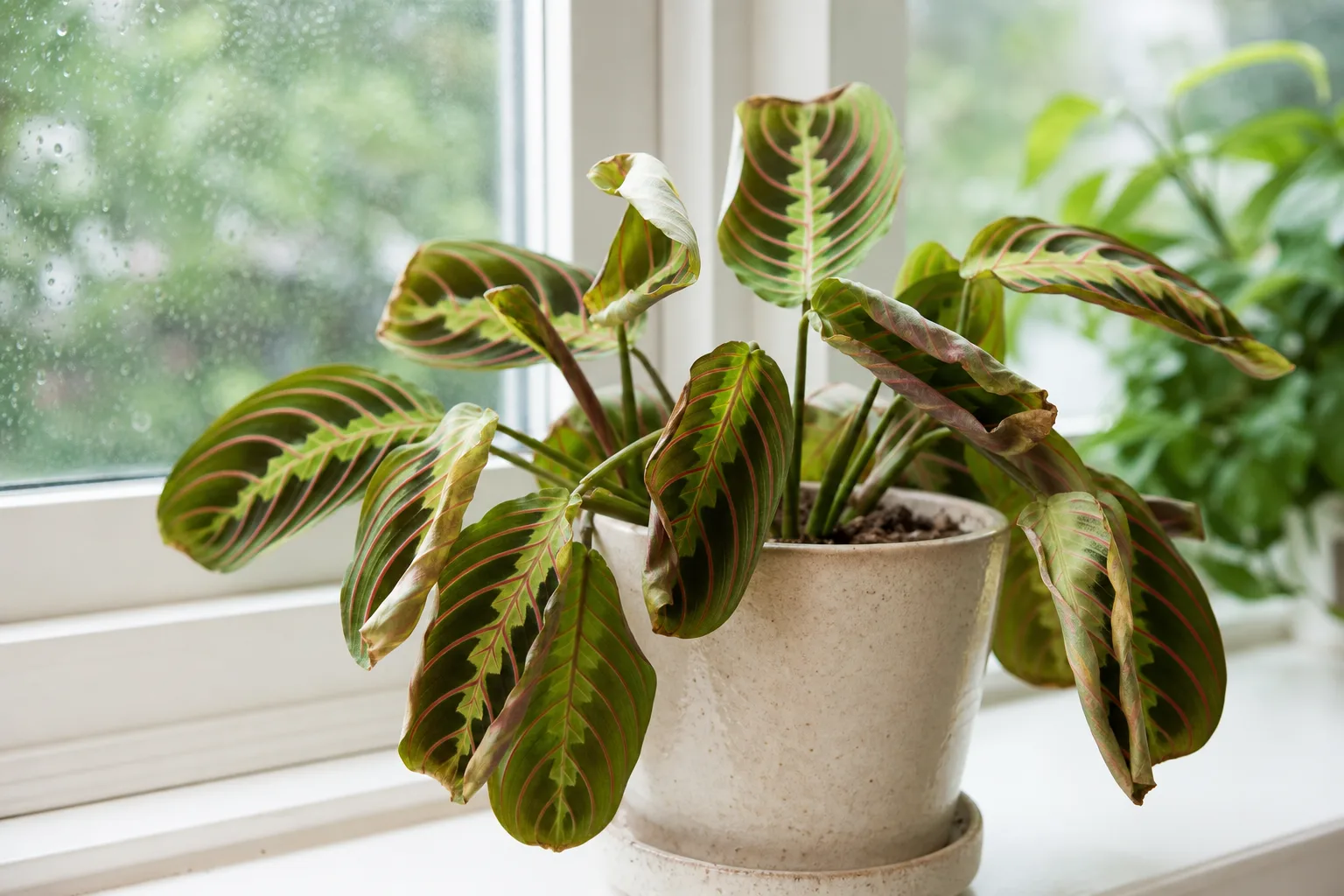
Two wilt patterns matter most for indoor growers. Temporary wilting shows up on hot days when leaves lose water faster than roots can replace it; plants often recover overnight once stomata close and demand drops. Permanent wilting means the root zone cannot supply enough usable water — either because the mix is dry, or because roots are damaged and cannot absorb what is there. Recovery then depends on restoring a working water pathway, not on pouring more water by reflex. (RHS)
If wilt peaks every afternoon and resolves by morning with evenly moist — not soggy — soil, treat it as a heat or humidity demand problem first. Adding water to already wet mix turns a temporary limp into an oxygen debt.
The 60-Second Diagnosis Before You Water
Skip the schedule. Run this check in order every time a plant collapses. It takes less than a minute and prevents the most expensive mistake in houseplant care: watering a plant whose roots are already drowning.
Soil Moisture and Pot Weight Checks
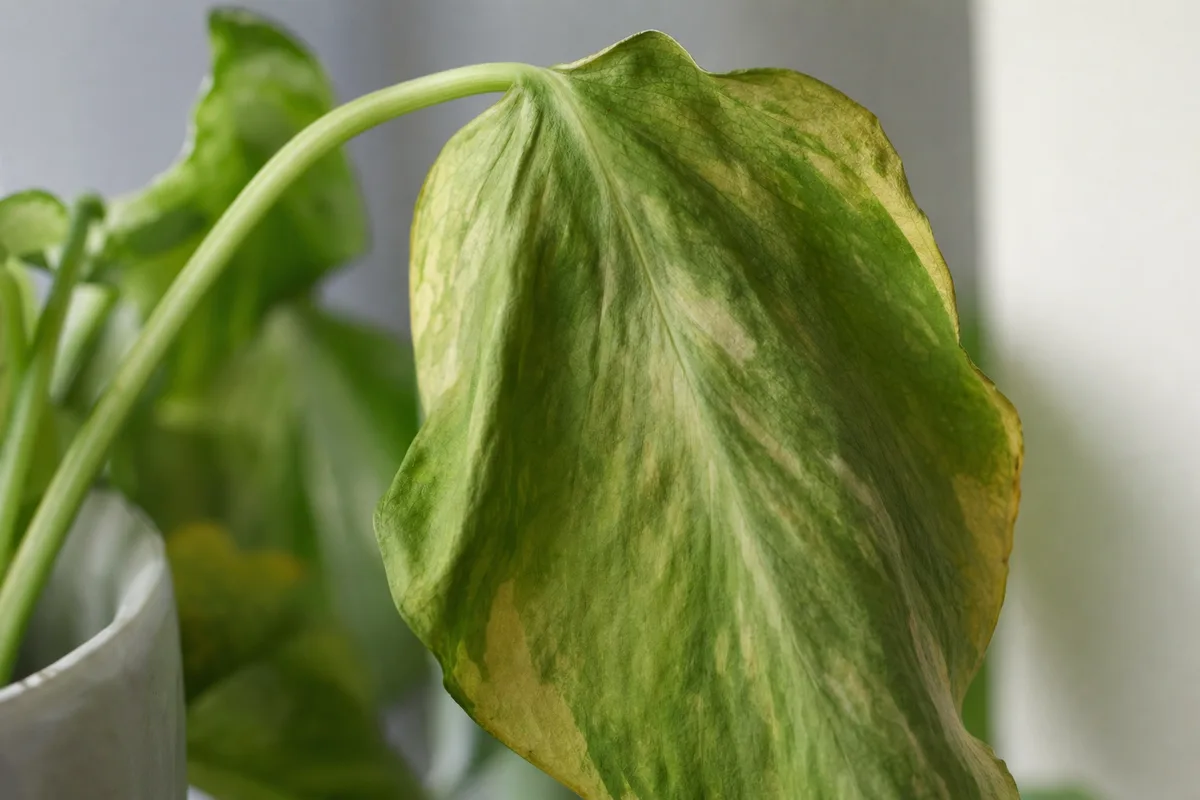
Push a finger about 2–5 cm (roughly an inch to two inches) into the mix, not just the crust. Clemson HGIC recommends watering when the mix feels dry at fingertip depth, and notes that although wilting often signals a need for water, it is not always so — root injury, including root rot from excess water, also causes wilt, and watering then makes the problem worse. (Clemson HGIC) University of Florida plant pathologist Carrie Harmon puts the same advice more bluntly: if the soil is dry and crumbly, water; if it is wet and soggy, pull the plant and look at the roots. (UF Emerging Pathogens Institute)
Lift the pot. A dry pot feels noticeably light. A wet pot feels dense and heavy. Check the saucer and any decorative outer pot. Cachepots that hide standing water are a classic setup for wet-soil wilt, because roots sit in runoff you cannot see. Empty perched water every time. For the broader moisture-check method, see indoor plant watering basics and how to water indoor plants the right way.
Leaf Texture and Color Clues
Feel a limp leaf. Thin, papery, or crispy tissue with browning edges usually tracks with dry-soil thirst. Soft, limp, almost rubbery tissue — especially with yellowing — more often tracks with wet-soil failure. The RHS notes that underwatered plants often show wilted leaves, brown crispy edges, and older leaves yellowing and falling first, while overwatering can yellow old and new leaves together, brown leaf centers, and produce dark mushy roots. (RHS)
Pattern across the plant also helps. UF EPI advice is that whole-plant wilt or mushiness is more often abiotic (cultural), while a single leaf or stem may point toward infection. That does not replace a root check when soil is wet, but it stops you from spraying fungicide on a plant that only needs drainage. (UF Emerging Pathogens Institute)
Use this glance table as a starting filter, then confirm with roots when wet-soil wilt lasts more than a day or two.
| Check | Underwatering wilt | Overwatering / root-rot wilt |
|---|---|---|
| Soil at 2–5 cm | Dry, crumbly, often pale | Cool, damp, soggy, or stays wet for days |
| Pot weight | Light | Heavy |
| Leaf feel | Thin, papery, crispy edges | Soft, limp, sometimes yellowing |
| Leaf pattern | Older leaves yellow/drop first | Old and new leaves may yellow together |
| Roots | Firm, dryish, pale if still healthy | Soft brown/black, may smell sour |
| After watering | Often firms within hours | Usually worsens or stays limp |
| First action | Thorough soak, then drain | Stop watering; improve drainage; inspect roots |
Penn State Extension lists the same fork for wilted leaves: overwatered plants sit in soggy soil (sometimes with algae on the surface), while underwatered plants show mix pulling from the pot edge — with overfertilization and root rot as additional wilt causes on the same checklist. (Penn State Extension)
Underwatering Wilt and How to Rehydrate
Dry-soil wilt is the easier story once you trust the finger test. The mix is pale, pulls from the pot wall, and may feel hydrophobic if peat has dried hard. The pot is light. Leaves hang, edges crisp, and older foliage may yellow first. Peace lilies are famous for theatrical wilt when dry, then dramatic recovery after a thorough soak — which trains people to water every wilted plant, including the ones that should not get another drop.
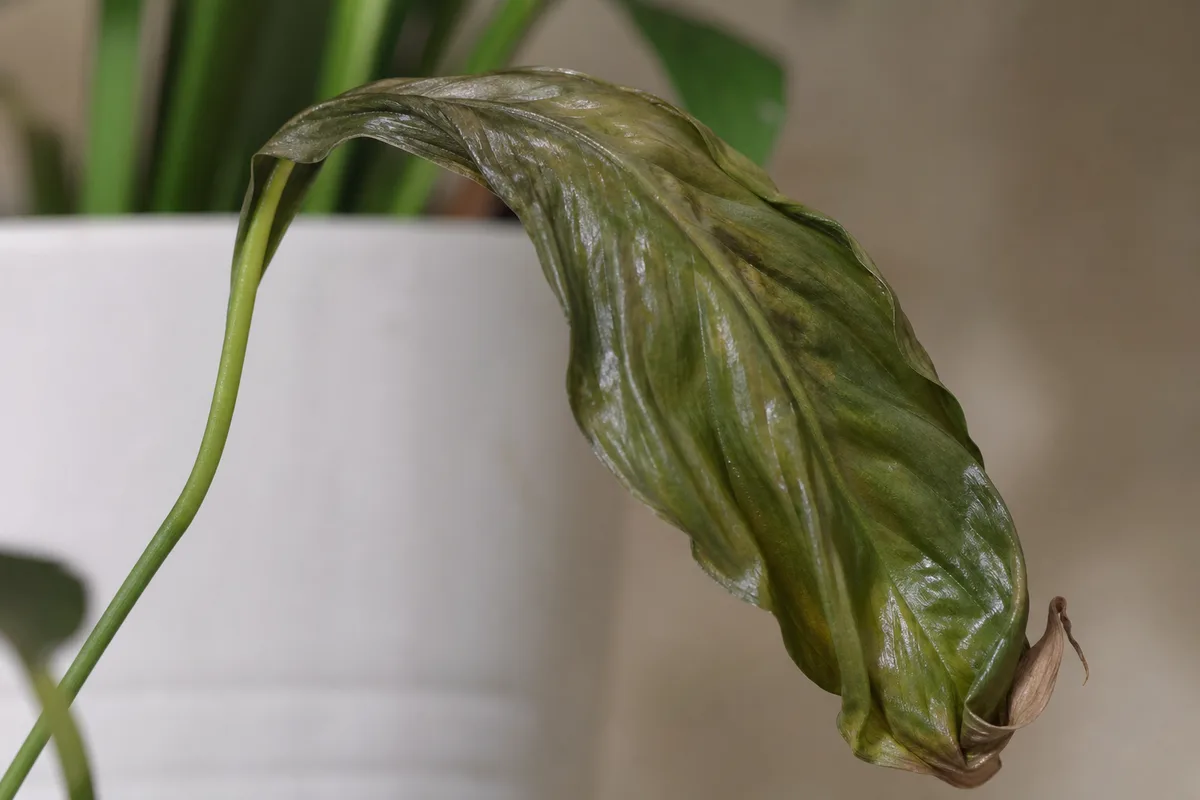
Clemson notes there is no universal watering interval: species, growth stage, light, pot size, mix, and weather all change demand. The accurate gauge is moisture in the pot, not the calendar. Do not let mix go bone-dry as a habit either — extreme drought plus high salts can injure roots, and fully dried peat can be hard to rewet. (Clemson HGIC)
Rewetting Hydrophobic Peat Without Overdoing It
Water thoroughly until runoff exits the drainage holes, then discard the saucer water. If the mix sheds water and the pot still feels light, use Clemson’s double-watering method — water once, then again about half an hour later — or set the pot in a basin so water can wick upward until the surface moistens, then drain fully. Use room-temperature water; avoid softened water, which adds sodium and chloride. (Clemson HGIC)
Expect firmness to return within hours for mild thirst, or over a day or two when fine roots were stressed. Dead crispy tissue will not rehydrate; new growth is the real recovery signal. Species pages such as peace lily wilting, pothos wilting, monstera wilting, and snake plant wilting cover plant-specific recovery quirks once the general diagnosis is clear.
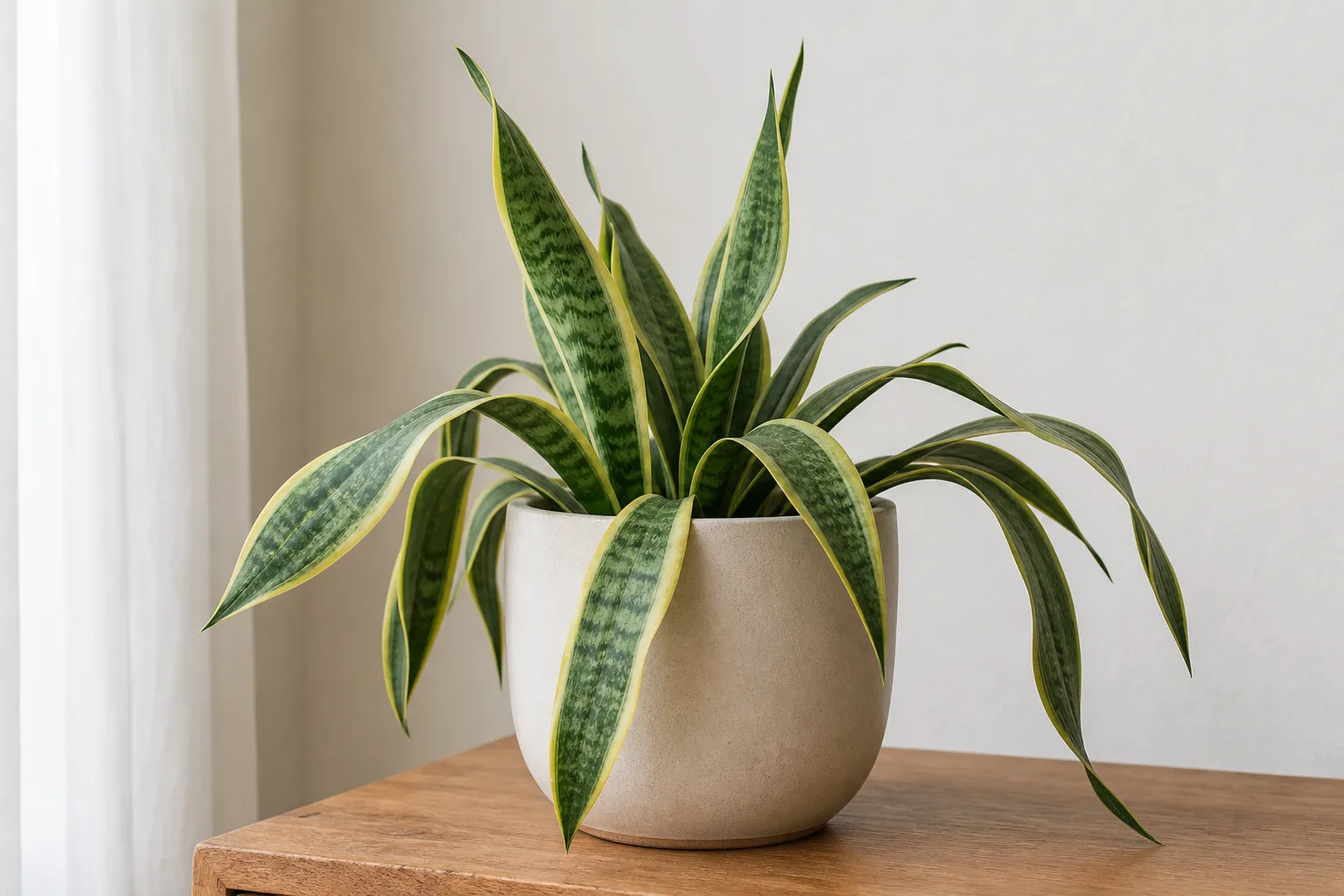
Contrast matters here. Thin-leaved peace lilies advertise thirst loudly. Thick-leaved snake plants often hide drought until they wrinkle, then collapse quietly from wet rot when overwatered — the opposite theatrical pattern.
Overwatering Wilt: Why Wet Soil Still Means Collapse
Wet-soil wilt is the trap. The plant looks thirsty, so you water, and decline accelerates. Clemson states that the main cause of death of potted plants is over-watering: roots need both water and oxygen, and when surrounded by water they cannot take up oxygen, may rot, and the plant can die. Critically, the symptoms of over-watering and underwatering are similar because both damage root health. (Clemson HGIC) Harmon at UF EPI ranks overwatering as the number one way people kill houseplants, with forgetting to water as number two. (UF Emerging Pathogens Institute)
Missouri Botanical Garden explains the physiology plainly: roots in waterlogged soil may die because they cannot absorb the oxygen needed to function; dying roots decay and cannot supply nutrients and water; damage is frequently misdiagnosed as pest injury; and waterlogged stress also opens the door to pathogens such as Phytophthora. Symptoms include stunted growth, yellowing, leaf scorch, oedema blisters, crown rot, and eventual root rot death. (Missouri Botanical Garden)
RHS guidance matches the indoor pattern: overwatering can cause wilting that is easy to mistake for drought, especially in winter when growth slows. Lift the plant to check for water collected in the base, tip away excess, and match the mix to the plant’s drainage needs. (RHS) For recovery workflows focused on soggy pots, use the overwatered plant guide alongside this diagnosis page.
Oxygen Debt and Physiological Thirst
Waterlogged mix displaces air from pores between particles. Without oxygen, roots cannot respire normally. The RHS notes that this produces the same effect as permanent drought wilting: recovery is only possible if oxygen returns to the root zone. Digging up damaged roots often reveals rotten black tissue, with yellowing, leaf drop, and dead patches along leaf midribs as above-ground companions. (RHS)
This is also why “the soil is wet, so the plant cannot be thirsty” is incomplete. The plant may be physiologically thirsty because absorbing roots are dead or dying. Adding water then increases oxygen debt. RHS waterlogging guidance notes the same outcome as drought wilt until oxygen returns to the root zone. (RHS) Related symptom pages such as drooping leaves and yellow leaves often travel with wet-soil wilt and should be read as companions, not competing explanations.
Root Rot Confirmation and When to Unpot
When wilt continues despite wet soil — or returns after every watering — treat root rot as the working diagnosis until you prove otherwise. Wisconsin’s Plant Disease Diagnostics Clinic describes the classic homeowner clue: a plant wilted even though the soil is wet. Plants may also look stunted, with yellow or reddish foliage that mimics nutrient deficiency. Soft brown roots and a bad odor confirm the problem underground. Common pathogens include Pythium, Phytophthora, Rhizoctonia solani, and Fusarium, which prefer wet soils; some produce durable spores in soil or debris. (Wisconsin PDDC)
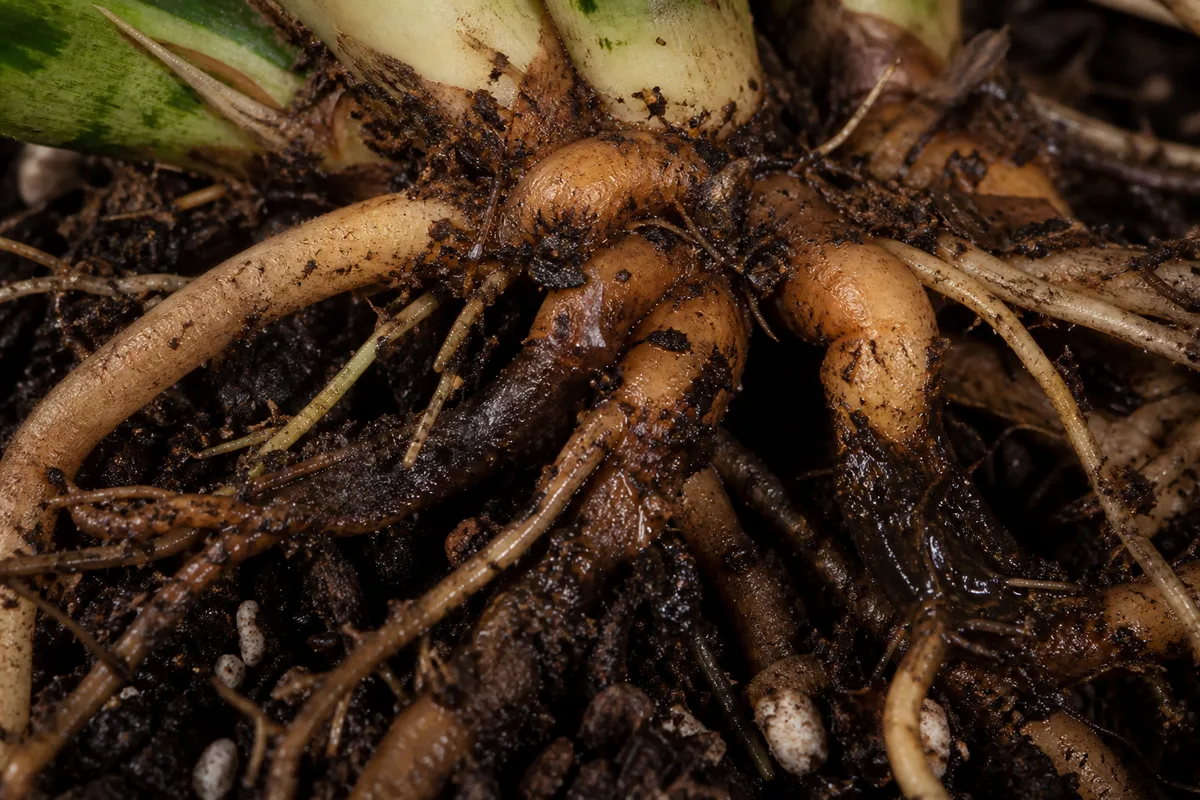
UF EPI adds a useful nuance: root rot is a physical condition that may involve pathogens or simply prolonged standing water. Healthy roots should be white and firm. Overwatering turns them soft, brown, or black, and the soil may smell sour as anaerobic bacteria proliferate — those bacteria are not always pathogens, but the smell is a warning that oxygen has been gone too long. (UF Emerging Pathogens Institute)
Pathogens vs Prolonged Standing Water
Slide the plant out gently. Healthy roots look firm and pale. Rotten roots smash, smear, or pull apart, and may smell of decay. Wisconsin PDDC’s practical rescue priority is moisture reduction: provide enough water for growth without over-watering, and do not let plants sit in drainage water. They do not recommend homeowner chemical fungicides for houseplant root rots because products are limited and expensive; prevention and moisture control matter more. Discard severely affected plants when cost-effective, and avoid reusing contaminated mix or plastic pots that are hard to disinfest. (Wisconsin PDDC)
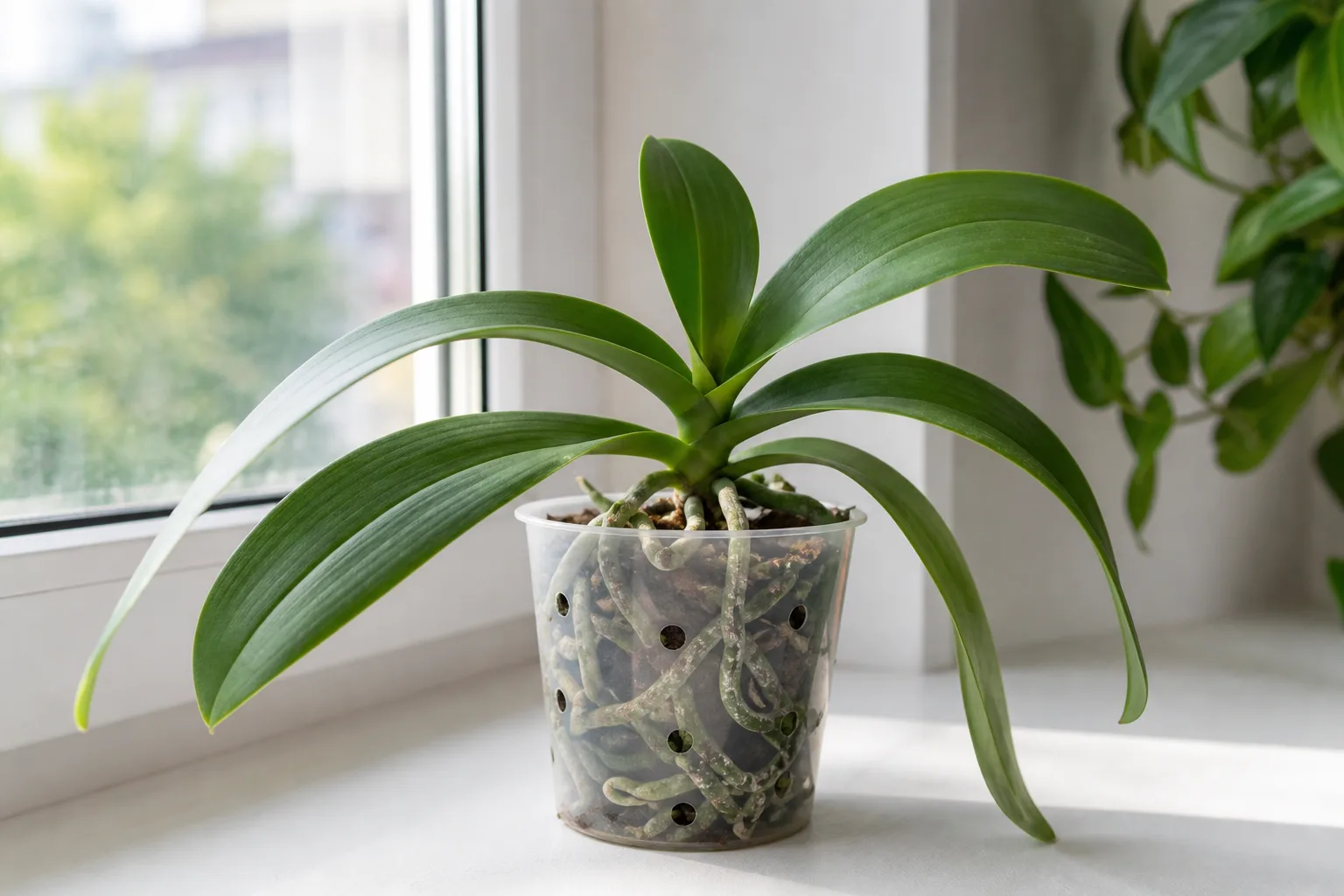
For the full trim-and-repot protocol, drainage mistakes to avoid (including gravel layers that can worsen perched water), and prevention detail, go to the dedicated root rot houseplants guide. Species drill-downs such as snake plant root rot and peace lily root rot show how wet-wilt plays out in thick-leaved versus thin-leaved plants.
Heat, Humidity, Transplant Shock, Rootbound Pots, and Pests
Not every limp leaf is a watering failure. The RHS describes temporary wilting on warm, windy days when transpiration outruns uptake even though soil moisture is available; overnight recovery is common once demand falls. Leaves that wilt, roll, bleach, or go crispy can also signal heat stress in hot rooms and conservatories, while blackened leaves and collapse more often point to cold damage. Low humidity raises wilt risk because dry air increases water loss from leaf pores faster than roots can replace it. (RHS)
Missouri Botanical Garden notes that many plants wilt in hot sun and may recover later as conditions ease — so a dry surface alone is not proof of need, and watering on that cue can tip a plant into overwatering. Check deeper soil before you respond. (Missouri Botanical Garden)
If wilt peaks every afternoon and resolves by morning with evenly moist soil, prioritize shade from harsh midday sun, cooler placement, and humidity support for thin-leaved tropicals rather than dumping more water. Do not mist as a wilt fix when the mix is already wet — misting raises leaf-surface moisture without repairing roots. See the houseplant humidity guide when crispy tips and limp leaves arrive together in heated winter rooms.
Freshly repotted plants often wilt even when moisture looks correct. Fine roots and root hairs are easy to damage, and those hairs are the main absorbing surface. Give stable light, avoid fertilizer until new growth appears, and keep moisture even without flooding. Rootbound plants can wilt for the opposite reason: the mix is mostly roots, dries in hours, and cannot hold a buffer. If roots circle tightly and soil volume is tiny, repot into a container only one size up with a mix suited to the species. Timing and technique live in the repotting houseplants guide.
Other contributors include fertilizer salt burn after heavy feeding, poor light that slows water use and keeps mix wet too long, and sap-sucking pests that reduce vigor. UF EPI notes pot-bound stress and decorative outer pots that trap water as frequent cultural failures. Scan for mealybugs, spider mites, and scale when wilt pairs with stippling, webbing, or sticky residue, then treat the pest — watering will not fix vascular demand from an infestation. (UF Emerging Pathogens Institute)
Wilting vs Drooping: Which Guide to Use
These words overlap in everyday speech, which is why search results and site pages can feel duplicated. Use this page when the plant looks collapsed or floppy at the tissue level — leaves hang, stems lose rigidity, and you need a wilt physiology path that includes temporary heat wilt, wet-soil oxygen failure, and root-rot confirmation.
Use the plant drooping guide when the main complaint is a sagging posture and you want a turgor-focused underwatering-versus-overwatering checklist with light and placement angles. Both pages share a moisture fork because physics is shared. This wilt hub owns the temporary-versus-permanent distinction, pathogen-backed rot confirmation, and discard-versus-cuttings decision. The drooping guide owns the broader “why is my plant hanging” triage, including low-light stretch and softer posture problems that are not full cellular collapse.
If yellowing is the loudest symptom and wilt is mild, start at yellow leaves. If you only know “something looks wrong,” use the houseplant symptom checker before treating.
Fix by Cause — Dry, Wet, or Rot
Match the fix to the diagnosis. Reversing the wrong lever is how mild wilt becomes root rot.
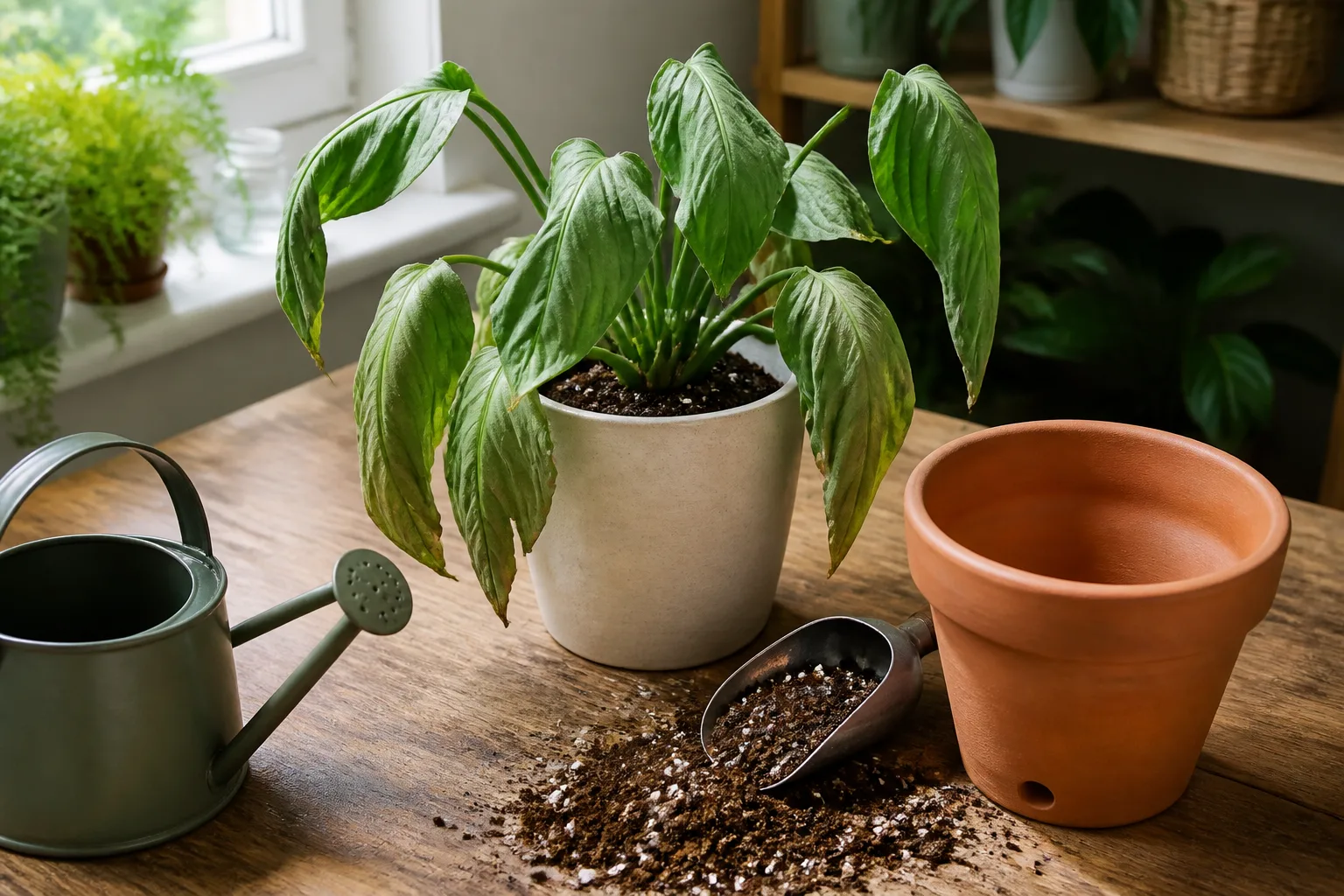
Dry-soil wilt
- Confirm the mix is dry at depth and the pot is light.
- Water thoroughly to runoff; drain the saucer.
- Rewet hydrophobic peat with a soak or double watering if needed.
- Move out of harsh midday sun during recovery so demand drops.
- Resume moisture-based watering — not a rigid calendar — and adjust for season and light.
Most mild underwatered plants firm up the same day. If they do not, reassess for heat stress or hidden root damage.
Wet-soil wilt and early rot
- Stop watering. Empty saucers and remove outer pots that hold runoff.
- Improve airflow around the pot and move to brighter indirect light so the mix can dry more evenly — without cooking the plant.
- If wilt persists with wet soil, unpot and inspect roots.
- Trim soft brown roots to firm pale tissue with clean tools; discard heavily contaminated mix.
- Repot into fresh, well-draining mix in a clean pot with open drainage holes; water lightly only when the top of the new mix begins to dry.
- Hold fertilizer until consistent new growth returns.
Wisconsin PDDC emphasizes moderate moisture after rot: enough to avoid drought stress, never sitting water. Rocks or gravel at the pot bottom do not improve drainage and can inhibit it. Use pasteurized commercial mix, not garden soil that may carry root-rot fungi. (Wisconsin PDDC) Full surgical steps live in the root-rot guide linked in the section above. For broader revival triage when multiple symptoms stack, see save a dying houseplant.
Prevent Repeat Wilting Through Moisture Literacy
Prevention is moisture literacy plus pot physics. Water when the species-appropriate depth is dry, not when the calendar says so. Choose pots with drainage holes. Avoid decorative cachepots that hide standing water, or empty them after every watering. Match mix texture to the plant — chunky, airy blends for aroids and succulents; moisture-retentive mixes for ferns — so you are not fighting the medium. Clemson notes heavy, fine, peat-rich media hold more water than loose bark–sand–perlite blends, so the same watering habit fails differently across plants. (Clemson HGIC)
Seasonal adjustment matters. Winter light slows uptake; the same summer schedule becomes overwatering. RHS poorly-plant guidance flags winter overwatering, poor light, and dry heated air as a common problem cluster. Increase humidity for tropical foliage with grouping or pebble trays rather than constant misting if disease pressure is a concern. (RHS) Buy healthy plants from reputable sources and check roots before purchase when possible — Wisconsin PDDC lists clean stock and moisture moderation as primary rot prevention. (Wisconsin PDDC)
When Recovery Is Unlikely — Cuttings vs Discard
Worry sooner when wilt persists after a correct dry-soil soak, when wet wilt pairs with a foul smell, when the stem base softens, or when decline spreads across the plant in days. Soft crowns on succulents, cane plants, and rosette growers are especially serious because the growing point itself may be gone.
Recovery is unlikely when most of the root system is mush, the main stem collapses into slime, or no firm nodes remain for propagation. Wisconsin PDDC is frank that discarding a badly rotted houseplant is often the most cost-effective option. If that is the case, take cuttings from any remaining firm growth rather than pouring fungicide and hope on dead tissue. (Wisconsin PDDC) Harmon at UF EPI similarly notes that for many ordinary houseplants, tossing a diseased plant and starting over is reasonable. (UF Emerging Pathogens Institute)
Decide with a simple fork: if you can still find firm stems or nodes, propagate. If the crown and roots are gone, compost the plant and scrub tools. For healthy plants that only need better watering habits going forward, return to how to water indoor plants and keep this page bookmarked as the wilt decision tree.
First-Hand Notes From Diagnosing Wilted Houseplants
These notes come from LeafyPixels editorial checks on living plants — not lab trials. They exist to show how the decision tree behaves in real pots.
Peace lily, dry theatrical wilt (March 2026). A mature Spathiphyllum in a 15 cm plastic nursery pot collapsed flat after the peat mix pulled from the pot wall. Finger depth was bone-dry; the pot felt light. After a thorough soak to runoff and saucer emptying, leaf firmness returned in about three hours. Crispy tip edges never rehydrated. Lesson: dramatic wilt can be true thirst, and peace lilies train bad habits if you apply the same response to every species.
Pothos in a cachepot, wet wilt failure (January 2026). A golden pothos looked thirsty while sitting in a ceramic outer pot. The nursery pot was heavy; standing water filled the cachepot base. Leaves were soft and rubbery, not crispy. Unpotting showed brown, smearing roots and a sour smell. We trimmed to a few firm nodes, discarded the contaminated mix and plastic pot, and rooted cuttings in fresh mix. The mother crown did not recover. Lesson: wet-soil wilt that looks like thirst is often already past rescue of the original root ball.
Monstera, afternoon heat wilt without watering (May 2026). A Monstera deliciosa near a west window wilted hard by 4 p.m. Deeper mix was still evenly moist, not soggy. We moved it one meter back from the glass and left watering alone. By morning the leaves were firm again. Lesson: temporary wilt can reverse overnight; watering that plant on the afternoon cue would have pushed it toward overwatering.
Editorial method note. The check order on this page — soil depth, pot weight, leaf feel, then roots when wet — is LeafyPixels’ synthesis of extension guidance for indoor crisis use. Source facts (oxygen debt, temporary wilt, pathogen lists, fungicide skepticism) come from the cited references; the sequence and case notes are our diagnostic framing.
When to use this guide vs related pages
Use this wilt hub first when foliage has collapsed and you need a pre-watering diagnosis. Branch only after the moisture fork is clear:
- Wilting symptom hub — short diagnostic patterns for dry-soil, wet-soil, heat, and transplant wilt
- Why is my plant drooping? — sagging-posture triage when the plant hangs but is not fully collapsed
- Root rot in houseplants — trim-and-repot rescue once wet-soil wilt is confirmed
- Overwatered plant recovery — dry-down and drainage fixes for soggy pots
- Species drill-downs: peace lily wilting, pothos wilting, monstera wilting, snake plant wilting
Conclusion
Do this in the next ten minutes. Finger-test 2–5 cm deep and lift the pot. If the mix is dry and light, soak thoroughly and drain the saucer. If the mix is wet and heavy, stop watering, empty cachepots, and unpot if limp tissue stays soft. If wilt only appears on hot afternoons and recovers by morning with moist soil, cool the placement before you add water. Judge recovery by stem firmness and new growth, not by every old leaf looking perfect again.
Wilting is a water-pathway failure, not a watering cue. Dry soil empties cells. Waterlogged soil and root rot block uptake so the plant wilts while sitting in moisture. Heat and low humidity can create temporary afternoon collapse that resolves overnight. Keep this page as the crisis decision tree, and open the root-rot rescue guide the moment wet-soil wilt refuses to reverse.