Why Tomatoes Split and 7 Ways to Prevent It
Tomatoes split when water swings outpace skin growth. Learn radial vs concentric cracks, seven prevention steps, and which varieties resist splitting.
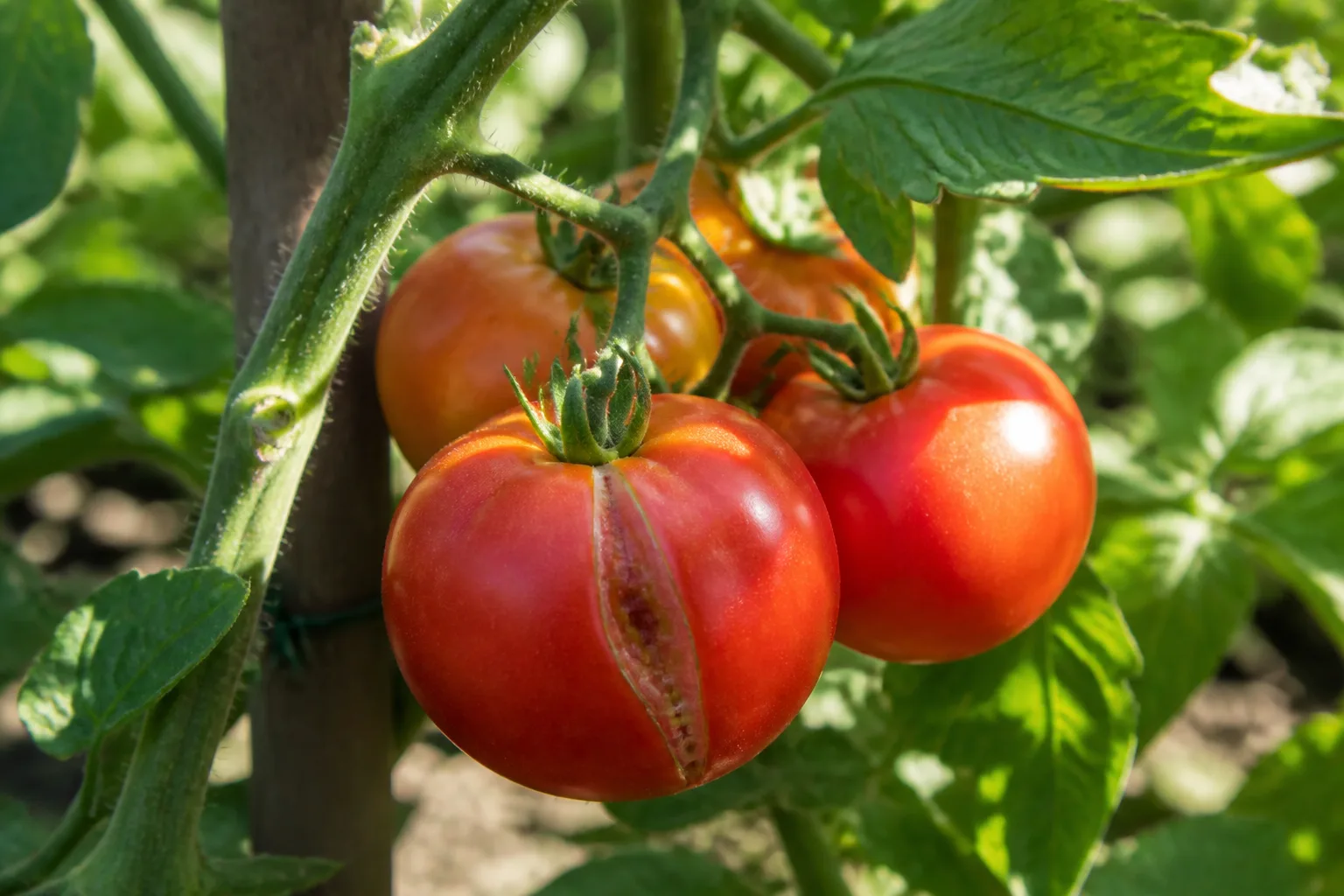
You checked the vines yesterday. Today a perfect-looking tomato has a fresh seam down its side—or a ring of cracks circling the shoulder by the stem. Tomato splitting is one of the most common summer harvest surprises, and it usually has nothing to do with disease, pests, or a missing nutrient you can sprinkle on from a bag.
The good news: cracked fruit is often still edible if you act fast. The better news: most splitting is preventable once you understand that tomato skin can only stretch so fast when roots suddenly pull in water. This guide walks through what the cracks mean, why they happen, seven practical prevention steps, and exactly what to do with fruit that has already split.
What tomato splitting looks like on the vine
Not every blemish on a tomato is a split. Scars, catfacing, sunscald, and blossom-end rot each look different and need different responses. Splitting means the epidermis—the fruit’s skin—tore because internal flesh expanded faster than the skin could accommodate (RHS).
Splits can appear on green fruit or fully colored tomatoes. They often show up overnight after a thunderstorm, a heavy hand with the hose, or a week of neglect followed by guilt watering. Learning to tell radial from concentric cracks helps you decide whether to leave the fruit on the vine or pick it immediately.
Radial splits running top to bottom
Radial cracks (also called growth cracks) run vertically from the stem end toward the blossom end. They look like someone drew a knife down the side of the fruit. Maine Cooperative Extension describes them as cracks that radiate from the stem and often follow a period of rapid fruit development combined with uneven water (Maine.gov Got Pests).
Radial splits tend to be deeper and more serious. They expose juicy flesh along a long seam, which invites insects, bacteria, and grey mould within hours. If you see a fresh radial split with wet flesh showing, harvest that tomato the same day—even if it is still mostly green.
Concentric cracks around the stem shoulder
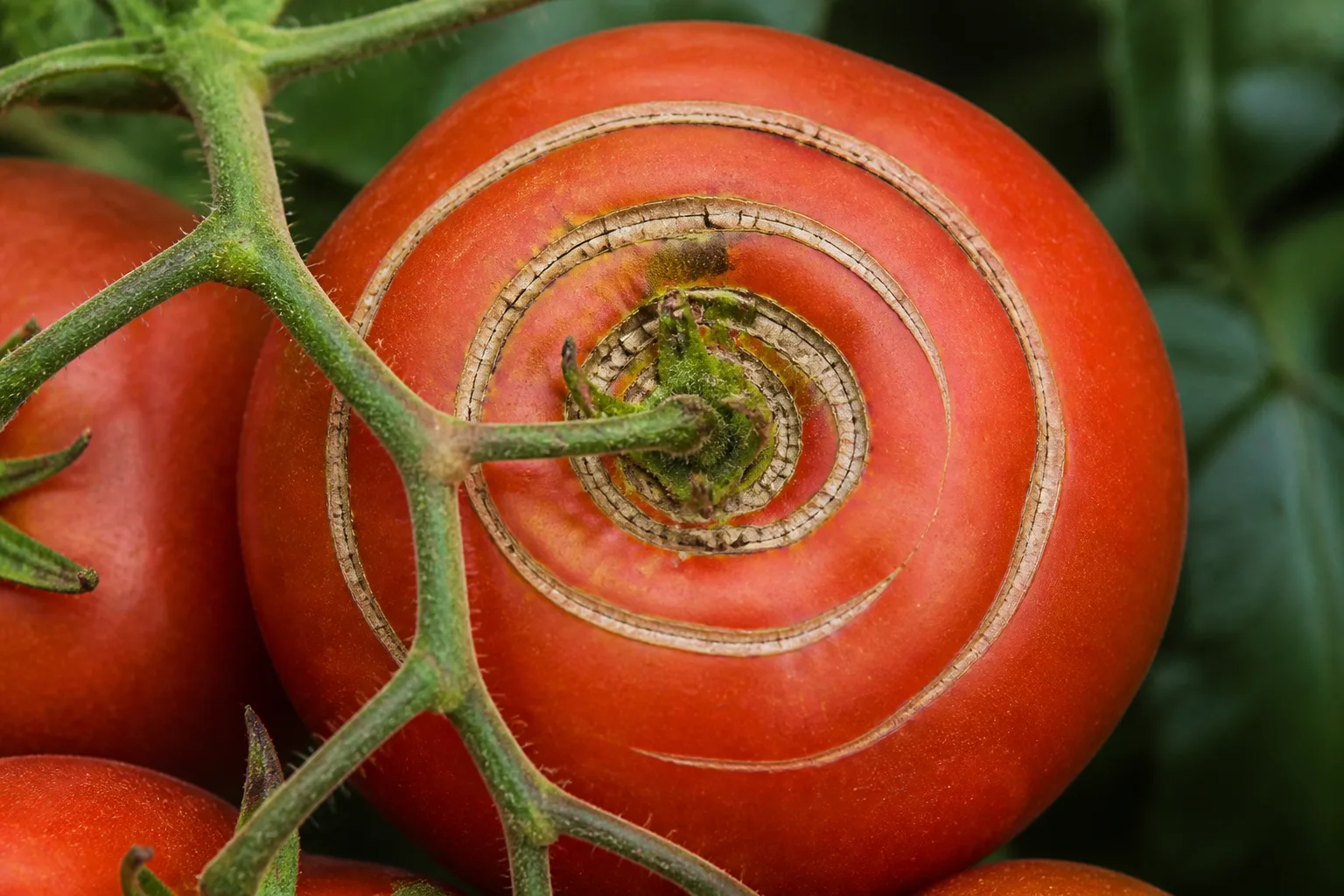
Concentric cracks form rings around the top of the fruit near the stem, like growth rings on a tree stump. They are especially common on large beefsteak and heirloom types with thinner skin. Concentric cracking is often more superficial; the tomato may continue ripening with corky, rough shoulders.
That does not mean you can ignore them. Any crack that opens wet interior tissue is an entry point for rot. Shallow concentric rings on a firm green tomato can sometimes stay on the vine with close monitoring, but pick promptly if the seam widens or turns soft.
The science behind why tomatoes crack
Tomato fruit splitting is classified as a physiological disorder—a problem caused by growing conditions, not a fungus or bacterium you can spray away (LucidCentral). The fruit’s skin has elastic limits. When roots absorb water quickly, the flesh swells. If that expansion outpaces skin growth, the epidermis tears.
Researchers and extension services generally agree on the moisture-swing mechanism, though the exact sequence varies. One model holds that micro-cracks form during dry stress and burst open when water arrives suddenly. Another emphasizes that internal growth simply exceeds skin capacity after a heavy drink. Either way, the gardener’s lever is the same: reduce dramatic swings in root-zone moisture.
Moisture swings are the main trigger
The classic cracking scenario is a hot, dry week followed by an afternoon downpour. Soil that was dust-dry becomes saturated. Roots take up water in a rush. Fruits nearest the top of the plant—competing with new shoots for water—swell fastest (RHS).
Container tomatoes amplify the problem. A 5-gallon pot can go from bone dry to waterlogged in one watering session. Raised beds drain better than heavy clay, but they still dry faster than in-ground rows unless you mulch. Overwatering after drought produces the same shock as rain—which is why “I forgot to water, then flooded them” is such a reliable crack recipe (Harvest to Table).
Heat compounds the risk. High temperatures increase transpiration through leaves, so plants lose soil moisture faster during the day. When water finally arrives, the rebound is sharper. Drip irrigation and soaker hoses help because they deliver steady, even moisture rather than feast-or-famine cycles.
Why ripening fruit is most vulnerable
Tomatoes can split at any size, but the problem peaks when fruit is full-sized and changing color. At that stage the skin is thinner and less flexible than on a small green marble. LucidCentral notes splitting commonly occurs close to ripening because the epidermis is more fragile then.
Green tomatoes split too—especially after a surprise storm—but they also rot faster on the vine once cracked because they have weeks of ripening left and more time for mould to colonize open flesh. Ripe and nearly ripe fruit splits look dramatic but are at least ready to eat the same day.
If your splits cluster on fruit that is already deep red and soft, over-ripening on the vine may be part of the story. For more on cracks that appear specifically before full color develops, see our companion guide on /guides/why-tomatoes-split-before-ripening/.
Seven practical ways to prevent tomato splitting
No single trick eliminates cracking. These seven practices work together to keep soil moisture steady, reduce growth surges, and get vulnerable fruit off the vine before weather does the damage. Rank them by what you can control today: watering and harvest timing usually move the needle fastest.
Water deeply and on a steady schedule
Consistent moisture is the number-one crack preventer. Most established in-ground tomato plants need about 1 to 2 inches of water per week from rain plus irrigation combined during fruiting (Harvest to Table). The goal is not a rigid “every three days” calendar—it is keeping the root zone evenly damp without staying soggy.
Water deeply enough to wet soil 6 to 8 inches down, then let the surface dry slightly before the next session. Use the finger test: stick your index finger 2 to 3 inches into the soil. If it feels moist, wait. If it is dry at that depth, water slowly at the base until the soil accepts moisture without running off.
During heat waves, check daily—especially pots. Our /guides/how-often-to-water-tomato-plants/ guide breaks down bed, raised-bed, and container schedules by growth stage. The one rule that matters for cracking: never let plants wilt hard and then soak them to compensate.
Target the root zone and keep foliage dry
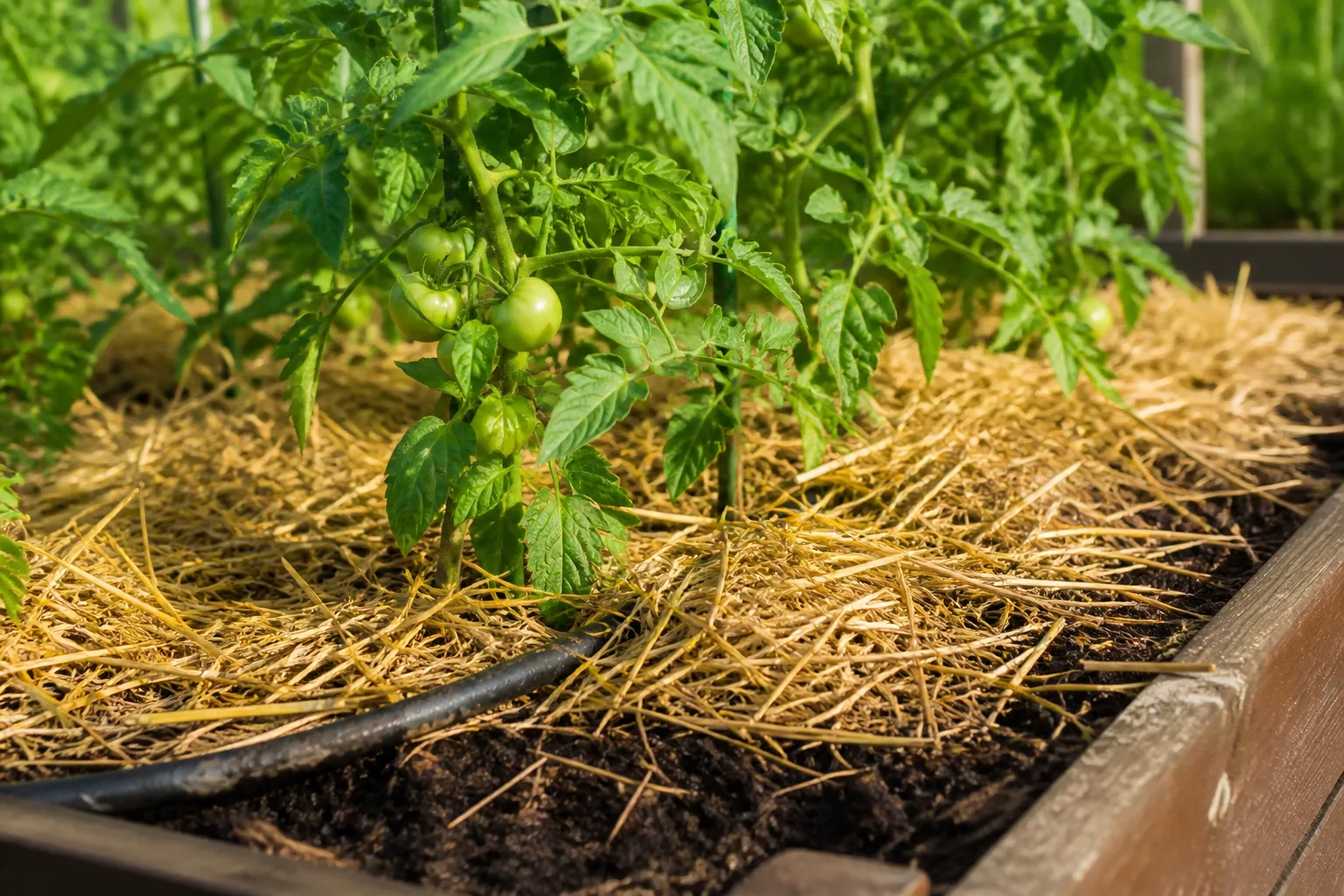
Apply water at the base of the plant, not over the leaves. Overhead sprinkling wets foliage, splashes soil-borne pathogens onto leaves, and encourages inconsistent root uptake as water runs off compacted surfaces. Drip lines, soaker hoses, or a slow hose at the soil line put water where roots can use it.
Morning watering is ideal when you have a choice. Plants take up moisture during the day, and any splash on leaves dries before cool nights. If you must water in the evening, keep it on the soil and avoid soaking the canopy.
Mulch to buffer soil moisture
A 2- to 3-inch layer of organic mulch—straw, shredded leaves, or pine needles—slows evaporation and reduces the temperature swing in the top few inches of soil. LucidCentral recommends mulch thick enough to keep soil moist through dry spells; RHS emphasizes that mulch helps maintain constant soil moisture, especially in pots and grow bags where water supply fluctuates most.
Pull mulch a few inches back from the stem to avoid collar rot. Refresh thin spots midsummer as material breaks down. For material comparisons and application tips, see /guides/what-is-mulch/.
Harvest blushers before heavy rain
Tomatoes that have begun to change color—the breaker stage, when pink or red first shows—will finish ripening off the vine with excellent flavor. If a storm is forecast after dry weather, pick blushers and ripen them indoors on the counter. This removes the most crack-prone fruit from the sudden water surge.
Fully ripe soft tomatoes are the most vulnerable. Harvest them before heavy rain even if you planned to leave them another day for peak flavor. A split-free tomato picked one day early beats a cracked one left to the weather.
Green fruit with hairline cracks should also come off immediately. They are unlikely to heal and will attract pests while still weeks from ripening.
Choose crack-resistant varieties
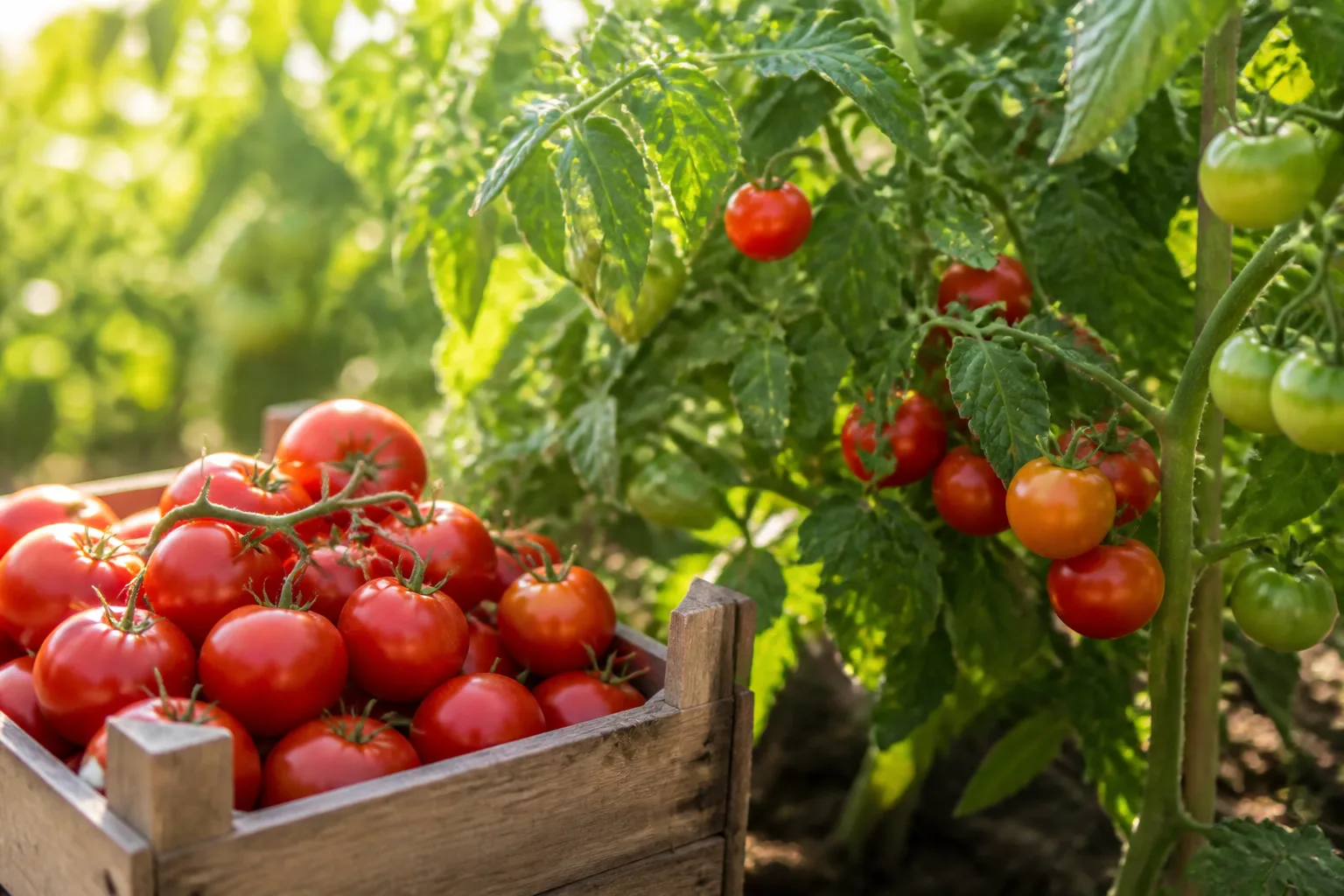
Plant breeding has produced hybrids with more elastic skin and more even fruit expansion. Labels may say crack-resistant, split-resistant, or tolerant of growth cracks. No variety is immune—a deluge after drought can still split a Celebrity—but resistant types give you margin on imperfect watering.
If you love large heirlooms, plant at least one crack-resistant hybrid alongside them for reliable slicers. Cherry types generally crack less because small fruit expands more evenly, though they are not crack-proof in containers that dry out daily.
Plant in well-drained beds and pots
Tomatoes need steady moisture, not waterlogged roots. Raised beds, containers with drainage holes, and loose amended soil shed excess rain faster than compacted clay. Soggy soil stresses roots, encourages disease, and still does not prevent the above-ground crack that follows a dry-wet cycle in the root zone.
For pots, use quality potting mix—not garden soil alone—and never block drainage holes. If you are deciding between ground and containers for your site, /guides/should-you-grow-tomatoes-in-pots-or-in-the-ground/ walks through sun, water, and drainage trade-offs.
After a heavy rain, check containers and low spots. Tip standing water away from saucers. You cannot undo the storm, but you can avoid adding another deep watering on top of saturated soil.
Fertilize for fruit, not leafy surge
Excess nitrogen pushes fast vegetative growth that can contribute to uneven fruit development and thinner skin stress. Use a balanced or tomato-specific fertilizer with adequate phosphorus and potassium once fruit sets. Follow label rates; more is not better.
Splitting is not fixed by dumping Epsom salt or random calcium on leaves. If the bottom of fruit turns black and leathery, that is blossom-end rot—a different disorder tied to calcium uptake and moisture swings. See /guides/tomatoes-turning-black-on-the-bottoms/ before chasing the wrong cure.
For product types and timing, /guides/best-tomato-fertilizer/ covers N-P-K choices through the season.
What to do when you find a split tomato
Harvest split fruit immediately, whether it is green, pink, or red. Open cracks shorten shelf life and invite rot, insects, and mould within a day or two in humid weather (LucidCentral).
Inspect each tomato carefully. Sound fruit is often still edible if you use it promptly. Cut away the cracked section and check the interior for mould, sour smell, or mushy flesh. Discard any tomato that oozes liquid, smells fermented, or has soft rot spreading from the seam.
Firm green split tomatoes can ripen indoors in a warm spot out of direct sun. Place them stem scar up on a plate or in a single layer—never pile cracked fruit in a bowl where moisture pools. Use ripe split tomatoes within a day or two; they will not store like intact fruit.
Cooking is a smart salvage move. Sauce, salsa, and oven-roasted tomatoes use split fruit the same day you pick them. Do not can or preserve visibly damaged tomatoes unless you are following a tested recipe that accounts for acidity and spoilage risk—when in doubt, compost.
Split-resistant tomato varieties worth planting
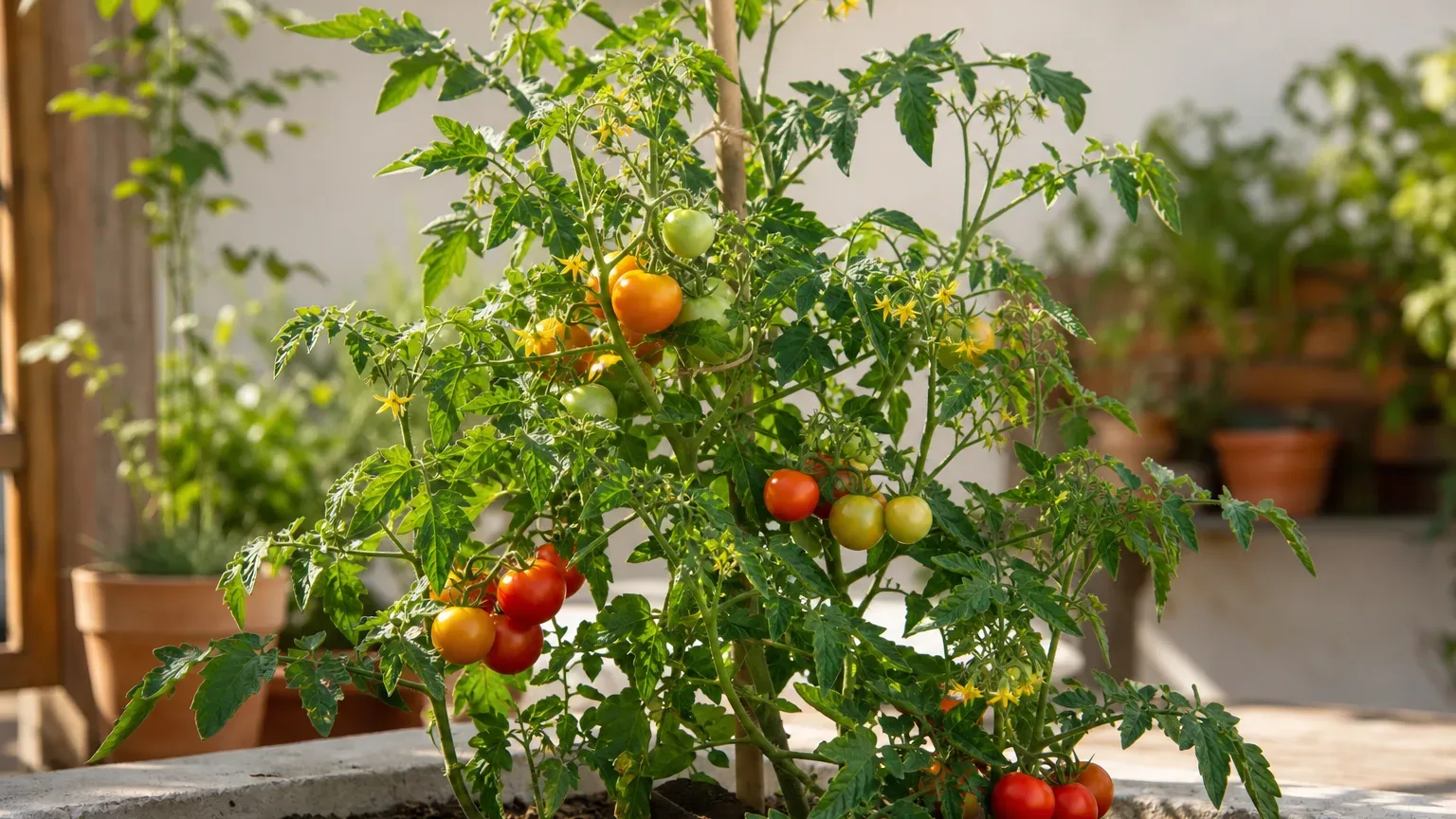
Crack resistance is a worthwhile trait if splitting has been a yearly frustration. These cultivars are widely available and perform well in home gardens. Days to maturity are from seed-catalog averages; your season may vary.
| Variety | Type | Fruit size | Days | Notes |
|---|---|---|---|---|
| Juliet | Indeterminate grape | 1.5–2 oz | ~60 | Small, thick-skinned; very crack tolerant |
| Celebrity | Determinate slicer | ~8 oz | ~72 | Reliable hybrid; smooth round fruit |
| Big Beef | Indeterminate beefsteak | 10–12 oz | ~70 | Large but bred for crack resistance |
| Mountain Magic | Indeterminate saladette | 2 oz | ~72 | Strong crack and disease resistance |
| Jet Star | Indeterminate globe | 7–8 oz | ~70 | Consistent producer; crack tolerant |
| Box Car Willie | Indeterminate heirloom-style | 6–10 oz | ~80 | Heirloom flavor with better crack resistance than many antiques |
| Sun Gold | Indeterminate cherry | Cherry | ~65 | Sweet orange cherry; splits less than large types |
| Pruden’s Purple | Indeterminate heirloom | 1+ lb | ~65 | Large pink; somewhat resistant but still needs steady water |
Heirloom beefsteaks like Mortgage Lifter and Brandywine remain crack-prone. Grow them for flavor, not insurance against rain. For more variety ideas by use case, browse /guides/tomato-varieties-to-try/.
When cracking signals a bigger problem
Occasional splits after a storm are normal. Chronic cracking on most fruit, every week, usually means your watering rhythm is off, pots are too small, or you are leaving ripe fruit on the vine too long. Fix moisture first before chasing exotic remedies.
Cracking is not blossom-end rot, sunscald, or blight—but it can appear alongside them when plants are stressed. Yellow leaves, wilting despite wet soil, and widespread fruit defects point to root disease or /guides/over-watered-tomato-plant/ issues worth diagnosing separately.
Splits that weep cloudy ooze or attract fruit flies within hours have already turned. Remove them from the garden to reduce pest pressure; our /guides/tips-for-protecting-tomatoes-from-pests/ guide covers keeping damaged fruit from inviting the next generation of insects.
Greenhouse growers face added variables: wide day-night temperature swings and humidity spikes can crack fruit even with careful watering (RHS). Ventilation, shading, and harvesting before autumn humidity climbs all help.
Conclusion
Tomatoes split when fruit flesh expands faster than the skin can stretch—almost always because soil moisture swung from too dry to too wet. Radial cracks down the side demand immediate harvest; concentric shoulder cracks may be shallower but still need a close eye.
You cannot control every thunderstorm, but you can water deeply on a steady schedule, mulch, pick blushers before rain, choose crack-resistant varieties, plant in well-drained soil, and fertilize for fruit rather than foliage. Those seven habits prevent most splitting in a typical backyard season.
When cracks do appear, pick the fruit, cut away damaged tissue, and eat or cook sound flesh the same day. Split tomatoes are a moisture problem, not a mystery—and now you have a clear plan for next week’s harvest.