Plant Blight: Symptoms, Causes, and Treatment
Indoor plant diseases are usually fungal or bacterial infections favored by moisture on leaves and poor ventilation. Blight can weaken growth and spread to nearby plants if ignored. Use Fast-spreading brown or black patches, collapsing leaves as your starting point, then confirm whether you are dealing with infection, physical damage, or care stress. Track weekly progress after you change care, and note watering, light, and repotting dates so you can tell whether the symptom is improving or returning. Compare upper versus lower leaves, new versus old growth, and soil moisture at root depth before you treat, because the same visible symptom can come from watering, light, pests, or normal aging on different plants.
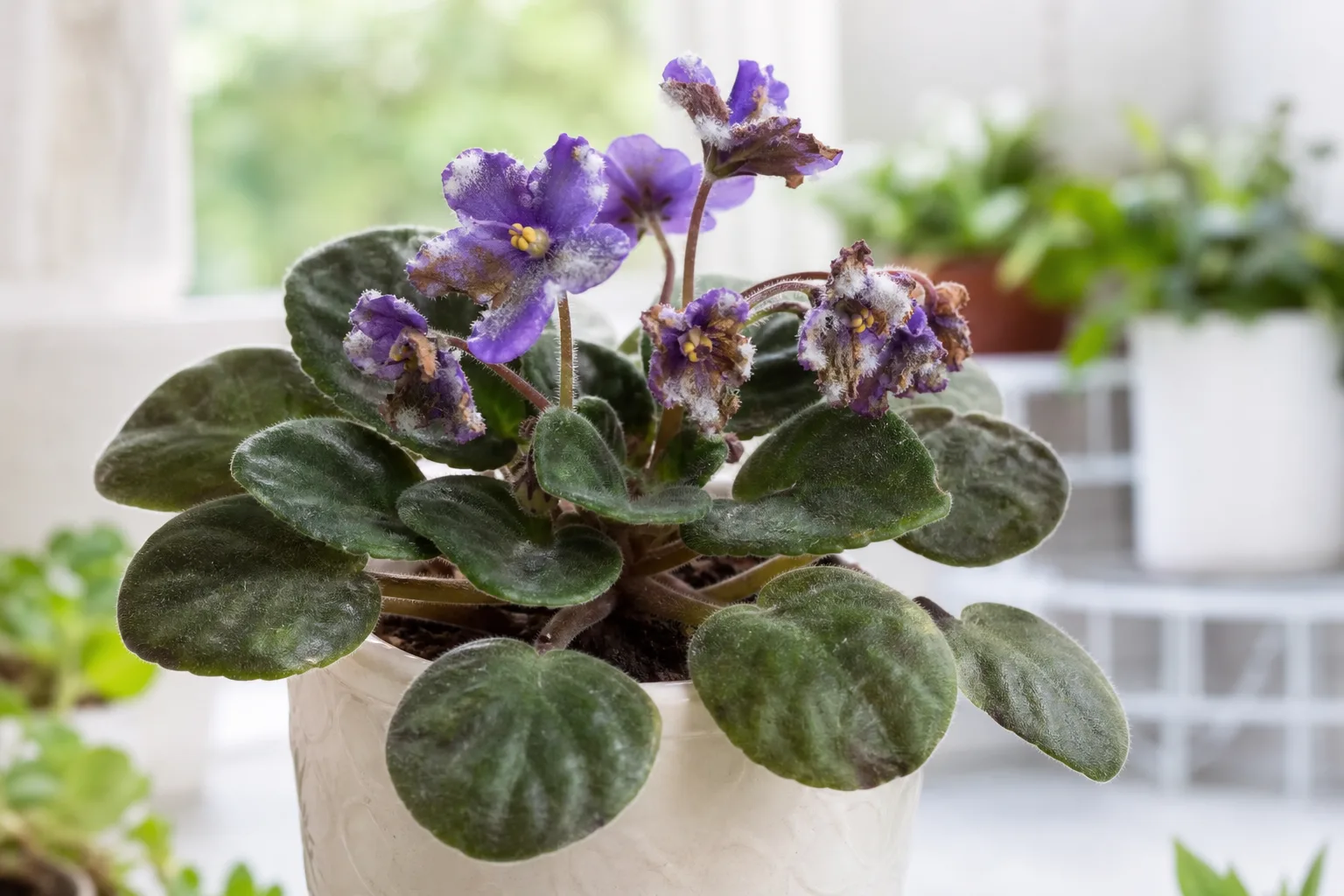
Blight on Houseplants
Still unsure?Match your symptoms to the most likely problems in under a minute.Run diagnosis →Understand and fix blight
Indoor plant diseases are usually fungal or bacterial infections favored by moisture on leaves and poor ventilation. Blight can weaken growth and spread to nearby plants if ignored. Use Fast-spreading brown or black patches, collapsing leaves as your starting point, then confirm whether you are dealing with infection, physical damage, or care stress. Track weekly progress after you change care, and note watering, light, and repotting dates so you can tell whether the symptom is improving or returning. Compare upper versus lower leaves, new versus old growth, and soil moisture at root depth before you treat, because the same visible symptom can come from watering, light, pests, or normal aging on different plants.
Overview
Indoor plant diseases are usually fungal or bacterial infections favored by moisture on leaves and poor ventilation. Blight can weaken growth and spread to nearby plants if ignored. Use Fast-spreading brown or black patches, collapsing leaves as your starting point, then confirm whether you are dealing with infection, physical damage, or care stress. Track weekly progress after you change care, and note watering, light, and repotting dates so you can tell whether the symptom is improving or returning. Compare upper versus lower leaves, new versus old growth, and soil moisture at root depth before you treat, because the same visible symptom can come from watering, light, pests, or normal aging on different plants.
How to identify it
- Look for spots with halos, powdery coating, or water-soaked margins
- Check if damage spreads over days vs stays static
- Note whether leaves were recently misted or watered overhead
- Inspect multiple plants in the same room for similar patterns
- Smell soil-sour odor suggests rot rather than surface disease alone
When to worry
Rapid defoliation, soft mushy stems, or spots enlarging daily mean isolate immediately and trim affected tissue.
Common causes
Water sitting on leaves overnight
Overhead watering and late-day misting keep foliage wet for hours-the perfect environment for leaf spot and mildew.
Poor airflow between plants
Crowded shelves and closed rooms trap humidity around leaves and speed up Blight.
Infected tools or splashing water
Pruning with dirty shears or reusing drip trays without cleaning spreads pathogens plant to plant.
Weakened or stressed plants
Plants recovering from repotting, low light, or root issues are more susceptible to infection.
Step-by-step fix
Isolate affected plants
Move sick plants away from healthy ones until active spread stops.
Remove infected leaves
Cut off heavily spotted or mushy foliage with clean scissors. Dispose in trash, not compost indoors.
Improve airflow and watering technique
Space plants out, run a fan on low, and water at soil level without wetting leaves.
Apply fungicide if fungal disease is confirmed
For powdery mildew or leaf spot, use a houseplant-safe fungicide per label. Bacterial issues may need removal rather than spray.
Avoid fertilizer until recovery
Let the plant stabilize. New healthy growth confirms your changes are working.
Prevention tips
- Water at the soil line, not over leaves
- Provide spacing and gentle airflow in plant rooms
- Sterilize pruning tools between plants
- Quarantine new plants before mixing collections
Common mistakes
- Misting diseased leaves hoping humidity helps
- Leaving fallen infected leaves on soil surface
- Treating bacterial rot with fungicide only
When leaves, flowers, or shoots turn brown quickly, “blight” describes the damage but does not identify its cause. The word is used for several fungal and bacterial diseases, and similar collapse can follow cold injury, sun scorch, chemical damage, or failed roots. The right first move is therefore not a universal spray. It is to isolate the plant, inspect where the damage begins, and reduce the wet, crowded conditions that allow many genuine blights to advance.
A common indoor example is Botrytis blight, also called gray mold. It often begins in aging flowers, wounded tissue, or older foliage, then expands when humidity stays high and surfaces remain wet. University of Maryland Extension describes relatively large gray-to-tan areas, dusty gray spores, and rapidly collapsing tissue as typical indoor symptoms (Botrytis on indoor plants). Those clues are useful, but they are not interchangeable with every disease called blight.
This guide is a source-reviewed diagnostic framework, not a laboratory identification. Its recommendations synthesize current Extension and integrated-pest-management guidance, while the photographs show representative symptom patterns rather than proving a pathogen was present in the pictured plant. For an irreplaceable specimen, a recurring outbreak, or a treatment decision that depends on whether the cause is fungal or bacterial, preserve fresh advancing tissue and consult a plant diagnostic laboratory before spraying.
What “Blight” Means
Blight is a pattern of rapid tissue death affecting leaves, flowers, shoots, or stems. It is broader than a small stable leaf spot: lesions enlarge, merge, or kill an entire organ. The name can be attached to the causal agent—Botrytis blight or bacterial blight—or to the plant part, such as flower blight or shoot blight.
That distinction changes treatment. A product aimed at fungi will not control bacteria, and neither will repair sunburn or cold damage. Treat “blight” as a working description until the combination of host, symptoms, conditions, and—when necessary—a laboratory test supports a more specific diagnosis.
Identify the Symptom Pattern
Begin at the boundary between healthy and damaged tissue. Active disease lesions often have a changing margin: water-soaked, translucent, tan, reddish, or dark brown. Photograph that margin, the leaf underside, the stem, the soil line, and the whole plant. Repeat the photographs two or three days later under the same light; enlargement or new lesions is more meaningful than the color of one old spot.
Check the newest and oldest tissues separately. Botrytis commonly exploits spent flowers and declining tissue, whereas some bacterial blights are conspicuous on young shoots or along veins. UC IPM explains that Botrytis generally enters green leaves and stems through injured or dead areas or grows from a nutrient source such as a fallen petal (gray mold biology).
Early Signs and Advanced Damage
Early Botrytis lesions may be pale, translucent, tan, or water-soaked. Under humid conditions they can become soft and develop fuzzy gray-brown spore growth. Petals may spot before leaves do; buds can fail to open, and succulent stems may wilt where an expanding lesion interrupts water flow.
Use the broad pattern—expanding necrosis and tissue collapse—as a clue. Host and pathogen determine the exact color and shape.
Advanced blight may remove most functional leaf area or girdle a shoot. Dead flowers and fallen leaves can remain attached or lodge on healthy tissue, creating moist pockets. UC IPM notes that infected herbaceous parts discolor, wilt, and die, while gray or tan spores become visible when conditions are moist (Botrytis identification).
Inspect the Whole Plant
Look above and below the soil line. If the leaf damage is paired with a soft crown, dark roots, sour potting mix, or a stem that pulls away at the base, root or crown rot may be driving the collapse. If roots are firm and pale but one cluster of flowers carries gray fuzz, an aerial Botrytis infection is more plausible.
Use a hand lens on fuzzy tissue without blowing on it. Gray-brown dust that arises from dead or softened tissue supports Botrytis; white powder spread across intact leaf surfaces suggests powdery mildew; purple-gray growth beneath angular yellow patches points toward a downy mildew. Bag the plant before moving it through a collection so that loose material is contained.
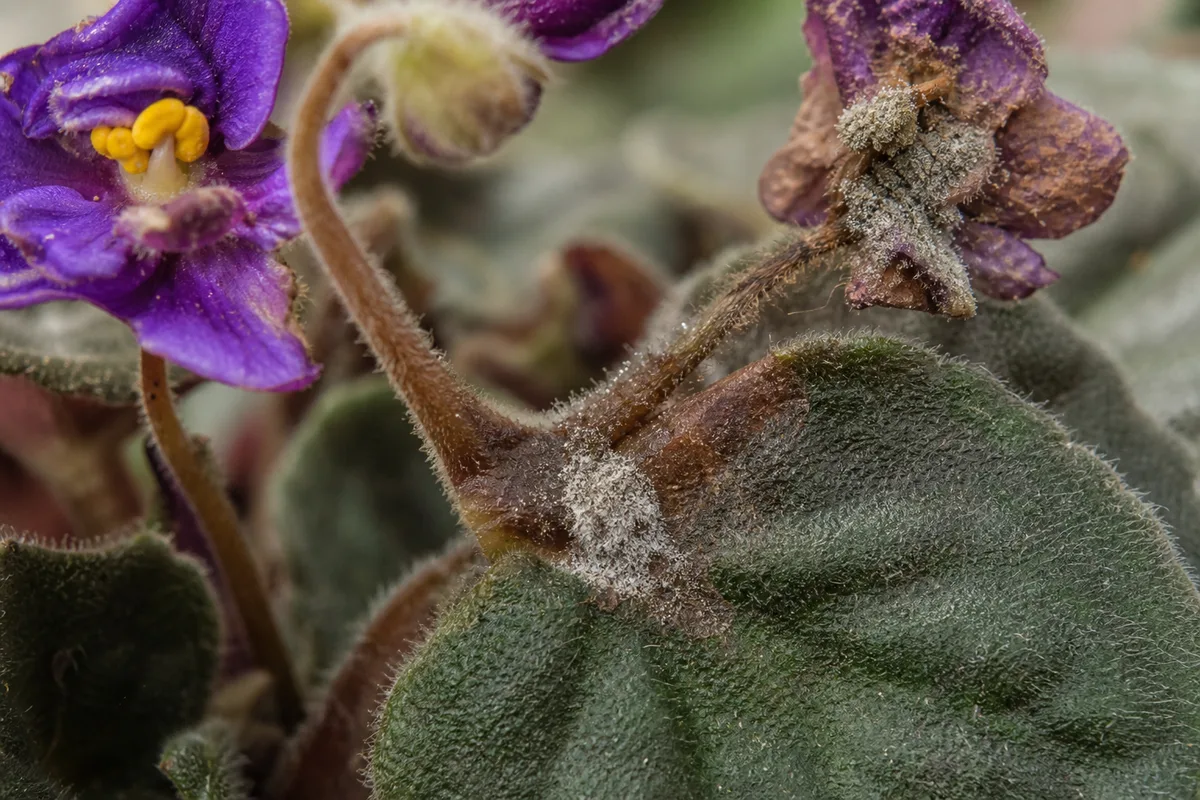
The lesion margin and neighboring tissue often reveal more than the dry center of an old spot.
Blight Lookalikes
Environmental injury frequently produces a one-time pattern linked to exposure. Sun scorch appears on the window-facing side after a sudden light change; chilling affects tissue nearest cold glass or a draft; fertilizer or spray injury may follow droplets or leaf margins. These injuries stop expanding once the exposure ends, although dead tissue cannot turn green again.
Root failure can make the canopy brown and wilt without a primary foliar infection. Check pot weight, drainage, root texture, and watering history before blaming leaves alone. University of Maryland’s indoor-disease overview distinguishes gray mold from bacterial leaf spots, root rots, stem cankers, and other houseplant disorders precisely because several share browning and collapse (indoor plant diseases).
| Evidence | Infectious blight more likely | Environmental injury more likely |
|---|---|---|
| Change over time | New lesions or expanding margins | Damage stabilizes after exposure ends |
| Distribution | Starts at wounds, wet pockets, flowers, or contact points | Faces a window, heater, cold pane, or spray pattern |
| Surface signs | Fuzzy spores, ooze, water-soaked margins | Dry bleaching, crisp margins, no growth |
| Neighboring plants | Similar susceptible plants may develop symptoms | Plants outside the exposure remain normal |
Fungal, Bacterial, and Noninfectious Clues
Fungal blights sometimes form spores, fruiting bodies, or concentric patterns, but their absence does not rule disease out. Bacterial lesions are often water-soaked and may follow veins or develop ooze, especially under humid conditions. UC IPM describes Pseudomonas syringae bacterial blight as browning and death of leaves and shoots, with moisture favoring development and splashing water spreading bacteria (bacterial blight and canker).
Do not use appearance alone for high-value plants or repeated collection-wide losses. A plant diagnostic laboratory can examine tissue, culture organisms, or apply molecular tests. Submit fresh material showing both healthy and advancing tissue rather than only a dry, decomposed leaf.
Why Blight Develops
Plant disease requires a susceptible host, a pathogen, and an environment that permits infection. Remove or weaken one part of that disease triangle and pressure falls. This explains why the same airborne spores may cause severe loss in a crowded, wet shelf but little damage in a spaced, quickly drying collection.
Stress is not proof of infection, yet it changes the plant’s margin for error. Low light slows water use; crowded foliage retains moisture; dead blossoms feed decomposers. A pot that stays wet can simultaneously weaken roots and raise humidity around lower leaves.
Moisture, Dead Tissue, and Air Movement
Botrytis spores need moisture to germinate. UC IPM reports that free moisture supports germination and that high humidity permits heavy sporulation; removing old flowers and avoiding condensation are core controls (Botrytis cultural control). Maryland Extension similarly recommends lowering humidity, reducing leaf wetness, and increasing air circulation.
Air movement is useful only when paired with source removal and spacing. Do not aim a strong fan at a sporulating plant beside healthy plants. First bag debris, isolate the source, clean the surface, and then use gentle circulation to shorten the time leaves remain wet.
How Disease Moves Through a Collection
Botrytis produces large numbers of airborne spores on infected debris. Splashing water, handling, and fallen petals can transfer inoculum locally. Bacterial pathogens also move readily in water, on hands, and on tools, so shared scissors and watering equipment deserve attention.
Host range varies. Botrytis cinerea can affect many ornamentals, while other blights are much narrower. Isolation is therefore a proportionate precaution, not proof that every neighboring plant will become infected.
What to Do First
Move the plant away from other foliage without shaking it. Stop misting and overhead watering, empty standing water, and provide bright light appropriate for the species. Record the date, recent watering, temperature changes, sprays, repotting, and when symptoms first appeared.
Do not fertilize a collapsing plant in an attempt to force recovery. Fertilizer does not kill a pathogen, and excess salts can further stress damaged roots. Stabilize moisture and light while you identify what tissue remains viable.
Use progression to choose the next step. A dry mark that remains unchanged after a known cold, sun, or spray exposure can be monitored. An enlarging water-soaked margin, fresh sporulation, new shoot collapse, or similar lesions appearing on susceptible neighbors justifies pruning and stronger isolation. If the choice of pesticide or disposal depends on the organism, stop at containment and obtain a diagnosis rather than using color alone.
Isolate, Document, and Remove Sources
Place the plant where leaves do not touch others and where airflow can be managed. Collect fallen petals, leaves, and potting debris into a bag. Penn State Extension emphasizes sanitation because Botrytis persists and produces spores on fading flowers, damaged tissue, and crop debris (Botrytis sanitation).
Label the plant and inspect nearby susceptible plants, especially aging flowers and lower leaves. Isolation should continue until removed areas are dry and no new lesions appear through a meaningful period of active growth. There is no universal number of days because host, environment, and cause differ.
Prune Without Spreading the Problem
Remove heavily affected flowers, leaves, and shoots when enough healthy tissue remains. Cut into healthy-looking tissue with a clean sharp tool, avoid touching the cut surface, and bag waste immediately. For a soft crown or main stem, pruning leaves alone will not solve the underlying problem.
Clean visible debris from tools before disinfection; organic matter can reduce a disinfectant’s performance. Follow the disinfectant label for concentration, contact time, rinsing, ventilation, and plant-surface restrictions. Never combine bleach with ammonia, acids, or other cleaners.
Build a Treatment Plan
Management succeeds when it removes inoculum and changes the conditions that favored infection. For a small indoor Botrytis outbreak, pruning old tissue and making the canopy drier may be sufficient. Maryland Extension states that removal and environmental adjustment usually help under home conditions, although registered fungicides exist (indoor Botrytis management).
If lesions continue, revisit diagnosis before adding products. Confirm that roots are sound, no cold or chemical event occurred, and leaf undersides do not show a different pathogen or pest.
Correct Conditions Before Considering Products
Water the potting mix rather than foliage, preferably early enough for accidental wetting to dry. Space plants, remove spent flowers before they lodge in the canopy, and improve light within the plant’s tolerance. Correct drainage so the pot never stands in runoff.
These changes limit future infection; they do not restore dead cells. Judge success by halted margins, absence of new lesions, and healthy new growth. A brown patch staying brown is expected.
When Diagnosis and Fungicide Matter
Fungicides are preventive or suppressive tools, not erasers. UC IPM notes that landscape fungicides are generally preventive and may perform poorly when wet conditions and susceptible tissue remain favorable; resistance also occurs in gray mold populations (fungicide limits).
Use a pesticide only if the label lists the plant or site and permits the intended indoor application. Follow protective-equipment, ventilation, dose, interval, and reentry instructions exactly. Test on a small part of an ornamental when the label allows, because delicate or stressed foliage can be injured.
Monitor for Recovery or Continued Spread
Mark the edge of a lesion in a photograph rather than on the plant. Inspect every few days at first, then weekly. New healthy shoots, stable lesions, and no fresh sporulation support recovery; softening stems, new collapse, or recurring spores indicate continued activity.
Discarding is reasonable when the crown or main stem is extensively rotten, little healthy foliage remains, or the plant threatens rare nearby specimens. Bag it at the isolation location instead of carrying an uncovered sporulating plant through the collection.
Prevent Another Outbreak
Inspect new plants and hold them apart before integrating them. Remove spent flowers and dead leaves promptly, avoid chronic condensation, and match pot size and mix to the plant’s water use. Maryland Extension recommends early-day watering and spacing so foliage dries quickly (humidity and airflow guidance).
Keep a brief record of recurring problems. If blight returns on the same shelf, examine night humidity, cold surfaces, watering timing, and plant spacing rather than treating each plant as an isolated failure. Repeated losses despite corrected conditions justify professional diagnosis.
A useful record does not need to be elaborate. Note the plant name, symptom date, which organ was affected first, whether the lesion was wet or dry, the pot’s moisture, and any recent move, repot, spray, or temperature event. Add a photograph of the whole plant and one close view with an object for scale. If the damage advances, the sequence can help a diagnostician distinguish a contagious process from a single exposure.
Think about the room at night, not only when you inspect it in daylight. Warm humid air can condense on a cold window and keep leaves wet for hours. A plant may look well spaced from the front while several leaves press against glass or overlap behind it. Moving foliage a few centimeters away from the pane, removing a cachepot full of runoff, or changing watering from evening to morning can remove a repeated wetness period without making the room uncomfortably dry.
Canopy grooming should be selective. Remove spent flowers before they fall into leaf axils, but do not create dozens of unnecessary wounds by overpruning healthy tissue. Thin only enough to separate dense contact points and permit gentle air exchange. After pruning, keep the plant out of a humid propagation case until cut surfaces dry, unless the species requires specialized humidity management.
Cleaning is a sequence rather than a single spray. First collect petals, leaves, and spilled mix; then wash hard surfaces to remove organic residue; finally use a suitable disinfectant according to its label. Spraying disinfectant onto a dirty shelf and wiping it off immediately may not provide the required contact time. Porous wood, fabric, and unglazed clay are harder to sanitize than smooth trays, so avoid placing a high-value collection on contaminated porous material during an outbreak.
Watering technique should reflect how the pot actually drains. Apply water to the mix without splashing leaves, allow excess to exit, and discard runoff. If the root ball has become hydrophobic, a quick pour may run around the edge without wetting roots; address that separately rather than leaving the whole plant soaking for hours. A plant recovering from canopy loss also uses water more slowly, so check moisture instead of repeating its previous schedule.
Temperature advice needs context. Botrytis grows over a broad range, and ordinary home temperature changes are not a reliable treatment by themselves. Avoid chilling the plant or placing it beside a heater in an effort to “kill fungus.” The safer objective is stable, species-appropriate temperature combined with shorter wetness periods and sound light.
When a plant flowers densely, examine the oldest blooms first. Petals can look merely faded while the tissue beneath is becoming soft, and fallen petals may stick to leaves after watering. Removing flowers a little earlier during a known Botrytis problem can reduce nutrient-rich tissue on which the organism sporulates. This is a temporary disease-management trade-off, not a permanent recommendation to remove healthy blooms.
Propagation deserves the same caution as rescue. A cutting taken from a plant with localized foliar blight may be worth saving only if it comes from clean tissue well away from symptoms and the species roots readily. Place it in new medium with clean tools and isolate it from both the parent and the main collection. Do not propagate through tissue that is water-soaked, discolored, or directly below an infected shoot.
Avoid judging a treatment by how clean the leaf looks immediately afterward. Wiping or spraying can remove visible spores without stopping infection inside damaged tissue. Conversely, a dry brown scar may remain after the disease is controlled. Compare marked photographs and focus on whether lesion edges advance and whether new organs stay healthy.
A home humidity meter can reveal broad patterns but not the microscopic environment inside a crowded canopy. Leaves that touch, flowers resting on foliage, and water trapped in rosettes can remain wet even when room humidity looks acceptable. Direct observation—condensation, drying time, and contact points—should guide changes alongside any instrument reading.
If two plants develop similar damage, do not assume one infected the other. Shared cold, excess fertilizer, a contaminated spray bottle, or a sudden sun exposure can produce a cluster. Map where the plants sat and which surfaces were affected. Contagious disease becomes more plausible when symptoms appear progressively on susceptible hosts and begin at contact, splash, wound, or humid-canopy sites.
Professional diagnosis is especially valuable before discarding a rare specimen or applying several pesticides. Contact the laboratory before collecting: submission requirements vary, and some need roots, potting mix, or multiple disease stages. Keep samples cool but not frozen, prevent leaves from decomposing in a sealed wet bag, and provide the history that cannot be seen under a microscope.
Once an outbreak is controlled, reintroduce the plant gradually. A suddenly thinned canopy may be more vulnerable to direct sun, while a plant moved from isolation may face different temperature and airflow. Maintain appropriate light, watch water use, and delay routine feeding until healthy growth demonstrates that roots and shoots are functioning. That measured return prevents recovery care from becoming a second stress event.
Review products and tools stored nearby as possible shared exposures. A spray bottle used on several plants, a contaminated watering wand, or reused support ties can create a pattern that resembles natural spread. Clean equipment, label bottles clearly, and never store diluted pesticide or disinfectant beyond its label directions. Prevention is strongest when the growing environment and the care workflow are both examined.
Conclusion
Plant blight is a warning pattern, not a complete diagnosis. Isolate the plant, compare healthy and advancing tissue, check roots and the crown, and document whether lesions spread. Stable damage after a one-time exposure points away from active infection; expanding margins, new sporulation, or progressive damage on susceptible neighbors justify escalation. Gray fuzzy growth on aging flowers or softened tissue makes Botrytis plausible, while water-soaked vein-following lesions, one-sided scorch, or crown decay point elsewhere.
Remove infected and dead material carefully, shorten leaf-wetness periods, improve spacing and drainage, and reserve pesticides for a supported diagnosis and a label-approved use. Recovery is visible as stable damage and clean new growth—not as old brown tissue turning green.
Plants commonly affected
These houseplants often struggle with blight. Open a care guide or plant-specific troubleshooting page for tailored fixes.
 Medium
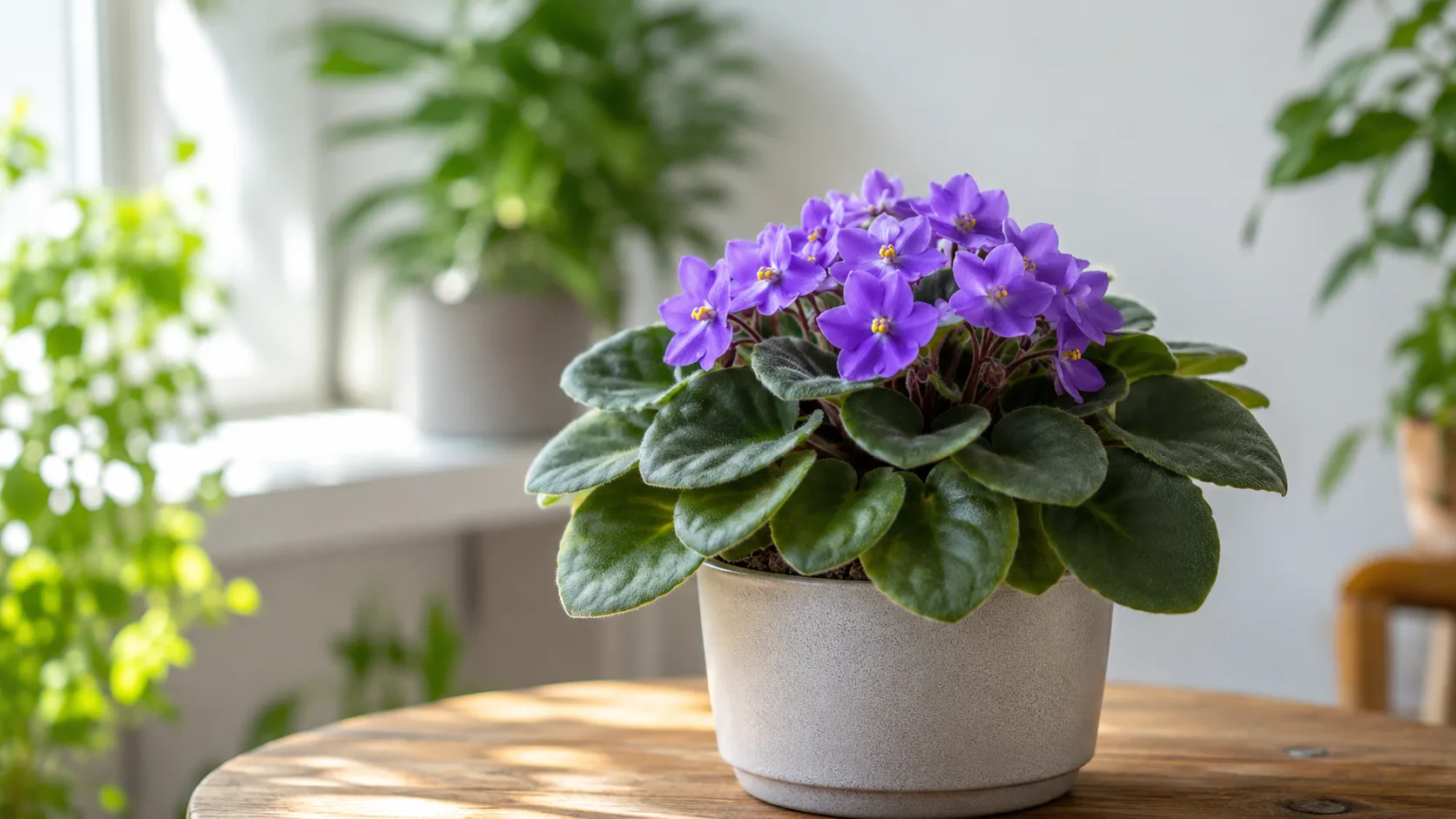
African Violet
Likely causeBlight on African Violet: African Violets with Botrytis Blight African violets are beloved houseplants with sweet little blooms and engaging fuzzy leaves. The most common diseases of African violet are fungal. Botrytis blight
Quick fixInspect African Violet, confirm blight matches your symptoms, then adjust care or treat per authoritative guides.
 Medium
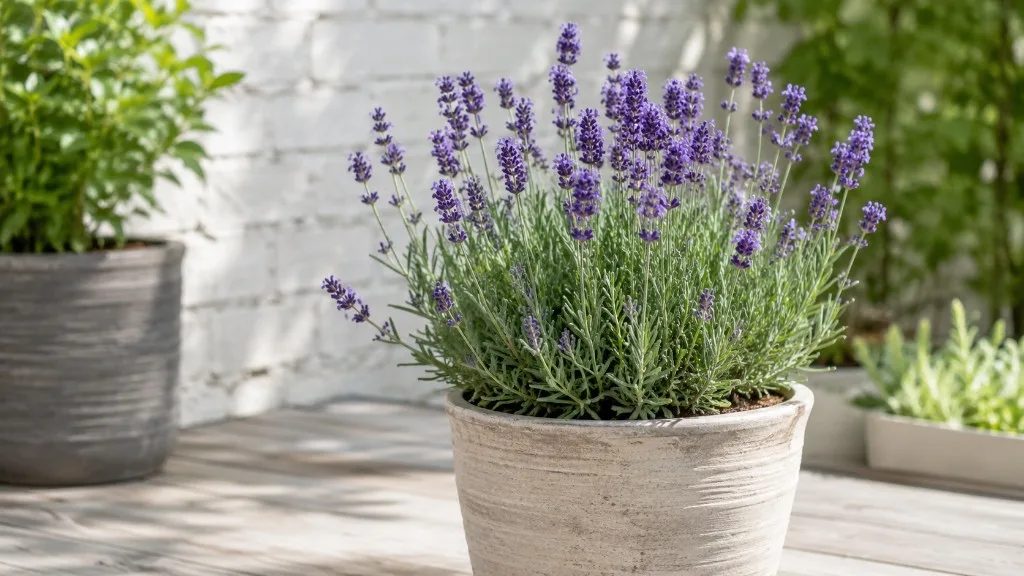
Lavender
Likely causeThe main fungal causes of blight -like symptoms in lavender are typically root rots, crown rots, and various stem or leaf blights that lead to the rapid browning, wilting, and collapse of branches or entire plants.
Quick fixConfirm diagnosis on your Lavender, then address the most likely care or pest factor described in current extension guidance.
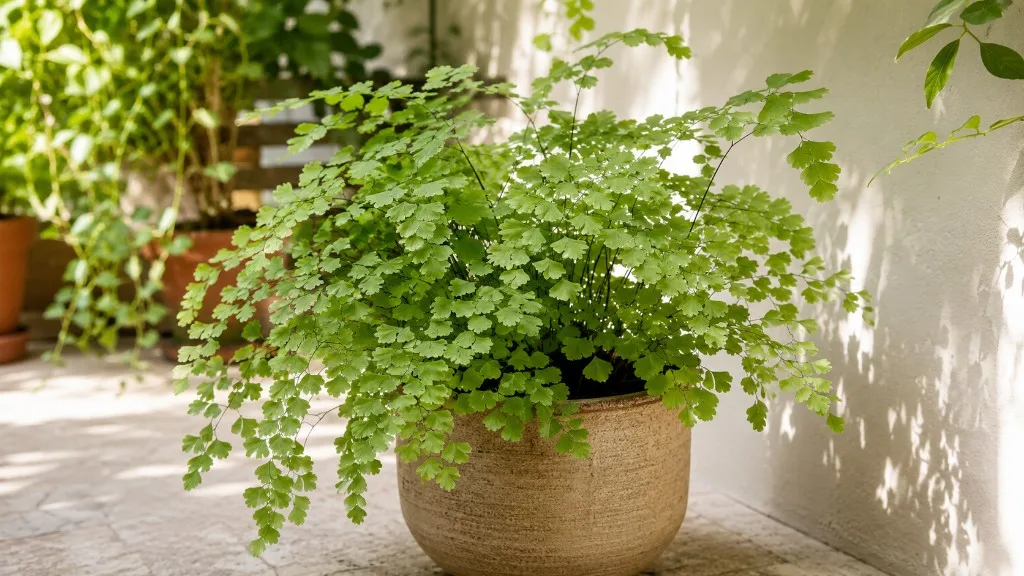 Medium
Maidenhair Fern
Likely causeAug 14, 2025 · Botrytis blight , also known as gray mold, can appear as a fuzzy gray growth on decaying tissue, particularly in overly damp environments. This fungal disease thrives in cool, humid conditions with poor ventilation. Proper ai
Quick fixConfirm diagnosis on your Maidenhair Fern, then address the most likely care or pest factor described in current extension guidance.
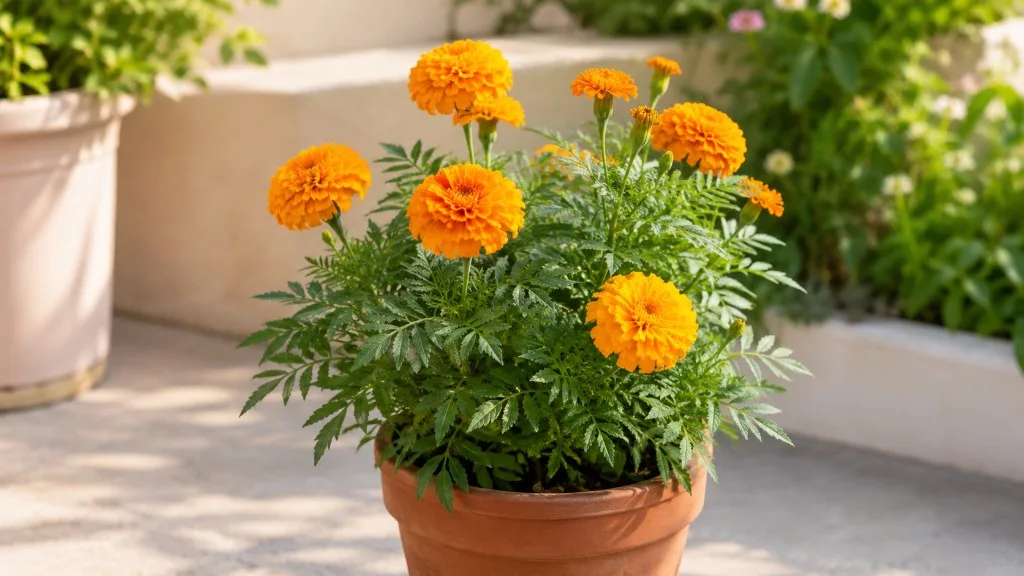 Medium
Marigold
Likely causeMay 15, 2023 · Also known as gray mold, botrytis blight infects a wide range of plants. Marigolds are just a few among dozens of species, and unfortunately, this disease can be difficult to prevent and control.
Quick fixConfirm diagnosis on your Marigold, then address the most likely care or pest factor described in current extension guidance.
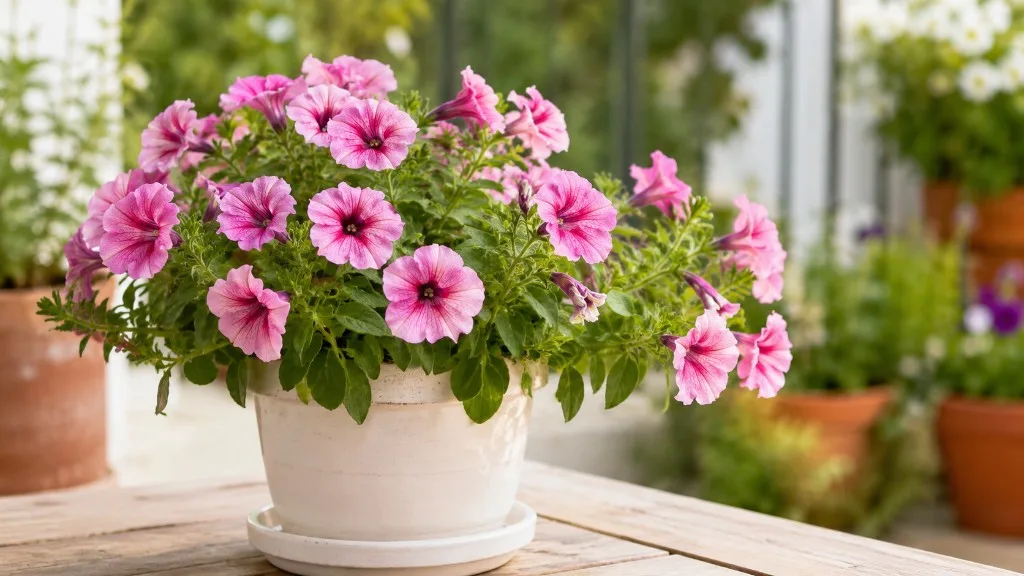 Medium
Petunia
Likely causeBotrytis cinerea blight on senescent flowers and wet foliage, especially in humid or overhead-watered petunias.
Quick fixRemove infected flowers and leaves; water at the base only and improve airflow around the plant.
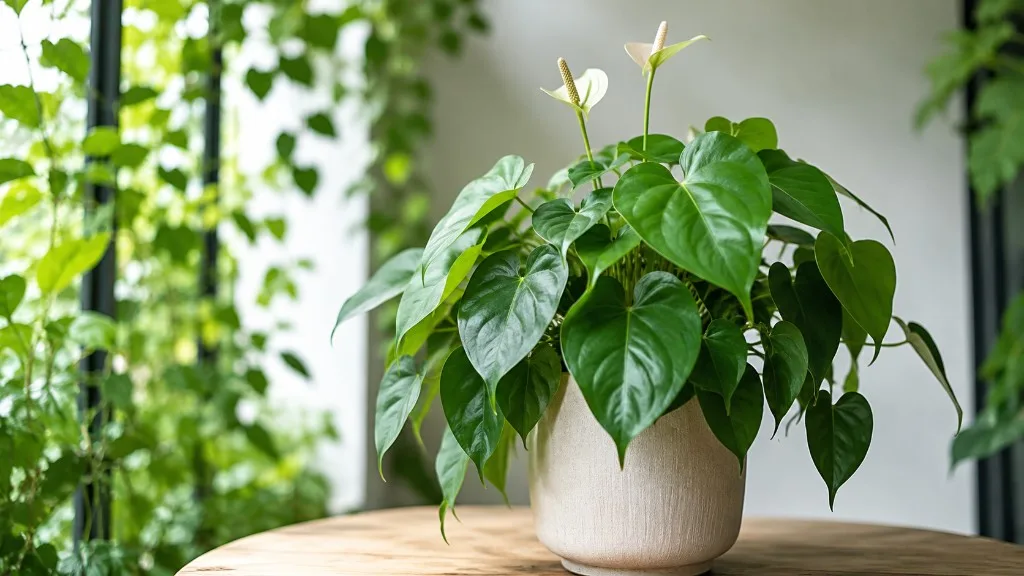 Medium
Heartleaf Philodendron
Likely causeJan 21, 2024 · Bacterial blight can be quite alarming, as it spreads rapidly. It manifests as water-soaked spots on leaves, which eventually turn brown and crispy. This disease thrives in warm, humid conditions. Here's how to manage bacteri
Quick fixConfirm diagnosis on your Heartleaf Philodendron, then address the most likely care or pest factor described in current extension guidance.
 Medium
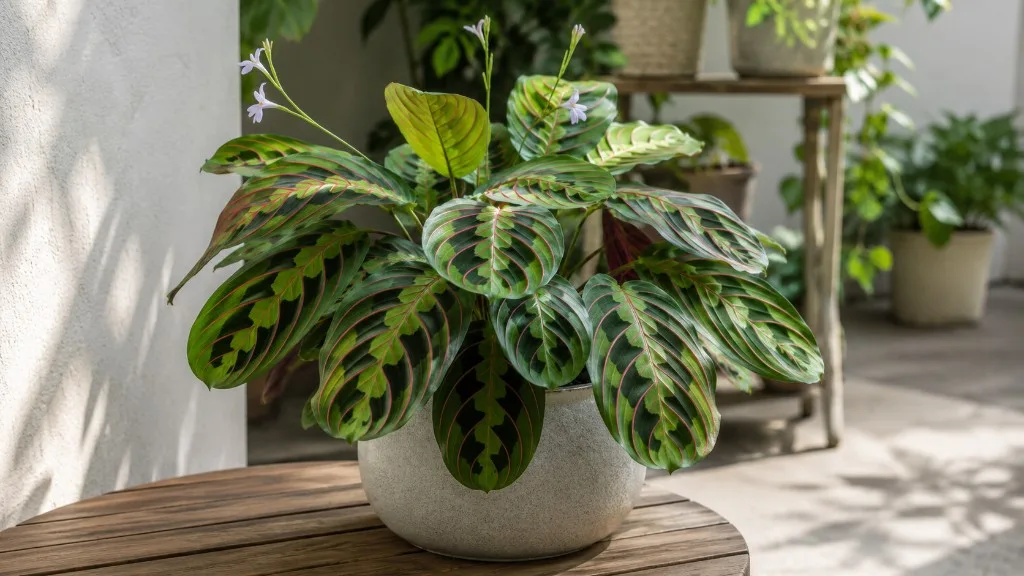
Prayer Plant
Likely causeA severe leaf spot, turning to foliage blight , was observed on leaves of Maranta leuconeura growing in a garden in Brazil (state of Rio de Janeiro) in 2015. A dematiaceous hyphomycete bearing a morphology typical of a helminthosporoid fung
Quick fixFollow extension or botanical guidance for Prayer Plant blight; adjust care before applying broad treatments.
 Medium
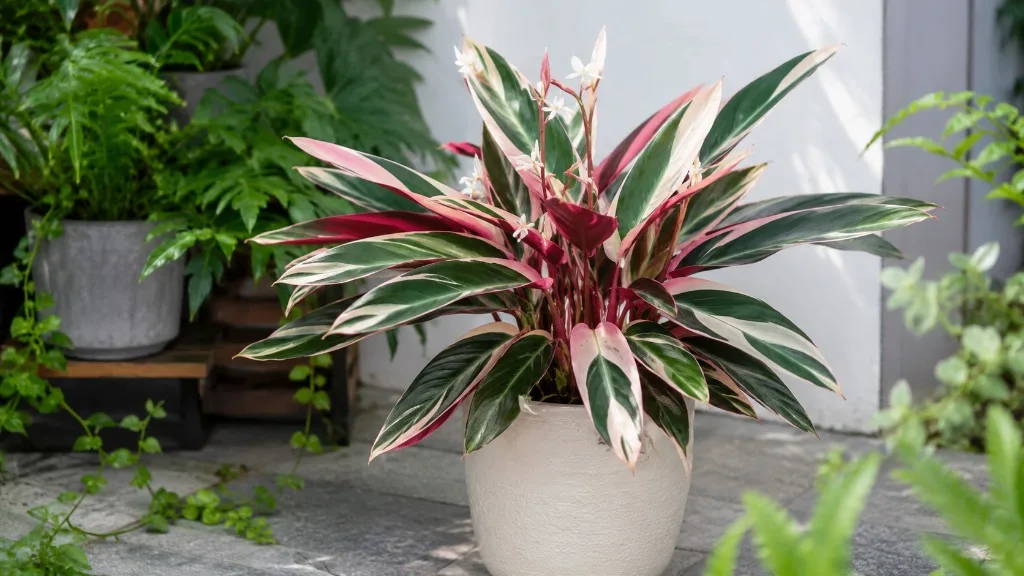
Stromanthe Triostar
Likely causeThese colourful leaves are muchhappier out of direct light + prefer a medium-light position in your home. That translates as fairly bright, indirect light + I’m in the northern hemisphere for reference. For me, that is around 2 metres away
Quick fixConfirm diagnosis on your Stromanthe Triostar, then address the most likely care or pest factor described in current extension guidance.
 Medium
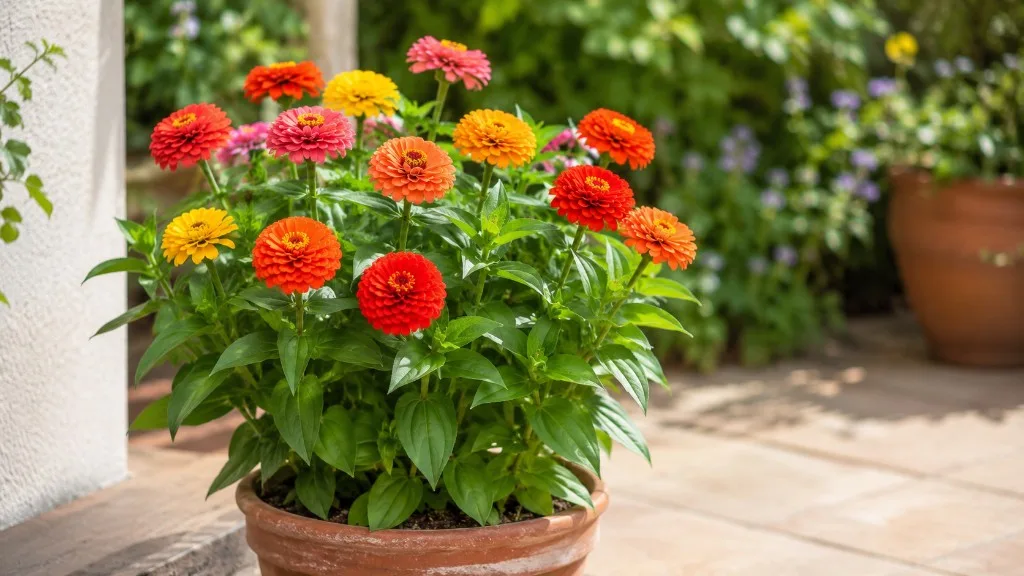
Zinnia
Likely causeAlternaria zinniae blight causes reddish-brown spots and rapid zinnia dieback in warm wet weather.
Quick fixRemove infected plants; water at base only and apply protectant fungicide early.