Crown Rot in Plants: Symptoms and Treatment
Indoor plant diseases are usually fungal or bacterial infections favored by moisture on leaves and poor ventilation. Crown Rot can weaken growth and spread to nearby plants if ignored. Use Base of plant becomes mushy and plant collapses as your starting point, then confirm whether you are dealing with infection, physical damage, or care stress. Track weekly progress after you change care, and note watering, light, and repotting dates so you can tell whether the symptom is improving or returning. Compare upper versus lower leaves, new versus old growth, and soil moisture at root depth before you treat, because the same visible symptom can come from watering, light, pests, or normal aging on different plants.
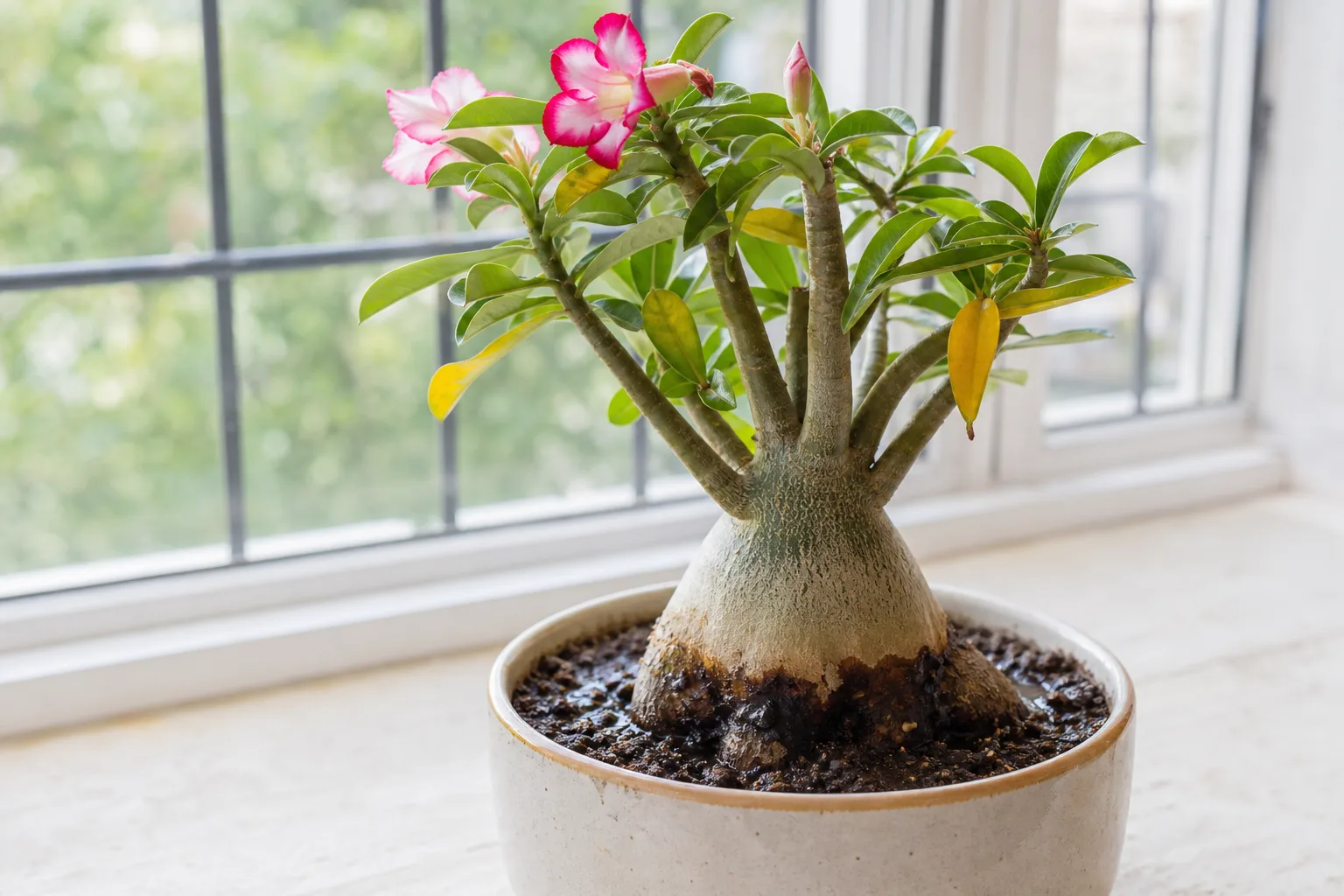
Crown Rot on Houseplants
Still unsure?Match your symptoms to the most likely problems in under a minute.Run diagnosis →Understand and fix crown rot
Indoor plant diseases are usually fungal or bacterial infections favored by moisture on leaves and poor ventilation. Crown Rot can weaken growth and spread to nearby plants if ignored. Use Base of plant becomes mushy and plant collapses as your starting point, then confirm whether you are dealing with infection, physical damage, or care stress. Track weekly progress after you change care, and note watering, light, and repotting dates so you can tell whether the symptom is improving or returning. Compare upper versus lower leaves, new versus old growth, and soil moisture at root depth before you treat, because the same visible symptom can come from watering, light, pests, or normal aging on different plants.
Overview
Indoor plant diseases are usually fungal or bacterial infections favored by moisture on leaves and poor ventilation. Crown Rot can weaken growth and spread to nearby plants if ignored. Use Base of plant becomes mushy and plant collapses as your starting point, then confirm whether you are dealing with infection, physical damage, or care stress. Track weekly progress after you change care, and note watering, light, and repotting dates so you can tell whether the symptom is improving or returning. Compare upper versus lower leaves, new versus old growth, and soil moisture at root depth before you treat, because the same visible symptom can come from watering, light, pests, or normal aging on different plants.
How to identify it
- Look for spots with halos, powdery coating, or water-soaked margins
- Check if damage spreads over days vs stays static
- Note whether leaves were recently misted or watered overhead
- Inspect multiple plants in the same room for similar patterns
- Smell soil-sour odor suggests rot rather than surface disease alone
When to worry
Rapid defoliation, soft mushy stems, or spots enlarging daily mean isolate immediately and trim affected tissue.
Common causes
Water sitting on leaves overnight
Overhead watering and late-day misting keep foliage wet for hours-the perfect environment for leaf spot and mildew.
Poor airflow between plants
Crowded shelves and closed rooms trap humidity around leaves and speed up Crown Rot.
Infected tools or splashing water
Pruning with dirty shears or reusing drip trays without cleaning spreads pathogens plant to plant.
Weakened or stressed plants
Plants recovering from repotting, low light, or root issues are more susceptible to infection.
Step-by-step fix
Isolate affected plants
Move sick plants away from healthy ones until active spread stops.
Remove infected leaves
Cut off heavily spotted or mushy foliage with clean scissors. Dispose in trash, not compost indoors.
Improve airflow and watering technique
Space plants out, run a fan on low, and water at soil level without wetting leaves.
Apply fungicide if fungal disease is confirmed
For powdery mildew or leaf spot, use a houseplant-safe fungicide per label. Bacterial issues may need removal rather than spray.
Avoid fertilizer until recovery
Let the plant stabilize. New healthy growth confirms your changes are working.
Prevention tips
- Water at the soil line, not over leaves
- Provide spacing and gentle airflow in plant rooms
- Sterilize pruning tools between plants
- Quarantine new plants before mixing collections
Common mistakes
- Misting diseased leaves hoping humidity helps
- Leaving fallen infected leaves on soil surface
- Treating bacterial rot with fungicide only
A plant that wilts in wet potting mix creates a dangerous temptation: add more water. If the crown is rotting, that response prolongs the condition driving the decline. The crown is the transition where roots meet the stem, usually at or just below the potting-mix surface. When that tissue becomes soft and necrotic, water and nutrients can no longer move normally between roots and shoots.
Crown rot can involve oomycetes such as Phytophthora and Pythium, true fungi, or bacteria; noninfectious suffocation in saturated mix can occur alongside them. UC Integrated Pest Management describes dark crown and lower-stem tissue, soft roots, stunting, yellowing, wilting, and leaf drop among the signs of Phytophthora root and crown rot (ornamental crown rot symptoms). Those signs justify an inspection, not an automatic species-level diagnosis.
What Crown Rot Is
Crown rot is decay at the plant’s root-to-shoot junction. In rosette plants that point may sit among tightly packed leaf bases; in a woody or cane-forming plant it is the lower stem at the soil line. Infection can start in roots and move upward, begin at a buried or repeatedly wet crown, or enter damaged tissue.
Phytophthora and Pythium are water molds, not true fungi, although gardeners often use “fungal rot” loosely. This matters because products do not act equally on every organism. UC IPM emphasizes drainage and water management as the basis of Phytophthora control rather than relying on pesticide applications alone (Phytophthora management).
This guide synthesizes current Extension and IPM guidance; it does not claim that appearance identifies a pathogen. The photographs are representative of crown-centered decay, not laboratory confirmation of Phytophthora, Pythium, or any other organism. When the plant is rare, the damage recurs after environmental correction, or a pesticide decision depends on the causal agent, a plant diagnostic laboratory should examine fresh material that includes the transition between healthy and affected tissue.
Recognize Crown Rot
The most useful clue is the combination of canopy decline and damage at the soil line. Leaves may become dull, yellow, limp, or purplish even though the mix is moist. A rosette may loosen; a stem may lean; the plant may detach when the narrow band of crown tissue fails.
Do not diagnose by smell alone. Sour odor can accompany oxygen-starved mix and microbial decay, but absence of odor does not mean the crown is healthy. Texture, color, structural integrity, and progression provide stronger evidence.
Aboveground Warning Signs
Early signs can be subtle: reduced growth, lower leaves yellowing, or wilting that does not improve after appropriate watering. UC IPM notes that plants affected by Phytophthora may look water-stressed yet fail to recover when irrigated (overall symptoms). Repeated watering in response can accelerate saturation.
The key clue is damage centered at the root-to-stem transition, not wilt by itself.
Later, leaf bases or the lower stem become translucent, brown, black, or mushy. The canopy may collapse as one unit. In woody tissue, infection can appear as brown or reddish zones beneath the bark rather than soft external mush.
Inspect the Crown, Stem Base, and Roots
Remove the plant from its decorative cachepot and check for standing water. Support the base gently; do not pull hard on a weak crown. If the diagnosis will change your action, slide the root ball out and inspect it over a washable surface.
Healthy roots vary by species but are generally firm and structurally intact. Diseased roots may be brown or black, soft, and easily lose their outer layer. UC IPM describes diseased roots as soft and mushy with outer layers that can slough away, accompanied by dark lower-stem tissue (root and crown signs).
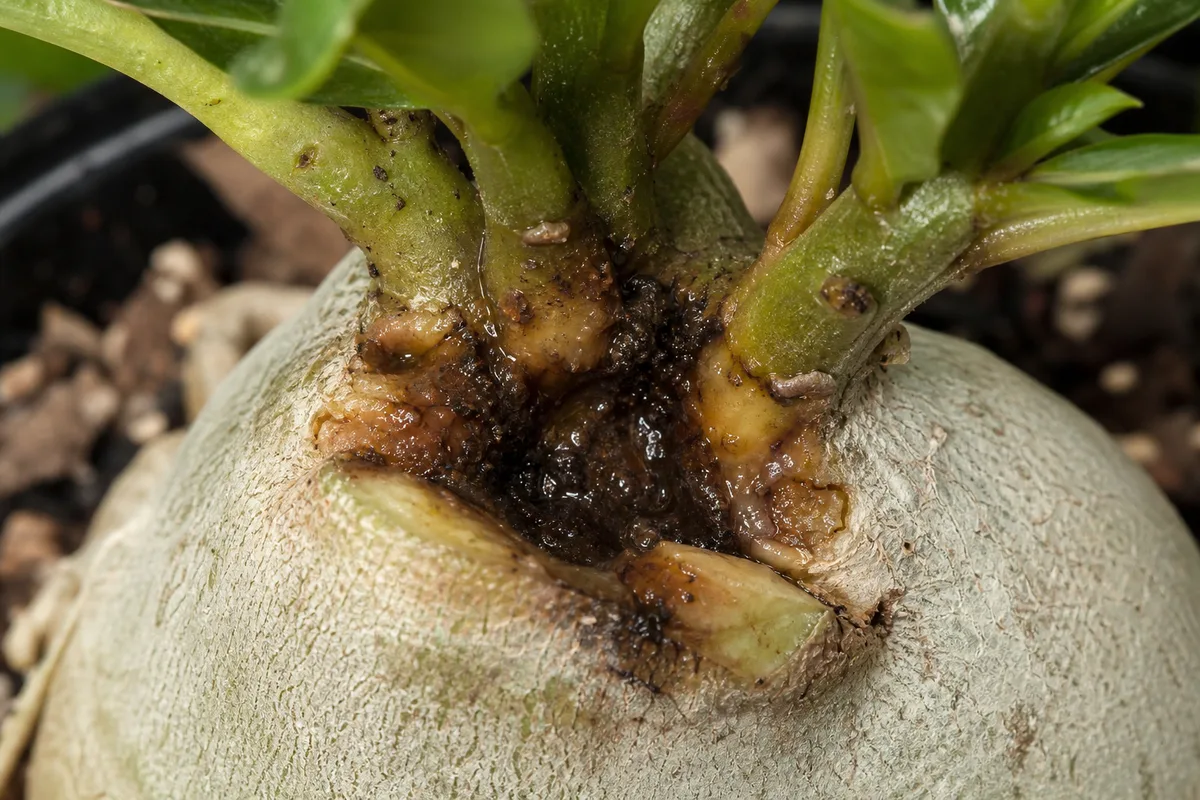
Locate the highest point of discoloration. Rot that has crossed the entire crown leaves no continuous route between viable roots and shoots.
Crown Rot Lookalikes
Drought causes wilt and a light pot, but roots and crown remain firm. Normal leaf shedding affects selected older leaves without softening the base. Cold injury can collapse exposed leaves or stems, often on the side nearest glass, while the below-surface crown stays sound.
Mechanical damage at repotting can bruise one area without continuing to spread. Natural corking on succulents is dry and firm, not translucent or mushy. Some pigmented stems are normally brown or purple, so compare texture and the change over time rather than color alone.
Crown Rot vs Root Rot and Drought
| Evidence | Crown rot | Root rot | Drought |
|---|---|---|---|
| Main damage | Root-to-stem junction | Fine and structural roots | No primary decay |
| Potting mix | Often persistently wet | Often persistently wet | Usually dry and light |
| Tissue | Crown soft, dark, or girdled | Roots soft, dark, sloughing | Crown and roots firm |
| Response to water | Little improvement or faster collapse | Little improvement | Turgor may return if roots function |
The categories can overlap. Root rot can move into the crown, and a rotten crown may coexist with decayed roots. University of Maryland notes that yellowing, browning, and dieback in houseplants may signal root or crown rot, reinforcing the need to inspect below the canopy (indoor disease overview).
Why Crown Rot Develops
Long periods of saturation reduce oxygen around roots and favor several water-associated pathogens. A pot without an open drainage path, an oversized container, compacted mix, or water left in a saucer can keep the crown wet long after the top looks dry. Low light and cool conditions slow plant water use, so a routine that worked in summer may become excessive.
Pathogens and wet conditions are related but not identical. Overwatering does not manufacture Phytophthora, yet it can create the environment in which an introduced pathogen infects. Conversely, stopping water cannot reverse crown tissue that is already dead.
Saturation, Drainage, and Planting Depth
UC IPM states that crown and root rots are most common under wet or over-irrigated conditions and places control emphasis on good drainage (water management). Let species-appropriate portions of the mix dry, then water thoroughly and allow runoff to leave.
Burying the crown too deeply creates another moist interface. UC IPM warns that deep planting, where soil covers the stem base, encourages Phytophthora infection. Keep the natural crown at its proper level and do not pile decorative moss or mulch tightly around it.
How Pathogens Move
Infested potting mix, water, roots, nursery plants, tools, and hands can move pathogens. UC IPM explains that water and anything carrying moist soil can transport Phytophthora to new areas (sanitation guidance). Never pour runoff from a suspect pot into another planter.
Fungus gnats can be associated with wet media and may move some propagules in production settings, but killing adult gnats does not cure a rotten crown. Address the shared moisture problem and isolate contaminated mix.
Act on a Suspected Case
Move the plant away from others and stop watering on a calendar. Empty the saucer, verify that drainage holes are open, and keep the plant warm and appropriately lit without exposing compromised foliage to intense sun. Photograph the crown and roots so you can judge change.
Avoid fertilizing. Damaged roots cannot use salts normally, and fertilizer will not disinfect tissue. Do not apply hydrogen peroxide, cinnamon, bleach, or alcohol to living roots as an improvised cure.
Isolate and Stop Automatic Watering
Isolation prevents shared runoff and contaminated mix from reaching other pots. Work on newspaper or a washable tray, and bag discarded mix. Clean all soil from tools before applying a label-approved disinfectant.
Do not let “stop watering” become deliberate dehydration. The goal is to end prolonged saturation while retaining viable tissue. After intervention, water according to actual mix moisture, species needs, pot size, light, and root capacity.
Decide Whether to Rescue, Propagate, or Discard
Make the decision from structural continuity, not from the number of leaves still attached. A rescue needs an unbroken route of firm, viable tissue between at least some roots and a living growth point. If soft decay completely encircles that route, repotting cannot reconnect it. A clean shoot above the lesion may still be suitable for species-appropriate propagation, but it should be treated as a quarantined salvage cutting rather than a guaranteed pathogen-free clone.
| Condition | Reasonable action |
|---|---|
| Small localized lesion; most crown and roots firm | Attempt sanitation and repotting |
| Roots damaged but a firm, unspotted shoot remains above rot | Take a healthy cutting if the species propagates that way |
| Rot girdles the crown or reaches every growth point | Discard is usually the lowest-risk choice |
| Valuable or rare plant; cause uncertain | Submit a sample before destructive treatment |
Propagation is a salvage method, not proof that the cutting is pathogen-free. Cut well above discoloration, use a fresh sterile blade, and isolate the cutting. Do not propagate species that require crown tissue if no clean crown remains.
Attempt a Careful Rescue
Rescue is most plausible when decay is localized and a continuous section of firm crown remains. Remove the plant, discard saturated mix, and identify the boundary of healthy tissue. If damage surrounds the crown, surgery cannot reconnect roots and shoots.
Allowing a cleaned wound to dry may help some succulents, but it can desiccate thin-rooted tropical plants. Adapt handling to the species rather than applying a universal “air dry for days” rule.
Remove Decayed Tissue and Repot
With a clean sharp tool, remove roots or tissue that are clearly soft, sloughing, or discolored, preserving as much firm material as possible. Disinfect the tool between cuts if you cross from suspect to healthy tissue. Use a clean pot with working drainage and fresh, appropriately porous mix.
Choose a pot only slightly larger than the remaining root system. A large volume of wet mix around few roots dries slowly. Set the crown at the correct height and keep the saucer empty.
Use Products Only With a Supported Diagnosis
No product restores a dead crown. Some labeled products suppress particular oomycetes or fungi, but performance depends on pathogen, host, timing, and legal use site. UC IPM cautions not to rely on pesticides alone and notes that products can harm plants if overapplied (chemical-control limits).
Use only a product whose label covers the plant, disease, and indoor location. Follow dose, protective equipment, ventilation, interval, and disposal directions. When the plant is valuable or failures recur, laboratory identification is more defensible than rotating speculative treatments.
Read Recovery Signals Correctly
Old yellow leaves may fall and old lesions will remain. Recovery means the crown stays firm, discoloration does not advance, roots begin producing firm tips, and new foliage emerges normally. A temporary lift after repotting is not enough; monitor through several watering cycles.
If the plant continues to loosen, smell, soften, or collapse, bag and discard it. Clean the saucer and work area, and do not reuse suspect potting mix.
Prevent Crown Rot
Match the potting mix, container, and watering method to the plant. Check moisture below the surface, ensure water can drain completely, and adjust frequency when light or temperature changes. Avoid routinely wetting rosette centers and stem bases when the species is prone to holding water there.
Buy healthy stock and inspect the crown and roots when feasible. Keep new plants separate initially, never share drainage water, and remove dead leaf bases that trap moisture. Prevention is strongest when it combines clean stock with the drainage and irrigation practices UC IPM identifies as central to reducing Phytophthora risk (prevention guidance).
Container design matters beyond the presence of one hole. A drainage opening can be blocked by a flat saucer, compacted roots, decorative liner, or dense plug left around the nursery root ball. After watering, confirm that runoff exits freely and that the pot is not standing in it. If a nursery pot sits inside a cachepot, remove it to water and return it only after drainage is complete.
Choose pot size from the living root system, not the canopy. When rot has removed many roots, returning the plant to a large wet volume slows drying. A smaller clean pot may provide a better air-to-water balance, provided remaining roots fit without being crushed. Do not pack mix forcefully around them; settle it with gentle tapping and a measured watering.
Potting-mix ingredients are not inherently “fast draining” in every container. Fine particles settle, organic components decompose, and roots fill pore spaces. Observe how long the full pot stays heavy after watering and whether water channels down the sides. Replace structurally collapsed mix at an appropriate repotting time rather than trying to correct persistent saturation by withholding all water from functioning roots.
Seasonal changes are a common hidden trigger. Shorter days and cooler rooms reduce transpiration, while a familiar weekly watering reminder continues unchanged. Move from calendar watering to a repeatable check: pot weight, a clean wooden skewer, or careful finger assessment at species-appropriate depth. Moisture meters can help compare zones but can misread salts and mix composition, so use them as one observation rather than an automatic command.
Rosette plants need special handling because water can remain among leaf bases directly above the crown. Water the mix carefully and blot accidental standing water where the species is sensitive. For plants routinely grown by crown watering, provide the warmth and airflow their established culture requires rather than applying a universal ban; the goal is to prevent prolonged stagnation.
Deep planting is not corrected by scraping random roots bare. Identify where the roots naturally emerge from the stem and reset that transition at the proper level during repotting. Stabilize a top-heavy plant with a support rather than burying more stem in wet mix. Decorative moss should not be packed against the crown, and a moisture-retaining top dressing may need removal while drying is assessed.
After a rescue, avoid the opposite error of keeping the plant permanently dry. Surviving roots still require water, and drought stress can further weaken recovery. Water when the appropriate portion of the new mix has dried, then drain completely. The interval may change as roots regrow, temperature shifts, or new leaves increase water use.
Do not seal a newly repotted crown in a propagation dome unless you are managing a species and cutting method that specifically requires it. Enclosed humidity can slow wound drying and encourage renewed softening. If a healthy cutting is the only salvageable material, root it using a method suitable for that species and monitor the cut base through a transparent or easily inspected setup when possible.
Sanitation includes workflow. Handle healthy plants first, suspect plants last, and keep a separate tray and tools for isolation. Remove all potting debris before disinfecting. If you use a reusable work mat, clean and dry both sides, because wet soil folded underneath can recontaminate the next session.
Discard decisions should account for collection value, not only the affected plant’s price. A common plant with a fully soft crown may not justify exposing rare neighboring plants to contaminated runoff and repeated handling. Bag the plant and mix where they sit, close the bag, and clean the path and surface. Follow local waste guidance rather than placing diseased material in a cool compost pile.
If rot recurs after careful repotting, resist repeated surgery. Advancing discoloration may extend beyond what is externally visible, and each cut removes reserves. A diagnostic lab can distinguish an oomycete from other causes and help prevent the same loss in the remaining collection. Provide recent photos, irrigation history, the old mix type, and any products already used.
Preventive purchases begin before checkout. Reject plants whose crown wobbles independently of the root ball, whose lower leaves detach with a soft base, or whose pot smells sour and remains saturated while peers are lighter. A few naturally shed leaves are not proof of disease, so combine that inspection with crown firmness and root condition.
Monitor a rescued plant with the least disturbance necessary. Repeatedly unpotting it tears new root tips and makes moisture control harder. Use pot weight, drainage behavior, crown firmness, and new growth as routine checks; inspect roots again only if symptoms advance or the substrate remains abnormally wet.
Support a weakened plant without binding the crown. A stake anchored near the pot edge can keep a top-heavy stem stable while roots establish. Soft ties should allow growth and should not trap water against damaged tissue. If the stem cannot stand because the crown itself is separating, external support may hide rather than solve structural failure.
Be cautious with powdered “wound dressings.” Cinnamon, charcoal, and sulfur are often recommended online as universal cures, but concentration, tissue tolerance, and target organisms vary. A dry powder can also obscure the lesion margin you need to monitor. Use a registered, label-directed product only when the diagnosis and plant use agree, and otherwise prioritize clean cuts, clean media, and correct moisture.
A saucer or cachepot used during the outbreak should be treated as contaminated. Wash away all soil and biofilm, disinfect according to the material and product label, rinse if directed, and dry it. Porous decorative containers may be difficult to sanitize fully; placing a clean nursery pot inside a clean impermeable liner can prevent direct contact while preserving the display.
For multi-crown plants, one rotten division does not always require sacrificing every division. Separate only if the remaining crowns have independent firm roots and no discoloration at their connecting tissue. Use clean cuts and isolate each division. If rot crosses the shared rhizome or stem, assume apparently healthy portions close to the boundary may already be compromised.
Judge recovery by crown-specific evidence rather than speed or cosmetic leaf retention. A rescued plant may shed foliage while rebuilding roots, and growth can pause for weeks. That alone is not proof of recurring rot. Increasing firmness, stable color at the crown, normal water uptake, and eventually new roots or leaves are stronger indicators than speed.
Conclusion
Crown rot is decay at the critical bridge between roots and shoots. Confirm it by inspecting the soil line, crown, and roots—not by wilt alone. A wet pot, soft dark crown, sloughing roots, and failure to respond to water make rot much more likely.
End saturation, isolate contaminated material, and rescue only when substantial firm tissue remains. Repot into clean, draining media, use pesticides only for a supported and label-approved diagnosis, and judge success by a firm crown and sustained clean growth. When rot has girdled the crown, a healthy cutting or careful disposal is safer than repeated speculative treatment.
Plants commonly affected
These houseplants often struggle with crown rot. Open a care guide or plant-specific troubleshooting page for tailored fixes.
 Medium
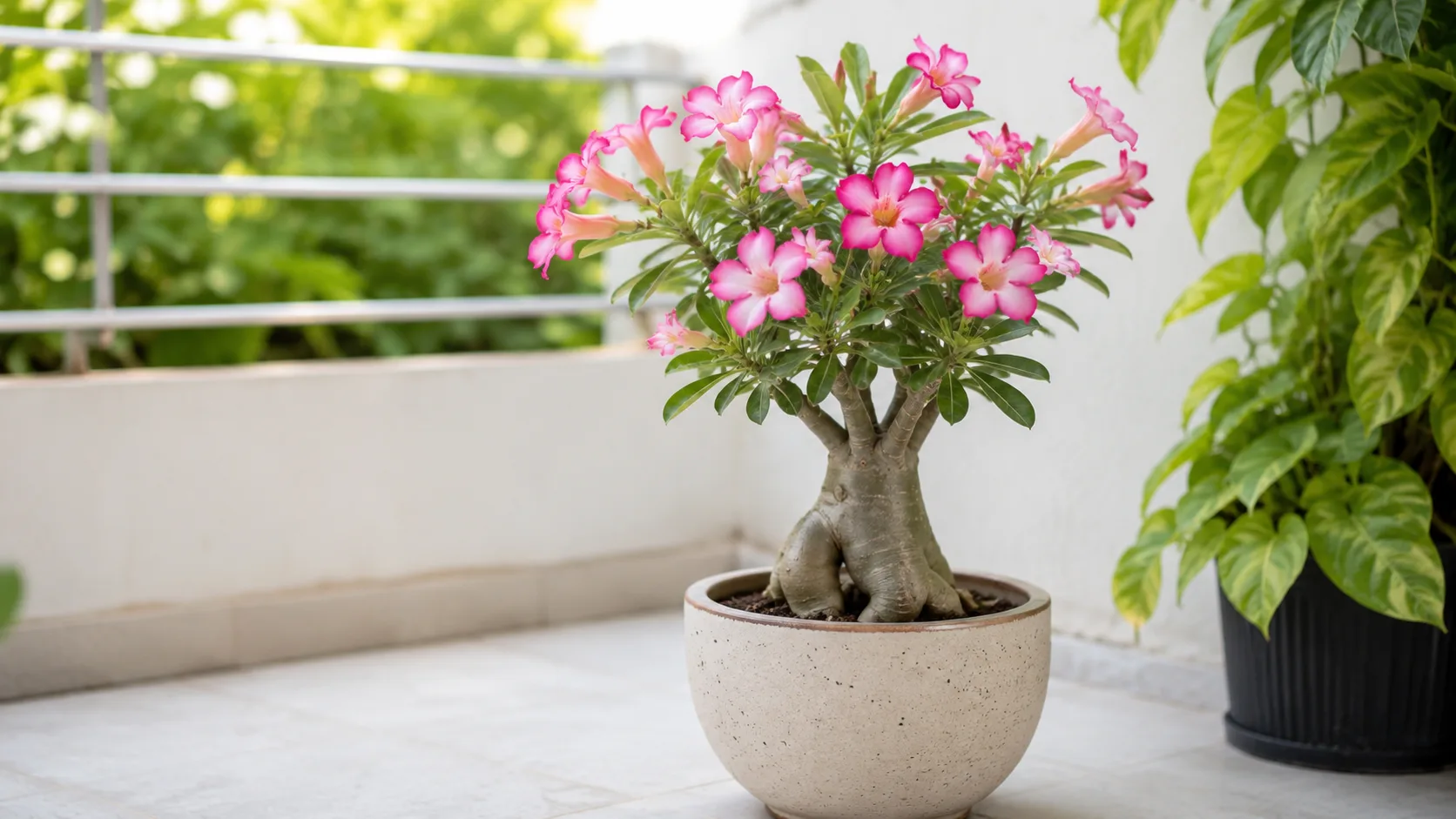
Adenium
Likely causeWet soil during cool or dormant periods rots the swollen caudex, often progressing from roots upward.
Quick fixStop watering, unpot, cut away all soft black caudex tissue, dry 2–3 days, then repot in gritty mix.
 Medium
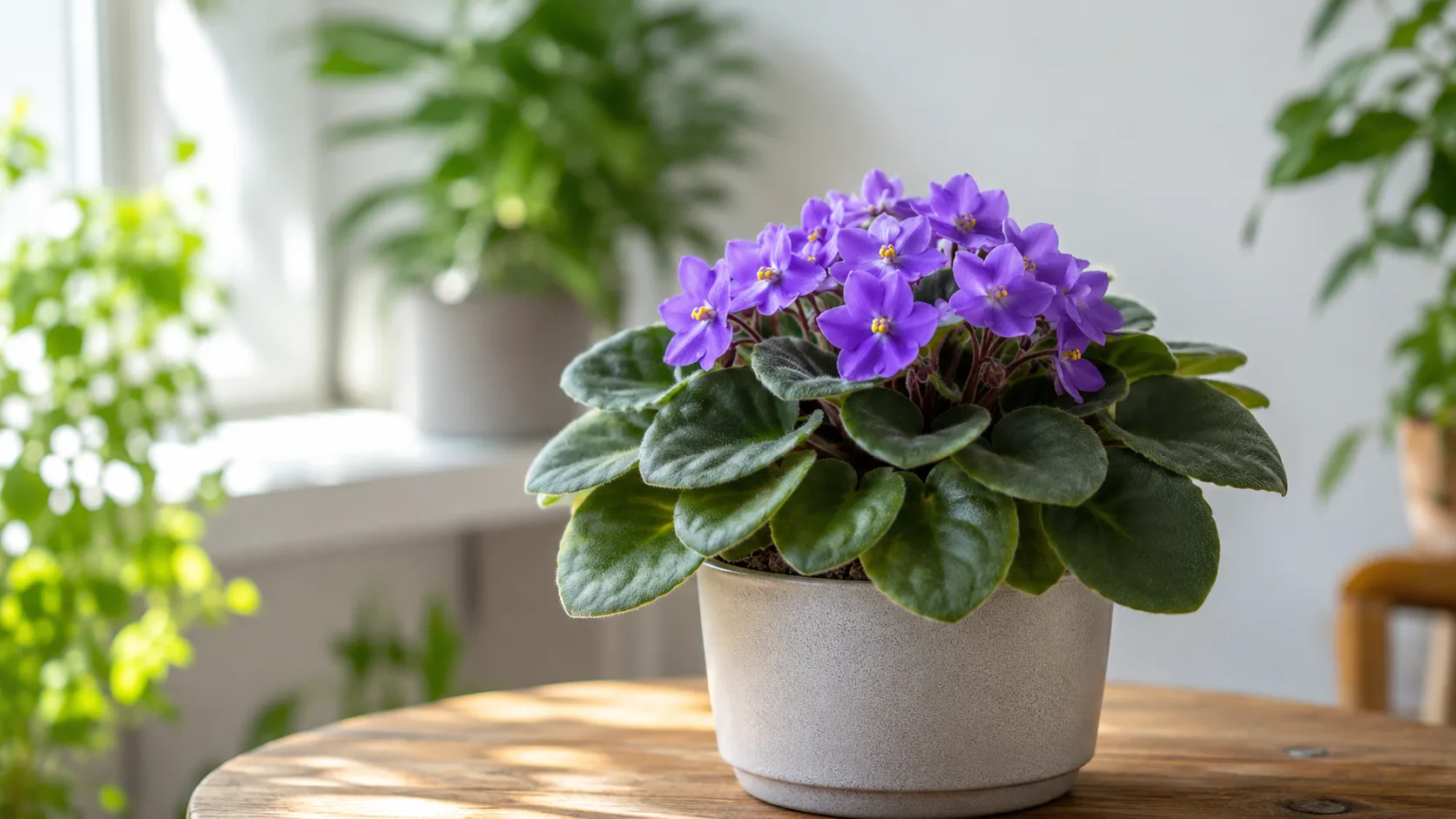
African Violet
Likely causeCrown Rot on African Violet: The best method for controlling African violet crown rot is prevention-- always let the soil dry to the touch between waterings. Since there really isn't an effective African violet crown rot tre
Quick fixInspect African Violet, confirm crown rot matches your symptoms, then adjust care or treat per authoritative guides.
 Medium
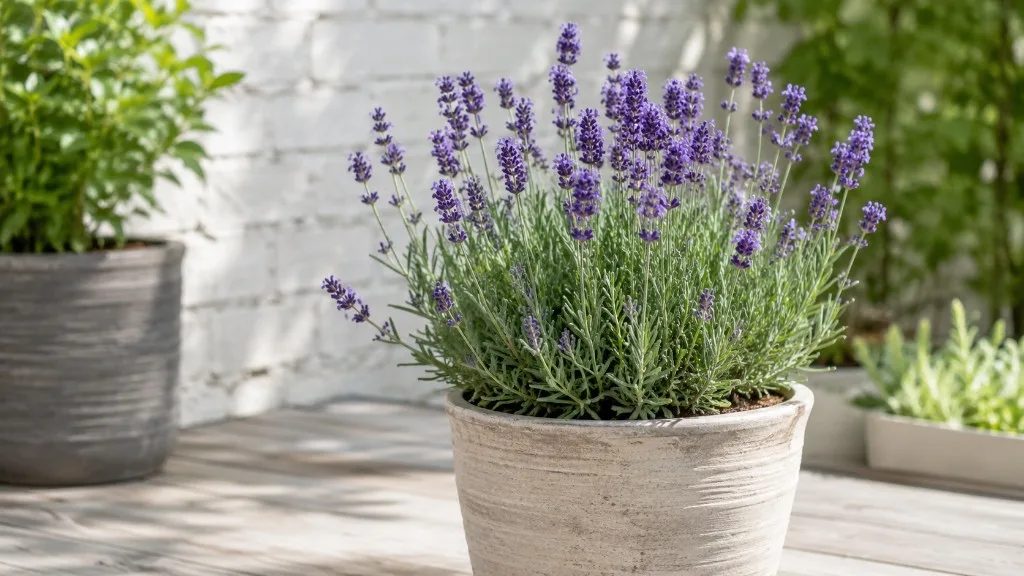
Lavender
Likely causeIn preliminary studies in our lab, symptoms of decay in the root crown led to this disease being renamed Phytophthora root and crown rot (PRCR) of lavender (Jeffers et al. 2016).
Quick fixFollow extension or botanical guidance for Lavender crown rot; adjust care before applying broad treatments.
 Medium
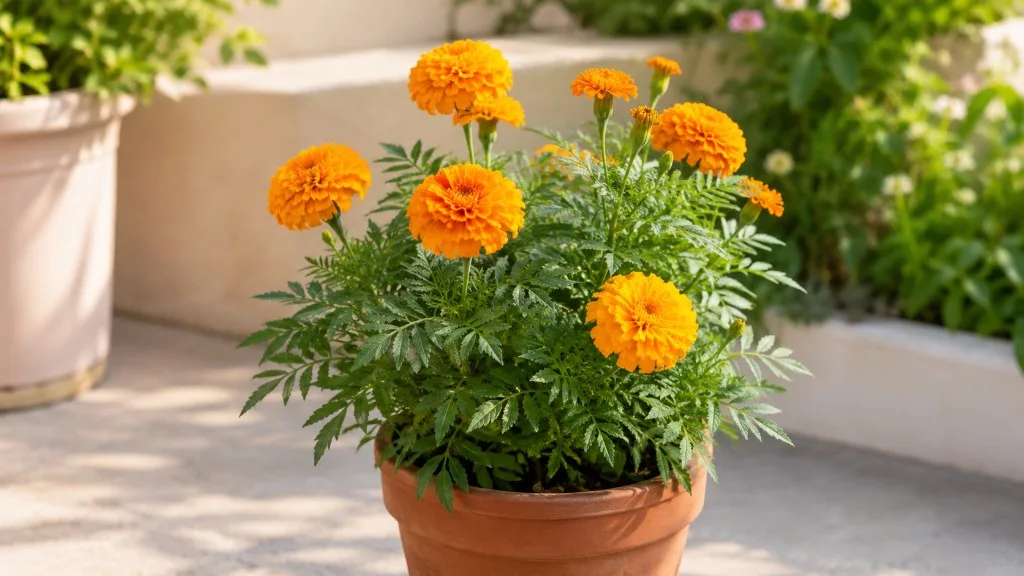
Marigold
Likely causeJul 4, 2022 · Solution – Root rot , stem rot, or crown rot is caused when too much water to plants, but the soil does not drain well. Too much moisture causes various severe fungi/bacterial wilting diseases to affect the Marigold.
Quick fixConfirm diagnosis on your Marigold, then address the most likely care or pest factor described in current extension guidance.
 Medium
Rose
Likely causePaternoster Row is a street in the City of London that was a centre of the London publishing trade, with booksellers operating from the street. Paternoster Row was described as "almost synonymous" with the book trade. It was part of an area
Quick fixConfirm diagnosis on your Rose, then address the most likely care or pest factor described in current extension guidance.
 Medium
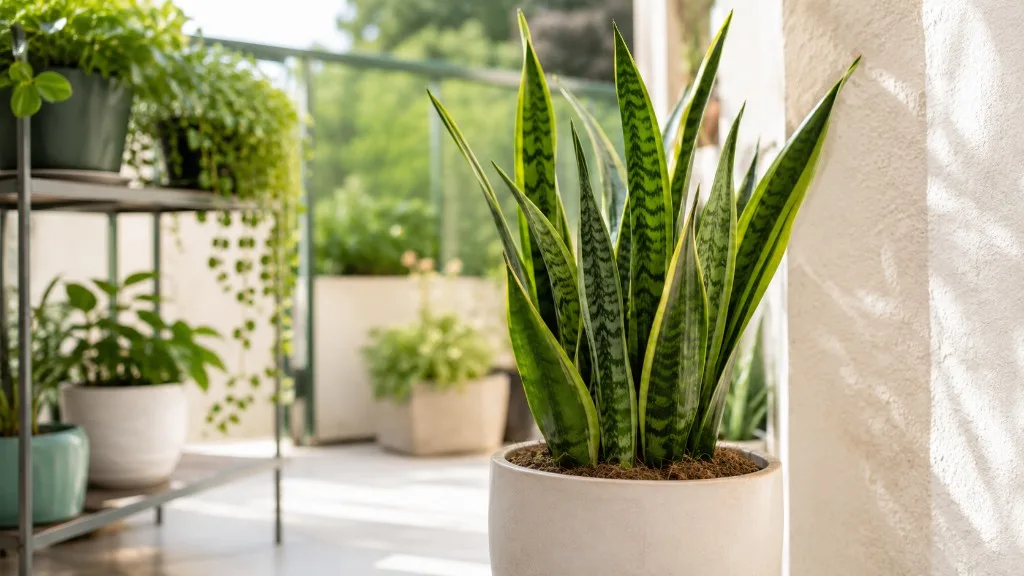
Snake Plant
Likely causeAdvanced root rot spreads into the Sansevieria crown (central leaf base), turning it soft, black, and mushy with foul odor.
Quick fixIf crown is firm, treat as root rot; if crown is black and soft, propagate healthy leaf sections—parent plant cannot recover.
 Medium
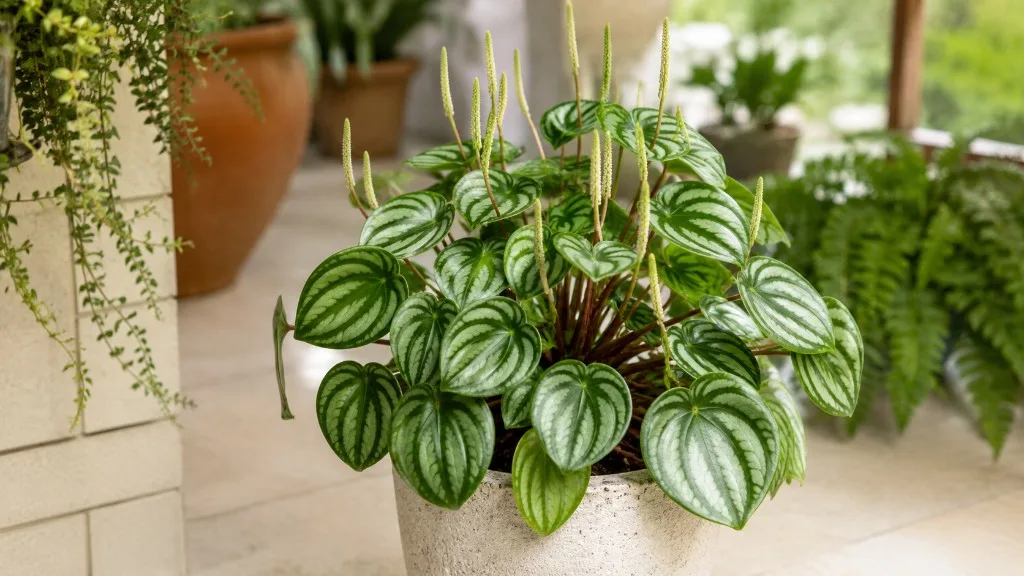
Watermelon Peperomia
Likely causeWater pooling in the compact rosette crown causes soft petioles and rapid decline in Watermelon Peperomia.
Quick fixStop overhead watering; water around the crown edge and improve airflow until the base firms up.
 Medium
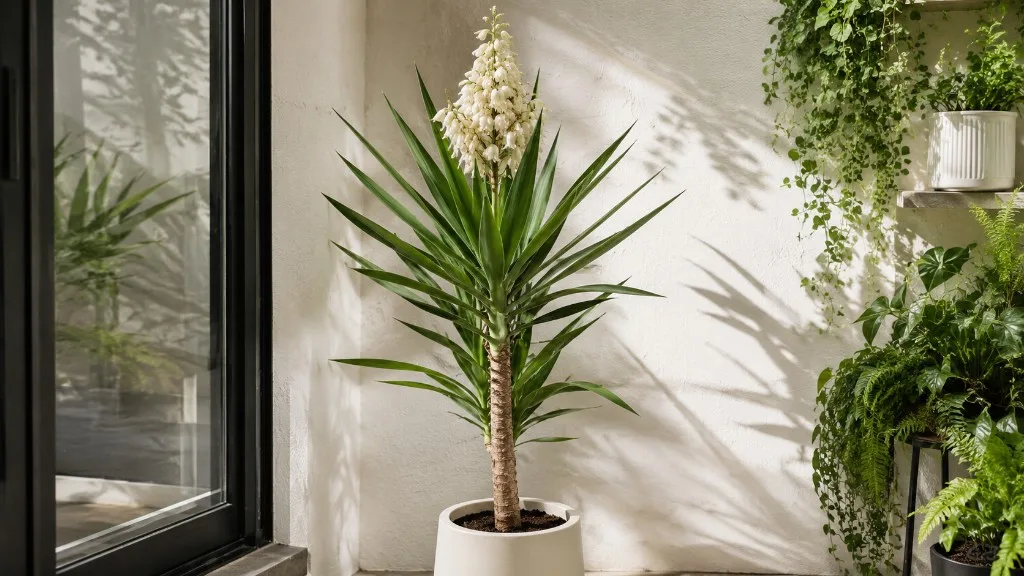
Yucca Plant
Likely causeWet soil rots the yucca cane base where rosettes attach, collapsing the plant.
Quick fixCut away soft base tissue; repot remaining firm cane in dry cactus mix.