Bacterial Wilt in Plants: Symptoms and Management
Indoor plant diseases are usually fungal or bacterial infections favored by moisture on leaves and poor ventilation. Bacterial Wilt can weaken growth and spread to nearby plants if ignored. Use Sudden wilting despite moist soil as your starting point, then confirm whether you are dealing with infection, physical damage, or care stress. Track weekly progress after you change care, and note watering, light, and repotting dates so you can tell whether the symptom is improving or returning. Compare upper versus lower leaves, new versus old growth, and soil moisture at root depth before you treat, because the same visible symptom can come from watering, light, pests, or normal aging on different plants.
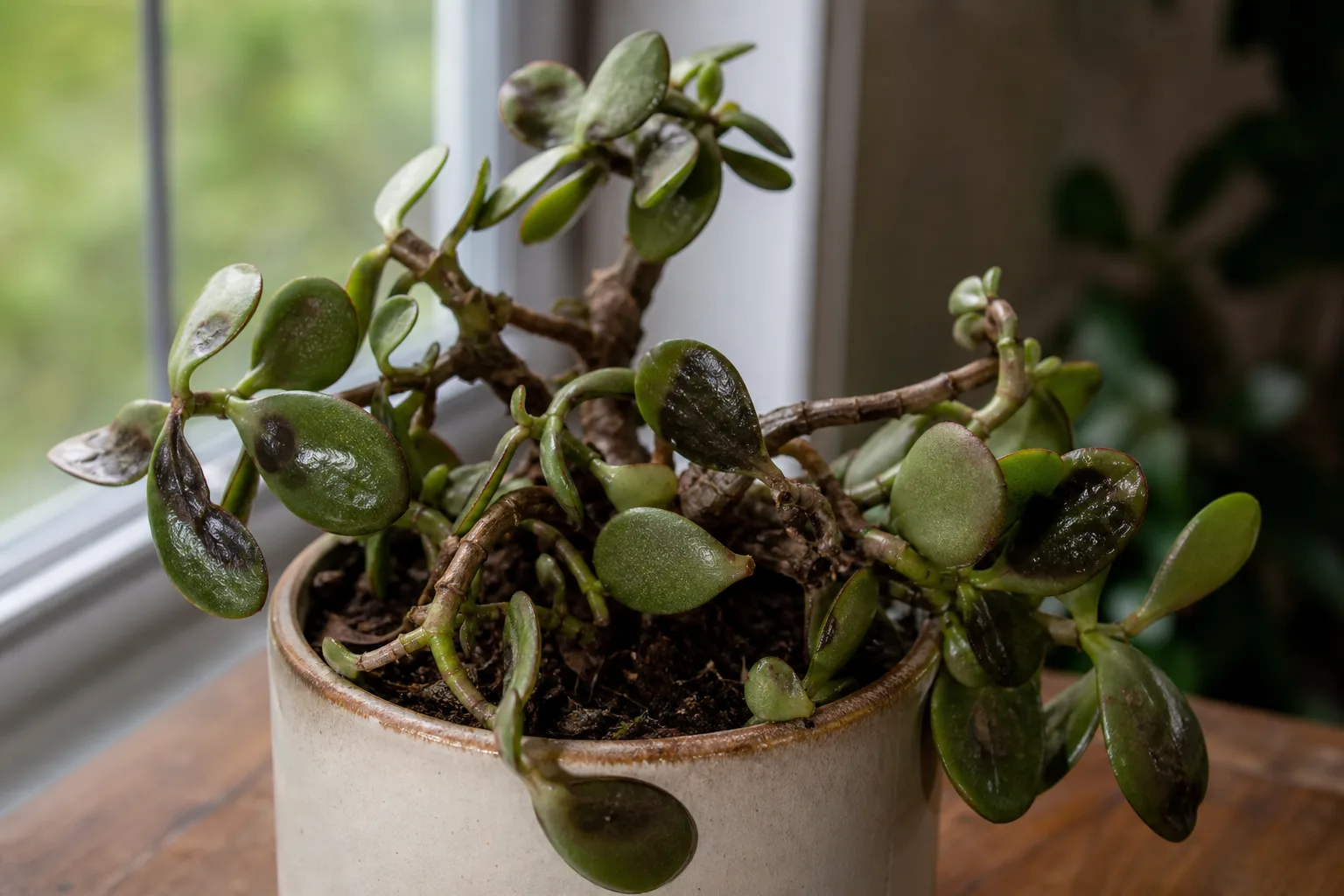
Bacterial Wilt on Houseplants
Still unsure?Match your symptoms to the most likely problems in under a minute.Run diagnosis →Understand and fix bacterial wilt
Indoor plant diseases are usually fungal or bacterial infections favored by moisture on leaves and poor ventilation. Bacterial Wilt can weaken growth and spread to nearby plants if ignored. Use Sudden wilting despite moist soil as your starting point, then confirm whether you are dealing with infection, physical damage, or care stress. Track weekly progress after you change care, and note watering, light, and repotting dates so you can tell whether the symptom is improving or returning. Compare upper versus lower leaves, new versus old growth, and soil moisture at root depth before you treat, because the same visible symptom can come from watering, light, pests, or normal aging on different plants.
Overview
Indoor plant diseases are usually fungal or bacterial infections favored by moisture on leaves and poor ventilation. Bacterial Wilt can weaken growth and spread to nearby plants if ignored. Use Sudden wilting despite moist soil as your starting point, then confirm whether you are dealing with infection, physical damage, or care stress. Track weekly progress after you change care, and note watering, light, and repotting dates so you can tell whether the symptom is improving or returning. Compare upper versus lower leaves, new versus old growth, and soil moisture at root depth before you treat, because the same visible symptom can come from watering, light, pests, or normal aging on different plants.
How to identify it
- Look for spots with halos, powdery coating, or water-soaked margins
- Check if damage spreads over days vs stays static
- Note whether leaves were recently misted or watered overhead
- Inspect multiple plants in the same room for similar patterns
- Smell soil-sour odor suggests rot rather than surface disease alone
When to worry
Rapid defoliation, soft mushy stems, or spots enlarging daily mean isolate immediately and trim affected tissue.
Common causes
Water sitting on leaves overnight
Overhead watering and late-day misting keep foliage wet for hours-the perfect environment for leaf spot and mildew.
Poor airflow between plants
Crowded shelves and closed rooms trap humidity around leaves and speed up Bacterial Wilt.
Infected tools or splashing water
Pruning with dirty shears or reusing drip trays without cleaning spreads pathogens plant to plant.
Weakened or stressed plants
Plants recovering from repotting, low light, or root issues are more susceptible to infection.
Step-by-step fix
Isolate affected plants
Move sick plants away from healthy ones until active spread stops.
Remove infected leaves
Cut off heavily spotted or mushy foliage with clean scissors. Dispose in trash, not compost indoors.
Improve airflow and watering technique
Space plants out, run a fan on low, and water at soil level without wetting leaves.
Apply fungicide if fungal disease is confirmed
For powdery mildew or leaf spot, use a houseplant-safe fungicide per label. Bacterial issues may need removal rather than spray.
Avoid fertilizer until recovery
Let the plant stabilize. New healthy growth confirms your changes are working.
Prevention tips
- Water at the soil line, not over leaves
- Provide spacing and gentle airflow in plant rooms
- Sterilize pruning tools between plants
- Quarantine new plants before mixing collections
Common mistakes
- Misting diseased leaves hoping humidity helps
- Leaving fallen infected leaves on soil surface
- Treating bacterial rot with fungicide only
A wilted plant does not automatically have bacterial wilt. Dry potting mix, saturated roots, heat, root injury, vascular fungi, and stem damage are all more common explanations in many homes and gardens. Bacterial wilt becomes a credible concern when wilting persists despite appropriate moisture and appears with vascular discoloration, bacterial ooze, a susceptible host, or a known exposure.
Bacterial wilt is a group of diseases in which bacteria colonize water-conducting tissue and disrupt water movement through the plant. Symptoms cannot identify the pathogen with certainty. Isolate a suspect plant, stop sharing water and tools, document its source and symptoms, and seek a plant diagnostic laboratory when the host or circumstances make a serious pathogen plausible.
What Bacterial Wilt Means
“Bacterial wilt” is a symptom-based disease name, not one organism in every plant. Several bacteria cause wilt diseases, but the Ralstonia solanacearum species complex is among the most important because of its wide host range, persistence, and regulated strains. The bacteria enter roots or wounds and multiply in the xylem, where water normally moves upward.
Wilting occurs because vascular function is impaired, not because the pot necessarily lacks water. Adding more water to already moist mix can worsen root stress and spread contaminated drainage. Diagnosis must therefore begin with moisture and root checks rather than reflexive watering.
The Ralstonia solanacearum Species Complex
Penn State Extension reports that Ralstonia solanacearum attacks almost 200 species across 33 plant families and can enter through roots and fresh wounds (Penn State Extension). Important hosts include tomato, pepper, eggplant, potato, tobacco, geranium, and banana, though host range differs among strains.
Modern plant pathology treats this group as a species complex with substantial biological diversity. A visual diagnosis cannot determine the species, sequevar, race, or regulatory status. That level of identification requires validated laboratory methods.
Hosts and Regulatory Context
Some members of the complex are regulated quarantine pests in particular countries or regions. Requirements change, so do not rely on an old blog list. USDA APHIS maintains official information for regulated Ralstonia strains and response actions in the United States (USDA APHIS).
If a recently purchased geranium, tomato, potato, or other known host develops suspicious vascular wilt—especially in a nursery, greenhouse, school, or commercial collection—contact the supplier and local plant-health authority before composting or moving it. Regulations and reporting routes vary by location.
Recognizing the Symptom Pattern
Early symptoms may include one or two leaves wilting during the heat of the day and appearing to recover overnight. As disease advances, wilt becomes permanent, foliage yellows, and tissue between veins may brown. Penn State notes that one side of a leaf or plant can wilt first, an uneven pattern that is characteristic on some hosts but not diagnostic by itself (Penn State Extension).
The main stem may remain upright while leaves collapse. Sudden whole-plant wilt can occur in warm conditions, but speed varies with host, pathogen, temperature, and infection level. Absence of leaf spots does not prove bacterial wilt, and their presence may suggest another bacterial disease.
Internal Vascular Signs
Cutting a lower stem lengthwise may reveal tan, yellow-brown, or dark streaking in the vascular tissue. The American Phytopathological Society’s diagnostic guide identifies vascular discoloration and milky bacterial ooze from freshly cut tissue as useful signs of Ralstonia infection (Plant Health Progress).
Discolored vessels also occur with fungal wilts and severe root disorders. Use a disposable blade, photograph the cut, and seal the sample afterward. Do not carry the blade to another plant before disinfecting it.
Bacterial Wilt vs Common Look-Alikes
Underwatering usually comes with dry mix, a light pot, and improvement after thorough watering if roots remain healthy. Overwatering and root rot often produce persistently wet mix, soft dark roots, and sometimes a sour smell. Heat wilt tracks extreme conditions and may resolve when temperature and moisture normalize.
Fusarium and Verticillium are fungal vascular wilts that can produce similar yellowing and vascular discoloration. Stem injury, crown rot, and root-knot nematodes can also restrict water movement. No single leaf symptom separates all these causes.
| Evidence | Bacterial wilt | Underwatering | Root rot |
|---|---|---|---|
| Potting mix | May be normally moist | Dry through root zone | Often persistently wet |
| Response to watering | Little lasting recovery | Usually improves if roots function | May worsen or remain limp |
| Roots | Can appear intact early | Dry but not mushy | Brown, soft, easily stripped |
| Stem tissue | Possible vascular browning and ooze | Usually normal | Basal darkening may spread upward |
| Confirmation | Laboratory testing | Care history and recovery | Root examination, sometimes lab test |
A Safe Diagnostic Sequence
First, feel the mix at several depths and check drainage. Second, review recent heat, cold, repotting, stem injury, and watering. Third, isolate the plant and examine roots and the lower stem. Fourth, assess whether the plant is a known host and whether other plants sharing water or tools are affected.
Only then consider destructive stem tests or laboratory submission. This sequence prevents a dramatic but uncommon diagnosis from displacing simpler explanations. It also reduces the chance of spreading bacteria while repeatedly cutting and handling the plant.
What Home Checks Can and Cannot Prove
A home inspection can strengthen or weaken suspicion. It cannot certify a regulated pathogen. Even apparently characteristic ooze may involve another bacterium, and an infected stem with a low bacterial population may not stream visibly.
Use home checks to decide whether containment and professional diagnosis are warranted. Do not use them to sell, exchange, compost, or clear a suspect plant.
The Stem-Streaming Test
Cut a short section from the lower symptomatic stem with a clean disposable blade, rinse surface debris, and suspend the cut end in a clear container of clean water without crushing it. A milky thread streaming from the vascular tissue is considered a useful field sign. APS describes this viscous white-creamy stream as distinctive evidence that supports Ralstonia suspicion (Plant Health Progress).
A positive result is not a species-level confirmation, and a negative result does not rule disease out. Seal and discard the water and plant material according to local guidance; do not pour test water into soil, sinks used for plant care, or outdoor drains.
Immediate Containment
Move the suspect plant away from healthy plants without allowing drainage or foliage to contact them. Stop propagation, gifting, sales, and movement. Keep a record of purchase source, date, plant variety, symptoms, and plants that shared irrigation or tools.
Do not compost suspicious material. Compost conditions in a household pile are not validated to eliminate all plant pathogens. Keep the plant sealed while you obtain local advice, especially if a regulated host or recent commercial purchase is involved.
Tools, Water, and Shared Surfaces
Treat pruning tools, knives, benches, saucers, irrigation wands, and hands as possible pathways. Remove organic debris before disinfecting because dirt can reduce disinfectant performance. Use a locally recommended disinfectant at its labelled concentration and contact time, then rinse or protect tools if corrosion is a concern.
Do not let pots share standing water. Penn State emphasizes pathogen-free media, clean propagation stock, and procedures that prevent contaminated soil or water from contacting stock plants (Penn State Extension). For a small collection, separate saucers and individual watering are simple safeguards.
Management and Disposal
For confirmed bacterial vascular wilt, management centers on exclusion, sanitation, and removal rather than restoring the infected plant. Follow instructions from the diagnostic laboratory or plant-health authority. They may request a sealed sample, the whole plant, or trace-back information.
Disposal requirements vary with pathogen and jurisdiction. Household trash may be appropriate for an ordinary nonregulated disease, while a regulated finding can trigger specific official handling. Ask before transporting a suspect regulated host.
Why There Is No Reliable Home Cure
Once bacteria occupy the vascular system, wiping leaves or changing soil does not remove them from the stem. No household antibiotic, bleach drench, essential oil, or fertilizer has reliable evidence as a curative treatment, and such applications can injure the plant, contaminate soil, or violate pesticide law.
Pruning above a wilted section is also unreliable because bacteria may be present beyond visible discoloration. Propagating a symptomless cutting risks carrying the pathogen into a new plant. Penn State identifies propagation from tested pathogen-free material—not rescue propagation from suspect stock—as the main preventive strategy (Penn State Extension).
When to Contact a Diagnostic Lab
Seek diagnosis when symptoms persist despite correct moisture, vascular browning or streaming is present, several plants sharing water are affected, or the host has regulatory significance. A local cooperative Extension office, university plant clinic, or official plant-health service can explain sample packaging and fees.
Contact the clinic before shipping. Fresh, representative tissue is usually more useful than a dried leaf, and biosecurity rules may limit movement. Official diagnostics can use culture, immunological methods, or molecular assays that are not available from appearance alone.
Prevention With Clean Plant Material
Buy plants and propagative material from traceable suppliers, inspect them on arrival, and quarantine them before mixing collections. Use clean containers and commercially prepared or properly treated growing media. Avoid moving outdoor soil into propagation areas.
Water in ways that limit splash and shared drainage. Clean tools between plants, especially when taking cuttings or pinching shoots. Government plant-health controls demonstrate why contaminated plants for planting and irrigation water are important pathways for Ralstonia spread (UK Plant Health Portal).
Prevention is especially important because an apparently healthy plant can be infected before obvious wilt develops. Good records turn an isolated diagnosis into actionable trace-back rather than a mystery affecting the entire collection.
Build a baseline for every suspect case. Photograph the plant from the same angle in morning and afternoon, measure pot moisture at several depths, and note whether one branch, one side of a leaf, young growth, or the whole canopy wilted first. Record recent heat, cold, repotting, stem injury, pruning, and irrigation changes. This timeline gives a diagnostic clinic evidence rather than a single image of a collapsed plant.
Think of wilt as a hydraulic symptom. Leaves are losing water faster than roots and stems can replace it, but the bottleneck may be dry mix, dead roots, a crushed stem, heat, root binding, fungal vascular disease, or bacteria. The symptom becomes more suspicious for vascular infection when correctly moist soil, persistent wilt, uneven early symptoms, internal browning, ooze, and an exposure pathway occur together.
Root inspection can resolve common alternatives. Slide the root ball out gently and check whether roots are firm or soft and easily stripped. Look for a dry hydrophobic core, standing water, compacted media, and a pot packed with circling roots. If ordinary water stress explains the problem and the plant recovers durably after correction, bacterial wilt becomes less likely.
When disease remains plausible, define clean and dirty work zones. Keep healthy plants, unused tools, and new potting supplies outside the suspect area. Place the affected plant, gloves, sample container, and cleaning materials inside it. Work from clean materials toward the plant and clean the space last.
Disinfection begins with removal of soil and sap. Organic debris can protect microbes and reduce a disinfectant’s performance. After cleaning, use a locally recommended product at the labelled dilution for the full contact time. A quick dip through dirty solution is not equivalent. Porous wood stakes, coir poles, and deeply scratched plastic may be harder to sanitize than smooth metal and could require disposal.
Do not repeatedly cut the plant to search for better evidence. Each incision creates contaminated liquid and another opportunity to spread material. If you perform one streaming check, record it with a photo or video, seal the tissue and water, then contact a clinic. Cloudiness from soil or crushed cells is not the same as a coherent bacterial stream from vascular bundles.
Choose a representative diagnostic sample at the transition between healthy and wilted tissue. Completely dry stems can be colonized by secondary organisms and may be less useful. Call before cutting because a clinic may request roots, crown tissue, potting medium, or the complete potted plant. Never mail a regulated suspect across borders without explicit instructions.
Commercial test kits do not eliminate these limits. A result is meaningful only when the kit targets the relevant organism, uses approved tissue, has valid controls, and has been stored correctly. An official confirmation may use culture, immunological testing, or molecular assays and may be required even after a screening test.
Provide the clinic with full context without steering it toward your preferred diagnosis. Include the species and cultivar, source, purchase date, symptom sequence, watering history, root condition, temperature, prior pesticides, propagation history, and other affected plants. A strong differential diagnosis considers evidence against bacterial wilt as carefully as evidence for it.
After removal, keep exposed plants in separate saucers and do not consolidate them into a shared tray. Monitor them for the period recommended by the clinic or authority. Clean benches and irrigation tools, and do not reuse suspect growing mix. If an official trace-back begins, receipts, labels, and notes can connect apparently separate cases.
Prevention at purchase is practical rather than dramatic. Buy from traceable suppliers, retain labels during quarantine, and reject plants with unexplained wilt or stem discoloration. Use clean containers and prepared growing media for propagation. Avoid taking “rescue” cuttings from a suspect plant, because symptomless tissue can still carry a systemic pathogen.
There is no benefit in trying household antibiotics, bleach drenches, peroxide floods, essential oils, or concentrated fertilizer. A surface disinfectant is not a vascular treatment, and concentrations capable of sanitizing tools can destroy living roots. Agricultural antibacterial products are regulated and must be used only where legally labelled.
Regulatory concern should prompt orderly action, not panic. Preserve traceability, isolate the material, and ask the correct local authority before transport or disposal. Rules reflect the host, pathogen, strain, and jurisdiction; they cannot be inferred from a photograph or a generic disease name.
Weight evidence in combinations. Persistently moist but aerated mix plus firm roots rules against simple drought and obvious root rot, but it does not prove a vascular bacterium. Uneven wilt, internal browning, a coherent bacterial stream, a susceptible host, and shared irrigation together justify faster escalation. Conversely, prompt lasting recovery after correct watering argues for water stress. Record evidence that contradicts your initial theory as carefully as evidence that supports it.
Do not repeat a streaming test until the stem is exhausted. One documented attempt using transition tissue is more useful than several cuts through collapsing material. Cloudiness caused by soil particles or crushed cells is not the same as a defined stream emerging from vascular bundles. Send the photo or video with the sample history, but let the diagnostic laboratory decide which organism, if any, is present.
Ask what the clinic wants before collecting. Some cases require roots, crown, lower stem, potting medium, or the entire plant; a single wilted leaf may contain no useful vascular tissue. Choose material at the boundary between apparently healthy and symptomatic tissue, keep it cool as directed, and include photographs rather than mailing excess contaminated material. Never move a regulated suspect across a state or national border without explicit authorization.
Retain supplier labels, receipts, propagation dates, and a map of shared tools or irrigation. If another plant wilts, this record distinguishes a common care failure from a linked cluster and helps an authority trace affected material. Do not publish a pathogen name or accuse a supplier on the basis of a home test; official diagnosis protects both plant health and the accuracy of any notification.
After a confirmed removal, monitor exposed plants in individual saucers and avoid taking cuttings until the clinic’s recommended observation period has passed. Clean the work area from least contaminated to most contaminated, then dispose of gloves and single-use sampling materials as directed. Reusing a visually clean stake or porous support can defeat an otherwise careful sanitation plan.
Uncertainty should remain visible in the record. Label the case “suspected vascular wilt” until a qualified laboratory reports a result, and keep alternative explanations open. North Carolina State Extension advises submitting symptomatic plants to a diagnostic clinic because laboratory confirmation is needed to identify southern bacterial wilt reliably (NC State Extension). If testing is negative, ask what organisms and tissues the assay covered; a negative result for one target is not proof that every pathogen is absent. Use the clinic’s interpretation rather than treating a screening result as a universal clearance.
Conclusion
Bacterial wilt should be treated as a careful differential diagnosis, not a label for every limp plant. Check moisture, roots, temperature, and recent injury first; then look for persistent wilt, uneven symptom development, vascular browning, and bacterial streaming.
If suspicion remains, contain the plant and seek authoritative diagnosis. Do not propagate it, share drainage, or experiment with home cures. Clean stock, separated water, sanitation, and prompt removal of confirmed infections provide more protection than any attempt to reverse a colonized vascular system.
Plants commonly affected
These houseplants often struggle with bacterial wilt. Open a care guide or plant-specific troubleshooting page for tailored fixes.
 Medium
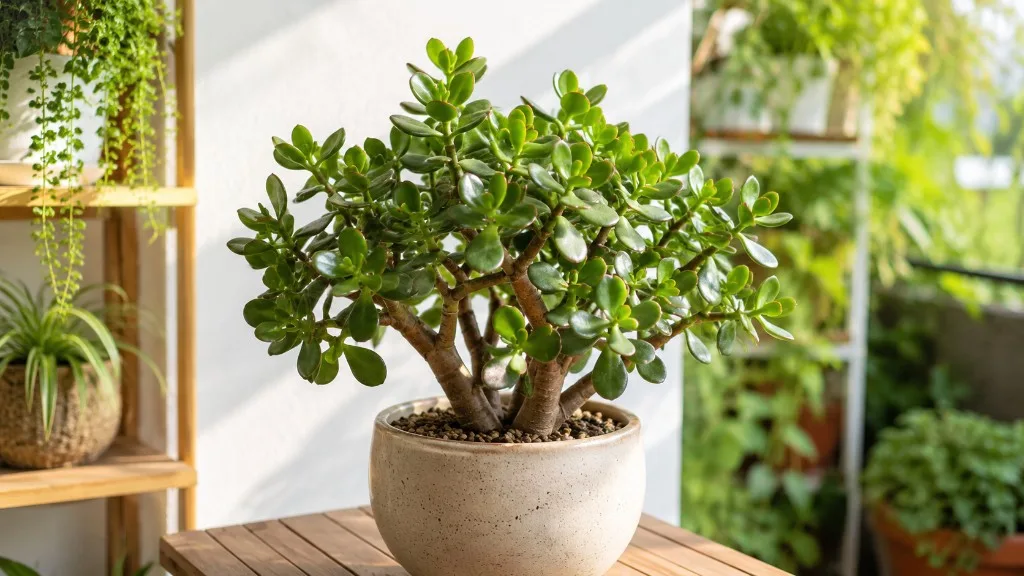
Jade Plant
Likely cause... Pests and Diseases » 4 Common Reasons Your Jade Plant is Wilting ... It might wilt if a Jade Plant were exposed to cold temperatures or frost.
Quick fixConfirm diagnosis on your Jade Plant, then address the most likely care or pest factor described in current extension guidance.
 Medium
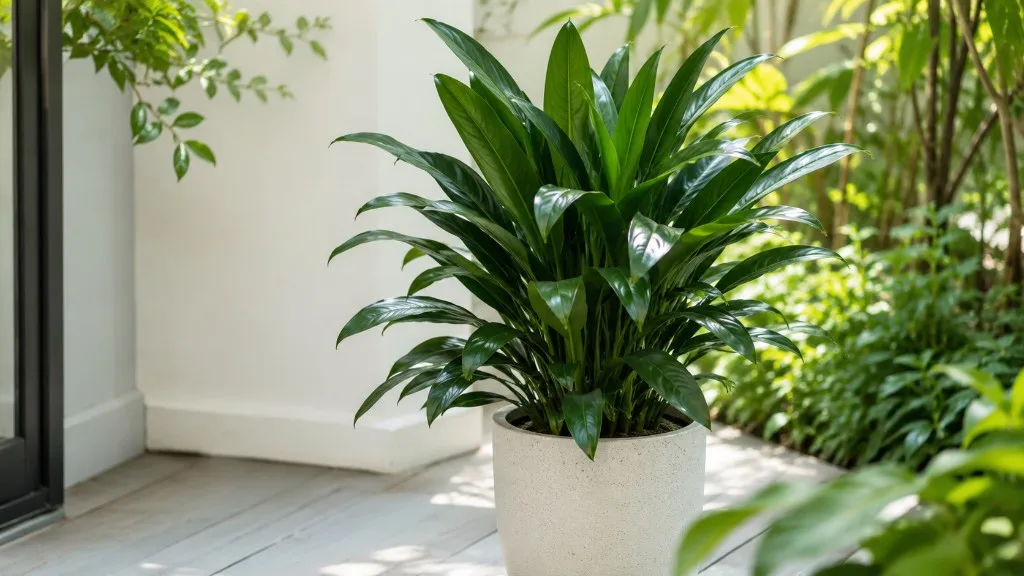
Janet Craig Dracaena
Likely causeAug 6, 2025 · Dracaena Janet Craig (Dracaena fragrans 'Compacta', formerly Dracaena deremensis) is a popular houseplant recognized for its lush, upright foliage. This plant, part of a group often referred to as corn plants, features a cane-
Quick fixFollow extension or botanical guidance for Janet Craig Dracaena bacterial wilt; adjust care before applying broad treatments.
 Medium
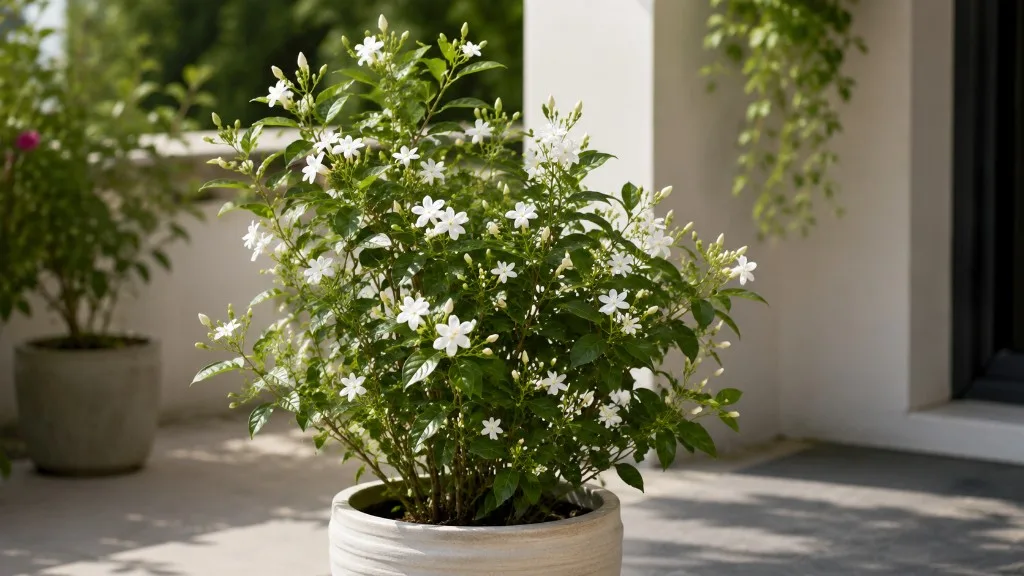
Jasmine
Likely causeSymptoms of root rot include wilting , yellowing leaves, and stunted growth. If left untreated, root rot can eventually kill the jasmine plant. To prevent root rot, ensure proper drainage by planting jasmine in well-draining soil. Avoid ove
Quick fixConfirm diagnosis on your Jasmine, then address the most likely care or pest factor described in current extension guidance.
 Medium
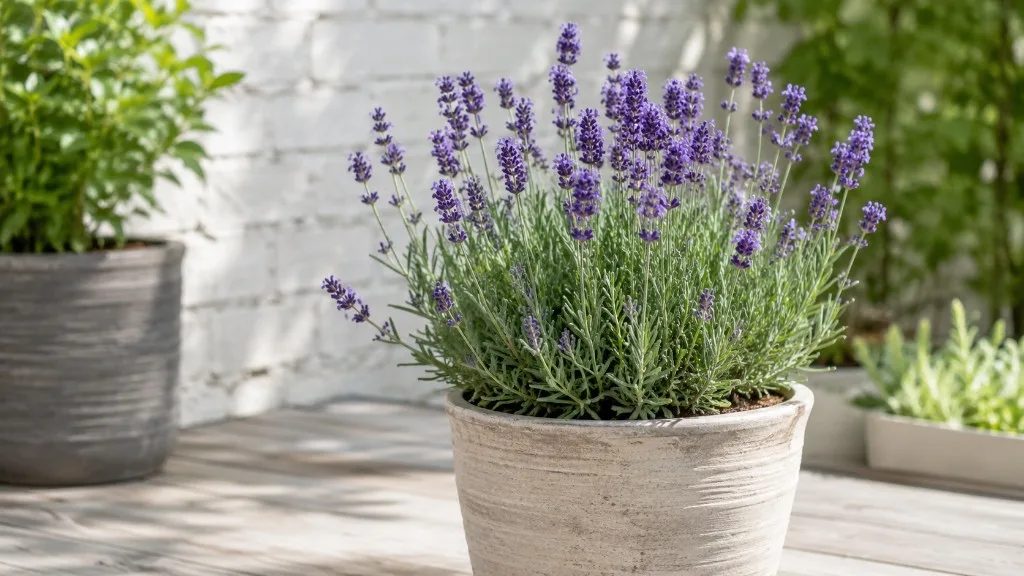
Lavender
Likely causeBacterial infections pose additional threats to lavender health, with bacterial wilt being a prime example. This disease manifests through yellowing leaves and eventual plant decline.
Quick fixConfirm diagnosis on your Lavender, then address the most likely care or pest factor described in current extension guidance.
 Medium
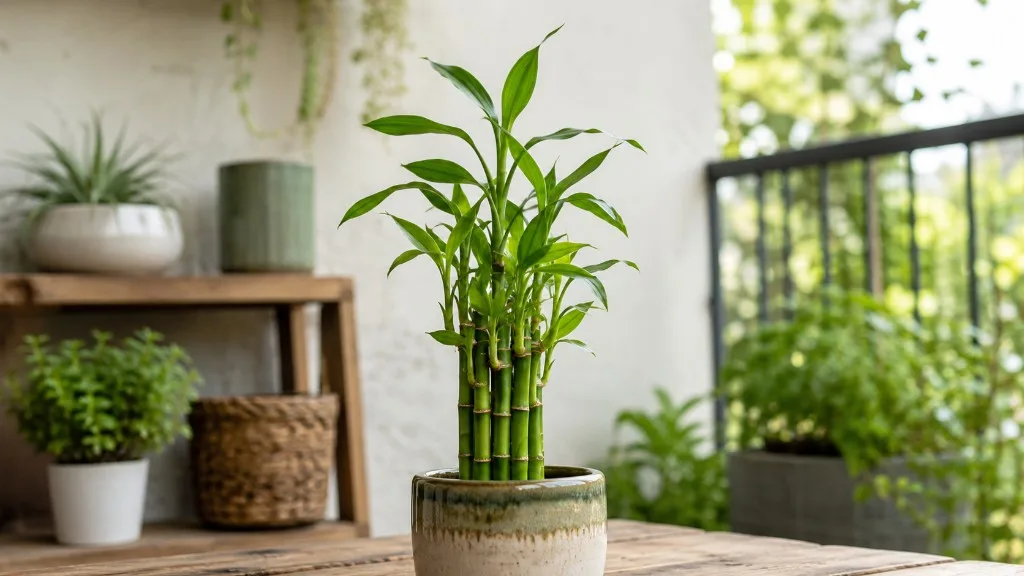
Lucky Bamboo
Likely causeJul 25, 2024 · Sometimes, despite our best efforts, Lucky Bamboo may continue to wilt , signaling a cry for help beyond our expertise. Here's how to recognize when it's time to call in the cavalry.
Quick fixConfirm diagnosis on your Lucky Bamboo, then address the most likely care or pest factor described in current extension guidance.
 Medium
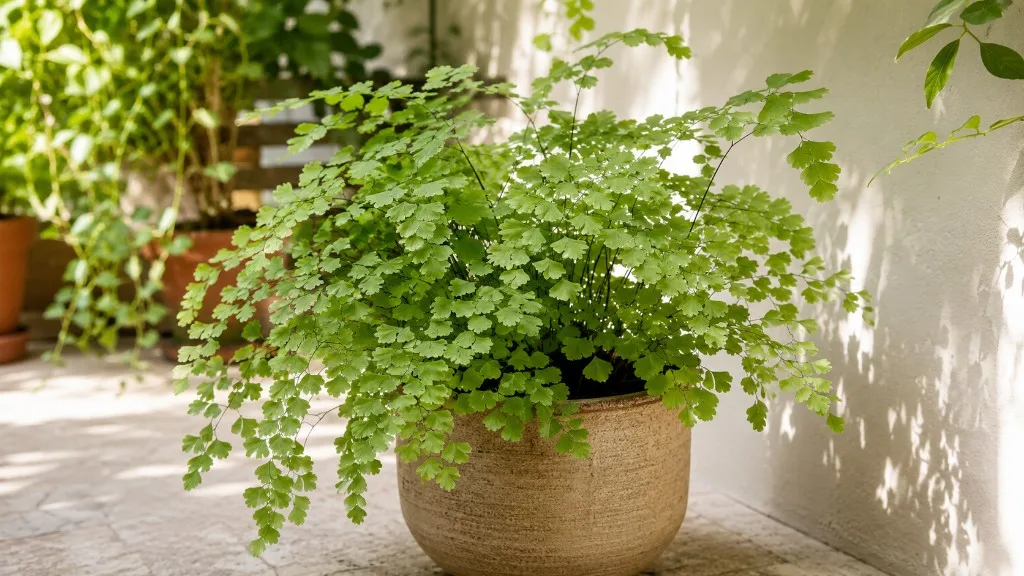
Maidenhair Fern
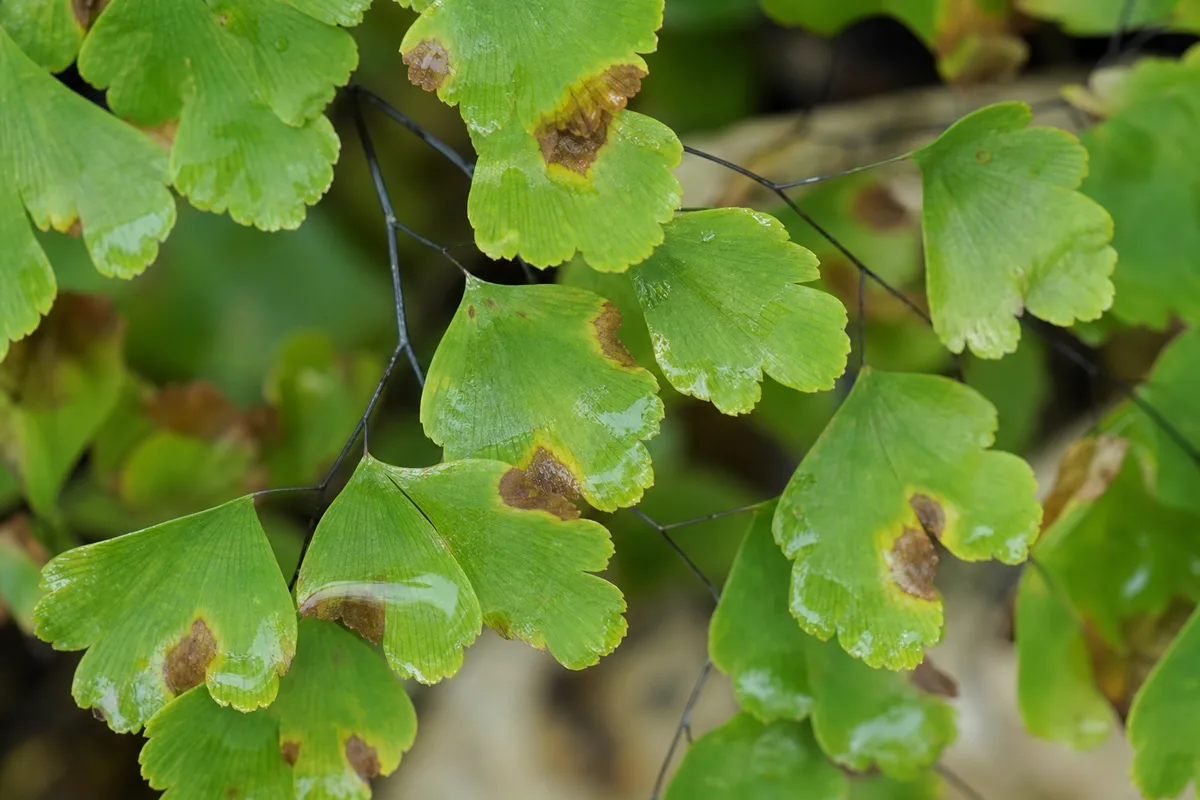
Likely causeAug 14, 2025 · Maidenhair ferns prefer stable temperatures, ideally between 60°F and 75°F (15°C to 24°C). Sudden drops below 50°F (10°C) or exposure to cold drafts stress the plant, causing fronds to brown and wilt . Keep the fern away from
Quick fixConfirm diagnosis on your Maidenhair Fern, then address the most likely care or pest factor described in current extension guidance.
 Medium
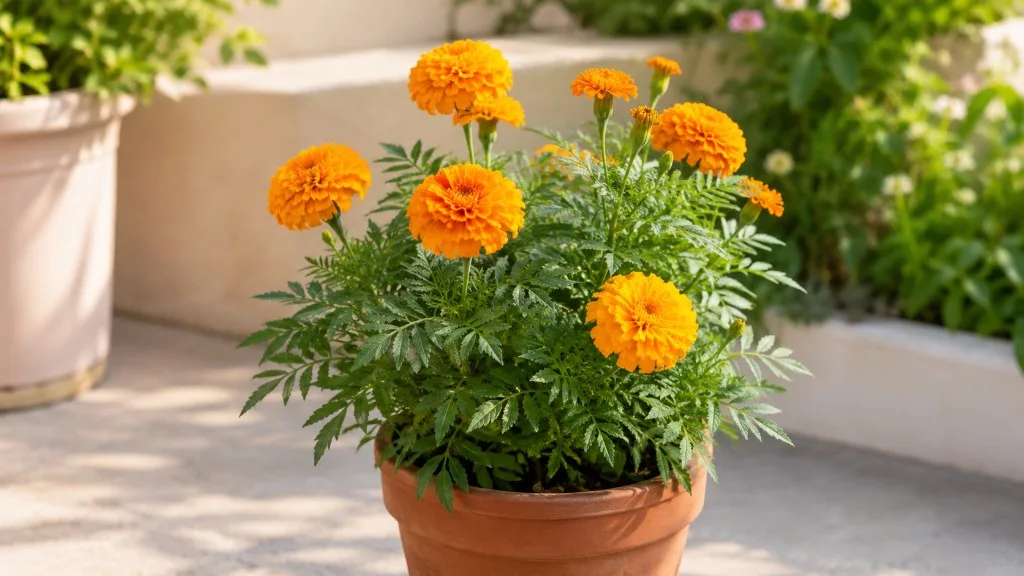
Marigold
Likely causeThe present investigation entitled “Evaluation of African marigold ( Tagetes erecta L.) hybrids/varieties for yield and resistance to bacterial wilt ” was undertaken at Agricultural Research Station, Mannuthy during the year 2016-17.
Quick fixConfirm diagnosis on your Marigold, then address the most likely care or pest factor described in current extension guidance.
 Medium
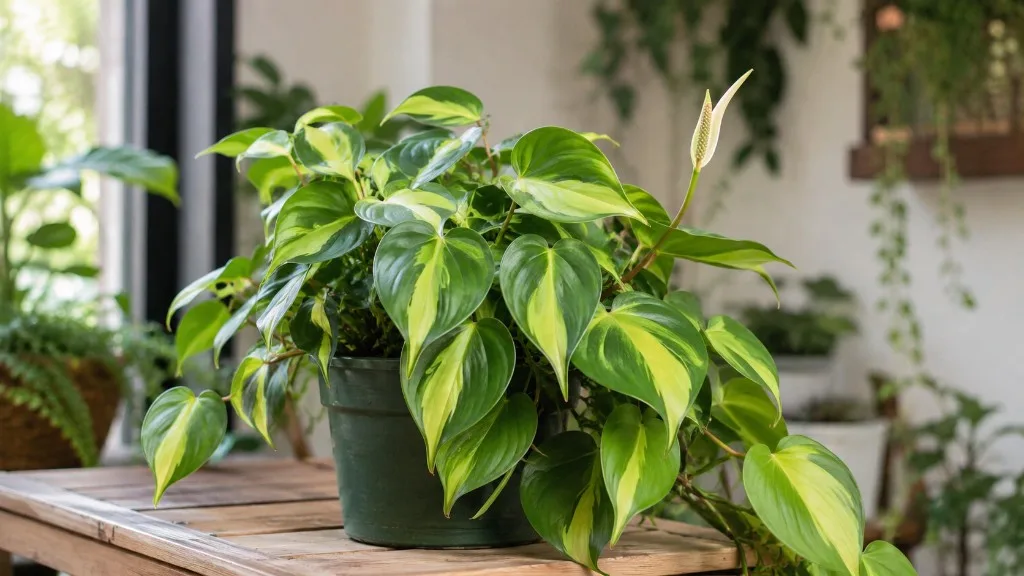
Philodendron Brasil
Likely causeAug 13, 2025 · Philodendron Brasil , a tropical plant, thrives within specific temperature ranges. Exposure to cold drafts or temperatures below 55-60°F (13-16°C) can cause temperature stress, leading to drooping leaves, black spots, or gen
Quick fixConfirm diagnosis on your Philodendron Brasil, then address the most likely care or pest factor described in current extension guidance.
 Medium
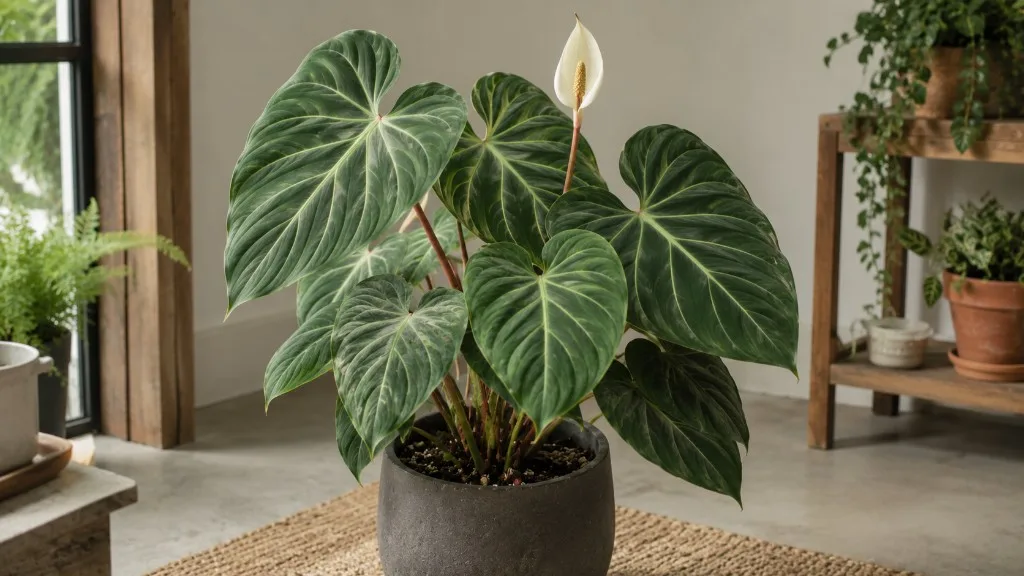
Philodendron Gloriosum
Likely causeDiscover how to identify, prevent, and treat common Philodendron bacterial diseases . Protect your plants with our expert guide to healthy philodendron care. Get started now!
Quick fixConfirm diagnosis on your Philodendron Gloriosum, then address the most likely care or pest factor described in current extension guidance.
 Medium
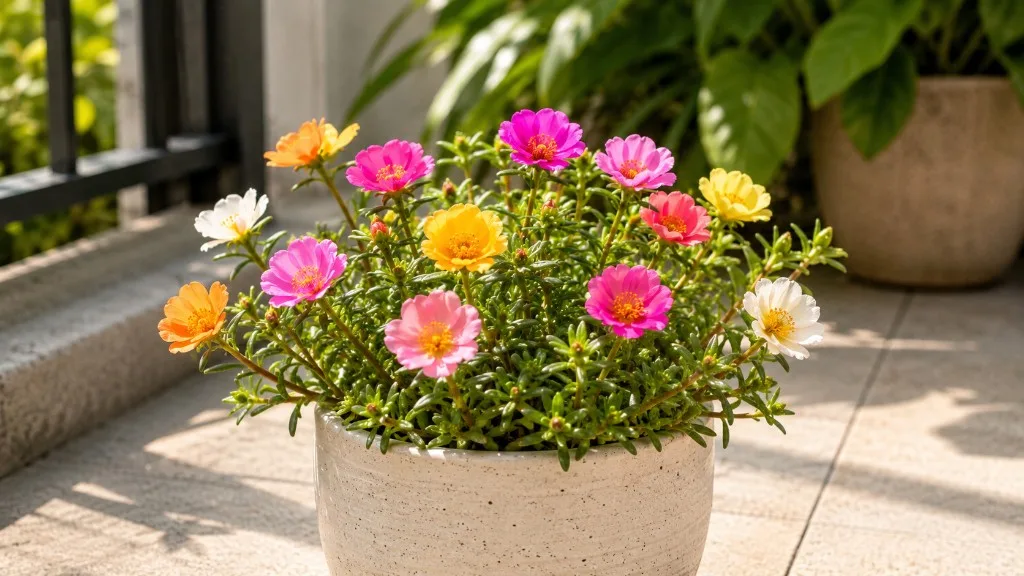
Portulaca
Likely causeThe first sign of this disease is when one or two leaves wilt in the afternoon, but then recover in the evening. This wilting eventually spreads to the whole plant and the leaves start to die off, usually without turning yellow first.
Quick fixConfirm diagnosis on your Portulaca, then address the most likely care or pest factor described in current extension guidance.
 Medium
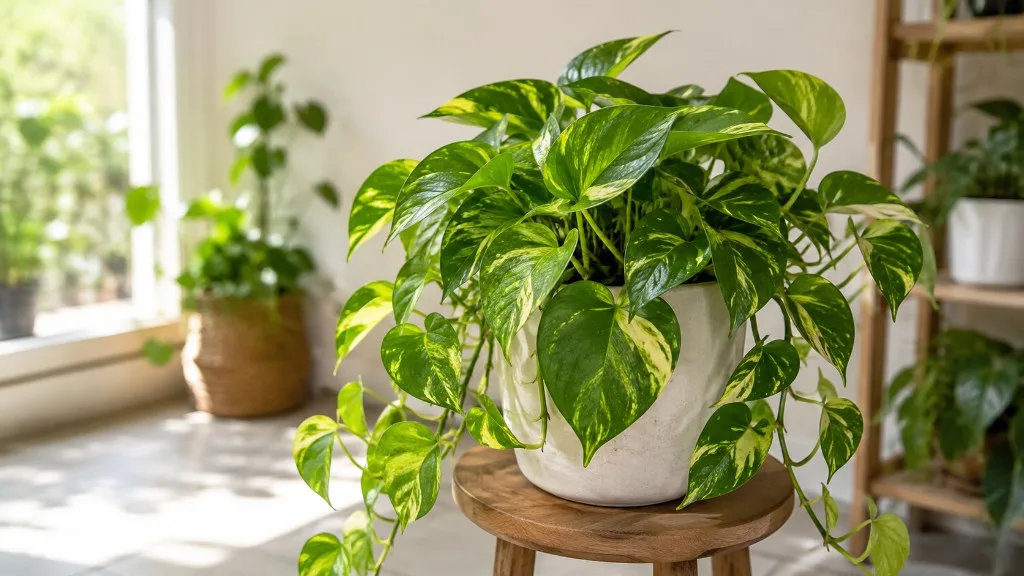
Pothos
Likely causeJan 6, 2024 · Here are some common pothos diseases you may need to watch out for: Bacterial wilt disease is one of the most common diseases in pothos plants. The bacteria Ralstonia solanacearum causes the leaves to turn brown and wilt . Whe
Quick fixConfirm diagnosis on your Pothos, then address the most likely care or pest factor described in current extension guidance.