Houseplant Stem Rot: Causes, Diagnosis and Fixes
Soft stem base on a houseplant often means stem rot. Learn soil-line diagnosis, when to take cuttings, and when to discard.
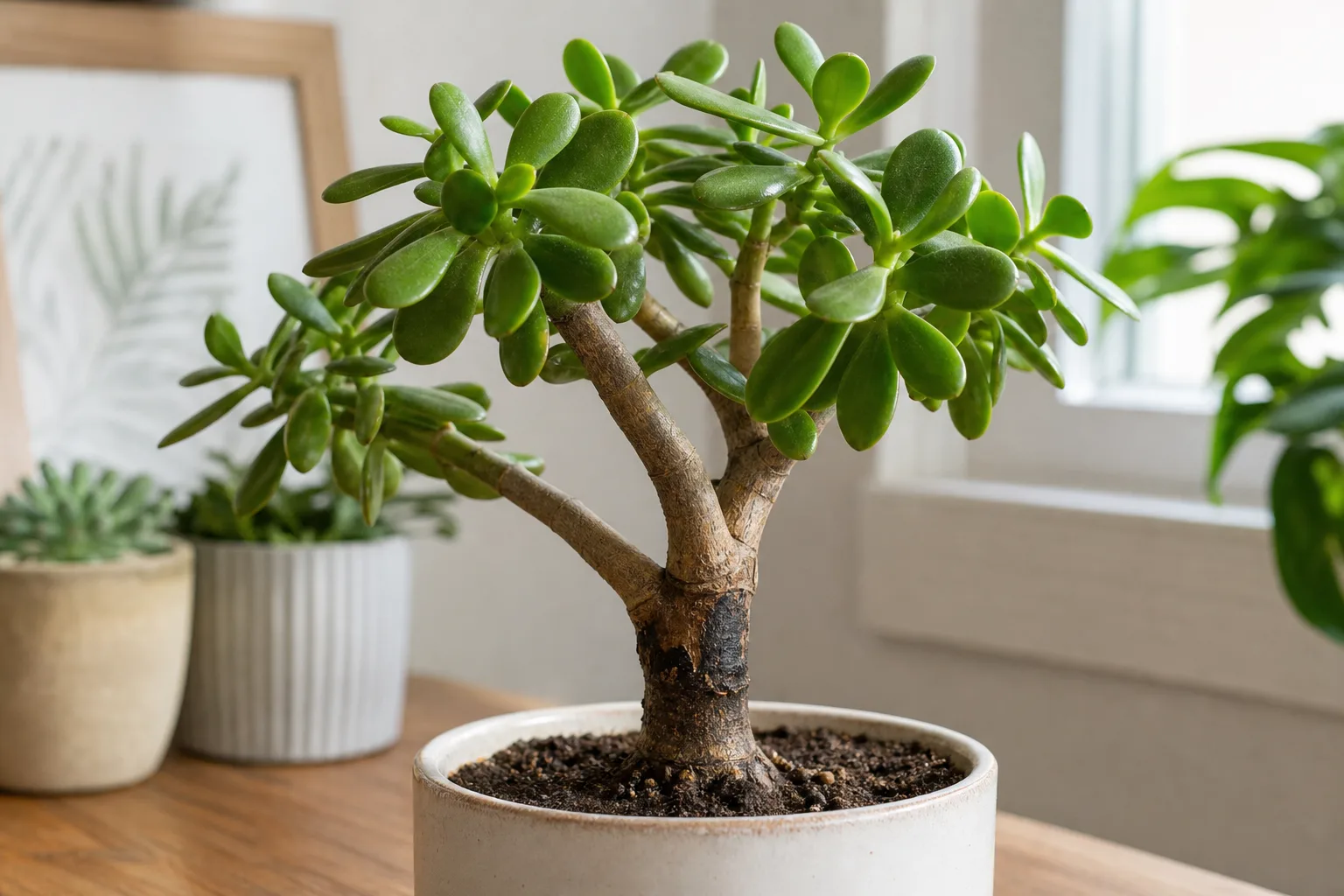
You tip a houseplant sideways and the stem base gives under your fingers like a wet sponge. Leaves may still look green for a day or two. That mismatch — soft tissue at the soil line while the canopy still “looks fine” — is how stem rot usually announces itself. Watering more will not firm it up. Waiting for a miracle spray usually wastes the only salvage window you still have: healthy tissue above the rot that can become cuttings.
Stem rot is decay of stem or crown tissue at or near the soil line. The decision that matters most for home growers is narrower than a pathogen name: can you cut above the damage and start again, or is the whole plant a discard-and-sanitize job? This guide is that decision path — pinch first, then choose limited save, cuttings, or trash.
What Stem Rot Actually Is
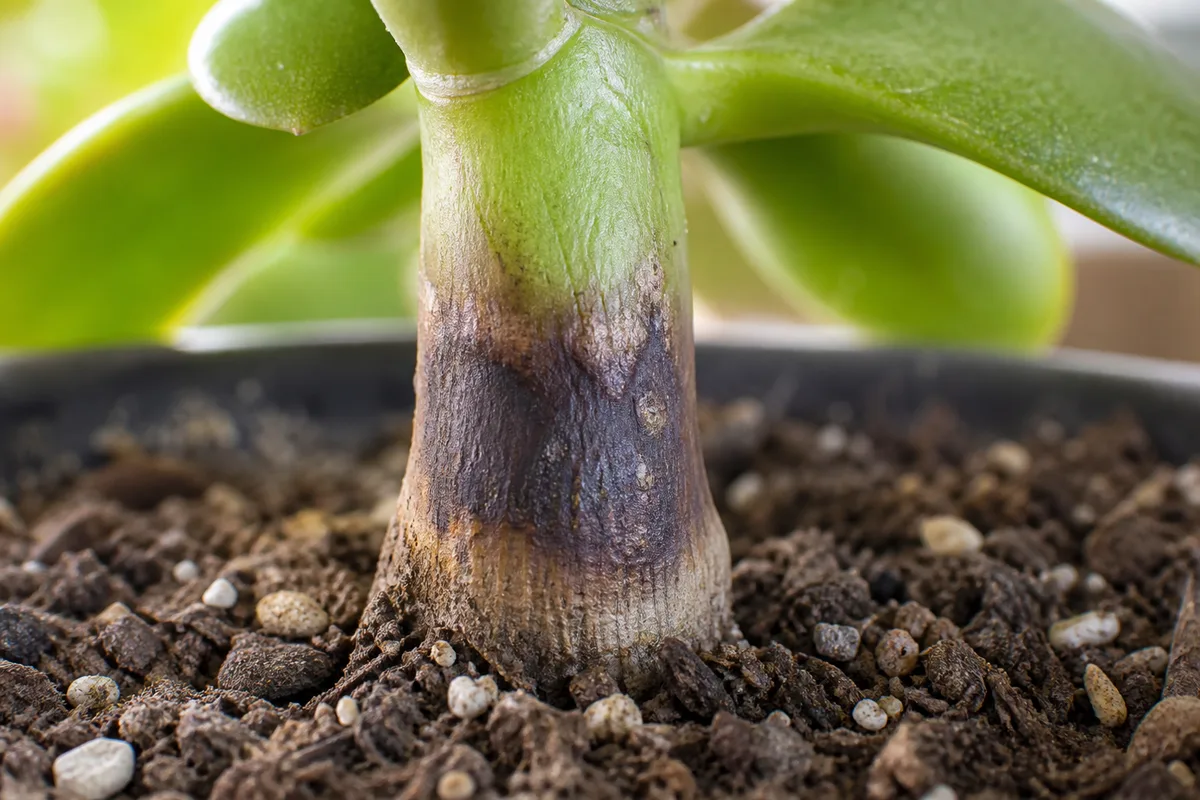
Stem rot is decay of stem or crown tissue — often girdling the plant at soil level with a ring of brown or black soft tissue — so water and nutrients can no longer move past that point. Clemson HGIC groups root and stem rot together and names the common fungal drivers: Rhizoctonia, Pythium, Botrytis, Phytophthora, Alternaria, and Sclerotinia. With root or stem rot, leaves and stems wilt; stems may be girdled at or near soil level; infected roots turn brown to black and may feel soft. (Clemson HGIC)
Missouri Botanical Garden separates related soil-line failures: crown and collar rots form where the plant emerges from the soil; tissue turns brown to black in a localized zone, then the discoloration can migrate up and down until the stem is nearly encircled and wilt follows. Bacterial soft rots can be especially destructive and often bring a foul smell. (Missouri Botanical Garden)
Indoors, “stem rot” is often the visible tip of a wet-soil problem that already damaged roots, or a bacterial soft-rot event that entered through a wound and raced through fleshy stems. The label matters less than the tissue test: firm or mushy, localized or systemic, salvageable nodes above the rot or none.
Soft Stem Base: Stop Watering and Decide
A soft stem base is not a style problem and not a “maybe water tomorrow” cue. UC IPM lists soft stem bases as a classic overwatering signal, and notes that soggy soil can come from too much water or poor drainage. (UC IPM) Once the cortex of the stem collapses, the plant can tip, lodge, or snap at the soil line even if upper leaves still hold color.
Treat soft stem tissue as urgent triage. Isolate the pot from neighbors. Stop watering. Decide within hours whether you are cutting for propagation, attempting a limited root-and-stem cleanup, or bagging the plant. Delay is how a salvageable vine becomes a sour-smelling discard with no firm nodes left.
How Soft Stem Tissue Feels vs Healthy Tissue
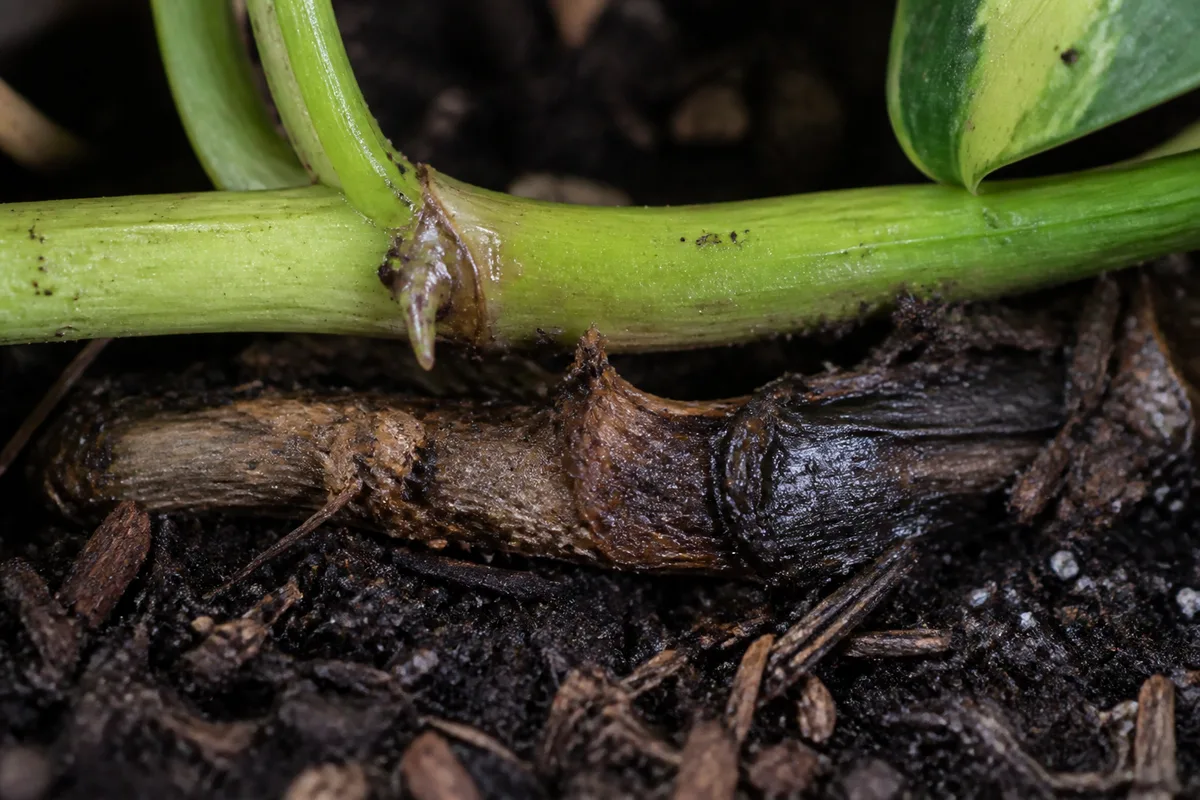
Healthy stem tissue near the soil line feels firm, slightly springy, and resists a gentle pinch. Soft, rotten tissue compresses, feels watery or slimy, may darken to brown or black, and often leaves residue on your fingers.
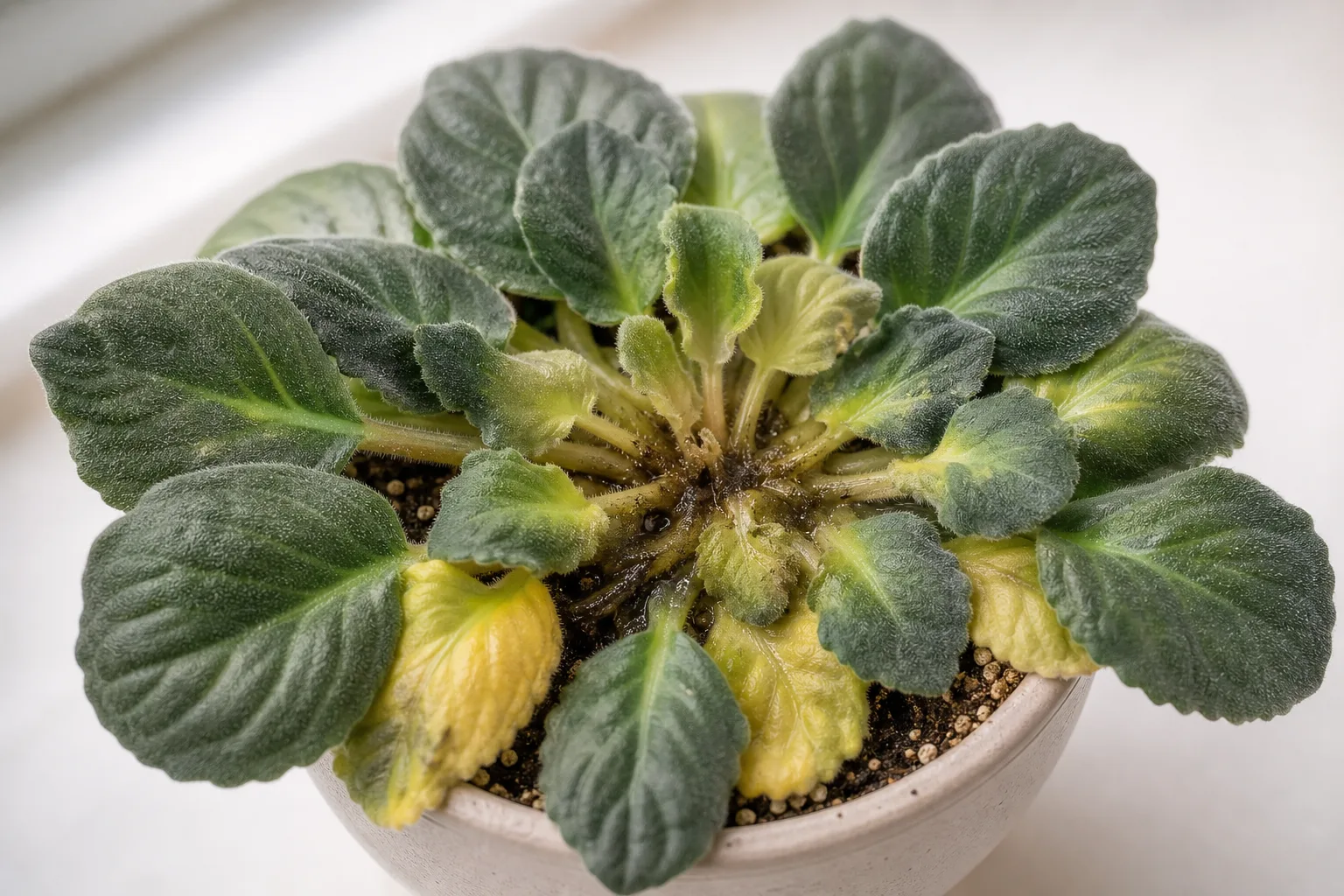
African violet crown rot is a clear example of the same physiology at the growing point: the crown and roots turn soft and mushy, older leaves droop, and young center leaves look stunted — driven by water molds such as Pythium and Phytophthora when plants are overwatered, poorly drained, or planted too deeply. (Clemson HGIC)
Smell helps. A sour, swampy, or sewage-like odor at the base or in the mix often tracks with anaerobic breakdown and soft rot. RHS lists stem rot among overwatering signs alongside yellowing of old and new leaves together, browning in leaf centers, mouldy patches, and dark mushy roots. (RHS) Color alone is not enough: some stems blacken from cold damage without turning mushy. Softness is the gate.
Stem Rot vs Root Rot vs Bacterial Wilt
These three get mixed up because they can share wet soil and limp foliage. Separate them by where the soft tissue lives and whether the problem feels localized or systemic.
| Signal | Stem / crown rot | Root rot | Bacterial wilt / soft stem rot |
|---|---|---|---|
| Primary soft zone | Soil line, crown, lower stem | Roots first; stem may soften later | Soft mushy stem; may smell foul; can feel systemic |
| Classic above-ground clue | Plant tips or girdles at base | Wilt despite wet soil | Rapid collapse; greasy or water-soaked tissue |
| Typical drivers | Rhizoctonia, water molds, Botrytis, soft-rot bacteria | Pythium, Phytophthora, Rhizoctonia, Fusarium | Soft-rot Erwinia group; systemic bacterial stem infections |
| First action | Cut above firm wood/node or discard | Unpot, trim mushy roots, dry culture | Often discard; sprays rarely help systemic cases |
Which page should you use? Stay on this guide when the soil line, crown, or lower stem fails the pinch test. Switch to root rot on houseplants when the stem base is still firm but roots are soft and the plant wilts on wet soil — that page is the roots-first surgery path. Use wilting houseplants when limp foliage is the main complaint and you still need the dry-soil vs wet-soil fork. For the wilt-focused bacterial sibling, see the bacterial wilt hub.
Wisconsin’s Plant Disease Diagnostics Clinic describes root rot as soft brown roots with a bad odor, often noticed when a plant wilts while soil is still wet; common organisms include Pythium, Phytophthora, Rhizoctonia solani, and Fusarium. (Wisconsin PDDC) Stem rot can follow the same wet ecology, but the pinch test fails at the stem base first.
UC IPM notes that systemic bacterial diseases can cause soft, mushy stem cankers with an unpleasant odor, including soft stem rot on Aglaonema, Dracaena, Kalanchoe, and Syngonium, and bacterial stem rot, leaf spot, and wilt on Aglaonema, Dieffenbachia, Philodendron, and Syngonium. Control options are limited; discarding infected plants is often best because sprays cannot reach pathogens distributed deep in tissues. (UC IPM)
If the plant wilts on wet soil and the stem base is still firm, unpot and inspect roots before you cut the stem. If the base is already soft, prioritize stem salvage or discard over a root-only rescue.
Fuzzy white growth on the potting mix is usually a saprophytic fungus living on dead organic matter — a moisture warning, not proof of stem infection. Escalate toward stem or root inspection when wet soil pairs with wilting, a sour smell, or a soft crown. Surface mold alone is not a stem-rot diagnosis. Use mold on soil for scrape-and-dry-down steps, then return here if the stem base fails the pinch test.
What Causes Stem Rot Indoors
Stem rot needs three ingredients: vulnerable tissue (often wounded or oxygen-starved), moisture that stays too long, and a pathogen or soft-rot organism ready to colonize. Most home cases start with culture, not with a mysterious spore storm.
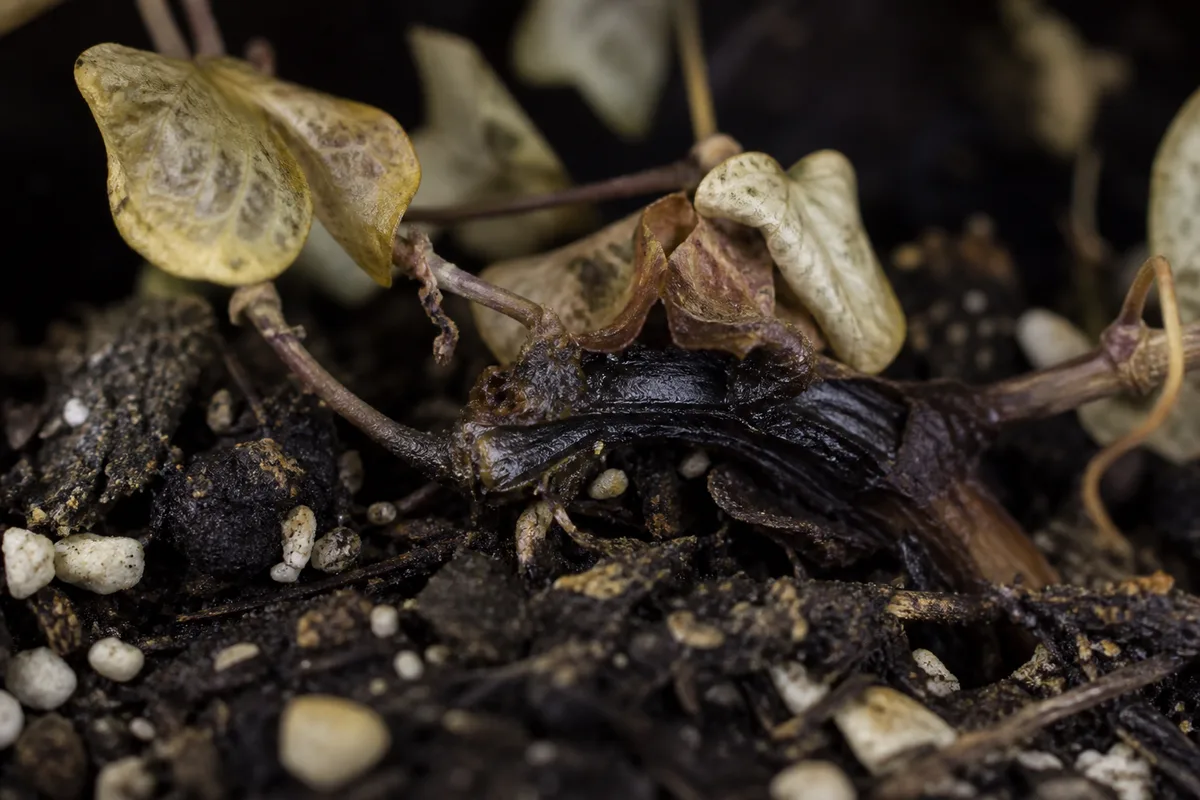
Overwatering, Poor Drainage, and Cachepots
Overwatering is still the main way houseplants die. Saturated mix cuts oxygen to roots and the lower stem zone, then favors root and stem disease. (Clemson HGIC; Clemson HGIC diseases) Decorative cachepots that hide standing runoff create the same oxygen debt without you noticing. UF plant pathologist Carrie Harmon calls overwatering the number-one houseplant killer and warns that outer vessels left full of water rot roots you cannot see. (UF Emerging Pathogens Institute)
Heavy peat mixes, pots without drainage holes, and oversized containers that stay wet for a week after a light drink all push the soil line into the danger zone. For watering method, see how to water indoor plants the right way and overwatered plant.
Fungal and Water-Mold Pathogens at the Soil Line
Pythium and Phytophthora are water molds with swimming spores that spread in free water; UC IPM notes they cause root rots, stem rots, and damping-off of seedlings and cuttings. (UC IPM) Rhizoctonia can attack roots and stems and produce reddish cankers; Missouri Botanical Garden notes it may prefer drier conditions than classic water molds in some settings, but still participates in soil-line seedling and stem failures. (Missouri Botanical Garden)
On seedlings and fresh cuttings, the same organisms cause damping-off: rotting stems at or near the soil line and root decay after emergence. NC State Extension lists Rhizoctonia, Pythium, Fusarium, Phytophthora, Sclerotinia, Sclerotium, and Botrytis among damping-off agents, and stresses prevention through clean media, sanitation, and drier culture once an outbreak starts. (NC State Extension) If your “stem rot” is a flat of seedlings collapsing at the soil line, treat it as damping-off first.
Bacterial Soft Rot and Systemic Stem Infections
Bacteria usually need a wound or natural opening and warm, moist conditions. Penn State Extension notes that plant pathogenic bacteria can cause leaf spots, stem rots, root rots, galls, wilts, blights, and cankers, and that once disease begins, chemical control is not very effective under real growing conditions. Soft-rot organisms in the Erwinia group (E. chrysanthemi, E. carotovora) can produce a mushy, brown, smelly soft rot. Management centers on culture-indexed stock, discarding infected plants, keeping foliage dry, and strict sanitation — not on heroic sprays. (Penn State Extension)
UF EPI guidance is blunt for bacterial and viral houseplant disease: throw it out and start over; there is nothing reliable to spray, and you cannot prune systemic infection out of the plant. (UF Emerging Pathogens Institute) That is the core of the discard-vs-cuttings fork when the stem smells foul and tissue is water-soaked. Do not seal a mushy stem in a plastic bag hoping humidity “heals” it — enclosed wet tissue accelerates soft rot.
How to Diagnose Stem Rot Step by Step
Do not start with fungicide. Start with moisture context, then tissue location, then smell and spread pattern.
- Check soil at depth. Finger 2–5 cm into the mix. Wet and heavy while the plant is limp or soft at the base points to wet-soil failure, not thirst.
- Pinch the stem base and crown. Soft, slimy, or girdled tissue is stem/crown rot until proven otherwise.
- Smell the mix and base. Foul or sour odors raise soft-rot and advanced decay suspicion.
- Unpot if the base is borderline. Look for brown/black soft roots versus firm pale roots.
- Map how much is soft. One stem on a multi-stem plant can sometimes be cut out. A collapsed single crown on an African violet or a mushy cane on a Dracaena is usually discard or cuttings-only.
- Look at neighbors and tools. Shared trays, reused mix, and dirty shears spread problems after the first plant fails.
Carrie Harmon’s rule of thumb still helps: whole-plant mushiness is more often abiotic (cultural wet stress), while a single leaf or stem can point toward infection — but wet soil still warrants a root and stem check either way. (UF Emerging Pathogens Institute)
The Pinch Test and Unpot Inspection
Work over a trash bag or tray. Slide the plant out. Healthy roots are firm and usually pale under any outer sheath; rotten roots are brown/black, soft, and may smell bad. (UC IPM; Wisconsin PDDC) Then run two fingers up from the root ball into the stem. Mark the highest soft point with a clean blade if you plan cuttings — you will cut into firm tissue above that line, not on the soft margin.
If more than about two-thirds of the root system is mush and the stem base is soft, do not invest in a full “root rot surgery” fantasy. Move to cuttings or discard. Clemson’s practical note on fungicides for root/stem rot still applies for many indoor gardeners: chemicals often cost more than a new plant. (Clemson HGIC) Wisconsin likewise does not recommend homeowner fungicides for houseplant root rots because products are limited and expensive. (Wisconsin PDDC) Cinnamon dust or a fungicide swab on a mushy stem will not rebuild collapsed cortex — treat those as false hope when the pinch test already failed.
Fix Path: Limited Save, Cuttings, or Discard
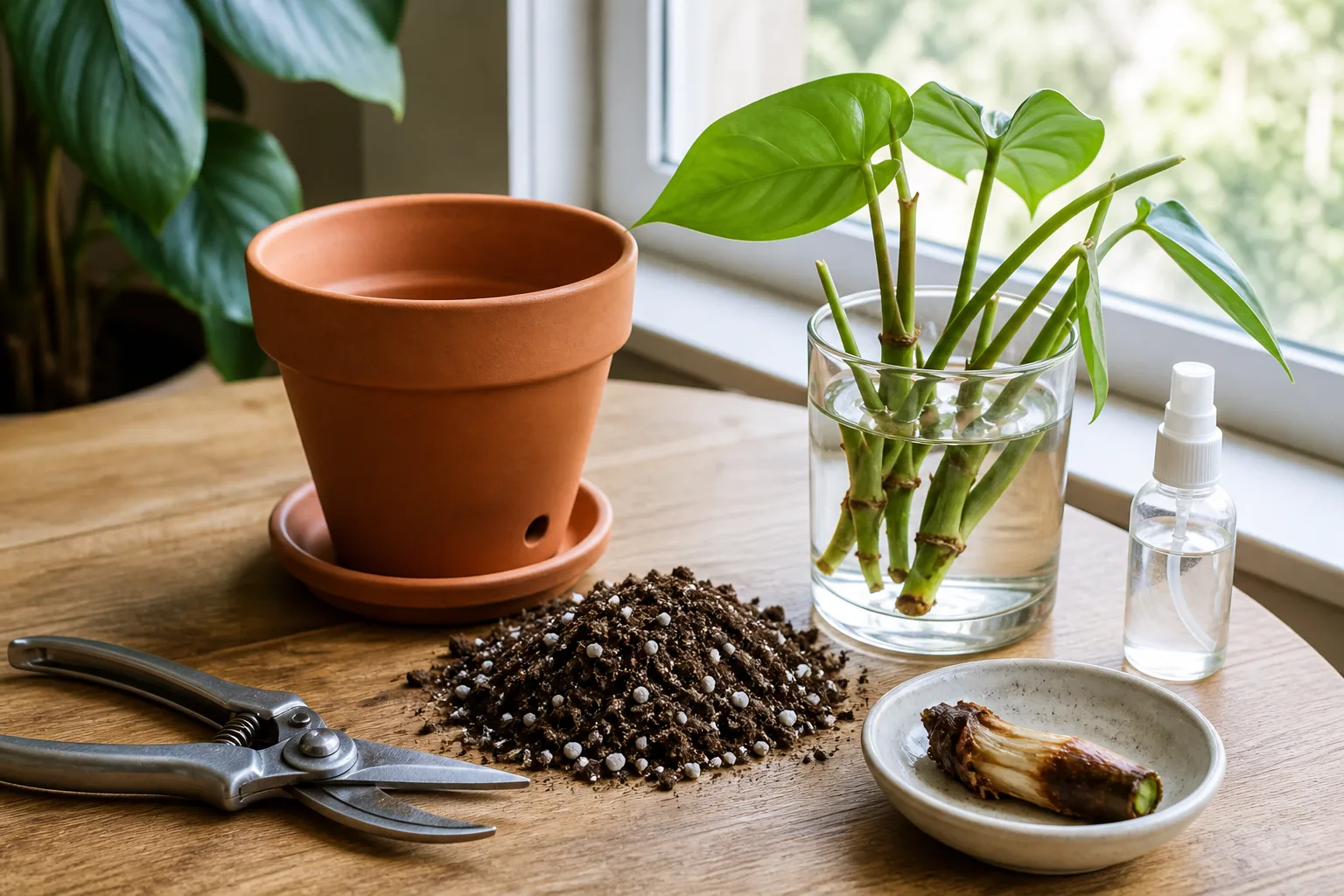
Three honest outcomes:
- Limited save: only a few soft roots, stem base still firm, plant otherwise structurally sound — trim roots, fresh pasteurized mix, clean pot with drainage, dry culture.
- Cuttings salvage: stem base or crown is soft, but upper stems or nodes are firm and green — cut into healthy tissue, discard the rotten base and contaminated mix.
- Full discard: foul soft rot through the main stem, no firm nodes, or systemic bacterial pattern — bag it, sanitize, replace.
Clemson’s African violet guidance for severe crown and root rot is discard; chemical control is listed as none available. (Clemson HGIC) That same severity logic transfers to many soft crowns and single-stem plants.
How Far Above Soft Tissue to Cut and Quarantine
Take cuttings when the soft zone is clearly limited to the base or one cane, you can find firm nodes or stem sections with intact leaves above the rot, and the plant roots readily from stem cuttings (pothos, philodendron, many tradescantias, some succulents).
Cut distance: sterilize shears, then cut at least 2–3 cm (about 1 inch) into firmly resistant tissue above the highest soft or discolored point — not on the soft margin. If the cut face still looks brown, water-streaked, or smells sour, cut higher again until the face is clean and firm. Remove lower leaves that would sit in water or media. Root in fresh, well-drained mix or clean water, and keep humidity moderate without leaving the cut end in stagnant swamp conditions that recreate damping-off.
Do not reuse the old potting mix from the rotten plant — Wisconsin warns that reused mix and drained water can carry root-rot organisms. (Wisconsin Horticulture)
Quarantine: keep cuttings from a soft-rot plant on a separate tray for 2–3 weeks (or until they root cleanly with no new basal softness). Do not share tools, saucers, or leftover water with the rest of the collection during that window. If the only “healthy” tissue is a leaf without a node on a plant that needs stem nodes to root, accept that salvage may fail.
When You Should Discard the Whole Plant
Discard when:
- The main stem or crown is soft through the growing point
- Tissue is foul-smelling and water-soaked (classic soft rot)
- Softness keeps advancing after you cut once
- UC IPM-style systemic bacterial stem rot is the working diagnosis
- The plant is inexpensive relative to the sanitation work and collection risk
Bag the plant; do not compost indoor stem-rot debris. Wash the shelf and saucer. Clemson recommends scrubbing reused pots and rinsing in one part bleach to nine parts water; African violet guidance adds a 30-minute soak in that solution for pots from infected plants. (Clemson HGIC; Clemson HGIC African violet) Wisconsin advises discarding plastic pots after root rot because they are hard to disinfest adequately, and disinfesting tools, surfaces, and clay pots with 10% bleach, detergent solution, or alcohol. (Wisconsin Horticulture)
Sanitation After Stem Rot
Sanitation is the difference between one lost plant and a shelf-wide problem. Penn State emphasizes destroying infected plants, cleaning and disinfesting tools, benches, flats, and pots, discarding or thoroughly treating soil from infected plants, and separating debris handling from live-plant handling. Keep foliage dry; avoid overhead splash on crops prone to bacterial disease. (Penn State Extension)
Practical home checklist:
- Bag and trash the plant and old mix
- Wash saucers and cachepots with hot soapy water
- Disinfect hard tools with 70% isopropyl alcohol (UC IPM’s tool guidance for disease work) or a fresh 10% bleach solution, then rinse metal tools so bleach does not corrode them
- Soak clay pots in 1:9 bleach:water after scrubbing; prefer new plastic pots if the old ones held severe rot
- Wash hands after handling soft tissue before touching other plants
- Quarantine any cuttings taken from the same collection until they root cleanly
Do not pour leftover saucer water onto other plants. Do not “share” the old mix into a fresh pot as filler.
Prevention That Changes Outcomes
Prevention is moisture management plus clean starts, not a cabinet of fungicides.
- Water only when the mix needs it for that species; empty saucers so pots do not sit in runoff. (Wisconsin PDDC; Clemson HGIC)
- Use pots with drainage holes; skip the rock layer myth at the bottom — Wisconsin notes gravel can inhibit drainage. (Wisconsin Horticulture)
- Use pasteurized commercial potting mix, not garden soil that can carry pathogens. (Clemson HGIC; Wisconsin Horticulture)
- Match pot size to the root ball so unused mix does not stay wet for weeks.
- Keep crowns of African violets and similar plants slightly above the mix; do not bury the growing point. (Clemson HGIC)
- Buy healthy plants; leave nursery stock with soft bases or sour smells on the shelf. (UF Emerging Pathogens Institute)
- For cuttings and seedlings, start clean and improve airflow if damping-off appears; remove affected patches promptly. (NC State Extension)
- Winter low light slows dry-down — check cachepots weekly in cool, dim rooms so soil-line tissue is not sitting in leftover runoff for days.
For mix structure that dries more evenly, see best potting mix for indoor plants. For broader disease framing, see houseplant diseases identification and treatment.
Plants That Fail Fast at the Crown or Stem Base
Some indoor plants advertise stem or crown failure early:
- African violets — crown and root rot from water molds when overwatered, poorly drained, or planted too deeply; discard severe cases. (Clemson HGIC) See also the African violet hub and watering guide.
- Succulents and cacti — RHS links stem rot and collapse to overwatering and overly moist air in some bathroom setups. (RHS) For a classic basal collapse case, open jade plant stem rot.
- Aglaonema, Dieffenbachia, Philodendron, Syngonium, Dracaena, Kalanchoe — UC IPM flags soft stem rot and bacterial stem infections on these foliage plants; discard is often the rational control. (UC IPM) Species deep-dives: philodendron brasil stem rot and zz plant stem rot.
- Seedlings and fresh cuttings — damping-off at the soil line under wet, poorly aired conditions. (NC State Extension) Trailing vines with soft nodes often follow the same wet ecology — see string of hearts stem rot.
Species hubs such as pothos, philodendron brasil, zz plant, and jade plant help when you need plant-specific watering intervals after you stabilize the stem issue. Succulent basal collapse is usually a discard-or-behead job with little root surgery left; a multi-stem vine with one soft cane is often a cuttings win if you act while neighboring stems stay firm.
First-Hand Notes From Soft-Stem Cases
On LeafyPixels editorial shelves, three soft-base cases keep showing the same fork:
- Jade in a glazed cachepot (spring 2025): upper leaves still glossy; soil line compressed like wet sponge for ~1.5 cm. We cut 3 cm above the soft margin into firm tissue, discarded the base and mix, and rooted tip cuttings in a dry, gritty mix. Two of three rooted in about three weeks; the third browned at the cut face after we left a thin brown streak on the first cut — a reminder to keep raising the cut until the face is clean.
- African violet crown rot (winter 2025): center soft, older leaves limp, mix stayed wet in a decorative outer pot. No firm growing point remained. We bagged the plant, soaked the clay pot 30 minutes in 1:9 bleach after scrubbing, and restarted from a healthy leaf cutting purchased later — matching Clemson’s severe-crown discard stance rather than nursing mush.
- Philodendron Brasil cane (summer 2025): one trailing stem soft at the soil line; two sister stems still firm. We removed only the soft cane, cut into firm nodes for water rooting, and left the firm stems in place after a light dry-down. Cuttings rooted in 10–14 days; the mother plant did not soft-spread once saucer water stopped pooling.
The pattern that matters: green canopy is not a green light to wait. Softness height and firm nodes decide the outcome more than leaf color on day one.
Related Guides
- Root rot on houseplants — soft brown roots and wilt on wet soil when the stem base is still firm
- Wilting houseplants — temporary vs permanent wilt before you water
- Mold on soil — surface fuzz as a moisture warning, not a stem diagnosis
- Bacterial wilt symptom hub — systemic wilt and soft bacterial patterns
- Stem rot symptom hub — short cross-plant triage
- Overwatered plant — wet-mix recovery when the stem is still firm
- How to water indoor plants the right way — dry-down habits that prevent soil-line rot
Conclusion
Soft stem base is a stop-and-decide moment, not a watering reminder. Confirm wet vs dry mix, pinch the soil line, and sort the case into limited save, cuttings salvage, or full discard. Stem rot sits next to root rot and bacterial soft rot on the same wet-soil spectrum, but the salvage question is whether firm nodes still exist above the damage. Cut into clean firm tissue, quarantine survivors, and sanitize pots, tools, and trays after any soft-rot event so one plant does not seed the shelf. Prevent the next case with drainage, empty saucers, pasteurized mix, and crowns that stay above wet media — then water for oxygen as much as for moisture.
48-hour checklist
- Isolate the plant; stop watering.
- Pinch the stem base and crown; note smell.
- Unpot if the base is borderline; inspect roots.
- Choose save, cuttings, or discard — do not stall.
- If cutting, take 2–3 cm into firm tissue and quarantine 2–3 weeks.
- Bag rotten tissue and old mix; do not compost indoors.
- Disinfect tools and pots; prefer new plastic if rot was severe.
- Restart survivors in fresh mix with real drainage and empty saucers.