5 Signs of High Quality Soil and Where to Find It
Learn five field signs of high-quality garden soil—drainage, tilth, color, life, and smell—and where to find trustworthy topsoil near you.
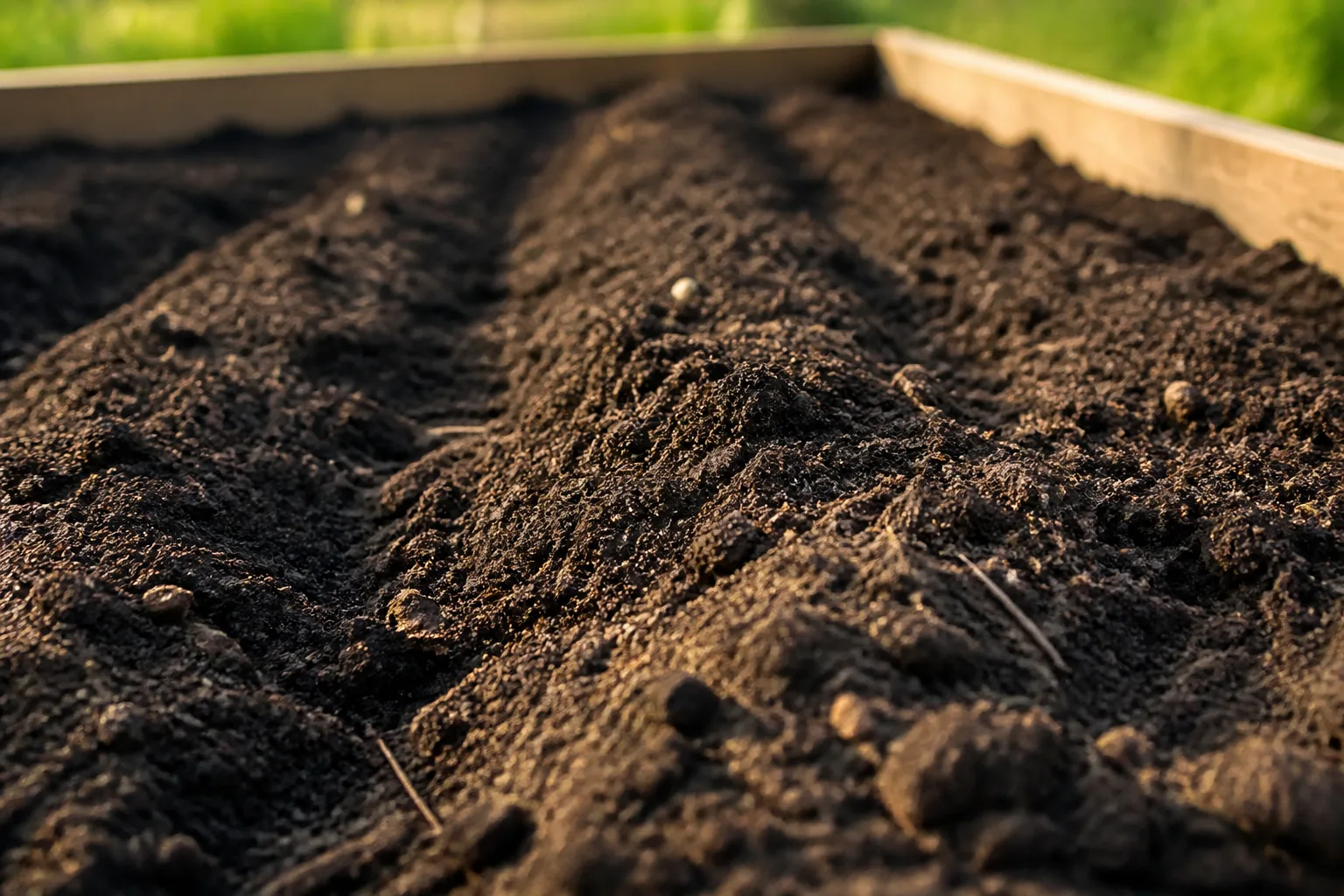
You do not need a laboratory to recognize good garden soil in the field—but you do need more than a quick glance. High-quality soil drains without drowning roots, crumbles without turning to dust, carries enough organic matter to feed biology, teems with visible life or the structures life leaves behind, and smells cleanly earthy after rain. Weak soil fails one or more of those checks long before a soil test arrives in the mail.
This guide walks through five signs of good quality soil you can evaluate with a trowel, your nose, and a few household tools. Then it maps where to find trustworthy soil in your neighborhood—and the red flags that should stop a purchase or a planting date cold.
What “Good Soil” Actually Means for Your Garden
Soil quality is not a single number. It is the combination of texture (the proportion of sand, silt, and clay particles you inherit), structure (how those particles clump into crumbs and pores you can influence), organic matter, biology, pH, and drainage working together so roots get air, water, and nutrients at the same time. Penn State Extension’s soil quality overview separates texture—which is difficult to change—from structure and organic matter, which respond to how you manage the bed.
Think of texture as the raw ingredients and structure as the architecture. A sandy site can grow excellent vegetables if organic matter and aggregation create pore space that holds moisture between waterings. A clay site can grow outstanding flowers if you avoid working it wet and keep building crumbs with compost and cover crops. Good soil is soil whose architecture matches the plants you are asking it to support.
When Premium Soil Matters—and When It Does Not
Not every planting demands boutique topsoil. Native shrubs, many ornamental grasses, and drought-adapted perennials often thrive in lean or rocky ground if drainage is adequate. You can build a beautiful landscape on poor native soil when plant choice does the heavy lifting.
Premium soil pays off when you are growing high-demand edibles—vegetables, berries, cut flowers—or rebuilding beds that were stripped, compacted, or contaminated during construction. It also matters in raised beds and containers, where the entire root zone lives inside the volume you fill. If you are about to spend on tomato transplants, garlic seed, or a new perennial border, the cost of verifying soil quality is trivial compared with a season of stunted growth.
Before you import anything, run the readiness checks in our guide on whether garden soil is ready for planting—workable moisture and temperature matter as much as long-term fertility.
Sign 1: Balanced Drainage Without Constant Drought
Good drainage means water moves through the profile fast enough to prevent chronic soggy roots, yet slowly enough that plants can drink between rains. Pure sand drains too quickly and leaches nutrients. Heavy clay holds water until pore space suffocates roots. The sweet spot most gardeners aim for is loam: a balanced mix that holds moisture in micropores while letting excess water exit through macropores.
The classic fist test still works on damp (not dripping) soil: squeeze a handful. Loamy soil forms a ball that holds its shape briefly, then crumbles when you poke it. A ball that stays tight and glossy signals clay or compaction. Soil that will not hold together at all is sand-dominant.
Loam is often quoted as roughly 40% sand, 40% silt, and 20% clay, but Penn State Extension emphasizes that the shape and arrangement of particles matter as much as the percentages on a texture triangle. Focus on behavior: does water soak in within minutes, and do roots later show white, branching tips instead of brown mush?
The Jar Test and Ribbon Test for Texture
For a clearer read, run a jar test. Remove tops and roots from a shovel of soil, dry it, crush lumps, and fill a quart jar one-third full. Add water nearly to the top, a drop of dish soap, and shake hard for two minutes. Let it settle for at least 24 hours. Sand settles first, silt next, clay last. Measure each layer against the total depth to estimate texture class. ForeverYard’s soil quality guide pairs color and structure observations with this kind of home sizing.
The ribbon test adds a tactile check on moist soil. Roll a walnut-sized piece between thumb and forefinger. Sandy soil falls apart quickly and feels gritty. Loam forms a ribbon one to two inches long with a slightly smooth feel. Clay forms a long, sticky ribbon over two inches. Knowing your texture class tells you whether to expect drought stress (sand) or winter wet feet (clay)—and how aggressively to amend.
The Percolation Test You Can Run in Ten Minutes
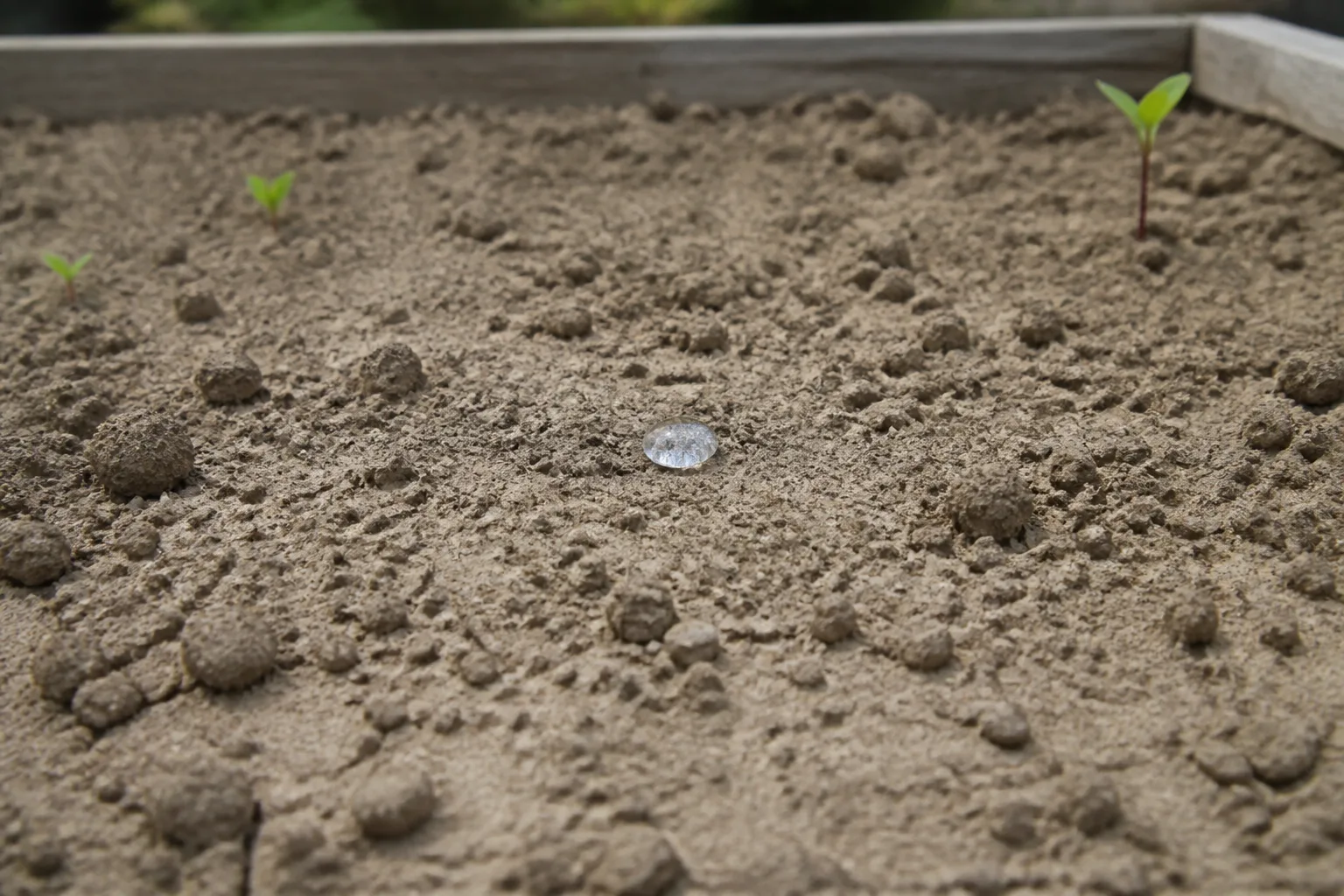
Drainage in place beats jar layers on paper. The coffee-can infiltration test from the Willamette Valley Soil Quality Guide (adapted for home gardens by Kellogg Garden Products) is simple:
Remove both ends of a large can, push it halfway into moist soil, fill the exposed section with water, and time how fast the level drops. Repeat until the rate stabilizes. Absorption slower than one-half to one inch per hour often points to compaction or heavy clay—exactly the beds that need organic matter and patience, not immediate planting of thirsty crops.
If water pools for hours on the surface after light rain, read our guide on fixing hydrophobic or repellent soil before you blame texture alone. A waxy crust can mimic poor drainage even in otherwise decent loam.
Sign 2: Crumb Structure and Workable Tilth
Tilth is the physical condition of soil as a growing medium—how easily roots penetrate, how willingly a bed accepts a trowel, and how well crumbs survive rain without sealing into a crust. Wikipedia’s tilth entry summarizes it as suitability for planting, driven largely by aggregation and aeration. Extension educators call soils with round, stable crumbs granular or crumb types—the ones that feel like chocolate cake, not brick.
Grab moist soil and break it gently. Quality soil fractures into irregular crumbs from pea to nickel size. Plate-like layers (platy structure) or a solid mass (massive structure) mean compaction or repeated wet tillage. Penn State Extension notes that water-stable aggregates—crumbs that survive a raindrop—depend on sticky bacterial exudates, fungal hyphae, and earthworm processing. Low aggregation invites surface crusting, poor infiltration, and the “addicted to tillage” cycle where every pass temporarily fluffs soil that collapses again within weeks.
How Aggregates Form—and What Compaction Destroys
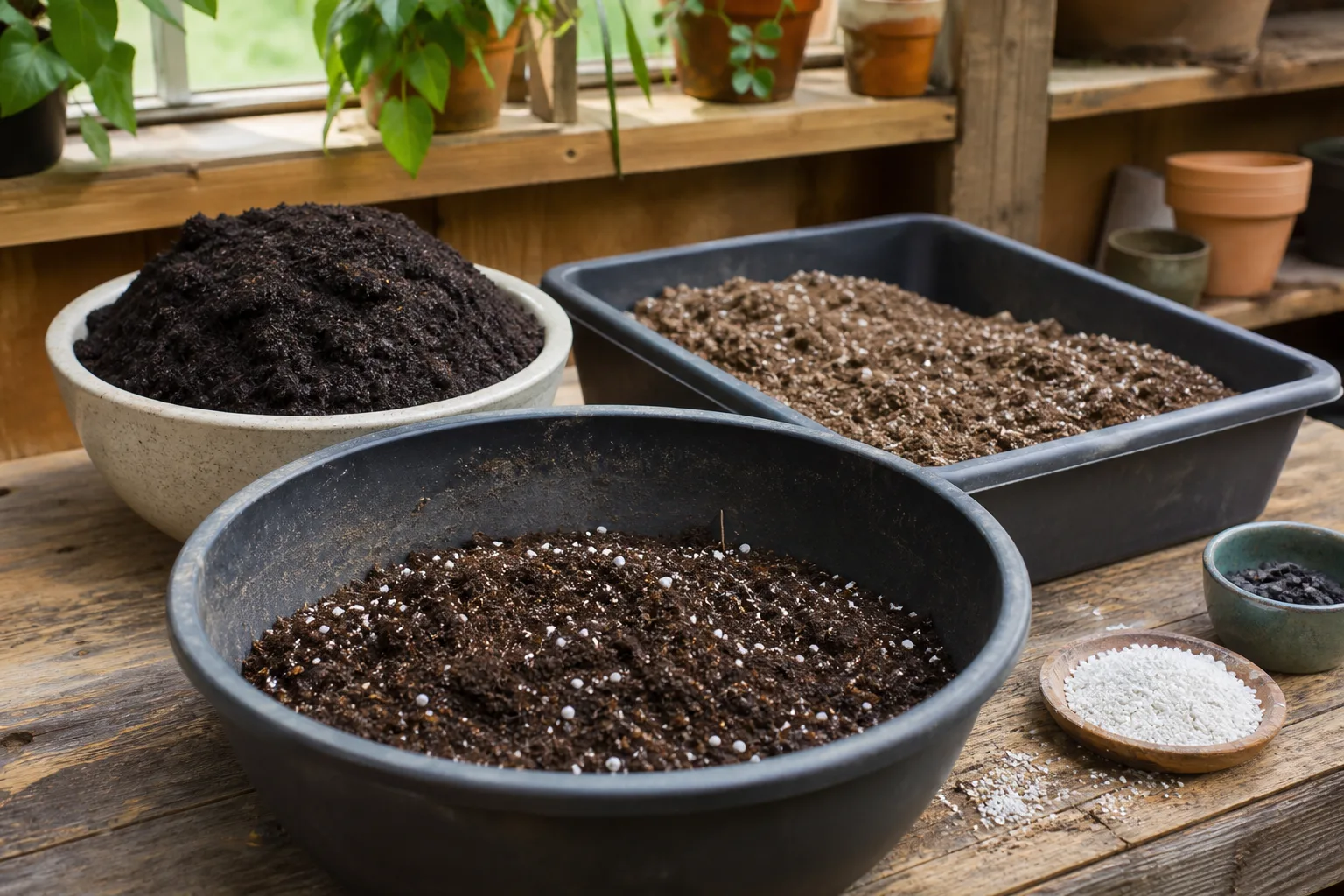
Aggregation is built by roots, microbes, and organic inputs, not by spinning a rototiller every spring. Cover crops, compost, leaf mold, and reduced traffic on wet days feed the glue that holds particles into pores. Compaction— from foot traffic, stored lumber, or tilling sodden clay— squeezes a good loam from roughly 50% pore space toward a brick.
If your bed fails the crumb test, you may not need to haul new soil. You may need a season of surface compost, mulch, and no-dig layering before replanting. Deep ripping without organic follow-up often rebounds in a year, which Penn State Extension warns is a common short-lived fix. Match the remedy to the failure: sand needs organic sponges; clay needs pore builders and dry-day discipline.
Sign 3: Dark Color From Living Organic Matter
Dark brown to black surface soil usually signals organic matter—decomposed residues, living microbes, and humus binding nutrients and water. Color alone is not proof: some regions naturally run red from iron oxides or pale from quartz sand. Read color with crumb structure and smell, not instead of them.
For productive vegetable and flower beds, extension targets often land around 3% to 6% organic matter—enough to improve water holding and cation exchange without creating chronic nitrogen tie-up in very high-OM bogs. ForeverYard recommends at least 3–5% for optimal growth; lab tests report the precise figure, but field clues help you prioritize which beds need compost first.
Pale, gray, or mottled subsoil visible in a shovel slice can indicate poor drainage or alternating wet-dry cycles—not a bed you should plant deep-rooted trees into without amendment or raised elevation.
What 3 to 6 Percent Organic Matter Looks Like in Real Beds
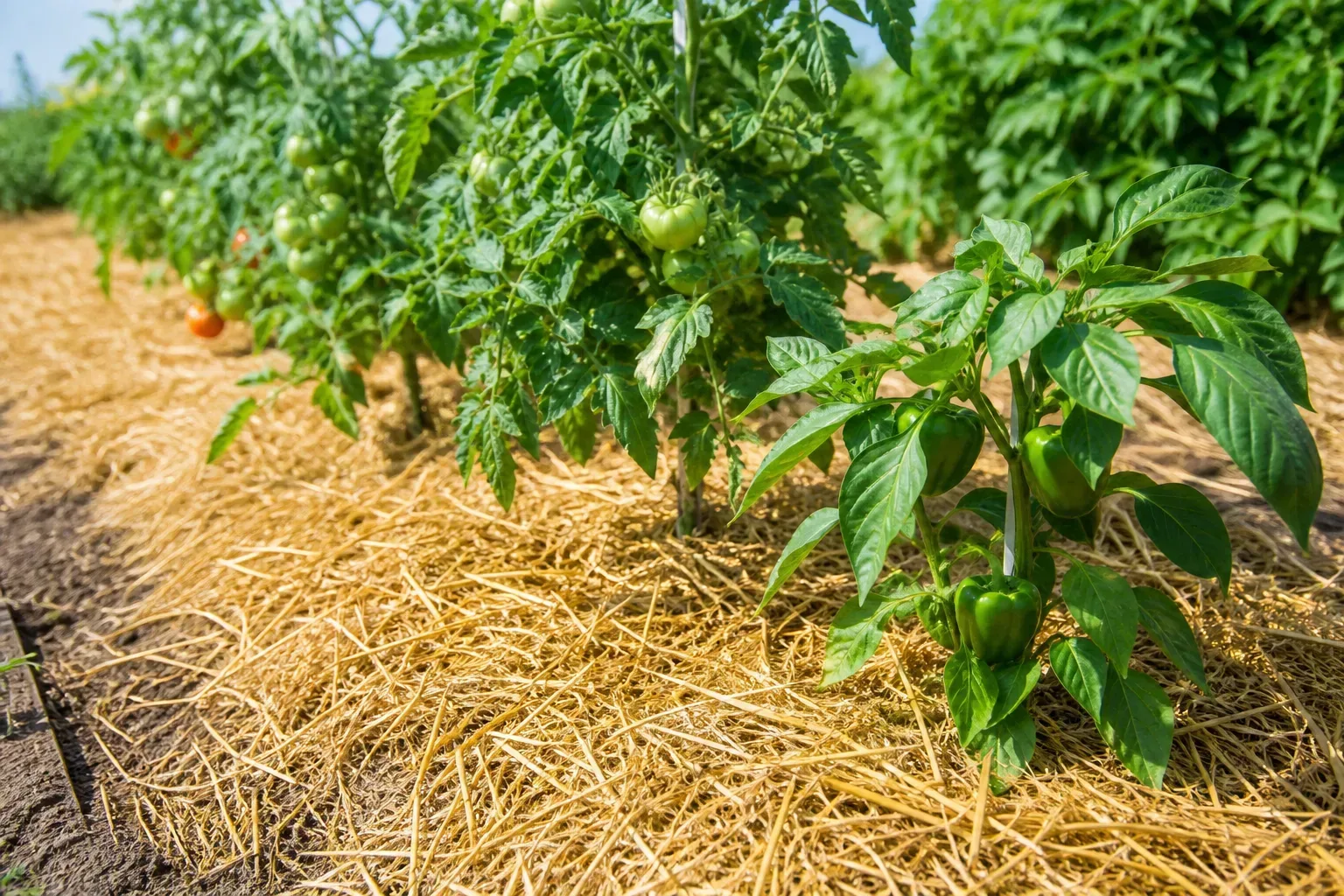
You cannot weigh percentages with your eyes, but you can spot trends. Pull a weed or finish harvesting a root crop: dark, friable soil clings lightly to white roots and falls away when shaken. On bare beds, a mat of fine roots in the top six inches shows past seasons of biological investment. Soil that is uniformly tan and sterile-looking after years of gardening is begging for compost—not another round of synthetic fertilizer alone.
Building organic matter is slow where you remove all crop residue and fast where you return leaves, mow clippings, and plant cover crops. Urban gardeners importing bulk material should confirm the supplier’s compost maturity; hot, unfinished compost can burn roots and tie up nitrogen. Our guide on whether coffee grounds improve soil covers one popular amendment—and why it is a supplement, not a substitute for broad-spectrum compost.
Sign 4: Visible Soil Life and Root-Friendly Biology
Living soil is not optional garnish. In a teaspoon of agricultural soil, Penn State Extension notes there may be hundreds of millions to a billion bacteria, yards of fungal hyphae if laid end to end, nematodes, springtails, and—when conditions allow—earthworms. That biomass cycles nutrients, builds structure, and competes with some pathogens.
You will not see every organism, but you should see evidence. Look for:
- Earthworm castings on the surface after rain
- Burrows and channels in a vertical slice
- Springtails and small beetles when you disturb damp mulch
- Mycorrhizal white threads on healthy roots (not to be confused with mold on rotting stems)
The Willamette Valley home tests adapted by Kellogg Garden Products suggest digging a six-inch cube and counting earthworms: five worms is an excellent score; three is still respectable. Zero worms in moist spring soil after years of gardening is a red flag—even if the bed “looks fine” from above.
Earthworm Counts and What’s Normal
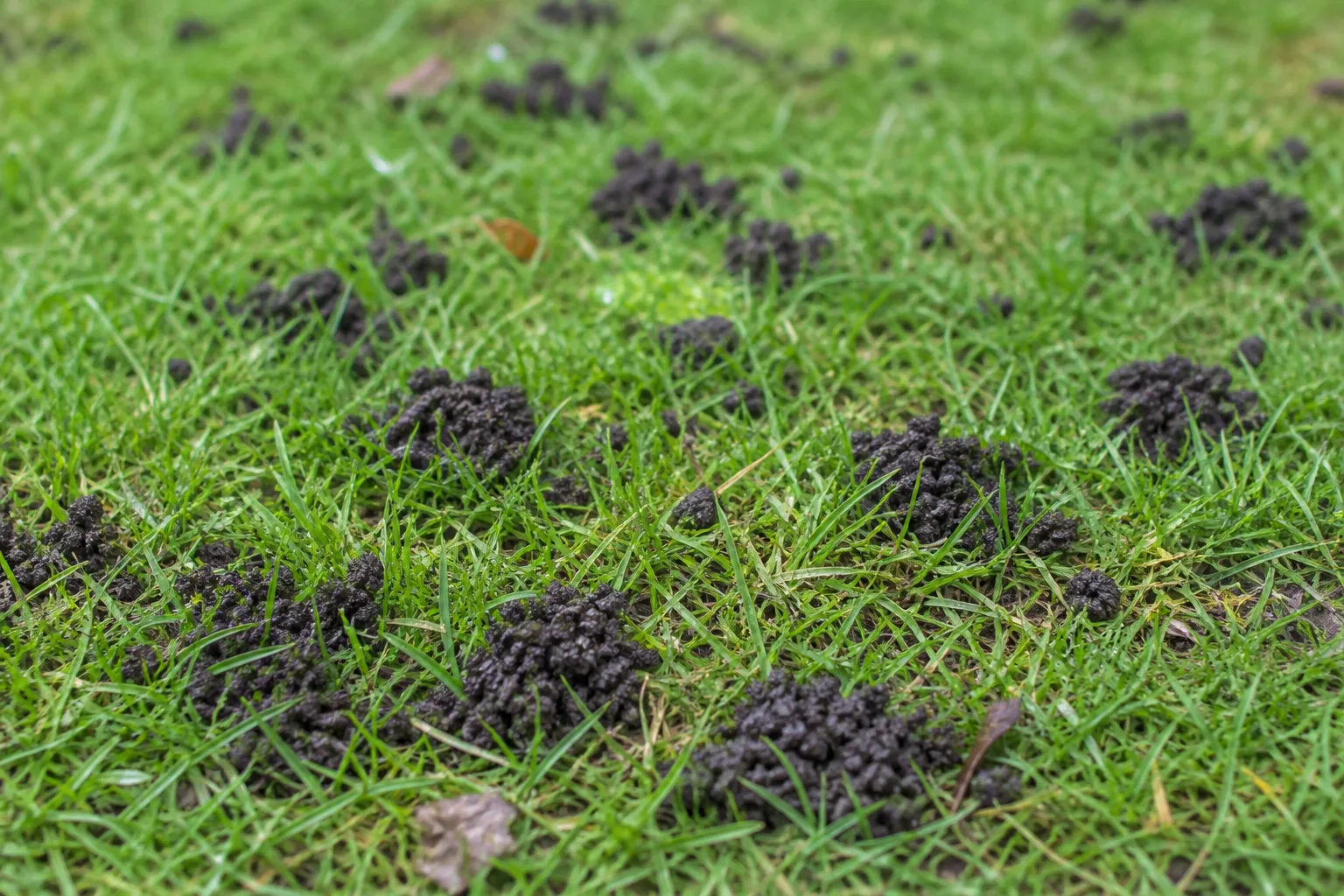
Earthworms are indicator species, not the whole food web. Arid climates naturally run lower counts. Container mixes may show fungi more than worms. Still, a sudden absence after mulch deliveries or shared equipment can signal salt stress, pesticides, or invasive worm pressure.
When you evaluate purchased soil, invert a bag or take a core from the bulk pile on a cool, damp day. Life should appear within minutes on a white sheet. Sterile, oven-steam-smelling piles that never show a single invertebrate deserve skepticism—especially for permanent beds.
Sign 5: An Earthy Smell Without Rot or Chemical Off-Odors
Healthy soil smells earthy, slightly sweet, and clean after rain or digging—not sour, sulfurous, or like petroleum. That signature scent comes largely from geosmin, a compound produced by actinobacteria and other beneficial microbes as they break down organic matter. A pleasant smell suggests active decomposition in balance—not anaerobic rot.
Off-odors matter for safety as well as plant health. Sewage, fuel, or sharp chemical smells in urban yards can indicate contamination; Cornell’s soil quality resources emphasize testing when gardens sit near old industry, lead-painted structures, or fill of unknown origin. Do not plant edibles until metals and PAH screens clear if history is murky.
For bagged products, smell before you spread. Ammonia-heavy, vomit-sweet, or putrid compost blends may be unfinished or anaerobic. Reject them for seedling beds even if the price was right.
Five Red Flags That Disqualify Soil Before You Buy or Dig
Strong gardens start by ruling out bad soil, not romanticizing any dark pile with a “premium topsoil” label. Walk away—or amend for years instead of weeks—when you see:
Compacted, cloddy structure. Hard plates, brick-like clumps, or wire that bends in the first inch signal pore collapse. Surface gypsum or sand will not fix deep compaction without organic matter and traffic control.
Visible sand dominance with no organic sponge. Grit that runs through fingers like sugar drains nutrients as fast as water. It can be improved, but it is not “ready” soil for hungry vegetables without massive compost inputs.
Lifeless profiles. No worms, no castings, no fine roots in a moist sample—especially in product sold as “living garden soil.”
Extreme pH. Most vegetables and ornamentals prefer pH 6.0 to 7.0 (ForeverYard). Below 4.5 or above 8.0 requires targeted lime or sulfur programs confirmed by lab results—not guesswork.
Imported pests and pathogens. Root-knot nematodes are invisible; buy from suppliers with track records and avoid salvaged fill from unknown sites.
Asian Jumping Worms and Other Hidden Imports
Asian jumping worms (Amynthas spp.) spread through mulch, shared tools, potted plants, and contaminated bulk soil. University of Wisconsin-Madison Division of Extension reports they consume leaf litter and organic matter, leaving soil with granular, coffee-ground-like castings and poor structure for plant roots. Unlike common earthworms, they tend toward gray-brown color, a smooth, whitish clitellum (not raised and pink), violent thrashing when disturbed, and parthenogenetic reproduction—one worm can seed a population.
Inspect mulch and delivered piles for castings texture and worm ID before spreading near woodland edges or native beds. If you suspect invasion, isolate material, avoid sharing tools unwashed, and consult your state extension office for disposal guidance—do not assume all worms are equal.
Field Tests That Go Beyond a Quick Handful
Treat soil evaluation like a checklist, not a vibe. On a damp spring morning, in the exact bed you plan to use:
- Squeeze and poke for loam-like crumble.
- Jar or ribbon for texture class.
- Percolation can for infiltration rate.
- Worm count in a six-inch cube.
- Smell after disturbing a spadeful.
- Root check on a pulled weed—white, branching tips vs brown slime.
Learn Dirt’s garden soil analysis guide adds infiltration timing after rain and workability—whether clods shatter or turn to cement when tilled. Document results with photos; comparing the same spot season to season shows whether your compost program is working.
When stakes are high—new orchard, children’s garden, lead-risk lot—send a university soil test. Most state labs report pH, nutrients, and organic matter for under the cost of a flat of seedlings. Urban gardeners should ask labs about heavy metal packages if beds sit near traffic or old painted structures.
Where to Find High-Quality Soil in Your Neighborhood
You have four realistic tiers, often combinable:
Your existing yard, improved in place with compost, mulch, and cover crops—cheapest when drainage and contamination are already acceptable.
Local garden centers and nurseries for bagged raised-bed mix, compost, and garden soil when you need known ingredients in manageable volumes.
Bulk landscape suppliers when filling raised beds, berms, or lawn renovation by the cubic yard—always inspect a sample before scheduling a dump truck.
Municipal or commercial compost programs that sell cured leaf compost—excellent for building organic matter if maturity and contamination controls are documented.
Ask neighbors which suppliers deliver consistent texture; reputations matter more than glossy ads. Master Gardener groups and county extension offices often maintain supplier lists without endorsing a single brand.
Bagged Mix vs Bulk Topsoil vs Compost Blends
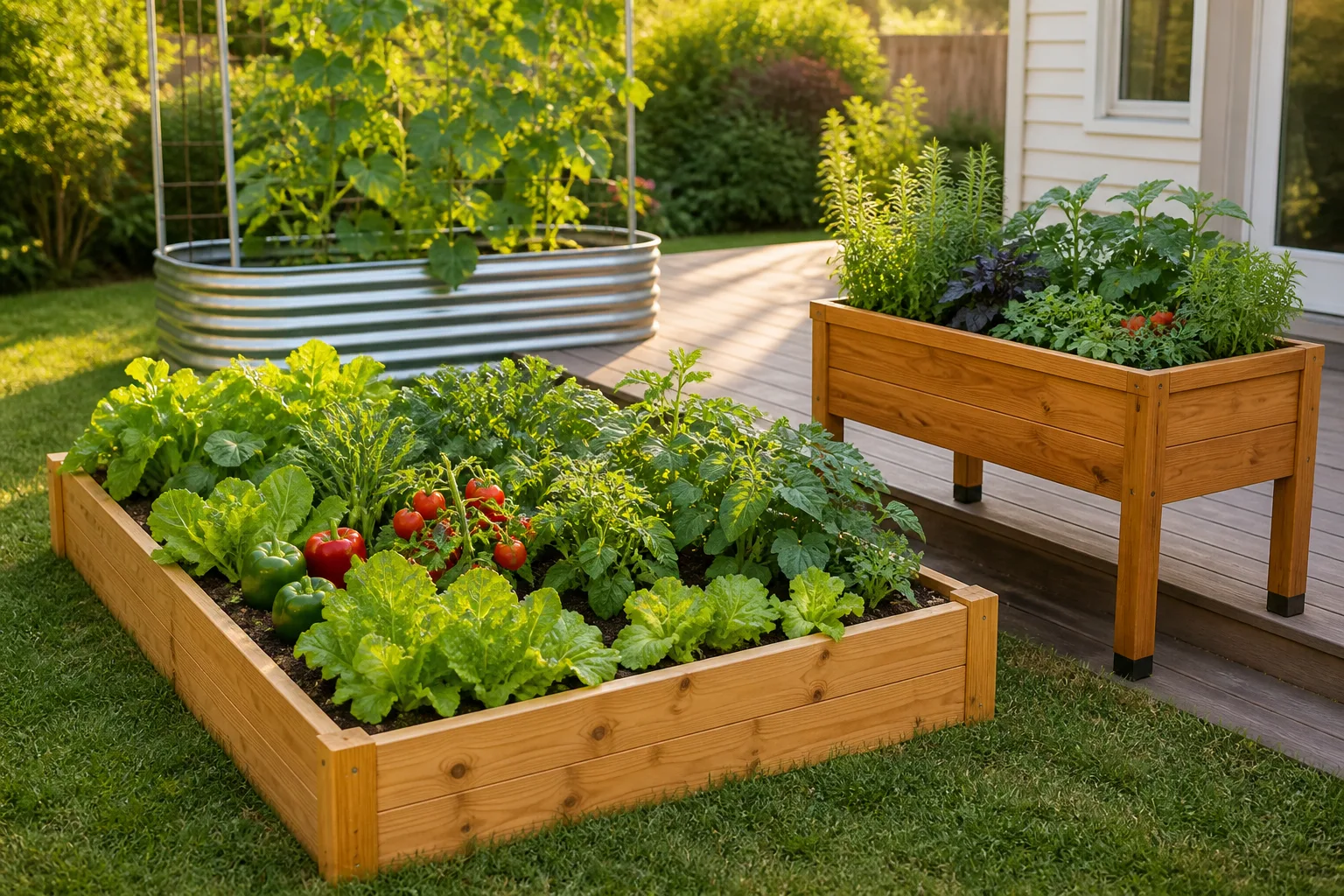
Labels confuse on purpose. Rough definitions:
Topsoil is often the upper horizon scraped from development sites—variable texture, sometimes low organic matter, rarely optimized alone for vegetables.
Garden soil / planting mix usually blends topsoil with compost, sand, and bark for drainage—better default for raised beds if the recipe is disclosed.
Compost is organic matter concentrate—powerful amendment, risky as the entire root zone unless matured and balanced with mineral soil.
Potting mix is for containers—do not dump it across a 200-square-foot bed without cost justification. See reusing potting soil safely before recycling old container mix into ground beds.
For raised structures, match volume to depth guidance in our raised garden bed depth guide before ordering yards you do not need.
Questions to Ask Any Bulk Supplier Before Delivery
Before you pay for delivery, request—or better, pick up—a bucket sample and run the five signs on it. Ask:
- What are the components and percentages? (Topsoil source, compost type, age, sand added?)
- Has the compost finished curing? Temperature history? Avoid hot piles.
- Where was the topsoil sourced? Construction scrape vs farm field?
- Has the pile been screened for debris, glass, and invasive worms?
- Can I see recent lab or stability tests? Some states regulate compost more than “topsoil.”
- What is the return policy if structure fails field tests on delivery day?
Inspect the truck pile before it spreads. Reject loads that are steaming anaerobically, reek of sulfur, or run pure clay. It is easier to send a truck back than to excavate a yard of substandard fill.
The Old Farmer’s Almanac soil preparation guidance reminds gardeners that timing matters as much as sourcing: even premium soil fails if worked wet or planted into cold, saturated beds. Pair good material with the readiness tests linked above.
Conclusion
High-quality soil announces itself through balanced drainage, crumb tilth, organic-matter-rich color, visible biology, and clean earthy smell—five signs you can evaluate with simple field tests before you spend on plants or truckloads of fill. Red flags—compaction, lifeless sand piles, extreme pH, chemical odors, and invasive worm castings—are equally visible when you know what to look for.
Your neighborhood already holds most of what you need: nurseries for bagged blends, reputable bulk yards for volume, compost programs for organic matter, and often your own beds waiting for mulch and patience. Use the fist, jar, percolation, and worm checks on every candidate pile. When history or edibles demand certainty, add a lab test and keep building structure season by season. Good soil is less a product you buy once than a condition you verify—and then maintain.



