How to Tell if Garden Soil Is Ready for Planting
Use squeeze, footprint, and soil-temperature tests to know if your garden soil is ready for planting—or still too cold and wet to touch without damage.
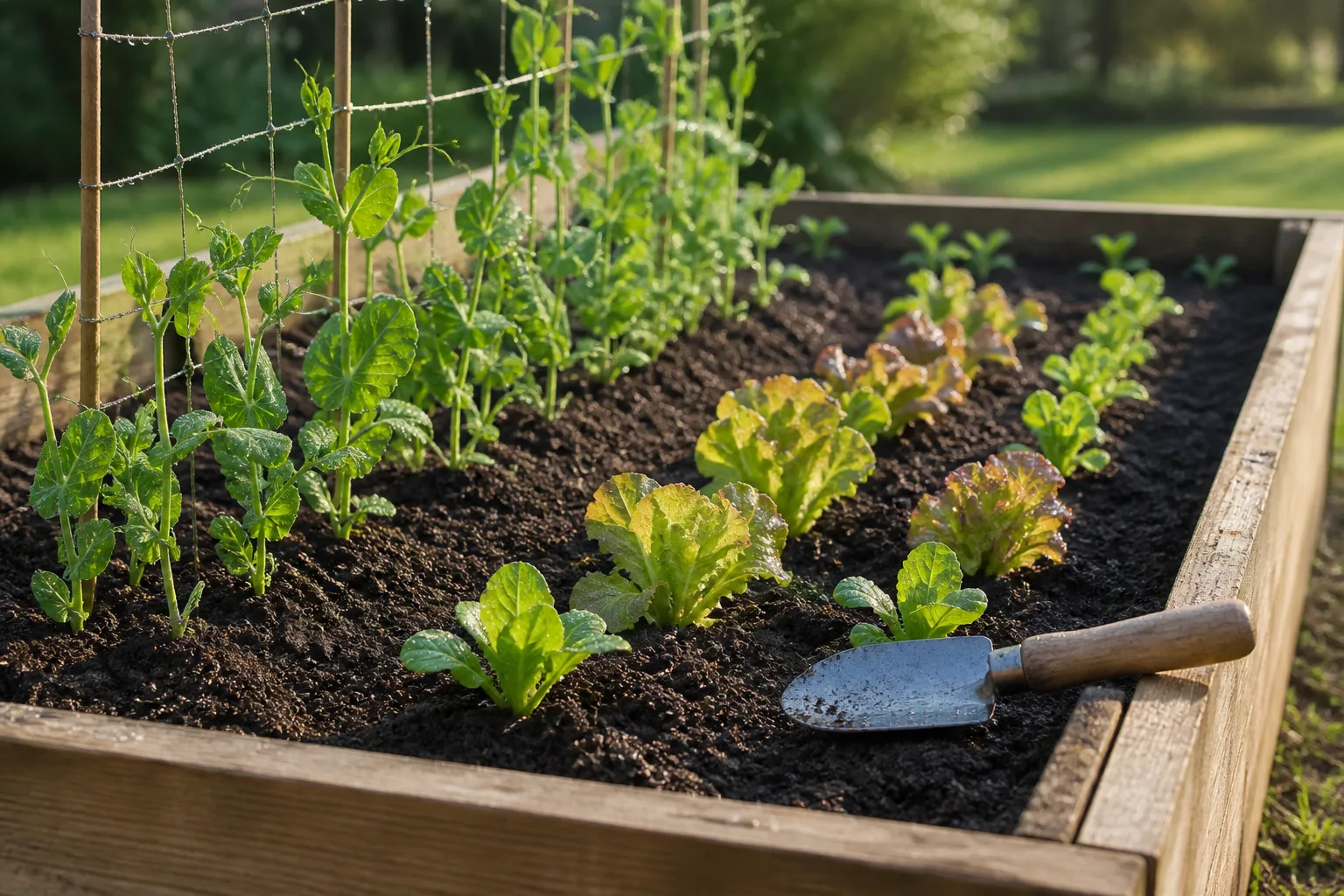
A 62°F Saturday in late March can make any gardener feel behind. Neighbors are hauling compost. Seed racks are out at the hardware store. Your inbox is full of “plant peas now” reminders. Before you sink a trowel into the bed, pause and ask a harder question: Is your garden soil actually ready—or only pretending to be? Warm air arrives weeks before warm, dry, workable ground. Planting or digging too early into cold, saturated soil is one of the fastest ways to rot seed, stall transplants, and compact clay for the rest of the season.
The good news: soil tells you when it is ready if you know which tests to run and where to look. None require a lab coat. All require sampling at planting depth, not the dusty crust on top.
Workable Soil and Plantable Soil Are Not the Same Thing
Workable soil means you can dig, rake, or sow without smearing structure, leaving deep muddy footprints, or turning pore space into concrete. Plantable soil adds a second requirement: it is warm enough at seed depth for the specific crop you want to grow. Those two ideas overlap—but they are not identical.
You might prep and plant potatoes into workable ground that is still borderline cool for beans. You might also face the opposite problem: soil that has warmed on the surface but remains saturated six inches down after snowmelt. Passing one test is not permission to ignore the others.
The RHS soil cultivation guidance is blunt on the moisture side: avoid digging when soil is waterlogged or frozen, and finish primary cultivation before warm spring weather drives off moisture you cannot easily put back. That is structure advice. Germination is a separate temperature switch—seeds sitting in cold, wet ground are prime targets for rot and damping off even when the calendar says “spring.”
Why a Warm Afternoon Is a Terrible Planting Signal
Air temperature spikes first. South-facing beds, pavement edges, and dark raised beds can run several degrees warmer than low, shaded corners of the same yard. A pleasant porch thermometer reading does not tell you what is happening at the depth where roots and seeds actually live.
Microclimates matter as much as your USDA hardiness zone. Test the exact bed you plan to use—not the warmest spot in the yard and not last year’s memory of when you planted tomatoes.
The Four-Test Gate: Run These Before You Open a Seed Packet
Before you commit to a planting weekend, run all four checks on the bed you intend to use:
- Moisture (squeeze test): A handful from 3–4 inches deep crumbles when poked; it does not drip or form a tight, glossy ball.
- Surface traffic (footprint test): A light step on the path does not leave a deep, water-holding impression with a shiny glaze.
- Structure (trowel test): A slice of soil breaks into crumbs on the blade; it does not coat metal in a sticky sleeve of mud.
- Temperature (thermometer): A probe at 2–4 inches reads at or above the minimum for your crop on a cool morning—not a single warm afternoon spike.
If moisture and structure fail, stop—even if the calendar says pea week. If moisture passes but temperature is low, you can still direct-sow the most cold-tolerant crops or hold warm-season transplants indoors. If temperature passes but moisture fails, waiting is non-negotiable. Compaction damage from working wet soil can last all season.
Red Flags That Mean Your Soil Still Is Not Ready
Some failures are obvious. Others hide under a dry crust. Learn both.
Surface Water, Glossy Footprints, and Sticky Tools
Standing water or persistent puddles after rain are an instant no. Less obvious: soil that looks dry on top but fails the squeeze test below. Wind and sun can crust the surface while clay six inches down stays plastic.
Watch your tools. If a trowel or spade comes up coated in a slick, smeared layer—like peanut butter on a knife—the soil is still too wet to cultivate. In good conditions, metal emerges with a few loose crumbs clinging to it, not a continuous muddy film.
The footprint test is the fast surface check: step lightly on the bed path. If your boot sinks and leaves a shiny impression that holds water, stay off the planting area. If the mark is shallow and dull, you are closer—but still confirm with the squeeze test at planting depth. Surface crust lies after windy days.
Temperature Red Flags at Seed Depth
Cold soil does not always look cold. Seeds are temperature-triggered switches. Below their minimum, germination stalls. Seeds that sit too long in cool, wet ground invite rot and soil-borne disease.
Red flags include:
- Morning soil readings below 40°F at 2–4 inches when you are trying to sow anything except the hardiest greens.
- Transplanting tomatoes or peppers when soil has not held 60°F or warmer for several consecutive cool mornings.
- “Nothing came up” two weeks after sowing—often cold soil plus excess moisture, not bad seed.
A soil thermometer costs less than a few seed packets and removes guesswork. Use it.
The Squeeze Test (Done at the Right Depth)
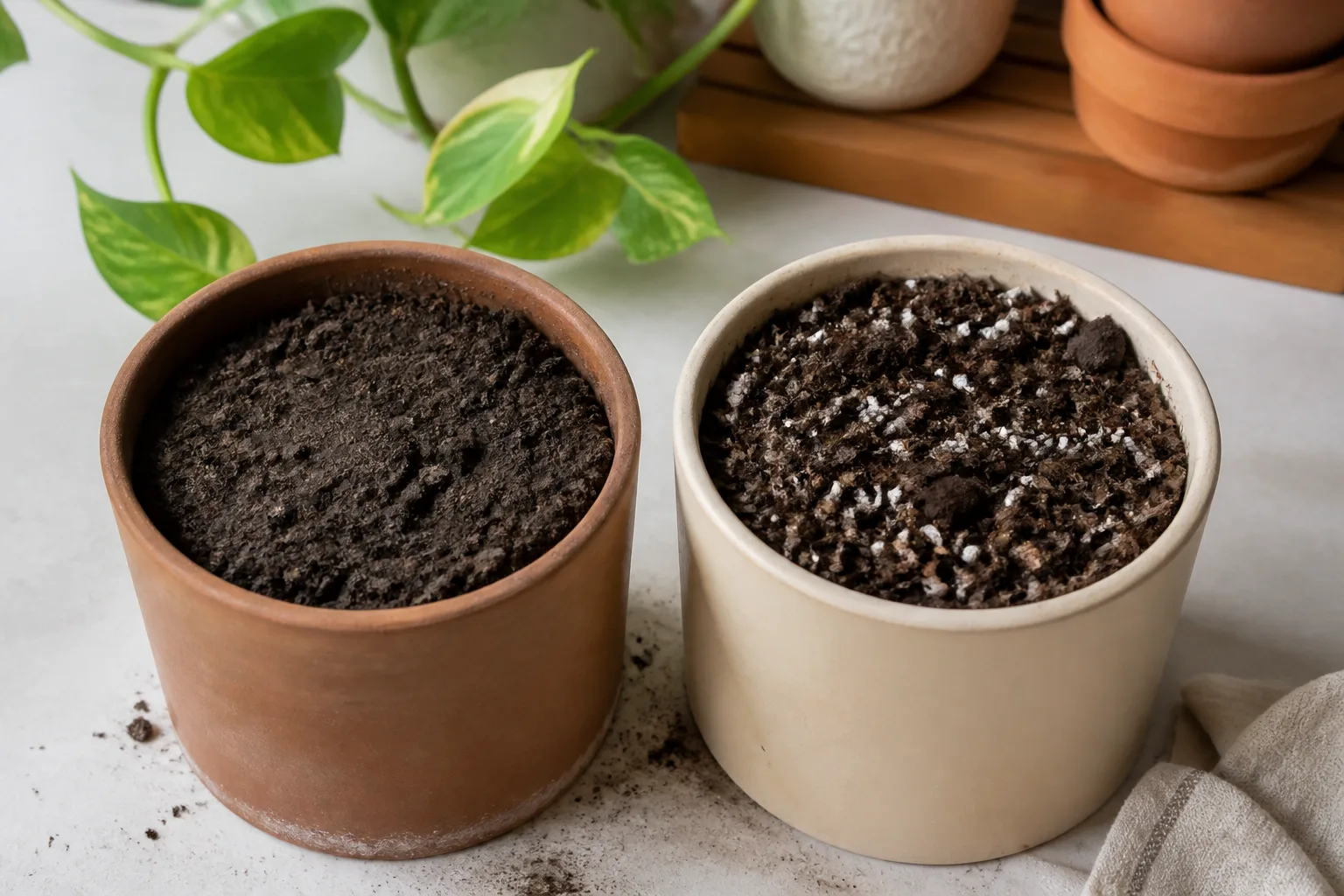
The squeeze test is the fastest field check for spring moisture—and the one most often done wrong. Gardening Know How’s squeeze-test guidance stresses sampling from 3–4 inches deep, not the surface crust, because wind dries the top half-inch while clay below stays saturated.
How to Run It
Pull aside mulch. Dig a small hole to planting depth. Take a handful of soil from the bottom of that hole and remove stones and roots. Compress firmly in your fist for about five seconds, then open your hand. Drop the ball from waist height over the hole and watch what happens.
Pass: The mass holds loosely, then crumbles when you poke it—like a wrung-out sponge or crumbled chocolate cake. Moisture is appropriate for digging and sowing.
Fail (too wet): Water squeezes out, or the ball stays intact and glossy after the drop. Wait. Walking or tilling now collapses pore space.
Fail (too dry): Dust blows off and nothing holds shape. Uncommon in early spring except on very sandy beds or under roof eaves. Water deeply, wait a day, and retest.
Repeat in three spots per bed. One dry corner does not green-light a whole plot.
Pass, Fail, and Borderline Results by Soil Type
Clay holds water longest and shows damage fastest when worked wet. A clay ball that “almost” crumbles is still a wait signal—wet clay smears into hard plates roots cannot penetrate. Expect more dry days after rain than loam before clay is truly ready.
Loam usually passes the squeeze test sooner and forgives a borderline day more than clay—but not if you rototill when slick.
Sand drains fast and may read “ready” on moisture while still too cold for seed germination. On sandy beds, pair the squeeze test with a thermometer every time.
Healthy soil is roughly half solid matter and half pore space filled with air and water. When soil is saturated, those pores are full of water. Step on it or turn it with a shovel and you squeeze water out and collapse the air pockets—creating the hard clods and poor drainage that haunt the rest of the season (Gardening Know How).
The Footprint and Trowel Tests for Hidden Saturation
The squeeze test is definitive for moisture, but two quick companion checks catch problems before you haul the spade out.
Footprint test: Already described—shiny, water-holding impressions mean the water table is still too high for traffic on the bed.
Trowel test: Push a trowel straight down 4–6 inches and lift a slice. Soil should fracture off the blade in crumbs. A continuous smear means wait. This test is especially useful on clay where the surface dried faster than the profile below.
If both pass but the squeeze test at depth fails, trust the squeeze test. Depth wins.
Soil Temperature: The Gate Most Gardeners Skip
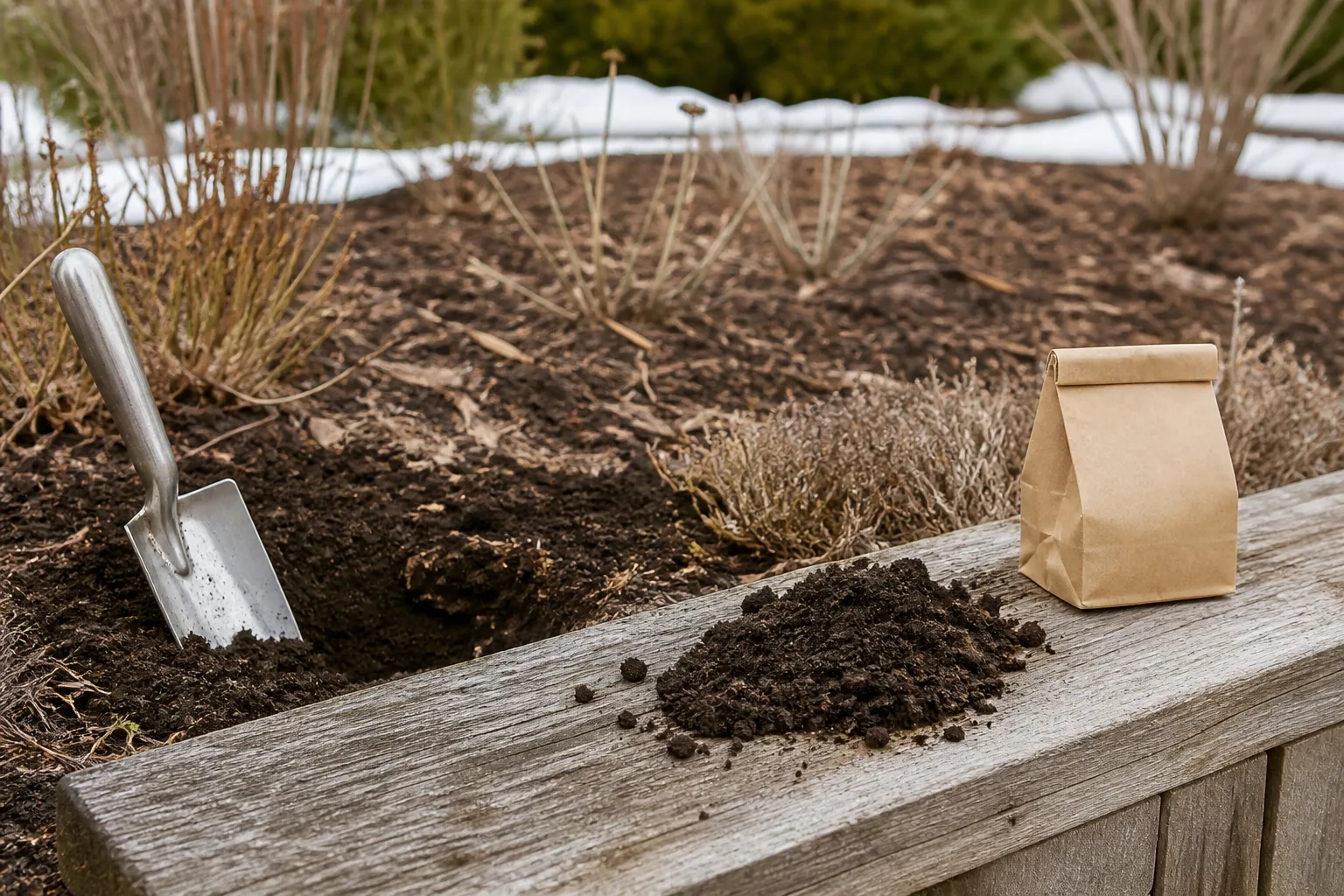
Moisture and structure can be perfect while soil is still too cold for the crop in your hand. That is the most expensive mismatch in early spring: workable ground that is not yet plantable for tomatoes, beans, or corn.
Insert a soil thermometer 2–4 inches deep in the morning, when the ground is coolest. For important plantings, take readings at the same time for three to five consecutive days and use the lowest consistent reading—not a single warm afternoon.
Minimum Soil Temperatures for Common Spring Crops
| Crop group | Examples | Approx. minimum soil temp (°F at 2–4 in.) | Notes |
|---|---|---|---|
| Hardiest greens & roots | spinach, kale, radish, turnip | 40–45 | Germination is slow at the low end |
| Peas & fava beans | shelling peas, snap peas | 45–50 | Soak pea seed overnight; do not sow into mud |
| Cole crops | cabbage, broccoli, cauliflower transplants | 45–50 | Transplants also need air frost protection |
| Onions & potatoes | sets, seed potatoes | 45–50 | Plant potatoes when workable, not saturated |
| Beets & carrots | direct-sown roots | 45–50 | Crusted surface can block emergence—keep moist, not flooded |
| Lettuce & hardy herbs | lettuce, parsley, cilantro | 45–50 | Bolts fast if heat arrives early after a cool start |
| Beans & corn | snap beans, sweet corn | 60+ | Cold seed rots easily; wait for sustained warmth |
| Cucurbits | cucumber, squash, melon | 60–65 | Direct sow or transplant after soil holds heat |
| Tomatoes & peppers | transplants | 60–70 | Air frost protection is separate from soil warmth |
Cool-season crops tolerate cooler soil than warm-season crops, but “tolerate” is not “thrive.” Spinach may germinate near 40°F and sit there for weeks. Peas at 50°F outperform peas at 42°F in wet ground.
How to Measure Soil Temperature Correctly
Measure in the bed you will plant, at the depth seeds or transplants will sit—not on the lawn, not on the patio, not at high noon after the sun has baked the surface. Morning readings before direct sun hits the bed give the most conservative, useful number for go/no-go decisions.
Repeat in microclimates: north-side shade vs south-facing wall, in-ground row vs raised bed. A single reading is a snapshot; a three-day morning trend is a decision.
The Ribbon Test: What Texture Tells You About Dry-Down Time
Moisture tests tell you whether to dig today. Texture tells you how your soil behaves after rain—and how patient you need to be.
Take moist soil from 4–6 inches deep. Roll it into a ball, then push it between thumb and forefinger into a thin ribbon. Colorado State University Extension’s soil texture guide explains how particle size drives this behavior:
- Clay ribbons longer than about an inch before breaking. Expect the longest wait after rain and the highest compaction risk if worked wet.
- Loam ribbons roughly an inch or less, then crumbles. Usually the sweet spot for spring work once moisture passes.
- Sandy soil may not ribbon at all; it breaks apart easily. Drains fast but may need temperature checks more than moisture checks in early spring.
Knowing your dominant texture helps you interpret borderline squeeze results. Clay that “almost” crumbles needs more time. Sand that crumbles instantly may still be too cold for beans.
Long-term, annual compost and organic matter improve drainage and structure in heavy clay—work amendments in only when moisture tests pass, not as an excuse to dig wet ground (Old Farmer’s Almanac soil preparation guidance).
Biological Clues That the Ground Is Waking Up
Nature offers secondary signals—not replacements for squeeze and thermometer tests.
Earthworms near the surface suggest warming, oxygenated soil. Worms avoid waterlogged, anaerobic conditions. Seeing them in a test hole is a soft green light for hardy crops, not permission to set out peppers.
Early weeds such as chickweed, henbit, and dandelions indicate minimum temperature and drainage thresholds for some hardy vegetables—peas, spinach, radishes. They are hints, not calendars. A south-facing crack by the driveway warms before your main vegetable row.
Insect activity—ground beetles, spiders, ants—often increases as soil warms. Useful context, not a precision tool.
Treat biological clues as tiebreakers when moisture and temperature are borderline, not as overrides when the squeeze test fails.
Raised Beds, South Faces, and Other Microclimate Exceptions
Raised beds drain faster and warm sooner than flat, in-ground rows. A bed that passes tests on a south-facing terrace may be ready a week before a low, shaded plot in the same yard. That is real—but it is not universal. Raised beds built on clay with poor drainage can still hold excess moisture in the base layer.
Black plastic or landscape fabric temporarily laid on bare soil can raise temperature a few degrees and shed excess rain from the surface—but it is a warming aid, not a substitute for the squeeze test at depth. Remove plastic before planting unless you are using it as a deliberate solarization or strip-till technique for a specific crop plan.
Row cover protects transplants from light frost. It does not warm soil enough to germinate beans or tomatoes in cold ground. Do not confuse frost protection with soil-temperature readiness.
If your in-ground soil fails every spring, see our guide on raised garden bed layouts for drainage-forward designs—and pair timing work with when to plant vegetables by season.
What Happens If You Plant or Till Too Early Anyway
Skipping the tests has predictable costs:
Compaction and structure loss. Wet cultivation collapses pore space. Roots suffocate. Water perches on destroyed structure instead of infiltrating. Clay worked wet bakes into bricks when sun returns. Recovery can take a full season of cover crops and compost—if the damage is not already baked into a hardpan layer.
Seed rot and poor emergence. Seeds need moisture and warmth. Cold, wet soil keeps them dormant until fungi finish the job. “Bad seed” is often cold, soggy timing.
Stalled transplants. A tomato set into 52°F soil sits and purples. Roots do not grow; top growth waits. Meanwhile, air frost can still hit leaves. You lose weeks compared with waiting for soil and weather together.
Weed advantage. Bare, worked mud invites weeds that outcompete slow-germinating crops. A week of patience beats a month of rescue hoeing.
Penn State Extension’s soil quality overview frames healthy soil as a living system with structure, biology, and chemistry working together. One muddy weekend of rototilling can set that system back harder than most beginners expect.
What to Do While You Wait (Without Wrecking the Bed)
Failed tests are not wasted weekends. They are structure-protection weeks.
Do now (off the bed): Start or pot up seedlings indoors—see how to start seeds indoors if you have not already. Sharpen tools. Build trellises. Order or interpret a soil test from your local extension office so amendment plans are ready when moisture passes.
Do at the bed edge, not in the mud: Pull winter debris and mulch back from paths without walking the planting area. Set up drip lines. Mark rows with stakes and string on dry paths.
To warm and dry faster (without digging wet soil): Rake high spots only when the top inch is dry enough not to smear. Pull back dark mulch temporarily on south faces to let sun hit bare soil—then replace mulch after planting to conserve moisture. In chronically wet sites, plan raised beds or drainage swales for next season instead of forcing in-ground rows.
Retest rhythm: After rain, check every three to five days on clay; sooner on loam; daily on sand if temperatures are borderline. Log morning soil temperature and squeeze results in a notebook. Patterns beat memory.
When moisture, structure, and temperature finally align, direct-sow the hardiest crops first—peas, spinach, radishes, potatoes—and stage warm-season plants for their higher soil-temperature gate. Our easiest seeds to direct sow guide pairs well with the first green-light weekend.
Conclusion
Garden soil is ready for planting when it passes four tests at planting depth: moisture that crumbles instead of smearing, footprints that do not hold glossy water, tools that come up clean rather than coated in mud, and soil temperature at 2–4 inches that meets the minimum for the crop you are holding. Warm air alone fails every one of those checks.
Run the tests on the exact bed you plan to use. Respect clay’s longer dry-down window. Treat raised beds and south faces as earlier—but verify, do not assume. If soil is still too cold and wet, the most productive move is waiting while you start seed indoors, test nutrients, and build infrastructure—not compacting the ground you will depend on all summer.
Soil readiness is not a date on the calendar. It is a conversation with the ground. Listen before you plant.