8 Easiest Seeds to Direct Sow This Spring
Direct-sow lettuce, radishes, beets, marigolds, and more this spring. Soil-temp targets, spacing, thinning, and succession tips for eight beginner-proof crops.
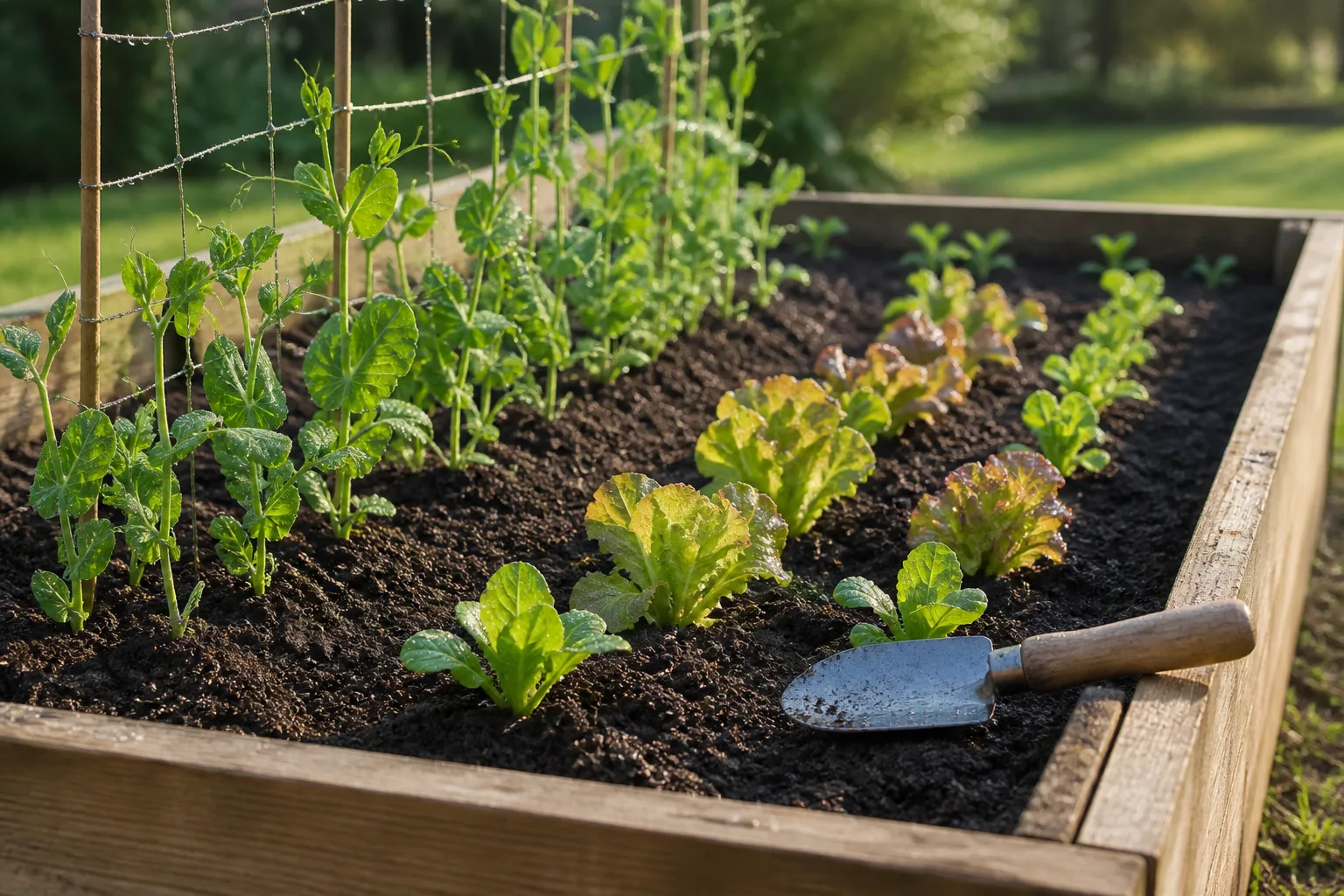
You do not need grow lights, seed trays, or a hardening-off schedule to grow a productive spring garden. Direct sowing — planting seeds where they will live all season — is the fastest path to harvest for crops that germinate quickly, dislike root disturbance, or simply outgrow transplant shock. The eight seeds below are the ones I reach for first every spring because they forgive minor mistakes, sprout on a predictable timeline, and reward a little attention to soil temperature and moisture.
This is not a generic “easy seeds” list. Each crop below includes when to sow, how deep, how far apart, what soil warmth actually triggers germination, and what goes wrong when spring turns hot too fast. If you are still deciding whether the ground is ready, pair this guide with our article on how long seeds take to sprout and when to plant vegetables by season.
Why Direct Sowing Works Better Than Indoor Trays for These Crops
Direct sowing means placing seed in prepared garden soil (or a large outdoor container) and letting seedlings emerge in place. You skip the indoor-start phase entirely — no domes, no leggy seedlings under a west window, no transplant shock when you move a tender start into cold April wind.
That trade-off matters. Direct-sown plants often develop sturdier stems and deeper roots because they never get pampered indoors. Root crops like radishes and beets are especially poor candidates for transplanting; disturbing the taproot usually means stunted or forked roots at harvest. Flowers with fast outdoor germination — marigolds and nasturtiums — rarely justify the indoor space they consume.
The downside is exposure. Outdoor seed is vulnerable to crusted soil after heavy rain, birds scratching through rows, and late cold snaps. You also lose the head start that indoor sowing gives tomatoes and peppers. The decision rule is simple: if the packet says “direct sow,” “do not transplant,” or the crop matures in under 60 days in cool soil, sow outdoors. If it needs 10+ weeks indoors before your last frost, start inside instead. Get Busy Gardening’s seed-starting framework groups direct-sow candidates as fast growers, root crops, and flowers that resent root disturbance — exactly the profile of every crop on this list.
When Your Garden Soil Is Ready for Spring Seeding
Calendar dates lie. Two neighbors with the same last-frost date can have soil that differs by 10°F depending on sun, mulch, and whether the bed sits on a south-facing slope. Workable soil crumbles when you squeeze a handful and falls apart when you open your fist — not sticky mud, not dust.
Wait until you can rake the top inch to a fine texture without pulling up wet clods. Pull weeds and remove rocks larger than a golf ball. Mix in 1–2 inches of compost if the bed is lean; most direct-sow crops do not need heavy fertilizer at planting time.
Soil Temperature Targets by Crop
Germination speed is driven by soil temperature at seed depth, not air temperature on your porch thermometer. Slide a soil thermometer 1 inch deep, or use an instant-read kitchen probe you dedicate to the garden. The Iowa State germination requirements chart for annuals and vegetables shows wide ranges by species — cool-season crops can sprout in soil as low as 45°F, while squash and marigolds stall until the ground warms.
| Crop | Minimum soil temp for germination | Ideal range | Sow relative to last frost |
|---|---|---|---|
| Lettuce | ~40°F | 55–65°F | 2–4 weeks before to 2 weeks after |
| Radish | ~45°F | 50–65°F | 4–6 weeks before to early spring |
| Swiss chard | ~45°F | 50–75°F | 2–4 weeks before |
| Beets | ~50°F | 55–75°F | 2–4 weeks before |
| Borage | ~55°F | 60–70°F | After frost, mid-spring |
| Marigolds | ~60°F | 70–75°F | After frost, late spring |
| Nasturtiums | ~55°F | 65–70°F | After frost, late spring |
| Summer squash | ~60°F | 70–95°F | 1–2 weeks after last frost |
If soil is too cold, seed sits dormant and may rot during the next warm-wet spell. If you are impatient, warm a raised bed faster with black plastic for a week, then sow when you remove it.
Moisture and Bed Prep Before You Sow
Seeds need continuous moisture from sowing until seedlings have true leaves — not flooding, not bone-dry crust. Water the bed deeply the day before planting so the soil is evenly damp at seed depth. After sowing, mist or use a gentle rose on your watering can daily until you see green.
Heavy rain on bare soil can form a hard crust that blocks emergence, especially for tiny lettuce seed. A light dusting of fine compost or vermiculite over the row, or a floating row cover laid loosely on hoops, prevents crusting without blocking light for crops that need darkness to germinate.
If you garden in raised beds, soil warms faster than in flat ground — sometimes by a full week — which lets you sow marigolds and squash earlier than neighbors with heavy clay in low spots. The flip side is faster drying: check moisture at seed depth every morning until seedlings have two true leaves, then shift to deeper, less frequent watering as roots grow down.
How to Direct Sow Seeds Without Wasting the Packet
Good direct sowing is boring in the best way: shallow trench, correct spacing, gentle cover, label the row, water, wait.
Planting Depth, Spacing, and Covering
Depth rule: plant most seeds at a depth about three times the seed’s smallest dimension. A radish seed goes roughly ½ inch deep; lettuce, barely ¼ inch. Press soil gently over the row — do not pack it like concrete.
Spacing: sow thicker than the final spacing so you can thin. For lettuce mesclun, scatter seed in a 6-inch-wide band and thin to 4–6 inches between plants. For radishes in rows, sow one seed every inch and thin to 2–3 inches. Summer squash gets one hill with 2–3 seeds, thinned to the strongest plant, with hills 3–4 feet apart for bush types and 6+ feet for vines.
Label every row with crop name and sow date. Future-you will not remember which bare strip is beets versus chard. Burpee’s direct-sow guidance recommends sowing slightly heavy to account for failed germination, bird loss, and washout — then thinning back to packet spacing once true leaves appear.
Thinning Seedlings the Right Way
Thinning feels wasteful until you watch overcrowded plants produce nothing usable. Seedlings competing for light grow tall and weak; root crops twist around each other underground.
Thin when seedlings have one or two true leaves (the second set, shaped like the mature plant — not the round cotyledons). Snip extras at soil level with scissors instead of pulling, so you do not disturb the keeper’s roots. Eat thinnings when they are large enough: beet and chard microgreens, radish sprouts, and young lettuce leaves belong in a salad.
University of New Hampshire Extension emphasizes that correct spacing at the seedling stage prevents the stunting you cannot fix later by fertilizing harder.
Lettuce and Leafy Salad Greens
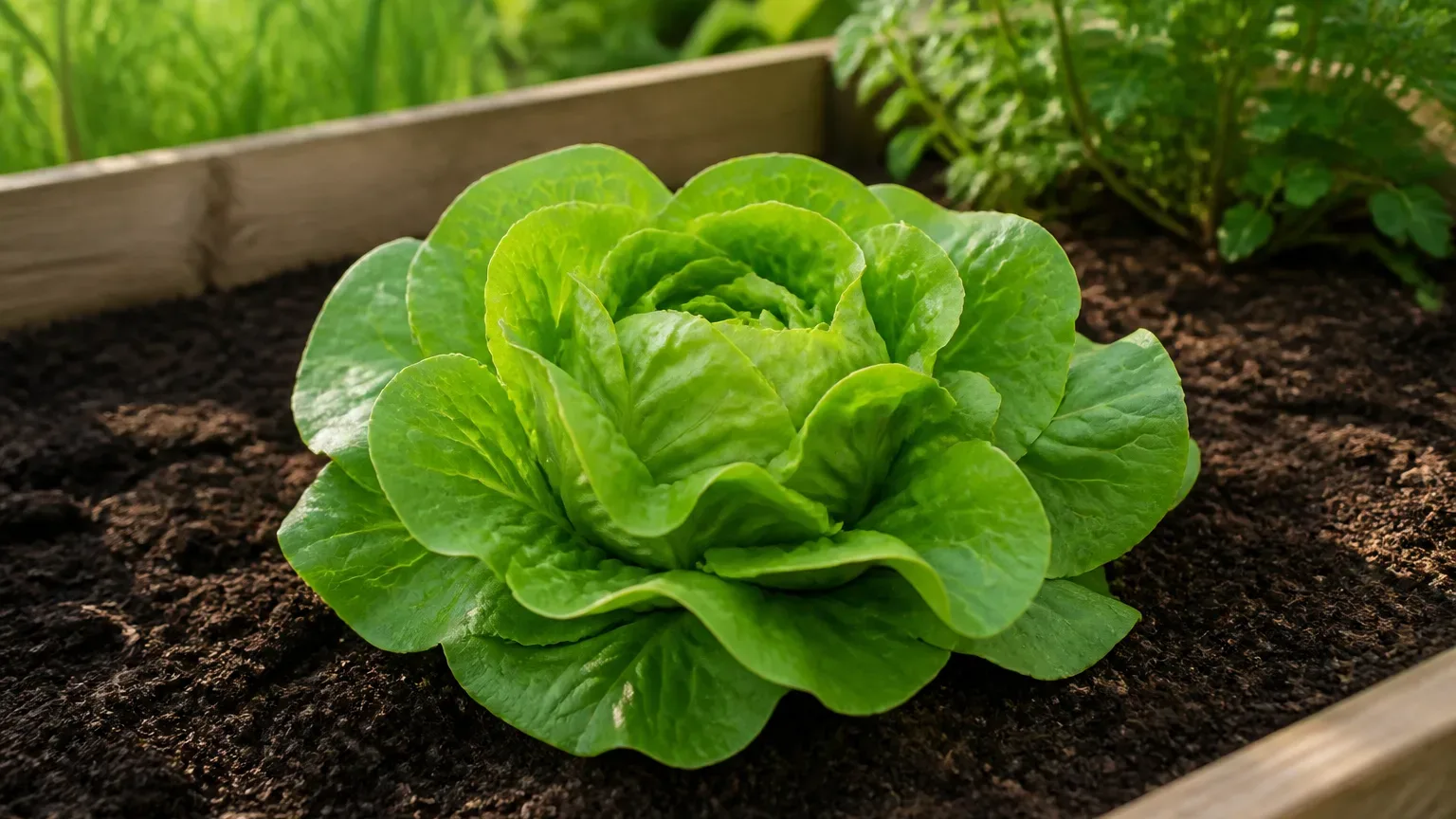
Lettuce is the fastest payoff in a spring garden. Leaf types and mesclun mixes can produce cut-and-come-again harvests in 30–45 days when soil stays cool and moist. Seeds are tiny — mix with a pinch of dry sand for even distribution, or use a seed tape if you hate thinning.
Sow every two weeks from early spring until daytime highs regularly pass 75°F. Lettuce bolts (sends up bitter flower stalks) in heat and long days; afternoon shade or a 30% shade cloth buys you an extra sowing or two in warm climates. Loose-leaf varieties tolerate partial shade better than tight heads.
Quick specs: depth ⅛–¼ inch; final spacing 4–6 inches for leaf types, 10–12 inches for romaine and butterhead; full sun to partial shade; rich, well-drained soil kept evenly moist. For a broader cut-flower and salad comparison, see our guide to the easiest flowers to grow from seed.
Radishes
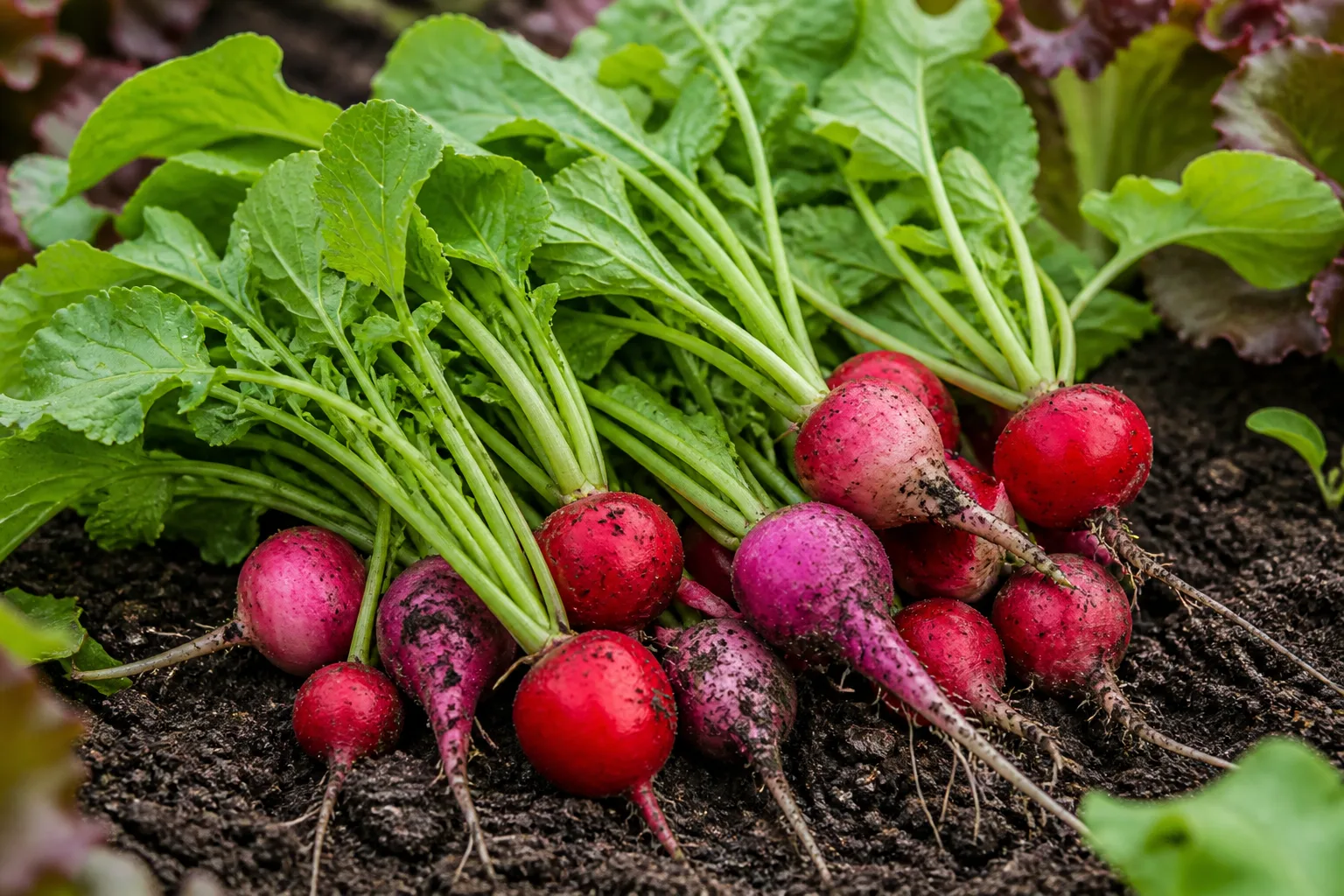
Radishes are the garden’s instant-gratification crop — many varieties mature in 25–30 days. That speed makes them perfect for marking rows of slower crops like carrots or beets; you harvest radishes before the neighbors need the space.
Sow in early spring while soil is still cool. Once daytime temperatures climb above 70°F, spring radish quality drops fast: roots turn woody, flavor goes sharp, and plants bolt. Switch to heat-tolerant varieties like ‘French Breakfast’ for late-spring sowings, or pause until fall.
Quick specs: depth ½ inch; thin to 2–3 inches; full sun; loose soil without fresh manure (too much nitrogen grows leaves, not roots). Keep soil moist — dry spells cause cracking and pithiness.
For a visual row marker, sow a band of radishes along the edge of a carrot or parsnip bed. You pull the radishes in three weeks while the slower crop is still germinating underground — a classic kitchen-garden trick that uses the same cool-soil window twice.
Swiss Chard
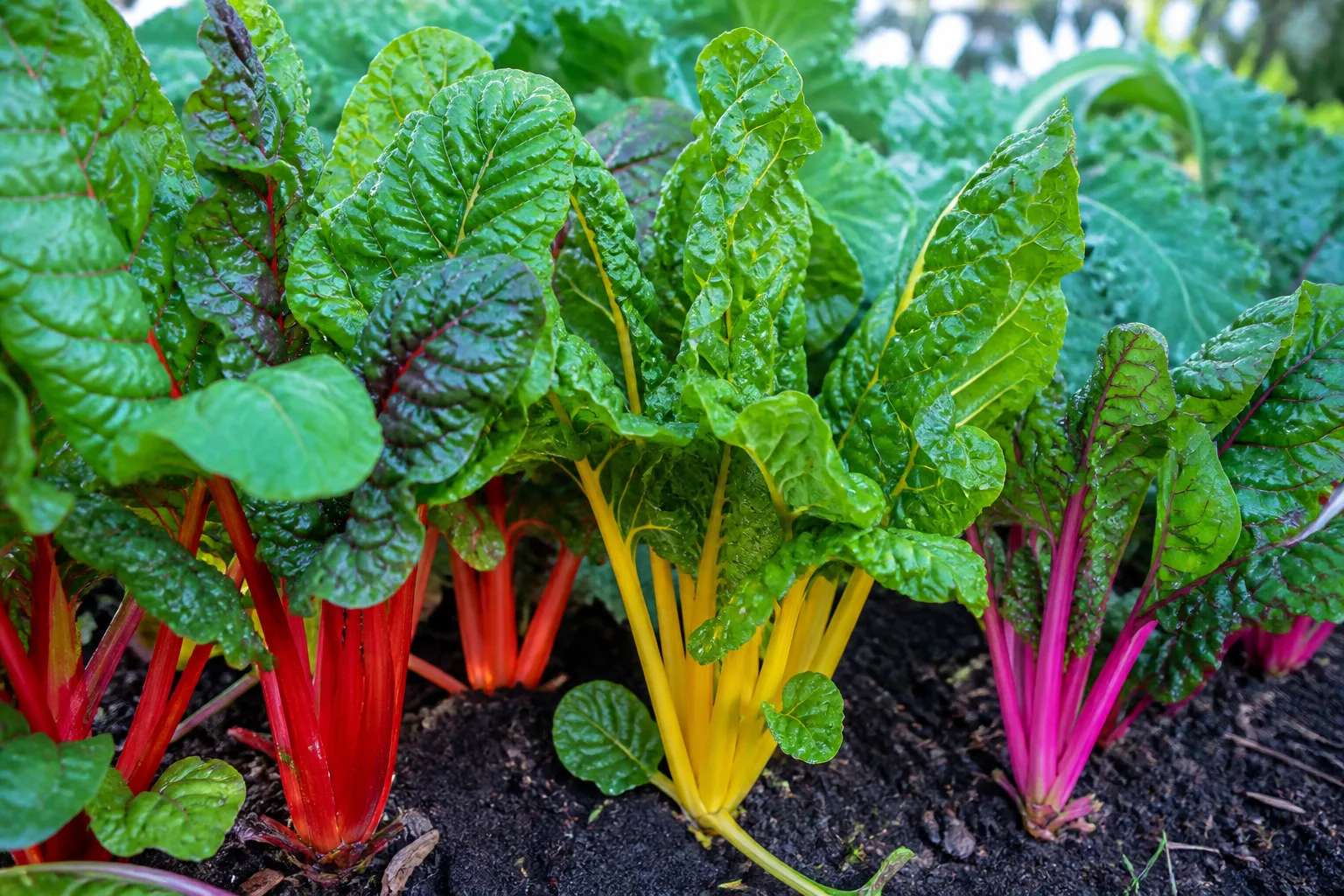
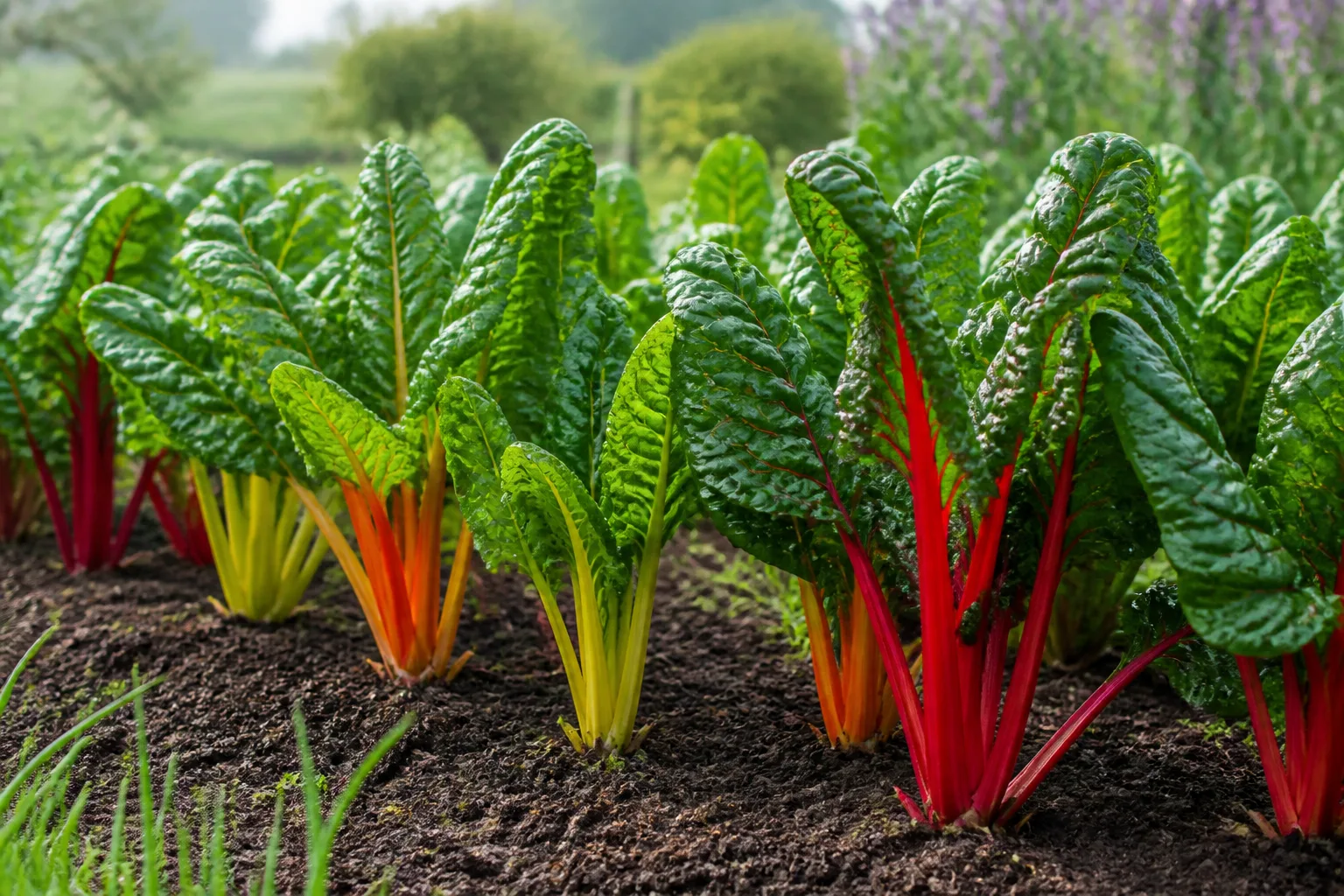
If spinach frustrates you with spotty germination and early bolting, grow chard instead. One spring sowing can produce rainbow-stemmed leaves from late spring through first frost with light picking. Wait until soil reaches at least 45°F; germination is slow and spotty below that.
Chard tolerates summer better than spinach but still benefits from afternoon shade in hot regions. Harvest outer leaves when they are 6–8 inches long, leaving the growing crown intact for repeat cuts.
Quick specs: depth ½ inch; final spacing 12–18 inches; full sun to partial shade; fertile, well-drained soil; consistent moisture. Soak seed overnight if your first sowing emerges unevenly — each “seed” is actually a cluster containing multiple embryos, so one planting spot often produces several seedlings that need thinning.
Beets
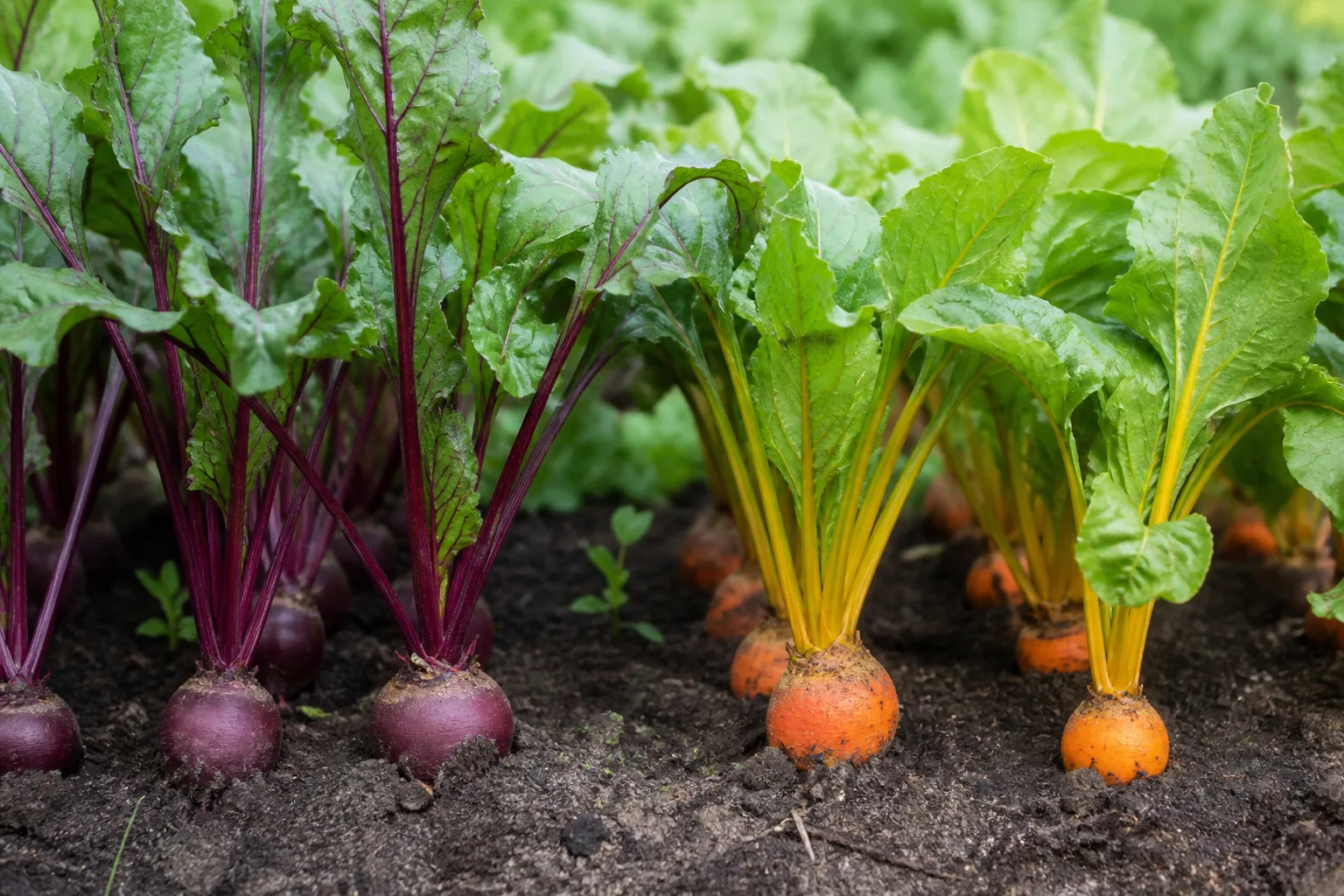
Beets give you two harvests from one plant: tender greens for salads and roots for roasting. They germinate best in soil 55–75°F and struggle in crusted or waterlogged beds. Soak seed for a few hours or pre-sprout between damp paper towels if spring weather is erratic.
Succession-sow every three weeks until soil warms past 75°F daytime. For fall roots, sow again 8–10 weeks before your first expected frost.
Quick specs: depth ½ inch; thin to 3–4 inches (eat thinnings); full sun to light shade; loose, stone-free soil; even moisture. High nitrogen late in the season produces leafy tops and small roots — back off fertilizer once plants are established.
Borage
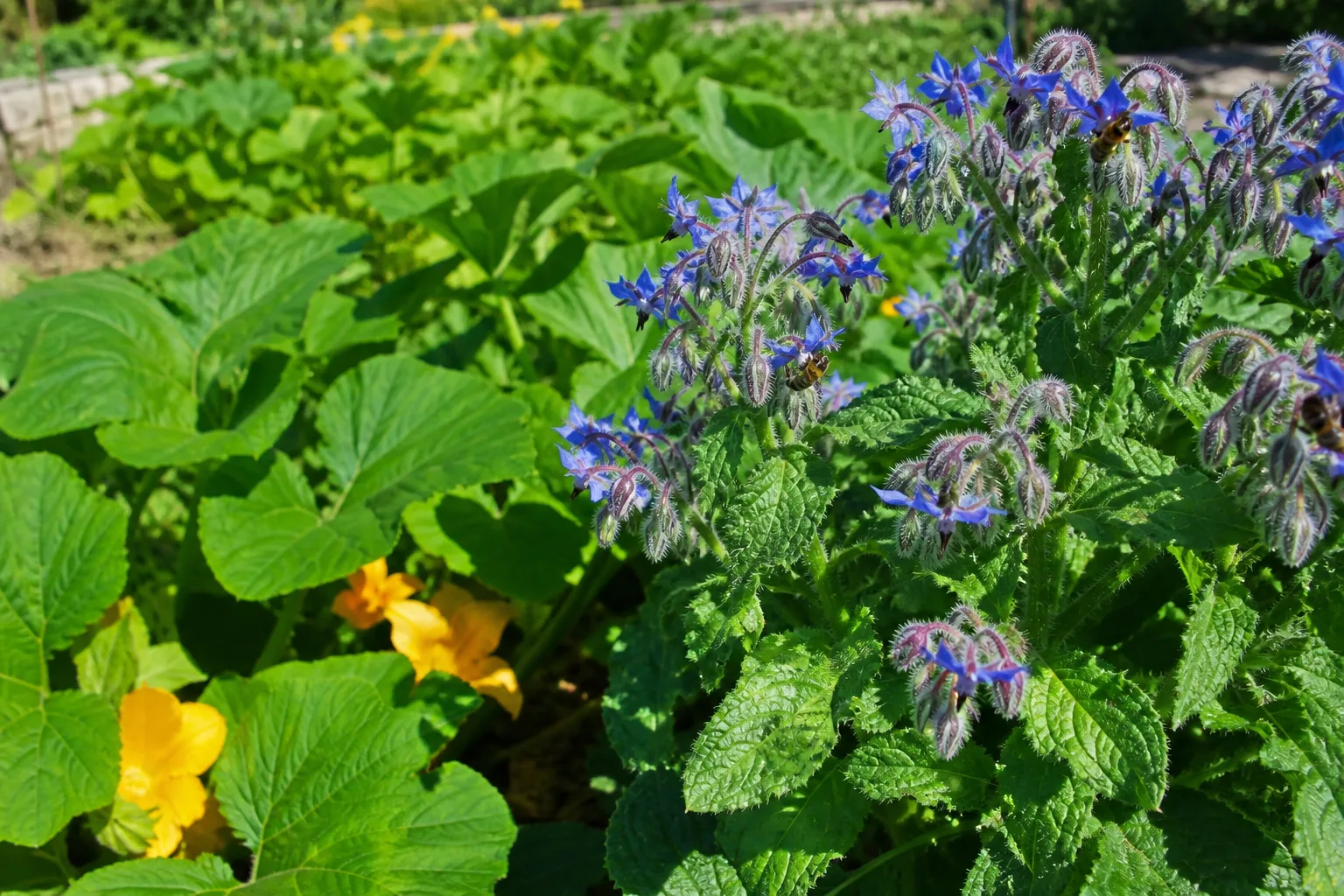
Borage is the edible flower that doubles as pollinator bait. Sky-blue star-shaped blooms attract bees to the vegetable garden — useful near squash, cucumbers, and fruiting crops that need insect pollination. Plants self-sow freely if you let some flowers set seed; remove spent blooms if you do not want volunteers next year.
Sow after frost when soil has warmed to 60°F+. Borage develops a taproot and does not transplant well, which makes direct sowing the right call.
Quick specs: depth ¼–½ inch; final spacing 12–18 inches; full sun; lean, well-drained soil; moderate water once established. Leaves taste cucumber-mild; flowers are a garnish. Plants can reach 2–3 feet and sprawl — give them room at the bed edge.
Marigolds
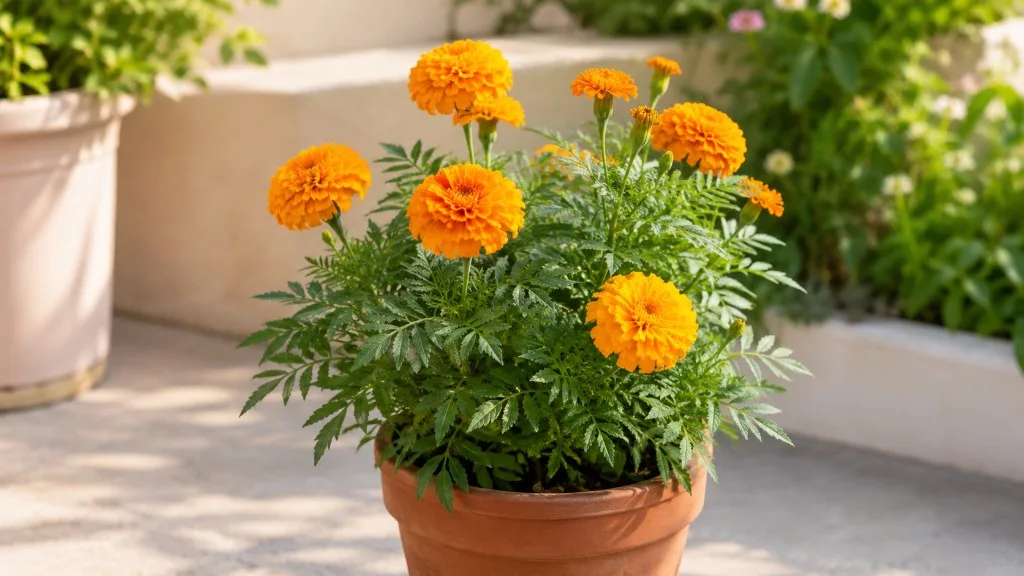
Marigolds are the beginner-proof annual for color and garden ecology. French types stay compact; African (American) marigolds grow taller with pom-pom blooms. Both germinate in 5–14 days when soil is 70–75°F — sow after your last frost, not with your lettuce.
Deadheading extends bloom; our marigold care guide covers feeding, spacing, and mildew prevention in detail. Many gardeners pair marigolds with vegetables for traditional companion-planting reasons; see marigold companion plants for layout ideas that actually fit a small bed.
Quick specs: depth ¼ inch; spacing 8–12 inches for French types, 10–18 inches for taller varieties; full sun; lean to average soil; moderate water. Over-rich soil produces leaves at the expense of flowers.
Nasturtiums
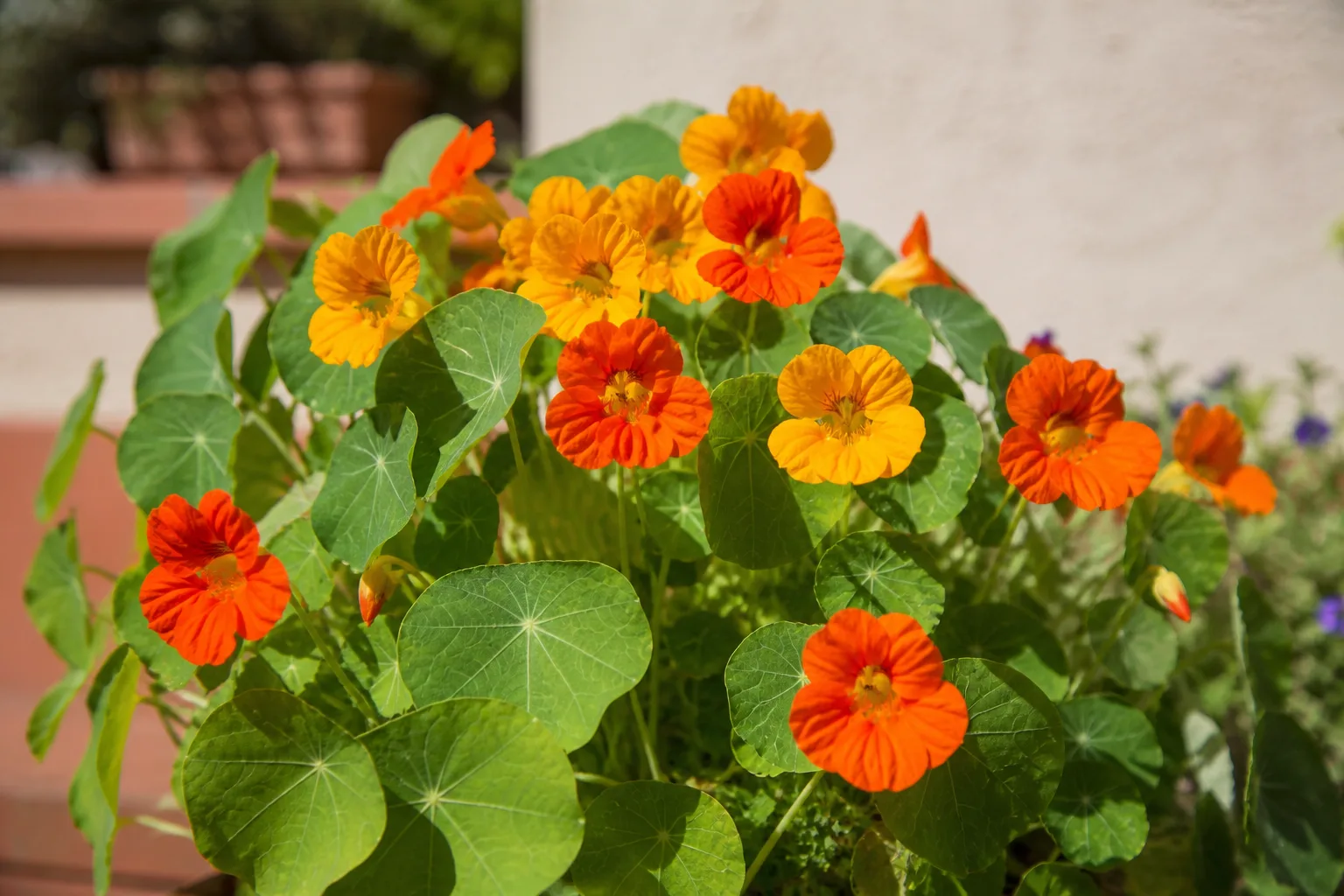
Nasturtiums grow fast, spill beautifully over container edges, and every part of the plant is edible — peppery leaves, bright flowers, and pickled seed pods if you are adventurous. They prefer lean, well-drained soil; too much fertilizer yields foliage, not blooms.
The seed coat is hard. Scarify by rubbing each seed lightly with sandpaper or a nail file, then soak overnight before sowing. Plant when soil is 55–65°F and warming. In short-season climates, direct sowing beats indoor starts because nasturtiums resent root disturbance.
Quick specs: depth ½–1 inch; spacing 10–12 inches; full sun (partial shade in hot climates); lean soil; moderate, consistent moisture until established, then slightly dry side.
Summer Squash
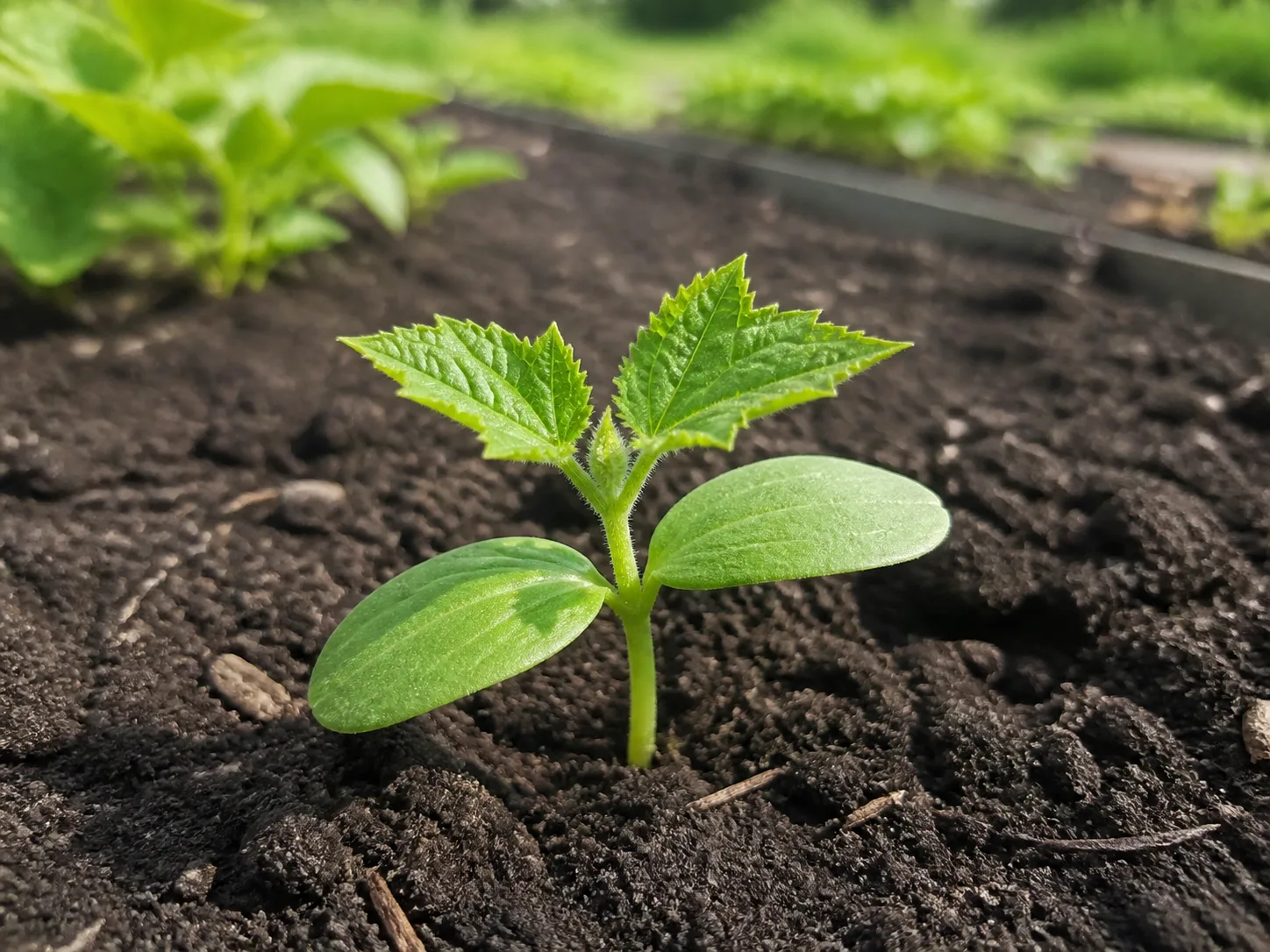
Summer squash — zucchini, yellow crookneck, pattypan — is the warm-season anchor on this list. Unlike the cool-season crops above, squash seed needs soil at least 70°F and will rot in cold, wet ground. Sow one to two weeks after your last frost, when nights stay above 50°F.
Bush varieties fit small gardens; vining types need 6-foot spacing or a sturdy trellis. One well-fed hill often produces more than a household can eat. Colorado State University Extension notes that cucurbits germinate quickly in warm soil but are highly sensitive to frost — keep row cover handy if a late cold snap threatens after emergence.
Quick specs: depth 1 inch; 2–3 seeds per hill, thin to 1–2 plants; full sun; rich, well-drained soil; deep, infrequent water once vines run. For container limits and variety picks, read growing zucchini in pots or in the ground.
A Simple Spring Succession Calendar
Stagger sowings so harvests do not arrive in one overwhelming week.
Early spring (soil 45–55°F): lettuce, radish, chard, beets — first sowing.
Mid-spring (soil 55–65°F): repeat lettuce and radish every 2 weeks; second beet and chard sowing; borage.
Late spring (soil 65°F+, after last frost): marigolds, nasturtiums, summer squash; final lettuce sowing in shade if summers are hot.
Containers: all eight crops work in pots at least 12 inches deep (deeper for squash). Use fresh potting mix, not garden soil scraped into a pot — drainage and weight differ completely. Place sun-loving pots where they receive six or more hours of direct light.
Group cool-season pots together on the north side of a wall in hot climates so afternoon heat does not bake the soil surface. Warm-season pots — marigolds, nasturtiums, squash — can sit on pavement that radiates heat at night, which nudges soil temperature into the range those seeds need when spring nights are still cool.
When a row fails — washed out, eaten by birds, or never emerged — rake, re-water, and resow before the season window closes. Most of these packets cost less than a store-bought bunch of greens; a second try is cheaper than assuming you lack a green thumb.
Conclusion
The easiest seeds to direct sow this spring share a pattern: they germinate without fuss when soil temperature and moisture match their needs, they dislike transplanting, and they reward succession planting with repeated harvests or months of blooms. Start with lettuce and radishes while soil is still cool, add beets and chard for steady greens, tuck borage and marigolds in for pollinators and color, scarify nasturtiums for reliable sprouts, and hold summer squash until the ground truly warms.
Measure soil temperature, sow at the right depth, thin without guilt, and keep the seed zone moist until seedlings stand on their own. Do that consistently and you will harvest faster than neighbors still nursing leggy indoor trays — with less equipment and fewer steps between you and the first salad of the year.



