Coffee Grounds for Moles: Do They Work?
Coffee grounds won't reliably keep moles away. Learn why pest pros say smell alone fails—and what actually reduces mole tunnels in your lawn.
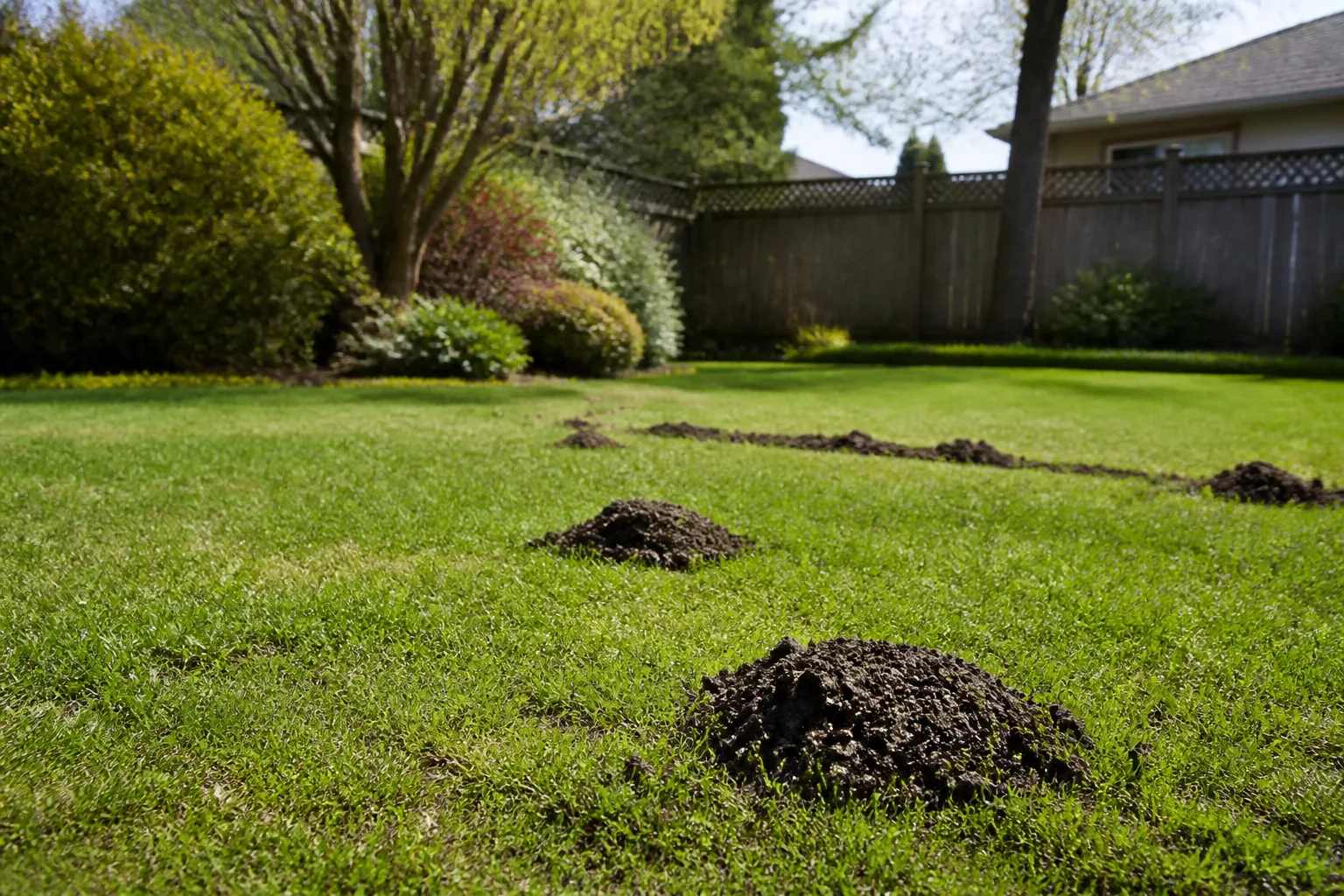
No—scattering used coffee grounds will not reliably keep moles out of your yard. The idea is everywhere on gardening forums because it is free, smells strong, and feels humane. Pest professionals and university extension specialists agree on the outcome: at best, fresh grounds might irritate a tunnel briefly, but they do not remove the food underground that brought the mole in the first place. If molehills are wrecking your lawn, you need strategies that change habitat or remove the animal—not another sprinkle from yesterday’s French press.
The Short Answer: Coffee Grounds Are Not a Reliable Mole Deterrent
Moles are nearly blind and navigate by touch and smell, so it is logical to assume a pungent pantry item could chase them off. House Digest reviewed the claim in 2025 and found no scientific studies showing coffee grounds repel moles. Gardeners who report success usually reapplied grounds daily into active molehills—essentially a full-time smell campaign on a few spots while the rest of the yard stayed untouched.
Purdue University’s Plant and Pest Diagnostic Lab groups coffee grounds with mothballs, chewing gum, pinwheels, and ultrasonic gadgets: popular ideas that do not work when tested against mole biology. NC State Extension is equally blunt—there are no shortcuts or magic wands in mole management. Trapping, habitat change, and in some cases registered baits are what extension guides stand behind.
That does not mean coffee grounds are useless in the garden. They can add organic matter when composted and may help with other pests. They just are not a dependable mole solution—and treating them as one lets tunnel damage spread while you wait for a smell to work.
Why Gardeners Keep Trying Coffee Grounds on Mole Tunnels
A new molehill overnight triggers panic. Traps look intimidating, wildlife relocators cost money, and poison worm baits feel harsh. Coffee grounds sit in the filter every morning, so the leap from compost bucket to molehill is easy.
The Strong-Smell Theory
The theory goes like this: moles hate strong odors, coffee smells intense, therefore moles flee. Moles do have a keen sense of smell—they use it to find earthworms and insects in dark soil. But smell guides them toward food, not away from mild surface irritants. A thin ring of dried grounds on one hill does not permeate the deep tunnel network where the animal spends most of its time.
Rain, irrigation, and soil microbes break down that smell within days. Meanwhile the mole keeps hunting in tunnels that extend far beyond the hill you treated. Unless you are brewing industrial quantities and reapplying after every rain across the entire feeding range, the odor never stays strong enough to matter.
The most common application mistake is treating one visible hill while ignoring the network. Moles use multiple entrances; closing your nose at the kitchen door does not empty the house. Gardeners who report partial success often stuffed grounds into a hill and tamped it closed—essentially a localized stink bomb. The mole simply opened a new push-up ten feet away. Without covering every active run (impractical on a lawn) or removing the animal, the hill game never ends.
Free Kitchen Scraps vs. Expensive Pest Control
Coffee grounds win on price and perceived safety. You already have them, they are not synthetic pesticides, and they feed the compost pile if the mole experiment fails. That low risk is exactly why the hack persists—even pest blogs that recommend coffee acknowledge the evidence gap.
The hidden cost is time and false confidence. Weeks of daily ground applications into molehills can delay methods that extension services actually document: identifying active runs, installing bed barriers, reducing excess soil invertebrates where appropriate, or trapping. If your goal is a clean lawn before an event or home sale, coffee is the slow option.
What Pest Pros and Extension Specialists Say About Coffee Grounds
Professional pest managers distinguish between repellents that annoy and controls that remove the animal or its reason for staying. Coffee falls firmly in the first category—and weakly at that.
No Published Research, Plenty of Anecdotes
Search the cooperative extension literature and you will find detailed pages on trapping, bait placement, and turf damage—but not on coffee grounds. What you do find in gardening media is anecdote: a homeowner kept grounds in one bed and saw less activity there, while tunnels continued elsewhere. That pattern fits temporary avoidance, not elimination.
Compare this to slugs, where Oregon State University research documented repellent effects in specific conditions. Moles are different animals in different zones of the soil profile. Slug studies do not transfer to burrowing mammals—and extension offices do not list coffee among recommended mole repellents.
Why Odor Alone Rarely Stops a Food-Motivated Mole
A mole eats roughly its body weight in food daily—mostly earthworms, with grubs, insect larvae, and other soil invertebrates rounding out the diet. Purdue stresses that earthworms are the primary driver, not grubs alone. Rich, irrigated lawn soil full of worms is a buffet, no matter what you sprinkle on top.
Odor repellents fail when the reward underground outweighs the annoyance at the surface. Castor-oil-based lawn treatments face the same limitation—they may push moles to a neighbor’s strip for a while—but at least those products are formulated to coat tunnels. Loose coffee grounds on a molehill do not coat anything the mole must pass through repeatedly.
Understand Moles Before You Pick a Control Method
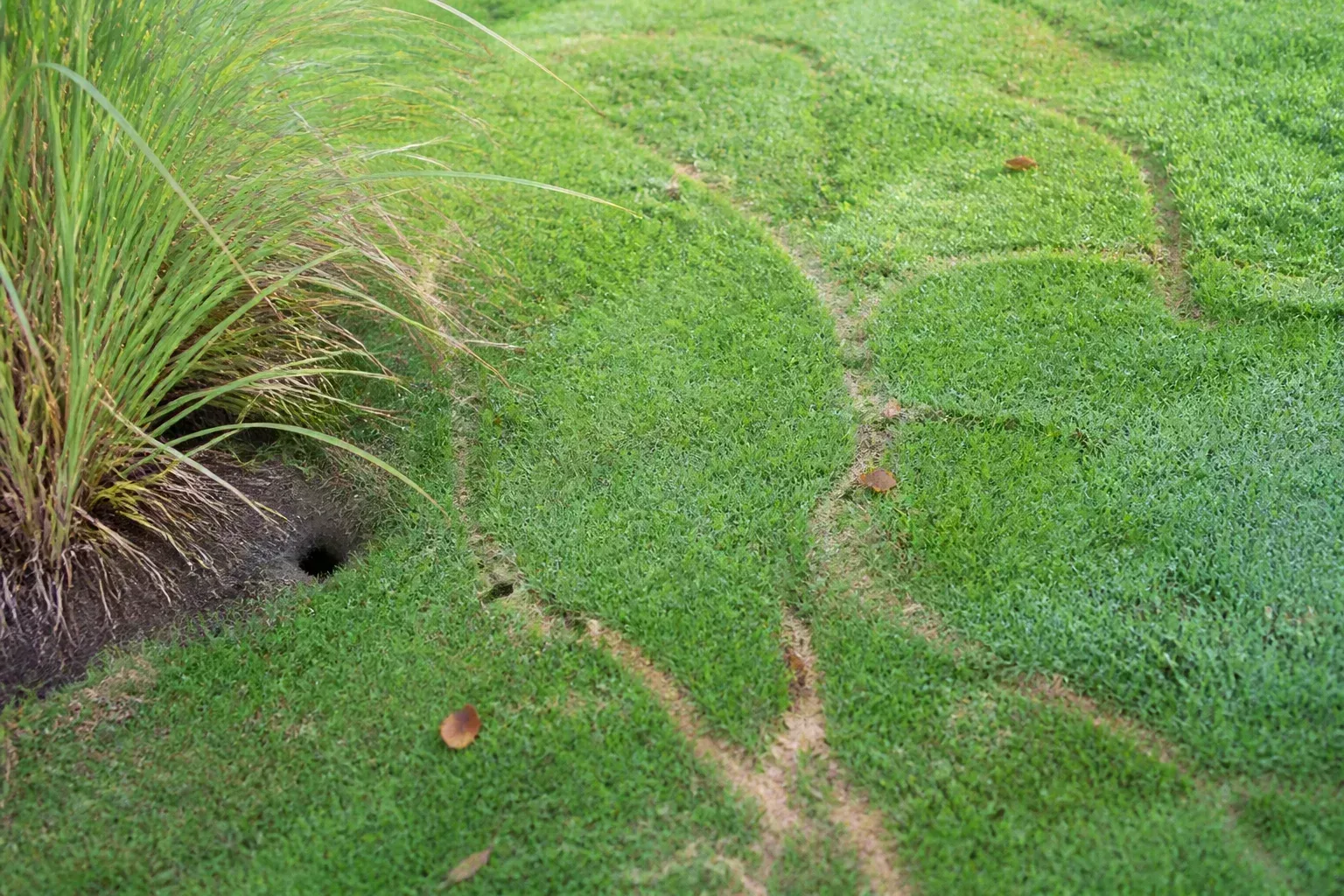
Effective control starts with knowing what animal you have. Moles are not rodents—they will not eat peanut bait or grain traps meant for rats. Confusing them with voles or other burrowers sends you down the wrong control path.
Moles Are Insectivores—Earthworms Are the Main Attraction
Eastern moles and related species tunnel through soil hunting invertebrates. They do not chew plant roots for food, though their tunnels can disturb roots and leave ridges that kill grass. A healthy lawn with good drainage and active soil biology often has worms—which is why mole damage frustrates conscientious gardeners most.
This biology explains two common mistakes: assuming moles came for grubs only, and assuming removing grubs will send moles packing. Grub reduction can lower one food source, but Purdue notes moles survive in grub-free lawns because earthworms remain. Extreme worm suppression harms soil structure—a bad trade for uncertain mole control.
Mole Tunnels, Molehills, and What the Damage Looks Like
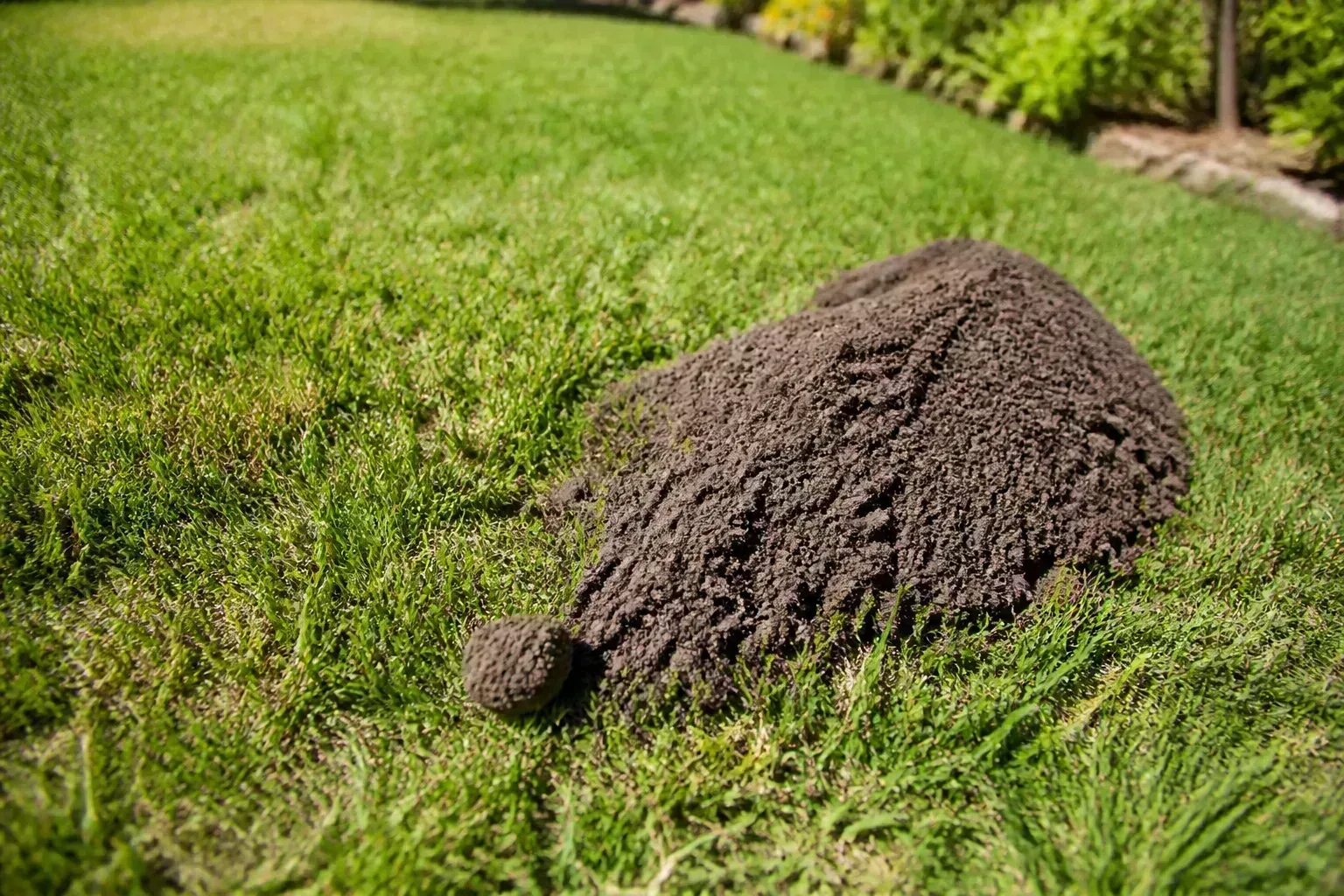
Moles create two visible signs: raised surface ridges from shallow feeding tunnels and volcano-shaped molehills where soil is pushed up from deeper runs. Fresh hills mean active digging. Squiggly shallow tunnels often indicate foraging; long straight runs along a driveway, foundation, or property line are travel corridors moles reuse.
Damage is mostly cosmetic on turf—dead grass over collapsed tunnels, soft spots underfoot, blades buried in excavated soil. In vegetable beds, displaced soil can bury small seedlings. The animals themselves are rarely seen; you are diagnosing from architecture left behind. For help separating molehills from gopher mounds or earthworm castings, see our guide on dirt mounds with no visible holes.
Not every molehill demands war. NC State Extension notes that moles aerate soil and consume grubs that damage turf—one or two hills in a large property may be tolerable if you can rake soil and overseed small dead patches. Escalate when tunneling is widespread, fresh hills appear weekly, or foot traffic makes ridges a trip hazard. That threshold helps you decide whether a free coffee-ground experiment is worth the wait or whether you should move straight to trapping.
What Coffee Grounds Will and Will Not Do in Your Yard
Before you empty the filter onto the lawn, separate soil-amendment benefits from pest-control fantasy.
Soil Perks vs. Pest-Control Claims
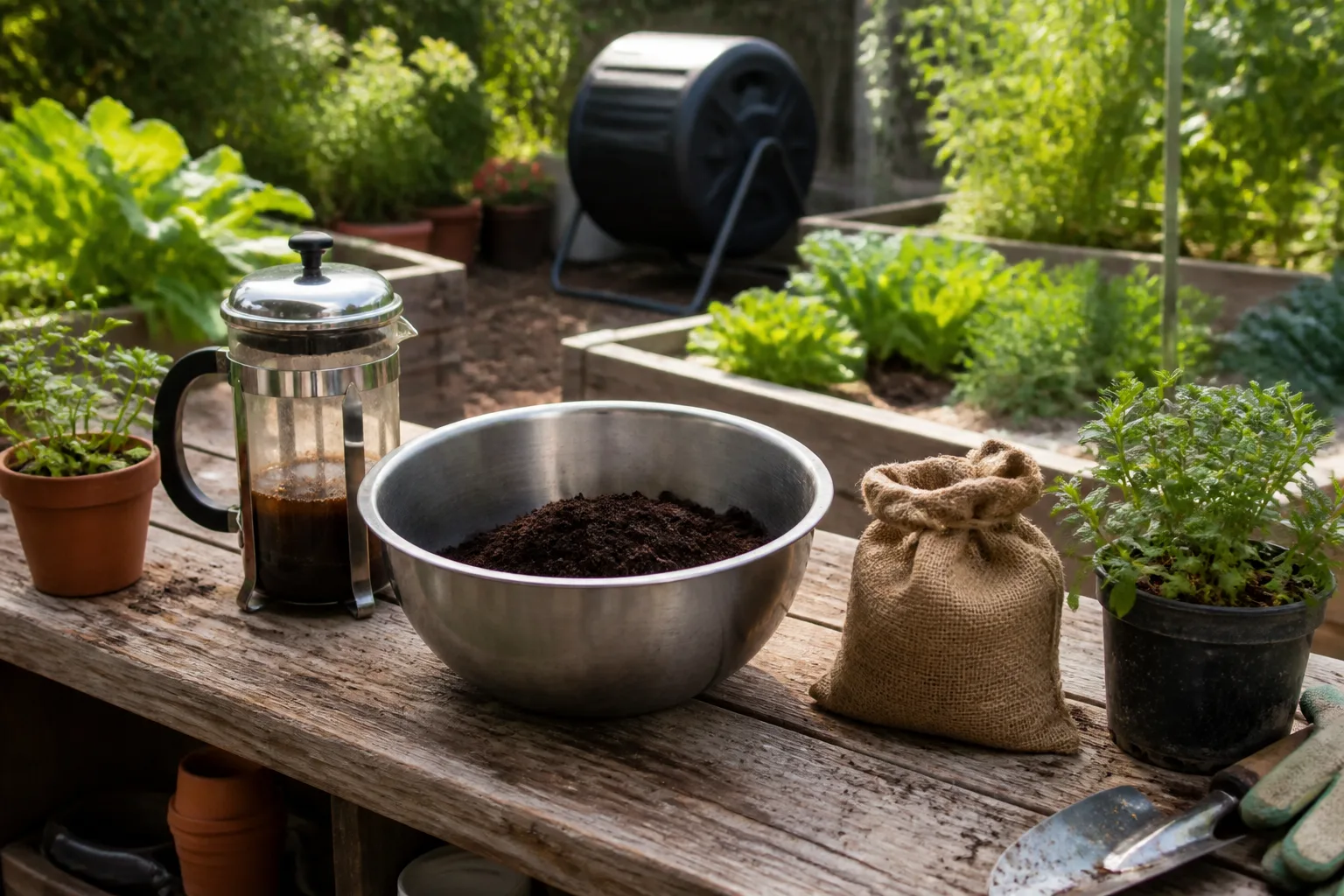
Used coffee grounds add organic matter and can improve soil structure when composted or mixed in thin layers. They are near-neutral in pH after brewing—not the acidifier folklore claims. In small quantities worked into the top inch of soil, they feed microbes and can slightly reduce some surface insect activity.
None of that equals mole eviction. At best, reducing general soil insects might marginally lower foraging in one spot—an indirect effect House Digest and other garden writers mention, but not one extension mole guides rely on. If you want grounds in the garden, use them for compost value on appropriate plants, not as perimeter defense.
Risks Near Seeds, Seedlings, and Pets
Coffee grounds are low toxicity but not zero-impact. Thick layers on bare soil can temporarily tie up nitrogen while microbes break them down—bad timing around hungry seedlings. Avoid packing grounds into planting holes or seed rows. Pets that eat large amounts of grounds or moldy piles can get digestive upset; keep piles composted or incorporated, not left as dry crusts.
Used grounds also crust over when dry, shedding water like a poor mulch. That is the opposite of what lawn recovery needs after mole damage. If you apply them at all, mix lightly into soil and keep expectations modest.
Better Ways to Encourage Moles to Leave
Rank methods by evidence, scale, and effort. Coffee can stay on the “won’t hurt, might not help” shelf. These options actually move the needle.
Manage Lawn Grubs—With Realistic Expectations
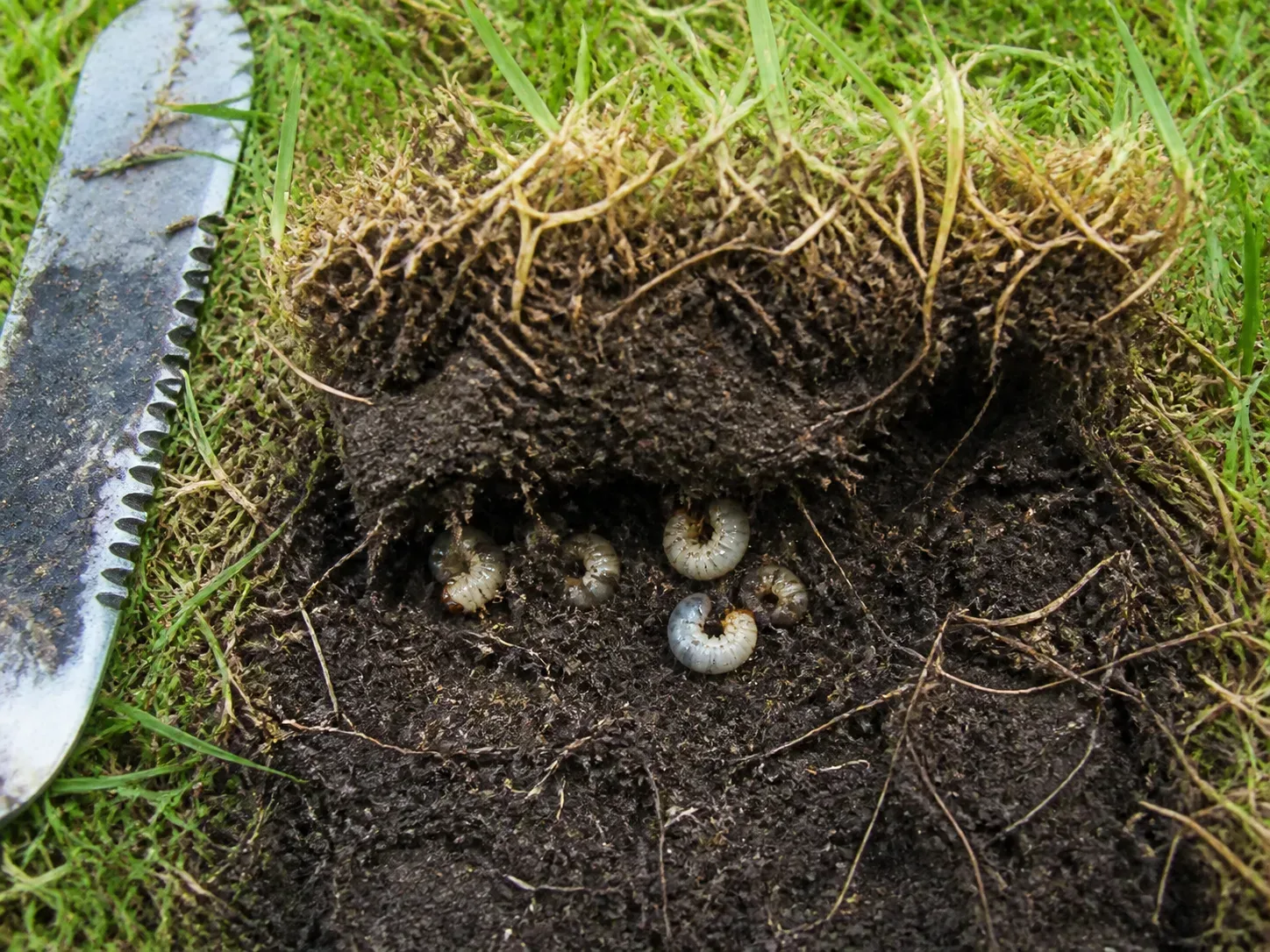
High grub populations can attract moles, but grubs are not the whole story. If you see signs of lawn grubs—spongy turf, carpet-like sod lift, wildlife digging—sampling and treating makes sense for turf health and may reduce one mole food source.
Biological controls such as beneficial nematodes (species matched to your grub type) and milky spore (for Japanese beetle grubs in areas where the disease establishes) target larvae without blanket insecticide. Penn State Extension emphasizes correct timing and species ID before treatment. Expect partial pressure relief, not a mole-free guarantee—earthworms will still call.
Do not nuke earthworms to starve moles. Worms build soil structure and fertility. Mole problems in worm-rich soil are a sign of healthy dirt, not a reason to destroy it.
Physical Barriers for Beds and Borders
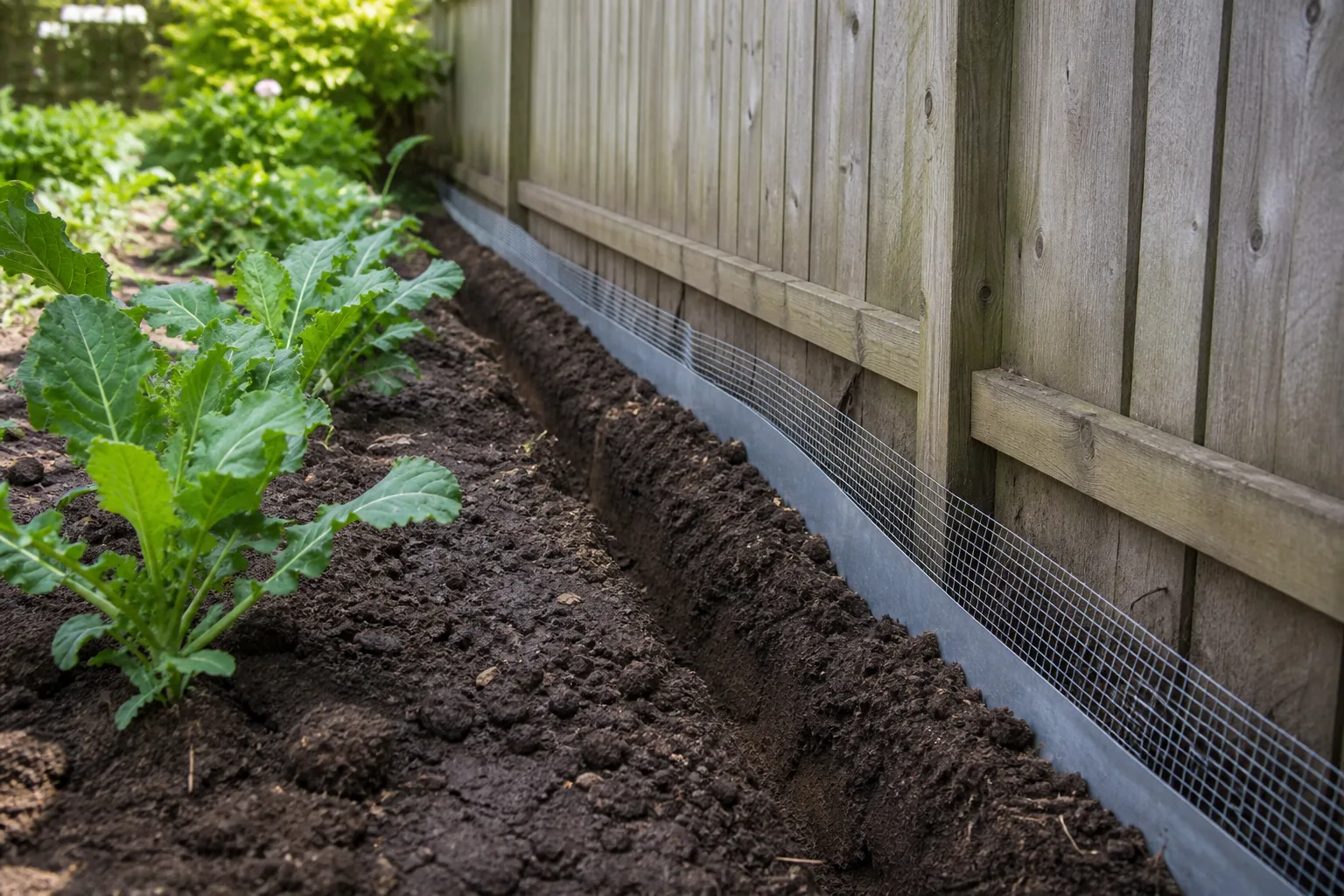
For vegetable gardens, raised beds, or prized perennial borders, hardware cloth or galvanized mesh buried vertically stops moles from tunneling into the protected zone. Extension recommendations commonly cite 18 to 24 inches deep, with the bottom edge bent outward in an L-shape so animals cannot dig under.
This works for defined areas—not entire quarter-acre lawns. NC State lists exclusion among the few methods with research support for small plots. Install before planting or during a bed renovation; retrofitting around mature shrubs is labor-heavy but possible.
Surface repellents like coffee do not protect roots the way a continuous underground wall does. If you invest weekend time anywhere, invest it here for beds that matter.
Repellent Plants and Castor-Oil Treatments
Garden writers often list marigolds, daffodils, alliums, and fritillaries as mole deterrents because moles dislike certain root odors. Evidence is anecdotal—no extension bulletins promise bed-wide protection—but these plants are harmless to try along bed edges where bulbs and alliums already fit the design.
Castor oil lawn treatments are the commercial version of the smell strategy. Products containing castor oil or ricinoleic acid are sprayed or granulated onto turf, watered in, and repeated after rain. Results are mixed: moles may relocate within the yard or to adjacent property. Treat castor oil as a temporary nudge, not eradication, and follow label rates.
Apply castor products with a hose-end or tank sprayer so the solution reaches the soil surface, then irrigate lightly to move it into the top inch—surface dusting alone fails the same way dry coffee grounds do. Reapply after heavy rain or every four to six weeks during active seasons. Pair with trapping if hills persist; castor oil alone rarely clears an established population.
Garlic-chili sprays and essential-oil mixes belong in the same category as coffee—occasionally tried, rarely consistent. Purdue’s list of unproven gimmicks is a useful filter before you buy gadgets.
Trapping and When to Call a Pro
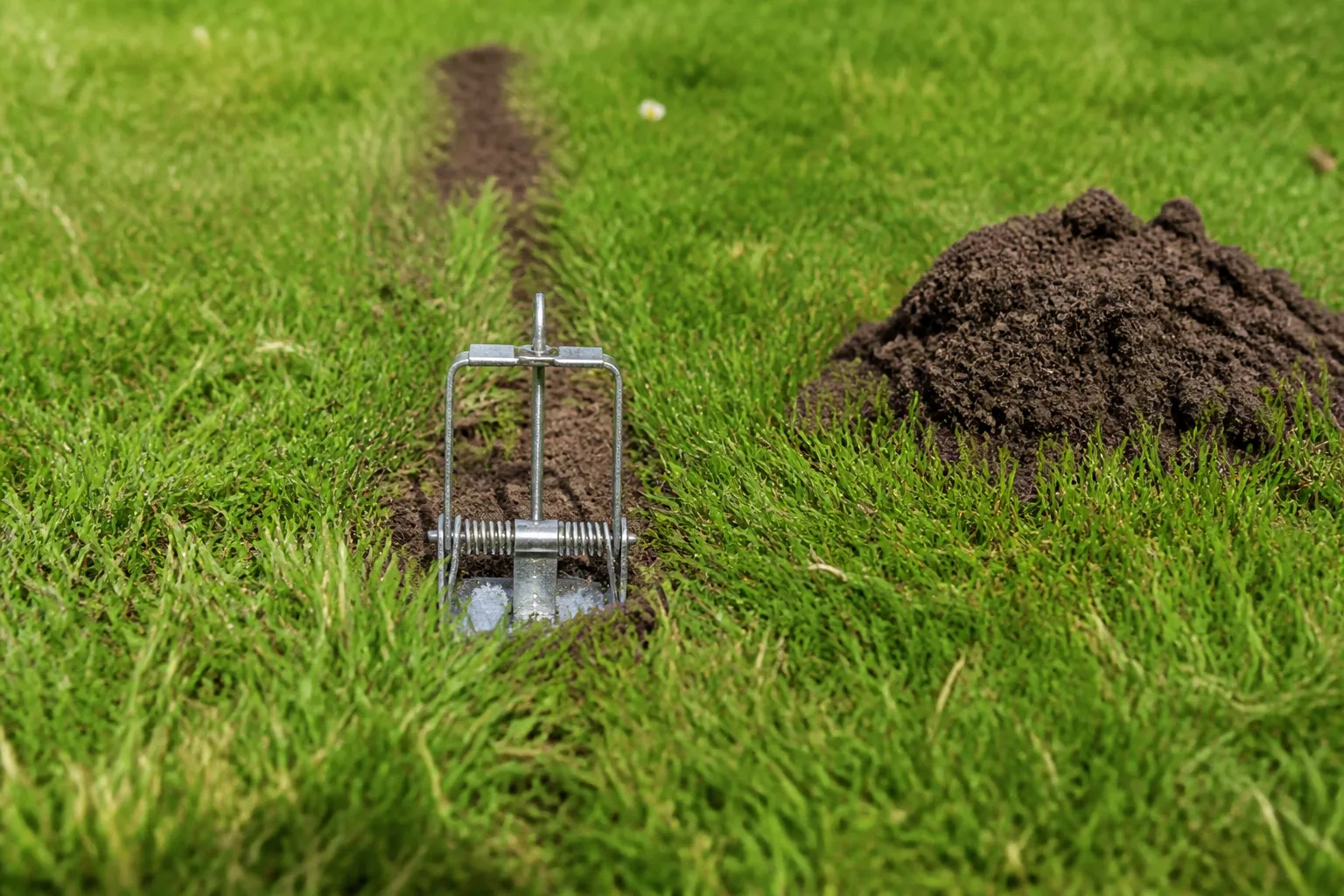
When damage is ongoing, trapping is the most reliable tool extension services endorse. NC State calls trapping the most successful and practical method, though it requires patience and correct placement.
Find an active straight run—not a squiggly feeding loop. Stomp a section flat; if it is repaired within 24 hours, set the trap there. Purdue distinguishes harpoon-style traps for shallow tunnels and scissor traps for deeper runs. Worm-shaped baits with registered active ingredients are a second evidence-backed option where legal; they are not coffee grounds and they are not rodent pellets.
Spring and fall are prime trapping windows in many regions—soil moisture keeps worms near the surface and mole activity stays high. Summer drought and frozen winter ground push prey deeper, making surface runs less reliable indicators. Work early morning or late afternoon when moles are most active; check traps daily and reset on the same repaired run if you miss. Wear gloves, follow your state wildlife rules, and dispose of carcasses per local guidelines.
Live catch-and-release sounds humane but often violates local wildlife laws or simply moves the problem to a neighbor’s lawn. Many states classify moles as nuisance wildlife with specific handling rules. If trapping feels outside your comfort zone, a licensed wildlife or pest professional costs less than resodding an entire damaged lawn.
Filling molehills with a firm sand-soil mix can discourage immediate reuse of one entrance, but moles will open another nearby unless you remove the animal or cut off food and access. Press fills firmly; loose soil is easy digging.
Conclusion
Coffee grounds are a garden-friendly kitchen scrap, not a mole eviction notice. Pest pros and extension specialists agree: smell-based sprinkling does not stop moles driven by earthworms and soil insects below the surface. If you already compost your grounds, keep doing that—just do not expect molehills to disappear.
For real progress, confirm you are dealing with moles and not voles, reduce grubs only where counts justify it, barrier-protect beds that matter, and trap active runs when damage continues. Castor oil and repellent bulbs may help at the margins. Coffee can sit in the filter press where it belongs while you use methods that match how moles actually live underground.



