Dirt Mounds in Your Yard With No Holes: ID Guide
Seeing soil piles in the lawn but no entrance? Use shape, size, and a simple field test to ID the digger before you treat the wrong pest.
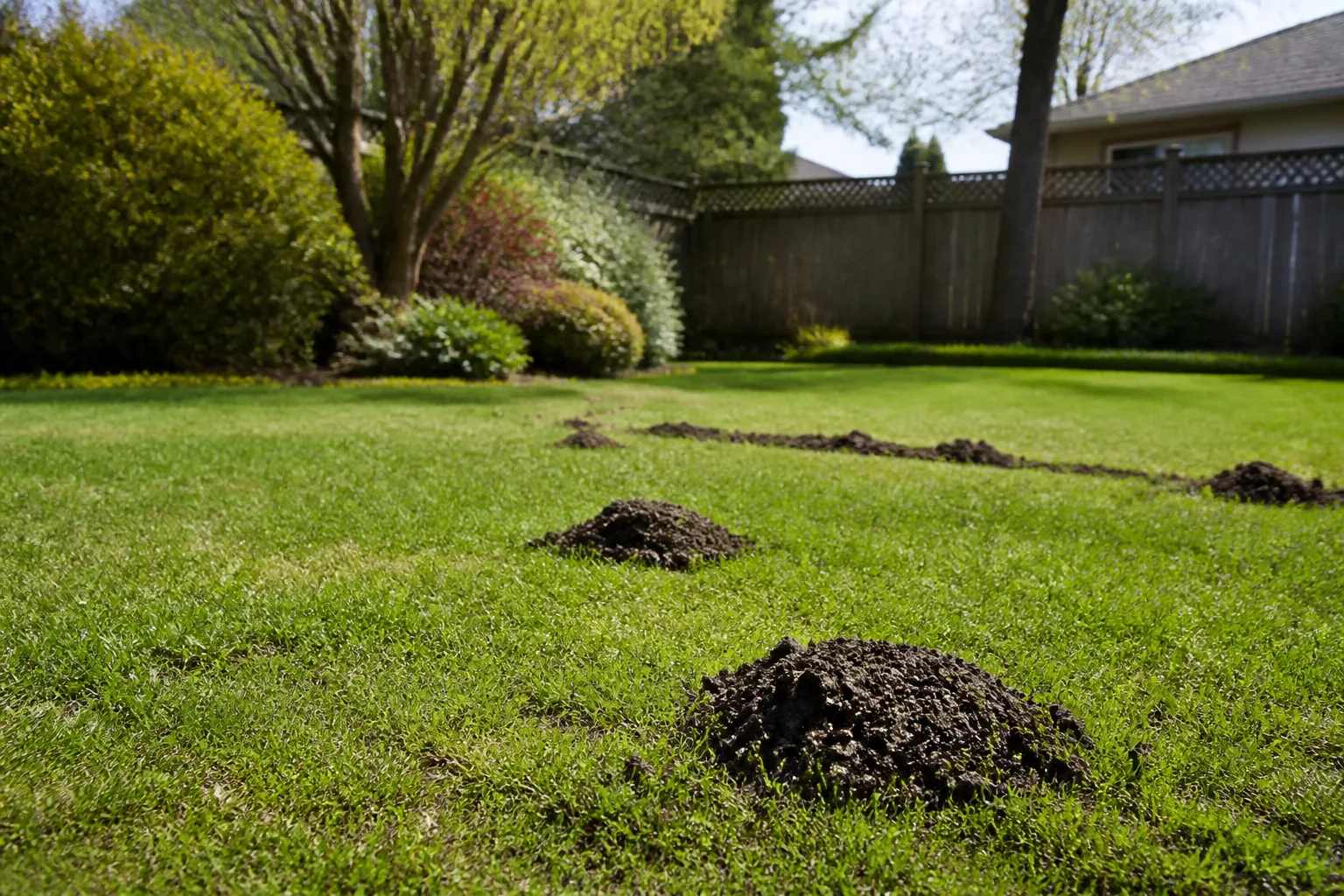
Fresh soil piles in a lawn or garden bed look alarming, especially when you cannot find an obvious entrance hole. In most cases the hole is there—it has simply been plugged, buried, or is too small to see from standing height. The shape, size, and location of the mound tell you more than a quick glance at the surface ever will.
Before you scatter repellent or stomp every pile flat, spend five minutes identifying the pattern. Treating the wrong animal wastes time, and some mound-makers—including earthworms and many solitary ground bees—are worth keeping.
Why Soil Piles Appear When the Entrance Looks Missing
Burrowing mammals and insects excavate from below. As they push soil upward, it spreads into a mound on the surface. Many animals then plug the opening with loose soil to block predators, light, and drafts. From above, you see only the pile.
Moles frequently seal the center of a molehill after surfacing. Pocket gophers plug every opening to their tunnel system and often approach the surface at an angle, which changes the mound’s shape. Even ants and ground bees may leave only a pinhole—or none at all until you brush the loose soil aside.
Plugged Holes Are the Usual Answer
If you gently scrape the top of a fresh mound with a trowel, you will often find a soft plug or a cavity a few inches down. Do not dig aggressively before you identify the animal; disturbing a fire-ant mound or an active bee nest creates a very different problem than photographing a molehill.
Quick rule: A mound with no visible hole usually means a plugged hole, not a hole-free phenomenon. Your job is to read the mound’s architecture, not to hunt for an open crater.
Start With a Five-Minute Field Check
Identification starts with evidence, not products. Walk the area in the morning when soil moisture makes tunnels easier to read, and look at the newest mounds first. Old, rain-washed piles tell you what happened weeks ago; fresh, crumbly soil tells you what is active now.
What to Photograph Before You Smooth Anything
Take pictures from directly above and from the side. Include a familiar object for scale—a trowel, glove, or shoe. Note whether the mound sits alone, in a line, or clustered near a planting bed, sidewalk, or vegetable row. Record whether you also see raised ridges (surface tunnels), gnawed plants, or missing bulbs.
Use this table as a first-pass filter. It is not a substitute for watching the site for a day or two, but it narrows the list fast.
| What you see | Likely cause | Why the hole seems missing |
|---|---|---|
| Round or volcano-shaped pile, 2–6 in. wide, sometimes in a line; raised ridges nearby | Mole | Center plug; mound built straight up from tunnel |
| Crescent or fan-shaped pile, often 8–24 in. wide; soil pushed to one side | Pocket gopher | Side opening plugged after each trip |
| Small crater, 1–3 in. wide, sandy or fluffy soil; may sting if disturbed | Ants (including fire ants) | Central hole small or collapsed |
| Low sandy pile, pencil-width hole when brushed clear; bees flying low in spring | Ground-nesting bee | Loose soil masks tiny entrance |
| Scattered fine pellets, no tunnel, no plug, after rain or irrigation | Earthworm castings | No burrow entrance—excreted soil |
The Tamp-Down Test for Active Burrows
For mammal mounds, confirm activity before you trap or bait. Flatten a short section of any raised surface tunnel and tamp down one or two fresh molehills or gopher fans. Check again in 24 hours. If the soil is pushed back up, you are looking at an active tunnel system.
If nothing reopens, the mound may be old or the animal may have shifted to another part of the yard. Walk the perimeter and look for fresh soil on sidewalks, against foundation walls, or beside vegetable rows—burrowers often work the same bed edges repeatedly.
The UC IPM Moles Pest Note recommends this tamping approach to locate frequently used runs before setting traps at least 18 inches from a mound. Active sign matters more than total mound count: one busy mole can make an entire lawn look infested.
Size helps, but shape matters more. A gopher fan can reach 12 to 24 inches across on open ground, while a molehill is often only a few inches wide—but young gopher activity can start small, and old molehills can spread after rain. Always combine size with plug location, nearby plant damage, and whether ridges connect the piles.
Large Mammal Mounds: Moles and Pocket Gophers
These are the mounds homeowners worry about most. They are also the ones most often confused with each other. Both push soil up from underground, but the geometry differs in ways you can read without trapping an animal.
Mole Mounds Look Like Small Volcanoes
Moles are insectivores. They tunnel through soil hunting earthworms, grubs, and other invertebrates. They do not set out to eat your plants, though their burrowing can disturb roots and leave ridges that make mowing miserable.
A molehill is typically round, with soil piled evenly on all sides like a small volcano. The entry is often in the center and sealed with a plug. Mounds may appear in a line along a feeding tunnel. You may also see raised ridges where shallow runs sit just under the turf. UC IPM notes that mole mounds tend toward circular margins compared with gopher mounds, and that activity often spikes after rain or irrigation when digging is easiest.
The RHS guide to moles adds a useful reality check: in many gardens, all the molehills you see may come from one territorial individual, especially outside breeding season. That changes your control goal—you are solving a single-animal problem, not a colony invasion.
Mole activity often increases in late winter and early spring when soil is workable and invertebrate prey is active near the surface. Collapsing surface ridges before mowing reduces desiccation along roots, even if you choose to tolerate the mole long term.
Pocket Gopher Mounds Form Crescent Fans
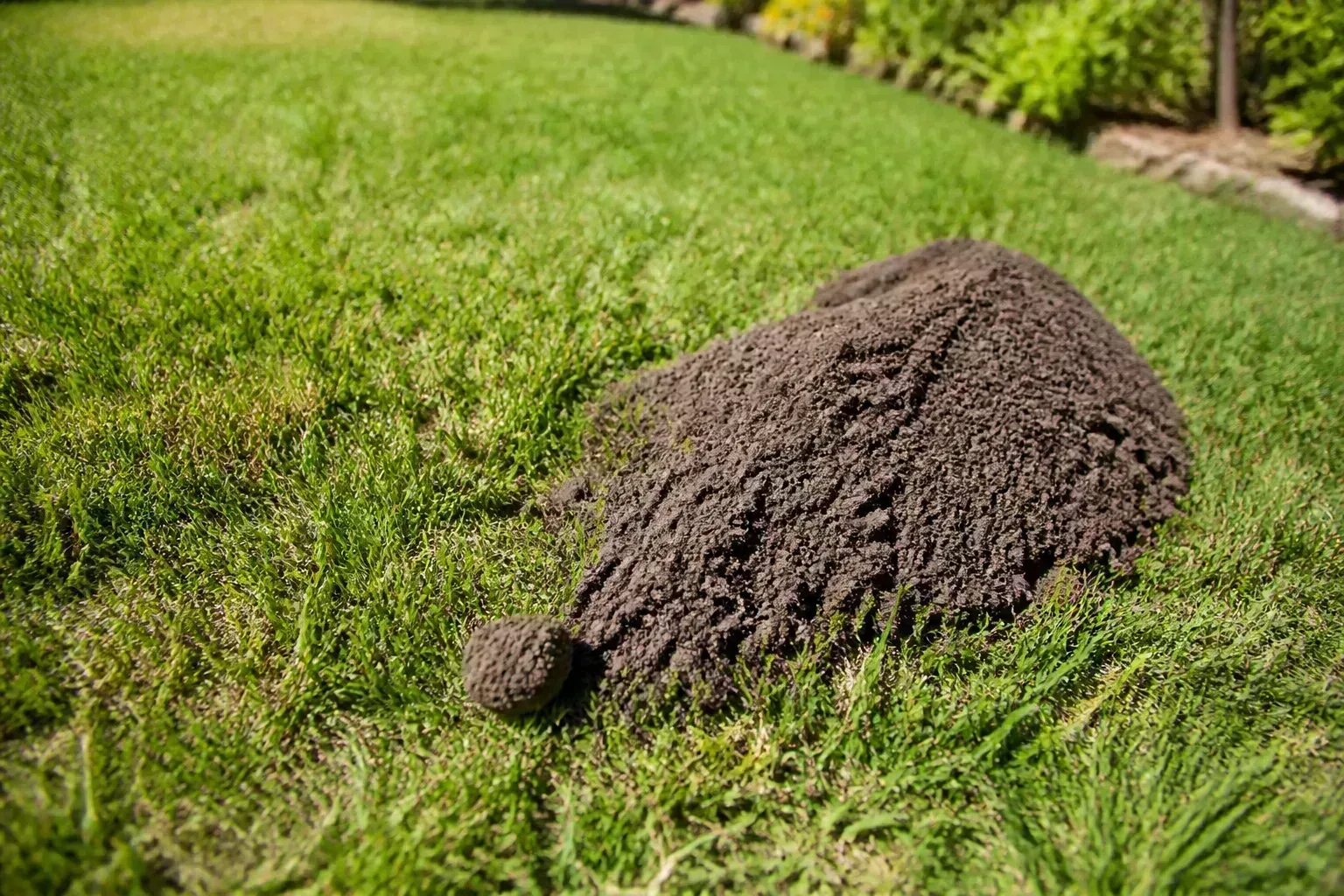
Pocket gophers are herbivorous rodents. They eat roots, bulbs, and underground stems, and they can pull entire plants below the surface. Their burrow systems are extensive; a single gopher’s tunnels may cover hundreds to thousands of square feet.
Gopher mounds look different from molehills. Soil is pushed up at an angle, forming a crescent, horseshoe, or fan shape. The plugged entrance sits at the side or base of the fan, not the center. Mounds are often larger and flatter than molehills and may appear near plants that are wilting or disappearing. Our Water Our World summarizes the distinction cleanly: cone-shaped piles with surface ridges point to moles; crescent-shaped plugged fans point to gophers.
If bulbs vanish, shrubs wilt without obvious disease, or you find chewed roots, suspect gophers even when the hole is not obvious from the sidewalk.
Gophers often work along planting beds rather than scattering at random across open turf. You may see a fan of soil beside a wilted perennial, a sunken row where a vegetable disappeared, or fresh plugs where the animal closed a feeding tunnel after surfacing. Multiple fans in a line usually mean one active burrow system, not separate invaders on every mound.
Smaller Mounds From Invertebrates and Beneficial Soil Life
Not every soil pile comes from a mammal. Smaller mounds are often less destructive—and sometimes actively helpful.
Ant Hills and Fire-Ant Mounds
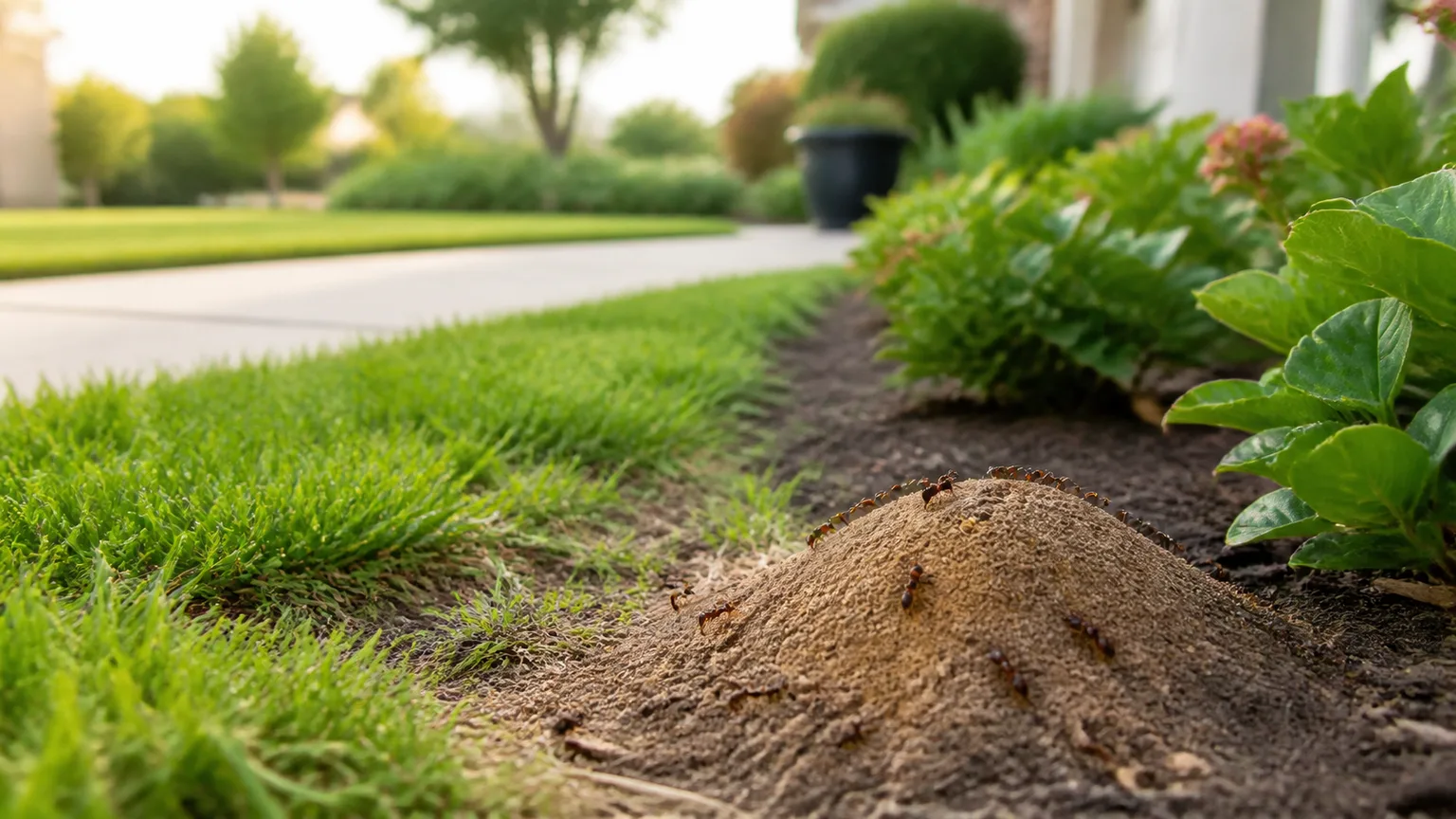
Lawn ants excavate as they build galleries below. The classic ant hill looks like a tiny volcano of sandy soil, often an inch or two high with a small central opening. In dry weather the hole may be hard to see until you disturb the loose grains.
Fire ants create irregular, fluffy mounds that can grow quickly after rain. Identification resources such as Amdro’s mound comparison guide note that fire-ant mounds may lack a obvious central hole early on and use finely textured soil. Do not poke fire-ant mounds without protection and a clear treatment plan—disturbance triggers defensive stinging.
For ordinary lawn ants, consistent moisture and healthy turf often matter more than poison. Ants prefer workable, dry soil; irrigated lawns are less inviting. Targeted bait works better than flattening hills daily.
In vegetable gardens, distinguish ant hills from beneficial soil structure. A few hills beside a path are different from a spreading line of mounds under bean rows, where tunneling can dry out fine roots. Address the colony, not every grain of sand on the surface.
Ground-Nesting Bees and Digger Bees
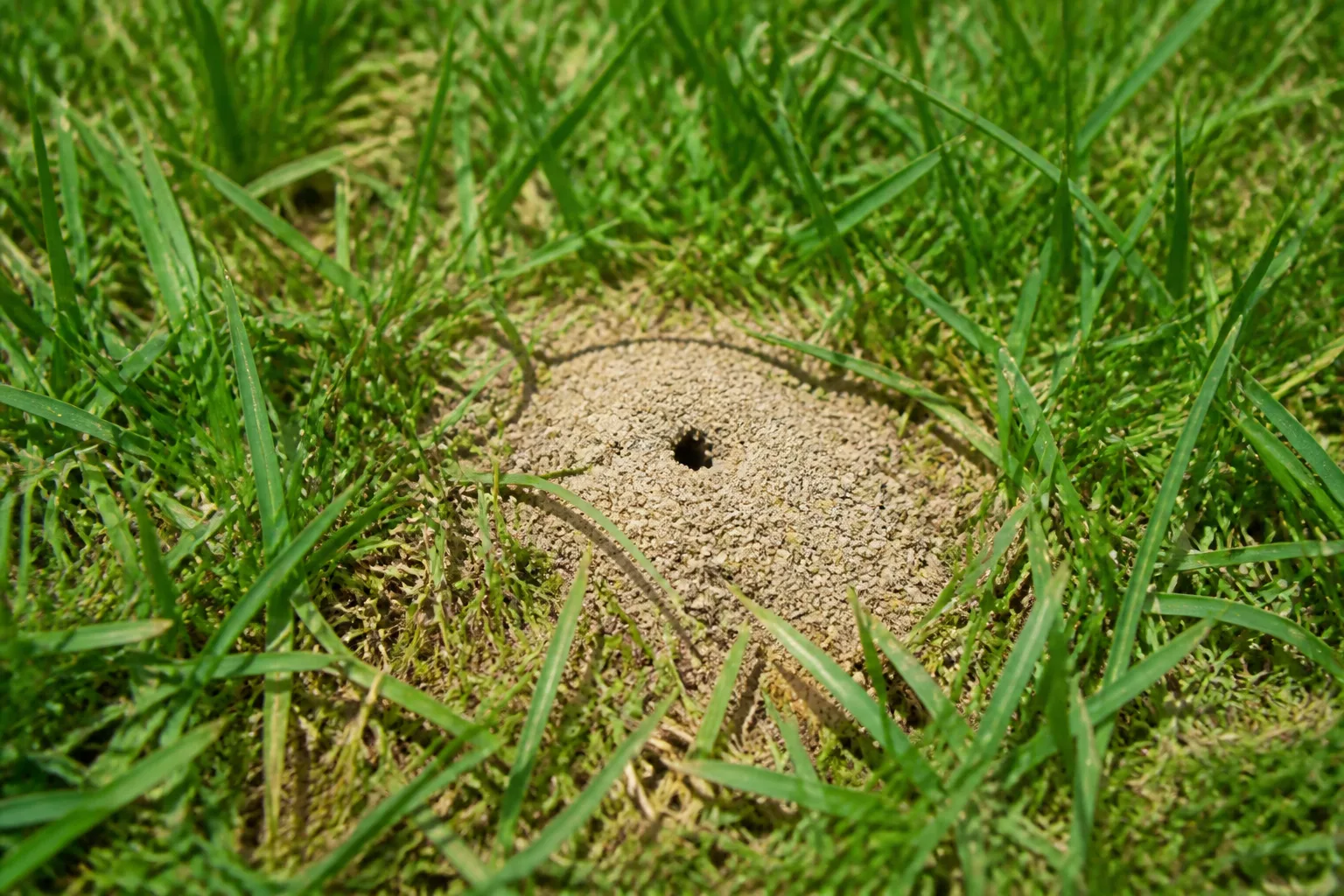
In spring and early summer, solitary bees nest in bare or sandy soil. A female excavates a short tunnel and piles a small ring or mound of soil at the surface. The entrance is narrow—often pencil-width—and may be hidden until you brush debris away.
These bees are usually gentle pollinators. Males may hover overhead, but females sting only when handled or stepped on. If the mound is in a low-traffic corner, leaving it through the nesting season is reasonable. Where bare soil attracts repeated nesting, keep the area moist, add mulch, or plant dense groundcover after bees finish for the year.
Earthworm Castings Are Not Burrows
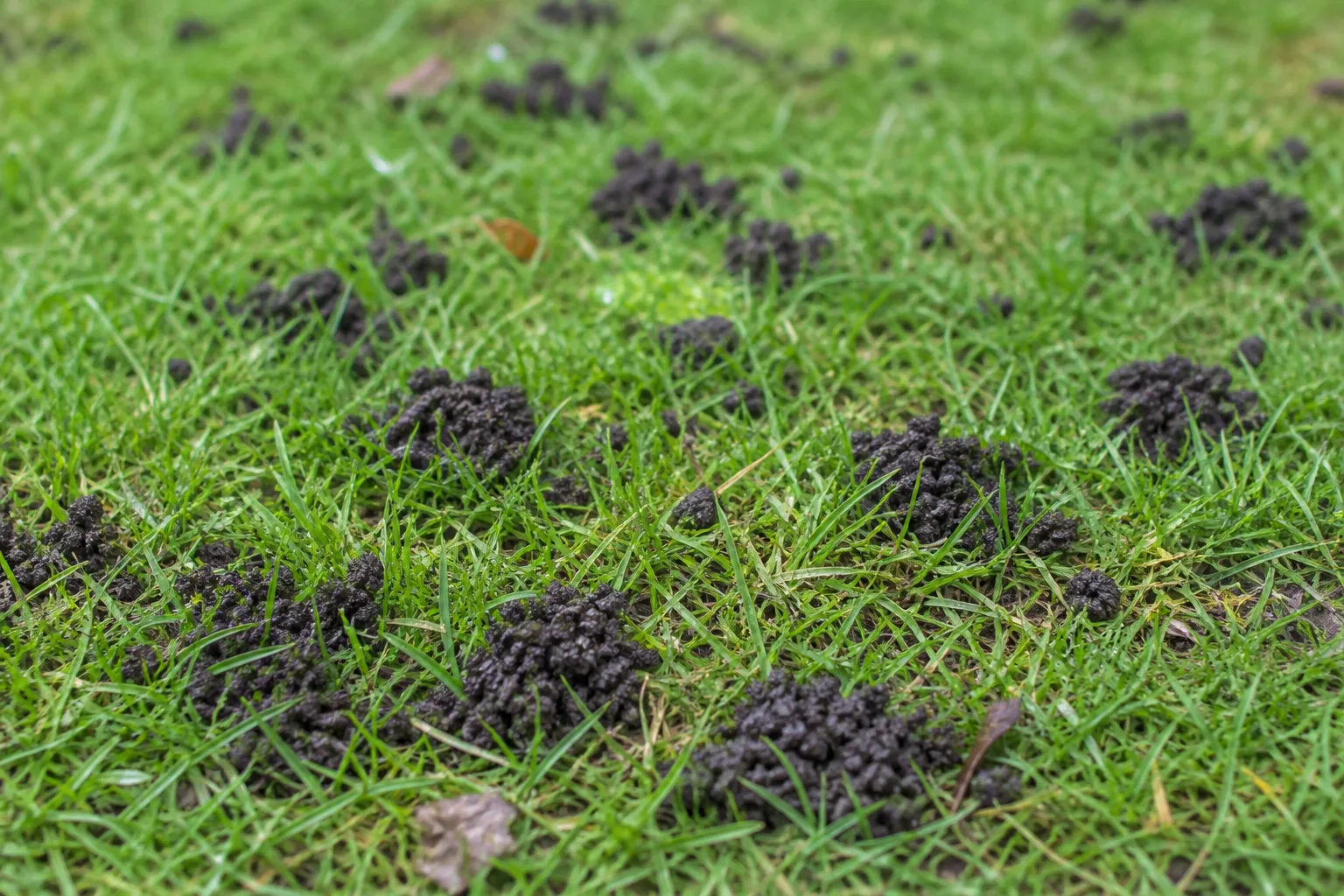
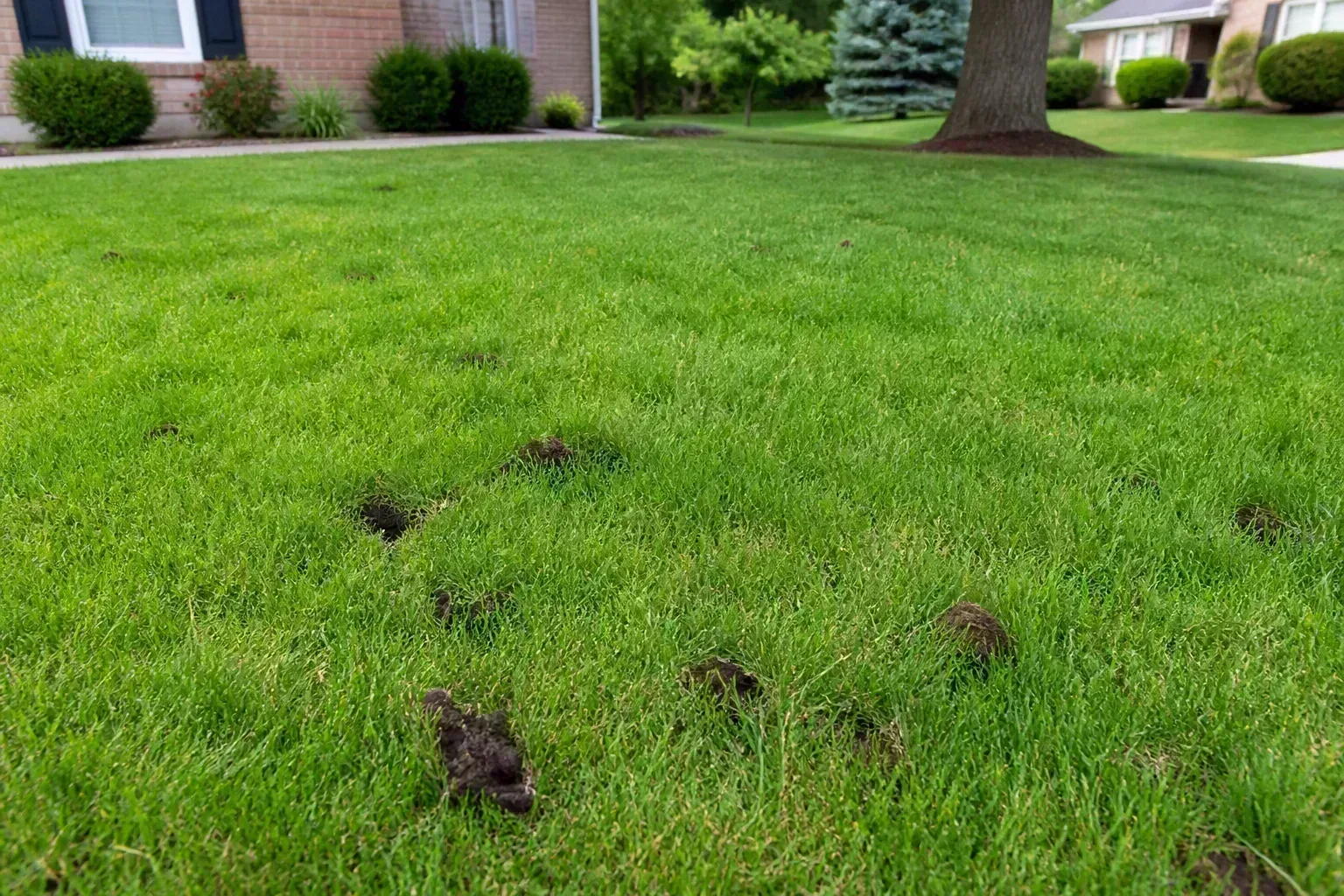
Earthworms deposit castings: small piles of digested soil that look like pellets or coils. They have no hole because the worm did not dig an open burrow to the surface—it expelled cast material from below.
Castings are a sign of healthy soil biology. They do not warrant control. Knock them down before mowing if you dislike the look, or brush them into the lawn where they act as mild topdressing. Do not confuse castings with molehills: castings are finer, lower, and scattered rather than stacked in coarse excavated chunks.
Heavy casting after rain can make a lawn feel bumpy underfoot without any pest being present. Aerating compacted turf and improving organic matter sometimes spreads castings more evenly so they break down faster between mowings.
What Probably Is Not Making Your Mounds
Misidentification drives bad treatment. Two common mistakes are blaming voles for molehills and assuming every overnight dig came from a burrowing mammal.
Voles, Skunks, and Raccoons Create Different Damage
Voles are small rodents that eat plants. They use shallow runways and small, relatively clean entrance holes, but they are not the animals pushing up classic molehills or large gopher fans. Our Water Our World describes vole sign as partly exposed runways with golf-ball-sized openings—not crescent soil fans.
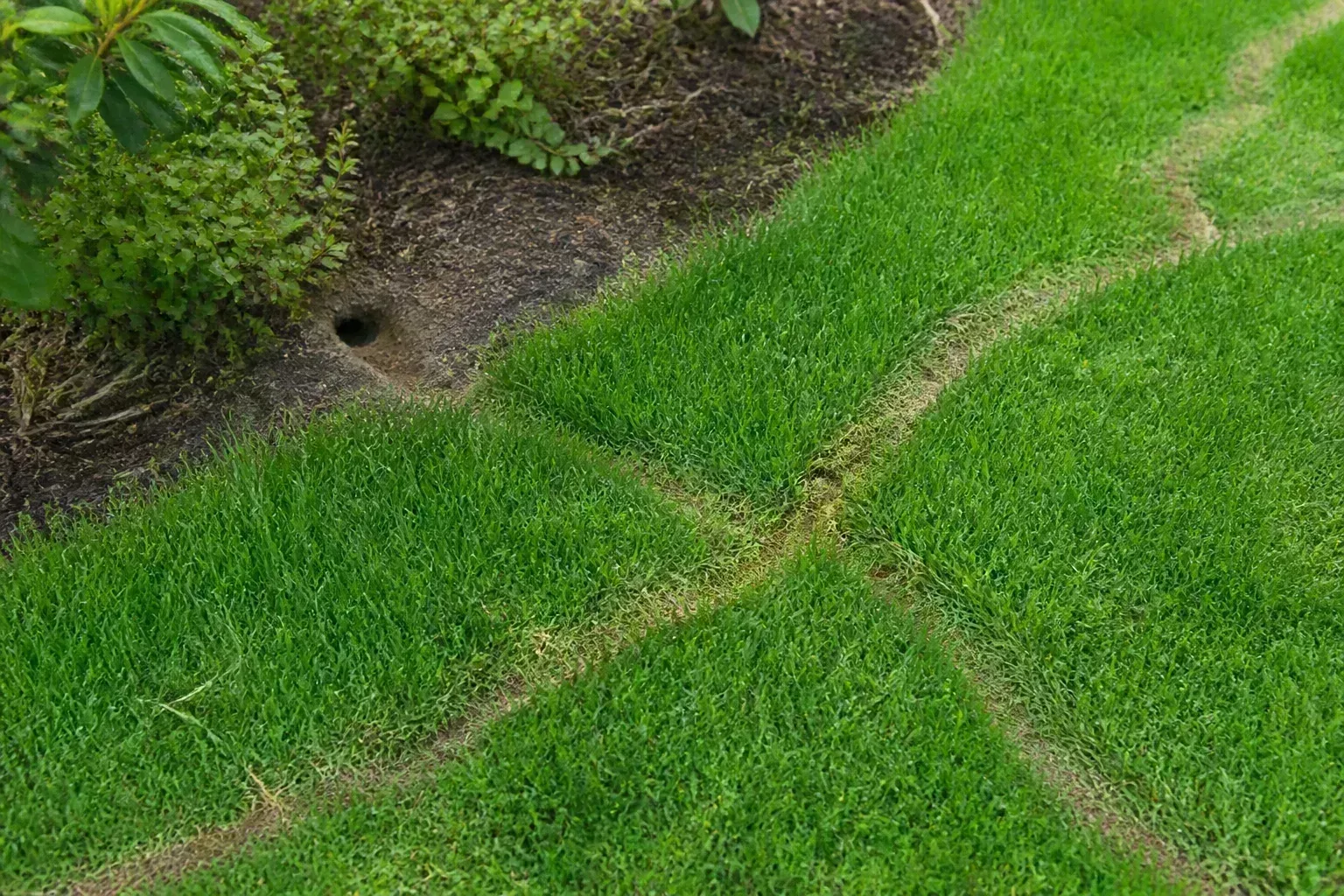
Skunks and raccoons dig shallow holes and flipped sod while hunting grubs. You may see loose soil, but the damage is usually a divot or torn turf patch rather than a neat plugged mound system. If dozens of cone-shaped holes appear overnight in late summer, look down for white grubs before you set a mole trap.
Cicada killer wasps and some digger wasps also leave sandy spoil piles, but the openings are larger and the insects are visibly present in summer. If you see a wasp carrying prey into a hole, you are not dealing with a mole—treat it as a stinging-insect decision, not a rodent program.
For a broader burrowing-pest strategy—including exclusion mesh and habitat changes—see our guide on how to keep burrowing pests out of your yard.
What to Do Once You Know the Culprit
Response should match the animal. Flattening mounds improves appearance but does not remove the digger.
Prevention Moves That Match the Animal
Moles: Focus on tolerance, trapping in active deep runs, or protecting high-value beds—not blanket grub eradication. UC IPM states that reducing white grubs has not been confirmed by research to reliably repel moles, because earthworms remain a primary food source. Collapse surface tunnels before mowing to limit root drying.
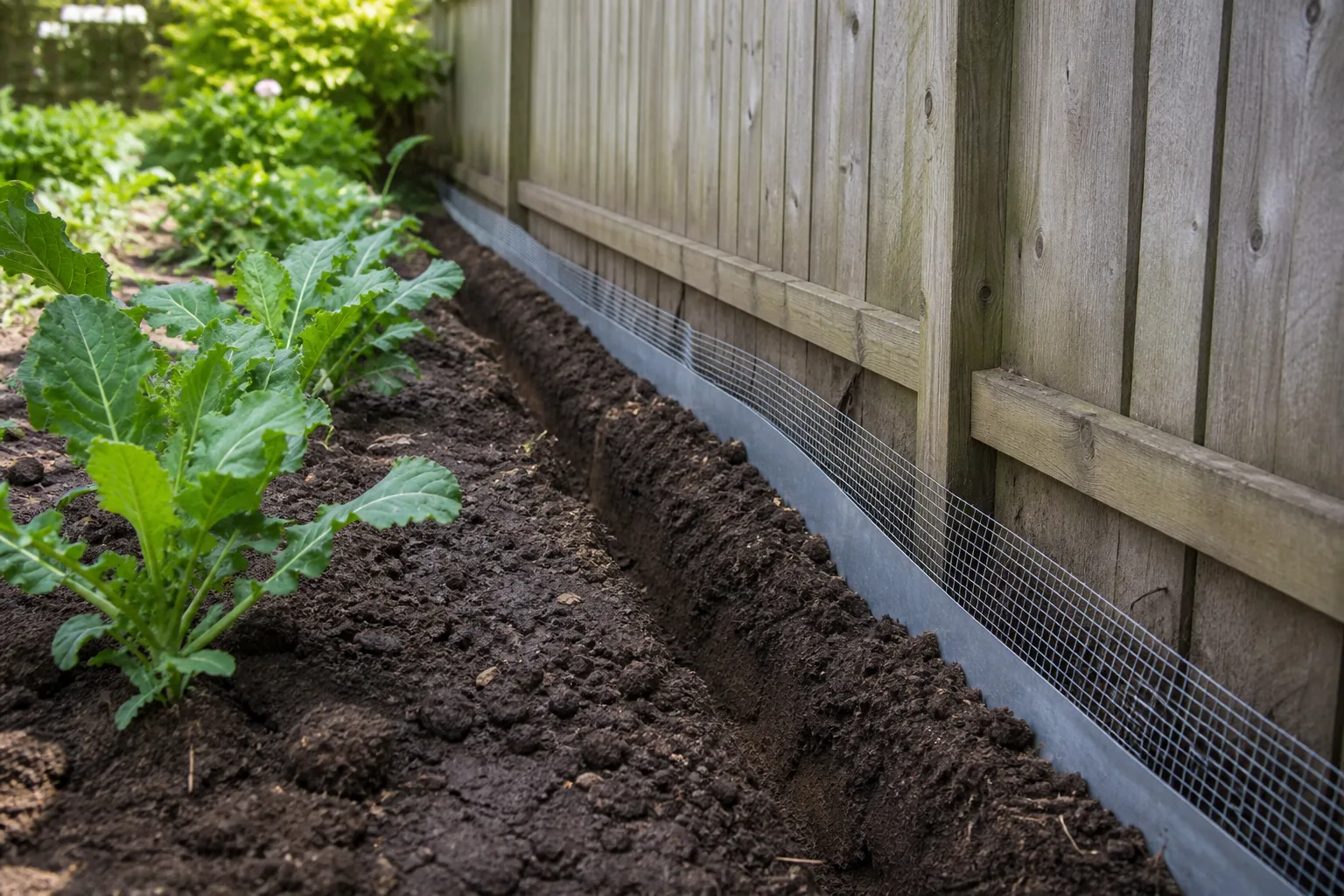
Pocket gophers: Protect roots with underground hardware cloth, gopher baskets for new plantings, and deep perimeter barriers where practical. Trapping is often more dependable than untested home remedies. Remove weedy cover along bed edges that makes travel safer for rodents.
Ants: Use species-appropriate bait; improve drainage and irrigation consistency; reserve broad insecticide sprays for high-risk areas.
Ground bees: Tolerate low-traffic nests when possible; modify bare soil afterward to discourage repeat nesting.
Earthworms: No treatment needed—manage castings cosmetically if desired.
After mammals are controlled, repair lawn damage by spreading mound soil thinly, filling collapsed tunnels, overseeding bare spots, and keeping traffic off repaired areas until grass re-establishes.
Do not import soil from unknown sources to level mounds—you can spread weed seeds or new pests. Use the excavated soil already on your lawn, rake it level, and reseed with a mix matched to your sun exposure. In garden beds, firm settled tunnels lightly and mulch exposed roots on disturbed shrubs until new growth resumes.
When to Call a Professional
Call a licensed pest or wildlife professional when:
- You cannot identify the sign after two days of observation and photos
- Mounds sit next to streams, ponds, or storm drains where regulations restrict bait and fumigant use
- The animal may be legally protected in your region
- Fire ants or stinging insects threaten children, pets, or allergic household members
- Gopher or mole damage is undermining hardscape, utilities, or irrigation lines
- You are uncomfortable placing traps or using labeled rodenticides safely
Professionals can also confirm whether multiple species are involved—mole tunnels intersecting vole runways, for example—so you are not treating only the most visible sign.
Conclusion
Dirt mounds without an obvious hole are normal. The entrance is usually plugged, tiny, or buried in loose soil. Read the mound’s shape and context: volcano-like cones with ridges suggest moles; crescent fans near chewed roots suggest pocket gophers; sandy craters point to ants; fine pellets with no tunnel point to earthworms.
Photograph fresh sign, tamp down suspect mounds, and watch for reopening before you buy traps or chemicals. Leave beneficial castings and low-risk bee nests alone when you can. When mounds threaten safety, plants, or structures, match your response to the confirmed animal—or bring in a pro when regulations or risk outpace DIY tools.
Correct identification is the whole game. Once you know which of the five common causes you are dealing with, the right fix becomes much smaller than the mystery looked from across the yard.