How to Keep Burrowing Pests Out of Your Yard
Learn how to keep burrowing pests out of your yard by identifying the digger, removing attractants, using the right mesh barrier, and responding safely.
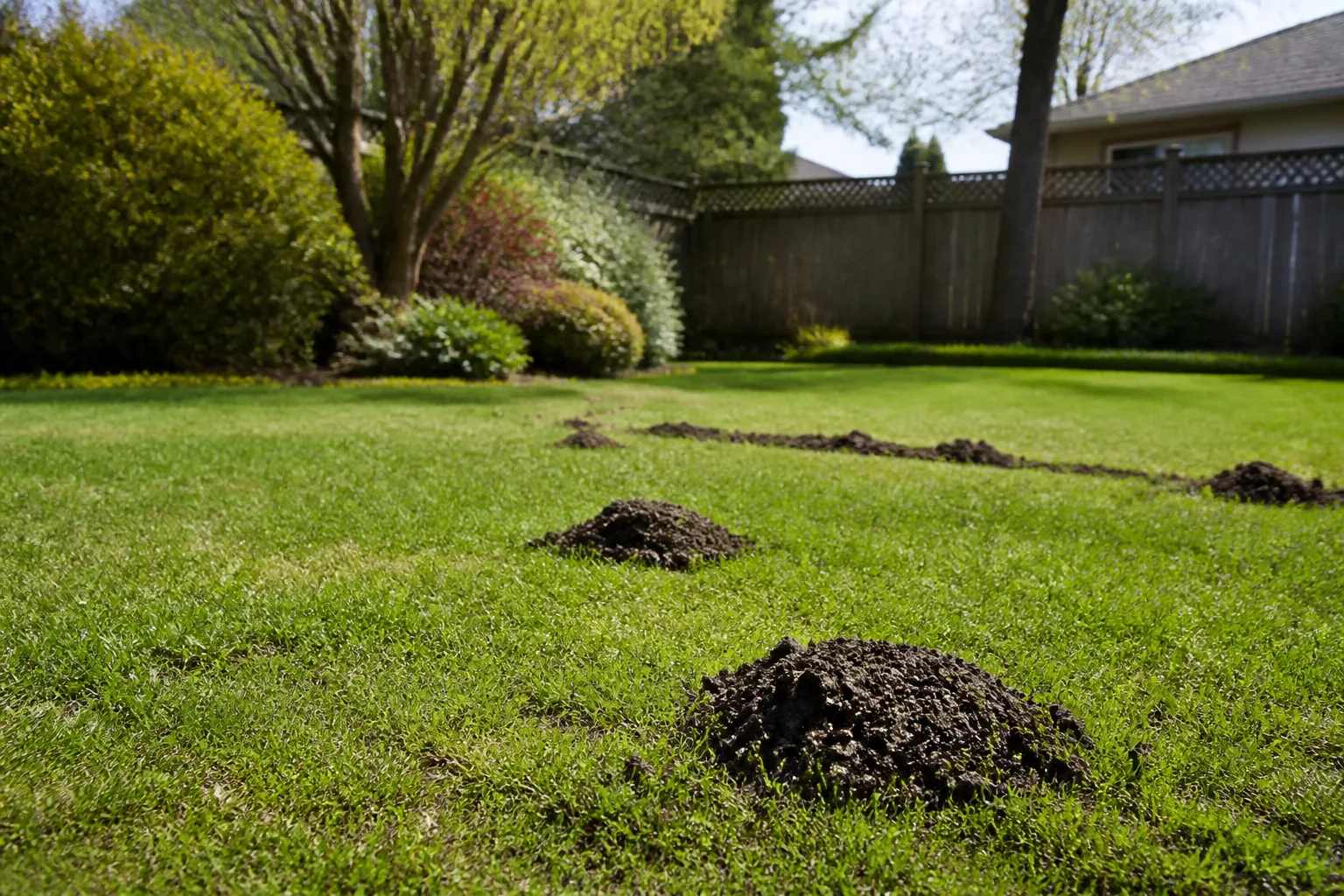
The fastest way to make a yard less appealing to burrowing pests is not to scatter a stronger-smelling repellent. It is to identify what is digging, remove the food or cover it is using, and protect the one bed, tree, foundation edge, or lawn area that matters most. A mole, vole, pocket gopher, groundhog, skunk, or raccoon can leave similar-looking damage while responding to completely different fixes.
Use the six changes below as a sequence. Start with evidence, then make the low-risk habitat changes, install a barrier matched to the animal, protect vulnerable plants, and use a trap or professional wildlife-control service only when the damage justifies it. No yard can be made permanently pest-proof, but a yard with fewer easy meals, fewer hiding places, and a properly built exclusion is much harder to settle in.
Start With Evidence: Identify the Digger
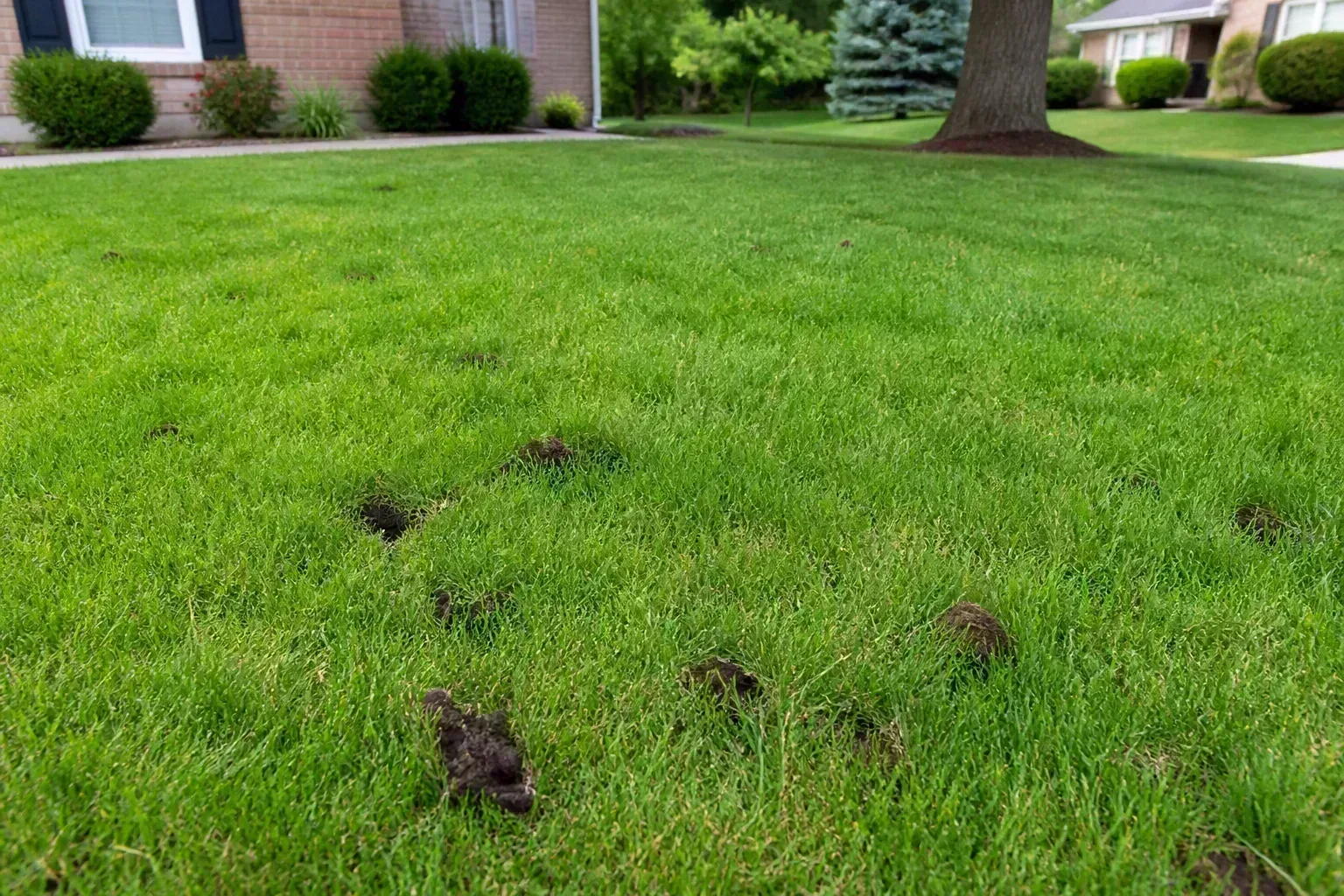
Before you fill a hole or buy a product, photograph the damage and mark where it appears. Look at the shape of the mound, whether the opening is plugged, whether there are shallow runways, and whether plants are being eaten. Fresh activity is easier to read than an old, rain-softened hole, so inspect again the next morning and after the next irrigation or rainfall.
This first step prevents a common mistake: treating every mound as a mole problem. Moles are mostly hunting invertebrates underground, voles eat vegetation, pocket gophers pull plants below the surface, and groundhogs create large dens but usually feed above ground. Even a skunk or raccoon can make several shallow holes while searching for grubs without living under the lawn.
| Sign | More likely cause | What it tells you |
|---|---|---|
| Cone-shaped soil mounds or raised feeding tunnels; little plant tissue missing | Mole | The animal is hunting soil invertebrates, not primarily eating roots |
| Narrow runways under grass or mulch, small openings, gnawed stems or bulbs | Vole or mouse | Cover and vegetation are part of the problem; protect plants and reduce runway cover |
| Crescent or horseshoe-shaped mound with the entrance plugged | Pocket gopher | The animal is moving soil and feeding on roots, bulbs, and underground plant parts |
| Large open hole beside a shed, retaining wall, or garden edge; plants clipped above ground | Groundhog or another larger mammal | Exclusion must address both digging underneath and access over the top |
| Many shallow divots or rolled-back turf, especially overnight | Skunk or raccoon | Look for grubs or other soil insects before blaming a deep burrower |
Moles Leave Mounds and Raised Tunnels
Molehills are piles of soil pushed upward from below, often with raised surface runs that collapse when you press them. The damage can look dramatic, but the animal is usually following worms and other invertebrates rather than chewing plant roots. The RHS guide to moles notes that root disturbance is incidental to the animal’s tunneling and that a small garden may show the work of one territorial mole.
That distinction changes your first move. Do not reach for a root-protection basket because you saw a molehill; smooth the surface, watch where fresh tunnels reappear, and focus on protecting a high-value bed or lawn edge if the disturbance is unacceptable. Killing every soil insect is also a poor shortcut: it can reduce beneficial organisms without guaranteeing that a mole leaves.
Voles Leave Shallow Runways and Plant Damage
Voles are small rodents with short tails and a preference for vegetation. Their shallow tunnels can make turf feel soft or uneven, and they may gnaw bark, eat bulbs, or disappear into dense groundcover. The RHS advice on mice and voles describes shallow networks, plant feeding, and the way populations can rise quickly when conditions are favorable.
Look for runways hidden under grass, mulch, or fallen leaves rather than a tall cone of soil. If the damage is concentrated around a young tree, bulb bed, or raised planter, a physical collar or mesh floor will usually be more dependable than a yard-wide repellent.
Gophers Leave Plugged Crescent Mounds
Pocket gophers are stronger diggers than voles and tend to leave a very different mound: soil pushed up in a crescent or horseshoe shape with the hole plugged. A garden-pest identification guide from Our Water Our World compares those plugged mounds with mole cones and the smaller, more open openings associated with voles.
Gophers can damage a plant without leaving much visible foliage damage because they work at the roots. If a shrub suddenly wilts, a bulb disappears, or a young plant is pulled downward, inspect the root zone and nearby soil before assuming a watering or disease problem. A surface fence alone is rarely enough for a motivated gopher; the protected bed or planting hole needs an underground design.
Groundhogs Make Large Open Dens
Groundhogs, also called woodchucks, are above-ground grazers that dig for shelter. A large open entrance beside a foundation, shed, deck, rock pile, or retaining wall points to a larger mammal, especially when nearby plants show clean bites. Mass Audubon describes woodchuck burrows as extensive systems that can be several feet deep and many feet long, which is why filling the visible opening without addressing the animal can shift the problem a few feet away.
For a groundhog, think in terms of a garden fence, a ground apron, and a safe eviction plan—not a dust sprinkled over the lawn. If a den is under a structure or close to a foundation, skip amateur excavation and move to a licensed professional.
Change 1: Remove Easy Food and Water
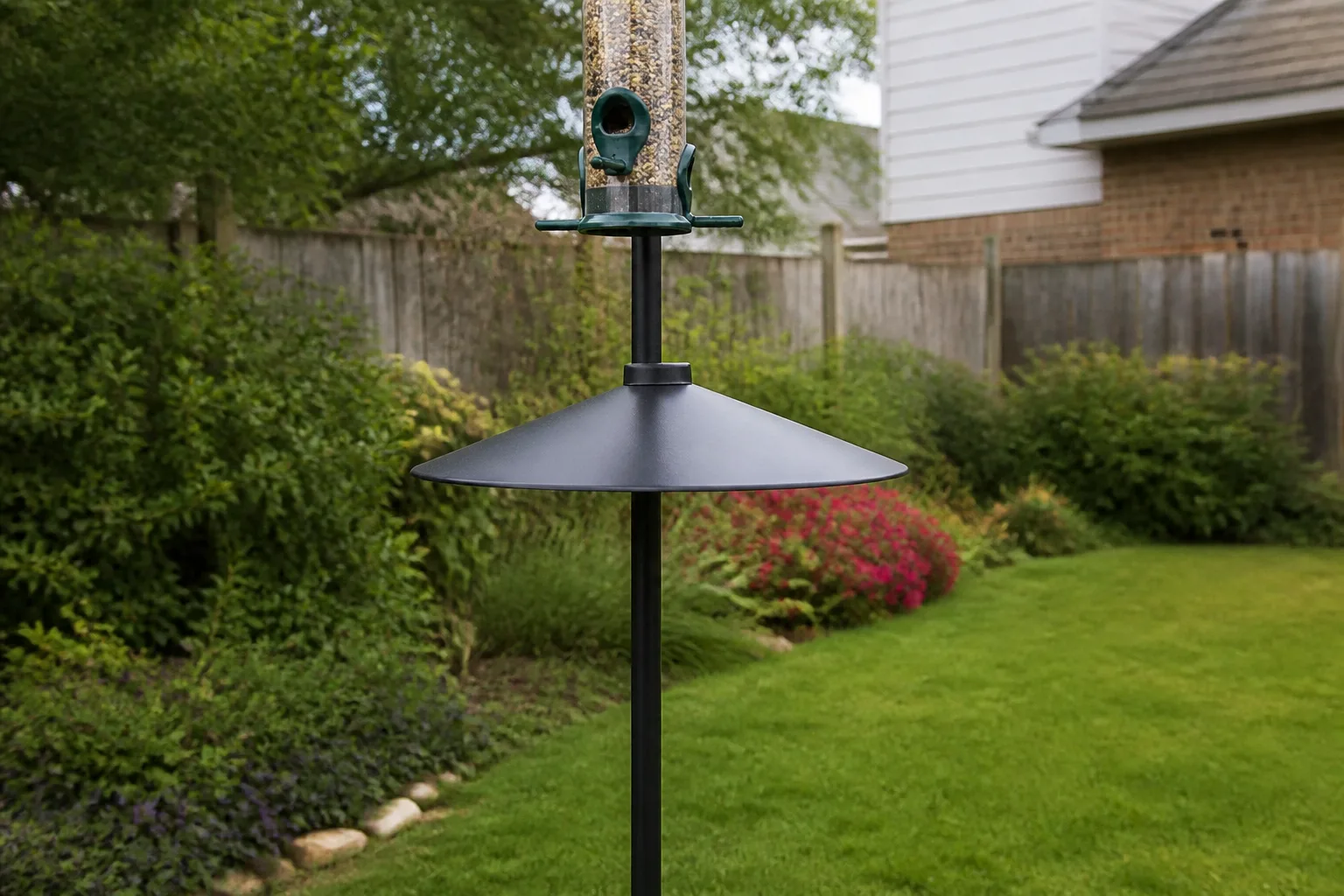
Make the yard less rewarding for the animal you actually have. Store birdseed in a sealed container, sweep spilled seed from under feeders, pick up fallen fruit, secure compost, bring pet food inside, and keep food waste out of open bins. If you feed birds, you do not necessarily need to stop; place the feeder farther from the garden you are protecting, use a catch tray, and clean the area on a schedule.
This is especially useful for voles, mice, rats, skunks, and raccoons, but it will not make a mole abandon a lawn that contains earthworms. The Internet Center for Wildlife Damage Management’s vole guidance specifically includes reducing spilled birdseed as habitat modification. That is a targeted improvement, not a promise that one cleaned feeder will solve every tunnel.
Also correct the easy water problems: leaking hoses, broken drip emitters, clogged downspouts, and persistently soggy patches beside a bed. Moles are often more active when soil is easy to work after irrigation or rain, so improve drainage where it is harming the lawn, but do not stop watering plants that genuinely need it or turn a healthy garden into drought stress. Change the wet spot or irrigation pattern, not the needs of the plants.
Change 2: Cut Back Cover and Disturbed Shelter
Reduce the protected travel lanes that let small animals move unnoticed. Mow grass on its normal schedule, trim dense weeds around vulnerable beds, lift boards and unused pots, remove storm debris, and keep brush piles away from the foundation and from the edge of the garden you are trying to protect. Do not strip every corner of the property: a managed wildlife area at the far edge can give animals somewhere to forage without putting your seedlings or structure in the middle of the traffic.
For voles, cover matters as much as food. The wildlife-management guidance from ICWDM recommends removing weeds, groundcover, and litter around lawns and cultivated areas, and notes that regular mowing can reduce attractive runway habitat. Crushed stone or a deliberately open strip can make a boundary less comfortable for a vole, but it is a supplement to mesh—not a substitute where roots or buildings need protection.
Treat tall grass and brush as clues, not as proof. If the holes are shallow divots with turf peeled back, the culprit may be a nocturnal grub hunter. Gardening Know How’s guide to animal holes uses the size, depth, tunneling pattern, and feeding behavior together to separate skunks, raccoons, moles, voles, armadillos, and groundhogs. Mow and clean up, then keep watching for the sign that remains.
Change 3: Build the Barrier Below the Surface
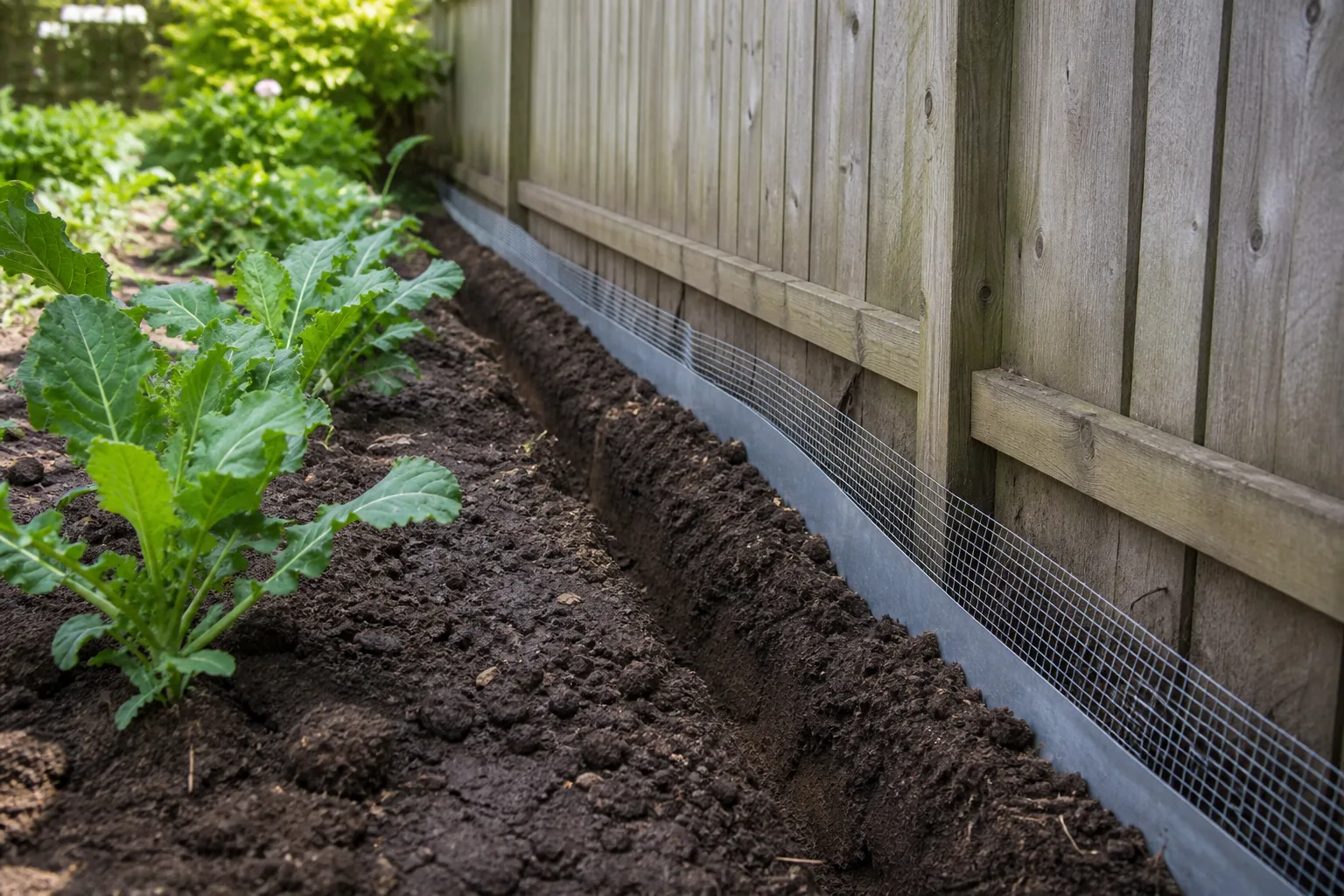
When the damage is concentrated in a vegetable bed, bulb bed, nursery area, or small lawn edge, exclusion is usually the most predictable long-term change. Use galvanized or coated hardware cloth or another durable mesh, fasten it tightly to the structure, and remove gaps at corners and gates. A barrier only works if the animal cannot go under it, squeeze through it, climb it, or simply start from inside the protected area.
The right design depends on the pest. For a small garden where voles are the main threat, fine mesh buried around the perimeter and turned outward at the bottom creates a digging obstacle. For a raised bed, lining the entire floor matters more than adding a short strip to the outside, because a vole or gopher can enter through the unprotected underside. For a groundhog, the fence needs enough above-ground height to discourage climbing plus an outward apron or buried section to discourage digging.
Match Mesh and Depth to the Pest
Use dimensions as a starting point, then adapt them to soil type, snow, plant roots, and the animal’s strength:
- Voles and mice: choose mesh with openings no larger than about 1/4 inch for the protected planting, bury the edge roughly 6 to 10 inches, and leave enough above ground to prevent an easy climb. The ICWDM vole recommendations call for 1/4-inch-or-smaller hardware cloth and at least 6 inches below the soil around young trees and plants.
- Pocket gophers: use a bottom screen or a deep, outward-turning perimeter for the bed rather than assuming a shallow vole collar is enough. Our Water Our World gives deeper designs for gophers and warns that determined diggers can still defeat an imperfect barrier.
- Groundhogs: use a strong fence high enough to discourage climbing and add a buried section or broad outward apron. Mass Audubon describes a tall fence with a buried portion and an outward-bent top as a practical garden defense.
- Moles: do not install a generic deep fence around the whole yard simply because you see a few molehills. If the goal is a smooth lawn, a pre-installed lawn net can limit surface mounding, but it adds material and must be installed before turf. For an existing bed, focus on where the tunnels are actually damaging plants.
Use the smallest mesh that solves the identified problem without strangling expanding roots. Check the barrier after heavy rain, frost heave, and soil settling; a two-inch gap that appears in August can become the entire access route by October.
Change 4: Protect Roots, Bulbs, and Young Trees
You do not have to fence an entire yard to save a few valuable plants. Put bulbs or small root crops in wire baskets, line the bottom of a new raised bed before adding soil, and install a mesh cylinder around young tree trunks when voles are gnawing bark. Leave room for mature roots and keep collars loose enough that they do not girdle the plant as it grows.
Protect the plant below ground when the damage is below ground. A vole collar around a stem will not stop a gopher from eating the roots; a basket that is too small can become a root restriction; and a barrier that stops at the bed edge will not protect a raised bed with an open floor. The Extension answer collected by Ask Extension makes the same practical point: raised beds need an unchewable mesh floor, while individual plants need collars or baskets with room for mature root growth.
This change also lets you preserve beneficial habitat elsewhere. Instead of treating every mole or vole sighting as an emergency, protect the young apple tree, the tulip collection, or the vegetable bed that cannot tolerate damage. That is often cheaper and less disruptive than trying to remove every small mammal from a whole property.
Change 5: Make the Yard Harder to Occupy
Remove the combination of shelter, cover, and easy access that turns a passing animal into a resident. Raise lumber and firewood off the soil, close gaps beneath sheds and decks with a properly installed mesh skirt, move rock piles away from foundations, and keep the edge of a raised bed visible enough to inspect. Repair a sagging gate or a gap under a fence at the same time you remove the food source.
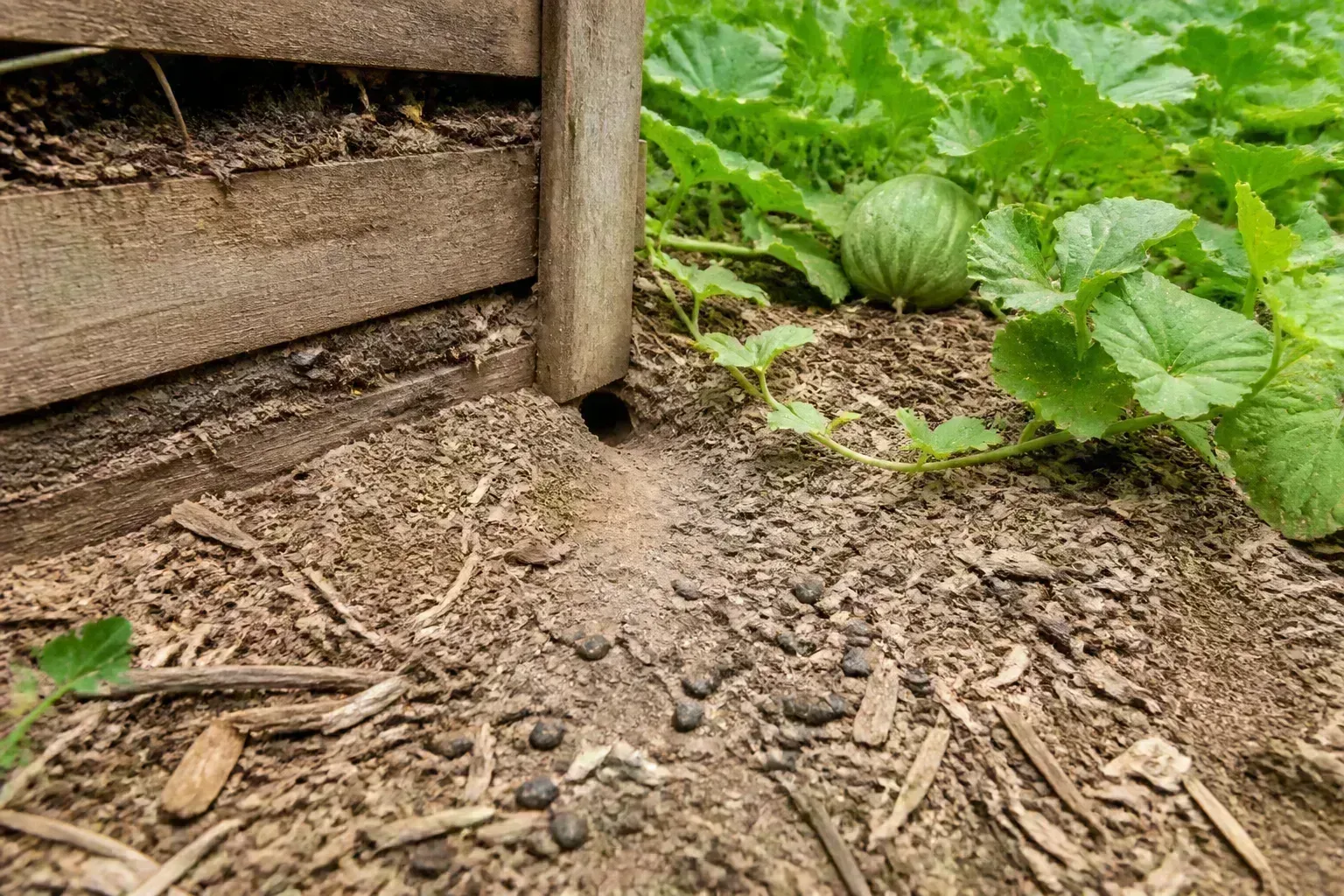
Do not block a hole just because it is there. First identify whether it is active: loosely pack the opening with leaves or a small amount of soil, mark it, and watch for disturbance from a safe distance. For an occupied den, blocking the entrance can trap an animal, separate young from a parent, or drive the animal into a wall, crawlspace, or another part of the structure.
Seal an Empty Burrow Only After Confirming It Is Empty
Once you have reasonable evidence that an animal has left, close the entrance with soil and tamp it firmly. Then address the route that led there: install a skirt, repair a foundation gap, remove the brush pile, or fence the planting area. A refill without exclusion is cosmetic and usually temporary.
Never pour gasoline, bleach, smoke, or other improvised materials into a burrow. They can contaminate soil, injure non-target animals, create fire or inhalation hazards, and push the animal into an unsafe location. If the opening is under a foundation, deck, retaining wall, or utility area, let a wildlife professional assess it before any digging or sealing.
Change 6: Use Targeted Traps or Professional Control
If exclusion and habitat changes do not stop fresh damage, choose a response for the identified animal and the exact location. A covered mouse trap in a vole runway, a species-specific mole trap in an active tunnel, or a licensed wildlife operator for a groundhog den are not interchangeable tools. The Our Water Our World control guide recommends identifying the varmint first and using barriers or traps rather than poisons or fumigants for these common garden burrowers.
Repellents can be temporary and inconsistent, especially outdoors where rain and soil movement erase the treatment. Diatomaceous earth is not an underground fence and will not make a mole, gopher, or groundhog leave. If you use a pesticide for a specifically labeled insect or rodent problem, follow the current label, keep it away from children, pets, food crops, and water, and do not broadcast it as a guess. A product that kills grubs may also remove non-target insects without addressing a mole’s access route.
Trap Placement and Safety
Traps belong where the animal travels, not where the damage looks most dramatic. For a vole, that can mean a runway beside the bed; for a mole, an active tunnel; for a larger mammal, a professional-grade live trap placed under a legal and humane plan. Cover or shield traps so children, pets, birds, and other wildlife cannot reach them, and inspect them as often as local rules and the equipment instructions require.
Do not set a trap without knowing what it can catch. A trap designed for a small rodent is not a groundhog solution, and a live trap does not make relocation automatically humane or legal. State, county, and municipal rules can govern trapping, transport, euthanasia, and release sites; Iowa State University Extension’s guidance on burrowing mammals is a useful reminder to check local regulations before acting.
When to Call a Professional
Call a licensed wildlife-control or pest professional when a burrow threatens a foundation, retaining wall, drainage line, deck, or utility; when a large animal is living under a structure; when you cannot identify the species; or when traps would be near children and pets. Ask how the operator will confirm the species, prevent re-entry, handle any young, and comply with local law. A trustworthy plan should include exclusion and cleanup, not just repeated bait placement.
The same advice applies when damage is widespread or escalating quickly. A few vole runways around a raised bed may be manageable with mesh and cover reduction; a colony undermining multiple beds, a gopher system under a mature tree, or a groundhog den beside a foundation deserves a more coordinated assessment.
What Not to Waste Time On
Avoid the fixes that sound universal but ignore the animal:
- Do not treat every mound as a mole infestation. The shape, plugged opening, runway, and plant damage matter more than the word “burrow.”
- Do not kill grubs just to chase moles. Moles eat many soil invertebrates, but reducing one food source does not guarantee that the animal leaves; it can also disrupt useful insects.
- Do not rely on ultrasonic stakes, windmills, soap, or strong smells as your main barrier. Outdoor repellents may move an animal temporarily or simply redirect the tunnel, while a physical exclusion changes access.
- Do not scatter diatomaceous earth through a flowering garden as a mammal control. It is not a burrow treatment or a substitute for mesh, and any pesticide use should be tied to a labeled target and application.
- Do not relocate wildlife casually. Moving an animal can spread disease, separate young, or violate local rules, and it rarely fixes the food or shelter that attracted the next animal.
- Do not seal an active den. Confirm vacancy and protect the structure or bed after the animal is out.
The RHS guidance on moles takes a useful middle position: tolerate wildlife where the damage is minor, then mitigate or control it when the activity is genuinely disruptive. That is a better standard than trying to make a living yard completely lifeless.
A Seven-Day Burrowing-Pest Reset
Use this short sequence when you have fresh damage but are not facing an immediate structural emergency:
- Day 1: Photograph the newest mound, hole, runway, or plant damage. Measure openings and note whether they are plugged. Do not fill anything yet.
- Day 2: Walk the property edge. Check under sheds, decks, fences, brush piles, raised beds, and retaining walls. Mark food, water, and shelter sources.
- Day 3: Clean spilled birdseed, remove pet food, secure compost, pick up fallen fruit, repair leaks, and clear debris from the bed or structure you want to protect.
- Day 4: Mow or trim the runway zone, while leaving a deliberate wildlife area elsewhere if possible. Install a temporary flag or stake so you can see whether new activity crosses the boundary.
- Day 5: Choose the smallest high-value exclusion project: a mesh floor for a raised bed, a root basket, a tree collar, or a perimeter apron. Build it around the identified pest rather than the whole property.
- Day 6: Recheck the marked holes and barrier edges. If activity has moved, follow the new sign; do not assume the first hole was the nest.
- Day 7: If fresh damage is slowing, keep monitoring and maintain the changes. If damage is escalating, the animal is under a structure, or the species is still unclear, call a licensed professional before trapping or sealing.
This reset works because it turns a vague complaint into a small experiment: remove one attractant, reduce one shelter lane, protect one valuable area, and watch what changes. Keep notes for a week or two; a single quiet night is not proof of success, but a pattern of no fresh damage after rain or irrigation is useful evidence.
Conclusion
To keep burrowing pests out of your yard, make the right part of the yard inconvenient—not every part of it hostile. Identify the digger from its sign, remove food spills and hidden shelter, fix persistent water problems, install a pest-matched mesh barrier, protect roots and trunks, and escalate to targeted trapping or professional control only when the damage warrants it.
The most durable fix is usually exclusion. It keeps the animal from the bed, tree, lawn edge, or foundation without asking you to guess at a smell, powder, or sound device. Give the changes time, inspect after weather and irrigation, and keep local wildlife rules in view before you handle or move an animal.